History History 3 min read

Is the journey really the destination?

Did you know that Lewis and Clark never reached their original goal?
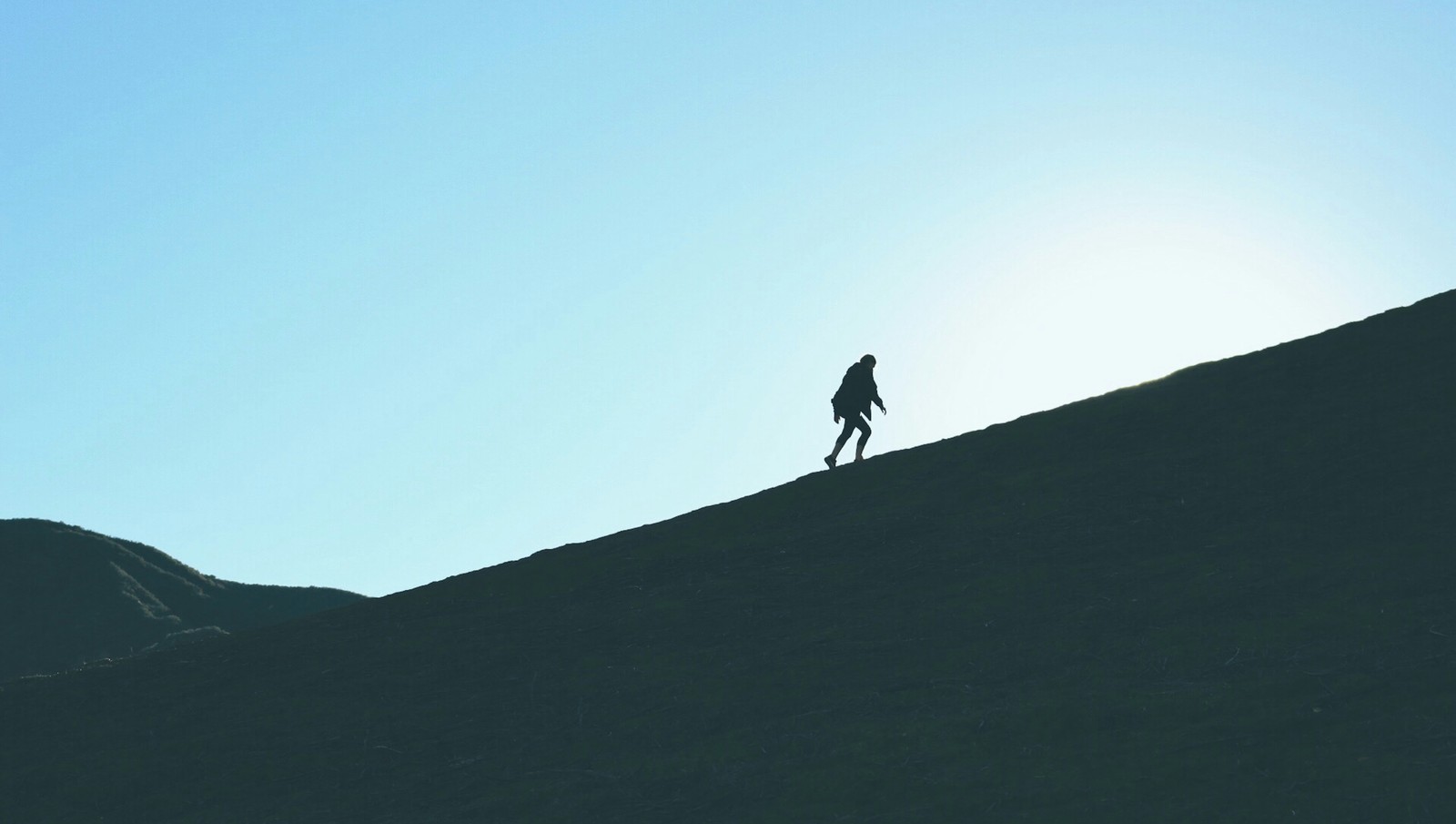
Image: Sam Mgrdichian

The spirit of exploration and the drive for immortality have long driven Americans to venture into the unknown, across continents, into polar ice, and over vast oceans. But, while many achieved greatness, some of the most compelling stories come from those who did not meet their original goals.. Did you know about these 10 examples?

1
Lewis and Clark (1804–1806)

Image: Museum of New Zealand Te Papa Tongarewa

Everybody knows about Lewis and Clark and their glorious quest across the nation, but what most don’t know is that they originally set out to find a continuous water route, the fabled Northwest Passage, from the Mississippi River to the Pacific Ocean. Commissioned by President Jefferson, the journey was meant to open up western trade routes.

Although they reached the Pacific, they confirmed that no such navigable waterway existed. Their journey was a landmark of exploration, but their primary goal remained unaccomplished .

2
Lady Franklin Bay Expedition (1881–1884)
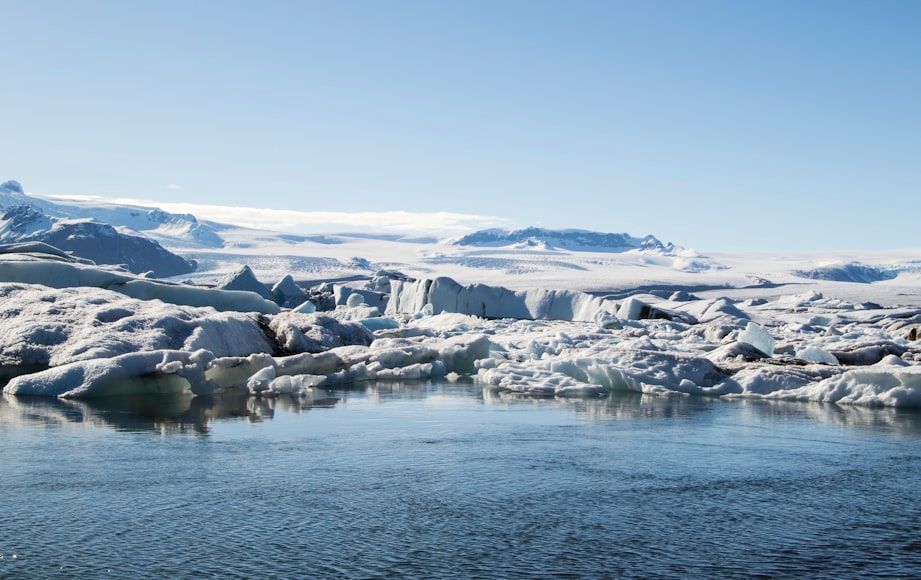
Image: David BP

The 1881 Adolphus Greely-led expedition aimed to establish a scientific research station in the high Arctic and gather meteorological and astronomical data as part of the First International Polar Year.

But two relief ships failed to reach them due to ice. Stranded for over two years, only 7 of 25 men survived. While some data was collected, the mission was a logistical and human failure .

3
Frederick A. Cook (1908)
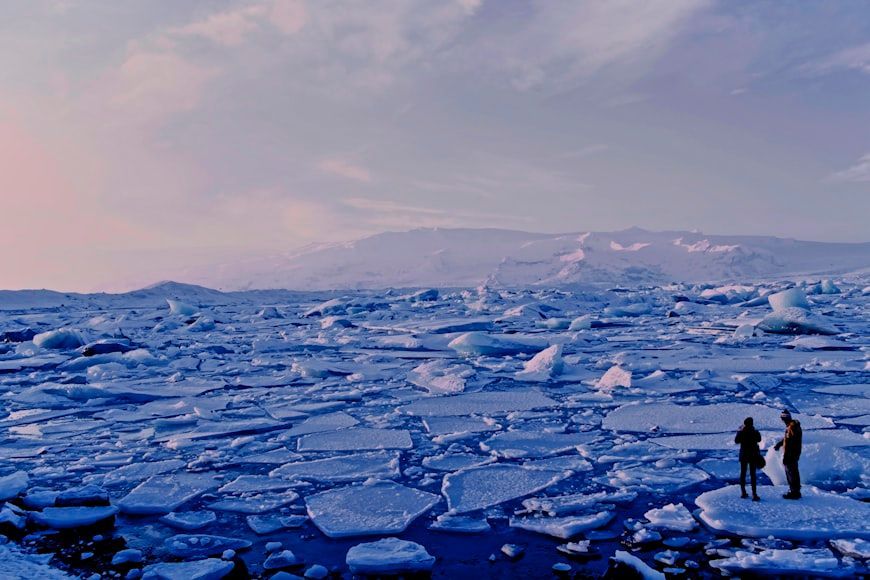
Image: Roxanne Desgagnés

American explorer Frederick Cook claimed he reached the North Pole in 1908, beating Robert Peary by a year. His announcement stirred immediate controversy and public excitement.

However, Cook failed to provide verifiable proof, and his claim was largely discredited . He also falsely claimed the first ascent of Denali. His goals, while grand, were never validated .

4
Amelia Earhart (1937)
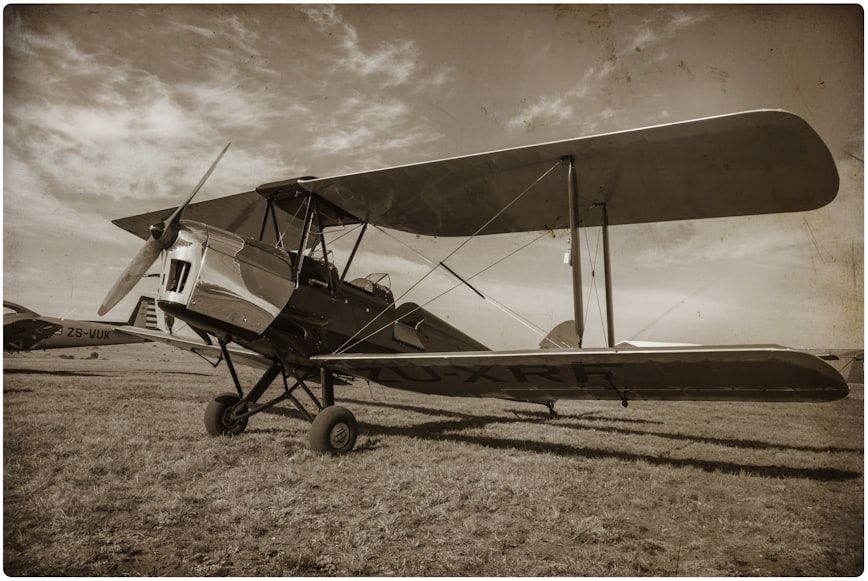
Image: Shaun Bell

Amelia Earhart sought to be the first woman to fly around the world along the equator. Her journey was a bold attempt to push the limits of aviation and global navigation.

Tragically, she vanished over the Pacific near Howland Island. Despite massive search efforts, neither she nor her plane was found. Her historic goal remains unfulfilled .

5
USS Jeannette Expedition (1879–1881)
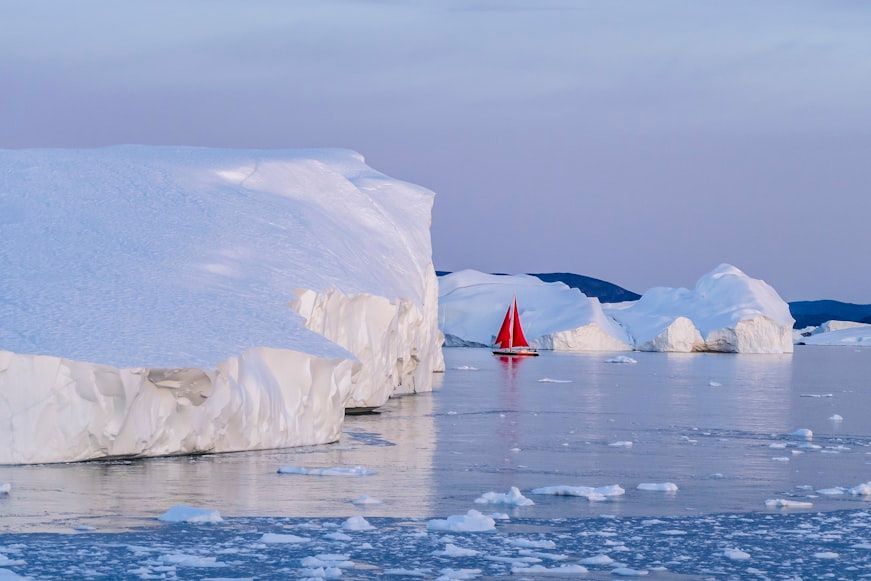
Image: Hector John Periquin

The Jeannette Expedition set out to reach the North Pole via the Bering Strait, based on a theory that a warm current could carry ships through the ice.

Instead, the ship was trapped and crushed by ice. The crew made a desperate trek across Siberia, with many dying from exposure and starvation. The pole was never reached , and the voyage ended in tragedy.

6
Crocker Land Expedition (1913–1917)
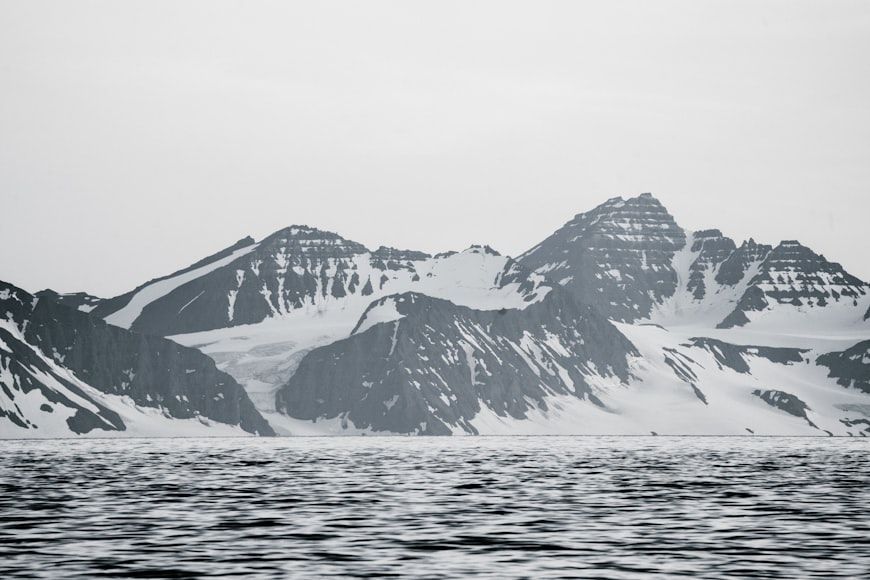
Image: Annie Spratt

Backed by Robert Peary’s reports, this expedition aimed to locate "Crocker Land," a supposed Arctic landmass seen on a prior voyage.

After weeks of travel, they discovered it was a mirage. The team was stranded for years due to failed rescue attempts. Their quest failed because the land never existed .

7
American Karakoram Expedition (1953)
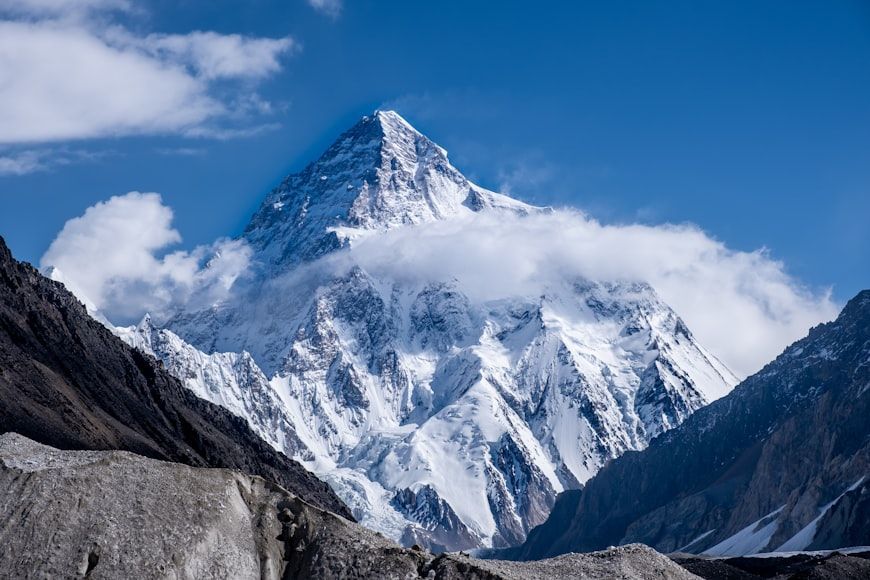
Image: Daniel Born

Led by Charles Houston, the expedition aimed to be the first to summit K2, the world’s second-highest mountain after Everest. The team climbed high and established advanced camps.

Trapped by a severe storm, they made a heroic retreat. One climber died, and the summit remained out of reach . Their attempt was noble, but ultimately unsuccessful.

8
Ziegler Polar Expedition (1903–1905)
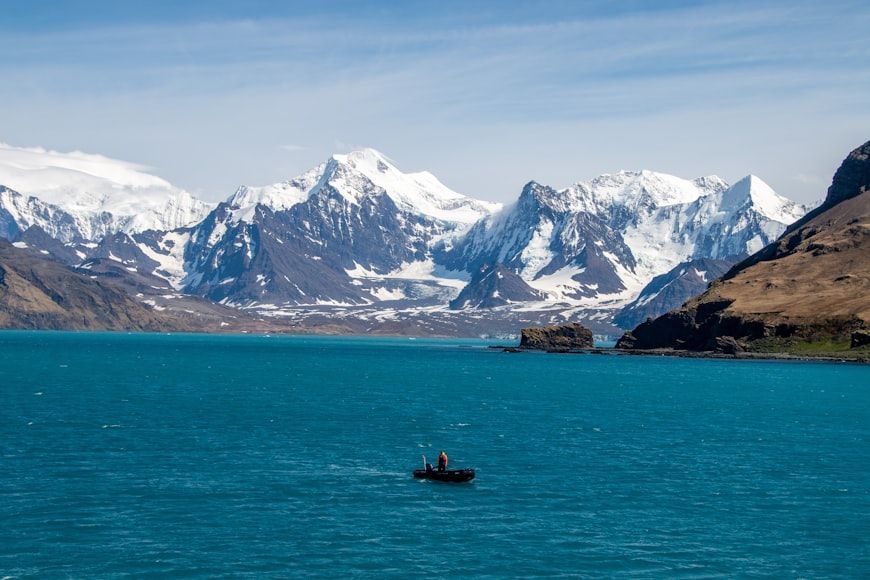
Image: ArcticDesire.com Polarreisen

The abundance of Arctic expeditions on this list is not a coincidence. This area is tough to traverse, and much of it remains unknown. This particular expedition sought to reach the North Pole via Franz Josef Land. The crew wintered in the Arctic with supplies and dogs for the attempt.

Severe ice and harsh conditions thwarted their progress. They were stranded for two years and never neared the pole. Though most survived, the mission failed in its main goal .

9
Zebulon Pike (1805)
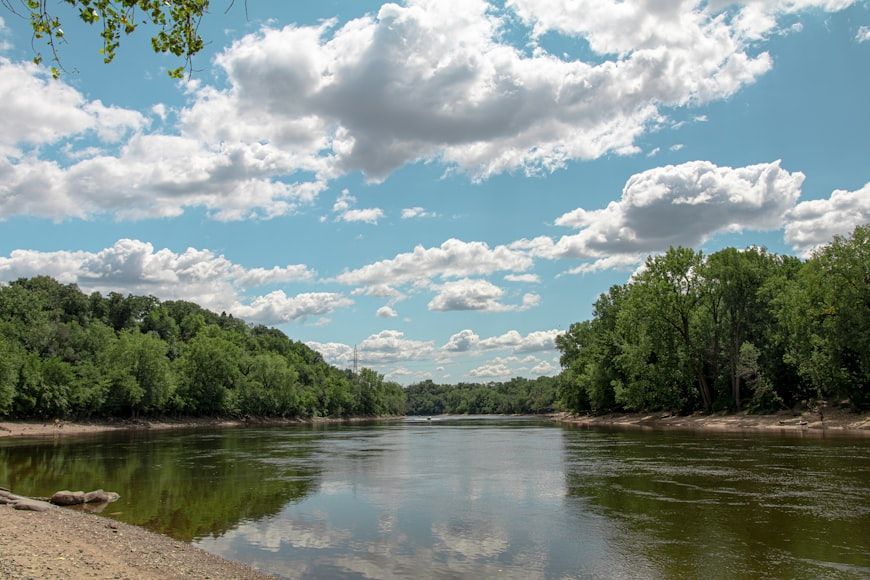
Image: Mathew Benoit

In 1805, Army officer Zebulon Pike was tasked with exploring the headwaters of the Mississippi River. The goal was to identify its true source and assert U.S. presence in the newly acquired Louisiana Territory.

Facing poor maps, freezing conditions, and supply shortages, Pike never reached the actual source . Though he gathered useful data, the mission failed to meet its primary objective.

10
American China-Everest ’82 Expedition (1982)
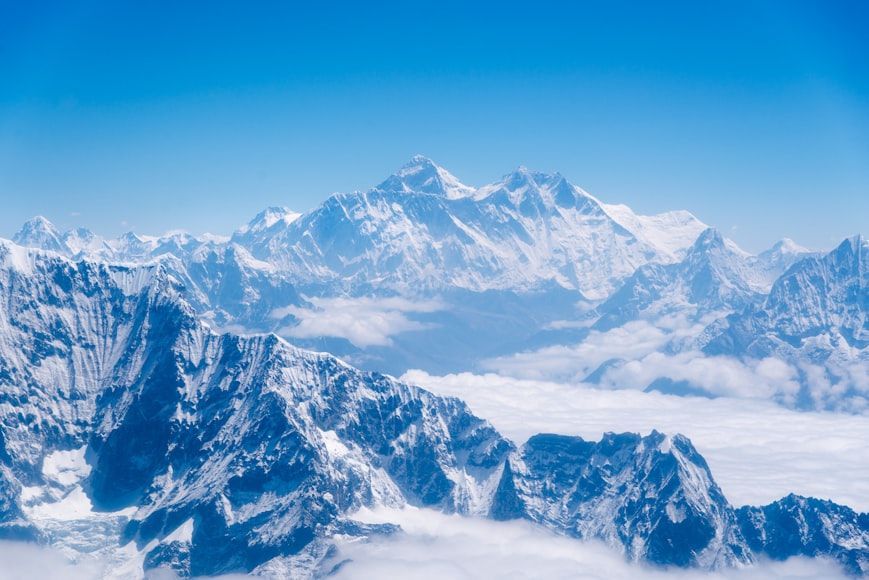
Image: Andreas Gäbler

Led by Lou Whittaker, this team aimed to summit Mount Everest via the remote Chinese (Tibetan) side, which was an unusual and challenging route for American climbers at the time.

Despite significant progress, they turned back just 1,500 feet from the top due to difficult conditions. The summit remained unreached .


General General 3 min read

Presidential possibilities

Can the US President drive? Play a true or false game with us!

Image: Donghun Shin

The president of the United States might hold the most powerful job in the world, but that doesn’t mean they can do whatever they please . From driving cars to opening windows, some of their daily limits are downright surprising. Let’s play a quick "True or False" game and see which presidential privileges are real and which ones belong in the rumor bin.

1
Fact: Presidents can drive

Image: Jessica Furtney

It sounds fun to imagine the president taking the wheel for a spin around town, right? Maybe a quiet drive to clear their head or grab a meal in secret behind the tinted glass. But can they really do that?

2
Answer: False

Image: Rolando Garrido

Presidents haven’t been allowed to drive on public roads since Lyndon B. Johnson, but they can still enjoy a little time behind the wheel inside fenced areas like Camp David or their own ranch. George W. Bush often drove around his property in Texas, with the Secret Service keeping a close watch, of course!

3
Fact: Presidents can’t attend their kids’ plays or games

Image: Philip White

Yes, we know presidential tasks are of utmost importance, but we can all agree family moments matter just as much, even in the White House. So, do you think the president can really attend a school play or a kid’s soccer game?

4
Answer: True

Image: Ludo Poiré

It’s true, they can’t unless it’s under very controlled conditions . Public outings cause too much security chaos, so these events usually happen privately. Some presidential kids even had classrooms right inside the White House so their parents could drop in for a visit without turning it into a national operation.

5
Fact: Presidents can open the windows whenever they want

Image: Da-shika

Opening a window is one of the most innocent acts one can carry out, and surely, after long meetings and speeches, a little fresh air would be nice. Can the president roll down a window in the White House or a car?

6
Answer: False

Image: Gabriele Proietti Mattia

That simple act is off-limits for security reasons , of course. Michelle Obama once said her security team gave her a five-minute "window treat" on a drive to Camp David, and it felt like freedom. The rest of the time, those windows stay shut tight.

7
Fact: Presidents can’t use commercial airlines

Image: Shutr

You know Air Force One is specifically designed for the President, and you also know that every president travels constantly , but can they ever hop on a regular American Airlines flight like the rest of us?

8
Answer: True

Image: avid Lusvardi

They absolutely can’t fly commercial, but they do take plenty of flights on Air Force One and Marine One. These aircraft are packed with communication systems , security measures, and comfort most travelers can only dream about. It’s safe to say they don’t miss boarding lines.

9
Fact: Presidents can use regular gadgets from the store

Image: Azwedo L.LC

Whoever the president is, when they get to the White House, they already have a phone. So, they must be able to use regular phones . Or, for example, a brand-new iPhone or tablet seems harmless enough. Surely the president can pick one up and start scrolling. Do you think this is true or false?

10
Answer: False

Image: Eirik Solheim

Standard devices aren’t secure enough. Presidents use specially modified versions that can’t be hacked. Barack Obama had a limited-access BlackBerry, and Joe Biden’s smartwatch and the Peloton were both customized for safety. Even the leader of the free world has tech limits.

11
Fact: Presidents can block people on social media

Image: Swello

Alright, so a new president is in office, and they get a brand new secure phone. But with millions of online followers, it must be tempting to block a few loud voices . Surely the president has that right.

12
Answer: False

Image: Daniel Romero

Nope. A federal court decided that official social media accounts are public forums , which means blocking users violates the First Amendment. Presidents have to let everyone speak their mind, even if the comments section gets a little rowdy.

Geography Geography 6 min read

Natural wonders worth the trip

From Crater Lake to Devils Tower: Top 10 landmarks in U.S. National Parks

Image: Adam Smotkin

America's national parks are among the most diverse and richest in the world. Deserts, forests, geysers, ancient trees, and giant mountains are just some of the most spectacular features our cherished national parks preserve within their boundaries. In this article, we have selected the 10 must-see landmarks you can’t miss when visiting U.S. National Parks.

1
Grand Teton and its central peaks

Image: Toan Chu

No matter how many national parks you visit, Grand Teton will always rank among the most beautiful in the country. As evocative as it is inspiring, this national park in northwestern Wyoming saw the arrival of the first settlers, the brave frontiersmen. It also offers some of the most breathtaking mountain scenery in the world and is a great place for climbing and hiking enthusiasts.

The highest mountain in the park is Grand Teton itself, standing at 13,770 feet, but there are 10 other peaks that reach an impressive height of more than 11,000 feet. The interesting thing is that, to the naked eye, these mountains appear even larger, since they all rise abruptly from the otherwise flat terrain of the Jackson Hole Valley. Six alpine lakes nestled in the foothills of the central peaks, along with a fascinating array of wildlife, complete the scenery of one of the best parks on the West Coast of the US.

2
Crater Lake in Crater Lake National Park

Image: Joris Beugels

The deep blue color of Crater Lake has been the objective of many attempted descriptions, but none comes close to the impact you feel when you see it with your own eyes. In fact, the first name given to it by non-native Americans was simply "Deep Blue Lake." This intense blue color is a result of the lake’s immense depth —reaching 1,932 feet at its deepest point—making it one of the world’s deepest lakes.

Located in south-central Oregon, this volcanic crater lake spans 5 miles in width and 6 miles in length, with a 20-mile shoreline. The dimensions and color are enough to attract visitors, but its setting, surrounded by lava cliffs ranging from 500 to 2,000 feet above the lake's surface, makes it all the more remarkable.

There are many ways to enjoy Crater Lake, which is beautiful all year round. In winter you can rejoice in a true winter wonderland, and in summer, you can hike the trails and go boating or fishing in the bright blue water.

3
Mount Rainier

Image: Peter Robbins

Perhaps the most famous peak in the Pacific Northwest’s Cascade Range is Mount Rainier. This dormant—but not extinct—ice-clad volcanic mountain stands at an impressive 14,410 feet. Though it is not the highest of mountains, Mount Rainier’s sheer bulk and the fact that it is set apart from its neighboring peaks make it the dominant landmark of the region. So much so that it is commonly referred to by locals simply as "The Mountain."

Located in Washington State, just 59 miles south-southeast of Seattle, Mount Rainier is visible from over 100 miles away on clear days. Rainier’s legendary beauty is as great as its overpowering size. Its 27 glaciers cover more than 34 square miles, making it the largest single-peak glacial system in the lower 48 states.

4
Half Dome in Yosemite

Image: Aaron Lee

Yosemite National Park in California is justifiably one of America's most famous and beloved parks. Its spectacular scenery is sure to impress even those who have seen practically every other park in the country. And, in turn, probably the most iconic landmark of Yosemite is Half Dome, a quartz monzonite batholith that rises 8,800 feet above sea level.

Once considered impossible to climb, Half Dome now draws thousands of adventurers to its distinctive, hooked summit each year. The 14- to 16-mile round-trip hike via the Half Dome Cable Route offers outstanding panoramic views of Vernal and Nevada Falls, Liberty Cap, Yosemite Valley, and the High Sierra. This is a journey you definitely can't miss!

5
Hyperion Tree in Redwoods National Park

Image: Josh Carter

Redwood National Park in Northern California protects nearly 140,000 acres of land and almost 40 miles of Pacific coastline. Bathed in a temperate rainforest climate, the park receives up to 140 inches of rainfall annually. This cool moisture, along with rich forest-floor soil and the trees' ability to sprout new buds, allows coast redwoods to reach lofty heights and venerable old age.

These exceptional conditions have made this park home to the world's tallest tree. Standing at an astonishing 380.3 feet, Hyperion, a Sequoia sempervirens , is considered the tallest living thing on record, including the plant and animal kingdoms. Most experts say it’s 600 years old, although some think it may be as old as 900 years. Currently, the exact location of Hyperion is not publicized to protect it from potential damage from mass tourism.

6
Mount Mckinley in Denali

Image: John Feng

Mount McKinley is the highest point in North America , standing at an awe-inspiring 20,320 feet. The almost-four-mile-high giant was known to the Native Americans of Alaska as Denali , "The Great One," a fitting tribute to one of the world’s best-known mountains.

During winter, on clear days, it is possible to see the glacier-capped summit, and the true power of nature manifests itself. In spring, when the snow melts, nature unfolds, wildflowers bloom, grizzly bears emerge from their long hibernation, and you can find mooses, caribous, foxes, and wolves roaming around the park for a memorable encounter with the wilderness.

7
Devils Tower National Monument

Image: Mick Kirchman

Devils Tower is one of the most recognizable landmarks, not only in Wyoming but in the entire United States. Rising 867 feet, this gigantic monolith is visible from up to 100 miles away on clear days! Devils Tower is particularly striking because of its huge, hexagonal rock columns, estimated to be around 50 million years old. The butte is also among the most unusual of the many geologic formations in the country.

Another interesting fact about Devils Tower is that it was designated as the first U.S. national monument in 1906 by Theodore Roosevelt, under the Antiquities Act, due to its scientific and scenic value. Native Americans have long regarded the Tower as a sacred site too. In fact, over 20 Native American tribes have a cultural connection with it, the Lakota people consider it the birthplace of wisdom.

8
Delicate Arch in Arches National Park

Image: Zoshua Colah

Spanning 76,680 acres of desert land, Arches National Park in eastern Utah protects more than 2,000 natural sandstone arches. But perhaps the most iconic one is the 52-foot-tall Delicate Arch. It’s so famous that its image appears on state license plates as well as on a postage stamp issued in 1996 to commemorate the 100th anniversary of Utah's founding. Fun fact: the Olympic torch for the 2002 Salt Lake City Winter Olympics even passed under this arch!

In addition to checking out its most emblematic landmark, this park is a great place to visit any time of the year thanks to its hot, desert climate . There are lots of activities for outdoor enthusiasts, from biking, horseback riding, and hiking to taking a minute to appreciate the colorful wildflowers while enjoying an idyllic sunset.

9
Old Faithful in Yellowstone National Park

Image: Emily Campbell

Yellowstone is probably the name people are most likely to associate with "national park" and is the very symbol of the American West. It was established by President Ulysses S. Grant in 1872 and is the largest megafauna location in the United States. Apart from its scenic mountains, wildflower meadows, and photogenic canyon, perhaps the most emblematic features of Yellowstone National Park are its geysers.

Among these, Old Faithful is certainly the most famous one. Erupting approximately every 90 minutes, it delights visitors with spectacular displays. Shooting up to 8,400 gallons of boiling water nearly 150 feet in the air, it was the first of its kind to be discovered in 1870 by the Washburn-Langford-Doane Expedition when they entered the Upper Geyser Basin. Today, Old Faithful attracts around 500,000 visitors a month.

10
Angels Landing in Zion National Park

Image: Fineas Anton

Zion National Park in southwestern Utah is famous for its brownish-red mountains with fantastic shades of purple and lilac, skinny slot canyons, and vertigo-inducing cliffs. The most paradigmatic of these rock formations is Angels Landing, a towering 1,488-foot monolith, accessible via a challenging 2.5-mile trail.

The best way to experience Zion is by hiking the trail that hugs the cliffside, crossing a narrow ridge flanked by sheer drops. Sounds too dangerous? Believe us, the reward is worthwhile. Atop Angels Landing you will not only have access to an epic view of Zion Canyon but it's also possible to spot California condors soaring gracefully between the sandstone monoliths, alongside 287 other bird species!

Explore more American facts

Choose your favorite category!

General
General

As American as apple pie—the very best America has to offer!

Culture
Culture

Delve into the astounding richness of American lore.

Geography
Geography

Hop in and explore vast and diverse American landscapes.

History
History

Discover the key moments that shaped the United States.