General General 3 min read

You are using one of these now.

From microwaves to bug spray: 12 items originally made for the military

Image: Everyday basics

You might be surprised to learn how many everyday items in your home started as military inventions. From your kitchen to your closet, many tools and technologies first created for soldiers have since marched their way into civilian life. Take a look at 12 of these army-born innovations you probably use every day without even realizing it.

1
Duct tape
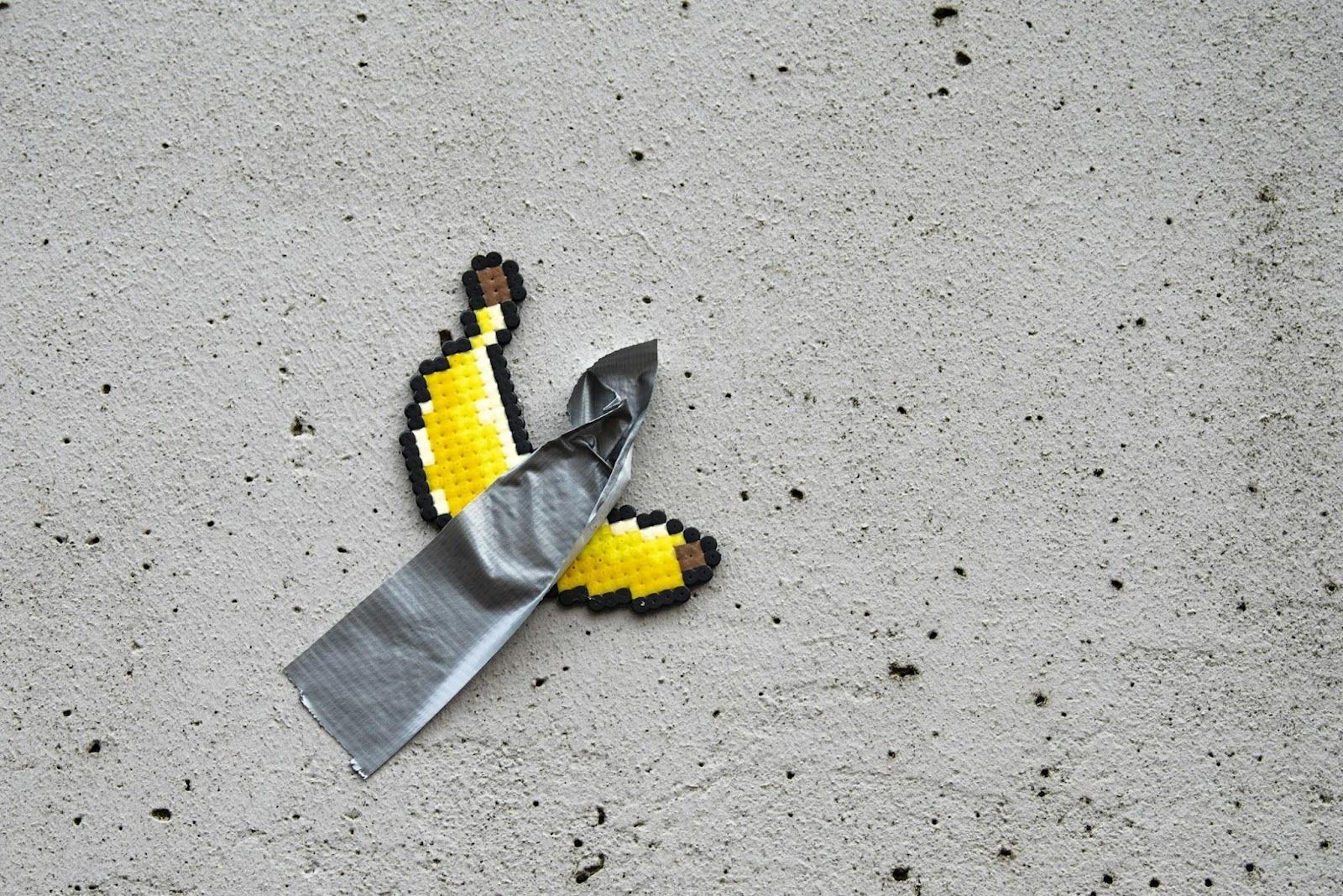
Image: Lucas van Oort

One of the most useful things to have around is, without a doubt, duct tape. This product can help fix an endless number of everyday problems in virtually any environment.

This adhesive tape was invented during World War II by a division of Johnson & Johnson called Revolite. It was initially used to seal ammunition cases because of its water-resistant properties.

2
GPS
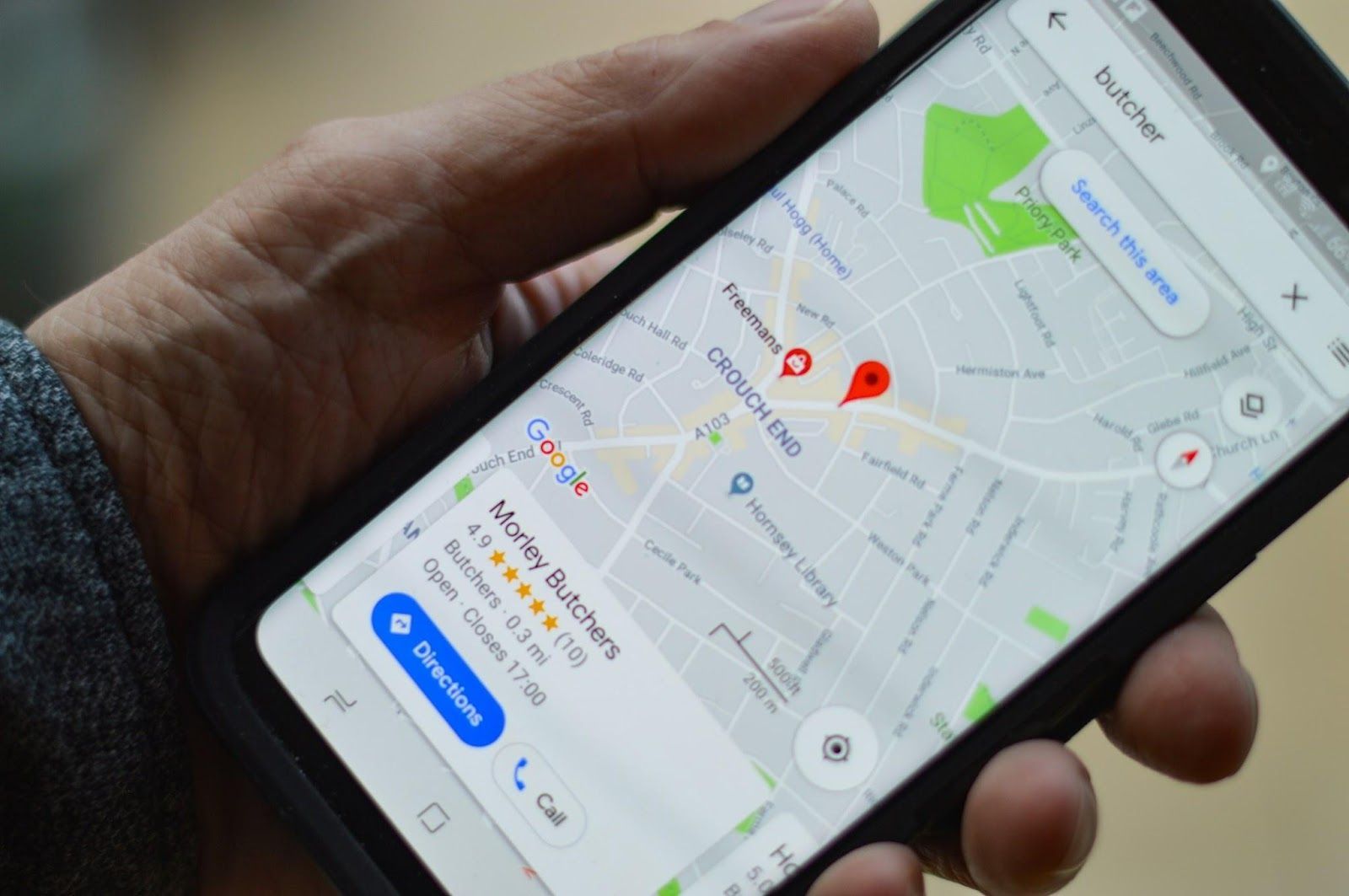
Image: henry perks

The GPS technology we all use daily on our smartphones to navigate from point A to point B was originally developed by the U.S. military. It was designed to track the position of military units and help them find their way efficiently across any terrain —much like how we use it today for civilian purposes.

3
Internet

Image: Glenn Carstens-Peters

Few technologies have become such a big part of our lives in just a couple of decades as the Internet. Its origins trace back to the 1970s, when the Defense Advanced Research Projects Agency (DARPA) created an interconnected network linking military centers to enable resource sharing.

The connection of commercial networks and enterprises by the early 1990s, along with the advent of the World Wide Web, marked the beginning of the transition to the modern Internet.

4
Walkie-talkie
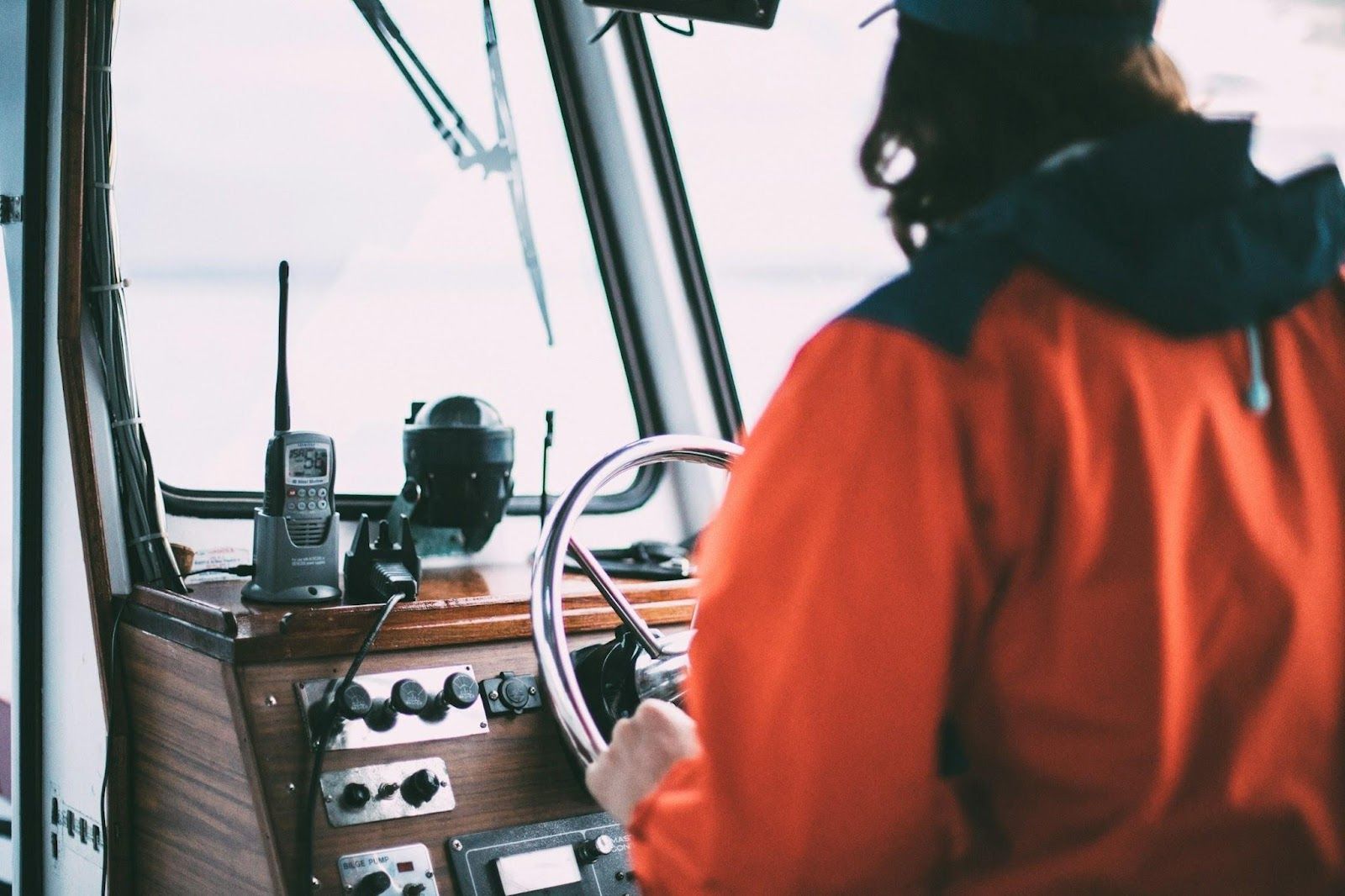
Image: garrett parker

From children’s toys to invaluable communication devices used in critical situations, walkie-talkies are a common fixture in modern life. Their development during World War II has been variously credited to Donald Hings, radio engineer Alfred J. Gross, Henryk Magnuski, and engineering teams at Motorola.

Initially used by infantry, similar designs were created for field artillery and tank units. After the war, walkie-talkies spread to public safety and eventually commercial use.

5
Microwave oven
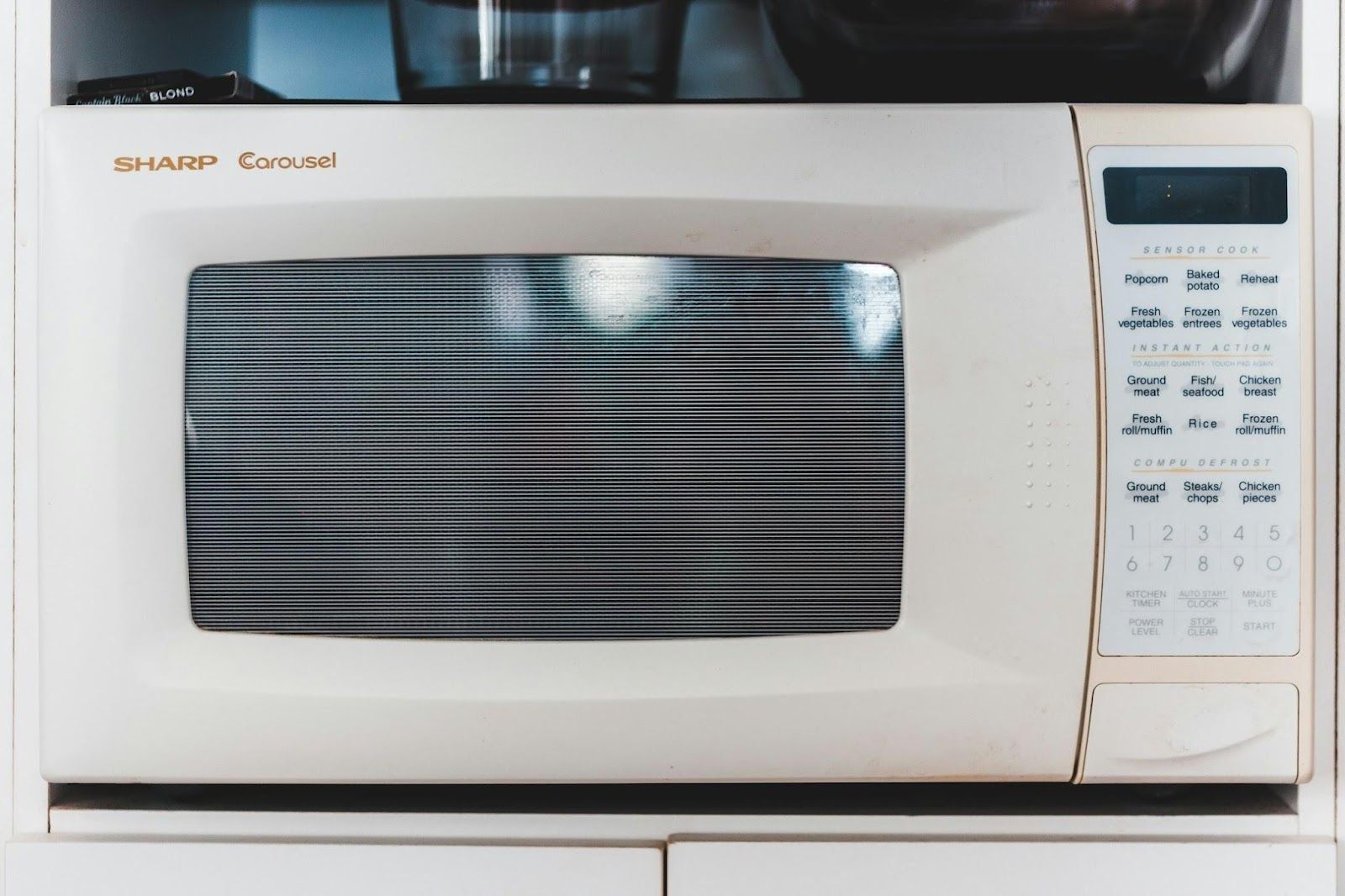
Image: Erik Mclean

Believe it or not, microwave cooking was accidentally discovered during a military-related project just after World War II.

In 1946, Percy Spencer, a scientist working on a magnetron at Raytheon, noticed that a peanut cluster candy bar in his pocket had melted from the magnetron’s microwave radiation. Curious to experiment further, he brought in some kernels of corn and made the first-ever microwave popcorn—leading to the invention of the microwave oven.

6
Super glue
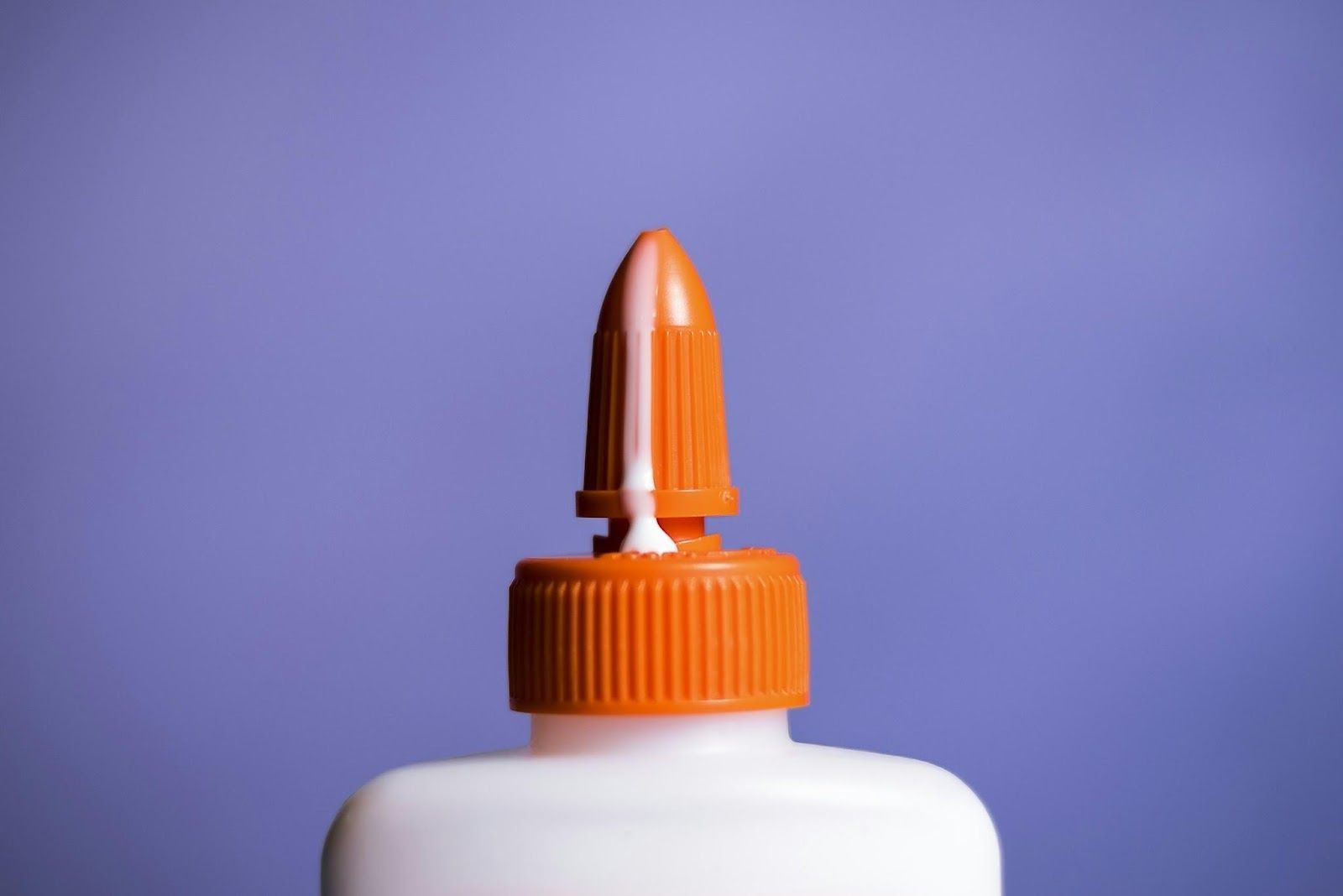
Image: Scott Sanker

In 1942, a research chemist working for a defense contractor was developing a high-precision targeting sight for weapons. Although the project didn’t produce the expected results, the resulting product was incredibly sticky , leading to the creation of the now-famous Super Glue.

7
Aviator sunglasses
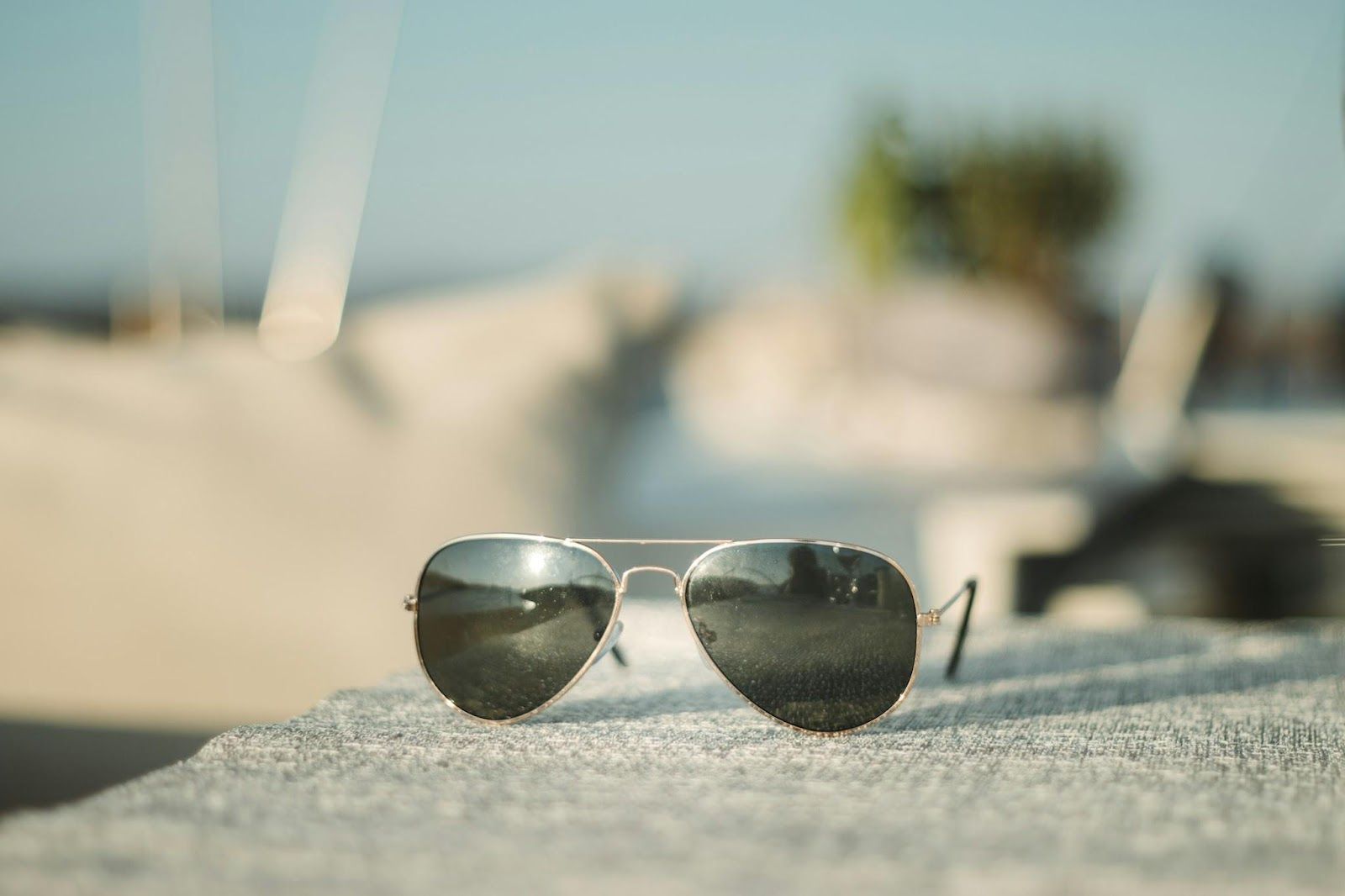
Image: Griffin Wooldridge

Aviator sunglasses were developed in the 1930s as a lighter alternative to the bulky goggles worn by pilots during the early years of aviation. Those goggles were heavy, uncomfortable to wear, and prone to fogging up mid-flight.

Colonel John Macready of the U.S. Army Air Corps helped develop the first set of aviator sunglasses, which became known as Ray-Bans—named for their purpose: banning the sun’s rays from a pilot’s eyes.

8
Packaged salad mixes

Image: Nathenia Landers

The bags of packaged salad mixes found at any local supermarket use "modified atmosphere packaging" to delay ripening and spoilage.

This technology was developed in the 1960s through a collaboration between Whirlpool Corp. and the U.S. Navy to send fresh lettuce and celery to troops in Vietnam .

9
Bug spray
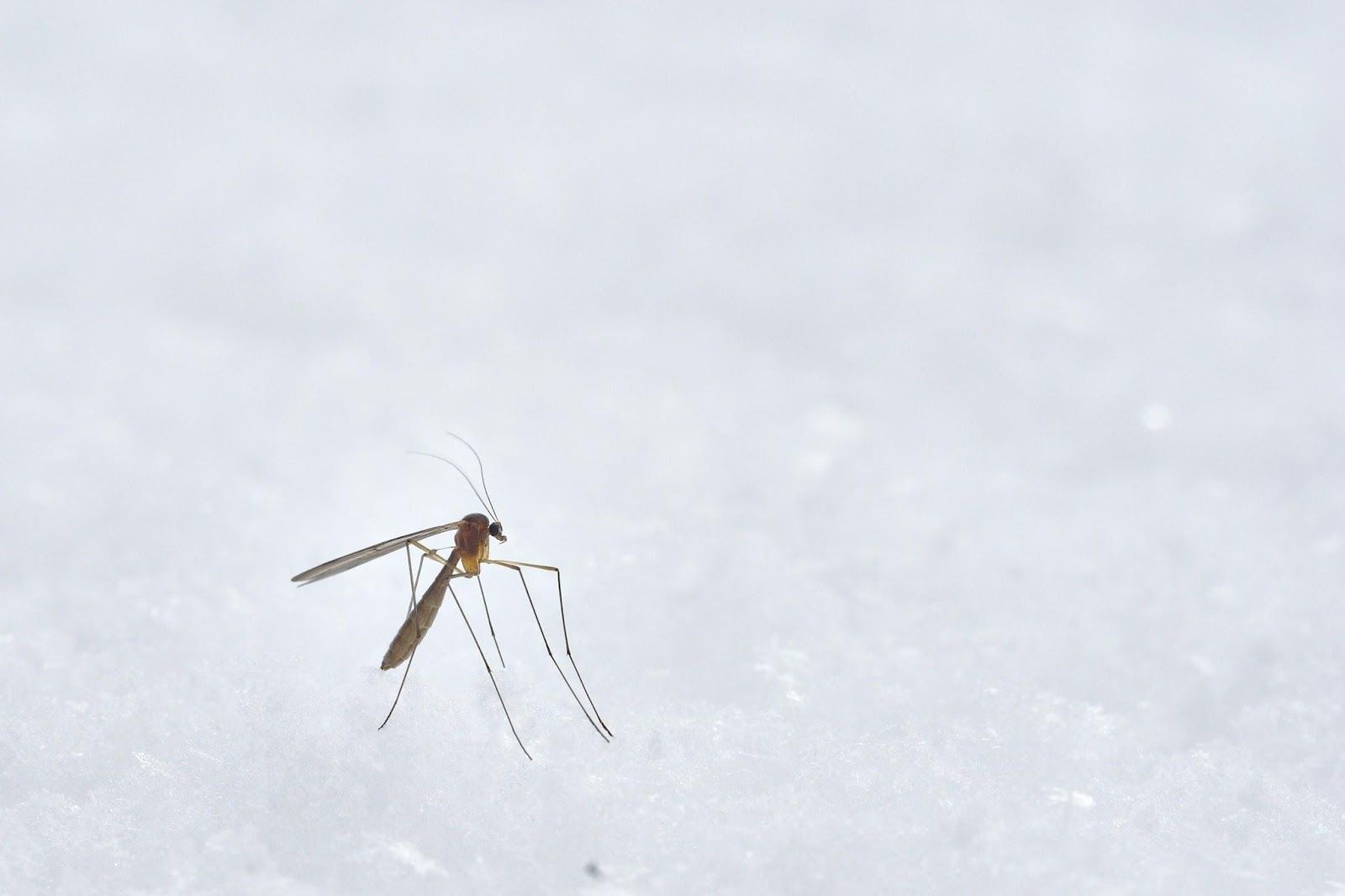
Image: Wolfgang Hasselmann

The active ingredient in most insect repellents, known as DEET, was developed by the U.S. Army in 1946 for use by military personnel operating in insect-infested areas . The product’s success led to its commercial release.

10
Disposable sanitary pads
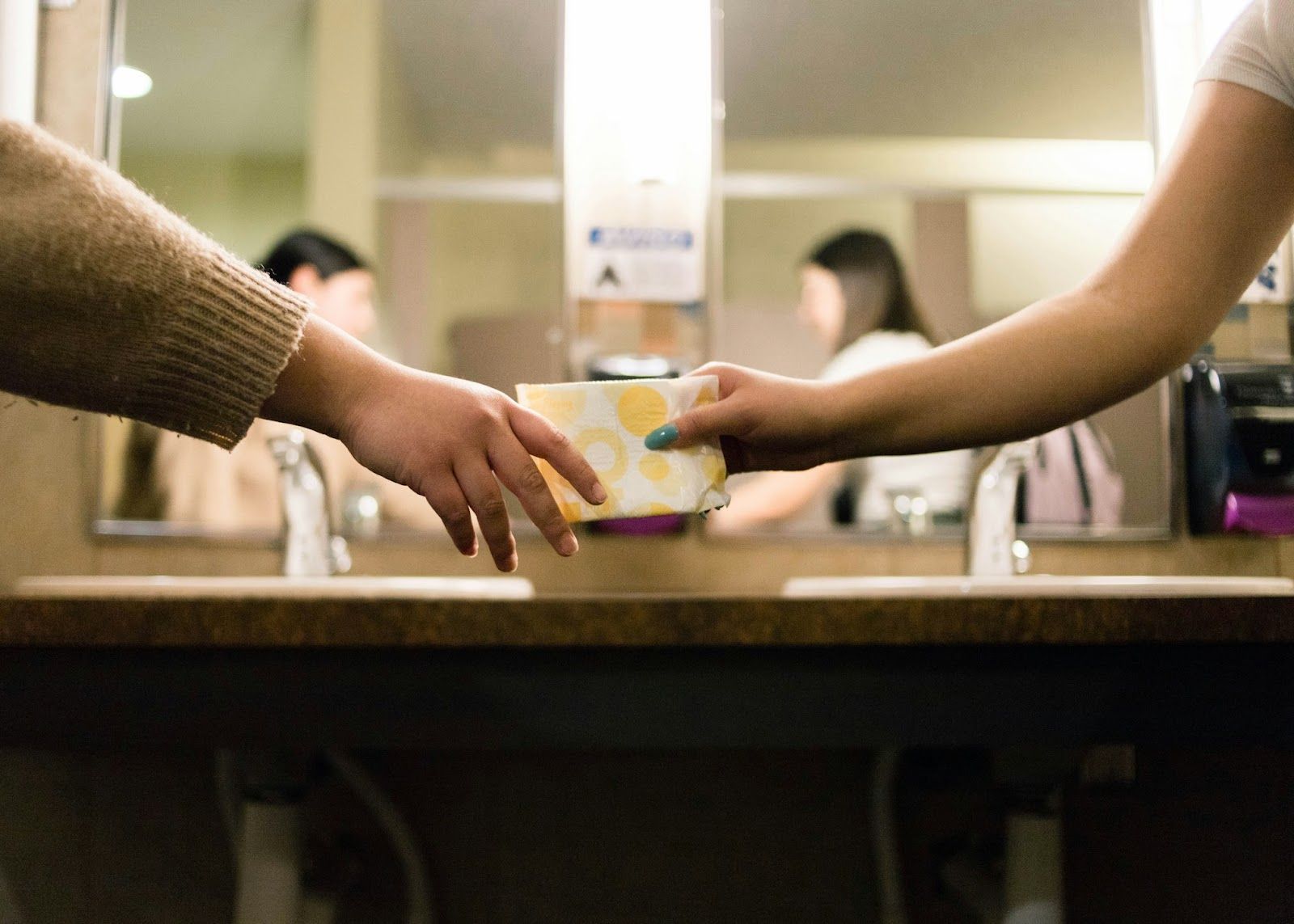
Image: Annika Gordon

During World War I, Kimberly-Clark invented Cellucotton, a wood pulp–based material designed to be more absorbent and cost-effective for use in bandages.

After the war, the company discovered that Army nurses had repurposed Cellucotton as sanitary napkins , which inspired the creation of Kotex—the first disposable sanitary pads.

11
Frozen juice concentrate
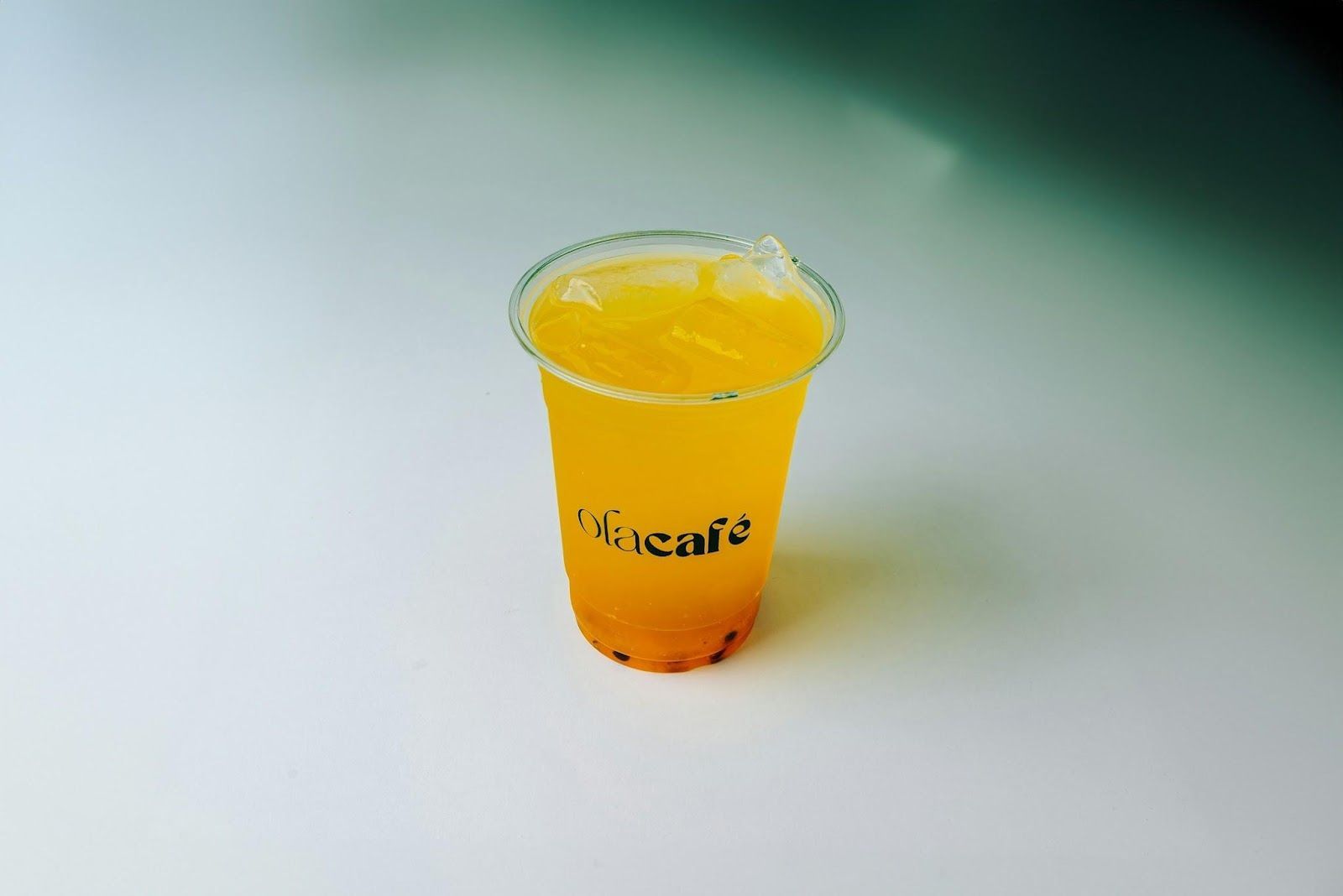
Image: Fotografía de Alimentos

In 1942, USDA scientists developed frozen concentrated orange juice during World War II to help provide soldiers with sufficient Vitamin C . Although it was never distributed to the military, the product was later introduced to consumers by Minute Maid.

12
WD-40
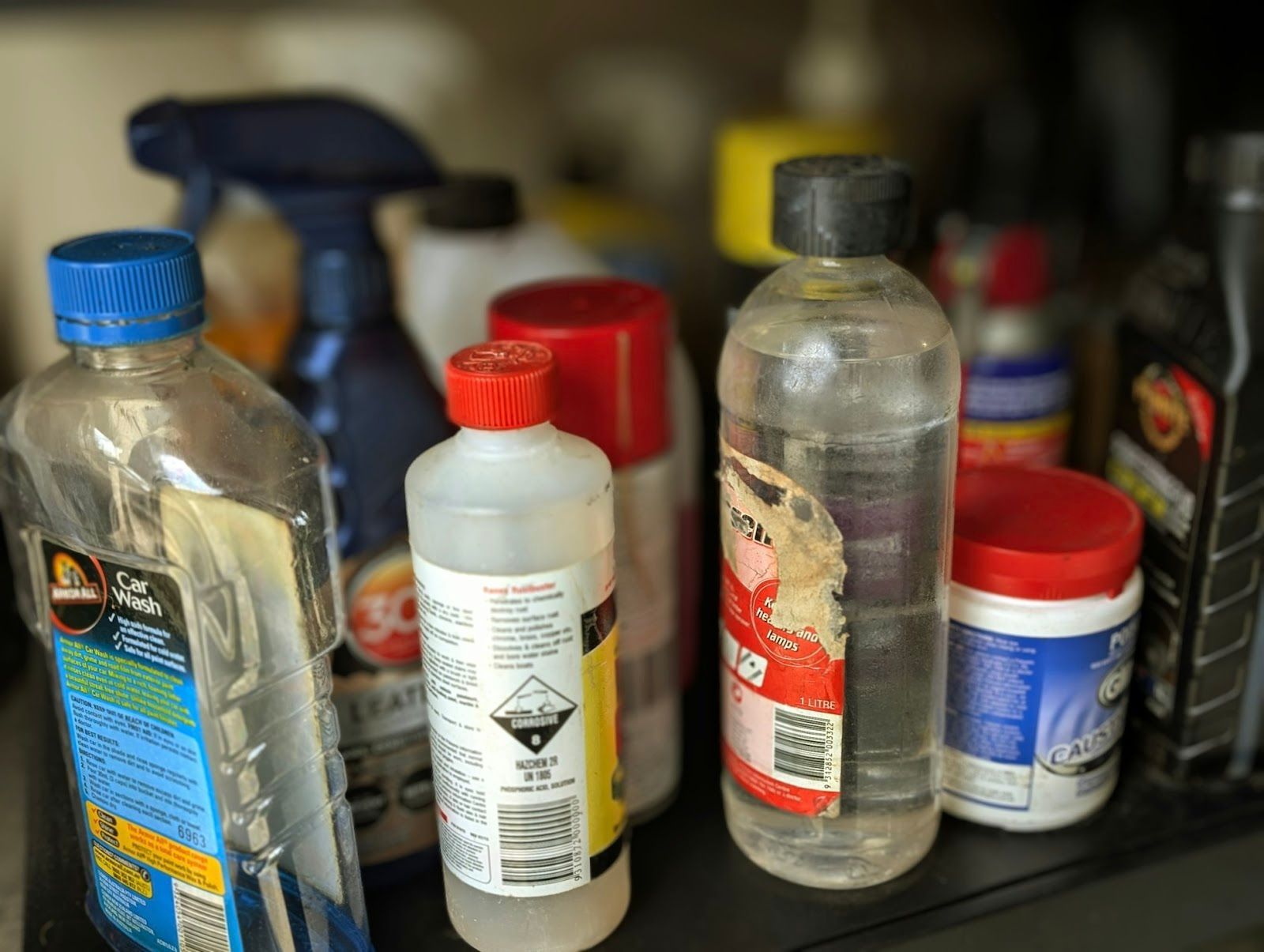
Image: Daniel Campbell

WD-40, now a common household product, was originally developed in 1953 to prevent rust and corrosion on the outer shell of the Atlas missile . Created by the Rocket Chemical Company, the name WD-40 stands for "water displacement," with the "40" representing the number of attempts it took to perfect the formula.

Culture Culture 5 min read

The best animated antagonists

Don't let evil win: take a look at these 12 scary Disney villains

Image: inspiredbythemuse

The great qualities and feats of animated movie heroes are always spotlighted, but what about their antagonists? Most Disney films have a villain who is as interesting as the protagonists. From evil stepmothers and pirates to terrifying sorcerers, these films have given us the most iconic characters in animated film history. Join us to reminisce about 12 of our childhood's most popular —and scariest— villains.

1
Cruella De Vil

Image: Helena Lopes

The Disney adventure comedy One Hundred and One Dalmatians premiered in 1961, and since then, Cruella de Vil has been one of the most iconic villains in animated film history.

This wicked woman is ambitious and capable of doing anything to get new fur for her coats. With the help of her henchmen, she steals the Dalmatian puppies her friends Anita and Roger had refused to sell her. Anyone who hurts cute little puppies to make coats deserves to be on the podium of the most evil villains in history!

2
Jafar

Image: Boris Hamer

Conspiracy and ruthlessness define any bad guy, and _Aladdin_’s villain is no exception. Jafar is capable of destroying anyone who stands in his way to gain more power.

Posing as an honest man, this evil sorcerer takes advantage of his role as the right hand of the Sultan of Agrabah and attempts to marry Princess Jasmine. His true intention, in fact, is to take over her father’s kingdom. If these traits don’t convince you that he is a true villain, just look at how he treats his sidekick, the charismatic parrot Iago.

3
Shan-Yu

Image: Stijn Dijkstra

Shan Yu is the main villain of the Disney movie Mulan (1998). This ruthless leader of the Huns is determined to conquer China. He and his army invade the land to prove his superiority to the emperor.

Cunning and sadistic, Shan-Yu feels no remorse when it comes to taking a life. Luckily, the brave Mulan manages to defeat him and ultimately saves the emperor.

4
Ursula

Image: Brian McGowan

Her tentacles and terrifying appearance are enough to make any child tremble. Ursula, the villain in The Little Mermaid (1989), uses magic to "help" others, although her deals are deceitful and become impossible to accomplish.

Ariel, the protagonist of this story, makes a deal with Ursula, who promises to turn her into a human for three days in exchange for her beautiful voice. If Ariel receives a "true love's kiss," she can be human forever. Despite the villain's attempts to make Ariel fail, she manages to keep her part of the deal by making Prince Eric fall in love with her.

5
Scar

Image: Brian McGowan

In The Lion King (1994), the second heir to the throne becomes one of the most ruthless villains when he murders his own brother and attempts to do the same to his nephew, Simba.

Although Scar only succeeds in causing Mufasa's demise, he convinces his nephew that it was his fault and that he must leave the kingdom forever. Scar orders the hyenas to destroy Simba, but what the evil lion could never have imagined is that the little boy would survive and return to avenge his father's death.

6
Queen Grimhilde

Image: Steven Beyer

Queen Grimhilde, better known as the Evil Queen, is the wicked stepmother in the 1937 film Snow White and the Seven Dwarfs . She is considered the first Disney villain.

Obsessed with being the most beautiful in the whole kingdom, she plots to have her stepdaughter —and competition— eliminated and demands Snow White’s heart. She even uses witchcraft to transform into an old lady, which allows her to give a poisoned apple to the naive princess. Can you think of anything more terrifying?

7
Gaston

Image: brunapazini0

In the beginning, the Beast is presented as an irascible and cruel monster, but the real villain of Beauty and the Beast (1991) is Gaston.

The arrogant hunter is determined to marry Belle, even if it has to be by force. This obsession turns him into a ruthless being, capable of doing anything to have his love reciprocated. Luckily, Bella has no time to waste with this evil kind of man.

8
Maleficent

Image: professional_Designers

When it comes to villains, no one can match Maleficent. The powerful sorceress doesn't hesitate when it comes to summoning an army of monsters or using her magic for revenge.

In Sleeping Beauty (1959), Maleficent curses Princess Aurora with eternal sleep for not being invited to her christening. This villain is so popular that Disney has produced two live-action movies with Angelina Jolie in the lead role: Maleficent (2014) and Maleficent: Mistress of Evil (2019).

9
Captain Hook

Image: Lalelu2000

One of Disney's most iconic villains is, without a doubt, Captain Hook. In Peter Pan (1953), the ruthless pirate seeks to destroy the Boy Who Would Never Grow Up for being responsible for the loss of his hand and also for taunting him every time their paths cross.

Despite his inherent evilness, we can't help but laugh at Captain Hook and his irrational fear of the crocodile that ate his hand. A villain with such a weakness can't be all that terrifying, don't you think?

10
Lady Tremaine

Image: Gary Cooper

Wicked stepmothers are a classic of Disney movies and the one in Cinderella (1950) is perhaps one of the most iconic. Lady Tremaine made us shudder every time she appeared from the shadows stroking her cat, Lucifer.

To be fair, this stepmother might not have been so scary without the presence of her equally evil daughters, Anastasia and Drizella. Dead jealous, the three women make life miserable for poor Cinderella, relegated to serving and being exploited in her own home after the passing of her father. Perhaps the most terrifying thing about Lady Tremaine is that she successfully manages to inflict extreme suffering on Cinderella without laying a finger on her.

11
Governor Ratcliffe

Image: EricThriller

Governor Ratcliffe is the main villain in Disney's historical drama Pocahontas (1995). This money-hungry English settler is greedy, and he doesn't trust the "savages." He sends his men to attack them because he believes they're hiding a gold treasure.

Even when they discover that the Native Americans don't possess the riches, he still declares war on them. In a confrontation, Ratcliffe fires his musket at Chief Powhatan, but Captain John Smith —Pocahontas' love interest— takes the shot to save him. Finally, the settlers turn on Ratcliffe and arrest him for hurting their comrade.

12
Queen of Hearts

Image: Laine Cooper

Although the Queen of Hearts appears only at the end of Disney's version of Alice in Wonderland (1951), it is enough for us to notice the fear she inflicts on her subjects. This villainess is a childish, hotheaded monarch whose catchphrase is "Off with their heads!"

After feeling humiliated during a game of croquet, she loses her temper. The king convinces her to put Alice on trial before cutting off her head. Nothing seems to go right for the girl who must escape to save her life. Luckily, she finally realizes that she is in a dream and manages to wake up before she is caught by the tyrant queen.

History History 5 min read

The foundation of the American nation

The Founding Fathers of America: 10 interesting facts

Image: The New York Public Library

We all know who the Founding Fathers were, but we seldom think of them as human beings rather than heroes who gave shape to our country . Despite their amazing deeds, they still were a group of men of varied origins, ideologies, beliefs, and concerns, which led to more than one discussion and rivalry. Let’s learn some more about them!

1
There is no official ‘Founding Fathers’ list

Image: The New York Public Library

Who can be called a Founding Father? The term was coined by Senator Warren G. Harding in 1916 and is used to refer to the leaders of the Revolutionary movement, but there’s no set list . While it is mainly used for key figures such as George Washington, Thomas Jefferson, John Adams, Benjamin Franklin, Alexander Hamilton, John Jay, and James Madison, the term applies broadly to those who signed the Declaration of Independence and the Constitution .

2
4th of July deaths

Image: Stephanie McCabe

The legal separation of the Thirteen Colonies from the British Crown was voted by the Continental Congress on July 2nd, 1776, but was formally adopted on July 4th , immortalizing the date for the rest of American history. But did you know that it is also the death anniversary of three Founding Fathers?

Thomas Jefferson and John Adams both died July 4, 1826, on the 50th anniversary of the Declaration of Independence, while James Monroe died five years later, on July 4th, 1831. Interestingly, John Adams disliked the date chosen for celebrations, as he believed the day of the vote to be more significant.

3
Refusal to sign the Constitution

Image: Howard Chandler Christy, Public domain, via Wikimedia Commons

The Constitutional Convention took place in 1787, from May to September. The Constitution of the United States was presented on September 28, 1787 , but nearly two years had to pass for it to be ratified by all the states, superseding the nation’s first constitution, the Articles of Confederation.

Not all signing constituents agreed on the final seven articles, among them Benjamin Franklin, but three of them in particular —George Mason, Edmund Randolph, and Elbridge Gerry— flat out refused to sign the document . Mason suggested the addition of a bill of rights, but was denied, a suggestion that would ultimately inspire the drafting of the Bill of Rights by James Madison.

4
A lawyer for the enemy

Image: National Archives at College Park, Public domain, via Wikimedia Commons

The Boston Massacre of 1770 was part of the incidents that prompted the start of the Revolutionary movement in the colonies. British soldiers stationed in Massachusetts to support the implementation of the Townshend Acts were confronted by an angry crowd. Overwhelmed, the soldiers opened fire without authorization, resulting in five deaths and six wounded.

During the subsequent trial, Founding Father John Adams worked as a defense lawyer for the British soldiers charged , a decision that prompted public criticism. However, he was a firm believer in the right to a fair trial for everyone, and argued that most soldiers had acted in self-defense. In the end, only two soldiers were convicted of manslaughter, a verdict Adams agreed with.

5
The origins

Image: Alex Boyd

None of the Founding Fathers was born an American (for obvious reasons), but most of them were born in the American colonies and had British origins . Out of the 56 signers of the Declaration of Independence, 47 were born in what is now U.S. territory.

The other nine? Eighth of them came from the British Isles : Two were English-born (Button Gwinnett, Robert Morris), three were Irish (George Taylor, Matthew Thornton, and James Smith), two were Scottish (James Wilson, John Witherspoon), and one was Welsh (Francis Lewis). The last one, Alexander Hamilton, was born in the British West Indies , now St. Kitts and Nevis.

6
The first signature

Image: David Nitschke

Have you ever wondered why people ask for a ‘John Hancock’ when they need a signature? It is all because of Founding Father John Hancock. One of the wealthiest men in the Thirteen Colonies, Hancock was a merchant (and smuggler) by trade, served as president of the Continental Congress, and as Governor of the Commonwealth of Massachusetts after the Revolution.

Why is he associated with a signature? John Hancock was the first person to sign the Declaration of Independence, and his signature stands out because it is visibly larger than the rest. According to legend, he claimed to have made it big so King George would be able to read it.

7
The anti-slavery clause that wasn’t

Image: Hussain Badshah

It is no secret that many Founding Fathers were slaveholders, but there was no unified opinion on the subject. Some, such as George Washington, freed their slaves in their wills, while others, such as Franklin, Paine, Hamilton, and Adams, were passionate abolitionists. Thomas Jefferson was a curious case: while he owned numerous slaves all his life, he was against the international slave trade and believed that America had to abolish slavery gradually to avoid civil unrest.

In his first draft of the Declaration of Independence, Jefferson included his conflicted views on slavery in a paragraph condemning King George III for his role in the Transatlantic Slave Trade and the affronts to liberty caused by this. Ultimately, this clause had to be removed due to the objections of many delegates who supported slavery.

8
The vice president

Image: Ian Hutchinson

When the Constitutional Convention considered the best way to choose a chief executive (a.k.a., the president), they weren’t even considering the figure of the vice president , and had decided that the Senate would elect its own president. After creating the Electoral College, they realized that, being a new country, state loyalty would most likely outweigh loyalty to the union. The solution? Each elector had to choose two candidates, one of which should be from a different state. The two most-voted candidates would be president and vice president, respectively.

The first elected vice president, John Adams, was not happy with the position . He had received a huge amount of votes, but George Washington had still won in a landslide. Although he regarded the position as the "most insignificant office that ever the invention of man contrived", he took on his role as President of the Senate with the utmost dedication.

9
Confidence in the Constitution

Image: Adam Nir

It is difficult to believe that any Founding Father thought the Constitution to be perfect. After all, not only did some refuse to sign it, but they also included the possibility of amending it to better protect the stability and liberties of the country.

Some Founding Fathers, however, lacked confidence in the Constitution as a document. Benjamin Franklin expressed his disapproval of certain clauses . Still, he was not sure they could write one better, so he decided to sign it, faults and all, preferring to doubt himself than halt the constitutional process. On the other hand, Washington believed the Constitution to be much better than the Articles of the Confederation, but he expressed his doubts about the document lasting for more than twenty years.

10
A varied group of men

Image: Nathaniel Currier, CC0, via Wikimedia Commons

The centuries passed, and the wigs on the portraits have created the illusion of the Founding Fathers being a group of old men , but this is not exactly right. Although Benjamin Franklin was around 70 years old during the Revolutionary War, most Founding Fathers were young enough to fight and were between 30 and 45 years old.

The differences of age, background, and ideology between the Founding Fathers were the cause of many discussions, enmities, and rivalries, but these differences contributed to the foundation of the United States of America.

Explore more American facts

Choose your favorite category!

General
General

As American as apple pie—the very best America has to offer!

Culture
Culture

Delve into the astounding richness of American lore.

Geography
Geography

Hop in and explore vast and diverse American landscapes.

History
History

Discover the key moments that shaped the United States.