History History 4 min read

Where did they go?

You won’t believe what Matt LeBlanc is doing today: 12 vanished stars

Image: Gugu Curado

It happens more often than you might think: stars who once lit up the big screen seem to disappear overnight. Yes, some make surprise returns—but others don’t. From Bridget Fonda’s graceful retreat to Rick Moranis’s heartfelt hiatus, let’s look at 12 once-famous stars who traded red carpets for real life.

1
Rick Moranis
Image: Erik Mclean

Rick Moranis, one of the biggest comedy stars of the ’80s and ’90s, left Hollywood to focus on raising his children after his wife passed away.

His decision to leave the spotlight has been widely discussed—a rare choice in an industry where few walk away at the peak of their careers. He has since done a few voice roles, and fans are thrilled about reports of his long-awaited return in Spaceballs II.

2
Macaulay Culkin

Image: Kira Cherkavskaya

Macaulay Culkin rose to global fame as a child star, but the pressure and family troubles made that success a heavy burden. Since the ’90s, he has acted occasionally but has largely stayed out of the spotlight.

In recent years, he’s also performed with a pizza-themed Velvet Underground parody band called The Pizza Underground .

3
Emilio Estevez

Image: Taylor Brandon

While his brother, Charlie Sheen, has often been in the limelight—for better or worse—Emilio Estevez has largely stepped away from it. A core member of the Brat Pack in the ’80s, he’s best known for playing Billy the Kid in Young Guns .

In the last few years, Emilio has focused more on directing and independent projects.

4
Lou Ferrigno

Image: Limor Zellermayer

Lou Ferrigno rose to fame in the late ’70s and ’80s as the Hulk, bringing the comic book character to life with his massive frame.

Despite his TV success, he never achieved the same big-screen fame as his bodybuilding rival, Arnold Schwarzenegger. Born with significant hearing loss —**about 80%**—Ferrigno faced challenges in both acting and studio opportunities, though he remained active in bodybuilding, guest appearances, and voice work.

5
Mara Wilson

Image: Lia Den

Mara Wilson, known for ’90s classics like Matilda and Mrs. Doubtfire , was a familiar face throughout her childhood. In 2012, she explained her decision to leave acting , calling it "no longer fun," the fame "ridiculous," and auditions "brutal and dehumanizing.

And you can read about her experiences in her book Where Am I Now?

6
Sarah Michelle Gellar

Image: Igam Ogam

Sarah Michelle Gellar rose to fame in ’90s teen hits and earned a devoted fan base with Buffy the Vampire Slayer. After starring in Scooby-Doo and marrying her co-star Freddie Prinze Jr., she gradually stepped back from acting , taking on fewer roles over the years.

But those loyal fans will be happy to know she’s set to slay a few more vampires soon with the return of Buffy .

7
Neve Campbell

Image: Jakob Owens

Neve Campbell was a major star in the ’90s and early 2000s, thanks to Party of Five and the Scream films. Her face quickly became instantly recognizable.

Despite her success, she chose a different path. After four Scream movies, she stepped away from the franchise in 2022, citing a salary dispute. But fear not, Scream VII will have her back.

8
Mike Myers

Image: Илья Мельниченко

Mike Myers hasn’t officially retired, but he has slowed his Hollywood career considerably. He rose to fame with Wayne’s World and became iconic for playing multiple roles in the Austin Powers films. Since The Love Guru , he’s kept a lower profile , making only occasional appearances in movies like Inglourious Basterds and Bohemian Rhapsody.

9
Meg Ryan

Image: The Paris Photographer

Meg Ryan ruled ’90s romantic comedies with hits like When Harry Met Sally and You’ve Got Mail before gradually stepping back from the spotlight . Media scrutiny of her personal life played a major role in her retreat.

She hasn’t left the industry entirely—Ryan has shifted to directing and now takes on only select roles, focusing on indie projects that genuinely interest her.

10
Matt LeBlanc

Image: Mahrous Houses

Matt LeBlanc will always be remembered as Joey Tribbiani —a role that’s been hard to shake despite his later efforts. He earned critical praise for his performance in Episodes, but hasn’t reached the same level of post- Friends success as his co-star Jennifer Aniston.

These days, he stays far away from the limelight and has decided to take it easy for as long as he wants to.

11
Liv Tyler

Image: D A V I D S O N L U N A

Liv Tyler shone as Arwen in The Lord of the Rings , proving she was much more than just Steven Tyler’s daughter. While she didn’t achieve the same level of critical acclaim as some of her co-stars, she has maintained a steady career, including a standout role in the Emmy-nominated series The Leftovers .

12
Bridget Fonda

Image: René Ranisch

Bridget Fonda, part of the legendary Fonda family, began acting at a young age, appearing in Easy Rider at just five years old.

After graduating from NYU, she quickly built a successful film career and seemed destined for Hollywood longevity. But in 2002, she retired unexpectedly and has remained off-screen ever since.
History History 2 min read

Homegrown sounds

How America invented 10 of the world’s biggest music genres

Image: Daniel Angele

If the U.S. has exported anything in abundance, it’s music. From Delta blues to disco, America has shaped the global soundscape with genres that reflect its history, struggles, and triumphs. Join us as we explore 10 of the most influential music styles born on American soil.

1
Blues

Image: Ahmed Rizkhaan

Originating in the Deep South during the late 19th century, blues evolved from African American work songs, spirituals, and field hollers. More often than not, it channeled pain and the harsh realities of life in a segregated America. Formally, its 12-bar blues structure and expressive guitar playing influenced countless other genres, from rock and roll to jazz.

2
Jazz

Image: Carol Highsmith's America

Born in New Orleans in the early 20th century, jazz blended African rhythms, blues, and brass band traditions. It was a revolutionary genre defined by improvisation and syncopation. Great figures like Louis Armstrong and Duke Ellington helped jazz spread worldwide, becoming a symbol of American creativity.

3
Rock and Roll

Image: Ana Grave

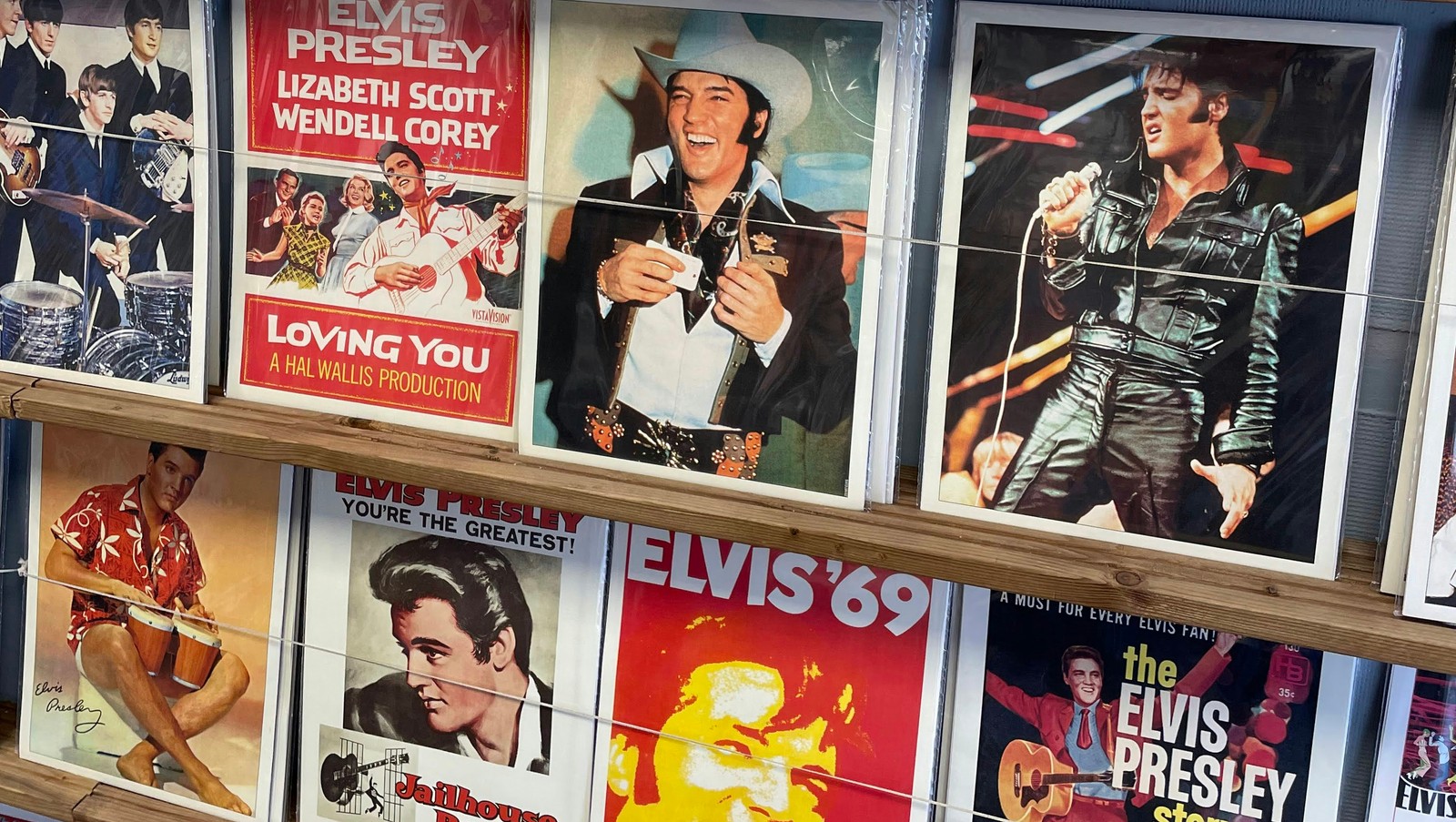
Emerging in the 1950s, rock and roll combined elements of blues, gospel, and rhythm and blues to create a high-energy, powerful sound . It soon became the voice of a new, rebellious generation. Pioneers like Elvis Presley, Chuck Berry, and Little Richard became universally beloved legends, forever altering the course of popular music.

4
Country

Image: Ben White

Originating in the southern United States, country music evolved from folk ballads and fiddle tunes brought by European immigrants. Initially, the genre focused on stories about blue-collar American life but later expanded to include love ballads and dance tunes. Today, it remains one of the most popular genres in the U.S.

5
Bluegrass

Image: Priscilla Du Preez

A fast-paced, acoustic offshoot of country, bluegrass emerged in the 1940s thanks to Bill Monroe and his Blue Grass Boys. Drawing from Irish and Scottish folk traditions, it prominently features stringed instruments like the banjo, mandolin, and fiddle. A true heartland gem, bluegrass continues to thrive on festival circuits worldwide.

6
Rhythm and Blues

Image: Matthijs Smit

Rhythm and Blues, or R&B, evolved from blues and jazz in the 1940s, featuring soulful vocals and a strong, "insistent" backbeat. Though its boundaries have been historically difficult to define, it laid the foundation for rock, soul, and funk while remaining a powerhouse in American music for generations.

7
Gospel

Image: Iyinoluwa Onaeko

Rooted in African American church traditions, gospel music emerged in the early 20th century, blending spirituals with blues and jazz influences. Artists like Mahalia Jackson and The Staple Singers were among the first to bring gospel beyond church walls, paving the way for future soul and rock musicians.

8
Soul

Image: Kobe Subramaniam

A direct descendant of gospel and R&B, soul music took center stage in the 1960s with its mix of emotional vocals and deep grooves. Legends like Aretha Franklin and James Brown defined the genre, influencing everything from funk to modern pop.

9
Funk

Image: Krisztián Reischl

Emerging in the 1960s, funk placed a strong emphasis on groove and rhythm, featuring heavy basslines and syncopated beats made for dancing. Pioneers like James Brown, Parliament-Funkadelic, and Sly & The Family Stone helped popularize the genre, whose infectious rhythms later influenced disco, hip-hop, and even rock.

10
Disco

Image: Honey Fangs

Rising in the 1970s, disco blended soul, funk, and Latin influences into a beat-driven, club-friendly sound. More than just a music genre, it became a cultural movement centered on dance, freedom, and glamour. At its peak, artists like Donna Summer and the Bee Gees dominated the airwaves.

General General 2 min read

No country like this one

10 uniquely American ideas the world tried to copy (and failed)

Image: Jean-Philippe Delberghe

From its bold founding to its modern innovations, the United States has carved a path few nations have followed. From the Revolution to the Space Race, this list traces 10 unique ways in which America has stood out, decade by decade, showing how our country became a global force for change, invention, and cultural transformation.

1
Revolutionary birth

Image: The New York Public Library

America was the first modern nation to declare independence based on Enlightenment ideals. The Declaration of Independence introduced the concept of inherent rights and government by consent, inspiring revolutions in France, Haiti, and Latin America. No other nation at the time had so explicitly tied its founding to liberty and self-rule.

2
Written constitution

Image: Larry Alger

The U.S. Constitution is the oldest still in use today. It created a blueprint for federalism, checks and balances, and individual rights, influencing over 100 countries’ constitutions. The inclusion of the Bill of Rights further established protected freedoms.

3
Peaceful power transfer

Image: Louis Velazquez

The Election of 1800 set a world precedent with a peaceful transfer of power between rival parties. When Thomas Jefferson defeated John Adams, it proved that democracy could endure without bloodshed. Many nations had never witnessed a nonviolent regime change.

4
Emancipation Proclamation

Image: J. Amill Santiago

Lincoln’s executive order helped end legal slavery in the U.S. and energized abolition movements abroad. It didn’t immediately free all slaves but made ending slavery a Union war aim. It shifted the Civil War’s moral weight and added global pressure on slaveholding powers.

5
Industrial giant

Image: Birmingham Museums Trust

Post-Civil War, America rapidly became the world’s top industrial power. Fueled by railroads, steel, and oil, U.S. output surpassed Britain’s by 1890. Titans like Rockefeller and Carnegie built vast enterprises and modern corporate models.

6
National Parks system

Image: Jeremy Bishop

Yellowstone became the world’s first national park. America led the way in setting aside land for preservation rather than exploitation. Over time, the U.S. developed the largest and oldest park system in the world.

7
The melting pot

Image: Ferdinand Stöhr

By 1910, nearly 15% of the U.S. population was foreign-born. No other country absorbed as many immigrants in such numbers. Ellis Island processed over 12 million people, and cities transformed with many cultural layers.

8
Cultural exports

Image: Jake Blucker

Jazz, Hollywood, and consumer culture became dominant American exports. By the 1920s, U.S. movies, music, and fashion shaped global tastes. Hollywood became the world’s storytelling engine, and jazz introduced a uniquely American sound.

9
Internet birthplace

Image: Kimberly Nguyen

The U.S. Defense Department developed ARPANET, the precursor to the Internet. By the 1980s, American tech hubs like Silicon Valley were driving digital transformation. Companies like Apple, Microsoft, and later Google reshaped how the world communicates.

10
Space leadership

Image: NASA

America remains the global leader in space exploration and private spaceflight. More than 50 years after the U.S. became the first—and still only—nation to land humans on the Moon, it continues to push the frontier.

Explore more American facts

Choose your favorite category!

General
General

As American as apple pie—the very best America has to offer!

Culture
Culture

Delve into the astounding richness of American lore.

Geography
Geography

Hop in and explore vast and diverse American landscapes.

History
History

Discover the key moments that shaped the United States.