Geography Geography 6 min read

A BREATH OF FRESH AIR

Urban retreats: America’s most beloved city parks

Image: Emily Kessler

City parks are extremely important for communities: they encourage exercise, promote contact with nature, revitalize local economies, and, above all, they are a way to bring people together. In most U.S. cities, there are incredible parks and green spaces worth discovering. Whether you are traveling for business or pleasure, we recommend you take a little break and visit one of these 10 urban parks that make cities a better place.

1
Griffith Park, Los Angeles

Image: Venti Views

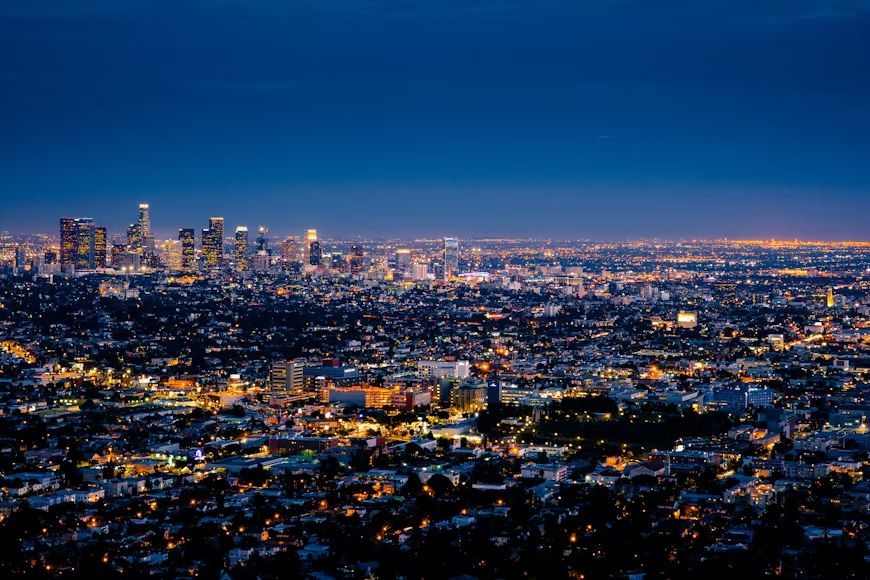
Covering over 4,000 acres, Griffith Park is one of the largest urban parks in the U.S. Located in the hillside neighborhood of Los Feliz, this park is full of natural spaces , with hiking and biking trails, picnic areas, baseball fields, tennis courts, and golf courses.

Probably the two most famous attractions in Griffith Park are the Griffith Observatory at the top of the hillside and the Hollywood Sign on the southeastern slope of Mount Lee. Griffith Park also features a number of museums and themed gardens, including the Los Angeles Live Steamers Railroad Museum, the Autry Museum of the American West, and the Los Angeles Zoo.

2
City Park, New Orleans

Image: Farah Almazouni

Imagine a spring afternoon sitting on a bench by the lagoon, in the shade of an 800-year-old oak tree, reading your favorite book. Is there a more delightful plan? This pleasant dream can come true if you visit City Park in New Orleans!

In addition to its 1,300 acres of woodlands, waterways, and wildlife, this park is full of cool attractions. From amusement and theme parks (Carousel Gardens and Storyland) to a 1930s Art Deco-influenced Botanical Garden, an art museum with 40,000 objects in exhibition, and a sculpture garden. Trust us, it's worth leaving the French Quarter for a little while to take a stroll around this majestic city park!

3
Sculpture Garden, Minneapolis

Image: Paul Esch-Laurent

Built in 1988 and spanning 11 acres, Sculpture Garden in Minneapolis is one of the top urban sculpture gardens in the country. The garden is an ongoing collaboration between the city's parks department and the Walker Art Center.

In 2017, Sculpture Garden underwent an extensive renovation. A few pieces by contemporary artists such as Theaster Gates and Katherina Fritsch were added, a former wetland was restored, and native flora was planted to help feed essential and endangered pollinators.

While most visitors are drawn to the garden's inaugural centerpiece, "Spoonbridge and Cherry," the park features 40 permanent art installations and many temporary pieces that rotate periodically.

4
National Mall, Washington D.C.

Image: Jacob Creswick

The National Mall is often considered the political heart of the United States. This landscaped park in downtown Washington, D.C., is surrounded by impressive monuments, iconic government buildings, and amazing museums. Nearly two miles long, it stretches from the Lincoln Memorial to the Capitol.

At the center of the National Mall is the Washington Monument. This obelisk, the highest point in the city, is surrounded by 56 flags representing the 50 states plus Washington D.C. and 5 U.S. territories.

Throughout this iconic park, you can also find 10 Smithsonian museums. For example, the National Museum of American History, which houses the first version of the American flag, and the National Museum of Natural History, with rooms full of dinosaurs and the Hope Diamond.

5
Forest Park, St. Louis

Image: Keran Yang

If you're looking for a peaceful place to relax after a busy day in the big city, Forest Park is the best option. It is visited by 13 million people a year for a reason! This 143-year-old park covers 1,326 acres of meadows and wetlands that are home to a great variety of birds and wildlife. It also features a six-mile bike ride, paddle boats, a golf and tennis center, an amphitheater, a skating rink, and a restaurant.

In addition, Forest Park is an important cultural hub . As well as housing the Saint Louis Art Museum, it hosts events such as the Great Forest Park Balloon Race, the Shakespeare Festival of St. Louis, and the LouFest Music Festival. But perhaps the most visited place in the park is the Saint Louis Zoo, which has a collection of 18,000 animals. It's impossible to get bored in Forest Park!

6
Balboa Park, San Diego

Image: Leslie Yu

Balboa Park is a must-see for anyone visiting the city of San Diego. This huge 1,200-acre cultural and urban park was built in 1868, making it one of the oldest public spaces in the United States. Moreover, in 1977, it was declared a National Historic Landmark.

Balboa Park's 15 museums play a predominant role in the city's cultural life. These include the Museum of Natural History, the Museum of Us, and the Museum of Art. Secondly, you can ' t miss the themed gardens, especially the Japanese Friendship Garden. Finally, the San Diego Zoo is one of Balboa Park's star attractions. This 99-acre zoo is considered one of the most important in the world, both for its diversity and its concern for the protection of animal species.

7
Golden Gate Park, San Francisco

Image: Jeffrey Eisen

Golden Gate Park is huge. At 1,017 acres, it is the largest park in San Francisco. Almost anything you can think of can be done in Golden Gate Park; from hiking and biking to disc golf and archery. But don’t worry if you are not a sports buff; this National Historic Landmark also has many relaxing spots to discover.

Some of the most interesting features you can visit are: the picturesque Dutch Windmill; the Garden of Fragrance, specially designed for blind visitors; the Japanese Tea Garden, decorated with bonsai and pagodas; or Shakespeare's Garden, with more than 200 flowers mentioned across the author’s works. Oh, and don't forget to head to the top of Strawberry Hill for an iconic view of the Golden Gate Bridge!

8
Patterson Park, Baltimore

Image: Aaron Burden

Patterson Park was once a key defense site for Americans fighting the British during the War of 1812. Today, this historic park, nicknamed "Best Backyard in Baltimore," is busy with bikers, joggers, and strollers who enjoy 137 acres of 50 different species of trees, smooth pathways, lakes, picnic areas, and sports fields.

In addition, during the summer, people can cool off in the swimming pool and, during the winter, have fun skating on the ski rink. But perhaps the park's main attraction is the Patterson Park Observatory, a gorgeous 1890s pagoda that serves as an observation tower and reflects Baltimoreans' fascination with the Orient.

9
Boston Common Park, Boston

Image: Josephine Baran

Boston Common was founded in 1634, making it the oldest public park in the United States. The site has great historical significance since many events related to American independence took place here. Today, the park is used primarily for recreational purposes and is the perfect spot to relax after a busy day.

Every spring, the famous swan-shaped boats sail away, as they have done for more than 140 years. In summer, the go-to place is the Frog Pond, which offers a refreshing wading pool for children. During winter, this same pond becomes a skating rink enjoyed by both kids and adults.

Fun fact: did you know that Boston Common sits on top of Boylston Station, the first subway station in the U.S.? Lots of "firsts" for this amazing site!

10
Central Park, New York City

Image: Michael Matloka

You may be thinking, what else can anyone tell me about Central Park that I don't already know? Yet, this city park is so iconic that it still has some secrets to reveal. For example, did you know Central Park is larger than the entire city-state of Monaco? Often referred to as "The Green Lung", this oasis in the heart of Manhattan is also the most filmed public park in the world, appearing in more than 500 movies.

With an extension of 843 acres, Central Park has a large number of attractions worth visiting, such as the Belvedere Castle, the "Imagine" mosaic, the Bethesda Fountain, the Alice in Wonderland Statue, the Central Park Zoo, lakes, 58 miles of pedestrian paths, many green areas to relax, two ice skating rinks and, in the warm season, outdoor theater and cinema. So, next time you visit New York City, you might want to check one of these out!
History History 3 min read

Test your memory

From flappers to disco: Which decade fits the clue?

Image: Roman Kraft

Every generation has its soundtrack, its fashions, and the major cultural shifts that define an era. Some decades are remembered for their music, others for technology, and some for both. But do you think you can place these moments in time ? We’ve put together six sets of clues about American life across the last century. First, try your hand at guessing the decade, and then scroll down to see the answers!

1
Clue #1

Image: Hybrid Storytellers

A nationwide ban on alcohol gave rise to speakeasies and bootlegging . Dance halls were alive with new rhythms, and women in shorter skirts shocked traditional society. Cities buzzed with fresh art, literature, and music. Affordable cars began filling the streets, changing how people lived and traveled.

2
Clue #2

Image: Tim Mossholder

The sound of distorted guitars and flannel shirts became the uniform of youth culture. At the same time, toy shops were filled with collectible plush animals and tiny digital pets. Computers were shrinking, and the world was just learning what "online" really meant. Sitcoms about groups of friends or quirky families topped the TV charts, while early cell phones were starting to appear in everyday life.

3
Clue #3

Image: Dominik Mecko

This period glittered with light-up dance floors and pulsing rhythms. Movie theaters drew crowds to see epic space battles and summer blockbusters . Fads like mood rings and quirky pet rocks had their moment in the spotlight. On the flip side, fuel shortages tested patience, and quick-service burger joints began appearing on more street corners.

4
Clue #4

Image: Cesira Alvarado

Families grew larger, and shiny new suburbs began to sprawl outside cities. Teenagers tuned in to a fresh sound that worried parents but captivated youth. Cars rolled into drive-ins for movies or burgers, while living rooms glowed with the latest entertainment gadget: the television set.

5
Clue #5

Image: Mitchell Orr

Television expanded with channels devoted to sports and 24-hour news. Music fans were glued to screens watching flashy new music videos . Young professionals embraced big paychecks, bold fashion, and an appetite for luxury. Arcades buzzed with electronic sounds, and living rooms welcomed the first home gaming systems.

6
Answer #1: The 1920s

Image: Marvin Meyer

Known as the Roaring Twenties, this decade was defined by Prohibition, flappers, and the Harlem Renaissance . Jazz poured out of clubs, while the Model T made road trips possible for everyday families. It was a time of innovation, rebellion, and cultural change.

7
Answer #2: The 1990s

Image: Dasha Zhytanska

The internet emerged, fueling the dot-com boom. Grunge bands from Seattle reshaped the music scene, while sitcoms like Friends and Seinfeld ruled TV. Kids collected Beanie Babies and fed Tamagotchis, while cell phones gradually became a part of daily life.

8
Answer #3: The 1970s

Image: Matthew LeJune

Disco fever ruled the nightclubs, and blockbusters like Star Wars rewrote movie history. Quirky fads, such as Pet Rocks, had short but memorable lifespans. Rising gas prices caused long lines at fuel stations, while fast food giants spread across the country.

9
Answer #4: The 1950s

Image: Elizabeth Smith

Suburbs such as Levittown expanded rapidly as families grew during the Baby Boom. Rock ‘n’ roll stars like Elvis lit up radios . TV ownership soared, transforming family routines, while drive-ins and diners became favorite hangouts for teenagers.

10
Answer #5: The 1980s

Image: National Cancer Institute

The launch of MTV sparked the music video explosion , while arcades buzzed with hits like Pac-Man and Donkey Kong . Yuppies pursued ambitious careers and embraced neon fashion. Cable television expanded viewing options, and home consoles like the Nintendo Entertainment System brought gaming into millions of households.

General General 3 min read

Will you miss them?

Wedding traditions that are slowly being forgotten

Image: Aranprime

Love, family, and centuries-old customs. Not all of those traditions are making it to the altar anymore, though. Some were born from superstition, others from practicality, and a few from trends that have, well, gone out of style. Many rituals are fading as modern couples trade formality for personality. Do you embrace new forms of celebration, or are you on the nostalgic side? Let’s look at the little old moments that once defined "I do."

1
Not seeing each other before the wedding

Image: Katy Duclos

Not seeing each other before the wedding was once considered essential. This superstition comes from the era of arranged marriages, when it was feared the couple might back out if they met beforehand. It evolved into the romantic "first look" at the altar. Many couples now skip it in favor of private pre-ceremony photos. Understandable!

2
Marrying in white

Image: Javier González Fotógrafo

Popularized by Queen Victoria in 1840, the white gown symbolized purity and wealth. U.S. brides embraced the trend for over a century, but modern weddings increasingly feature colorful gowns or non-traditional attire. Some pick their favorite color! Why not?

3
Wearing a veil

Image: Honey Yanibel Minaya Cruz

Once meant to protect brides from evil spirits or hide them from jealous eyes, the veil became a symbol of modesty. In the U.S., it persisted more as a fashion choice. Today, many brides favor hairpieces, flowers, or nothing at all.

4
Roast speeches

Image: Mads Eneqvist

Roast-style speeches became popular as toasts with a humorous edge, sometimes poking fun at the couple, especially at casual receptions. While funny for some, they’ve also led to plenty of awkward moments. Have you ever seen a video online of particularly harsh ones? As a result, many weddings now stick to heartfelt speeches to avoid offense.

5
Throwing a bouquet

Image: Michal Mikulec

This playful tradition gave single women a "good luck" charm for marriage. It replaced older customs where guests tore pieces from the bride’s dress for luck. Many couples now swap it for alternative games or skip it entirely.

6
Receiving queues

Image: Shardayyy Photography

For decades, couples stood in a formal line after the ceremony to greet each guest in turn. It was a way to ensure everyone felt acknowledged. But some prefer not to miss that informal mingling during the reception! Instead, they spend time with their loved ones more casually, enjoying the natural flow of the party.

7
Matching bridesmaids’ dresses

Image: Joeyy Lee

Tradition once had bridesmaids dressed alike in the same color, cut, and fabric to create a uniform look. Today’s weddings often mix styles, shades, and even prints. The change allows friends to choose something flattering—and something they can actually wear again.

8
Full sit-down dinners

Image: Hồng Xuân Văn

The classic multi-course plated meal was once a wedding reception staple. Today, many couples opt for food trucks, buffet tables, or hearty hors d’oeuvres for a more social, less formal vibe. And, let’s face it, it also helps with costs and keeps the timeline flexible.

9
Saving the top tier of the cake

Image: Raquel Ming

Couples once froze the top tier of their wedding cake to eat on their first anniversary, as a symbol of enduring love. But after a year in the freezer, the result was often stale and unappetizing. These days, many order a fresh mini cake instead.

10
Rice throwing

Image: Emma Miller

Showering the couple with rice at the exit was a long-held sign of prosperity and fertility. Concerns over mess, safety, and wildlife led to alternatives like bubbles, sparklers, or flower petals. The celebration remains, just with less sweeping.

11
Dollar dance

Image: Tiko Giorgadze

In this tradition, guests paid for a short dance with the bride or groom, contributing to the couple’s honeymoon fund. It was playful and personal, but could feel awkward or even outdated. Many couples now skip it in favor of more inclusive group dances.

12
Matching family seating sides

Image: Thomas Beaman

Traditionally, guests sat on the side of the family they knew best—the bride’s family on the left, the groom’s on the right. Today, signs inviting guests to "sit anywhere" reflect a blending of families and a more casual approach. Alternatively, tables may be intentionally assigned to mix new people together.

13
Garter tosses

Image: Jeanie de Klerk

Once a bawdy medieval custom where guests scrambled for proof of consummation, it became a lighthearted party moment in American weddings. The groom removes and tosses the bride’s garter to single men. Today, it’s often skipped because it can feel outdated or awkward.

Explore more American facts

Choose your favorite category!

General
General

As American as apple pie—the very best America has to offer!

Culture
Culture

Delve into the astounding richness of American lore.

Geography
Geography

Hop in and explore vast and diverse American landscapes.

History
History

Discover the key moments that shaped the United States.