Advertising legends
Who paid for the third O? 10 Hollywood Sign secrets
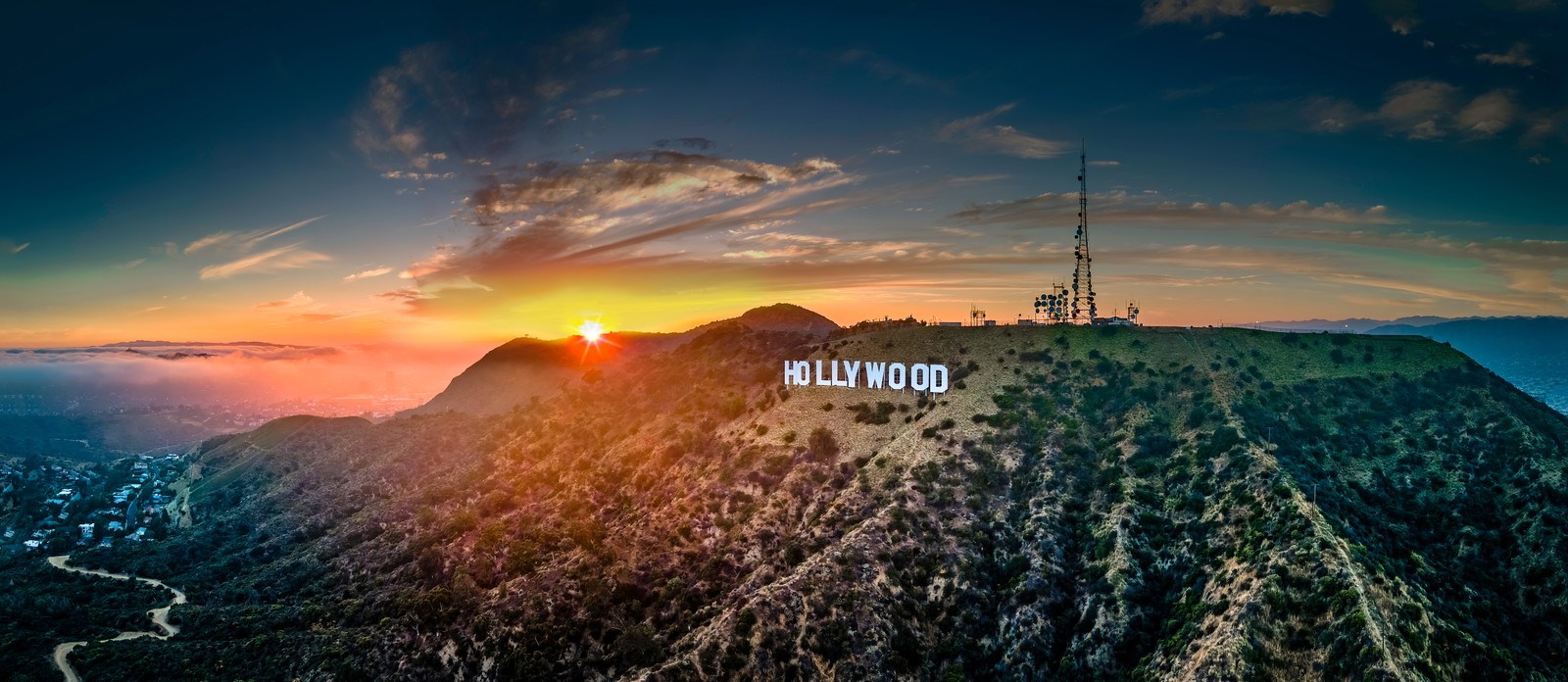
Image: Shutterstock
Can you imagine Los Angeles or the entertainment industry without the iconic, endlessly reproduced Hollywood Sign? Yet the landmark was never meant to represent the movies or fame at all. It started as an advertisement for a new neighborhood and was supposed to stay up for less than two years. Instead, it lost four letters, survived years of damage, and became a beloved and unforgettable symbol. Here is the surprising story behind the sign.
1
The original sign read "Hollywoodland"
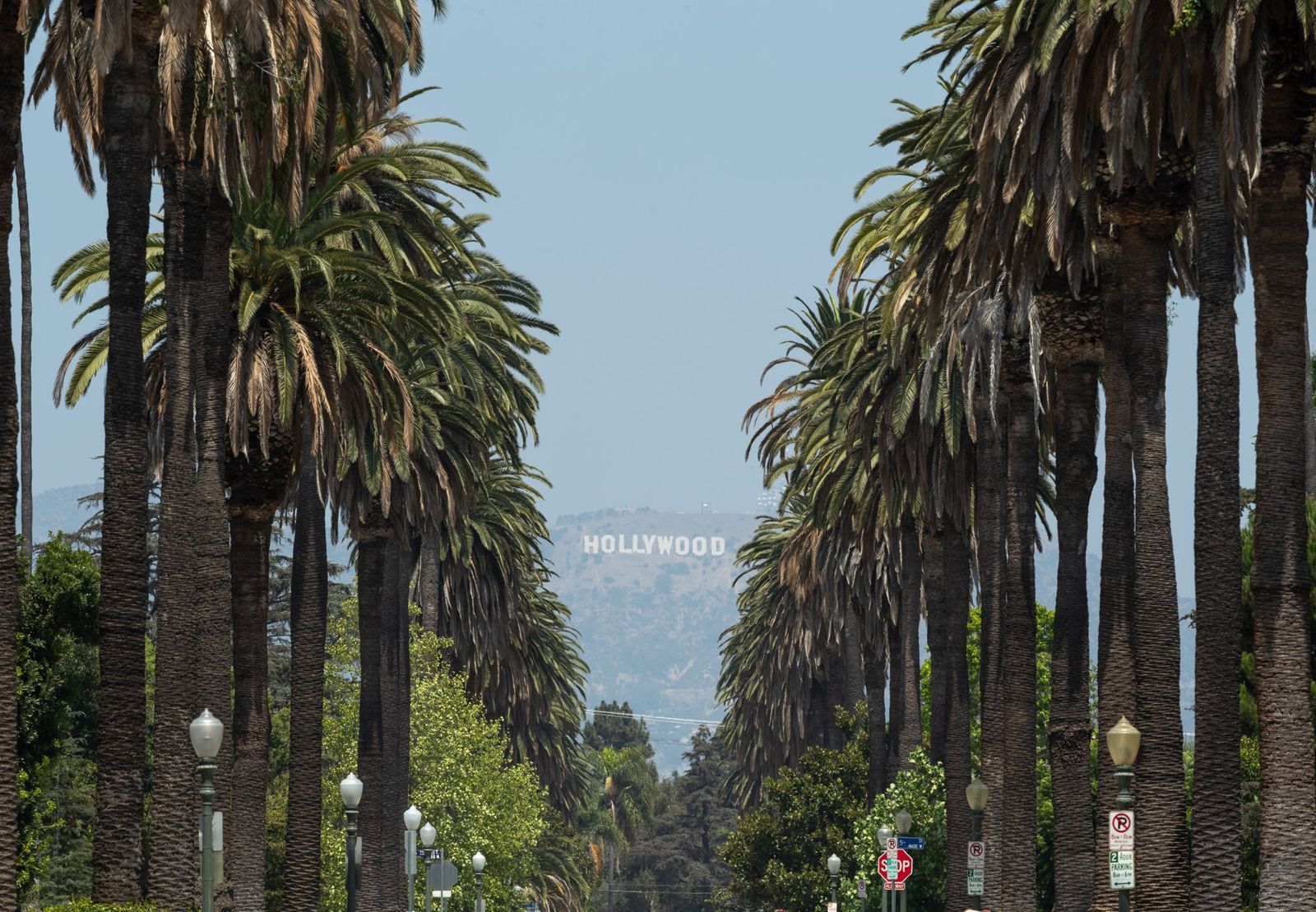
Imagine driving through Los Angeles and suddenly seeing a giant new word stretched across a hillside, where nothing had stood before. The sign that appeared on Mount Lee in 1923 read "Hollywoodland," with 13 enormous letters rising above Beachwood Canyon. Each letter was about 43 feet tall and 30 feet wide, making the advertisement impossible to miss.
Modern period movies sometimes restore that original view. Ruben Fleischer’s 2013 film Gangster Squad is set in 1949 and opens with a shot that moves from Griffith Observatory toward the complete "Hollywoodland" sign. The extra four letters immediately place the story in an earlier Los Angeles, before the landmark took its familiar form.
2
It advertised real estate
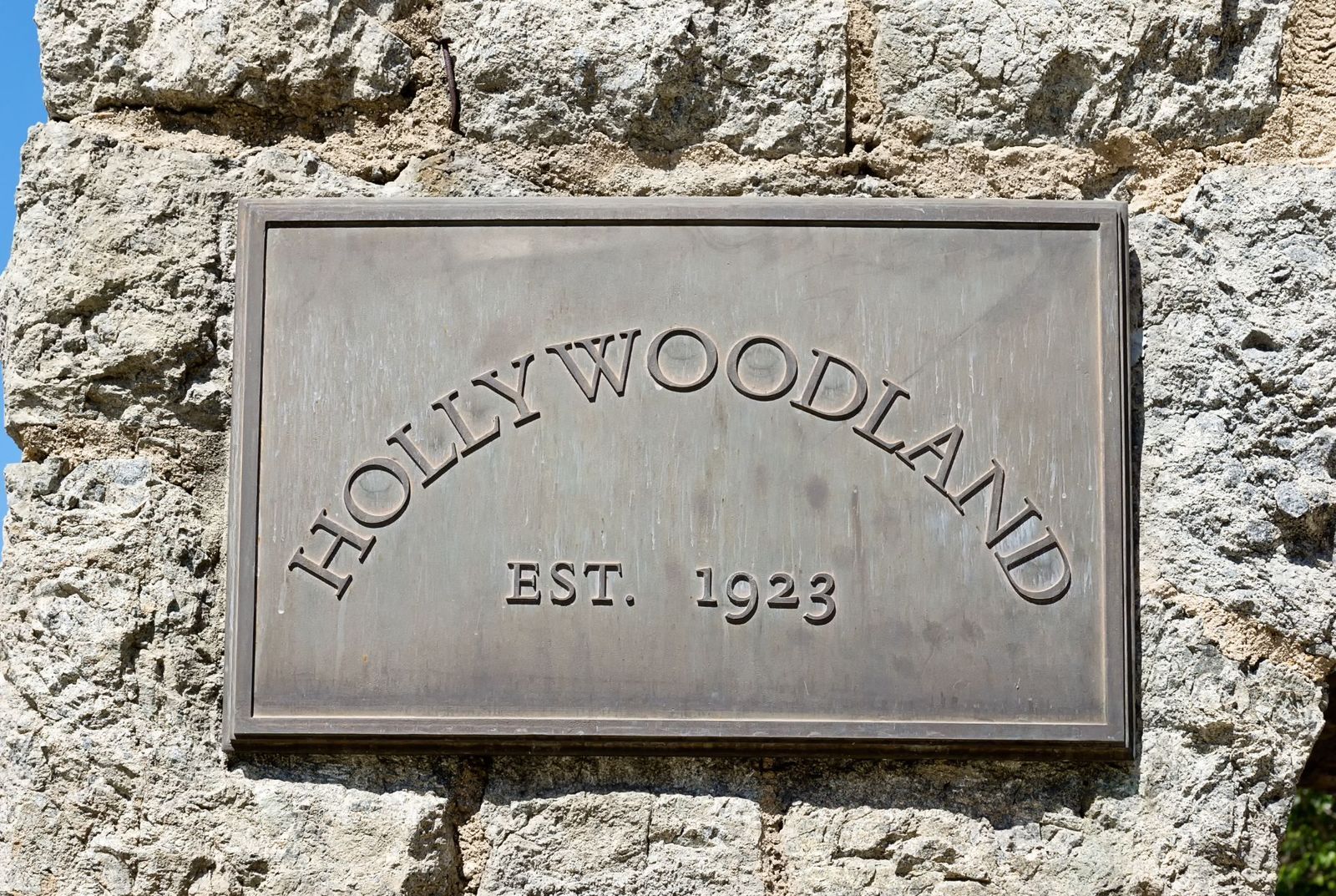
No one involved in putting up the sign could have imagined how iconic it would become. Before the sign was a celebration of Hollywood’s film industry, it advertised Hollywoodland, a new upscale neighborhood in the hills . A group of real estate investors, including Los Angeles Times publisher Harry Chandler, supported the project and spent about $21,000 on the giant sign.
The development itself was already a large project. A 1923 advertisement said that 200 men were working there, seven miles of roads had been built, and huge amounts of dirt had been removed. The sign was simply the biggest part of the sales campaign.
3
It was supposed to be temporary
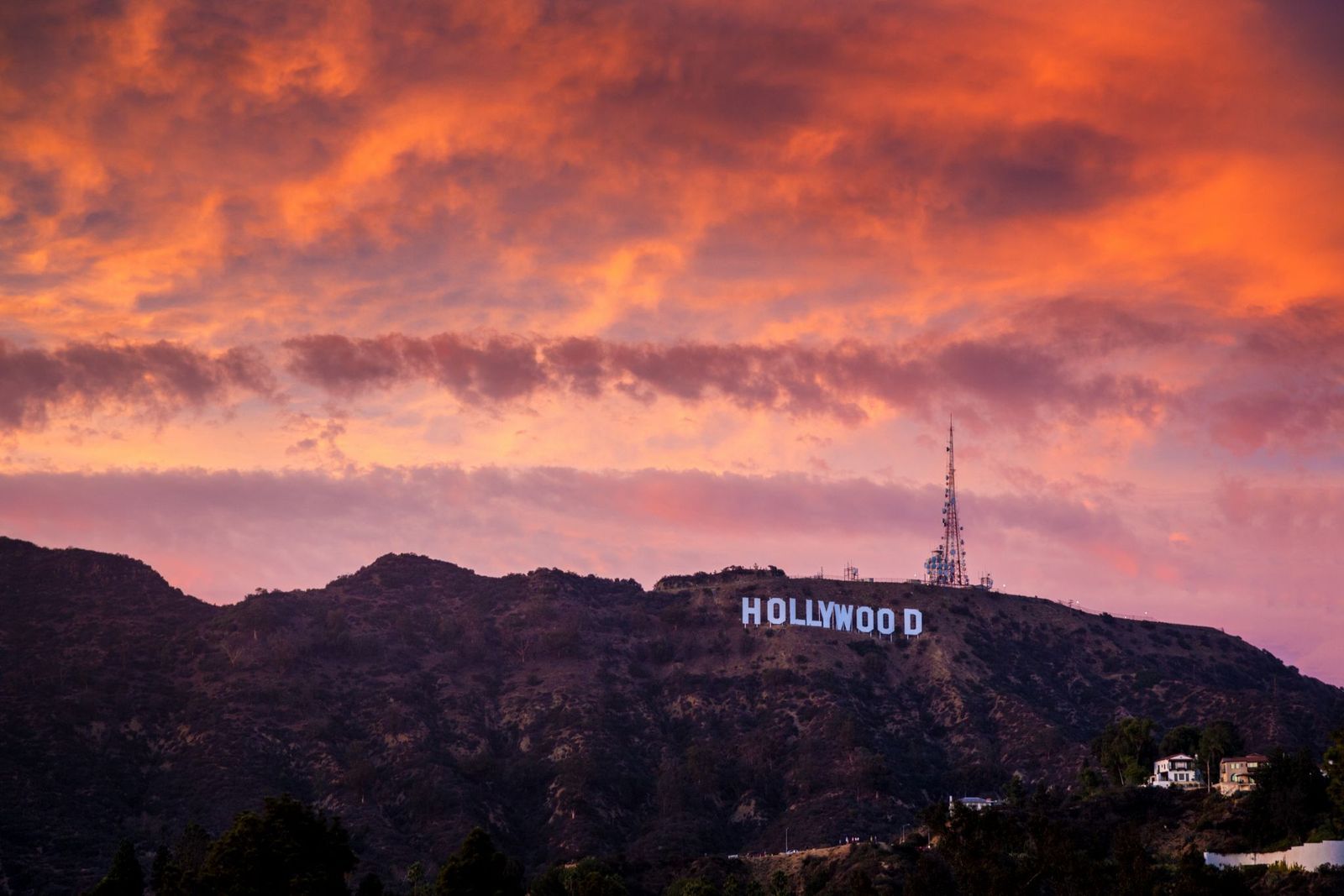
The Hollywood sign wasn’t meant to last forever. The developers expected it to stay on the hillside for only about 18 months. But that deadline passed, and the sign was still useful for attracting buyers to Hollywoodland, so no one rushed to take it down.
As the years went by, the giant letters became a familiar part of the Los Angeles landscape, especially as the movie industry nearby continued to grow. After the development had sold its properties, the company transferred the sign and the surrounding land to the City of Los Angeles in 1944. By then, the temporary billboard had already been standing over the city for more than 20 years.
4
Thousands of bulbs lit the letters
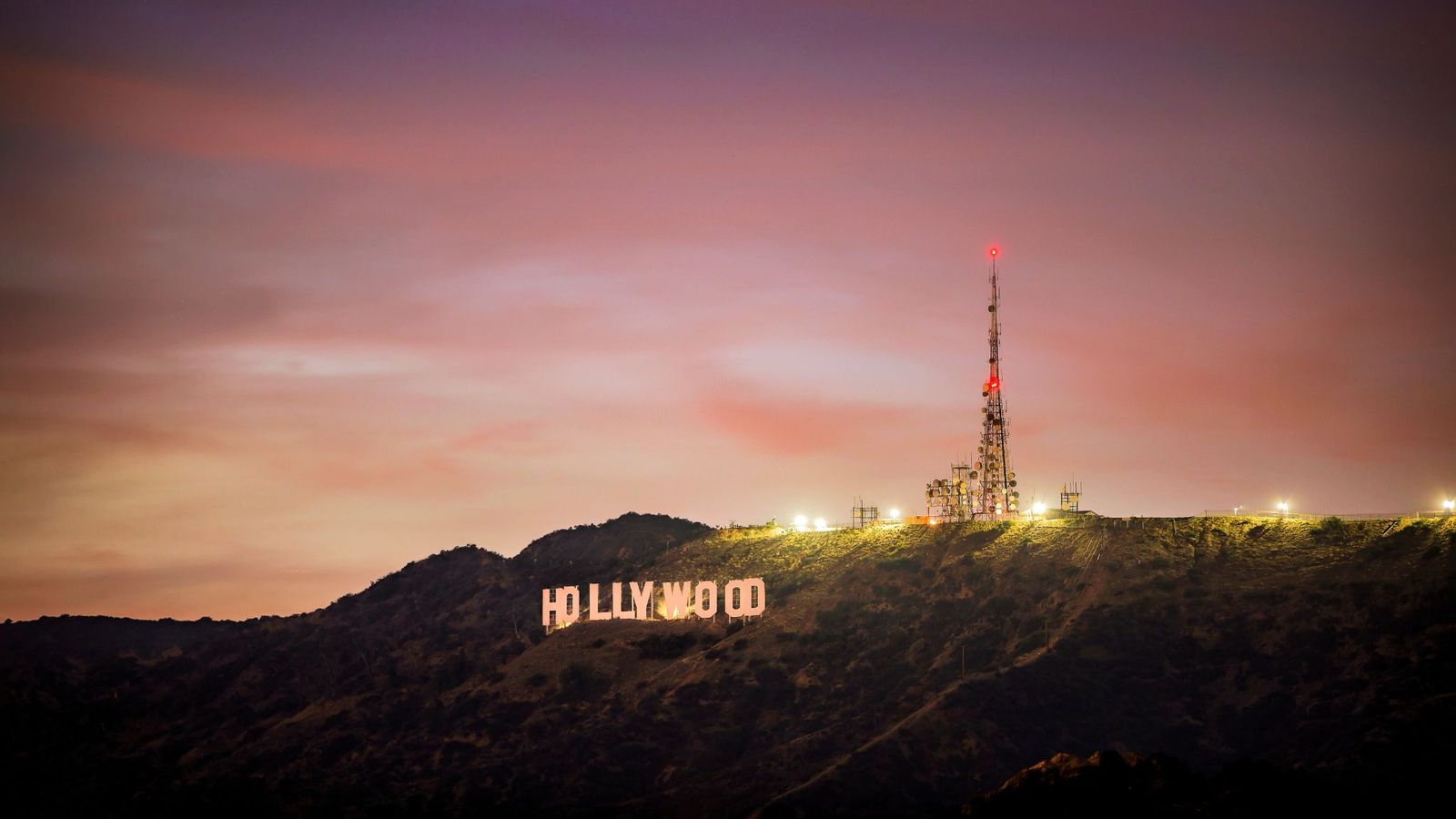
For Los Angeles residents in the 1920s, the Hollywoodland sign must have looked more like a giant theater marquee than a roadside billboard. As it was designed to stand out after dark just as much as during the day, about 4,000 light bulbs, each rated at 20 watts, covered its metal panels. Placed only eight inches apart, they turned the hillside into an enormous electric display.
And the whole sign didn’t light up at once. First came "Holly," followed by "wood" and then "land," before the complete name appeared. There was even a 35-foot illuminated dot beneath the letters, acting like a giant period at the end of the word.
5
The "Land" section disappeared in 1949
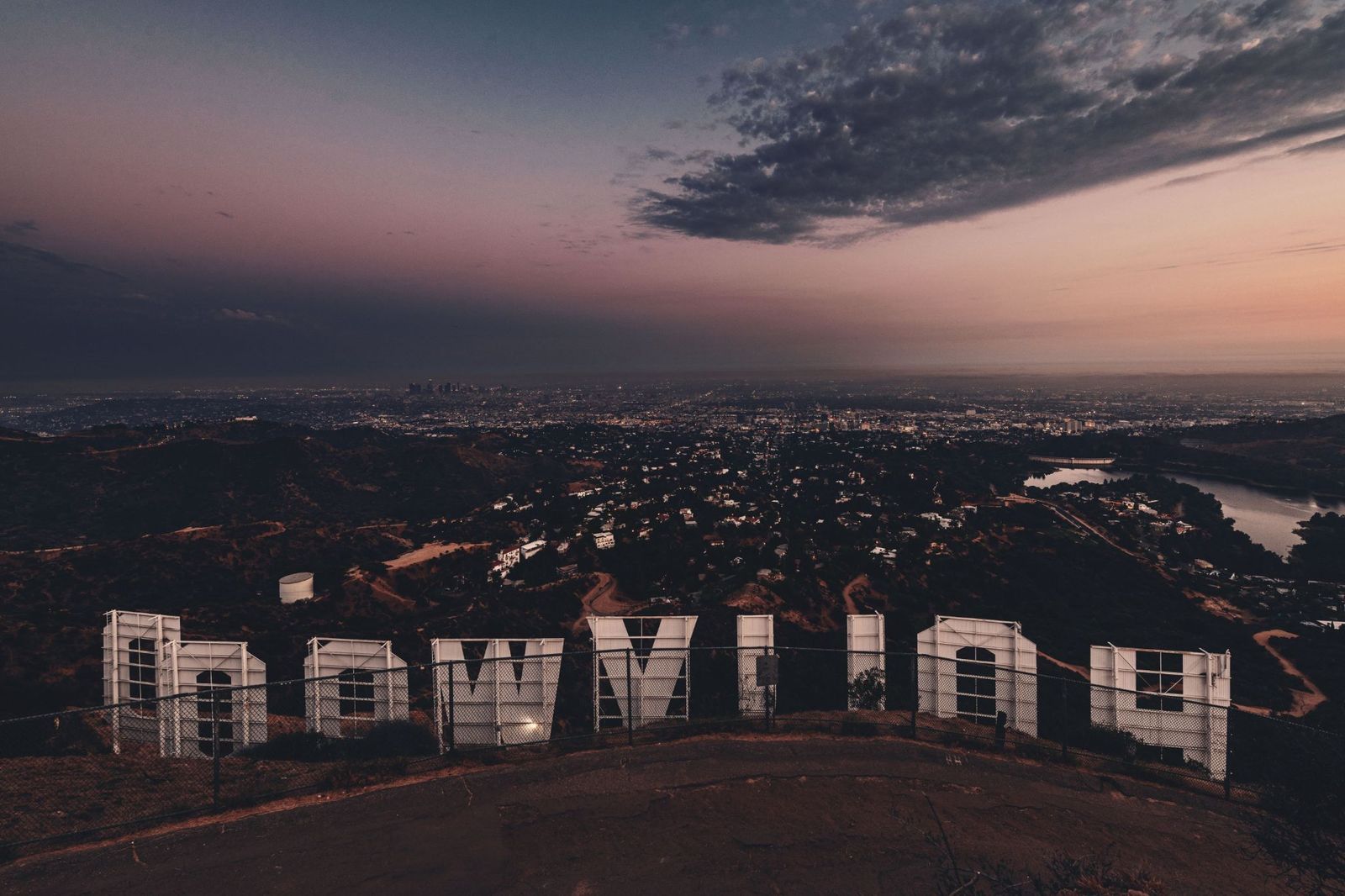
By the late 1940s, the sign had fallen into such poor condition that city officials considered tearing it down. Residents pushed back, and the Hollywood Chamber of Commerce offered to help restore it. But there was one major change: the last four letters had to disappear.
In April 1949, the city approved a plan to rebuild the missing "H," remove "LAND," and repair the remaining letters. On September 26, "Hollywoodland" officially became "Hollywood." That small change gave the sign a completely new meaning. It no longer advertised a housing development; it now represented the entire Hollywood district.
6
The original letters slowly collapsed
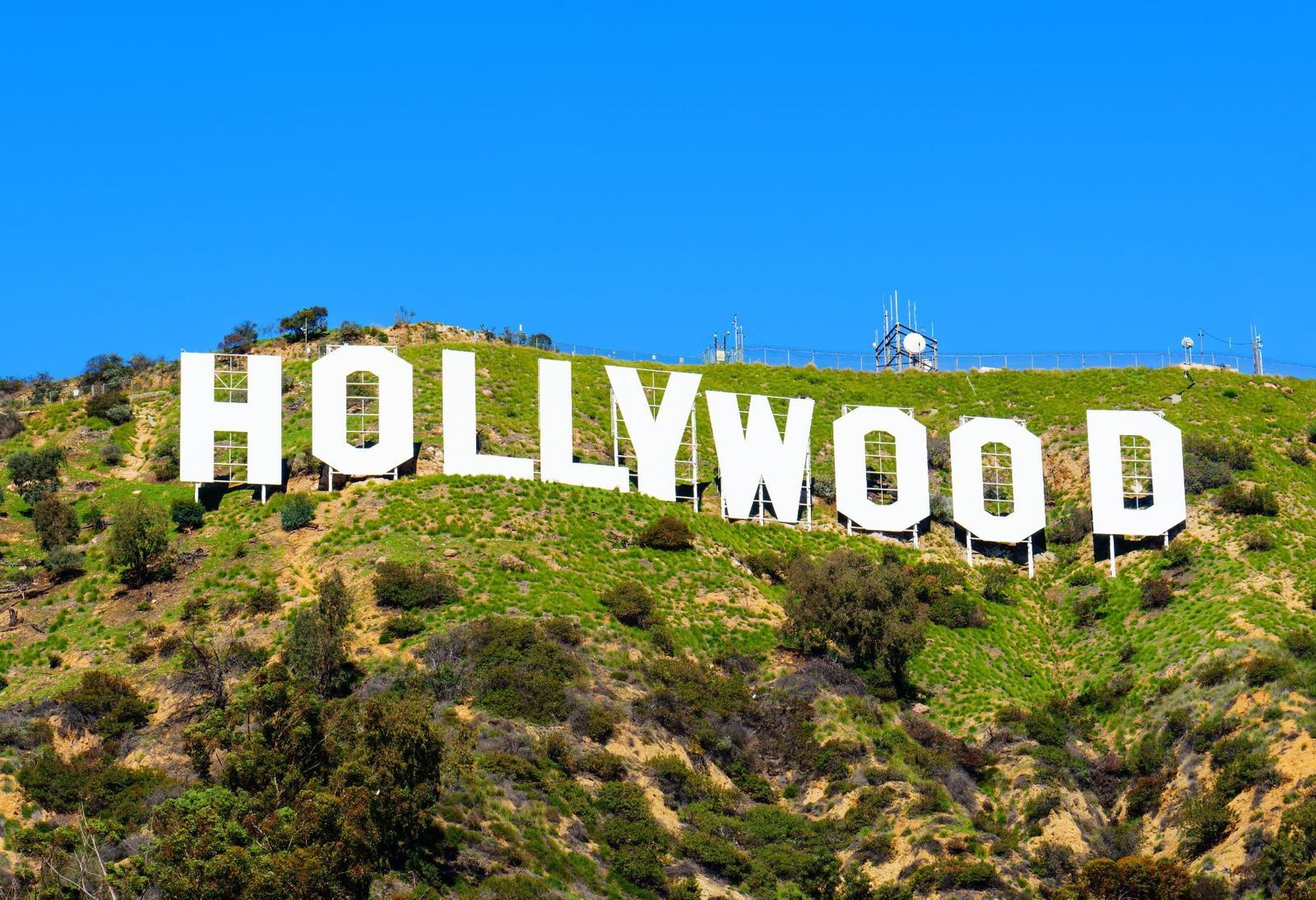
The 1949 repairs helped for a while, but they didn’t fix the sign’s deeper structural problems. Its metal panels and supporting framework were still exposed to years of sun, rain, wind, termites, neglect, and vandalism. By the 1960s and 1970s, the landmark looked rusty, uneven, and was close to falling apart.
In fact, parts of it did fall down the mountain. The top of the "D" collapsed, the third "O" disappeared completely, and an arsonist damaged the bottom of the second "L." Even after Los Angeles designated the sign a Historic-Cultural Monument in 1973, its condition continued to deteriorate. At that point, another coat of paint was not going to be enough.
7
The sign was rebuilt in 1978
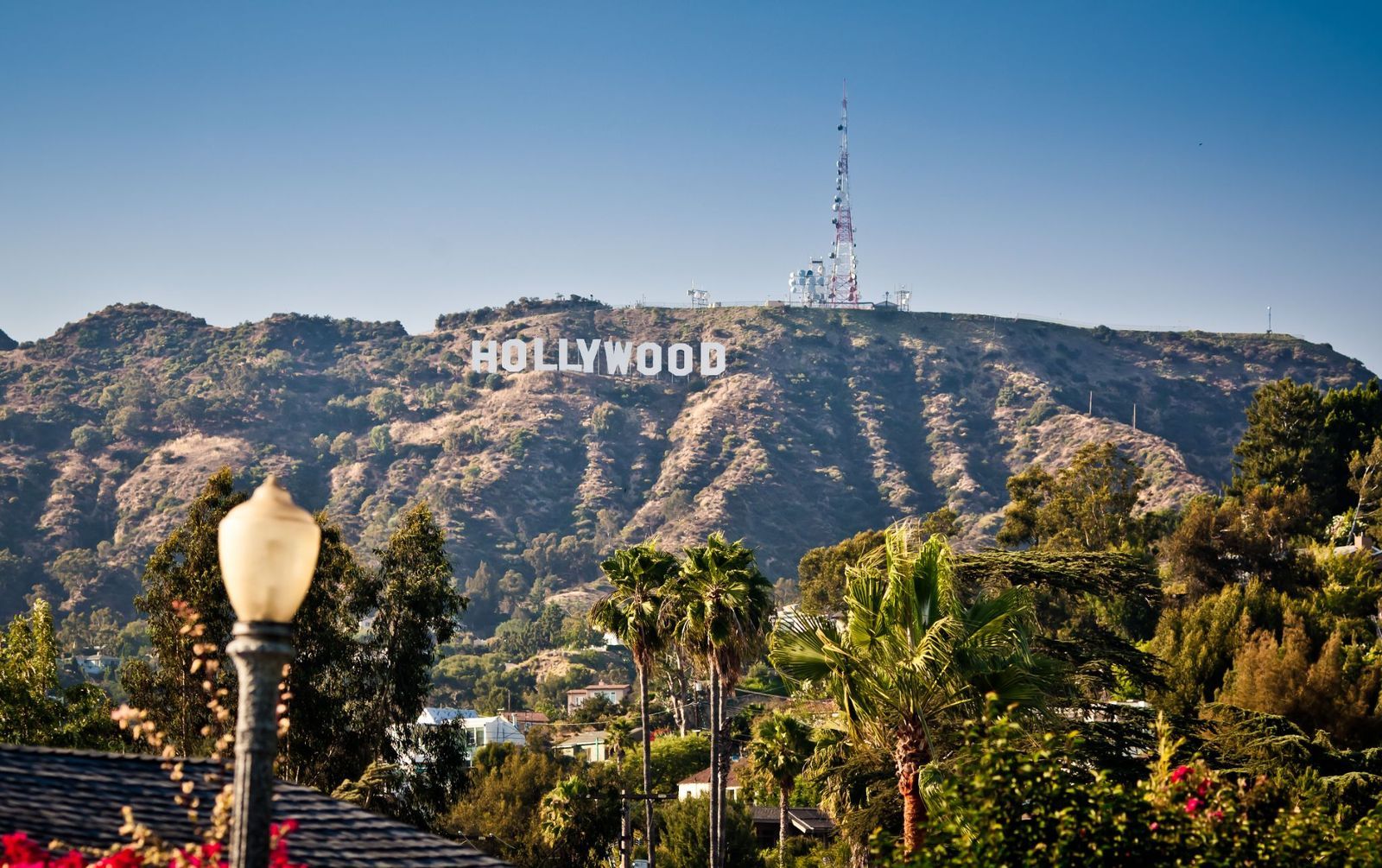
What would Hollywood do if its most famous sign disappeared? Small repairs were no longer enough by the end of the 1970s. The Hollywood Chamber of Commerce decided that all nine letters had to be replaced, and workers took down the original sign in August 1978, leaving the hillside completely bare for about three months.
This time, the sign was built to last. The new letters were made of steel and enamel and secured with concrete, creating a structure of about 194 tons. The new sign imitated the original and was completed in November 1978. So, t he letters visitors see today aren’t from 1923, but a recovered version of the landmark.
8
Celebrities helped pay for new letters
The project cost about $250,000, and Hollywood raised it the only way it knew how: with famous names and a big party. Hugh Hefner held a party at the Playboy Mansion, where donors could pay about $27,700 to sponsor one of the nine new letters.
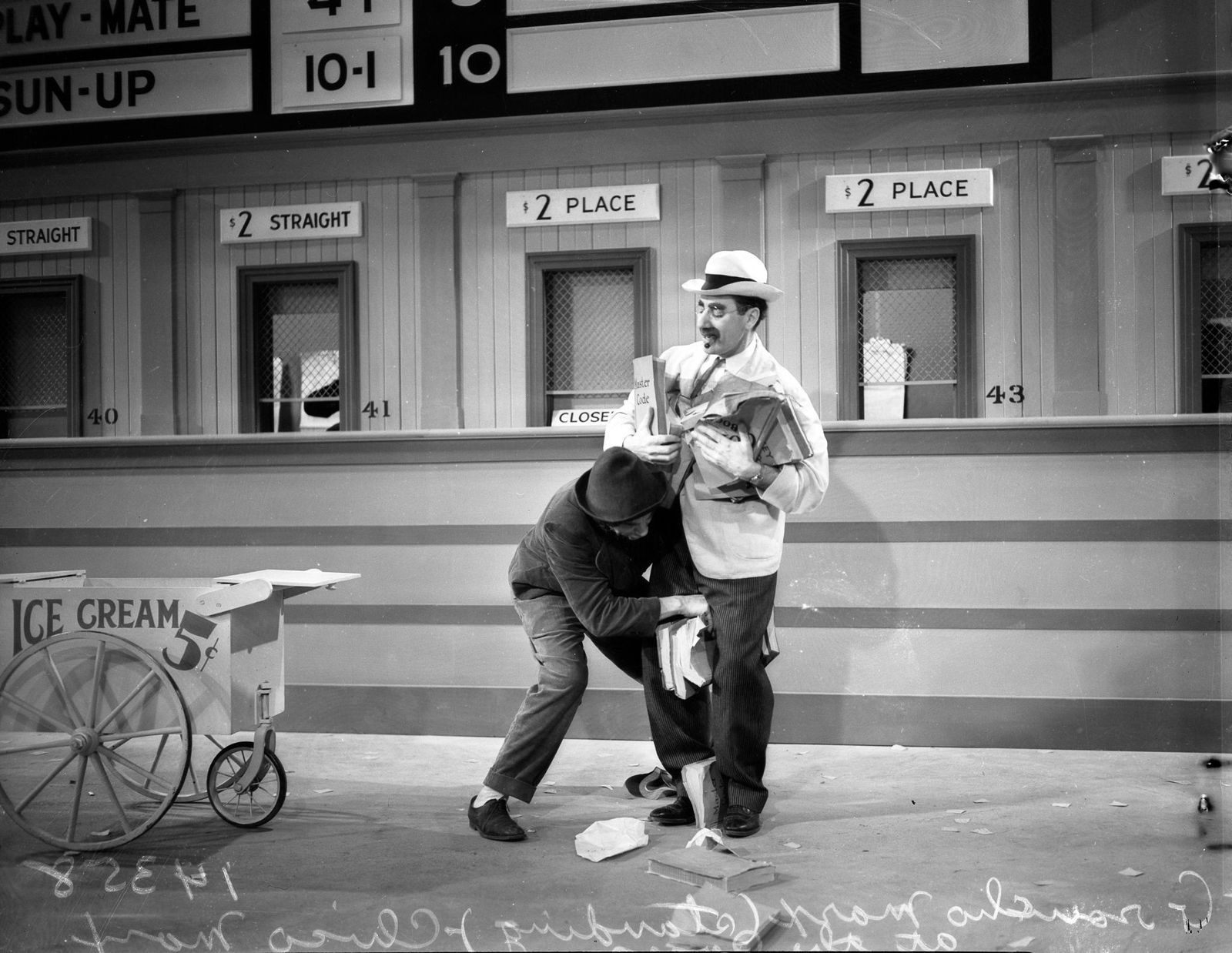
Several famous names joined the campaign. Alice Cooper paid for the third "O" in honor of comedian Groucho Marx. Singer Andy Williams sponsored the "W," while Gene Autry and television station KTLA helped pay for the second "L." Warner Bros. Records, Kelley Blue Book founder Les Kelley, and other supporters also helped rebuild the famous sign.
9
The sign has been altered several times
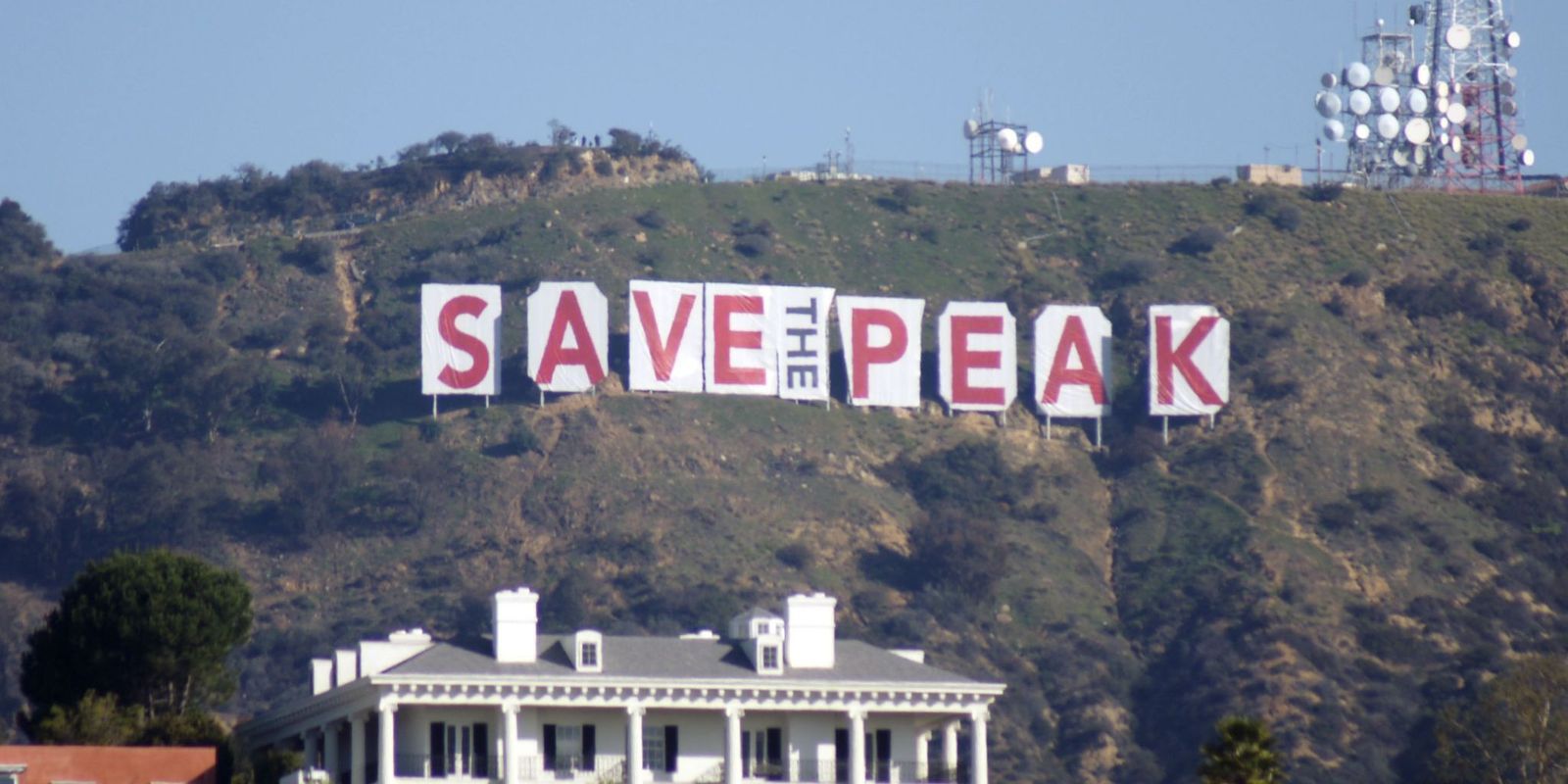
Those giant white letters have always attracted pranksters, students, activists, and advertisers who wanted to display their own messages above Los Angeles. Most of them didn’t remove or damage the original letters. By covering only certain parts of the sign with fabric, plastic, or curtains, they could make the sign appear to spell a completely different word . These changes were usually temporary, lasting only long enough to promote an event, support a cause, or play a public joke.
On New Year’s Day in 1976, art student Daniel Finegood used about $50 worth of curtains to change the sign to "Hollyweed." In 1987, it became "Holywood" during Pope John Paul II’s visit. The sign has also been changed for official promotions, including "FOX" for the television network and "Go Navy" for an Army-Navy football game.
10
An advertisement became an icon
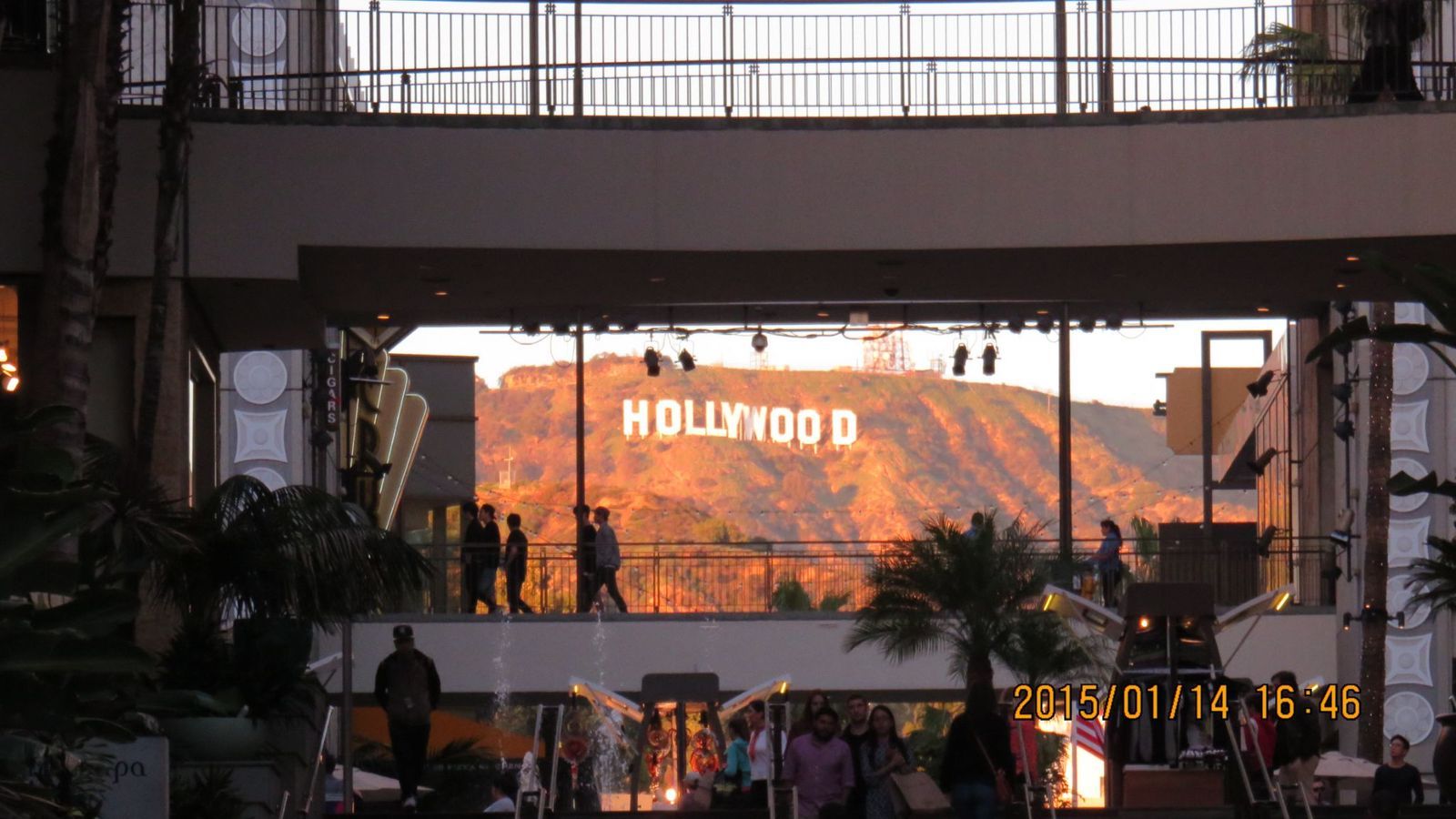
Los Angeles officially named the sign Historic-Cultural Monument No. 111 in 1973, recognizing that the former advertisement had become an important part of the city’s history. Five years later, during the campaign to rebuild the damaged letters, the Hollywood Sign Trust was created to help protect the landmark for future generations.
Since then, the organization has overseen repairs, repainting, security, and other improvements needed to keep the sign standing on the hillside. The sign represented much more than a place on a map; it’s a symbol of Hollywood dreams and the hope of turning them real.