History History 5 min read

What First Lady was accused of bigamy? 10 political crises
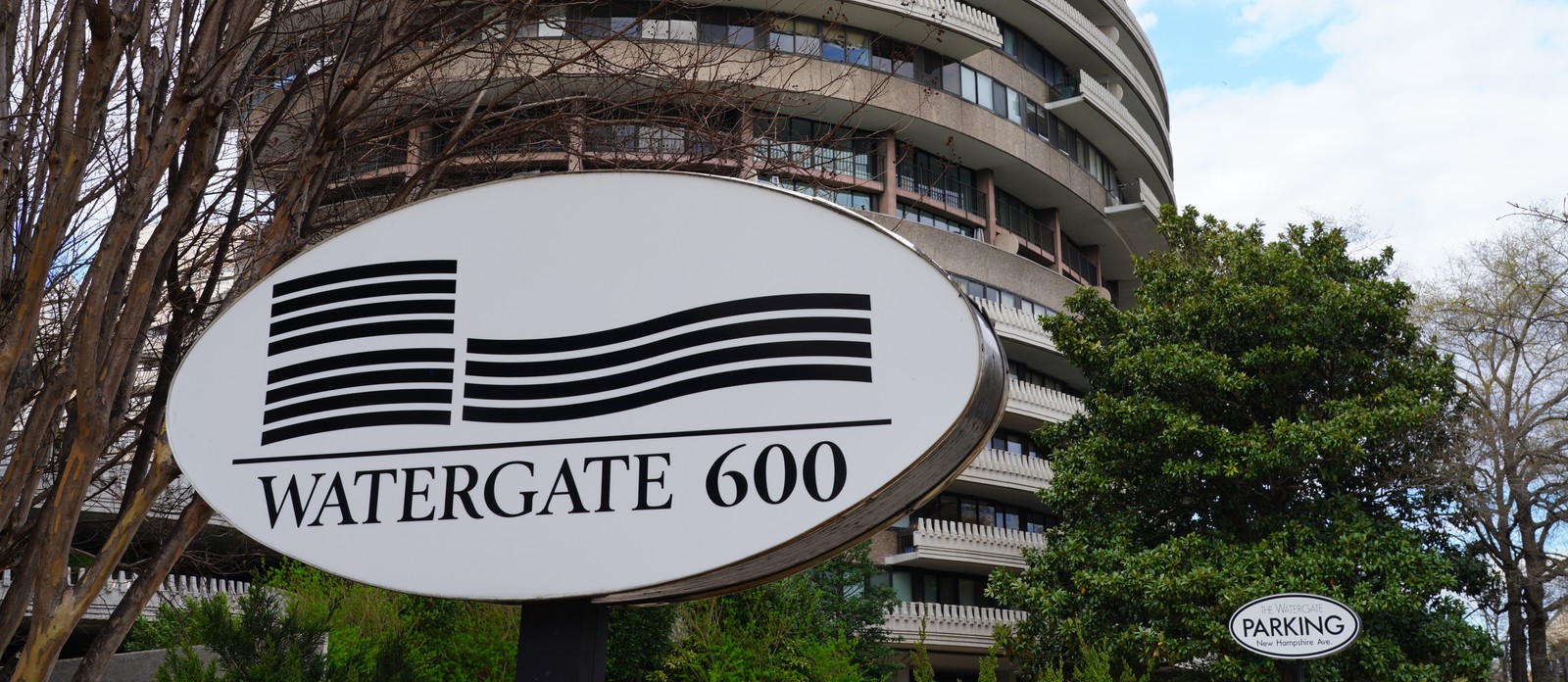
Image: EQRoy

From the founding era to the turn of the 21st century, political scandals have shaped public trust and dismantled entire careers. Looking back at ten of the most notorious political crises in American history reveals how the intersection of media and culture forces the nation to look in the mirror.

1
Rachel Jackson: A "Bigamy" scandal (1820s)
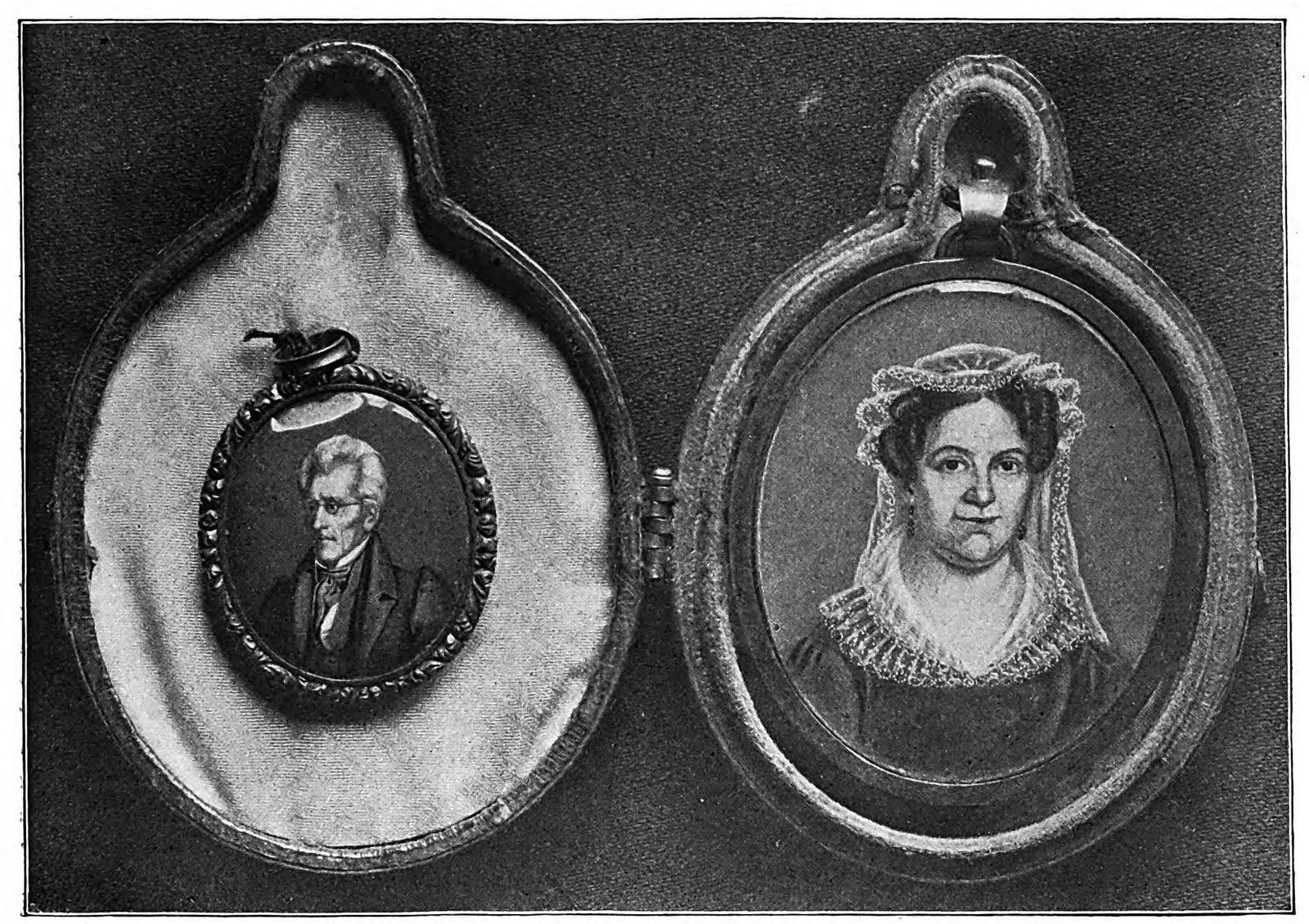
Image: L. Bernie Gallaher, Public domain, via Wikimedia Commons

In 1791, a young Andrew Jackson married Rachel Donelson. Both believed her first husband, Captain Lewis Robards, had successfully finalized their divorce. Apparently, Robards didn’t file the petition, making her marriage to Jackson technically bigamous. Once the divorce went through in 1794, they officially remarried.

During the 1828 presidential campaign, Jackson’s political opponents used this legal mistake against him. They branded Rachel a loose woman and a bigamist in pamphlets scattered across the country. The intense public shaming broke her spirit and deteriorated her health. She suffered a fatal heart attack just days before Jackson’s inauguration, leaving the newly elected president heartbroken and extremely bitter toward his political rivals for the rest of his life.

2
Grover Cleveland’s illegitimate child (1884)
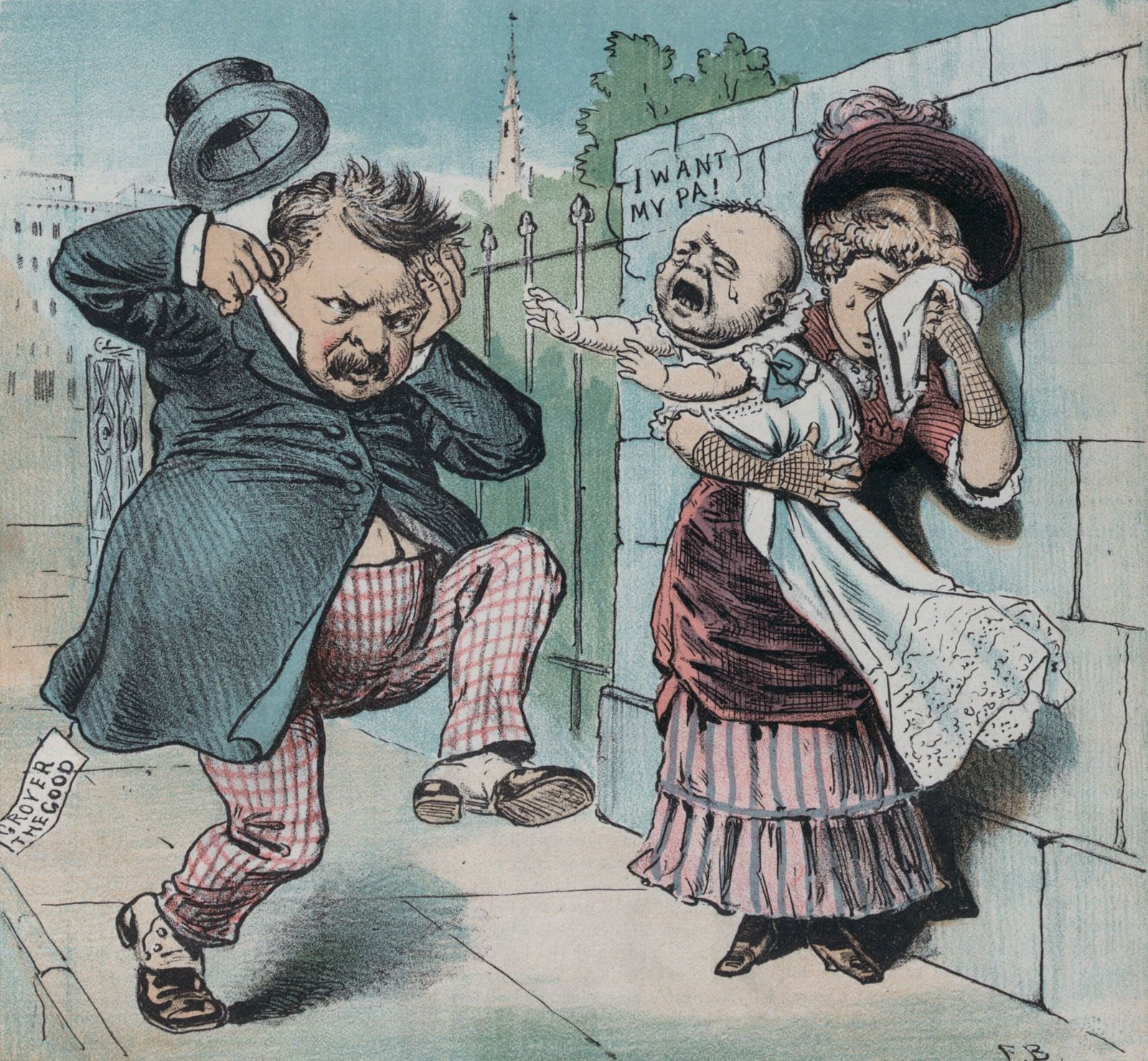
Image: Frank Beard, Public domain, via Wikimedia Commons

Decades later, another personal bombshell rocked another presidential race. Republican opponents revealed that Democratic nominee Grover Cleveland, a bachelor praised for his integrity, had fathered a child out of wedlock with a widow called Maria Halpin ten years before.

Republicans paraded through the streets chanting, "Ma, Ma, where’s my Pa?" Instead of denying the affair or trying to bury it, Cleveland instructed his campaign managers to do something radical: "Tell the truth." He admitted to supporting the child financially. His honesty caught his opponents off guard and won over voters who were tired of such dirty political tactics.

3
The Crédit Mobilier scandal (1872)
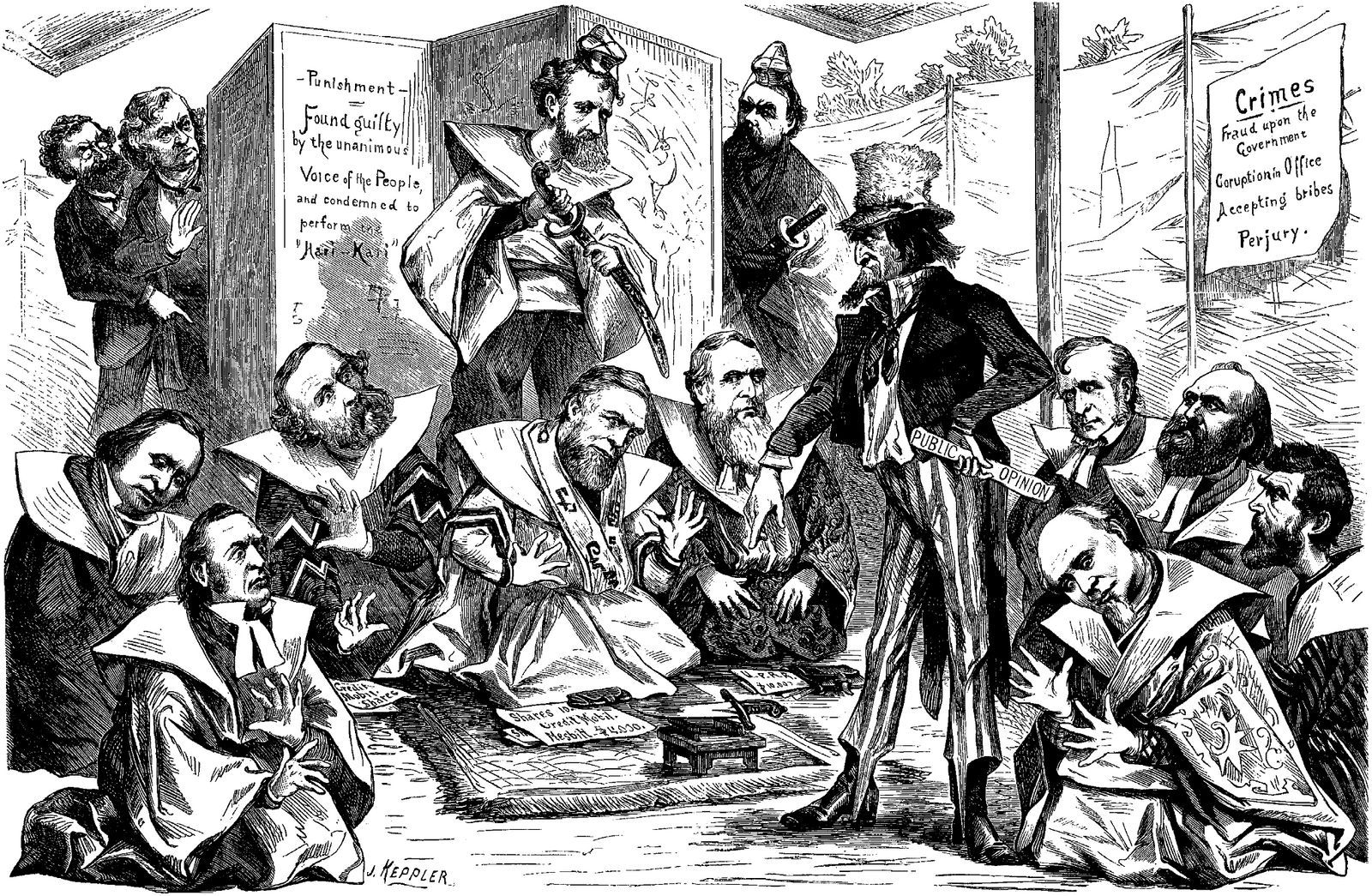
Image: Joseph Keppler, Public domain, via Wikimedia Commons

This particular scandal stands as one of the most shameless corporate schemes of the Gilded Age. Stockholders of the Union Pacific Railroad formed a fraudulent construction company called Crédit Mobilier of America . Then, they hired themselves to build the transcontinental railroad at inflated prices, pocketing tens of millions of dollars in federal subsidies.

To prevent Congress from investigating their profit margins, Congressman Oakes Ames distributed discounted shares of the company’s stock to influential politicians, including Vice President Schuyler Colfax. When the press exposed the story in 1872, the revelation that lawmakers were bribing themselves tarnished the legacy of the Ulysses S. Grant administration.

4
The Whiskey Ring scandal (1875)
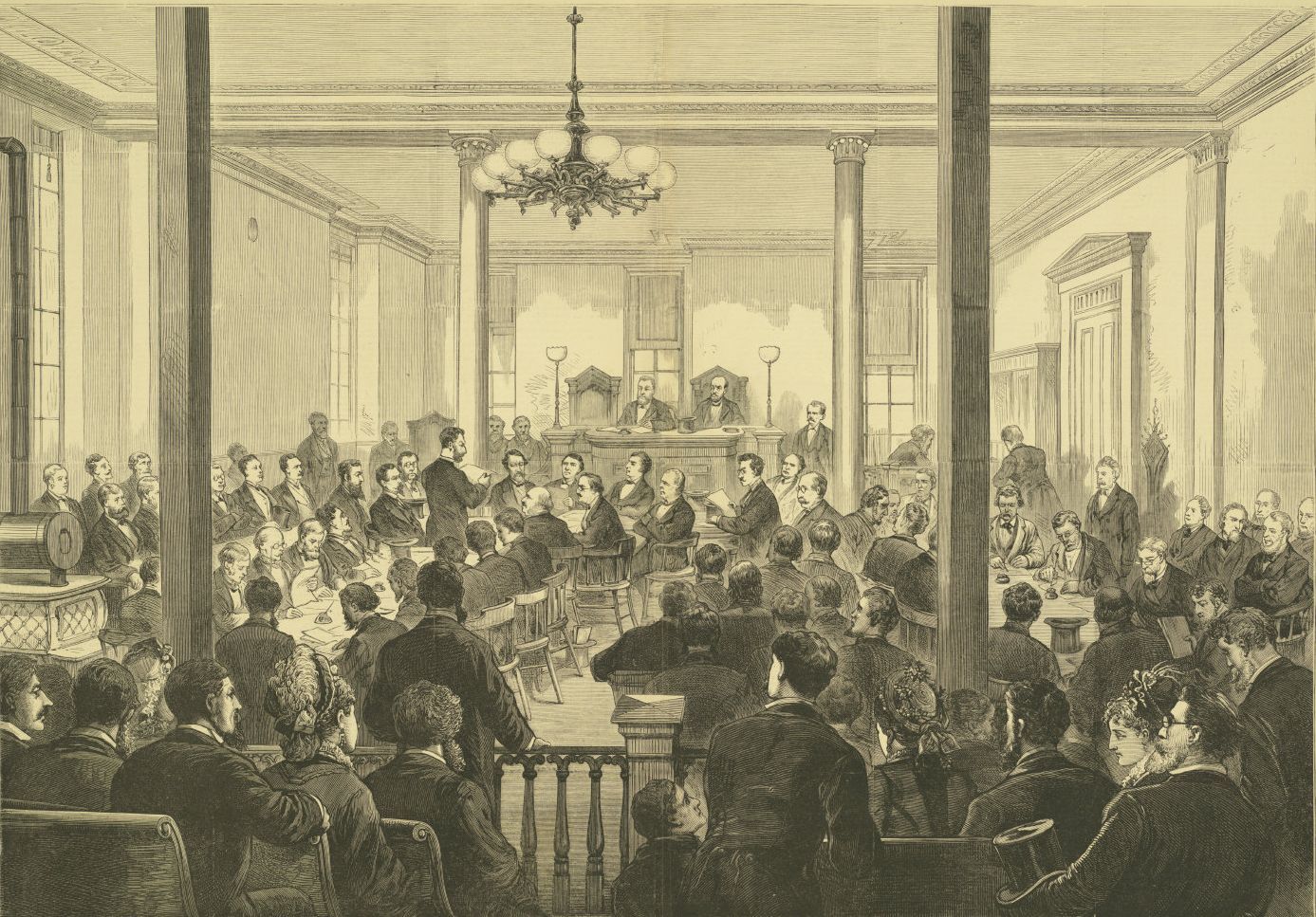
Image: Cornell University Library, No restrictions, via Wikimedia Commons

A few years later, another financial disaster hit the Grant administration. The Whiskey Ring was a widespread conspiracy involving distillers, distributors, and internal federal tax officials who stole millions of dollars in liquor taxes.

Using a complex web of bribes and falsified records, the ring defrauded the U.S. Treasury. The scandal reached the inner circle of power when President Grant’s own private secretary, Orville Babcock, was indicted as a ringleader. Grant provided a deposition in his secretary’s defense. While this saved Babcock from prison, it permanently damaged the president’s reputation.

5
The Teapot Dome scandal (1920s)
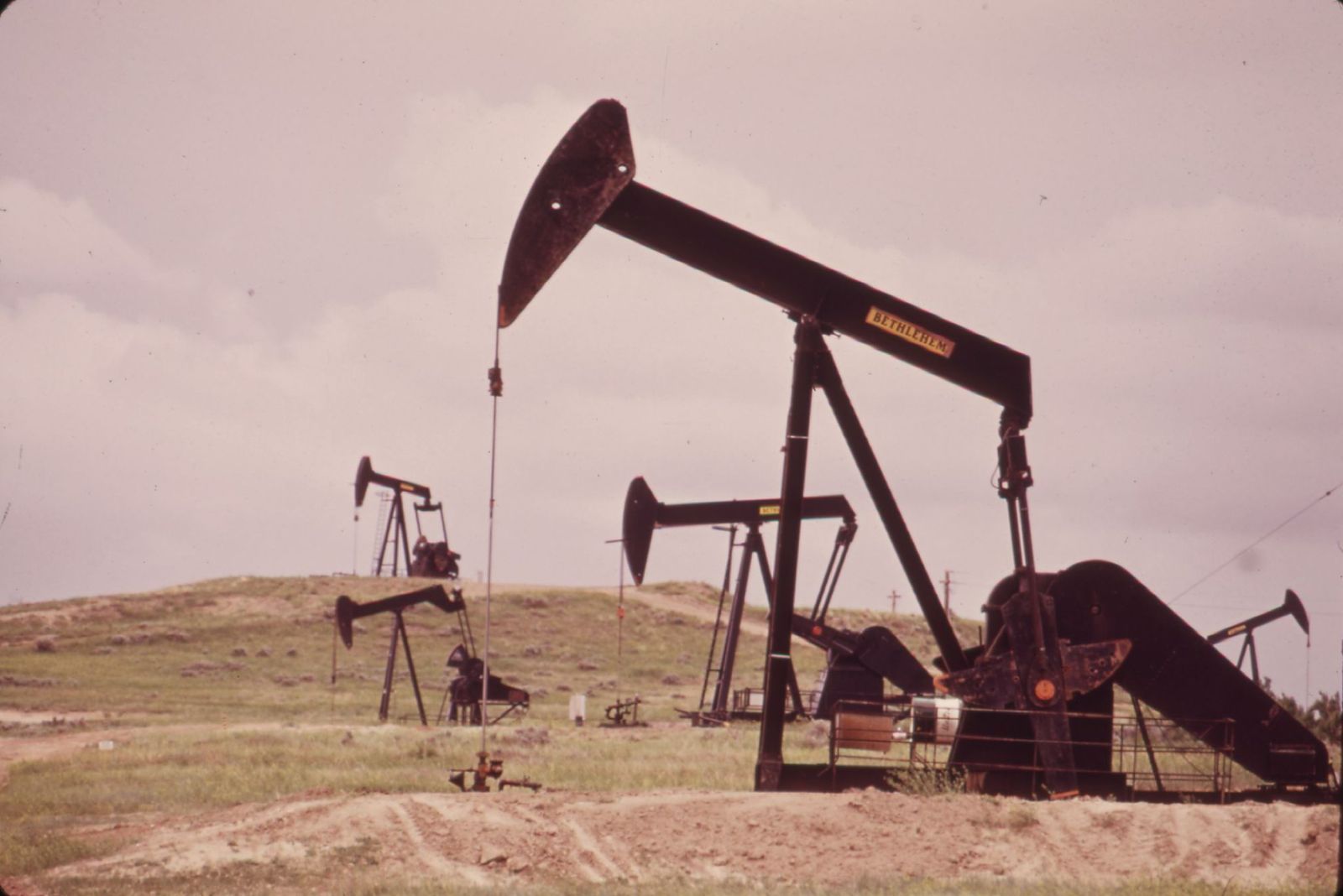
Image: Boyd Norton, Public domain, via Wikimedia Commons

Until Watergate occurred, Teapot Dome was synonymous with political corruption. During the administration of Warren G. Harding, Secretary of the Interior Albert Fall took control of valuable federal oil reserves located at Teapot Dome, Wyoming, and Elk Hills, California.

Instead of opening these fields up for competitive bidding among energy companies, Fall secretly leased the drilling rights to private oil tycoons in exchange for more than $400,000 in bribes.

6
The Chappaquiddick incident (1969)
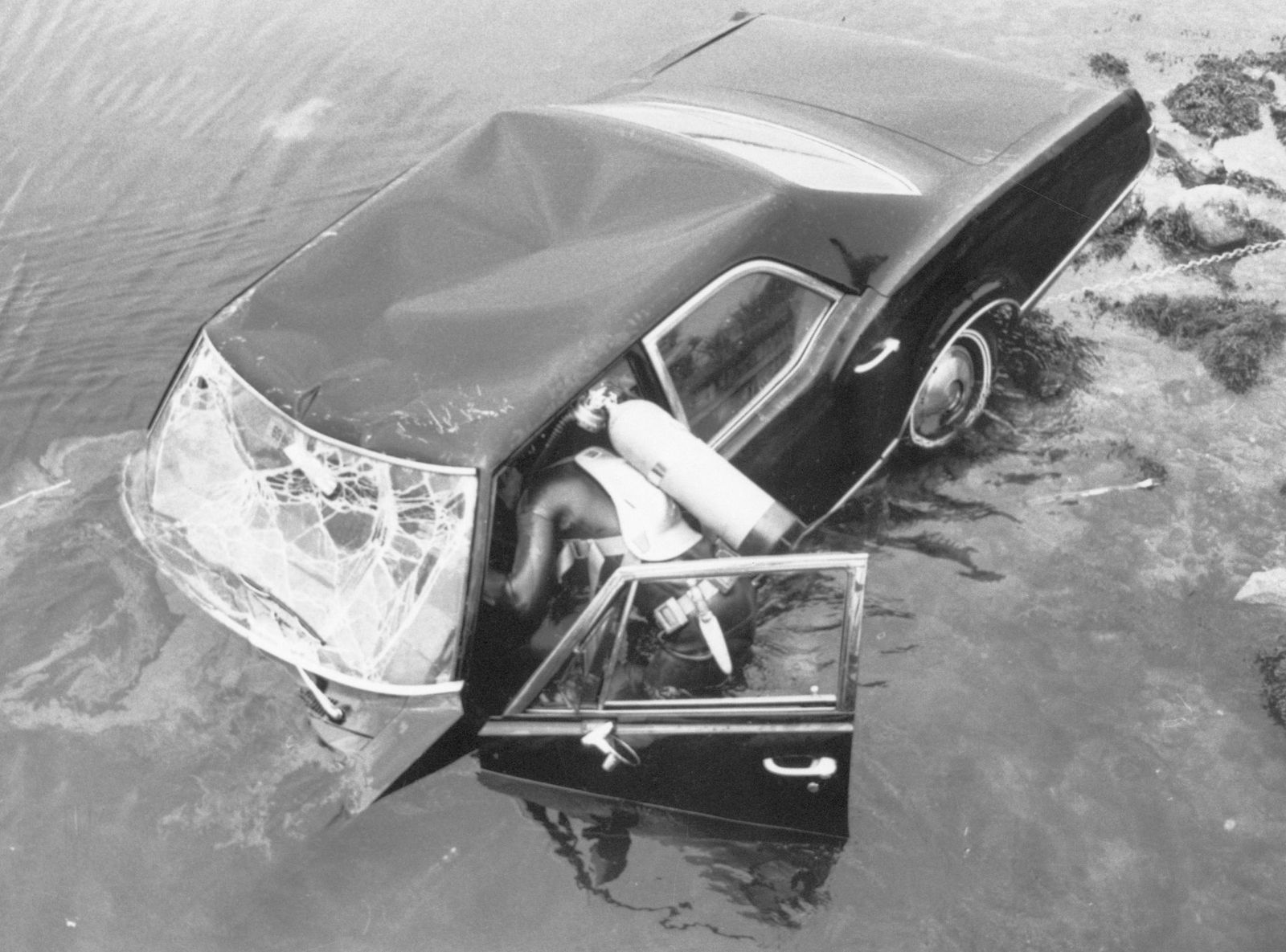
Image: United Press International, Public domain, via Wikimedia Commons

By the mid-20th century, the nature of political scandals shifted. Secrets began to involve personal crisis and tragic losses.

In July 1969, Senator Edward "Ted" Kennedy drove his car off a narrow wooden bridge on Chappaquiddick Island, Massachusetts. The vehicle overturned into a tidal pond, trapping and drowning his passenger, 28-year-old campaign worker Mary Jo Kopechne. Kennedy managed to escape but failed to report the fatal accident to the police for ten hours. Although he eventually pleaded guilty to leaving the scene of an accident, his delayed reaction ended his lifelong presidential ambitions.

7
The Pentagon Papers (1971)
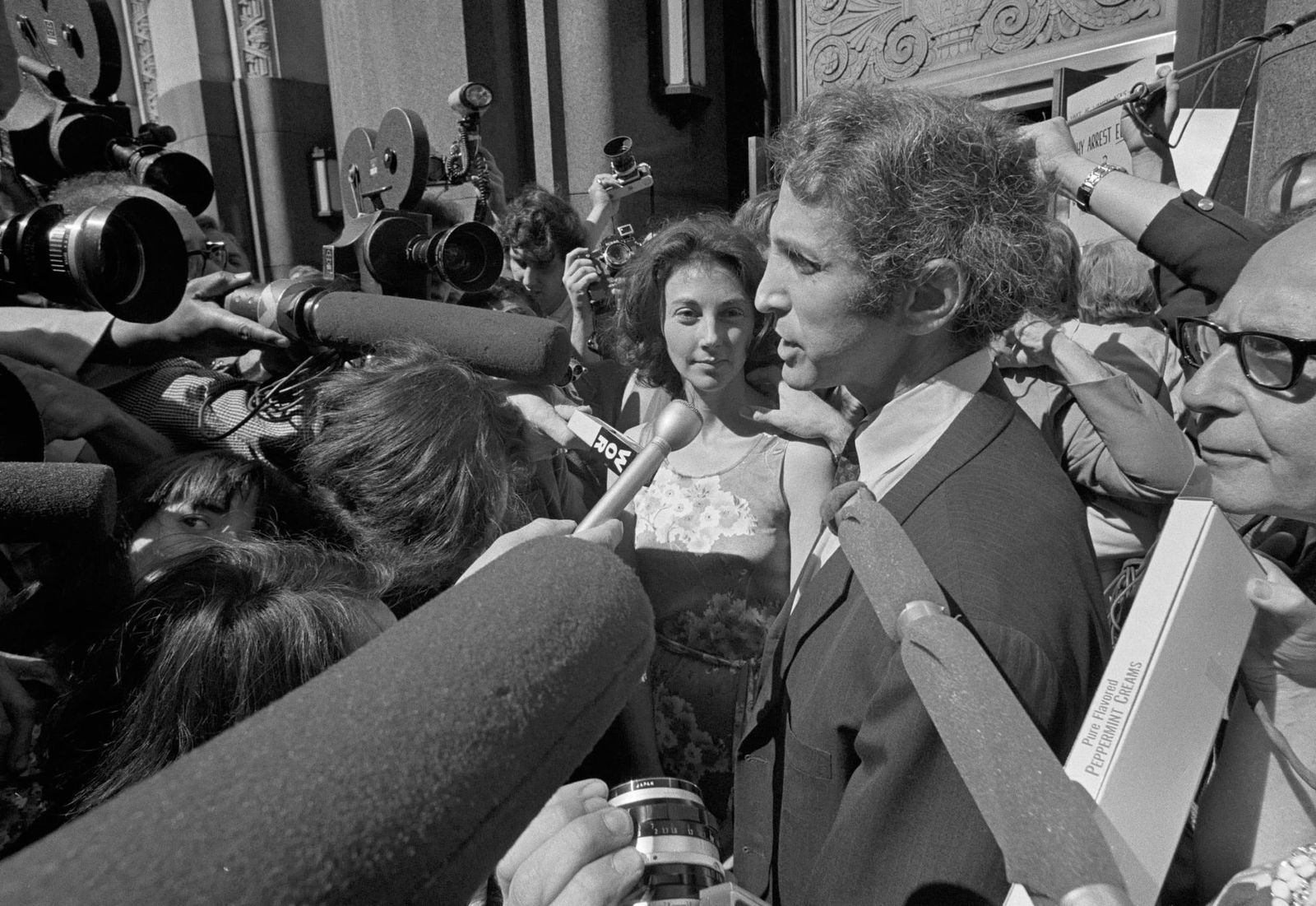
Image: See page for author, Public domain, via Wikimedia Commons

In 1971, military analyst Daniel Ellsberg felt the moral obligation to leak a top-secret 7,000-page Department of Defense study detailing U.S. political and military involvement in Vietnam from 1945 to 1967.

Published by The New York Times , the papers exposed a disturbing truth: successive administrations had systematically lied to both Congress and the American public. The documents proved that the government had expanded the war and increased troop counts while knowing that the conflict was unwinnable. The Supreme Court eventually rejected the government’s attempts to block the leaks, making a victory for freedom of the press.

8
The Watergate scandal (1972–1974)
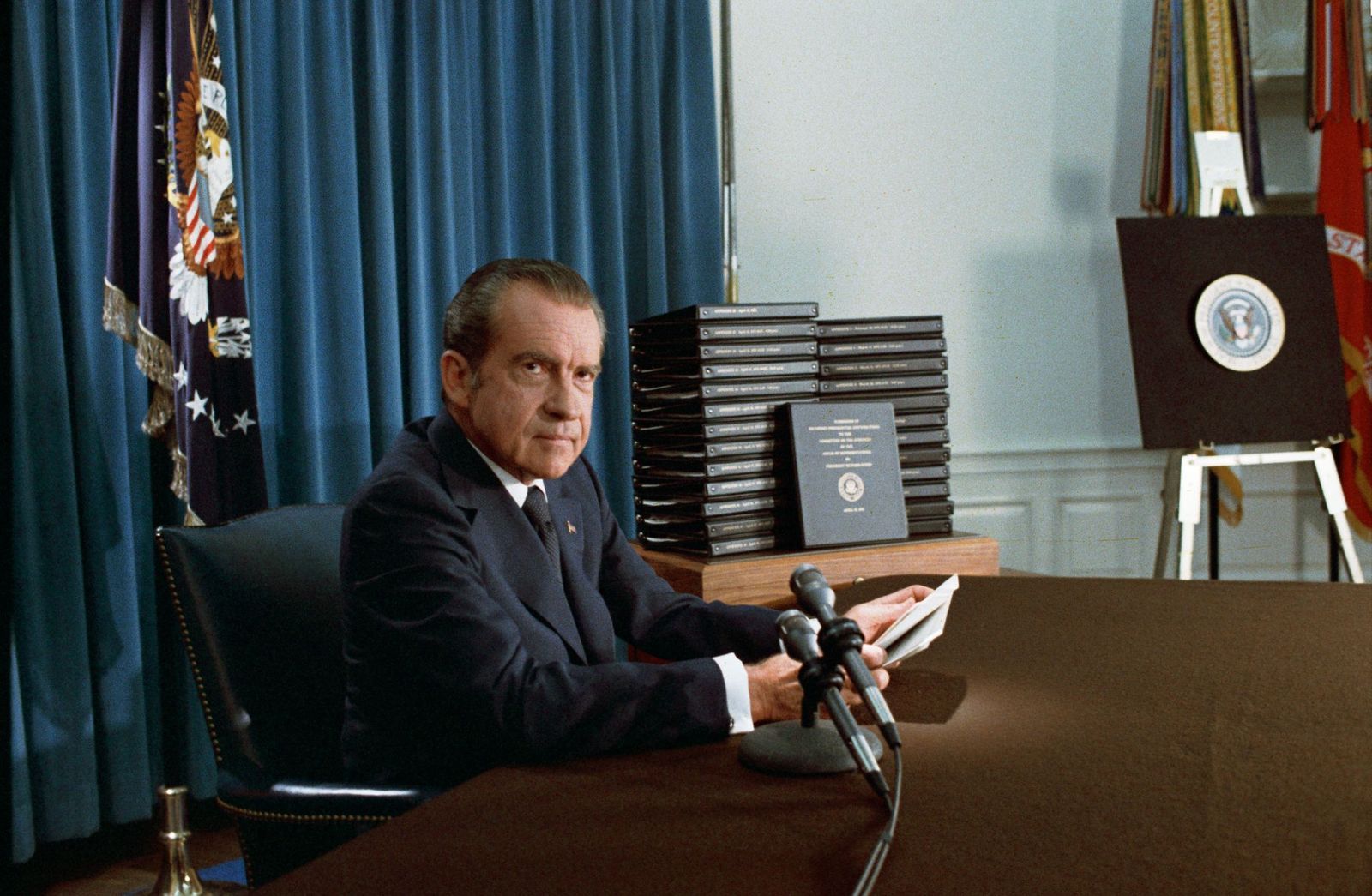
Image: National Archives & Records Administration, Public domain, via Wikimedia Commons

This is, probably, the ultimate American political scandal. In June 1972, five men were arrested breaking into the Democratic National Committee headquarters at the Watergate complex in Washington, D.C.

The break in itself was minor compared to the illegal cover-up orchestrated by President Richard Nixon and his collaborators. From paying hush money to instructing the CIA to block the FBI’s investigation, Nixon’s complicity was exposed via his own secret White House taping system. Facing impeachment and conviction by the Senate, Nixon became the first and only U.S. president to resign from office.

9
The "Keating Five" (Late 1980s)
Image: KonstantinChristian

During the Savings and Loan crisis of the late 1980s, five U.S. Senators—John McCain, Alan Cranston, Dennis DeConcini, John Glenn, and Donald Riegle—came under intense scrutiny.

The group was accused of intervening with federal banking regulators on behalf of Charles Keating, the chairman of Lincoln Savings and Loan, who had contributed to their political campaigns. Lincoln eventually collapsed, costing American taxpayers over $3 billion. Although the Senate Ethics Committee ultimately cleared the senators of corruption, they were publicly condemned.

10
The Bill Clinton–Monica Lewinsky affair (1998)
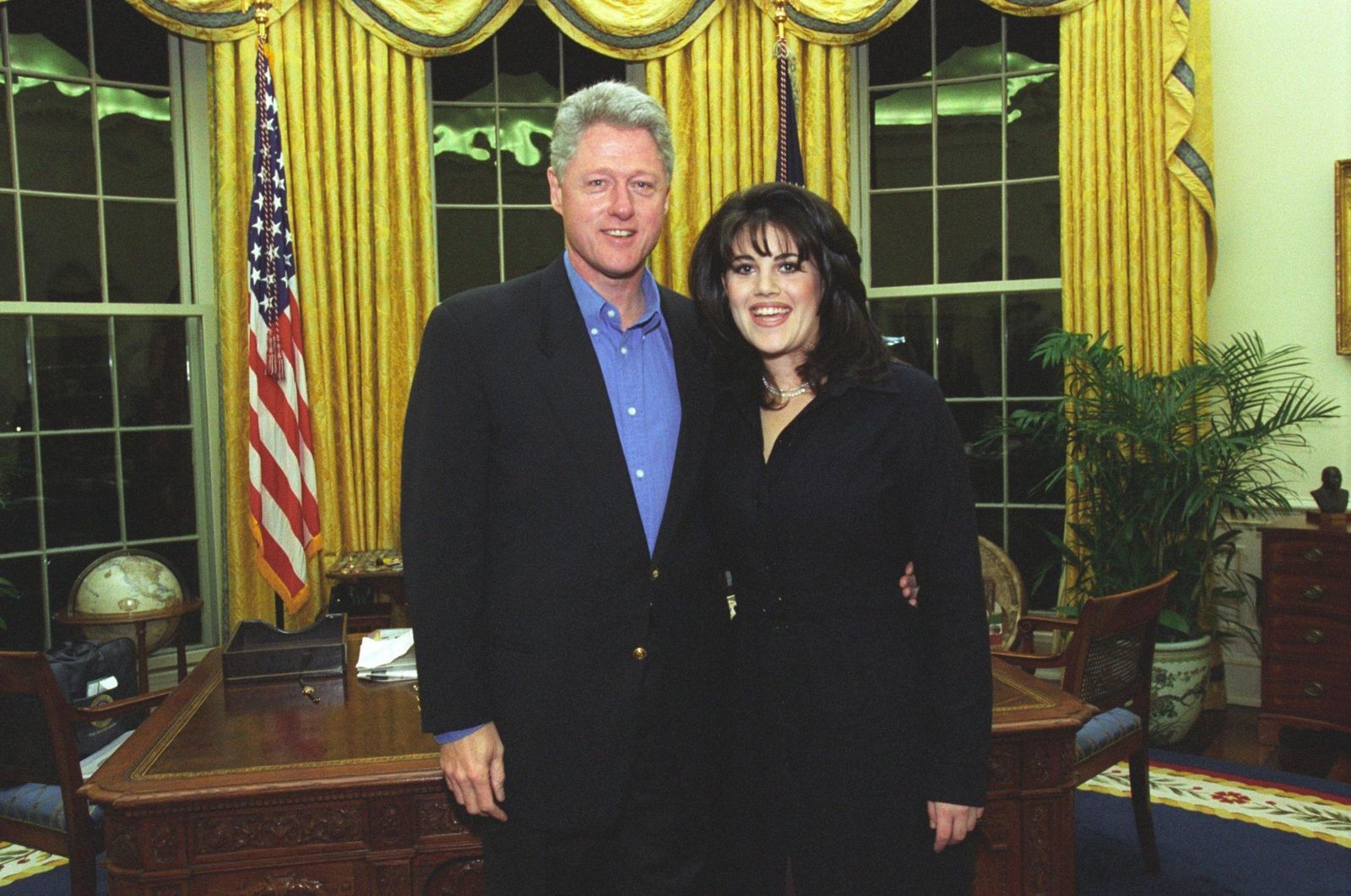
Image: Clinton White House, Public domain, via Wikimedia Commons

The 20th century ended with a scandal that blended personal infidelity with a constitutional crisis. In 1998, news broke that President Bill Clinton had an intimate relationship with a 21-year-old White House intern called Monica Lewinsky.

The affair turned into a legal battle when Clinton denied the relationship under oath during an unrelated sexual harassment lawsuit. The investigation led to Clinton’s impeachment by the House of Representatives on charges of perjury and obstruction of justice. The Senate ultimately acquitted him, yet he couldn’t bypass the media circus.
History History 3 min read

Everything has a secret to tell

Take a deep breath before reading these iconic landmarks’ untold stories

Image: Venti Views

America is filled with famous landmarks that everyone recognizes. But some of these places hold secrets known to only a few. For example, did you know that Niagara Falls can be turned off and on like a faucet? Or that a hidden social club exists inside New York’s Grand Central Station? Discover 12 of these incredible facts and impress your friends with your knowledge!

1
The Statue of Liberty’s color

Image: Pierre Blaché

We start our list with a moderately well-known fact: the Statue of Liberty’s beautiful emerald color is not original. Technically, it’s a sign of damage. While the statue's infrastructure is made of iron, its exterior is copper, which has turned green over time due to oxidation .

Fortunately, that same green coating now protects the statue from further damage and deterioration.

2
Grand Central Terminal’s hidden club

Image: David Vives

A busy train station may not seem like the ideal place for a social club, but that’s exactly the case with the Explorers Club. Operating for decades, this exclusive venue primarily serves locals, featuring a full gym, an indoor hard court, and even a smaller secondary court .

3
Gateway Arch’s time capsule

Image: Chris Hardy

This beloved St. Louis landmark holds a secret at its peak: a time capsule was placed inside the arch in 1965 , containing 762,000 signatures—many from students who attended St. Louis schools at the time.

The capsule is permanently welded inside the arch and will remain sealed for as long as the structure stands.

4
New York's High Court Building’s ball court

Image: Markus Spiske

New Yorkers seem to have a penchant for sports courts hidden on the top floors of iconic buildings—this one being the second on our list. The New York High Court Building is primarily a place for legal proceedings and bureaucratic work, but on its fifth floor, visitors will find a basketball court known as the "Highest Court in the Land."

5
The White House’s dentist

Image: Benyamin Bohlouli

It’s easy to imagine hallways and rooms filled with endless state secrets in the White House basement. But what most people won’t guess is that you can also find a dentist’s office, a carpenter’s shop, and even a bowling alley down there.

6
Niagara Falls is a huge faucet

Image: Tosab Photography

As strange as it sounds, this statement is true in a sense. The complex system of pumps and gates that administer the water of the Falls can be controlled by a central command.

In fact, part of Niagara Falls is even scheduled to be "turned off" in the coming years to replace some obsolete structures—just like a faucet.

7
Washington Monument’s Civil War graffiti

Image: Sonder Quest

Graffiti has been around all over the world, for a couple of centuries now. The Washington Monument was still under construction when the Civil War broke out, and Union soldiers stationed there carved their names and drew pictures onto the monument . These markings can still be seen today at its base.

8
Mount Rushmore’s hidden room

Image: Jéan Béller

One of America’s most famous landmarks hides a secret room known as the Hall of Records , which is filled with documents intended to preserve the nation’s history for future generations. This hidden chamber is accessed through a concealed door behind Abraham Lincoln’s ear.

9
Lincoln Memorial’s secret carvings

Image: Andy Feliciotti

Speaking of Lincoln, you’ll need a flashlight to spot this one—but it’s there. On the north wall stone of the Lincoln Memorial, the letters "EBL" can be seen carved . These initials stand for Evelyn Beatrice Longman, the artist who sculpted the memorial’s ornamental border.

10
Empire State Building’s secret floor

Image: Kit Suman

As it turns out, the Empire State Building has one more floor than the famous 102. This extra floor was originally constructed for building maintenance but now serves as an exclusive hotspot for celebrities, complete with an ultra-thin, knee-high railing separating observers from the sky surrounding them.

11
Brooklyn Bridge’s wine cellars

Image: Partha Narasimhan

Wine cellars are cold and dark places—just like the basements at the Brooklyn Bridge’s bases. This connection, now quite obvious, was made by the bridge’s engineer, Washington Roebling, who incorporated two full wine cellars into the bridge’s bases on each side and then rented the space to local businesses who needed the extra storage.

12
Disneyland’s secret members-only club

Image: Travis Gergen

If a trip to Disneyland isn’t enough of a Disney experience for you, there’s an exclusive club on the premises called Club 33 . This exclusive joint boasts an invite-only guest list, where members must pay anywhere from $25,000 to $100,000 to join, with annual membership dues ranging from $12,500 to $30,000. Do you think it’s worth it?

Culture Culture 6 min read

KINGS OF COMEDY

These 10 legendary comedians will tickle your funny bone!

Image: Tim Mossholder

They say that laughter is the best medicine . If that old saying is true, then the 10 American comedians featured in this article are the most skilled doctors in the country! These masters of laughter have brought countless smiles to generations of Americans throughout history. They have entertained us, taught us invaluable life lessons, and even helped bring a little light to the darkest moments in our past. With that in mind, sit back and enjoy this homage to 10 of the most talented American comedians in history! Enjoy!

1
Marx Bros

Image: Braydon Anderson

We’ll start strong with the family of actors considered by many to be the most groundbreaking comedians of their generation: the five Marx Brothers. They truly took the world by storm, leaving an unforgettable mark that forever changed Hollywood.

Throughout a career that lasted over 40 years, the Marx Brothers starred in 14 films, five of which were included in the American Film Institute's list of the greatest 100 comedies of all time. While it is indeed a gargantuan task to select the best moments from this remarkable career, we feel inclined to select 1933’s Duck Soup and 1935's A Night at the Opera as our top picks.

2
Abbot and Costello

Image: Los Angeles Daily News, CC BY 4.0

In the very likely event that you’ve ever played a game of baseball, we can almost guarantee that someone jokingly asked you, "Who’s on first?" in a marked Jersey accent. After all, any American born after the 1950s knows this legendary Abbott & Costello routine, which is considered by many to be one of the finest pieces of comedy ever conceived.

This iconic duo met in New York City in 1935. After Bud Abbott’s comedy partner fell ill before a performance at the Eltinge Burlesque Theater, Lou Costello substituted for him, marking their first unforgettable performance. Many believe the duo’s groundbreaking chemistry was already present in that very first show. Over the course of their nearly 20-year career, Abbott & Costello produced several hilarious routines, including "Niagara Falls," "The Piano Bit," and, of course, "Who’s on First?"

3
Jerry Seinfeld

Image: Alan Light, CC BY 2.0

Years before he starred in his groundbreaking Show About Nothing , Jerry Seinfeld was a scrawny and hilarious comedian making appearances on talk shows like The Tonight Show Starring Johnny Carson and Late Night with David Letterman . While this young comedian’s talent was evident, little did anyone know that Jerry Seinfeld would soon become the world’s most famous comedian.

The TV show Seinfeld ran for 9 seasons between 1988 and 1998, winning a myriad of accolades and awards in the process. Part of the charm was that Jerry’s off-screen persona seemed like a carbon copy of his character: he was witty, sarcastic, and hysterically funny. After Seinfeld concluded, Jerry went on to produce several successful comedy specials, as well as the Emmy-nominated show Comedians in Cars Getting Coffee .

4
Johnny Carson

Image: Arthur Osipyan

While Johnny Carson was not the first host of The Tonight Show , he is definitively considered a pioneer in late-night TV history. This groundbreaking comedian hosted the iconic talk show for 30 years, earning the well-deserved title of "King of Late-Night Television" in the process.

It’s difficult to describe how immense Carson’s influence was, not only on the history of talk shows but also in American culture in general. It only takes someone mimicking a swing of a golf club for anyone to realize they are paying tribute to this legendary comedian. Johnny received numerous awards during his lifetime, including six Primetime Emmys and the Presidential Medal of Freedom.

5
Conan O’Brien

Image: Jay Dixit, CC BY 4.0

Conan O’Brien is truly a blue-collar comedian. Now, by no means are we trying to convey that other comedians didn’t work hard to get where they are; we are simply pointing out that Conan’s comedy resume dates back to his early twenties when he started writing for groundbreaking shows like Saturday Night Live and The Simpsons .

In 1993, Conan debuted as a late-night host with Late Night with Conan O'Brien . What followed was a 28-year career filled with hilarity and creativity, which only ended after Conan announced he would be retiring and taking a well-deserved break from performing. However, he still continues to host a hilarious series of podcasts called Conan O'Brien Needs a Friend .

6
Jackie Gleason

Image: Jazz Guy from New Jersey, United States, CC BY 2.0

If you happen to visit New York City (or if you are a New Yorker yourself), take a stroll to Port Authority Bus Terminal, and you’ll come across an eight-foot-tall bronze statue of a cheerful and lively bus driver. If you take a closer look, you’ll notice that this is not a homage to any real-life bus driver. In fact, the man depicted in the statue is none other than the legendary comedian Jackie Gleason , portraying Ralph Kramden, his iconic character from The Honeymooners .

First broadcast in 1955, The Honeymooners was a groundbreaking sitcom that depicted the life of bus driver Ralph Kramden and his wife Alice. This show served as the inspiration for countless other sitcoms, including America’s favorite prehistoric family, The Flintstones .

7
Robin Williams

Image: Alan Light, CC BY 2.0

Robin Williams’ legacy expands throughout several generations: People in the ‘70s adored him in Mork and Mindy , he inspired many ‘80s moviegoers with his films Good Morning Vietnam and Dead Poets’ Society , and he filled the childhoods of millions of ‘90s kids as the wisecracking genie from Aladdin .

What’s perhaps most astounding about Williams’ acting is the remarkable range he displayed. The fact that his performances in drama could move us to tears doesn’t diminish the effectiveness of his comedy chops. Not only that, but hundreds report that off-screen, Williams was an incredibly kindhearted and warm person, always ready to go the extra mile to make someone smile.

8
Chris Rock

Image: Maarten van den Heuvel

Don’t let the title of his Emmy-nominated TV show fool you: Not everybody hates Chris Rock . In fact, we are willing to go even further and state that, despite being known for his crude and sarcastic style, he is still one of America’s most beloved comedians.

Chris Rock's first jump to prominence came when he joined the main cast of Saturday Night Live in 1990. After that, he went on to perform in several stand-up specials and provided hilarious comic relief in films such as Lethal Weapon 4 , The Longest Yard, and Death at a Funeral .

9
Steve Martin

Image: Marianna Diamos, Los Angeles Times, CC BY 4.0

In 1967, thousands of American families tuned in to watch another episode of the extremely popular game show The Dating Game . While that particular installment came and went without a second thought, it marked legendary comedian Steve Martin ’s first appearance on national television. Little did anyone know that it wouldn’t be by any means his last.

It was only a few years after that appearance on The Dating Game that Martin took the world by storm. By the mid-1970s, he was already showcasing his hilarious routines on shows like The Tonight Show Starring Johnny Carson , The Muppets, and Saturday Night Live . Today, at 79 years old, Martin continues to be as hysterical as ever, starring in the acclaimed show Only Murders in the Building .

10
Charlie Chaplin

Image: Edo Nugroho

While it is true that Charlie Chaplin was English, it would feel wrong not to include such a Hollywood legend in this list. In that regard, we have reserved the last spot for someone who many consider to be the best comedian of all time. Chaplin’s career goes as far back as the early days of cinema, first appearing as his iconic "Tramp" character in the 1914 film Kid Auto Races at Venice .

What’s perhaps most remarkable about Chaplin’s legacy is not only his hilarious and groundbreaking skits but also his unique ability to both inspire and entertain his audience. We’ll close this article by remembering what is probably his most famous line of dialogue (and that’s saying something for a mostly silent actor): the final speech in his 1940 film The Great Dictator .

Explore more American facts

Choose your favorite category!

General
General

As American as apple pie—the very best America has to offer!

Culture
Culture

Delve into the astounding richness of American lore.

Geography
Geography

Hop in and explore vast and diverse American landscapes.

History
History

Discover the key moments that shaped the United States.