Mysterious historic connections
Adams died thinking Jefferson was still alive. He was mistaken.
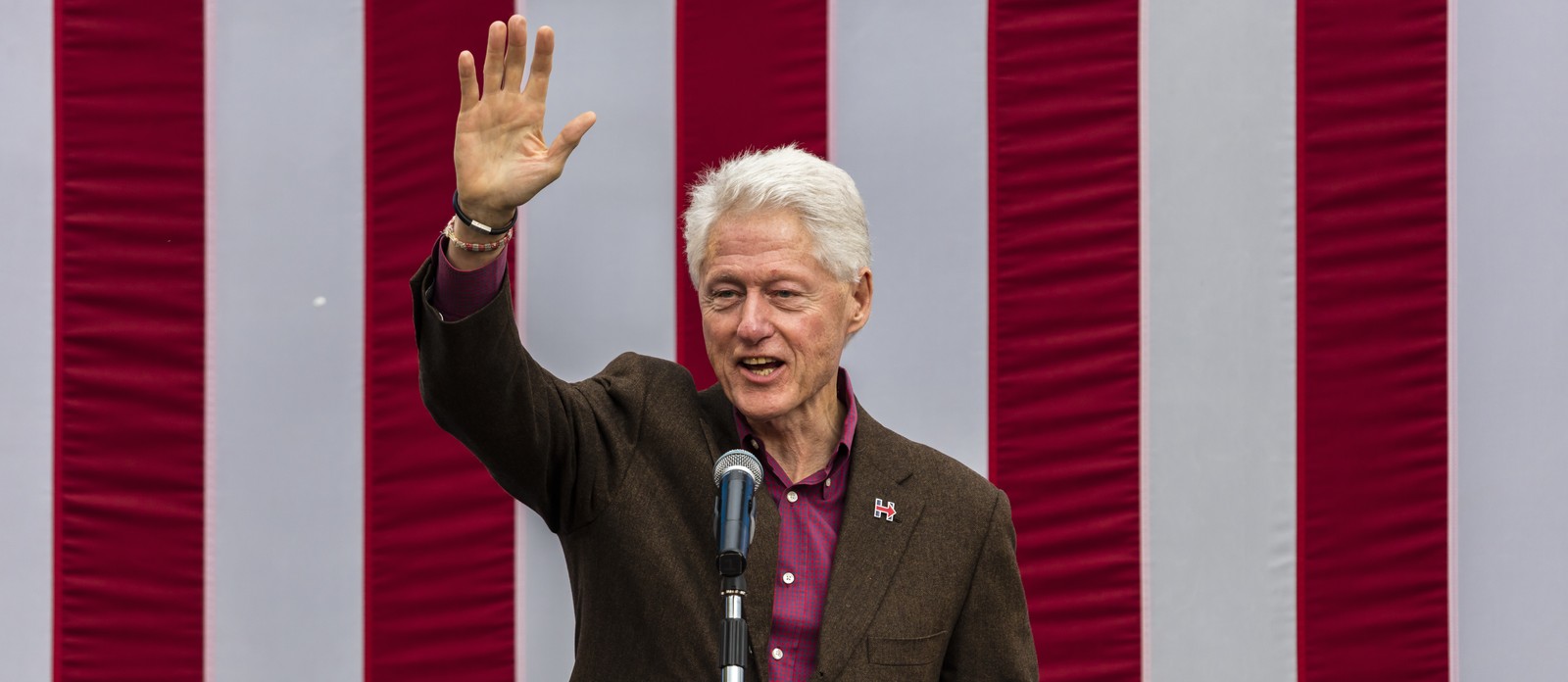
Image: Shutterstock
History is full of "Wait, that actually happened?" moments. Like finding out Lincoln and Kennedy shared the same tragic destiny , that Adams spent his last breath on Jefferson's name, not knowing his friend was already gone, or that Mark Twain called his own death years before it happened. Read on to discover 10 startling connections.
1
Abraham Lincoln and John F. Kennedy
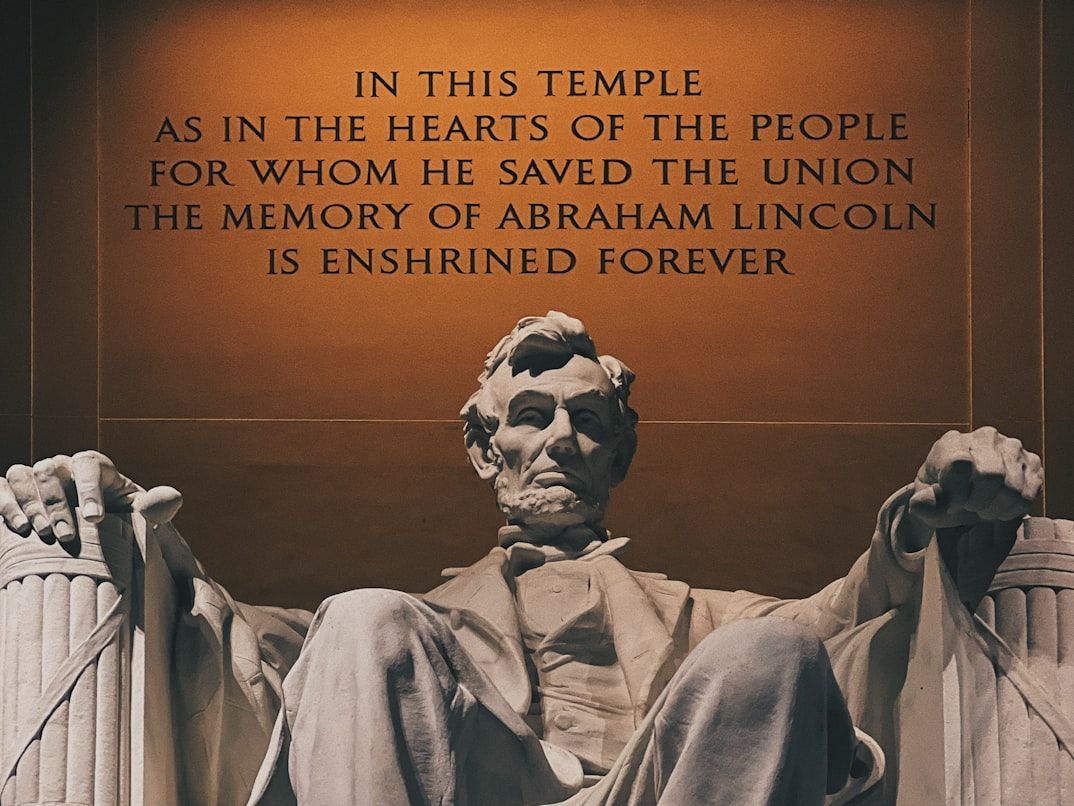
Abraham Lincoln led the country through the Civil War in the 1860s, while John F. Kennedy governed during the Cold War and the civil rights movement of the 1960s. Both led the U.S. during make-or-break moments, and both were tragically assassinated while in office.
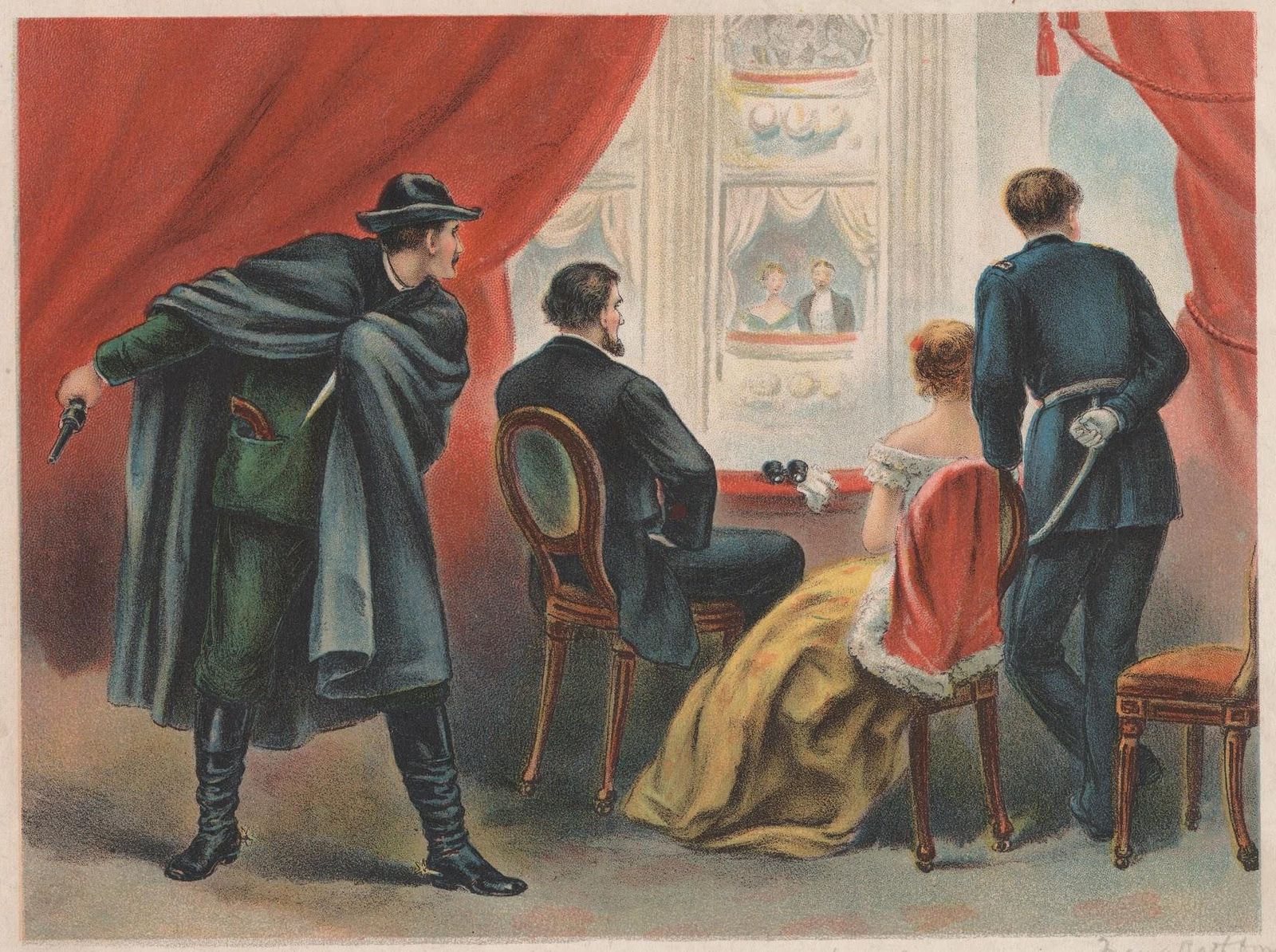
The major coincidence is the exact 100-year parallel in their timelines . Lincoln was elected to Congress in 1846, became president in 1861, and was killed at Ford's Theatre in Washington, D.C., on the night of April 14, 1865. Kennedy was elected to Congress in 1946, became president in 1961, and was shot while riding in the presidential motorcade in Dallas, Texas, in 1963. There is more: both men were shot on a Friday while sitting next to their wives. Lincoln was 56, while Kennedy was 46.
2
Jefferson and Adams

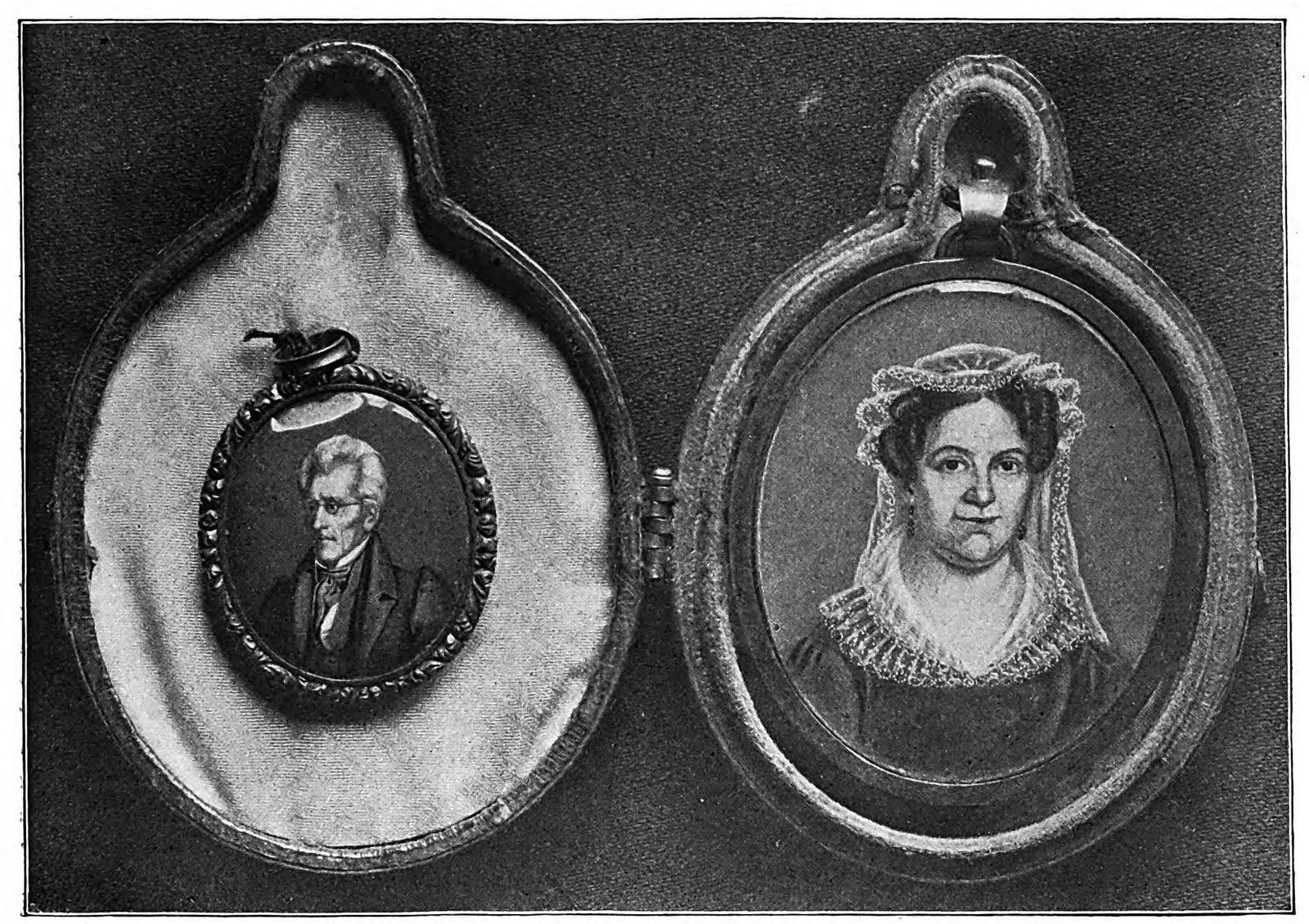
Thomas Jefferson was born in Virginia in 1743 and was eight years younger than John Adams, who was born in Massachusetts in 1735. While Adams was a Federalist, Jefferson helped lead the Democratic-Republicans, and the bitter election of 1800 pushed them apart for years. Then, in 1812, Adams wrote to Jefferson, opening the door to a long exchange of letters that slowly repaired their friendship.
The tragic yet mysterious event came on July 4, 1826, exactly 50 years after the Declaration of Independence. Jefferson died in Virginia at age 83 of intestinal and kidney issues, and Adams died a few hours later in Massachusetts at age 90 due to heart failure. According to reports, Adams’s last words were "Thomas Jefferson survives," not knowing Jefferson had already died .
3
Monroe
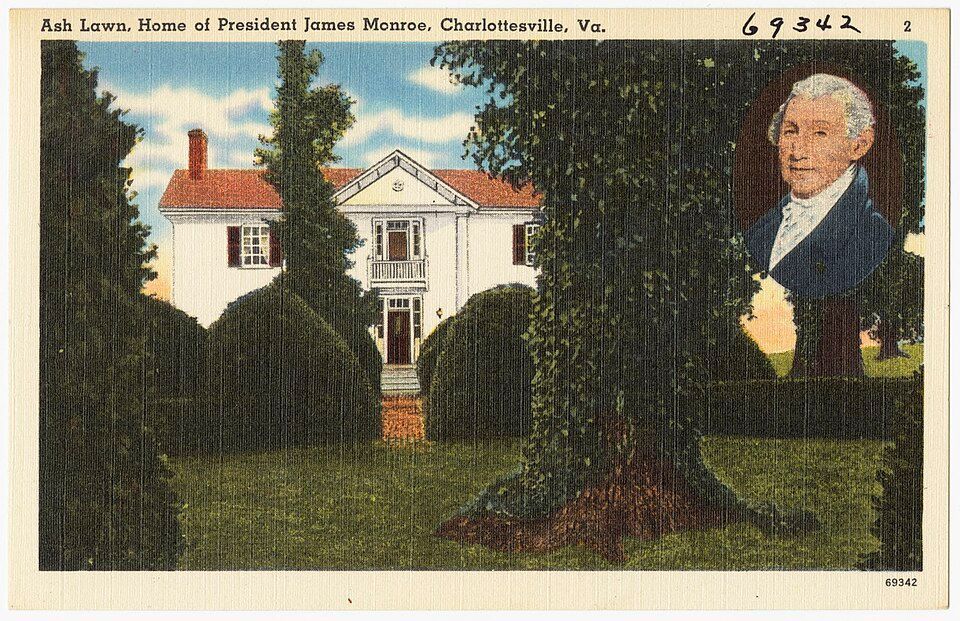
James Monroe has more in common with Jefferson and Adams than you might think. He became the fifth president of the United States and is best remembered for the Monroe Doctrine, a major statement in American foreign policy.
Five years after Jefferson and Adams passed away, Monroe, 73, died on the same date in 1831, the 4th of July. This incident made him the third U.S. president to die on Independence Day.
4
Mark Twain
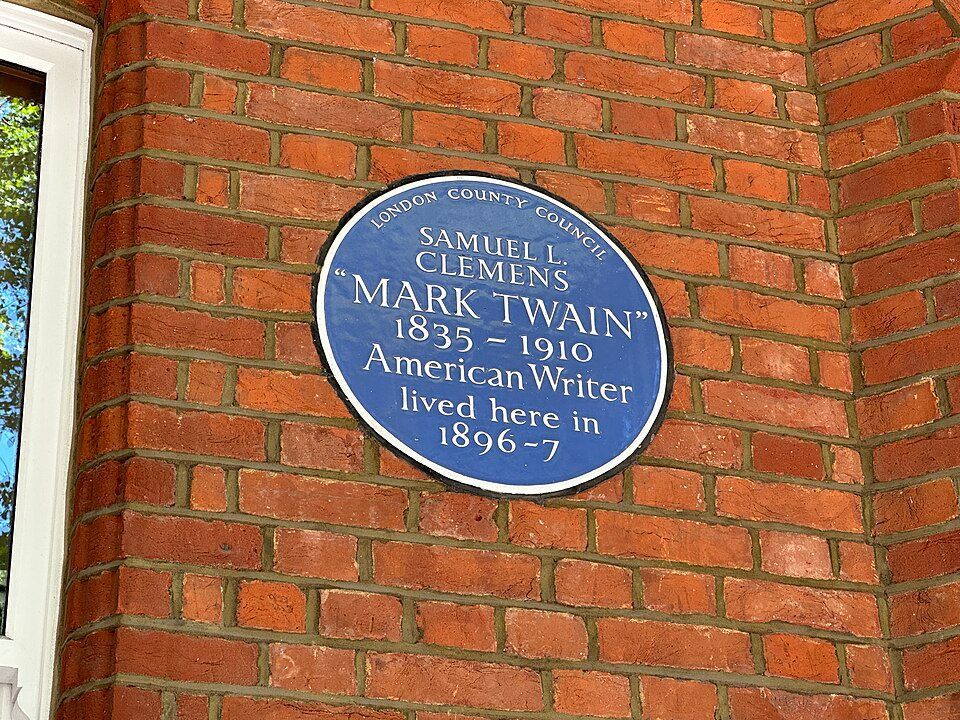
Mark Twain is one of America’s greatest authors, famous for such classics as The Adventures of Tom Sawyer and The Adventures of Huckleberry Finn .
The unusual coincidence is the timing of his life and death. Twain was born in 1835, the exact year Halley’s Comet passed by Earth. In 1909, he publicly joked that he came in with the comet and expected to die when it returned. In fact, his prediction came true: the comet returned to view in April 1910, and Twain died at age 74 of a heart attack the very next day.
5
Martin Luther King Jr. and Anne Frank
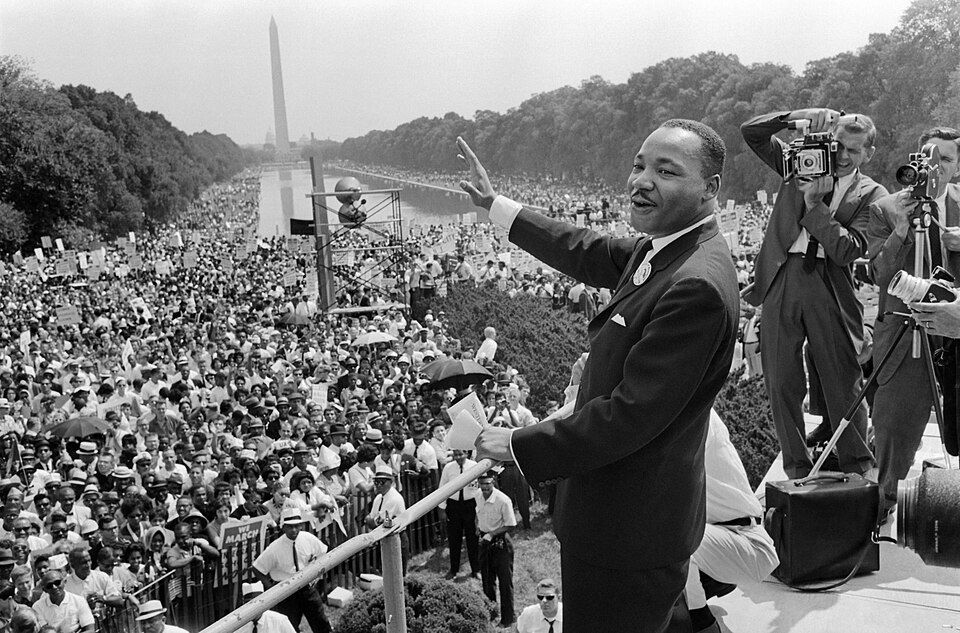
Martin Luther King Jr. was the activist who led the American civil rights movement. Anne Frank was a young German Jewish girl whose hidden diary, discovered after her death, made her one of the most iconic figures of the Holocaust.
Because we remember Anne Frank as a teenager and Martin Luther King Jr. as an adult leader, it feels like they belong to two different eras. But the truth is, both were born in 1929, just a few months apart. Martin Luther King Jr. in January and Anne Frank in June.
6
Johnson and Clinton
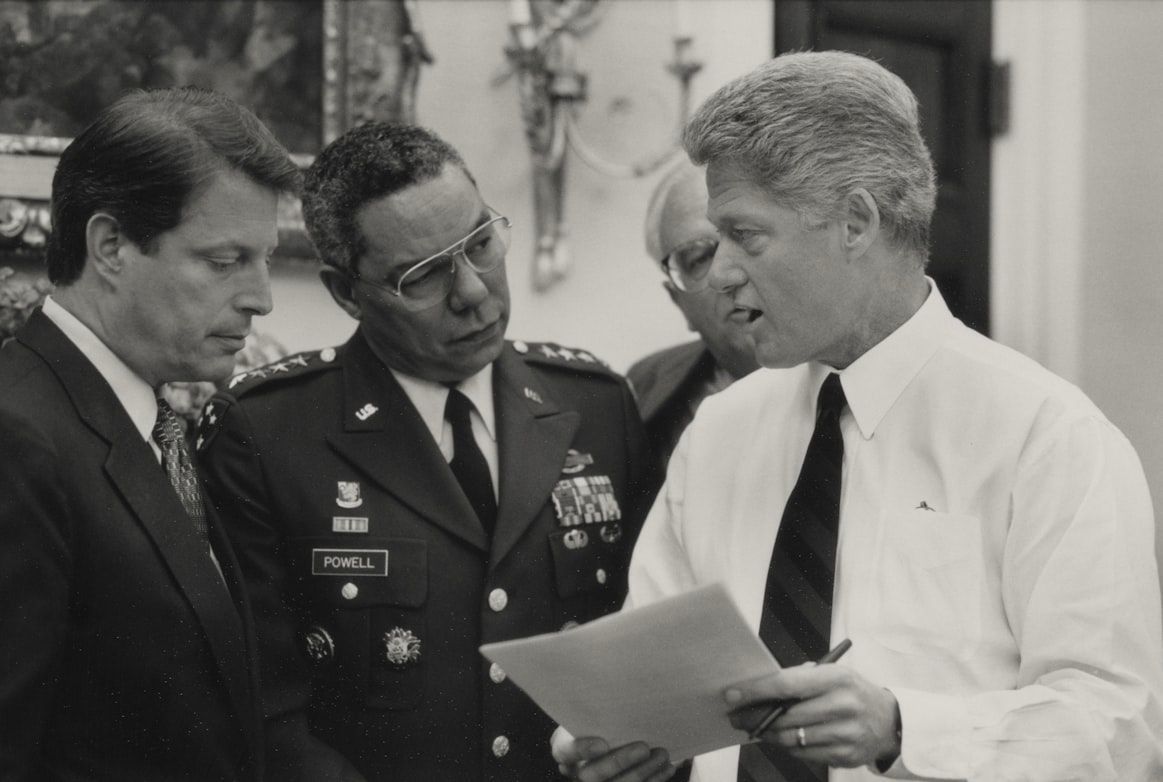
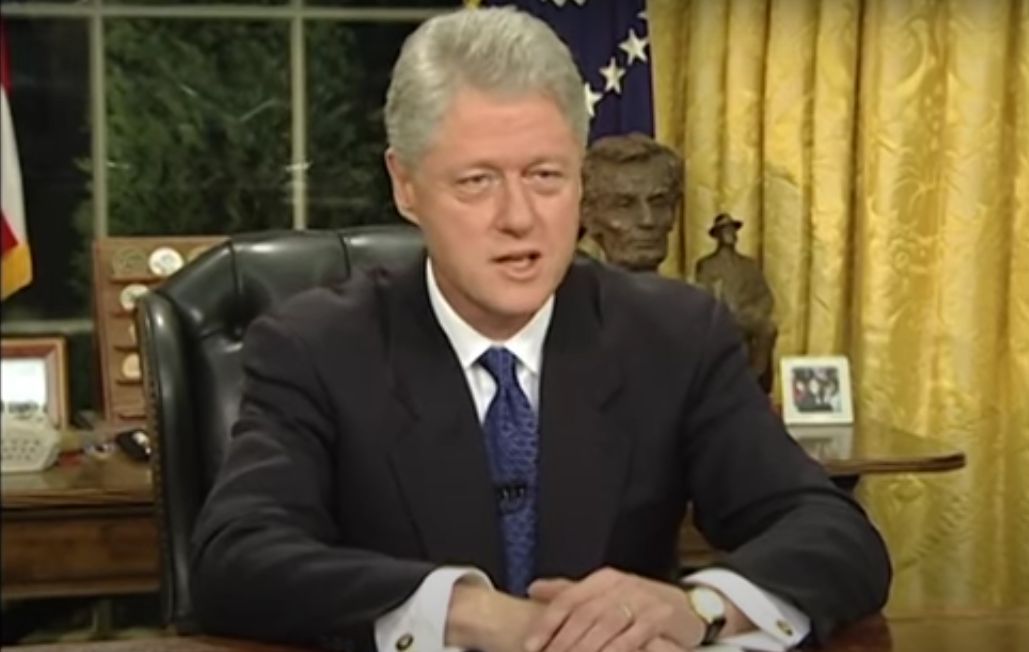
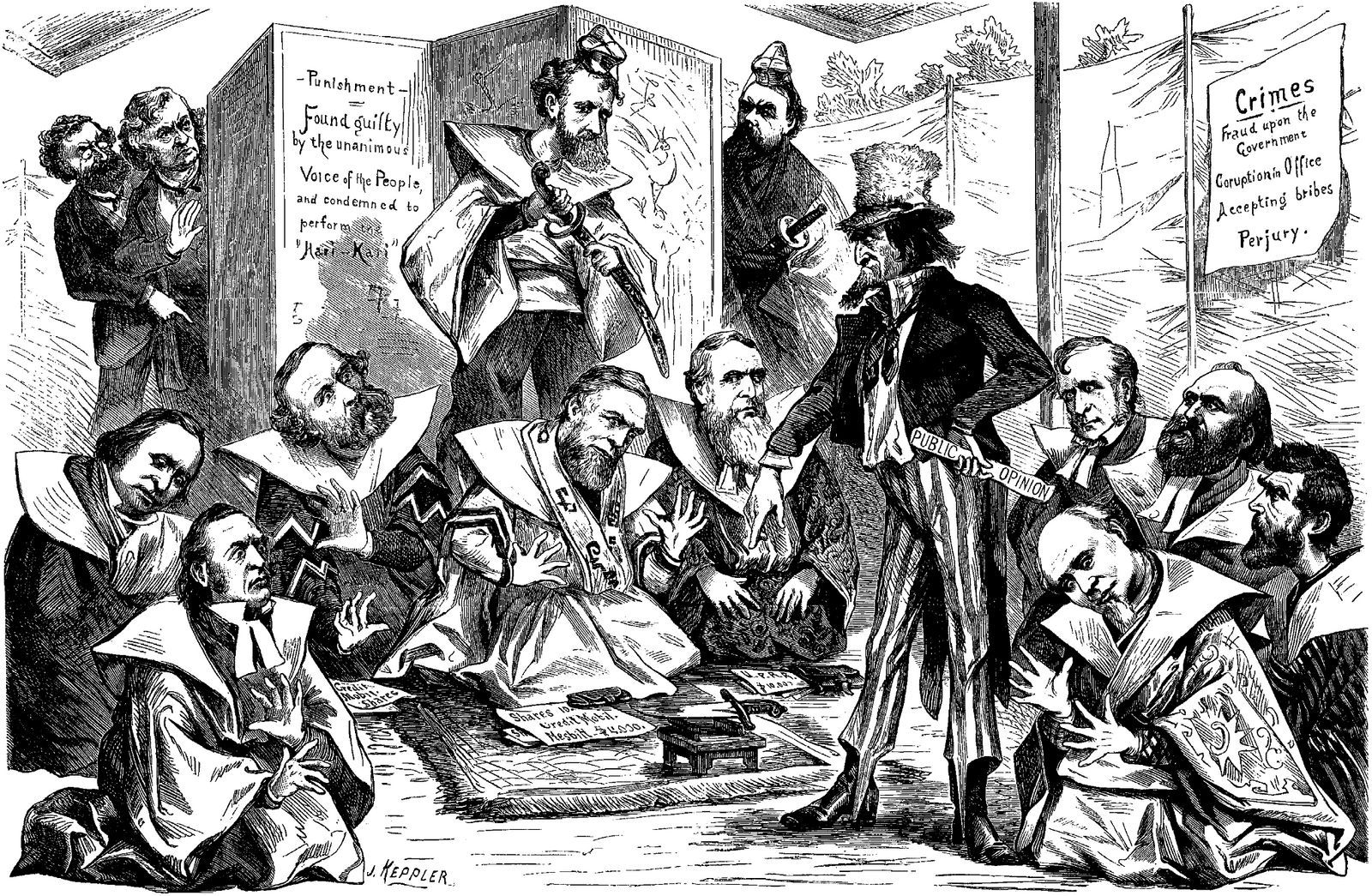
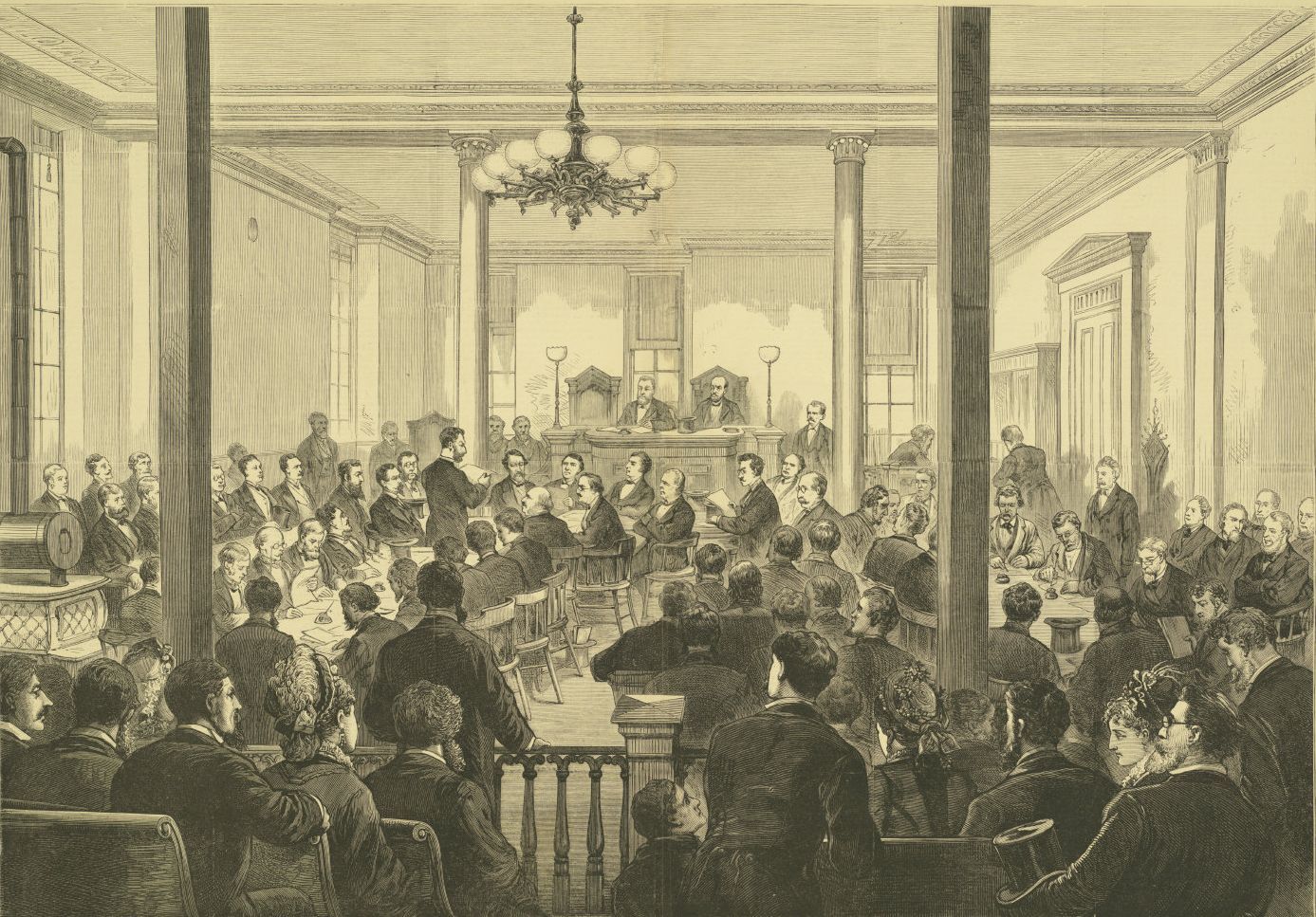
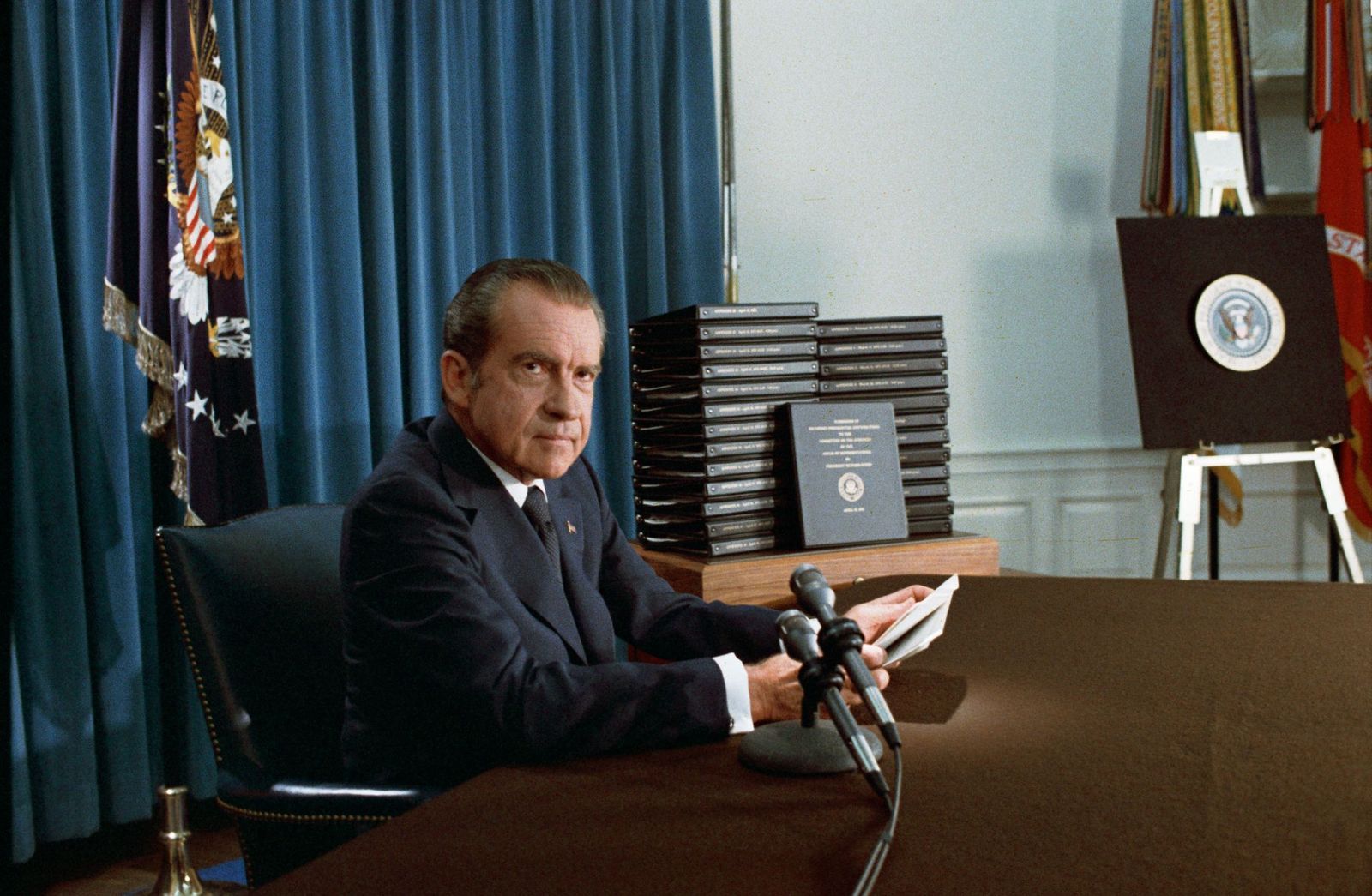
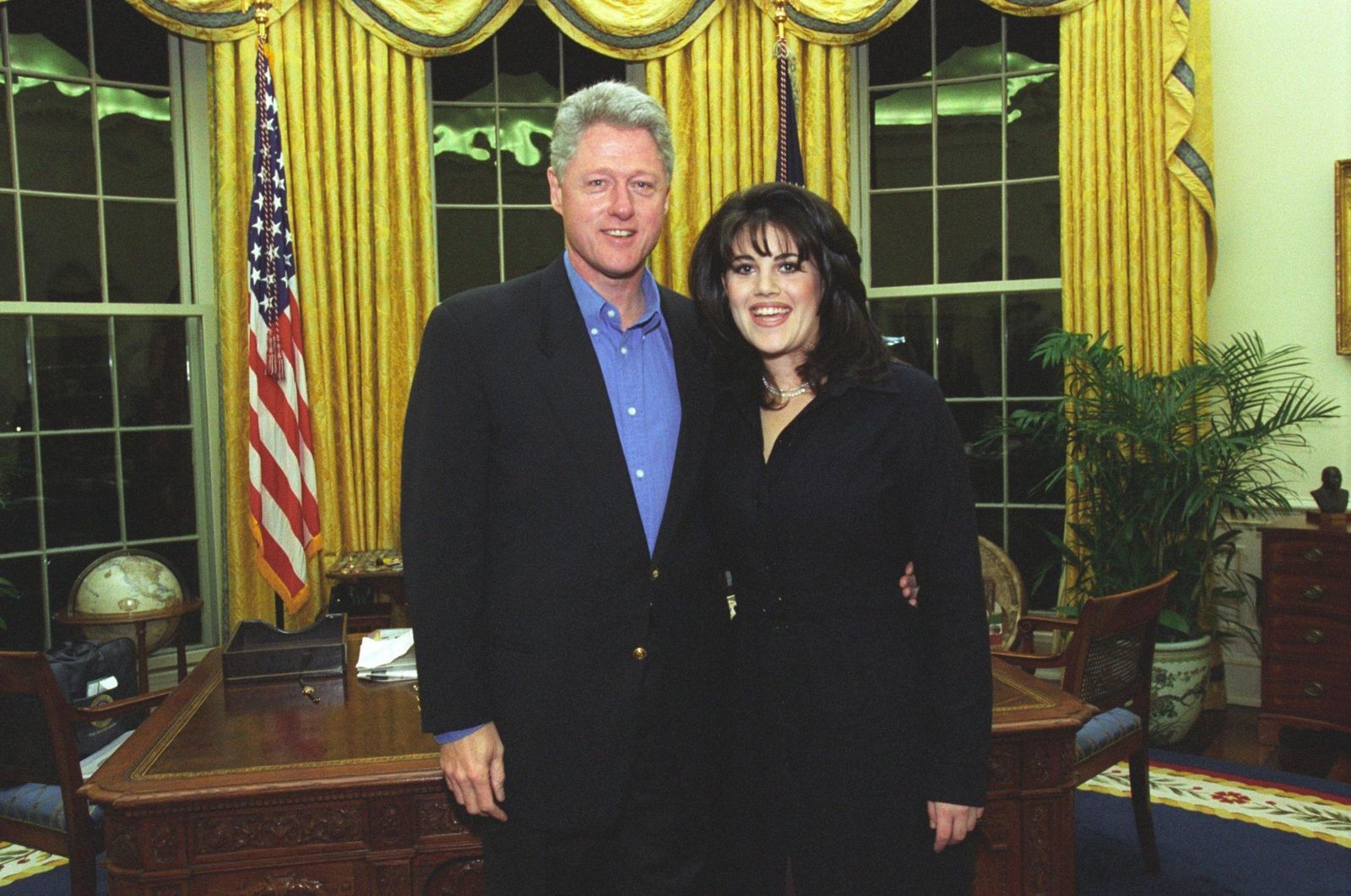
Andrew Johnson became president after Abraham Lincoln was assassinated, while Bill Clinton was the president who oversaw a massive economic boom in the 1990s. What do they have in common? Both men were impeached, but neither was removed from office.
Johnson’s case grew out of the fight over Reconstruction after the Civil War, especially his clash with Congress over how the South should be rebuilt. On the other hand, Clinton’s case came from a personal scandal, centered on accusations that he lied under oath and obstructed justice during the Monica Lewinsky investigation, which involved his relationship with a White House intern.
7
Theodore Roosevelt and Franklin D. Roosevelt
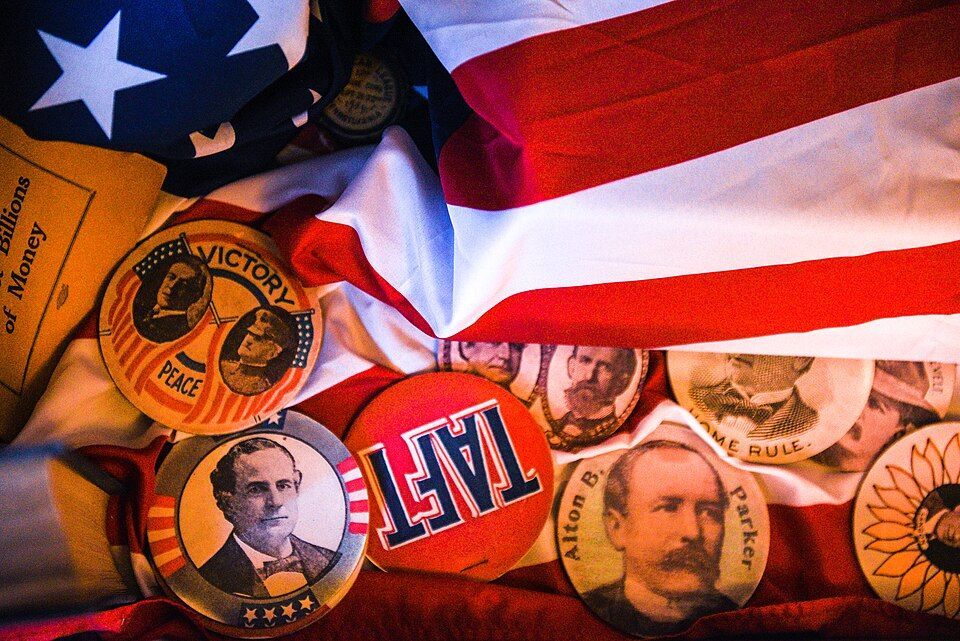
Theodore Roosevelt was a president famous for his environmental conservation efforts and his "Square Deal" policies. Franklin D. Roosevelt guided America through its two biggest 20th-century crises: the Great Depression and World War II.
They were fifth cousins by blood from different branches of the New York Roosevelt family. However, the connection became even closer when Franklin married Theodore’s niece, Eleanor Roosevelt. Franklin once explained the relationship in court during Theodore Roosevelt’s 1915 libel trial, calling himself Theodore’s "fifth cousin by blood and nephew by law."
8
Theodore Roosevelt at Lincoln’s funeral
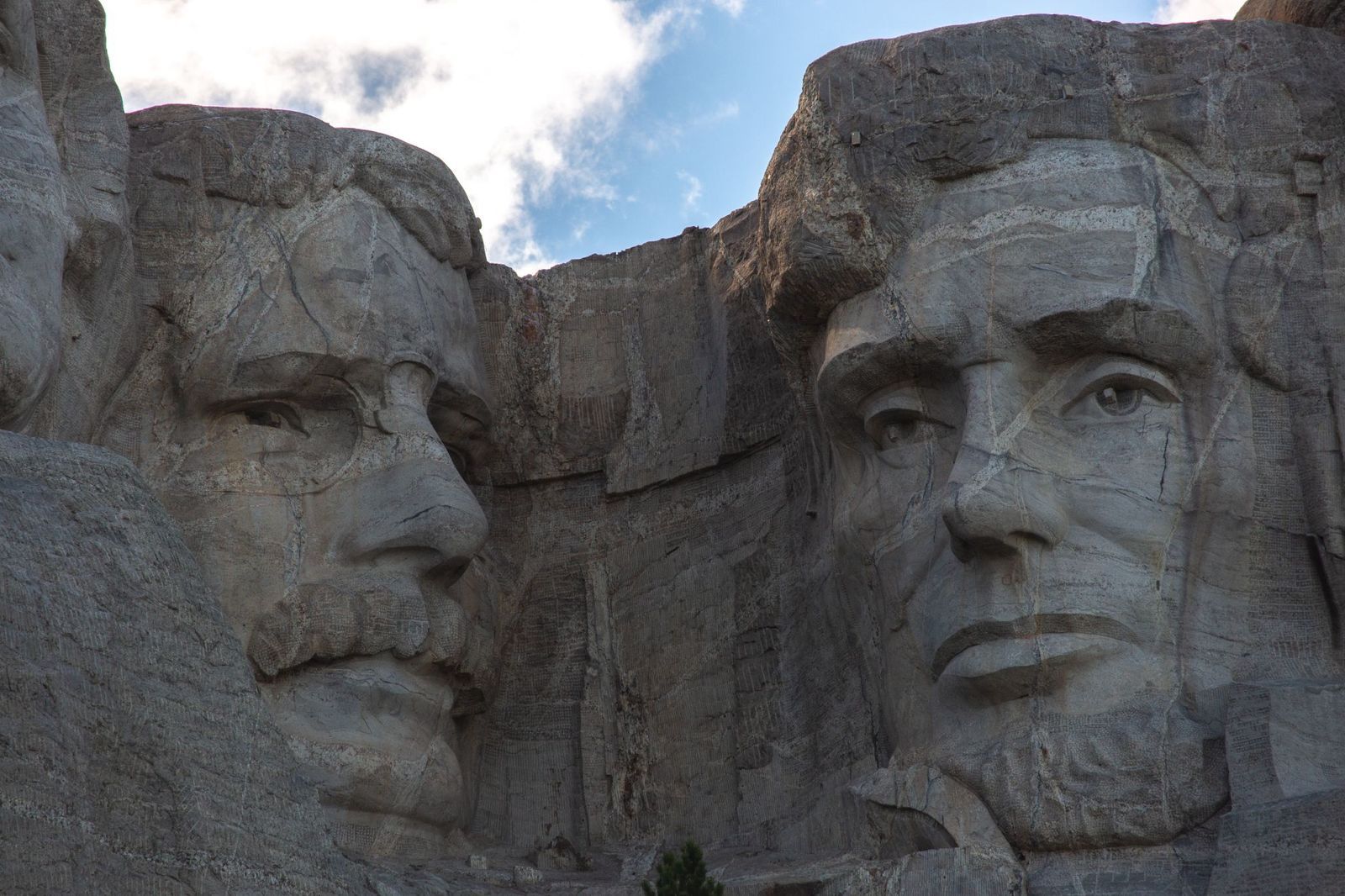
When Abraham Lincoln’s funeral procession passed through New York City in 1865, a small boy was watching from a window on Broadway. That boy was Theodore Roosevelt, not yet seven years old , standing in his grandfather’s house as the nation mourned its assassinated president.
Decades later, Roosevelt would become president himself after another assassination, when William McKinley was shot in 1901. The scene is striking: a future president watching the funeral of Abraham Lincoln decades before he would enter the White House after another president was assassinated.
9
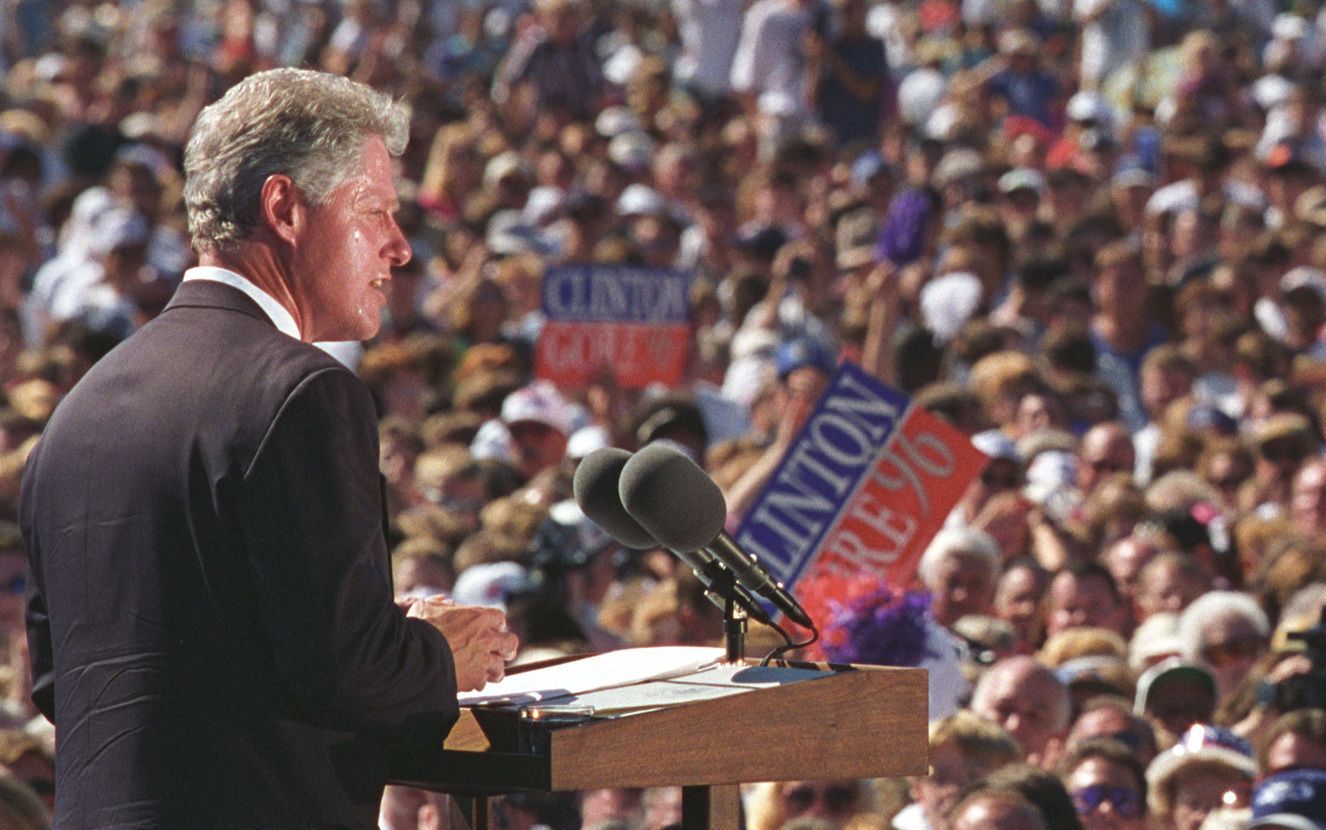
Bill Clinton’s comeback
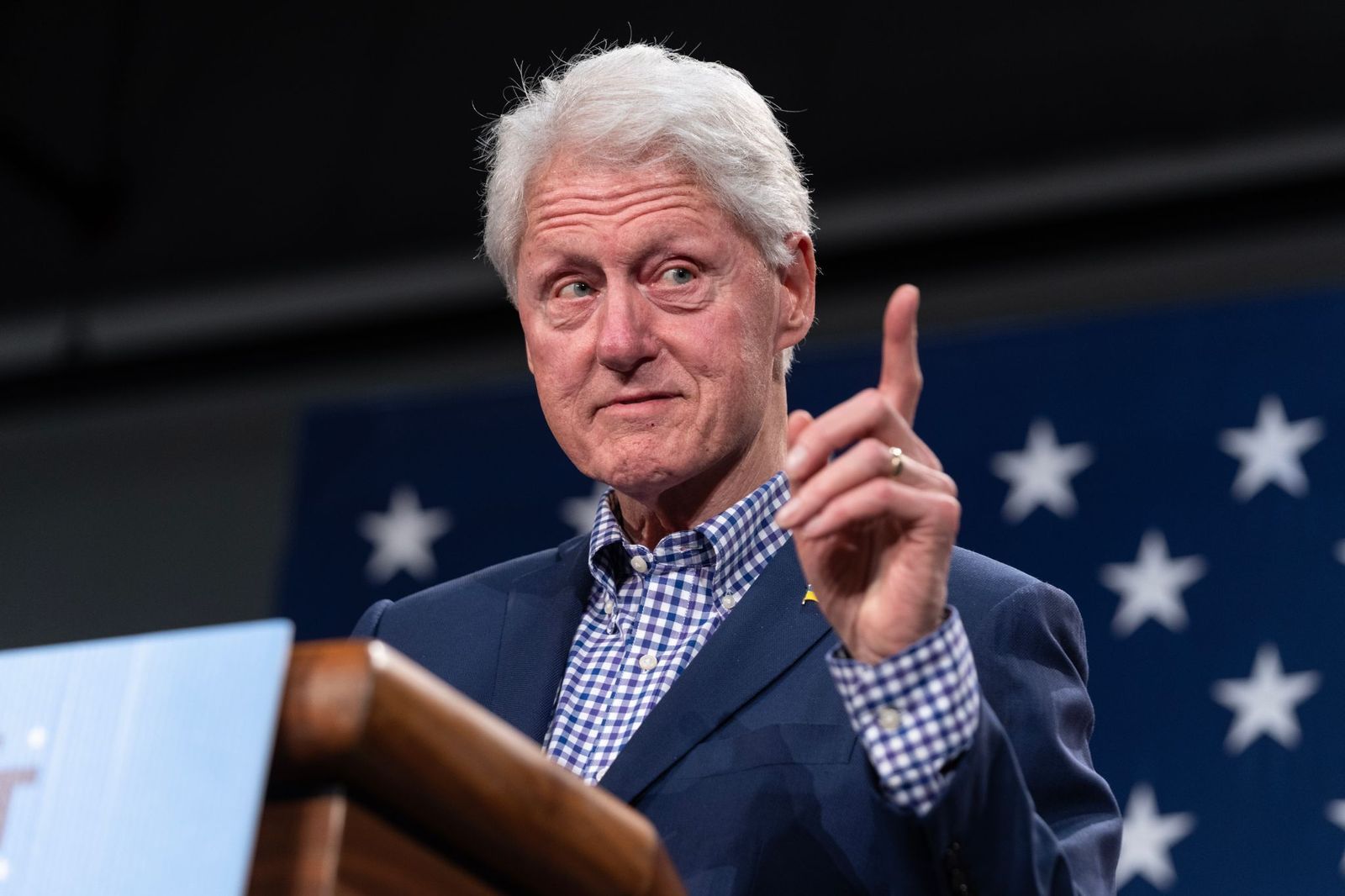
In 1988, Bill Clinton was a little-known governor from Arkansas when he gave the nominating speech for Michael Dukakis at the Democratic National Convention. Dukakis was the governor of Massachusetts and the Democratic nominee for president at that time. Apparently, the speech went on too long, and the crowd famously cheered when Clinton finally said, "In conclusion."
Four years later, Clinton returned to the same national stage as the Democratic nominee for president. The man who was first mocked for talking too long became one of the party’s most famous speakers. Later, he won two terms in the White House, and the rest is history.
10
General George Patton and James Dean
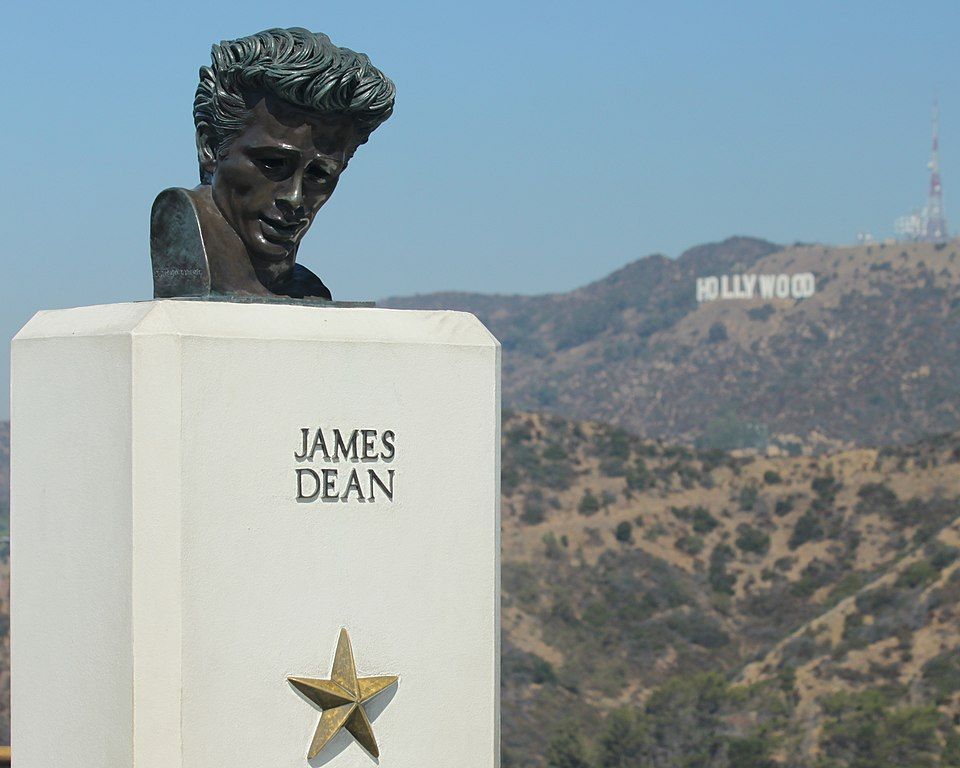
George S. Patton was a famous U.S. Army General who led American troops to victory during World War II, while James Dean was a legendary Hollywood actor who became a cultural icon starring in films like Rebel Without a Cause .
Exactly ten years apart, Patton in 1945 and Dean in 1955, both men were involved in car accidents. In both crashes, the vehicles were not traveling at high speeds, and the other people involved survived, but Patton, 60, and Dean, 24, were the only individuals who suffered fatal injuries.