Geography Geography 3 min read

Hidden country

10 places in America that still baffle scientists (and tourists love)
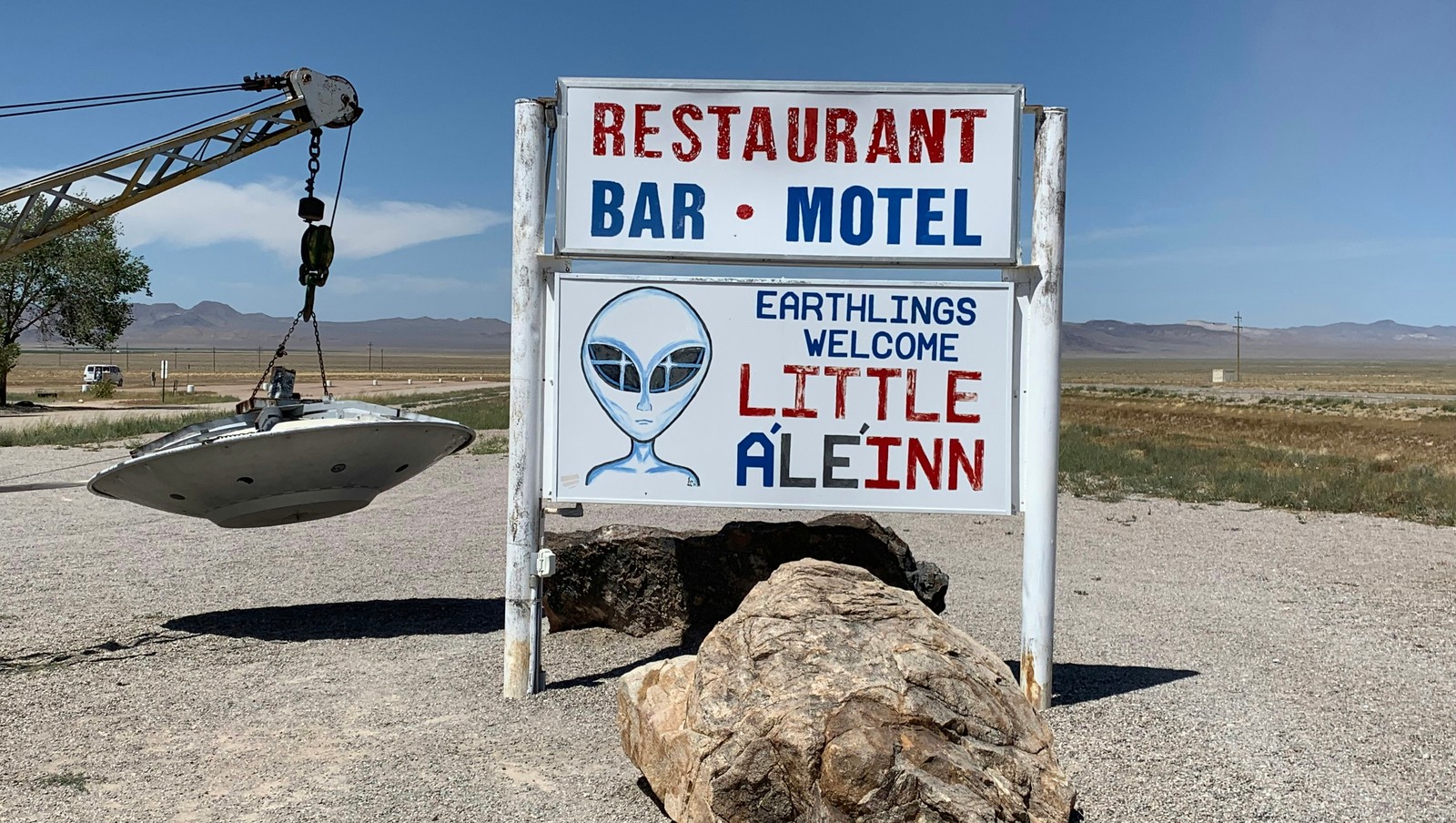
Image: JaZmi

America has no shortage of mysterious places—locations steeped in legend, unexplained science, or just eerie natural beauty. From strange floating orbs to weird geological phenomena, these destinations keep historians, scientists, and thrill-seekers guessing. Whether man-made or naturally puzzling, these 10 U.S. locations refuse to offer simple explanations.

1
Area 51
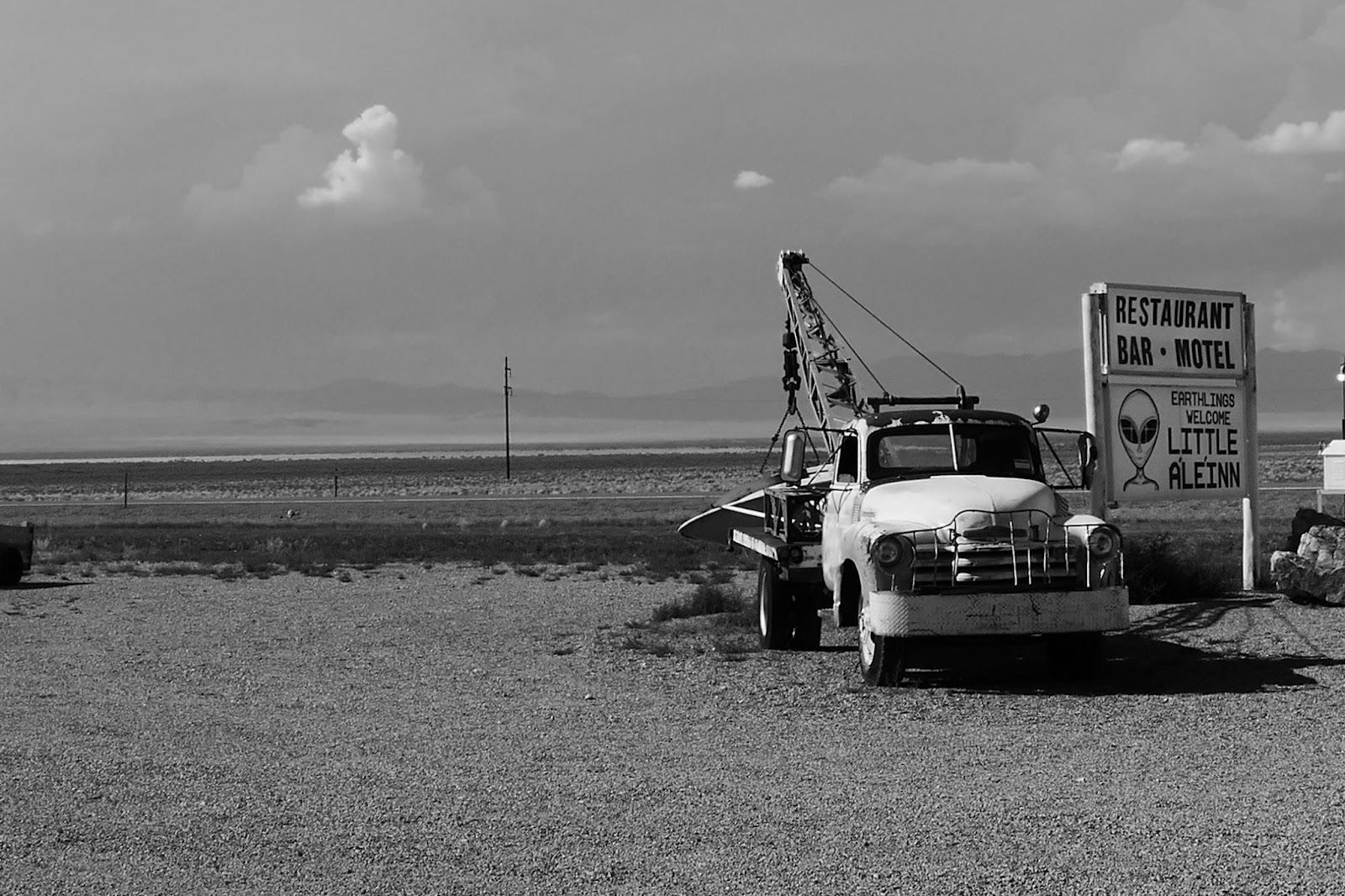
Image: Michael Herren

Location: Nevada

Shrouded in secrecy, this military base has become synonymous with UFOs and government cover-ups. Its official purpose was testing aircraft like the U-2 spy plane and Stealth Bomber, but its classified nature fueled decades of wild speculation, ranging from secret weapons to actual aliens working for the government.

2
Coral Castle
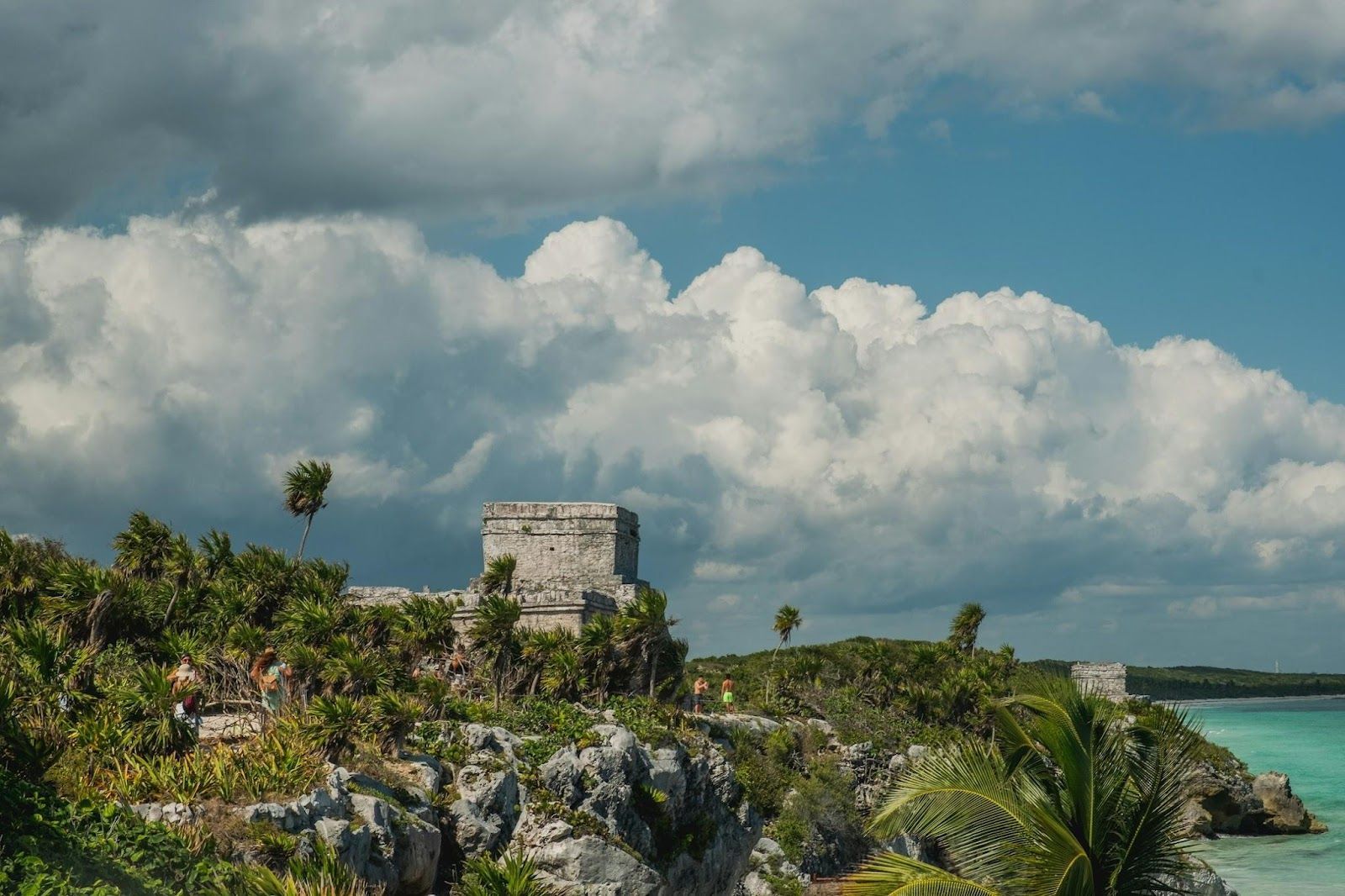
Image: Audric Wonkam

Location: Florida

This massive stone structure was built by a single man, Edward Leedskalnin, using enormous limestone blocks—some weighing 30 tons. According to him, no heavy machinery was ever used during the construction, and he even claimed to know the secrets of the pyramids . To this day, engineers and historians debate how he moved and placed those stones with such precision.

3
Skinwalker Ranch
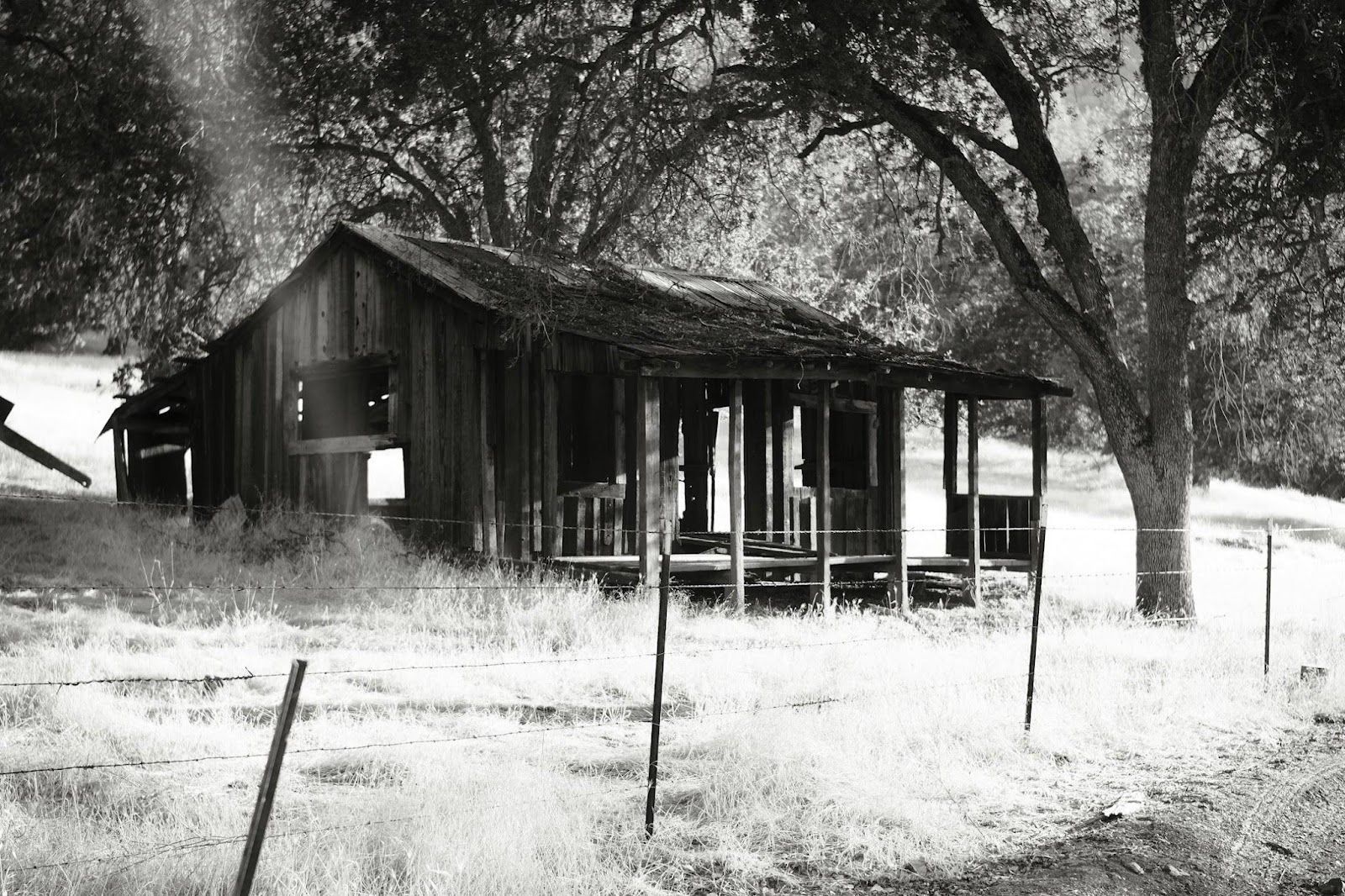
Image: Jacob Padilla

Location: Utah

This 512-acre property has long been at the center of UFO sightings, cattle mutilations , and alleged portals to other dimensions. The stories were so compelling that, in the ’90s, a private research organization purchased the ranch to try and make some scientific sense of the claims, conducting extensive field studies. However, after nearly a decade of research, they found no conclusive evidence.

4
Mammoth Cave
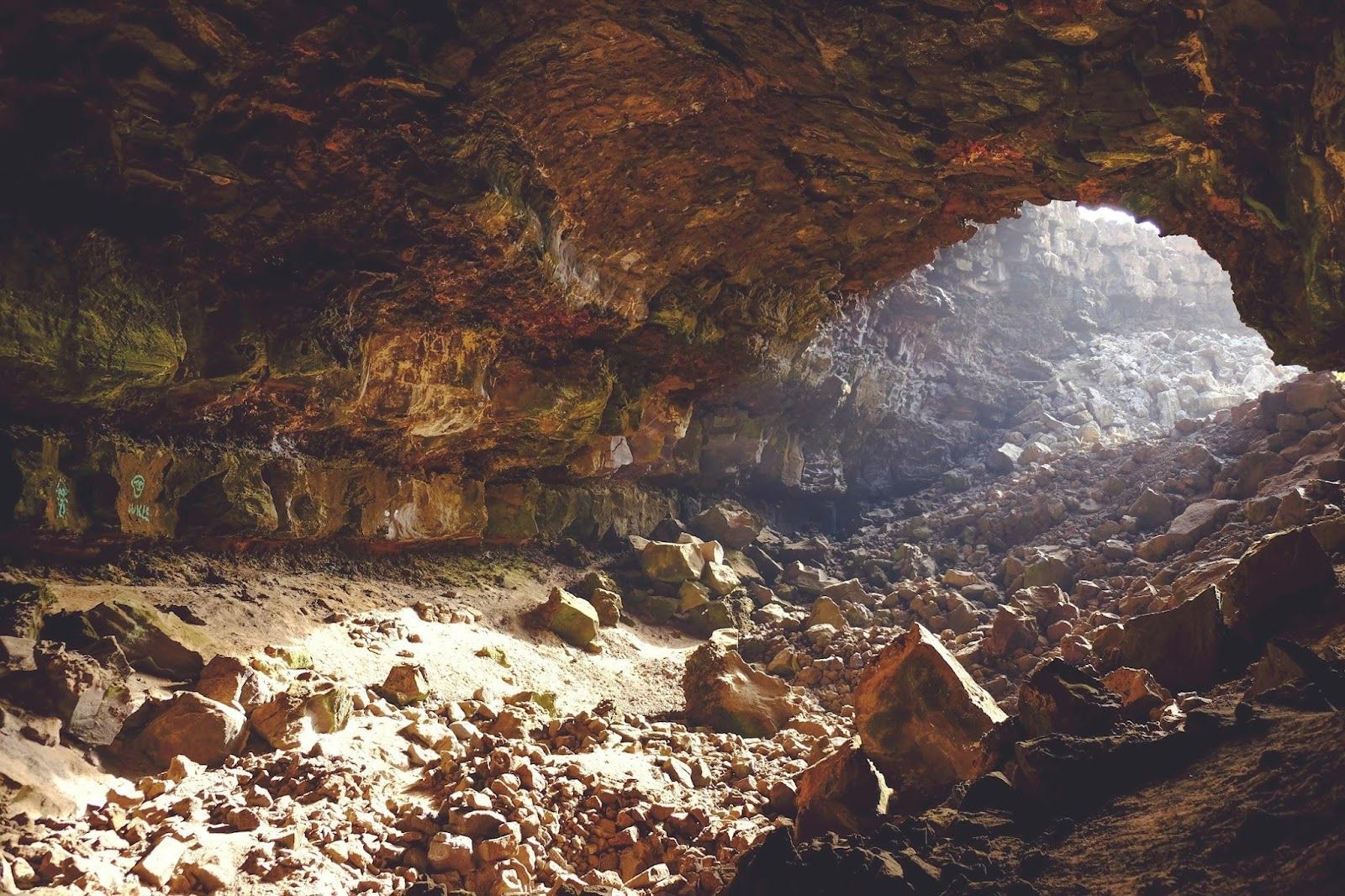
Image: Ksenia Kudelkina

Location: Kentucky

The world’s longest known cave system has its fair share of unexplored tunnels, ghost stories, and strange air currents. More than 400 miles have been mapped , yet many passages remain uncharted. Researchers have yet to fully understand the cave’s underground ecosystem, and new chambers are still being discovered today.

5
The Marfa Lights
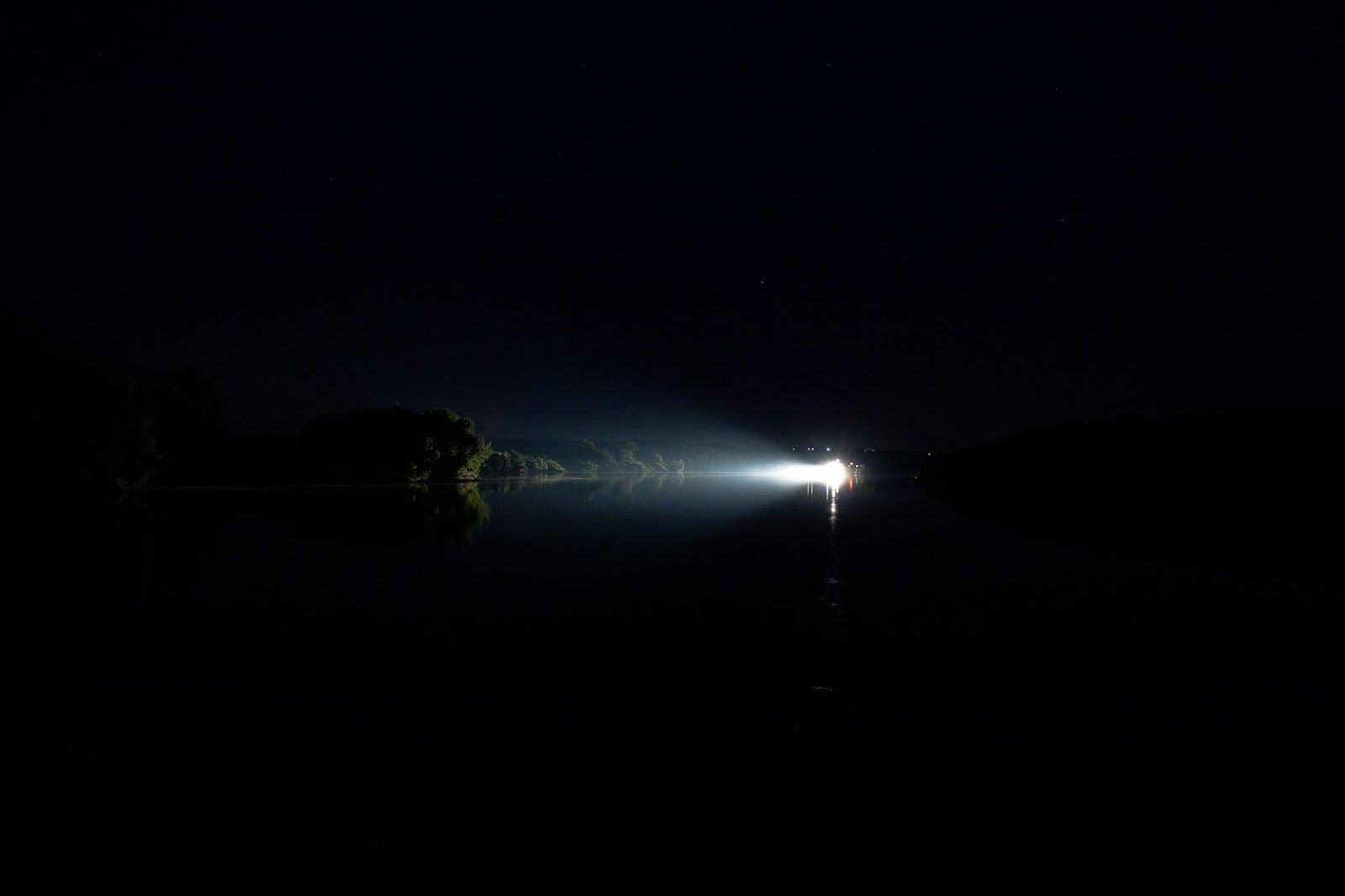
Image: Alexandra Vo

Location: Texas

Reported since at least the late 19th century, floating orbs of light have been seen near this small town with no consistent explanation. Night watchers continue to gather at designated viewing areas along Highway 90, hoping for a glimpse. While scientific studies suggest that distorted car headlights are the most likely cause, many remain convinced otherwise.

6
The Devil’s Kettle
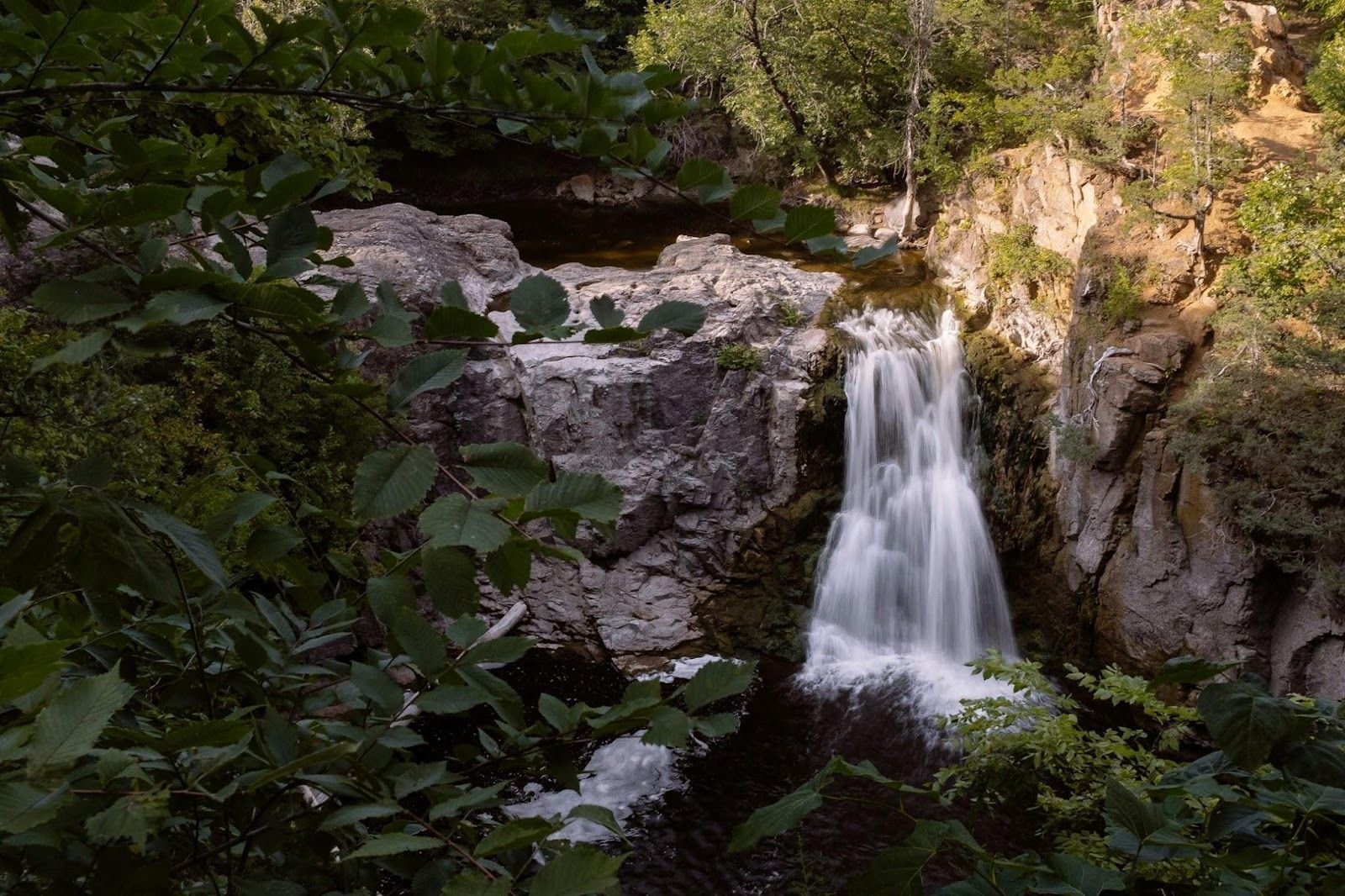
Image: Andrew Ling

Location: Minnesota

This unusual waterfall splits in two—one half flows normally, while the other vanishes into a deep pothole with no known exit. Scientists poured dye, ping-pong balls, and even GPS trackers into the mysterious hole, all to see where the water ends up. While researchers eventually confirmed it rejoins the river underground, exactly how and where remained elusive for decades.

7
Cahokia Mounds
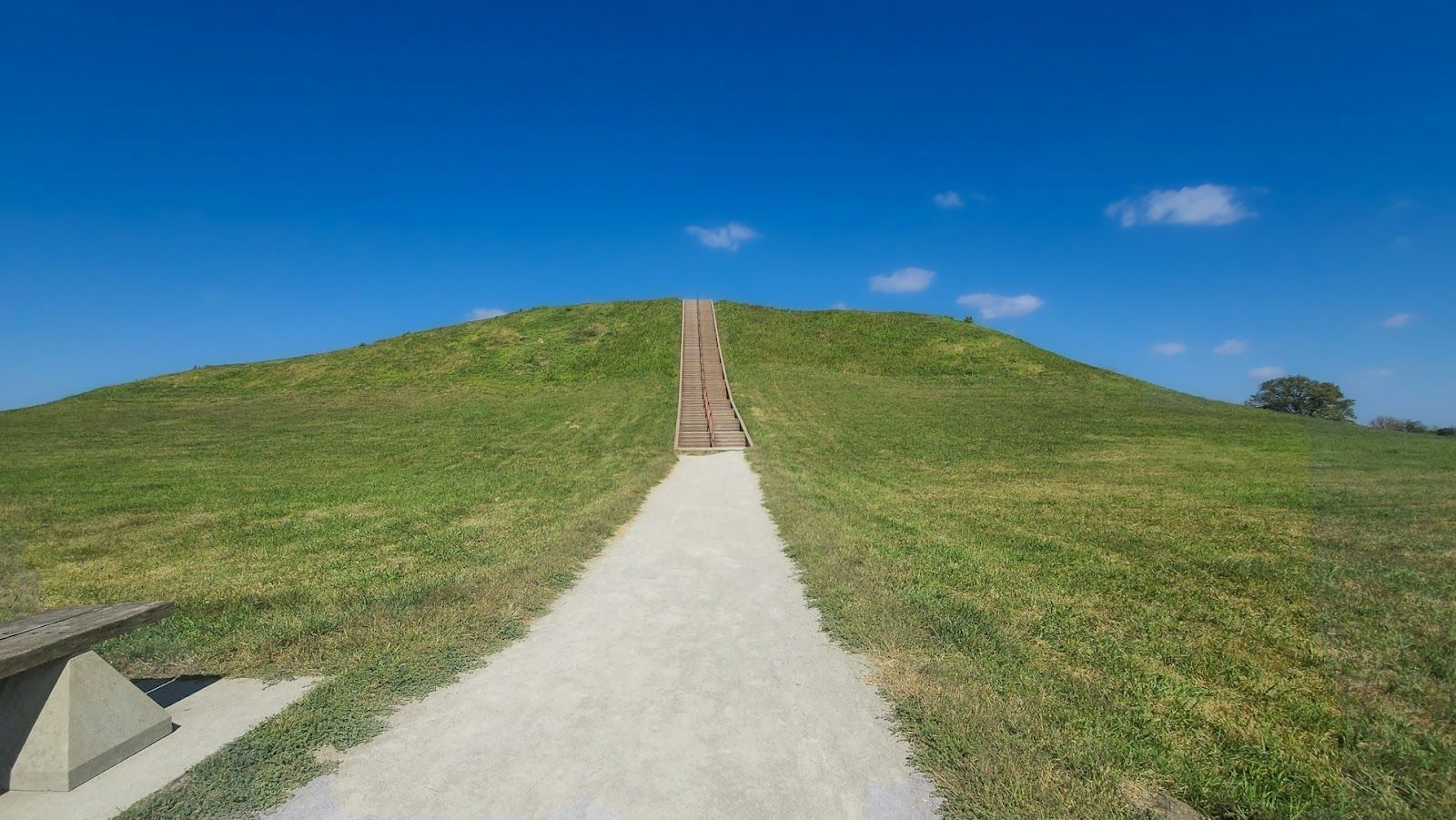
Image: pcrm Dorego

Location: Illinois

Built centuries before Columbus arrived in the Americas, the ancient city of Cahokia featured massive earthen mounds, wooden palisades, and likely formed part of complex trade networks across the continent. Despite having a population rivaling London in the 1200s, according to archaeologists, the city was mysteriously abandoned in the span of a few years. No written records explain its decline, though environmental stress, resource shortages, and internal social factors are often cited as possible causes.

8
Blythe Intaglios
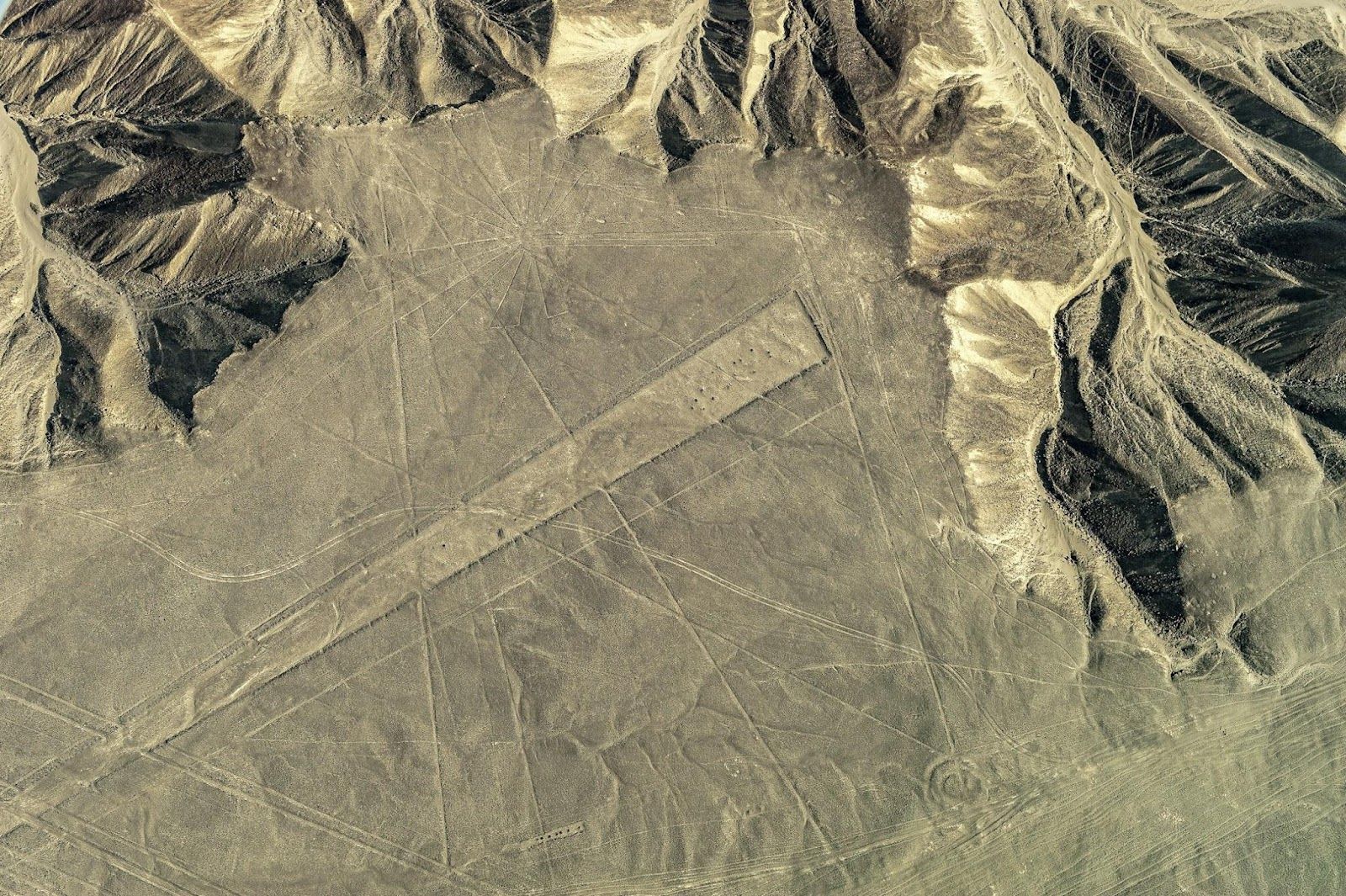
Image: Alexander Schimmeck

Location: California

Similar to Peru’s Nazca Lines, these giant geoglyphs are etched into the desert floor, seemingly visible only from the sky. Created by scraping away dark rocks to reveal lighter earth beneath, the figures are believed to be between 450 and 2,000 years old, depending on the specific design. While their exact purpose remains a mystery, they are believed to have had a ceremonial function.

9
The Spooklight
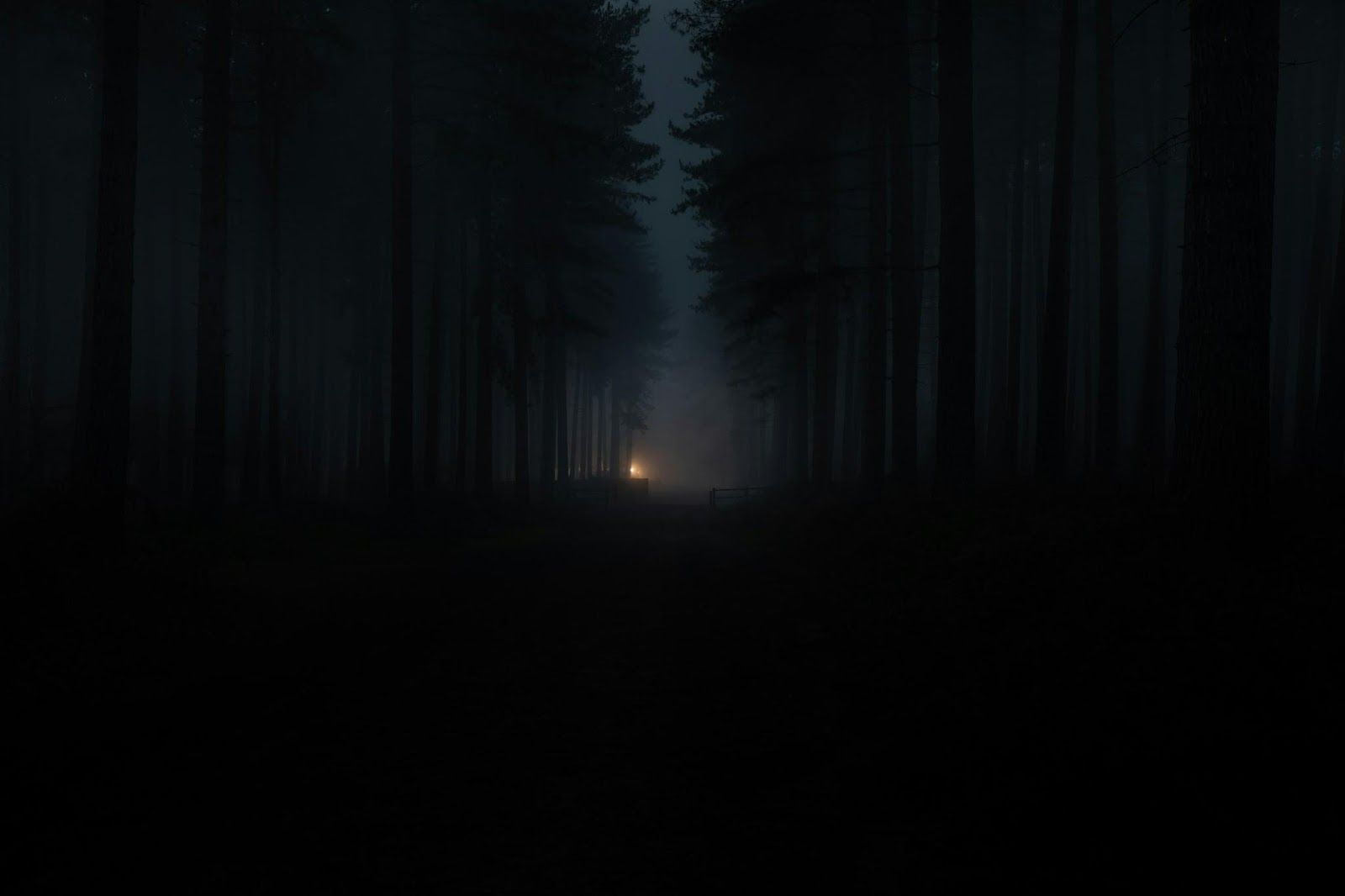
Image: Ben Griffiths

Location: Missouri-Oklahoma Border

Also known as the Hornet Spooklight, this floating orb has been seen since at least the late 19th century. It appears along a rural stretch of road near the small community of Hornet, Missouri, and Quapaw, Oklahoma. While some theorize it could be caused by car lights from miles away, some sightings predate automobiles.

10
Roanoke Island
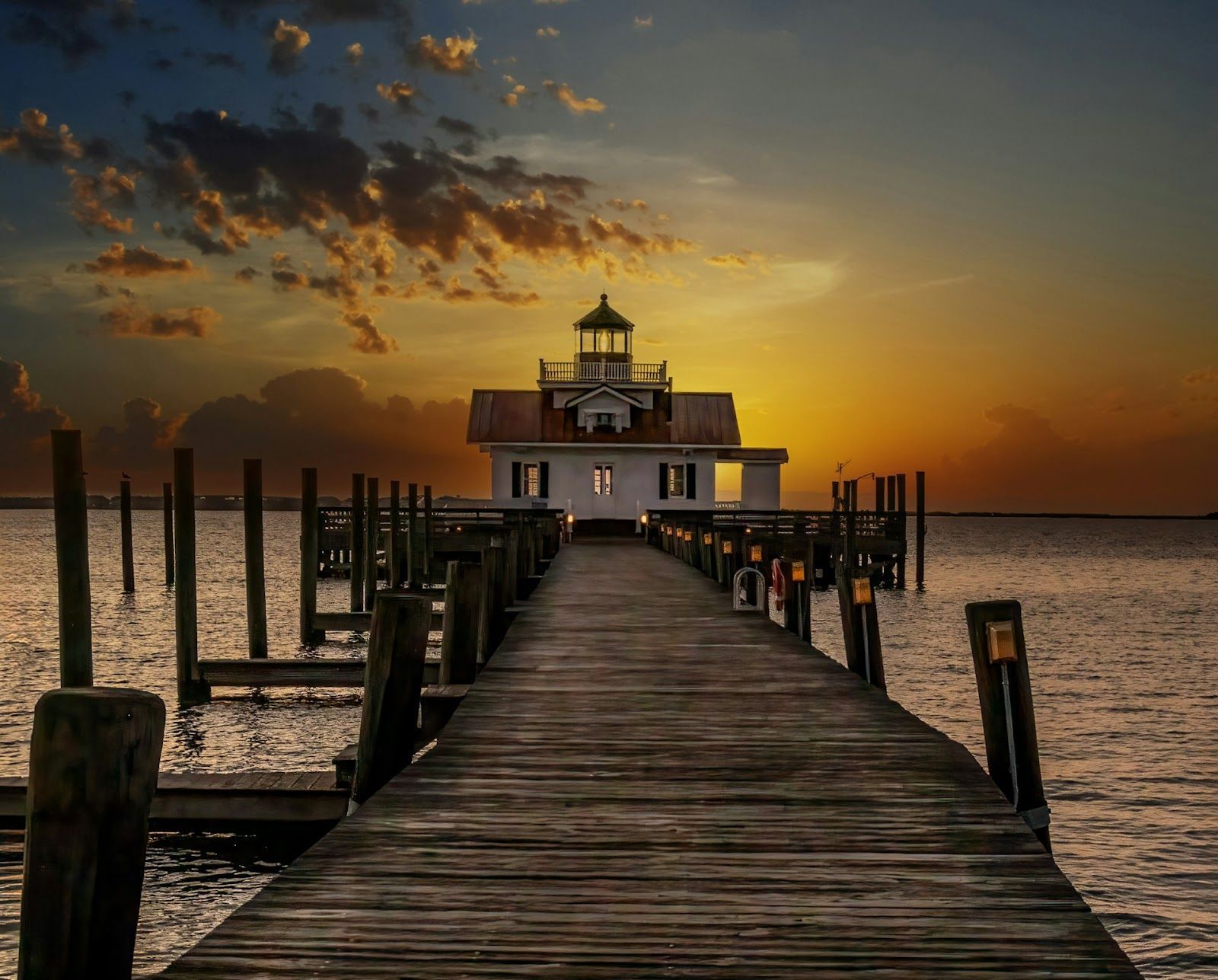
Image: Stephen Crane

Location: North Carolina

In the 1580s, an entire colony vanished overnight, leaving behind only the word "Croatoan" carved into a tree. No graves, no remains—just an eerie disappearance that sparked centuries of theories, from disease and starvation to assimilation with local tribes. Modern archaeology uncovered European artifacts at sites associated with Native groups miles away, but no definitive evidence has ever solved the mystery.

General General 6 min read

RAISE YOUR GLASS TO AMERICA

Have You Tried These 10 Classic American Cocktails?

America is celebrated as the home of many wonders . Among its most delightful creations are a variety of delicious drinks and cocktails that have not only gained international fame but have also been critically acclaimed across the country and around the globe for their quality and flavor . There's always something to celebrate, right? Whether you are the life of the party or you just enjoy relaxing in the backyard with a cool drink in hand, this article is for you.

Let's take a look at the recipes and places of origin behind these 10 tasty American cocktails . Cheers!

1
Long Island iced tea

Image: yeoul Shin

There are two theories about the origin of this cocktail, both rooted in Long Island , though not the sameLong Island!

One story claims it was born during the Prohibition era in a community named Long Island in Kingsport, Tennessee . Another, more recent, credits Robert "Rosebud" Butt with inventing the recipe in a 1972 contest held on Long Island, New York .

A daring choice for some, the iconic Long Island Iced Tea has a recipe with a long list of ingredients . To prepare it, you'll need tequila, light rum, vodka, triple sec, gin, and a splash of cola. Only the bravest dare to try it!

2
Martini

Image: Daniel Lloyd Blunk-Fernández

If you are one of those who loves a drink that's both strong and stylish , then the classic Martini is probably among your favorites. It is the choice of the sophisticated James Bond, who famously prefers his Martini "shaken, not stirred."

Traditionally made with gin and vermouth , and garnished with an olive or a lemon twist, the Martini has several variants, including the vodka Martini, which -as its name suggests- swaps gin for vodka.

While the origin of this classic is not entirely clear, most sources argue it comes from a drink called the Martinez , which had the same basic ingredients and was already being served in the mid-19th century at the Occidental Hotel in San Francisco, California.

3
Old Fashioned

Image: Nuff

Let's step back in time with the classic Old Fashioned ! This drink traces its roots back to the early 19th century right here in the United States.

Initially called "the whiskey cocktail," it was prepared much like it is today: mixing sugar with bitters and water, then adding whiskey or brandy. However, as the 19th century progressed, new ingredients like fruit juices, soda, or other liquors became part of many drinks. To stick to the original recipe and avoid these modern twists, people began ordering it as an "Old Fashioned."

The invention of this liquid delicacy is sometimes linked to The Pendennis, a gentlemen's club that opened in 1881 in Louisville, Kentucky . However, mentions of this delicious drink across the country long predate the club.

4
Mint julep

Image: Abby Boggier

Originally from the south of the United States and very popular, especially in Kentucky , there are mentions of this fresh cocktail as early as the 1770s!

It truly stood the test of time, and we understand why. With a base of bourbon , a hint of sugar, water, the classic crushed ice, and the essential fresh mint , it is a mix that's hard to resist.

Served traditionally in silver or pewter cups , this classic American drink is perfect for summer. However, the touch of bourbon can also be good for a cool winter day.

5
Manhattan

Image: OurWhisky Foundation

Remember the original Old Fashioned recipe? Well, let's spice it up. Take the whiskey cocktail and add a splash of sweet vermouth . That's it! Now you have a chic drink: the popular Manhattan .

The Manhattan cocktail has a fascinating origin myth , situated -of course- in NYC . Legend has it that this recipe was created in the 1870s , at the Manhattan Club for a banquet hosted by Winston Churchill's mother! However, historical records show that Lady Randolph Churchill was actually in Paris and pregnant with Winston at the time.

According to more reliable sources, the Manhattan cocktail was actually invented in the 1860s by a bartender named Black , who ran a bar near Houston Street in Manhattan.

6
Sazerac

Image: Bon Vivant

The classic Sazerac cocktail embodies the spirit of The Big Easy , where it was born in the mid-19th century.

The Sazerac we savor today is named after the Sazerac de Forge et Fils brand of Cognac brandy, from which this cocktail was first created. To make a Sazerac, absinthe, bitters, and sugar were combined with the brandy. Over time, rye whiskey replaced brandy in the modern recipe.

What sets the Sazerac apart, besides its Frenchy name, is its distinctive serving style . The ritual begins by rimming an old-fashioned glass with absinthe. Next, the drink is mixed with ice and strained into the prepared glass. Finally, a classic touch: a twist of lemon.

7
Mai Tai

Image: wu yi

While it might sound like the name of an ancient martial art, the Mai Tai is actually a delightful cocktail born in the United States of America.

More modern and with a tropical touch, the Mai Tai is a vibrant blend of rum , Curaçao liqueur, orgeat syrup, and lime juice. The year was 1944 when this balanced recipe was created by Victor J. Bergeron at his Trader Vic's restaurant in Oakland, California .

Apparently, the Mai Tai's name comes from the Thai expression "maitaʻi," which translates as "good," "excellent," or even "the best." So, if you haven't tried it yet, consider this your signal!

8
Tequila Sunrise

Image: Jamin Eyes

Named for its unmixed colors that mirror the beautiful moment when the sun rises, the Tequila Sunrise carries an intense blend: tequila, orange juice, and grenadine syrup .

The original recipe was a bit different. Between the 1930s and '40s , bartender Gene Sulit stirred up tequila with crème de cassis, lime juice, and soda water at the Arizona Biltmore Hotel in Phoenix. Some three decades later in Sausalito, California , Bobby Lozoff and Billy Rice made a change to the original recipe. They traded out the original last three ingredients for orange juice and grenadine, creating the present version.

In case you're wondering, yes, The Eagles' song was inspired by this drink!

9
The Ramos Gin Fizz

Image: The Humble Co.

And New Orleans is here again! With its festive spirit, this city also gave birth to another American cocktail: The Ramos Gin Fizz . This delightful recipe was born in 1888 , courtesy of Henry Charles "Carl" Ramos, owner of the Imperial Cabinet Saloon .

Originally called the " New Orleans Fizz ," it was an instant hit. But if you want to try making it at home, be prepared for a trip to the grocery store, as the recipe is a bit long . The mix for a perfect Ramos Gin Fizz includes gin, lemon juice, lime juice, egg whites, sugar, heavy cream, orange flower water, and soda water.

10
Cosmopolitan

Image: Laure Noverraz

Who hasn't heard of the iconic " Cosmo "? This delightful, sweet drink is a blend of vodka , Cointreau (a type of triple sec), cranberry juice, and a splash of sweetened lime juice. It is served in a chic martini glass and often garnished with a lemon twist.

The origin of this drink is a subject of debate, with various reports suggesting its creation in different places across the country . Some stories trace it back to the 1970s in Provincetown, Massachusetts ; San Francisco, California ; or Minneapolis, Minnesota . Others claim it was born a bit later, in the mid-1980s , in the sunny state of Florida . The current recipe, however, has traces in the bustling city of New York.

Regardless of its birth city, this drink originated in our country and is part of American culture. Let's enjoy it!

History History 6 min read

Out with the new, in with the old

Would you sit on a flagpole? 10 American fads from the early 20th Century

Image: Ali Bakhtiari

The early 20th century was a wild time in America, and the fads that swept across the nation were just as colorful and curious as the era itself. The world was changing for sure and teens had to find new ways to have fun and adapt to the evolving times. From that came some of the weirdest trends, and today we’re taking a look back at ten of the most popular fads that shaped the first half of the 20th century. You might even remember a few of these yourself, or perhaps you’ve heard stories from the "good old days." Let’s dive into these blasts from the past!

1
Dance marathons

Image: Ardian Lumi

Dancing has always been a praised activity for having some fun and passing the time. It’s simple and requires nothing but a music-playing device. So, back in the ‘20s, people felt the need to find a new twist for this basic entertainment and so they thought making dance marathons was a great idea.

How did they work? The concept was as simple as dancing: Couples would compete to see who could dance the longest all for a shot at cash prizes. But we’re not talking hours here—the contest could last for days! Audiences watched in fascination (and a bit of morbid curiosity, we might add) as exhausted dancers pushed their bodies to the limit. Remember, this was a time when missing out on a chance for quick money and a bit of fun was not a possibility!

2
Flagpole sitting

Image: Jonathan Simcoe

We don’t know if he was trying to break a record or if he just needed some alone time, but after Alvin "Shipwreck" Kelly climbed atop a flagpole in 1924 and stayed there for over 13 hours, a new fad was born: flagpole sitting.

And speaking of basic trends, this is exactly as you read it: People all over America were climbing up and sitting on flagpoles to see how long they could stay up there. We can all agree that these people were after entertainment and a bit of competition. And it got so serious the record eventually stretched to an astonishing 49 days!

By the 1930s, though, the thrill wore off and the fad faded, but the absurdity of it all remains—and earned it a spot on this list!

3
Stickball and stoopball

Image: Jeremy Stewardson

Sports today are no longer just about playing the game. For most of them, you need a lot of equipment, which is rather expensive, especially if you’re going to use it in the streets with your friends from the block.

Back in the ‘20s, baseball equipment was hard to come by. As a result, American kids in crowded urban areas came up with their own inventive versions of the game: stickball and stoopball. The fun behind this trend? Using whatever they had on hand to play: Broomsticks for bats, rubber balls, and parked cars or stoops as bases. The games required nothing more than creativity and a few friends. And no one can deny—the 1920s were indeed a creative time!

4
Johnny on a pony

Image: freestocks

This is a trend that started in the 1940s, and the names used for this game are simply hilarious: "Strong horses, weak donkeys," "Hunch, Cuddy, Hunch," just to name a few.

Johnny on a Pony, or Buck Buck, was a rough-and-tumble game in which one team bent over to form a "horse" while the other team took turns jumping on their backs, trying to knock them over .

You may think this was innocent, but not quite—it was chaotic, sometimes painful, and, more often than not, left participants in a pile of tangled limbs.

Kids do not care for those things, but the game’s physical nature made it exhilarating and dangerous at the same time. That’s why, eventually, concerned parents and schools stepped in and banned it—one too many injuries to keep it going!

5
Drive-In movie theaters

Image: Tim Mossholder

Movie theaters are great, but drive-in movie theaters are even better—they were the ultimate fusion of America’s love for cars and entertainment.

The first official drive-in theater opened in 1933, and it was an alternative for families to a fun and affordable night out under the night sky, watching a movie from the comfort of their car . No wonder this quickly became a beloved American pastime. And you can already imagine whose favorite this was: Teens and young couples, who enjoyed the privacy of their cars while watching the latest films of the time.

The trend slowly faded as film rentals became more popular, and later with the rise of streaming platforms. However, keep an eye out for this one, because it’s definitely making a comeback!

6
Miniature golf

Image: Will Porada

Some may argue that the fad behind miniature golf never actually died, and that’s partially true. But let’s go back to the time it first appeared and all the craze that erupted around it.

It wasn’t until Garnet Carter opened his "Tom Thumb" golf course in 1927 that miniature golf became a true sensation . Located in Lookout Mountain, Tennessee, Carter’s course wasn’t just about putting greens; it also featured miniature goblins, gnomes, and other fun obstacles for players.

We don’t know if he knew this would be so successful, but Carter went all in: He patented the design, and it hit the jackpot—miniature golf became a nationwide success.

7
Hood ornaments

Image: Clem Onojeghuo

Funny thing about the past: You didn’t always need to be extravagant to be trendy—sometimes, just a tiny ornament on your car was enough.

In the 1920s and ‘30s, no car was complete without a stylish hood ornament adorning its radiator . At first, these ornaments were designed to check on the engine temperature. But they soon evolved into artistic expressions of each brand to showcase wealth and personality.

We all recognize the winged goddess or the jaguar jumping out of the car, right?

However, this trend didn’t last long. As car designs modernized and safety became a concern, hood ornaments became less common, and eventually, all but disappeared. If you see a car with one of these today, you can bet it’s worth more than one can get in a lifetime!

8
Kilroy was here

Image: Richard Cohrs

There are two generations: One is looking for Waldo, and the other is looking for Kilroy. Which one do you belong to? Now, if you’re wondering who Kilroy is, let us tell you.

Kilroy was a doodle, and the complete drawing consisted of Kilroy and a message that read "Kilroy Was Here." This graffiti popped up just about everywhere during World War II.

The doodle, featuring a bald, long-nosed figure peeking over a wall, was a symbol of American presence and humor. It’s said that Kilroy was originally the work of James J. Kilroy, a shipyard inspector who scrawled it on equipment he inspected.

But that was just the beginning—the drawing spread to every corner of the globe. Have you ever come across one?

9
Swing dancing

Image: Clarisse Meyer

Few things are as time-sensitive and culturally reflective of an era, don’t you think? In the early 20th century, specifically during the 1920s and 1930s, the dance that dominated every dance floor was swing . And it makes perfect sense—this was the Jazz Age, so swing dancing perfectly matched the exuberance of that music!

Dances like the Lindy Hop, Charleston, and Jitterbug took over dance halls, with young people spinning, jumping, and flipping to the infectious rhythm of big bands.

Older generations sometimes frowned upon the flashy, intimate dance styles, but that only made them more appealing to rebellious youth. Some things never change!

10
Stamp collecting

Image: Tolga deniz Aran

Philately is the collection of stamps or the study of them, and it became a fad across the United States during the 1920s and the ‘30s. Why? Here is the reason.

Stamps offered people a way to explore history, geography, and art. They were everyday items, easy to access, and nobody could escape them. For example, President Franklin D. Roosevelt was an avid stamp collector. Not that he needed them to learn about history or art—it was just a way to have fun.

Contrary to other trends we have discussed, schools encouraged this hobby, because it was both educational and enjoyable. Collecting stuff is a never-ending trend; there are all kinds of collections today and stamp collections today are almost invaluable!

Explore more American facts

Choose your favorite category!

General
General

As American as apple pie—the very best America has to offer!

Culture
Culture

Delve into the astounding richness of American lore.

Geography
Geography

Hop in and explore vast and diverse American landscapes.

History
History

Discover the key moments that shaped the United States.