General General 7 min read

Sin City’s secrets

Fascinating facts about Las Vegas you won't find on travel guides
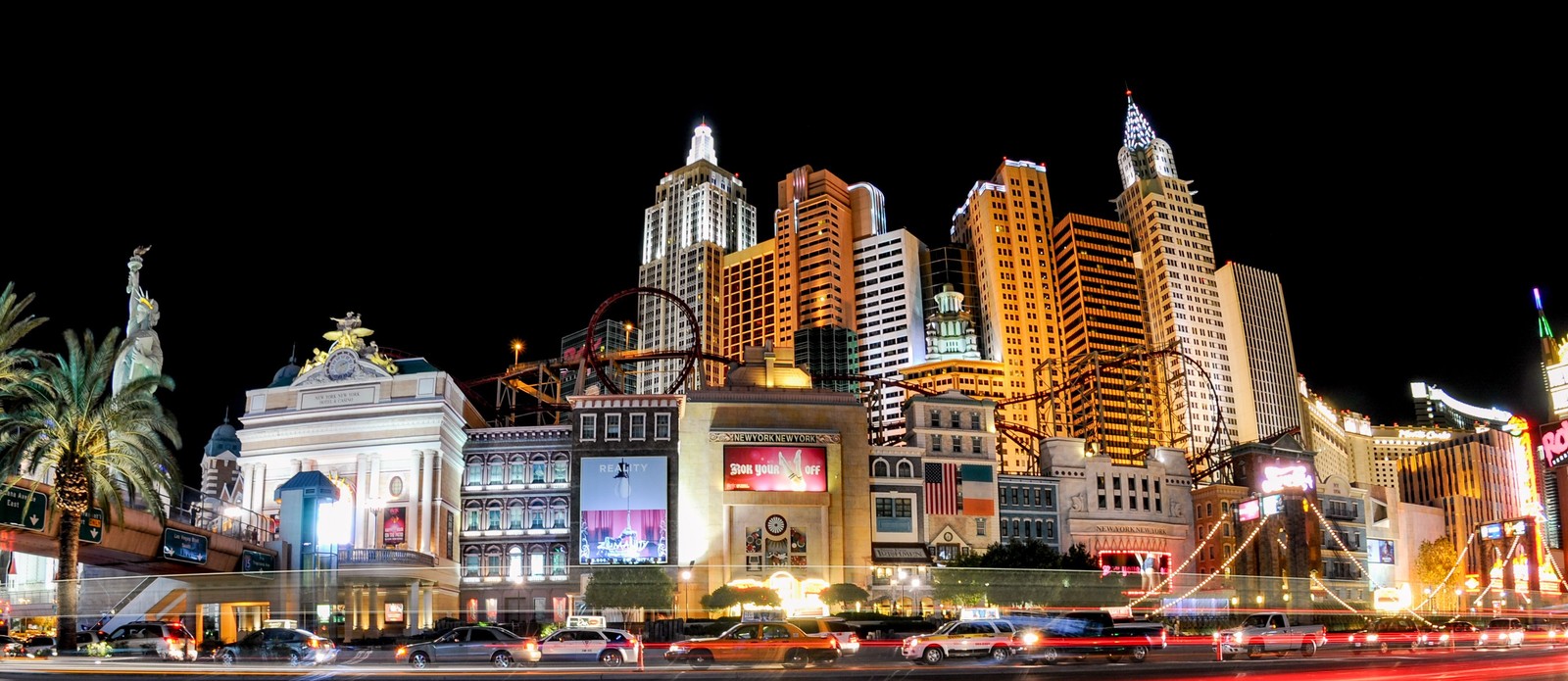
Image: Paul IJsendoorn

A man once sold every single thing he owned, flew to Las Vegas, and bet the whole lot on a single spin of the roulette wheel. Do you think he won? There are 600 miles of concrete flood tunnels under Sin City—can you estimate how many people live there? Most of the profits of the whole city come from one single game; could you guess which one it is? Read on to find all the answers to these stunning facts about Las Vegas, Nevada.

1
The man who sold everything he owned and bet it all on one spin
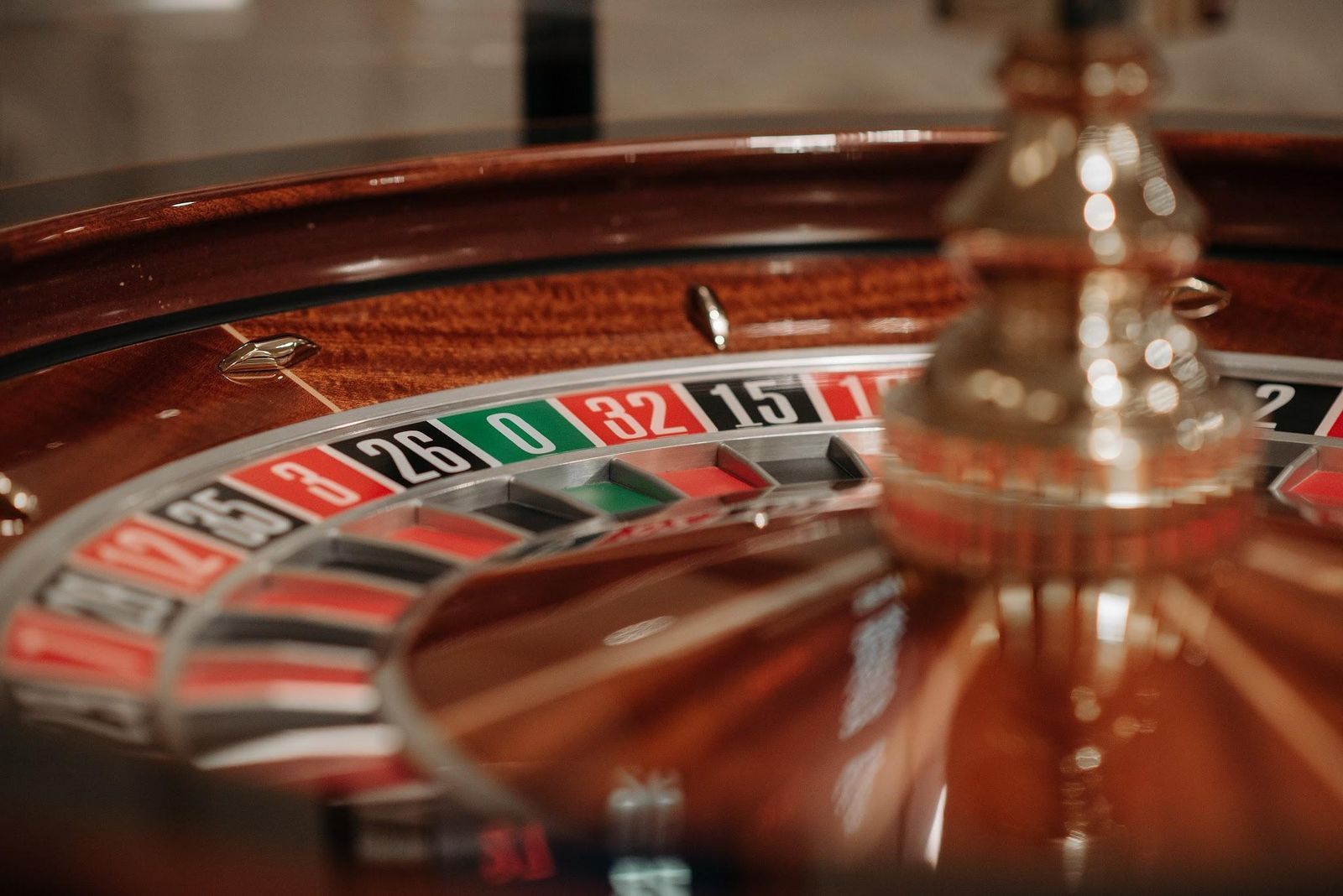
Image: Pavel Danilyuk

In 2004, a 32-year-old British man named Ashley Revell walked into the Plaza Hotel and Casino in Las Vegas and placed every dollar he had in the world on a single spin of the roulette wheel.

In the months before, Revell had sold his house in Kent, his BMW, his Rolex watch, his golf clubs, his electronics, his furniture, and every piece of clothing he owned. The grand total of his liquidated possessions came to $135,300 . He pushed the entire stack of chips onto red as the ball was already spinning. It landed on Red 7.

Revell walked away with $270,600, exactly double what he had come in with. He tipped the croupier $600 on the way out. The whole thing was filmed by Sky One for a reality mini-series called Double or Nothing .

2
Beneath the casinos, an estimated 1,500 people live underground
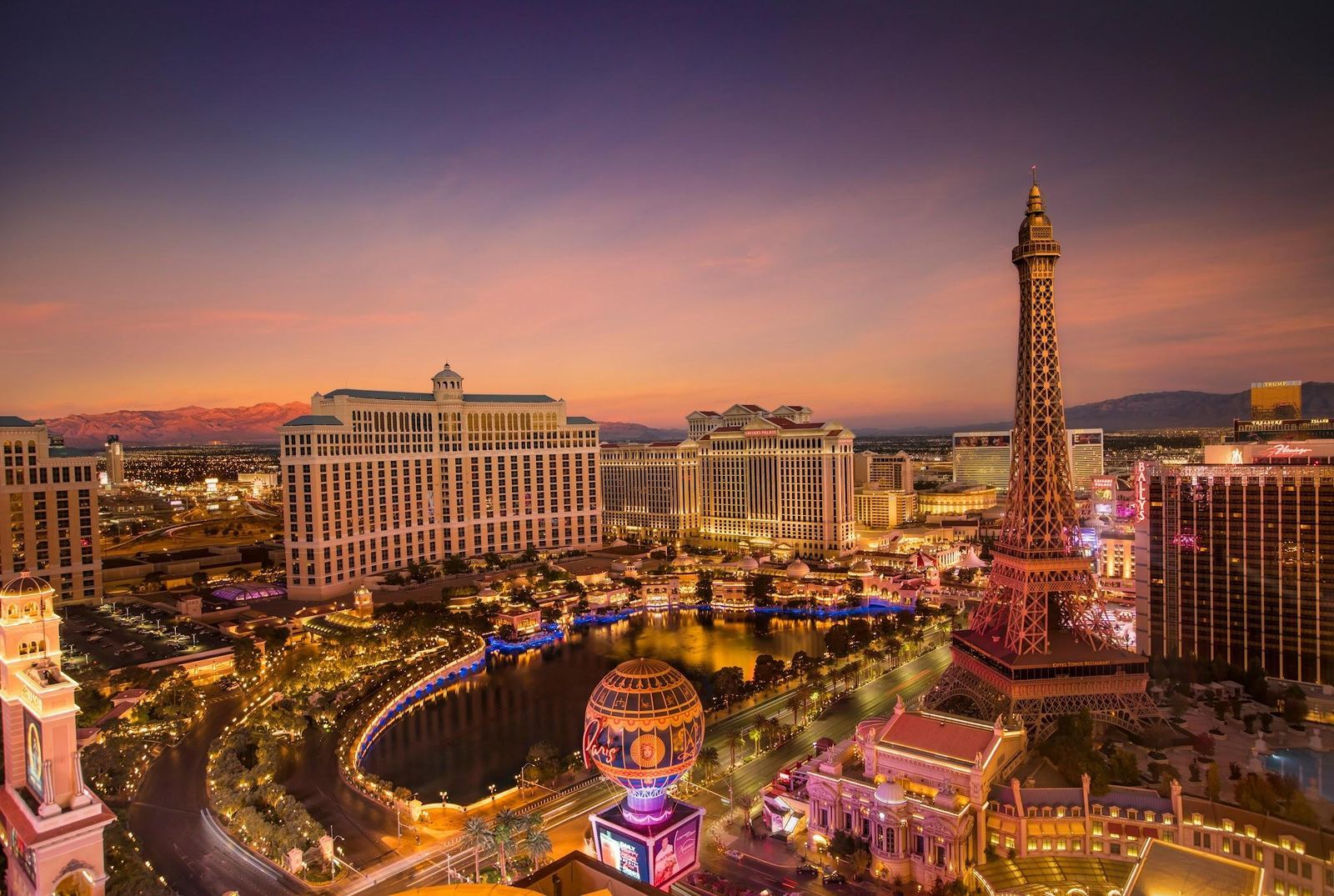
Image: Stephen Leonardi

Below the glittering hotels and neon lights of the Las Vegas Strip runs a network of concrete flood drainage tunnels stretching roughly 600 miles beneath the city. Built in the 1990s to manage flash flooding in the Nevada desert, these tunnels have become an unofficial home for hundreds of the city’s unhoused residents.

It is estimated that between 1,200 and 1,500 people live there . Some residents have constructed makeshift shelters from plywood and salvaged metal deep inside the tunnels, occasionally just yards below the casino floors above them.

The tunnels pose serious dangers: flooding risk during desert rainstorms, extreme heat, and high rates of substance abuse. A network of nonprofits, outreach teams, and government agencies coordinates aid by providing the residents with essentials and offering them long-term case management, like treatment and housing placement.

3
Las Vegas has a literal black book of people banned for life
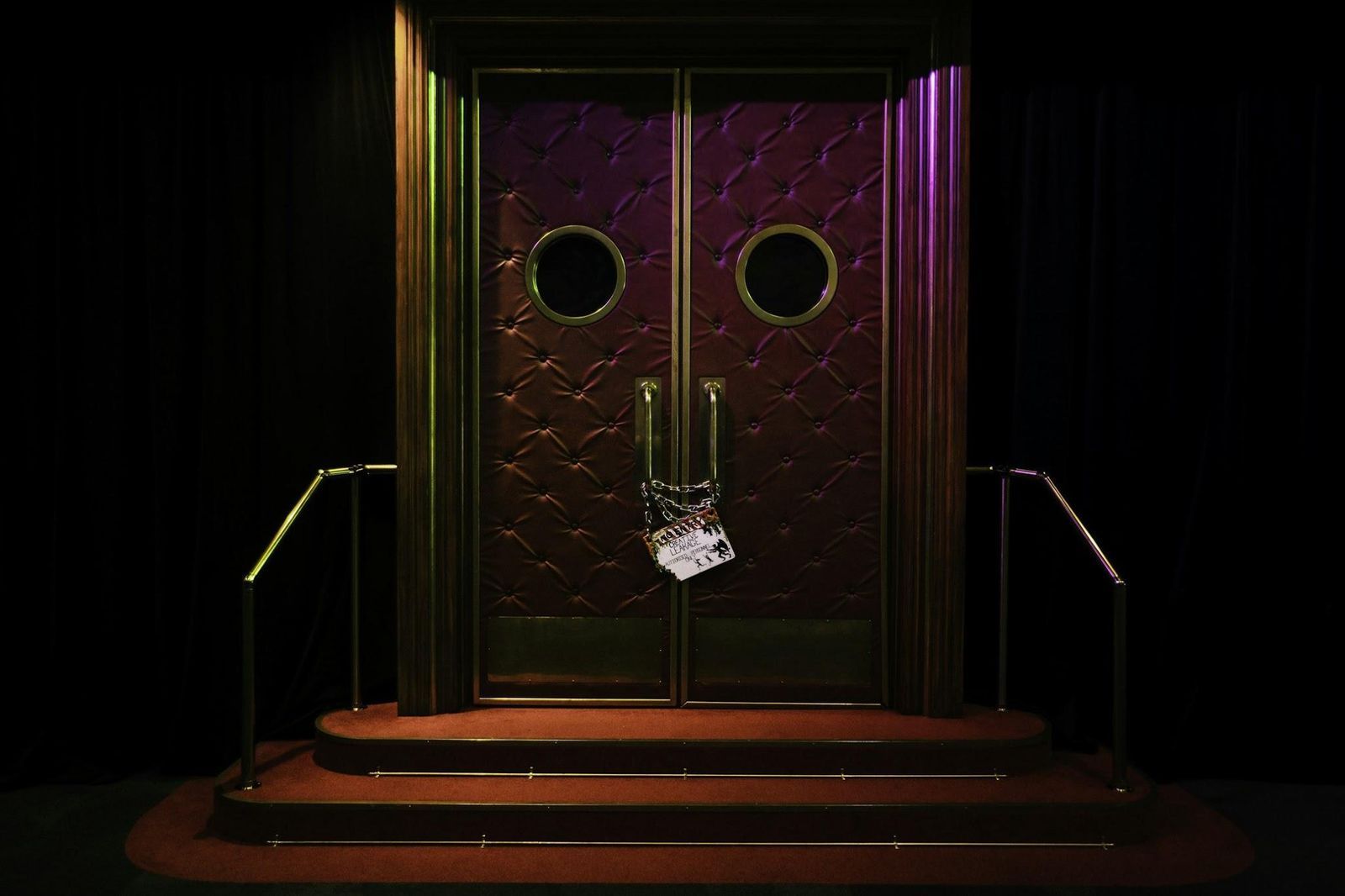
Image: BehindTheTmuna

Since 1960, the Nevada Gaming Control Board has maintained what it officially calls the List of Excluded Persons, better known as the Black Book. The original publication was a black-covered booklet held together with Scotch tape, listing eleven people deemed to have "notorious or unsavory reputations."

Most of the early entries were organized crime figures: Chicago outfit boss Sam Giancana; enforcer Anthony "Tony the Ant" Spilotro, whose violent exploits inspired Joe Pesci’s character in the film Casino ; and nine other mob associates. Anyone whose name appears on the list is permanently banned from entering any licensed gaming establishment in the state of Nevada.

Violating the ban is a gross misdemeanor under Nevada law. As of 2026, there are 37 names on the list. No one has ever successfully appealed their removal.

4
Strange casino rules: no clocks, no windows, no soft dice
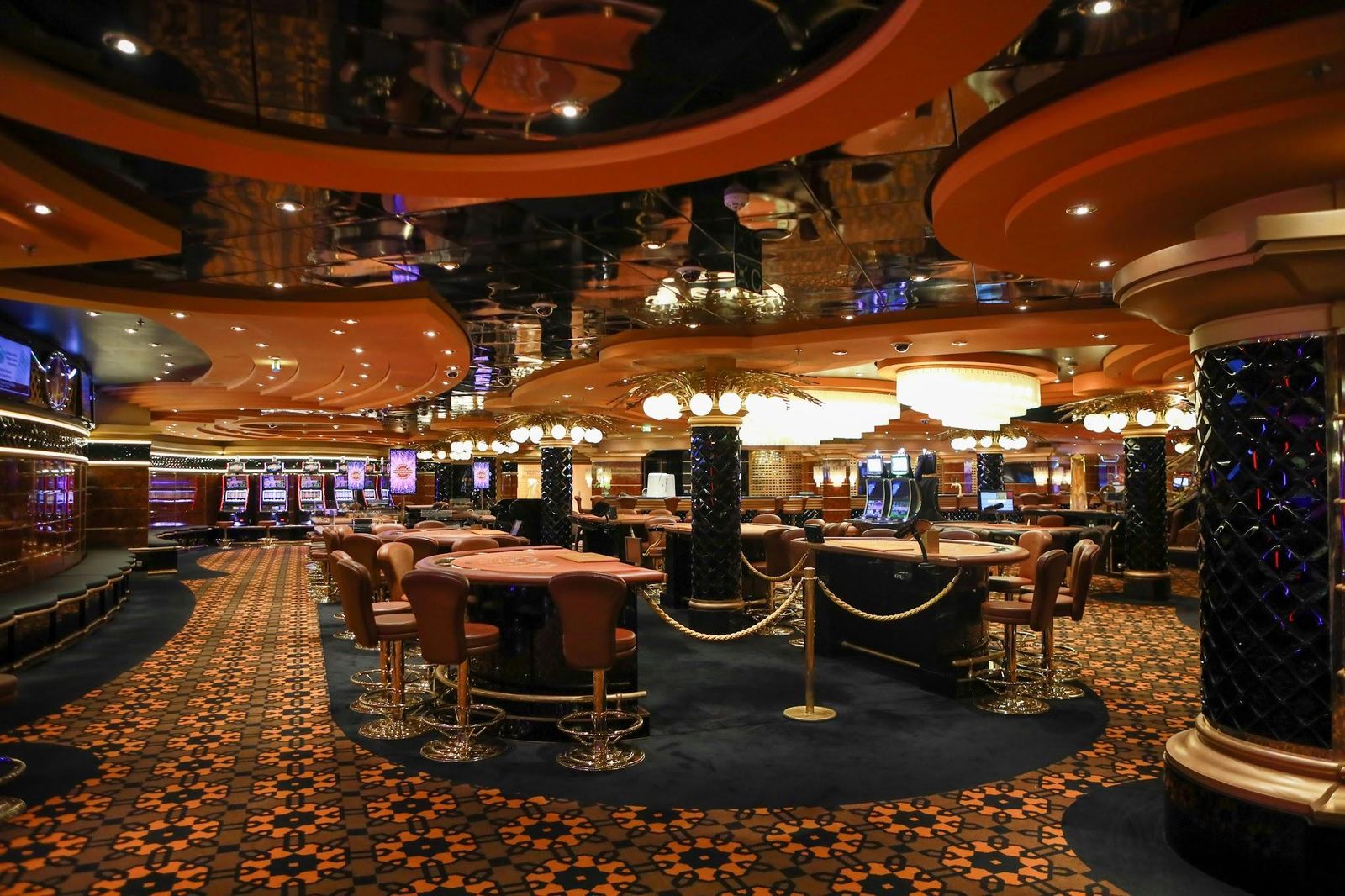
Image: Elizabeth Ferreira

Las Vegas casinos are designed to keep gamblers at the tables as long as possible. Clocks are banned to distract players from the passing of time. Windows are eliminated so that they cannot tell whether it is noon or 3 a.m.

What’s more, Nevada law governs even the dice. The Nevada Gaming Control Board requires casino dice to be perfectly transparent so that no hidden weights can be concealed inside . Each die must be precision-manufactured to within 1/10,000th of an inch, with razor-sharp corners and edges showing no rounding whatsoever. They are inspected regularly and, in high-stakes games, replaced every eight hours of play to ensure consistent rolls.

5
The famous Las Vegas Strip is not actually in Las Vegas
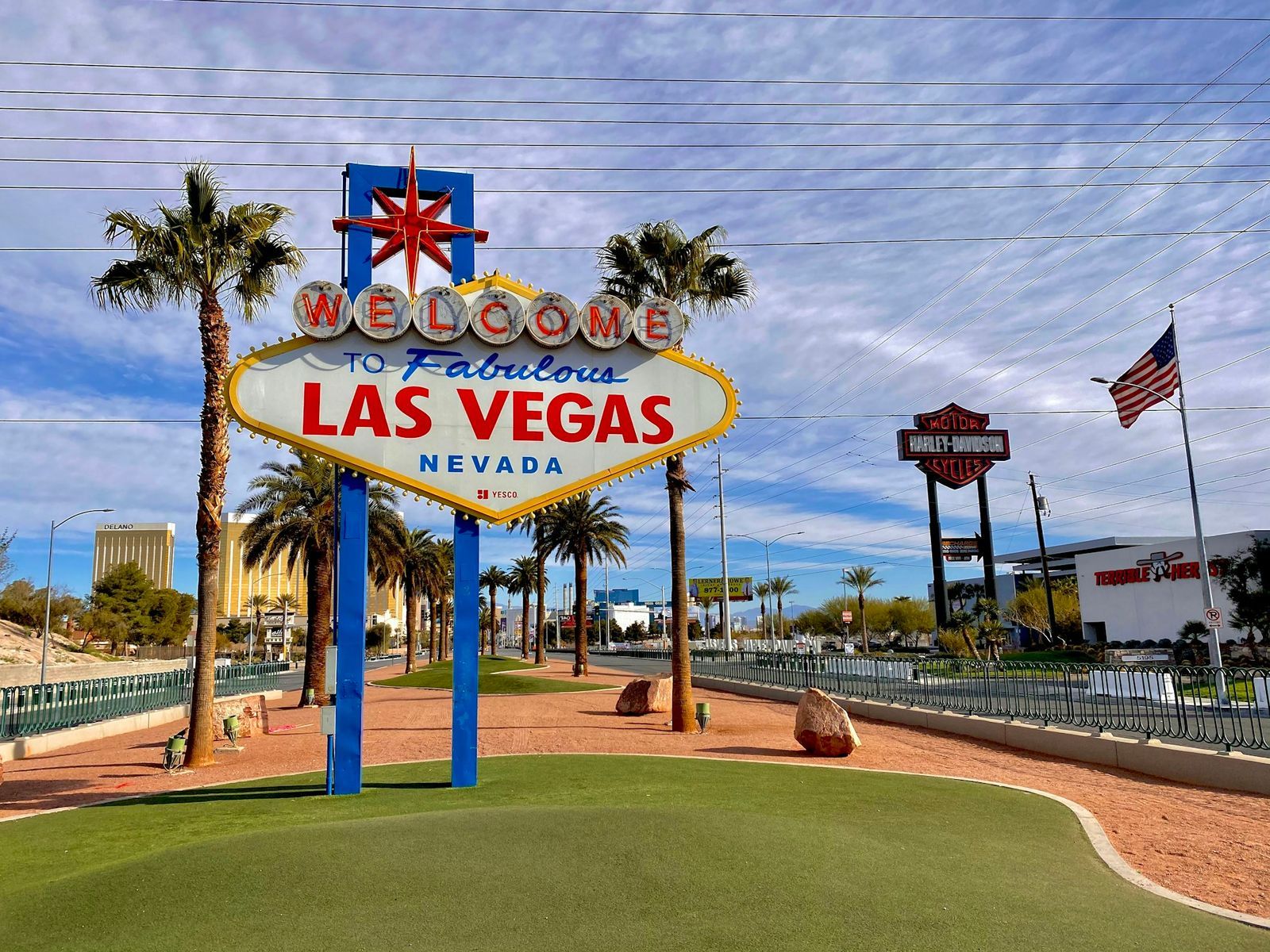
Image: David Lusvardi

The stretch of Las Vegas Boulevard South that the world knows as the Strip does not lie within the city limits of Las Vegas. This is the area that’s home to Caesars Palace, the Bellagio, MGM Grand, the Venetian, Mandalay Bay, and dozens of other iconic venues.

Technically, it falls within an unincorporated community called Paradise , which is governed by Clark County rather than the city of Las Vegas. Paradise was deliberately established in 1950, when casino owners moved to avoid Las Vegas city taxes and regulations while continuing to trade on the city’s name and benefit from its infrastructure.

The city of Las Vegas actually begins further north along the boulevard, near the Stratosphere. Paradise covers approximately 54 square miles and has a residential population of around 220,000 people, which means it’s one of the largest and most densely populated unincorporated communities in the United States.

6
The Luxor’s sky beam is the most powerful artificial light on earth
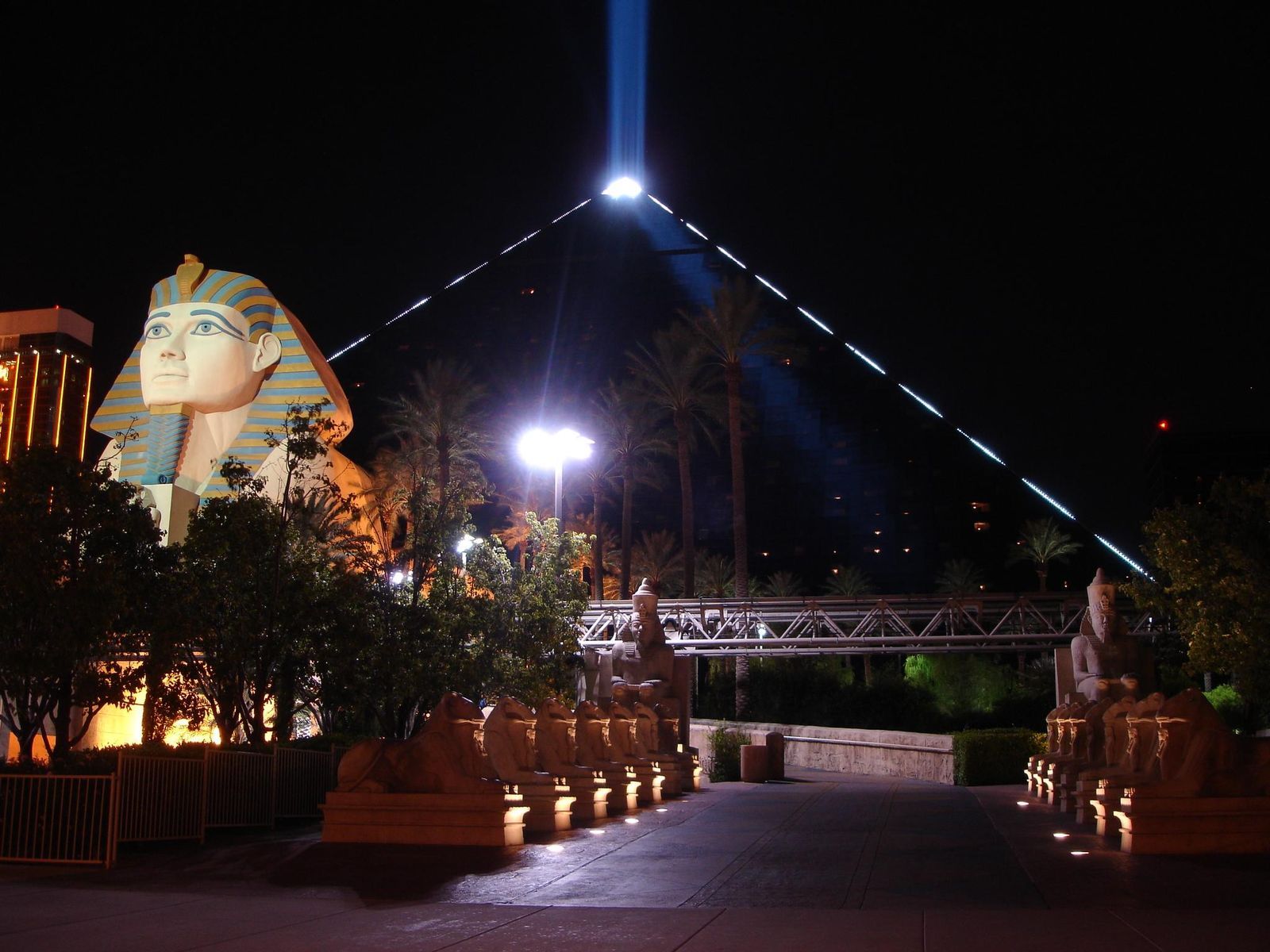
Image: Pavel Špindler, CC BY 3.0, via Wikimedia Commons

Rising straight up from the apex of the black pyramid-shaped Luxor Hotel and Casino, the Luxor Sky Beam has been one of the most recognizable sights in Las Vegas since the hotel opened in October 1993. It is, by any measure, the most powerful artificial light beam on the planet. The beam is produced by 39 individual xenon lamps, each with 7,000 watts and roughly the size of a washing machine, focused through computer-designed curved mirrors into a single concentrated column.

Together, they generate an estimated 42.3 billion candlepower. On a clear night, airline pilots have reported seeing the beam from as far as 250 miles away. The total operating cost, confirmed by Luxor engineer John Lichtsteiner, is $51 per hour, of which $20 is electricity. That adds up to $480 a day only for lighting the signature beam each night —or $175,200 a year.

7
Las Vegas is home to the tallest observation tower in the US
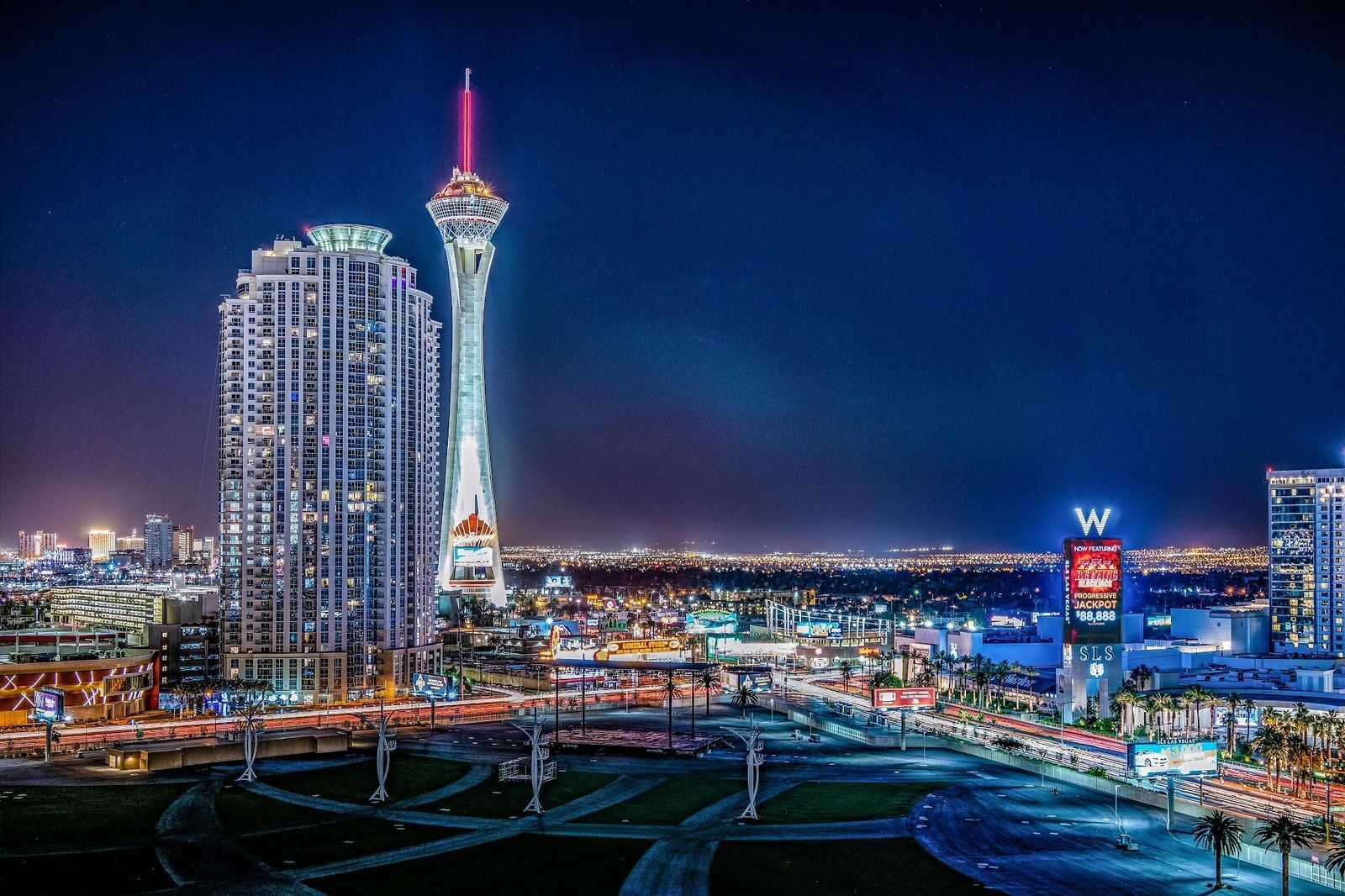
Image: Dave Morgan

Standing 1,149 feet above the Las Vegas valley, the Strat Tower, officially rebranded from the Stratosphere in 2020, is the tallest freestanding observation tower in the US and the second-tallest in the entire Western Hemisphere, surpassed only by the CN Tower in Toronto at 1,815 feet. It is also the tallest building in Nevada and the tallest structure west of the Mississippi River.

At the top, the Strat offers four outdoor thrill rides, including one that dangles riders 64 feet beyond the edge of the building on a mechanical arm, over 900 feet above the ground.

8
Slot machines account for around 60% of all casino revenue
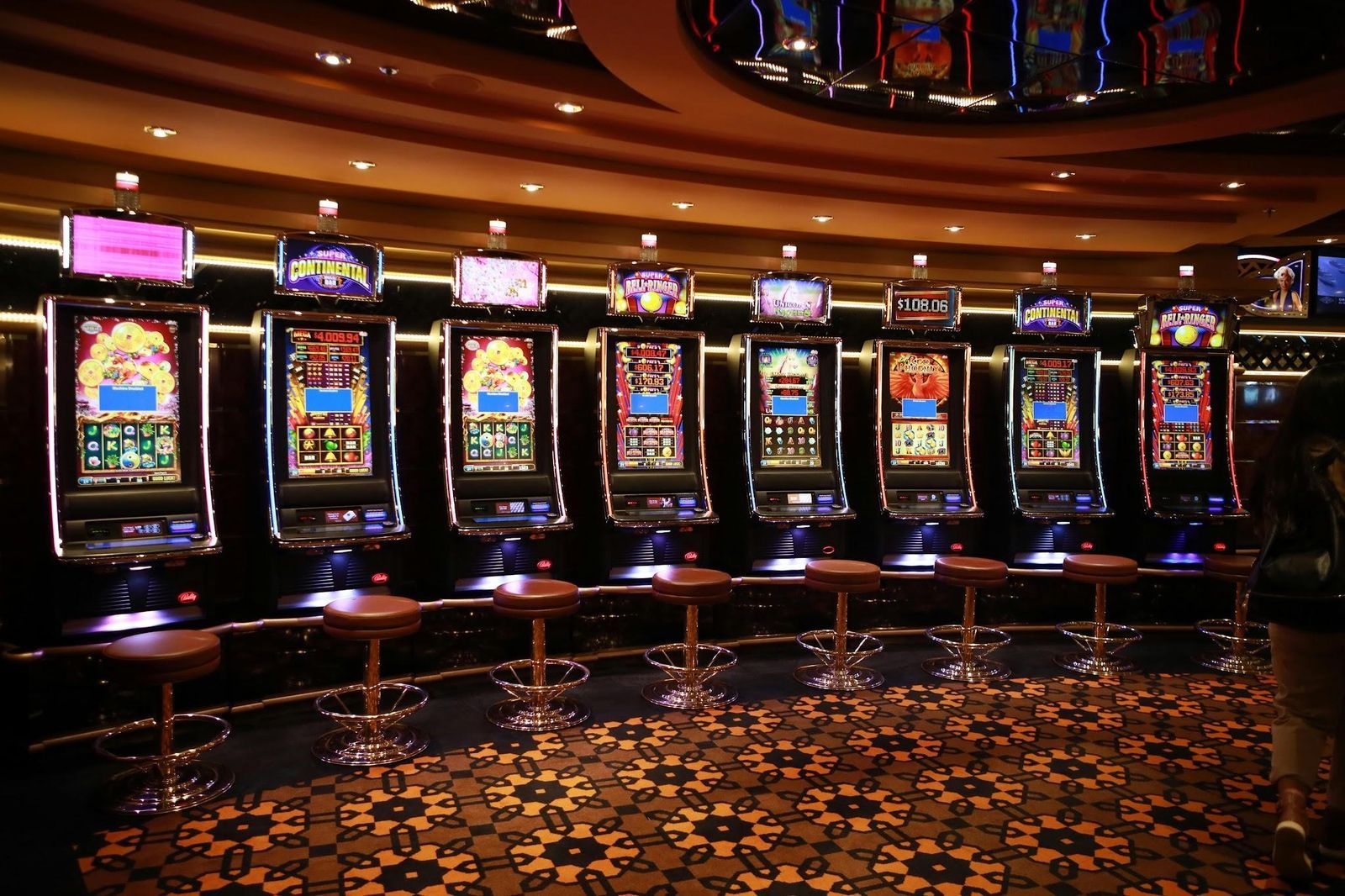
Image: Elizabeth Ferreira

Walk into any Las Vegas casino, and the first thing that surrounds you (and the loudest) is the rows of slot machines that line nearly every available wall and corridor. That layout is not a coincidence.

It is estimated that slot machines consistently generate approximately 60 to 65 percent of all casino gaming revenue in Nevada. There is roughly one operating slot machine for every eight residents of Las Vegas. Nevada law requires that video slot machines pay out a minimum average of 75 percent, though Strip machines in practice typically return 87 to 97 percent.

Casinos place the most visible, most tempting machines near entrances, elevators, and high-foot-traffic corridors , a placement strategy that has been studied and refined over decades. Despite the rise of poker rooms and sports betting in recent years, slot machines have remained the single largest source of gaming income in Las Vegas without interruption for more than half a century.

9
The gambling capital of the world does not sell lottery tickets

Image: Obi

Nevada is one of only two states in the entire United States that have no state lottery, the other being Utah. You cannot legally walk into a convenience store and buy a $2 scratch-off ticket.

The reason is straightforward and has nothing to do with moral opposition. Nevada’s gaming industry has lobbied persistently and successfully against a state lottery since gambling was first legalized in 1931, on the grounds that a government-run lottery would directly compete with casino revenues.

10
FedEx was saved from bankruptcy by a Las Vegas blackjack table
Image: Joshua Santos

In 1971, FedEx, then called Federal Express, was days away from collapse. Founder Frederick W. Smith had built the company on the revolutionary idea of overnight package delivery using a central hub-and-spoke air network, but the business was not working.

The company had roughly $5,000 left in its operating account. It was not enough. Facing what appeared to be the end, Smith flew to Las Vegas and sat down at a blackjack table. He gambled the company’s last $5,000 and turned it into $27,000, which was just enough to cover that week’s fuel costs and keep the planes in the air. The breathing room bought by that blackjack session gave Smith enough time to secure additional financing. Today, FedEx employs more than 500,000 people worldwide and is valued at over $60 billion.
Culture Culture 7 min read

Through thick and thin

Did you know these 12 historical figures were friends?

Image: Dimhou

Truman Capote considered friendship and love to be exactly the same thing. As in love, we never know what makes us fond of others enough to build a friendship. In fact, friendships can arise between people with very different backgrounds, beliefs, and professions. Some friendships between historical figures are as surprising as they are genuine, though not all were long-lasting. From John F. Kennedy and Frank Sinatra to Ella Fitzgerald and Marilyn Monroe, today we introduce you to the story of 12 friendships between great historical figures that you may not have known about but that offer a new perspective into the lives of influential personalities.

1
Ella Fitzgerald and Marilyn Monroe

Image: William P. Gottlieb, Public domain, via Wikimedia Commons

Strange as it may sound, Ella Fitzgerald and Marilyn Monroe developed a beautiful friendship in the 1950s. Hollywood's favorite blonde was a big fan of Fitzgerald's music and went to see her perform in Los Angeles in 1954. When they met in person they became inseparable.

Monroe helped her land a gig at the famous Mocambo nightclub in Los Angeles, which had previously turned Fitzgerald down. These performances were a turning point in the career of the Queen of Jazz. Marilyn used to say that Ella was her favorite person and that she loved her as a person and as a singer. They remained friends until Monroe's death at the age of 36.

2
Thomas Jefferson and John Adams

Image: Tholey, A. (Augustus), artist, Public domain, via Wikimedia Commons

John Adams and Thomas Jefferson are perhaps America's most famous pair of "frenemies". Their historic relationship began in 1775. Despite their very different political views, the two Founding Fathers maintained an on-and-off relationship for five decades, tinged by a mixture of mutual respect and contempt.

Their relationship began to crack when George Washington decided not to run for a third term, and Adams and Jefferson had to compete for the presidency. They stopped speaking to each other for 12 years, but finally, in 1812, they resumed contact. Perhaps as proof of their troubled but strong friendship, John Adams and Thomas Jefferson died just a few hours apart on July 4, 1826, the 50th anniversary of the adoption of the Declaration of Independence.

3
Groucho Marx and T.S. Eliot

Image: Flybynight

One was a comedian of the absurd, the other a melancholic poet and Nobel laureate. Believe it or not, Groucho Marx and T.S. Eliot were friends and admired each other. In 1961, Eliot wrote to Marx, telling him he was a fan and asking for an autographed photo. Marx agreed to the request and asked the same of Eliot. For the next three years, the two became pen pals, exchanging many letters.

According to Groucho Marx, they shared three things: an affection for good cigars, a love of cats, and a weakness for puns. However, when they finally met in person in 1964 they realized that they didn’t have that much in common after all and their relationship started to fade.

4
Ulysses S. Grant and James Longstreet

Image: Mathew Benjamin Brady, Public domain, via Wikimedia Commons

Ulysses S. Grant was the commander of the Union Army during the Civil War. James Longstreet, on the other hand, fought for the Confederate Army and became one of General Robert E. Lee's most trusted officers. That should make them enemies, right? Well, not exactly.

Grant and Longstreet became friends as young officers in the US Army and served together in the Mexican-American War. Years later they went their separate ways but were reunited after the Confederate surrender at Appomattox Court House. In fact, it was Longstreet who convinced General Lee to surrender, knowing that Grant would offer him generous terms. As soon as Grant saw Longstreet, he shook his hand warmly and asked him to play a game of cards for old time's sake.

5
Susan B. Anthony and Elizabeth Cady Stanton

Image: DawesDigital, CC0, via Wikimedia Commons

Susan B. Anthony is known for having been a tireless activist who dedicated most of her 86 years to achieving women's suffrage. In 1851, Anthony met suffragist Elizabeth Cady Stanton, with whom she developed a lifelong friendship. Together they launched a national women's suffrage movement, published a newspaper called The Revolution , and gave many lectures.

Stanton died in 1902 and Anthony in 1906. It was not until 1920 that women were allowed to vote legally for the first time in U.S. federal elections, yet the legacy of these two friends was certainly invaluable.

6
Mark Twain and Nikola Tesla

Image: Marija Zaric

Can a literary genius and a giant of science become good friends? In the case of Mark Twain and Nikola Tesla, the answer is definitely yes. Although the professions of writer and inventor seem very different, they actually have something very strong in common: creativity.

Tesla, who had been bedridden for nine months because of cholera, found in Twain's work a refuge that made him completely forget his state of despair. Meanwhile, Twain was fascinated by technological innovations and, in particular, by electricity. When the two men finally met in the 1890s, they became close friends. Over the years they maintained an assiduous correspondence and supported each other both professionally and personally.

7
Bill Gates and Warren Buffett

Image: ENERGY.GOV, Public domain, via Wikimedia Commons

Bill Gates and Warren Buffett, two of the richest men in the United States, have been friends for more than 30 years. They met in 1991 at a Fourth of July celebration, and although they thought they had nothing in common, they spent 11 hours discussing business and philanthropy.

Bill and Warren played ping-pong together, traveled the world for business and pleasure, and shared several initiatives to encourage billionaires to invest their money in social and charitable endeavors. The creator of Microsoft also claims that Warren Buffett's advice and business vision were indispensable for the growth of his company.

8
Mary Todd Lincoln and Elizabeth Keckley

Image: National Archives at College Park, Public domain, via Wikimedia Commons

In the 1860s, Elizabeth Keckley, a former slave who had managed to buy her freedom and start a sewing business, landed an important position in the White House as Mrs. Mary Todd Lincoln's personal dressmaker. Despite their different upbringings, the two women developed a close relationship. In fact, the first lady came to describe her as her best friend.

Over the years Keckley became a confidant of Mrs. Lincoln; the two women traveled and worked together to raise money for the war effort. Unfortunately, their friendship ended when Keckley published her memoirs in 1868. Keckley had wanted the book to celebrate Mrs. Lincoln's legacy, but the First Lady felt betrayed as it revealed some private conversations.

9
Dwight D. Eisenhower and Bob Hope

Image: NBC Television, Public domain, via Wikimedia Commons

Throughout his long career, comedian Bob Hope was a frequent White House visitor who had the honor of entertaining 11 different commanders-in-chief. In fact, he considered them the best possible audience. But of all the presidents who laughed at his jokes, Dwight D. Eisenhower was the one with whom he formed the most enduring relationship.

They met in Algeria in 1943 when Eisenhower was a General for the U.S. Army and Hope was performing at a United Service Organization show. They immediately hit it off. Even when Ike became president 10 years later their friendship continued. They often exchanged letters and played golf together.

10
Ben Affleck and Matt Damon

Image: Bill Ingalls, Public domain, via Wikimedia Commons

Matt Damon and Ben Affleck met in the 1980s in Cambridge, Massachusetts when they were still young children. They bonded over their passion for basketball and acting, and have been friends ever since. In fact, while in high school, they often traveled together to audition.

Damon and Affleck's partnership is arguably one of the most successful in Hollywood. They not only acted in movies together several times, but they also co-wrote the screenplay for Good Will Hunting , which earned them an Academy Award for Best Original Screenplay in 1997.

11
Truman Capote and Barbara "Babe" Paley

Image: Eric Koch for Anefo, CC0, via Wikimedia Commons

Another controversial friendship was that of author Truman Capote and New York socialite Barbara "Babe" Paley. This odd couple met in the late 1960s after Capote published In Cold Blood and became something of a celebrity. They quickly became close friends and confidants.

However, when in 1975 Capote published a preview of his forthcoming book Answered Prayers in Esquire magazine airing some of his friend’s secrets, their relationship was forever ruined. Although the writer admired Babe and considered her perfect, he could not resist the temptation to betray her.

12
John F. Kennedy and Frank Sinatra

Image: FotoshopTofs

No one knows exactly when and how they met, but it is not surprising that US President John F. Kennedy and music legend Frank Sinatra were friends. In addition to their mutual admiration, their relationship was beneficial to both. Sinatra gained access to the halls of power, while Kennedy relied on The Voice's charm and popularity to win votes in the 1960 presidential election.

When Kennedy won, the president-elect publicly thanked Sinatra for his campaign efforts. Unfortunately, the friendship fell apart after JFK entered the White House. According to lore, First Lady Jackie Kennedy didn't like the singer. And, let's be honest, Sinatra's alleged connections to organized crime weren't a good look for a head of state anyway.

History History 4 min read

Which ad do you remember?

From Nike to Dove: Discover the stories behind 12 iconic ads

Image: Shreesha bhat

Some ads are so catchy, clever, or downright bold that they become part of American culture. From slogans we still repeat to jingles we can’t forget, the best campaigns leave a lasting impression. Take a look at the stories behind 12 of these iconic pieces. Which one do you remember most?

1
Pepsi: "Is Pepsi OK?"

Image: NIKHIL

If you’ve ever asked for a Coke and heard, "Is Pepsi OK?", you’re not alone—it’s a common scenario that has become a cultural cliché. In 2019, Pepsi embraced that moment and turned it into an ad campaign.

Featuring celebrities, the ads leaned into the joke and confidently rebranded Pepsi as more than just "OK."

2
Westinghouse: "We Can Do It!"

Image: Nayani Teixeira

Westinghouse Electric’s We Can Do It! poster, created during World War II to boost morale among female workers , later became a symbol of female empowerment in the 1970s.

Initially unrelated to the Rosie the Riveter character, the poster eventually gained widespread use in advertisements and pop culture, celebrating women’s strength and independence.

3
Pan-American Coffee Bureau: "Give yourself a coffee break!"

Image: Jakub Dziubak

In the 1950s, the Pan-American Coffee Bureau popularized the concept of the "coffee break" with a campaign that encouraged workers to relax while drinking the popular beverage .

By the 1960s, coffee breaks had become so essential that the United Auto Workers union demanded them in their contracts, even threatening a strike if they were not included.

4
Marlboro: The Marlboro Man

Image: Brendan Stephens

Created in 1954, the Marlboro Man transformed Marlboro from a women’s cigarette into a symbol of rugged masculinity . The iconic cowboy became so recognizable that by the late '90s, nearly 90% of schoolchildren knew him.

The character was retired in 1998 as part of a tobacco industry settlement that banned the use of human and cartoon figures in advertisements.

5
Ad Council: "Friends don't let friends drive drunk."

Image: Aedrian Salazar

Launched in 1983, the "Friends Don’t Let Friends Drive Drunk" PSA became a cultural milestone, directly addressing the widespread problem of drunk driving .

At the time, alcohol was involved in roughly half of all car crash fatalities. The campaign played a key role in shifting public attitudes and helped reduce that number to around 31% in the decades that followed.

6
Levi Strauss & Co.: "A Guide to Casual Businesswear"

Image: Varun Gaba

In the 1980s, "Casual Fridays" gained popularity , but many companies quickly regretted the trend as employees began showing up in overly casual or sloppy attire. In 1992, Levi Strauss & Co. capitalized on the situation by releasing A Guide to Casual Businesswear , promoting its Dockers and Levi’s brands as polished, workplace-appropriate options.

By 1995, Levi’s reported record sales of $6.2 billion, helping to redefine "business casual" and promoting a more professional yet relaxed dress code in the workplace.

7
Snickers: "You’re Not You When You’re Hungry"

Image: Shyam Mishra

Snickers’ Super Bowl ad featuring Betty White, in which hunger causes a man to momentarily "become" her during a football game , became an instant hit and introduced the now-iconic tagline: "You’re Not You When You’re Hungry."

The campaign's humor and relatable message made it highly successful, with the concept evolving over the years through new scenarios and celebrities.

8
KFC: "FCK"

Image: Aleks Dorohovich

During a 2018 chicken shortage , KFC used humor to manage the crisis with a bold ad that featured an empty bucket and the letters "FCK" in place of its logo .

This self-aware and cheeky approach helped diffuse customer frustration and strengthened the brand’s connection with its audience through honesty and wit.

9
Pepsi: "Pepsi Challenge"

Image: NIKHIL

Pepsi’s second entry on this list is the iconic "Pepsi Challenge," a blind taste-test campaign that invited consumers to compare Pepsi and Coca-Cola .

By focusing on taste and showing that many participants preferred Pepsi, the campaign successfully shifted public perception and boosted brand loyalty during the fiercely competitive "Cola Wars" of the 1980s.

10
Nike: "Just Do It"

Image: wuyi

Launched in 1988, Nike’s "Just Do It" campaign featured athletes like 80-year-old marathoner Walt Stack to inspire people from all walks of life to take action.

The slogan quickly resonated with audiences, sparking countless personal stories of bold choices and perseverance. It has since become one of the most enduring and recognizable taglines in advertising history.

11
California Milk Processor Board: "Got Milk?"

Image: engin akyurt

Launched in 1993, the legendary "Got Milk?" campaign emphasized the importance of milk through a study showing how people felt when they ran out .

With its clever use of celebrity endorsements and pop culture references, the campaign ran for over two decades and produced hundreds of memorable ads nationwide, cementing its place as one of the most influential marketing successes in advertising history.

12
Dove: "Real Beauty"

Image: Matthew Tkocz

Launched in 2004, Dove’s "Real Beauty" campaign aimed to boost self-confidence by challenging traditional beauty standards.

Featuring real women instead of professional models , the campaign focused on diversity, aging, and natural imperfections, promoting a more inclusive and empowering definition of beauty.

Explore more American facts

Choose your favorite category!

General
General

As American as apple pie—the very best America has to offer!

Culture
Culture

Delve into the astounding richness of American lore.

Geography
Geography

Hop in and explore vast and diverse American landscapes.

History
History

Discover the key moments that shaped the United States.