General General 5 min read

How did a slogan turn a fast-food order into a promise of total control?
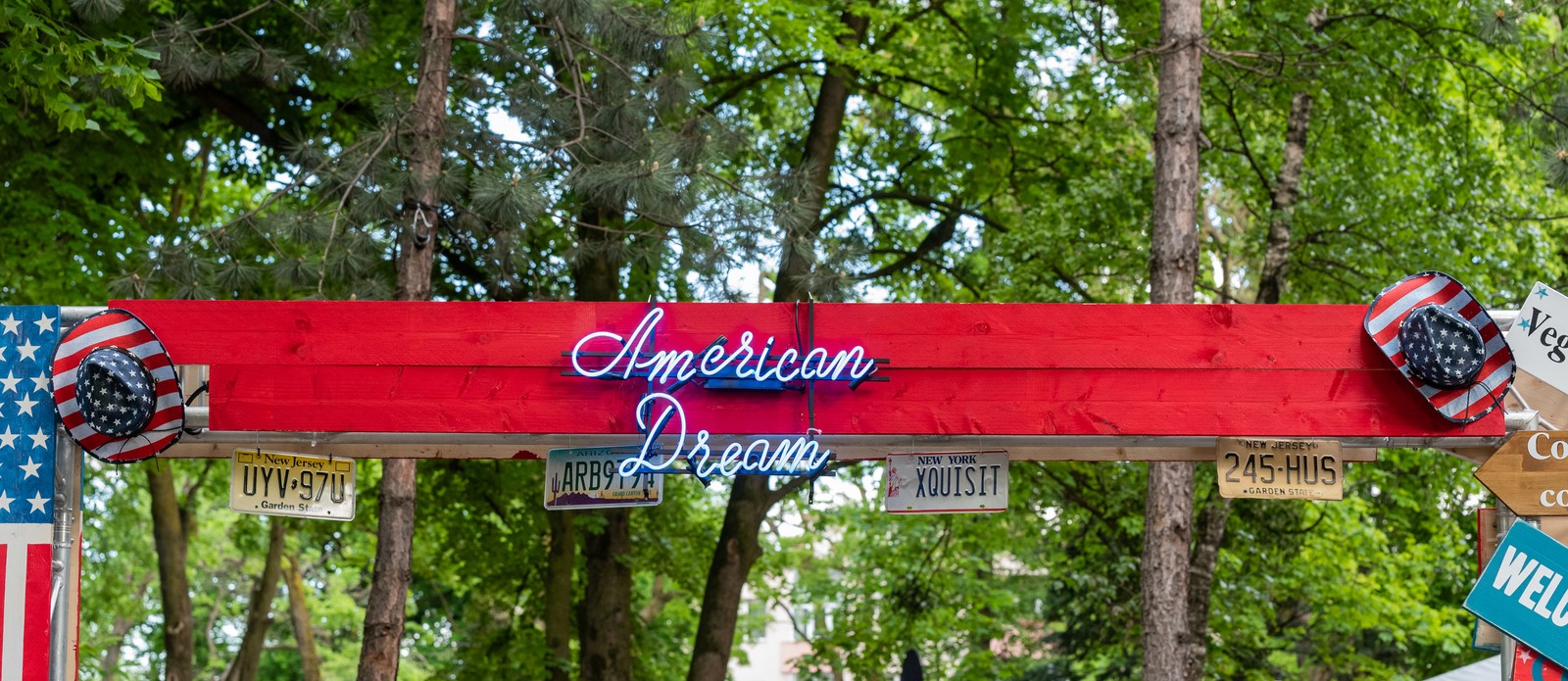
Image: Sergiu Bretea

One of the world’s most famous slogans came from a death row sentence . Another arose from observing soldiers eat chocolate that wouldn’t melt during the Spanish Civil War. And one turned a fast-food order into a promise of total control. Check out these 10 slogans and the incredible secrets behind them.

1
I’m lovin’ it
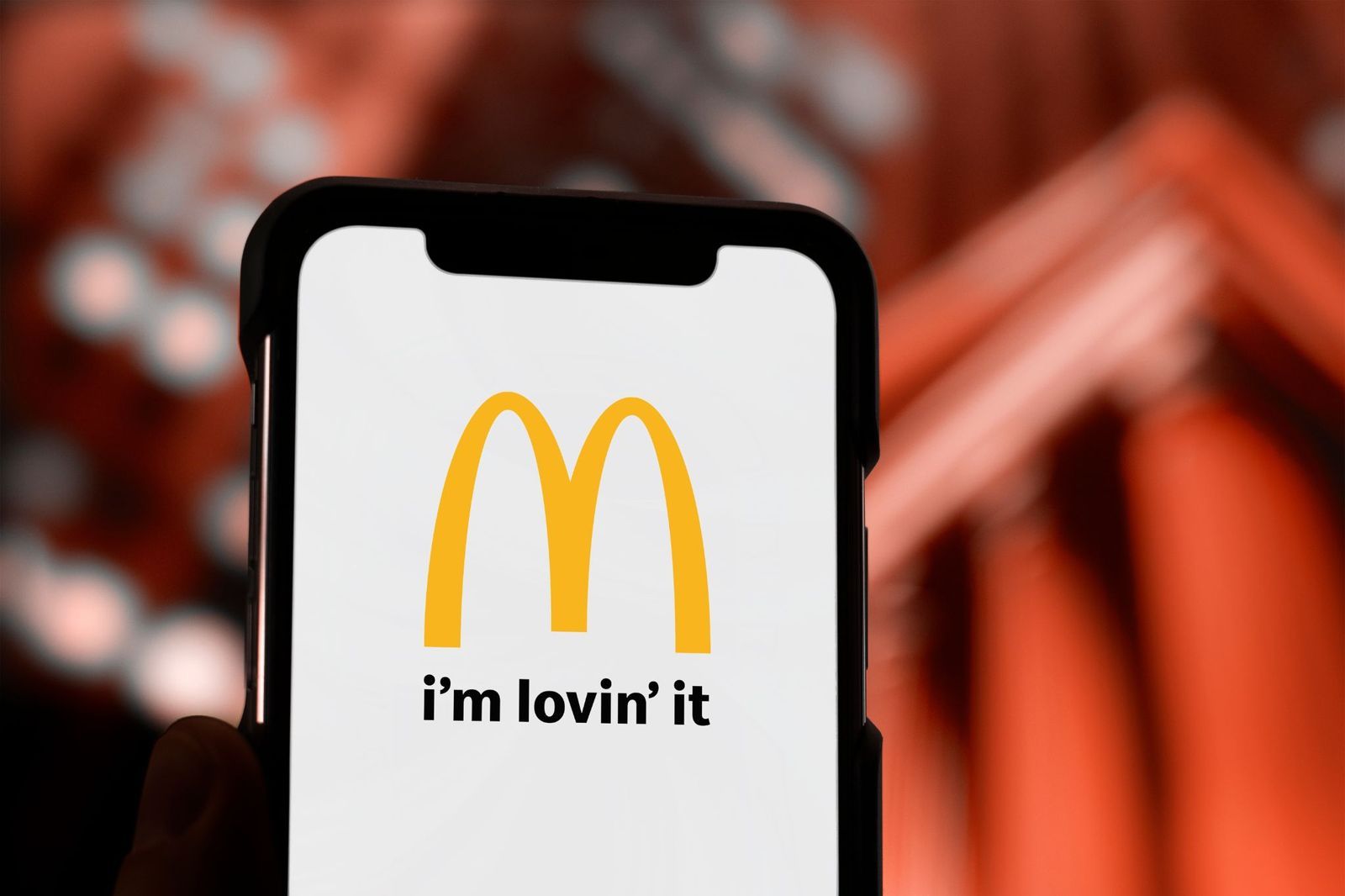
Image: PhotoGranary02

McDonald’s tapped into the 2003 zeitgeist with its slogan "I’m lovin’ it," one of its most enduring campaigns. It also has a catchy tune originally produced by Pharrell Williams, and Justin Timberlake was paid millions to sing the first radio edit and make it cool.

The catchphrase hits home because it focuses on happy emotions we can all relate to. The active grammar of "I’m lovin it", instead of the passive "I love it", implies an ongoing pleasurable experience, not just one isolated bite .

2
Just do it
Image: Robert Way

How many times have we renewed our New Year’s resolutions, promised to start going to the gym, or get outdoors as soon as spring arrives? But actualizing our ambitions isn't as easy as it sounds.

That’s exactly what Nike captured so well in its iconic slogan, "Just do it", because it motivates action, inspiring a resilient and go-getter attitude. But the origin story is darker than most people know. It was Gary Gilmore, a convicted murderer, who uttered the words "Let’s do it" before his execution in 1977 . Advertising executive Dan Weiden later said that that blunt line inspired the slogan.

3
Maybe she's born with it, maybe it's Maybelline
Image: Mustday

It’s natural to wonder about the beauty secrets of celebs or people we know. They could be genetics, a healthy lifestyle, or a skin-care routine. Whatever it may be, when we admire someone’s look, we want to find out how they do it.

That’s why this slogan, introduced in the 1990s by the cosmetic brand, works so well. It cleverly leaves room for doubt: maybe it’s natural beauty, or maybe it’s the product . Either way, it connects directly to the desire for effortless, flawless beauty.

4
Think different

Image: Hadrian

Who hasn’t felt different at some point? And being different is often perceived as a negative. Apple flipped the idea, asserting that those who don’t fit in are the ones who change the world ; they are the true visionaries, the rebels and the geniuses.

This two-word slogan, "Think different", used by Apple from 2002 to 2007 and created by art director Craig Tanimoto, appeals not just to what you buy, but to who you become by buying it . The audacious campaign even invoked such history-making icons as Albert Einstein and Martin Luther King Jr. It’s also believed to be a response to IBM’s "Think," adding boldness by even breaking grammar rules (since "Think differently" would be technically correct).

5
Like a good neighbor, State Farm is there
Image: JHVEPhoto

Have you ever run out of sugar and knocked on your neighbor's door? Or has a neighbor fed your cat when you’re away? At the end of the day, everyone wants a good neighbor .

State Farm, one of the largest insurance companies in the U.S., turned a faceless corporation into a helpful friend next door through this jingle, created by Barry Manilow in 1971. It is still widely used today, alongside the "Jake from State Farm" character.

6
Have it your way
Image: Sorbis

Wanting things our way is one of the most universal human desires. But from a young age, we’re taught the opposite: that not everything can go our way and we need to adapt.

Burger King promises the opposite: at this eatery, you can "Have it your way" . Introduced in 1974, it emphasizes customization by letting customers choose their toppings and make the burger their own; turning it into a promise of choice, like no pickles or extra sauce. Here, at least, buyers are the boss.

7
Built Ford Tough
Image: Jonathan Weiss

When it comes to vehicles, durability matters, especially over long distances, in tough conditions, and through unpredictable weather.

That’s why this slogan, introduced in 1979 for the Ford F-series, was so effective. It highlights endurance and reliability, while elevating the brand to a whole new level of toughness , asserting that Ford stands out from the rest.

8
Melts in your mouth, not in your hands
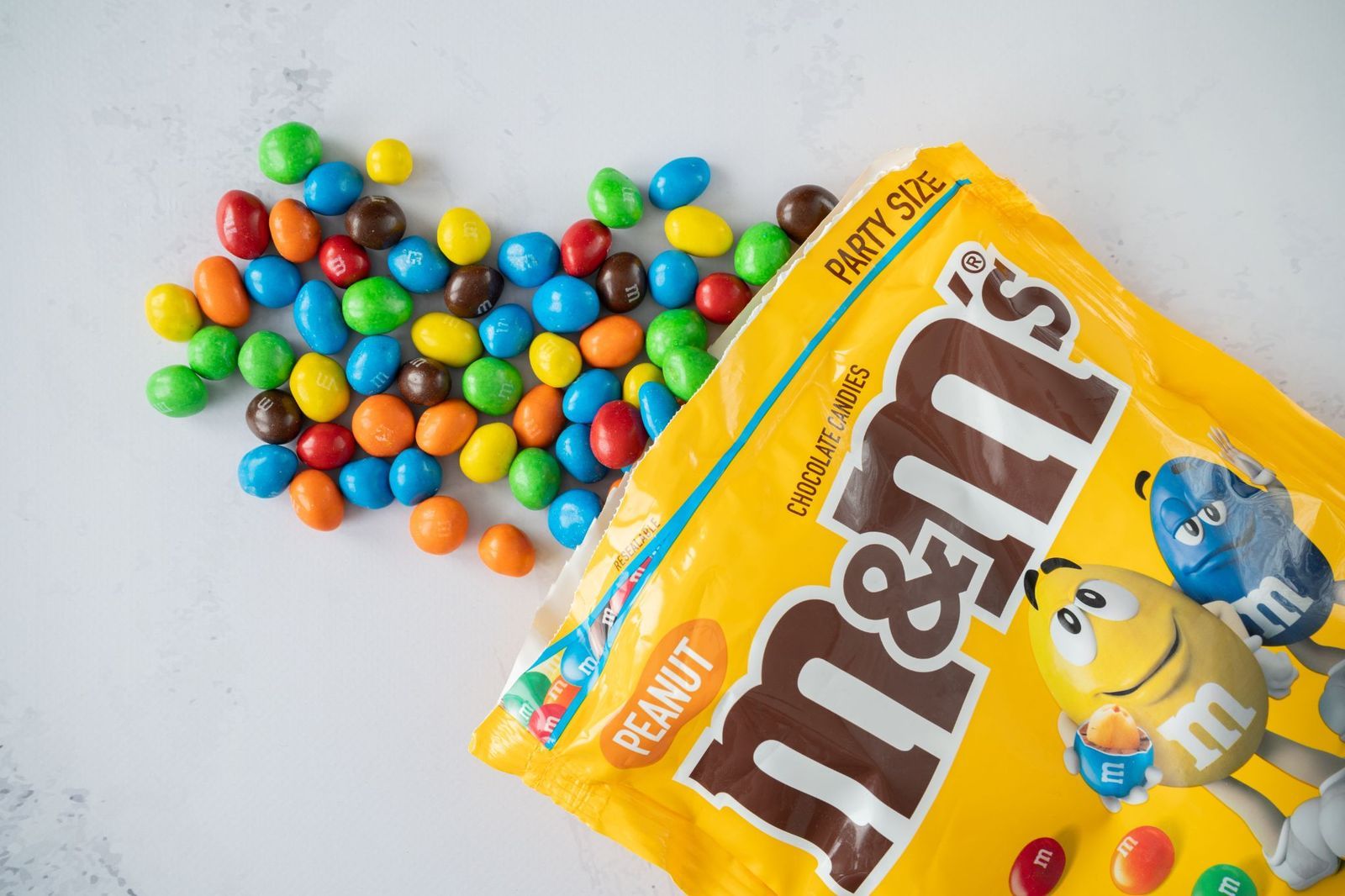
Image: Longfin Media

Even if we’re not that hungry, thinking of our favorite treats can make our mouths water. This slogan is a good play on this reaction, although its origin is unexpected.

"Melts in your mouth, not in your hands" is the 1954 catchphrase promoting M&M’s candy-coated chocolates. The outer shell is what keeps it from melting, letting you enjoy it without the sticky mess. Reportedly, it was during the Spanish Civil War (1936 -1939) that the creator, Forrest Mars, saw soldiers eating a chocolate pellet that wouldn’t melt in the heat. In fact, during World War II, M&M’s were sold exclusively to the US military for this reason .

9
Don't leave home without it
Image: kevin brine

Getting ready to head out the door is no simple task. Even today, we double-check essentials like keys, wallets, and more.

American Express made a fantastic play on this in its 1975 slogan, first coined by advertising legend David Ogilvy for traveler's checks. Although at first glance it’s simple travel advice, it subtly suggests worldliness, wealth, safety, and security; ultimately making people feel that traveling without the card is simply a bad idea .

10
Can you hear me now?

Image: PJ McDonnell

How many times have you asked this during a call, a Zoom, or a FaceTime? A bad connection leads to poor communication, and Verizon turned that frustration into a memorable message.

Launched in 2002, "Can you hear me now?" reminds us of all the times we’ve asked this question when trying to talk with someone, highlighting signal reliability over cheaper plans. The actor Paul Marcarelli was featured in various locations across the country yelling the question and, after a pause, saying, "Good" . The catchphrase and Marcarelli became so well known that people would shout it at him in real life, and, allegedly, even at his grandmother's funeral.
History History 7 min read

AMERICAN WEST LEGENDS

California Gold Rush: 10 Fascinating Facts You May Not Know

Image: Alexander Grey

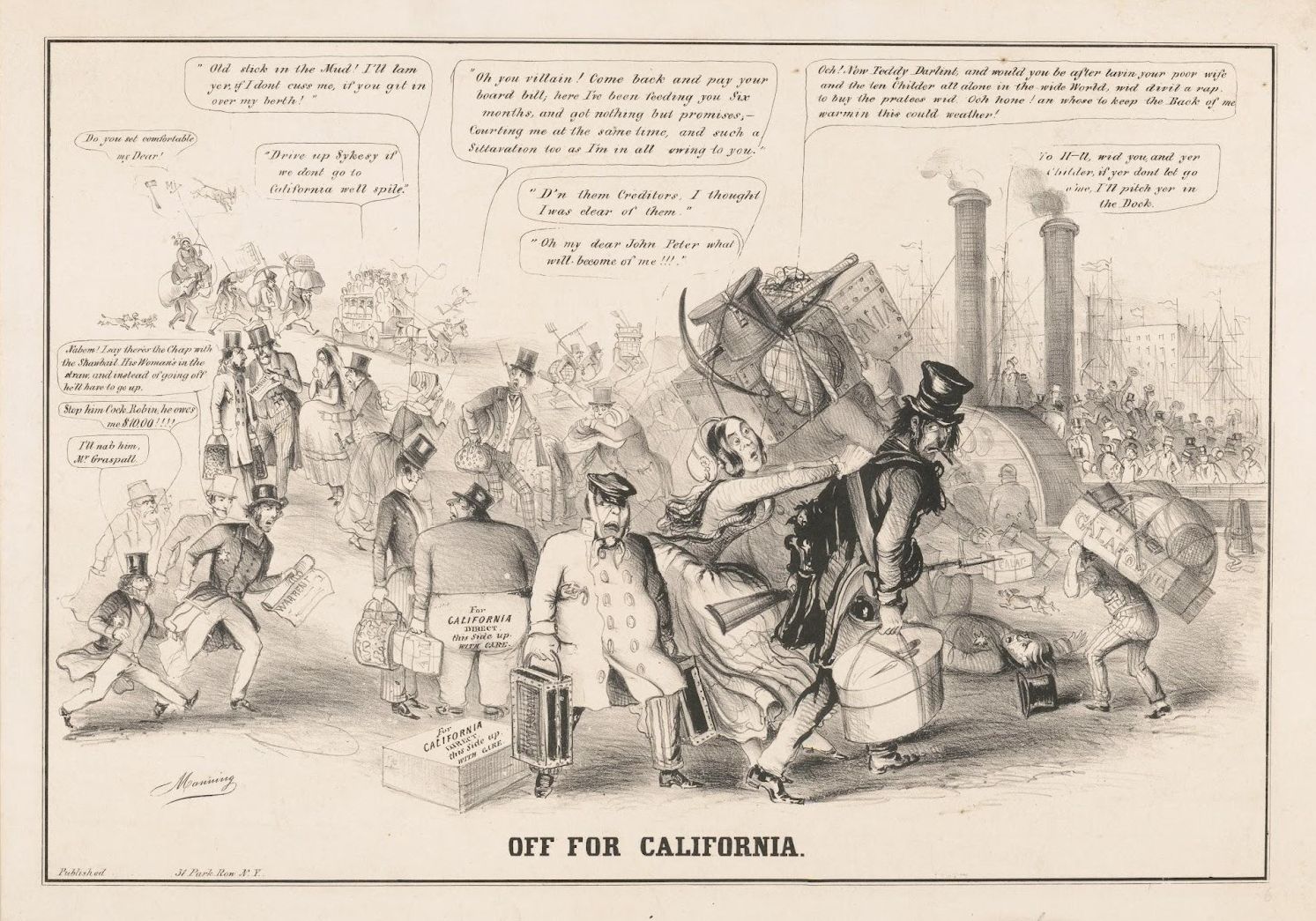
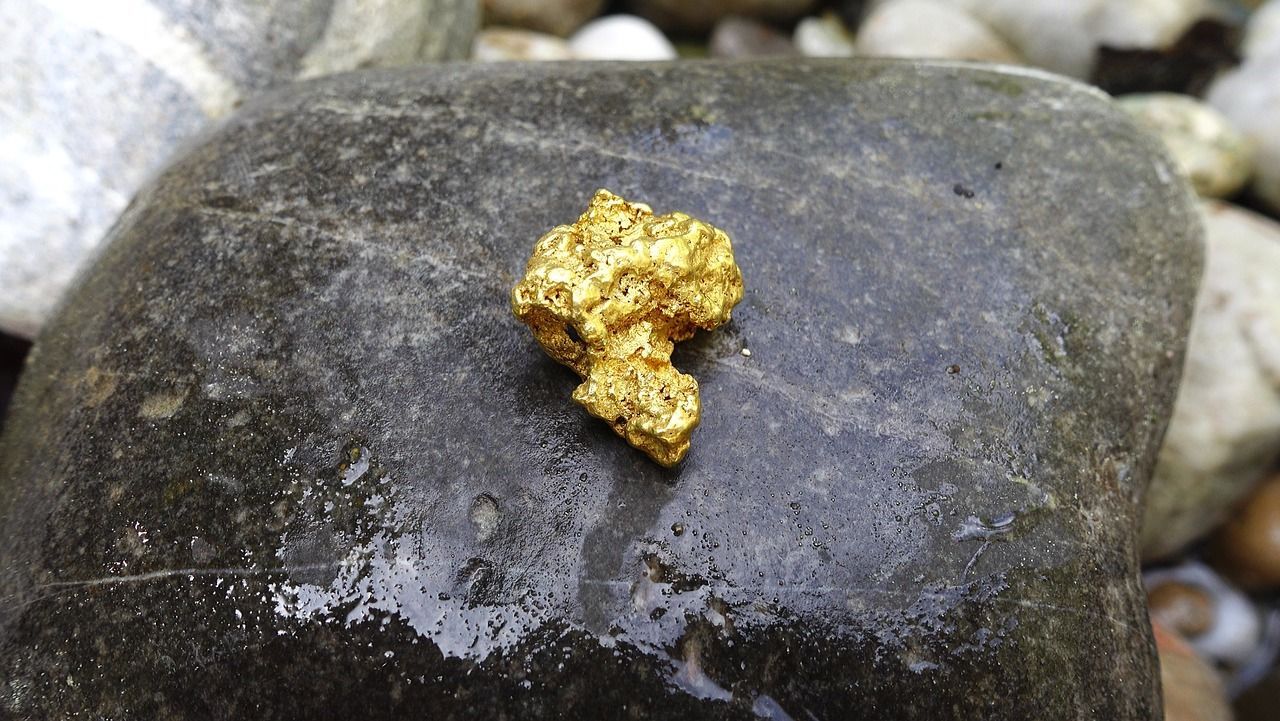
More than 150 years ago, news of a gold nugget found in a faraway land triggered a frantic rush for the precious metal around the world , bringing large waves of thousands of people to the West Coast of the United States willing to do anything to get rich. This period is considered one of the most significant of the 19th century and is full of secrets and compelling stories. Both fascinating and constitutional, it is a testament to the foundation of American society . Here are 10 surprising facts about the California Gold Rush that will leave you speechless.

1
Migratory frenzy

Image: George Henry Burgess, Public domain, via Wikimedia Commons

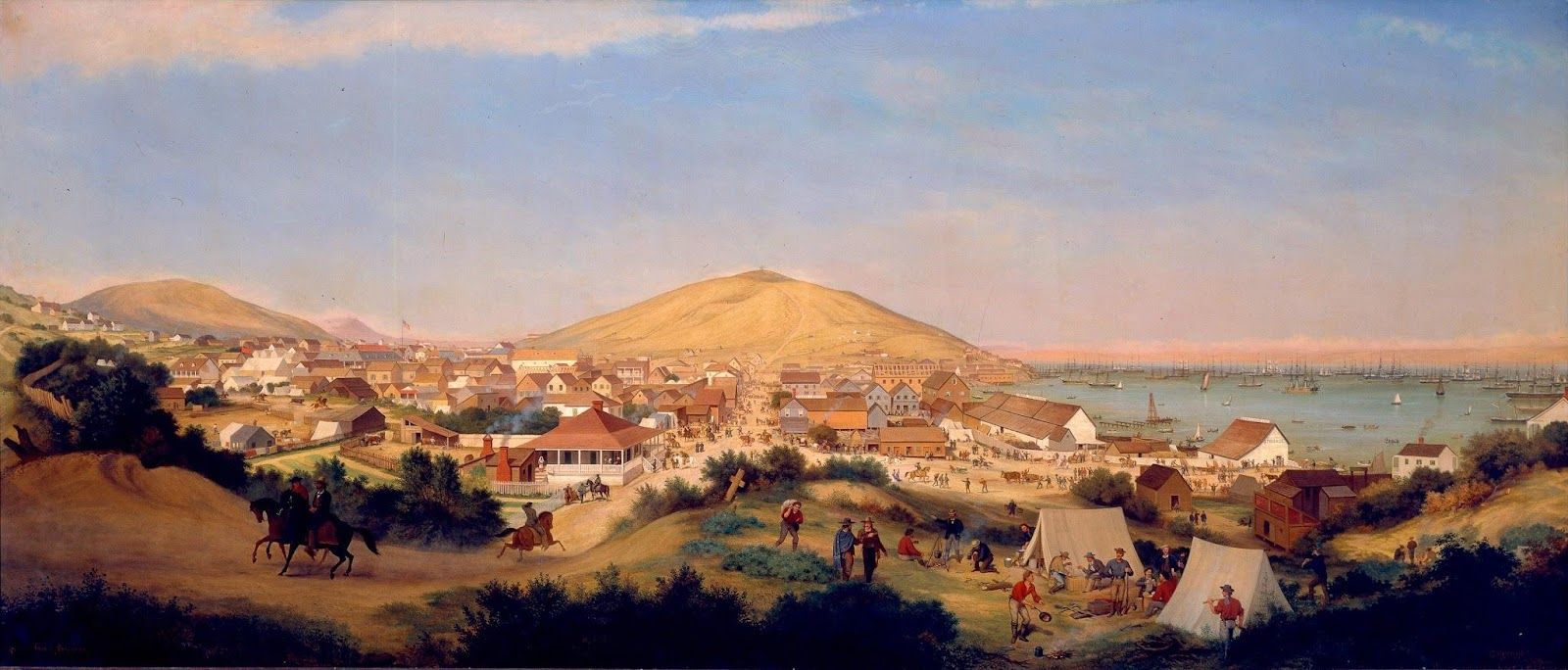
The California gold rush triggered one of the largest mass migration waves in US history, with an estimated 300,000 people moving to the West Coast in just a few years . On January 24, 1848, a carpenter called James W. Marshall found gold at a sawmill in Coloma. The news reached the East Coast in August and, in December, President James Knox Polk officially confirmed it to Congress.

As a result, by early 1849, thousands of would-be prospectors —known as the ‘49ers’— started flooding the state every day. In January 1848, San Francisco had 800 residents; by the end of 1850 it had some 25,000 , many of them living in shacks and tents. Although most of the newly arrived were Americans, the gold rush attracted people from other parts of the world like Latin America, Europe, Australia, and Asia. Thanks to this boom, California started to grow fast, building new roads, towns, churches, schools, and hospitals.

2
No place for a lady?

Image: Popular Graphic Arts, Public domain, via Wikimedia Commons

People in the 19th century considered the California goldfields lifestyle a bit too harsh for women, so there is not much testimony of them being involved in gold-digging . Only 700 of the 40,000 people who arrived by ship to the San Francisco Bay in 1849 were women. Some came with their husbands and families, but others were just seeking adventure.

Many of the few women living in California around this time were widows. Men frequently died in mining accidents, disputes, and diseases and the women would be left alone and in need of a job. During the gold rush, women ran profitable businesses like sewing, laundry, food preparation, and boarding houses. Others would be in high demand to work in brothels and saloons, serving drinks to the hundreds of lonely gold diggers.

3
Millionaires overnight

Image: Hans

Well, not exactly overnight, but pretty quickly. Brothers John and Daniel Murphy were two adventurous early California pioneers who got into the history books for having mined about $1.5 million —around $56 million today— worth of gold in a year. Within a very short period of time, they became prosperous men and influential figures in the area.

The town of Murphys —about 140 miles East of San Francisco— is named after them and is considered one of the oldest and most important of all the Gold Rush camps in the Golden State . Nowadays, this charming little town is a must-stop for tourists on their way to the mountains looking to travel back in time.

4
Blue Jeans become popular

Image: SwellMap, Public domain, via Wikimedia Commons

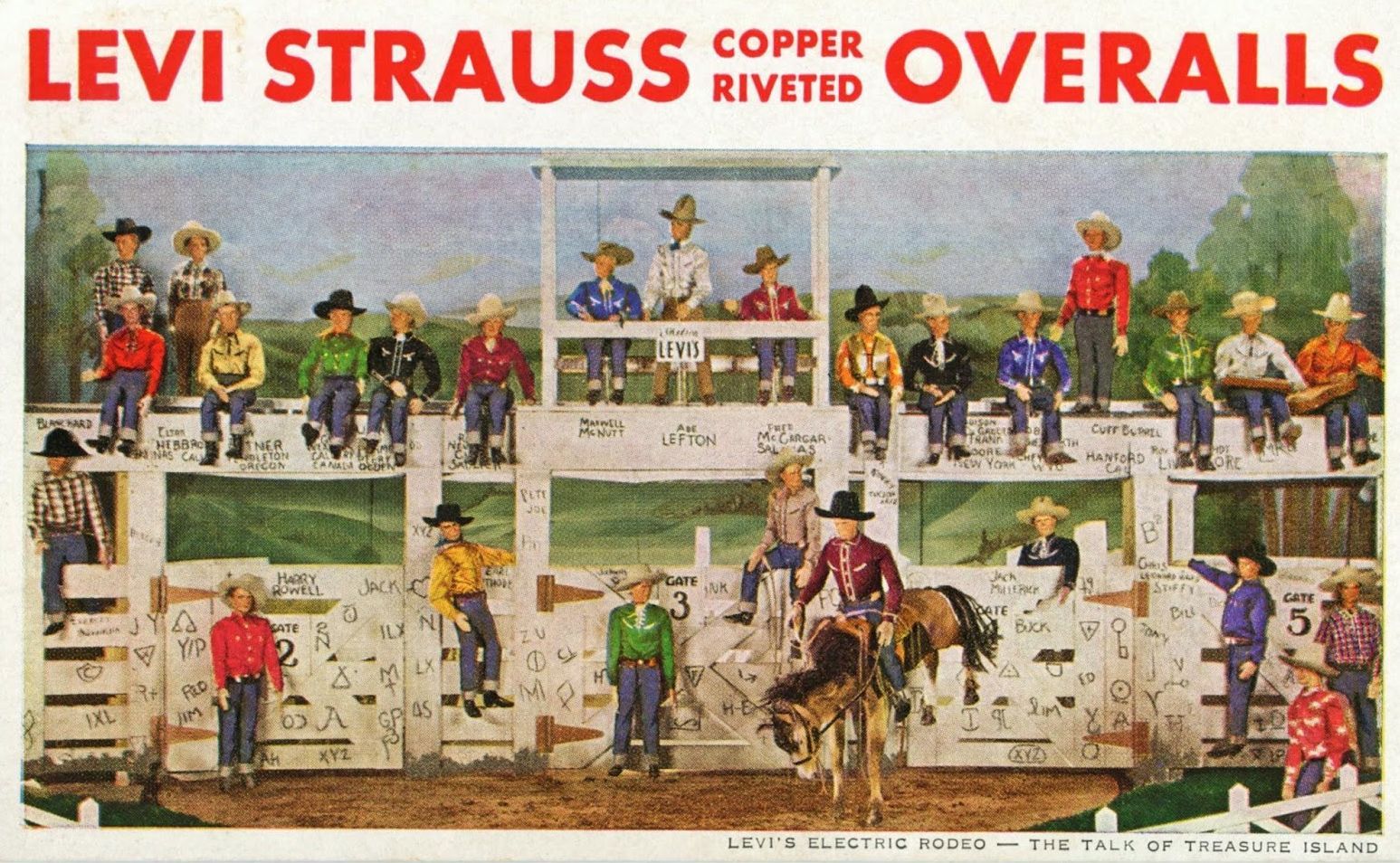
In 1853 a Jewish peddler called Levi Strauss arrived in California looking for sale opportunities derived from the Gold Rush. Does the name ring a bell? A couple of years later, with the help of a tailor called Jacob Davis, he invented the garment of choice for Forty-Niners and cowboys: the blue jeans . By the end of 1873, thousands of San Franciscans were wearing these iconic durable pants, and the name "Levi's" was registered as a trademark.

Although Levi Strauss didn't exactly get rich by mining gold, he found a way to earn a fortune from it. Blue jeans —originally called "waist-high overalls"— came to represent the untamed American West. Over the years, not only workers would adopt them: kids, women, and even Hollywood stars owned at least a pair. And now, over a century and a half later, blue jeans are still an international symbol of youth, freedom, and independence .

5
The first international financial crisis

Image: Zlaťáky.cz

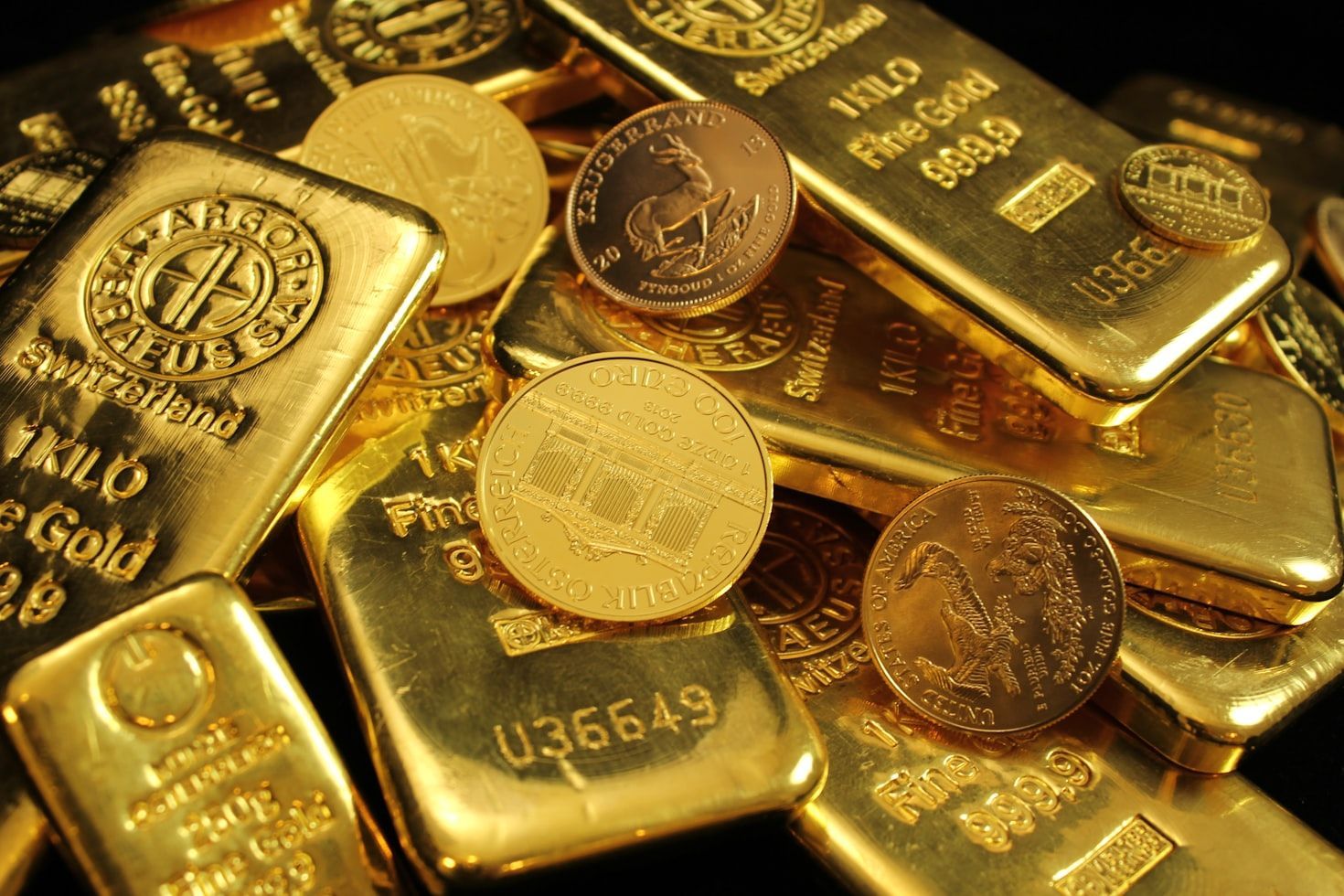
In just a few years, the 1849-1855 Gold Rush radically transformed California, the United States, and the world. The influx of gold served as an accelerant for U.S. economic development and enabled massive investment in public buildings, schools, and the construction of a railroad across the country. However, by the mid-1850s the world economy was so interconnected that any event could cause an international crisis.

In 1857, a crash in British banks, the speculation on railroad stock, and the sinking of SS Central America —a ship transporting a huge amount of gold—, among other incidents, triggered the first international financial crisis, known as the "Panic of 1857" . As a result, the northern domestic economy took a significant hit. However, by 1859, the Panic began to level off, and the economy began to stabilize.

6
Mark Twain struck literary gold

Image: unattributed, Public domain, via Wikimedia Commons

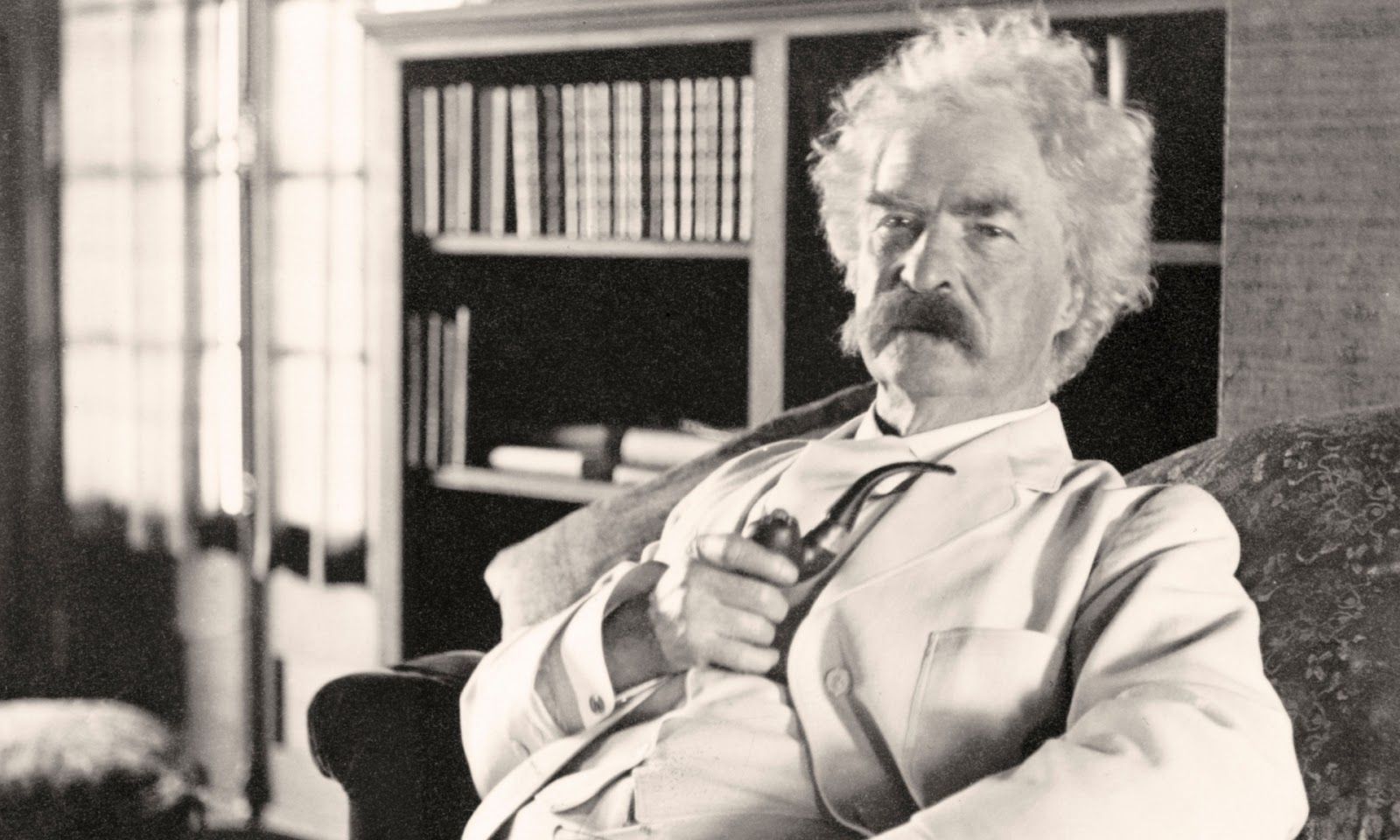
Did you know that one of the greatest American authors became a writer after failing as a gold miner? Samuel Clemens —a.k.a. Mark Twain—, was only one of the thousands of men who moved West during the Gold Rush in hopes of making a fortune . In 1861 he followed his brother Orion all the way to Virginia City, Nevada where he became a miner. Things didn’t go very well so he ended up working for the local newspaper, and started using the pen name by which he is remembered to this day.

Twain moved to San Francisco in 1864 and came in contact with other writers like Bret Harte and Artemus Ward. His experience in the American West inspired several of his works , such as The Celebrated Jumping Frog of Calaveras County (1865) —which brought him national attention— and Roughing It (1872). Although he didn’t become rich finding gold, Twain made a substantial amount of money through his writing.

7
Who really got rich?

Image: Unsplash

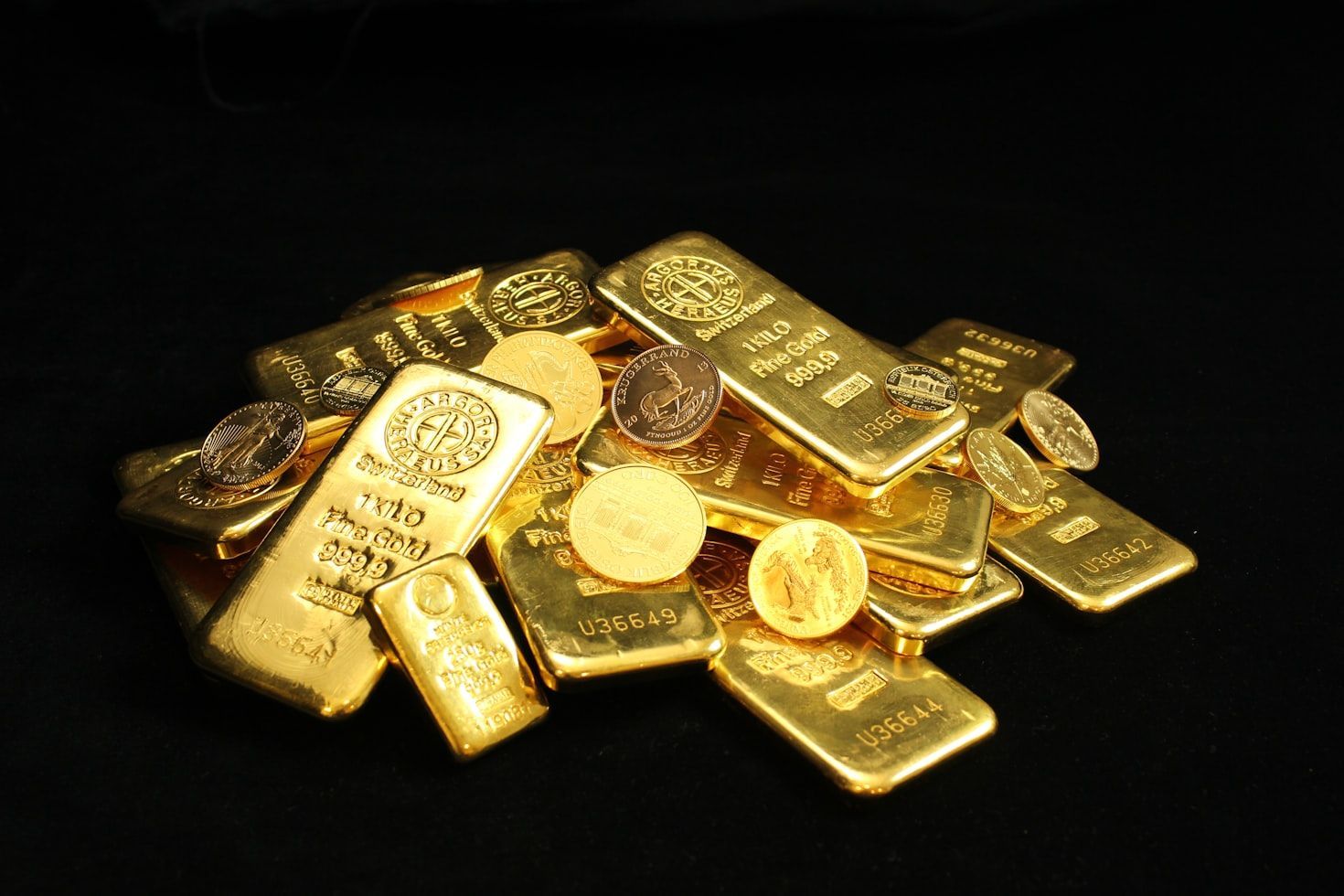
As romantic as it may sound, migrating to a new land to find gold and get rich does not necessarily mean instant success. In fact, only a few made their fortune mining gold . For most of the Forty-Niners, arriving in California during the rush was synonymous with disappointment. The lucky minority that found some gold went on expensive trips or wasted their money on poor-quality alcohol and food at the saloons of the American West, becoming broke pretty quickly.

The people who actually managed to amass some wealth during the California Gold Rush were the ones who took advantage of the opportunities surrounding the growth of cities and the financial bubble . For example, entrepreneurial merchants would open businesses to satisfy the demands of the newly arrived prospectors. America’s greatest industrialists, on the other hand, became millionaires by investing in real estate or the new railroads. Besides, in the years following the rush, mining was no longer done by adventurous individuals, but by big companies with new technology.

8
A city built out of ships

Image: G.F. Nesbitt & Co., printer, Public domain, via Wikimedia Commons

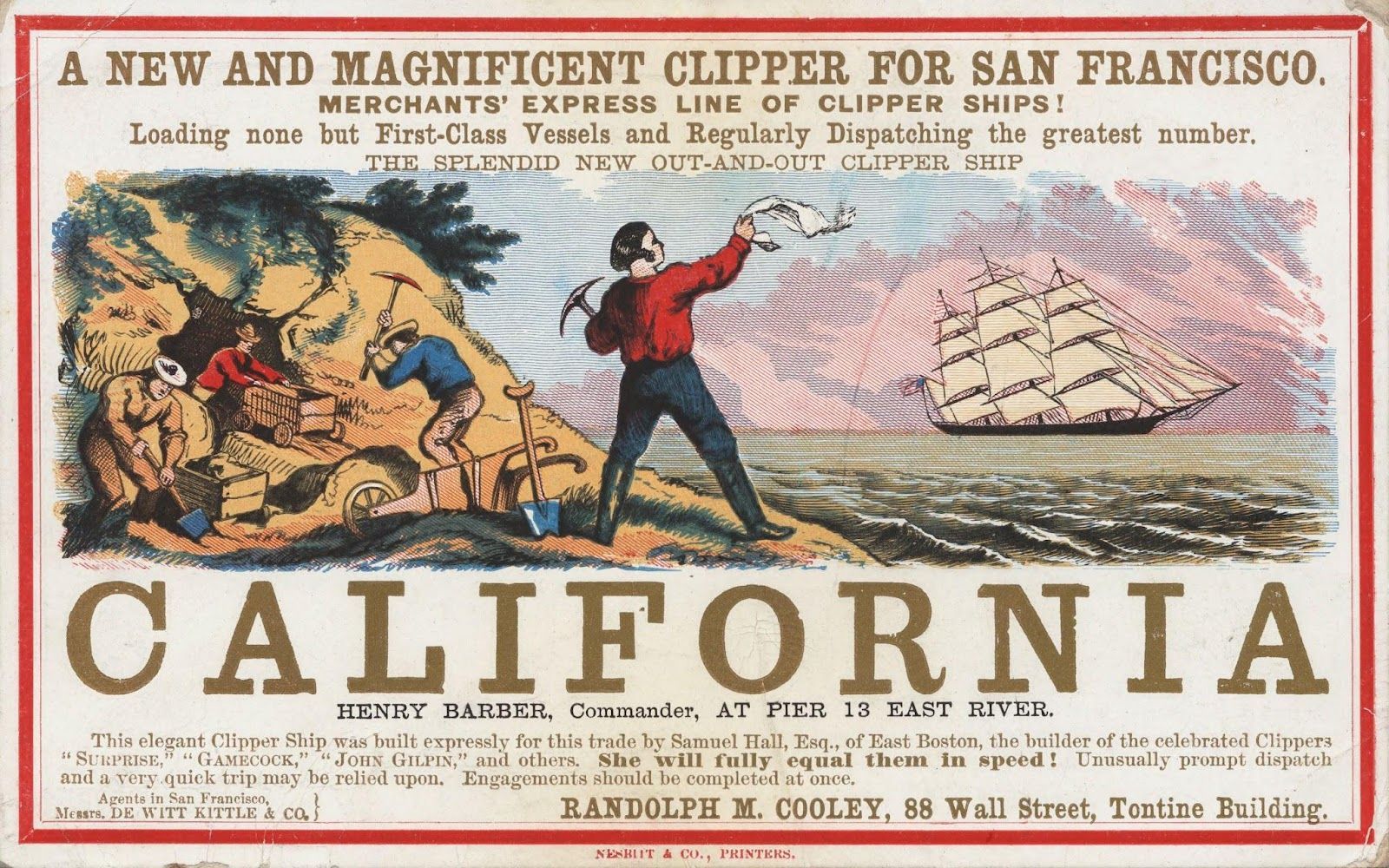
In the mid-19th century, a great number of ships arrived in California from all over the world packed with people in search of fortune. At the same time, the gold rush brought rapid growth and San Francisco soon became one of the world's great seaports, dominating shipping in the American West. These gold-seekers didn’t exactly have a return ticket, so lots of boats started to pile up on the Bay .

A few of these approximately 500 abandoned ships were sunk or buried and now can be found beneath the Embarcadero and Financial District . Others were repurposed to serve as storeships, saloons, and hotels, or their debris was used to build houses, jails, and banks. Even today, archeologists continue to discover fragments and entire ships underneath the streets of San Francisco.

9
Death Valley, a winter tragedy

Image: Marina Šurniene

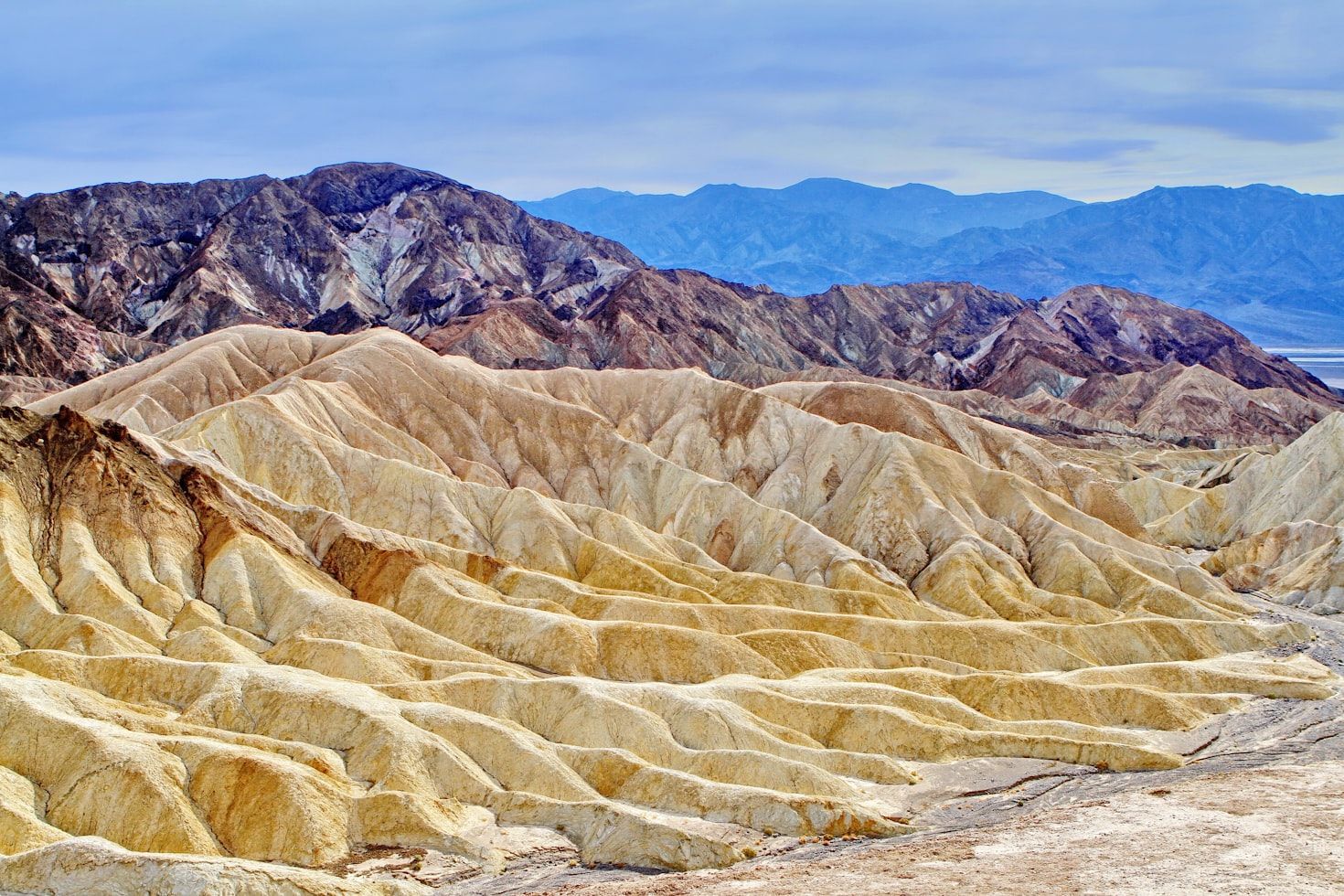
Do you know where the "Death Valley" name comes from? This desert valley in the northern Mojave Desert, in Eastern California, is thought to be the hottest place on Earth. However, it was not named after its summer temps but for a winter disaster. It was a group of prospectors who got lost looking for a shortcut to the goldfields of California in the winter of 1849-1850, that gave Death Valley its grim name.

Even before the Gold Rush, California attracted settlers searching for a new life. In 1846, a group of pioneers known as the Donner Party became snowbound and nearly half of them eventually died of starvation and exposure. A few years later, although scared and forewarned by this experience, a new group ventured across the desert. While this time around the journey was not so deadly, they suffered a few mishaps that led them to nickname the area Death Valley.

10
Found gold? Have yourself a Hangtown Fry!

Image: Ivan Shemereko

According to the legend, this famous omelet cooked with bacon and topped with fried oysters was created in El Dorado Hotel in Hangtown —today’s Placerville— after a prospector claimed to have found gold. To celebrate, he demanded to be served expensive food, so the cook put together a dish with the fanciest ingredients he had at hand: eggs were delicate and therefore very valuable; bacon was shipped from the East Coast; and oysters were brought fresh from San Francisco, over 100 miles away.

Since then, the Hangtown Fry has continued to be served at many of the local restaurants . Although now you can find versions with onions, bell peppers, and spices, this iconic dish has remained practically the same as it was during the Gold Rush more than a century and a half ago. Have you tried it?

Geography Geography 4 min read

Geography challenge

Double-check it: You might be wrong about the capitals of these 6 states!

Image: Domino Studio

A capital city is where the government of a state or country is based. Just as Washington, DC, serves as the capital of the United States, each of the 50 states also has its own capital city. The US is one of the largest countries in the world, and with 50 states, remembering the capital cities of each one can be difficult. So, here's a challenge for you: Can you match these six capitals to their states? Give it a try!

1
Harrisburg

Image: Judith Chambers

With a long and rich history, Harrisburg may not be the largest or most famous city in its state, but it holds the title of the capital city. Situated along the Susquehanna River, it serves as the heart of a state that played a critical role in shaping the nation. Known as "The Keystone State," this region was central to the Revolutionary War and the signing of the Declaration of Independence.

2
Springfield

Image: Andrew Adams

In Springfield, you'll find landmarks like the Lincoln Home National Historic Site and the Abraham Lincoln Presidential Library and Museum. Why? Well, because Uncle Abe lived in this city for nearly 20 years before becoming the 16th US president.

Beyond Lincoln, Springfield is also known for its signature dish: the horseshoe sandwich ! Have you tried it? We bet you already know which state Springfield represents as its capital!

3
Jefferson City

Image: Ann Schreck

Jefferson City—named after Thomas Jefferson —is the capital of the " Show-Me State ," renowned for the breathtaking Ozarks.

Jefferson City was specifically established to serve as the state capital. With a population of under 45,000, it is the 16th most populous city in the state! Can you guess which state it belongs to?

4
Frankfort

Image: Alek Olson

One of the smallest capitals in the United States by population, Frankfort is the capital of a state located in the Southeastern US, bordered by seven states, including Tennessee and West Virginia. Famous for its fried chicken and bourbon , it is known as the "Bluegrass State." What's your guess?

5
Carson City

Image: Roland Schumann

Located near Lake Tahoe, Carson City is the capital of the "Silver State," known for its mining history, desert landscapes, and unparalleled shrimp cocktail.

It is recognized as the driest state in the country, home to landmarks like the Hoover Dam and the mysterious Area 51 . Have you ever visited?

6
Tallahassee

Image: Damon On Road

If we say: Everglades, Walt Disney World, and Kennedy Space Center, which state comes to mind? Famous for its orange production, its iconic Key lime pie, and delicious Cuban sandwiches, this state’s capital is Tallahassee, a lovely city in the northern part of the state. Do you know which state we’re talking about?

7
Harrisburg: Pennsylvania

Image: Andre Frueh

You were right! Located in the center of the state, Harrisburg has been the capital of Pennsylvania since 1812 . Before Harrisburg, Philadelphia (1682–1799) and Lancaster (1799–1812) served as the capitals of Pennsylvania.

8
Springfield: Illinois

Image: Tucker Good

If you guessed "Illinois," you were right! Springfield has been the capital of the Prairie State since 1839 . As mentioned, the city's history is closely tied to Abraham Lincoln's legacy, which is why you'll find landmarks like the Lincoln Tomb at Oak Ridge Cemetery. Additionally, it was in this city that Lincoln delivered his famous "House Divided" speech !

9
Jefferson City: Missouri

Image: Rythik

Its proximity to the Missouri River was instrumental in choosing Jefferson City as the capital city of the state of Missouri in 1821. Here, you can find the imposing Missouri State Capitol building, completed in 1917!

Bonus fun fact: Before it was named Jefferson City—in honor of our nation’s 3rd president—local authorities considered calling it "Missouriopolis." Can you imagine?

10
Frankfort: Kentucky

Image: Josh Collesano

Frankfort became the capital of Kentucky in 1792, shortly after the state entered the Union. Located in the Bluegrass region of the state, the city is crossed by the Kentucky River, which gives it a unique charm. Frankfort is also home to the iconic Buffalo Trace Distillery —one of the oldest bourbon distilleries in the country—and the historic Kentucky Vietnam Veterans Memorial .

11
Carson City: Nevada

Image: Parth Thakker

Since 1864 , when Nevada became a state, Carson City has served as its lovely capital. But do you know why it's called "Carson City"? The capital of Nevada was named in honor of Christopher "Kit" Carson , a famous frontiersman and explorer of the area.

If you want to learn more about the history of Nevada and its capital, you can visit the Nevada State Museum , also located in Carson City!

12
Tallahassee: Florida

Image: Kevin Dunlap

With an estimated population of about 200,000, Tallahassee has been the capital of sunny Florida since 1824 . Considered a " college town " because of its large population of college students, Tallahassee is home to Florida State University, Florida A&M University, and Tallahassee Community College!

Explore more American facts

Choose your favorite category!

General
General

As American as apple pie—the very best America has to offer!

Culture
Culture

Delve into the astounding richness of American lore.

Geography
Geography

Hop in and explore vast and diverse American landscapes.

History
History

Discover the key moments that shaped the United States.