General General 5 min read

A taste tour

Have you tried any of these? Discover the most recommended dishes!

Image: Valerian KOo

Whether you prefer sweet or savory, there's something for everyone in this article. American food is incredibly diverse, with flavors suitable for even the most demanding palates. From classics like Italian beef and white clam pizza to lesser-known—but equally delicious—recipes, here's a list of 10 iconic regional dishes, each one perfectly representing the heart of its home state. Yummy!

1
Arizona

Image: Amber BC

There’s a blend that can please almost any palate: the fusion of American comfort food and bold Mexican flavors. If you like this combination, you've probably already tried Arizona's delicious Sonoran hot dogs.

Tucson and Phoenix are the two most recommended cities to try this tasty street food. Here's a description that will make your mouth water: a Sonoran hot dog is a sausage wrapped in bacon, served in a soft, slightly sweet bolillo roll, which is a Mexican-style bread.

And if that wasn't enough, the toppings are equally incredible. You can choose from iconic guacamole, spicy jalapeños, creamy pinto beans, hot sauce, and more!

2
New Mexico

Image: Alyson McPhee

If you're looking for unique and original flavors, we recommend making New Mexico your next destination.

It turns out that the Land of Enchantment is the home state of one of the most beloved dishes in terms of taste: green chile stew. What makes this hearty, comforting dish specialis right there in its name— New Mexico's green chile . This type of chile is less bitter than other varieties and has a perfect balance of heat and sweetness.

Chile is so deeply ingrained in New Mexico culture that the state has an official question related to it: "Red or green?"

3
Texas

Image: Luis Santoyo

If barbecue is your thing, this recipe is gonna be one of your favorites on this list. Be warned: you’ll want to head straight to Texas to try it.

The star dish in the Lone Star State is brisket. You've probably heard of it! Brisket is a cut of meat from the cow's lower chest, which is traditionally smoked low and slow until it becomes tender.

But wait—it’s not a dish for when you're in a hurry: Texas Brisket cooks for no less than 12 to 16 hours!

4
Hawaii

Image: Luke McKeown

Whether it’s music, dance, sports, or food, Hawaii has a lot to offer. One of its most recommended dishes is Huli Huli Chicken.

What makes this chicken dish so special? Let’s take a look. First, the chicken is marinated in a mix of soy sauce, pineapple juice, brown sugar, garlic, and ginger (our mouths are watering just talking about it!). Then, it's cooked over a wood fire, which gives it that special smoky touch. During cooking, the chicken must be turned several times—a technique that gives the dish its name: "Huli" means "turn" in Hawaiian. This method creates pieces perfectly caramelized on the outside but tender on the inside. An authentic delicacy!

5
Alaska

Image: Mandy Bourke

We promise you one thing: you won't regret trying Alaskan smoked salmon! Whether you're planning a trip to the Last Frontier or you're simply a seafood fan, this flavor is for you.

Alaska is famous for its spectacular landscapes, beautiful lakes, vast distances, and, of course, a characteristic flavor: salmon. While many fish and seafood are popular in this northern state, salmon is among the most recommended by those who understand good food. It’s often said that its exceptional taste may be due, in part, to the cold temperature of the water in which this fish thrives.

6
South Dakota

Image: Todd Quackenbush

A dish doesn't have to be complex to be flavorful, and South Dakota's chislic is proof of that.

Chislic typically features cubed lamb, mutton, or beef that's seasoned and either fried or roasted. Its simplicity and versatility make it a dish that can be adapted to suit different tastes and occasions.

The meat cubes are served hot, often accompanied by delicacies such as hot sauce or ranch dressing on the side. Have you tried this recipe?

7
Massachusetts

Image: Dylan Ferreira

If you have a sweet tooth, you'll have no choice but to visit The Bay State. Ice cream is more than just a treat in Massachusetts; the state has a whole tradition built around this tasty dessert.

Massachusetts isn't just the birthplace of many iconic ice cream brands and chains; it also holds the crown for having the highest per capita ice cream consumption in the country. And there’s a simple explanation for this: ice cream there is simply scrumptious! Plus, you can find a variety of flavors rarely seen elsewhere.

8
Connecticut

Image: Nadya Spetnitskaya

If you love both pizza and seafood, you don’t have to choose between them; you can enjoy both at the same time with Connecticut’s iconic white clam pizza.

This unique pizza originated at Frank Pepe Pizzeria Napoletana, a legendary spot in New Haven. But what makes it special? Well, let’s call it a rebel pizza—it breaks a few of the traditional "rules" you might expect a pizza to follow. Instead of tomato sauce, it has an olive and garlic base , topped with fresh clams , a staple in Connecticut cuisine. What do you think of this recipe?

9
Illinois

Image: Sergey Kotenev

American food offers something for everyone, even blending the best of different flavors into one dish. If meat and bread are your thing, you’ll love Illinois’ Italian beef.

First, a broth seasoned with delicious ingredients such as garlic and oregano is prepared. Then, the thinly sliced beef is simmered in the broth to absorb all the flavor. Once cooked, it's served on crusty bread.

An important part of the dish is its topping options: you can choose between a rich, spicy giardiniera or sweet peppers to add flavor and texture.

10
New Hampshire

Image: Nikldn

Now let’s go with a classic : pancakes with maple syrup. And we’re not talking about just any syrup, but the one from New Hampshire.

The Granite State is known for its pure, high-quality maple syrup, which is a key part of the state’s identity. And what better to pair with this sweet delight than a good stack of pancakes, right?

So now you know: if you want to take your breakfast to the next level, you have to visit New Hampshire. We recommend going in early spring , right at the peak of maple syrup season.


General General 5 min read

MUSICAL TRIBUTES

Did You Know These 10 Songs Named After U.S. States?

Image: weston m

In 1893, a 33-year-old English professor named Katharine Lee Bates took a train ride from Massachusetts to Colorado. The beautiful landscapes and gorgeous scenery of this seemingly inconsequential trip inspired Bates to write the lyrics of a now iconic song that celebrates everything that makes America so amazing. And with that, the patriotic song "America the Beautiful" was born.

Just like Bates, generations of American musicians have captured their love for America in countless songs. We have selected ten of the most moving anthems that celebrate the beauty of our 50 states. Enjoy!

1
"Louisiana Rain" by Tom Petty and the Heartbreakers

Image: Liv Bruce

Iconic musician Tom Petty included this bittersweet track in his third album with the Heartbreakers, titled "Damn the Torpedoes". This 1979 track tells the story of a heartbroken narrator walking down the streets of an undisclosed Louisiana city.

Petty’s slightly scruffy voice goes perfectly with the song’s melancholic and slow tempo. The song’s sliding guitars and harmonica solos provide an amazing background for the song’s thoughtful lyrics, where Petty sings "may never be the same" when he reaches Baton Rouge.

2
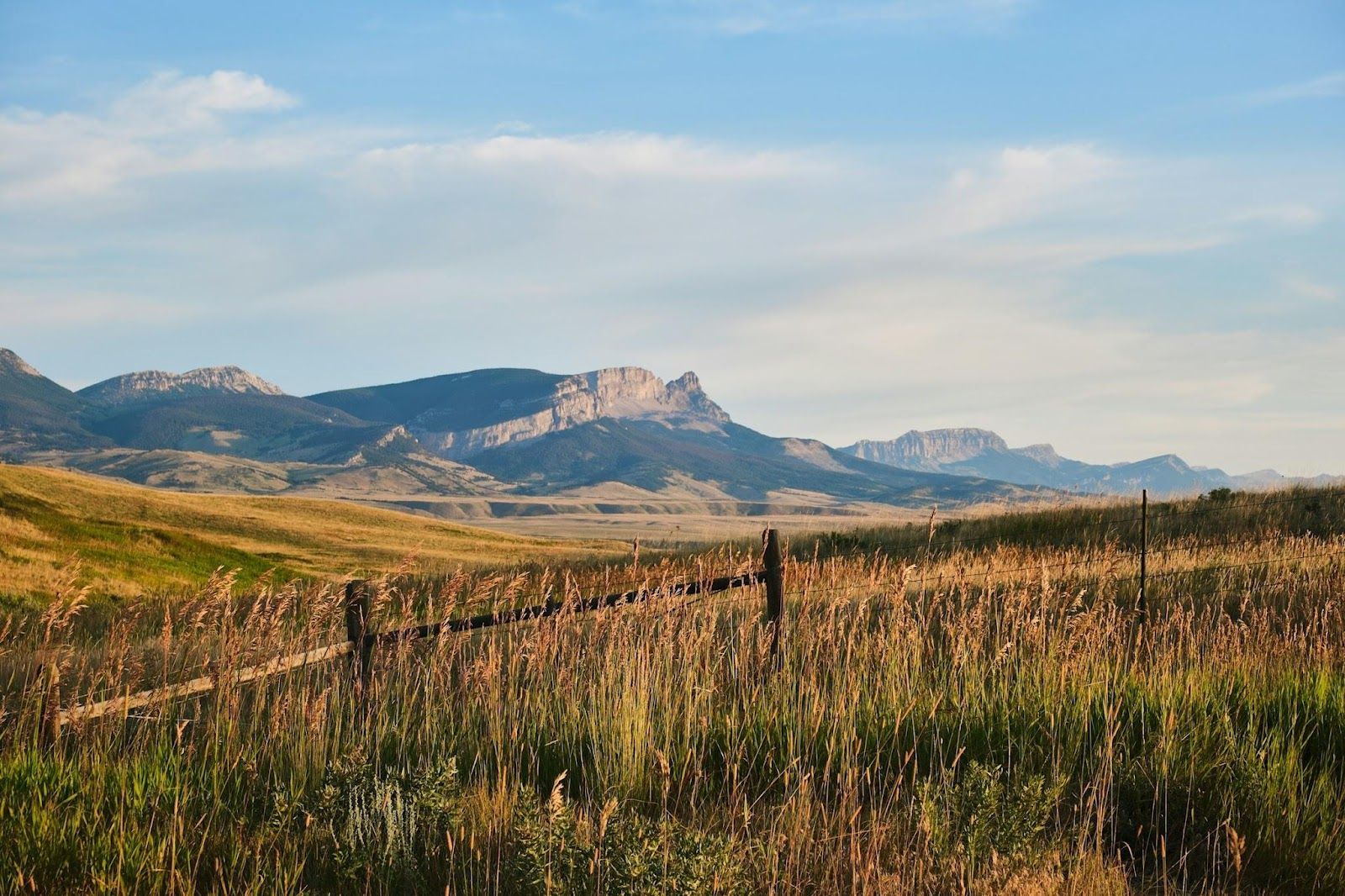
"Montana Song" by Hank Williams Jr

Image: Michael Bourgault

While he was born in Louisiana, musician and songwriter Hank Williams Jr. seems to have a place in his heart for the unparalleled beauty of "the Treasure State" . After all, the lyrics to his 1975 track "Montana Song" speak about a lonesome man "going to Montana to rest my soul".

While Williams’ song definitively centers on the heartbreak the narrator feels after losing "that special someone", it is nearly impossible not to picture Montana’s snowy peaks and cold beauty when listening to this song.

3
"Jersey Girl" by Tom Waits

Image: Manisha Raghunath

We have included a fair share of songs about failing relationships in this article, so why don’t we provide some balance with this song about two lovers separated by the Hudson River? When Tom Waits wrote this song for his 1980s album "Heartattack and Vine", he was thinking of his future wife Kathleen Brennan, who, at the time, was living in New Jersey.

While the song is definitively slow-paced and melancholic, it is refreshing to hear Tom Waits’ ragged voice play the part of a man in love. In an interview, Waits admitted, "I never thought I would catch myself saying 'sha la la' in a song".

4
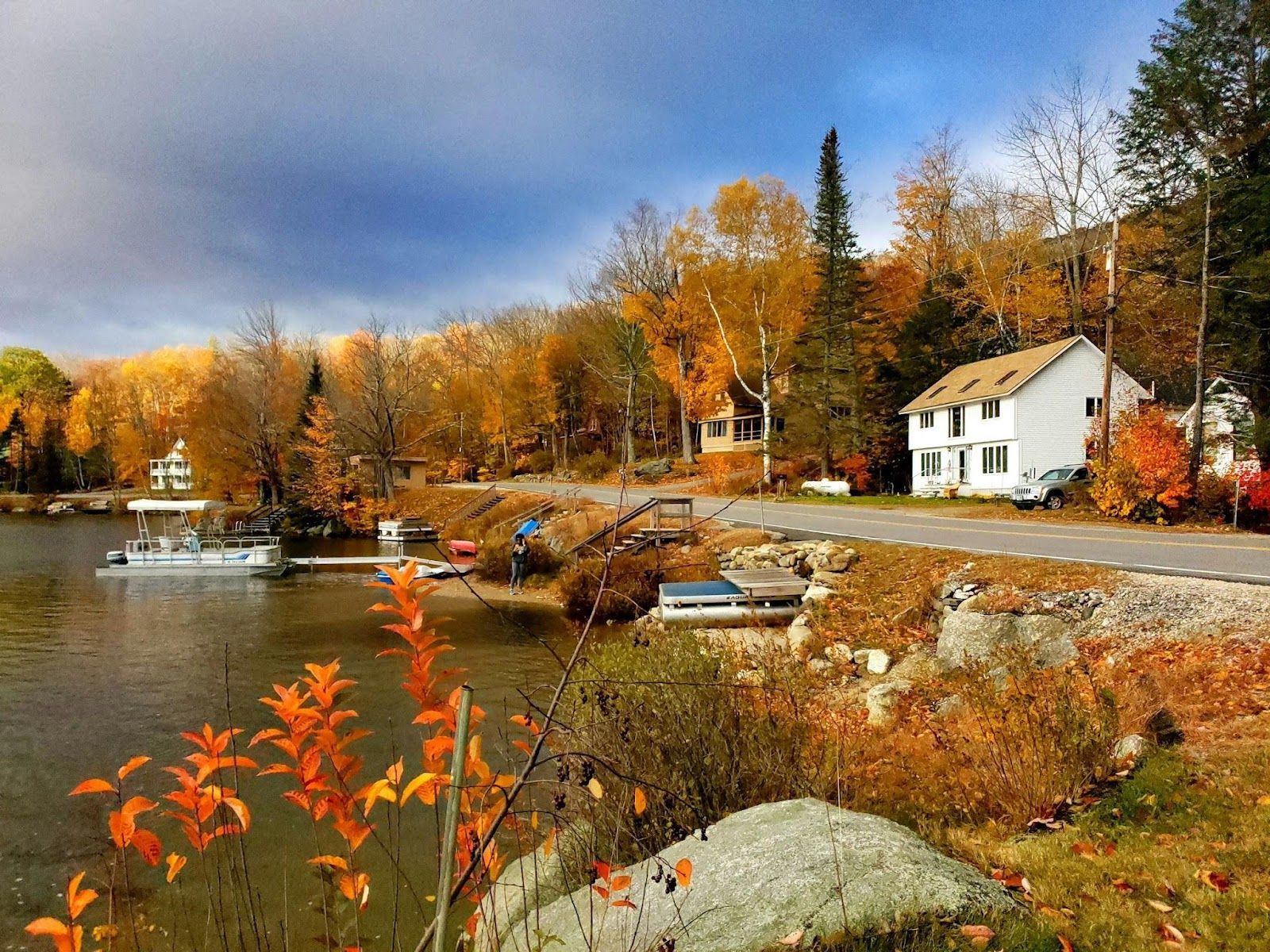
"New Hampshire" by Sonic Youth

Image: Suraj Gattani

Perhaps the most experimental song in this list, this 2004 track by rock band Sonic Youth features a myriad of electric guitars intertwined with singer Thurston Moore’s voice. "New Hampshire" goes from distorted rock riffs to more expansive and melodic interludes, all the while guided by a slow-paced beat.

The song’s lyrics describe the adventures of Steve and Joe, "the New Hampshire boys", and how they went "beyond/ Doing it for life". While the true meaning of the lyrics is enigmatic, many believe they refer to musicians Steven Tyler and Joe Perry, who met in New Hampshire and formed the band Aerosmith.

5
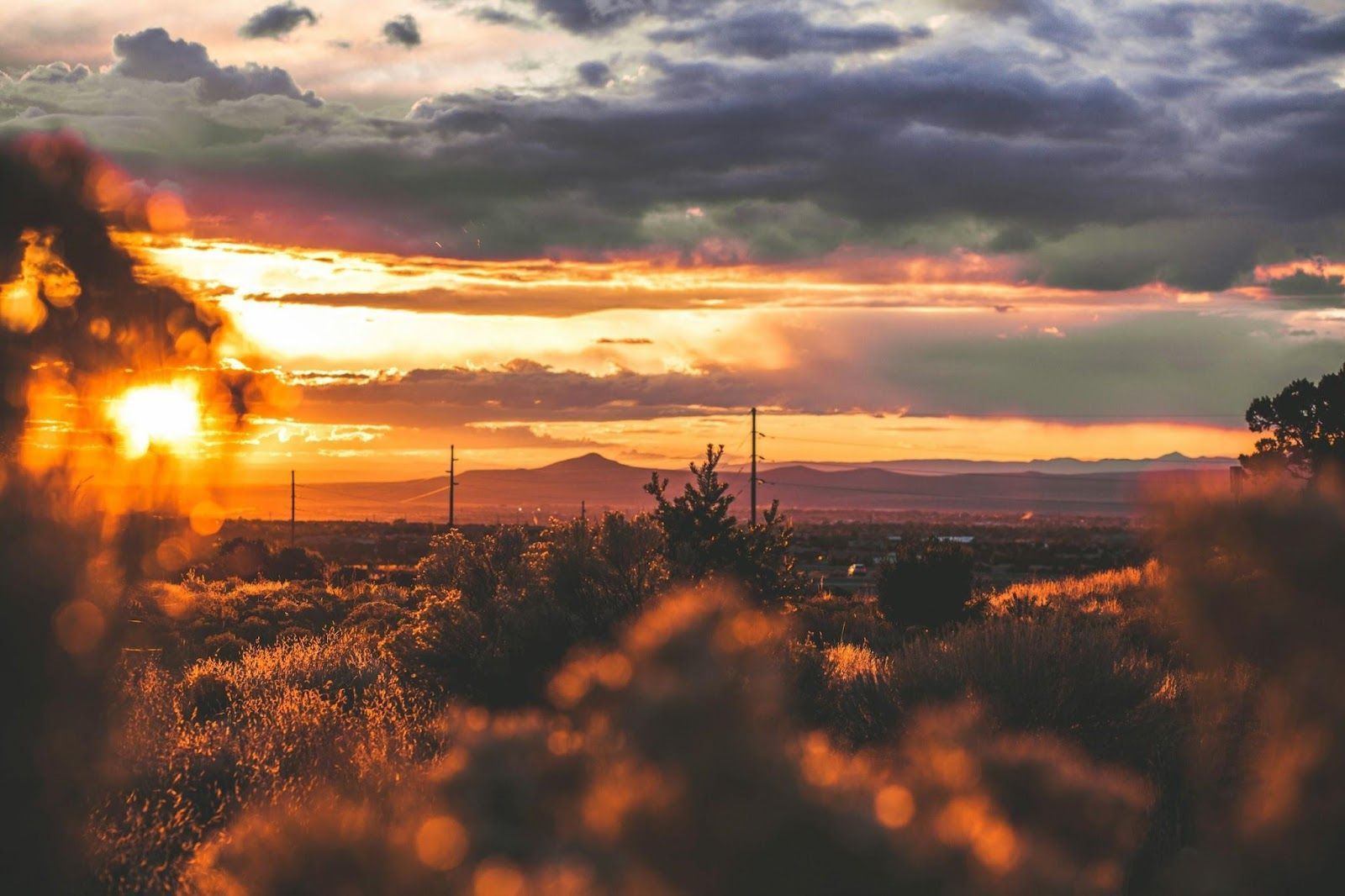
"New Mexico" by Johnny Cash

Image: Maddy Baker

If there’s one person in this list that needs no introduction, that’s the "Man in Black" . Johnny Cash’s song about "The Land of Enchantment", aptly named "New Mexico", tells the story of a young man from the town of Griffin traveling to this state for a summer job. Johnny’s characteristic deep voice narrates the prospect of a "pleasant summer out in New Mexico".

However, this is the point at which the narrator stops singing the praises of this state and instead narrates the perils and hardships he experienced in "the God-forsaken country they call New Mexico". Nevertheless, we all know that the parts of this song that describe the beauty of this state are a much more accurate representation of the real New Mexico.

6
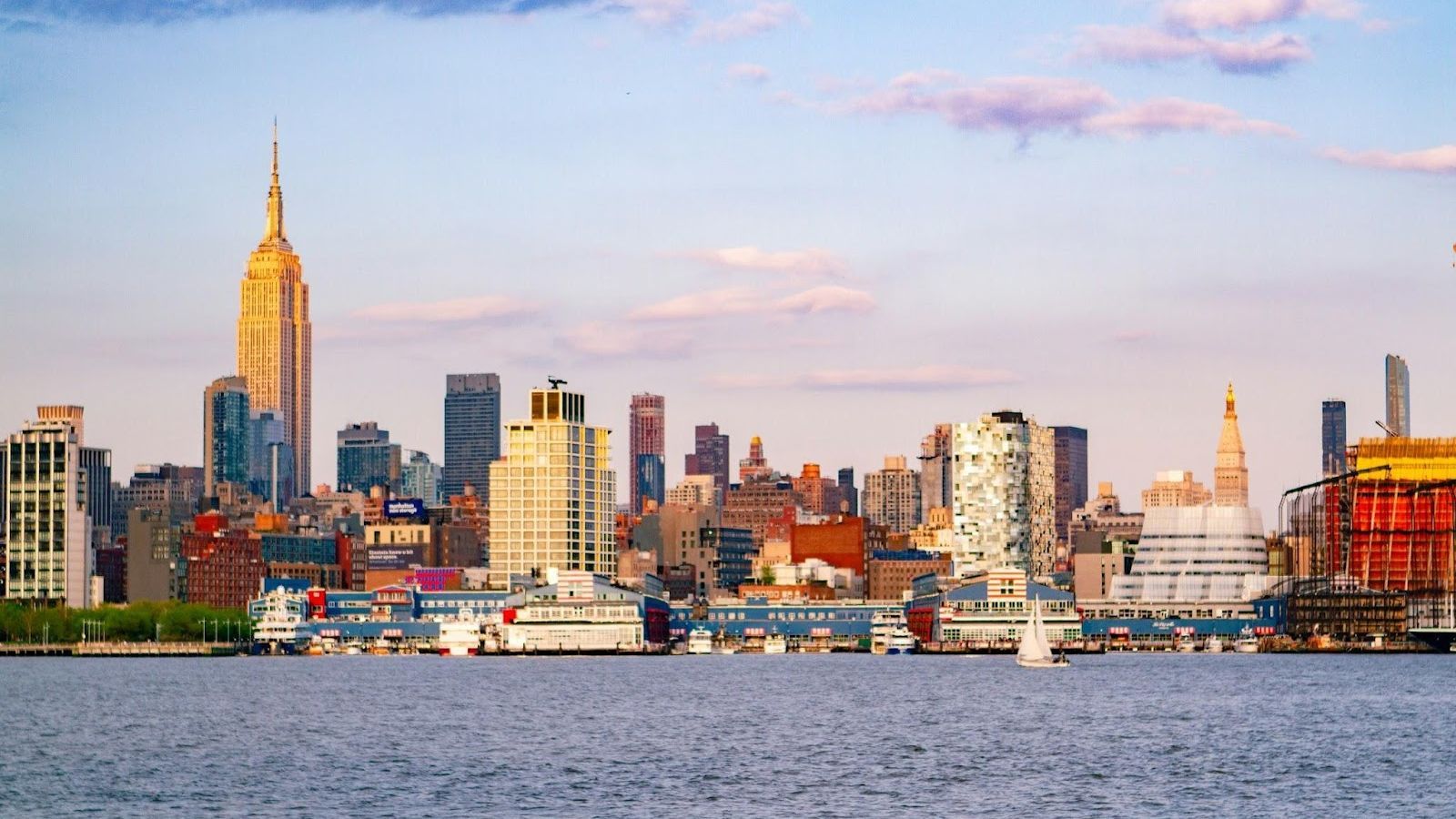
"New York, New York" By Frank Sinatra

Image: Florian Wehde

This is perhaps the most famous song in this list. Everyone who has ever stepped into New York City, from the grumpy locals to the tourists dazzled by the lights of Times Square, has hummed this Frank Sinatra song at least once in their lifetime.

While it's true that the legendary Liza Minelli was the first one to perform "New York, New York" (as part of the soundtrack for the 1977 Scorsese film of the same name), Sinatra’s rendition is definitively the quintessential version of this song. His dulcet yet powerful voice perfectly describes the sense of wonder most people feel when they see New York City for the first time.

7
"Oklahoma Morning" by Charley Pride

Image: Raychel Sanner

There’s a lot to be said about this love letter to "The Sooner State", but Charley Pride can definitively say it better when he sings "That Oklahoma mornin' / Puts Oklahoma sunshine in my soul". This country song is truly a beloved homage to Oklahoma and is one of the many reasons why this iconic singer was inducted into the Country Music Hall of Fame in 2000.

While the music and Pride’s voice are definitively remarkable, perhaps the true beauty of this song can be found in the lyrics: They perfectly describe the yellow sun and placid warmth of an Oklahoma morning before stating, "There ain't nothin' like an Oklahoma mornin'".

8
"Ohio" by The Black Keys

Image: Ben Shbeeb

Both members of the American rock duo The Black Keys were born and raised in Akron, Ohio, so it seems only natural that they felt the need to record their love for this state. Simply titled "Ohio", this song’s lyrics describe the homesickness the narrator feels about finding himself so far away from Ohio while begging for someone to "Get me home/ Before, before I lose my mind".

Singer Dan Auerbach's robust voice manages to turn the name of his home state into a powerful chorus. The guitar riffs seamlessly combine blues and rock chords, resulting in a melancholic but potent track.

9
"Eugene Oregon" by Dolly Parton

Image: everett mcintire

You might think that a Dolly Parton song in this list would probably center on her beloved Tennessee: Certainly, her 1972 track "My Tennessee Mountain Home" could have been a fitting choice. However, we have instead chosen a less-known song that focuses on another location dear to "The Queen of Country".

The very first line that Dolly sings in this song is "Eugene, Oregon, I'll remember you for the rest of my life". This perfectly encapsulates the tone of the lyrics: Parton expresses her gratitude to this city for its kindness whenever she felt homesick of her Tennessee hometown.

10
"Beautiful Texas" by Willie Nelson

Image: Roberta Guillen

We’ll end this list with a Texas institution. We could have easily chosen any of the songs included in the 1968 Willie Nelson album "Texas in My Soul" for this list: After all, the entire record is Nelson’s tribute to his home state, and is composed of standards and traditional songs that sing the praises of "The Lone Star State".

We ultimately chose "Beautiful Texas" because it truly shows the love Nelson has for this state. The entire lyrics describe Texas’ history and gorgeous scenery , from the "white cotton, green pastures, blue rivers" to the vast fields "where the beautiful bluebonnets grow".

History History 7 min read

Moments that made a difference

The bloodiest battle in the Civil War could have had a different outcome

Image: Unseen Histories

What key moments made America the country it is today? The first to come to mind include the signing of the Declaration of Independence and the Emancipation Proclamation, and the Allies' Victory in World War II. But what if other events had transpired differently? What if a battle had ended with the victors losing and vice versa? Or if a protest had never happened? Here are ten pivotal what-if moments in our history.

1
The Boston Tea Party (1773)

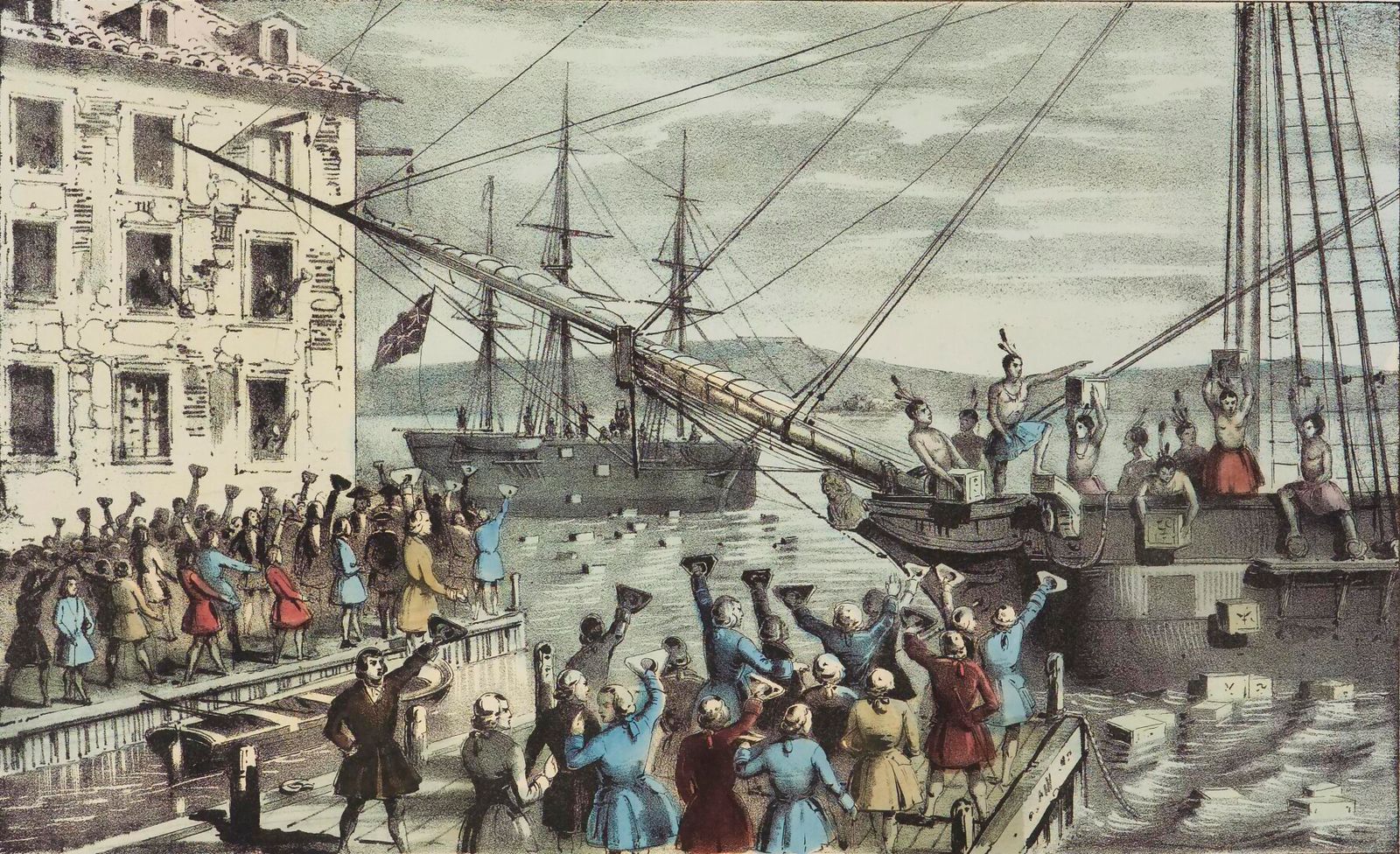
Image: Nathaniel Currier, Public domain, via Wikimedia Commons

The political unrest that eventually led to the American Revolutionary War was brewing well before the Boston Tea Party of 1773, but things might have gone a different way had this event not happened. The destruction of the East India Company’s tea by the Sons of Liberty as a protest against taxation was seen as a direct act of defiance by the British Parliament , who retaliated by closing the Boston Port, intervening in the Massachusetts colonial government, and stationing troops in private residences. This was seen as an act of war by the colonists, and it accelerated the gathering of the First Continental Congress and the start of the American Revolution.

2
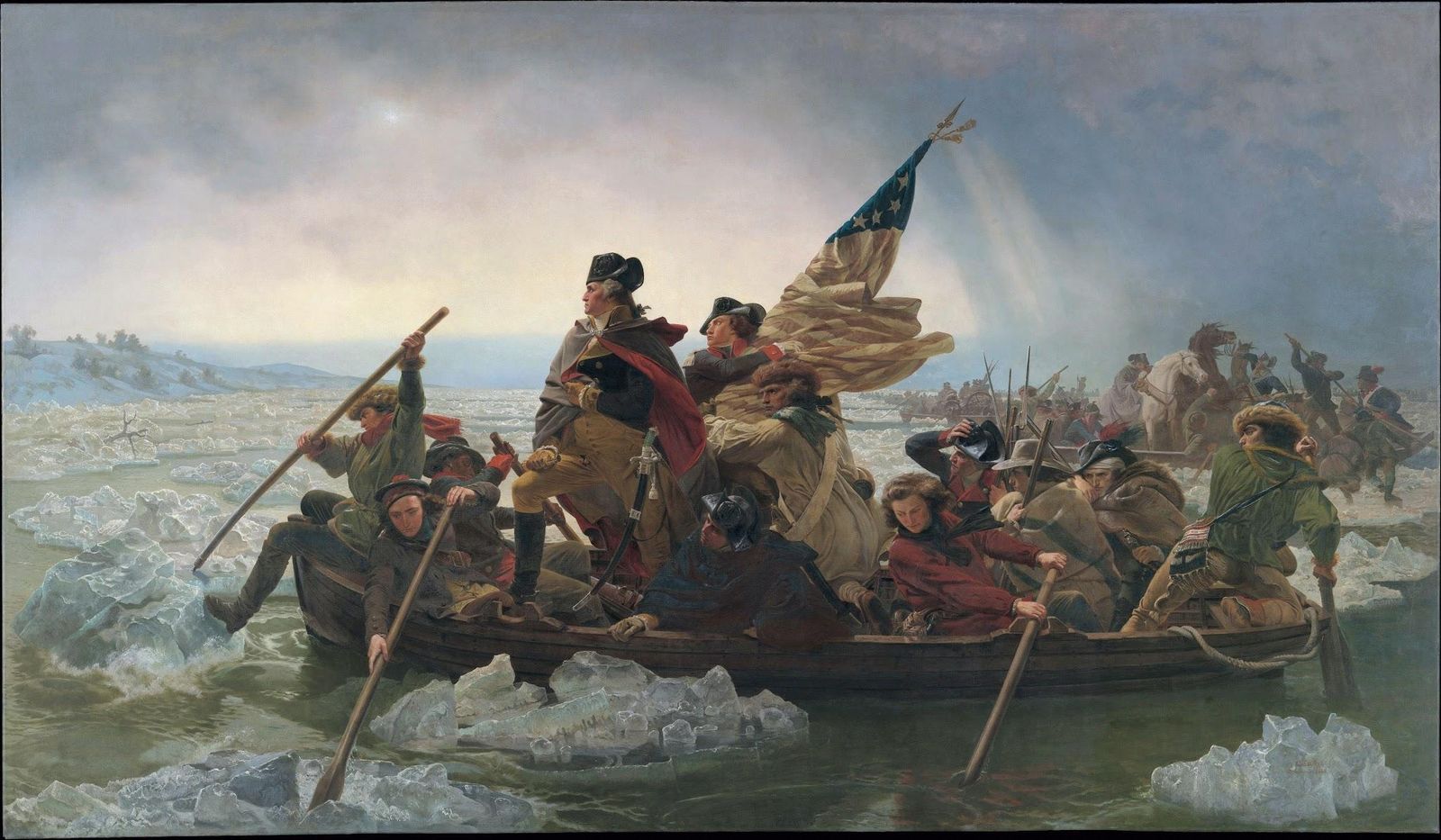
The Crossing of the Delaware (1776)

Image: Emanuel Leutze, CC0, via Wikimedia Commons

By December 1776, the Continental Army was on the brink of defeat after a series of losses. The soldiers’ morale was low, and most enlistments were set to expire by the new year. The British had decided to hunker down for the winter season, instead of chasing the colonists, and General George Washington knew he had to act fast. On the night of December 25th, he led 2,400 across the icy Delaware River in the midst of a blizzard, hoping to catch the British forces garrisoned at Trenton by surprise. The attack was successful, and it was the first of a series of victories that uplifted the revolutionaries’ morale and changed the course of the war.

3
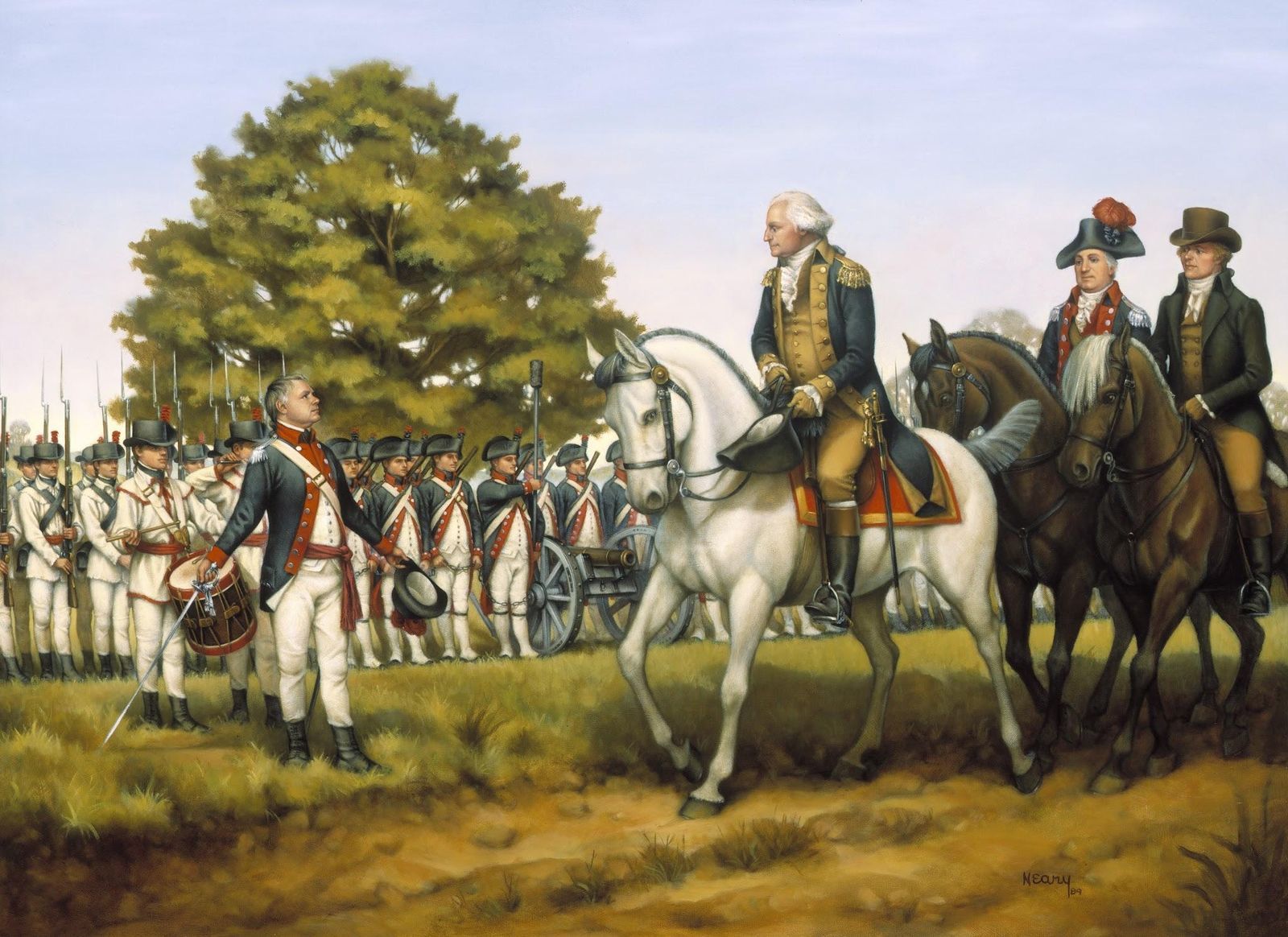
The Whiskey Rebellion (1791)

Image: The National Guard, Public domain, via Wikimedia Commons

In 1791, the newly formed American government levied its first federal tax on whiskey, with the intention of using the revenue to pay war debts. However, this was met with strong resistance, protests, and even armed insurrection in the state of Pennsylvania. The peaceful suppression of the rebellion not only prevented further conflicts but also cemented the authority of the federal government over the states in matters of taxation. The role of the army led by Washington himself was crucial in the creation of a standing army—strongly opposed by many founding fathers—and it was the origin of the American military as one of the world's strongest.

4
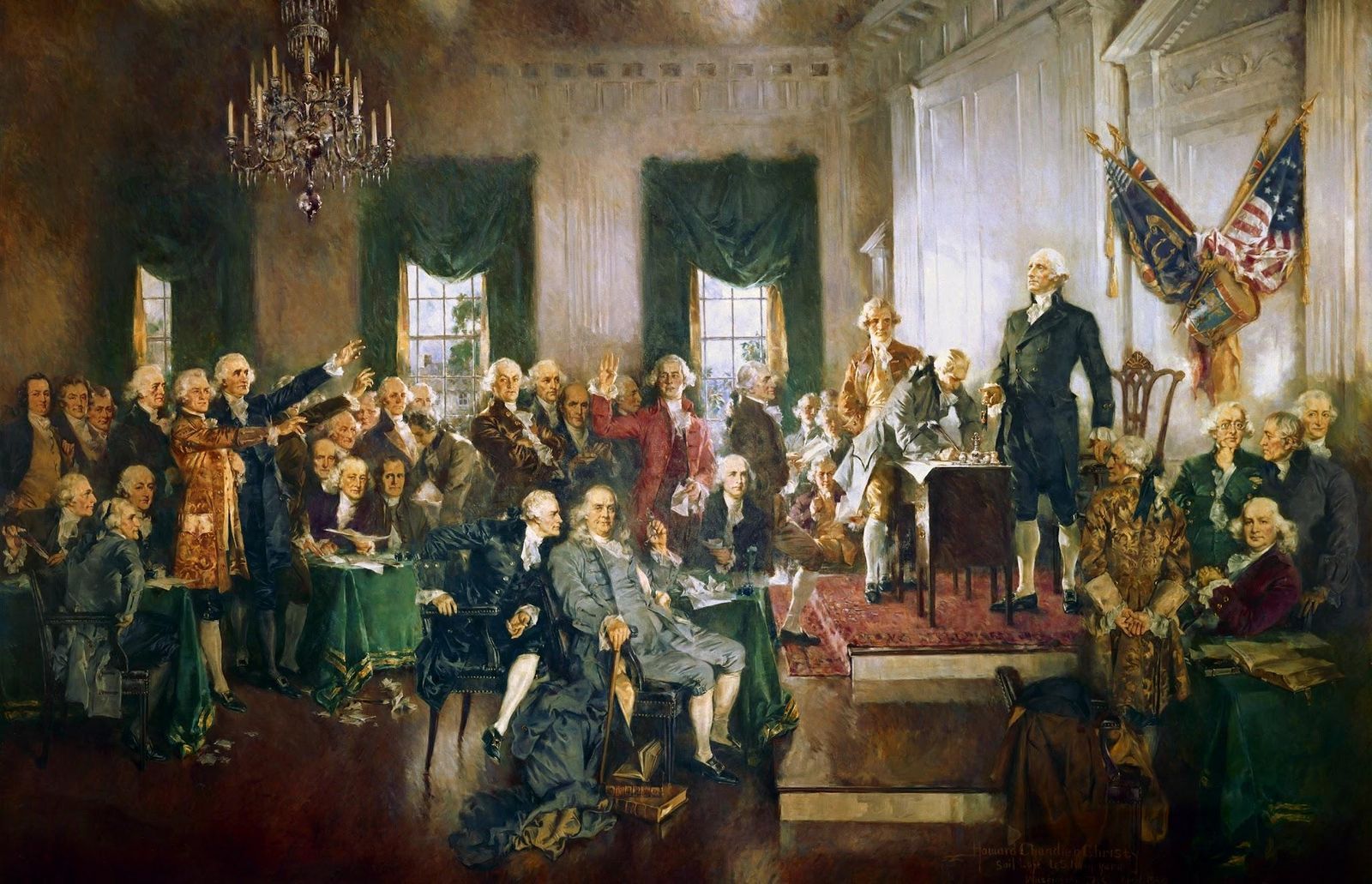
The Bill of Rights (1791)

Image: Howard Chandler Christy, Public domain, via Wikimedia Commons

The original U.S. Constitution was met with strong opposition by many states, who saw it as infringing on individual rights and liberties, and as a possible source of government tyranny. A Bill of Rights, establishing and securing fundamental freedoms, was drafted and added as a condition for the ratification of the document. While this compromise was crucial for establishing the bases of the American nation, it also put into practice the mechanism for amending the Constitution, codified in Article V, and set the precedent that the supreme law of the land could evolve with the nation.

5
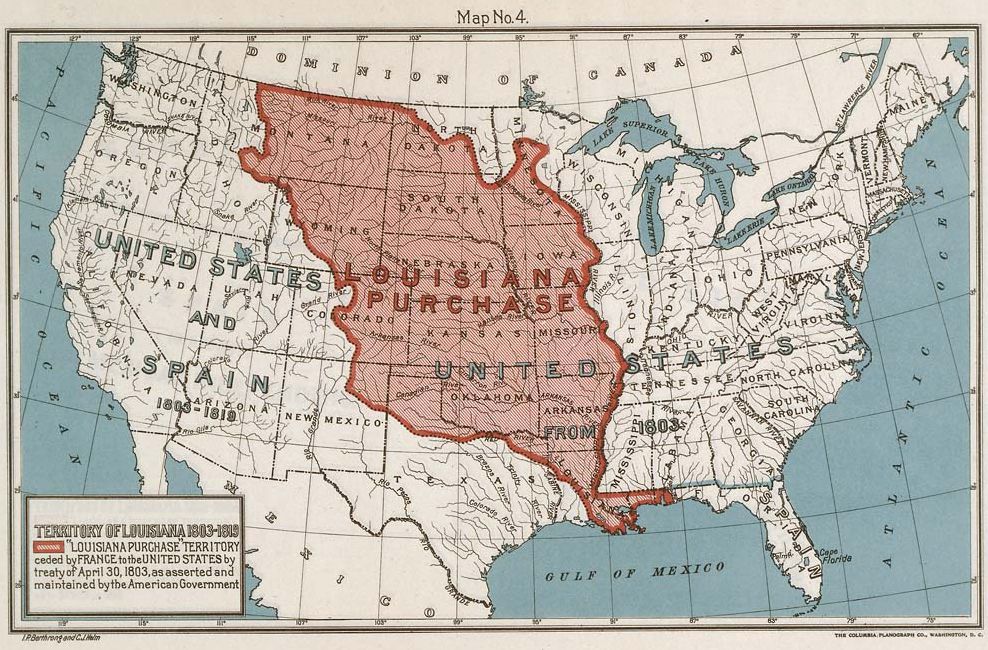
The Louisiana Purchase (1803)

Image: BioKnowlogy, Public domain, via Wikimedia Commons

Thomas Jefferson’s purchase of Louisiana from the French in 1803 was much more than a simple territorial acquisition. The 828,000 square miles territory, purchased for roughly 15 million dollars, doubled the size of America, now expanding its initial borders from the Mississippi to the Rocky Mountains. By securing the Mississippi River and the port of New Orleans, the U.S. expanded its agricultural economy and gained access to vast natural resources , while the control over a former French territory diminished the influence of European powers—mainly, the rising Napoleon Bonaparte— in North America. The soon-to-follow Westward expansion would add 13 new states to the Union.

6
The Battle of San Jacinto (1836)

Image: Henry Arthur McArdle, Public domain, via Wikimedia Commons

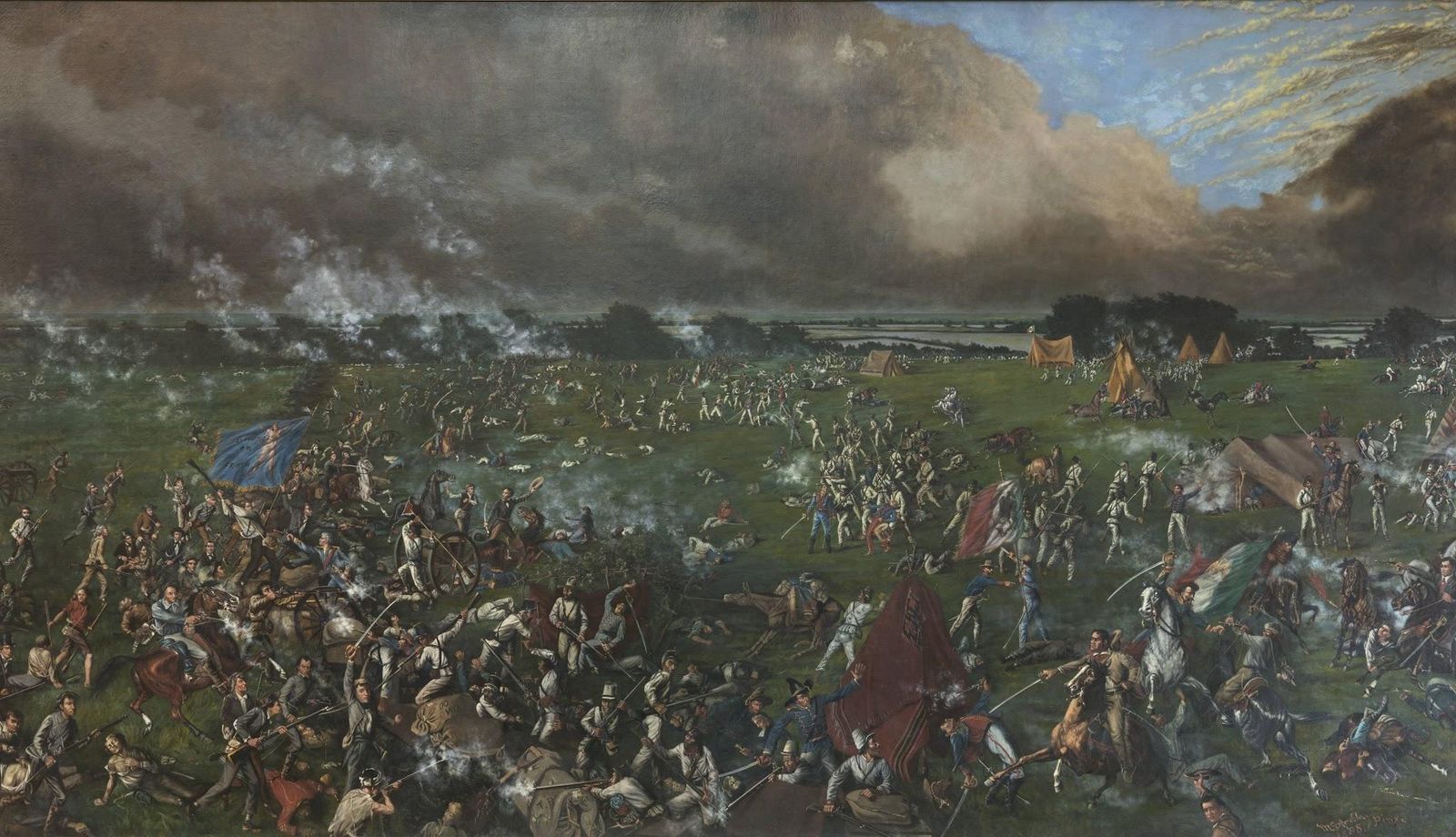
Given its significance in Texan and American history, it is easy to forget that the 1836 Battle of San Jacinto lasted a mere 18 minutes. After the victory of the Mexican army at the Alamo and the massacre of war prisoners in Goliad, Texan morale was low, and the quest for Texas’ independence was nearly ended. Pursuing the remnants of the army led by Sam Houston, Mexican scouts incorrectly reported the route taken by the Texans, which allowed Houston to evade the enemy. After blocking the escape route and while the Mexican soldiers were taking a nap, 900 Texan soldiers attacked by surprise, killing more than half of the Mexican forces (around 1,300 men) and capturing the rest.

7
The Battle of Antietam (1862)

Image: Currier & Ives., Public domain, via Wikimedia Commons

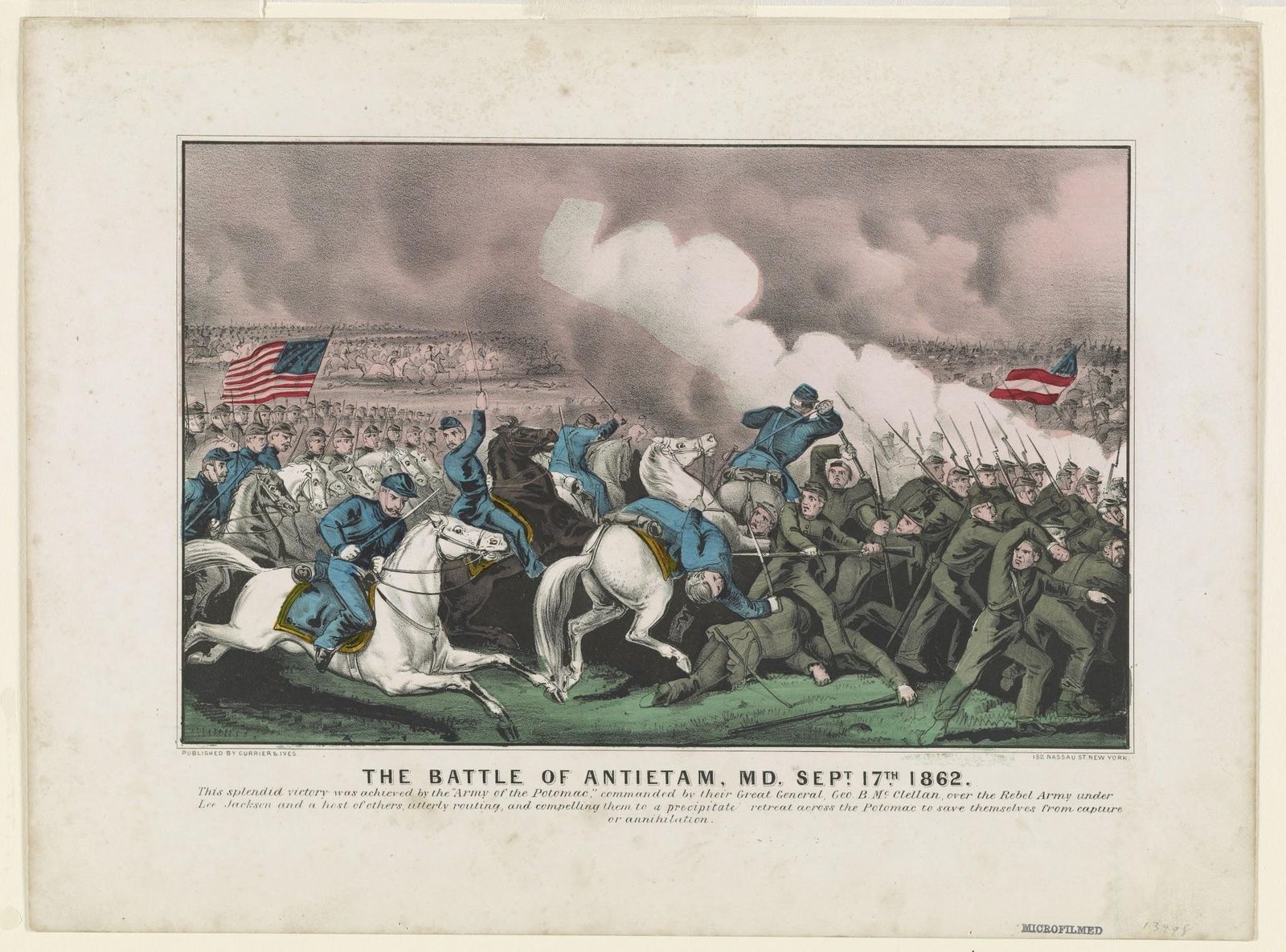
Widely considered to be the bloodiest battle of the American Civil War, with a tally of 22,726 casualties between dead, wounded, and missing people, the 1862 Battle of Antietam ultimately tipped the balance in the Union’s favor. But did you know that the casualties could have been far less? As the Union Army of the Potomac was moving to intercept the Confederate forces of General Lee, two Union soldiers came across a copy of Lee’s battle plans, detailing his intention of dividing the troops , which would allow the Union forces to isolate and defeat the Confederate army. However, Union General McClellan waited 18 hours before deciding to attack, which gave Lee the time to mount a strong defense in Antietam.

8
The New Deal (1932)

Image: Margaret DeMott Brown, Public domain, via Wikimedia Commons

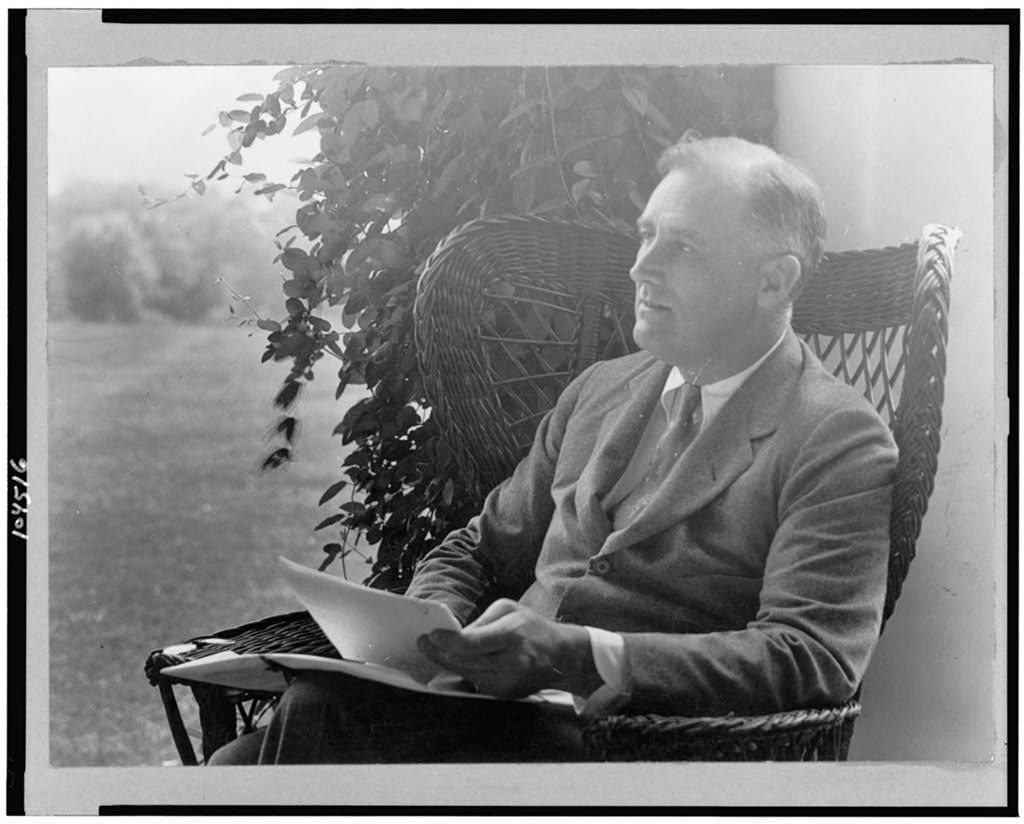
Burdened by the consequences of the Great Depression, Americans overwhelmingly supported the election of Franklin D. Roosevelt as president in 1932. Roosevelt’s main campaign promise, the New Deal, involved a series of economic, social, and political reforms to combat America’s economic crisis and restore the country’s trust in the government. The reforms weren’t entirely successful in ending the Great Depression —it only fully ended with the industrial mobilization for World War II— but they were key to ensuring that America would not suffer such a crisis again by establishing structural changes, relief programs, social security, and safety nets, regulating financial institutions, and ultimately showing American citizens that the government was working to help them.

9
The Cuban Missile Crisis (1962)

Image: Cecil W. Stoughton, Public domain, via Wikimedia Commons

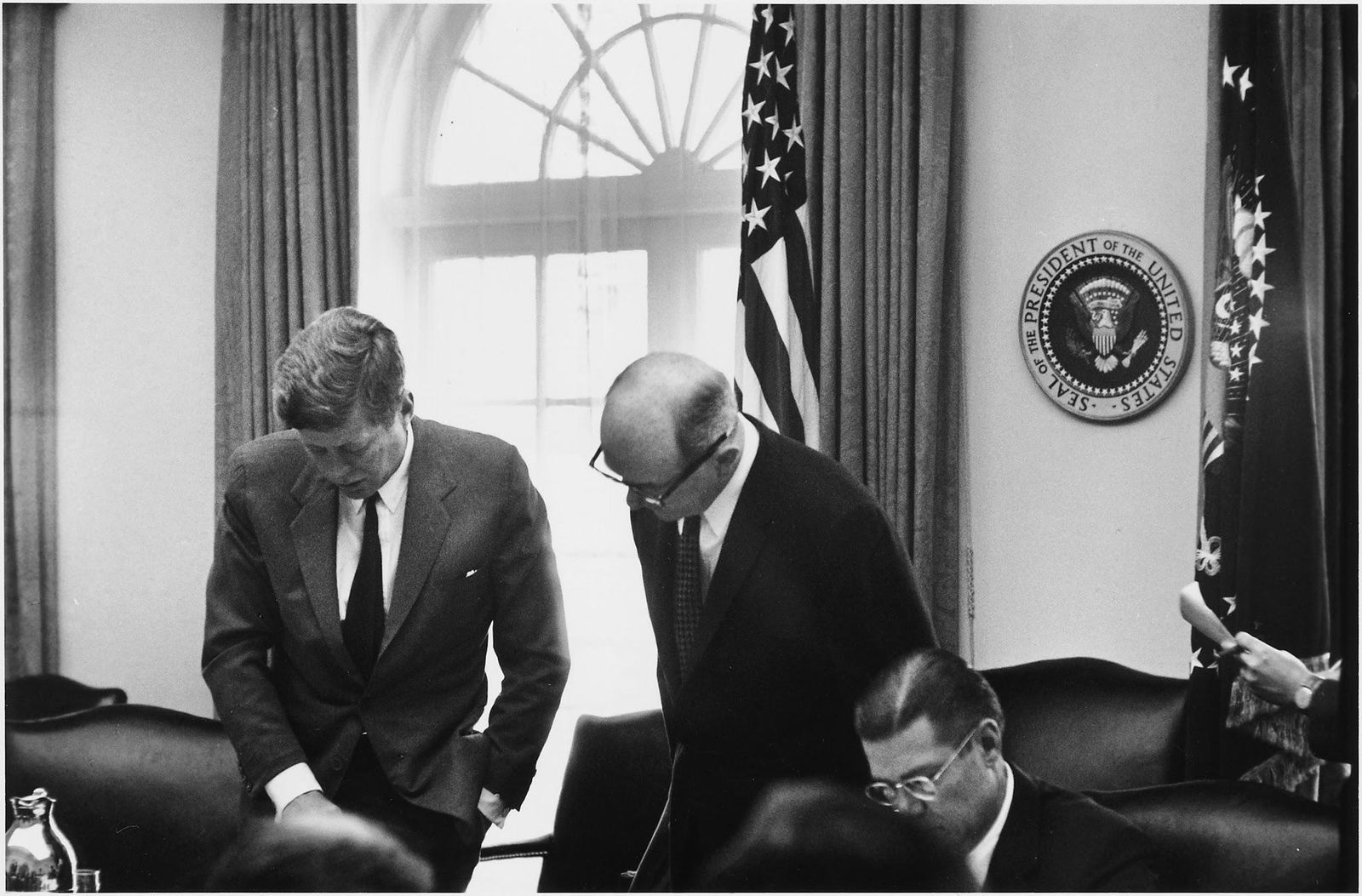
There were several moments during the Cold War Era (1947-1991) when the world thought a nuclear war was imminent, but none as close to it as the Cuban Missile Crisis. In October 1962, the Soviet government deployed nuclear missiles in Cuba as a response to similar deployments made by the U.S. in the UK, Italy, and Turkey. A 13-day crisis ensued, with President Kennedy ordering a naval blockade in Cuba, while his advisors pushed for an air strike and an all-out invasion. While the conflict ended peacefully, the nuclear war had been closer than most imagined: a U.S. Navy ship in the blockade had dropped signaling charges to deter a Soviet submarine, not knowing the submarine carried a nuclear torpedo. The Soviet captain assumed war had started and prepared to attack the ship, but he had to wait for confirmation. Luckily, the attack never happened, and a nuclear war was avoided.

10
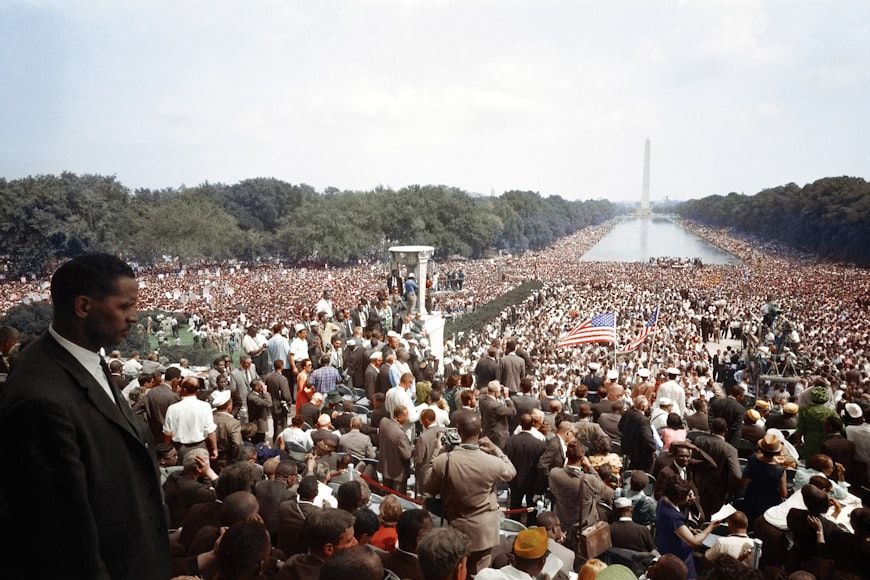
The March on Washington (1963)

Image: Unseen Histories

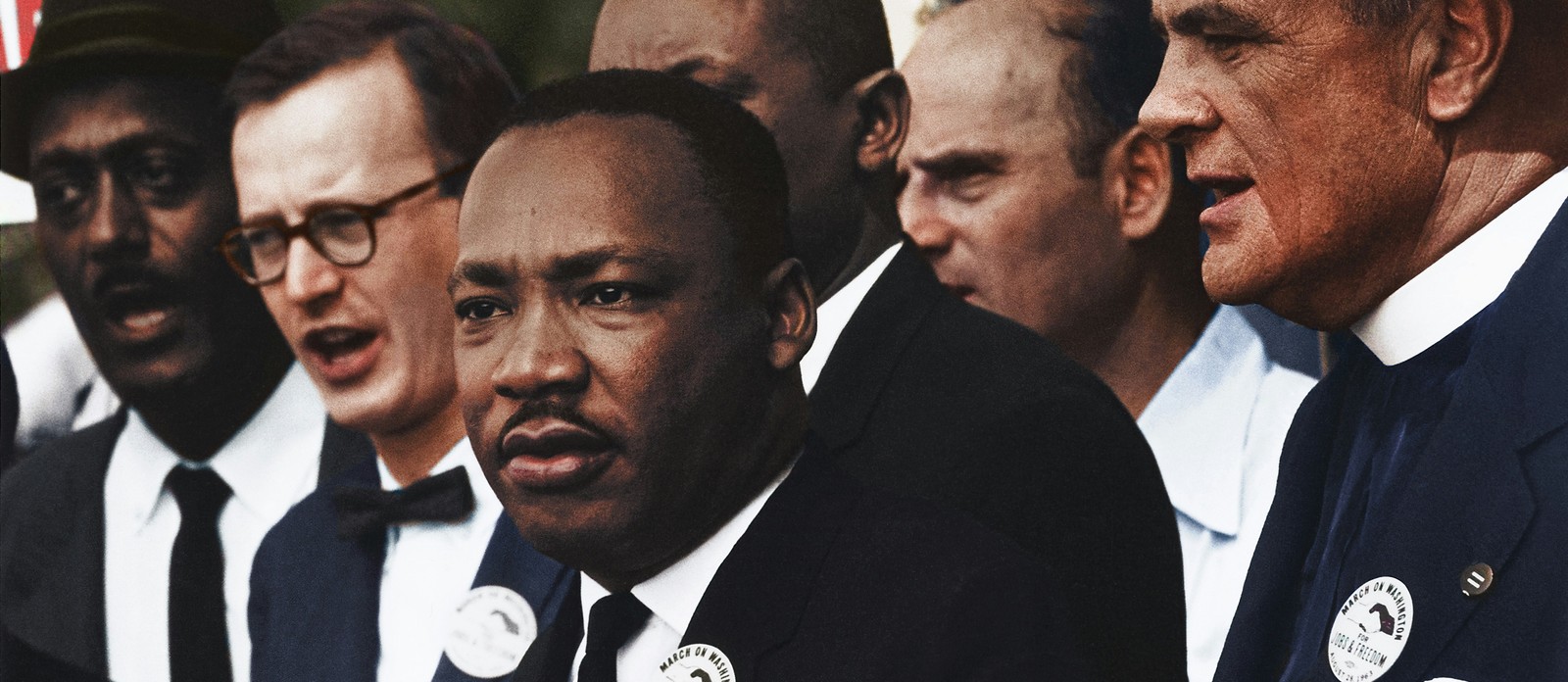
In 1963, at the height of the civil rights movement, social tensions were at an all-time high. Violent confrontations had happened in marches across the country, usually as a result of attacks on peaceful protesters. Still, these incidents had fueled the narrative of Civil Rights activists as violent and dangerous. As President Kennedy announced his intention to push for civil rights legislation, several organizations and leaders came together to organize the ‘March on Washington for Jobs and Freedom’. The march took place on August 28, 1963, and it's considered to have been one of the largest human rights rallies in American history, with an attendance of around 250,000 people. Besides landmark moments—such as MLK’s "I have a dream" speech— the march was crucial in showing peaceful protest and in pressuring the government to advance in what would later become the Civil Rights Act of 1964 and Voting Rights Act of 1965.

Explore more American facts

Choose your favorite category!

General
General

As American as apple pie—the very best America has to offer!

Culture
Culture

Delve into the astounding richness of American lore.

Geography
Geography

Hop in and explore vast and diverse American landscapes.

History
History

Discover the key moments that shaped the United States.