Culture Culture 4 min read

Celebrity pets

Discover the exotic pets of these celebrities
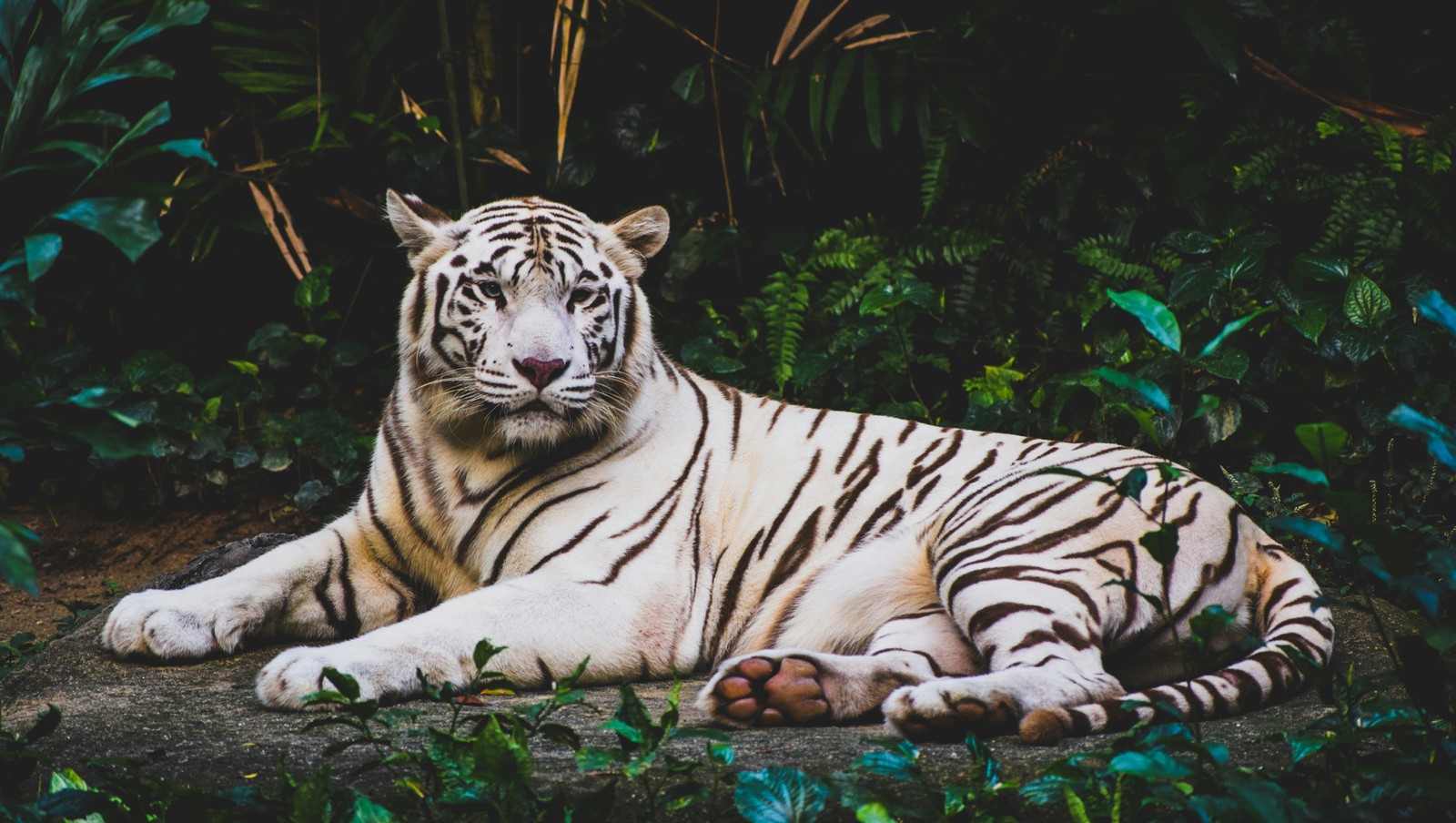
Image: Smit Patel

Most of us have a great love for animals and generally choose dogs or cats as our domestic companions. However, the eccentric rich and famous always go one step further. From chimpanzees and tigers to cobras and deer, discover the exotic pets of 10 Hollywood celebrities. Some of them you won't believe!

1
Michael Jackson’s chimpanzee
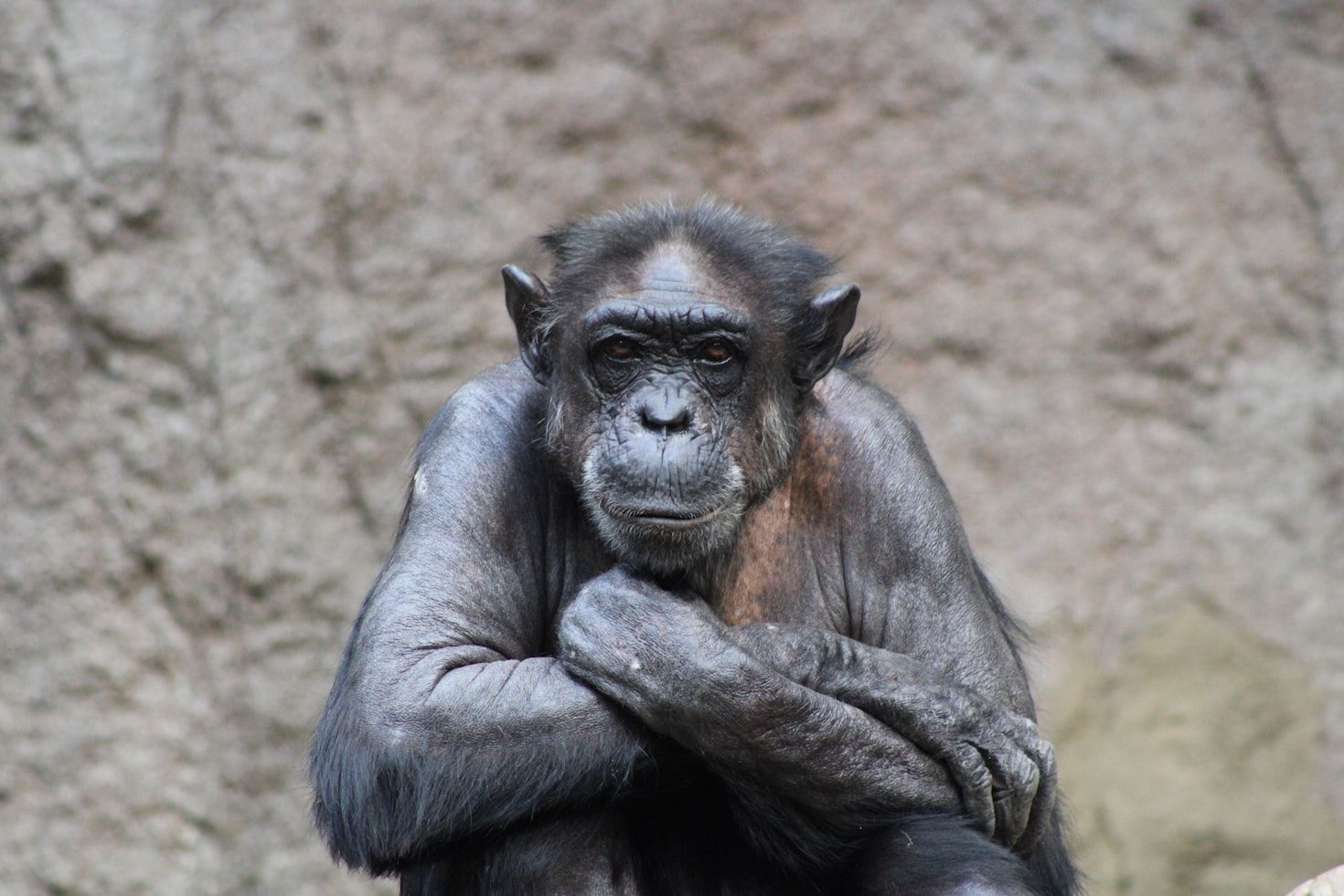
Image: MediaEcke

At his Neverland ranch, the King of Pop had his own zoo with exotic animals such as exotic birds, an albino python, two tigers named Thriller and Sabu, and even an elephant, a gift from Liz Taylor. But by far, Michael Jackson’s favorite pet was Bubbles, a chimpanzee he introduced as his son and followed him everywhere.

You‘re probably wondering what happened to Bubbles, right? Well, you'll be glad to know that the 41-year-old chimpanzee now leads a quiet and normal life. He lives at the Center for Great Apes in Wauchula, Florida, where he pursues unique hobbies such as painting. Surely, Michael would be happy to see his beloved pet living a nice retirement.

2
Audrey Hepburn’s fawn deer
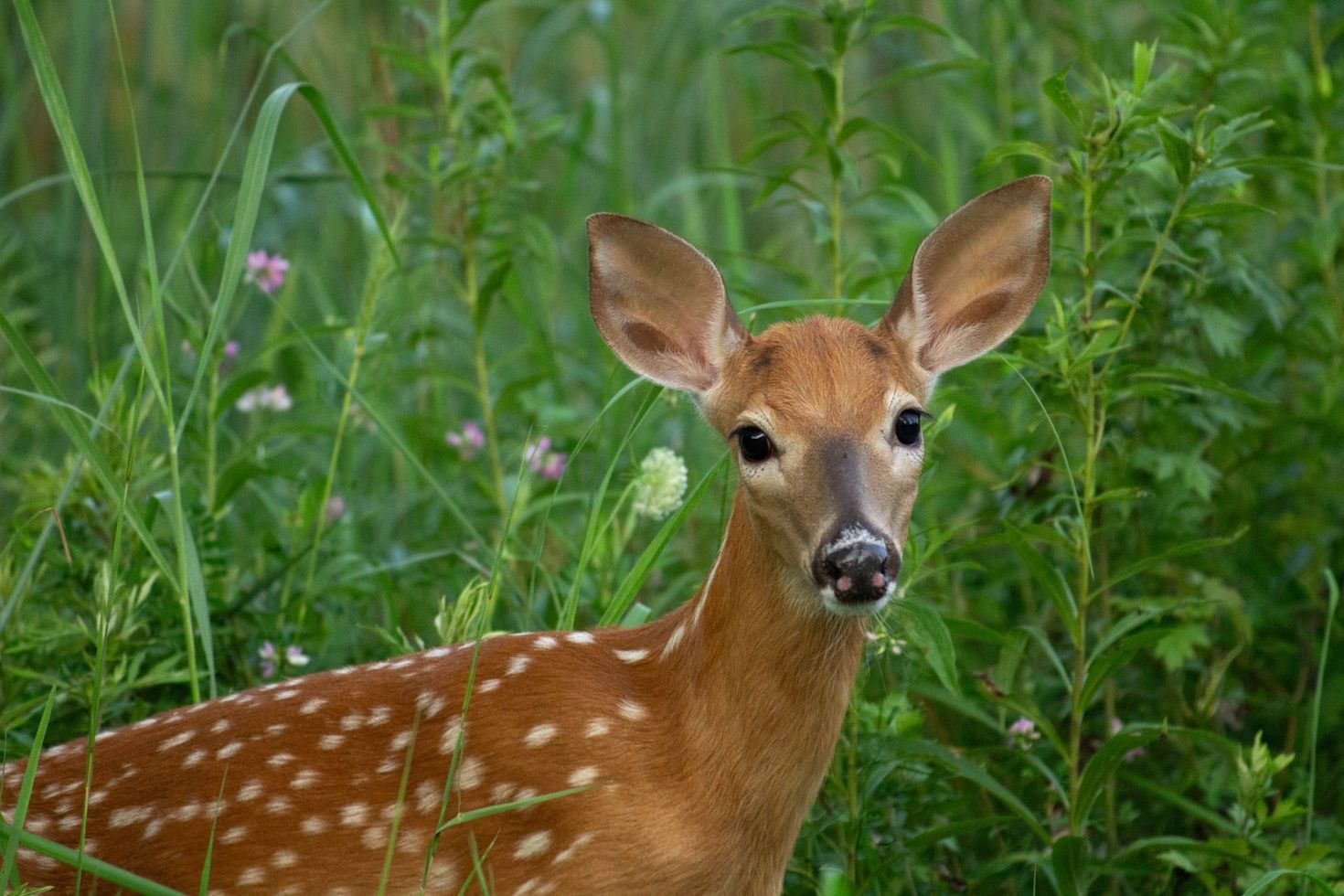
Image: Jen Dries

The mythical actress Audrey Hepburn had one of the most unique pets in Hollywood history: a baby deer named Pippin. This beautiful and gentle animal seems to match perfectly with the grace and elegance of the actress who captivated the hearts of fans around the world, don't you think?

Hepburn met Pippin in 1958 during the filming of Green Mansions and fell in love at first sight. The actress adopted the fawn and brought it to her Beverly Hills home, where it quickly made friends with Mr. Famous, the family dog.

3
Elvis Presley’s kangaroo
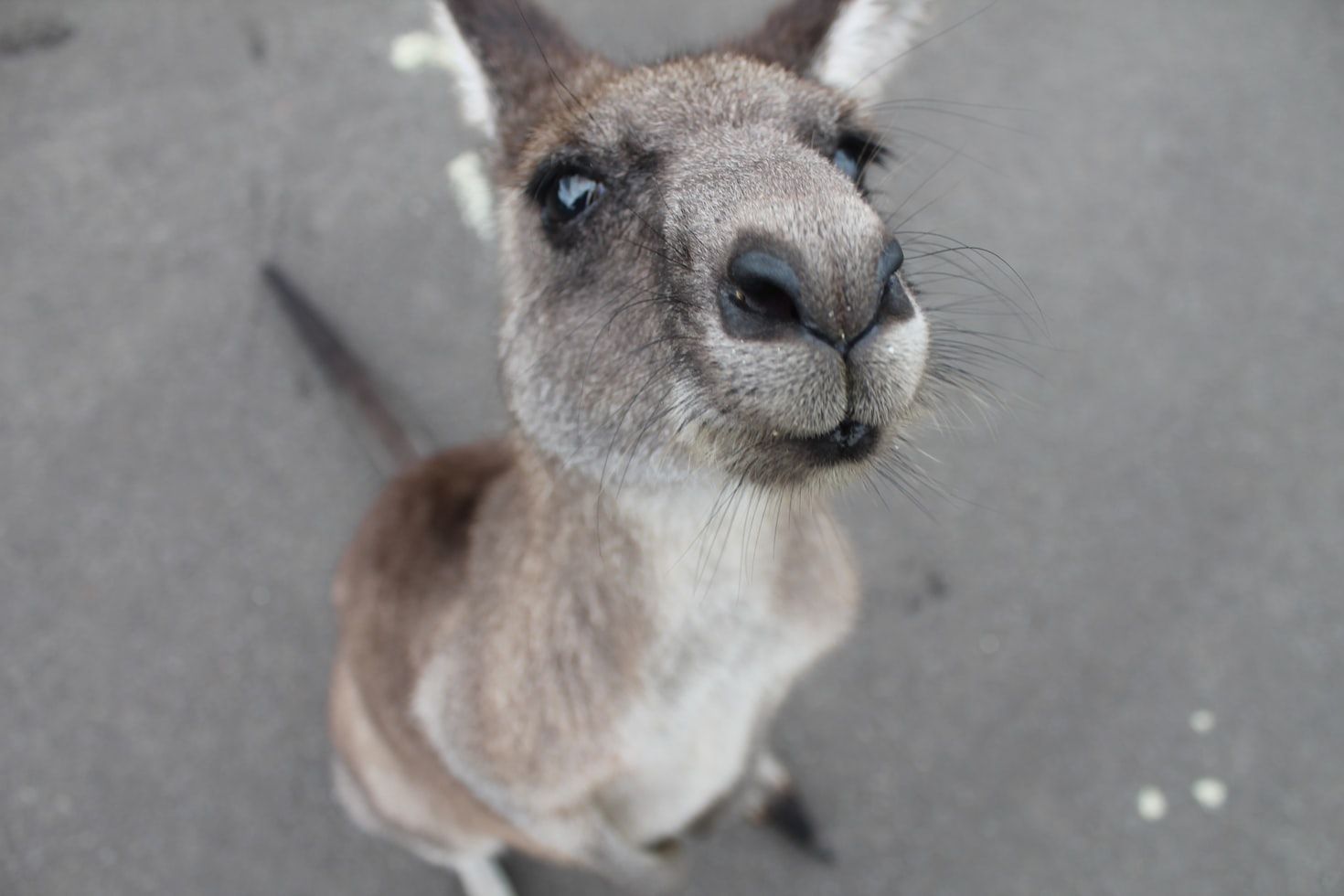
Image: Iván Lojko

Throughout his life, the King of Rock and Roll kept several pets at his beloved Graceland. But did you know one of them was a kangaroo? Yes, exactly! In addition to horses, dogs, a chimpanzee named Scatter, birds, and a squirrel monkey, Elvis had a kangaroo given to him by his agent Lee Gordon in 1957. Elvis tried to train it, but when he eventually failed, he gave it to the Memphis Zoo.

4
Melanie Griffith’s (many) lions, tigers, and cheetahs
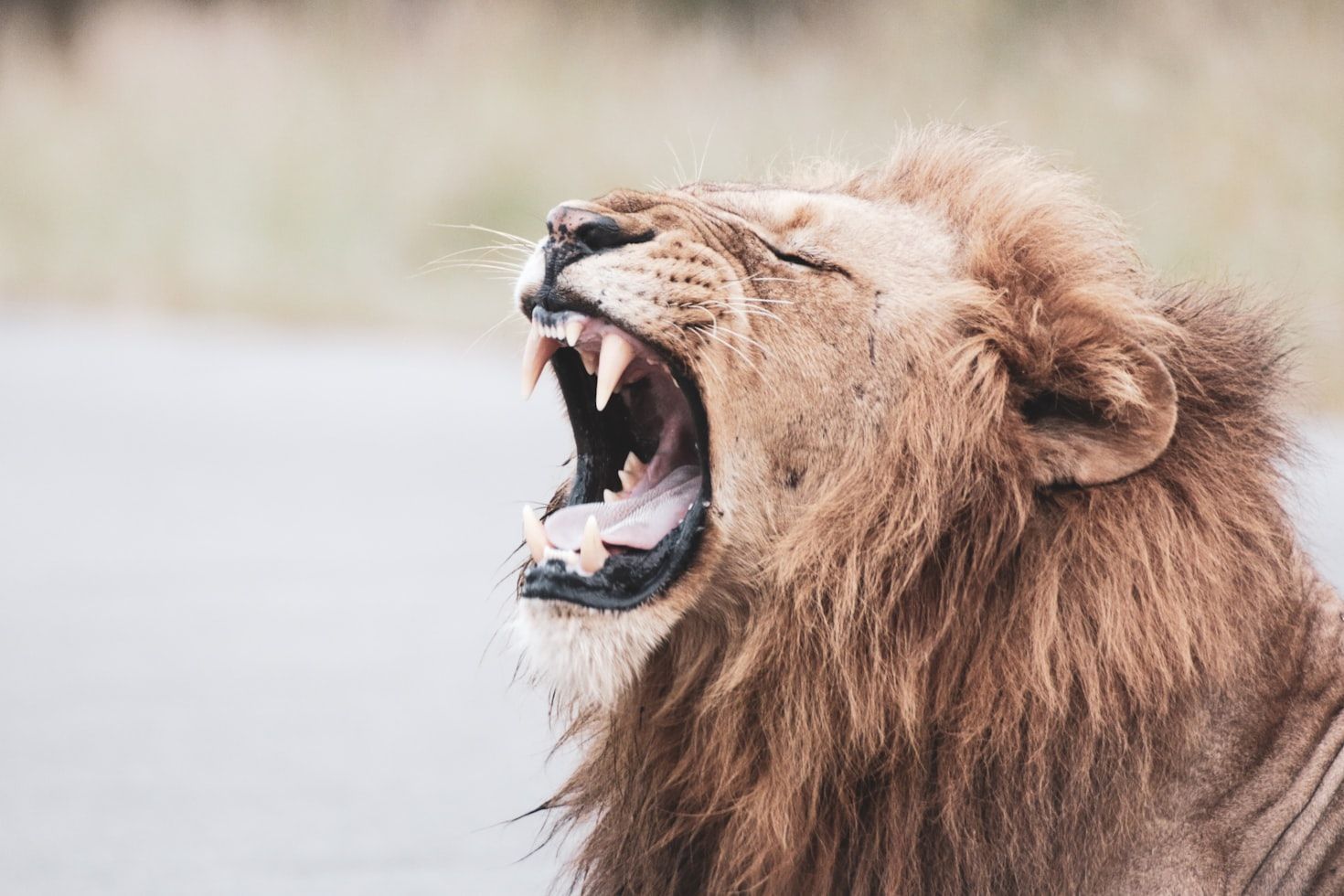
Image: Glen Carrie

When Melanie Griffith was a teenager, her mother, the famous actress Tippi Hedren, decided to make a film about endangered lions. An animal trainer warned her that if she wanted to learn more about these felines, she had to "live with them for a while".

So the whole family moved to a ranch in California and adopted cheetahs, tigers, cougars, and lions. What was supposed to be a five-week shoot turned into five years. On one occasion, Melanie was attacked by a lion, resulting in over 50 stitches and reconstructive surgery on her face. The experience was so negative that the actresses now advocate for a ban on the exotic cat trade.

5
George Clooney's Vietnamese pot-bellied pig
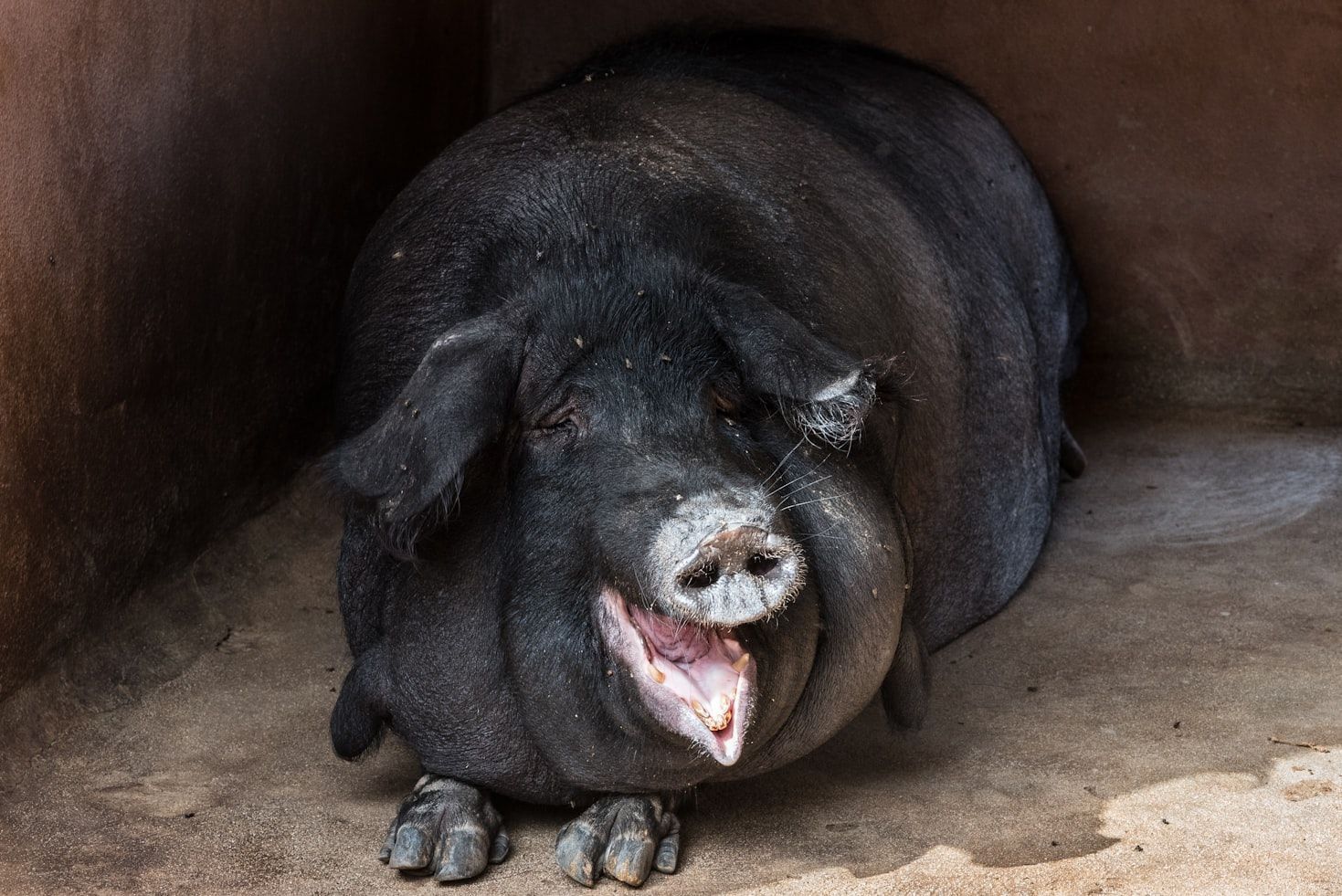
Image: Jez Timms

Did you know that George Clooney once had a pet pig? In 1988, his then-girlfriend, actress Kelly Preston, gave him a Vietnamese pot-bellied pig as a gift. The animal grew to 300 lbs and lived with the Hollywood star for 18 years.

But that's not all! In 1994, when the infamous Northridge Earthquake that caused 72 deaths, 12,000 injuries, and $25 billion in losses hit Los Angeles, Max saved his owner's life. Clooney claims he was born again that day and will be forever grateful to his furry friend.

6
Reese Witherspoon’s donkeys
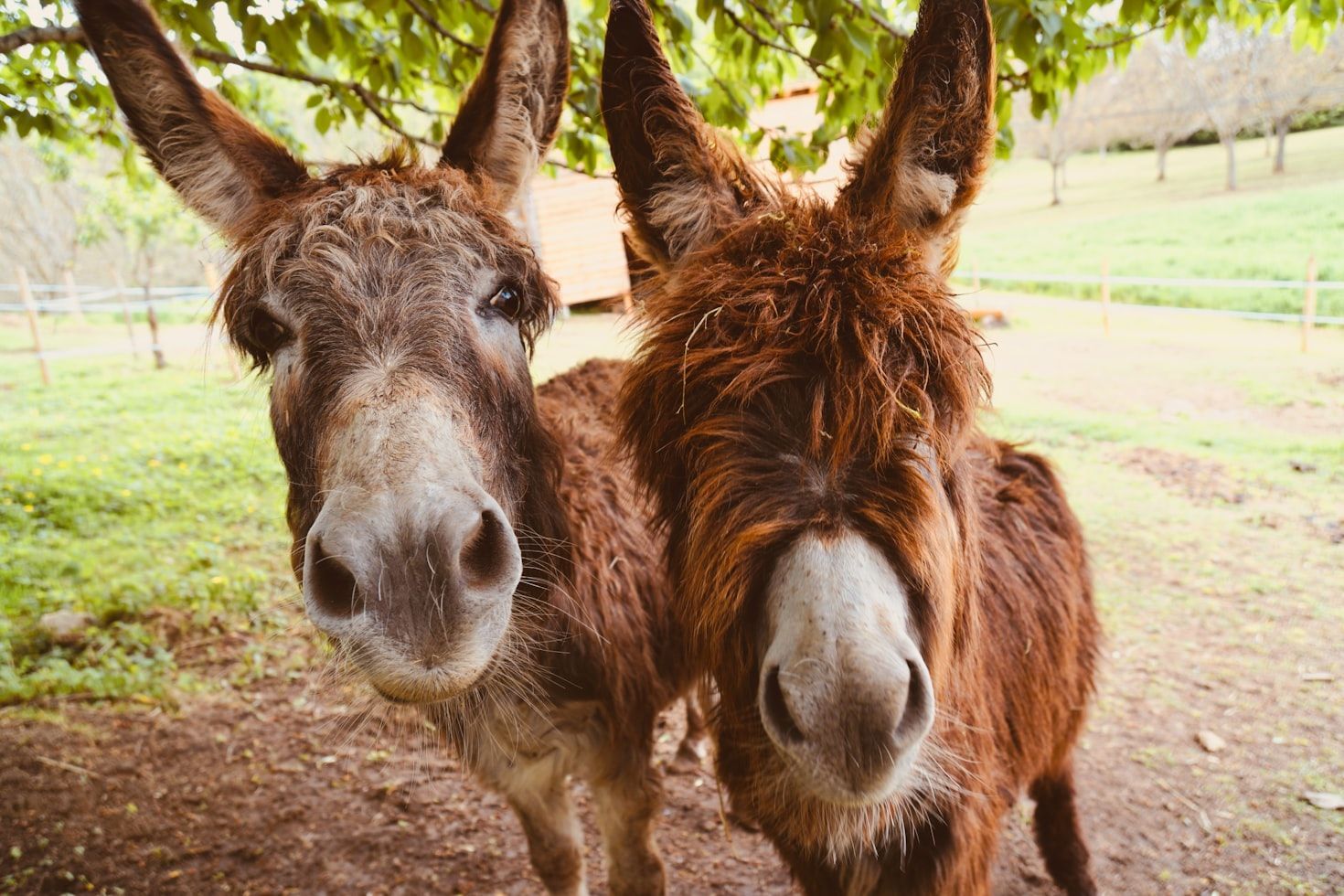
Image: Erwan Hesry

Reese Witherspoon is a big fan of animals. Owner of an entire farm, she tends to at least three dogs, two piglets, twenty chickens, three goats, and a pony.

But her most famous pets are Honky and Tonky, two incredible miniature donkeys that she and her children play with frequently.

7
Nicolas Cage’s albino cobras
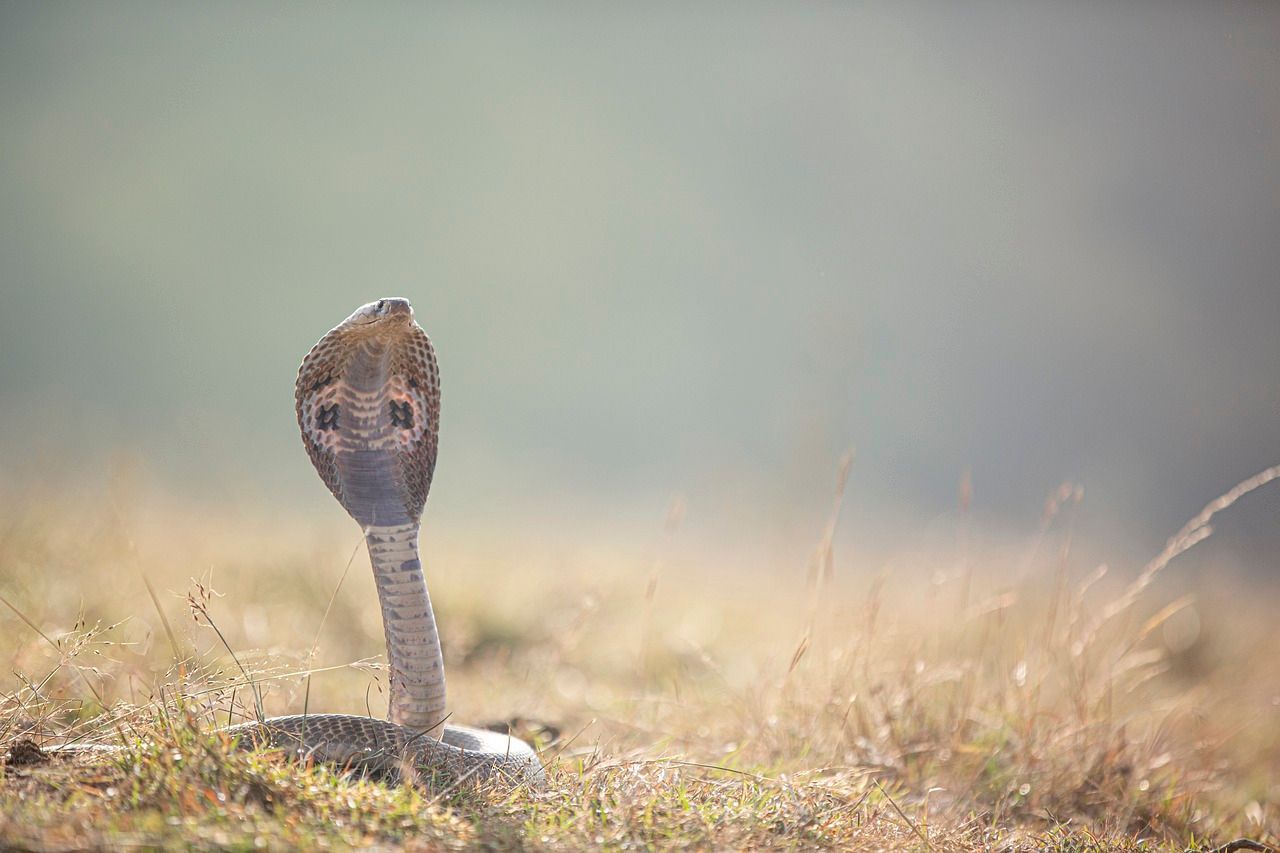
Image: Anilsharma26

Nicolas Cage is well known for his bold and eccentric personality, both on and off the screen. He has a passion for exotic animals, so it's no wonder he once adopted two albino cobras —one of the rarest and most venomous snakes in the world— as pets.

Despite spending tens of thousands of dollars on them, his love for these rare reptiles caused him major legal and safety challenges, forcing him to reconsider his decision. Ultimately, he decided to send them to a professional wildlife center, ensuring they received the best care.

8
Paris Hilton’s kinkajou
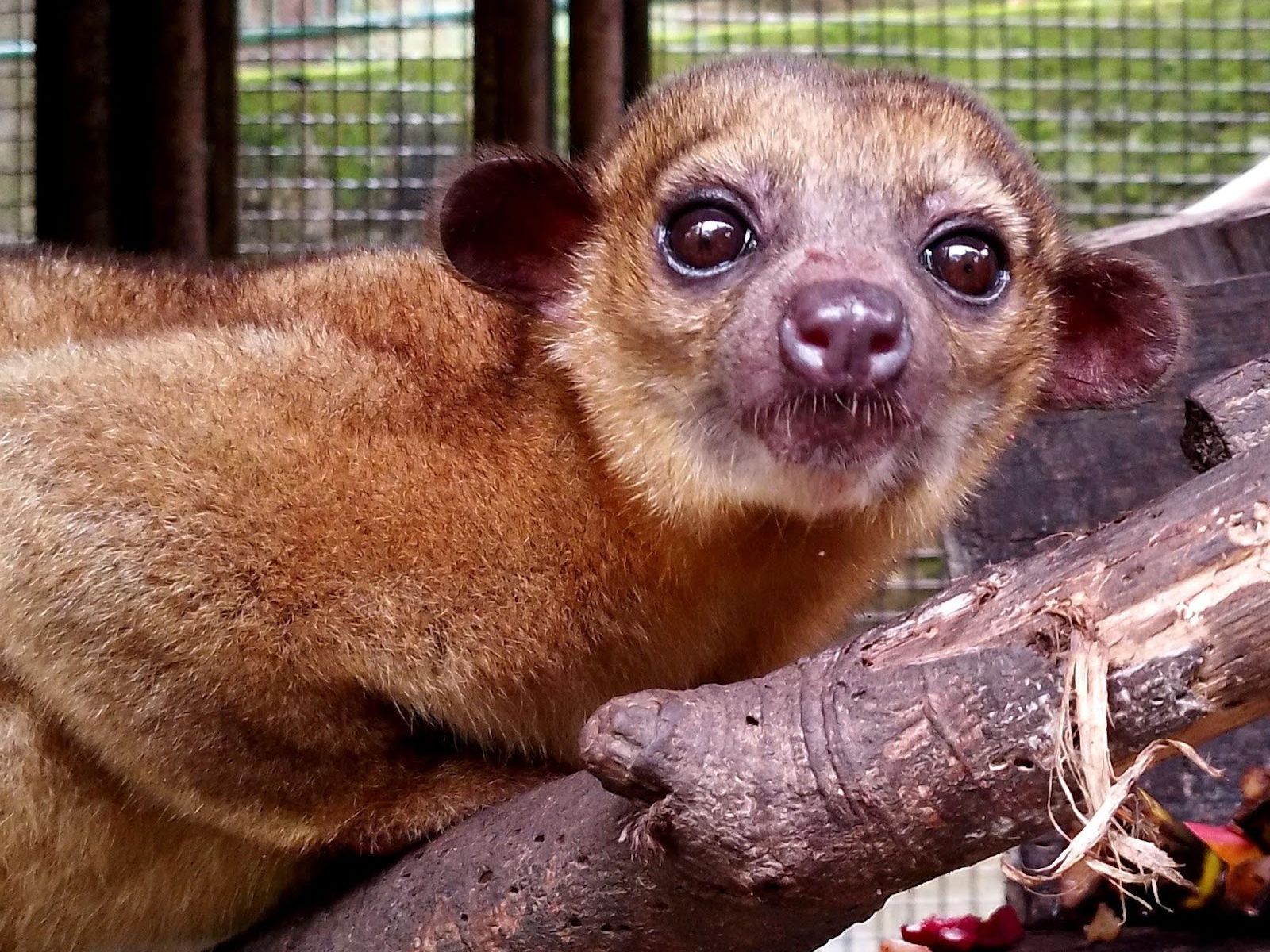
Image: Aramburu Carlos, CC0, via Wikimedia Commons

Paris Hilton is known for her extravagant lifestyle. In addition to lavish mansions, closets full of designer clothes and shoes, and expensive jewelry, the hotel heiress invests much of her fortune in pets. That's how, in 2005, she adopted a kinkajou she named Baby Luv.

You're probably wondering what a kinkajou even is. Kinkajous are wild mammals native to the rainforest, relatives of raccoons and coatis. Their large, round eyes and playful nature make them seem like ideal pets, but in reality, they shouldn't be taken out of the wild. Paris learned this the hard way: the animal bit her arm, and she had to be hospitalized. After the incident, the socialite had to relocate Baby Luv to a wildlife sanctuary.

9
Miley Cyrus’ pig
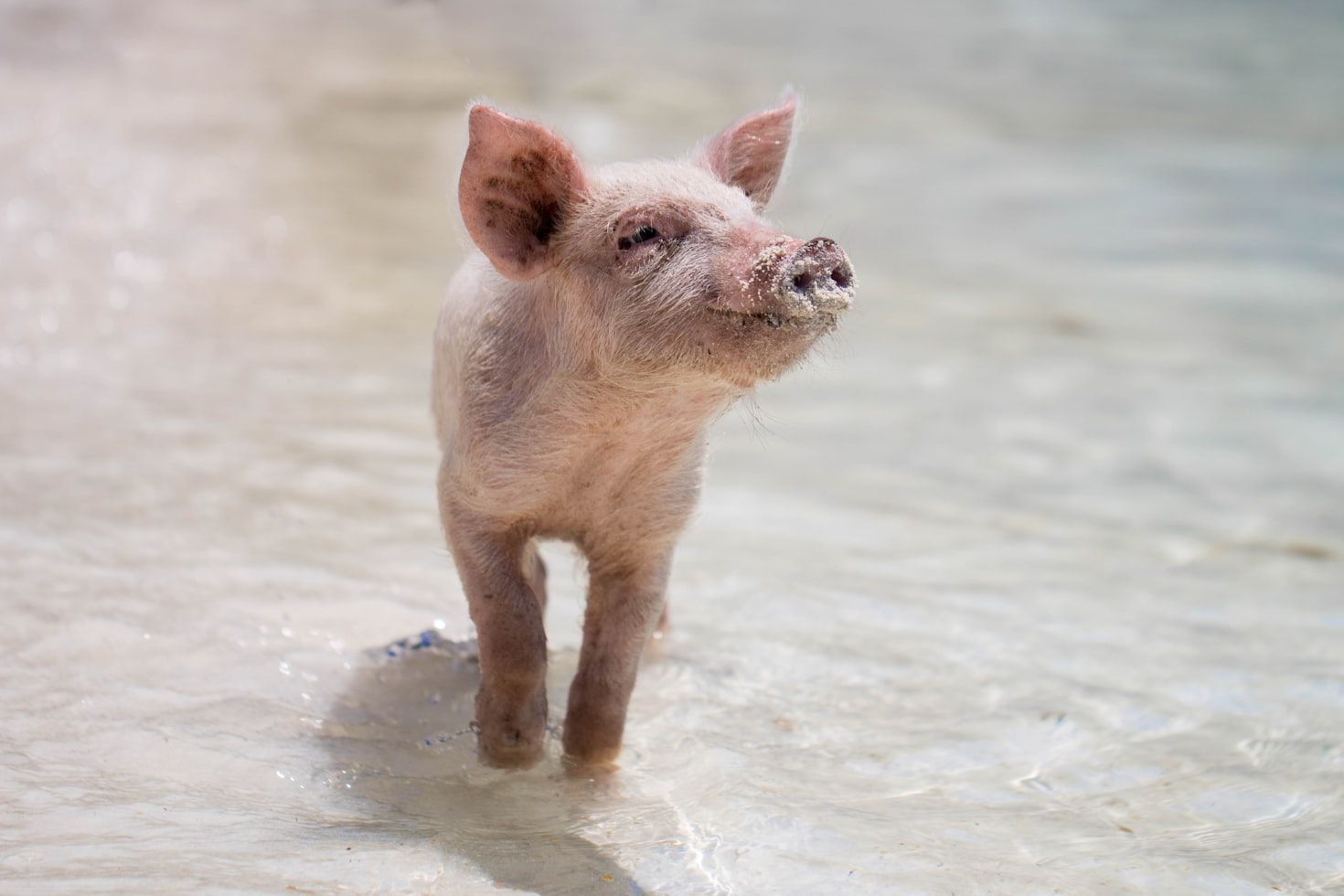
Image: Forest Simon

Miley Cyrus is a well-known animal advocate who collaborates directly with PETA. She has a home farm where she lives with seven dogs, two horses, two ponies, several cats, and until 2019, a pig.

Of all her companions, Pig Pig was the recurring star on the singer's Instagram account. Miley adopted her in August 2014 after her dog, Floyd, died. Sadly, five years later, Miley had to share some bad news with her thousands of followers: "Very sad to say... my dear friend Pig Pig has passed away," she wrote.

10
Mike Tyson’s tiger
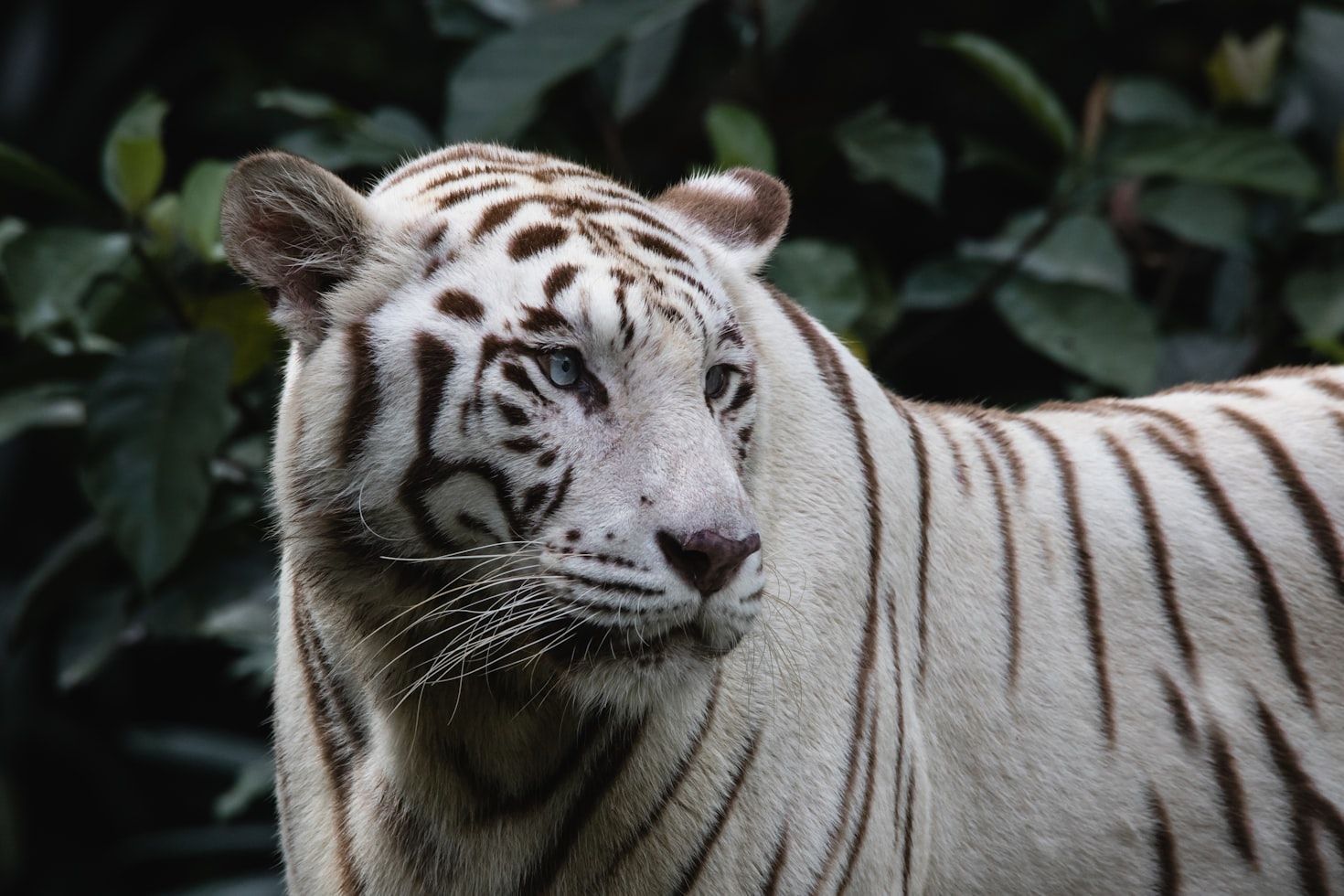
Image: Alicia Chong

The famous boxer Mike Tyson kept a considerable number of big cats as pets. But his favorite was a female Bengal tiger he named Kenya. They lived together for almost two decades, and it was amazing to see him next to the 550-pound animal. The former champion was in charge of feeding her, they walked together, and she even slept in his bed.

Tyson was never afraid of animals considered dangerous. But when the tiger began to age, it became too risky to keep her in the house. Eventually, he was forced to get rid of Kenya.
Geography Geography 5 min read

Extraordinary secrets about the capitals of the United States

The only state capital without a McDonald's and 11 other fun facts

Image: AmericanBenchCraft

Can you guess which is the only U.S. capital built on top of an extinct volcano? What about which is the oldest state capital, the least populated, or the one with the coldest temperature? If you're dying to know the answers to these questions, read on to discover 12 fun facts about our state capitals that you probably didn't know!

1
Jackson, Mississippi

Image: Engineers' office, department of Tennessee, Public domain, via Wikimedia Commons

Did you know Jackson, Mississippi, is named after the 7th U.S. President, Andrew Jackson? It is one of the four state capitals named after American presidents —the other three are Jefferson City (Missouri), Lincoln (Nebraska), and Madison (Wisconsin).

Jackson is the only U.S. capital built on top of an extinct volcano. Interestingly, during the Civil War, the city was burned by Union troops, giving it the nickname "Chimneyville". In addition, Jackson is best known for being the center of the civil rights movement during the 1950s and 1960s.

2
Santa Fe, New Mexico

Image: Wendy Shervington

In 1610, Spanish settlers established Santa Fe as the capital of New Mexico, making it the oldest state capital in the country. But that's not the only peculiarity of this quaint city with a temperate climate and a unique historical and cultural richness. At 7,000 feet above sea level, Santa Fe is also the highest U.S. capital.

3
Honolulu, Hawaii

Image: Daniel Lee

Known for its spectacular beaches and rich cultural heritage, Honolulu is the only state capital not on the North American mainland. Considered the birthplace of modern surfing, it also has the highest average annual temperature of any U.S. state capital.

But those aren't the only interesting facts about Hawaii's capital. Here are a few equally (or more) crazy ones: it hosts the only royal palace in the United States (Iolani Palace), the island is made up of volcanic soil, and it houses the world's largest open-air shopping mall (Ala Moana Center).

4
Annapolis, Maryland

Image: Terry Granger

Annapolis is a historic city on the shores of the Chesapeake Bay, known for its colonial architecture, nautical tradition, and academic value. But did you know it is also the smallest U.S. capital by land size? Just 6.7 square miles!

Annapolis was also one of the nine capitals the United States has had throughout its history. For nine months during the Revolutionary War, Maryland's current state capital served as the seat of the Confederation Congress.

5
Bismarck, North Dakota

Image: NASA Astronaut, Public domain, via Wikimedia Commons

If you thought Juneau, Alaska, had the lowest average winter temperature of all state capitals, think again! It's actually Bismarck, North Dakota, where the coldest temperature ever recorded was -45°F. Imagine that!

Bismarck was founded in 1872 on the banks of the Missouri River. The city was named after Otto von Bismarck, the chancellor of Germany, to attract German investors. Another fun fact? In 1930, Bismarck and Fargo had a dispute, known as the "Capitol Tower War," over which city should be the state capital.

6
Charleston, West Virginia

Image: Carol M. Highsmith, Public domain, via Wikimedia Commons

Did you know that the original name of West Virginia's capital was Charles Town in honor of the father of Colonel George Clendenin, one of the first settlers?

Charleston is best known for offering a unique combination of history, culture, and outdoor adventure.

7
Hartford, Connecticut

Image: Balazs Busznyak

Founded in 1635, Connecticut's capital is one of the oldest cities in the U.S. Hartford is known for being a key cultural center in New England. It was the home of writer Mark Twain and is home to historic sites such as the State Capitol, the Harriet Beecher Stowe House, and Bushnell Park, the oldest public park in the country.

Hartford is also called the "insurance capital of the world" due to the presence of major insurance companies. But the city's most curious fact is that it was where Teddy Roosevelt, aboard the Columbia Electric Victoria Phaeton, took the first presidential automobile ride in history!

8
Harrisburg, Pennsylvania

Image: Katherine McAdoo

Pennsylvania's capital city is best known for its role in the Civil War and the Underground Railroad. Located on the banks of the Susquehanna River, Harrisburg has been an important center of transportation and commerce. Today, it is known for its historic architecture, museums, and special events.

Harrisburg is also home to the longest stone arch bridge in the world, the Rockville Bridge, built in 1902. Oh, and in 1979, it came close to a nuclear disaster due to the accident at the Three Mile Island plant, the worst in U.S. history —but that's a longer story for another article!

9
Olympia, Washington

Image: Peter Robbins

Located at the southern tip of Puget Sound, Washington's state capital is known for its natural beauty and vibrant culture. But did you know Olympia is the northernmost state capital in the contiguous U.S.?

Oh, and it's also a great place to try some of the best craft beer in the country.

10
Salt Lake City, Utah

Image: Cong Wang

Utah's state capital is popular for being one of the best places to ski in the United States. But that's not all! Salt Lake City is also the only state capital with three words in its name. Have you ever thought about that?

It has the largest Mormon population in the country and is the world headquarters of the Church of Jesus Christ of Latter-day Saints. Another fun fact? Salt Lake City is home to more plastic surgeons per capita than any other state capital!

11
Montpelier, Vermont

Image: John Holm

Named after the French city of the same name, Montpelier is the least populated state capital, with a population of just 7,900. Probably for that reason, Vermont's capital prides itself on its small local businesses: it is the only state capital that doesn't have a McDonald's or a Starbucks. Could you live without these fast food chains? It doesn't have a Walmart store either!

12
Topeka, Kansas

Image: Nils Huenerfuerst

Topeka, Kansas’s state capital, has several interesting tidbits. For example, did you know its name, of Native American origin, means "a good place to dig potatoes"? Interesting, don’t you think?

In 2010, Topeka temporarily changed its name to "Google, Kansas" to attract the attention of the internet giant and become the capital city of fiber optics. Frivolous facts aside, Topeka was also very important in the history of the civil rights movement.

Culture Culture 5 min read

Yes, that was normal

These old childhood rules and traditions would shock parents today

Image: Rohan Mathur

There was a time when childhood looked very different. Often unsupervised, kids would roam, explore, improvise, and occasionally scare their parents half to death. Cultural norms have changed, and many of the routines and traditions that once defined the all-American childhood now seem reckless . Let’s look at some of them and see how drastically things have changed.

1
Leaving with your bike in the morning and coming back for suppertime

Image: Carl Tronders

For a few generations of American kids, a bicycle meant freedom. From the 1940s through the 1980s, children often left home after breakfast with little more than a vague instruction: "Be back before dinner."

Neighborhoods were informal safety nets, and kids were free to navigate them without phones or GPS trackers.

2
Foraging fruit from neighbors’ yards

Image: Libby Penner

It was a risky gamble: Picking and eating fruit from unknown plants in your neighborhood could result in a yummy treat…or abdominal trouble.

There was a time when kids freely grabbed berries, apples, or other fruit growing along sidewalks or in neighbors’ gardens. Today, property boundaries have grown, and kids are reminded not to forage without permission.

3
Riding public transportation alone

Image: Vitolda Klein

For much of the 20th century, it wasn’t unusual for children as young as 7 to ride buses, subways, or streetcars alone, especially in large cities like New York, Chicago, and Boston.

Kids commuting to school independently was considered a practical life skill. Parents expect children to learn responsibility through real-world experience , handling routes, change, and unexpected delays.

4
Roller coasters had no belts and no headrests

Image: Tore Odiin

Do you have memories of rickety rollercoasters? You might correctly remember that earlier rides were thrilling in ways that might give modern safety inspectors pause.

Many of the rides made popular in the 50s relied primarily on simple lap bars and operated with minimal restraints. Designers assumed riders would hold on tightly. Safety rules have evolved drastically since then, and now we have over-the-shoulder harnesses and improved lap restraints.

5
Walking miles to a friend’s house alone

Image: Ansis Kančs

Kids routinely walked long distances across neighborhoods or even between towns without adult accompaniment, guided by landmarks and memory. While this independence helped build confidence, it also reflected a different perception of risk.

6
Not ringing the bell: just yelling your friend’s name from outside

Image: the blowup

Before texting "I’m here" or coordinating playdates through apps, kids often announced their arrival the old-fashioned way: by standing outside and shouting a friend’s name.

Front yards, sidewalks, and porches acted as social hubs where everyone recognized familiar voices. As concerns about privacy, safety, and structured schedules grew with the years, the casual shout-from-the-street culture slowly disappeared.

7
Spending long days at the beach without adults

Image: Gaëtan De Cuyper

Surf culture in places like California and Hawaii, as well as East Coast boardwalk towns, normalized groups of kids swimming, riding the waves, and returning home only at sunset.

Public beaches were seen as community environments where lifeguards and familiar locals provided informal oversight . Today, increased safety standards, liability concerns, and changing parenting norms mean most children visit beaches with close adult supervision.

8
Exploring woods alone

Image: Joshua Earle

Few children who lived near a forest or rural area could resist the pull to explore it, either alone or with friends. Building forts, climbing trees, and learning their way around nature were influenced by scouting movements and postwar ideas about resilience and independence.

Psychologists today even describe this kind of unstructured outdoor play as beneficial for creativity and risk assessment skills. However, modern concerns about safety, traffic, and environmental hazards have reduced opportunities for unsupervised exploration.

9
Staying home alone or being babysat by older siblings

Image: Kelly Sikkema

The rise of the "latchkey kid" became especially visible in the United States during the 1970s and 1980s, when increasing numbers of dual-income households, or single-parent homes, meant children returned home from school to empty houses.

Many kids carried house keys, prepared snacks, and entertained themselves until their parents finished work. Today, research on changing childhood independence shows that unsupervised play and autonomy have significantly declined compared to previous generations.

10
Collecting glass bottles for some cents back

Image: Lacey Williams

Long before recycling bins appeared on every curb, kids learned about value through bottle returns. Soda and milk bottles carried deposits, and children would collect empties from their own homes or even from neighbors to trade for a few coins at local stores.

It was a first taste of earning money independently, although it often funded candy purchases or comic books.

11
Climbing trees or rooftops, unsupervised

Image: Victória Kubiaki

When you are a kid, climbing a tree is decidedly an adventure. There was a time when this was considered a universal childhood activity in America, even encouraged as a playful challenge, since mid-century parenting often embraced manageable risk.

But current safety standards and greater awareness of injury risks have dramatically reduced these kinds of unsupervised play environments.

12
Casually hanging out in abandoned buildings

Image: Ljubica

Another tempting area for children happened to be empty lots, half-built structures, and abandoned buildings . It was difficult to keep out curious and brave kids. This pastime is not entirely eradicated today, although it seems to be teenagers or young adults who engage in it.

13
Riding in cars without seatbelts

Image: Anton Luzhkovsky

For decades, families piled into cars without buckling up, simply because seatbelts weren’t standard equipment. Although basic seatbelt designs existed earlier, widespread adoption didn’t begin until the late 1950s and 1960s.

Even then, many Americans resisted using them, seeing belts as unnecessary or uncomfortable . Laws requiring seatbelt use didn’t become common until the 1980s and beyond, meaning generations of kids grew up riding freely in the back seat.

14
Playing in flooded streets after a storm

Image: Ayla Meinberg

Children once treated flooded streets like temporary playgrounds. Heavy rain expanded the available activities for a suburban child. They could splash barefoot through puddles or float makeshift boats down rushing gutters.

Over time, public health campaigns highlighted dangers such as contaminated runoff, hidden debris, electrical hazards, and traffic risks. Enough to scare modern parents!

Explore more American facts

Choose your favorite category!

General
General

As American as apple pie—the very best America has to offer!

Culture
Culture

Delve into the astounding richness of American lore.

Geography
Geography

Hop in and explore vast and diverse American landscapes.

History
History

Discover the key moments that shaped the United States.