General General 4 min read

Beloved products that vanished from stores

Ten discontinued American products we still miss today
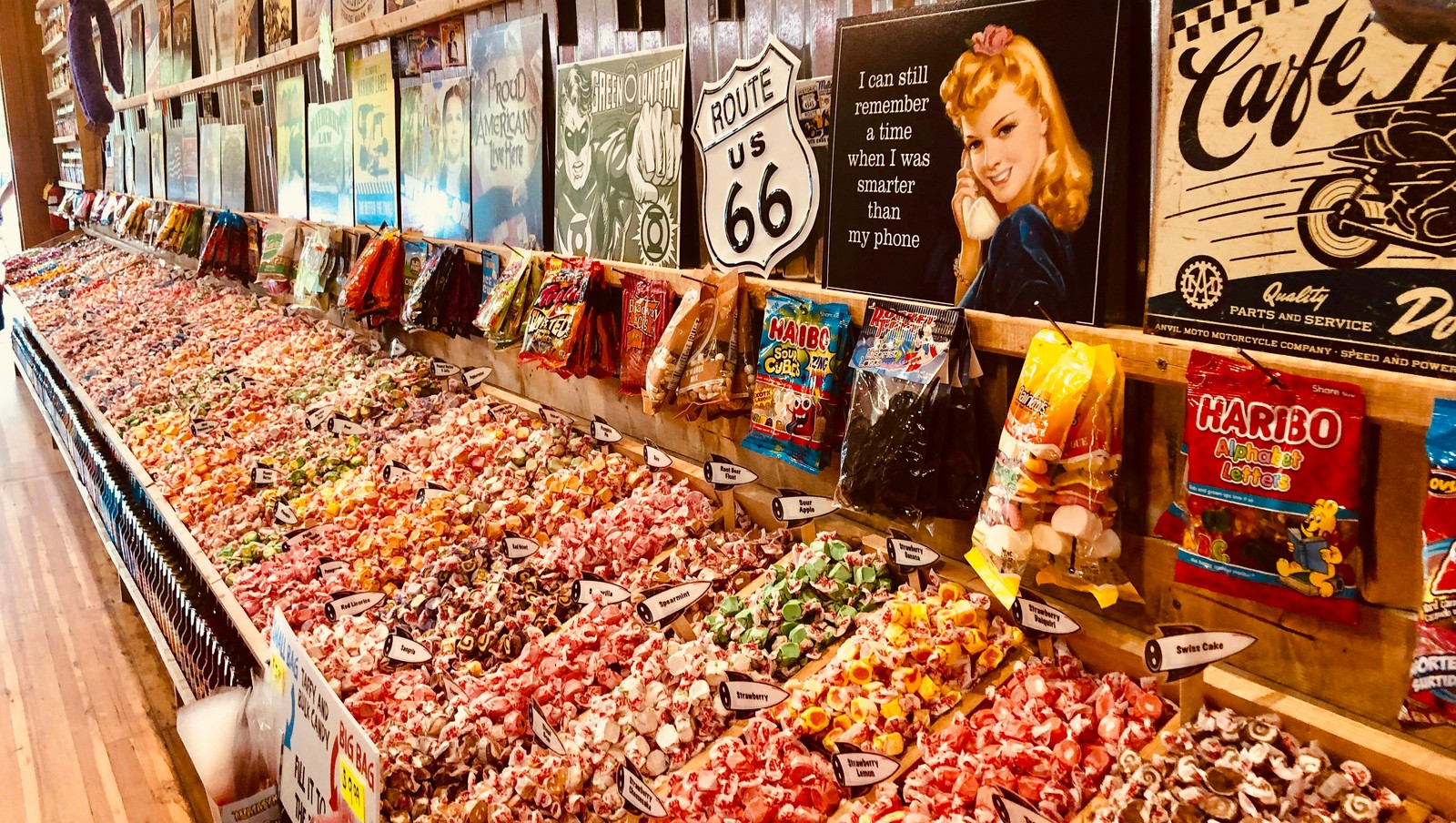
Image: Natasha Connell

Remember when you could walk into any store and find your favorite snack, only to have it vanish without a trace years later? Some discontinued products become legends, living on in our memories and late-night conversations about "the good old days." Here are ten discontinued products that still make us nostalgic, and honestly, a little hungry for the past.

1
Hydrox Cookies
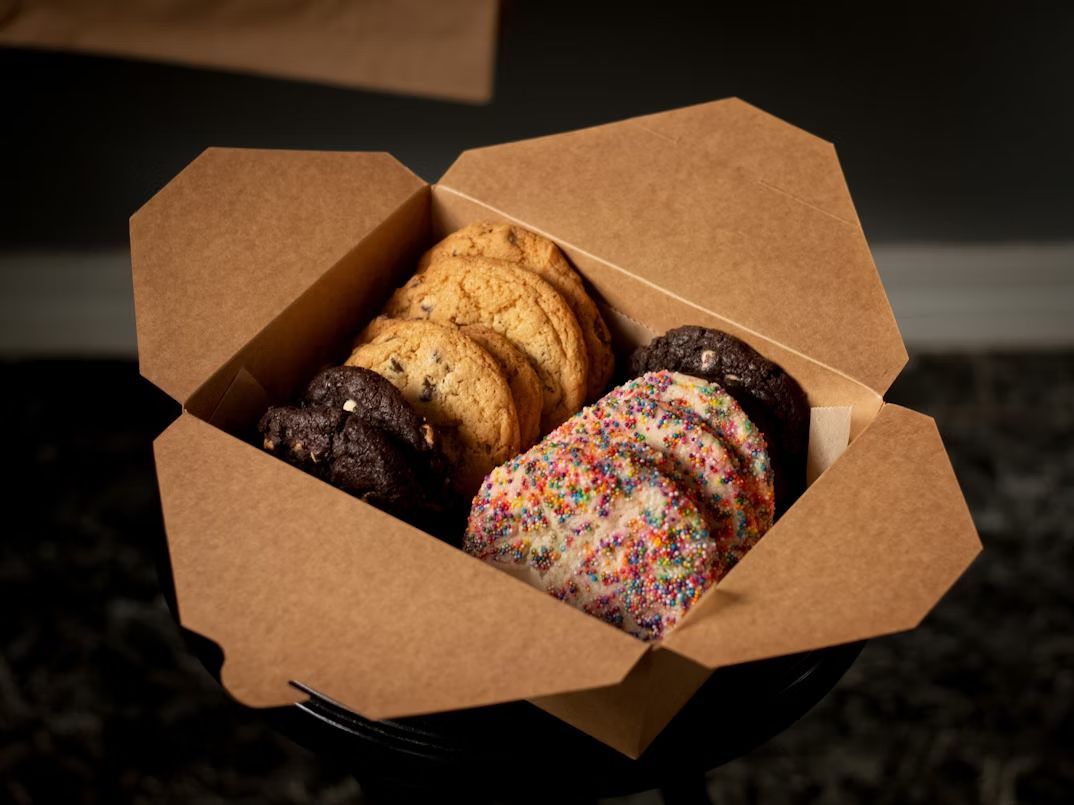
Image: Conor Brown

Introduced in 1908, these chocolate sandwich cookies with cream filling were the original, while Oreos followed four years later in 1912 . Hydrox had a crunchier cookie and a less sweet filling, which devoted fans absolutely loved.

Hydrox disappeared from shelves in 2003, leaving longtime fans heartbroken and insisting that they were superior to their more famous competitor. The cookie made a brief comeback in 2015 under new ownership, but it never quite recaptured its former glory or widespread availability.

2
Squeezit
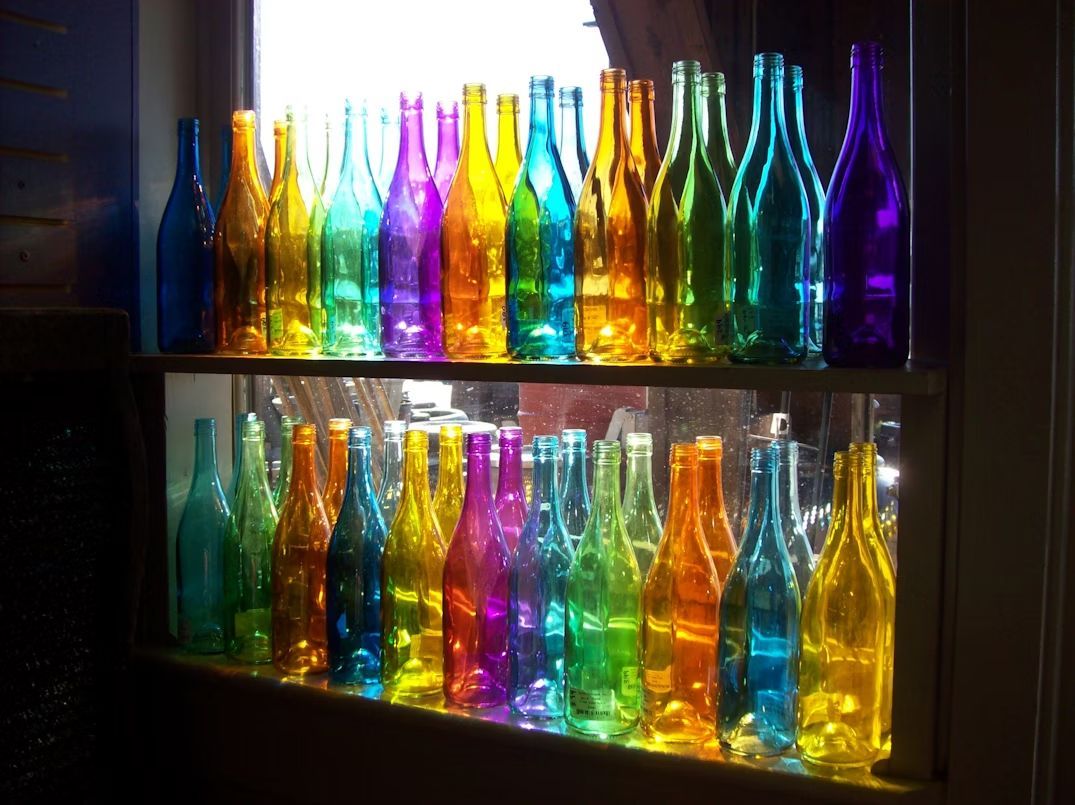
Image: Haley Owens

Squeezit arrived on the scene in 1985 with its unique bottle design that you literally had to squeeze to drink from—no straw needed! The bottles came in wild colors and flavors like Chucklin' Cherry and Grumpy Grape, each with its own cartoon character printed on the label.

General Mills discontinued Squeezit in 2001, crushing the dreams of millennials everywhere who had fond memories of squeezing these bottles a little too hard and squirting juice everywhere.

3
Jell-O Pudding Pops
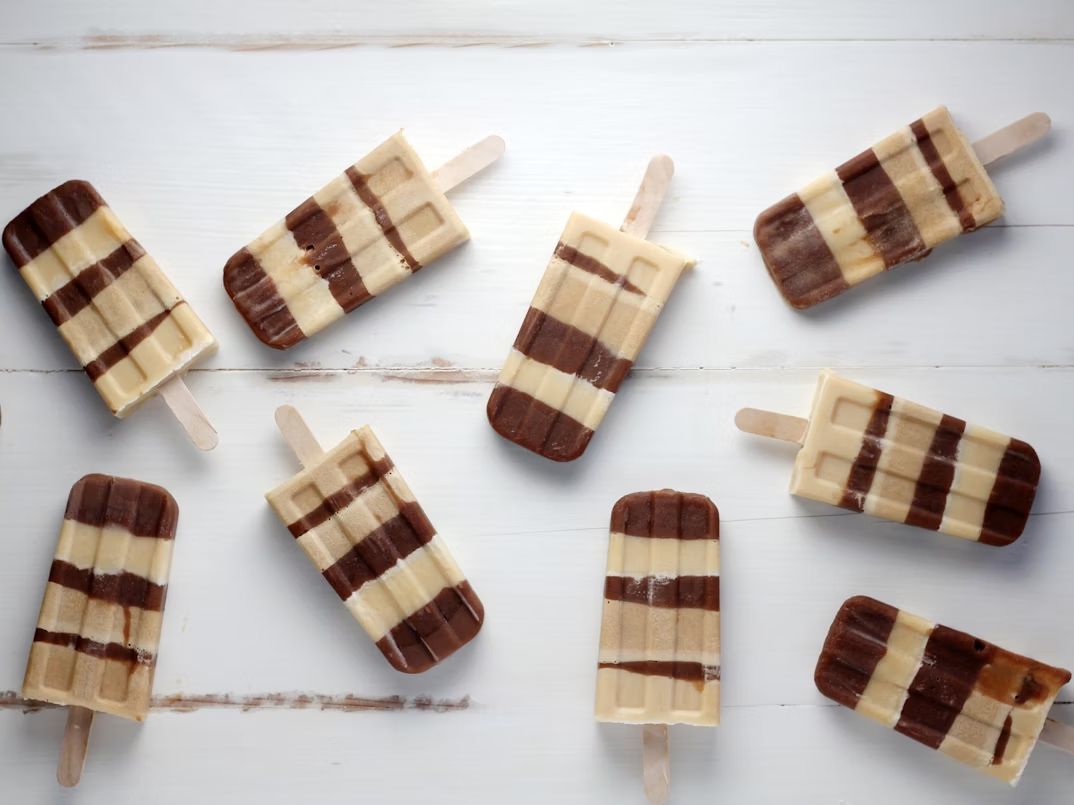
Image: sheri silver

Bill Cosby might have made these famous in commercials, but it was the frozen treat itself that made Pudding Pops legendary in the 1980s. Introduced in 1979, these weren't your typical popsicles— they had a creamy, mousse-like texture that was somewhere between pudding and ice cream.

Jell-O discontinued the original Pudding Pops in the early 1990s, and despite several attempted comebacks with different formulations, they've never tasted quite the same as the originals. People who remember the real deal insist that the modern versions just don't have that same creamy texture or rich flavor.

4
Crystal Pepsi
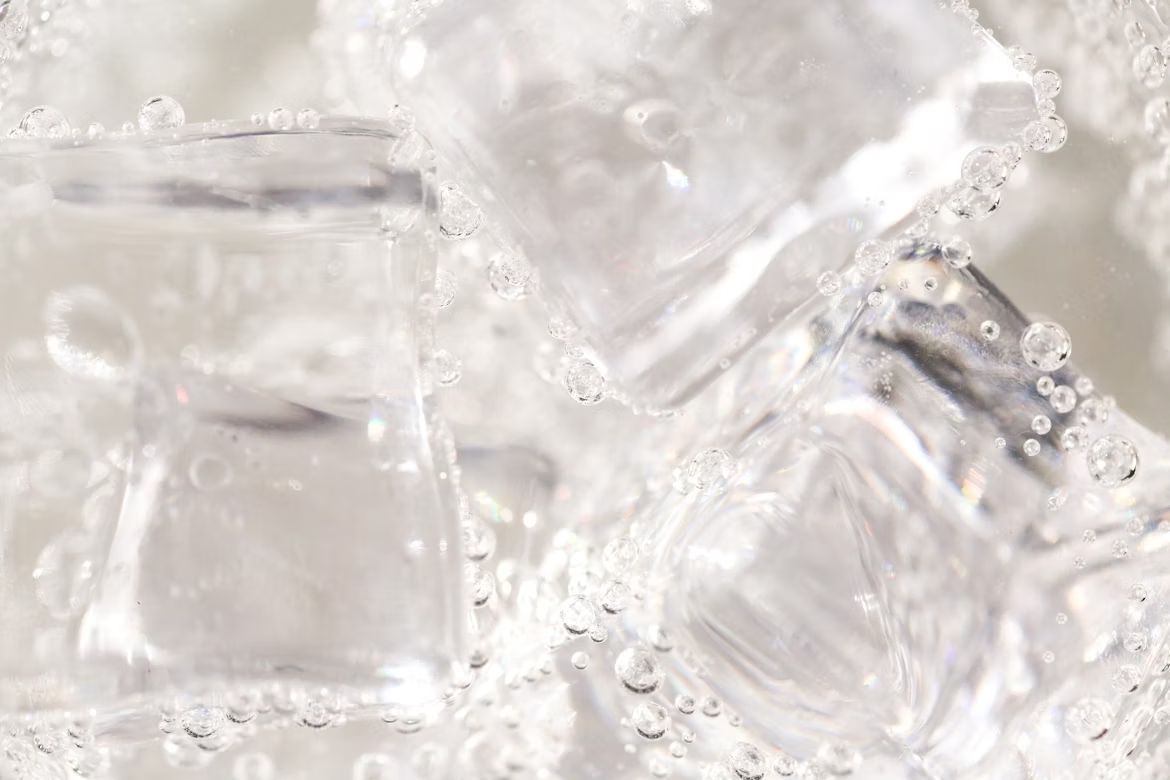
Image: Giorgio Trovato

Launched in 1992, this clear cola was supposed to represent "purity" and tap into the clear product craze of the era . It tasted almost exactly like regular Pepsi, which created a weird cognitive dissonance: your brain expected lemon-lime, but your taste buds got cola. Crystal Pepsi flopped hard and disappeared by 1994, but it achieved cult status among nostalgic millennials and Gen Xers.

5
Bonkers! Candy
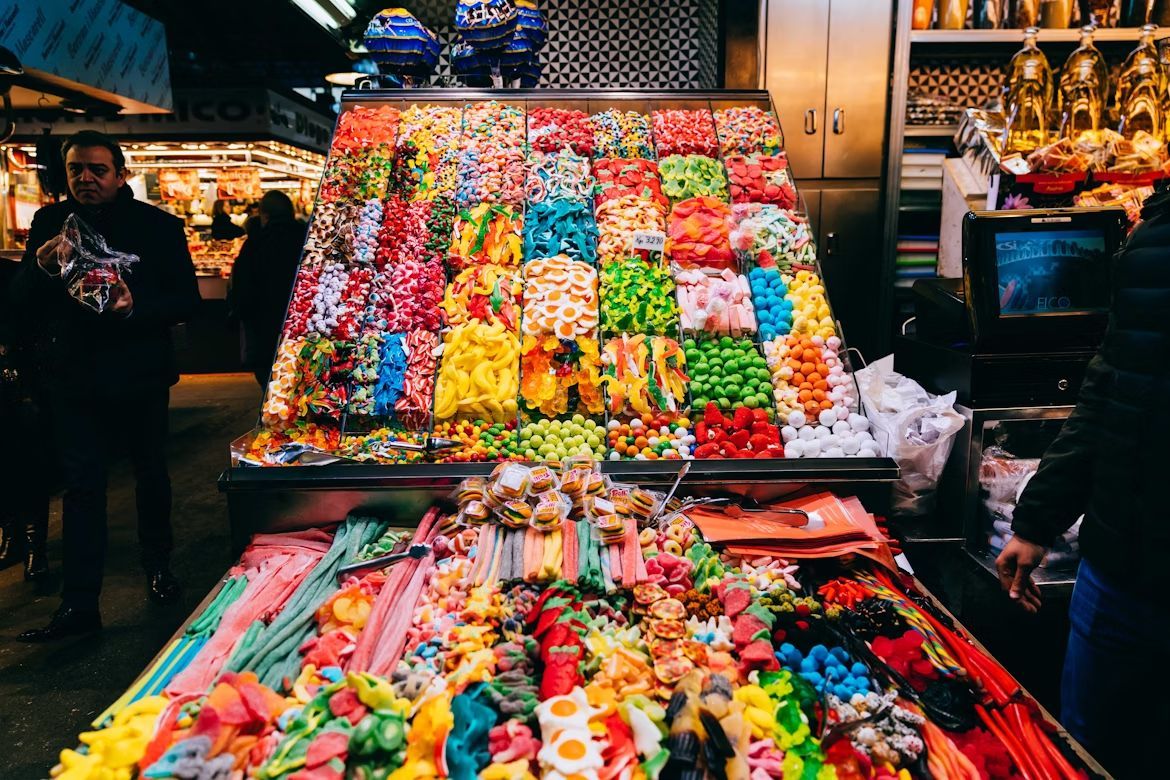
Image: Edgar Chaparro

"Bonkers bonks you out!" went the commercial jingle, and this chewy fruit candy certainly made an impact when it hit stores in the early 1980s. Each piece was wrapped individually and packed an intensely fruity flavor that was almost overwhelming—in a good way . Bonkers came in flavors like grape, strawberry, and watermelon, and they had a unique texture that was chewier than Starburst but softer than taffy.

Nabisco stopped making Bonkers in the 1990s, and fruit candy lovers have been mourning ever since. There were brief periods when the candy reappeared under different ownership, but it never achieved the same widespread distribution.

6
Dunkaroos
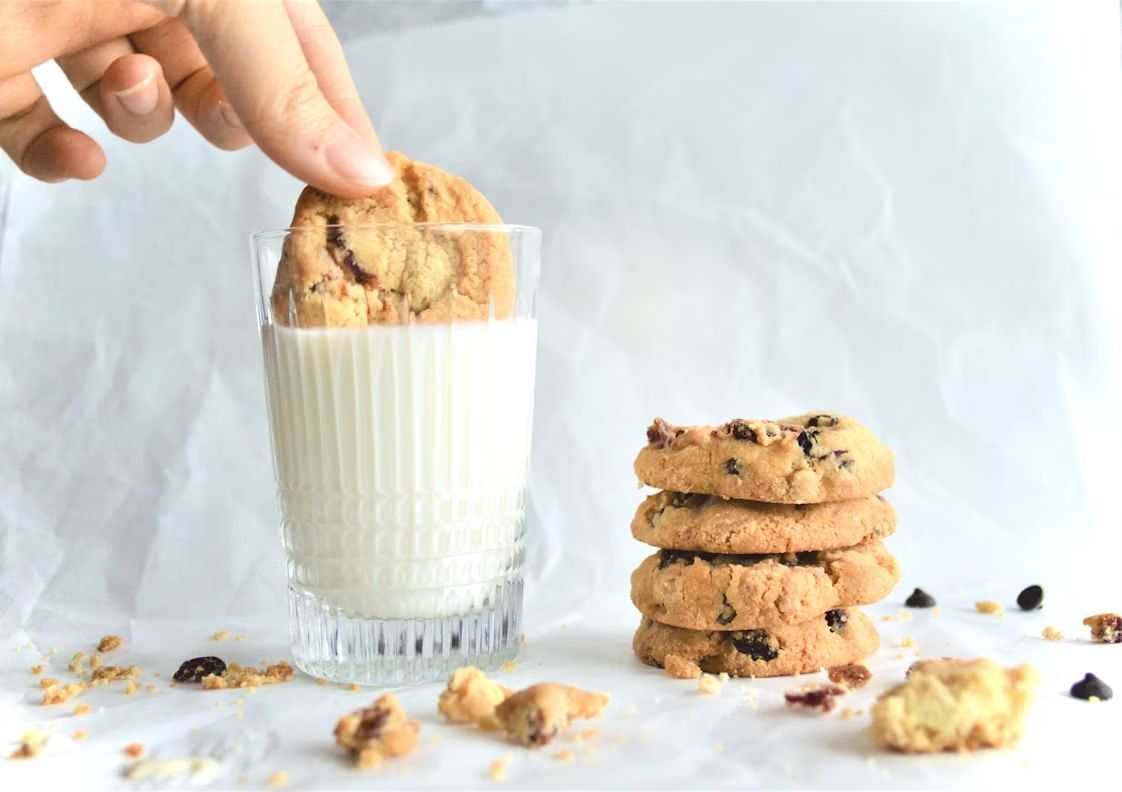
Image: RUMEYSA AYDIN

Introduced by Betty Crocker in 1990, these snack packs came with small kangaroo-shaped cookies and a container of frosting for dipping. The concept was simple but brilliant—make cookies even more fun by turning them into an interactive snack. Flavors included chocolate chip cookies with vanilla frosting, vanilla cookies with chocolate frosting, and the ultimate combo of chocolate cookies with chocolate frosting.

General Mills discontinued Dunkaroos in the United States in 2012, sparking outrage among millennials who considered them a sacred part of their childhood. The good news? After years of petitions and social media campaigns, Dunkaroos made a triumphant return in 2020.

7
Clearly Canadian
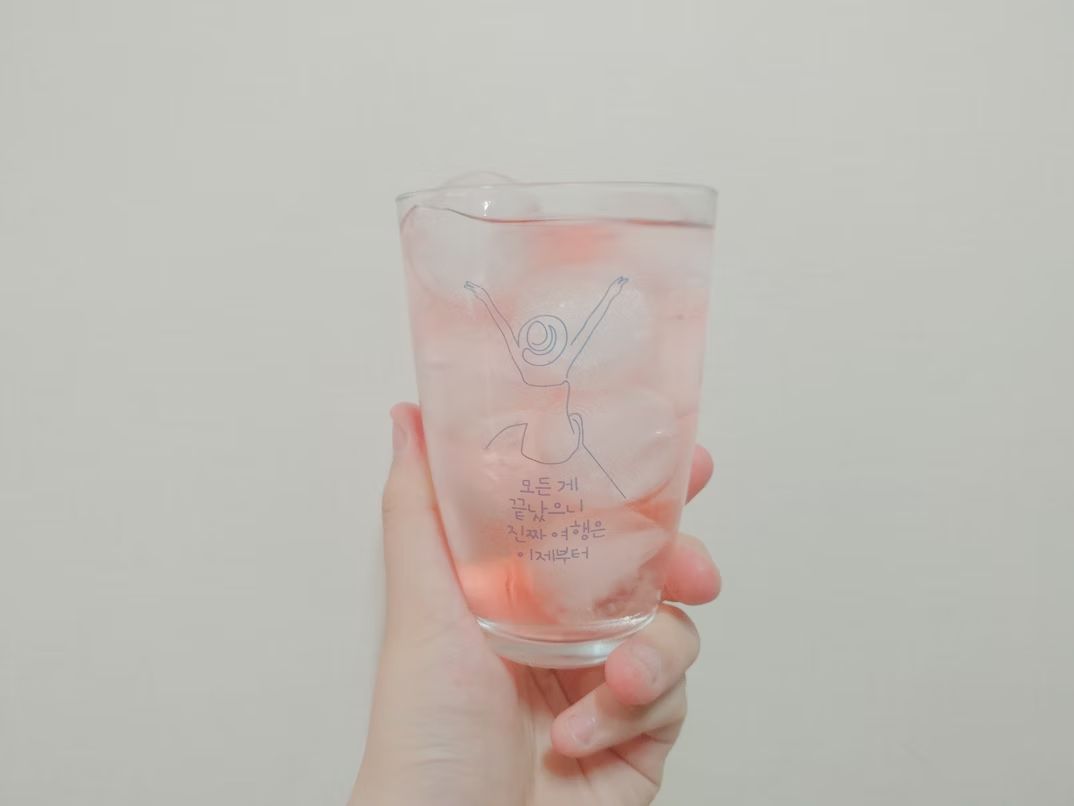
Image: 소녀

Before sparkling water became trendy, there was Clearly Canadian— a flavored sparkling water that came in distinctive teardrop-shaped glass bottles . Launched in 1987, this Canadian import became hugely popular in the U.S. throughout the late 80s and 90s. The flavors had fancy names like Wild Cherry, Country Raspberry, and Orchard Peach, and the carbonation was more aggressive than today's LaCroix.

Clearly Canadian largely disappeared from American stores in the 2000s as other beverages dominated the market, though the company never completely shut down. Thanks to a Kickstarter campaign in 2015, it made a comeback, but it's still not as widely available as it once was.

8
P.B. Crisps
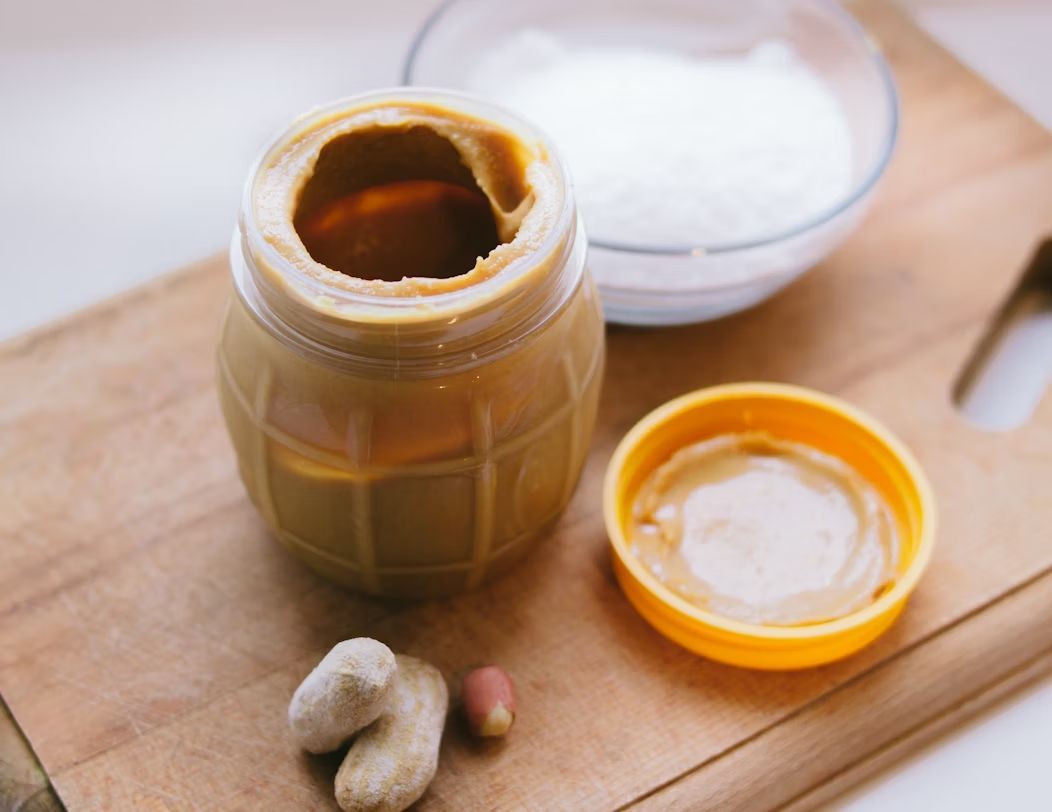
Image: Olga Nayda

Planters gave us the ultimate peanut butter snack in 1992 with P.B. Crisps— crispy shell-shaped cookies filled with peanut butter . These weren't ordinary peanut butter cookies; they had a unique, crispy texture on the outside and creamy peanut butter on the inside, creating a perfect contrast.

Sadly, P.B. Crisps were discontinued in 1995 after just three years on the market, leaving peanut butter lovers devastated. No snack has quite filled that void—Nutter Butters are too cookie-like, and peanut butter crackers are too cracker-like.

9
Altoids Sours
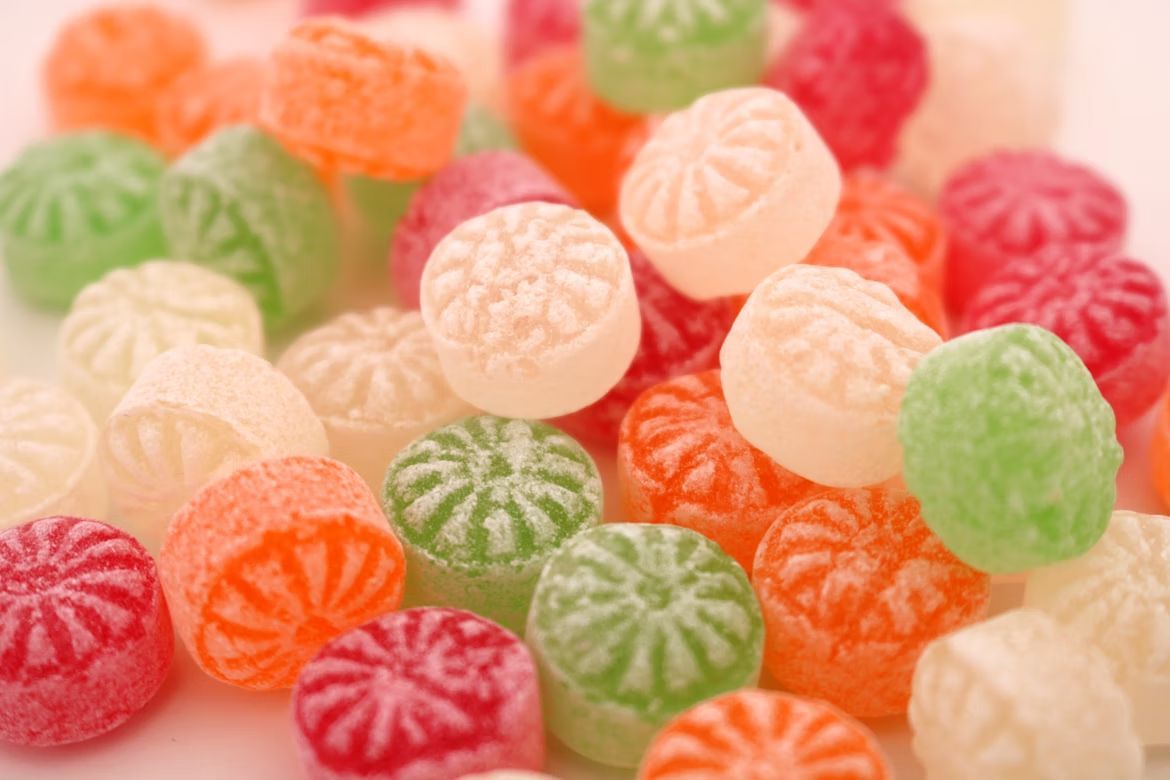
Image: Customerbox

These tiny, tangy candies came in flavors like Tangerine, Citrus, and Raspberry, and they packed a seriously sour punch that made your whole face scrunch up . They came in the same iconic tin as regular Altoids, which made them feel substantial and collectible.

Altoids discontinued the Sours in 2010, and fans have been petitioning for their return ever since. There have been multiple online petitions, Facebook groups, and even people hoarding old tins as collectors' items.

10
Snapple Elements
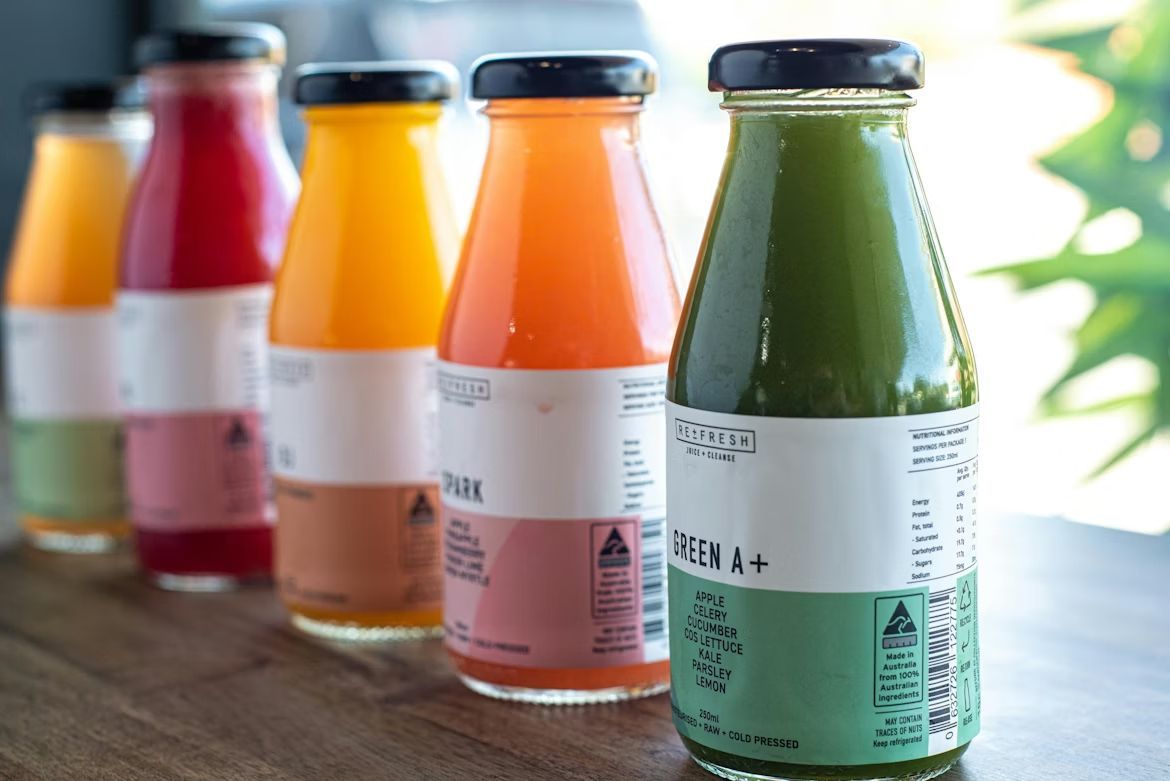
Image: Snappr

Launched in 1999, these drinks came in wide-mouthed glass bottles and had more exotic flavors than typical Snapple offerings . Rain was agave cactus, Sun was starfruit, and Fire was dragonfruit. The bottles themselves were beautiful, with distinctive designs and colors that made them stand out on store shelves.

The Elements line was discontinued in the early 2000s, though Snapple brought back a reformulated version in 2008 that wasn't quite the same. The original Elements had a devoted following who appreciated the more complex flavors and the beautiful bottle design.
General General 4 min read

Enlightening comparisons

How many elephants fit in a cloud? Wild comparisons you won’t believe

Image: David Yu

How much does a cloud weigh? How powerful is the flow of Niagara Falls? How deep is the deepest point of the Grand Canyon? And how far away is the Moon from Earth? Sure, we could give you the straight numbers. Or we could find fun and illustrative ways to put these measurements into perspective, like using basketballs, cars, elephants, and electric toasters. Read on to learn some down-to-earth comparisons of outstanding things!

1
Alaska is so big, it could fit Texas inside twice

Image: Paxson Woelber

Sure, everything’s bigger in Texas… but where does that leave Alaska? The Last Frontier spans about 663,000 square miles , while the Lone Star State covers roughly 268,000 square miles. So yes, you could comfortably fit Texas inside Alaska twice, and still have room left over for California.

2
You could stack 10 Washington Monuments inside the Grand Canyon’s depth

Image: Sonaal Bangera

At its deepest point, the Grand Canyon plunges more than 6,000 feet. That’s more than a mile of height, to give you an idea. To put that in perspective, the 555-foot-tall Washington Monument could fit inside the canyon roughly ten times from top to bottom.

3
The Statue of Liberty’s sandal is the size of a small car.

Image: A n v e s h

Have you ever paid attention to the Statue of Liberty’s feet? Yes, they are visible, right next to the broken shackles at her base. You can’t stand next to the feet, of course, but if you could, you’d see that each sandaled foot measures about 25 feet long , which is a bit over the length of a Chevy Suburban.

4
The Empire State Building was built faster than a modern kitchen remodel

Image: Kit Suman

Did you know that one of the most famous buildings in the world was pretty much speed-built? Construction took just 410 days , starting in 1930 and finishing in 1931. This rapid progress was possible thanks to prefabricated steel parts and a workforce of roughly 3,400 workers each day. Nowadays, your average kitchen renovation takes 6 months to a year.

5
If the Earth were the size of a basketball, the Moon would be a tennis ball 24 feet away

Image: Anne Nygård

This is a fun way to illustrate the relationship between our planet and its satellite. If Earth were the size of a basketball (about 9.5 inches in diameter), the Moon would be roughly the size of a tennis ball (about 2.5 inches).

But they would be a whopping 24 feet away, about the length of a stretch limousine (or a Statue of Liberty sandal). This scale model helps explain just how far apart and disproportionate they really are!

6
A single cloud can weigh as much as 90 elephants

Image: Volodymyr Dobrovolskyy

Clouds may not look heavy, but these giant beauties are surprisingly massive. Scientists estimate that an average fluffy cumulus cloud contains about 1.1 million pounds of water, which is roughly the weight of 90 adult African elephants .

7
You could fit 7 Yankee Stadiums inside the Mall of America

Image: David Vives

With over 5.6 million square feet, the Mall of America is one of the largest indoor spaces in the country . Imagine trying to meet your friends in just one of its 500+ stores!

The mall also features an indoor amusement park and an aquarium. To give you an idea, Yankee Stadium covers roughly 800,000 square feet. You could fit about seven of them within the Mall of America.

8
A hummingbird flaps its wings faster than a car engine runs

Image: James Wainscoat

Hummingbirds beat their wings between 50 and 80 times per second , roughly eight times faster than the revolutions per second of a typical V8 engine at idle. No wonder they have enough force to seemingly fly in place!

9
Comparing lightning bolts with defibrillator shocks

Image: chutipon Pattanatitinon

The energy in lightning bolts can vary, but it’s not uncommon for them to unleash 5 billion joules . Roughly, a biphasic defibrillator delivers about 200 joules in a single shock. And, to give you an idea, it takes roughly 50,000 joules to toast a single slice of bread.

10
Yellowstone sits on top of a supervolcano the size of Rhode Island

Image: Denys Nevozhai

You might have heard of Yellowstone’s supervolcano and how tourists leave mesmerized by the geysers, hot springs, and wildlife.

But the size of its caldera is even more astonishing: it stretches 20 by 45 miles , covering nearly 1,350 square miles. That’s roughly the same area as Rhode Island, the smallest U.S. state.

11
Niagara Falls could fill an Olympic pool in less than a second

Image: Hadi Yazdi Aznaveh

A standard Olympic-size swimming pool holds about 660,000 gallons. Niagara Falls, however, pours roughly 700,000 gallons of water every second, meaning it could fill a pool in under one second, approximately 0.94 seconds to be exact.

If you were filling the same pool with a standard hose, it could take about 19 days .

History History 3 min read

I want to believe

Beware! 12 everyday superstitions you probably follow without knowing

Image: Susannehs

We’ve all heard about the seven years of bad luck that are said to follow if we break a mirror, or why tossing salt over one’s shoulder is supposed to keep misfortune away. Superstitions have been a part of everyday life in the U.S., often passed down through generations without much thought to their origins. Let’s take a look at the origins of 12 common superstitions that continue to influence how people think and act today.

1
Breaking a mirror

Image: Savannah B.

As we’ve all heard, breaking a mirror is said to bring seven years of bad luck— a belief that dates back to the Romans . They thought a mirror didn’t just reflect your face, but also your soul.

Because the Romans also believed that life renewed itself every seven years, the curse was thought to last exactly that long.

2
Walking under a ladder

Image: Nick Fewings

This superstition has its roots in medieval Europe, where ladders leaning against walls formed a triangle, a shape that symbolized the Holy Trinity .

Walking through it was seen as breaking the sacred shape and inviting misfortune. Today, most people avoid it not only out of superstition but also for simple safety.

3
A black cat in your path

Image: Emmeli M

In the Middle Ages, black cats were linked to witchcraft and were thought to be witches’ companions—or even witches in disguise. Crossing paths with one was considered dangerous .

Though many cultures view black cats as lucky, in the U.S., the old stigma has persisted.

4
Knocking on wood

Image: Glen Carrie

The habit of knocking on wood to ward off bad luck likely comes from ancient pagan traditions. Trees—especially oaks—were believed to house protective spirits .

Touching or knocking on wood was a way to call on those spirits for protection. The phrase and the action traveled across centuries, and now it’s a common phrase in everyday conversations.

5
Opening an umbrella indoors

Image: Kato Blackmore 🇺🇦

The superstition that opening an umbrella indoors brings bad luck originates from 18th-century England. Early umbrellas were large, stiff, and often had metal spokes.

Opening one indoors could cause injury or break household items , so the "bad luck" warning worked as a practical safety rule.

6
Friday the 13th

Image: Nik

Friday has long been considered unlucky in Christian tradition because it was said to be the day of the Crucifixion. The number thirteen was also viewed as ominous, connected to the Last Supper .

When the two were combined, Friday the 13th gained its spooky reputation. Despite rational explanations, some hotels skip floor 13, and many people still avoid major plans on that date.

7
Spilling salt

Image: ekaterina shishina

Salt was once precious and expensive, symbolizing purity and friendship. Spilling it was considered wasteful and unlucky in ancient times.

The practice of tossing a pinch over your left shoulder comes from folklore, supposedly to blind the devil lurking there . It’s a tiny gesture that still lingers on dinner tables today.

8
Four-leaf clover

Image: Barbara Krysztofiak

The four-leaf clover is a symbol of good fortune dating back to the Celts, who believed the rare leaves provided protection against evil spirits .

Since clovers typically have only three leaves, the fourth leaf came to symbolize rarity and luck.

9
Rabbit’s foot

Image: Timofei Adrian

Carrying a rabbit’s foot for luck traces back to African and European folklore, where rabbits were seen as fertile, magical creatures .

The superstition spread through American culture in the 19th century, especially in the South. Even though it might seem unusual—and potentially unsanitary—the lucky rabbit’s foot remains a well-known charm today.

10
Wishbone

Image: Museum of New Zealand Te Papa Tongarewa

The tradition of making a wish on a wishbone originates with the Romans, who, in turn, borrowed it from the Etruscans. They believed that birds held divine powers .

Breaking the bone with someone else was thought to transfer luck to the person who ended up with the larger piece .

11
Coin in a fountain

Image: Lila Mitchell

Tossing a coin into water to make a wish has its roots in ancient Europe. Wells and springs were considered sacred, often associated with gods or spirits.

People dropped coins as offerings for health or good fortune . Today, fountains across the U.S. and around the world collect millions of coins.

12
Wishing upon a star

Image: Ali

The superstition of wishing upon a star comes from ancient Greece and Rome, where falling stars were believed to carry messages from the gods .

Even today, looking up at the night sky and spotting a shooting star inspires many people to make a wish.

Explore more American facts

Choose your favorite category!

General
General

As American as apple pie—the very best America has to offer!

Culture
Culture

Delve into the astounding richness of American lore.

Geography
Geography

Hop in and explore vast and diverse American landscapes.

History
History

Discover the key moments that shaped the United States.