History History 3 min read

Nature finds its way

When nature takes over! 12 abandoned places in America you have to see
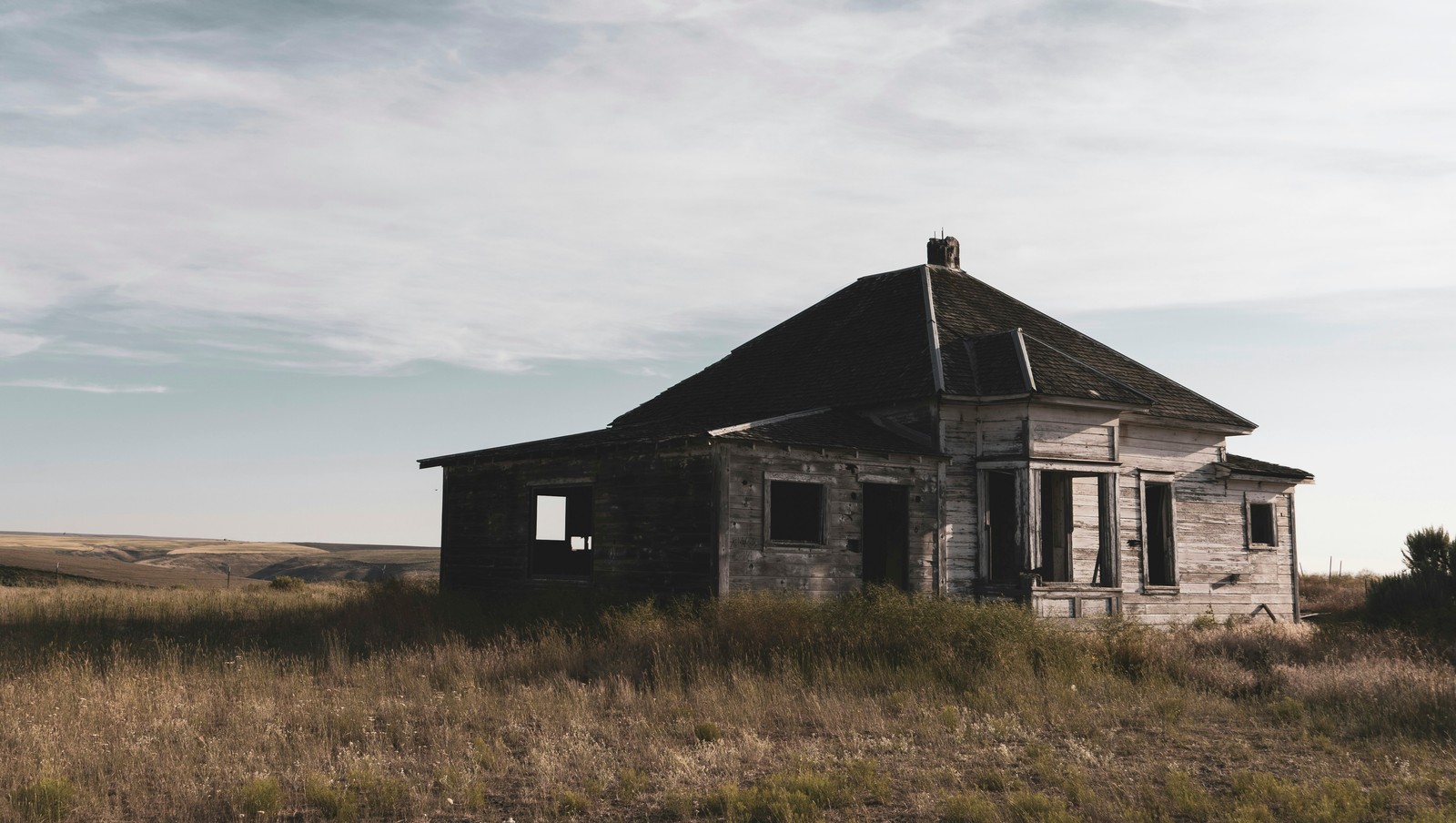
Image: Dan Meyers

Many places across America once buzzed with life but have since been left behind: ghost towns, forgotten amusement parks, crumbling factories, you name it. Over time, nature has crept back in, covering concrete with moss, letting trees grow through old buildings, and allowing animals to reclaim quiet spaces. Take a look at 12 of these haunting landscapes. Maybe one is near you!

1
Igloo City, Alaska
Image: Tim Oun

Igloo City in Cantwell, Alaska, is a massive, unfinished hotel built in the 1970s that never opened due to building code issues . Despite multiple owners and redevelopment plans, it remained abandoned and eventually deteriorated too much to renovate.

Now a roadside oddity between Fairbanks and Anchorage, its giant igloo shape continues to draw curious visitors.

2
Spectre Set, Alabama
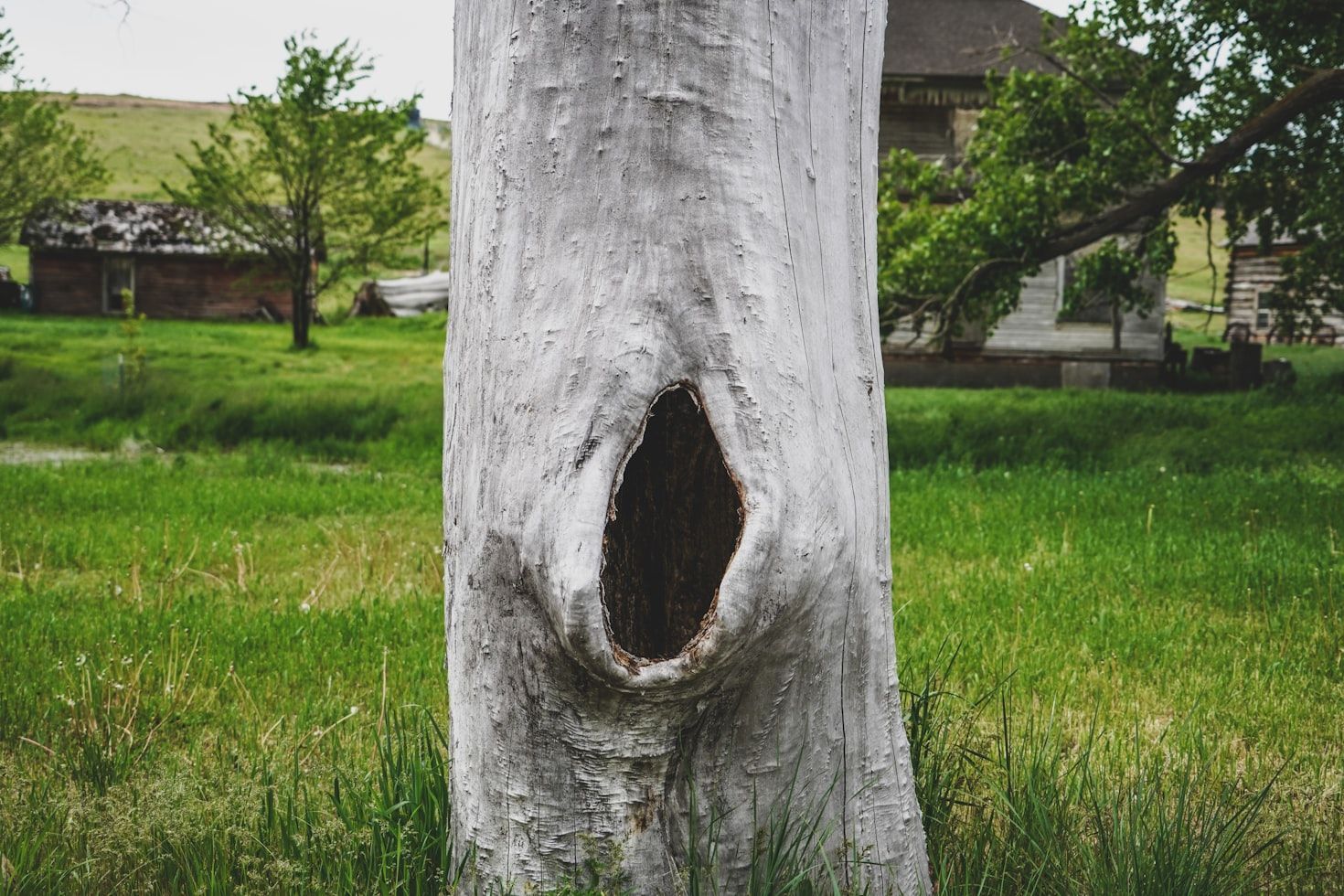
Image: Dan Meyers

The abandoned film set of Spectre from Big Fish still stands on a private island along the Alabama River. Originally built for the 2003 movie, the town was left behind after filming and has slowly decayed.

Fires and flooding destroyed much of it, but a few buildings, spooky trees, and crumbling columns remain, giving the site a haunting atmosphere.

3
Dogpatch USA, Arkansas
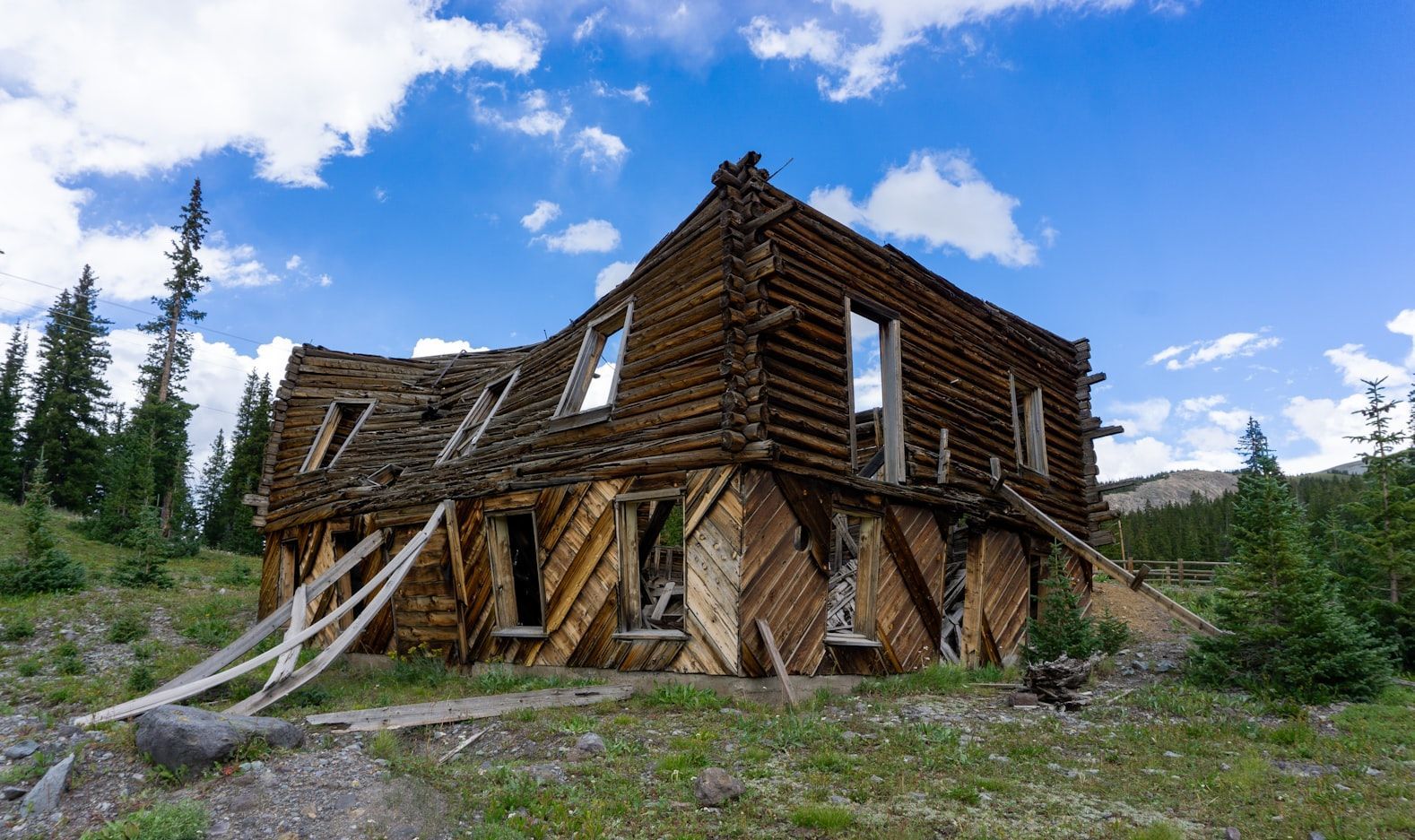
Image: Matt Gross

Dogpatch USA, a hillbilly-themed park in Arkansas based on the Li’l Abner comic strip , opened in 1968 but never met visitor expectations. With low-key attractions and rustic charm, it struggled to draw crowds and ultimately closed in 1993.

Attempts to sell the land largely failed, and parts of the park still stand abandoned. While some parcels have been sold over the years, most of the site remains a curiosity for urban explorers.

4
Gibraltar, Delaware
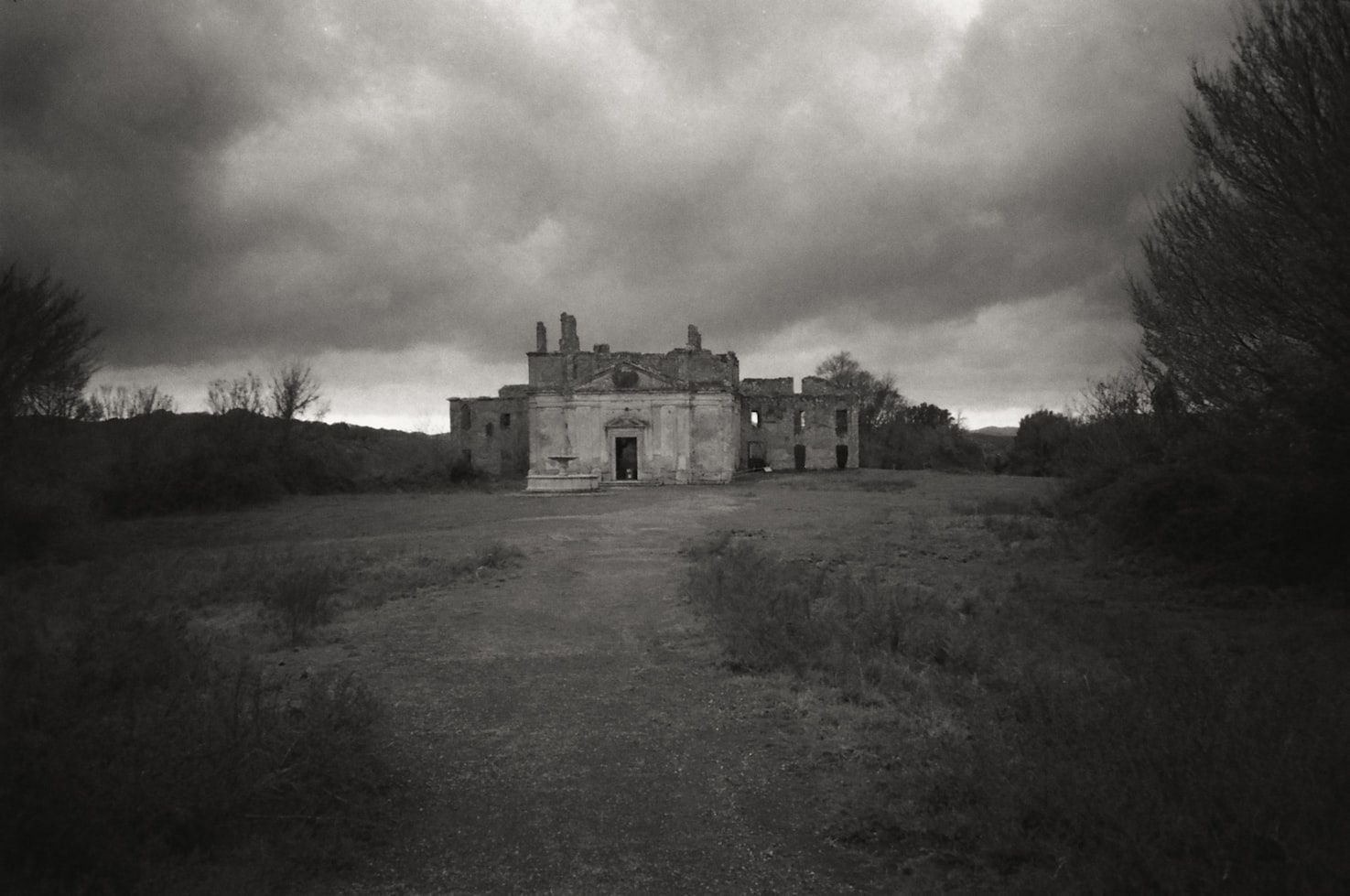
Image: Johannes Beilharz

Hidden behind a stone wall in Wilmington, Delaware, Gibraltar is a crumbling 1840s mansion surrounded by beautifully restored gardens . While the house itself is abandoned, ivy-covered, and slowly decaying, the gardens remain vibrant and full of life.

5
Atlanta Prison Farm, Georgia

Image: Dan Meyers

The Atlanta Prison Farm has sat abandoned for over 25 years , now covered in graffiti and fast-growing kudzu. Though there's talk of turning it into a regional park, disagreements between counties have stalled any concrete progress.

6
Custer Ghost Town, Idaho
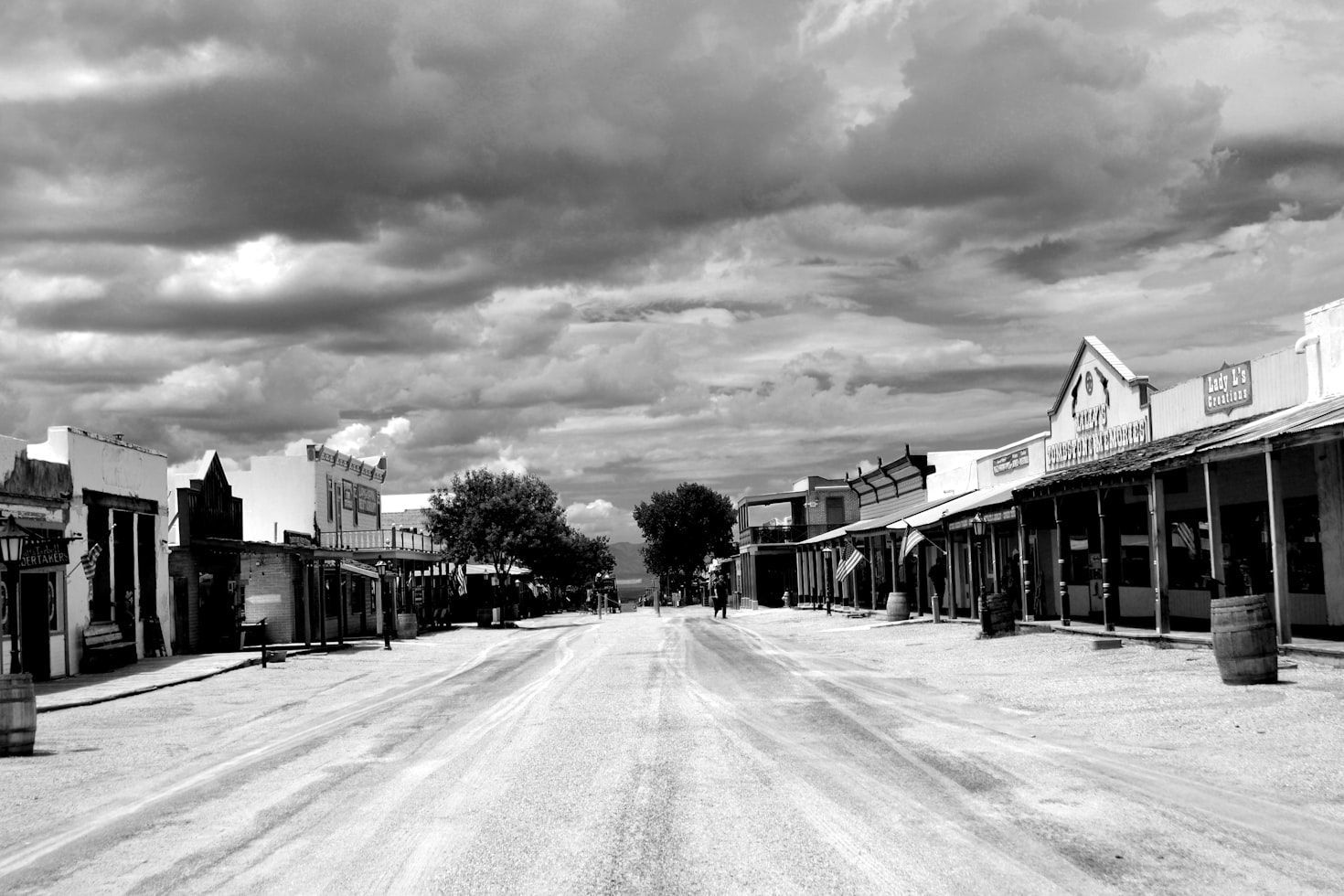
Image: Ruth Durbin

Custer, Idaho, was born from the 1870s gold rush, and later grew after a fire destroyed the nearby town of Bonanza. As mining dried up, the once-busy one-street town was abandoned, leaving behind rusted equipment and relics like a bullet-riddled poker table.

Thanks to its designation as a historic site in 1981, parts of Custer have been restored. Summer visitors can tour cabins, a schoolhouse, and the old saloon.

7
Cairo, Illinois
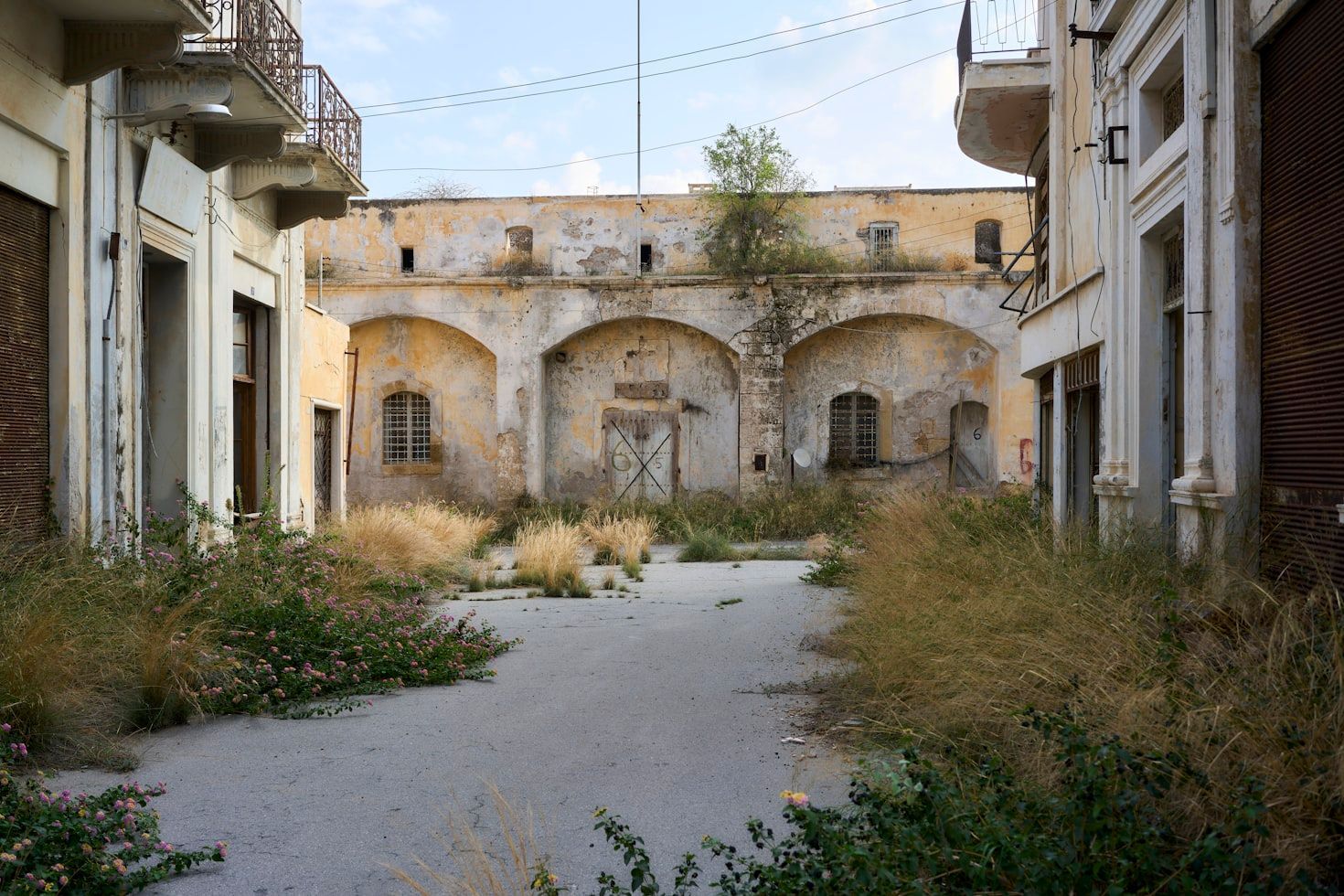
Image: Steffen Lemmerzahl

At the southern tip of Illinois, Cairo once thrived as a key port town during the steamboat era and later as a railroad hub. But as industry shifted and economic opportunities dwindled, the city entered a long period of decline.

Today, Cairo is eerily quiet. Its historic downtown is filled with crumbling buildings and boarded-up windows , and decay is spreading into nearby neighborhoods.

8
Knightridge Space Observatory, Indiana
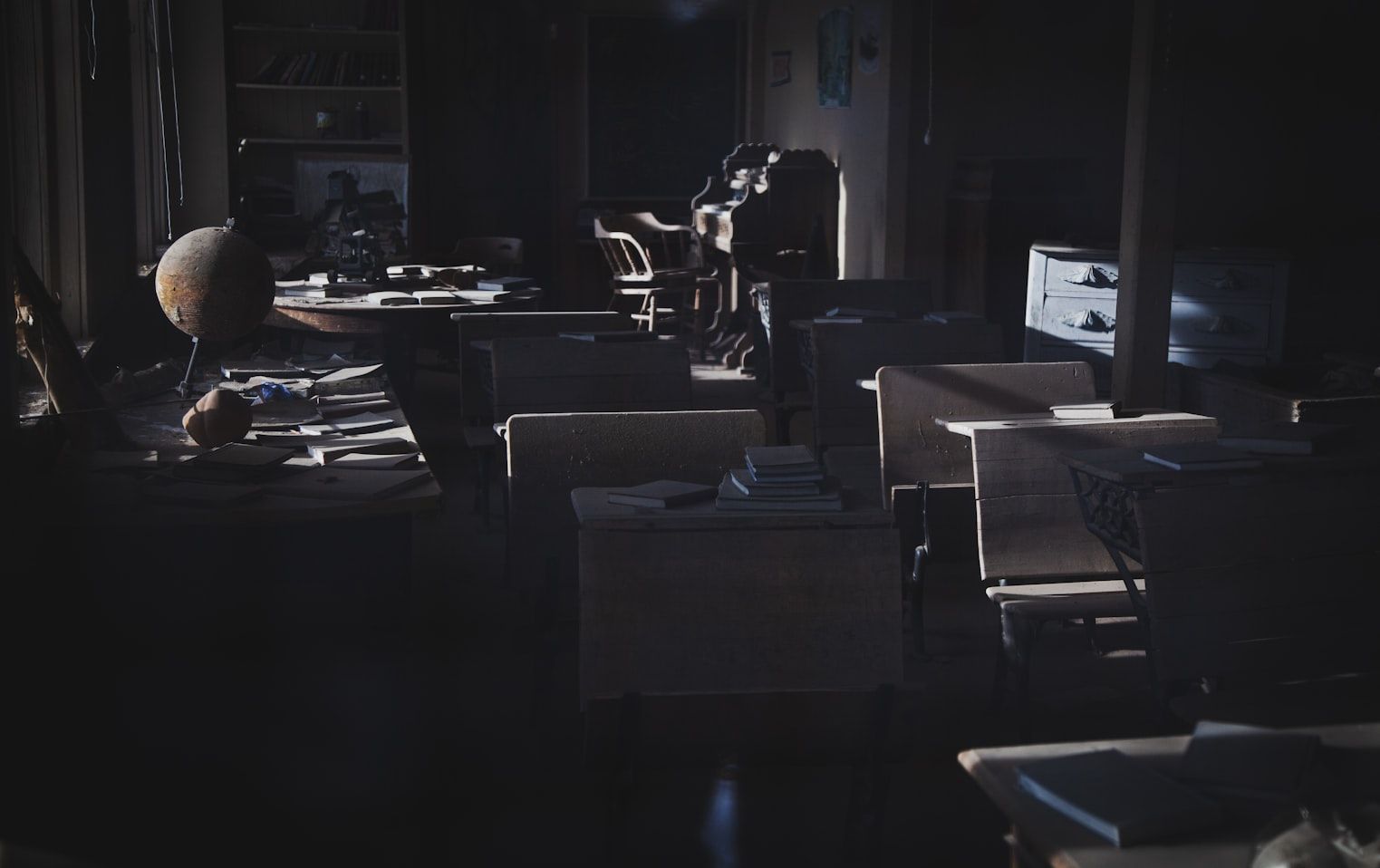
Image: Daniel Gregoire

Hidden in the woods near Bloomington, Indiana, the Knightridge Space Observatory was built in the 1930s for early astronomers . Its wooden dome once held a four-ton telescope, but city growth and light pollution made it obsolete.

Abandoned since the 1960s, the building was left to decay, with its dome rusted shut, the floors unstable, and the telescope relocated. It has since been demolished due to safety concerns.

9
Waverly Hills Sanatorium, Kentucky
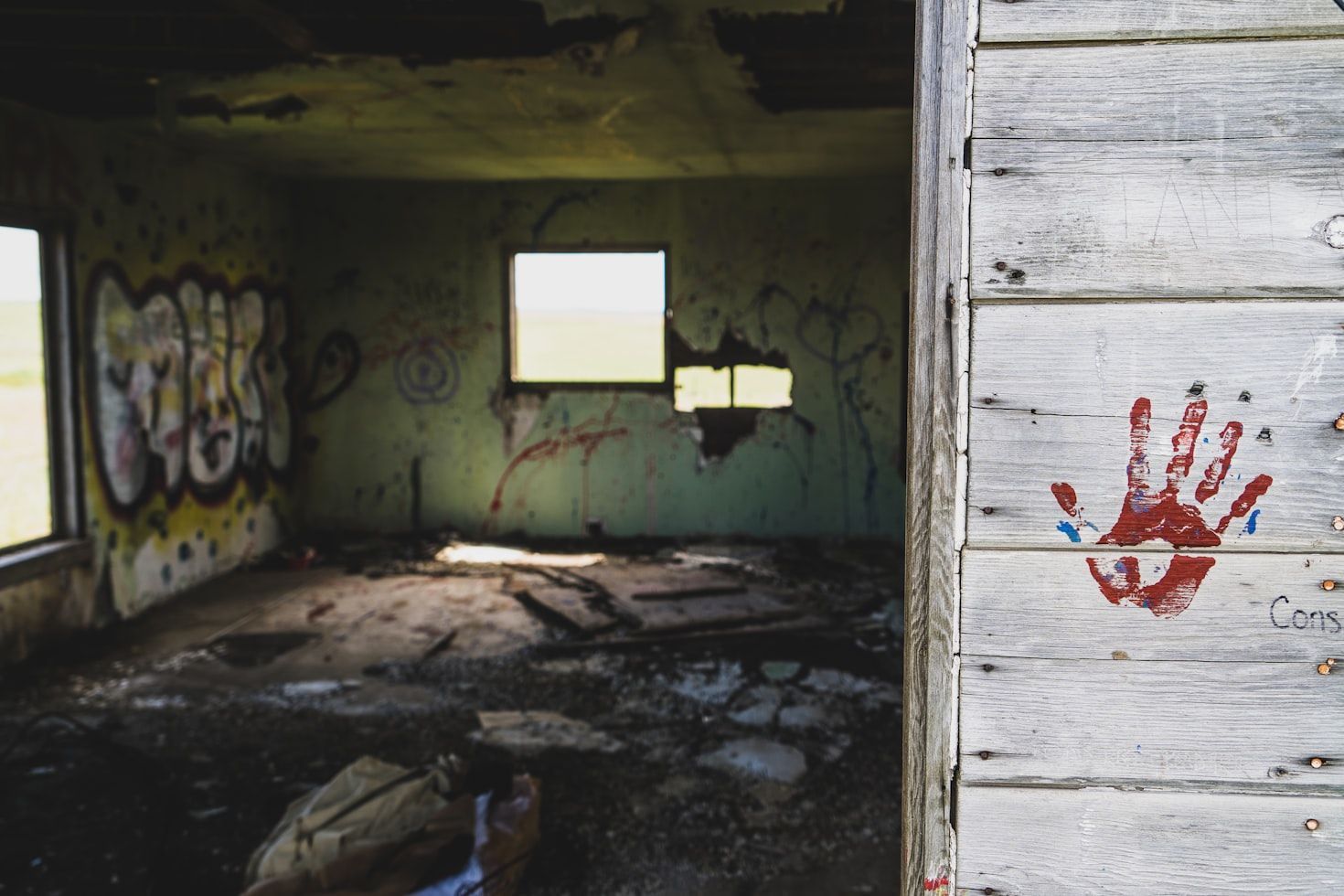
Image: Dan Meyers

Waverly Hills Sanatorium opened in the early 1900s to treat tuberculosis patients with rest, fresh air, and isolation . As the epidemic grew, the facility expanded to hold hundreds of patients, including children.

After closing in 1961, it became a nursing home but was shut down in 1982. Today, Waverly Hills is famous as a haunted attraction, drawing ghost hunters and tourists from around the world.

10
Jazzland, Louisiana

Image: Dmitry Lakhno

Jazzland was a theme park in New Orleans that opened in 2000. After major investments, it reopened in 2003 as Six Flags New Orleans. Following Hurricane Katrina in 2005, the park was submerged, with murky floodwaters destroying roughly 80% of the property. Rides were wrecked, stands overturned, and only the Batman coaster survived on higher ground .

Deemed too costly to repair, the park was abandoned and now draws curious urban explorers.

11
St. Mary's College, Maryland
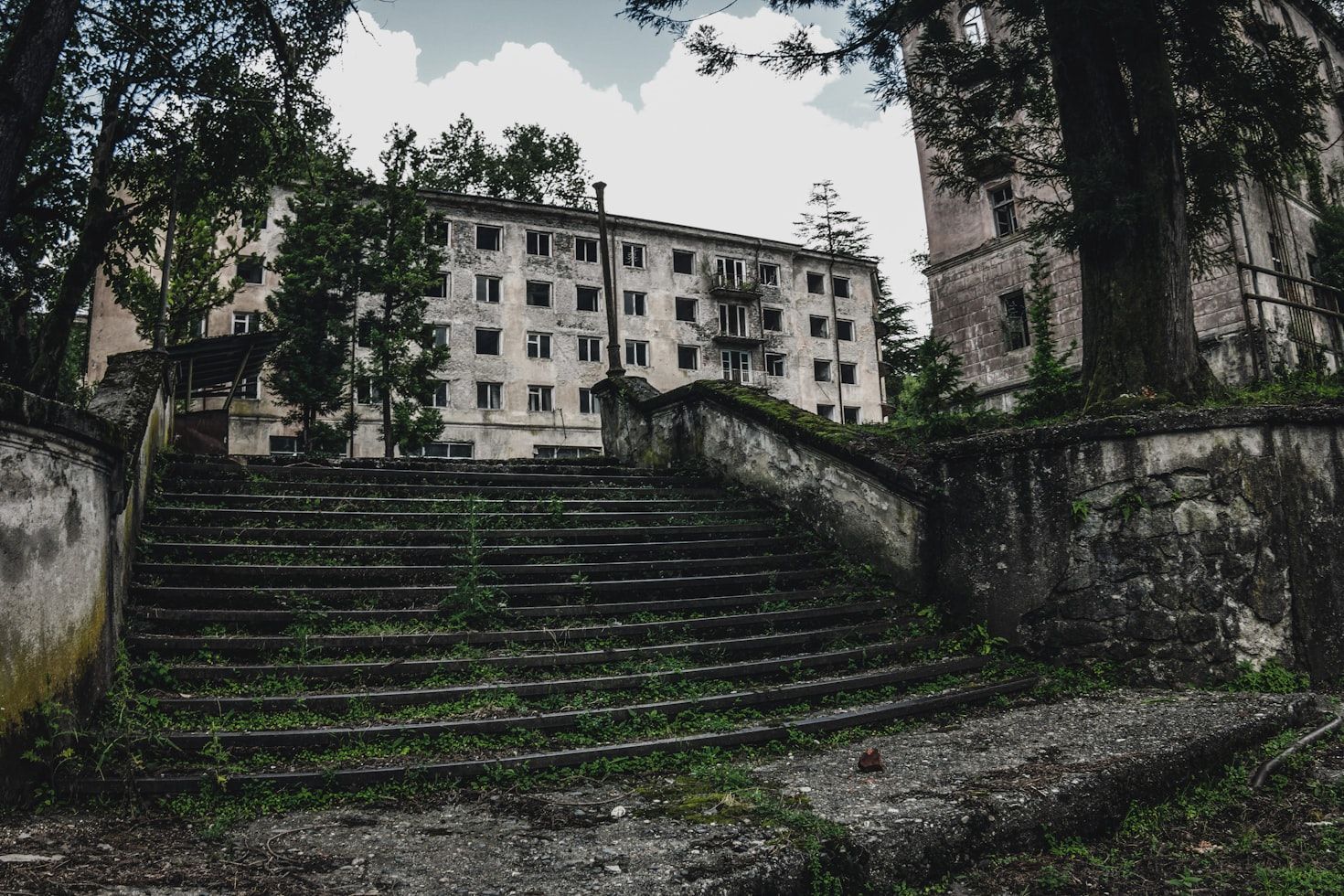
Image: Pavel Neznanov

Built in 1868, St. Mary’s College trained young men for the priesthood until declining enrollment forced its closure in 1972. The abandoned campus, soon nicknamed "Hell House," became a hotspot for ghost stories, local legends, and thrill-seekers.

12
Yellow Creek Nuclear Power Plant, Mississippi
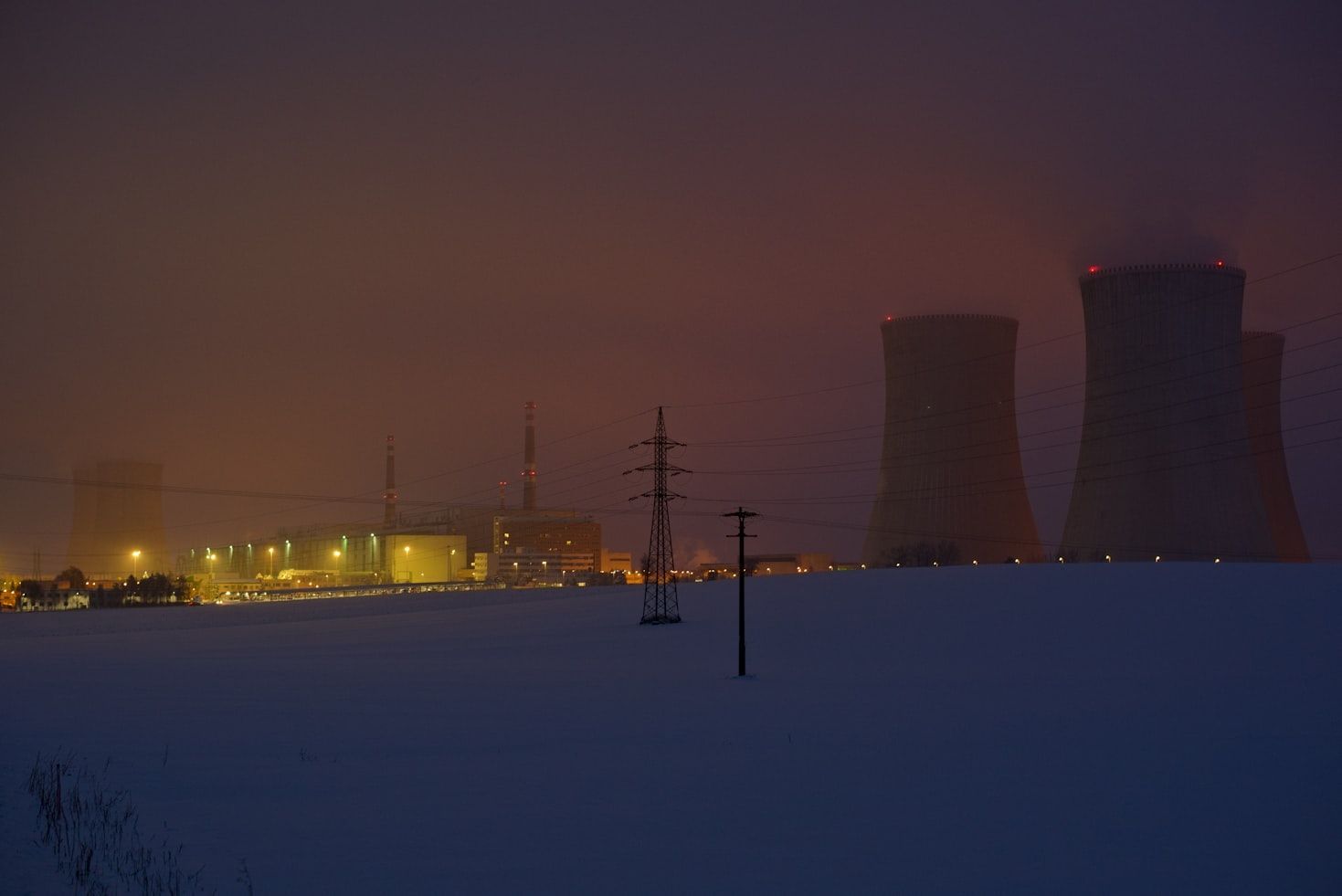
Image: Lukáš Lehotský

Yellow Creek was one of 17 nuclear plants planned by the Tennessee Valley Authority (TVA) in the late 1970s, but construction was halted before completion. The cooling tower base and nearby processing building were left abandoned .

Originally intended to process nuclear fuel components, the site now stands as a vast, unfinished shell.

Geography Geography 3 min read

Hidden country

10 places in America that still baffle scientists (and tourists love)

Image: JaZmi

America has no shortage of mysterious places—locations steeped in legend, unexplained science, or just eerie natural beauty. From strange floating orbs to weird geological phenomena, these destinations keep historians, scientists, and thrill-seekers guessing. Whether man-made or naturally puzzling, these 10 U.S. locations refuse to offer simple explanations.

1
Area 51

Image: Michael Herren

Location: Nevada

Shrouded in secrecy, this military base has become synonymous with UFOs and government cover-ups. Its official purpose was testing aircraft like the U-2 spy plane and Stealth Bomber, but its classified nature fueled decades of wild speculation, ranging from secret weapons to actual aliens working for the government.

2
Coral Castle

Image: Audric Wonkam

Location: Florida

This massive stone structure was built by a single man, Edward Leedskalnin, using enormous limestone blocks—some weighing 30 tons. According to him, no heavy machinery was ever used during the construction, and he even claimed to know the secrets of the pyramids . To this day, engineers and historians debate how he moved and placed those stones with such precision.

3
Skinwalker Ranch

Image: Jacob Padilla

Location: Utah

This 512-acre property has long been at the center of UFO sightings, cattle mutilations , and alleged portals to other dimensions. The stories were so compelling that, in the ’90s, a private research organization purchased the ranch to try and make some scientific sense of the claims, conducting extensive field studies. However, after nearly a decade of research, they found no conclusive evidence.

4
Mammoth Cave

Image: Ksenia Kudelkina

Location: Kentucky

The world’s longest known cave system has its fair share of unexplored tunnels, ghost stories, and strange air currents. More than 400 miles have been mapped , yet many passages remain uncharted. Researchers have yet to fully understand the cave’s underground ecosystem, and new chambers are still being discovered today.

5
The Marfa Lights

Image: Alexandra Vo

Location: Texas

Reported since at least the late 19th century, floating orbs of light have been seen near this small town with no consistent explanation. Night watchers continue to gather at designated viewing areas along Highway 90, hoping for a glimpse. While scientific studies suggest that distorted car headlights are the most likely cause, many remain convinced otherwise.

6
The Devil’s Kettle

Image: Andrew Ling

Location: Minnesota

This unusual waterfall splits in two—one half flows normally, while the other vanishes into a deep pothole with no known exit. Scientists poured dye, ping-pong balls, and even GPS trackers into the mysterious hole, all to see where the water ends up. While researchers eventually confirmed it rejoins the river underground, exactly how and where remained elusive for decades.

7
Cahokia Mounds

Image: pcrm Dorego

Location: Illinois

Built centuries before Columbus arrived in the Americas, the ancient city of Cahokia featured massive earthen mounds, wooden palisades, and likely formed part of complex trade networks across the continent. Despite having a population rivaling London in the 1200s, according to archaeologists, the city was mysteriously abandoned in the span of a few years. No written records explain its decline, though environmental stress, resource shortages, and internal social factors are often cited as possible causes.

8
Blythe Intaglios

Image: Alexander Schimmeck

Location: California

Similar to Peru’s Nazca Lines, these giant geoglyphs are etched into the desert floor, seemingly visible only from the sky. Created by scraping away dark rocks to reveal lighter earth beneath, the figures are believed to be between 450 and 2,000 years old, depending on the specific design. While their exact purpose remains a mystery, they are believed to have had a ceremonial function.

9
The Spooklight

Image: Ben Griffiths

Location: Missouri-Oklahoma Border

Also known as the Hornet Spooklight, this floating orb has been seen since at least the late 19th century. It appears along a rural stretch of road near the small community of Hornet, Missouri, and Quapaw, Oklahoma. While some theorize it could be caused by car lights from miles away, some sightings predate automobiles.

10
Roanoke Island

Image: Stephen Crane

Location: North Carolina

In the 1580s, an entire colony vanished overnight, leaving behind only the word "Croatoan" carved into a tree. No graves, no remains—just an eerie disappearance that sparked centuries of theories, from disease and starvation to assimilation with local tribes. Modern archaeology uncovered European artifacts at sites associated with Native groups miles away, but no definitive evidence has ever solved the mystery.

Geography Geography 4 min read

Behind tall faces

You know about the secret room in Mt. Rushmore. Did you know these facts?

Image: Jake Leonard

What famous woman’s face almost became the fifth face on Mount Rushmore? Did the sculptor Gutzon Borglum really intend to just carve out the heads? Why is the mount named that, and not Borglum? The answers to these questions are some lesser-known facts about one of the most famous landmarks and sights in our country. Let’s dive into these stories!

1
The original plan included full-body figures

Image: Thomas Shockey

Mount Rushmore was supposed to be even more colossal than it already is. Sculptor Gutzon Borglum envisioned the four presidents carved from the waist up .

He even made plaster models showing Abraham Lincoln's coat folds and Teddy Roosevelt’s hand clutching his lapel. But as costs went up, Congress said: "heads only, please."

2
Charles Rushmore was just a curious New Yorker

Image: Maarten van den Heuvel

Back in 1925, when the mount was about to be carved into a monument, Charles Rushmore wrote a letter explaining why the peak bore his name. He recalled that in the 1880s he was a young New Yorker working in the area, and fell fond of that particular granite peak .

When he asked the locals about it, they informed him that it had no name, but that if he wished so, they would just start calling it Rushmore Peak, or Mount Rushmore, or the likes. Years later, that very name had been inscribed in the public domain to designate the peak.

3
Yes, there’s a hidden room behind Lincoln’s head

Image: Laura Nyhuis

Behind Abraham Lincoln’s hairline lies a hidden chamber, part of Borglum’s lofty idea for a "Hall of Records." This room was meant to house foundational American documents like the Constitution or the Declaration of Independence.

Instead of that, in 1998, a titanium box was placed inside, filled with copies of important documents and biographies, as a time capsule to preserve the treasure of knowledge for future generations.

4
Thomas Jefferson was moved

Image: Dave Baraloto

Jefferson was originally supposed to go to Washington’s right, but after 18 months of chiseling , the granite betrayed them. Cracks and flaws made the site unworkable.

Borglum made the painful decision to blast Jefferson’s half-formed face clean off and start anew on Washington’s left.

5
The mountain was almost a monument to western heroes

Image: Timberly Hawkins

Before presidents took over, the mountain was pitched as a giant tribute to the Wild West . South Dakota historian Doane Robinson wanted to see frontier legends like Lewis & Clark carved into the Black Hills.

But when Borglum came aboard, he had a grander (and more politically bankable) idea: four presidents to symbolize national unity and expansion.

6
A woman’s face was almost added

Image: Tom Fournier

In the 1930s, there was serious talk of honoring Susan B. Anthony alongside the Founding Fathers, as a nod to the women’s suffrage movement.

Borglum wasn’t opposed to the idea, but Congress quickly nixed it, stating that only U.S. presidents could be included.

7
The workers were mostly local miners and loggers

Image: Pixabay

They were neither sculptors nor artists. Most of the workforce came from nearby Keystone, South Dakota: miners, loggers, and hard-up laborers looking for work during the Great Depression.

Borglum trained them himself. There were no safety harnesses, and yet, remarkably, no one died on the job.

8
Dynamite did 90% of the work

Image: Alexander Paramonov

To carve the faces of Washington, Jefferson, Roosevelt, and Lincoln, workers used carefully timed dynamite blasts to remove over 450,000 tons of rock. They got so precise, they could blast within inches of where the final surface would be.

The last details, like wrinkles, pupils, or Roosevelt’s glasses, were done with jackhammers and chisels.

9
The noses are disproportionate

Image: Dudubangbang Travel

Standing in front of the mountain, the faces seem alright. But that’s a trick of perspective. Each presidential nose is a whopping 20 feet long .

If the sculptures had included full bodies as planned, each figure would have stood 465 feet tall. That’s taller than the Statue of Liberty and most downtown skyscrapers.

10
Teddy Roosevelt was the most controversial pick

Image: Dudubangbang Travel

Washington, of course. Jefferson, made sense. Lincoln, sure. And Teddy? Some critics raised their eyebrows at Borglum’s fourth choice. Roosevelt had only recently passed away in 1919, and many questioned whether he'd stood the test of time.

But Borglum defended the decision Roosevelt’s role in breaking up monopolies, conserving national parks, and engineering the Panama Canal. Plus, Borglum had met him personally and was a fan.

11
It was supposed to have inscriptions

Image: Dan Pick

Borglum had grander plans than just four giant heads. He wanted to carve a massive inscription next to them, a timeline of America’s most important milestones , chiseled straight into the mountain. In time, the idea was scrapped for practical and aesthetic reasons.

12
The visionary died before completion

Image: Lisa Reichenstein

Gutzon Borglum, the visionary behind it all, didn’t live to see his masterpiece finished. He died in March 1941, just as the construction was reaching its end. His son, Lincoln Borglum (yes, named after that Lincoln), took over the project.

Still, with WWII drawing resources elsewhere, funding was slashed, and Lincoln had to wrap things up quickly . Some features, like Lincoln’s ear, were never fully detailed.

Explore more American facts

Choose your favorite category!

General
General

As American as apple pie—the very best America has to offer!

Culture
Culture

Delve into the astounding richness of American lore.

Geography
Geography

Hop in and explore vast and diverse American landscapes.

History
History

Discover the key moments that shaped the United States.