General General 4 min read

Lines that stuck

Which brand first said "Just Do It"? How many slogans can you recognize?

Image: Justcreativestock

We might forget many things, but some songs and brand slogans have been living in our brains for years, completely rent-free! From the iconic "Just Do It" to the catchy "I'm Lovin' It," today, we're celebrating these 6 slogans that definitely stood the test of time. Can you match each one to its brand?

1
Just Do it

Image: Peter Aroner

This sportswear brand has been supporting top athletes for many, many years. It was founded in 1964 in the beautiful state of Oregon, though under a different name than the one it has today! Famous for its "Swoosh" logo, it started out making sports shoes, but today, it offers different kinds of apparel and products. We know you know which brand we're talking about!

2
Melts in Your Mouth, Not in Your Hands

Image: JACQUELINE BRANDWAYN

For those of us with a sweet tooth, there's one candy that checks all the boxes. It has chocolate, colorful candy, a mix of textures, and a lot of flavor!

Although still one of the most popular candies among Americans today, this brand isn't new; it was actually founded back in 1941. And here's an interesting fact: When it was created, one of the brand's main goals was to make the perfect candy for WWII soldiers! Can you guess which brand it is?

3
Breakfast of Champions

Image: engin akyurt

A good breakfast is one thing, but a breakfast of champions? That's a new level! And we all want to start the day like a champion, don't we?

This cereal brand certainly knows that, and that's why it adopted this unforgettable slogan. It was created in 1924, and since the 1930s, it has featured iconic athletes on its boxes. Guess who was the first? Lou Gehrig, The "Iron Horse" of baseball!

4
I'm Lovin' It

Image: Joyce Panda

When it comes to fast food, this brand is the first that comes to mind. Originally founded as a drive-in restaurant in 1940, it grew by leaps and bounds to become the famous brand it is today, present in more than 100 countries around the world! Both its slogan and logo are hugely recognized worldwide, and it's hard to find someone who hasn't tried something from its menu.

5
There are some things money can't buy. For everything else…

Image: Fabian Blank

This company really knew how to condense their service into a great slogan! And, in fact, they have been using it for almost 3 decades. Founded in 1966 with a different name than the one it has today, this financial services company is not only here in America but you can also find it in Europe, Asia, Africa, and Australia! What's your guess?

6
Betcha Can't Eat Just One

Image: Tim Mossholder

This brand's slogan is absolutely true! Their snack is so delicious that it's one of the most popular salty treats, not just in America but all over the world.

Surprisingly, this brand is over 90 years old! Its success is likely due not just to its iconic advertising campaigns but also to the delicious "crunch" inside every bag. Do you already know which brand we're talking about?

7
Just Do it- Nike

Image: Domino Studio

Of course! Nike has been encouraging us to "Just Do It" since 1988, when it adopted this iconic slogan, now one of the most famous in the world. With its classic athletic spirit, Nike inspires us to take action with purpose, overcome obstacles, and chase our goals.

8
Melts in Your Mouth, Not in Your Hands- M&Ms

Image: Sebastian Gómez

That's right! This iconic M&M's slogan has been around for more than 70 years, and its origin is quite interesting. As we mentioned, the brand aimed to create a candy suitable for WWII soldiers, so they came up with the genius idea of coating chocolate with a thin candy shell to keep it from melting inside the package. Just brilliant (and delicious)!

9
Breakfast of Champions- Wheaties

Image: Andrijana Bozic

With its famous slogan, Wheaties has been associating itself with sporting excellence since 1933, reinforcing this image by featuring elite athletes on each of its orange boxes. Michael Jordan, Serena Williams, and Muhammad Ali are just some of the great competitors that have been on the cover.

10
I'm Lovin' It- McDonald's

Image: Brett Jordan

Of course you knew it! "I'm Lovin' It" is the legendary and unmistakable slogan of the Golden Arches: McDonald's . Though it feels like it's been around forever, it's actually relatively young! Introduced in 2003 , it debuted alongside a catchy jingle that you probably still have stuck in your head.

11
There are some things that money can't buy; for everything else, there's Mastercard

Image: Markus Winkler

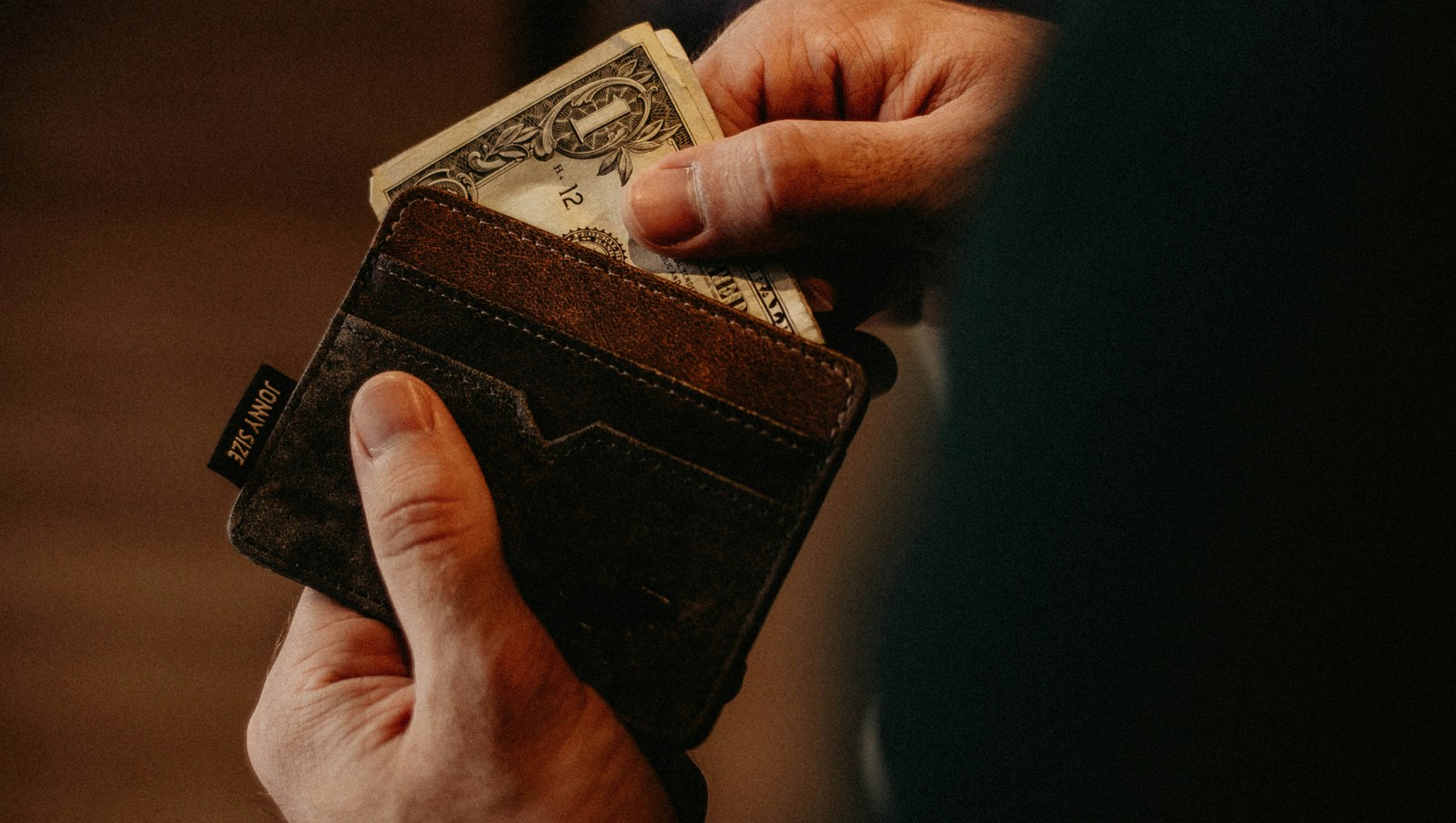
Mastercard's "Priceless" campaign is one of the most successful advertising initiatives worldwide. Focusing on customers' feelings, it highlights the emotional value of things money can't buy, like love and happiness. But it also drives home a key point: for everything that does require money, there's a Mastercard to make it possible.

12
Betcha Can't Eat Just One- Lay's

Image: Mustafa Bashari

If you're craving a tasty snack, Lay's is probably one of the first brands that comes to mind. Known for being one of the most famous potato chip brands, they really know how to tempt us. That's why they rightly say, "Betcha Can't Eat Just One." At least, we definitely can't!

General General 3 min read

Not everything has instructions

You were doing it wrong: Discover 12 things with unexpected uses

Image: Polina Zimmerman

Most of the things we use daily don’t require instructions to be operated successfully. Many others, we learn to use by watching other people. But in this instruction-less environment, some not-so-obvious possibilities are often overlooked. Do you know what the bumps on the F and J keys are for? Or what that extra piece of fabric that comes with some clothes is meant for? Read on to find out!

1
Tin can tab holes

Image: frame harirak

The tab on a tin can, which we use to open it, has two holes—one smaller than the other. If you turn the tab around and place the smaller hole over the can’s opening, you can slide a straw through it , keeping it in place.

2
F and J bumps on keyboards

Image: Jan Loyde Cabrera

Have you ever noticed the small bumps on the F and J keys of every computer keyboard? These bumps are tactile information that lets you know where your fingers are placed on the keyboard without having to look at them.

3
Pasta scoop holes

Image: María Sainz Cabezalí

Most people think the hole in the middle of a pasta scoop is just a strainer for draining excess water. While it does serve that purpose, it is actually designed to measure a single serving of spaghetti .

4
Oven under drawer

Image: Andrea Davis

The drawer beneath an oven is designed to keep food warm without cooking it further. In some models, it functions as a broiler drawer , it can be used for grating cheese. A heating element above the drawer allows for high-heat cooking.

5
Extra fabric

Image: PlanetCare

Some clothing items come with a small piece of extra fabric, matching the garment's material. This fabric isn’t meant as a patch for repairs but rather for testing in the washing machine , allowing you to check how it reacts to different wash cycles before laundering the entire garment.

6
Pan handle hole

Image: Mara Conan Design

The hole at the end of most pan handles is designed to hold a wooden spoon , preventing messes on the kitchen counter. Simply slide the handle of the wooden spoon into the hole, letting the spoon rest over the pan when not in use.

7
Toaster crumb tray

Image: Daniel Salgado

Hidden away at the bottom of your toaster’s side is a small removable tray designed to catch and collect crumbs . You can slide it out to dispose of the crumbs and slide it back in for easy cleanup.

8
Marker on laundry detergent’s bottle cap

Image: Julianna Arjes

Most people who do laundry know that the bottle cap on laundry detergent is used to pour the liquid into the washing machine. However, not everyone notices that these caps have markings inside to measure the correct amount of detergent for a single wash cycle.

9
Utility knife blade replacement

Image: ds_30

When your utility knife blade starts to show signs of wear, you can break off the end segment to reveal a fresh, sharp edge . To do this, remove the detachable plastic piece from the back of the knife. This piece has a small slot where you can insert the blade’s end segment and snap it off safely. Once done, simply reattach the plastic piece, and your knife is ready to use again.

10
Color thread on wheel tire

Image: Jaye Haych

Many tire manufacturers embed colored threads near the outer edge of tires to indicate when they need to be replaced. These thread lines help measure tread depth . When the tread wears down to the level of these colored lines, it signals that the tire is approaching the end of its usable life and may need to be replaced.

11
Pint glass bulge

Image: tito pixel

If you've ever wondered what the bulging part on the sides of a pint glass is for—besides aesthetics—the answer can be found in bars and pubs everywhere. When glasses are stacked, they can sometimes get stuck together . However, pint glasses with a bulging design prevent this from happening .

12
Tic Tac dispenser

Image: jarmoluk

Tic Tac containers have an oval-shaped indentation in the lid, where a single Tic Tac can fit snuggly . This design functions as a dispenser for individual servings. Instead of shaking the container like a salt shaker, simply tilt it on its side, open the lid slowly, and a single candy will appear on it.

History History 3 min read

Homebrewed ingenuity

The weirdest things Americans once thought were great ideas

Image: Johnny Briggs

From genuine problem-solving to baffling overengineering, American inventors have produced some truly strange creations. From electric spoons to fragile glass instruments, many of these bold designs were patented, tested, or even briefly sold. Below are 10 inventions that prove innovation isn’t always a hit—even when it comes from brilliant minds.

1
The horse diaper

Image: Lucia Macedo

Designed to catch manure in crowded cities—a problem once so severe that it shaped public infrastructure as well as the entrances to houses—the horse diaper was an invention meant to be strapped beneath working horses pulling carts and carriages.

The idea was to reduce disease and street filth during the horse-powered urban era. While the device saw limited use before automobiles rapidly replaced horses, similar designs are still occasionally used in modern veterinary practice.

2
The baby cage

Image: Taylor Flowe

Built as wire cages attached to apartment windows, so-called "baby cages" allowed infants to get fresh air when outdoor space was unavailable. Some models were guaranteed to safely hold over 30 pounds.

While alarming today and ultimately abandoned due to obvious safety concerns, the designs likely inspired some of the baby-proofing nets used today.

3
The pneumatic subway

Image: Eddi Aguirre

In the late 1860s, American entrepreneur and inventor Alfred Ely Beach set out to prove the feasibility of a human-sized pneumatic subway system beneath New York City, capable of moving both people and cargo using nothing more than air pressure.

The prototype was set up as a public attraction and carried passengers along a tunnel just over 300 feet long, from a station to a dead end. Despite its initial success, bureaucratic obstacles and high costs halted expansion, leaving it as a functional but largely forgotten underground experiment.

4
The mechanical horse

Image: Gabriel Tovar

Created for exercise and riding practice, the mechanical horse used a system of gears, cranks, and pedals to simulate walking and trotting motions while the rider sat in a saddle-like seat. It was marketed to urban riders and cavalry trainees who lacked access to stables or live horses.

Though bulky and impractical for widespread use, the device anticipated modern fitness machines by replicating real-world movements for conditioning and skill retention, rather than simple repetitive exercise.

5
The first metal detector

Image: Fer Troulik

After a failed assassination attempt on President James Garfield, Alexander Graham Bell hastily built an early metal detector in an effort to locate the bullet lodged in his body. The device functioned as intended, but it was unable to find the bullet because metal bed springs interfered with the signal.

Despite this setback, Bell’s early design proved the concept and directly influenced the development of modern metal detectors.

6
The pet-powered butter churn

Image: Matt Bero

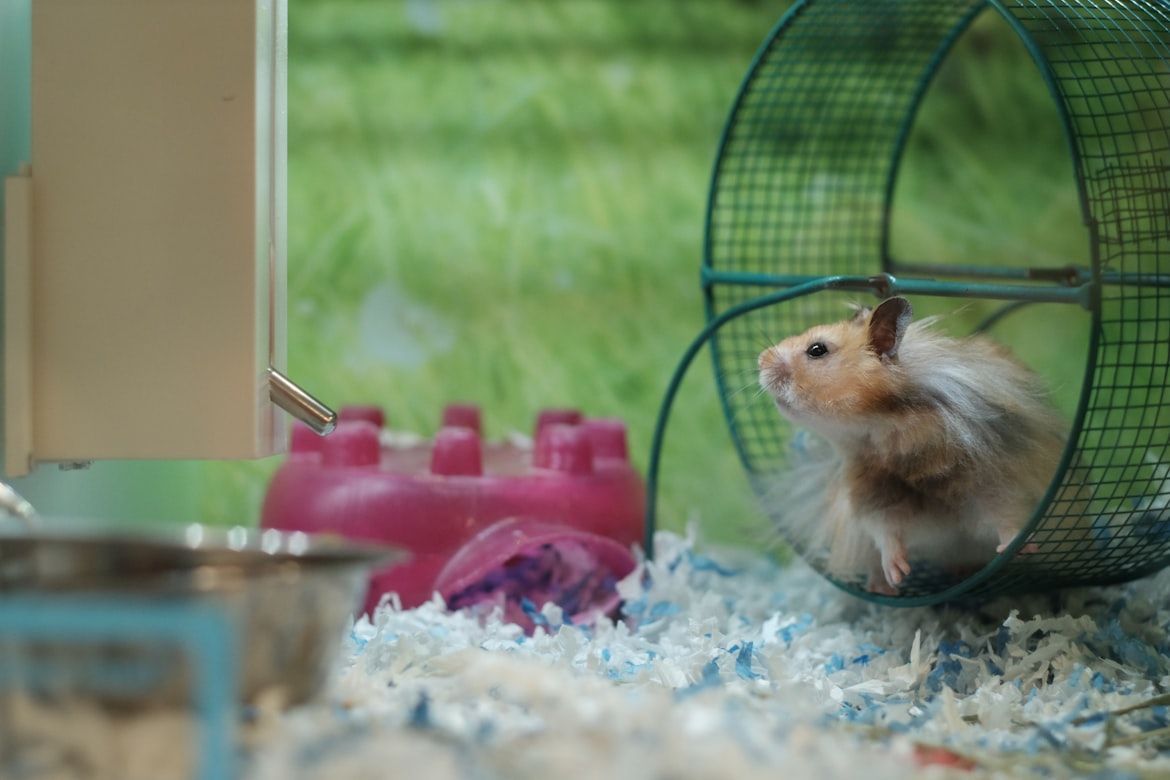
In an inventive twist on animal-powered machinery, some 19th-century American farmers rigged small treadwheels for dogs, cats, or even goats to generate kinetic energy for churning butter. The animal ran inside the wheel, turning a rope or pulley connected to the churn.

While technically functional, the system was limited by the animal's willingness to cooperate and the small amount of power it generated.

7
The umbrella hat

Image: Claudio Schwarz

Robert W. Patten, often called the "Umbrella Man," patented one of the first commercially successful hands-free umbrella hats. It strapped a small umbrella directly to the wearer’s head, providing both sun and rain protection while keeping the hands free for work or walking.

His original design even included a mosquito net attached to the canopy. Patten didn’t enjoy much commercial success but became somewhat of an eccentric and comical popular figure, partly due to a series of comics that were inspired by his unusual invention.

8
The one-wheel motorcycle

Image: CJ Toscano

In 1971, American inventor Kerry McLean built and refined a monowheel—a one‑wheeled motorized vehicle in which the rider and engine sit inside the wheel’s circumference.

Since then, various attempts have been made to build on his original design, but it remains a niche vehicle used primarily for entertainment rather than practicality, as riders must be highly skilled simply to turn or even stay upright.

9
The first talking doll

Image: Holly Ward

In 1890, Thomas Edison embedded miniature versions of one of his most popular inventions —the phonograph—inside dolls so they could recite nursery rhymes.

While the idea was innovative, the technology was not yet there. The recordings were fragile, distorted, and often failed to work properly. The dolls were pulled from the market within weeks due to customer complaints, making it one of Edison’s rare commercial failures.

10
The glass harmonica

Image: Francesco Bovolin

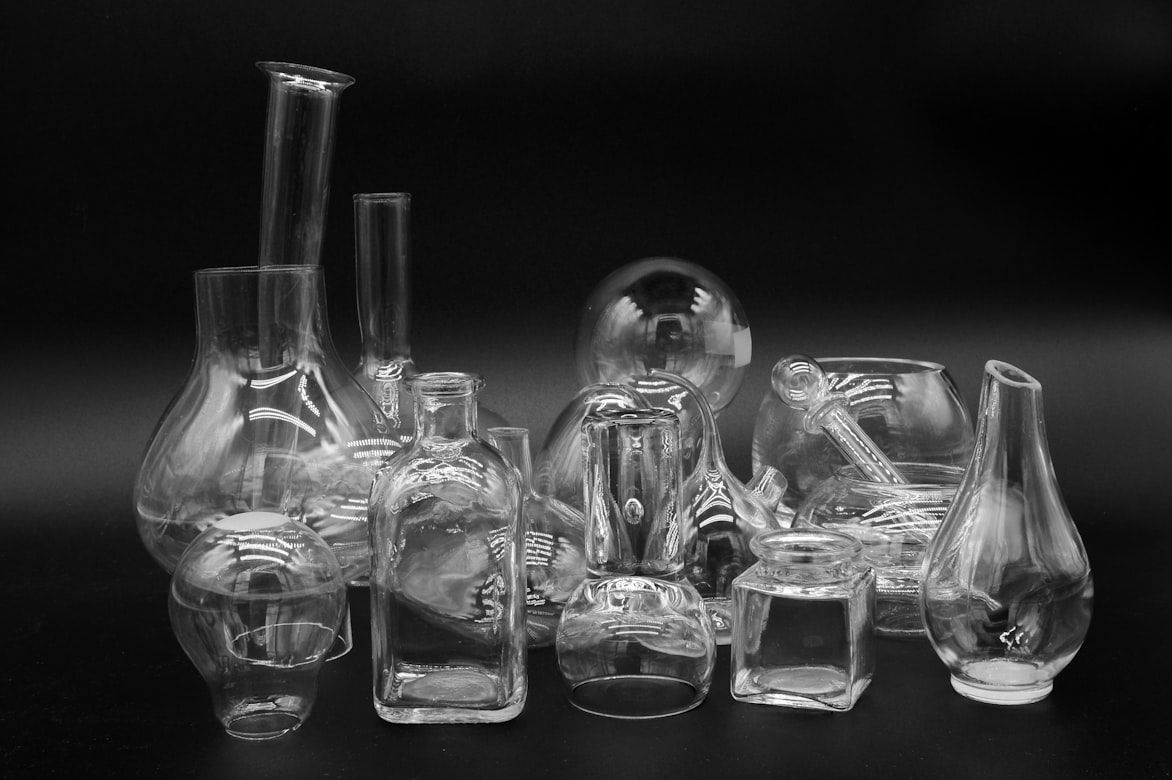
Faithful to his eccentricity and inventive spirit, Benjamin Franklin redesigned the existing glass harp into a rotating spindle of glass bowls, played by touching the spinning rims with wet fingers, which he called the "glass harmonica."

The instrument produced eerie, sustained tones unlike anything else of its era. However, its fragile nature made it somewhat impractical, and the rotating mechanism posed a potential danger to the player if anything went wrong.

Explore more American facts

Choose your favorite category!

General
General

As American as apple pie—the very best America has to offer!

Culture
Culture

Delve into the astounding richness of American lore.

Geography
Geography

Hop in and explore vast and diverse American landscapes.

History
History

Discover the key moments that shaped the United States.