Culture Culture 5 min read

TIMELESS FILMS

Howdy, Partner! Do You Know These 10 Iconic Westerns?

Image: JosephHershMedia

Is the Western the quintessential American movie genre? It certainly seems to be. Not only do these movies center around a fundamental time in the history of our country, but they are definitively a unique cultural product, as well as a groundbreaking contribution to the world of cinema.

We have selected ten of the most iconic Western movies that definitively left their mark in history. From John Wayne’s first roles to more recent blockbusters, we hope these films make you throw your cowboy hat to the air and yell "Yeehaw!". Enjoy!

1
The Searchers

Image: Tobias Keller

We’ll begin with what many critics believe to be the best Western ever made. Not only that: this 1956 movie is considered among the 100 best American films of all time, and it was selected for preservation in its National Film Registry in 1989. John Ford’s masterpiece truly marked a turning point in the history of the genre and influenced an entire generation of American filmmakers.

2
"The Searchers" stars John Wayne as Ethan Edwards, a Civil War veteran who searches for his abducted niece all throughout Texas and New Mexico. The gorgeous shots in Technicolor (a huge leap at the time) helped cement this Western as a completely revolutionary film.

3
The Good, the Bad and the Ugly

Image: Scott Warman

The archetypical example of the subgenre known as "Spaghetti Western", this 1966 Sergio Leone film tells the story of three gunslingers competing to find a hidden treasure amid the chaos of the Civil War. The three characters’ personalities are more than the traits described in the film’s title: "The Good", Clint Eastwood’s character, is definitively more of an antihero than a regular protagonist.

Considered by many to be Leone’s masterpiece, "The Good, the Bad and the Ugly" is a tension-filled, thrilling experience , and credited with launching an American icon like Eastwood to stardom.

4
The Quick and the Dead

Image: Taylor Brandon

Few Westerns feature female gunslingers , so let’s take a second to showcase an excellent example. The 1995 movie "The Quick and the Dead" tells the story of "The Lady", an unnamed gunfighter who enters a deadly tournament to face off against an outlaw-turned-mayor named Gerrod, played by the iconic Gene Hackman.

Sharon Stone plays an extremely compelling protagonist, driven only by the desire to avenge the death of her father. The film features a star-filled cast , including Russel Crowe, Keith David, and then-newcomer Leonardo Di Caprio.

5
True Grit

Image: Taylor Brandon

Sharon Stone’s "The Lady" is not the only strong female lead on this list. Granted, the character of Mattie Ross in the 1969 classic "True Grit" is only a young girl, but don’t be fooled by her age: Mattie is a strong and determined character, hell-bent on apprehending the man responsible for her family’s death.

"True Grit" is also responsible for bringing us one of the most amazing cowboys ever portrayed on film. John Wayne’s legendary depiction of U.S. Marshal Rooster Cogburn earned him a well-deserved Oscar.

6
Stagecoach

Image: Maddy Weiss

Considering our entry on "The Searchers", it probably won’t surprise you to learn that John Ford’s contributions to Westerns are incommensurable. In that sense, considering his 1939 film "Stagecoach" as anything other than groundbreaking would be a massive disservice to the entire genre.

This movie’s revolutionary shots and character development helped the film industry take a huge leap forward. Not only that, this movie stars John Wayne in his breakthrough role.

7
The Treasure of the Sierra Madre

Image: Stefan Münz

Legendary actor Humphrey Bogart is not particularly remembered as a Western actor: In fact, he only starred in two movies of the genre. However, the 1948 film "The Treasure of the Sierra Madre", which stars Bogart as drifter Fred C. Dobbs, is considered an absolute Western treasure (no pun intended) and was selected for preservation by the Library of Congress.

The film focuses on Dobbs and fellow drifter Bob Curtin, played by Tim Holt who, along with an old prospector, try to make a living searching for gold in Mexico.

8
The Man Who Shot Liberty Valance

Image: Luis Domenech

The 1962 film "The Man Who Shot Liberty Valance" begins with the funeral of a seemingly unimportant cowboy named Tom Doniphon which is attended by a powerful and influential U.S. senator. What follows is the retelling of an unusual friendship between two men, and their unyielding fight for justice.

This film holds the honor of being the very first film that starred both John Wayne and James Stewart. Under the direction of John Ford, these two acting juggernauts truly gave an unforgettable performance.

9
Butch Cassidy and the Sundance Kid

Image: JosephHershMedia

Nowadays, the subgenre of a buddy film seems almost exclusively reserved for cop movies: Think about movies like "Lethal Weapon" or "Bad Boys". However, the 1969 Western "Butch Cassidy and the Sundance Kid" is an outstanding addition to the buddy film subgenre, since it focuses on the adventures of this iconic gunslinging duo.

The movie describes the adventures of these two train robbers, wonderfully portrayed by Robert Redford and Paul Newman, who are trying to escape the law and flee to South America. It was awarded for Oscars, including "Best Story" and "Best Cinematography".

10
Unforgiven

Image: Karsten Winegeart

Besides avenging a loved one or escaping a corrupt sheriff, another powerful staple of the Western genre is the repentant outlaw trying to make amends with his past. In that sense, Clint Eastwood’s 1992 film "Unforgiven" combines both classic elements of the genre, while still providing a refreshing and innovative perspective.

The movie tells the tale of William Munny, an aging and retired outlaw who decides to take on one last job. Portrayed by Eastwood , Munny’s adventures take him on a violent path, seeking a cruel and dangerous cowboy named "Quick Mike".

11
The Magnificent Seven

Image: Priscilla Du Preez 🇨🇦

We’ll finish this list with one of the most innovative and daring entries to the Western genre. John Sturges’ "The Magnificent Seven" is an Old West remake of a Japanese movie, Kurosawa’s "Seven Samurai". Featuring an ensemble of legendary leads like Yul Brynner and Steve McQueen (The "King of Cool" himself!), this iconic film is to this day considered one of the very best Western films of all time.

The story centers around the titular "Magnificent Seven", a group of gunfighters hired to protect a small Mexican village from a group of bandits led by Eri Wallach, another heavy-hitter of the Western genre. It received an Academy Award for Best Score, and it was included in the National Film Registry by the Library of Congress.

General General 5 min read

National monikers

Golden dreams and aloha vibes: 10 state nicknames demystified!

Image: little plant

Ever wonder why states have those quirky nicknames? They’re more than just catchy phrases—they can actually help us understand a state’s history, culture, and character. From sunny beaches to rugged mountains, these nicknames were chosen to highlight what makes each place unique. Today, we’ll take a look at 10 fascinating state monikers and discuss their origins and the stories behind them. Maybe you’re a trivia enthusiast, or maybe you just love learning something new. In any case, this fun exploration will give you a deeper appreciation for our beloved territories.

1
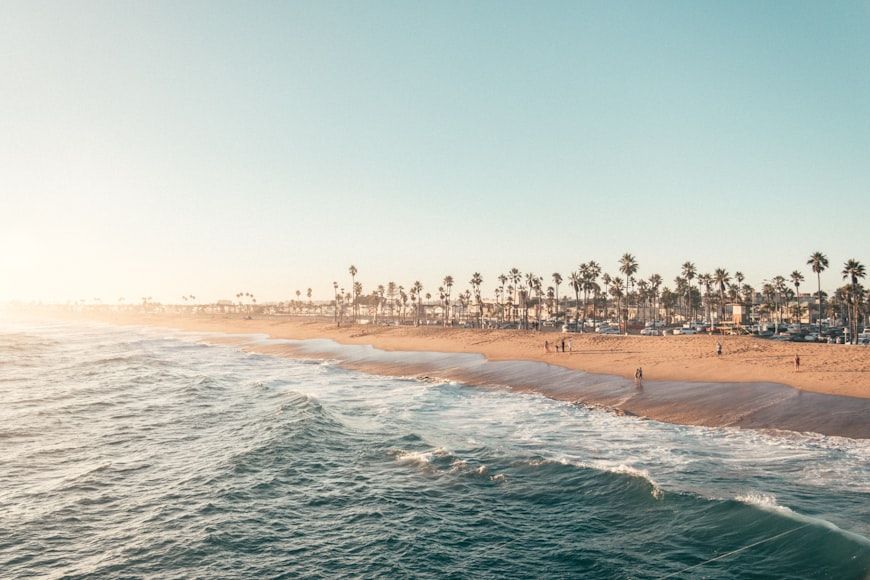
California: The Golden State

Image: Maarten van den Heuvel

If this name makes you instantly think about the Gold Rush , let us tell you, you would be going in the right direction because California’s nickname, "The Golden State," gleams with both historical and literal significance.

It harks back to the 1848 Gold Rush, which transformed the state into a bustling hub for fortune seekers. But beyond gold, the nickname also refers to the Golden Gate, the entrance to San Francisco Bay. Additionally, the state’s flower, the golden poppy, is another nod to this iconic moniker. The nickname is more than accurate—wherever you look, California’s golden legacy keeps sparkling.

2
Connecticut: The Nutmeg State

Image: Christopher Luther

This may be one small state, but it sure has a lot of nicknames. The official one is "The Constitution State," but you’ve likely also heard of "The Nutmeg State." So why nutmeg for Connecticut? It’s not about farming—it’s a nod to the cleverness of its residents during colonial times.

The tale goes that traders from Connecticut sold carved wooden nutmegs as a joke, showcasing their wit and entrepreneurial spirit. While historians debate the truth of the story, the nickname stuck unofficially.

Want to know the other nicknames? They are "The Blue Law State" and "The Provisions State." So if you had to pick, which one is your favorite?

3
Delaware: The Diamond State

Image: Josefina Lacroze

Delaware might be small, but its nickname, "The Diamond State," reflects its value. Similar to Connecticut, it also holds several nicknames. Now, as for the one mentioned here, the legend credits Thomas Jefferson with calling Delaware a "jewel" among states due to its strategic location and resources.

As the first state to ratify the Constitution (which earned it the nickname "The First State"), Delaware is a gem in America’s founding story. Though tiny, it punches above its weight with its rich history, tax-friendly laws, and scenic beauty. It’s proof that great things come in small packages, you know?

4
Florida: The Sunshine State

Image: Betty Subrizi

"The Sunshine State" was officially designated as Florida’s nickname in 1970, but doesn’t it feel like it’s been that way forever? If Florida’s nickname doesn’t make you want to pack your beach bag , nothing will!

Known for its abundant sunshine, the state is a top destination for snowbirds and sun-seekers alike. Its warm weather supports everything from sprawling orange groves to its famous beaches. But Florida’s not just about sunny skies—it’s also rich in diverse wildlife and cultural vibrancy. Take a swim at its beaches or explore the Everglades, whatever you choose, this state’s bright reputation is well-earned.

5
Hawaii: The Aloha State

Image: Luke McKeown

Speaking of dreamy beaches and lots of sunshine, right? Hawaii’s nickname radiates warmth, just like its famous greeting, "Aloha."

But it’s so much more than that. Aloha embodies love, peace, and a deep connection to nature. It was even defined by the legislature as the Hawaiian philosophy that focuses on the collective experiences people have.

From lush landscapes to welcoming locals, the Aloha spirit defines Hawaii’s identity. Visitors leave with more than tan lines—they carry a piece of Hawaii’s enduring kindness and hospitality. They certainly had us at Aloha !

6
Mississippi: The Magnolia State

Image: Annie Spratt

Some states choose to honor legends, some honor their place in history, but Mississippi chose to honor the one thing you can see wherever you look around the state: the Magnolia tree.

With its iconic blooms and Southern charm, "The Magnolia State" perfectly suits Mississippi. Magnolias, known for their large, fragrant flowers, thrive in the state’s warm climate and are its official state tree and flower.

Mississippi took the simple route by choosing the magnolia as a symbol, and it’s even featured in the Mississippi quarter!

7
Missouri: The Show-Me State

Image: Tianxiang Ji

Missourians are famously skeptical, and that’s what the "Show-Me State" nickname celebrates. The phrase became popular after Congressman Willard Duncan Vandiver said in 1899, "I’m from Missouri, and you’ve got to show me ." It stuck, and now it symbolizes the state’s no-nonsense, practical attitude.

Beyond the attitude, Missouri shines with its stunning Ozark mountains, historic St. Louis Arch, and rich jazz heritage. Missourians are proof that actions speak much, much louder than words.

8
New Hampshire: The Granite State

Image: Spenser Sembrat

Here’s an example of a state that chooses to honor its natural production, much like California with its gold. Granite’s strength and durability make it the perfect symbol for New Hampshire.

Its rugged mountains and quarries helped earn the nickname "The Granite State." The rock also represents the state’s independent spirit and resilient residents.

Granite was a cornerstone, quite literally, of New Hampshire’s economy, as it was used in buildings across the nation. Combine this with breathtaking fall foliage and quaint small towns, and you’ve got a state that is as solid as they come.

9
Rhode Island: The Ocean State

Image: Demure Storyteller

Remember when we mentioned that some of the smaller states above have more than one nickname? Well, despite being the smallest state, Rhode Island boasts three nicknames, but most importantly, over 400 miles of coastline, earning it the title "The Ocean State."

From sailing in Narragansett Bay to fresh seafood delights, the ocean defines its character. The nickname reflects its maritime history, including colonial shipping and today’s vibrant waterfront communities. Rhode Island addresses the elephant in the room: Life is indeed better by the sea!

10
Tennessee: The Volunteer State

Image: Susanne Alexander

Our last item in this article honors history in the best way. Tennessee’s nickname dates back to the War of 1812 when its citizens volunteered by the thousands to take an active role, especially during the Battle of New Orleans.

But that wasn’t all. The reputation continued during the Mexican-American War, solidifying its "Volunteer State" nickname. Today, Tennesseans remain proud of their volunteer spirit, as they should! From vibrant Nashville to the serene Smoky Mountains, the state offers its best to everyone who visits. That go-getter attitude is as alive as ever in this hospitable state. Go, Tennessee!

Geography Geography 4 min read

National gems of the US

Some of the US's most breathtaking national parks are the ones few visit

Image: Christopher Osten

The National Park Service reports that over 12 million people visit the Great Smoky Mountains Park every year. Be warned: it may not be the isolated haven you were looking for. If you want to visit less crowded national parks that are just as interesting and scenic, here is a list of suggestions .

1
Dry Tortugas National Park, Florida

Image: U.S. National Park Service, Public domain, via Wikimedia Commons

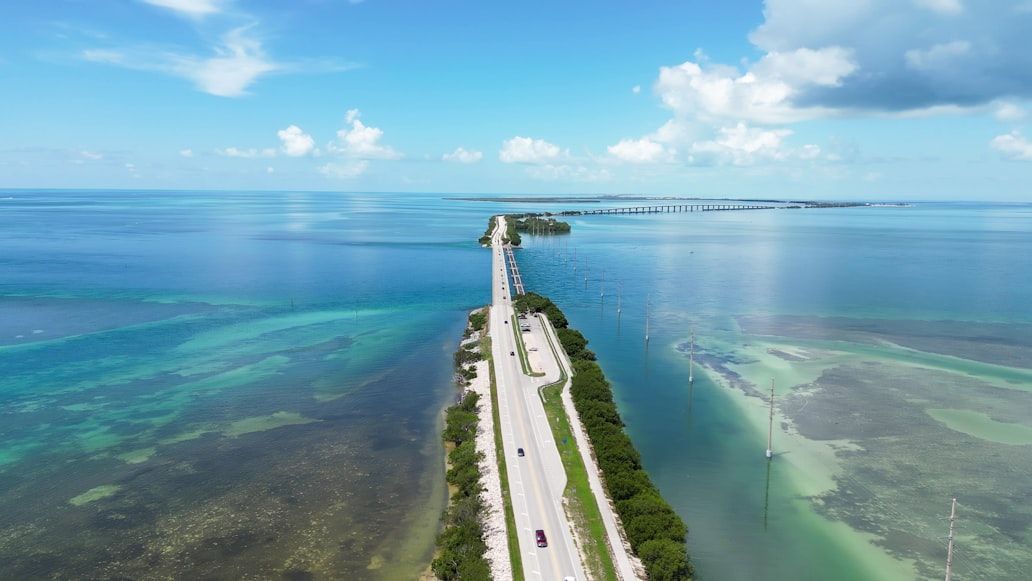
Located about 70 miles west of Key West, Dry Tortugas National Park is one of the most isolated national parks in the country , accessible only by ferry or seaplane. About 99% of the park is water. Its main landmark is Fort Jefferson, a massive unfinished 19th-century coastal fort built with more than 16 million bricks.

Visitors often go for a day trip, but camping is available for those looking for an overnight experience. The park also offers snorkeling, swimming, and birdwatching.

2
White Sands National Park, New Mexico

Image: Joonyeop Baek

White Sands National Park protects the world’s largest gypsum dune field, covering about 275 square miles in southern New Mexico. Here is the difference between gypsum and typical sand: the former does not absorb heat the same way, so the dunes remain relatively cool underfoot, even in hot weather.

The park is known for activities like dune sledding, hiking marked trails , and scenic drives through the shifting landscape. While its distance from major cities means it stays less crowded than others, the park is still easily accessible by car.

3
Big Bend National Park, Texas

Image: Mick Haupt

Big Bend National Park covers more than 800,000 acres along the Rio Grande, which forms the natural border between the United States and Mexico. It’s one of the least visited national parks of its size, largely because of its remote location in southwest Texas.

Those who visit come for the Ross Maxwell Scenic Drive, hikes into Santa Elena Canyon, and some of the best stargazing in the country. The Greater Big Bend International Dark Sky Reserve, spanning over 15,000 square miles, is the world’s largest certified "Dark Sky," an area where light pollution is regulated to preserve wildlife, aid astronomical research, and allow visitors to enjoy a stunning night sky.

4
Pinnacles National Park, California

Image: Mo

This national park might be one of the newest —it was designated in 2013—, but that doesn’t mean that its unique rock formations are recent. They were created by an ancient volcanic field that has shifted over millions of years.

The park is best known for its talus caves, one of the few places where you might spot the endangered California condor in the wild. Located about 80 miles southeast of San Jose, it’s relatively accessible but still far less crowded than parks like Yosemite .

5
Isle Royale National Park, Michigan

Image: English: NPS staff, Public domain, via Wikimedia Commons

This island sits on Lake Superior and is one of the least visited national parks in the United States, receiving only a small fraction of the visitors seen at major parks. It’s only accessible by ferry or seaplane, and has no roads or cars.

This makes it an ideal destination for hikers, backpackers, and kayakers. Keep in mind, though, that the park is only open from mid-April through October due to harsh winter conditions.

6
Mammoth Cave National Park, Kentucky

Image: Niagara66, CC BY-SA 4.0, via Wikimedia Commons

Mammoth Cave National Park protects more than 400 miles of mapped underground passages . That makes it the longest cave system in the world —and scientists believe there are hundreds of miles left to be discovered.

Guided tours are available, ranging from easy walking routes to more physically demanding crawls. Even above ground, the park offers hiking, biking, and canoeing along the Green River.

7
Voyageurs National Park, Minnesota

Image: English: NPS, Public domain, via Wikimedia Commons

Voyageurs National Park is named after French-Canadian fur traders who once traveled these waterways. It is made up of nearly 40% water, with a network of interconnected lakes along the Canadian border. That means you can explore it by boat, kayak, or canoe.

Its isolation and lack of light pollution also make it ideal to enjoy gorgeous night skies —to gaze at the stars, the Milky Way, or even the Northern Lights.

8
North Cascades National Park, Washington

Image: Trevor Vannoy

North Cascades National Park is one of the most glaciated areas in the contiguous US, with around 300 glaciers. Located about a three-hour drive from Seattle, it remains one of the least visited national parks, largely because it lacks the easy roadside viewpoints found in places like Yellowstone.

Its highlights include Diablo Lake and the Cascade Pass trail. Summer and early fall offer the best access, as many roads and trails are closed by snow in winter.

9
Wrangell-St. Elias National Park and Reserve, Alaska

Image: Mick Kirchman

Wrangell–St. Elias National Park and Preserve spans about 13.2 million acres. That means it’s larger than Yellowstone, Yosemite, and Switzerland combined . The park includes some of North America’s tallest peaks, massive glaciers, and historic mining sites like the Kennecott Copper Mine. Most travelers can explore it via small aircraft, guided tours, or long-distance hiking trips.

10
Petrified Forest National Park, Arizona

Image: dconvertini, CC BY-SA 2.0, via Wikimedia Commons

Petrified Forest National Park is known for its large deposits of petrified wood, trees that lived over 200 million years ago and have since turned to stone. The park also includes sections of the Painted Desert, with layered rock formations in shades of red, purple, and orange . It can be easily explored by car, with a scenic drive connecting major viewpoints and short trails.

Explore more American facts

Choose your favorite category!

General
General

As American as apple pie—the very best America has to offer!

Culture
Culture

Delve into the astounding richness of American lore.

Geography
Geography

Hop in and explore vast and diverse American landscapes.

History
History

Discover the key moments that shaped the United States.