General General 5 min read

Americans superstar foods

No pork? No problem: The mistake that gave us the American burger
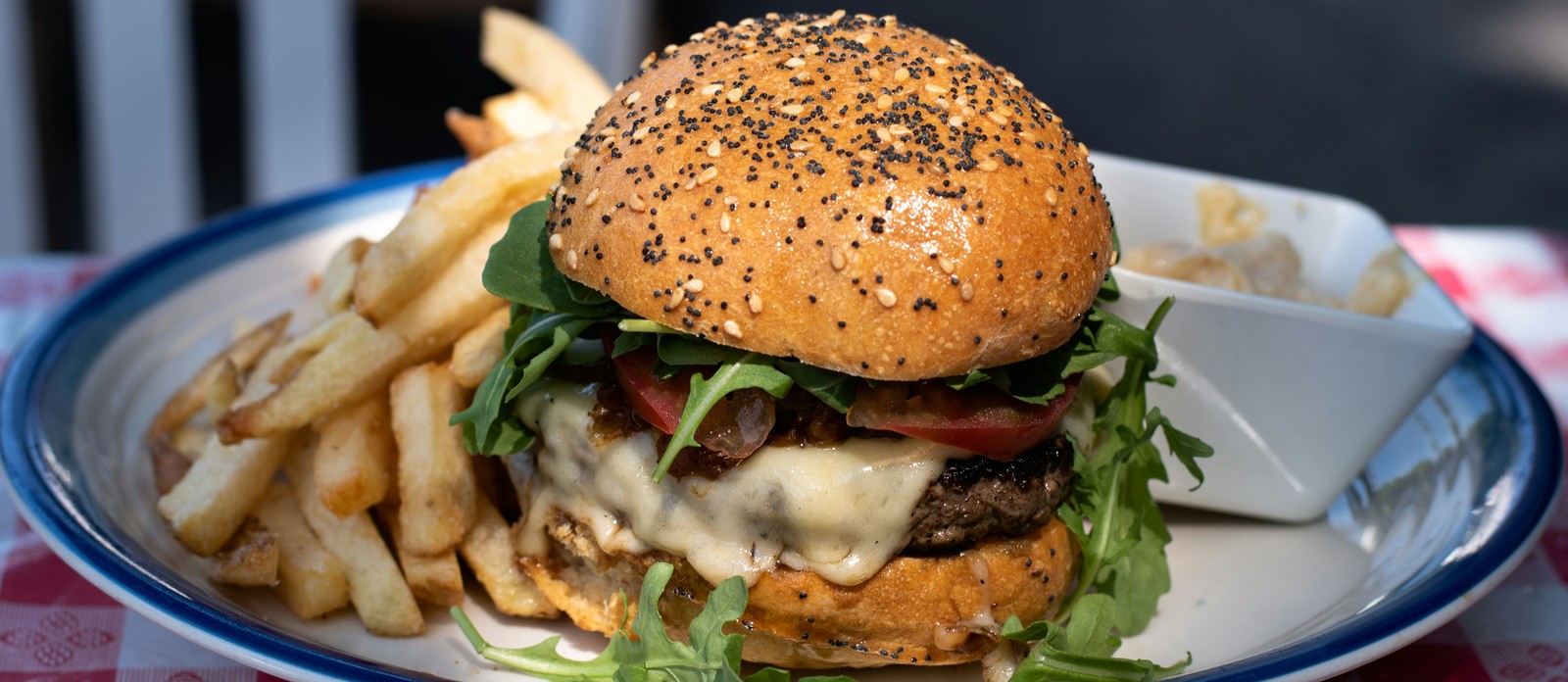
Image: Kelly Visel

Food and drink represent much more than the nutrition and hydration we need to survive — they’re part of a nation’s culture and history. Just as Hemingway and JFK loved drinking daiquiris, which were supposedly invented as a worker's "medicine" , these 10 iconic foods and drinks all carry surprising stories behind their names, recipes, and rise to fame.

1
Daiquiri
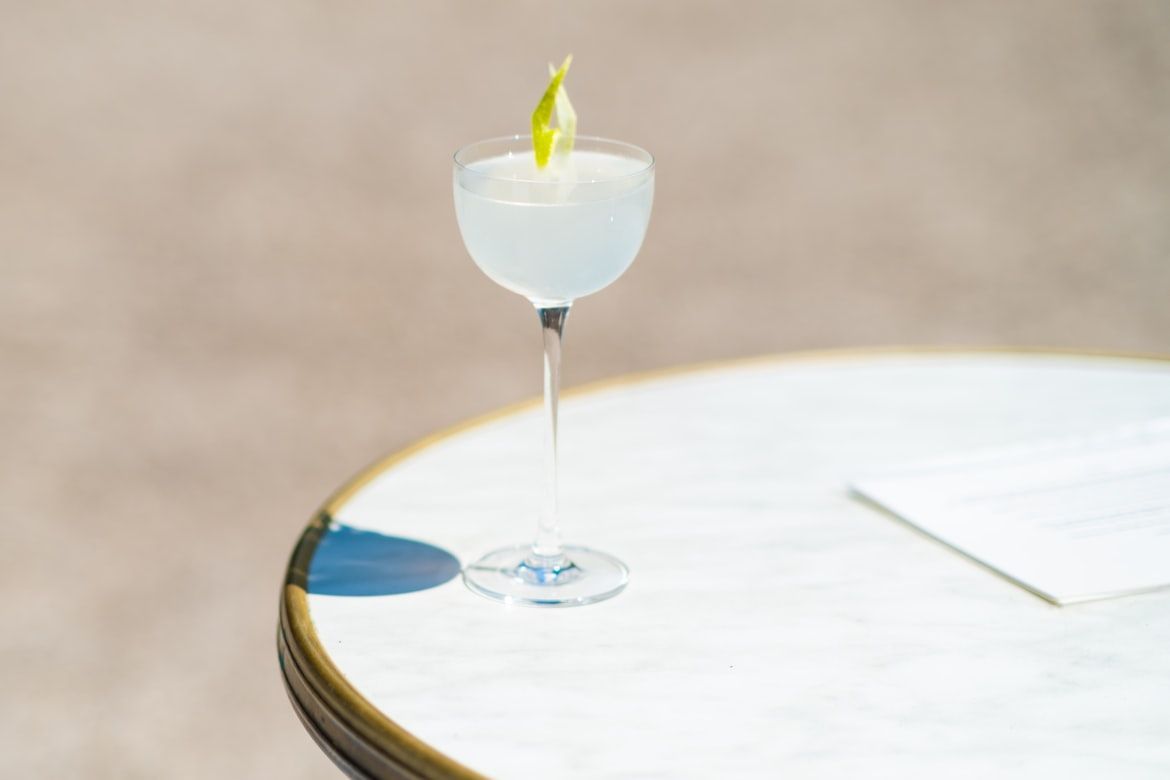
Image: Timothé Durand

Is it possible that our favorite vacation cocktail was originally a "medicine"? Back in 1898, an American mining engineer named Jennings Cox was working in the village of Daiquiri, Cuba. He mixed local rum, lime, and sugar to keep his workers refreshed and to ward off yellow fever.

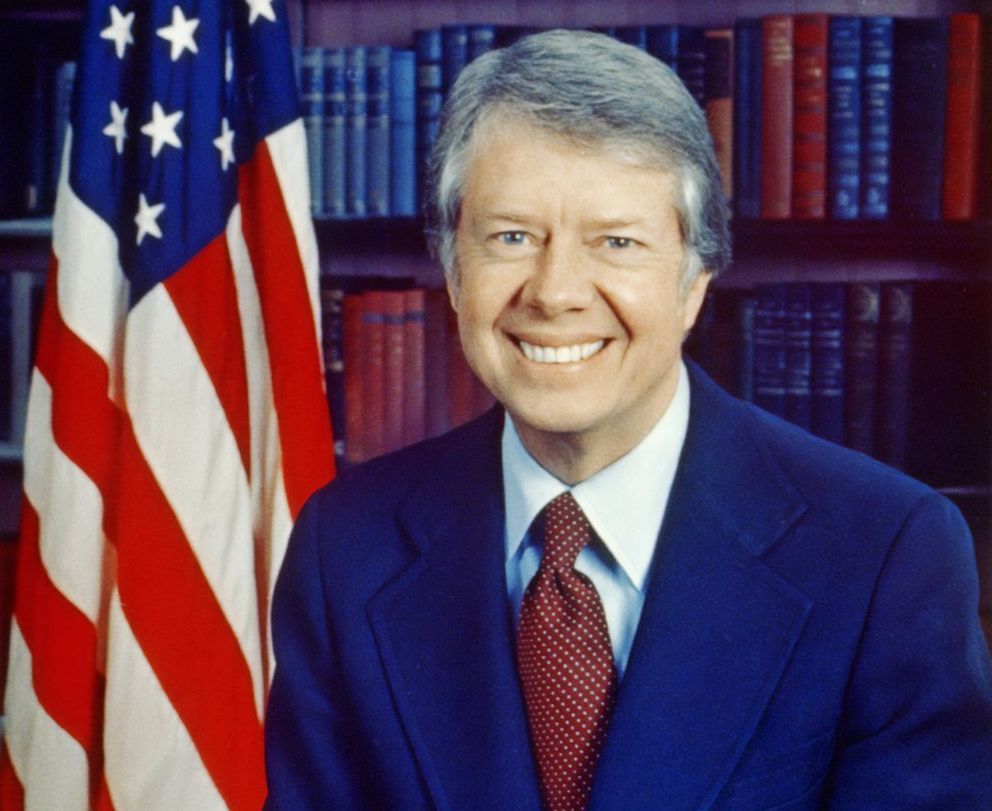
This drink migrated to the States, becoming popular during the 1940s and 1950s, and a favorite of Ernest Hemingway and President John F. Kennedy . While Hemingway famously drank daiquiris in Havana, JFK later helped make the cocktail fashionable in American political circles. Rum brands like Bacardi and Captain Morgan helped make the cocktail a summer favorite, and the original recipe started to vary among bars and vacation spots.

2
Hamburger
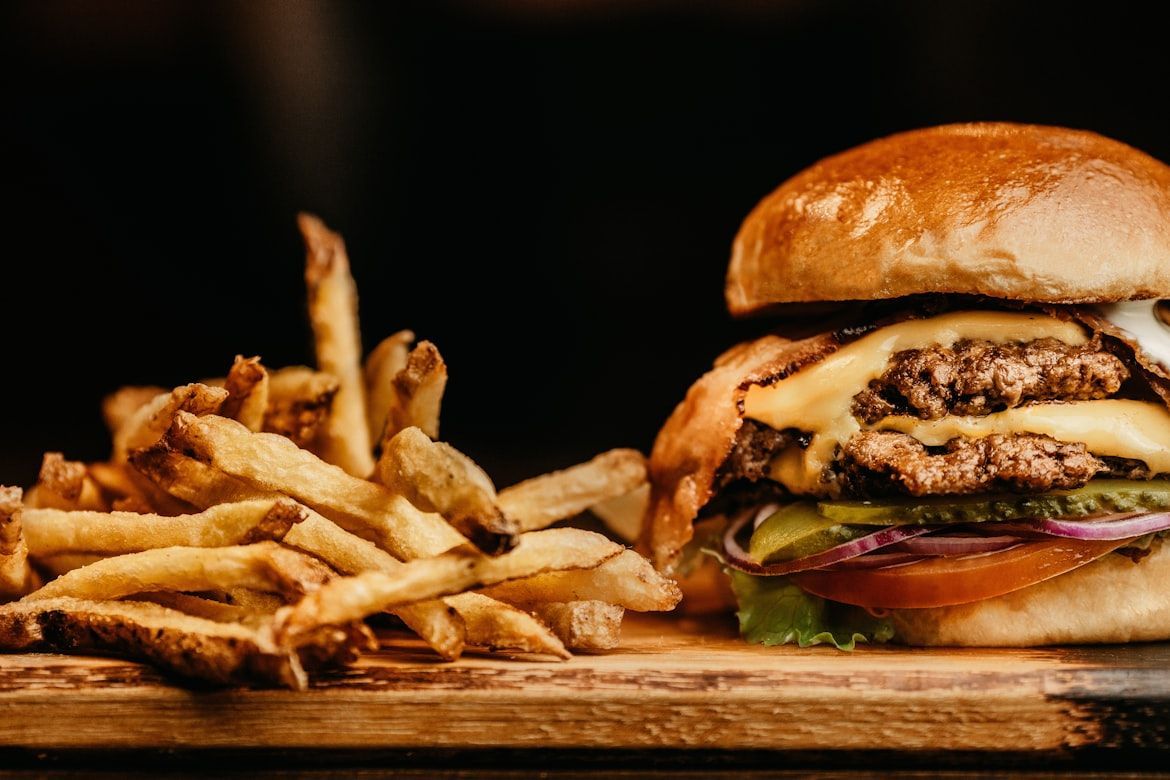
Image: Jonathan Borba

Did you know one famous hamburger origin story points to a small town in New York? According to the Menches family legend, brothers Frank and Charles Menches were selling pork sausage sandwiches at the 1885 Erie County Fair in Hamburg, New York, when they ran out of pork . A local butcher suggested ground beef instead. The brothers reportedly seasoned the beef with coffee, brown sugar, and other ingredients, then served it between bread with ketchup and sliced onions. The sandwich was said to be a hit, so they named it the "hamburger" after the town where the fair was held.

3
German Chocolate Cake
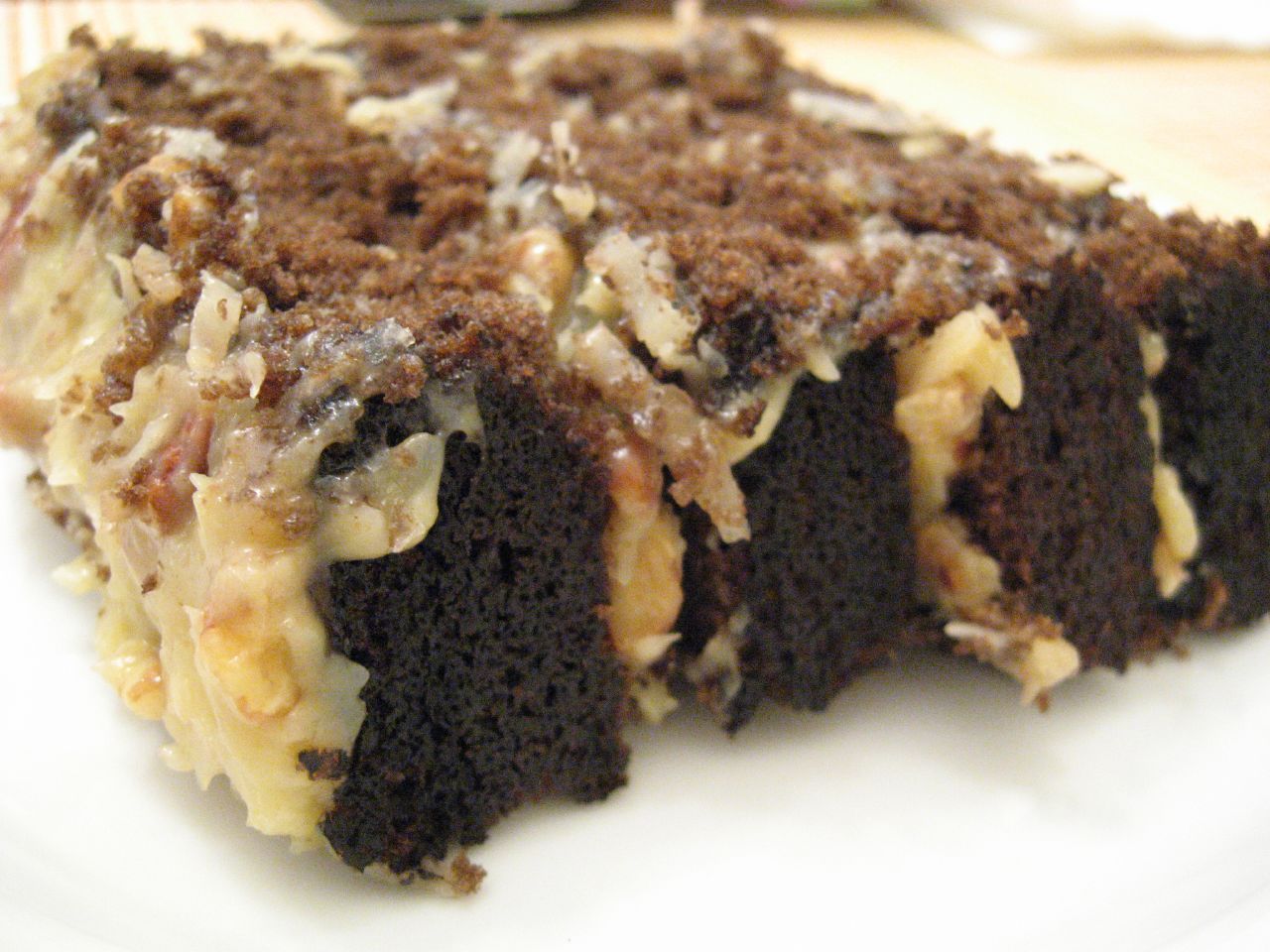
Image: Kimberly Vardeman

Don’t let the name fool you into thinking this recipe comes from overseas. This dessert was actually born in Dallas in 1957 when Mrs. George Clay sent the recipe to the local newspaper, the Dallas Morning News . The German part actually comes from Sam German, the man who developed the dark baking chocolate for Baker’s Chocolates Company back in the 1850s.

This cake quickly became a sensation at birthdays and other celebrations thanks to its coconut-pecan frosting. The confection eventually inspired similar cupcakes, brownies, and even an ice cream flavor.

4
Philly Cheesesteak
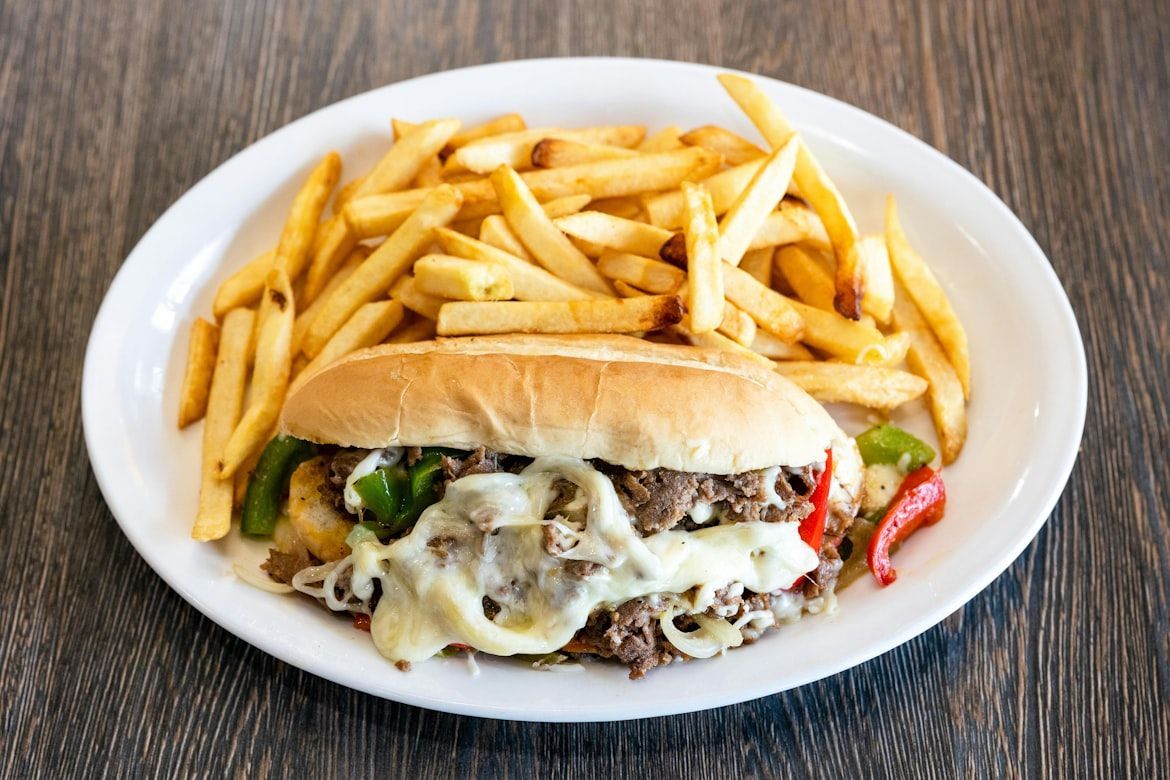
Image: Snappr

One of Philadelphia’s most famous foods started almost by accident. In 1930, Pat Olivieri was running a hot dog stand in South Philly when he decided to grill some chopped beef and place it inside an Italian roll for himself. A taxi driver nearby smelled it, asked for one too, and legend follows that the word spread quickly around the city .

Shortly after, melted cheese became part of the recipe —usually Cheez Whiz, provolone, or American cheese. Today, locals debate whether the best version is sold at Pat's King of Steaks or Geno's Steaks.

5
Hot Dog
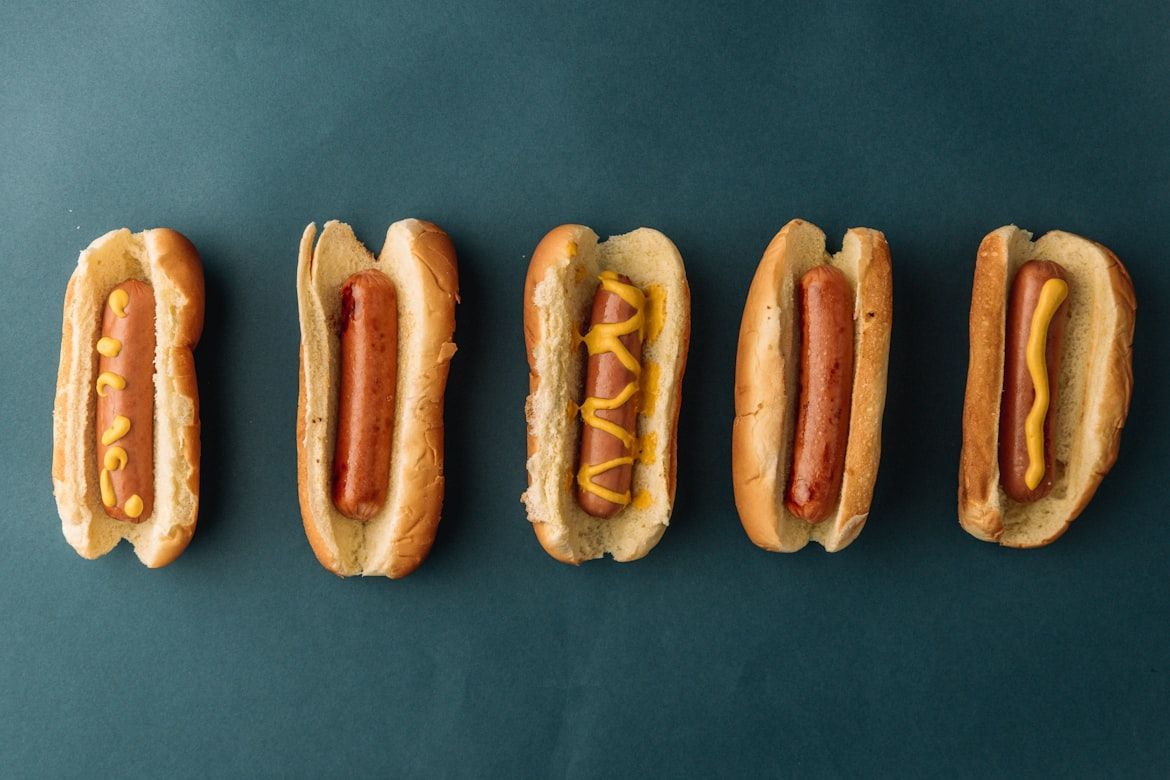
Image: Ball Park Brand

Just like the hot dog itself has two main ingredients, its origin story also comes in two parts. Some people say the sausage came from Frankfurt, Germany, while others believe the wieners of Vienna, Austria, inspired it. Frankfurt even celebrated the sausage’s 500th anniversary in 1897 to strengthen its claim.

But how did the hot dog become an American favorite? Before the 1850s, people in New York usually ate frankfurters between two slices of bread. Around that time, Austrian baker Ignatz Frischman arrived near Coney Island, and he noticed how much the crowds loved the sandwiches. After opening his bakery, he created a long, soft roll made especially for the sausages, and street vendors quickly started using them .

6
S'mores
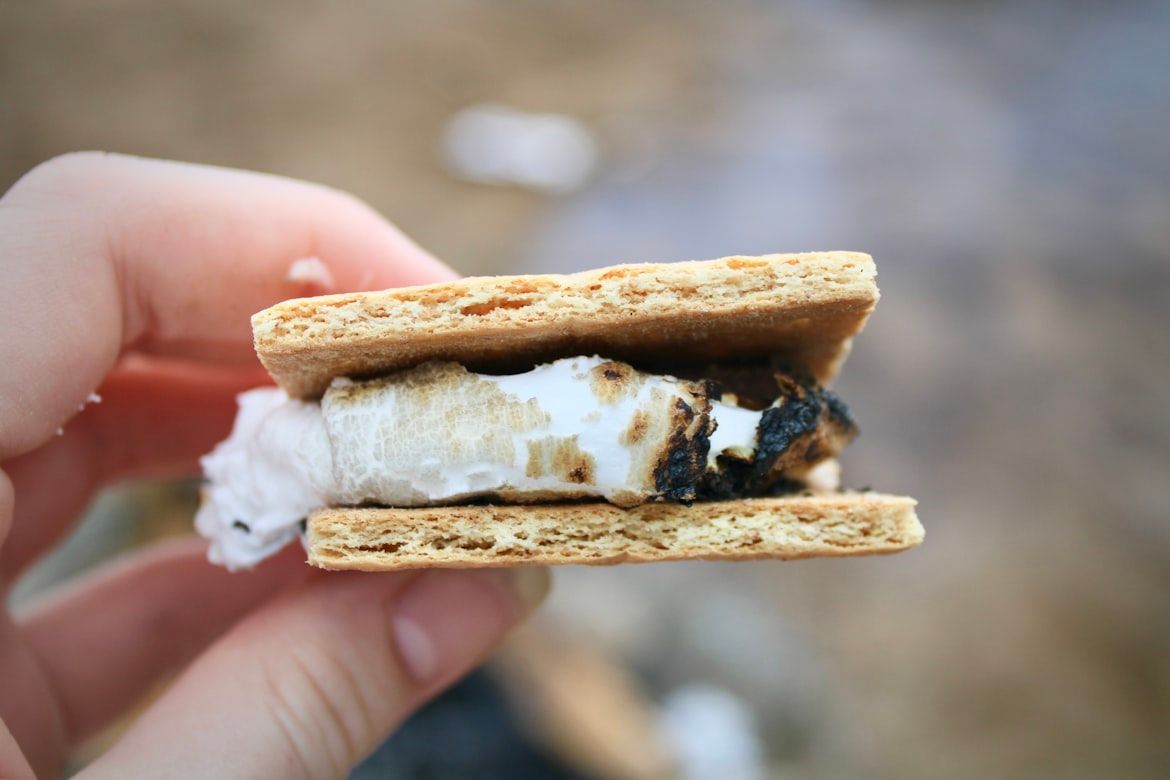
Image: Ava Tyler

The first known recipe for the summertime classic appeared in a 1927 Girl Scout handbook, where campers were taught to roast marshmallows over a fire and sandwich them between graham crackers and chocolate.

Companies like Hershey's, Jet-Puffed, and Honey Maid helped turn s’mores into a must for campfire treats, and now, they can be made in ovens or microwaves with peanut butter or flavored chocolate.

7
Corn Dog
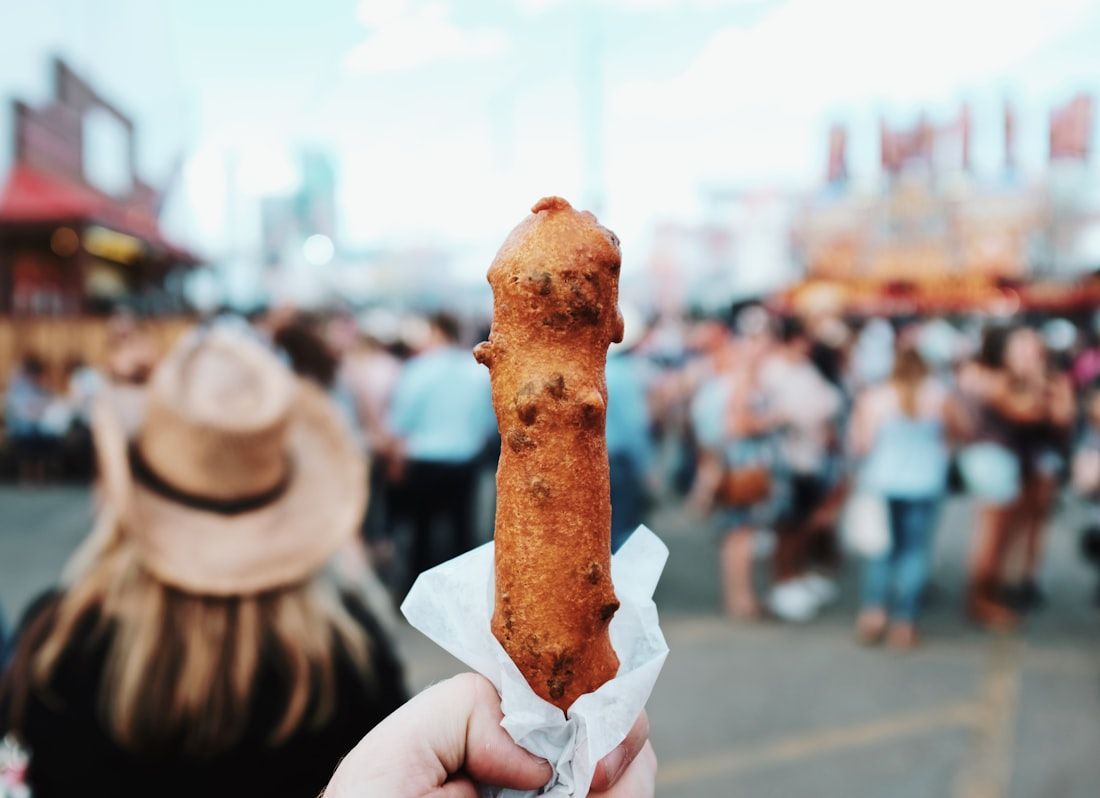
Image: Blake Guidry

A hot dog dipped in cornmeal batter, placed on a stick, and deep-fried until golden brown. That is how a classic corn dog is made. During the late 1920s, one Minnesota family sold their version of the corn dog at the Oregon local fairs under the name "Pronto Pup" because they disliked the term "corn dog." Even so, "corn dog" became the most recognized name, especially after state fairs in Texas and the Midwest helped popularize it throughout the country.

They are staples at carnivals, baseball games, and amusement parks, and are usually adorned with mustard or ketchup . Also, newer versions use spicy sausages, cheese-filled batter, or mini bite-sized pieces for easy snacking.

8
Lobster Roll
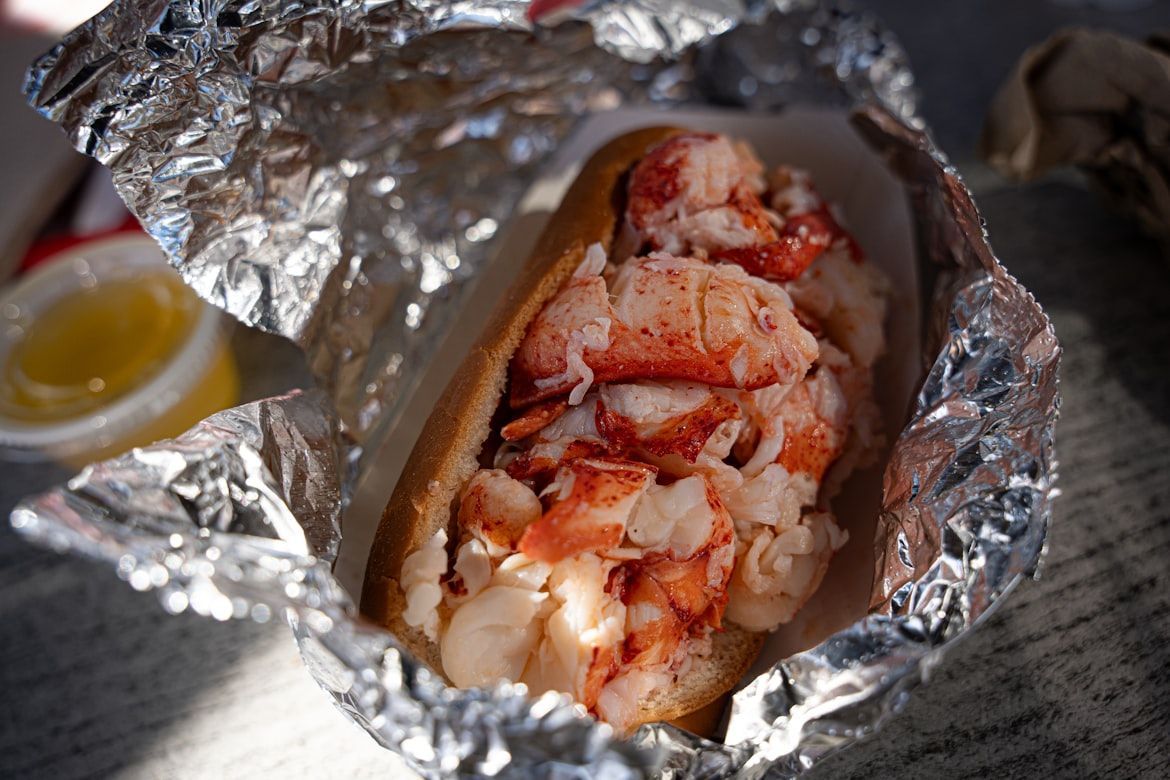
Image: Will Ma

One early story places its birth in a Connecticut restaurant during the 1920s, where warm lobster soaked in butter was served inside a toasted roll. Years later, Maine helped popularize a different version with cold lobster mixed with mayonnaise, and the debate between the two styles continues.

By the 1970s, lobster rolls had turned into a symbol of seaside vacations across the Northeast. People have them at seafood shacks, harbor towns, and summer festivals. Famous spots like Red's Eats became famous for lobster meat rolls, while others, such as Luke's Lobster, helped introduce the sandwich to the rest of the country.

9
Reuben Sandwich
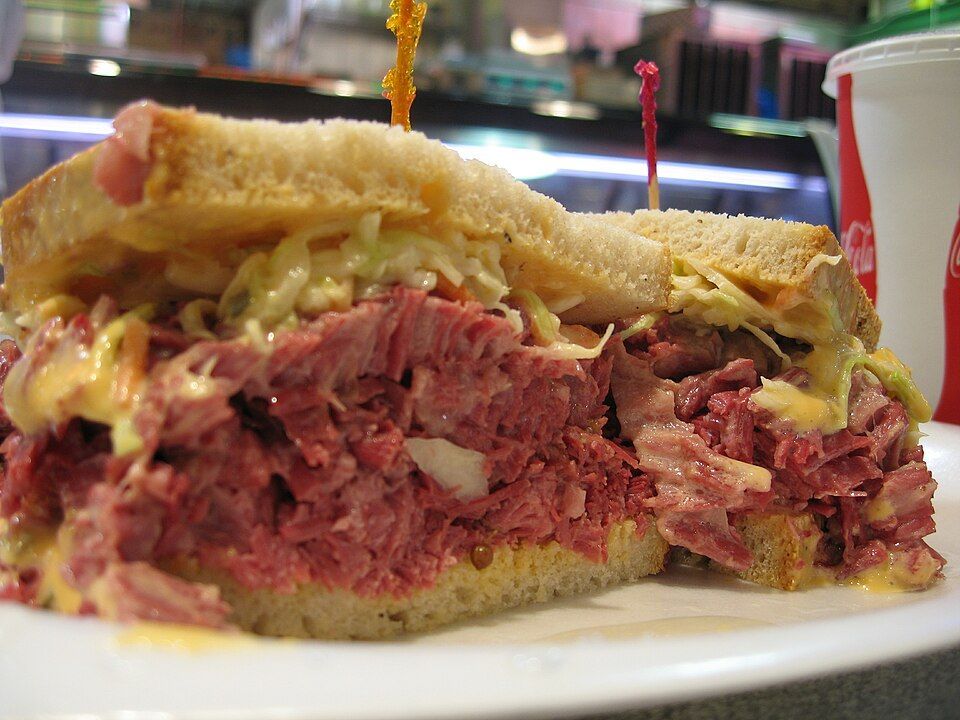
Image: Michaela den

The Reuben Sandwich has been part of a food debate for nearly a century. One version takes us to the 1920s, Omaha, Nebraska, where grocer Reuben Kulakofsky asked for a special sandwich during late-night poker games at a hotel . The other one says a New York deli owner was already serving something very similar around the same time.

No matter the truth, the sandwich was already appearing on menus by the 1930s with its mix of corned beef, Swiss cheese, sauerkraut, and Russian dressing on rye bread. It is a classic choice at American diners and Jewish-style delis.

10
Piña Colada
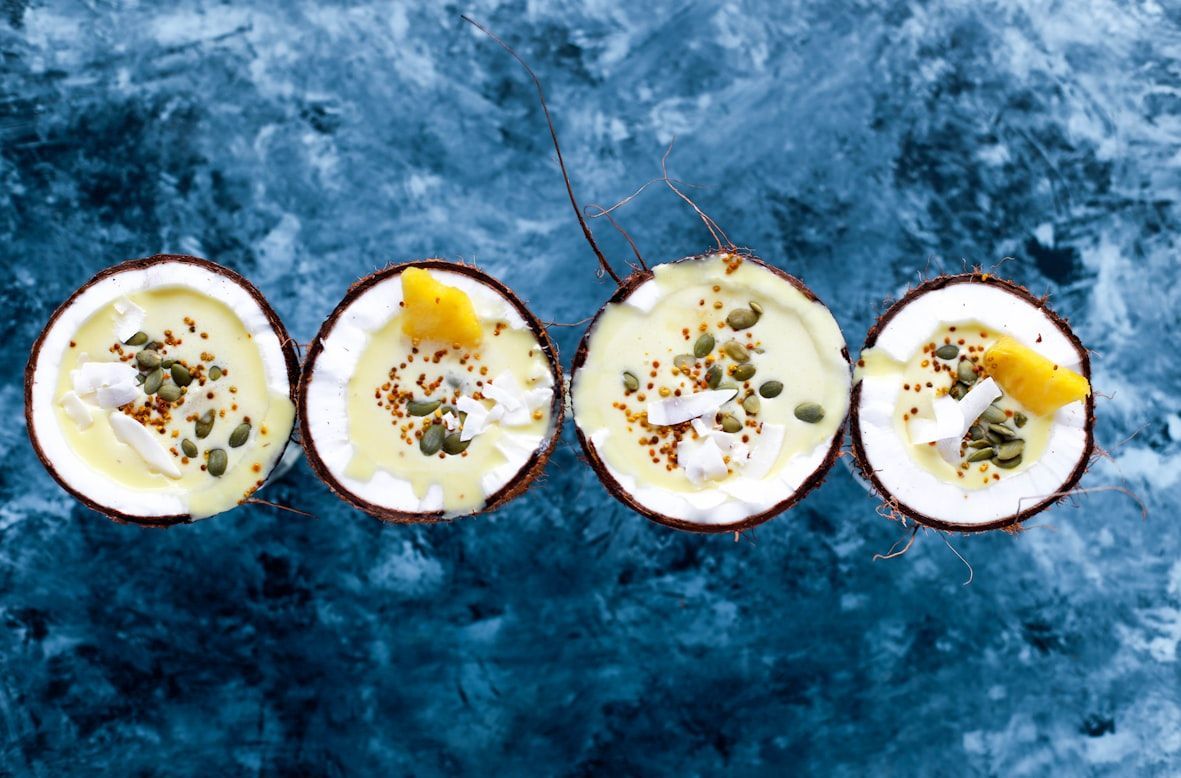
Image: Brenda Godinez

It first appeared in 1954 at the Caribe Hilton. Bartender "Monchito" Marrero, after trying different recipes, finally arrived at the rum, coconut, pineapple juice fusion we enjoy today.

Coco López and Malibu, both liquor brands, helped turn the drink into an easy, homemade one, enabling more flavors like strawberry, mango, or even banana. Also, as Caribbean vacations and cruise trips became popular during the second half of the 20th century, the piña colada started showing up at beach bars and resorts all over the country.
General General 7 min read

Sin City’s secrets

Fascinating facts about Las Vegas you won't find on travel guides

Image: Paul IJsendoorn

A man once sold every single thing he owned, flew to Las Vegas, and bet the whole lot on a single spin of the roulette wheel. Do you think he won? There are 600 miles of concrete flood tunnels under Sin City—can you estimate how many people live there? Most of the profits of the whole city come from one single game; could you guess which one it is? Read on to find all the answers to these stunning facts about Las Vegas, Nevada.

1
The man who sold everything he owned and bet it all on one spin

Image: Pavel Danilyuk

In 2004, a 32-year-old British man named Ashley Revell walked into the Plaza Hotel and Casino in Las Vegas and placed every dollar he had in the world on a single spin of the roulette wheel.

In the months before, Revell had sold his house in Kent, his BMW, his Rolex watch, his golf clubs, his electronics, his furniture, and every piece of clothing he owned. The grand total of his liquidated possessions came to $135,300 . He pushed the entire stack of chips onto red as the ball was already spinning. It landed on Red 7.

Revell walked away with $270,600, exactly double what he had come in with. He tipped the croupier $600 on the way out. The whole thing was filmed by Sky One for a reality mini-series called Double or Nothing .

2
Beneath the casinos, an estimated 1,500 people live underground

Image: Stephen Leonardi

Below the glittering hotels and neon lights of the Las Vegas Strip runs a network of concrete flood drainage tunnels stretching roughly 600 miles beneath the city. Built in the 1990s to manage flash flooding in the Nevada desert, these tunnels have become an unofficial home for hundreds of the city’s unhoused residents.

It is estimated that between 1,200 and 1,500 people live there . Some residents have constructed makeshift shelters from plywood and salvaged metal deep inside the tunnels, occasionally just yards below the casino floors above them.

The tunnels pose serious dangers: flooding risk during desert rainstorms, extreme heat, and high rates of substance abuse. A network of nonprofits, outreach teams, and government agencies coordinates aid by providing the residents with essentials and offering them long-term case management, like treatment and housing placement.

3
Las Vegas has a literal black book of people banned for life

Image: BehindTheTmuna

Since 1960, the Nevada Gaming Control Board has maintained what it officially calls the List of Excluded Persons, better known as the Black Book. The original publication was a black-covered booklet held together with Scotch tape, listing eleven people deemed to have "notorious or unsavory reputations."

Most of the early entries were organized crime figures: Chicago outfit boss Sam Giancana; enforcer Anthony "Tony the Ant" Spilotro, whose violent exploits inspired Joe Pesci’s character in the film Casino ; and nine other mob associates. Anyone whose name appears on the list is permanently banned from entering any licensed gaming establishment in the state of Nevada.

Violating the ban is a gross misdemeanor under Nevada law. As of 2026, there are 37 names on the list. No one has ever successfully appealed their removal.

4
Strange casino rules: no clocks, no windows, no soft dice

Image: Elizabeth Ferreira

Las Vegas casinos are designed to keep gamblers at the tables as long as possible. Clocks are banned to distract players from the passing of time. Windows are eliminated so that they cannot tell whether it is noon or 3 a.m.

What’s more, Nevada law governs even the dice. The Nevada Gaming Control Board requires casino dice to be perfectly transparent so that no hidden weights can be concealed inside . Each die must be precision-manufactured to within 1/10,000th of an inch, with razor-sharp corners and edges showing no rounding whatsoever. They are inspected regularly and, in high-stakes games, replaced every eight hours of play to ensure consistent rolls.

5
The famous Las Vegas Strip is not actually in Las Vegas

Image: David Lusvardi

The stretch of Las Vegas Boulevard South that the world knows as the Strip does not lie within the city limits of Las Vegas. This is the area that’s home to Caesars Palace, the Bellagio, MGM Grand, the Venetian, Mandalay Bay, and dozens of other iconic venues.

Technically, it falls within an unincorporated community called Paradise , which is governed by Clark County rather than the city of Las Vegas. Paradise was deliberately established in 1950, when casino owners moved to avoid Las Vegas city taxes and regulations while continuing to trade on the city’s name and benefit from its infrastructure.

The city of Las Vegas actually begins further north along the boulevard, near the Stratosphere. Paradise covers approximately 54 square miles and has a residential population of around 220,000 people, which means it’s one of the largest and most densely populated unincorporated communities in the United States.

6
The Luxor’s sky beam is the most powerful artificial light on earth

Image: Pavel Špindler, CC BY 3.0, via Wikimedia Commons

Rising straight up from the apex of the black pyramid-shaped Luxor Hotel and Casino, the Luxor Sky Beam has been one of the most recognizable sights in Las Vegas since the hotel opened in October 1993. It is, by any measure, the most powerful artificial light beam on the planet. The beam is produced by 39 individual xenon lamps, each with 7,000 watts and roughly the size of a washing machine, focused through computer-designed curved mirrors into a single concentrated column.

Together, they generate an estimated 42.3 billion candlepower. On a clear night, airline pilots have reported seeing the beam from as far as 250 miles away. The total operating cost, confirmed by Luxor engineer John Lichtsteiner, is $51 per hour, of which $20 is electricity. That adds up to $480 a day only for lighting the signature beam each night —or $175,200 a year.

7
Las Vegas is home to the tallest observation tower in the US

Image: Dave Morgan

Standing 1,149 feet above the Las Vegas valley, the Strat Tower, officially rebranded from the Stratosphere in 2020, is the tallest freestanding observation tower in the US and the second-tallest in the entire Western Hemisphere, surpassed only by the CN Tower in Toronto at 1,815 feet. It is also the tallest building in Nevada and the tallest structure west of the Mississippi River.

At the top, the Strat offers four outdoor thrill rides, including one that dangles riders 64 feet beyond the edge of the building on a mechanical arm, over 900 feet above the ground.

8
Slot machines account for around 60% of all casino revenue

Image: Elizabeth Ferreira

Walk into any Las Vegas casino, and the first thing that surrounds you (and the loudest) is the rows of slot machines that line nearly every available wall and corridor. That layout is not a coincidence.

It is estimated that slot machines consistently generate approximately 60 to 65 percent of all casino gaming revenue in Nevada. There is roughly one operating slot machine for every eight residents of Las Vegas. Nevada law requires that video slot machines pay out a minimum average of 75 percent, though Strip machines in practice typically return 87 to 97 percent.

Casinos place the most visible, most tempting machines near entrances, elevators, and high-foot-traffic corridors , a placement strategy that has been studied and refined over decades. Despite the rise of poker rooms and sports betting in recent years, slot machines have remained the single largest source of gaming income in Las Vegas without interruption for more than half a century.

9
The gambling capital of the world does not sell lottery tickets

Image: Obi

Nevada is one of only two states in the entire United States that have no state lottery, the other being Utah. You cannot legally walk into a convenience store and buy a $2 scratch-off ticket.

The reason is straightforward and has nothing to do with moral opposition. Nevada’s gaming industry has lobbied persistently and successfully against a state lottery since gambling was first legalized in 1931, on the grounds that a government-run lottery would directly compete with casino revenues.

10
FedEx was saved from bankruptcy by a Las Vegas blackjack table

Image: Joshua Santos

In 1971, FedEx, then called Federal Express, was days away from collapse. Founder Frederick W. Smith had built the company on the revolutionary idea of overnight package delivery using a central hub-and-spoke air network, but the business was not working.

The company had roughly $5,000 left in its operating account. It was not enough. Facing what appeared to be the end, Smith flew to Las Vegas and sat down at a blackjack table. He gambled the company’s last $5,000 and turned it into $27,000, which was just enough to cover that week’s fuel costs and keep the planes in the air. The breathing room bought by that blackjack session gave Smith enough time to secure additional financing. Today, FedEx employs more than 500,000 people worldwide and is valued at over $60 billion.

Geography Geography 3 min read

Hidden country

10 places in America that still baffle scientists (and tourists love)

Image: JaZmi

America has no shortage of mysterious places—locations steeped in legend, unexplained science, or just eerie natural beauty. From strange floating orbs to weird geological phenomena, these destinations keep historians, scientists, and thrill-seekers guessing. Whether man-made or naturally puzzling, these 10 U.S. locations refuse to offer simple explanations.

1
Area 51

Image: Michael Herren

Location: Nevada

Shrouded in secrecy, this military base has become synonymous with UFOs and government cover-ups. Its official purpose was testing aircraft like the U-2 spy plane and Stealth Bomber, but its classified nature fueled decades of wild speculation, ranging from secret weapons to actual aliens working for the government.

2
Coral Castle

Image: Audric Wonkam

Location: Florida

This massive stone structure was built by a single man, Edward Leedskalnin, using enormous limestone blocks—some weighing 30 tons. According to him, no heavy machinery was ever used during the construction, and he even claimed to know the secrets of the pyramids . To this day, engineers and historians debate how he moved and placed those stones with such precision.

3
Skinwalker Ranch

Image: Jacob Padilla

Location: Utah

This 512-acre property has long been at the center of UFO sightings, cattle mutilations , and alleged portals to other dimensions. The stories were so compelling that, in the ’90s, a private research organization purchased the ranch to try and make some scientific sense of the claims, conducting extensive field studies. However, after nearly a decade of research, they found no conclusive evidence.

4
Mammoth Cave

Image: Ksenia Kudelkina

Location: Kentucky

The world’s longest known cave system has its fair share of unexplored tunnels, ghost stories, and strange air currents. More than 400 miles have been mapped , yet many passages remain uncharted. Researchers have yet to fully understand the cave’s underground ecosystem, and new chambers are still being discovered today.

5
The Marfa Lights

Image: Alexandra Vo

Location: Texas

Reported since at least the late 19th century, floating orbs of light have been seen near this small town with no consistent explanation. Night watchers continue to gather at designated viewing areas along Highway 90, hoping for a glimpse. While scientific studies suggest that distorted car headlights are the most likely cause, many remain convinced otherwise.

6
The Devil’s Kettle

Image: Andrew Ling

Location: Minnesota

This unusual waterfall splits in two—one half flows normally, while the other vanishes into a deep pothole with no known exit. Scientists poured dye, ping-pong balls, and even GPS trackers into the mysterious hole, all to see where the water ends up. While researchers eventually confirmed it rejoins the river underground, exactly how and where remained elusive for decades.

7
Cahokia Mounds

Image: pcrm Dorego

Location: Illinois

Built centuries before Columbus arrived in the Americas, the ancient city of Cahokia featured massive earthen mounds, wooden palisades, and likely formed part of complex trade networks across the continent. Despite having a population rivaling London in the 1200s, according to archaeologists, the city was mysteriously abandoned in the span of a few years. No written records explain its decline, though environmental stress, resource shortages, and internal social factors are often cited as possible causes.

8
Blythe Intaglios

Image: Alexander Schimmeck

Location: California

Similar to Peru’s Nazca Lines, these giant geoglyphs are etched into the desert floor, seemingly visible only from the sky. Created by scraping away dark rocks to reveal lighter earth beneath, the figures are believed to be between 450 and 2,000 years old, depending on the specific design. While their exact purpose remains a mystery, they are believed to have had a ceremonial function.

9
The Spooklight

Image: Ben Griffiths

Location: Missouri-Oklahoma Border

Also known as the Hornet Spooklight, this floating orb has been seen since at least the late 19th century. It appears along a rural stretch of road near the small community of Hornet, Missouri, and Quapaw, Oklahoma. While some theorize it could be caused by car lights from miles away, some sightings predate automobiles.

10
Roanoke Island

Image: Stephen Crane

Location: North Carolina

In the 1580s, an entire colony vanished overnight, leaving behind only the word "Croatoan" carved into a tree. No graves, no remains—just an eerie disappearance that sparked centuries of theories, from disease and starvation to assimilation with local tribes. Modern archaeology uncovered European artifacts at sites associated with Native groups miles away, but no definitive evidence has ever solved the mystery.

Explore more American facts

Choose your favorite category!

General
General

As American as apple pie—the very best America has to offer!

Culture
Culture

Delve into the astounding richness of American lore.

Geography
Geography

Hop in and explore vast and diverse American landscapes.

History
History

Discover the key moments that shaped the United States.