General General 3 min read

Pets for the adventurous

Sloths, kangaroos, and other exotic pets that you could have in the U.S.
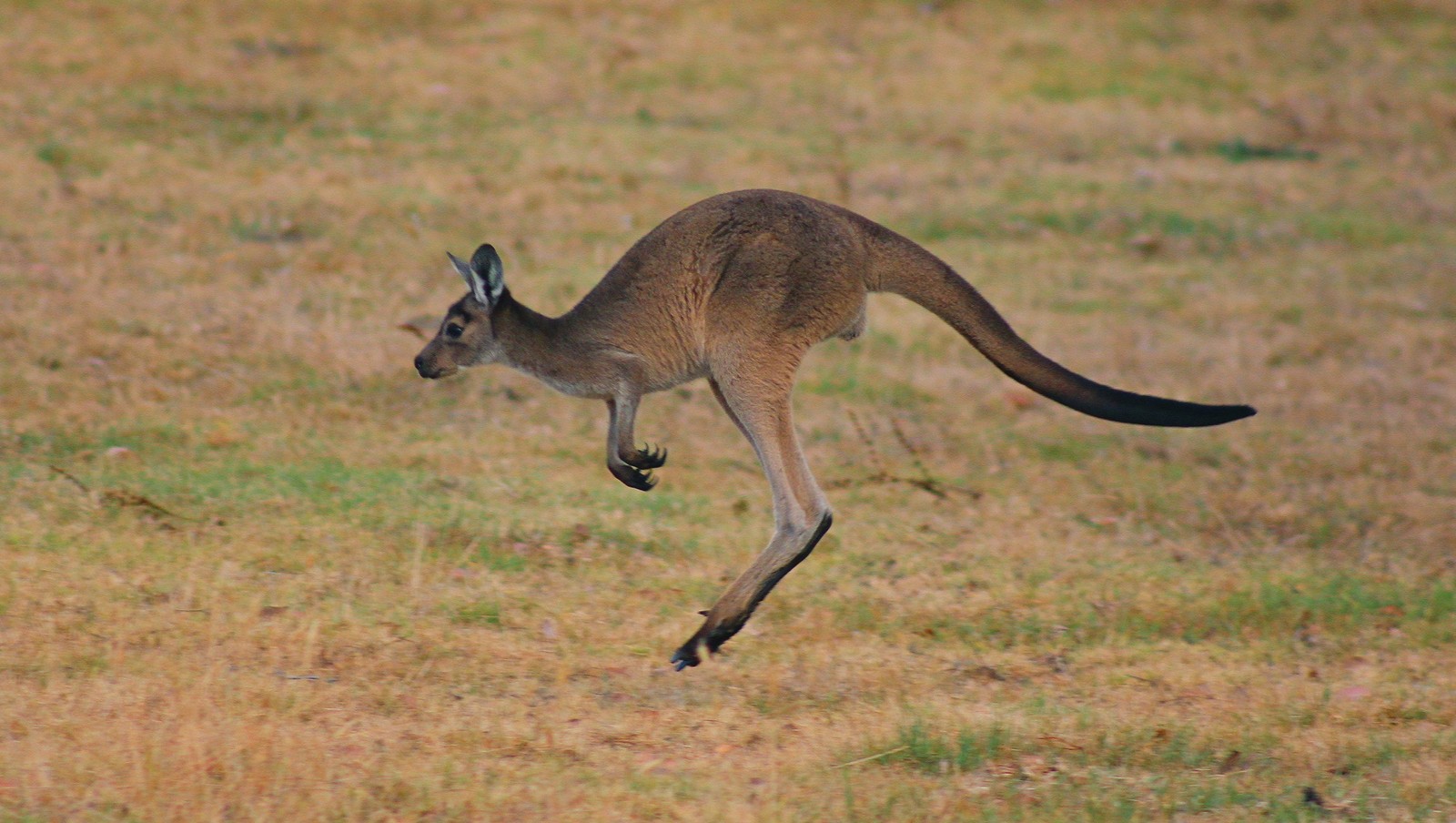
Image: Ashish Upadhyay

When looking for a pet, people usually decide on a cat, a dog, a rabbit, or, if they are feeling adventurous, maybe a lizard. But some might want to push the boundaries of what is considered a "normal" pet and choose something more exotic.

However, not all exotic pets are created equal, and not all states allow you to own the pet of your choosing. Here are some unusual pets you might be able to have, depending on which state you live in.

1
Sloth
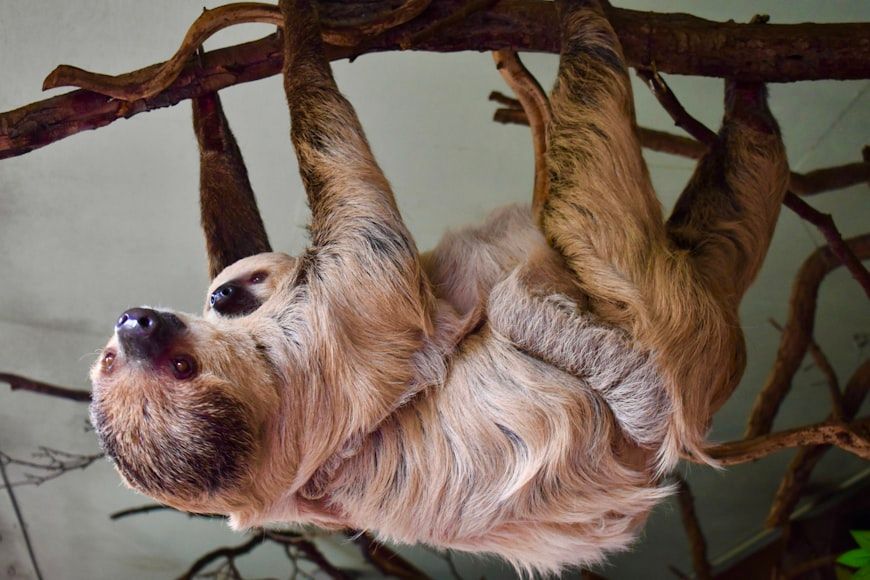
Image: Zorawar Bhangoo

Two-toed sloths are the species most commonly allowed as pets in the U.S. However, they require special care, a suitable environment, and—since they can live up to 30 years—a committed owner. Alabama, Indiana, Iowa, Kansas, Minnesota, Michigan, Mississippi, Montana, New York, Nevada, North Carolina, Oregon, and Texas allow ownership of two-toed sloths without a permit. Other states may require a license.

2
Caiman
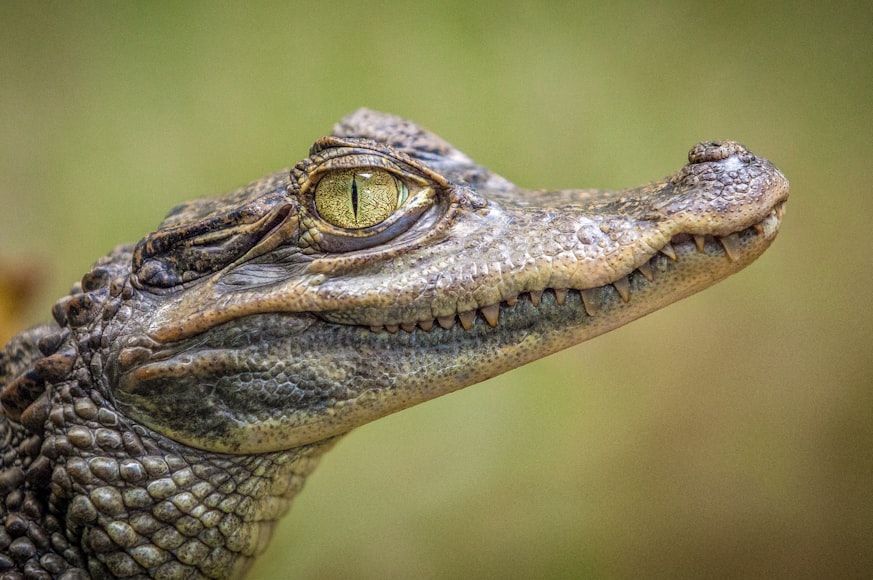
Image: Gaetano Cessati

One would think that Caiman Central (commonly known as Florida) might allow its residents to own caimans as pets, but it’s actually the contrary: they are considered invasive and dangerous, so depending on the species, they are either illegal to own or require a permit. However, the state of Tennessee allows ownership of dwarf caimans without a permit.

3
Elk
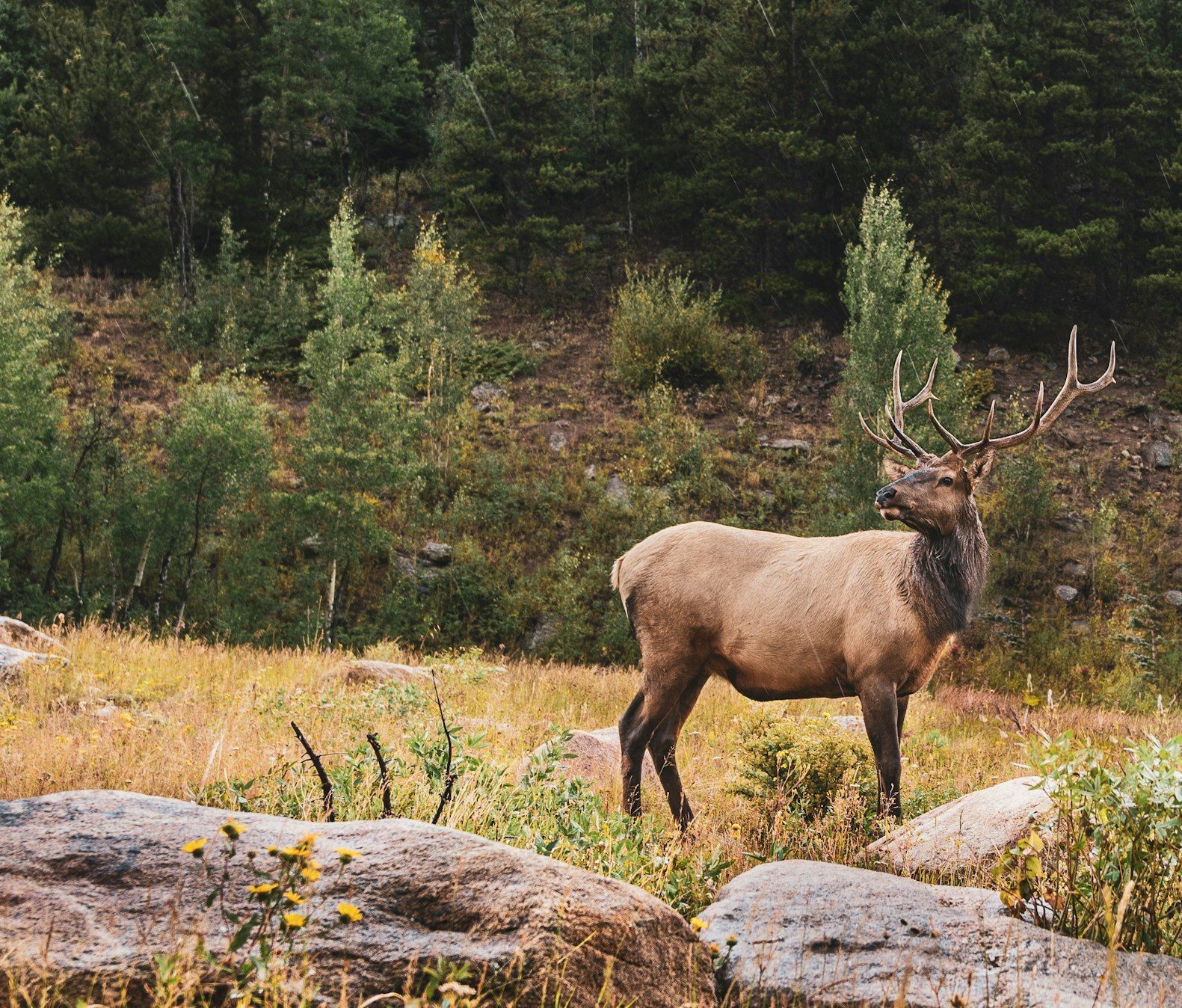
Image: Meredith Fontana

The United States has a large elk population across many states, both wild and domesticated, and many states will allow you to own them as livestock with a proper license. If you’ve always dreamed of having a pet elk, there’s good news: in Alaska, you can legally own a domesticated elk, as long as it was not captured from the wild.

4
Bison
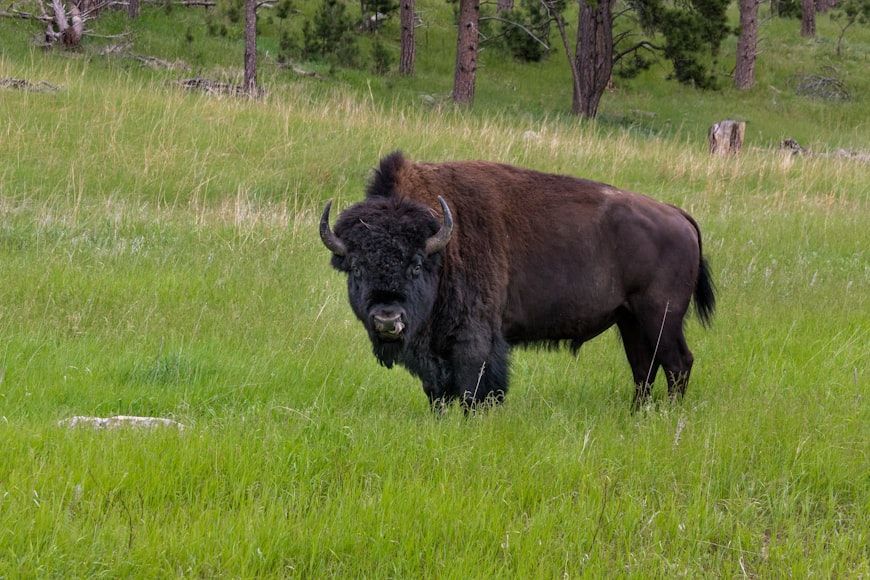
Image: Jonathan Mast

Bison can be found across all 50 states, either in the wild or raised as livestock on ranches. However, not all states permit private ownership of them. In most states, some sort of permit is required to raise bison as cattle, with varying degrees of difficulty. Once again, Alaska offers a solution for bison enthusiasts: like elk, bison can be kept as pets, provided they are domesticated and not captured from the wild.

5
Sugar Glider
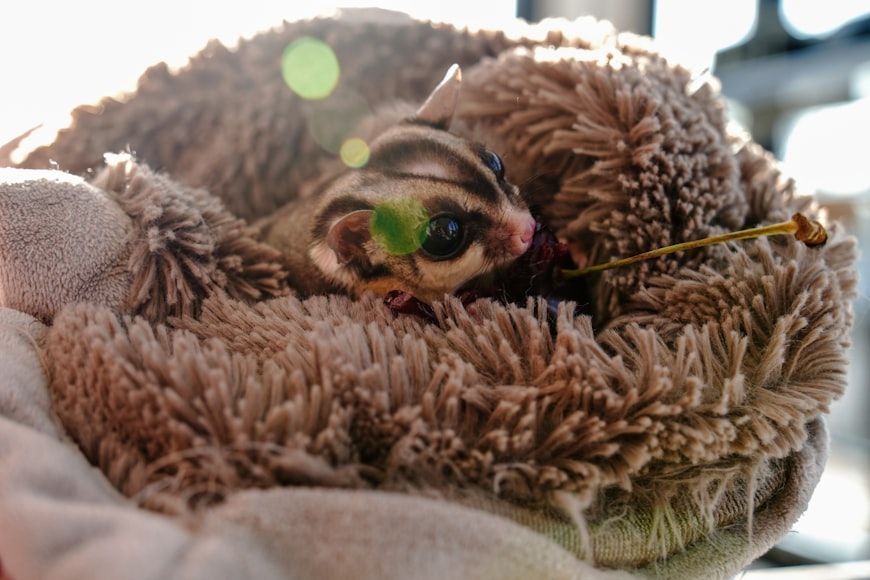
Image: Henry Lai

These small possums make good pets because they are social, playful, cuddly, and form strong bonds with their owners. However, they are exotic pets and require specialized care, a specific diet, and proper maintenance. Most states allow sugar gliders to be owned without a permit, but Georgia, New Mexico, and parts of New York require a license. In Hawaii, California, and Alaska, owning a sugar glider is illegal.

6
Kangaroo
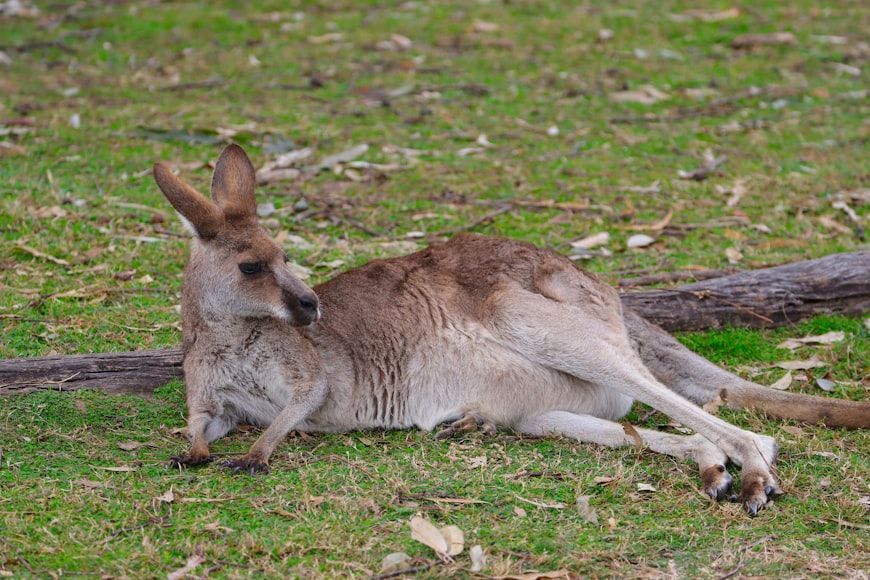
Image: Anthony Rae

Surprisingly, many states allow kangaroos and wallabies as pets. Some states may require a license, but Arizona, Colorado, Oklahoma, and Oregon classify them as "uncontrolled" exotics, so no permit is needed. Kangaroos and wallabies are completely banned as pets in Connecticut, Georgia, Maine, and New Hampshire.

7
Fennec Fox
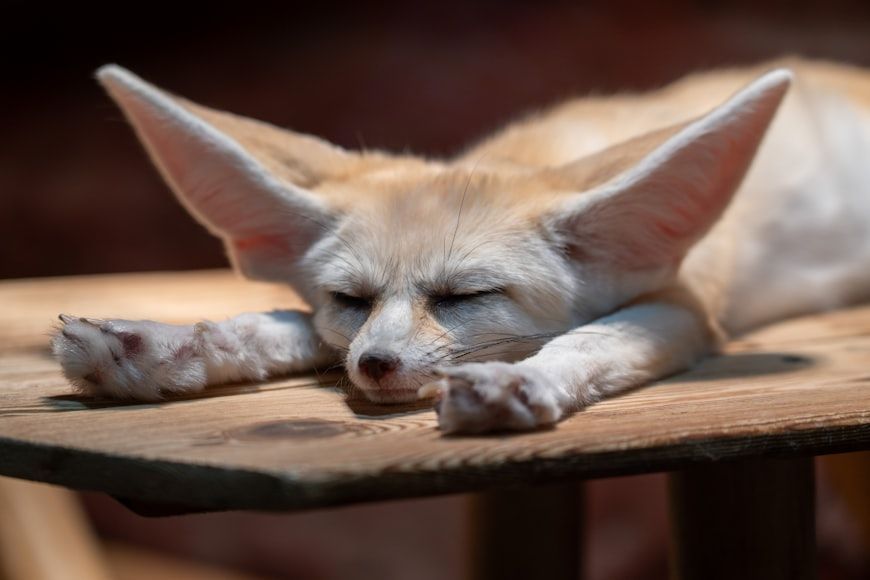
Image: Fei zhou

Native to North African deserts, fennec foxes are the smallest fox species, characterized by their large ears. You can legally own them without a permit in Arkansas, Illinois, Indiana, Louisiana, Michigan, Mississippi, Nebraska, Ohio, Oklahoma, Tennessee, and New York (though not in New York City). The rest of the states either require a permit or deem it illegal.

8
Kinkajou
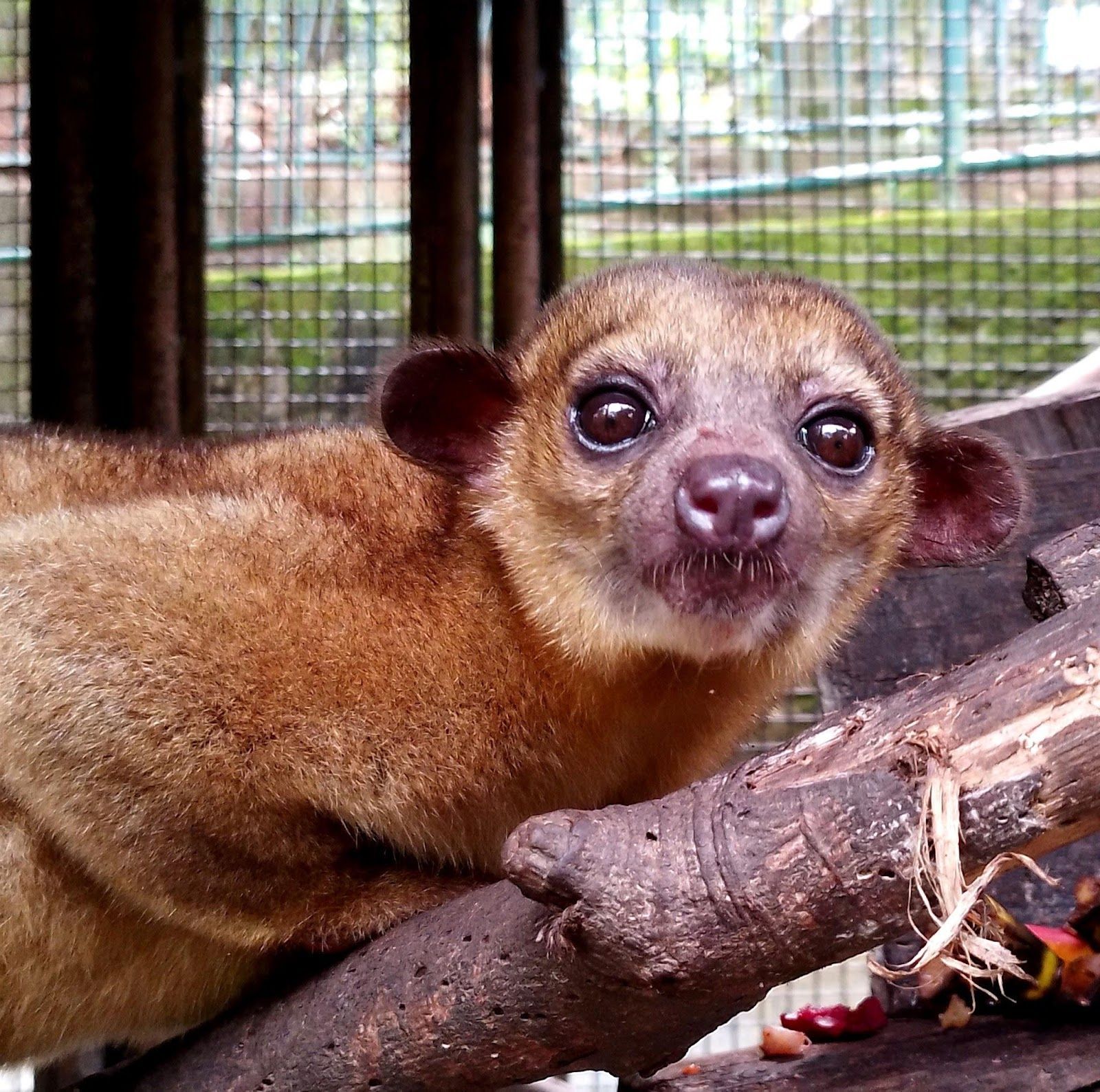
Image: Aramburu Carlos, CC0, via Wikimedia Commons

These adorable mammals, also known as honey bears, are related to raccoons and coatis. There are no federal laws restricting kinkajou ownership, but several states either prohibit them or require a permit. States that allow ownership without a permit include Arizona, Kansas, Michigan, Nevada, New York, North Carolina, Oregon, Texas, and Virginia.

9
Python
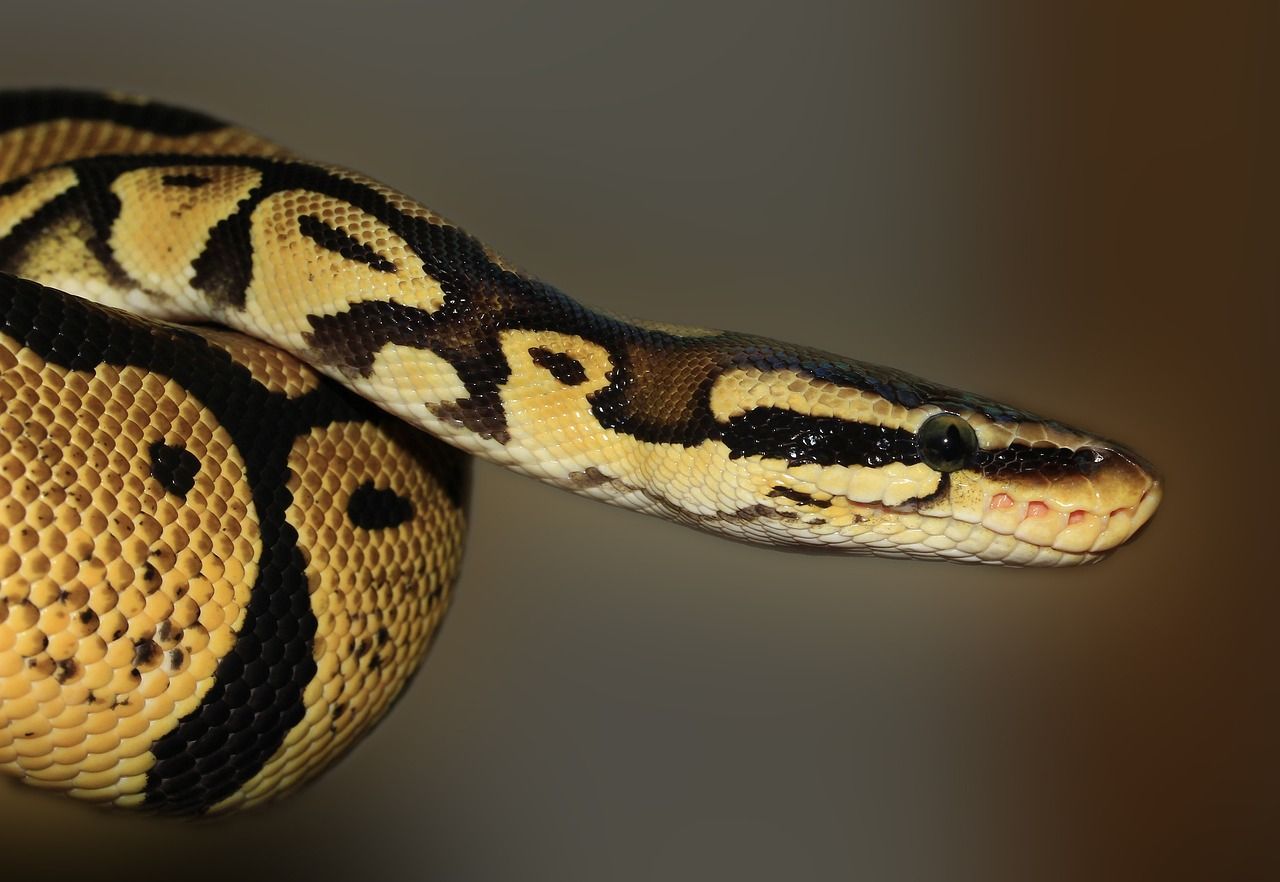
Image: sipa

When it comes to permits, not all snakes are treated the same. Regulations depend on how dangerous a species might be and the potential impact on local ecosystems if released. Following this logic, not all pythons are equally restricted: species such as the Burmese or Indian python are illegal in many states, while others, like the Ball python, are legal without a permit in Arizona, Arkansas, Illinois, Massachusetts, Montana, Oregon, Rhode Island, and Vermont.

10
Tarantula
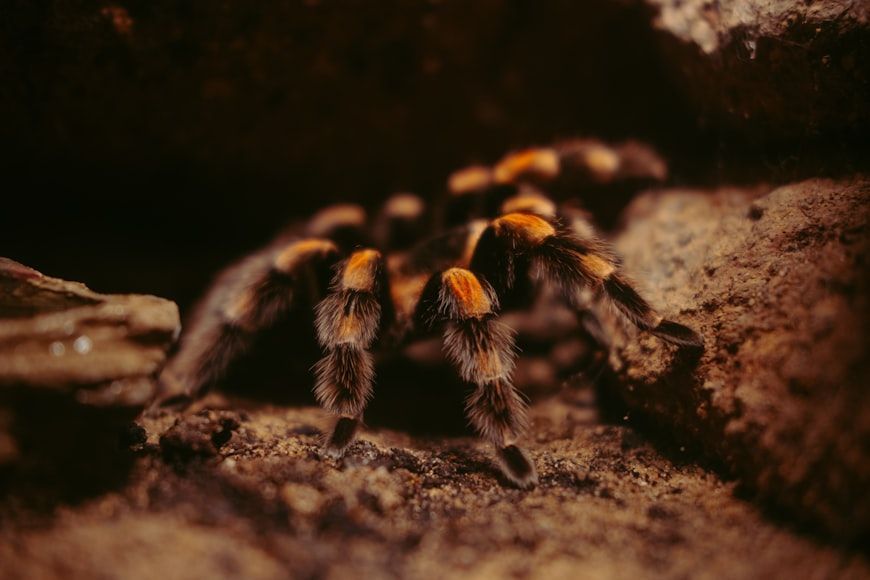
Image: Thomas Oldenburger

Tarantulas are not banned in any state, but some species might be restricted and require a special permit, in particular those considered an endangered species or potentially invasive. So, if you dream of having a pet spider, check your state laws first to ensure your desired species will not cause you legal problems in the future.
History History 4 min read

The strangest battles ever fought

11 of America’s shortest wars and strangest battles in history

Image: Chandler Cruttenden

Some of America’s most memorable conflicts weren’t long campaigns but rather quick clashes, odd standoffs, or brief fights that, for one reason or another, became well known. These short or unusual events often reveal how chaotic, improvisational, or downright strange these kinds of situations can be in real life. Take a look at 11 of these curious affairs involving our nation.

1
The Pig War (1859)

Image: Pascal Debrunner

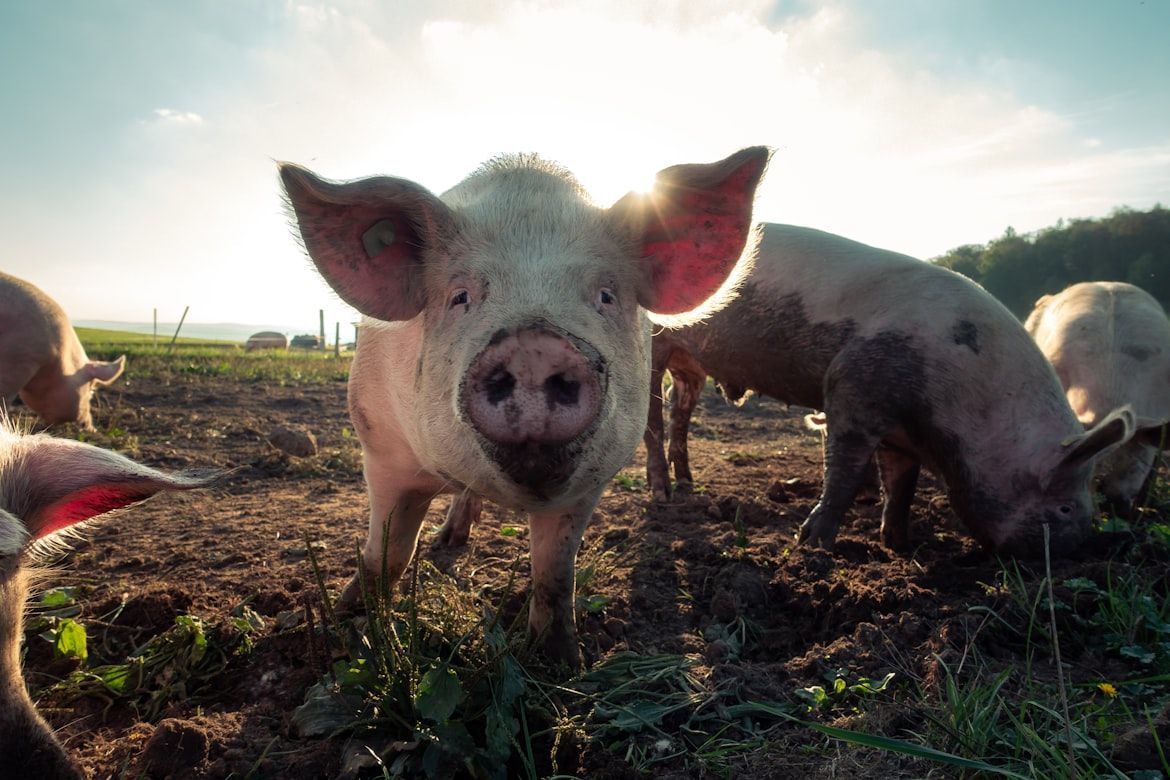
A boundary dispute on San Juan Island nearly escalated into a U.S.-British war after an American farmer shot a British-owned pig that was rooting in his garden . Troops rushed in, tensions rose, and both sides came to the verge of open conflict.

Thankfully, the "war" ended without a single human casualty. Diplomacy prevailed, leaving history with a famously absurd standoff where the only fatality was the unfortunate hog that started it all.

2
The Toledo War (1835-36)

Image: Leo Escala

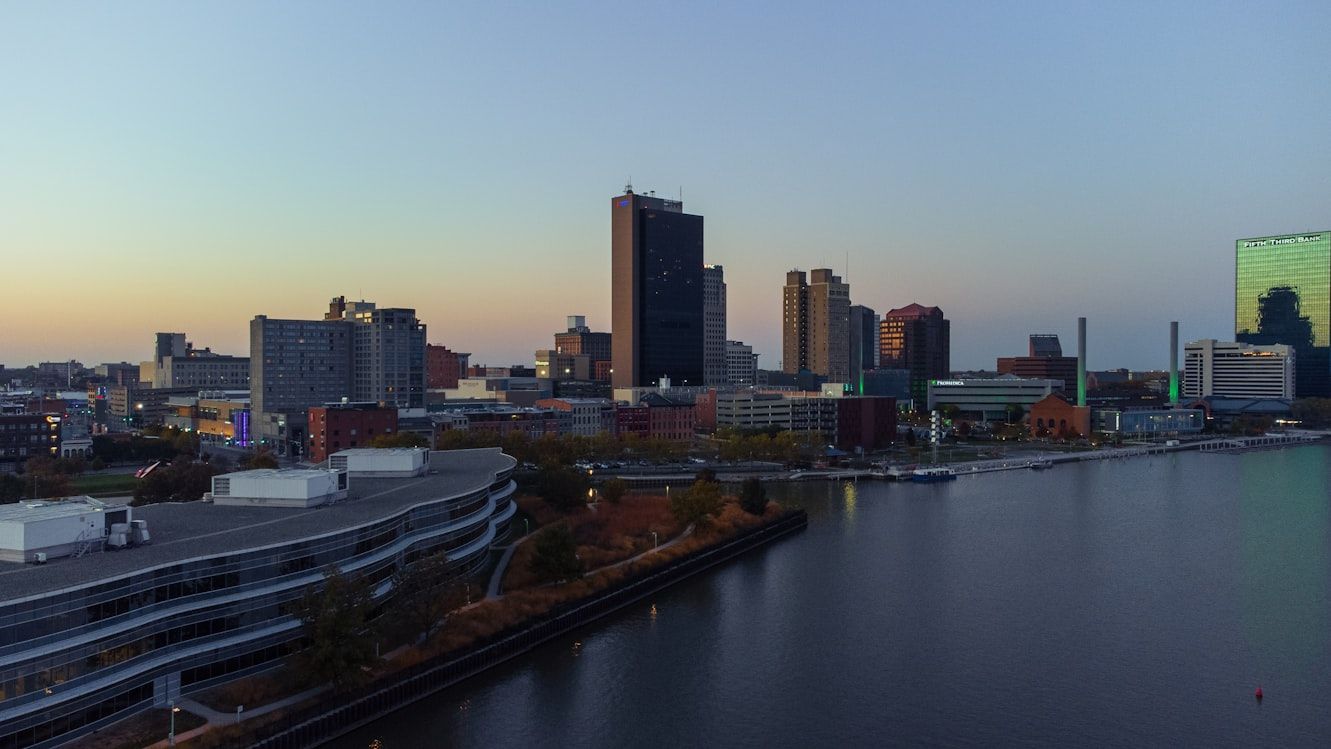
Believe it or not, Michigan and Ohio once squared off over a slim strip of land containing the city of Toledo . Militias mobilized, tempers flared, and political rhetoric soared past anything that the dispute really deserved.

The conflict produced only one injury: a sheriff was stabbed with a pocket knife. It ended with Michigan receiving the Upper Peninsula as compensation.

3
The Aroostook War (1838-39)

Image: Jason Abdilla

A mix of lumberjacks, militias, and confused officials sparked a border showdown between Maine and British Canada. Though the name sounds dramatic, the "war" consisted mostly of shouting, arrests, and paperwork .

Still, it lasted less than a year and recorded no combat deaths. Its odd blend of frontier folklore and diplomatic missteps gave it a reputation as one of America’s most harmless "wars."

4
Battle of Lake Erie (1813)

Image: National Historical Museum of Sweden (NHM)

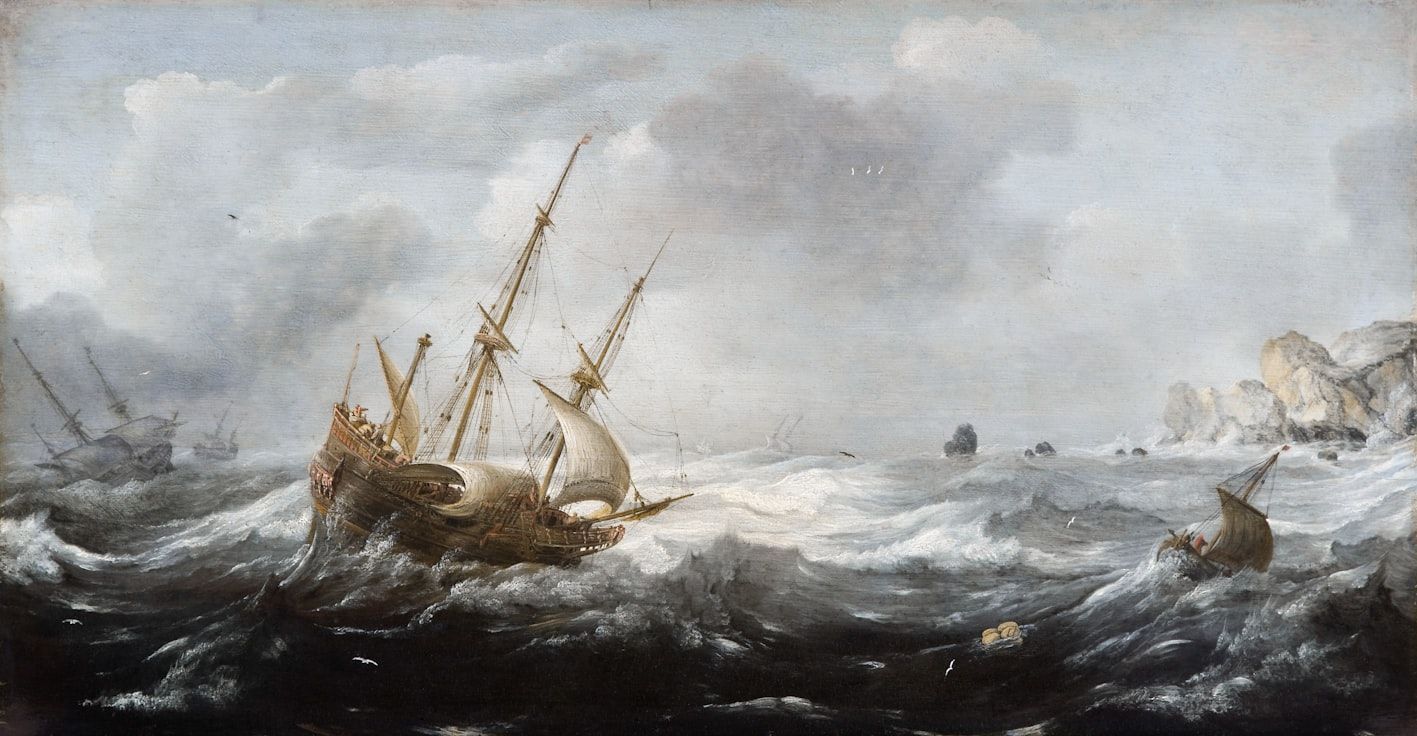
In a fierce naval engagement that lasted only a few hours, Commodore Oliver Hazard Perry secured control of Lake Erie during the War of 1812 . His quick, decisive victory shifted momentum in the northern theater of the war.

The battle is remembered for its speed and for Perry’s bold message: "We have met the enemy, and they are ours."

5
Battle of Blair Mountain (1921)

Image: Art Institute of Chicago

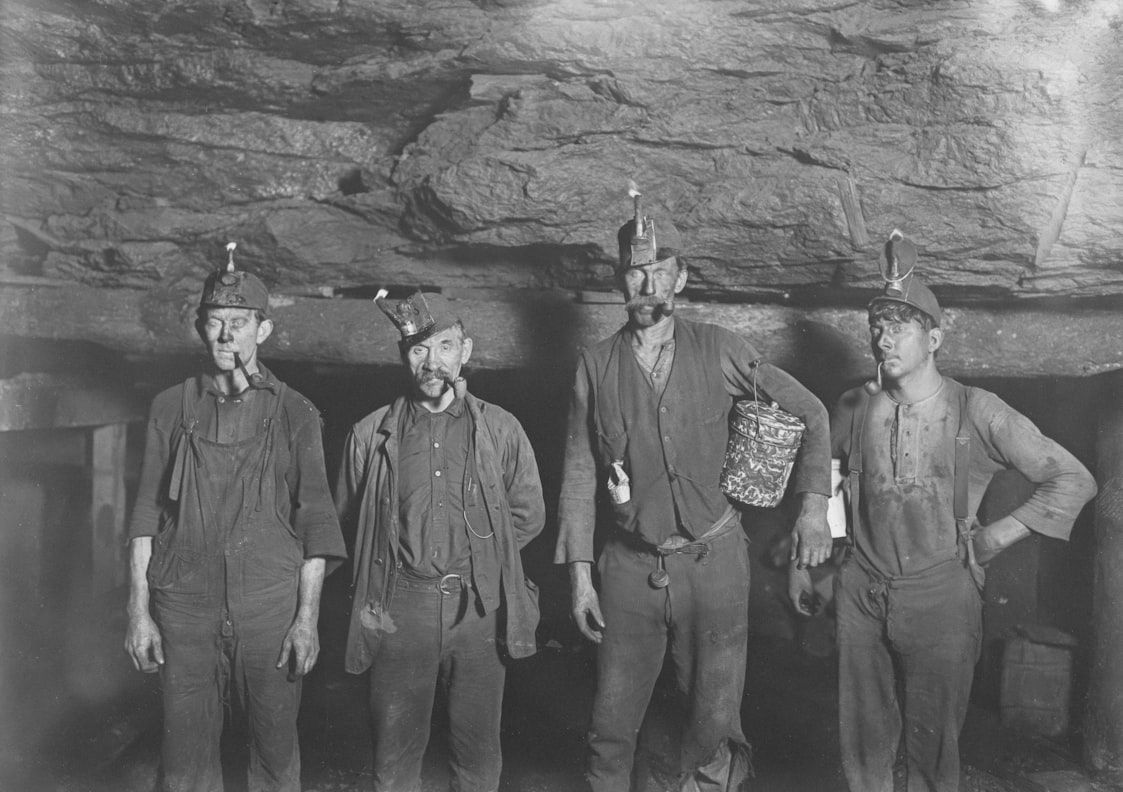
For five tense days in West Virginia, thousands of coal miners armed themselves against hired gunmen, local law enforcement, and eventually federal troops . It became the largest labor uprising in U.S. history.

Despite its scale, the conflict ended quickly once the Army intervened. Its strange blend of union struggle, machine guns, and biplanes made it one of the most dramatic yet short-lived labor battles ever fought.

6
Battle of Athens, Tennessee (1946)

Image: Thi Nguyen Duc

World War II veterans took matters into their own hands and clashed with a corrupt county political machine after years of election wrongdoing. In a single night of gunfire and sieges, the veterans seized the jail and exposed the fraud .

By morning, order was restored and democracy reclaimed. The brief uprising became a legendary example of ordinary Americans pushing back against local tyranny.

7
Shelling of Fort Stevens (1942)

Image: Ray Graciano

During World War II, a Japanese submarine surfaced off the Oregon coast and fired on Fort Stevens for roughly fifteen minutes . The startled gunners held their fire to avoid revealing their positions.

No lives were lost, and damage was minimal. Still, the brief attack stands out as one of the only direct assaults on the U.S. mainland during the war.

8
Battle of Palmito Ranch (1865)

Image: Rosanne Rapata

Fought in Texas weeks after the Confederacy had effectively collapsed, this short skirmish featured U.S. and Confederate troops battling despite the war’s official end . Confusion and poor communication kept the fighting alive.

The engagement lasted only a few hours but became the Civil War’s final battle. Its odd timing makes it a historical footnote with a bizarre twist.

9
Battle of Ambos Nogales (1918)

Image: Art Institute of Chicago

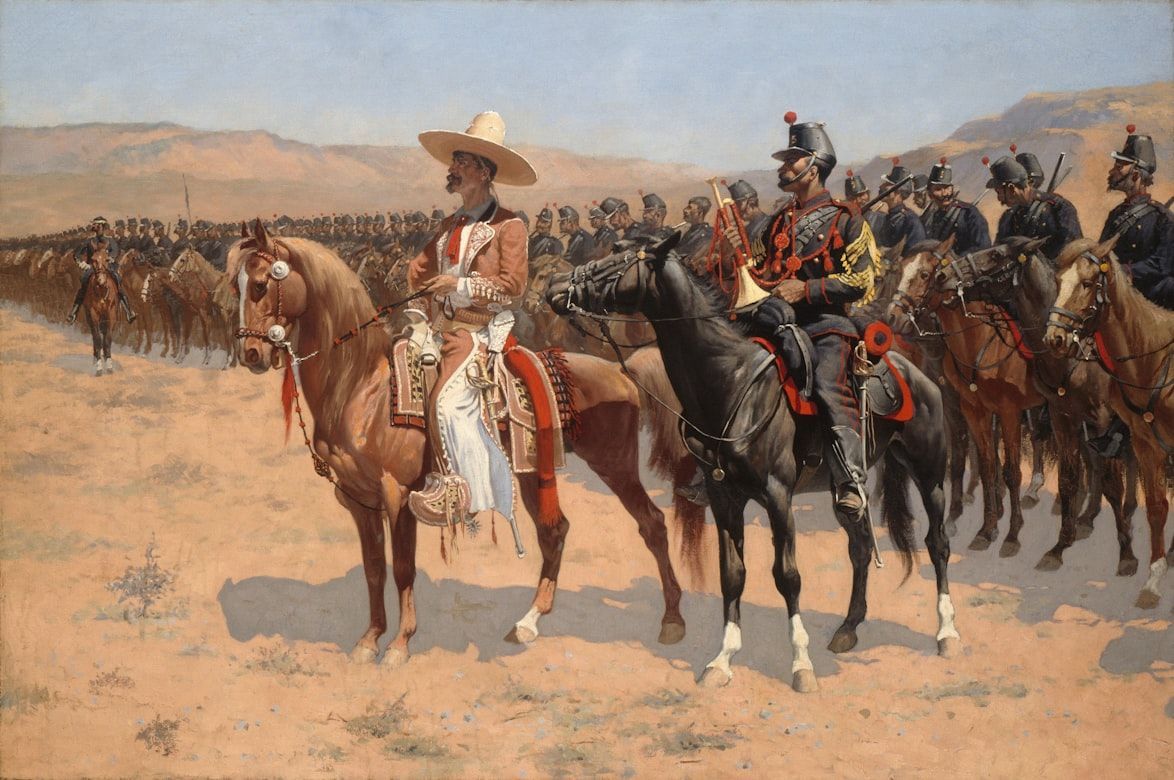
A border misunderstanding escalated into a sudden firefight between U.S. and Mexican troops in the twin towns of Nogales, Arizona, and Nogales, Sonora. The shooting lasted only a few hours but drew civilians into chaos.

The brief clash prompted both governments to rethink border security. It remains the only World War I-era battle fought on U.S. soil involving foreign troops .

10
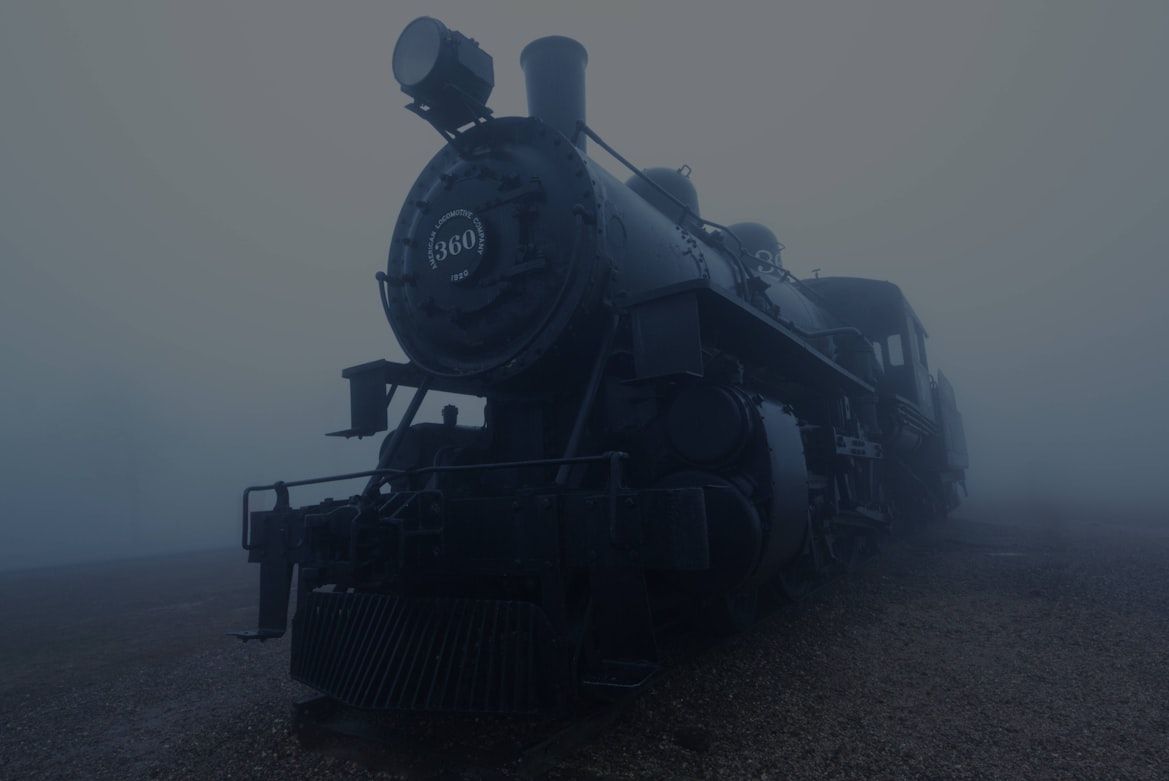
The Great Locomotive Chase (1862)

Image: Naveed Ahmed

Union raiders stole a Confederate locomotive and sparked a dramatic pursuit through northern Georgia. The "battle" unfolded across railroad tracks and small towns over the course of a few hours.

Though unconventional, it was officially a military operation and became legendary for its daring and scope. The episode showed how even a train theft could become an act of war.

11
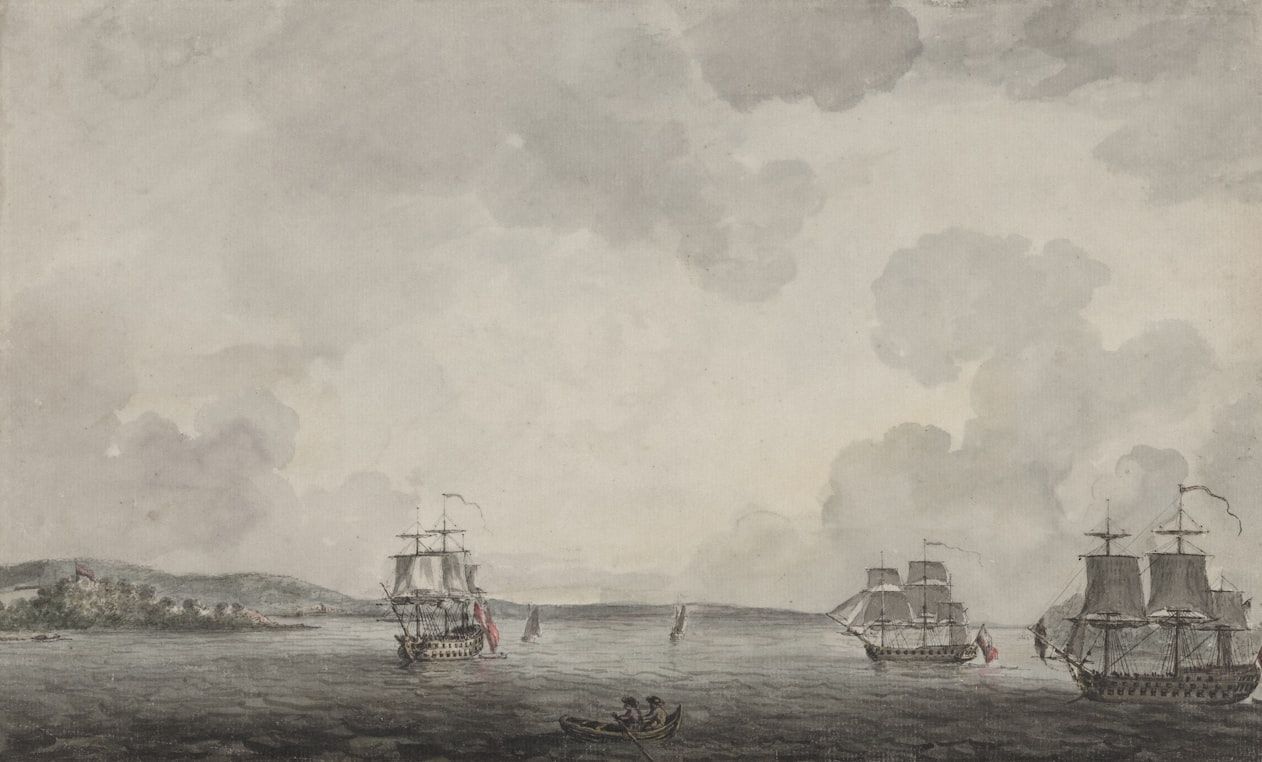
Little Belt Affair (1811)

Image: The New York Public Library

This brief naval encounter between USS President and HMS Little Belt lasted less than an hour. Confusion over signals led to sudden gunfire and heavy damage to the British vessel.

The brief clash worsened tensions between the two nations and helped push the U.S. and Britain toward the War of 1812.

History History 4 min read

Which ad do you remember?

From Nike to Dove: Discover the stories behind 12 iconic ads

Image: Shreesha bhat

Some ads are so catchy, clever, or downright bold that they become part of American culture. From slogans we still repeat to jingles we can’t forget, the best campaigns leave a lasting impression. Take a look at the stories behind 12 of these iconic pieces. Which one do you remember most?

1
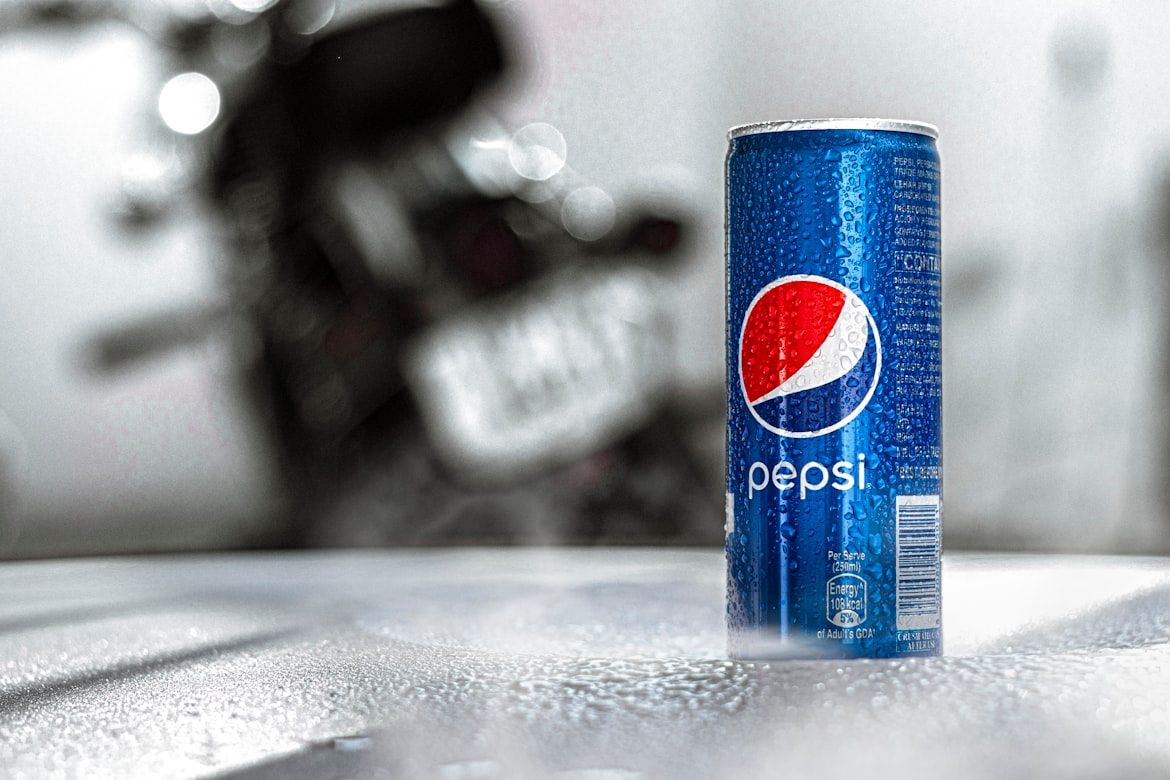
Pepsi: "Is Pepsi OK?"

Image: NIKHIL

If you’ve ever asked for a Coke and heard, "Is Pepsi OK?", you’re not alone—it’s a common scenario that has become a cultural cliché. In 2019, Pepsi embraced that moment and turned it into an ad campaign.

Featuring celebrities, the ads leaned into the joke and confidently rebranded Pepsi as more than just "OK."

2
Westinghouse: "We Can Do It!"

Image: Nayani Teixeira

Westinghouse Electric’s We Can Do It! poster, created during World War II to boost morale among female workers , later became a symbol of female empowerment in the 1970s.

Initially unrelated to the Rosie the Riveter character, the poster eventually gained widespread use in advertisements and pop culture, celebrating women’s strength and independence.

3
Pan-American Coffee Bureau: "Give yourself a coffee break!"

Image: Jakub Dziubak

In the 1950s, the Pan-American Coffee Bureau popularized the concept of the "coffee break" with a campaign that encouraged workers to relax while drinking the popular beverage .

By the 1960s, coffee breaks had become so essential that the United Auto Workers union demanded them in their contracts, even threatening a strike if they were not included.

4
Marlboro: The Marlboro Man

Image: Brendan Stephens

Created in 1954, the Marlboro Man transformed Marlboro from a women’s cigarette into a symbol of rugged masculinity . The iconic cowboy became so recognizable that by the late '90s, nearly 90% of schoolchildren knew him.

The character was retired in 1998 as part of a tobacco industry settlement that banned the use of human and cartoon figures in advertisements.

5
Ad Council: "Friends don't let friends drive drunk."

Image: Aedrian Salazar

Launched in 1983, the "Friends Don’t Let Friends Drive Drunk" PSA became a cultural milestone, directly addressing the widespread problem of drunk driving .

At the time, alcohol was involved in roughly half of all car crash fatalities. The campaign played a key role in shifting public attitudes and helped reduce that number to around 31% in the decades that followed.

6
Levi Strauss & Co.: "A Guide to Casual Businesswear"

Image: Varun Gaba

In the 1980s, "Casual Fridays" gained popularity , but many companies quickly regretted the trend as employees began showing up in overly casual or sloppy attire. In 1992, Levi Strauss & Co. capitalized on the situation by releasing A Guide to Casual Businesswear , promoting its Dockers and Levi’s brands as polished, workplace-appropriate options.

By 1995, Levi’s reported record sales of $6.2 billion, helping to redefine "business casual" and promoting a more professional yet relaxed dress code in the workplace.

7
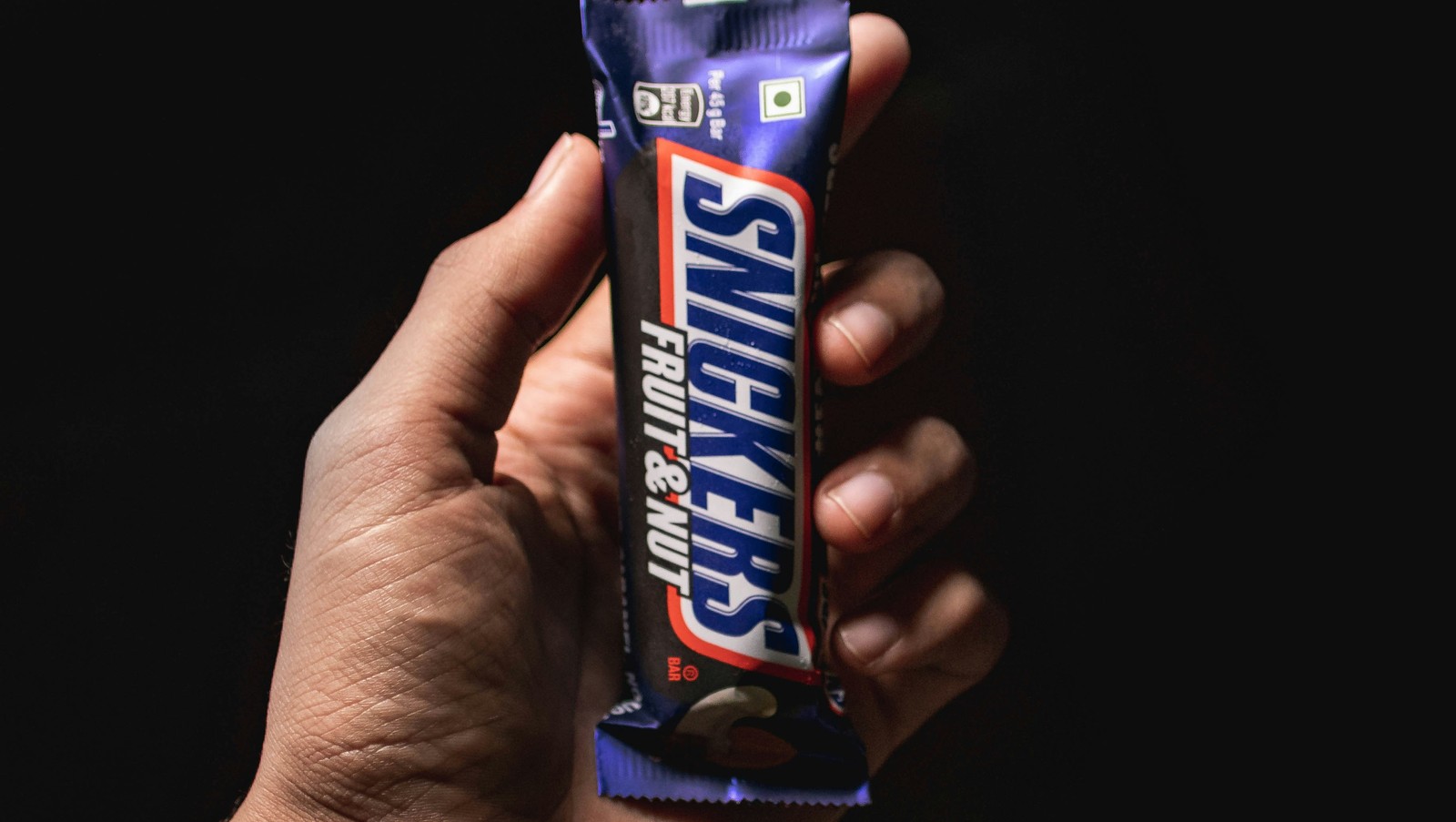
Snickers: "You’re Not You When You’re Hungry"

Image: Shyam Mishra

Snickers’ Super Bowl ad featuring Betty White, in which hunger causes a man to momentarily "become" her during a football game , became an instant hit and introduced the now-iconic tagline: "You’re Not You When You’re Hungry."

The campaign's humor and relatable message made it highly successful, with the concept evolving over the years through new scenarios and celebrities.

8
KFC: "FCK"

Image: Aleks Dorohovich

During a 2018 chicken shortage , KFC used humor to manage the crisis with a bold ad that featured an empty bucket and the letters "FCK" in place of its logo .

This self-aware and cheeky approach helped diffuse customer frustration and strengthened the brand’s connection with its audience through honesty and wit.

9
Pepsi: "Pepsi Challenge"

Image: NIKHIL

Pepsi’s second entry on this list is the iconic "Pepsi Challenge," a blind taste-test campaign that invited consumers to compare Pepsi and Coca-Cola .

By focusing on taste and showing that many participants preferred Pepsi, the campaign successfully shifted public perception and boosted brand loyalty during the fiercely competitive "Cola Wars" of the 1980s.

10
Nike: "Just Do It"

Image: wuyi

Launched in 1988, Nike’s "Just Do It" campaign featured athletes like 80-year-old marathoner Walt Stack to inspire people from all walks of life to take action.

The slogan quickly resonated with audiences, sparking countless personal stories of bold choices and perseverance. It has since become one of the most enduring and recognizable taglines in advertising history.

11
California Milk Processor Board: "Got Milk?"

Image: engin akyurt

Launched in 1993, the legendary "Got Milk?" campaign emphasized the importance of milk through a study showing how people felt when they ran out .

With its clever use of celebrity endorsements and pop culture references, the campaign ran for over two decades and produced hundreds of memorable ads nationwide, cementing its place as one of the most influential marketing successes in advertising history.

12
Dove: "Real Beauty"

Image: Matthew Tkocz

Launched in 2004, Dove’s "Real Beauty" campaign aimed to boost self-confidence by challenging traditional beauty standards.

Featuring real women instead of professional models , the campaign focused on diversity, aging, and natural imperfections, promoting a more inclusive and empowering definition of beauty.

Explore more American facts

Choose your favorite category!

General
General

As American as apple pie—the very best America has to offer!

Culture
Culture

Delve into the astounding richness of American lore.

Geography
Geography

Hop in and explore vast and diverse American landscapes.

History
History

Discover the key moments that shaped the United States.