History History 6 min read

FROM CHEEKY TRADITIONS TO PROMINENT FIGURES

Top 10 American Universities: Amazing Facts You May Not Know About

Image: RUT MIIT

Every university has its own culture, folklore, customs, and pranks . Some even go back centuries. It may be a long time since you were last in school, but no one can deny college years are an unforgettable period in every person’s life that is forever imprinted on the memory.

For most of its history, the US university system has served the mission of economic and social progress, educating the world's greatest leaders and contributing to unprecedented scientific breakthroughs. In this article, we have gathered some of the most curious facts about the country's most prominent schools .

1
Yale
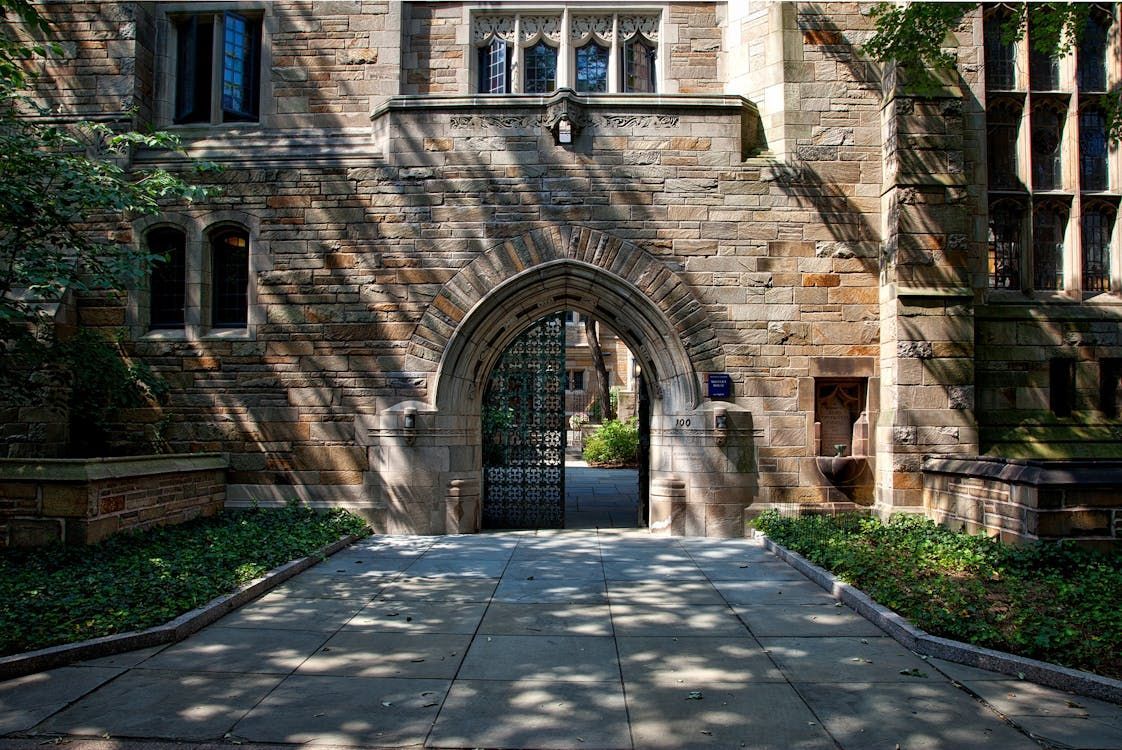
Image: Pixabay

One of America’s most illustrious universities, Yale has been creating stories and forging traditions for more than three centuries. Being one of the oldest universities in the country means you can claim a couple of "oldest". For example, Yale is home to the earliest collegiate daily newspaper still in existence. The Yale Daily News has been around since 1878, reporting consistently five days a week. Also, the Whiffenpoofs, Yale’s oldest a capella group, has been singing every Monday night since 1909 .

Another fun fact? They may not teach magic at Yale, but theuniversity’s residential college system is very similar to the Hogwarts house system portrayed in the famous Harry Potter series . Each year, Yale freshmen are treated to a formal holiday banquet at one of the 17 extravagant Gothic dining halls on campus.

2
Stanford
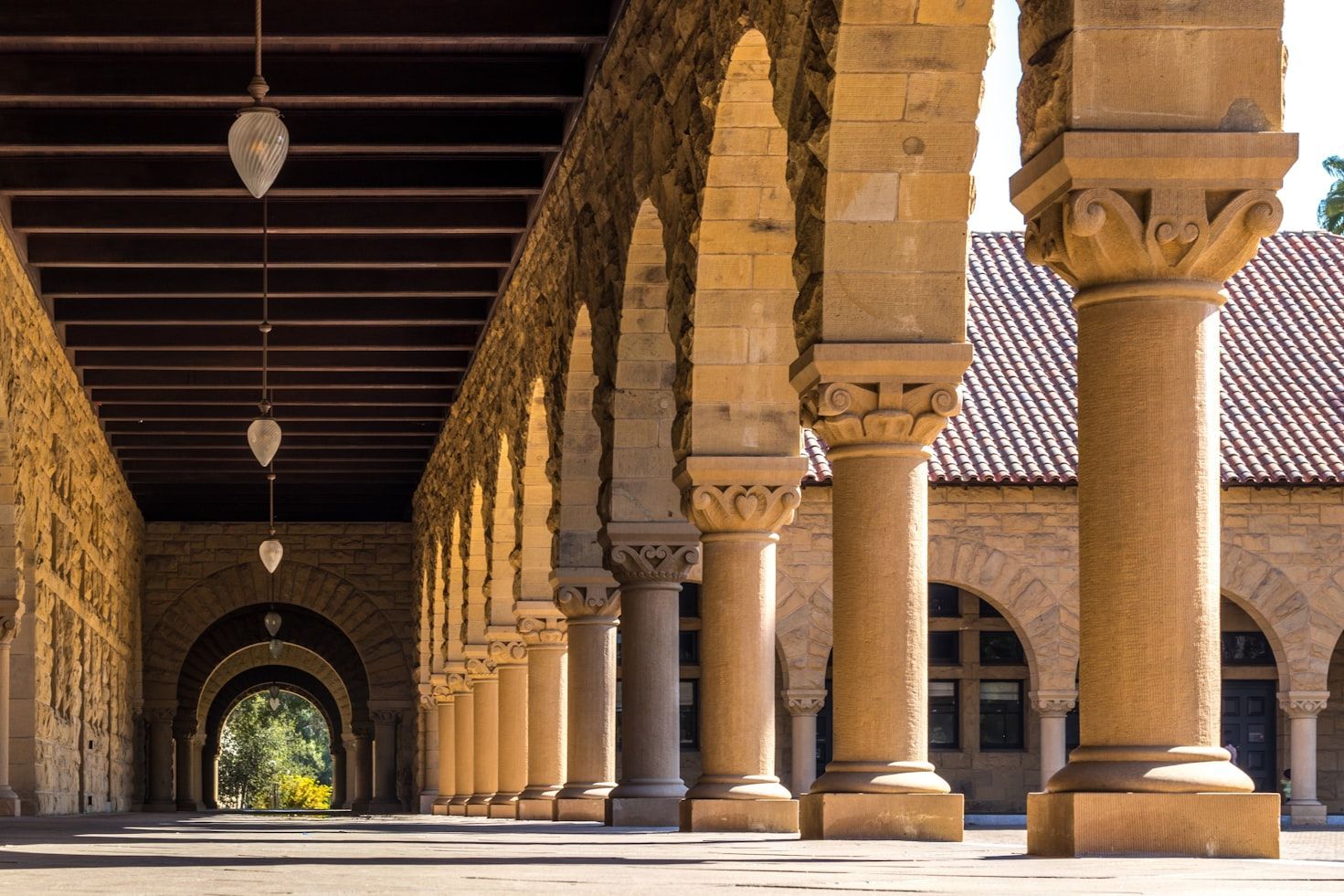
Image: Jason Leung

The campus of Stanford University spans 8,180 acres in the center of the San Francisco Peninsula. It includes 630 buildings, 49 miles of roads, 3 dams, more than 40,000 trees , 25 fountains, a biological preserve, and a historic equestrian barn, among many other special features. It’s so big that it even has its own special zip code!

Perhaps one of the most relevant facts about Stanford is that it is considered the birthplace of Silicon Valley . In the 1930s, the university's Dean of Engineering, Frederick Terman, encouraged his students to stay in the area to develop a high-tech hub. This is how Bill Hewlett and David Packard ended up creating Hewlett-Packard in a garage in Palo Alto not far from campus.

3
MIT
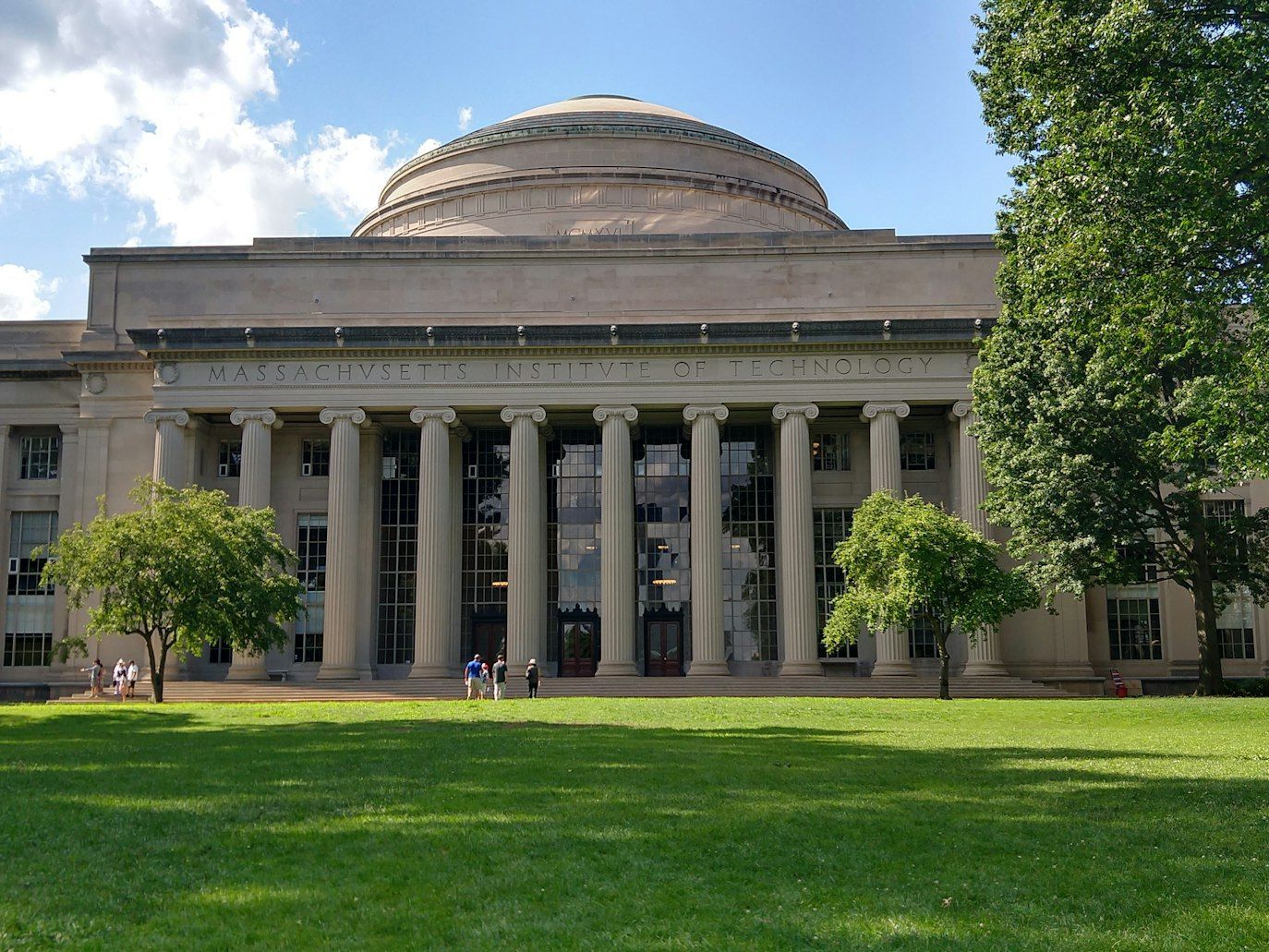
Image: Ana GG

The Massachusetts Institute of Technology was founded on April 10, 1861, just two days before the start of the Civil War. MIT’s official colors are Cardinal Red and Silver Gray and, in 1914, the beaver was chosen as the university’s formal mascot due to its "engineering and mechanical skill and habits of industry."

This distinguished university currently counts 98 Nobel Laureates among its alumni, faculty, and staff. But the nerdy ways of the MIT crowd don't end there.Did you know that acceptance letters for undergraduates are sent out every March 14, in commemoration of Pi Day? Admissions are even delivered at exactly 6.28 pm, which is known as "Tau time" (πx2). No wonder MIT’s motto is mens et manus , Latin for "mind and hand".

4
UCLA
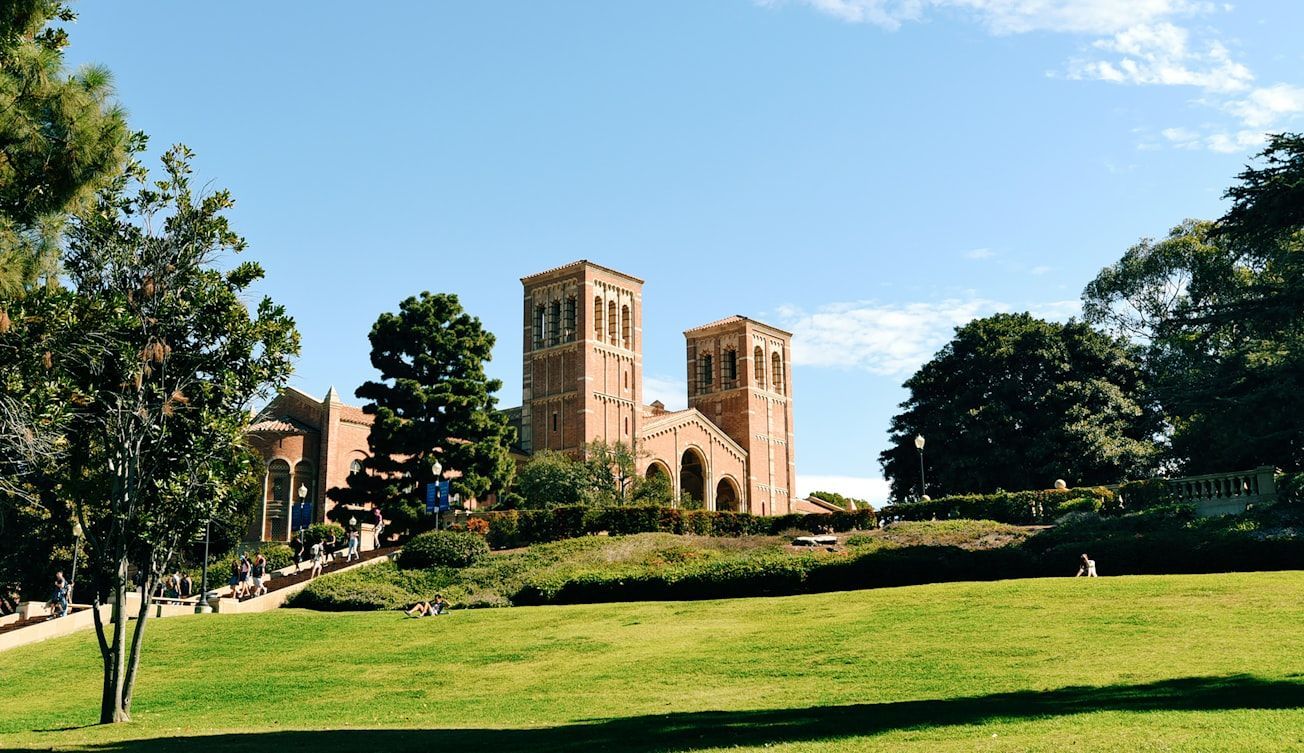
Image: tommao wang

The University of California is synonymous with excellence and innovation, but there are a lot of tidbits about it that even graduates don’t know about. UCLA’s football team has had many nicknames over the years : they were known as the "Cubs", the "Grizzlies", and finally the "Bruins". A live bear even used to take the field at some games until it was banned!

UCLA was also home to some of America’s most prominent cultural icons : James Dean majored in drama, Francis Ford Coppola earned a Master of Fine Arts in Film, NASA astronaut and first mother in space, Anna Lee Fisher, graduated as a doctor and mastered in chemistry, and neuroscientist Dr. Mayim Bialik popularised this field of science with her character in the famous TV series The Big Bang Theory . Can you name any other stars who went to UCLA?

5
Brown
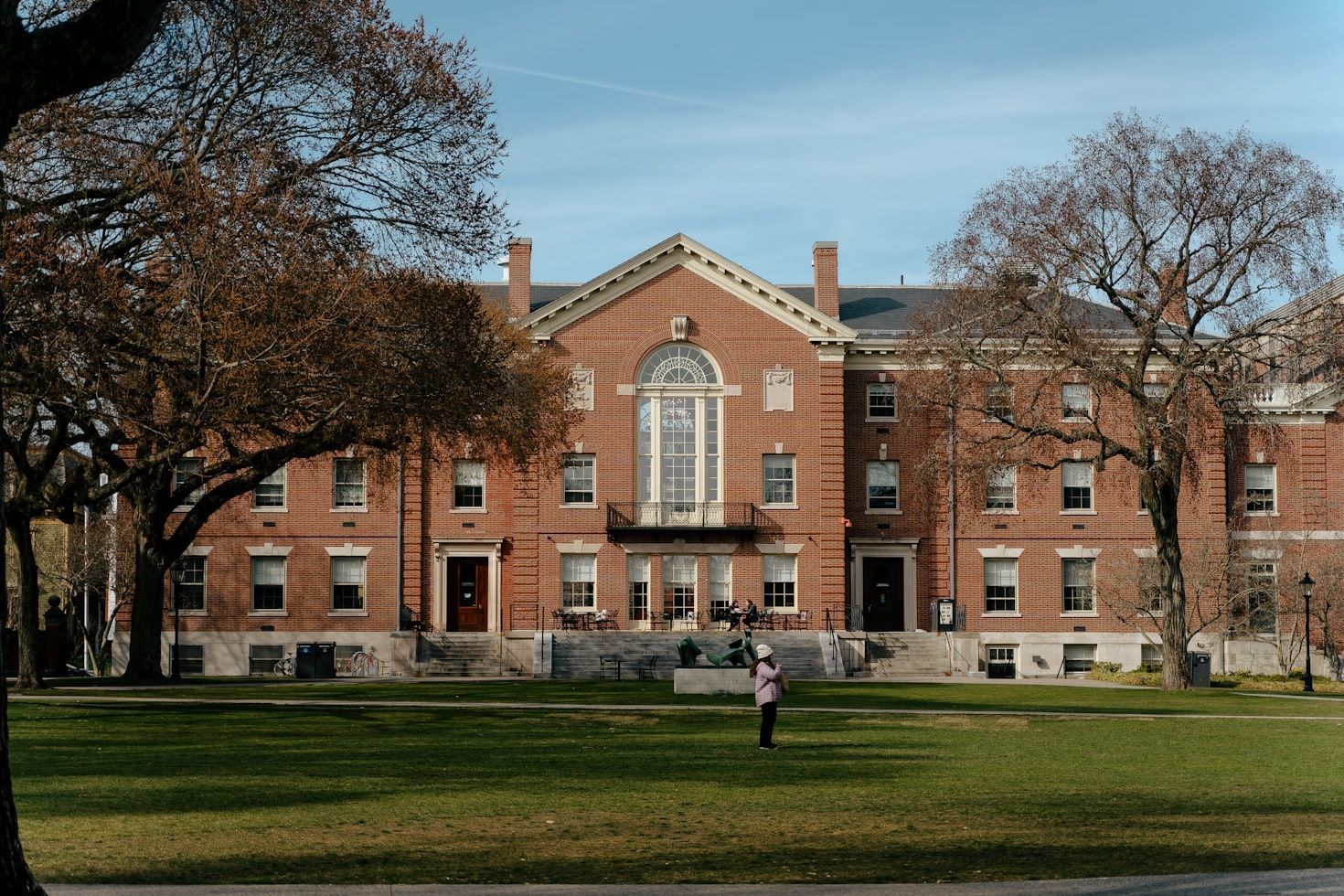
Image: Keming Tan

Founded in 1764, Brown is a leading American research university, the first Ivy League school to accept students from all religious affiliations . Located in Providence, Rhode Island, this school has a bear mascot named Bruno and a library with no windows that resembles a tomb —in fact, rumor has it, that Rush and Annmary Brown Hawkins are buried here. Another one of its libraries, The John Carter Brown Library, holds an invaluable treasure: seven 15th-century letters from Christopher Columbus proclaiming his "discovery" of the Americas.

But perhaps Brown’s most curious feature is Carberry Day. Every Friday the 13th, students celebrate Josiah S. Carberry, a legendary fictional professor of "psychoceramics" who was created as a joke in 1929. Since then, every Carberry Day all students and faculty spread the campus with brown jugs filled with change they donate to the professor and his ‘future late wife Laura’. Have you ever heard of this traditional Brunonian holiday?

6
Johns Hopkins
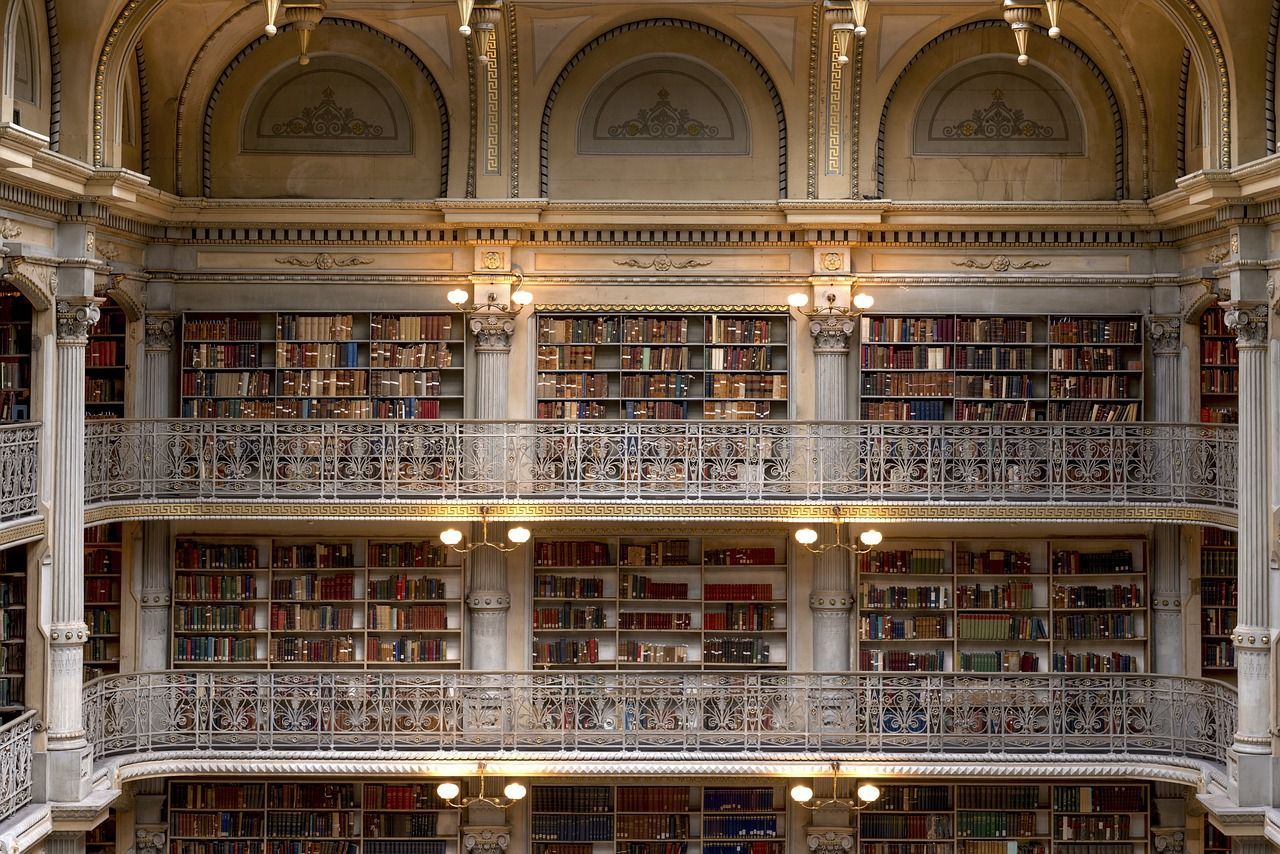
Image: Falkenpost

This university named after the 18th-century Quaker entrepreneur and philanthropist Johns Hopkins was the first research university established in the United States . Johns Hopkins has a long and fascinating history, including mutant rabbit-related mysteries and famous alums: President Woodrow Wilson, Wolf Blitzer, Mike Bloomberg, Tori Amos, and Wes Craven, just to name a few.

Johns Hopkins is also home to some important events in literary history . In 1932, Zelda Fitzgerald was admitted to the university’s hospital and treated for schizophrenia. Soon after, F. Scott Fitzgerald, moved across the street to be closer to his wife. While in Baltimore, they wrote two novels: Save Me the Waltz and Tender is the Night .

7
UPenn
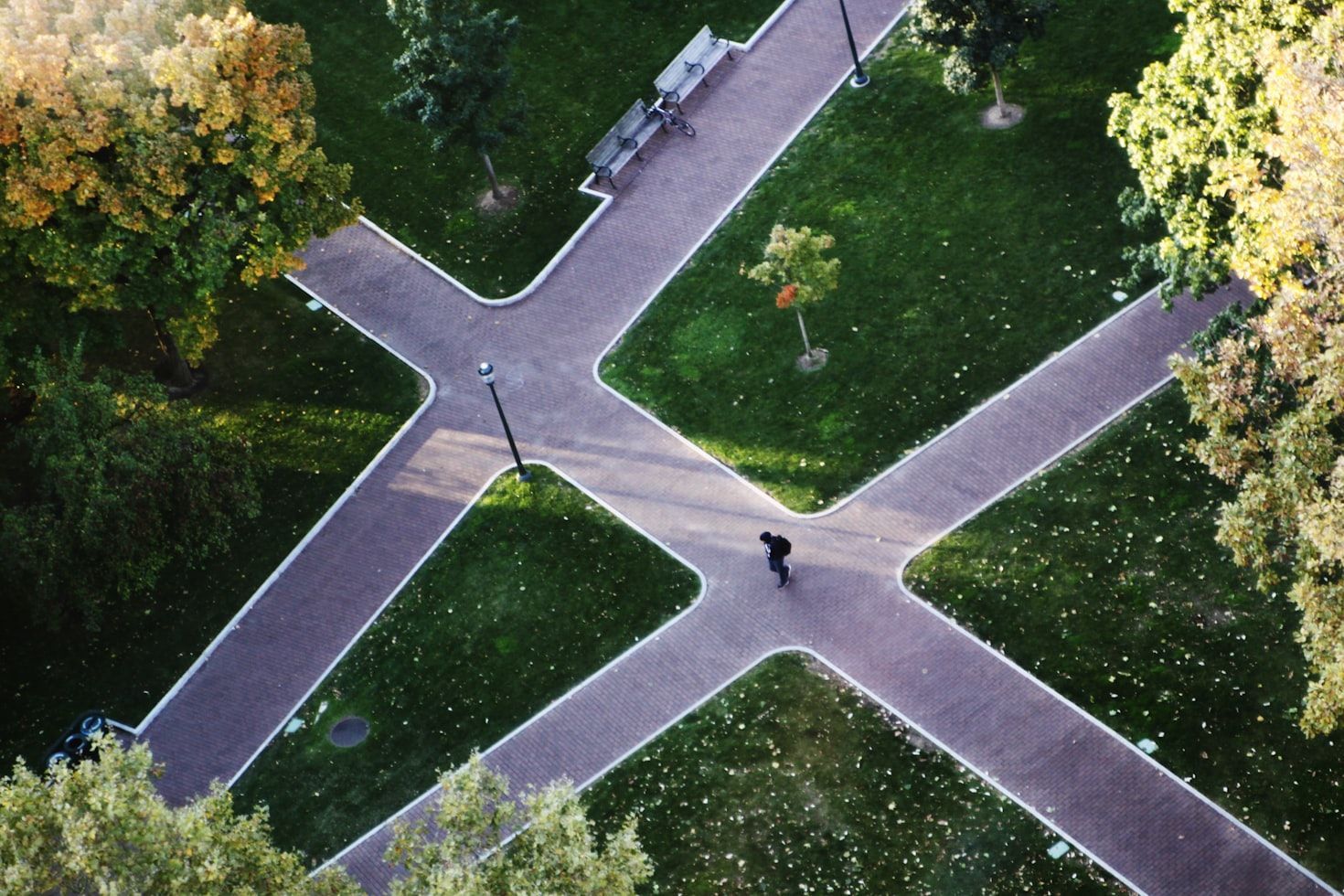
Image: Dyana Wing So

"Here’s a toast to dear old Penn", sing students at the University of Pennsylvania during home football games. Originating in the prohibition years, this tradition of throwing pieces of toast on the field seems to have taken the expression rather literally. Another popular myth at UPenn indicates that freshmen should never cross the compass embedded into the center of Locust Walk if they don't want to risk failing their first exams.

But serious things also happen at this legendary Philadelphia university. For example, it was founded by none other than Benjamin Franklin , the first general-purpose electronic computer was created here in 1946, has 38 Nobel laureates, and many other prominent Americans attended the school, such as Noam Chomsky, Ezra Pound, Warren Buffett, Tory Burch, and John Legend.

8
Caltech
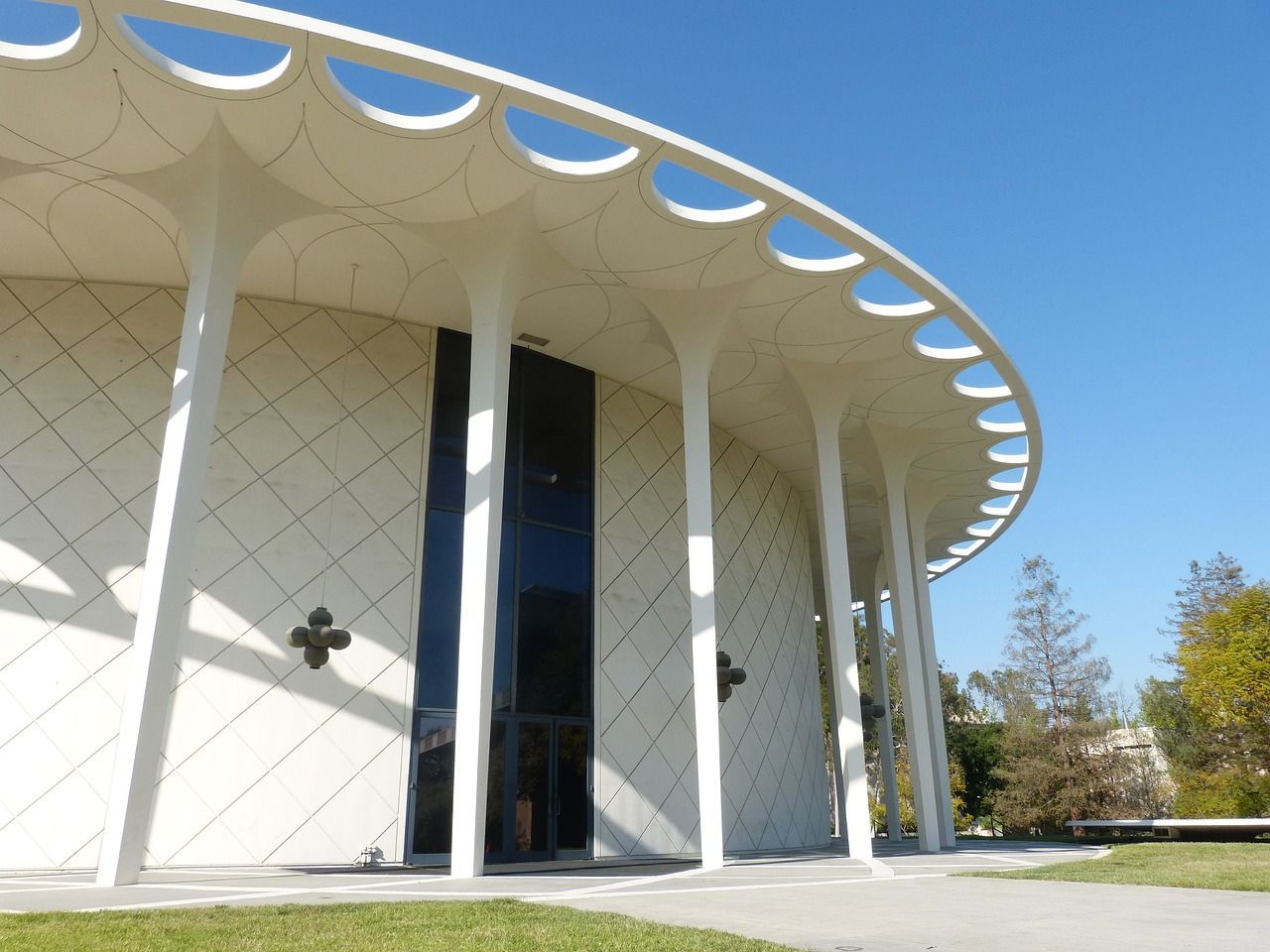
Image: LisetteBrodey

Since its founding in 1891, the California Institute Of Technology has made significant contributions in various scientific fields. It has produced 39 Nobel Laureates and operates the world’s largest optical telescope , located at the Palomar Observatory. Caltech’s most popular major is Computer Science and it also has numerous groundbreaking space-related discoveries under its belt —as a matter of fact, the campus is home to NASA’s Jet Propulsion Laboratory.

While academic excellence is what makes Caltech unique, they also have some quirky traditions. For example, pranks are common practice, often involving rivalries between student houses , especially during Halloween. And it's not all about using their brains, Caltech students put their bodies to work as well. Ditch Day, a celebration whose origins date back to 1921, is said to resemble, wait for it, The Amazing Race .

9
Princeton
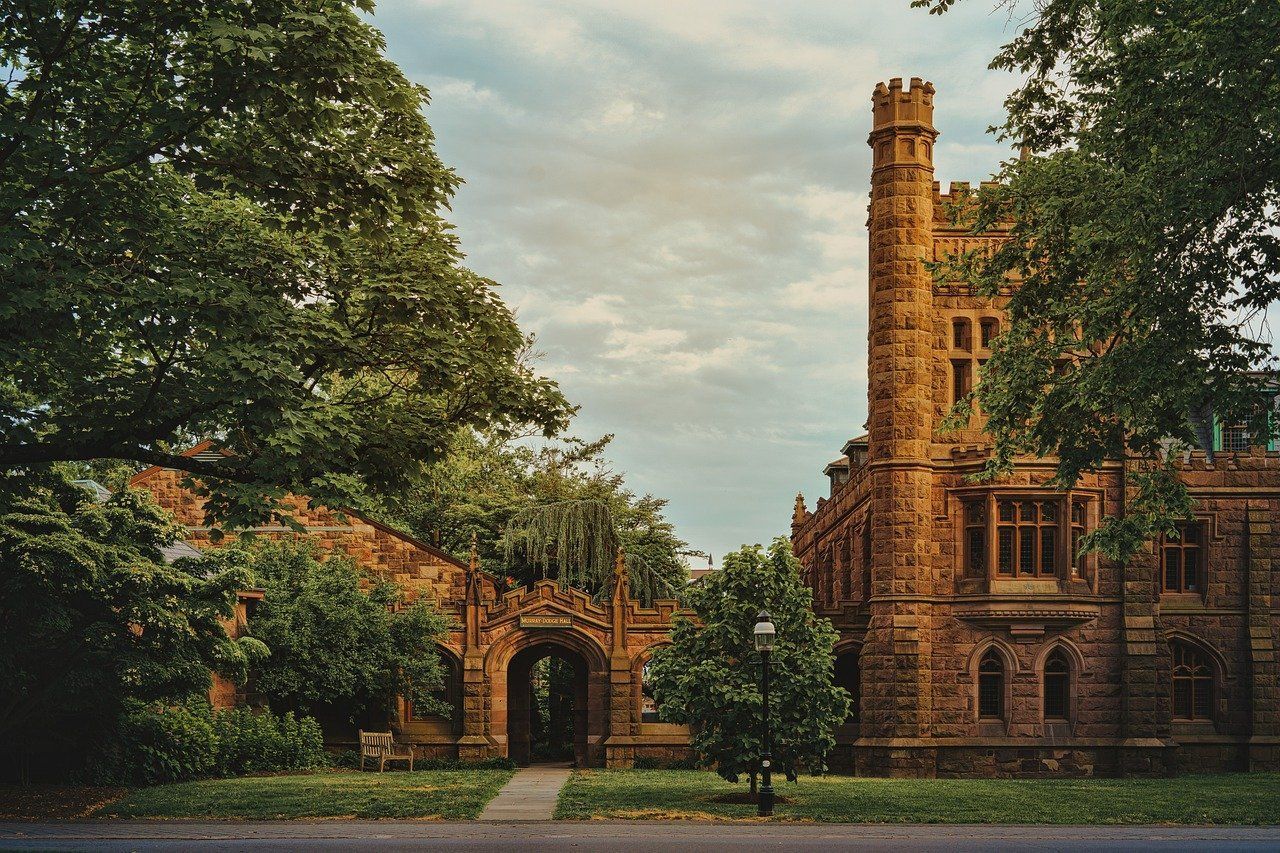
Image: jplenio

The Princeton campus is so picturesque that it has been used as a set for numerous Hollywood productions , including films like A Beautiful Mind and Across the Universe , among others. This renowned Ivy League university also houses the oldest college literary and debating club in the United States , whose graduates include two U.S. presidents, two U.S. vice presidents, and four U.S. Supreme Court justices.

There are more than 60,000 senior theses stored at the Seeley G. Mudd Manuscript Library, for example, those of Michelle Obama, Ethan Coen, Sonia Sotomayor, and Maria Ressa. Princeton University is not only famous on Earth but also in outer space . In November 1969, Charles "Pete" Conrad, a former student and the commander of the Apollo 12 mission, took a Princeton flag to the moon.

10
Harvard
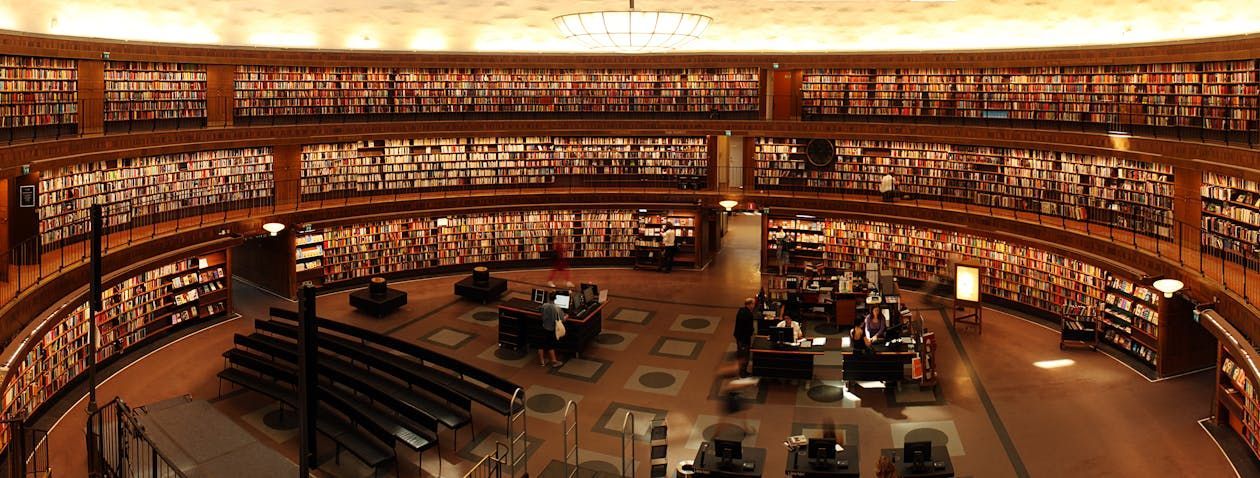
Image: Tamás Mészáros

Harvard University was founded as early as 1636, which makes it the oldest institution of higher education in the United States . With almost 400 years of history, it is not surprising that this prestigious university houses several interesting stories and curious facts to discover. Named after John Harvard, who donated half of his estate and his library of more than 400 books, the school currently has 79 libraries holding about 20.4 million items in 150 miles worth of shelves.

But there’s more! Did you know that eight Harvard alumni signed the Declaration of Independence? Also, Harvard had the first native Chinese instructor to teach Chinese in America, former students won 110 Olympic medals —including 46 gold—, 51 of its affiliates are Nobel laureates, 48 hold a Pulitzer Prize, and 10 won Academy Awards. Not bad, huh?
History History 3 min read

Got mail?

Did you know these 12 facts about the evolution of mail delivery?

Image: Wolfgang Vrede

We take many things for granted, especially when they have been around forever. Their stability is reassuring and commanding. But everything has to start somewhere, and mail delivery certainly has had an interesting history in America. From humble tavern-based post offices to airplanes and ZIP codes, the postal service has a few stories to share. Did you know about these 12?

1
The first post office? A Boston tavern

Image: Mick Haupt

In 1639, the first organized mail service in British North America started at Richard Fairbank’s tavern . The owner collected and distributed mail brought by ship.

Although informal and modest by today’s standards, this post office laid the foundation for communal mail collection and delivery.

2
Enter Benjamin Franklin

Image: Brett Wharton

From 1753, Franklin served as joint Postmaster General for the colonies and undertook a sweeping reform: he organized delivery routes, aligned them with major roads and rivers, and cut the mail travel time between Philadelphia and New York to about 33 hours .

He also introduced the first rate chart, standardizing delivery costs based on weight and distance, turning what had been a scattered courier network into a more reliable, structured mail system.

3
National Postal System founded

Image: David Trinks

With the American Revolution underway, the Second Continental Congress established the first national postal agency in 1775 , appointing Benjamin Franklin as the first Postmaster General.

This new postal service initially handled mostly military and diplomatic correspondence, but the agency laid the groundwork for what would become a national communications service.

4
The Age of Steam: mail by steamboat

Image: mandylin

In 1813, Congress authorized the Postmaster General to contract steamboat companies to carry mail. Soon, steamboats were ferrying mail up and down the East Coast and the Mississippi River .

By 1848, mail even traveled to California via steamship and across the Isthmus of Panama, a three-week voyage.

5
Overland stagecoaches and the Butterfield Overland Mail

Image: Ricky BiggsSr

Between 1858 and 1861, the Butterfield Overland Mail stagecoach service carried U.S. mail across the western frontier, from eastern posts like Memphis and St. Louis to San Francisco .

This service helped connect the eastern U.S. with rapidly growing western settlements long before the completion of the transcontinental railroad.

6
Railroads enter the picture

Image: Jay Kettle-Williams

As railroads expanded, the postal service started to use this new technology: in 1832, the first mail deliveries by train were made.

Rail transport vastly improved speed and reliability compared to horse and stagecoach travel , and became a key advance as mail traffic increased and the nation expanded westward.

7
First U.S. postage stamps

Image: The New York Public Library

In 1847, the first official U.S. postage stamps were issued: a 5-cent stamp featuring none Ben Franklin and a 10-cent stamp featuring George Washington .

Prepaid stamps simplified payment and collection of postage, removing complications from pay-on-delivery systems and helping the postal system function more efficiently.

8
The Pony Express

Image: The New York Public Library

In 1860, the Pony Express started its overland mail route between Missouri and California, nearly 1800 miles of relay horseback riding . The mail took 10 days between endpoints.

Although short-lived (it ended in 1861), the Pony Express demonstrated the demand for rapid cross-country communication.

9
City-wide home delivery

Image: Lesli Whitecotton

In 1863, free city mail delivery began , allowing residents in major cities to receive letters directly at their homes rather than picking them up at a post office.

This represented a major shift: mail became a part of everyday domestic life, not just something dropped off and picked up by hand.

10
Pneumatic tube mail in NYC

Image: The New York Public Library

In 1897, a pneumatic-tube mail system began operation in New York City. Mail could travel underground at high speeds, from the General Post Office to other offices in Manhattan within minutes .

At its peak, the system carried thousands of letters daily: at one point, nearly 30% of New York City mail went through this immense underground network.

11
Parcel post service launches

Image: Olivier Rouge

On New Year’s Day 1913, the U.S. Post Office inaugurated the first official parcel post service , allowing packages, not just letters, to be sent through the mail.

The impact was immediate: within the first five days, millions of packets passed through post offices, fueling mail-order business and expanding commerce everywhere.

12
First airmail route

Image: Qihao Wang

In 1918, the postal service launched the first regularly scheduled air mail route between Washington, D.C., and New York , marking the beginning of mail carried by airplane.

Airplane mail allowed far faster coast-to-coast and long-distance communication, a major leap from sailboats, stagecoaches, or railroads.

Geography Geography 6 min read

America's weirdest, wildest, and raddest

Stop the car! 10 roadside wonders that'll make you say "What the Heck?!"

Image: Alvaro Reyes

If there’s one thing we Americans love, it’s things that are bigger, louder, and better than anyone else’s. This might explain why we are home to the largest egg in the world or why we keep Thomas Edison’s last breath in a museum. While it’s true that some of these strange places may seem odd and slightly cringeworthy, each one is interesting in its own right. And while they may not all be worth going out of your way to see, they are certainly worth reading about. Join us to discover 10 roadside attractions that will leave you speechless!

1
Miniature Graceland

Image: Florian Herzog

If you are on the East Coast and you are not planning a trip to the South to visit the real Graceland in Memphis anytime soon, you can always settle for Roanoke, Virginia's miniature version.

The handcrafted structures at Miniature Graceland include the mansion itself, a replica of the Elvis Presley Car Museum, as well as the King's birthplace in the city of Tupelo. This magical tribute was built in 1980 by Don Epperly, an Elvis fan, on the property next to his home. Over time, the attraction deteriorated, but a local group is now in charge of maintaining the site, which can still be visited.

2
World’s largest Christmas store

Image: Brandi Alexandra

Bronner's Christmas Wonderland in Frankenmuth, Michigan, is the self-proclaimed world's largest Christmas store. And no wonder—the amount of electricity required to run the 100,000 lights that illuminate the sales floor costs approximately $1,250 per day.

The salesroom showcases more than 350 decorated trees, and you can find decorations and gifts from 70 countries, as well as over 150 styles of nutcrackers. Also, Bronner's has in-house artists who customize over 100,000 ornaments annually. This place is so fantastic that hundreds of celebrities have visited it. So, now you know—if you're ever in Frankenmuth, chances are you'll be rubbing elbows with a Hollywood star while shopping for your next Christmas tree.

3
Missouri’s Mount Rushmore

Image: Takefreebies

Although often overshadowed by the original Mount Rushmore in South Dakota, Missouri’s Mount Rushmore with Fake Celebrity Heads still manages to attract a crowd. The "monument," located in Branson since 1996, includes sculpted faces of John Wayne, Elvis Presley, Marilyn Monroe, and Charlie Chaplin.

This attraction is part of the Hollywood Wax Museum and is featured on the exterior of the building. Inside, you can find wax replicas of dozens of iconic stars —a true photo opportunity! But, if you get bored, Branson offers plenty of other attractions for the curious tourist. Just next door to the museum, you’ll find the Castle of Chaos, the world's first 5D ride and game, as well as Hannah's Maze of Mirrors.

4
World’s Largest Egg

Image: Daniele Levis Pelusi

There have been four versions of the "World's Largest Egg" throughout the history of Winlock, Washington, where it is displayed. The current version is made of fiberglass, weighs 1,200 pounds , and sits atop a ten-foot steel pole in the center of town. But why an egg?

Until the 1950s, Winlock was America's second-largest egg-producing town, and its residents were very proud of this distinction. In fact, the first "big egg" they built to celebrate it, a canvas version, dates back to 1923. In 1944, it was replaced by a plastic version, and in the 1960s, a fiberglass model took its place. The current version, crafted in 1993, was made possible thanks to a local chicken hatcheryman.

5
Virginia’s Dinosaur Kingdom

Image: Fausto García-Menéndez

If you ever wondered what would happen if giant dinosaurs had fought during the Civil War, look no further than the Dinosaur Kingdom in Natural Bridge, Virginia. Visitors to this quirky destination are treated to scenes of giant plastic lizards devouring Union soldiers in re-enactments of famous battles.

But it’s not all fantasy—there's some truth to it all. The park's 30 fiberglass statues are built around the premise that paleontologists discovered dinosaurs in 1863. This unique attraction was created in 2005 by local artist Mark Cline, who was inspired by the movie The Valley of Gwangi, in which cowboys discover living dinosaurs in a Mexican valley.

6
Thomas Edison’s Last Breath

Image: Zach Lucero

Who wouldn’t want to capture the soul of a loved one before they passed away? Believe it or not, that's what American industrialist Henry Ford did in 1931. Ford considered Thomas Edison a hero and a role model. In fact, as a young man, he took a job at the Edison Illuminating Company while working on his first experimental automobile. Edison, impressed by young Ford’s inventiveness, eventually became his friend.

As the legend goes, Ford asked Edison's son to sit by the inventor's deathbed. Believing that the soul left the body with one’s dying breath, Ford captured the final gasp of his dear friend in a test tube. The artifact, labeled "Edison’s Last Breath?", is now on display at Henry Ford’s Museum in Dearborn, Michigan. If you ever visit, you'll find other interesting memorabilia, like George Washington's camp bed and the rocker in which Lincoln was shot.

7
The Golden Driller

Image: Zbynek Burival

To celebrate the discovery of vast oil reserves in the area, the city of Tulsa, Oklahoma, created a statue depicting an oil worker and presented it at the International Petroleum Exposition in 1953. The monument became so popular that in 1966, a new twenty-two-ton concrete and iron statue of a golden man standing next to an oil derrick was permanently installed in front of the Tulsa Expo Center.

The Golden Driller stands seventy-six feet tall and can withstand a 200 mph tornado. In 1979, it was declared Oklahoma’s official state monument. A plaque at its base reads: "To the men of the petroleum industry who by their vision and daring have created from God’s abundance a better life for mankind."

8
Glass Beach

Image: Kevin Lanceplaine

From 1950 to 1967, the citizens of Fort Bragg, California, dumped tons of garbage onto a nearby beach. Over the decades, the ocean transformed the refuse into thousands of small, smooth, colored glass pebbles that still litter the shoreline today.

Now known as Glass Beach, this area adjacent to MacKerricher State Park attracts thousands of treasure seekers each year. The beach is accessible by foot via a short climb down the cliffs, although collecting the remaining glass is discouraged by State Park Rangers.

9
Hometown of Superman

Image: Zachariah Aussi

Although the rural town of Metropolis, Illinois, is a far cry from the bustling, imaginary city featured in the Superman comics, it has fully embraced its superhero ties. In 1972, Metropolis proudly declared itself the "Hometown of Superman."

A fifteen-foot bronze statue of the Man of Steel stands on Main Street in front of the county courthouse, while Lois Lane has her own statue just a few blocks away. If this inspires you to visit Metropolis, mark your calendar for the second weekend of June. Every year, Superman fans from around the world gather here for the Superman Celebration , which features discussion panels, costume contests, and appearances by celebrity guests.

10
Wonder Tower

Image: Martin Podsiad

One hundred miles east of Denver, in Genoa, Colorado, sits the World’s Wonder View Tower, a tribute to all things weird and obscure. In reality, it was a roadside attraction built in the mid-1920s by American showman P.T. Barnum as a sort of tourist trap. The promoters claimed that if guests climbed to the top, they could allegedly view six different states: Colorado, Kansas, Nebraska, Wyoming, New Mexico, and South Dakota.

For years, the sixty-five-foot tower housed a museum and gift shop featuring stuffed two-headed animals, a collection of 50,000 glass bottles, rooster eyeglasses, and scores of other curiosities. Unfortunately, today the tower is closed to the public due to the owner’s death. Nevertheless, visitors can still admire the weird-looking structure from the outside and, we assure you, it’s totally worth it!

Explore more American facts

Choose your favorite category!

General
General

As American as apple pie—the very best America has to offer!

Culture
Culture

Delve into the astounding richness of American lore.

Geography
Geography

Hop in and explore vast and diverse American landscapes.

History
History

Discover the key moments that shaped the United States.