General General 4 min read

What were you thinking?

Appalling misconceptions: Facts about the US that many people get wrong
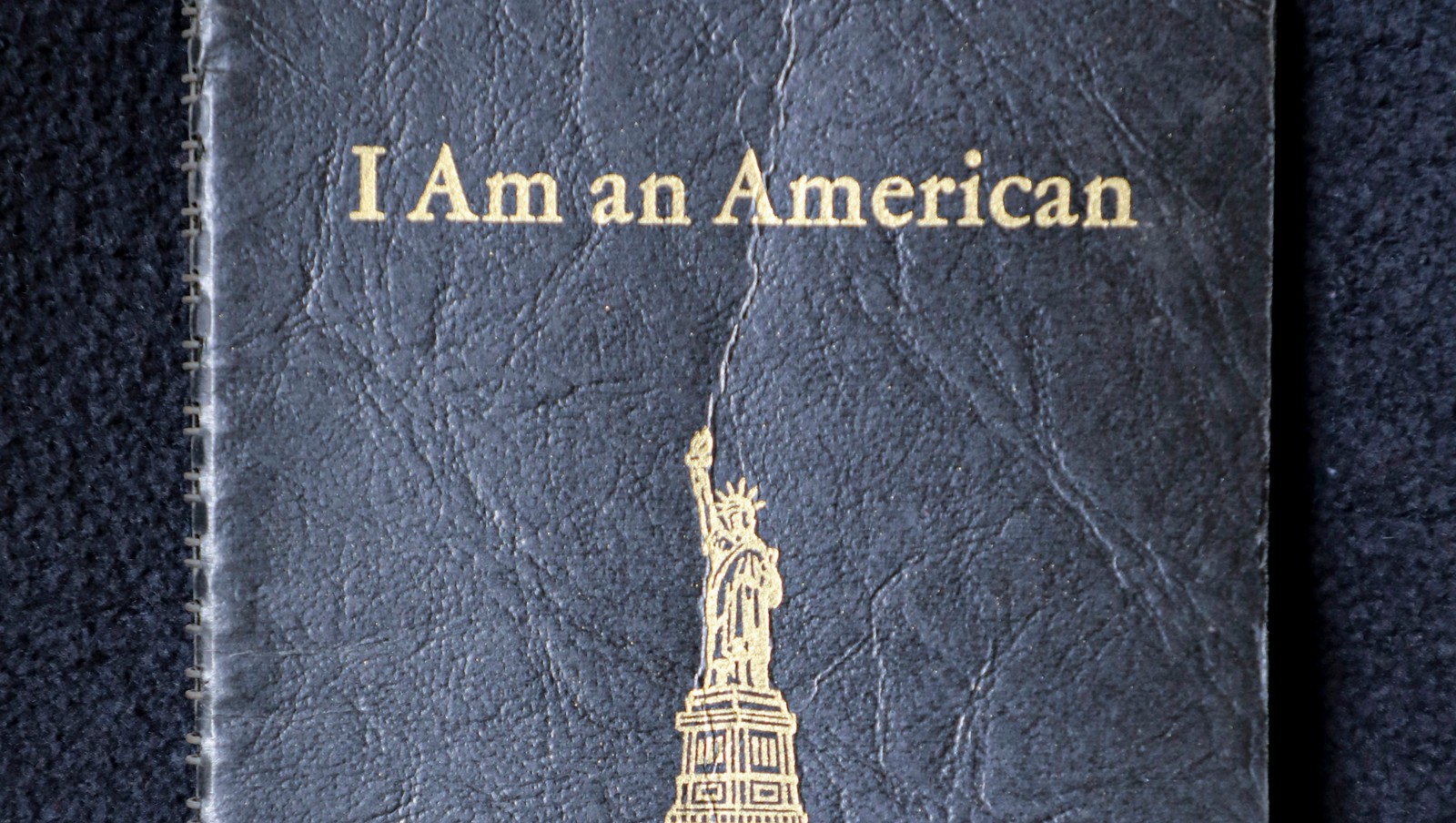
Image: Mick Haupt

Some people believe that the Liberty Bell cracked upon its first toll. That would speak of a very poorly built bell, don’t you think? Others believe that the Declaration of Independence was signed by all 56 delegates on the same day. Another common misconception! And can you believe that some people thought the faces on Mount Rushmore were random profiles carved naturally by some wind? Let’s look into myths about the US, ranging from understandable to appalling, and see if you fell for any of these!

1
There are 52 states in the U.S.
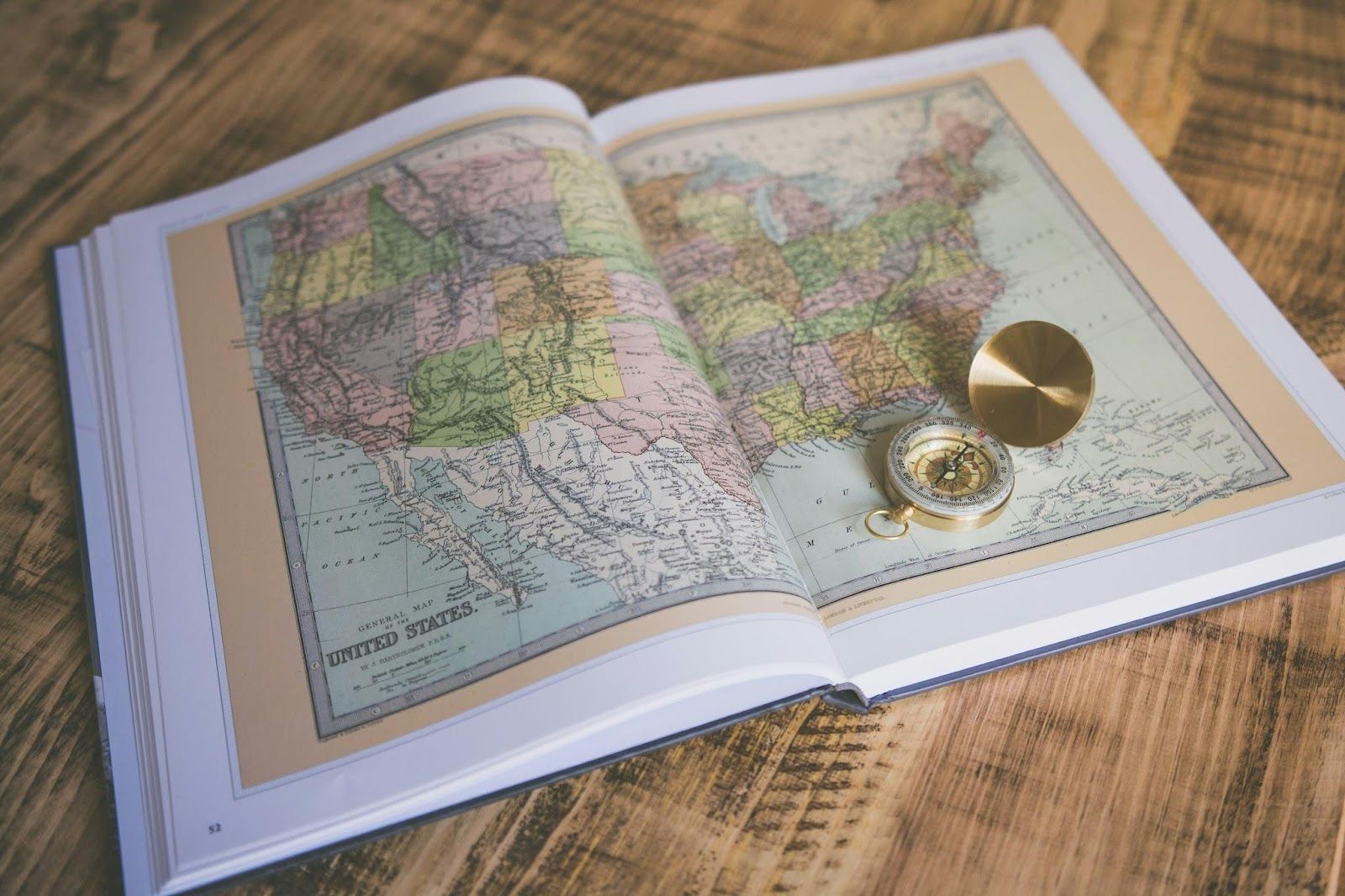
Image: Chris Lawton

Remember that Friends episode where the characters were racing to write down as many state names as they could? When they asked Joey how many he’d gotten, he leaned back and proudly announced: "Fifty-six."

While not many Americans would share Joey’s confusion, believe it or not, some people are lost about the exact number . Many, when asked, reply that the country contains 52 states! Nope, it’s still just 50. People often mistakenly include Puerto Rico and Washington, D.C. as states.

2
The Declaration of Independence was signed by everyone on July 4th, 1776
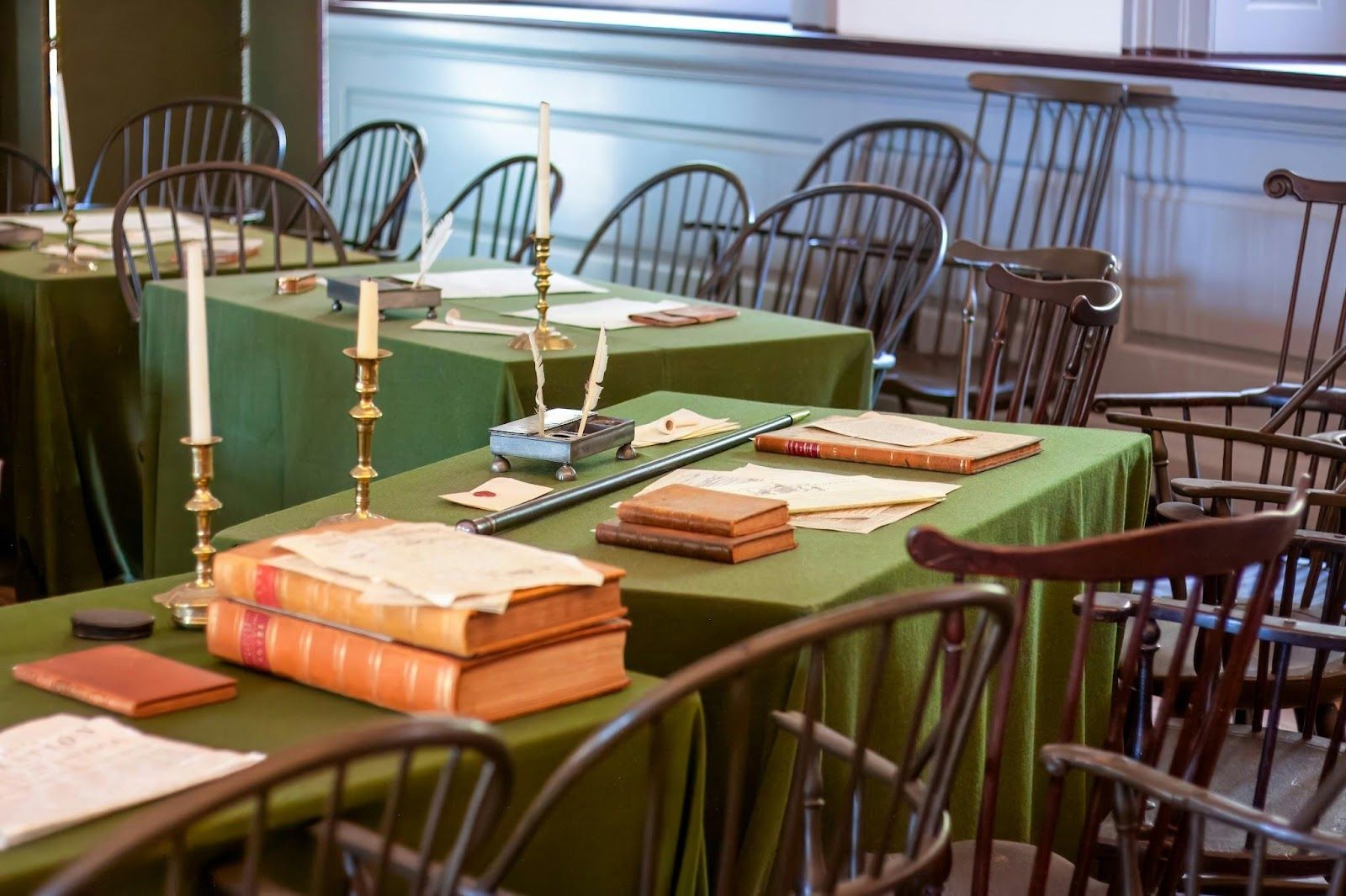
Image: Ryan Wallace

You’ve seen the paintings—quills raised, scroll unfurled, patriotic ambiance in full bloom. You probably pictured the famous document (scribbled on dramatically aged paper) being passed around the table and filled with names.

But reality was less cinematic . While July 4, 1776, is when the Declaration was adopted, only a few signatures made it on the page that day. Most of the 56 signers added their names over the course of weeks, and some not until August... or even later!

3
The Founding Fathers were all old men with powdered wigs
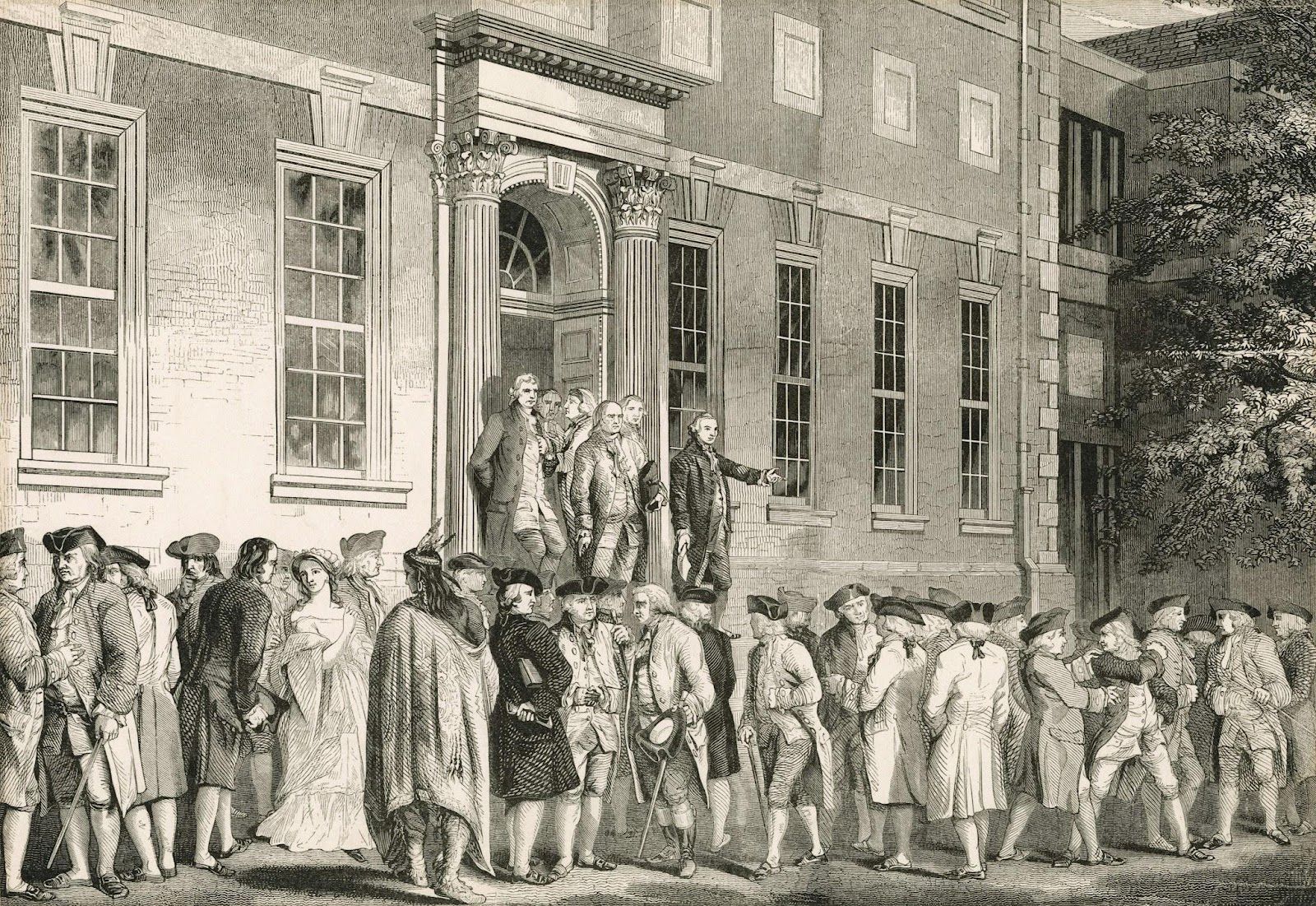
Image: The New York Public Library

You’d think the Founding Fathers were all 60-something aristocrats in wigs , sitting by candlelight. But many were in their twenties and thirties—Alexander Hamilton was just 21, and James Madison 25. Wigs weren’t as common as Hollywood would have you believe. Most preferred their natural hair, styled with a bit of 18th-century flair.

4
The U.S. Constitution was signed on July 4th, 1776
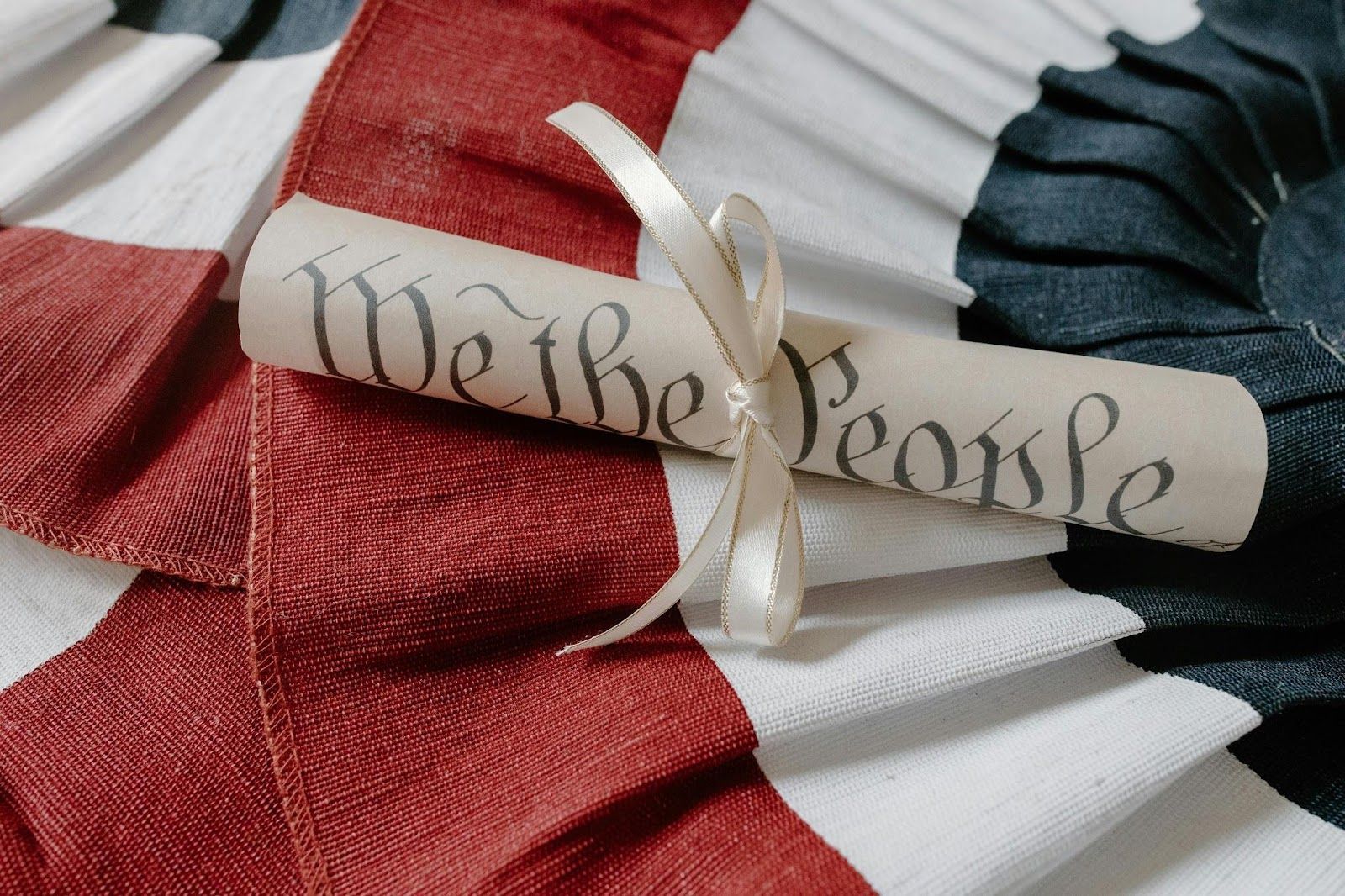
Image: Tara Winstead

It’s easy to jumble up America’s important dates , but this one’s a whopper. July 4th marks the adoption of the Declaration of Independence, not the Constitution. The Constitution came along in 1787, over a decade later, and was signed on September 17.

5
The Statue of Liberty belongs to New Jersey
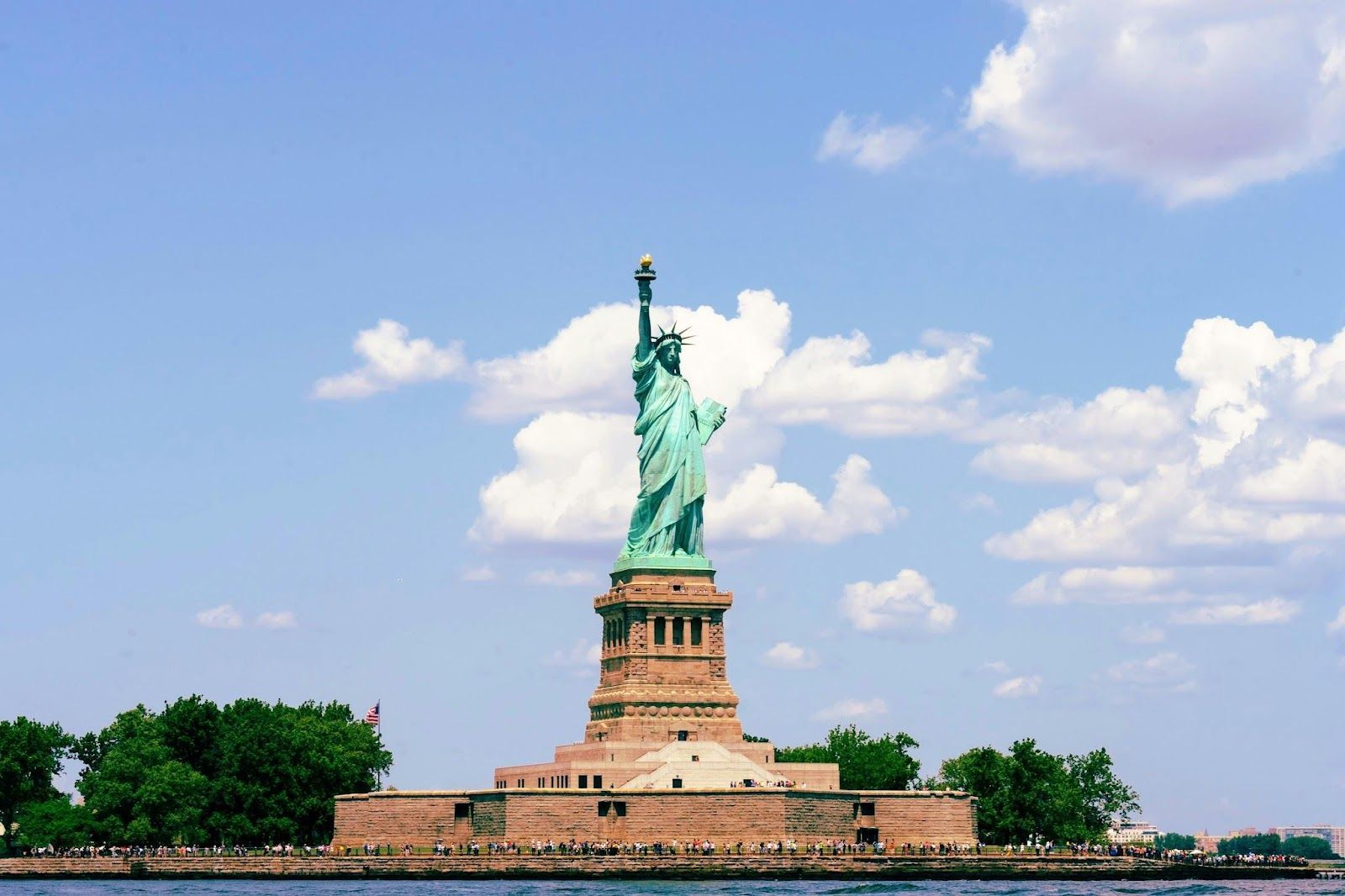
Image: Avi Werde

You’d be right to observe that Lady Liberty is surrounded by Jersey’s waters. But there’s a caveat: Liberty Island itself is federal property administered by the National Park Service. And while the island is closer to the shores of New Jersey, it remains under the sovereignty of New York State .

6
Benjamin Franklin was a U.S. president
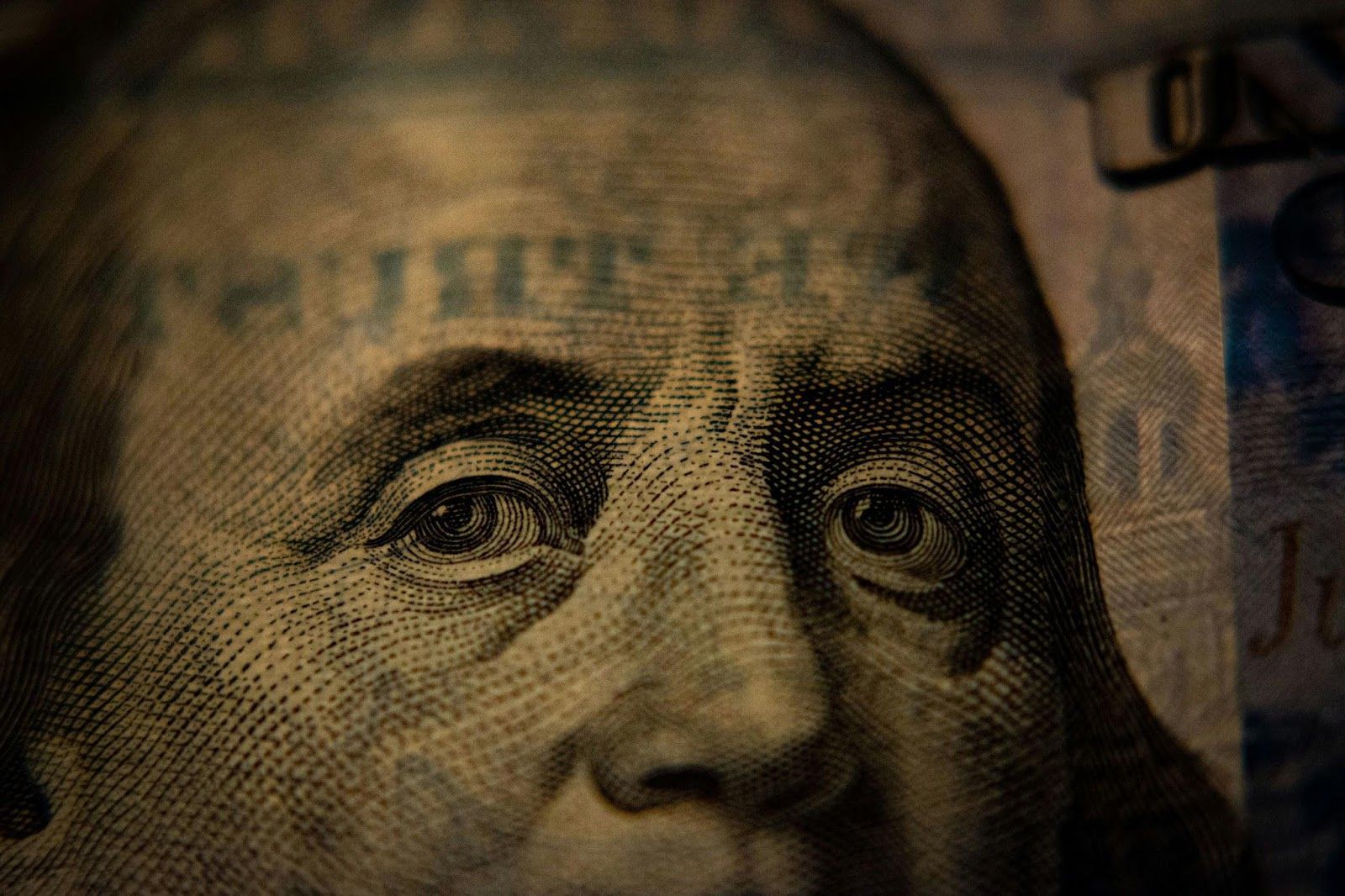
Image: Adam Nir

No! He may have earned his place on the $100 bill, but it wasn’t for being the POTUS. He will always remain, however, one of the most recognizable Founding Fathers . He flew kites in storms, and he founded institutions like it were a hobby. He was a diplomat, inventor, philosopher... basically everything but president.

7
The Liberty Bell cracked on the first ring
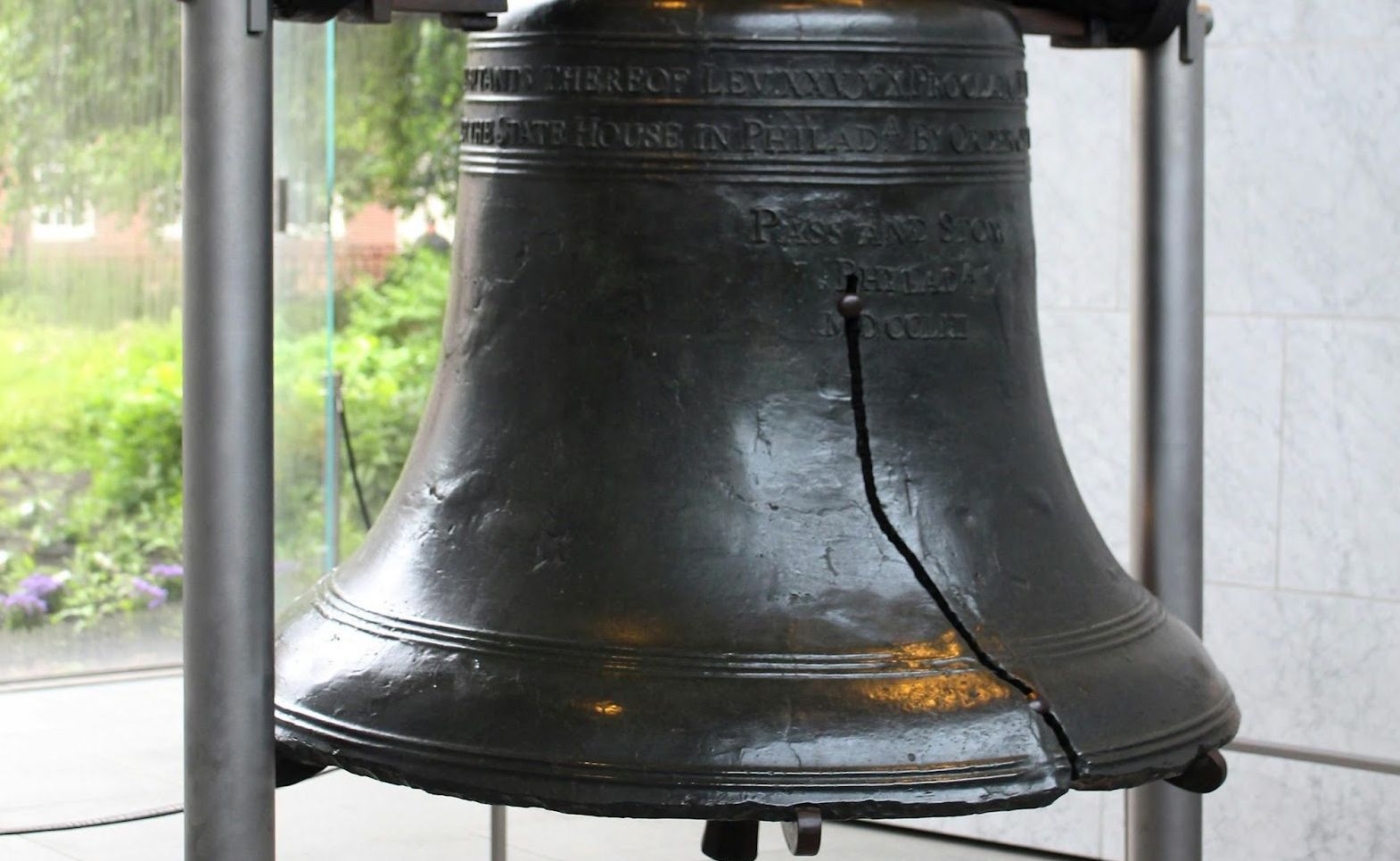
Image: Joe Richmond

Not exactly. But it sounds poetic, right? A symbol of freedom breaking as it sounded its first call. Except... not true. The Liberty Bell didn’t crack on its first ring. It cracked years after its arrival and was recast twice before the famous fracture, which likely developed in the early 1800s, during a routine toll.

8
The Grand Canyon is visible from the moon

Image: Tim Hart

The Grand Canyon is not visible from the moon. At least not to the naked human eye! Neither is the Great Wall of China, as great as it may be. In fact, no man-made structure or geological feature is visible from the moon with the naked eye.

9
Walt Disney is cryogenically frozen

Image: Steve DiMatteo

Disney was cremated in 1966, and his ashes rest at Forest Lawn Memorial Park in Glendale. No secret cryo-labs under Disneyland. Just a very enduring urban legend. But the myth persists ; some even think he's buried under Disneyland's Pirates of the Caribbean ride.

10
Hawaii is the westernmost state
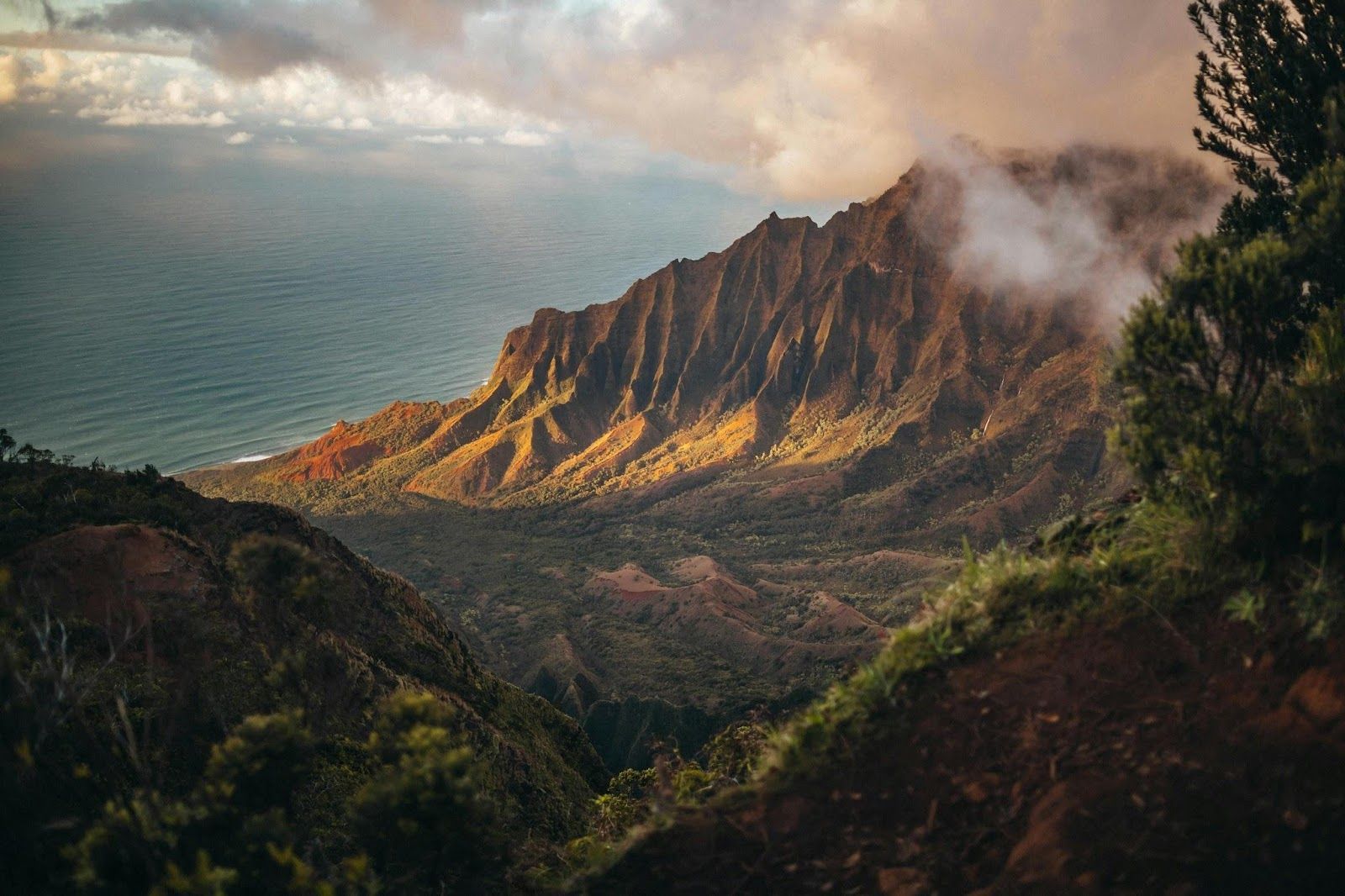
Image: Roberto Nickson

Alaska is officially considered the westernmost state, even when counting Hawaii. That’s because the Aleutian Islands stretch so far west that some cross the 180th meridian, which is the line that separates the Eastern and Western Hemispheres. And here’s the twist: since those islands wrap around the globe’s edge, they also make Alaska the easternmost state.

11
Hollywood is a city
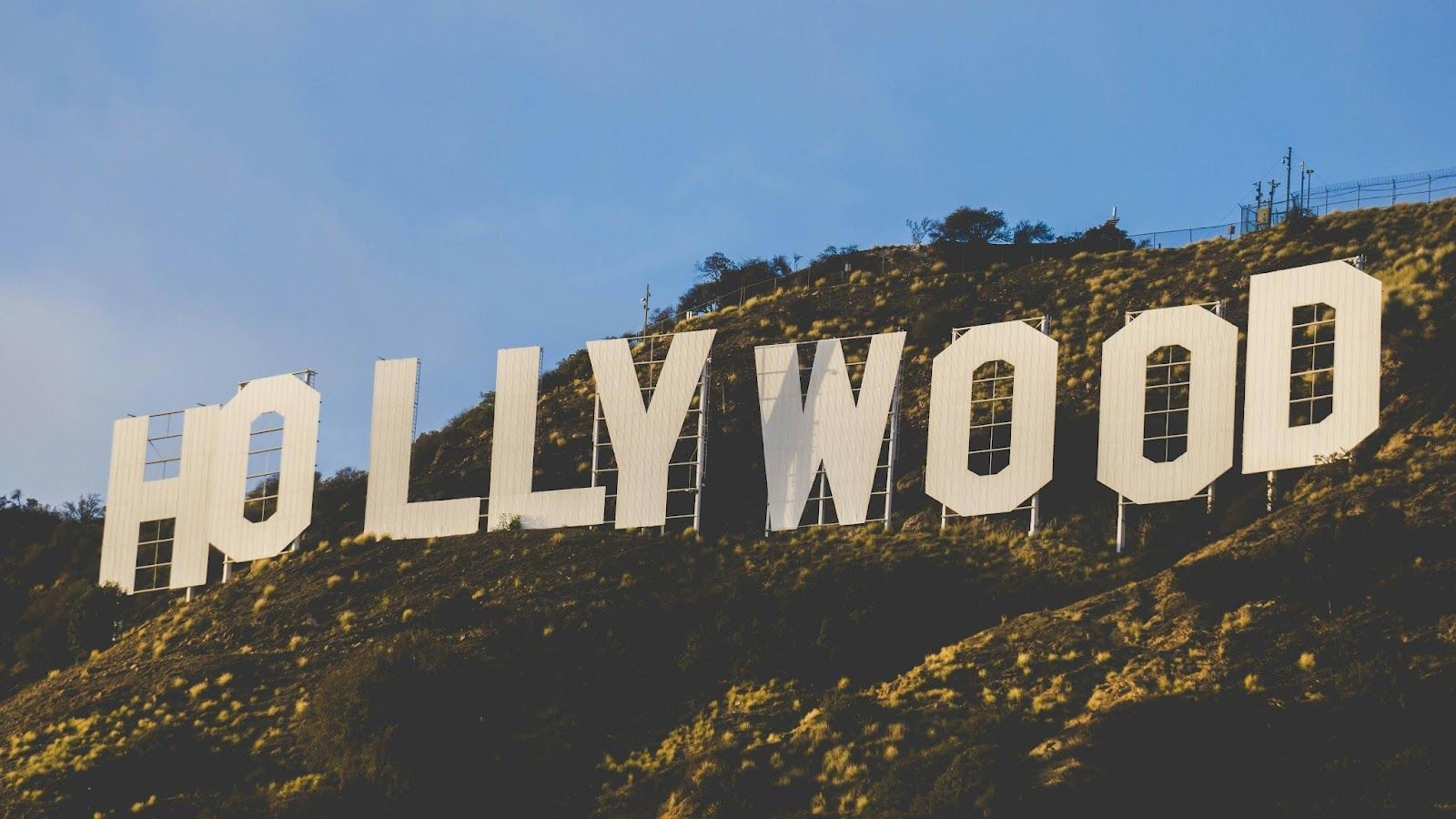
Image: De'Andre Bush

It might feel like its own world (glamorous, chaotic, full of paparazzi), but Hollywood isn’t its own standalone city. Sure, it has its own sign and red carpet events, which led people around the globe to believe it was independent from L.A., but "Tinseltown" is technically a neighborhood within Los Angeles

12
Mount Rushmore is a natural formation
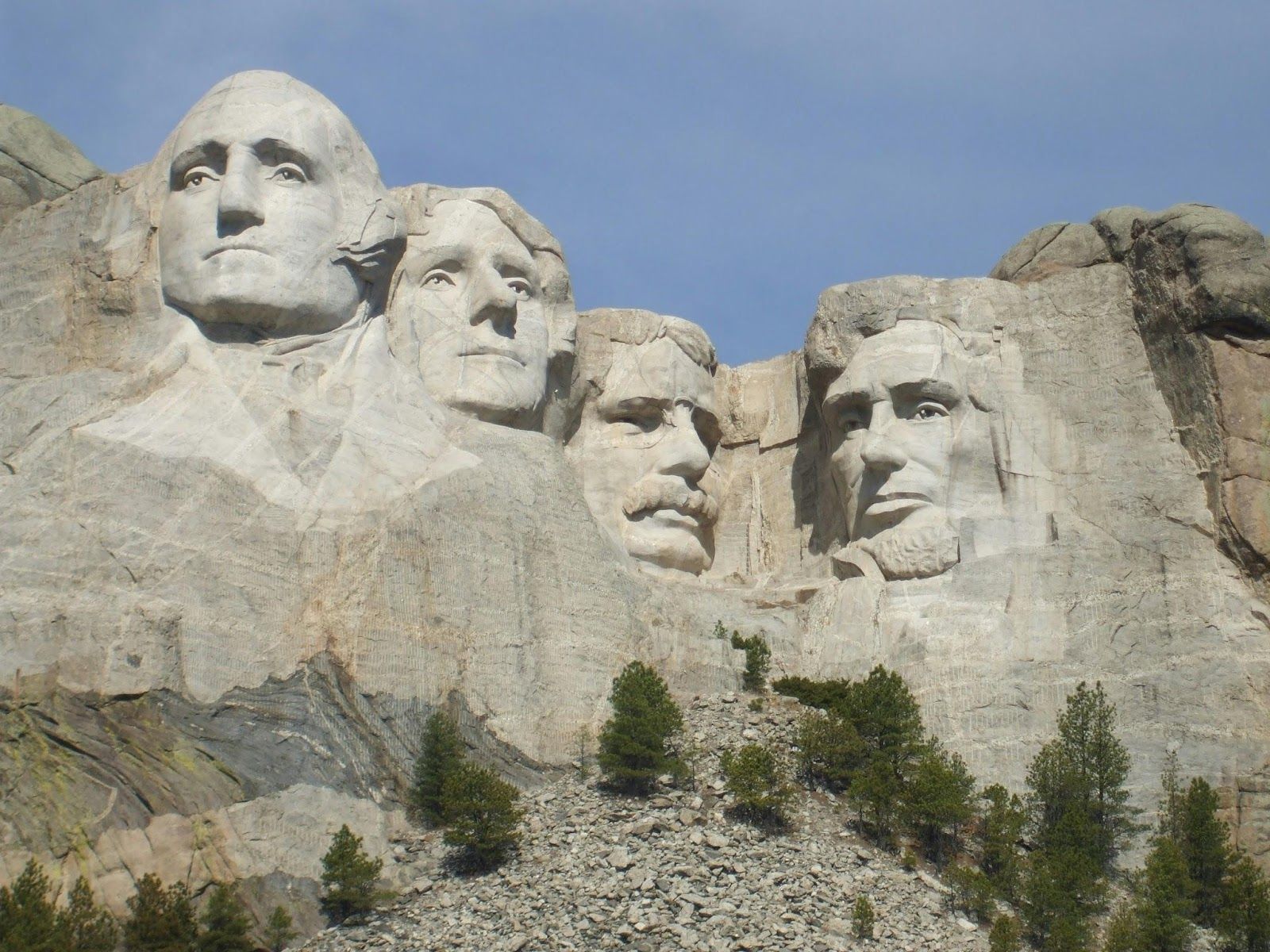
Image: VERONICA LIVESEY

Finally, the unbelievable one. Some tour guides from Mount Rushmore report that tourists have, indeed, looked them straight in the face and asked about the natural phenomenon that carved those profiles into the mountains. Nope —Gutzon Borglum and his team spent 14 years blasting the four former presidents into the rock.

Culture Culture 4 min read

FATHER OF HIS COUNTRY

Discovering the Founding Fathers: 10 Facts About George Washington

Image: Library of Congress

Born on February 22, 1732, George Washington was, undoubtedly, a key figure in the construction of our nation. He shaped the role of President of the United States, and his name is commemorated across the country in various ways: streets, lakes, buildings, a newspaper, and, of course, the capital of our country. This Founding Father has inspired all kinds of tributes to thank him for his services. In this article, we’ll go through ten facts about George Washington , the person, the president, and the legend.

1
Self-Educated

Image: Wojciech Pacześ

George Washington’s father, died when he was just 11 years of age. There isn’t much information about his childhood and most of his virtues and qualities were invented by an admirer after he passed.

However, we do know one thing: George Washington was mostly self-educated since there was little money to support formal education.

Most of his knowledge and education came from his curiosity and eagerness to learn and become a better soldier, then farmer, and, in turn, president.

2
First Official Job

Image: Matt Briney

Since he lost his father at such an early age, Washington started working very young. His first official job was as a surveyor, which was a pretty respectable job for the 18th century. His aim in this job was to measure the land.

At the age of 16, he took on an expedition across Virginia’s western frontier in order to map the land. This experience provided him with a deep understanding of the land, the resources, and the insight he would later need in his political and military career.

3
His Only Trip Off the Mainland

Image: Tom Jur

At the age of 19, George Washington accepted going on a trip to the tropics with his half-brother Lawrence who was suffering from tuberculosis.

Now, during this trip, Washington kept a diary in which he narrated his days on the ship and the island of Barbados, confessing being struck by the beauty of the place. The trip went South shortly after his arrival: On the island, he contracted smallpox, a dreaded disease during the 18th century.

Curious enough and dreadful as it was, this gave him immunity which ultimately saved him from death during the Revolutionary War, since smallpox rapidly spread across his army.

4
Agriculture Innovator

Image: Raphael Rychetsky

It is no surprise that Washington was an innovator, a forward-thinking kind of person. Besides politics and, as we learned, whiskey, he was also interested in technology.

In the 1760s, he went from growing tobacco to cultivating wheat, which revolutionized the farming practices in his estate. He experimented with crops, fertilizers, and tools to improve productivity.

He didn’t keep innovations for himself: As a president, he patented Oliver Evans’s automated mill technology, and he designed a 16-sided, two-story threshing barn that enhanced the efficiency of wheat processing.

5
Never Lived in Washington, D.C.

Image: Edoardo Cuoghi

Washington is the only president to have never lived in the White House! He, together with his family, lived in different houses along New York and Philadephia where he used to receive members of Congress, officials, and people of the sort.

The Residence Act, which moved the capital from Philadelphia to a new city along the Potomac River (later named Washington, D.C.), actually set the White House as the official presidential residence.

6
Only President To Have a State

Image: Vlad Tchompalov

Have you ever noticed that there is no Lincoln State or Jefferson State? George Washington is the only U.S. President to have a state named after him .

As a Founding Father, the first President of the United States, Hamilton, Madison, and Jefferson thought it was necessary to pay homage to his great contributions by naming a state after him.

Together with the president’s name, the state of Washington is named Columbia, after the female personification of the country.

7
First To Sign The Consitution

Image: Anthony Garand

George Washington is a Founding Father, and we all know that. As such, he was deeply involved in the writing of the Articles of Confederation, the first frame of government.

He suggested changes and his voice was regarded in the highest esteem by his fellow countrymen. In this sense, he was chosen president of the Constitutional Convention which took four months and gave, as a result, the Constitution of the United States. In his role as president, Washington was given the privilege of signing the governing document first .

8
He Was a Natural Entertainer

Image: Adam Nemeroff

When you look at pictures of Washington, you may think he was unapproachable, stiff, and serious, but history tells us otherwise.

According to many accounts, he actually loved entertaining and welcoming guests, and having company. Parties, cotillions, balls, these kinds of events were a perfect opportunity to combine entertainment and dancing, which he also enjoyed. Did you know this?

9
Post-retirement Hobby

Image: Thomas Park

Of course, they are considered national heroes, but the Founding Fathers were people with diverse interests and pursuits. George Washington was not the exception and, after he retired he took up a most interesting hobby: whiskey.

Once he ended his life in politics, he built up a whiskey distillery where he created whiskey from rye, corn, and barley. Even if it began as a hobby, the distiller became one of the most productive in the nation and, by the time he died, it remained as one of the largest.

10
One-Dolar Bill Face

Image: Marek Studzinski

Washington’s portrait on the one-dollar bill was inspired by a painting created by Gilbert Stuart. Back in 1795, Stuart painted Washington, but this piece of work comes with a few curious facts.

The first one is that the work is known only from copies. The second is that the painting was so successful that Washington’s wife commissioned a second portrait for herself. However, the painter never finished the first commission and kept it as a reference for future work.

That incomplete painting, known as the "Athenaeum," served as the reference for creating the portrait on the dollar bill.

General General 4 min read

Gracias , capisch’ ?

America the polyglot: 10 (other) languages spoken in the U.S.

Many Americans might not know this, but until recently, American English was not the official language of the United States of America . It was, however, the de facto language of the country , meaning that its historical use and importance made it the official language, even if Congress had never issued legislation on this issue. In the U.S., English is the language of the foundational documents, such as the Declaration of Independence or the Constitution, the language of communication, education, administration, and paperwork. But is it the only language that is spoken in daily life? Let’s have a look at 10 other languages that are widely spoken in the U.S.

Spanish

Image: Amit Ovadia

The fact that Spanish is the second most spoken language in the U.S. comes as no surprise if we consider that at least 18 of the current 50 states were once part of the Spanish Empire. This, combined with migration from other Hispanic territories, means that around 40 million people speak Spanish at home in the U.S., nearly 13% of the population.

Native Spanish speakers in the U.S. have developed their distinct dialectal variants, such as New Mexican Spanish in the states of New Mexico and Colorado, Puerto Rican Spanish , or Spanglish .

French

French is, after Spanish, the most taught foreign language in schools. But did you know that more than a million Americans speak French at home ? Historical events such as the Louisiana Purchase or the French and Indian War in Canada meant that native French speakers migrated to the U.S. or became American when French-speaking territories were incorporated.

Nowadays, the French language presents three main dialectal groups in the U.S. , mainly located in Louisiana and the New England region. So, if you were planning a holiday in NOLA or Lewiston, you might want to brush up on your ouis , bonjours , and mercis .

Navajo

Compared with other languages on this list, the Navajo speaker population might seem small, with around 170,000 native speakers . However, it is the most widely spoken Native American language , with most of its speakers located in the Southwestern U.S.

Navajo is famous for its use as a code during World War II . Its complex grammar and the fact that, at the time, it wasn’t a written language, significantly reduced the chances of enemy forces deciphering transmissions, and even native Navajo speakers wouldn’t have been able to understand the code used.

Chinese

When we think about Chinese immigration into the U.S., we sometimes forget that China is a multicultural, multiethnic country, and that not all Chinese immigrants spoke the same language or came from the same region.

It is reported that more than 3 million people in the U.S. speak a Chinese language at home, with Mandarin, Cantonese, and Hokkien accounting for the majority of those speakers.

German

Although more than a million Americans speak German at home , nearly half of them would have issues communicating with a German person. This is because there are several variants of German spoken in the U.S., such as the Pennsylvania Dutch, the Plautdietsch, or the Alsatian , mainly spoken by Amish or Mennonite communities, or the Yiddish , widely spoken in Jewish communities.

Standard German is the second most spoken language in North Dakota , while Texas German , a U.S. variant, is still spoken in the state of Texas by the descendants of 19th-century German settlers.

Hawaiian

Hawaiian is recognized as one of the official languages of the state of Hawaii , but is classified as an endangered language . It is estimated that only 2000 of its 30,000 speakers learned it as a first language. In the late 19th Century, Hawaiian was banned from schools , which significantly reduced the number of speakers, but conservation efforts over the past decades have proven successful in revitalizing the language .

Hawaiian Pidgin , an English-based creole language , is also spoken by more than half a million Hawaiians and has been influenced by languages such as Portuguese, Cantonese, Japanese, Okinawan, and Korean .

Italian

Italians are one of the most notorious U.S. communities of immigrant descent, with their way of speaking being one of the main traits associated with Italian-Americans . But nowadays, of the more than 15 million Italian-Americans, only 700,000 are fluent in standard Italian .

Many Americans of Italian descent speak a pidgin (a simplified language that results from the contact of two groups) that mixes English, standard Italian, and regional Italian dialects , with words like mootsarell’ (from mozzarella ), gabagool’ (from capocollo ), or latte (from caffelatte ). Something to think about next time someone orders a pumpkin spice latte at Starbucks.

Vietnamese

You might not know this, but despite Vietnamese immigration being relatively recent compared to other Southeast Asian communities, Vietnamese is the sixth most spoken language in the U.S . This is a result of a conscious effort by the Vietnamese community to maintain the language and pass it down to new generations.

Before the start of the Vietnam War, it was estimated that only 3,000 people of Vietnamese descent lived in the U.S. Currently, around 2.3 million individuals identify as Vietnamese-American, 1.5 million of them being fluent speakers of the language .

American Sign Language (ASL)

When we say ‘languages other than English’, most of the time we are not thinking of sign languages . For many people, sign language is a variant of a spoken language, but sign languages have their own grammar, syntax, and rules that make them full-fledged languages.

It is estimated that American Sign Language (distinct and separate from the sign languages of some other anglophone countries) has between 250,000 to half a million native speakers , with thousands more as second-language users.

Arabic

The presence of the Arabic language in the U.S. dates back hundreds of years, with records of Arabic speakers from the 17th Century . Arab-Americans are estimated to be more than 3 million, of diverse backgrounds, with ties to at least 22 Arabic-speaking countries .

Following historic events in the past decades, many Arab-Americans have stopped using the language or teaching it to their children to avoid prejudice or stigma . Nonetheless, Arabic is still one of the most spoken languages at home for U.S. citizens , with more than a million users.

Explore more American facts

Choose your favorite category!

General
General

As American as apple pie—the very best America has to offer!

Culture
Culture

Delve into the astounding richness of American lore.

Geography
Geography

Hop in and explore vast and diverse American landscapes.

History
History

Discover the key moments that shaped the United States.