History History 6 min read

Why didn’t the British burn Monticello during the Revolutionary War?
Image: Emanuel Leutze, CC0, via Wikimedia Commons

Our history textbooks do a great job narrating the major battles and political triumphs of the American Revolution, but they often avoid the nitty-gritty details. The truth is, the fight for independence was a messy conflict fought by spies, double agents, and players with opaque motives. Even after 250 years, historians are still trying to solve some of the war’s deepest enigmas. Here are ten of the most fascinating unsolved mysteries from the American Revolution.

1
Who fired the shot heard ‘round the world?
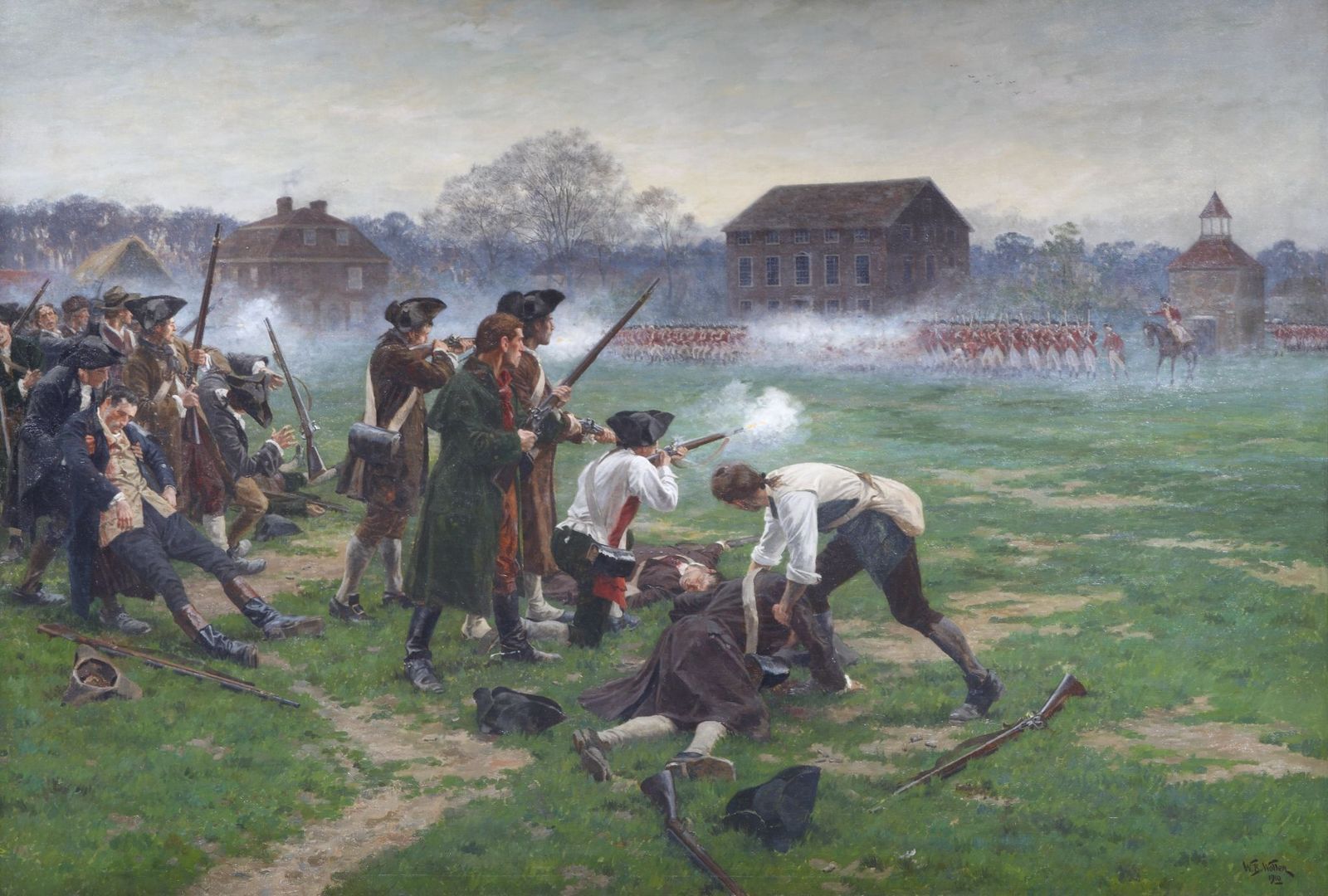
Image: William Barnes Wollen, Public domain, via Wikimedia Commons

The war began on the morning of April 19, 1775, when a small group of local militia faced a column of British Redcoats. The American commander, Colonel John Parker, ordered his men to disperse. The British commander, Major John Pitcairn, ordered his troops to hold their fire. Both sides wanted to avoid a bloodbath.

Suddenly, a shot of gunfire was heard through the air. In the confusion, British soldiers charged with bayonets. Who pulled that first trigger? Some accounts suggest a gunman fired from behind a nearby wall. Others claim a fleeing prisoner sparked the chaos. Because both sides swore under oath that they didn’t shoot first, the catalyst of the war remains a mystery.

2
Who betrayed Nathan Hale?
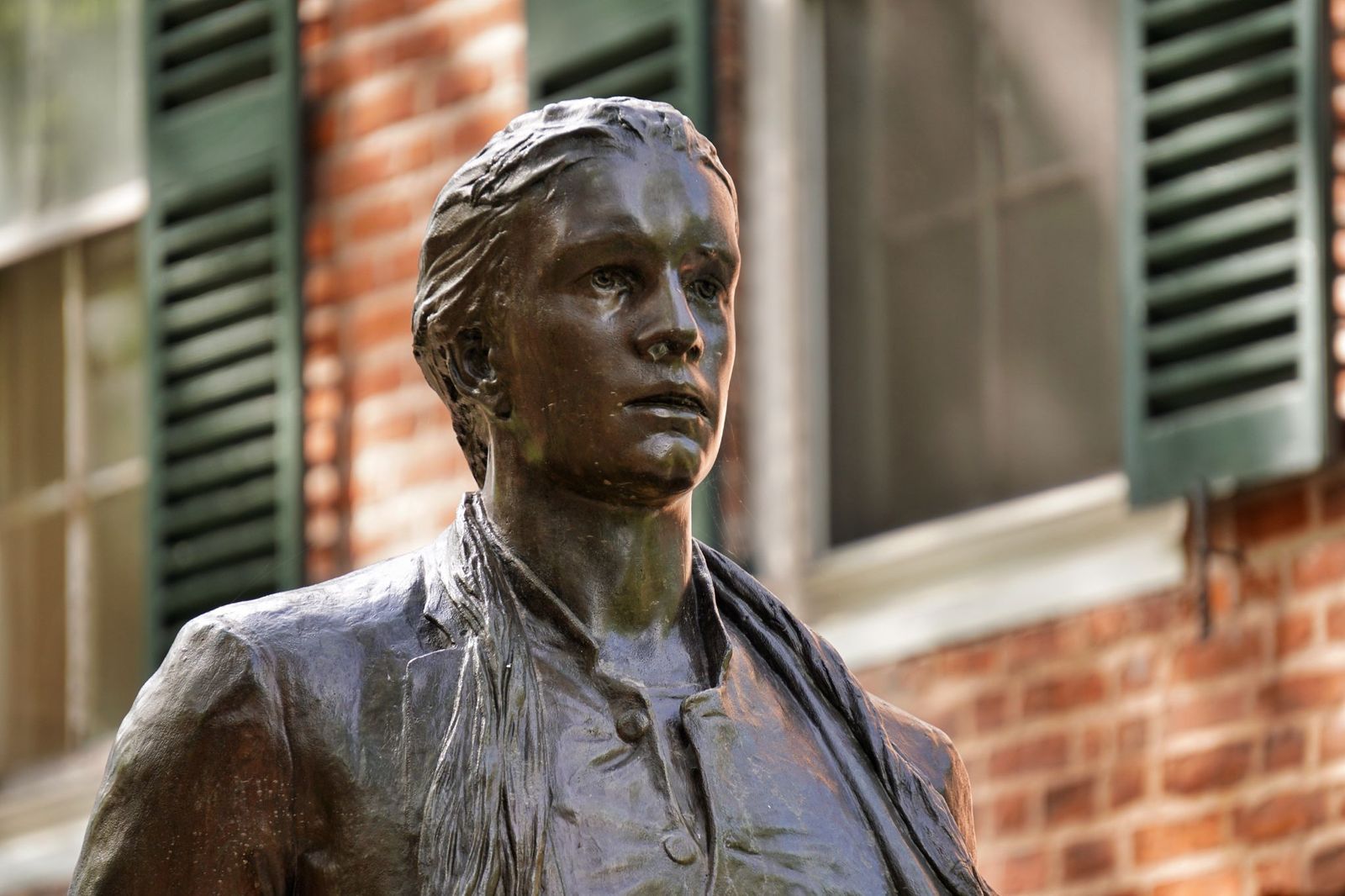
Image: Helioscribe

Nathan Hale is considered one of America’s first tragic heroes. A young Connecticut schoolteacher turned army captain, Hale volunteered to infiltrate British-occupied New York City to gather intelligence. He was an amateur spy, and it didn’t take long for the enemy to catch him with compromising notes hidden in his shoes. He was hanged the next morning, at age 21.

The mystery lies in exactly how he was caught. One theory points to his own cousin, Samuel Hale, a Loyalist who allegedly spotted Nathan in a tavern and reported it to British authorities. Another theory suggests he was tricked by Major Robert Rogers, a legendary British counter-insurgency commander who supposedly suspected Hale and got him to confess his mission over drinks.

3
Who burned New York City in 1776?
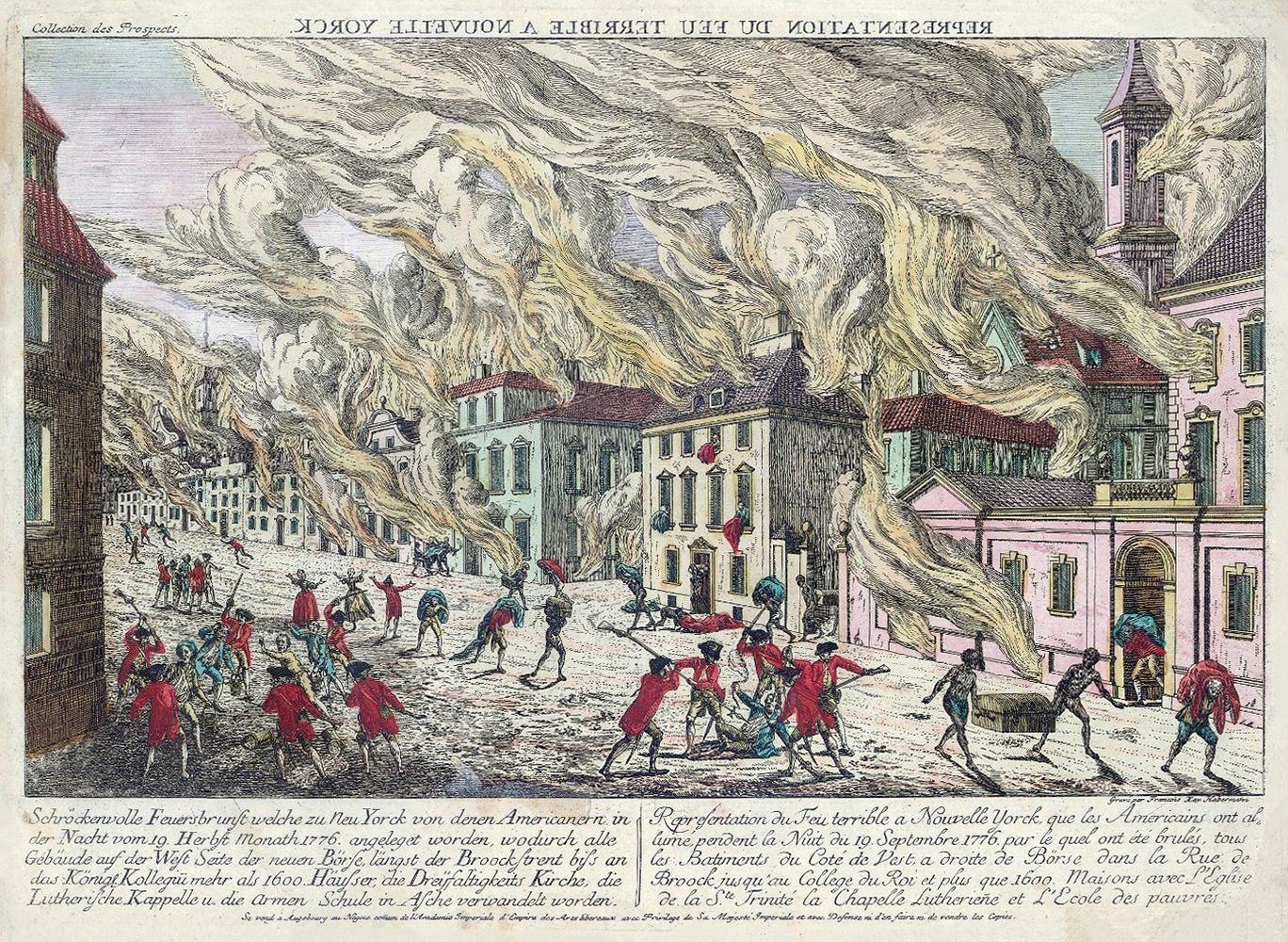
Image: Franz Xaver Habermann, Public domain, via Wikimedia Commons

On September 21, 1776, just days after Nathan Hale’s execution, a fire broke out in the middle of the night. The Great Fire consumed a third of New York City, destroying hundreds of buildings and critical port facilities just when the British military was going to start using the city as their winter base.

The British blamed American arsonists and arrested over 200 people, but no one was ever convicted. Interestingly, George Washington and his collaborators previously debated burning the city, though the Continental Congress ultimately forbade it. Washington publicly denied any involvement, although he privately confessed that the fire was a stroke of luck. Was it a genuine accident, or did radical Patriots take matters into their own hands?

4
Who was Agent 355?

Image: ozrimoz

George Washington’s most successful intelligence network was the Culper Spy Ring, which operated in New York. The ring used an intricate system of invisible ink, hidden drop boxes, and complex ciphers. In their master codebook, the number 355 stood simply for "lady."

Agent 355 was a brilliant female operative who provided vital intelligence. Because her identity was protected by the ring’s leaders, her true name was never written down. Scholars have spent centuries debating whether she was a prominent Loyalist society woman secretly sympathetic to the Patriots, a member of the prominent Floyd family, or a composite character representing multiple female informants.

5
The mystery of Silas Deane
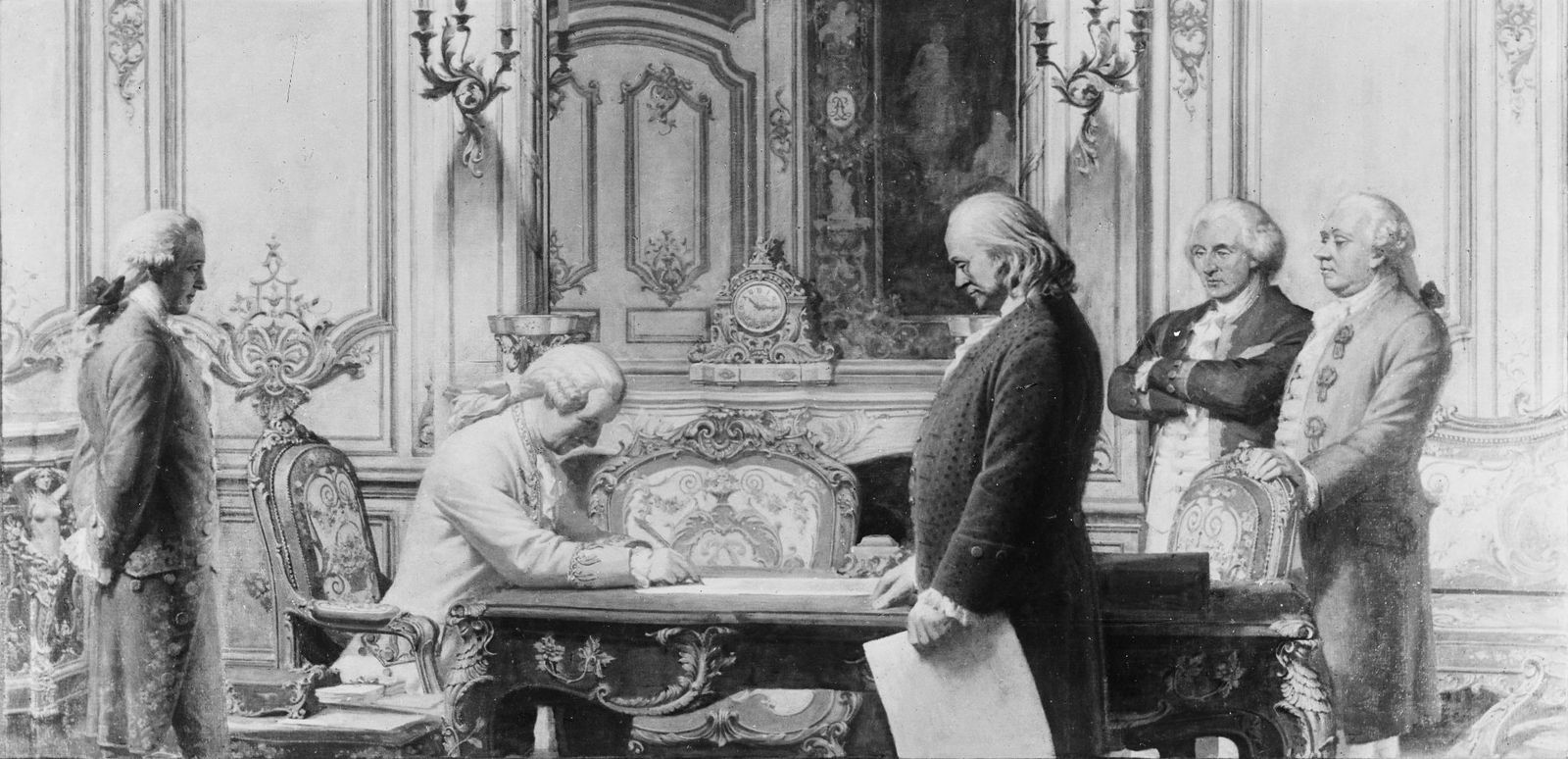
Image: Charles Elliott Mills, Public domain, via Wikimedia Commons

Silas Deane was a Connecticut merchant sent by Congress to France in 1776 as America’s first secret diplomat. He performed well at first, successfully securing shipments of French arms and recruiting foreign officers such as the Marquis de Lafayette. However, he fell into a bitter political dispute with fellow diplomat Arthur Lee, who accused Deane of financial fraud.

Totally in disgrace, a ruined Deane spent years in European exile trying to clear his name. In 1789, when he was 51, he boarded a ship to return to the United States for a congressional hearing. Hours into the voyage, he became ill and died. According to rumors, he had been poisoned. Modern historians suspect his close friend and assistant, Edward Bancroft—a British double agent—murdered Deane to keep him from exposing his wartime espionage.

6
Who told the Patriots in Boston that the British were coming?
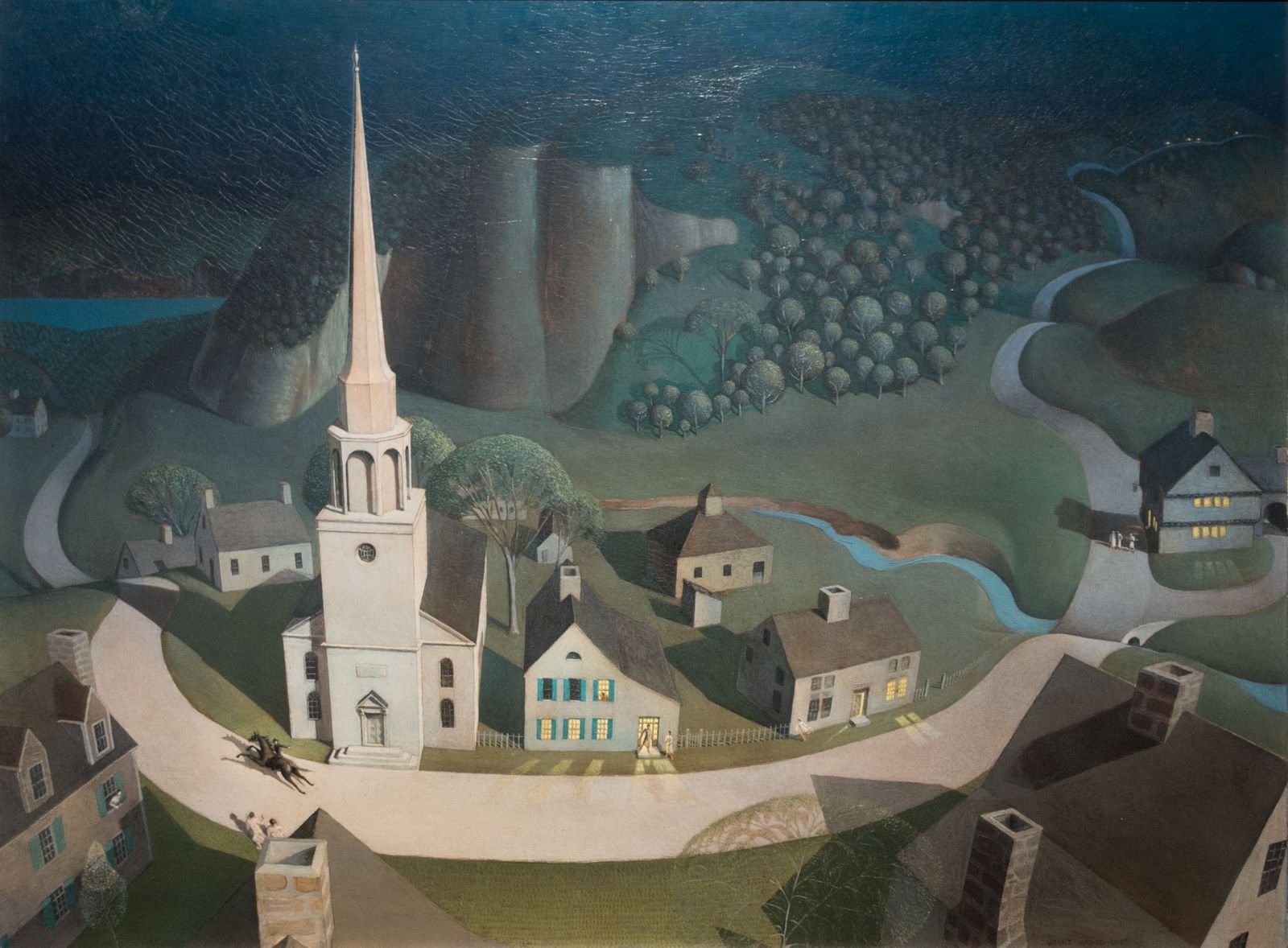
Image: Grant Wood, Public domain, via Wikimedia Commons

Before Paul Revere could take his historic midnight ride, someone had to give the Patriots the warning. On the night of April 18, 1775, Dr. Joseph Warren received precise intelligence that British troops were preparing to march on Lexington and Concord to arrest rebel leaders.

Who leaked this military plan? History has pointed at Margaret Kemble Gage, the American-born wife of the British Commander-in-Chief, General Thomas Gage. Margaret was torn between her love for her husband and her devotion to the land. While her involvement has never been proven, General Gage notably sent his wife away to England shortly after the leak.

7
Was Charles Lee a traitor?
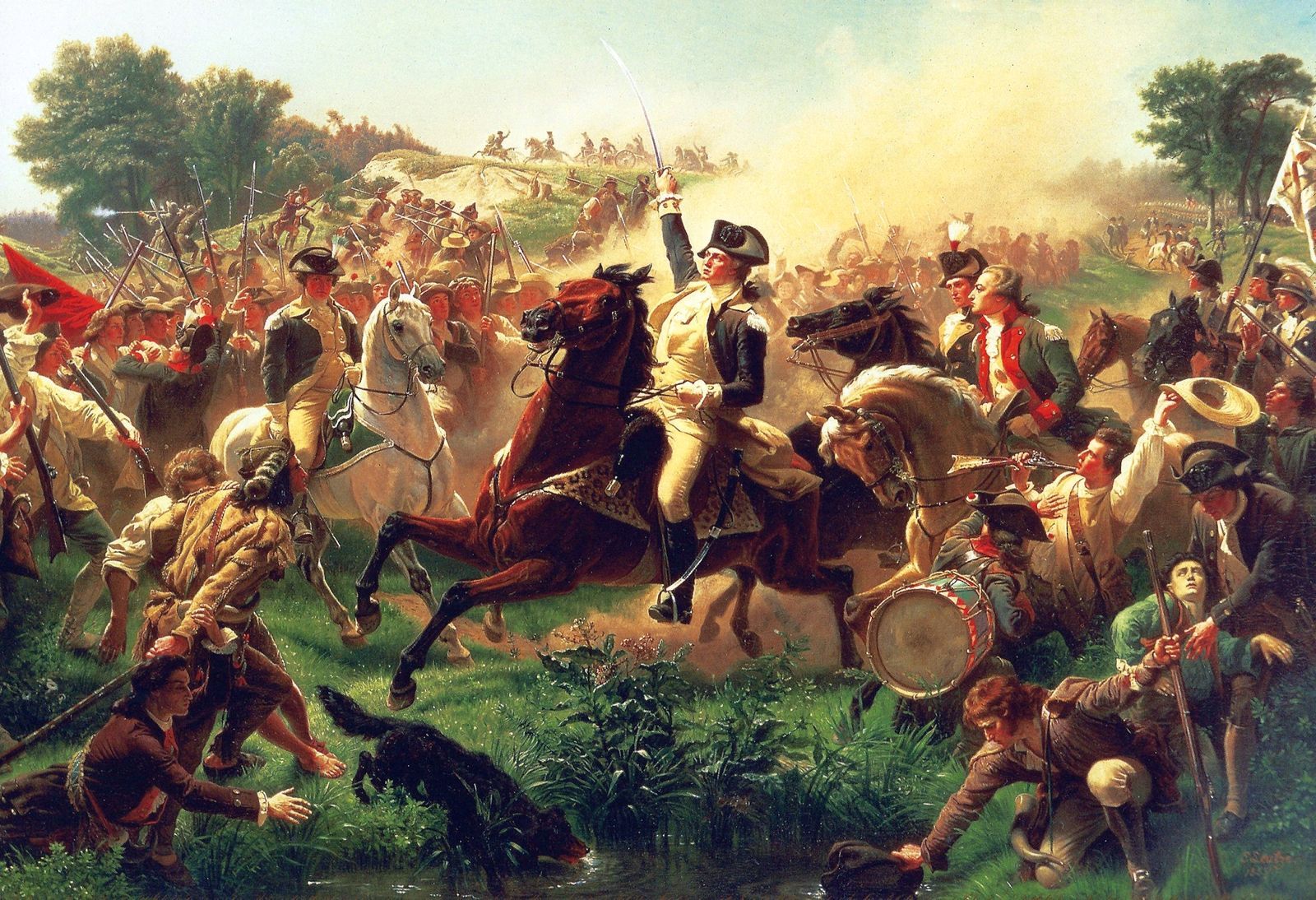
Image: Emanuel Leutze, Public domain, via Wikimedia Commons

General Charles Lee was George Washington’s second-in-command and an experienced military officer. He was also arrogant and frequently criticized Washington’s leadership. In late 1776, Lee was captured by the British in a New Jersey tavern while writing a letter complaining about Washington's deficiencies.

He was exchanged back to the Americans a year later, but his career ended after he disobeyed Washington’s orders at the Battle of Monmouth in 1778. The mystery arose 80 years later, when a lost document surfaced. The document, written in Lee’s own handwriting, outlined a detailed military strategy for the British to defeat the Continental Army. Was Lee a traitor, or was it a strategy to manipulate his captors?

8
Why didn’t the British burn Monticello?
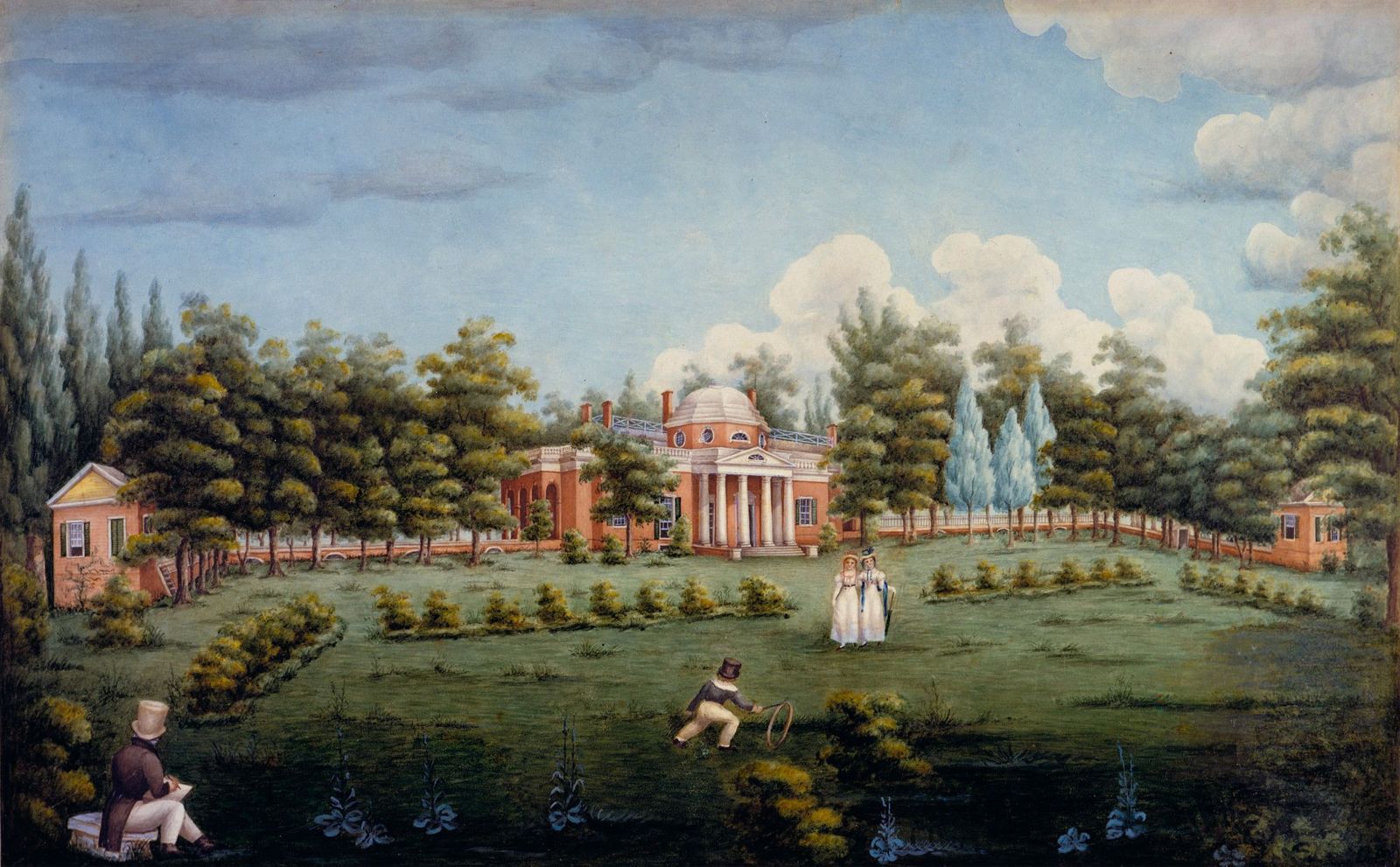
Image: Jane Pitfield Peticolas, Public domain, via Wikimedia Commons

In June 1781, the British cavalry leader Banastre Tarleton—called by Americans "Bloody Tarleton" for his brutal tactics—led a raid on Charlottesville, Virginia. His main objective was to capture Thomas Jefferson, the author of the Declaration of Independence and the state’s governor.

Jefferson managed to escape Monticello, and when Tarleton’s troops occupied his famous estate, they left it entirely untouched. Given that the British often burned the properties of prominent leaders, sparing Monticello was very unusual.

9
Who was Jane McCrea?
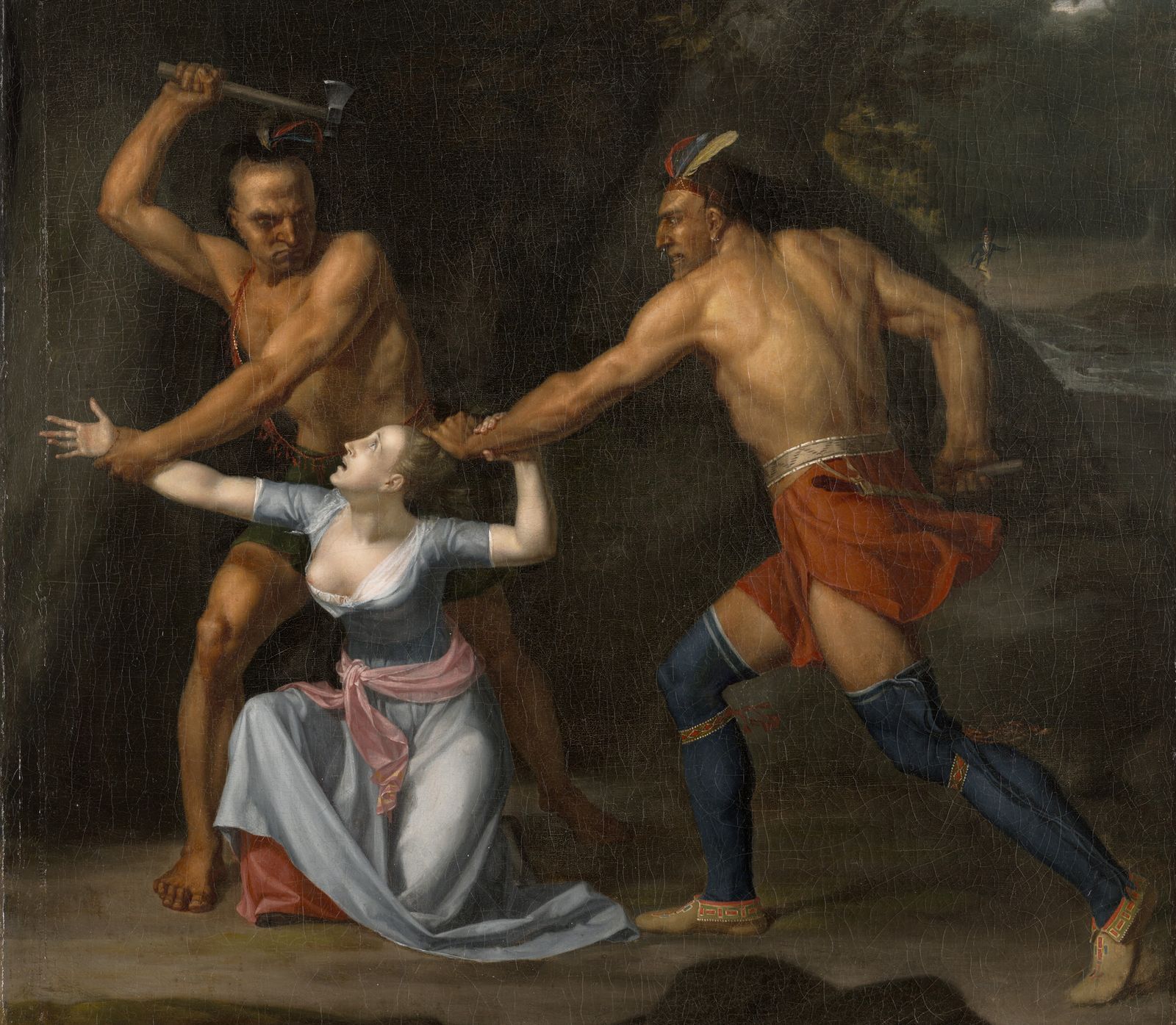
Image: John Vanderlyn, Public domain, via Wikimedia Commons

Jane McCrea was a young woman from a Loyalist family who was engaged to a lieutenant in the British army. In the summer of 1777, she was taken by Native American warriors allied with British General John Burgoyne's advancing army. Shortly after, she was found dead and scalped.

The Patriots turned her death into a propagandistic victory, using the story to terrify frontier colonists into joining the militia. But who actually killed Jane? The native scouts claimed she was accidentally shot by stray bullets fired by pursuing American soldiers. Other accounts insisted she was murdered during an argument between two native factions. The truth remains buried in the fog of war.

10
What happened to Benjamin Church?
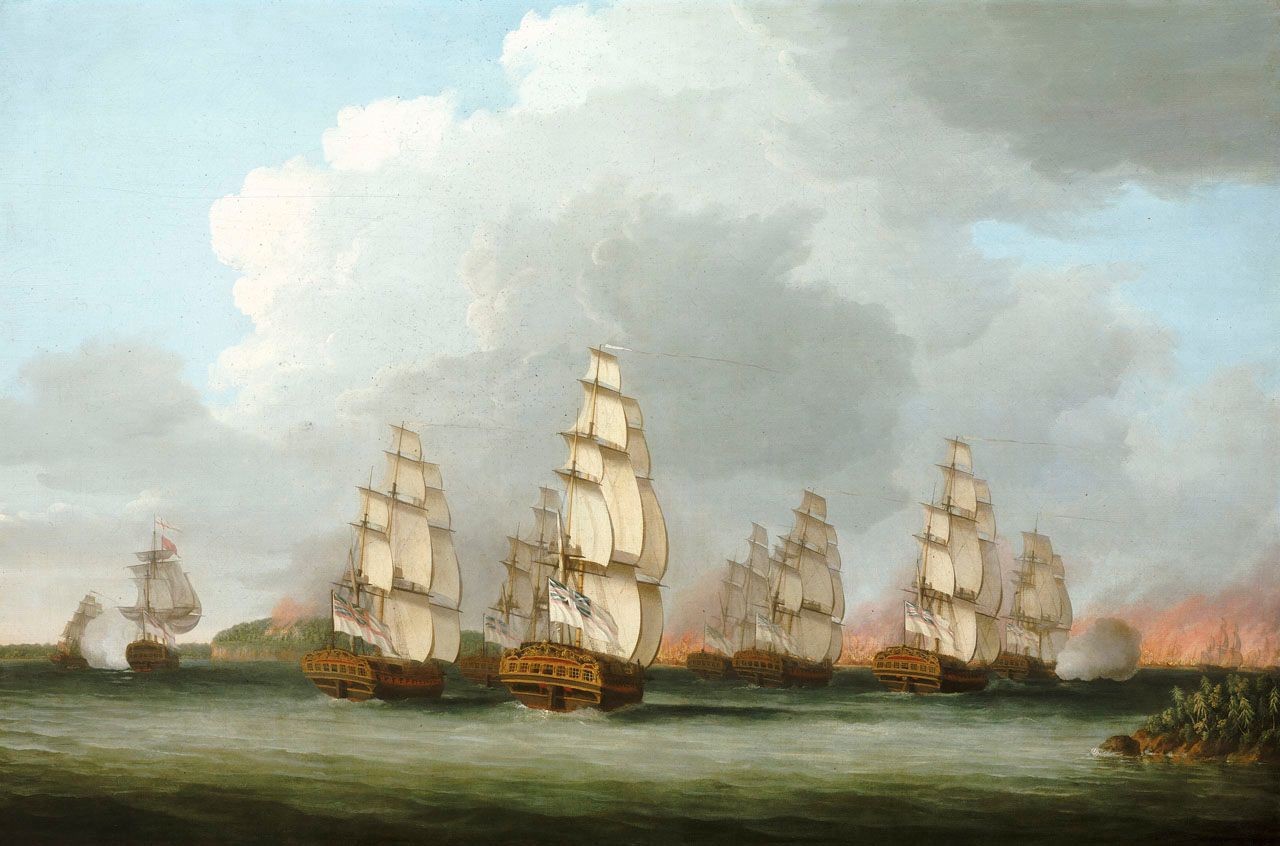
Image: Dominic Serres, Public domain, via Wikimedia Commons

Dr. Benjamin Church was a prominent member of the Boston Sons of Liberty and served as the first Surgeon General of the Continental Army. He was also a traitor. In 1775, Washington’s intelligence team intercepted a coded letter written by Church containing vital information about American troop numbers.

Church was arrested, tried, and sentenced to confinement. In 1778, because of his poor health, he was banished from Massachusetts and boarded a merchant ship bound for the West Indies. The ship sailed into the Atlantic and was never seen again. Did the vessel sink, or did Church use his British connections to stage his disappearance and flee to Europe?
General General 6 min read

Beloved American brands

Why did Kodak and Woolworth's disappear? The real reason

Image: pony rojo, CC BY-SA 2.0, via Wikimedia Commons

Blockbuster, Kodak, Woolworth’s… just hearing those names can bring back many memories, even though the brands have long since gone. T hese weren’t just brands; they were part of our routines, our weekends, and our family vacations. For decades, these companies seemed unstoppable. Then, they disappeared. So what happened? Here’s the story behind 10 iconic American brands that once stood at the top, and the real reasons they faded away.

1
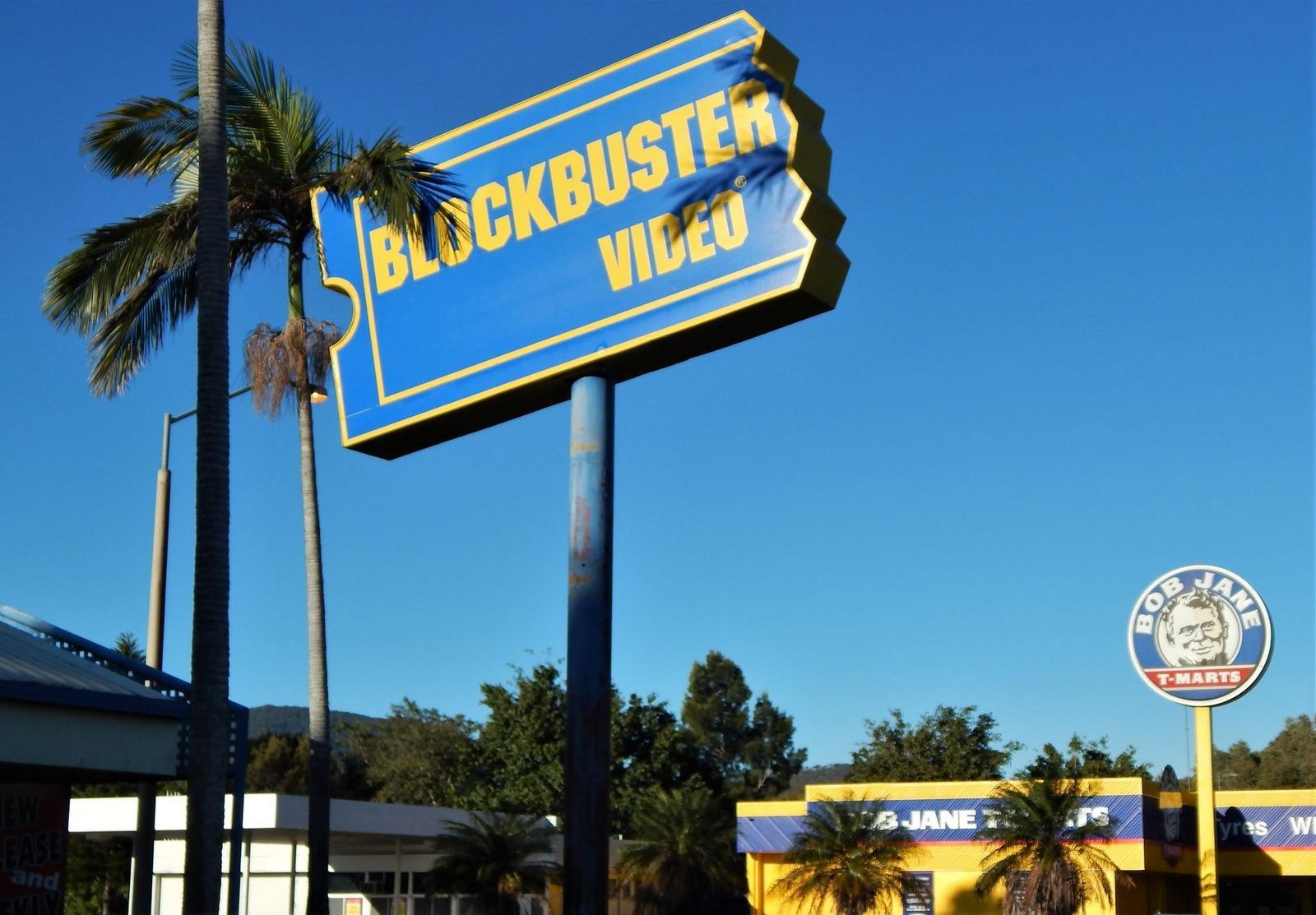
Blockbuster

Image: RegionalQueenslander, CC BY-SA 4.0, via Wikimedia Commons

During the 1980s and 1990s, Friday night often meant one thing for American families: a trip to Blockbuster. Browsing the aisles for a movie, debating what to watch, and grabbing popcorn at the counter became a weekly routine. But nothing lasts forever.

Born in 1985, Blockbuster conquered the massive home-video market with thousands of stores by the late 1990s and early 2000s, catering to families with at-home VCRs. Then technology changed everything. First came DVD-by-mail services like Netflix, followed by streaming, which left Blockbuster struggling. Late fees and inconvenience only pushed more customers away. The company filed for bankruptcy in 2010. Today, just one official store remains in Bend, Oregon, where visitors still stop by for a dose of the video-store era.

2
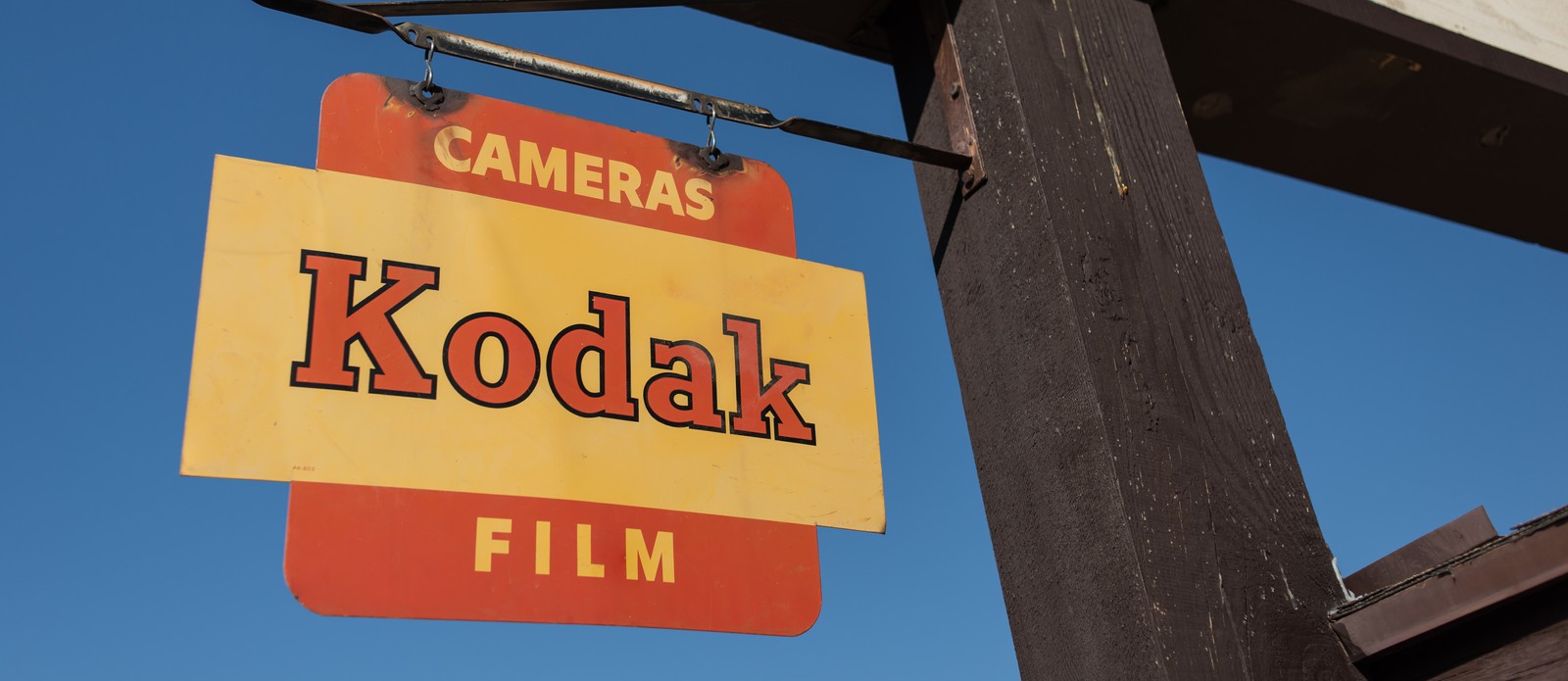
Kodak

Image: 多多123, CC BY 4.0, via Wikimedia Commons

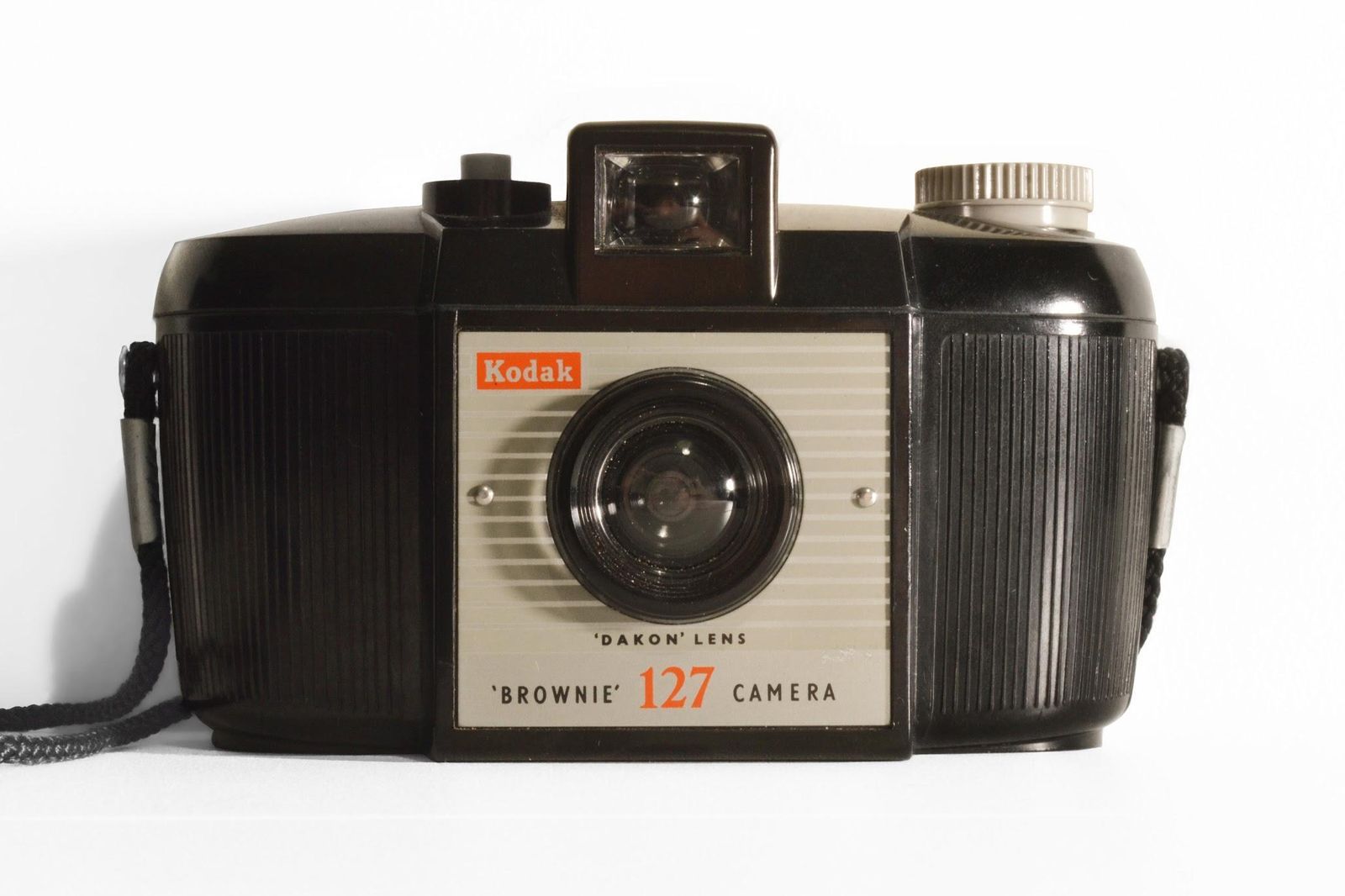
Back in the day, almost every vacation, birthday, wedding, or holiday gathering seemed to include a Kodak camera, or at least a roll of Kodak film. Founded in 1881, Kodak helped keep the moments that filled family photo albums for generations.

From the 1960s through the 1990s, Kodak dominated the world of film and photography. But that success also made the company slow to accept that technology was changing. Ironically, Kodak helped invent one of the first digital cameras in 1975, yet it hesitated to embrace the future. By the 1990s and 2000s, digital cameras (and later camera phones) quickly replaced traditional film. In 2012, the company declared bankruptcy.

3
Pan Am

Image: Felix Goetting (GFDL 1.2 or GFDL 1.2), via Wikimedia Commons

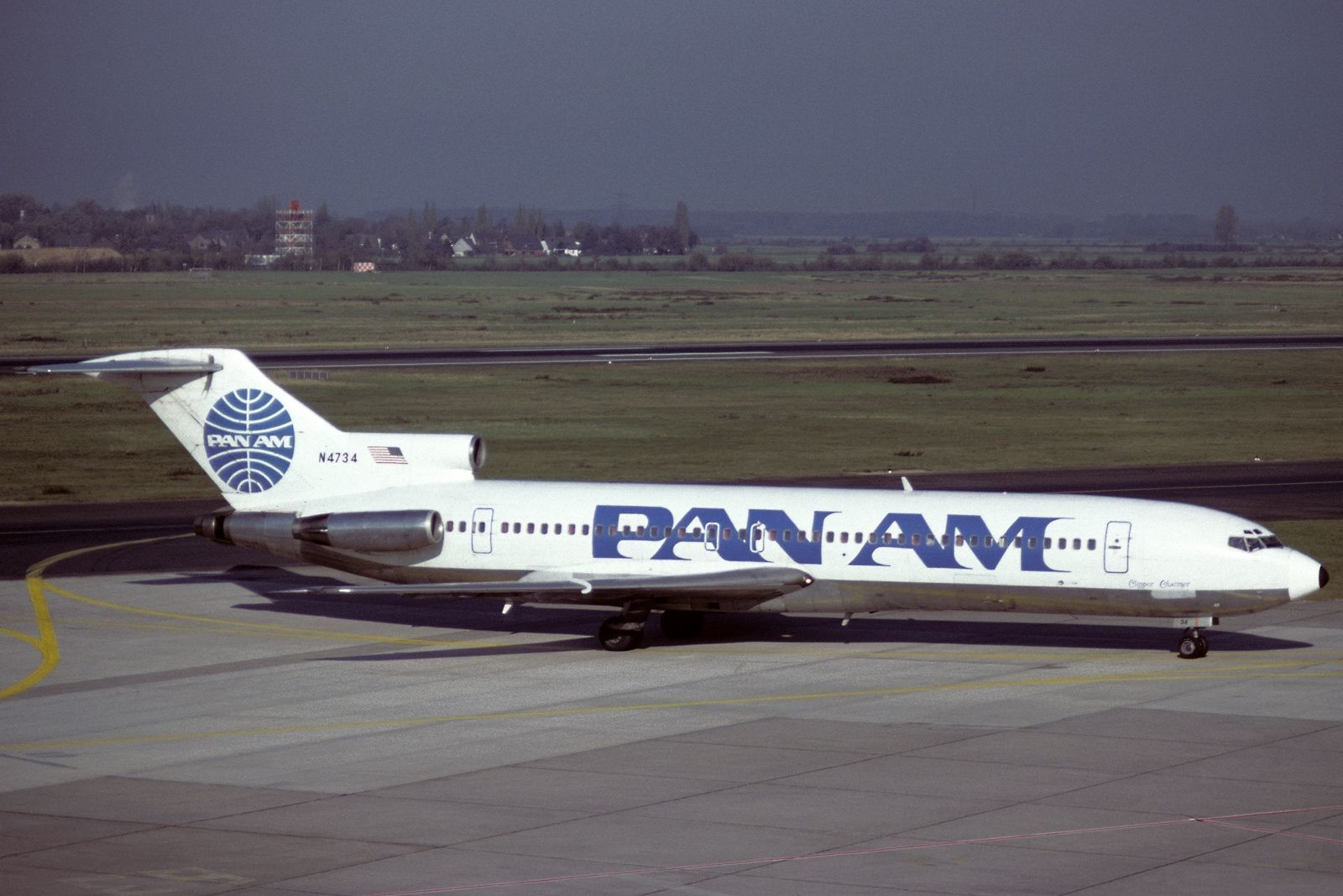
Long before flying became an everyday experience, Pan American World Airways, better known as Pan Am, was already carrying Americans across the world. It was founded in 1927, and during the 1960s and 1970s, the airline became a symbol of glamorous air travel.

Its famous blue globe logo was instantly recognizable, even to those who rarely flew. But by the late 1970s, rising competition, fuel costs, and financial troubles began weakening the company. After years of mounting losses and debt, Pan Am shut down in 1991. Even so, its fame was such that even today, more than 30 years later, we still remember it.

4
Woolworth’s

Image: Warren LeMay from Cullowhee, NC, United States, CC0, via Wikimedia Commons

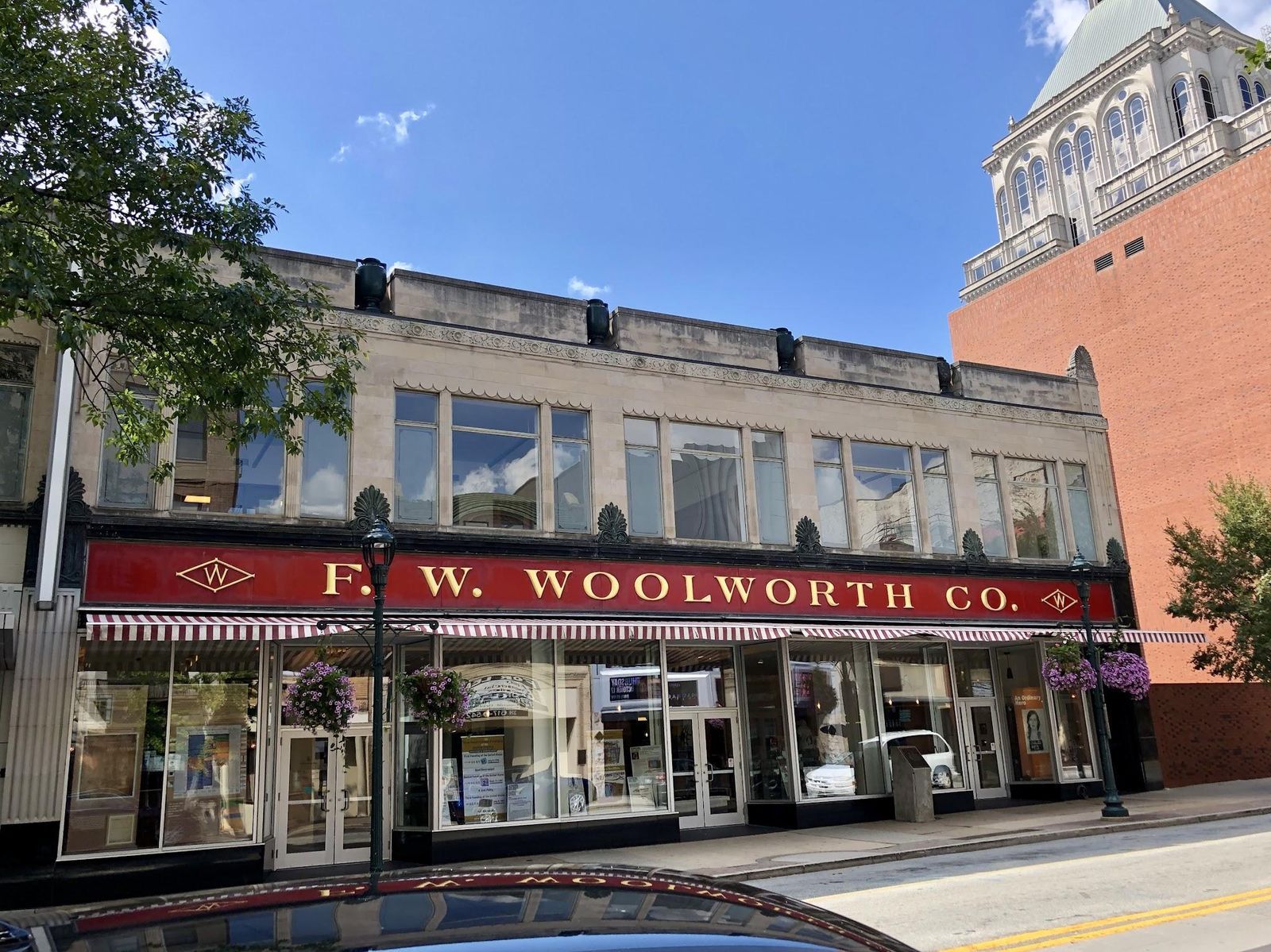
Before Woolworth's made the "five-and-dime" famous, shopping in America looked very different. For decades, Americans visited Woolworth’s for everything from toys and school supplies to household goods and everyday essentials. By the 1960s, the brand had become a familiar part of American life.

Created in 1879 by Frank Winfield Woolworth, the chain grew into one of the country’s largest retailers. But in the 1970s, malls and discount giants like Walmart changed the way Americans shopped, and Woolworth struggled to keep up. By the 1980s, the iconic chain was slowly disappearing. Most stores closed during the 1990s, and the Woolworth retail chain officially ended in 1997.

5
Circuit City

Image: kennejima, CC BY 2.0, via Wikimedia Commons

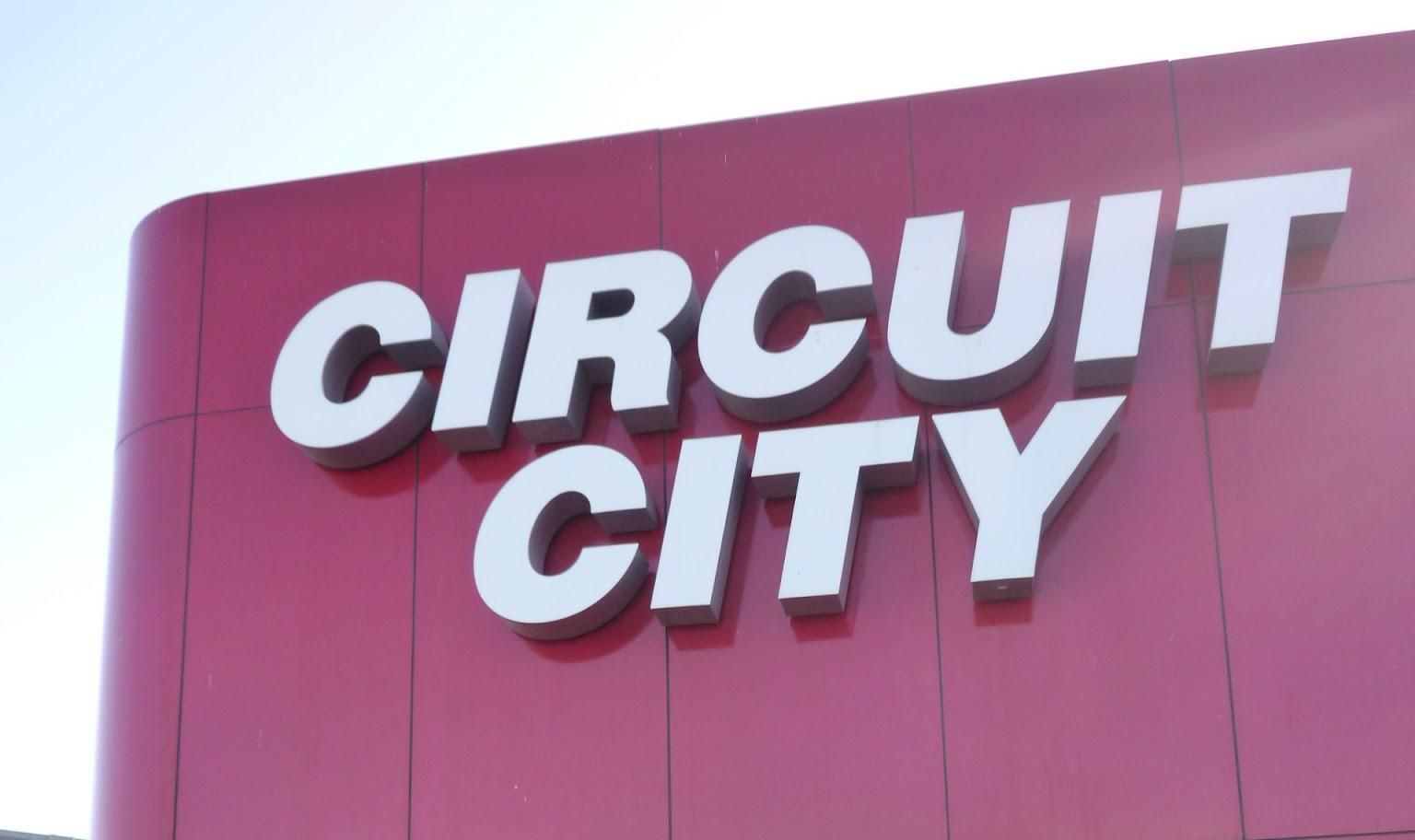
Testing giant stereo systems, browsing rows of CDs and video games, and shopping for the newest TV were all part of the experience at Circuit City, once one of America’s biggest electronics chains.

Founded in 1949 by Samuel S. Wurtzel in Richmond, Virginia, as "Wards Company," the retailer adopted the Circuit City name in 1984. During the 1980s, 1990s, and early 2000s, it became the go-to place for Americans buying a TV, stereo, computer, or any electronic device. But like many companies on this list, Circuit City struggled as shopping habits changed and online stores became more convenient. A controversial 2007 decision to lay off thousands of experienced employees further hurt the company’s reputation. Circuit City couldn’t survive mounting losses and closed all remaining stores in 2009.

6
Borders

Image: Bindydad123, CC BY-SA 4.0, via Wikimedia Commons

Remember Borders? Born in 1971, its huge stores, filled with books, music, magazines, and cozy reading spaces, invited customers to spend entire afternoons there.

During the 1990s and early 2000s, the rise of large shopping malls actually helped Borders thrive, turning its bookstores into popular destinations inside malls across the US. But eventually, the company ran into a challenge it couldn’t overcome: online shopping and digital reading. Competitors like Amazon surged ahead, while Borders struggled to adapt and made costly business decisions, including outsourcing its online sales to Amazon for years. The company collapsed financially in 2011 and soon closed all remaining stores.

7
Bugle Boy

Image: Claire Abdo

In the late 1980s and early 1990s, teenage fashion became almost synonymous with Bugle Boy. Famous across the country for its casual jeans and memorable TV commercials, the brand became a major part of American mall culture and was sold in department stores nationwide.

But fashion never stands still, and brands have to constantly adapt to survive. By the late 1990s, newer youth-oriented labels had taken over with fresh styles that quickly made Bugle Boy seem outdated. Sales began to fall, and after years of struggling to keep up with changing trends, the company closed its stores in 2001.

8
Howard Johnson’s restaurants

Image: Tichnor Quality Views, Made Only by Tichnor Bros., Inc., Boston, Mass., Public domain, via Wikimedia Commons

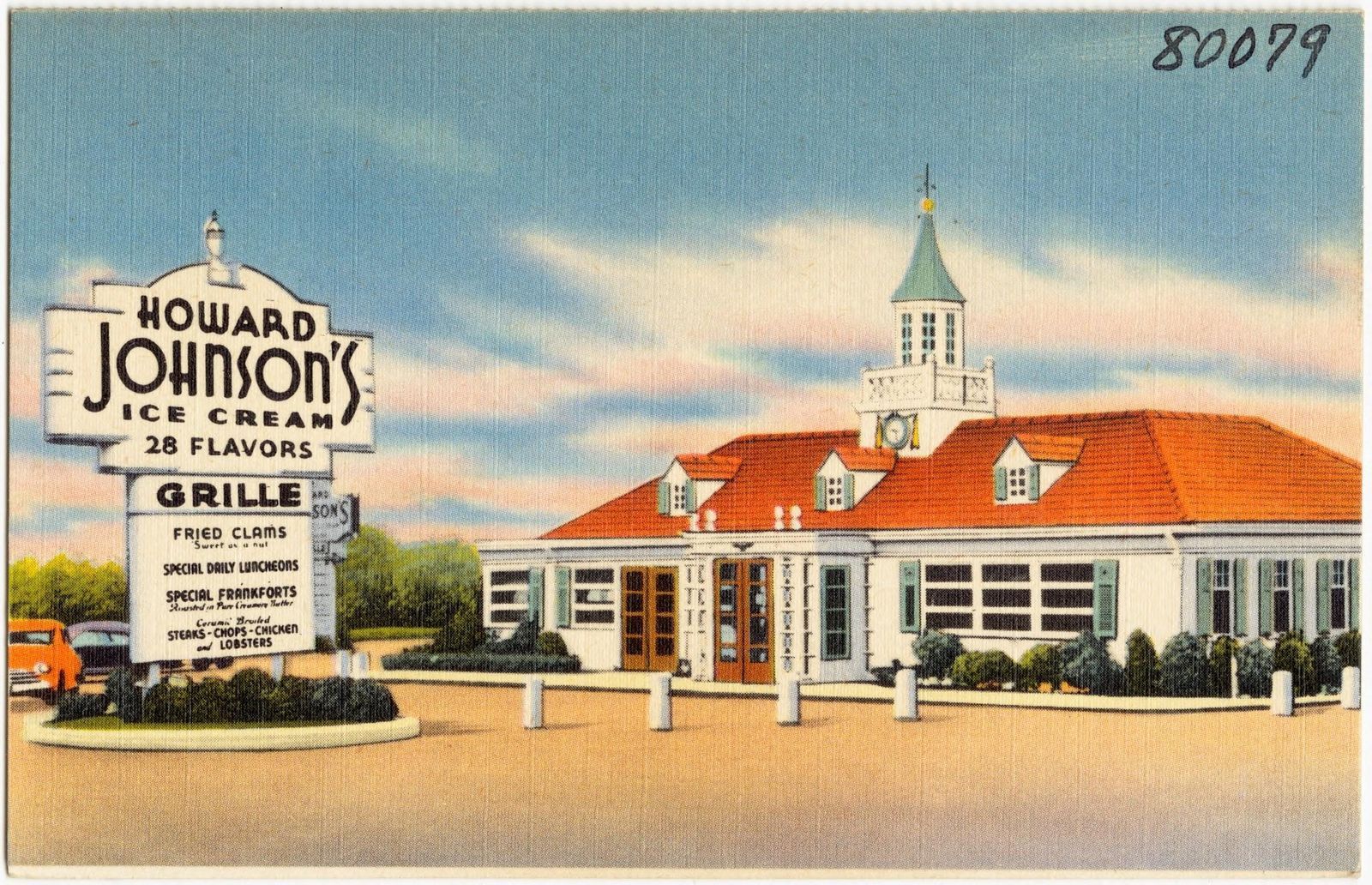
During the 1960s and 1970s, a stop at Howard Johnson's was part of the classic American road-trip experience for many families, and that was no accident.

Founded in 1925 in Quincy, Massachusetts, the famous orange-roofed chain reached its peak when America’s expanding highways and booming car culture made roadside travel more popular than ever. But by the late 1970s and early 1980s, the growing popularity of fast-food chains like McDonald's began changing the way Americans ate on the road. Drivers increasingly wanted meals that were faster, cheaper, and more standardized, while interstate highways also redirected traffic away from many older roadside locations. Unlike some other brands on this list, Howard Johnson’s faded away slowly over the decades. The last restaurant finally closed in 2022.

9
Burger Chef

Image: John Margolies, Public domain, via Wikimedia Commons

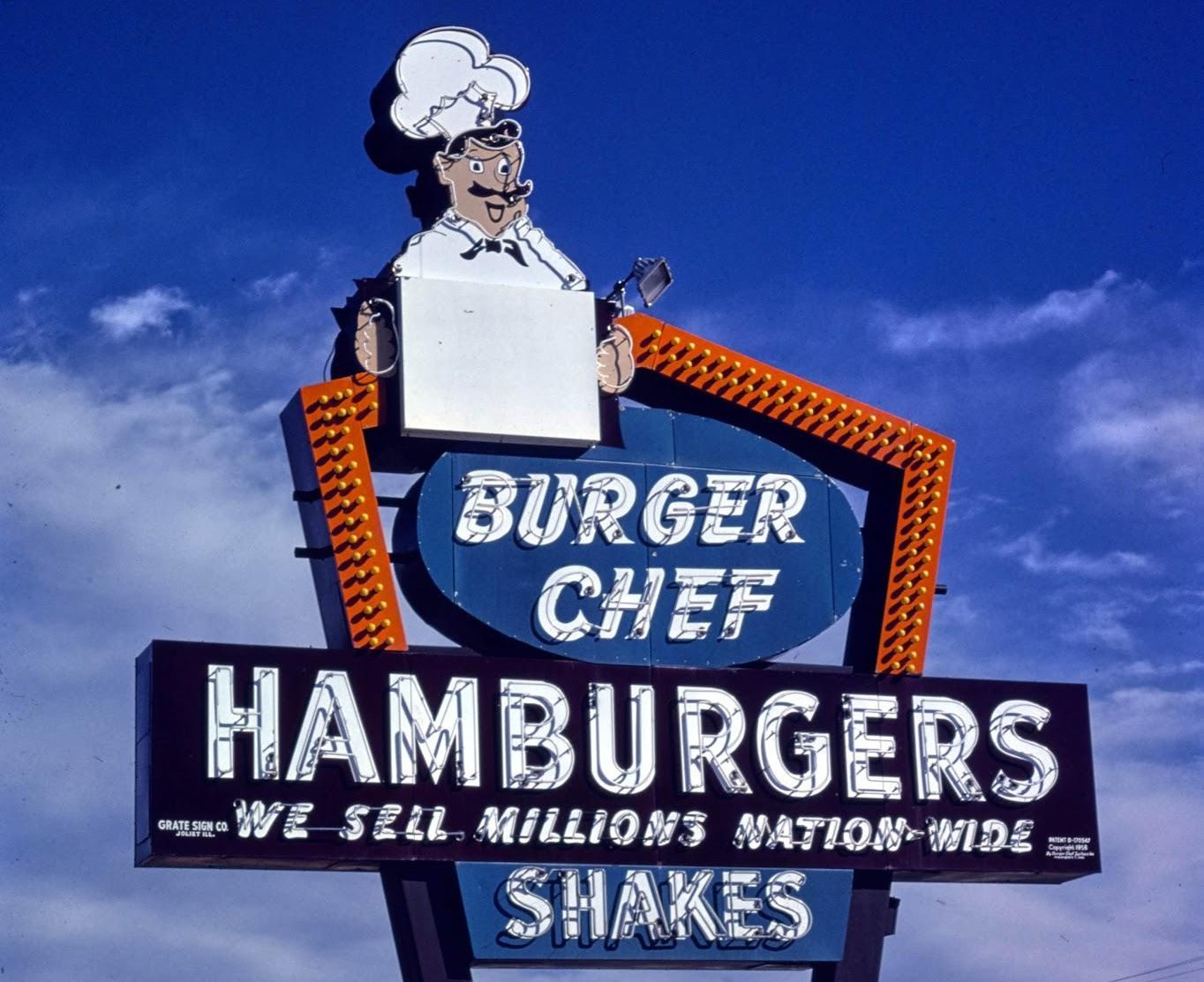
In 1958, a name emerged as one of the pioneers of America’s growing fast-food industry: Burger Chef. By the late 1960s, the chain had more than 1,000 locations across the country and had become one of McDonald's’s biggest competitors.

Long before Happy Meals became famous, Burger Chef helped popularize the idea of marketing meals directly to children with toys and themed publicity. But during the fast-food wars of the 1970s, competition became fiercer than ever. While McDonald’s and Burger King expanded by leaps and bounds, Burger Chef struggled with financial problems and changing consumer tastes. In 1982, the company was sold to Hardee's, which gradually converted most Burger Chef locations into Hardee’s restaurants.

10
Sports Authority

Image: Anthony92931, CC BY-SA 3.0, via Wikimedia Commons

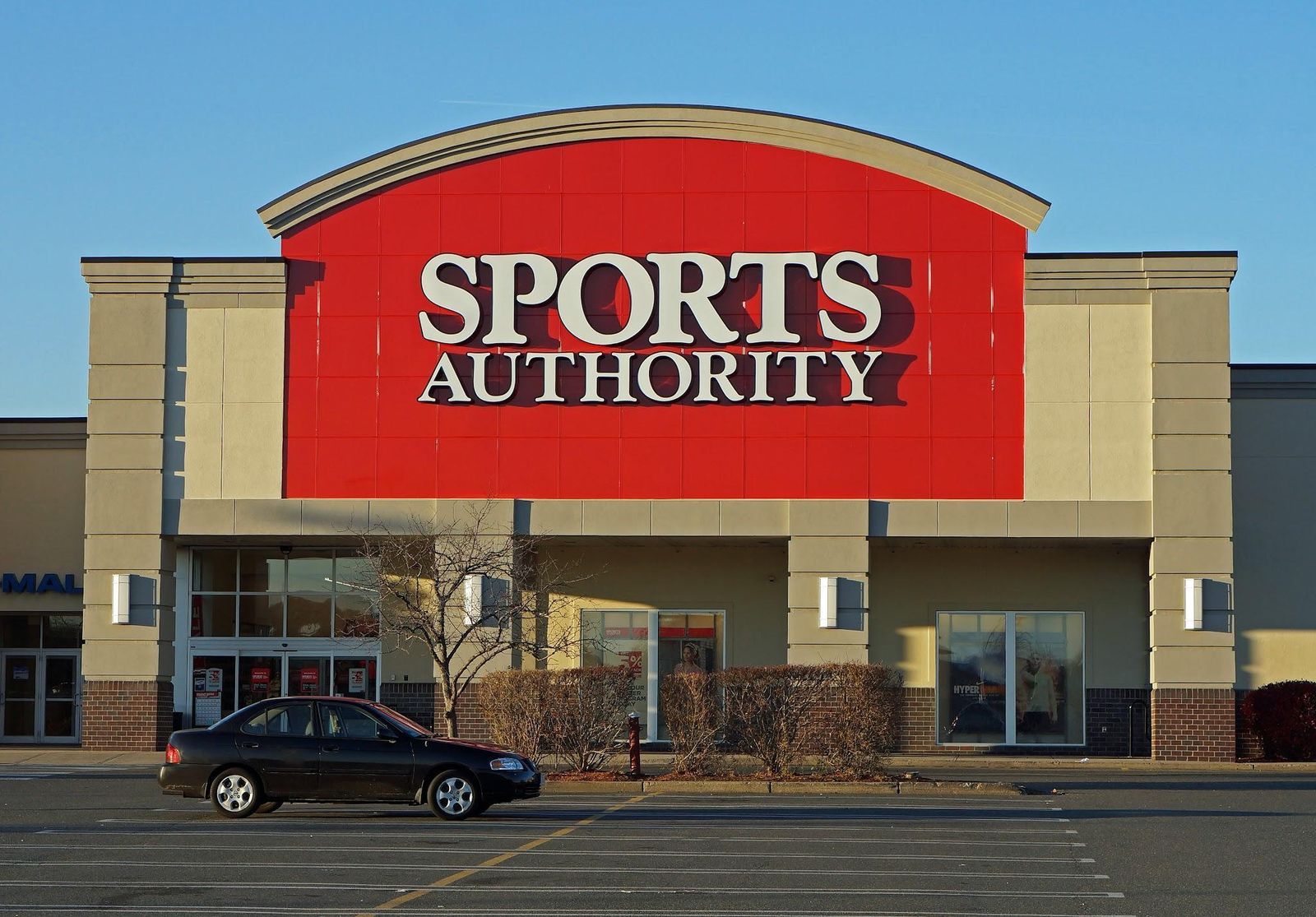
Throughout the 1990s and 2000s, many Americans looking for running shoes, gym shorts, and sports gear headed straight to Sports Authority.

Known for its huge stores packed with athletic apparel, exercise equipment, bicycles, camping gear, and team sports products, Sports Authority became the ideal shopping destination for families and athletes across the US. But as online shopping rapidly changed retail in the 2000s, the company struggled to adapt. Heavy debt from expansion efforts and a slow shift to e-commerce eventually caught up with the chain. Sports Authority declared bankruptcy in 2016 and closed all remaining stores later that year.

General General 4 min read

The secrets of the greenback

Dollar bills are green for this reason

Image: Pepi Stojanovski

The U.S. dollar is one of the most powerful and recognizable currencies in the world, but its physical form is unique for many other reasons . From its composition to its symbols, dollar bills and coins are carefully designed to combine history, security, and convenience. Let’s explore our national currency!

1
What are bills made of?

Image: Viacheslav Bublyk

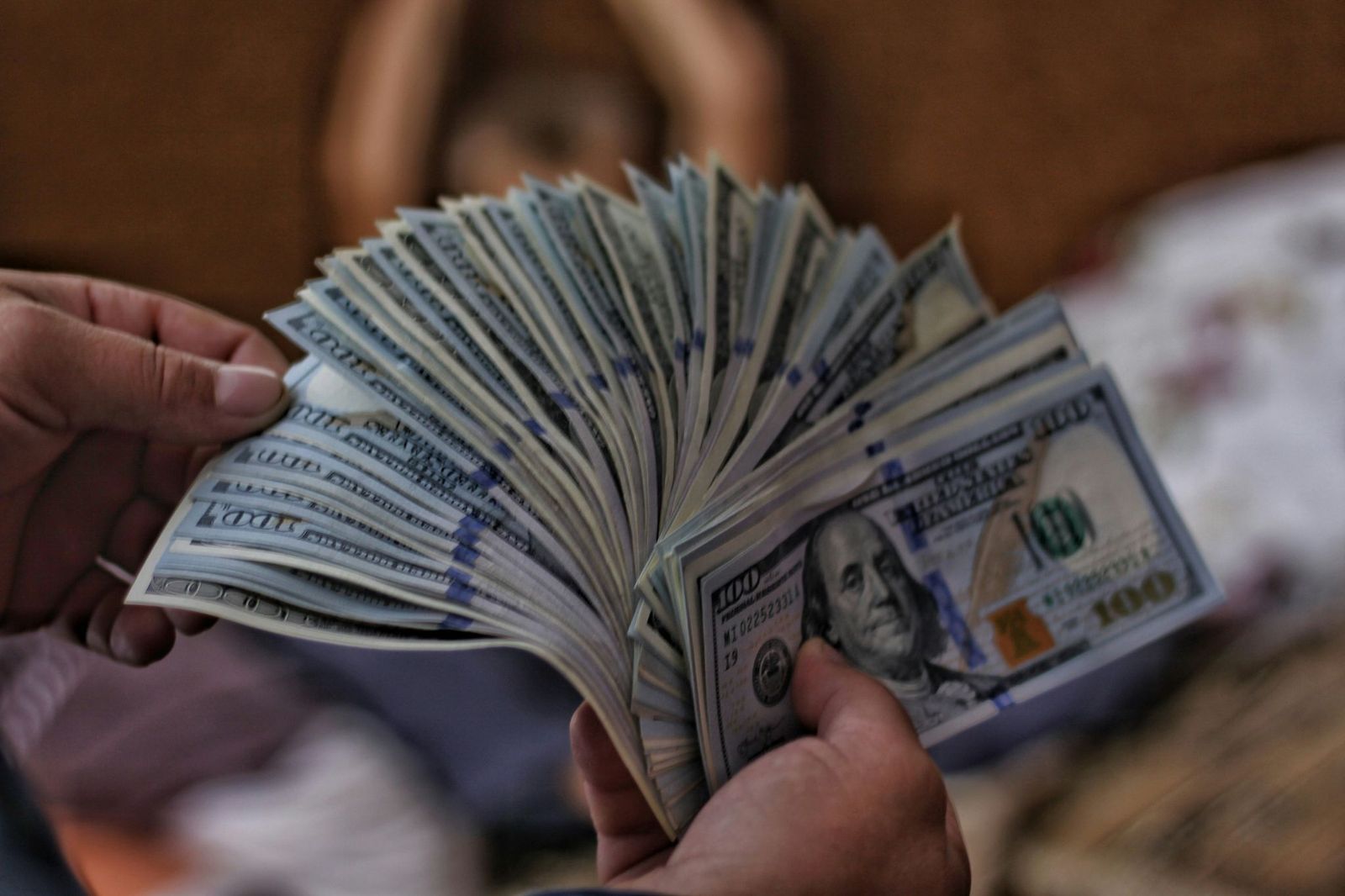
Unlike other currencies, dollar bills are not made of paper or plastic. U.S. dollar bills are made from a special fabric blend composed of 75% cotton and 25% linen. This mix makes the bills extremely durable and resistant, and they can be folded about 4000 times before tearing.

2
What bills are valid?

Image: U. S. Government, The Bureau of Engraving and Printing, Public domain, via Wikimedia Commons

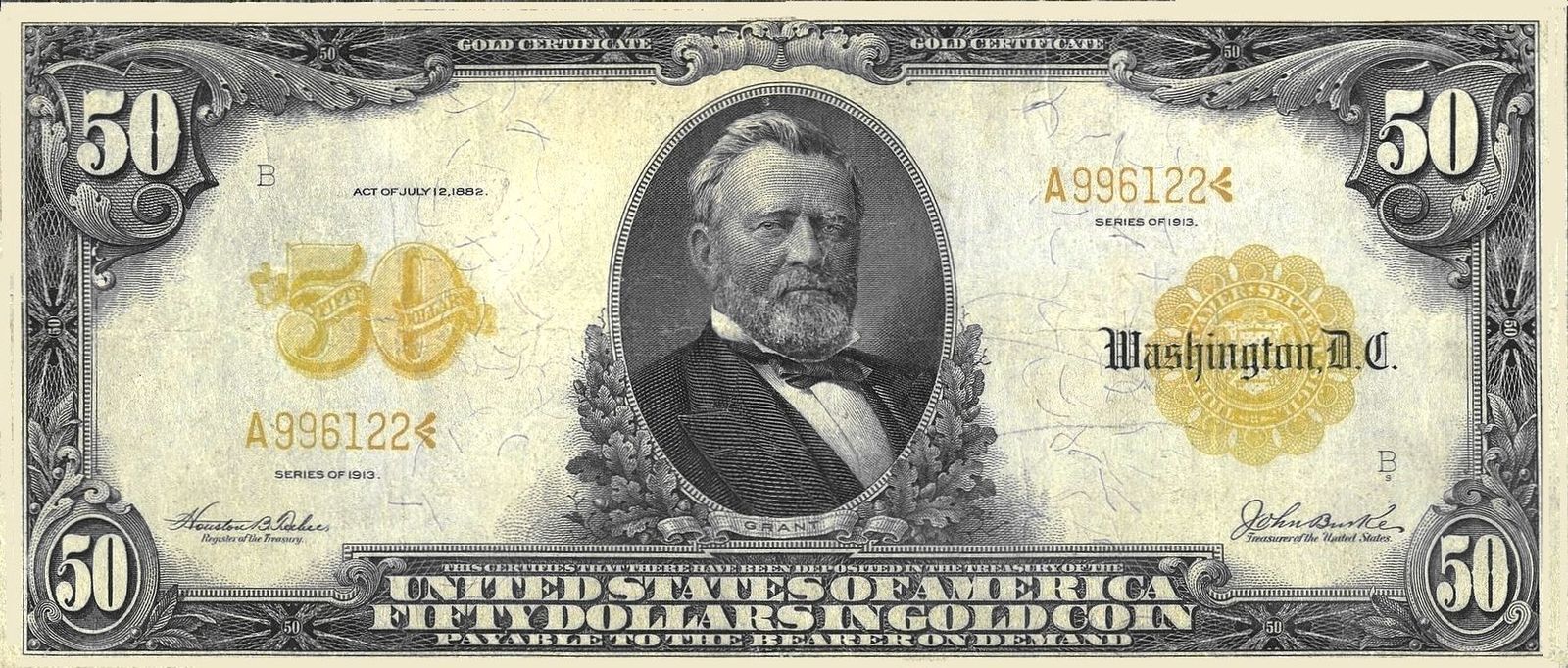
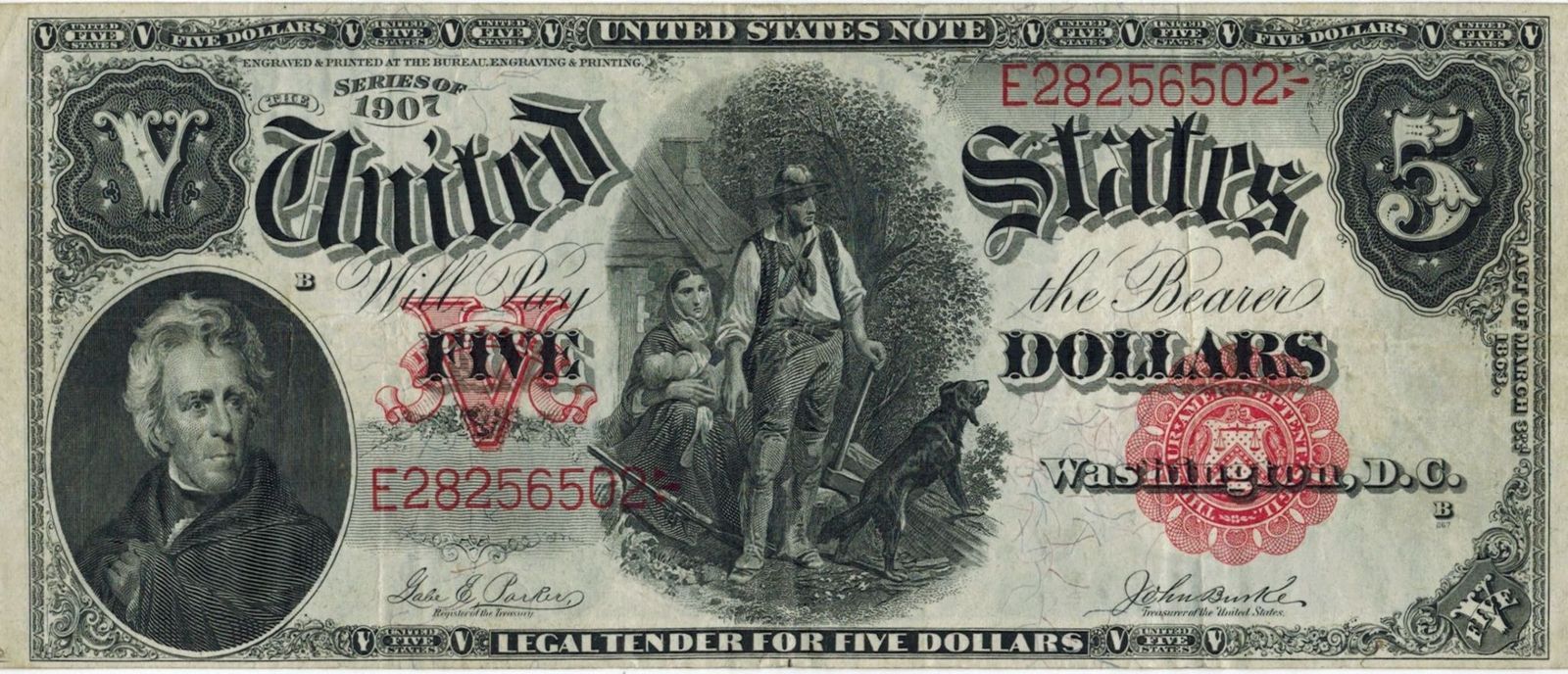
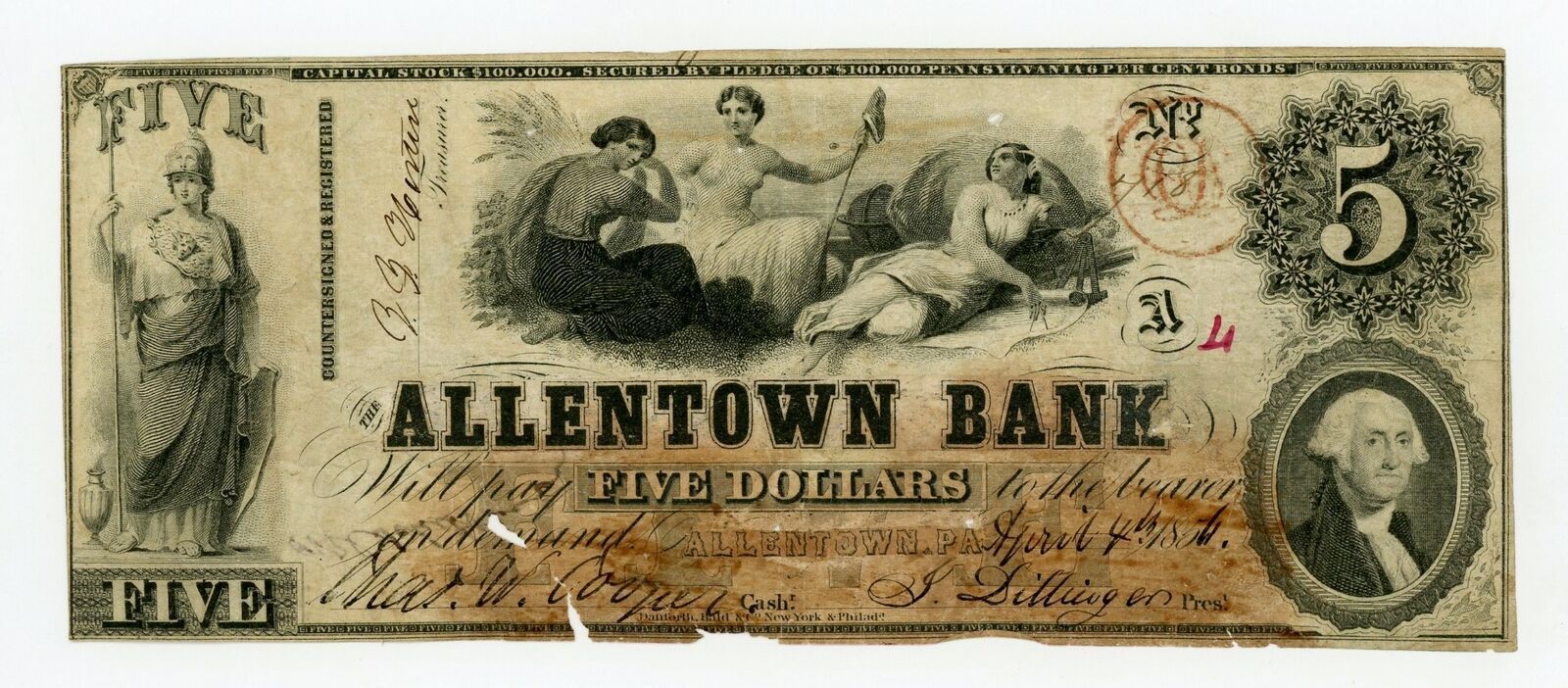
Any U.S. dollar bill that was legally printed is valid, no matter how old, as American currency does not have an expiration date. While some bills might not be accepted by businesses of foreign exchange services due to their condition or if they are a discontinued version of the bill, the bills themselves are still valid, and American banks will accept them, though they might take them out of circulation.

3
American leaders

Image: Lukasz Radziejewski

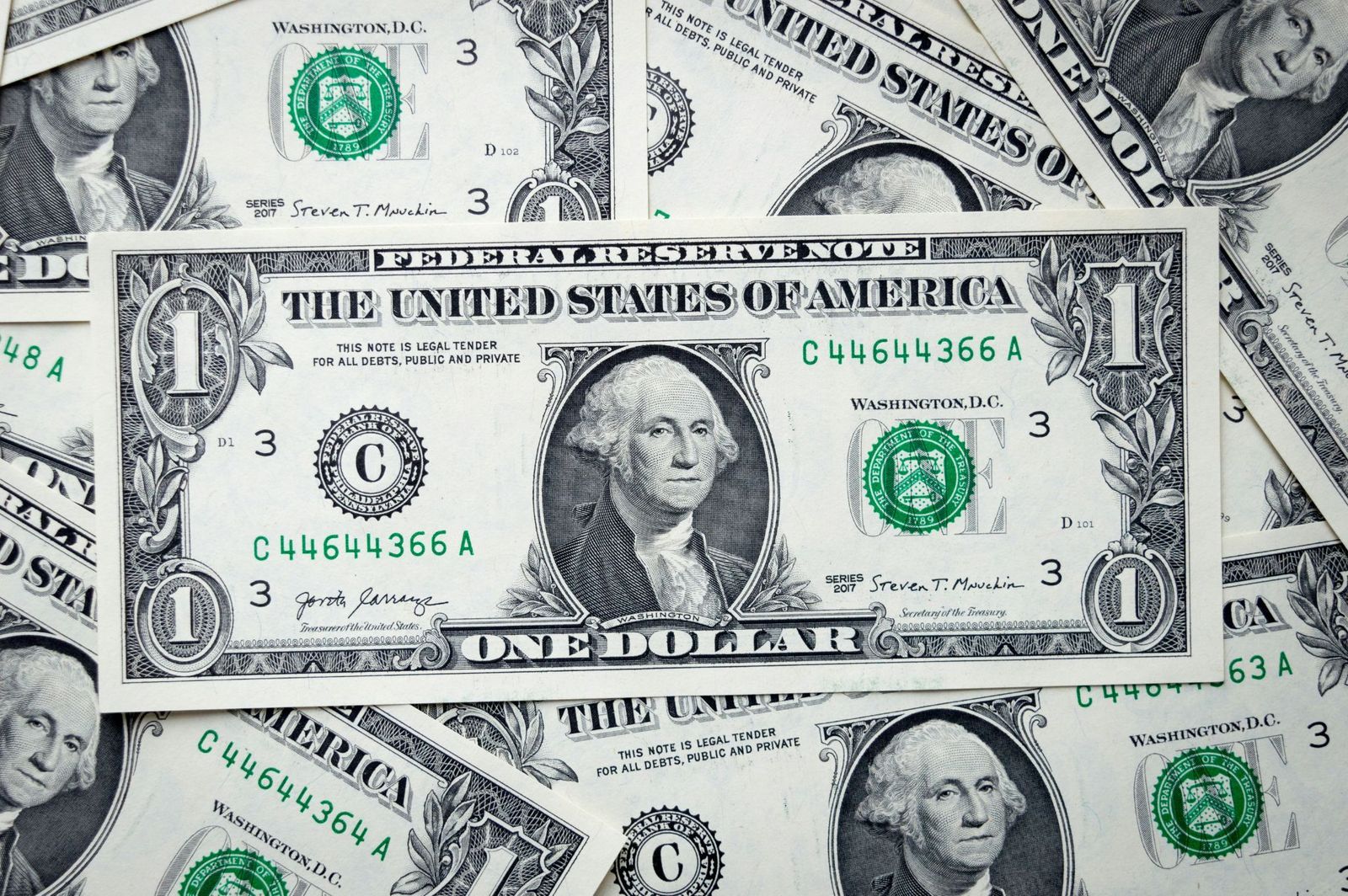
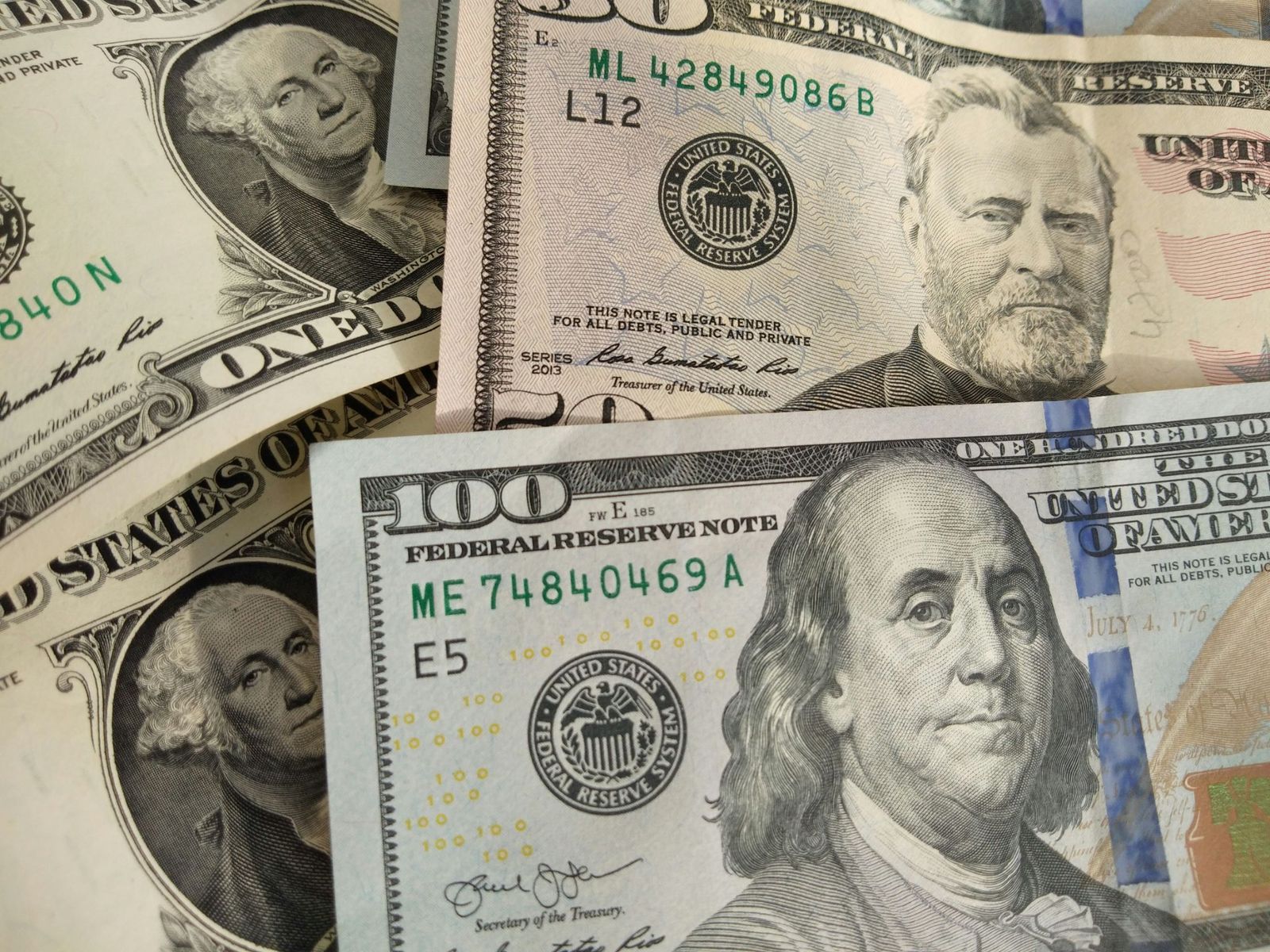
Five bills have a depiction of an American president. The exceptions are the $10 bill, with Alexander Hamilton on the front, and the $100 bill, with Benjamin Franklin. The $1 bill, depicting George Washington, is extremely symbolic: several elements are repeated 13 times as a nod to the thirteen colonies, and it showcases the Bald Eagle and the Eye of Providence as a sign of God watching over America.

4
A change in size

Did you know that dollar bills used to be so big that they were nicknamed "horse blankets"? Original dollar bills were 7.4 × 3.1 inches. In 1929, the Treasury Department reduced the size of bills to 6.14 × 2.61 inches to reduce production costs and materials. Old bills, though still valid, are worth much more as collector items.

5
Uniformity

Image: Avinash Kumar

Besides their value and design, all dollar bills have the same size (6.14 × 2.61 inches), color, and weight (1 gram) , which sets American currency apart from other countries where bills of different values are differentiated by size, color, or both. Why doesn’t the U.S. implement differences among bills? The cost of adapting vending machines, bank drawers, and ATMs to new bill sizes would cost billions of dollars.

6
Hard to copy

Image: United States Treasury Department, Public domain, via Wikimedia Commons

Originally, dollars were not green, but black. As time passed, green ink was favored, as it was cheap and did not fade as much as black. The new color also prevented people from using black-and-white cameras to create counterfeit money. Currently, dollar bills are predominantly green, but newer versions also include extra colors, such as pink, orange, or purple.

7
A $100,000 bill?

Image: The original uploader was Durova at English Wikipedia., Public domain, via Wikimedia Commons

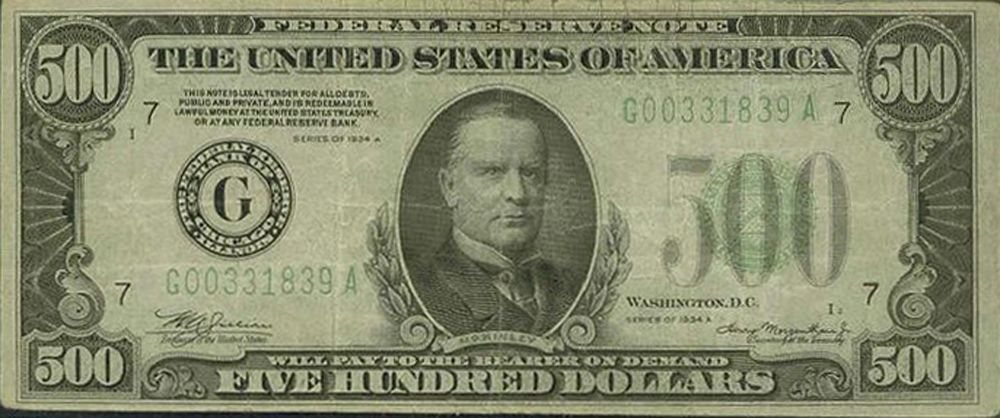
Have you ever seen a $500 or 1,000 dollar bill? What about a $100,000? Up until 1945, the U.S. Treasury printed $500, $1,000, $5,000, $10,000, and $100,000 notes , in addition to the values currently in use. These higher-value notes were mainly intended for bank and government use, but were sought by criminals as they made it easier to hide large amounts of money. Even though they were officially discontinued in 1969, these notes are still valid, though rare, and they have a high worth as collector's items.

8
No numbers

Image: Quilia

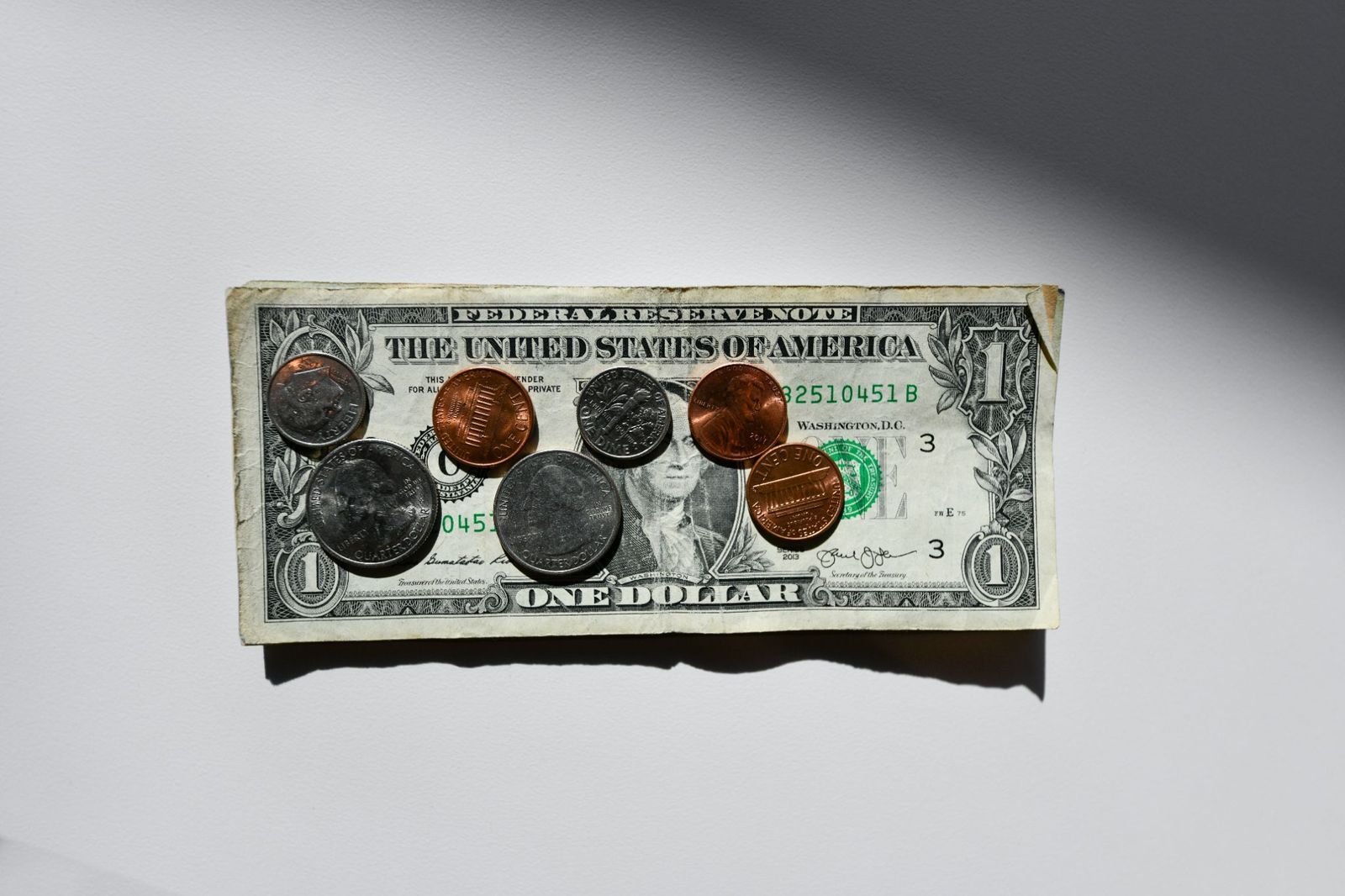
Unlike bills, American coins have different sizes and colors related to their value. Originally, gold, silver, and copper were used for coins, but modern coins are made of copper, zinc, or nickel. Besides their size and design, the value of each coin is printed in letters, not in numbers , alongside depictions of American presidents.

9
Liberty for all (the coins)

Image: Money Knack

By law, all American coins must include six specific details : the word ‘Liberty’, the name of our country, the national motto "In God We Trust", the oldest American motto "E Pluribus Unum", the value of the coin, and the year. Each coin also includes a mint mark that shows where it was made: "P" for Philadelphia, "D" for Denver, "S" for San Francisco, and "W" for West Point.

10
A global currency

Image: Logan Voss

The American dollar is one of the most powerful currencies in the world, acting as a backbone for international trade and finances. It is estimated that two-thirds of the physical dollars in circulation are outside American territory. Besides the U.S. and its territories, eight sovereign nations have the U.S. dollar as their official currency, with several more accepting it as legal tender.

Explore more American facts

Choose your favorite category!

General
General

As American as apple pie—the very best America has to offer!

Culture
Culture

Delve into the astounding richness of American lore.

Geography
Geography

Hop in and explore vast and diverse American landscapes.

History
History

Discover the key moments that shaped the United States.