History History 7 min read

Like you've never seen it before

Why did Lincoln keep a Confederate bill? 10 shocking Civil War facts
Image: Schriever, James B., photographer, Public domain, via Wikimedia Commons

The Civil War is one of the most studied chapters in American history. We've learned about its battles, generals, and figures in school, books, movies, and documentaries. But beyond the famous stories lies a fascinating world of little-known facts that changed the country forever. From the nation's first official paper money to the surprising origins of everyday conveniences, here are 10 incredible Civil War stories that will make you see this defining chapter of American history in a whole new way.

1
The Wilmer McLean paradox
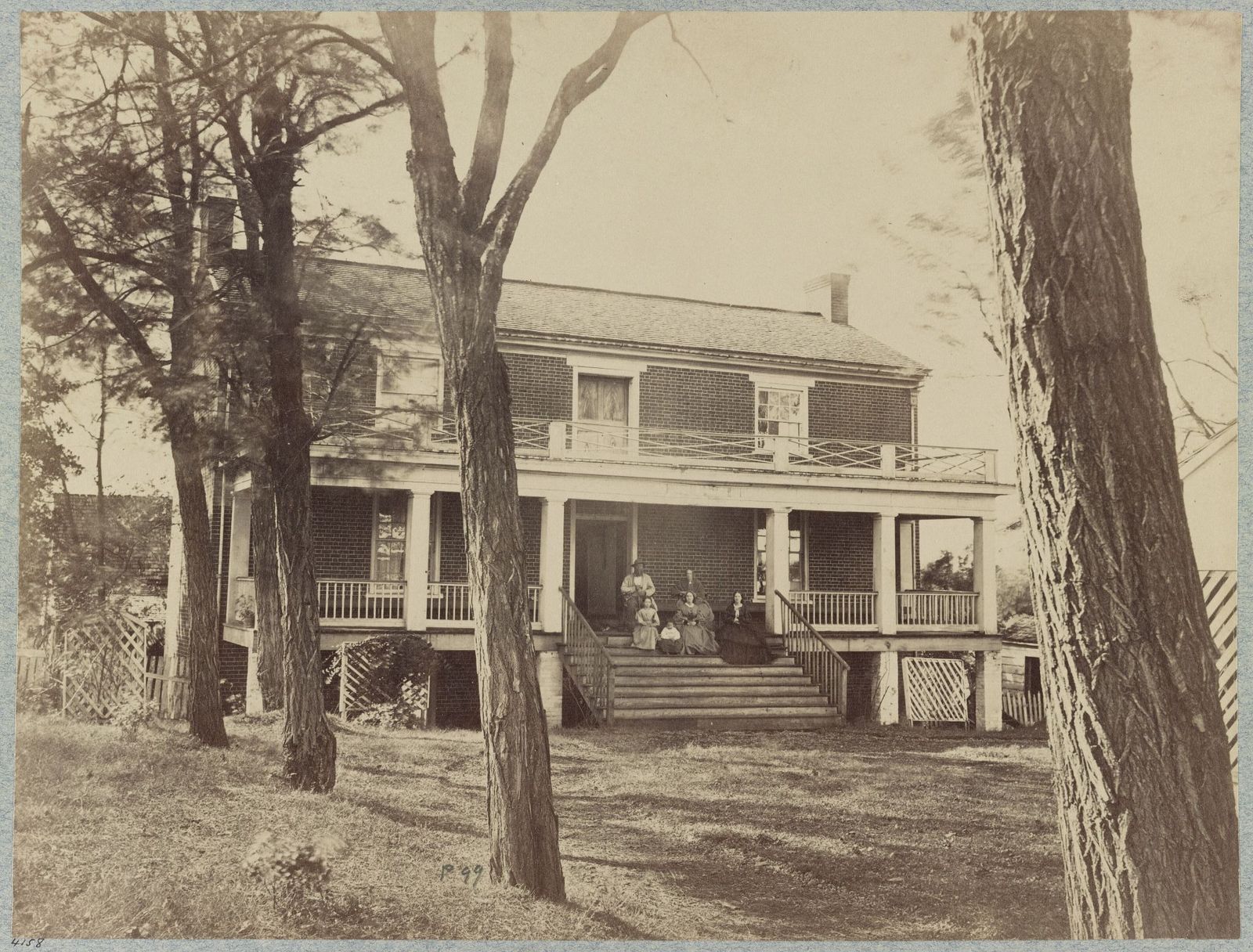
Image: Civil War Glass Negatives, Public domain, via Wikimedia Commons

Do you believe in fate? If not, maybe this story will change your mind.

When the Civil War began, Wilmer McLean was an ordinary 47-year-old man living with his family in Manassas, Virginia. But during the First Battle of Bull Run on July 21, 1861, his house was taken over and used as Confederate headquarters. Hoping to escape the war, McLean moved his family 120 miles away to the quiet village of Appomattox Court House. It seemed like the perfect decision, until history caught up with him. Four years later, the war ended exactly where McLean thought he had found peace. On April 9, 1865, General Robert E. Lee surrendered to Ulysses S. Grant, just in the parlor of McLean's new home. As McLean later joked, "The war began in my front yard and ended in my front parlor."

2
Lincoln's Confederate bill
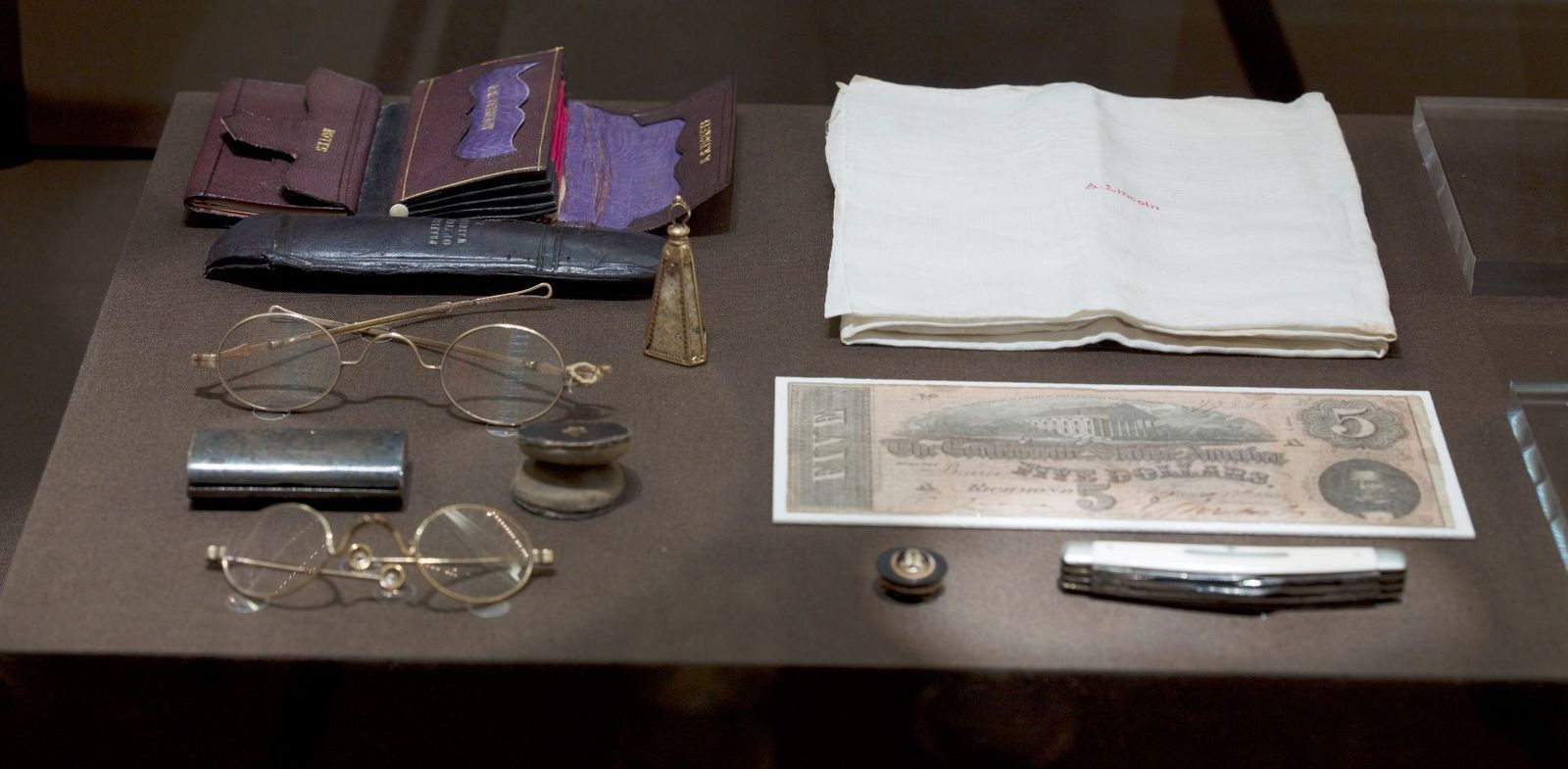
Image: Carol M. Highsmith, Public domain, via Wikimedia Commons

On April 14, 1865, just five days after Confederate General Robert E. Lee surrendered to Union General Ulysses S. Grant, President Abraham Lincoln was shot by actor and Confederate sympathizer John Wilkes Booth during a performance of Our American Cousin at Ford's Theatre in Washington, D.C.

When authorities searched Lincoln's pockets that night, they found the everyday items you'd expect: spectacles, a pocketknife, a handkerchief embroidered with his initials, a watch fob, a sleeve button, and a leather wallet. But one discovery stunned them. Inside the wallet was a Confederate five-dollar bill, the only currency Lincoln was carrying. Historians believe he picked it up as a souvenir during his recent visit to Richmond, the former Confederate capital.

3
Women disguised themselves to fight
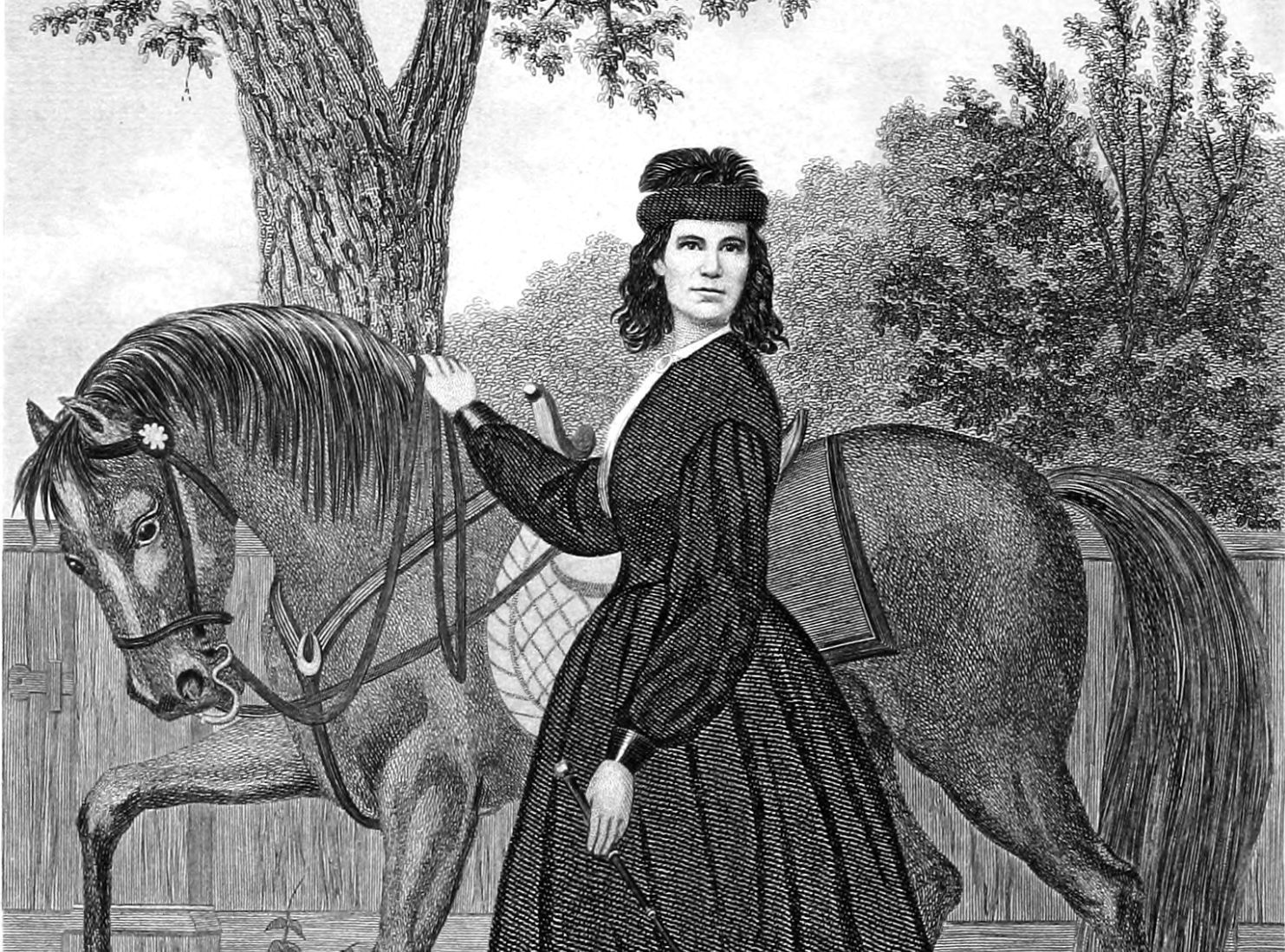
Image: Sarah Emma Evelyn Edmonds, Public domain, via Wikimedia Commons

It's well known that women played a vital role in the US Civil War, serving as nurses, spies, and organizers. Clara Barton, a famous example, brought supplies to wounded soldiers on the battlefield and later founded the American Red Cross. But there's another interesting female role that many people have never heard of.

We’re talking about the thousands of women who disguised themselves as men so they could fight. One of the best-documented was Sarah Emma Edmonds, who enlisted in the Union Army under the name Franklin Thompson. Serving as a soldier, nurse, and spy, she fought in major campaigns, including the First Battle of Bull Run and the Peninsular Campaign. After contracting malaria in 1863, she left her unit rather than risk being exposed in a military hospital and was charged with desertion. Years later, her fellow soldiers testified on her behalf, and in 1884, Congress granted her an honorable discharge and a military pension.

4
Brothers on opposite sides
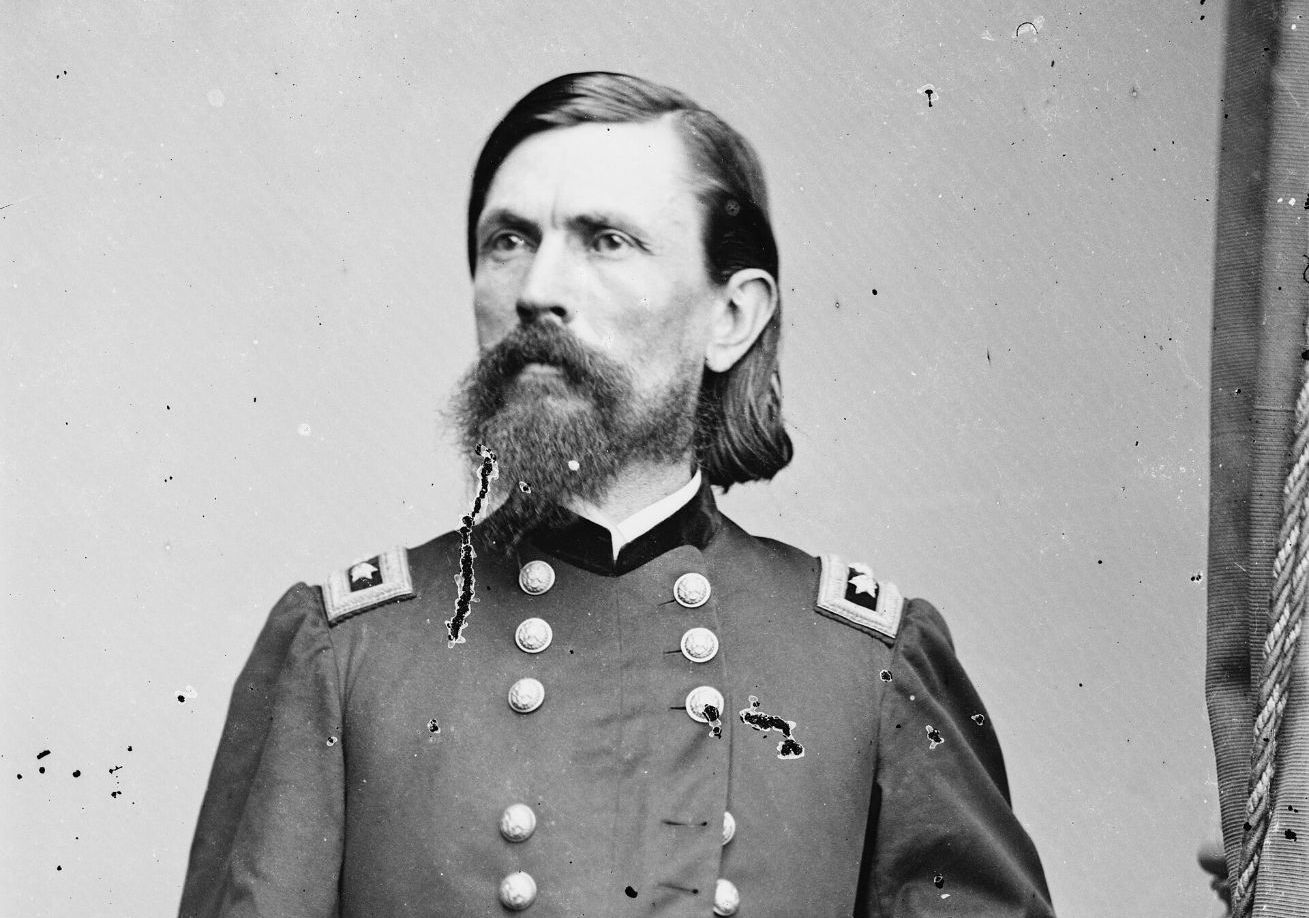
Image: Mathew Benjamin Brady, Public domain, via Wikimedia Commons

The Civil War didn't just divide the nation; it tore families apart. Few stories capture that tragedy better than this one.

The sons of prominent Kentucky Senator and passionate Unionist John J. Crittenden, brothers Thomas Leonidas Crittenden and George Bibb Crittenden, both became generals… but fought on opposite sides of the war. George served as a Confederate major general, commanding troops at the Battle of Mill Springs, while Thomas became a Union major general, fighting in major campaigns including Shiloh, Stones River, and Chickamauga. While they never directly faced each other on the battlefield, their choices caused immense emotional and social fractures within their family. Both survived the war, and today, they are buried in the same Frankfort State Cemetery, finally reunited in the soil of their home state.

5
Standardized clothing sizes
Image: Valentin Ivantsov

When was the last time you had a suit or dress made just for you? Today, we simply walk into a store and buy the size that fits, but before the Civil War, that wasn't how Americans bought clothes.

Before the 1860s, most clothing was custom-made by tailors or sewn at home. But that became a major problem when the war began, and the Union suddenly had to outfit more than a million soldiers. Measuring and tailoring every uniform by hand was impossible. Instead, military officials collected thousands of body measurements, identified common size patterns, and created one of the first standardized sizing systems: Small, Medium, and Large. After the war, clothing manufacturers adopted the same templates for civilian garments, helping give birth to America's modern ready-to-wear clothing industry.

6
Postal home delivery system
Image: Wolfgang Vrede

Today, having letters and packages delivered right to your front door is so routine that we rarely stop to think about it. But for many years of American history, that convenience didn't exist.

Before the Civil War, Americans had to pick up their mail at the local post office. When the war began, families desperate for news of sons, husbands, and fathers crowded into post offices, often waiting for hours. Seeing the heartbreaking scenes, Cleveland postal clerk Joseph Briggs began delivering letters directly to people's homes, sparing families long waits and needless anguish. His neighborhood deliveries were such a success that they inspired Postmaster General Montgomery Blair and Congress to create the nationwide Free City Delivery Service on July 1, 1863.

7
The US first official paper money
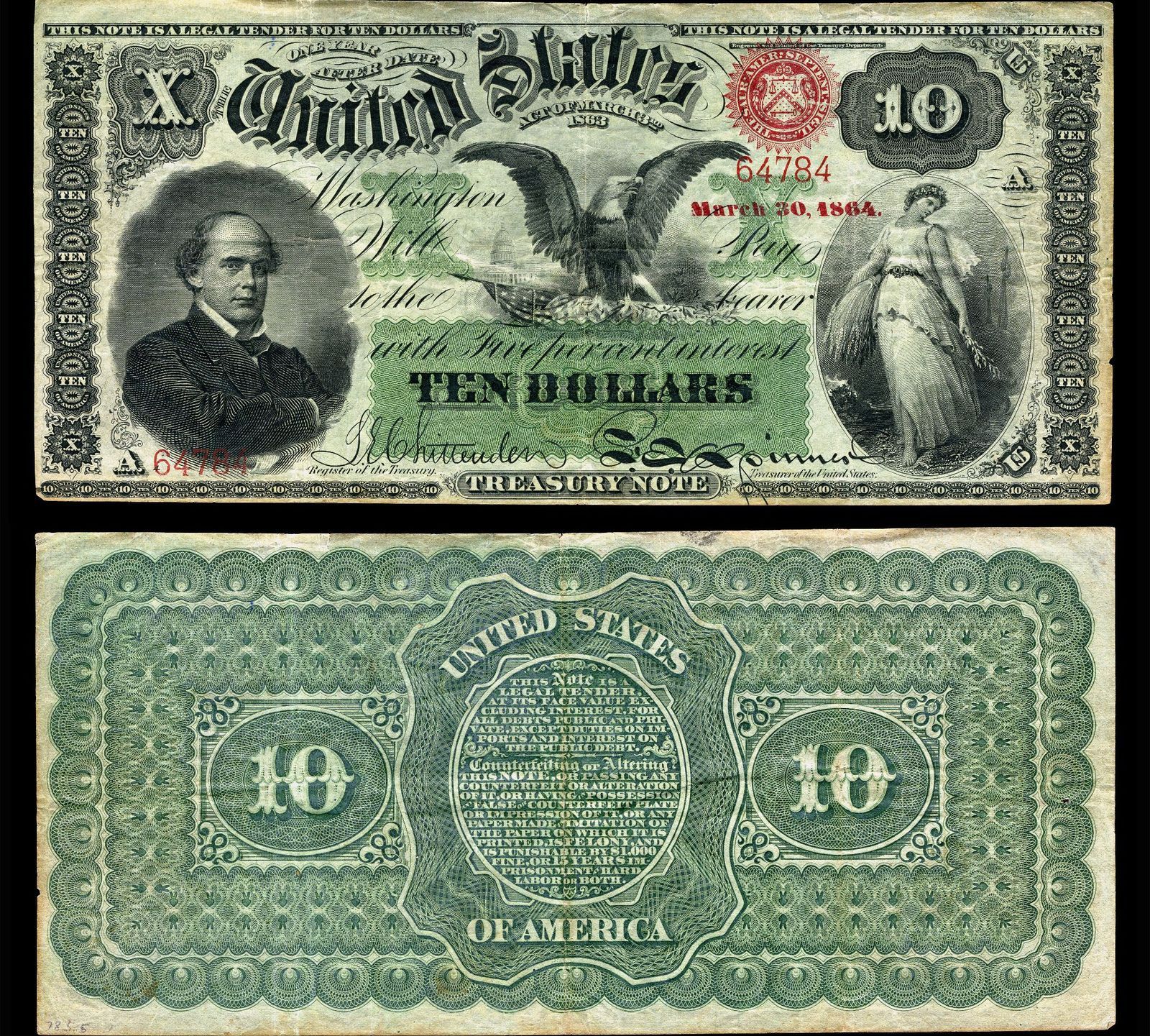
Image: National Museum of American History, Public domain, via Wikimedia Commons

Today, most of our money exists in a digital form. However, when we picture money, we still think of dollar bills and coins. They've been part of our lives for so long that it's hard to imagine a time when the US government didn't print paper money at all. But that time did exist.

Before the Civil War , the federal government issued no standardized national paper currency. It minted gold, silver, and copper coins, while Americans relied on thousands of different banknotes printed by private, state-chartered banks, many of them unreliable and prone to failure. Everything changed in 1861 , when the Union needed money to finance the war. Congress authorized the first federal paper currency, known as Demand Notes, followed by Legal Tender Notes in 1862. Americans soon nicknamed them "greenbacks" because of their green ink, a name that has survived ever since.

8
A town changing hands 10 times
Today, US Route 50 follows much of the old Northwestern Turnpike, a historic road linking Winchester, Virginia, with Parkersburg on the Ohio River. But during the Civil War, living along that route was anything but convenient.

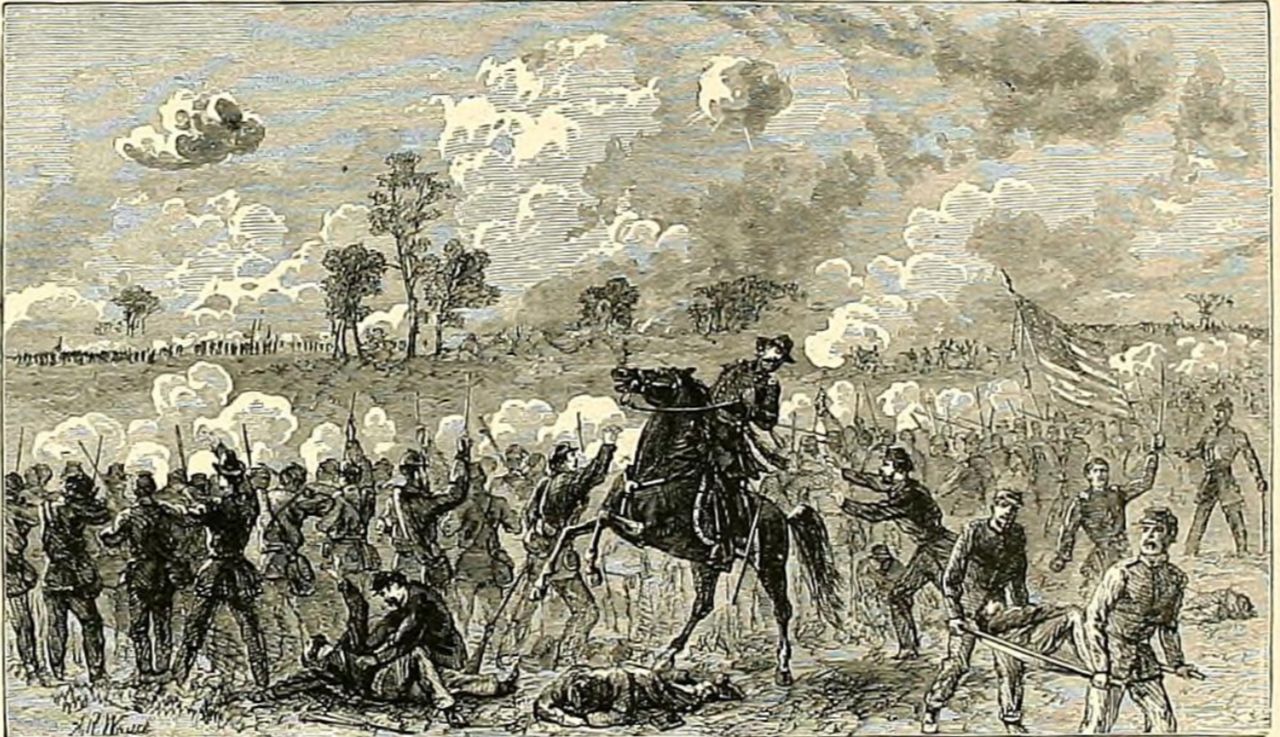
Because the turnpike provided access to the Shenandoah Valley, the Baltimore & Ohio Railroad, and key mountain passes, the town of Romney (now in West Virginia) became a strategic prize for both the Union and the Confederacy. As armies pushed forward and fell back, each side repeatedly captured and abandoned the town. While most cities and regions remained firmly on the same side for the entire war, historians generally agree that Romney changed hands at least 10 times, making it one of the most frequently occupied towns of the Civil War.

9
The war with the most Medals of Honor
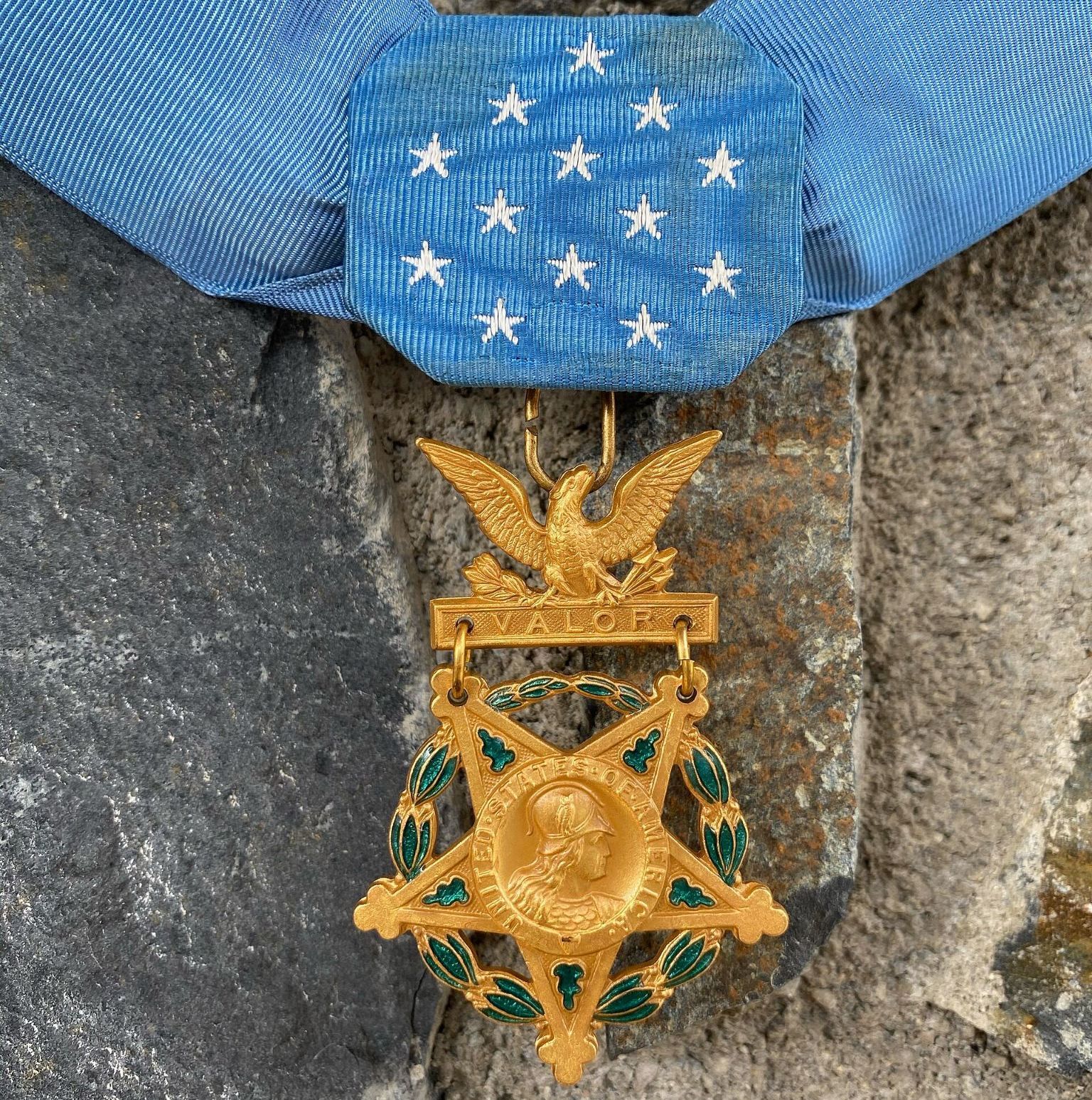
Image: Alexeinikolayevichromanov, CC BY-SA 4.0, via Wikimedia Commons

The Medal of Honor is the nation's highest military award for valor. During the Civil War, about 1,525 service members received it. That may not sound extraordinary… until you compare it with every major American war that followed.

The numbers are striking: 126 Medals of Honor were awarded in World War I, 464 in World War II, and 266 during the Vietnam War. A total of 856 combined, far fewer than in the Civil War alone. But there’s a reason for that. The Medal of Honor was created during the Civil War; at the time, it was the only US military decoration for valor. With no other awards recognizing battlefield heroism, it was presented under standards that were far broader than those adopted in later wars.

10
Can openers
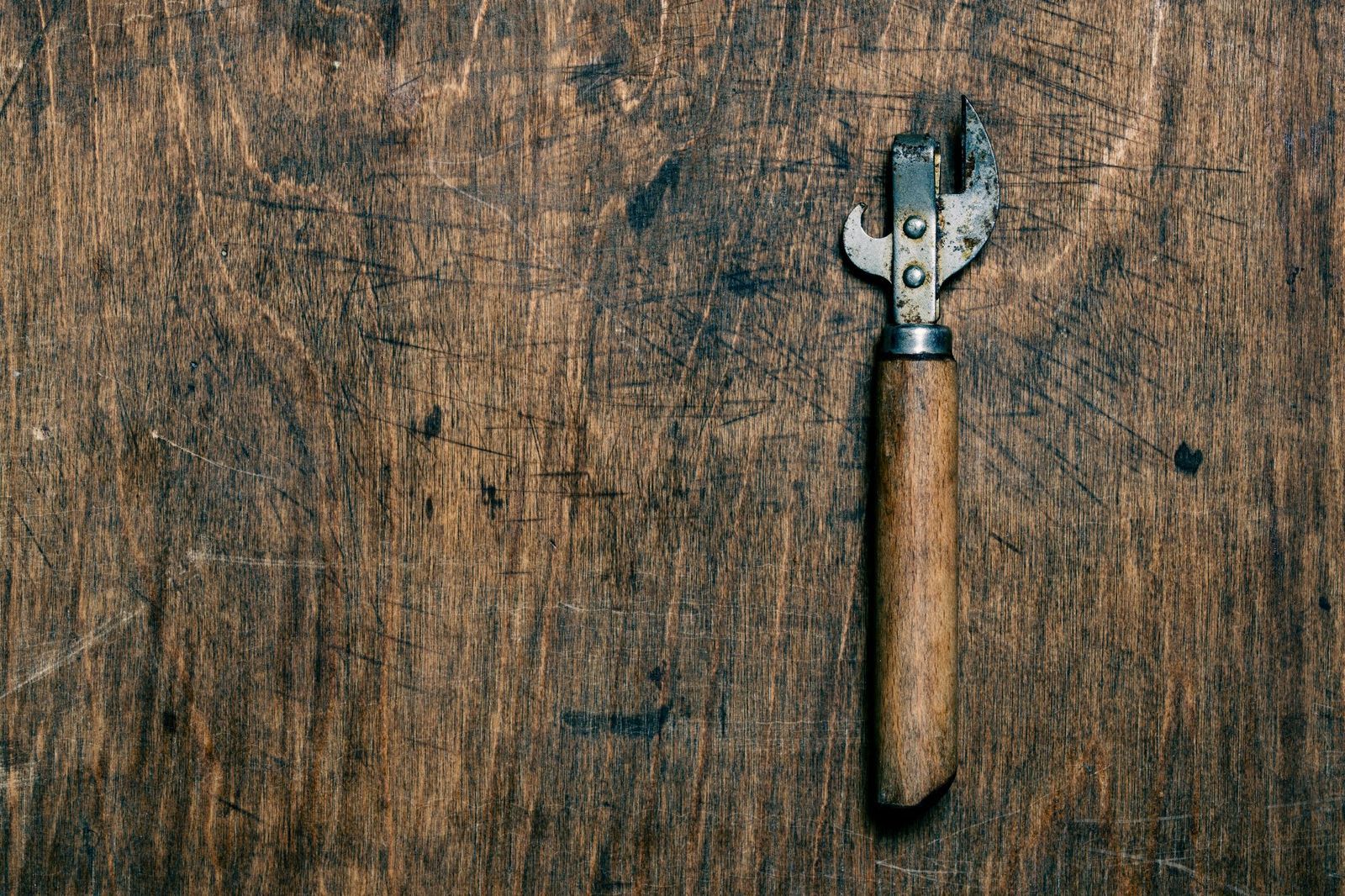
Image: OlegD

It's hard to imagine a kitchen without a can opener. But surprisingly, canned food existed for decades before anyone invented it.

Although canned food had been around since the early 1800s, people often had to open cans with a hammer and chisel. That finally changed when American inventor Ezra J. Warner patented the first practical can opener in 1858. Even then, it remained a curiosity until the Civil War, when the huge demand for canned rations, including Gail Borden's condensed milk for Union troops, made it indispensable. The war turned the can opener from a strange invention into an everyday tool, paving the way for the handheld versions we still use today.
Geography Geography 6 min read

Sub-America

Did you know there are hidden underground cities in the US?

Image: Harrison Haines

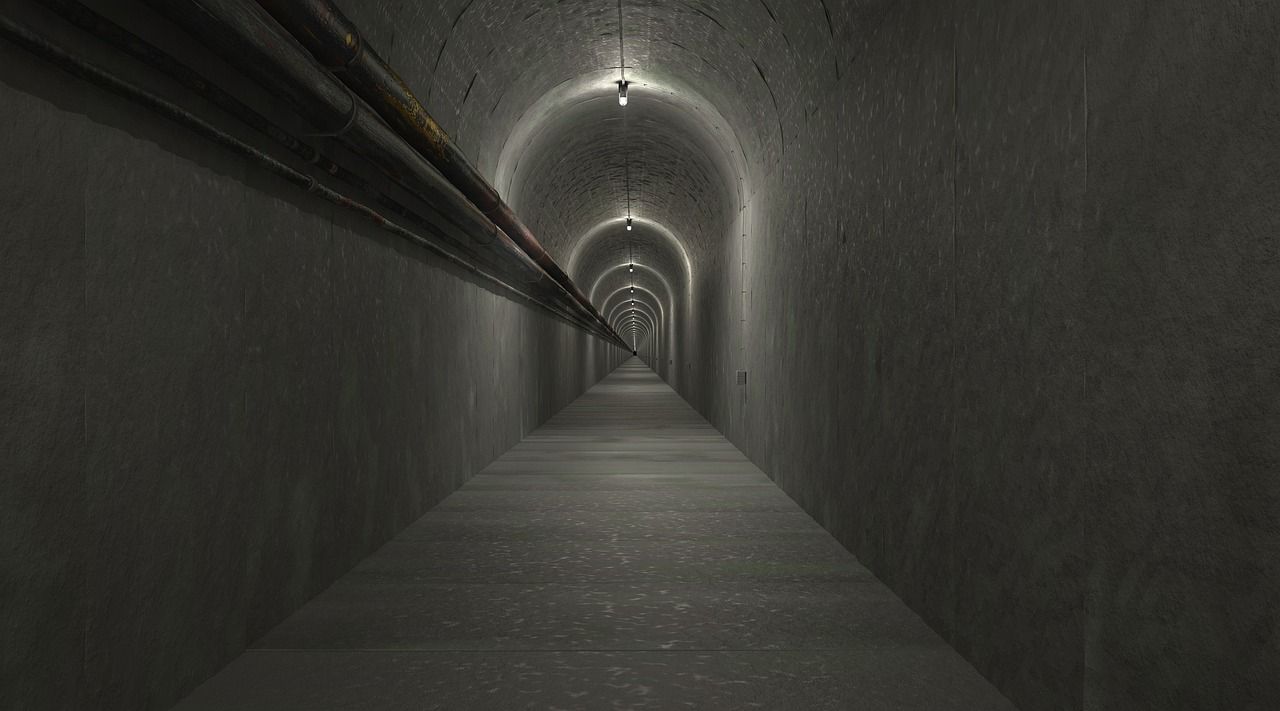
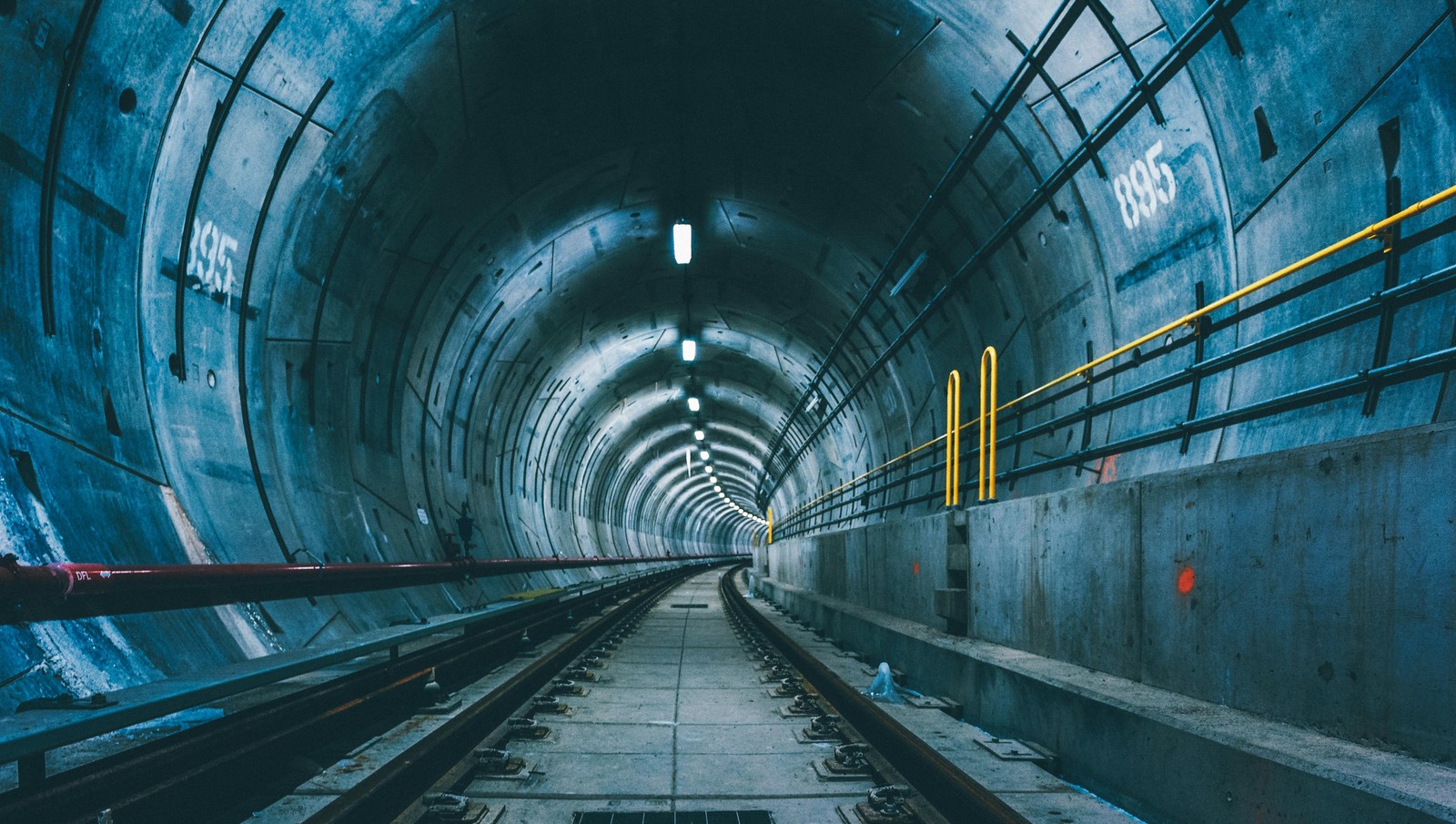
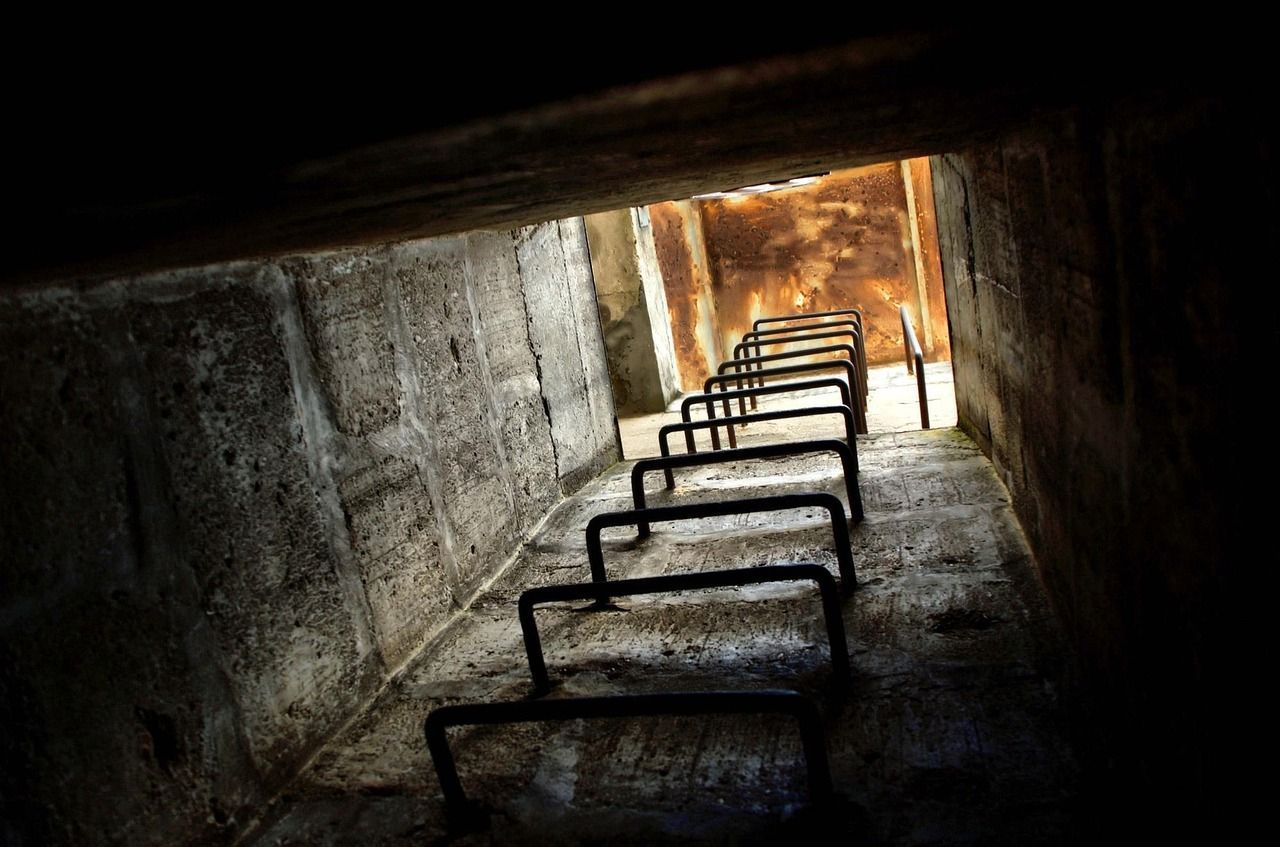
Some cities are so top secret they can’t even be found on a map. Subterranean cities have existed throughout human history, and in the United States, we have a few amazing examples. Some are bunkers built during the Cold War to survive nuclear attacks, others were born as ingenious alternatives to escape extreme weather conditions. Whether they are hidden inside a mountain or buried deep underground, here are 12 subterranean places in America that are hidden in plain sight.

1
Raven Rock Mountain Complex

Image: Ilagam

Did you know that in the 1950s, the US government carved out a secret underground city that could survive a nuclear attack? It’s called an "underground Pentagon", and very much like Area 51, it is one of the government's most classified projects.

This military complex and nuclear bunker is located near Blue Ridge Summit, Pennsylvania, 768 feet below the ground. It’s protected by 23.5 ft thick 30-ton doors built on top of springs to survive the shock from a blast. Raven Rock has five buildings with 15 floors big enough to live and work. The base has everything it needs to keep running, like a cafeteria, a barbershop, water generators, and even a medical center.

2
SubTropolis

Image: mwewering

Below Kansas City, Missouri, lies the world's largest underground business complex. SubTropolis is a structure located inside a mine north of the Missouri River. It was carved out of limestone some 135 to 185 feet underground and covers a total of 55 million square feet.

Kansas City Chiefs founder Lamar Hunt built this subterranean city in the 1960s. It has offices, storage space, and even factories. Over 1,600 people work here every day, largely because SubTropolis remains cool all year, making it an ideal location for businesses. Fun fact: some of Hollywood’s most beloved masterpieces are kept here, including the original film reels of Gone with the Wind and The Wizard of Oz.

3
Underground Atlanta

Image: Ronny Sison

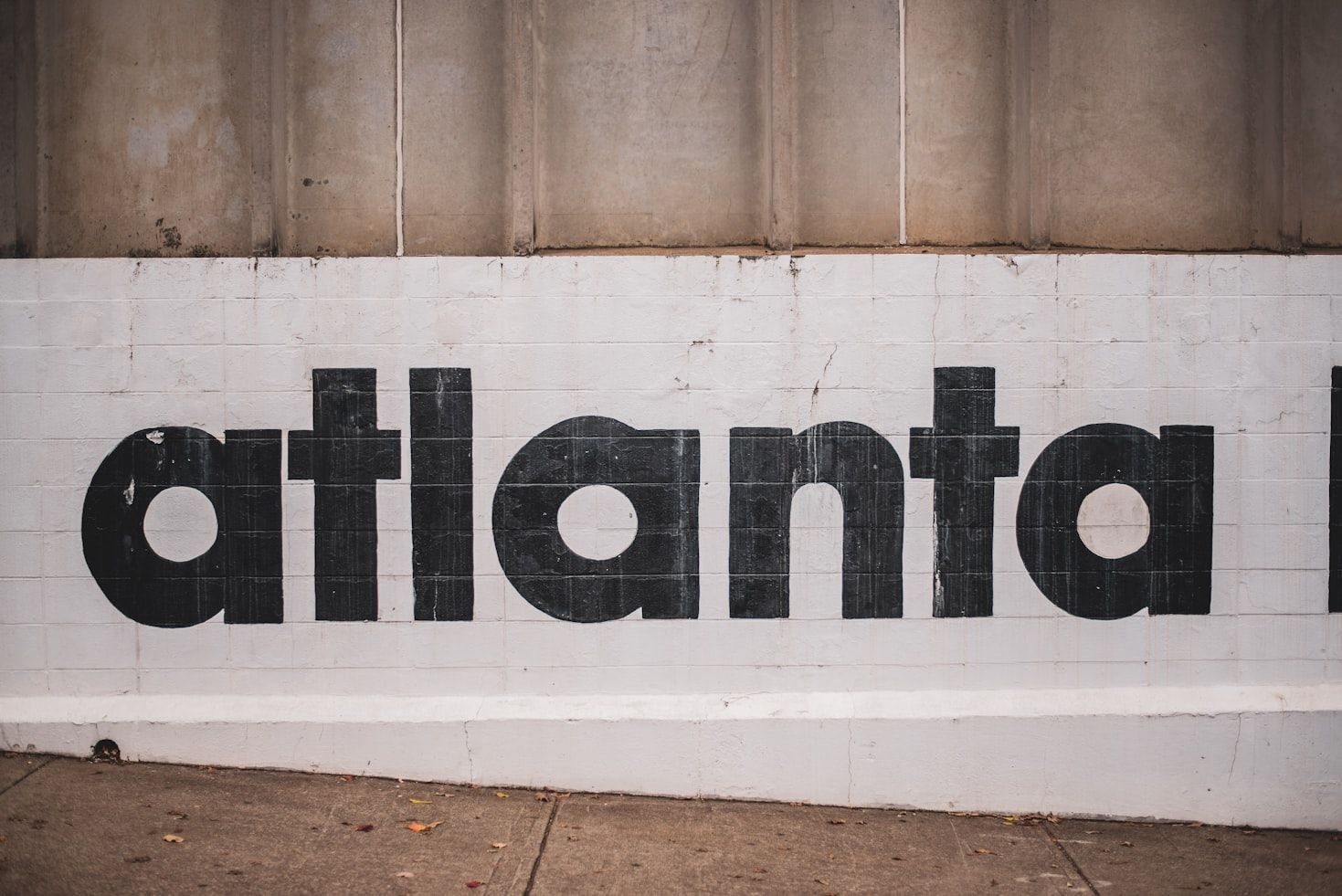
Underground Atlanta is a historic spot in downtown Atlanta, Georgia. It was built in the late 1800s, right after the Civil War, as a commercial district centered around the railroad. In the 1920s, viaducts were built and the streets were raised, creating a second level of streets, buildings, and shops.

During Prohibition, the abandoned underground space served as the best spot for speakeasies and juke joints. For decades, people forgot about the hidden city, but in the 1960s, it was brought back to life as a fun place for music bars and nightlife.

4
New York City Subterranean World

Image: Photographer: unknown, Public domain, via Wikimedia Commons

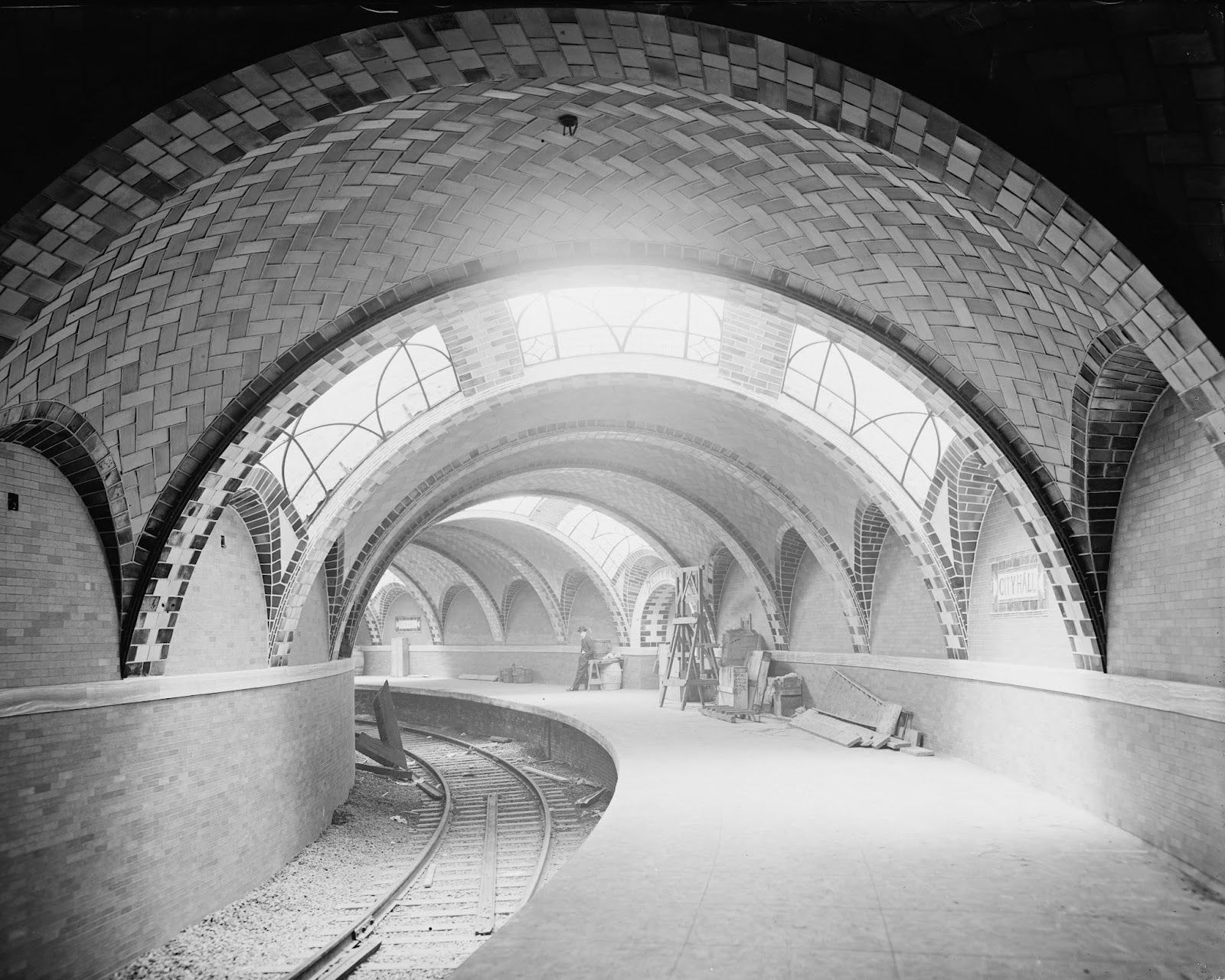
Under America’s most populous city, there's a whole hidden world. For example, beneath Little Italy and the Public Library, there are secret vaults. Beyond the subway millions of people use daily, there is City Hall station, opened in 1904 and closed in 1945. It's a hidden gem with stained glass and mosaics that you can still visit by staying on the 6 train past the last stop.

But that’s not all! There are trading tunnels in SoHo and old cattle tunnels in the Meatpacking District. Also, in 1897, there were mail tubes built around the city to send letters between post offices that operated until the 1950s. Some of these underground spaces go as deep as 800 feet!

5
Permafrost Tunnel Research Facility

Image: Paxson Woelber

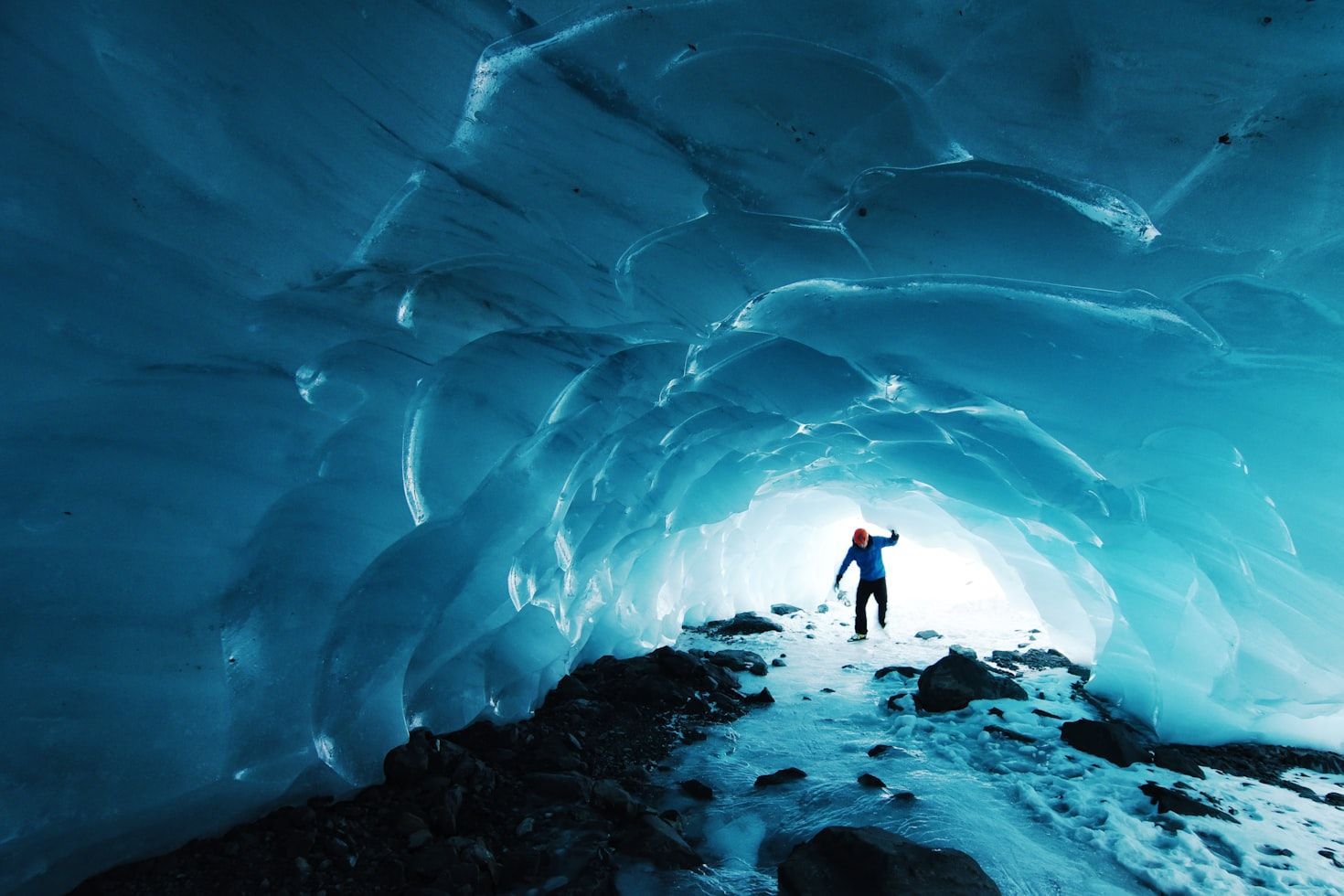
A large part of the land in the northern hemisphere is Permafrost, so it makes sense that there is a research facility specially built to study it. The Permafrost Tunnel in Alaska is the best place to learn about frozen soil that's over 40,000 years old.

The long tunnel was dug from 1963 to 1969 to study how to build and mine in frozen environments. Inside the facility, scientists study ice, ancient plants, and even bones from animals like mammoths. The tunnel shows different layers of earth, uncovering frozen ground from different time periods that help scientists anticipate what might happen as the world gets warmer.

6
The Greenbrier Bunker

Image: Alex Holzreiter

The Greenbrier Bunker in White Sulphur Springs, West Virginia, is a secret underground facility beneath a luxury hotel that has hosted numerous US presidents and famous guests. It was built during the Cold War to protect the US Congress in the event of a nuclear attack. The bunker was designed to house all 535 members of Congress and their staff for a long time.

This classified underground facility remained a secret until 1992, when a Washington Post article exposed it. Today, visitors can take tours to see special rooms, blast doors, and decontamination areas.

7
The Caverns

Image: jymy duhomme

Would you attend a concert underground? If you travel to Tennessee is totally possible! The Caverns, formerly known as Bluegrass Underground, is a very cool spot in Grundy County, Tennessee. Lying deep in a cave 333 feet underground, this concert venue with natural acoustics is the perfect place for live music.

People come from all over to hear a variety of performances, especially Bluegrass music. The Caverns can accommodate up to 1,200 people standing up and are equipped with state-of-the-art sound and lights. The cave's cool and quiet atmosphere makes the experience extra special!

8
Crystal City Underground

Image: Gustavo Alejandro Espinosa Reyes

Beneath the neighborhood of Crystal City, near Washington, DC, lies a network of shops, restaurants, and offices. It opened in 1976 and was designed to feel like an old shopping village with cobblestone streets and antique glass windows.

The underground space covers 150,000 square feet and connects several buildings. It's a popular spot for office workers and visitors, especially when the weather is bad. Unfortunately, in 2024, the shops closed, ending their retail era. Yet, the underground walkways and connections to the Metro remain open for pedestrians.

9
Los Angeles Prohibition Tunnels

Image: Alpha Perspective

In the 1920s, during Prohibition, people had to find ingenious ways around the restrictions on selling and consuming alcohol. That's why they built about 11 miles of underground tunnels right under Los Angeles.

Many of these subterranean sites are now closed, but you can still find a few hidden entrances around the city. You can even go on a tour to explore the tunnels and learn about their secret history.

10
Havre Beneath the Streets

Image: Đào Việt Hoàng

After a big fire in 1904 destroyed Havre’s business district in Montana, many shops moved underground. They used the old steam tunnels to stay safe from fires and bad weather. For years, the tunnels were busy with people and stores, such as saloons, drugstores, laundromats, and even a brothel. But today it is completely silent.

Fortunately, you can still visit what is left of this hidden city to see old shops and learn how people stayed safe and worked over 100 years ago. It's like going back in time!

11
Cheyenne Mountain Complex

Image: See page for author, Public domain, via Wikimedia Commons

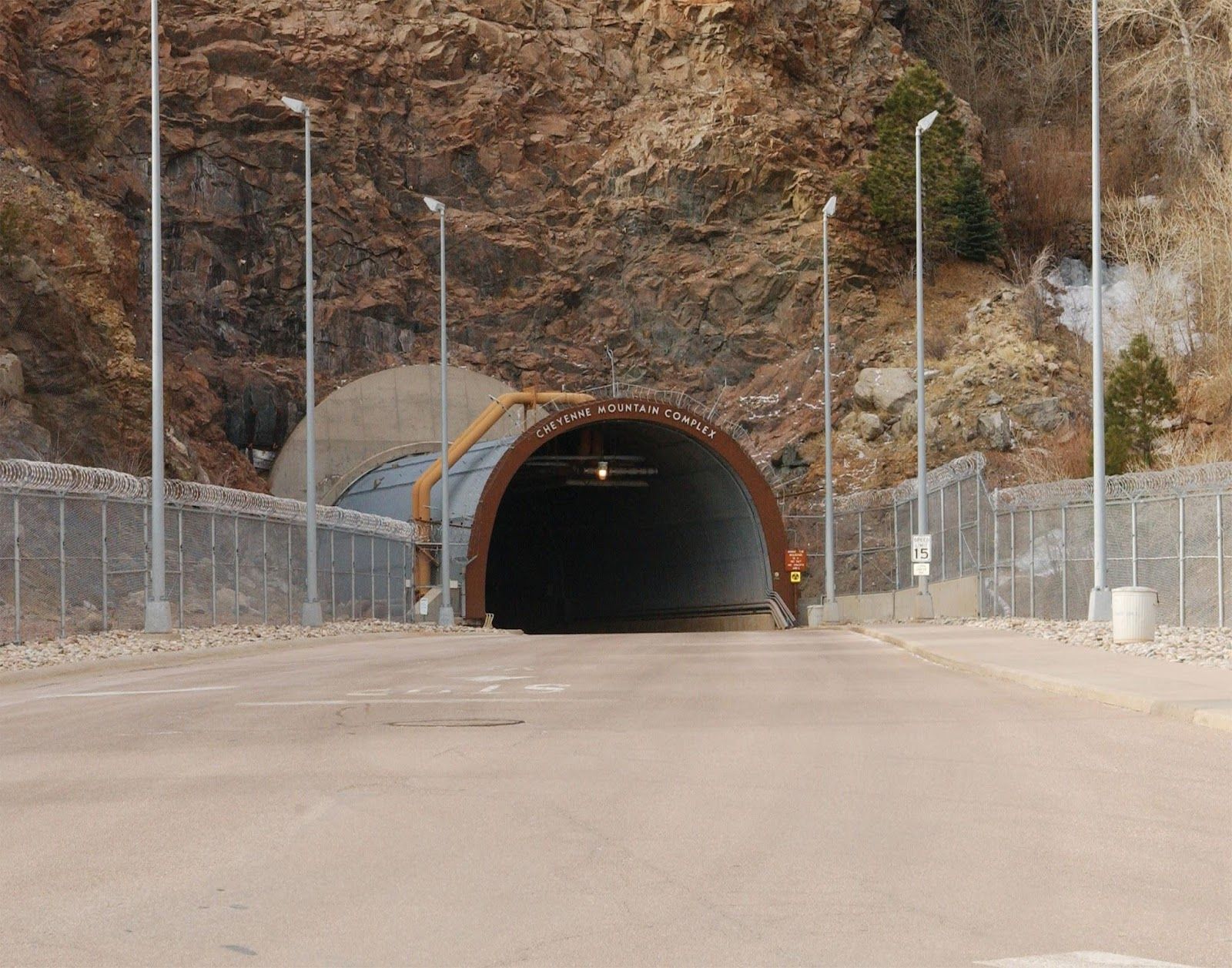
One of the safest places in the world is right here in America, more specifically in El Paso County, Colorado. Hidden inside a mountain, Cheyenne Mountain Complex was built in the 1960s to protect the US military from nuclear attacks.

The bunker stands under 2,000 feet of solid Granite, making it super strong and safe. It was once the command center for NORAD (North American Aerospace Defense Command). The complex has blast doors that weigh 25 tons each and can withstand a nuclear blast. It also has its own power, water, and food supply. People could survive there for months!

12
Forestiere Underground Gardens

Image: Levi Clancy, CC0, via Wikimedia Commons

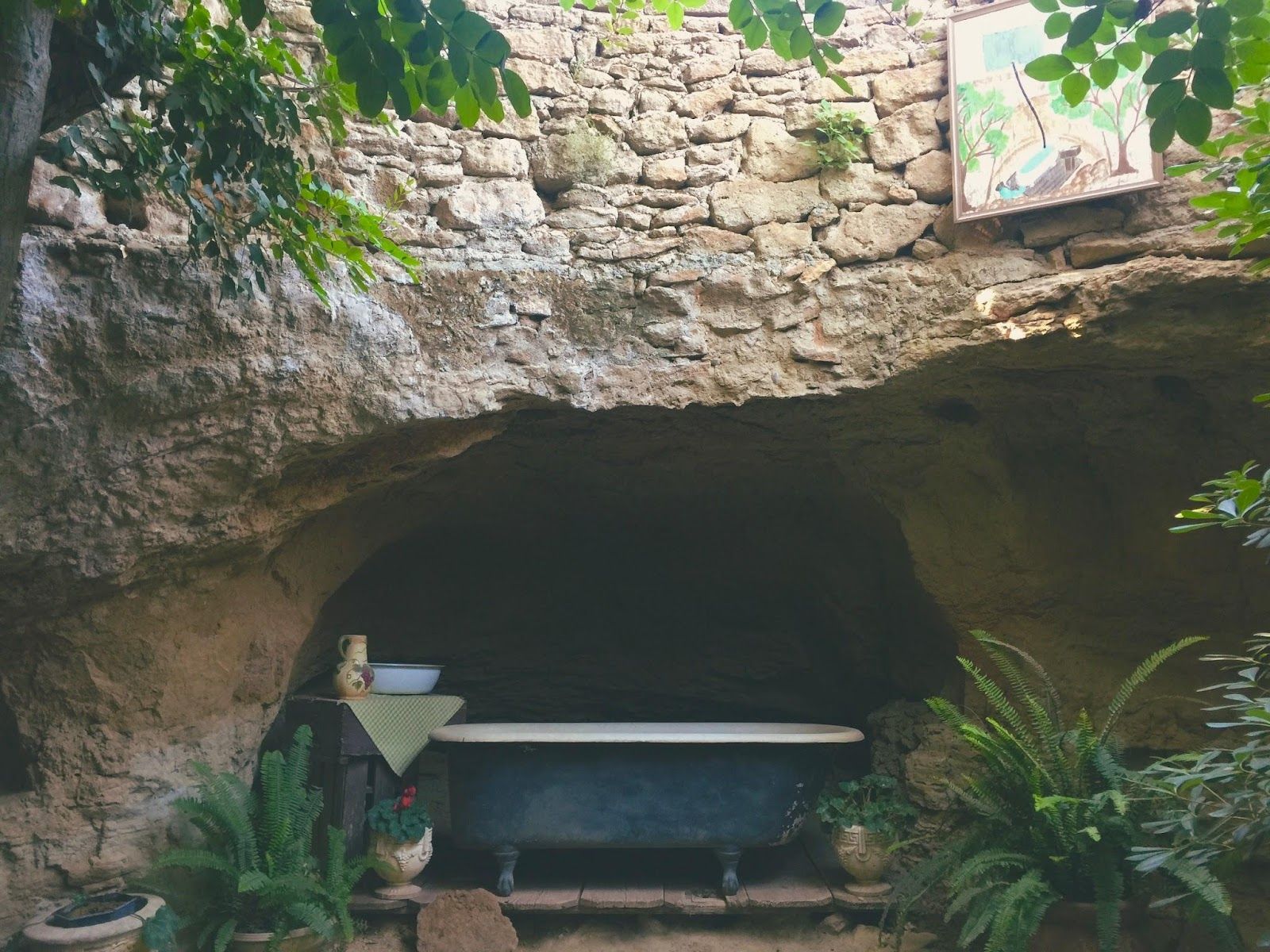
A Sicilian immigrant called Baldassare Forestiere spent 40 years digging and building a series of subterranean structures by hand in Fresno, California. Inspired by Roman catacombs and old wine cellars, he created around 65 rooms, tunnels, and courtyards to escape the hot summer sun.

The Gardens have fruit trees, grapevines, fishponds, and even a chapel. Some of the trees are more than 90 years old! Today, Forestiere Underground Gardens is a Historical Landmark you can visit if you want to discover a true underground paradise.

History History 4 min read

Weird America

Prepare to be shocked: these 10 American mysteries remain unsolved

Image: Susan Q Yin

Everyone loves a good mystery, and American history is teaming with fascinating examples. From vanished aviators to secret codes and missing treasures, these real stories have puzzled experts for decades. Some are dark, others simply strange, but all remain open chapters in our past. Take a look at the following 10 unsolved mysteries. Which ones did you already know?

1
The disappearance of Amelia Earhart (1937)

Image: Job Vermeulen

The first entry on our list is dedicated to a world-renowned flight pioneer, Amelia Earhart, who vanished while attempting to become the first woman to fly around the globe , leaving behind only fragments of her plane and endless speculation. Radio failure, poor visibility, and fuel issues are speculated to be contributing factors to her disappearance.

Even with modern technology and repeated searches, no one has ever found definitive proof of what happened to Amelia or her aircraft.

2
The D.B. Cooper hijacking (1971)

Image: Christine Trefalt

In 1971, Dan Cooper, a seemingly quiet man, boarded a plane in Portland, Oregon, which he promptly hijacked when the aircraft was in the air. He demanded $200,000 over the radio.

The plane landed in Seattle, where authorities met his demands. Cooper released all 36 passengers in exchange for the cash and parachutes. He then ordered the remaining crew to fly toward Mexico City at a low altitude and slow speed. Somewhere over southwest Washington, he lowered the aircraft's aft stairs and jumped into the freezing night, never to be seen again.

3
The disappearance of Jimmy Hoffa (1975)

Image: Pavel Inozemtsev

The powerful union leader left a Detroit restaurant in 1975 and simply vanished . Witnesses last saw him standing by his car in the restaurant’s parking lot, and investigators believe he was coaxed into a car by people he recognized, thinking the meeting location had changed. He was never seen again. Searches in fields, lakes, and construction sites turned up nothing. To this day, it remains one of the most famous unsolved mysteries in American history.

Rumors range from mob connections to government cover-ups, but none have been proven. Ever since then, Hoffa’s name has become shorthand for anything that disappears without a trace.

4
The Yuba County Five (1978)

Image: Sebastian Unrau

In what came to be known as "America’s Dyatlov Pass", five friends vanished after attending a basketball game in the town of Chico, California. Months later, the bodies of four members of the group were found in the mountains under mysterious conditions .

The remaining member of the original party was never located, and their strange route into deep snow remains unexplained.

5
The Sodder Children (1975)

Image: Marita Kavelashvili

A fire destroyed the Sodder family home in West Virginia, but five children were never found among the remains of the house. Because of physical inconsistencies at the scene and strange sightings afterward, the family always believed they survived.

Over the years, strange sightings and letters fueled hope and confusion alike, but no real evidence has ever been found. Because of these clues, the Sodders never held a funeral and instead famously erected a billboard on Route 16, offering a reward for information and keeping the case in the public eye for decades.

6
The Springfield Three (1992)

Image: David Holgerson

On a warm summer night in 1992, Sherrill Sherrill Levitt, her daughter Suzie, and Suzie's friend Stacy vanished from their home in Springfield, Missouri, leaving behind their cars, purses, and even the family dog .

Friends arriving the next morning found the house empty but unlocked. Despite thousands of leads, no evidence or remains have surfaced. The case remains one of the most talked-about disappearances in small-town America to this day.

7
The Gardner Museum Heist (1990)

Image: Dannie Jing

Back in 1990, two men dressed as police officers entered Boston’s Isabella Stewart Gardner Museum and stole 13 works of art worth over $500 million .

No piece has ever been recovered. Empty frames still hang on the museum walls, a quiet tribute to one of history’s most expensive thefts.

8
The Max Headroom broadcast hijack (1987)

Image: Rubenz Arizta

1980s television viewers might remember Max Headroom as a somewhat clumsy computer AI TV personality and ad spokesperson. In 1987, Chicago viewers were startled when a strange figure wearing a Max Headroom mask interrupted TV broadcasts with odd messages .

The stunt lasted only seconds, but no one was ever caught or identified. It remains one of the strangest unsolved moments in television history.

9
The Great Lakes ghost ships

Image: Kyle Larivee

Over the years, s everal ships have vanished or been found adrift on the Great Lakes , their crews gone without explanation. Cold weather, sudden storms, and superstition all play roles in the stories, but some cases defy logic. The vast inland seas are simply too big to be accessible with the current technology.

Among the most notable unsolved cases, we can mention Le Griffon, a ship that vanished during her maiden voyage in 1679, the SS Banockburn, known as the "Flying Dutchman of Lake Superior," disappeared during a storm in 1902, or the SS Chicora, a luxury steamer lost in a violent winter gale while carrying a cargo of flour, in 1895.

10
The Dulce Base Mystery

Image: Pict4life

Beginning in the 1970s, a constant array of strange lights, unmarked aircraft, and talk of secret tunnels near the town of Dulce has fueled decades of conspiracy theories in this otherwise quiet area to this day.

While skeptics blame radar tests or imagination, locals still report odd sightings in the desert skies.

Explore more American facts

Choose your favorite category!

General
General

As American as apple pie—the very best America has to offer!

Culture
Culture

Delve into the astounding richness of American lore.

Geography
Geography

Hop in and explore vast and diverse American landscapes.

History
History

Discover the key moments that shaped the United States.