Culture Culture 4 min read

10 Oscar-winning movies worth watching again

Image: Yta23

The Academy Awards are the most prestigious awards in cinema ; they recognize the best movies and artists each year with a very coveted statuette. Several unforgettable Oscar-winning movies have endured the test of time and keep captivating us. The Godfather (1972) with Marlon Brando’s impressive performance; Forrest Gump (1994) and its heartwarming plot; or The Sound of Music (1965) with its iconic and memorable songs. If it’s been a while since you’ve seen them, these 10 Oscar-winning films are well worth revisiting.

1
The Godfather (1972)
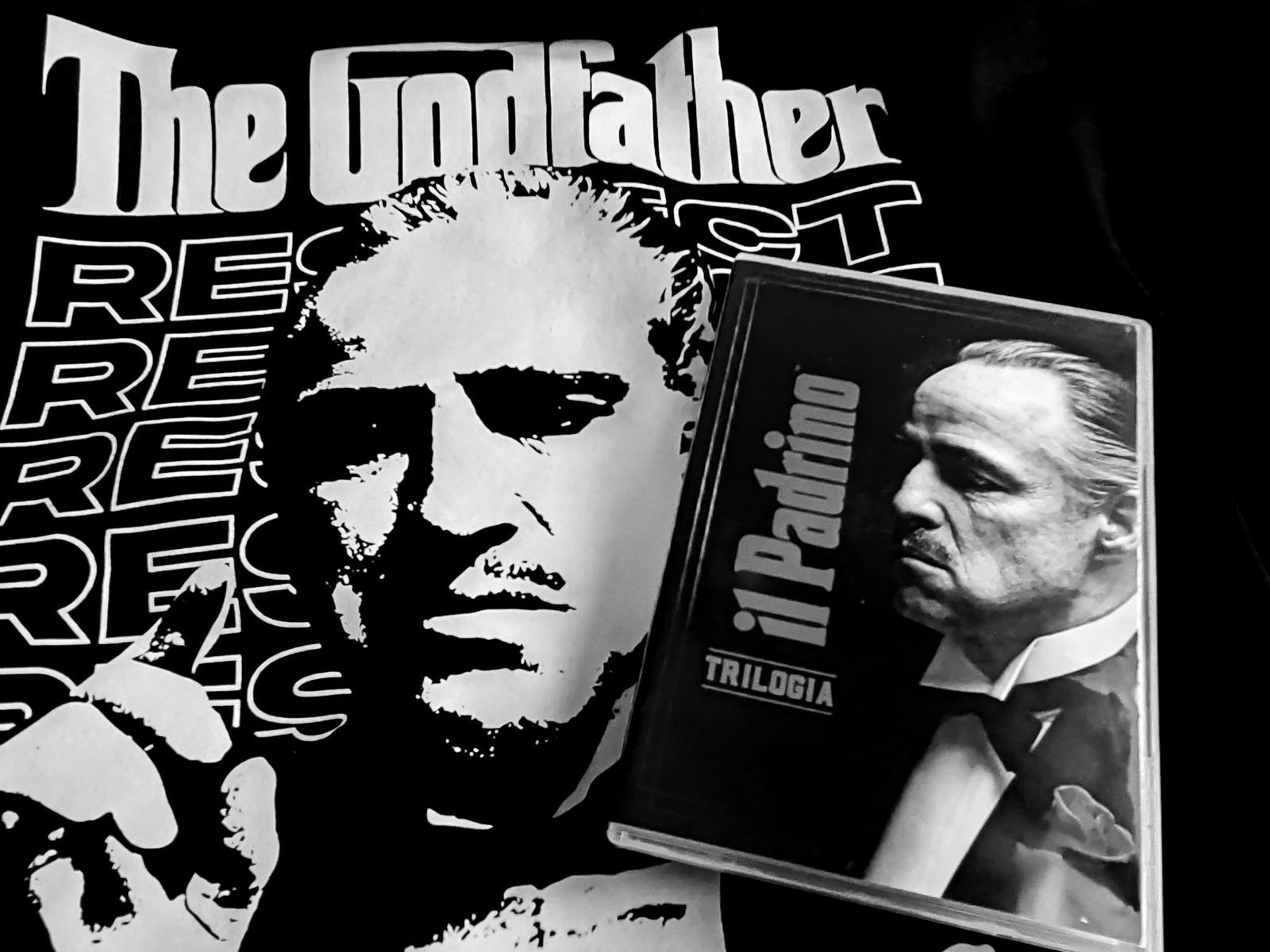
Image: Stefano Chiacchiarini '74

The Godfather (1972) is considered the greatest Mafia film of all time . Directed by Francis Ford Coppola and starring Marlon Brando, Al Pacino, Robert Duvall, and Diane Keaton, it tells the story of the Corleone family and how they maintain power and control in the underworld of 1945-1955.

The movie won three Oscars : Best Picture, Best Actor (Marlon Brando), and Best Adapted Screenplay, and sparked two sequels. Few classic movies have been referenced as much in pop culture as The Godfather , and some of its lines, like "I'm gonna make him an offer he can't refuse," have been quoted endlessly.

2
Forrest Gump (1994)
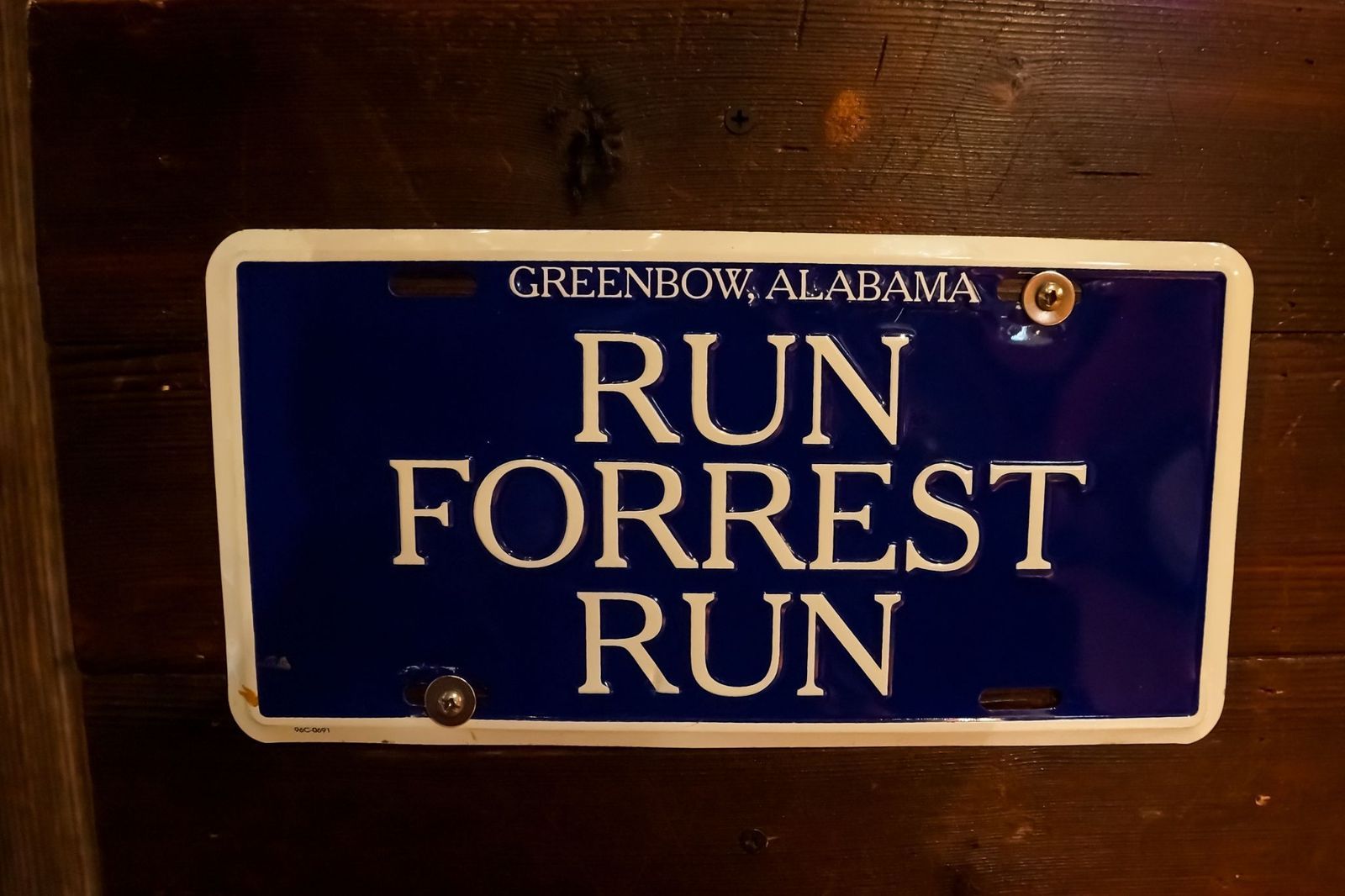
Image: Dawid K Photography

Robert Zemeckis’ masterpiece, Forrest Gump (1994), holds a place in everybody’s heart. It features one of Tom Hanks’ most celebrated performances, with a story that continues to captivate us no matter how much time has passed. This classic has a little bit of everything: humor, romance, history, and memorable lines.

Forrest Gump was tremendously successful, winning six Oscars , including Best Picture, Best Director, Best Actor (Tom Hanks), Best Adapted Screenplay, Best Film Editing, and Best Visual Effects.

3
The Sound of Music (1965)
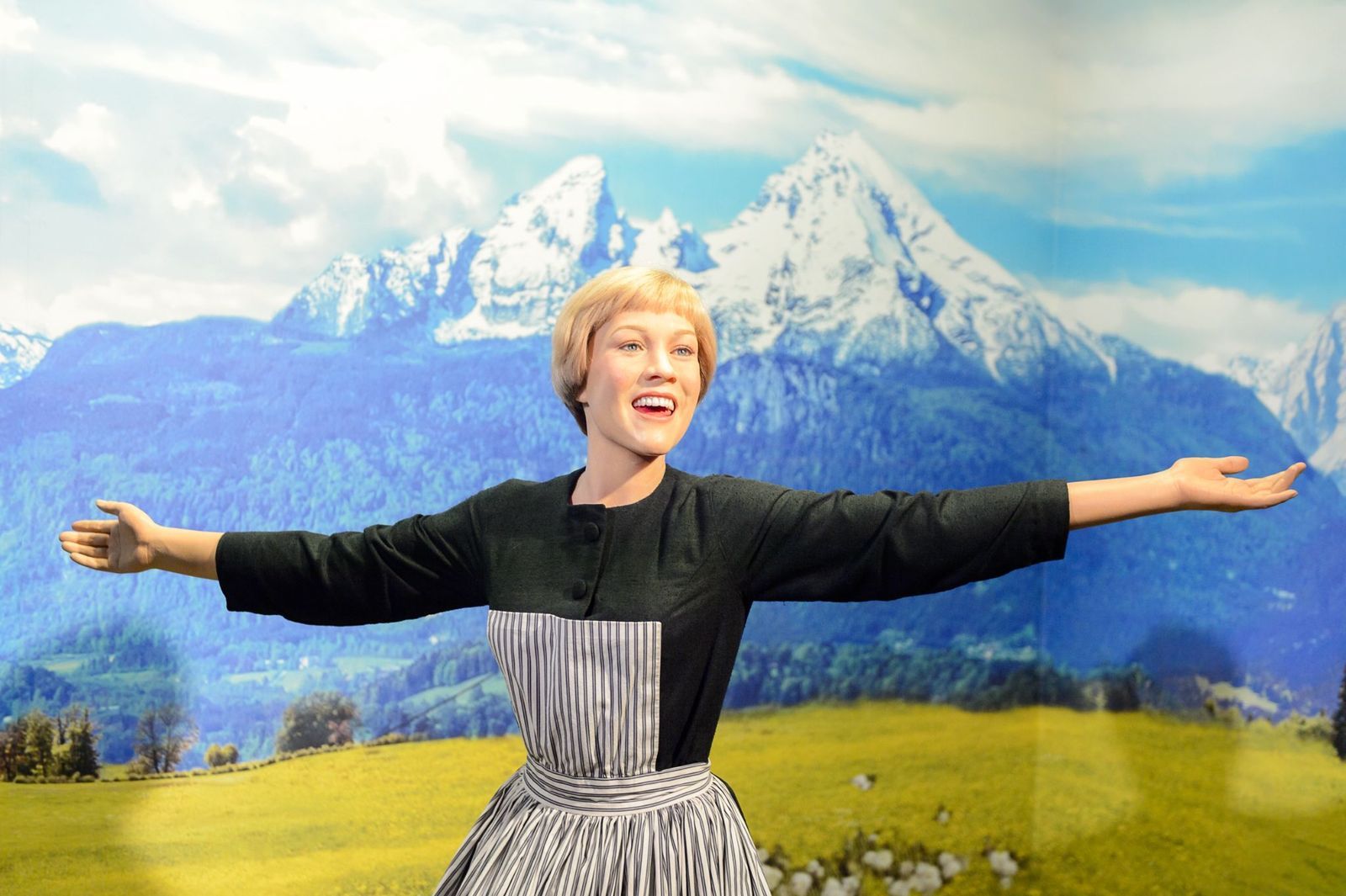
Image: Anton_Ivanov

The Sound of Music (1965) is a beloved classic and one of Julie Andrews’ most iconic performances in cinema. She plays María, a young woman who leaves a convent to become the governess of the seven children of a widowed naval officer.

The classic musical features a timeless love story and a fantastic soundtrack, with songs like "Do, Re, Mi," "My Favorite Things," "Edelweiss," and of course, "The Sound of Music." It received five Oscars , including Best Picture and Best Director.

4
Titanic (1997)
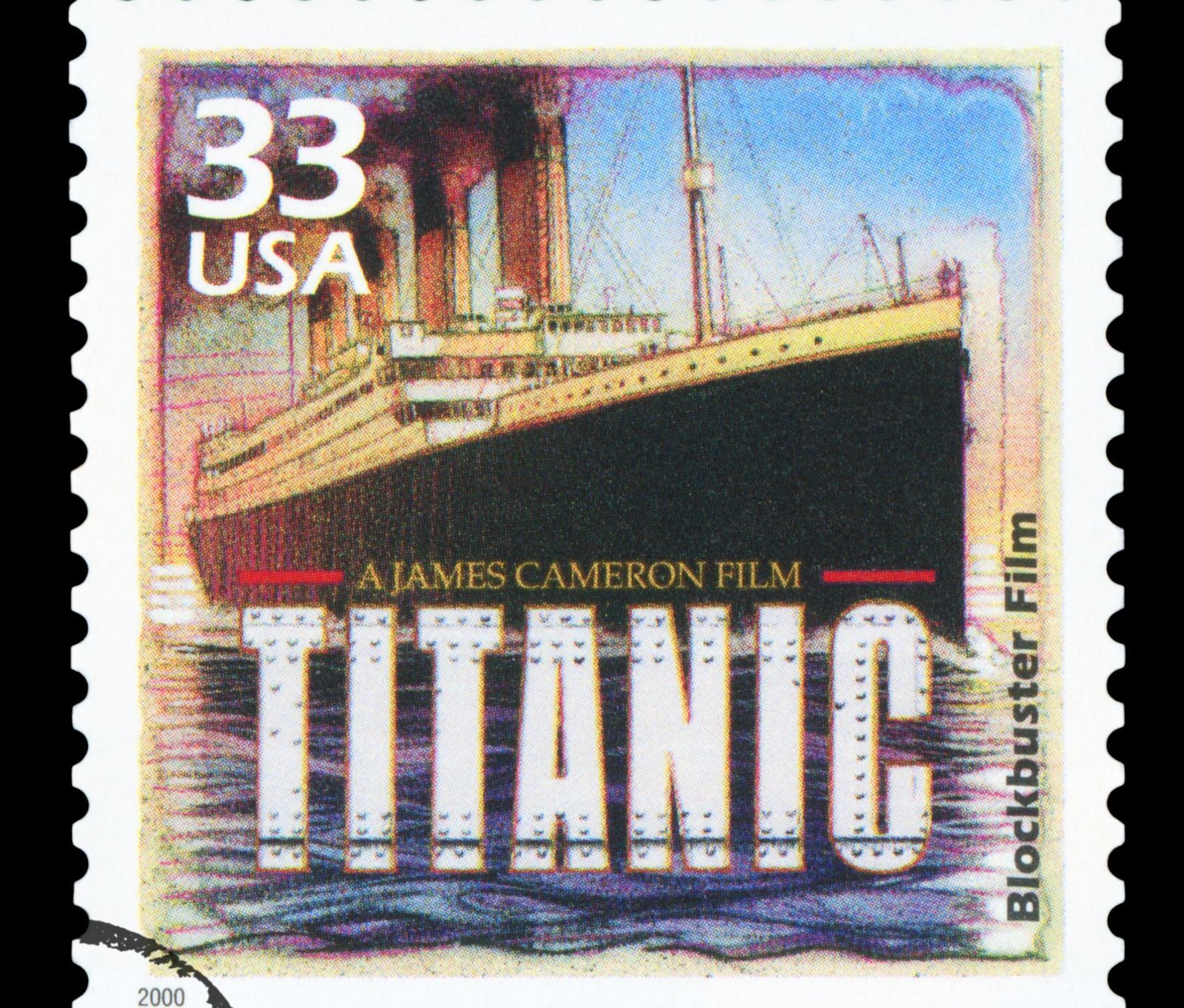
Image: MM_photos

Titanic (1997) will make you cry. This timeless classic, based on the real-life tragedy of the ocean liner that struck an iceberg and sank, features one of cinema’s most heartbreaking stories . Leonardo DiCaprio and Kate Winslet star in this unforgettable love story that left iconic moments like the "I’m flying" scene.

Titanic also did an incredibly good job with visual effects, reimagining one of history’s most famous disasters, and it won a striking 11 Oscars ; the most a single movie has ever won, along with The Return of the King (2003) and Ben-Hur (1959).

5
Rocky (1976)
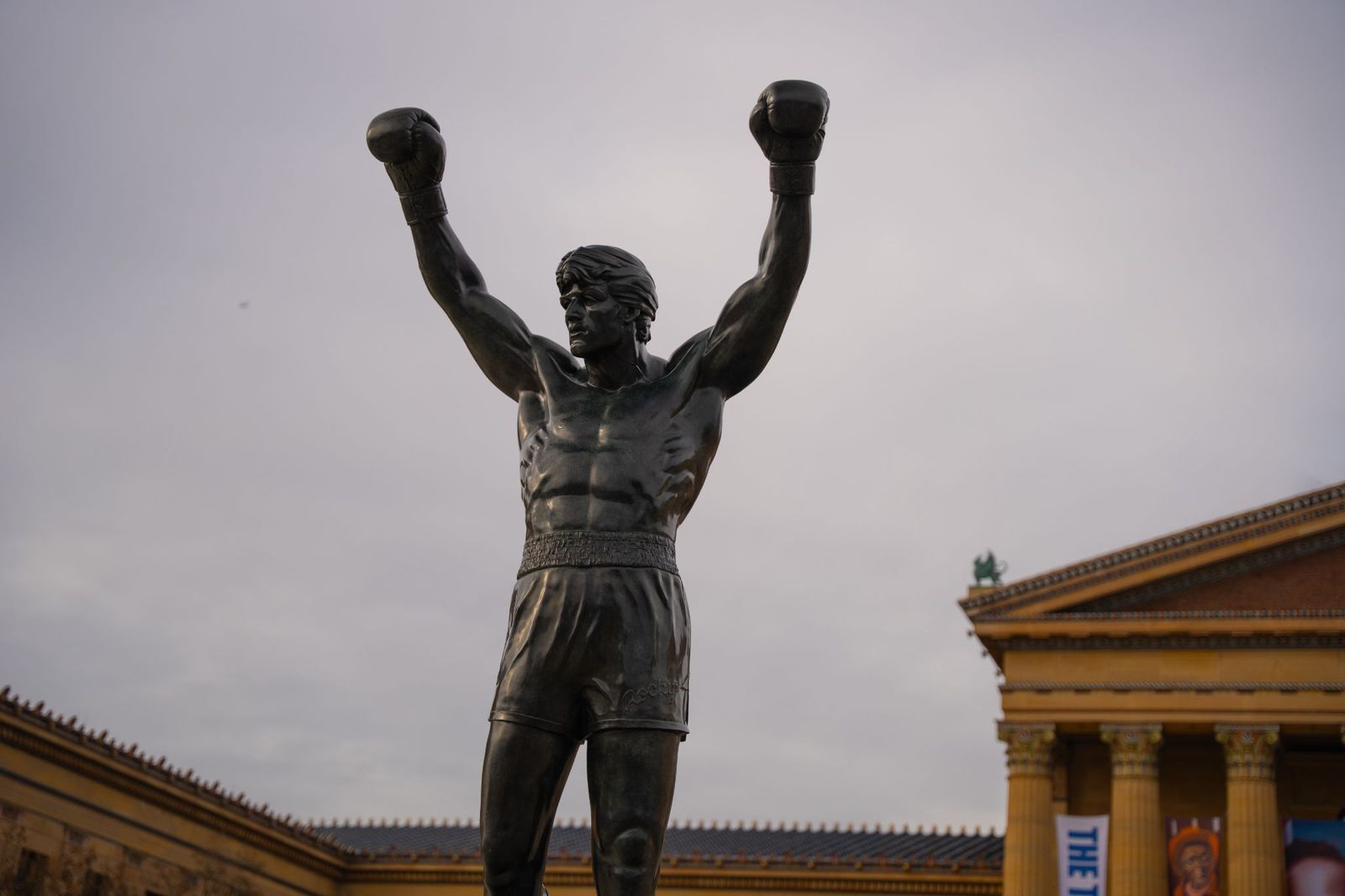
Image: codyn83

Few sports movies have been as inspiring as Rocky (1976) . Written by and starring Sylvester Stallone, the story follows the small-time boxer Rocky Balboa, who gets the opportunity of a lifetime when he’s chosen to fight the boxing champion Apollo Creed. But what seems to be only a sports movie turns out to be an emotional narrative about determination and self-belief.

Rocky Balboa’s story became a symbol of hard work and pursuing your dreams. Rocky took home three Academy Awards for Best Picture, Best Director, and Best Film Editing.

6
Gone with the Wind (1939)
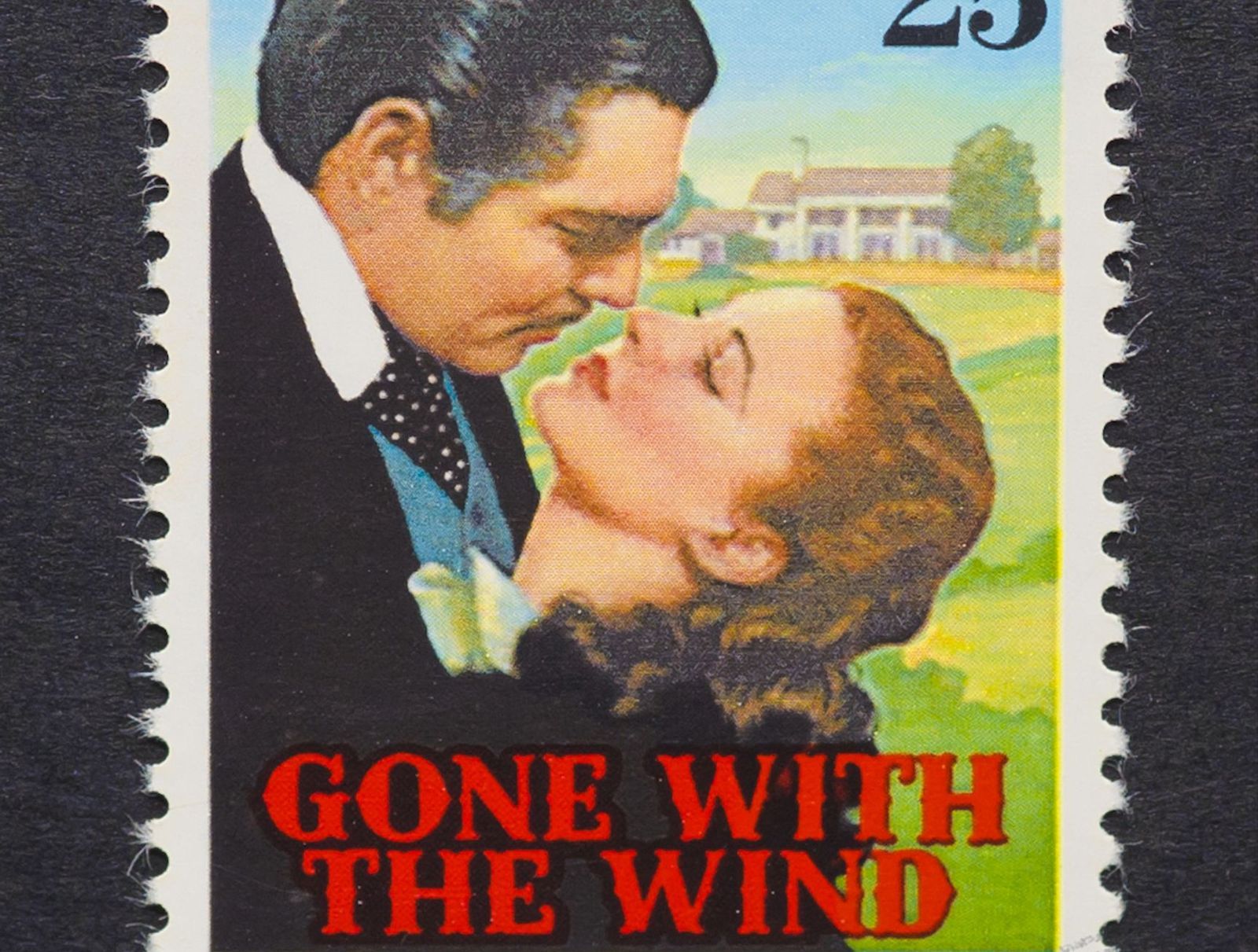
Image: catwalker

Victor Fleming’s Gone with the Wind (1939) belongs to Hollywood’s Golden Age and is one of the most influential films ever made. It was based on Margaret Mitchell’s famous novel of the same name, and its characters, dialogue, love stories, and masterful portrayal of the Civil War and the American South still fascinate modern audiences.

The movie earned 10 Academy Awards , with Hattie McDaniel making history by being the first African American to win an Oscar for Best Supporting Actress.

7
Back to the Future (1985)
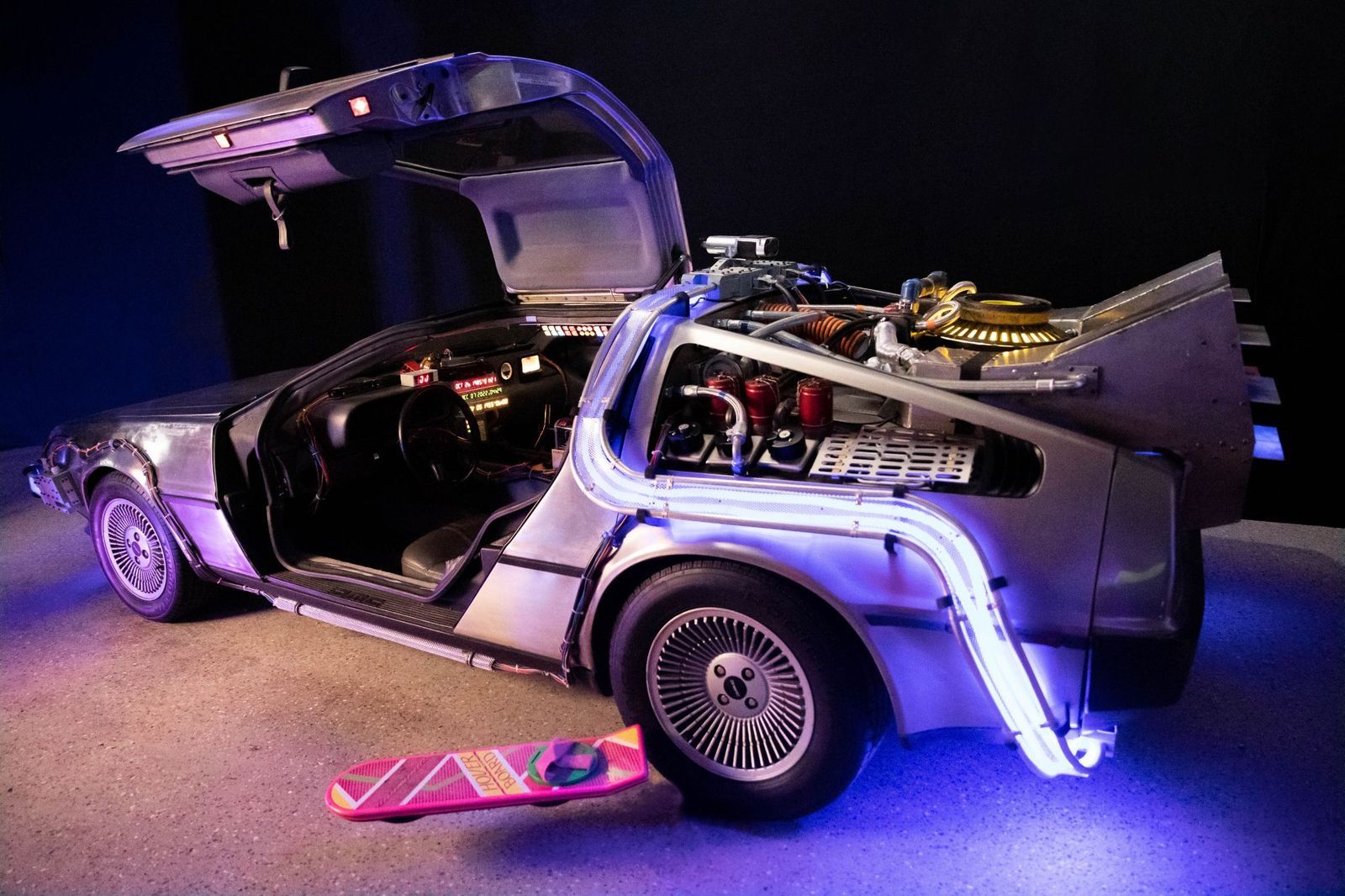
Image: Hethers

Robert Zemeckis shows up again on this list, now with the sci-fi classic Back to the Future (1985) . This movie has it all: a fun, engaging script, eccentric and lovable characters, action, comedy, and one of the most fascinating time-travel stories in cinema.

Marty McFly (Michael J. Fox) and Doc Brown (Christopher Lloyd) are still one of cinema's most iconic duos, whose chemistry together left us with unforgettable movie moments. Back to the Future picked up only one Oscar (Best Sound Effects Editing) but received three nominations.

8
One Flew Over the Cuckoo's Nest (1975)
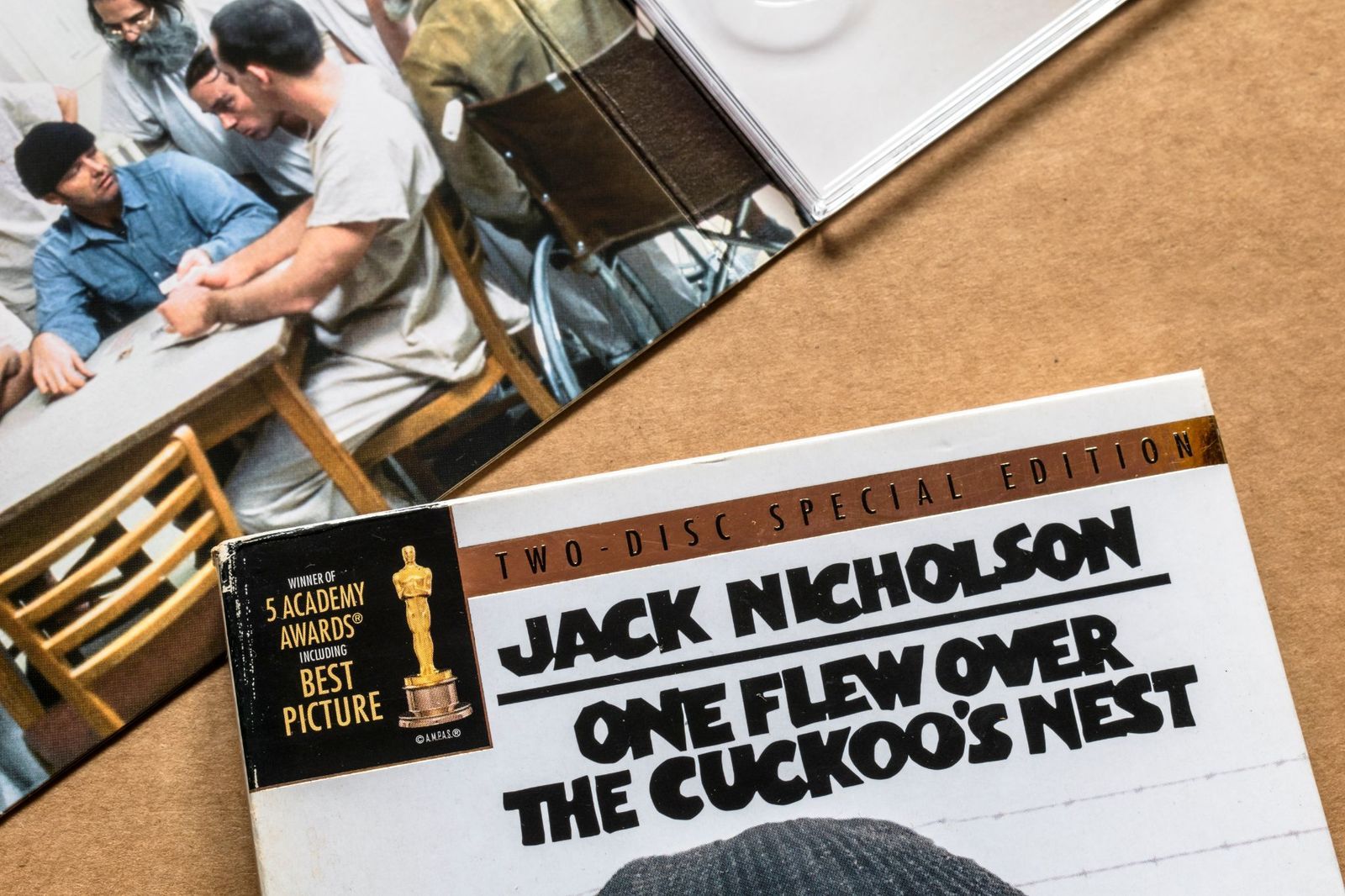
Image: Snap Spot

One Flew Over the Cuckoo's Nest (1975) features the disturbing story of a rebellious convict who pretends to have a mental illness to avoid prison labor and clashes with the strict and controlling head nurse of the psychiatric hospital where he is sent.

It was directed by Milos Forman, with the Oscar-winning performances of Jack Nicholson as Randle McMurphy and Louise Fletcher as the chilling Nurse Ratched. Including Nicholson and Fletcher’s awards, the movie got a total of five Oscars .

9
Schindler's List (1993)

Image: Snap Spot

Schindler's List (1993) is a captivating classic about the real-life heroism of Oskar Schindler (Liam Neeson), a German businessman who risked everything in his power to save thousands of Jewish lives during the Holocaust.

The movie is filled with many emotional and tense scenes as well as the amazing performances of Liam Neeson and Ralph Finnes as the intimidating Nazi officer Amon Göth. Schindler's List won seven Oscars , including Best Picture and Best Director.

10
The Deer Hunter (1978)

Image: Stas Knop

Rather than focusing only on action, The Deer Hunter (1978) is a war drama that explores the emotional trauma caused by the Vietnam War on a group of friends . It was directed by Michael Cimino and has an outstanding cast that includes Robert De Niro, Christopher Walken, Meryl Streep, and John Cazale. Best Picture, Best Director, and Best Supporting Actor were three of the five Oscars The Deer Hunter took home.

General General 6 min read

Borrowed anthems

The songs you always loved weren't written by who you think

Image: Rawpixel.com

You're at a barbecue, and someone puts on "Hound Dog." Everyone loves it, and everyone assumes it's pure Elvis. Then someone says, "You know he didn't write that, right?" Or maybe you're at a summer party and "Livin' on a Prayer" comes on. Everyone screams the chorus, and nobody stops to think: who actually wrote this thing? A lot of the songs we sang in the car or danced to at parties were handed off, sold, recorded by someone else, and became massive hits under a different name . Let's take a look at 10 of the most famous examples.

1
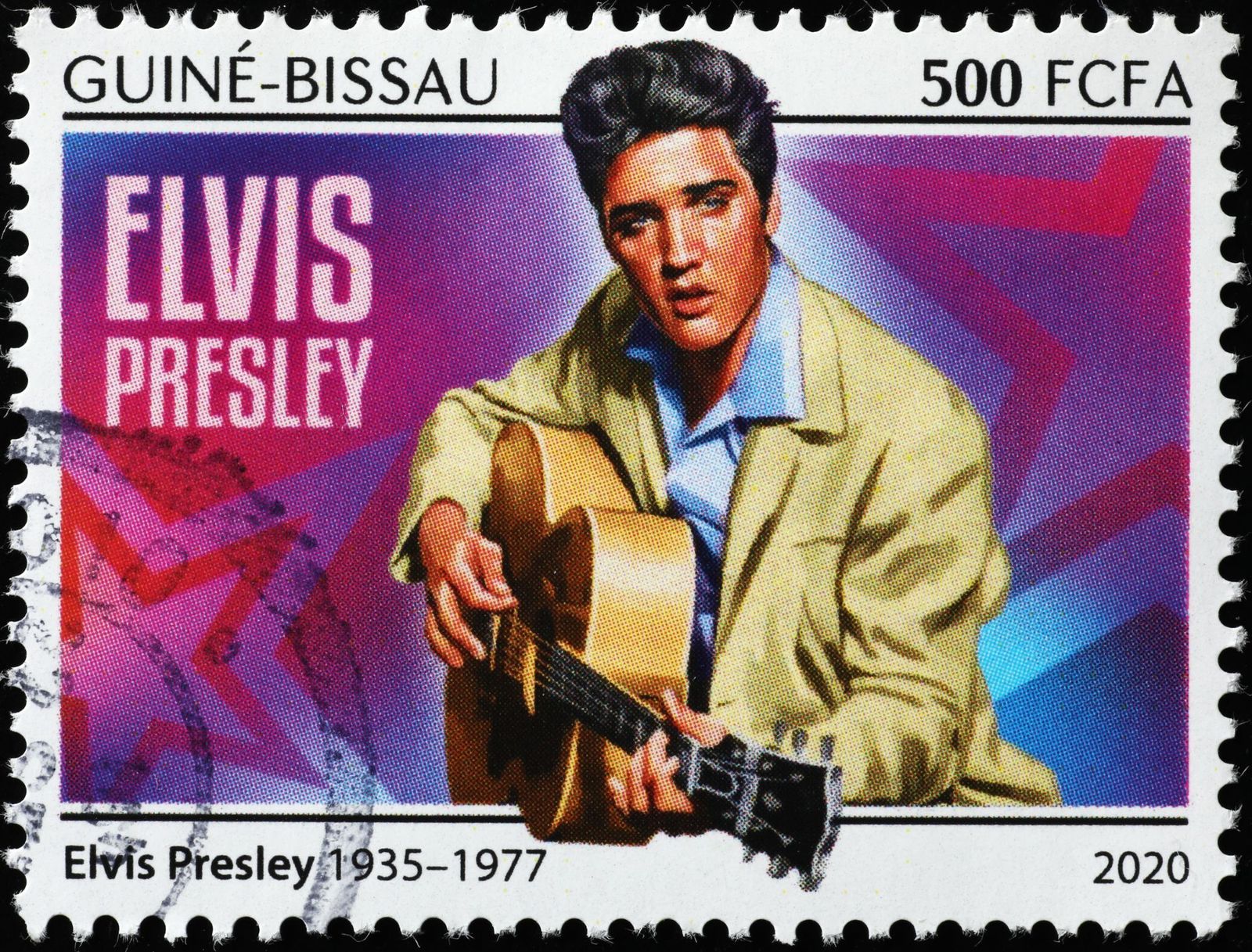
"Hound Dog" , Elvis Presley

Image: spatuletail

Elvis made this song his signature, and it's hard to imagine it belonging to anyone else. But "Hound Dog" was written in 1952 by Jerry Leiber and Mike Stoller, and was first recorded by Big Mama Thornton, a blues singer from Alabama. Her version was a raw, powerful blues track, and it was a genuine hit.

Elvis recorded his version in 1956 and turned it into something faster, rockabilly, electrifying . For anyone who grew up in the '50s or '60s, it probably takes you right back to a specific moment: a sock hop, a drive-in, a transistor radio on a summer night. It carries a kind of pure rock-and-roll energy: rebellious, playful, unstoppable.

2
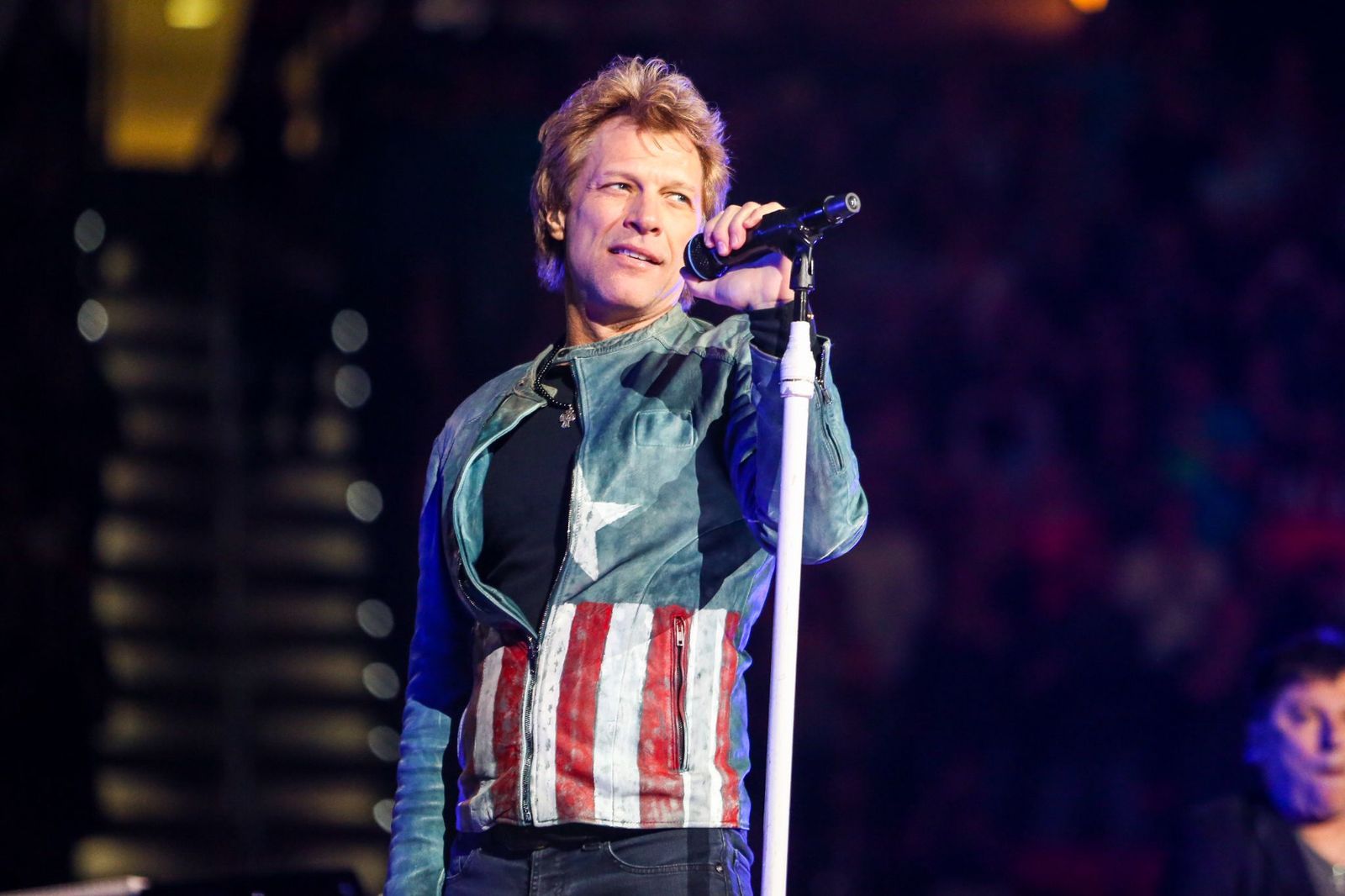
"Livin' on a Prayer" , Bon Jovi

Image: Steve Sykes

Pumping fists, packed arenas, everyone screaming "Whooooa, we're halfway there!", it's the kind of energy that doesn't age. Jon Bon Jovi and Richie Sambora wrote it together in 1986, along with songwriter Desmond Child , pulling inspiration from the working-class New Jersey world around them.

The song hit number one in the U.S. and became an anthem for anyone who's ever had to scrape by and stay hopeful. It brings out something almost joyful in people: this defiant, communal "we're going to make it" spirit.

3
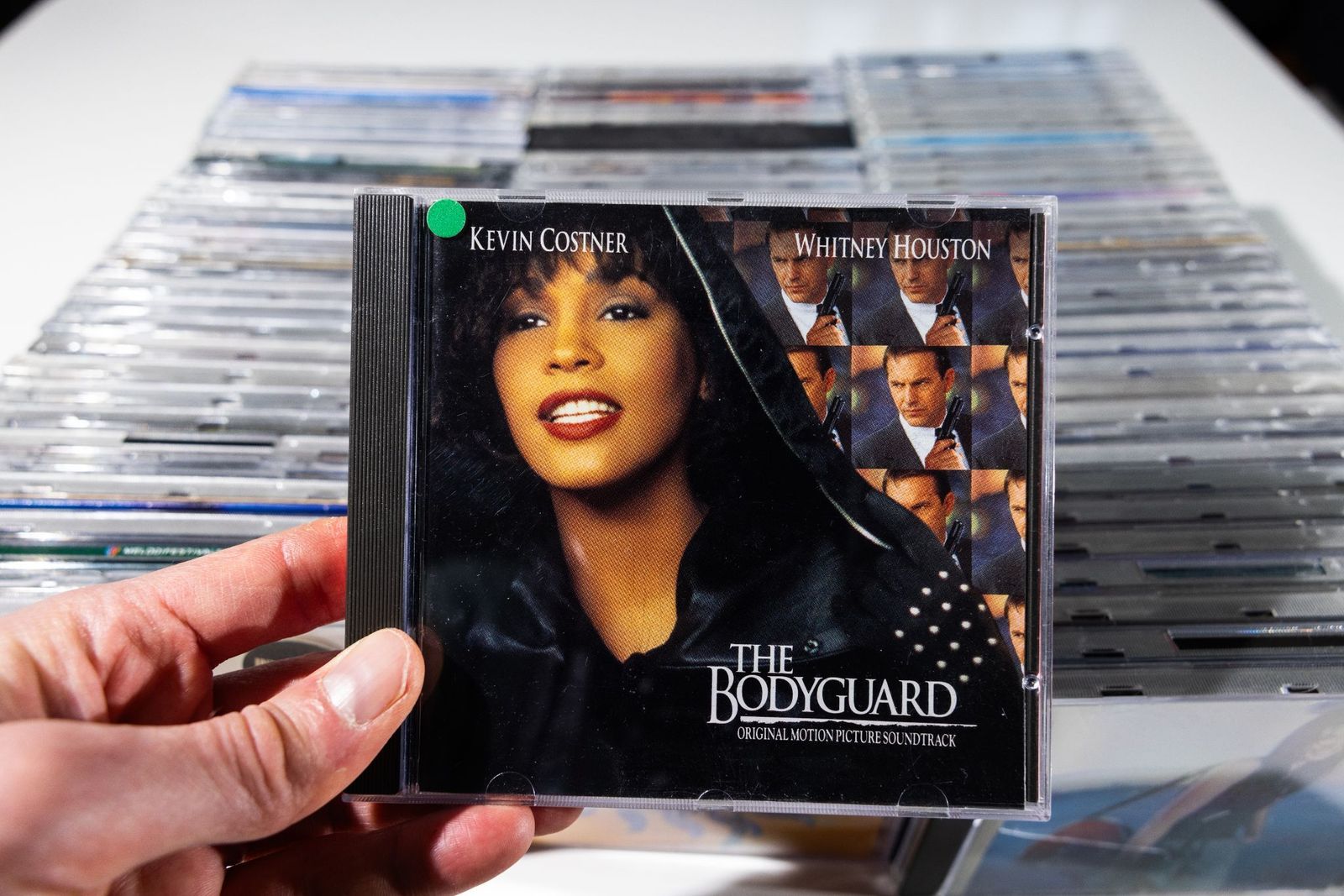
"I Will Always Love You" , Whitney Houston

Image: Jeppe Gustafsson

Most people under 50 think this is a Whitney Houston song, but Dolly Parton wrote it back in 1973, sitting in Nashville. She was leaving her mentor and business partner, Porter Wagoner, to go solo, and the song was her way of saying goodbye: with love, but firmly.

Then Whitney came along in 1992 for The Bodyguard soundtrack and turned it into a stadium-sized emotional explosion. Where Dolly's version was warm and heartfelt, Whitney's was pure power. It connects to just about everyone, but especially to people who've ever had to let someone go. Which version do you like best?

4
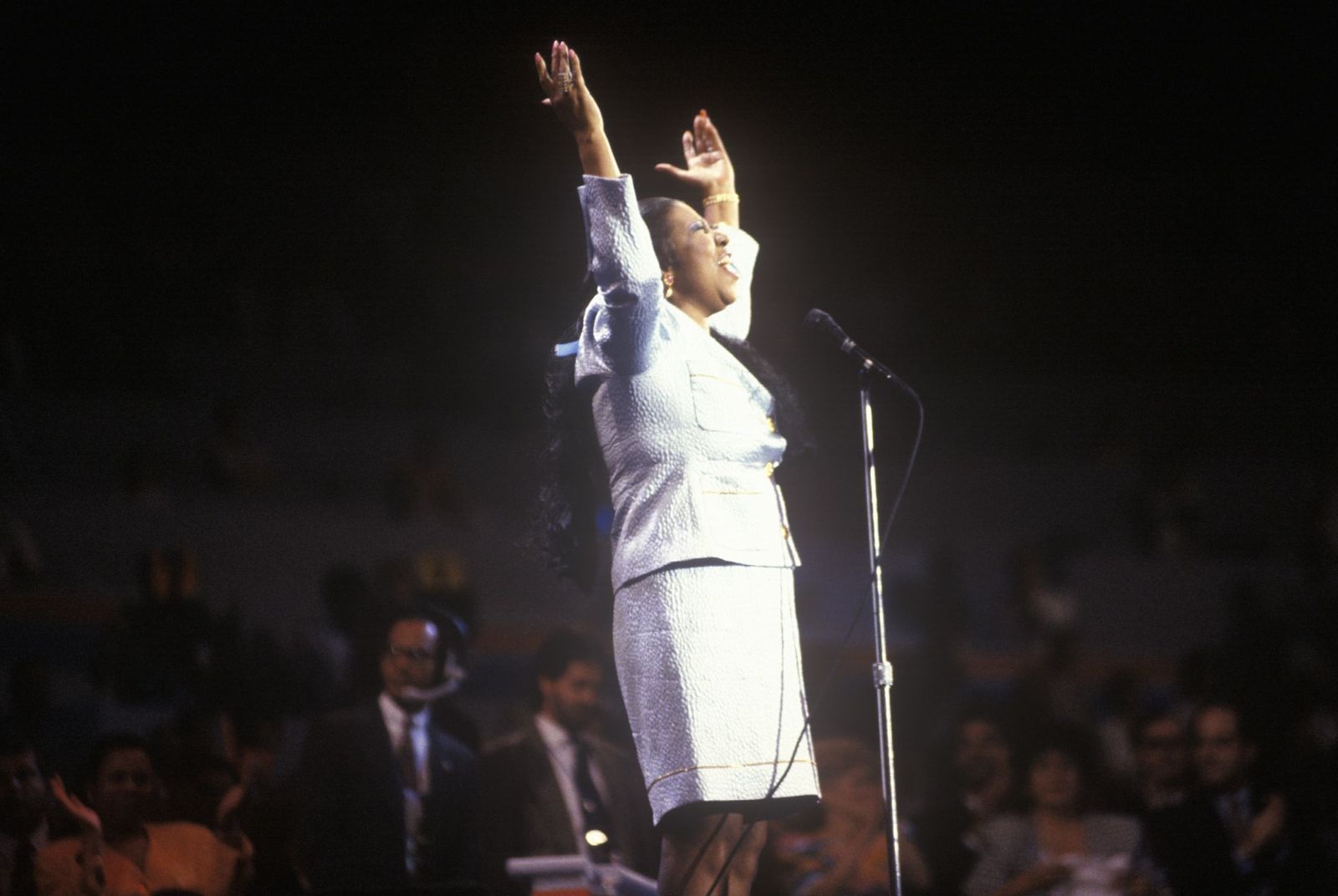
"Respect" , Aretha Franklin

Image: Joseph Sohm

This is one of those cases where the cover so thoroughly eclipses the original that most people don't even know an original exists. Otis Redding wrote and recorded "Respect" in 1965, and it was a decent soul hit for him; a man asking his woman for a little respect when he comes home.

Then Aretha Franklin got hold of it in 1967, rewrote parts of it, added that now-iconic spelling-out of the word, and completely flipped the meaning . Suddenly, it was a woman demanding respect from men, from society, from everyone. It became an anthem of the civil rights movement, the women's movement, and basically every movement that involved people standing up and saying enough.

5
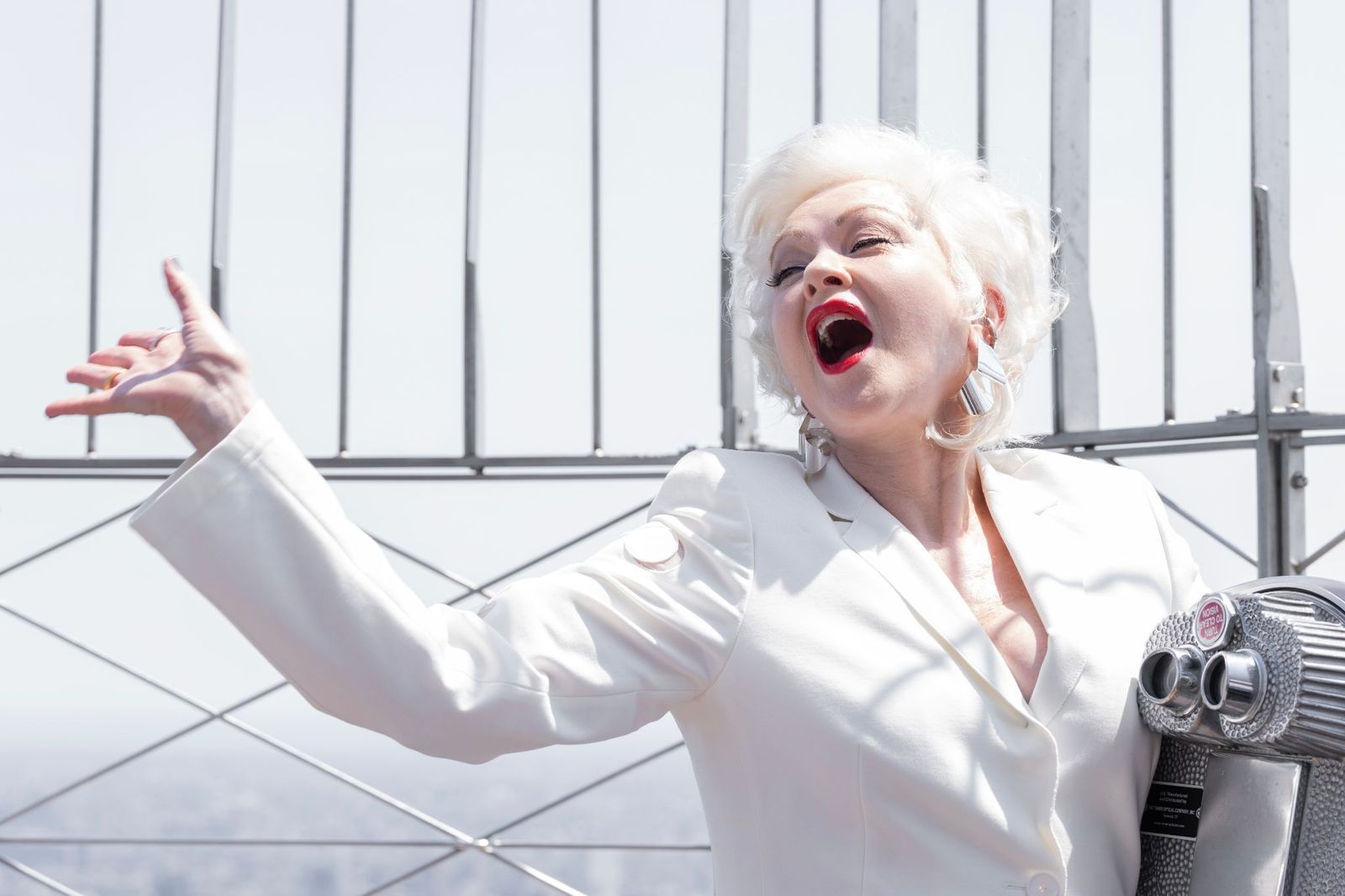
"Girls Just Want to Have Fun" , Cyndi Lauper

Image: lev radin

Cyndi Lauper made this song her own so completely that it's almost shocking to learn she didn't write it. Robert Hazard, a Philadelphia-based musician, wrote it around 1979 as a kind of tongue-in-cheek song from a man's point of view, about his own desire to just have fun without commitment.

When Cyndi recorded it in 1983, she completely reframed it: it became a declaration of independence for young women who just wanted to live their lives on their own terms . If you had a daughter, a niece, or any teenage girl in your life in the '80s, you heard this song approximately ten thousand times.

6
"Nothing Compares 2 U" , Sinead O'Connor

Image: Matteo Chinellato

Few music videos have hit people as hard as Sinead O'Connor, alone on screen, tears streaming down her face, singing this song in 1990. It felt impossibly raw and personal. But the song was written by Prince back in 1984, and was first recorded by a side project of his called The Family.

Sinead stripped it down and made it devastating. It became one of the most emotionally powerful recordings of the decade . You probably heard it on adult contemporary radio, or remember exactly where you were the first time you really listened to it. It's a song about grief and absence and not being able to fill a void someone left behind.

7
"I Love Rock 'n' Roll", Joan Jett & the Blackhearts

Image: Randy Miramontez

Few songs scream pure, unapologetic rock and roll like this one. But Joan Jett didn't write it: a British glam rock band called The Arrows did, back in 1975, in London. Lead singer Alan Merrill said he wrote it as a direct response to the Rolling Stones' "It's Only Rock 'n Roll," which he felt was a little too apologetic about loving the music.

Joan Jett saw The Arrows perform it on British TV in 1976 while touring the UK with The Runaways, and the song stuck with her . She recorded it in 1981, and it rocketed to number one, sitting there for seven weeks. You've heard it blasting from jukeboxes, at sports events, in movie montages, at pretty much every party where someone wanted to get the energy up fast.

8
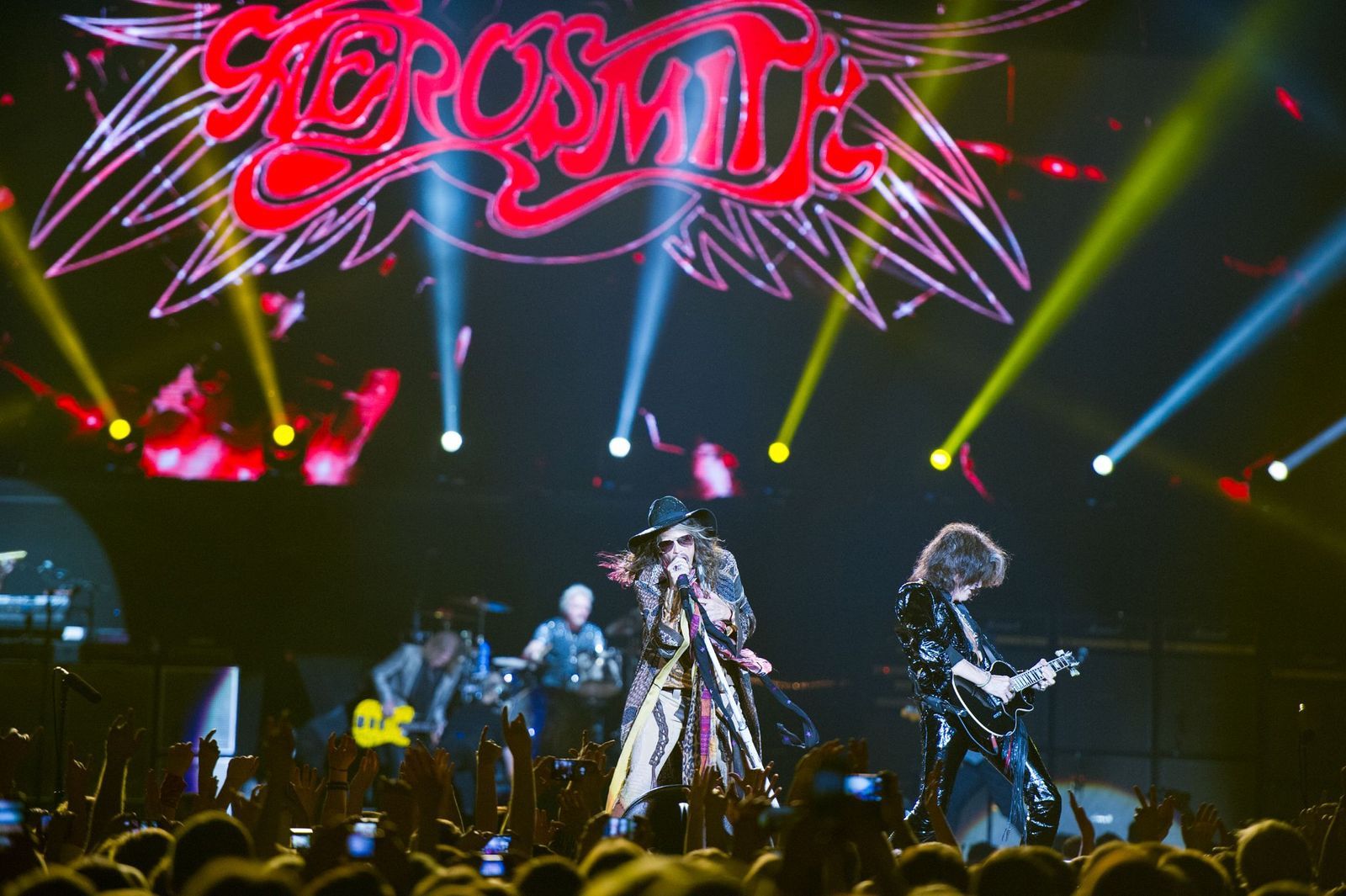
"I Don't Want to Miss a Thing" , Aerosmith

Image: JuliusKielaitis

Tyler belting it out, that unmistakable raspy voice: it feels so Aerosmith. But the song was actually written by Diane Warren, one of the most prolific and successful songwriters in pop history , who penned it in 1998 specifically for the movie Armageddon. Warren has said she wrote it while watching her boyfriend sleep, thinking about not wanting to miss a single moment with someone you love.

Aerosmith recorded it, and it became their first number-one pop hit. It hits hard for anyone who's ever been deeply in love, or who's lost someone and wishes they'd paid more attention while they had the chance.

9
"Bette Davis Eyes", Kim Carnes

Image: IgorVer

This was the biggest song in America in 1981, and it spent nine weeks straight at number one on the Billboard Hot 100 . Kim Carnes' raspy, smoky delivery made it feel completely hers. But the song was written in 1974 by Jackie DeShannon and Donna Weiss, both inspired by a classic old Hollywood film . DeShannon recorded her own version, but it barely registered.

Seven years later, Carnes took it into a Los Angeles studio, added a driving synth arrangement that was pure early MTV, and transformed it into the sound of an era. The real-life Bette Davis, then 73 years old, wrote personal letters to the songwriters and to Carnes to thank them for making her "a part of modern times." The song connected with anyone who'd ever been dazzled by someone they couldn't quite figure out, which is pretty much everyone.

10
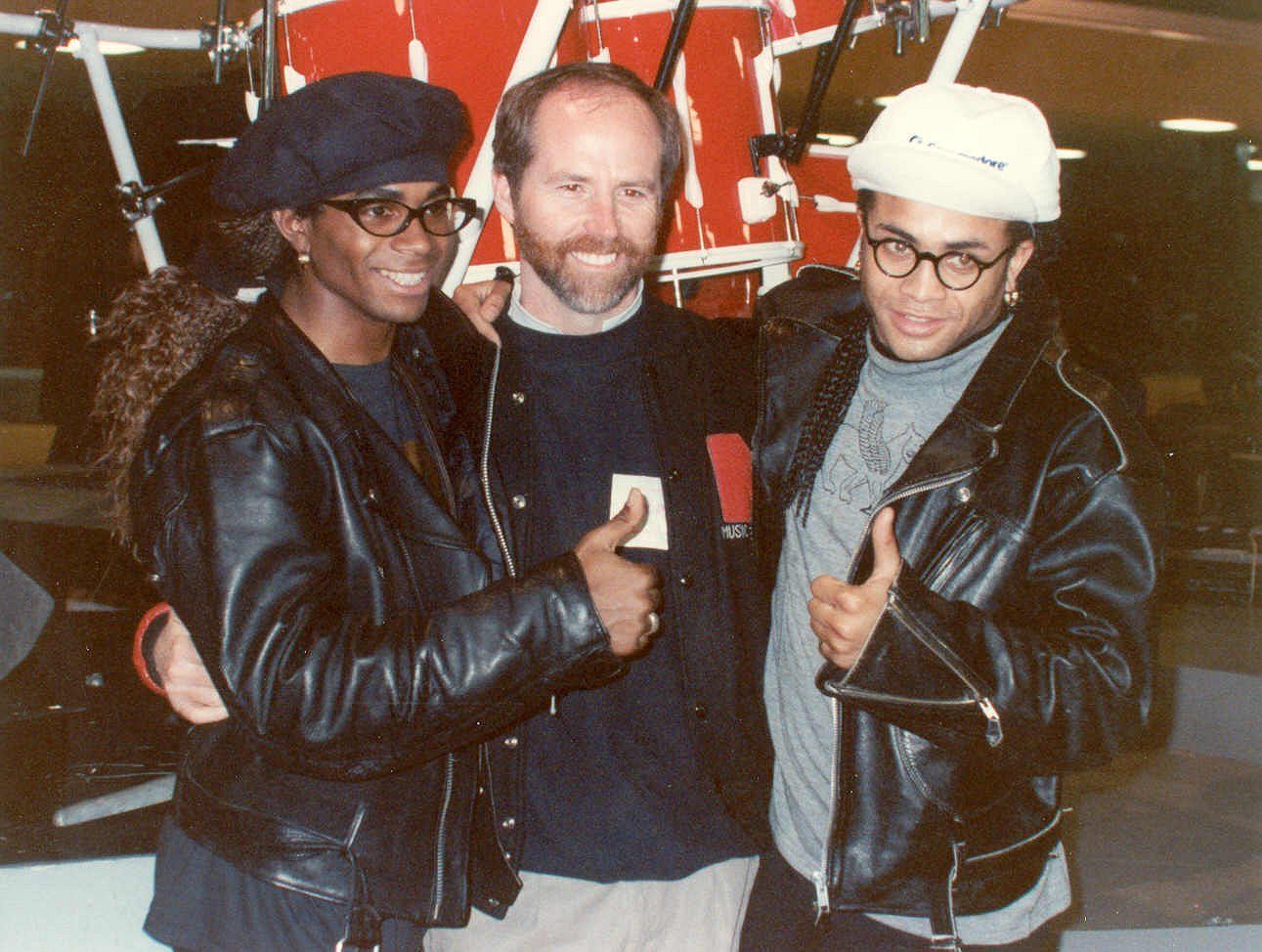
"Blame It on the Rain" , Milli Vanilli

Image: photo by Alan Light, CC BY 2.0, via Wikimedia Commons

You probably remember the Milli Vanilli scandal: in 1990, it came out that Fab Morvan and Rob Pilatus, the two beautiful, dreadlocked faces of the duo, hadn't actually sung a single note on their records . The real vocals were by studio singers. Their Grammy was revoked. It was a whole thing.

But before all that exploded, "Blame It on the Rain" was a legit #1 pop hit in 1989. It was written by Diane Warren (yes, the same woman who wrote "I Don't Want to Miss a Thing"), and it's a smooth, sweet ballad about blaming the weather for a relationship going wrong. You probably heard it on pop radio, maybe slow-danced to it without knowing what you were slow-dancing to.

Geography Geography 4 min read

Ol’ Men Rivers

Without these 12 rivers, cities like Las Vegas likely wouldn't exist

Image: Carlos Delgado

Long before highways and airports, rivers were America’s original transportation network. Settlers, traders, and industries depended on waterways to move goods and people across vast distances. As a result, many of the nation’s largest cities developed where streams offered access to trade, power, and fertile land. From the Mississippi to the Colorado, these 12 famous rivers helped shape the growth of some of the biggest urban centers.

1
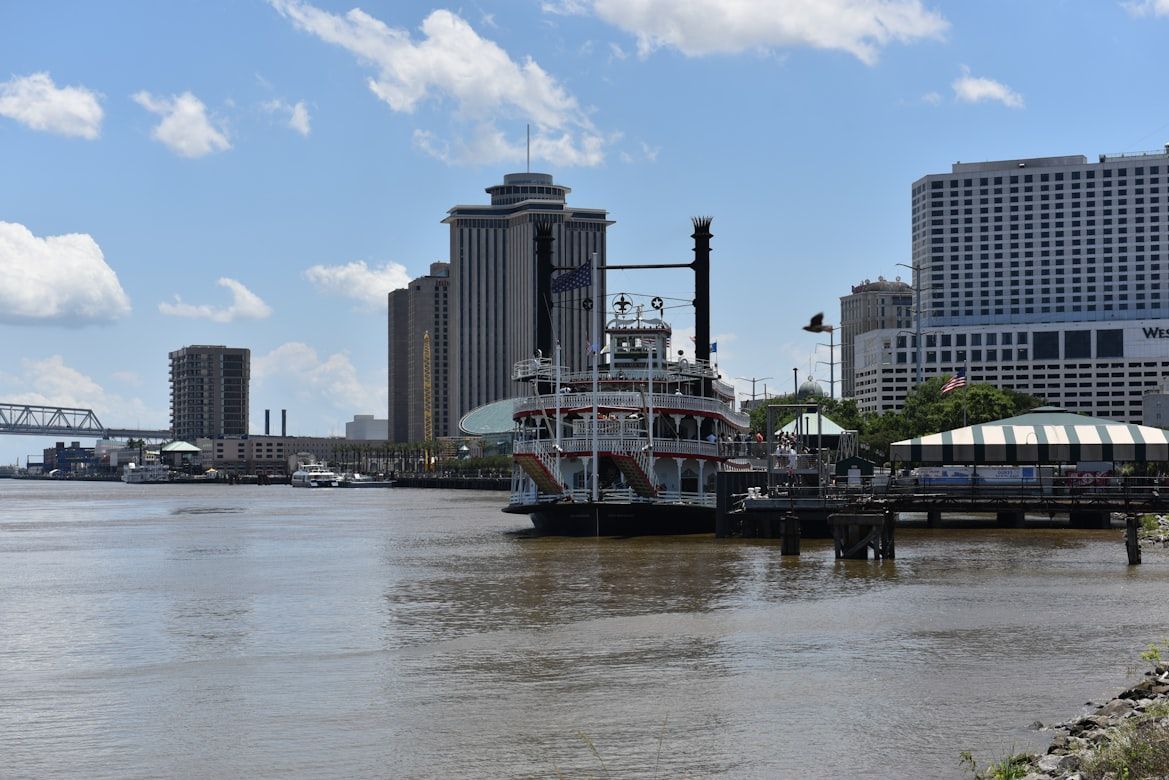
Mississippi River (New Orleans)

Image: Gower Brown

The Mississippi River, which flows through Minnesota, Wisconsin, Iowa, Illinois, Missouri, Kentucky, Tennessee, Arkansas, Mississippi, and Louisiana, has long served as the backbone of commerce in America. Winding through 10 states, it connects farms, factories, and cities across the country .

New Orleans flourishes at its mouth, which turned it into one of America’s busiest ports. Goods from the Midwest, like grain, cotton, and timber, traveled downriver to ships bound for global markets.

2
Hudson River (New York City)

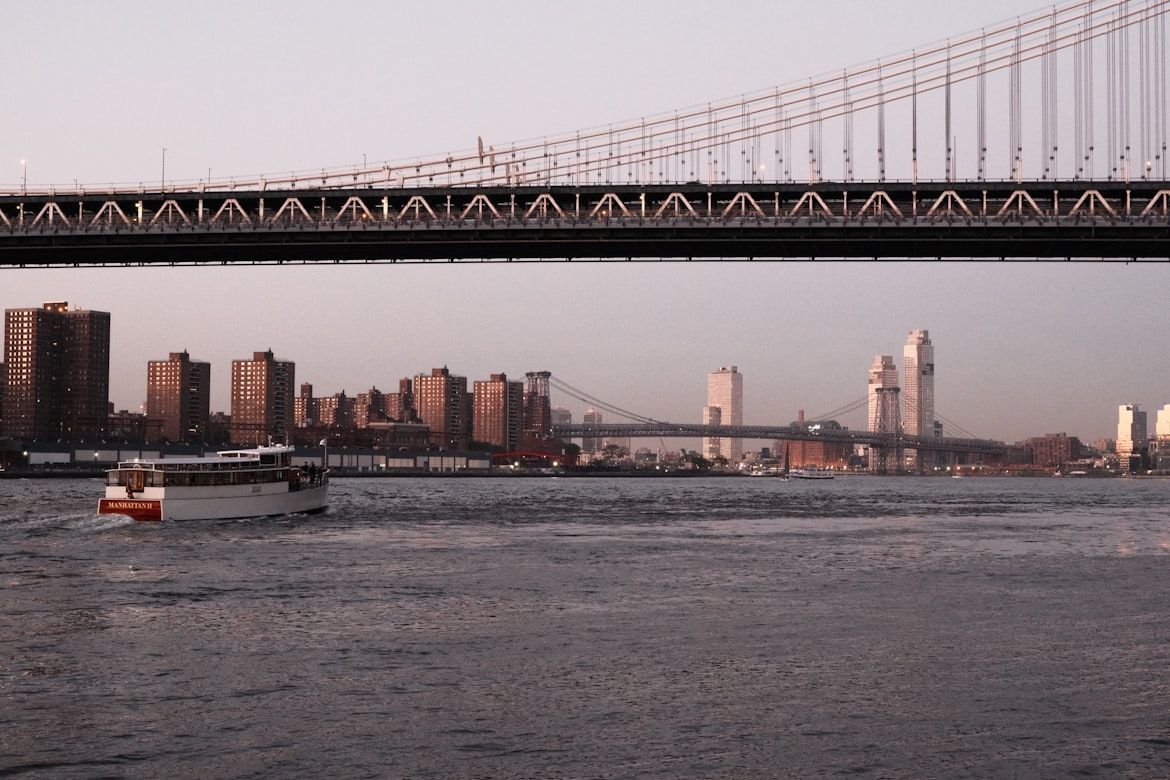
Image: Melanie Celine

The Hudson River transformed New York City into the East Coast's leading port, as its deep waters allowed ocean-going ships from the Atlantic to travel far inland .

​

When the Erie Canal opened in 1825, it linked the Hudson River to the Great Lakes near Waterford, New York, about 150 miles north of the city. This created a direct trade route between the Midwest and the Atlantic, cementing New York’s economic dominance.

3
Chicago River (Chicago)

Image: Zander Betterton

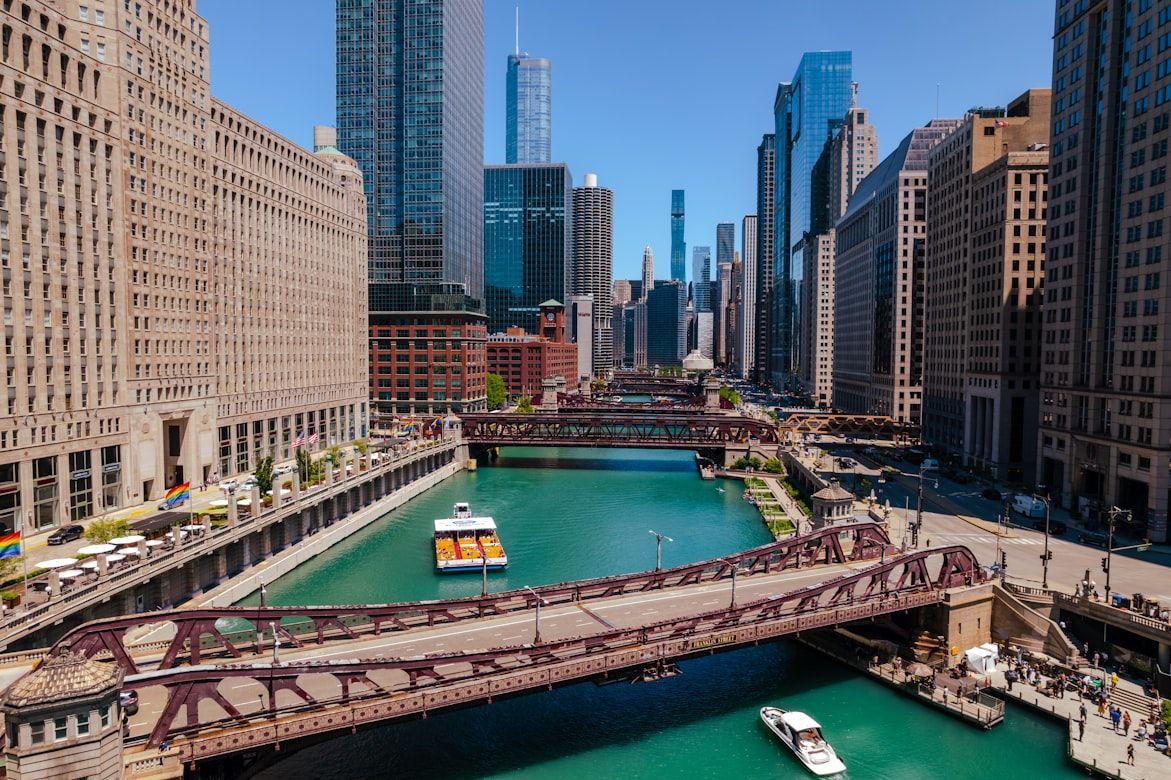
Chicago’s rise began with its strategic location along the Chicago River, a short but crucial waterway connecting Lake Michigan to inland routes .

With the construction of the Illinois and Michigan Canal in 1848, Chicago became the gateway between the Great Lakes and the Mississippi River basin, fueling explosive growth in trade and industry.

4
Charles River (Boston)

Image: Prateek Pisat

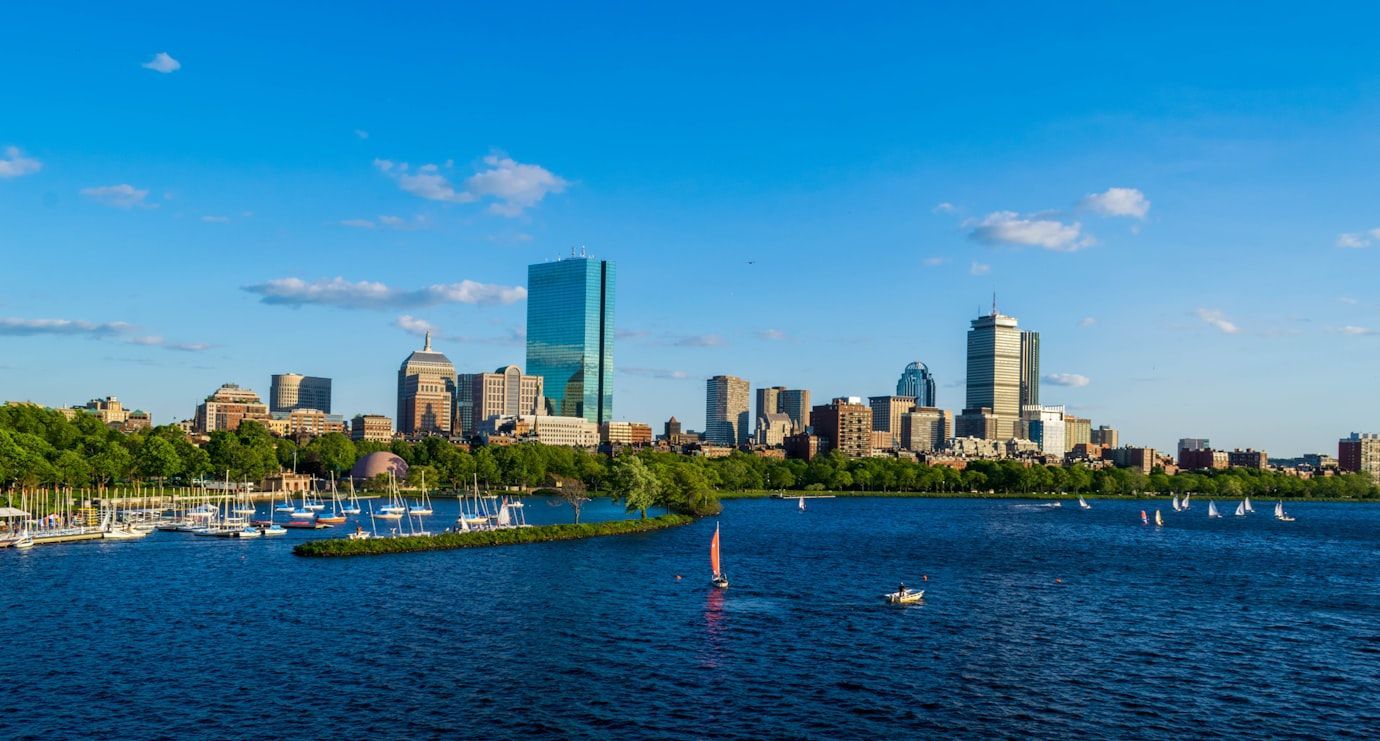
The Charles River played a central role in early American industry. In the early 1800s, mills along its banks harnessed the river’s power to run machinery .

The nearby textile mills in Waltham helped pioneer the American factory system. The Boston Manufacturing Company mill was the first fully integrated textile factory in the U.S., integrating the spinning, weaving, and finishing processes under one roof. The river’s energy helped transform the Boston region into a major industrial center.

5
Delaware River (Philadelphia)

Image: Mick Kirchman

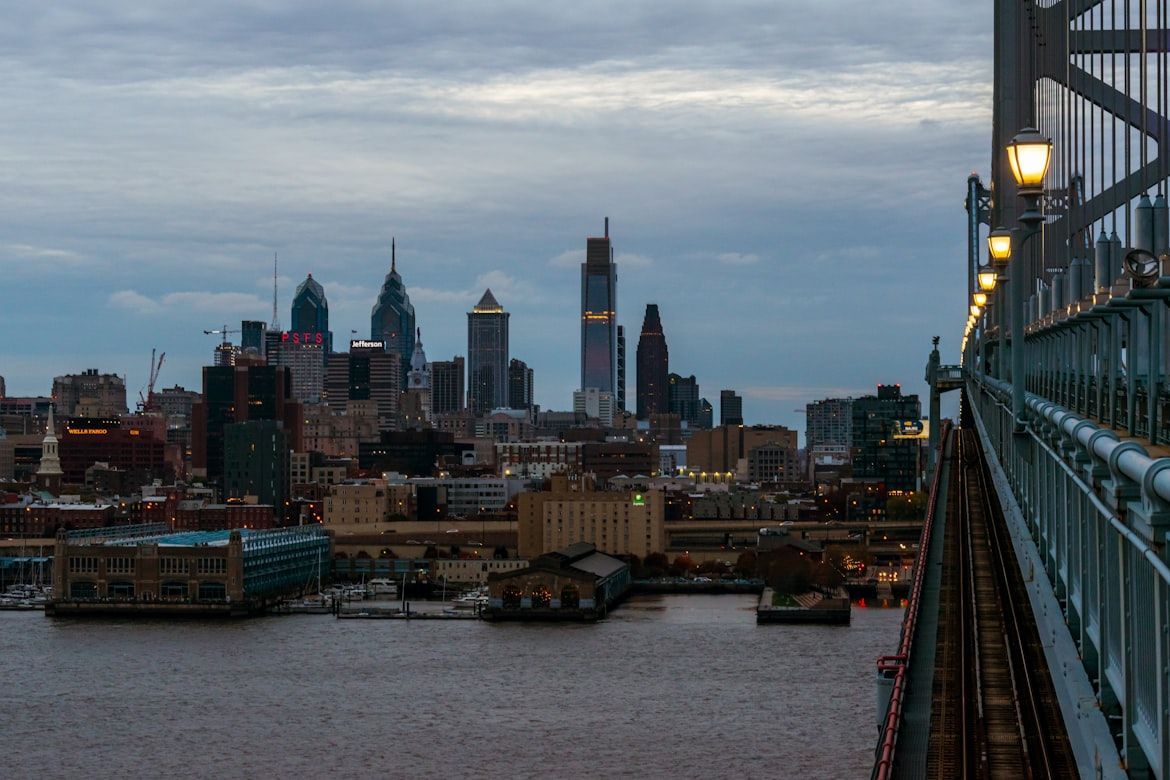
Philadelphia was founded along the Delaware River, which quickly became one of colonial America’s most important trade corridors.

Ships carrying grain, lumber, and manufactured goods traveled between Philadelphia and the Atlantic . The river helped the city grow into one of the largest and most prosperous ports of early America.

6
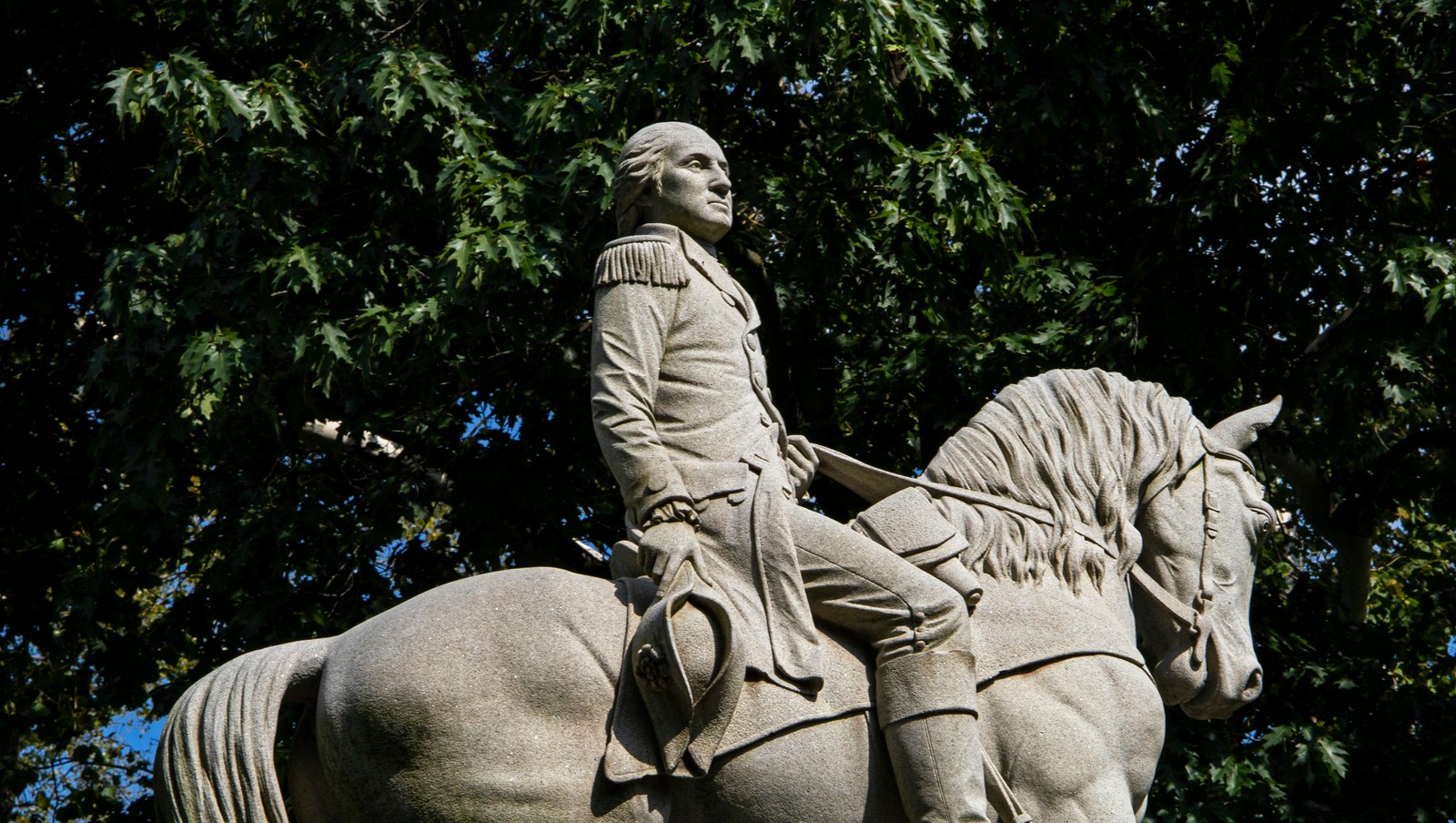
Potomac River (Washington, D.C.)

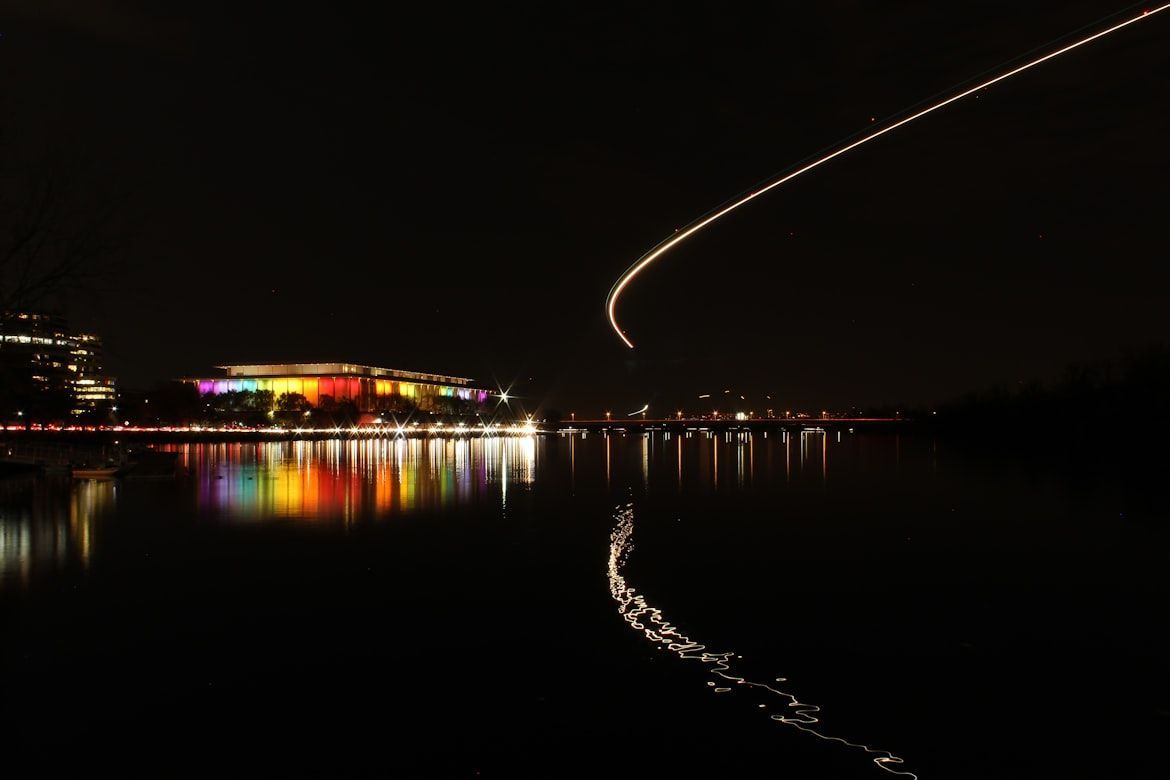
Image: Nicholas Wright

The Potomac River helped determine the location of the nation’s capital, which was established in 1790. This broad waterway was intended to provide access between the Atlantic and the interior of the new country .

Early leaders, like George Washington, hoped the river would become a major commercial corridor linking the young capital to western towns through canals and improved navigation routes.

7
Schuylkill River (Philadelphia)

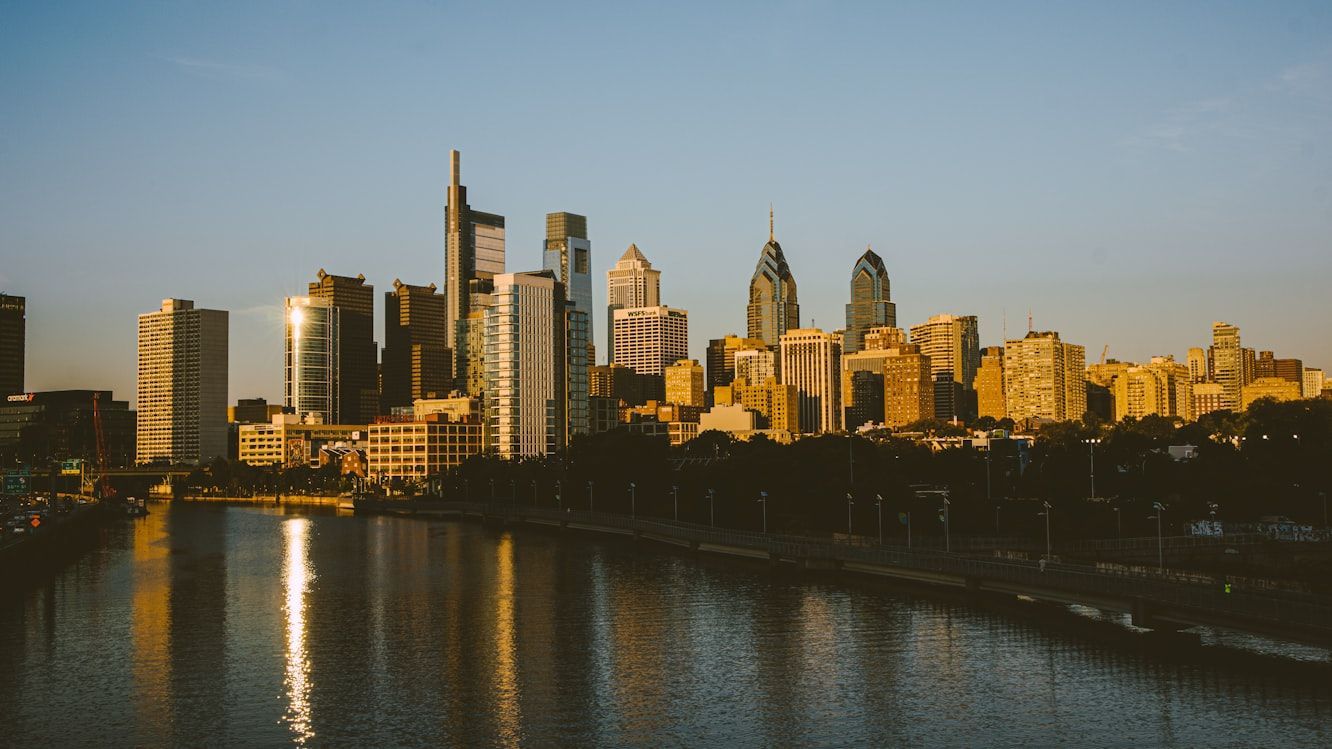
Image: Alejandro Barba

Flowing through Philadelphia, the Schuylkill River powered much of the city’s early industrial growth. Its waters supported mills and factories throughout the 19th century .

The Schuylkill Canal also carried vast shipments of Pennsylvania anthracite coal, providing the fuel that powered factories and heated homes across the growing nation.

8
Ohio River (Pittsburgh)

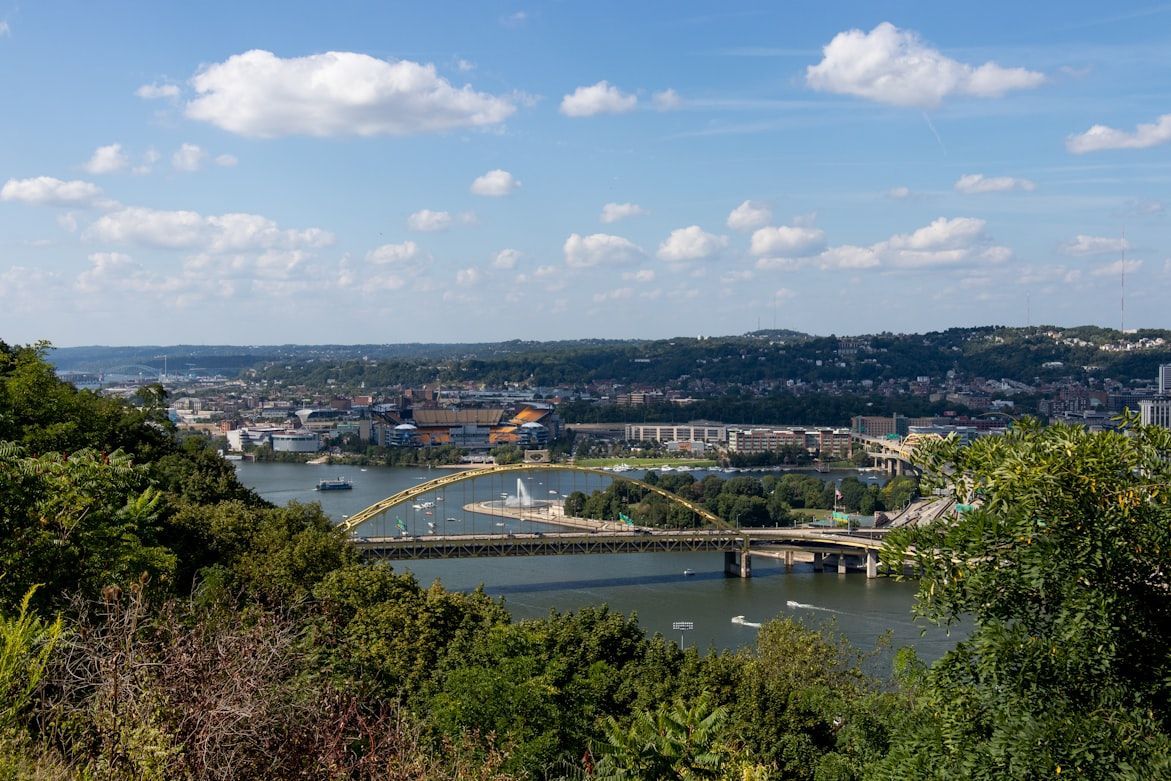
Image: Carson Kaskel

The Ohio River begins at Pittsburgh, where the Allegheny and Monongahela rivers meet. This strategic location turned the city into a gateway to the expanding American frontier .

Beginning in the 1810s, steamboats carried settlers and goods downstream to cities like Cincinnati and Louisville, helping Pittsburgh grow into a major industrial and transportation center.

9
Missouri River (Kansas City, Missouri)

Image: Nathan Sack

The Missouri River served as a key launching point for westward expansion during the 19th century.

Kansas City grew where river trade intersected with overland trails heading west , including the Santa Fe and Oregon Trails. The river made the city a critical supply hub for pioneers and traders.

10
Detroit River (Detroit)

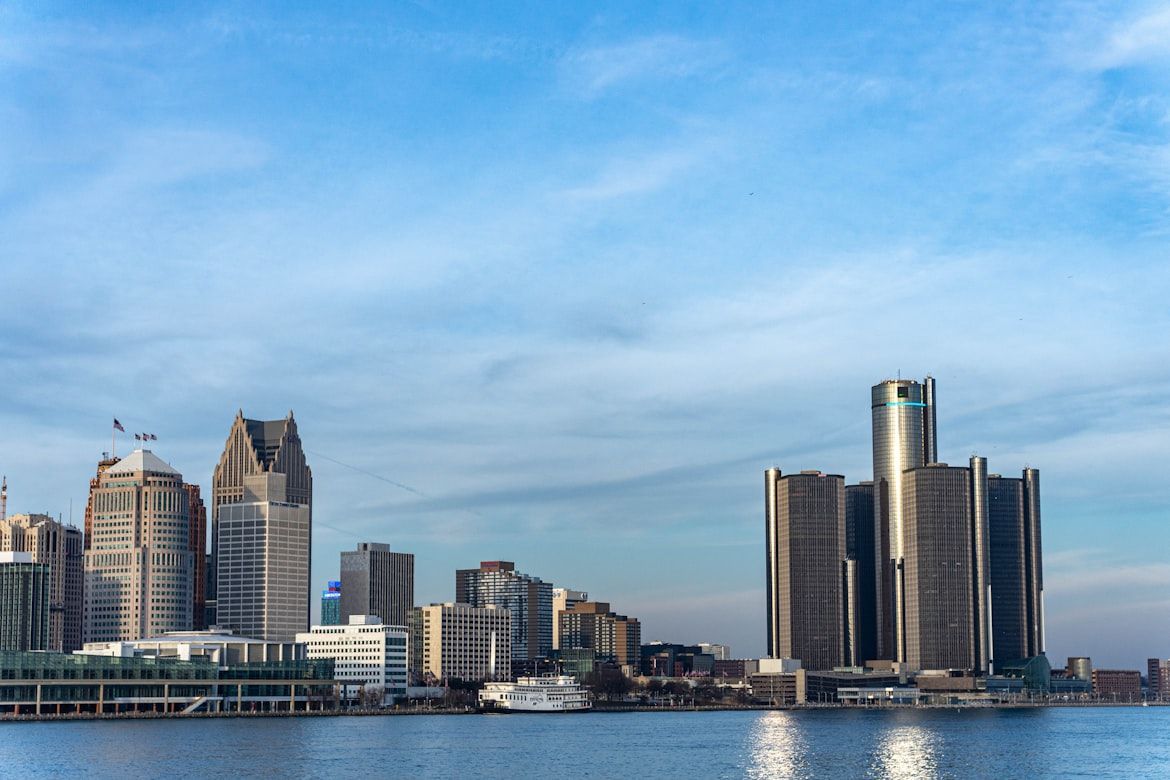
Image: GV Chana

The Detroit River links Lake Erie and Lake St. Clair, forming a vital passage in the Great Lakes shipping system .

Detroit developed along this busy corridor, where ships transported iron ore, timber, and other raw materials. These resources helped fuel the city’s rise as a manufacturing center.

11
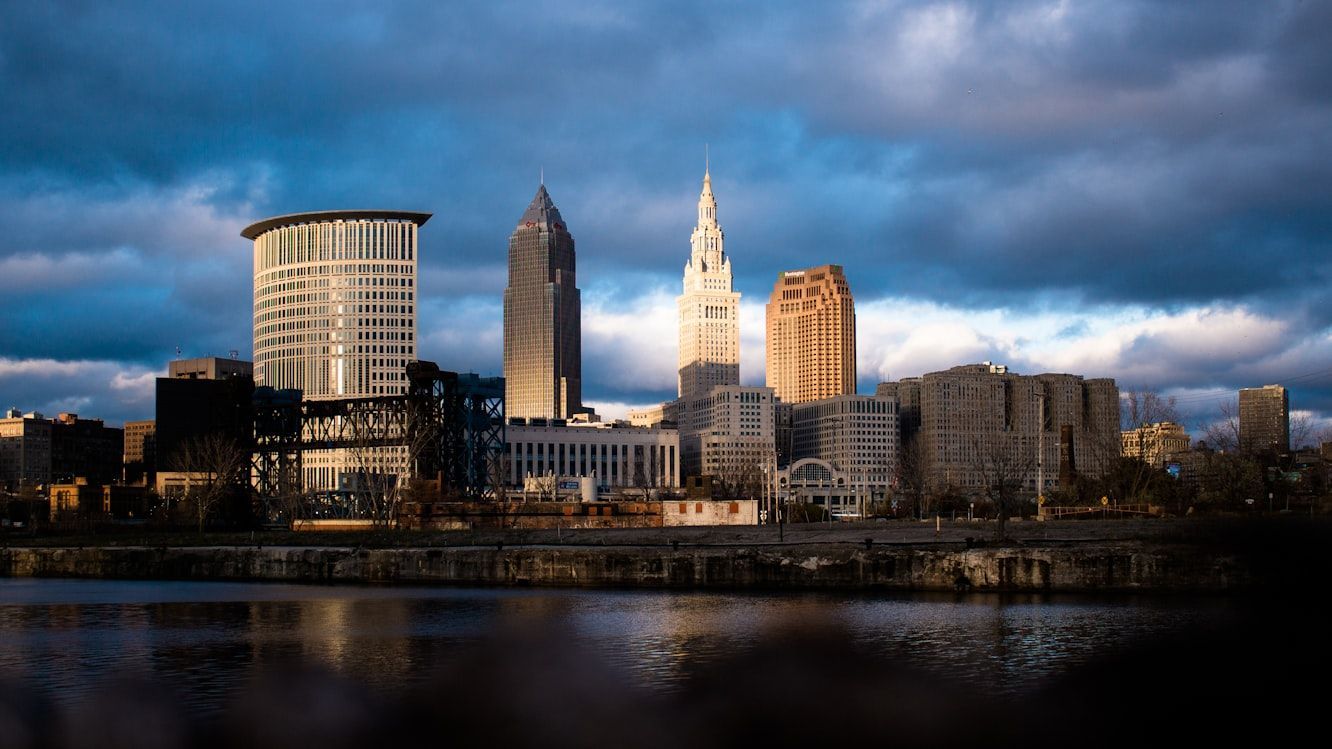
Cuyahoga River (Cleveland)

Image: DJ Johnson

The Cuyahoga River winds through Cleveland before emptying into Lake Erie, creating a natural harbor that attracted industries .

Steel mills, shipyards, and refineries lined its banks during the late 19th and early 20th centuries, turning Cleveland into one of the Midwest’s most important industrial cities.

12
Colorado River (Las Vegas)

Image: Veronica Ascencio

Though best known for carving the Grand Canyon, the Colorado River also helped make the rise of modern cities in the desert Southwest possible .

Projects like Hoover Dam and Lake Mead provided water supplies and hydroelectric power that supported the rapid growth of nearby cities, such as Las Vegas, in an otherwise arid region.

Explore more American facts

Choose your favorite category!

General
General

As American as apple pie—the very best America has to offer!

Culture
Culture

Delve into the astounding richness of American lore.

Geography
Geography

Hop in and explore vast and diverse American landscapes.

History
History

Discover the key moments that shaped the United States.