"Speak easy when you order"
Did you know these facts about the Prohibition era?
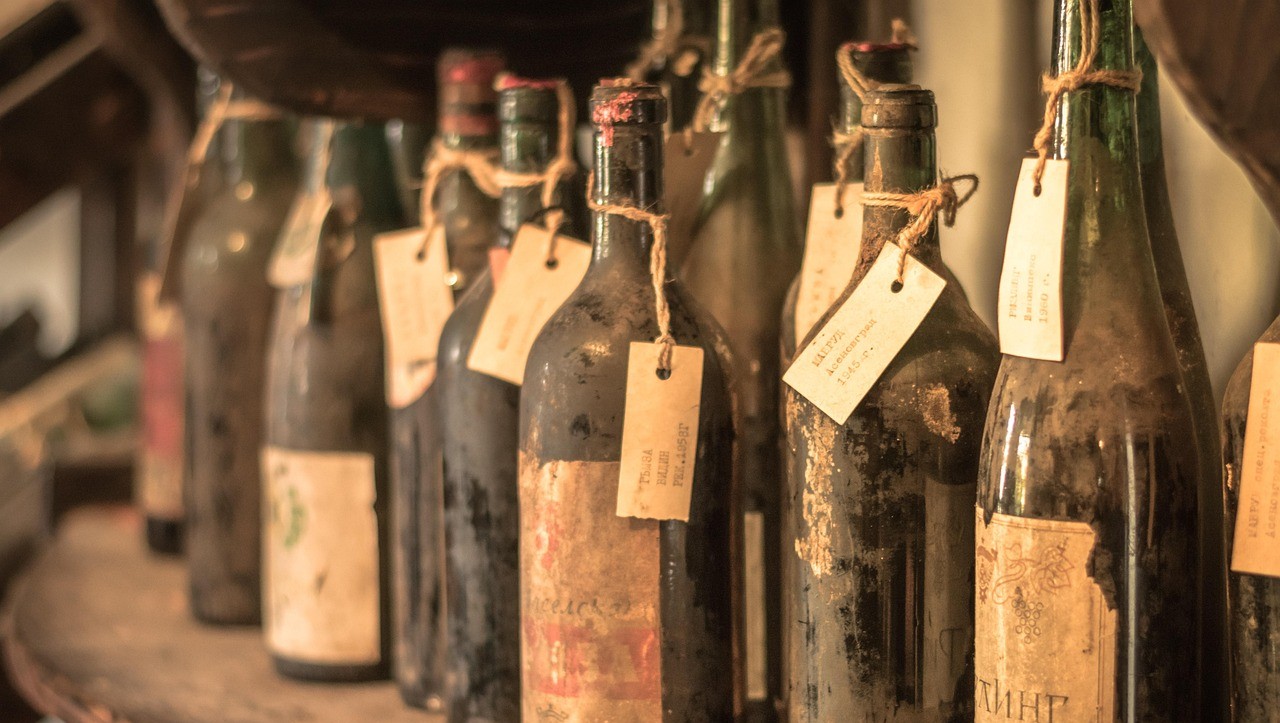
Image: DayanaLiquorNerd / maja7777
Endless myths and stories have permeated our culture about the era when alcoholic beverages were banned. Did pharmacists really get rich selling whiskey? Were all women in favour of Prohibition? In fact, were all rulers in favor of it, or did some publicly celebrate its ending? Let’s dive into some not-so-well-known facts about the Eighteenth Amendment .
1
The term "Speakeasy" came from a whispered instruction
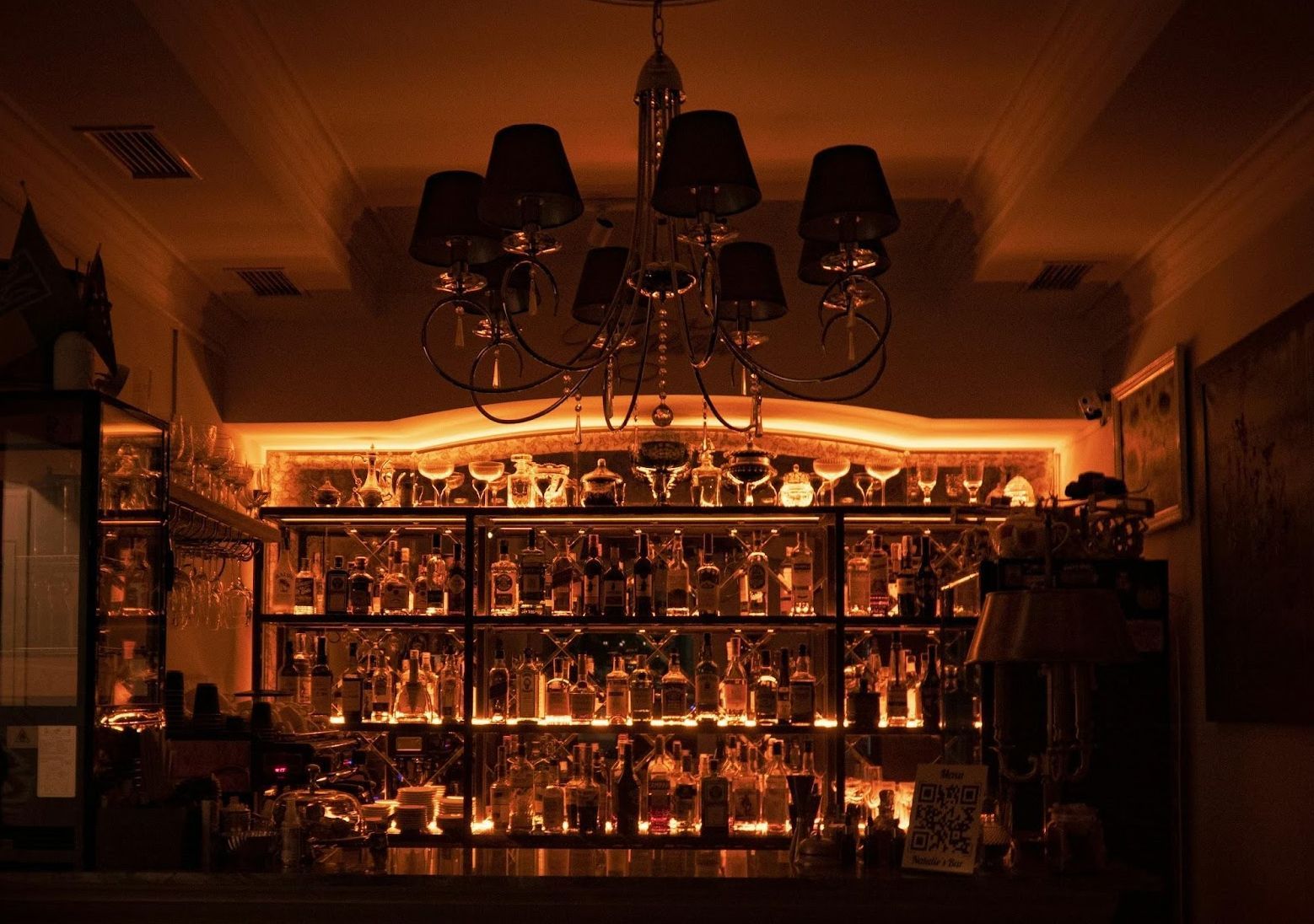
Image: Shtefan Lounge
This expression, by now forever associated with the Prohibition Era, came from bartenders quietly warning patrons to "speak easy" when ordering illegal drinks.
It is believed that the phrase was already in use in 1800s saloons, but it took off during Prohibition. Hidden behind trapdoors or fake businesses, these secret bars required passwords or knocks to enter.
2
Prohibition sparked the rise of NASCAR
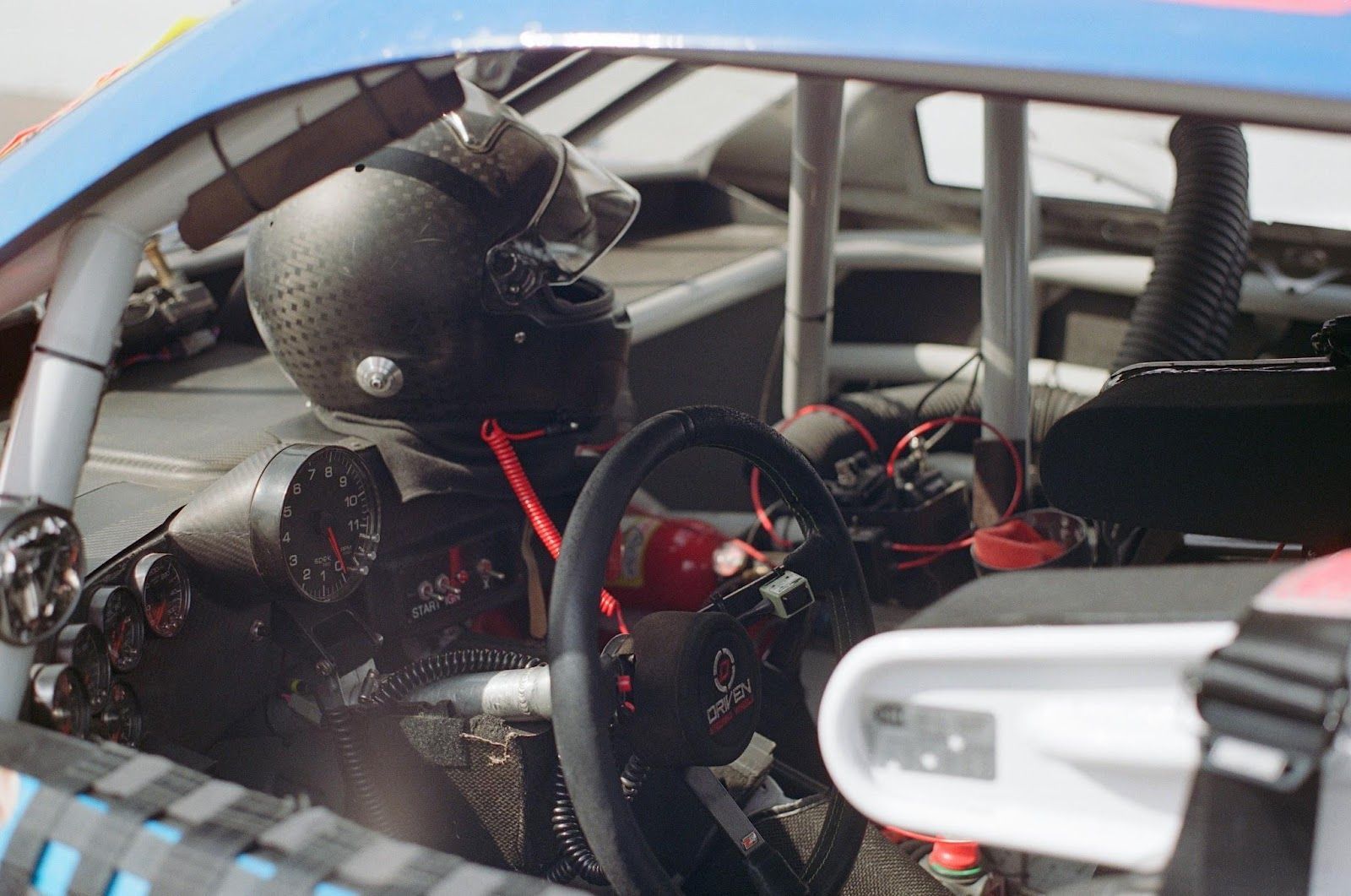
Image: Caleb Woods
Southern moonshiners during Prohibition needed to move whiskey fast. To evade federal agents, they needed to modify cars for speed and for driving through uneven terrains under the cover of the night.
What do you do with that peculiar set of skills when the Prohibition ends, then? Many of these trained drivers began racing each other for fun , and eventually for prizes. These informal competitions laid the groundwork for stock car racing, and in 1948, NASCAR was officially founded.
3
Grape bricks were a legal alternative
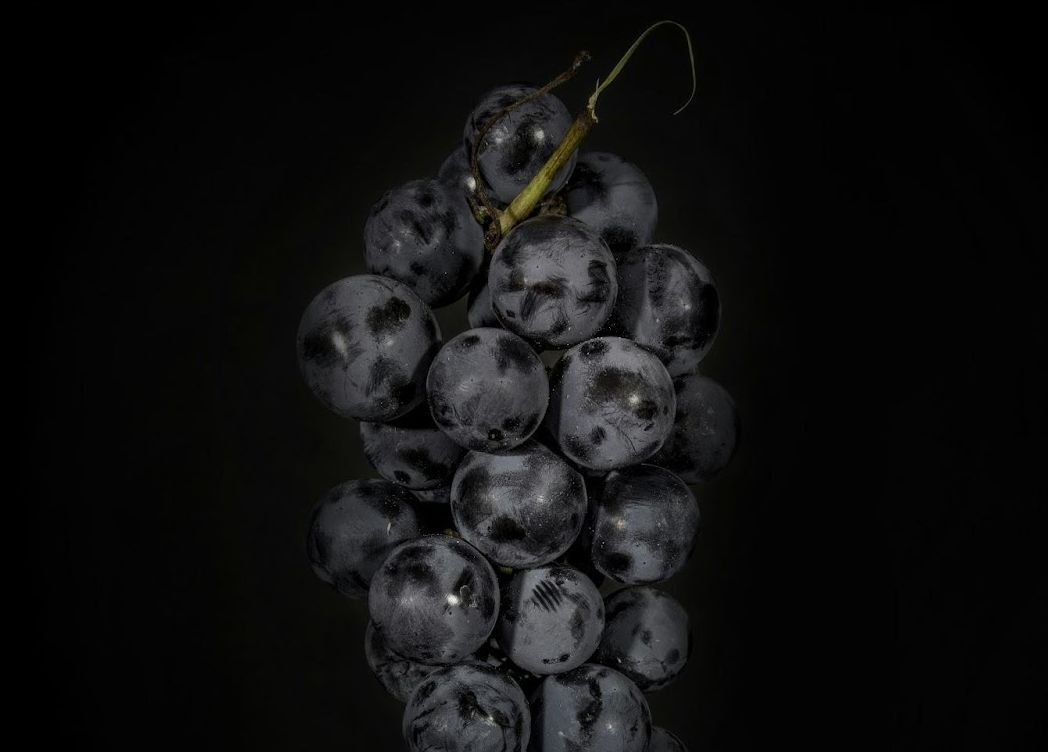
Image: Keegan Houser
Though commercial winemaking was banned, winemakers adapted quickly by selling "grape concentrate bricks" legally.
They were dense blocks that came with a cheeky warning: "Do not dissolve in water , add yeast, and let sit for 21 days, or it may ferment into wine." Of course, that’s exactly what people did.
4
Al Capone opened a soup kitchen
Image: Drew Gilliam
During the Great Depression, mob boss Al Capone operated a soup kitchen in Chicago, serving thousands of unemployed individuals .
The sign outside read "Free Soup, Coffee & Doughnuts for the Unemployed." It was certainly a clever PR move that helped soften his infamous image, even as he profited from illegal booze and violence.
5
There was a "whiskey prescription" loophole
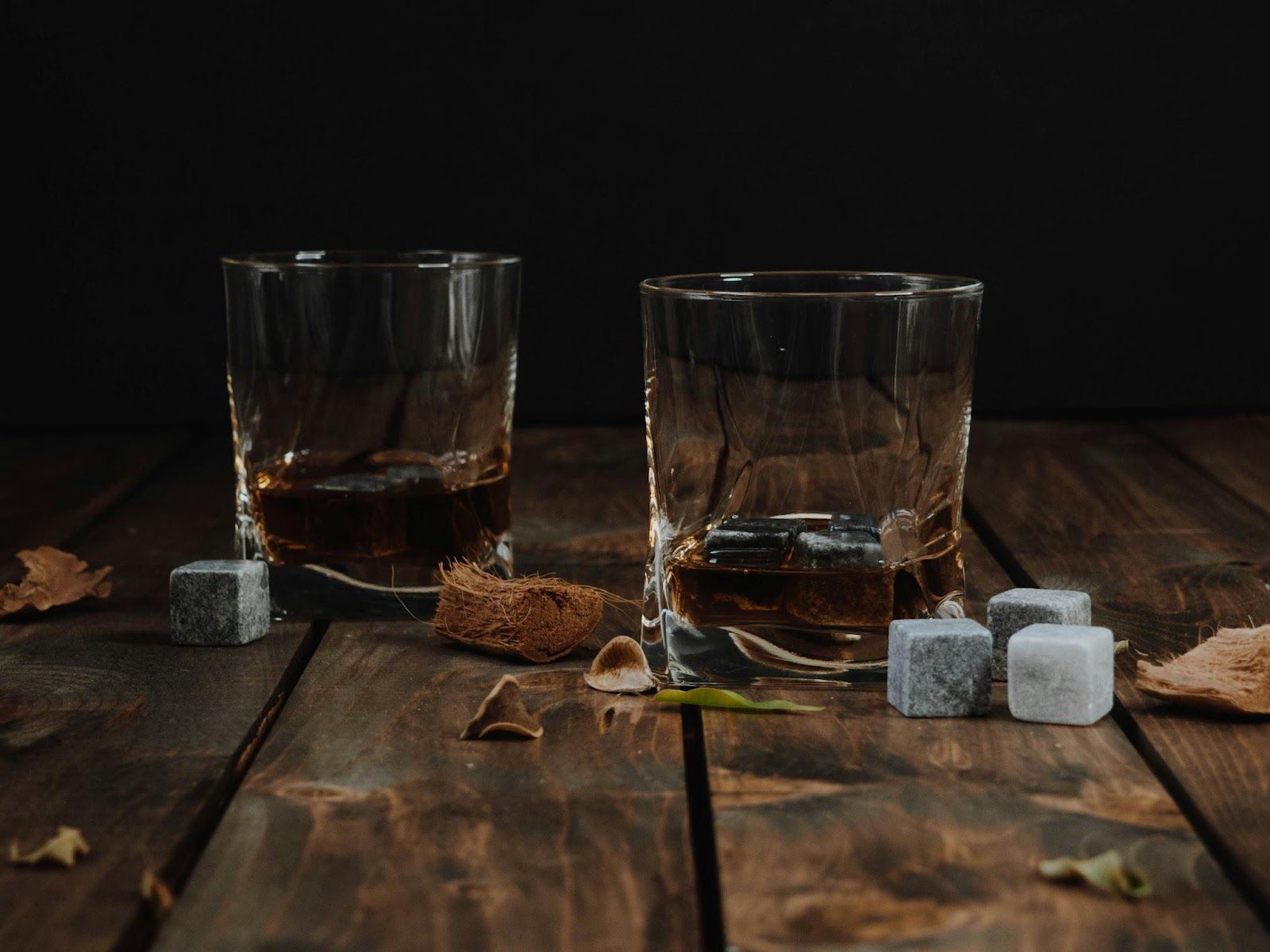
Image: Anastasia Zhenina
While Prohibition outlawed alcohol sales, there was one major exception: whiskey prescribed by a doctor. The government allowed the writing of prescriptions for " medicinal liquor ," so millions were written. Patients could pick up their booze at a local pharmacy, usually in a clearly labeled bottle: "For Medicinal Use Only."
6
"Mountain Dew" meant Moonshine
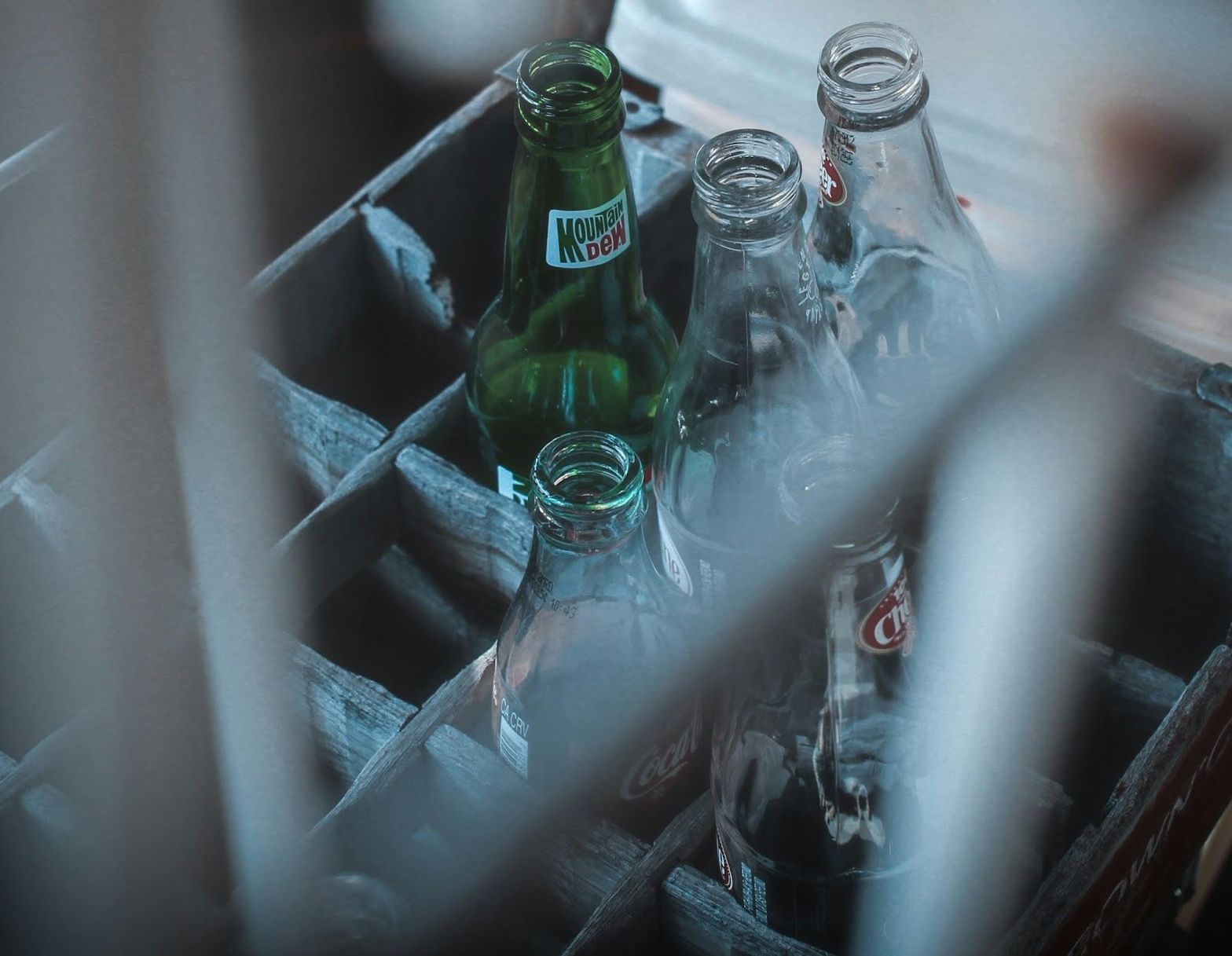
Image: Josh McLain
Long before it was a neon-green soda, "mountain dew" was slang for homemade whiskey . The term already appeared in folk songs of the Appalachian region back in the 19th century, and it became especially popular during Prohibition, as illegal distilling became widespread.
In the 1940s, the creators of the soft drink Mountain Dew originally formulated it as a mixer for whiskey. The name was a wink after the bootlegging culture it came from.
7
Women were on both sides of the front lines
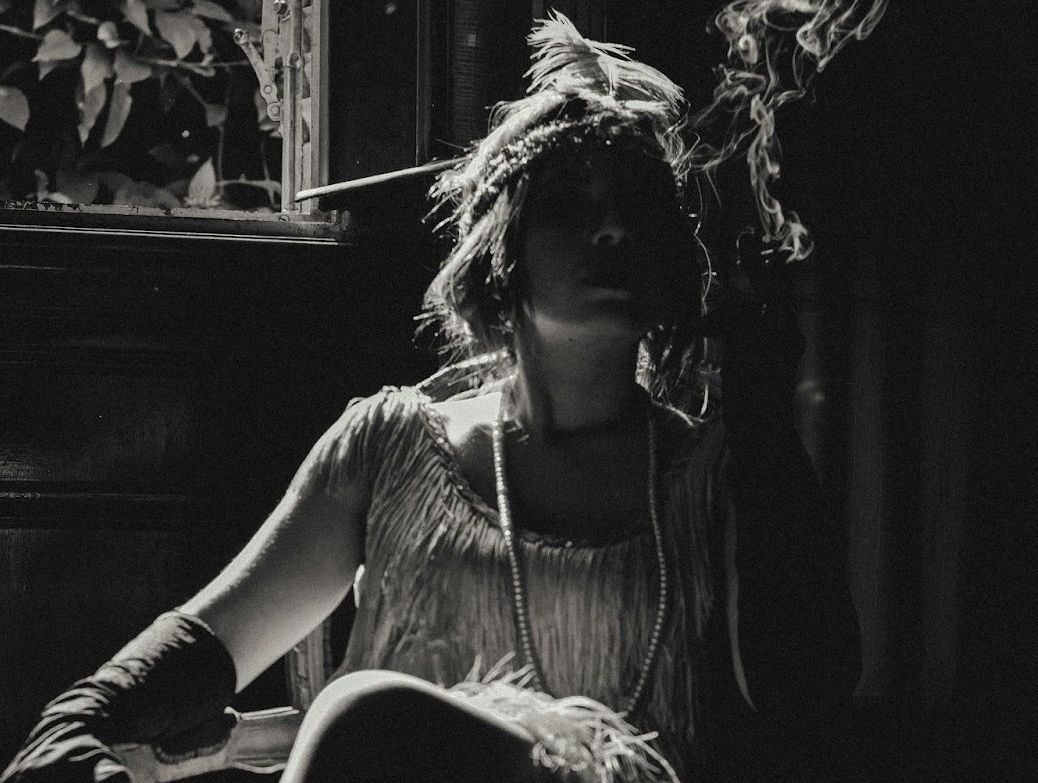
Image: Agustina Tolosa
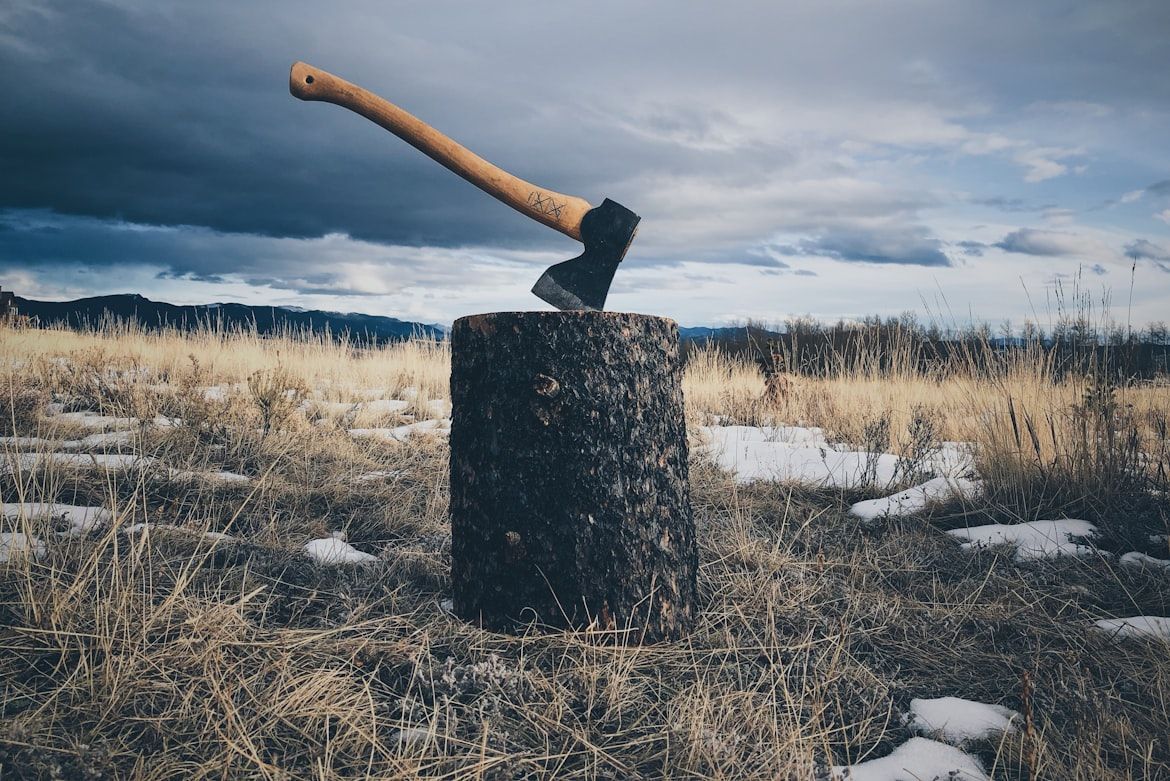
Fierce women activists led the temperance movement, yes. For example, Carrie Nation famously stormed saloons with a hatchet. But many women also thrived in the world of illegal liquor.
Some saw Prohibition as an opportunity and became successful bootleggers, smugglers, and speakeasy owners. One of the most famous was Gertrude "Cleo" Lythgoe, nicknamed "The Queen of the Bahamas," who smuggled high-end liquor from Nassau to the U.S. East Coast and built a fortune.
8
Toothpaste and hair tonics were alcoholic
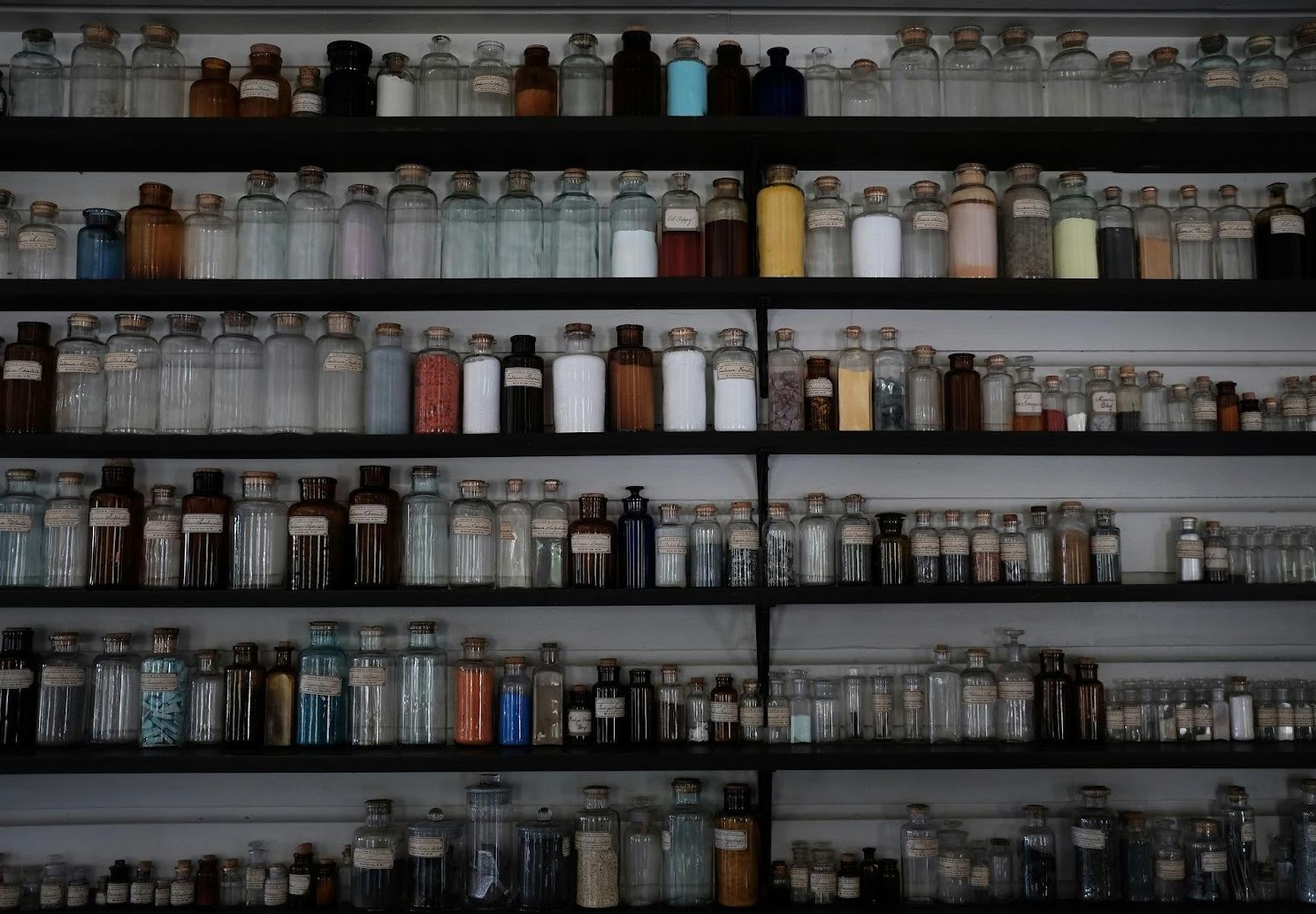
Image: Chelms Varthoumlien
With liquor banned, some people turned to unlikely products to get drunk. Items like bay rum aftershave, vanilla extract, hair tonics, and even toothache drops were legally sold and packed with high-proof alcohol. Desperate drinkers downed them despite the awful taste and potential health risks.
In New York City alone, an estimated 150,000 gallons of bay rum were consumed for intoxication in a single year.
9
Bootlegging funded jazz and nightlife
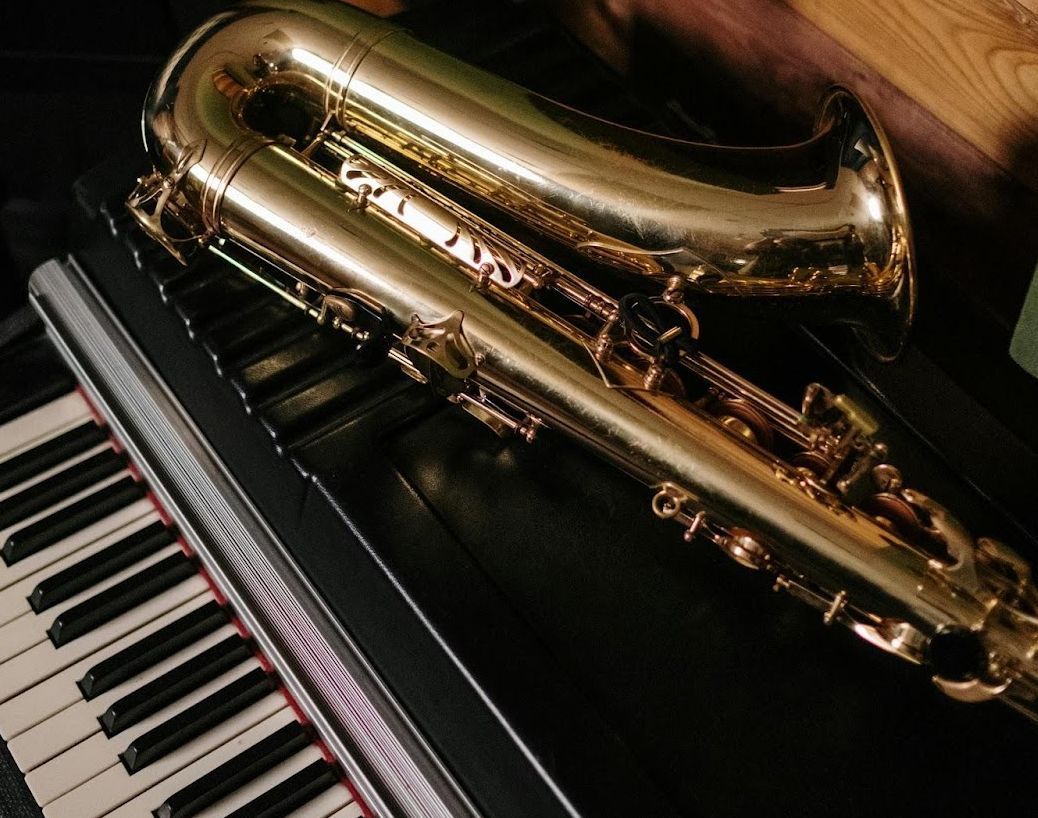
Image: cottonbro studio
Prohibition did help launch a cultural revolution . Speakeasies became centers of nightlife and music, and in places like Harlem, they gave rise to the Harlem Renaissance. Jazz greats like Duke Ellington and Billie Holiday got their start playing in these clubs.
10
New York’s mayor toasted the end with a beer… on air
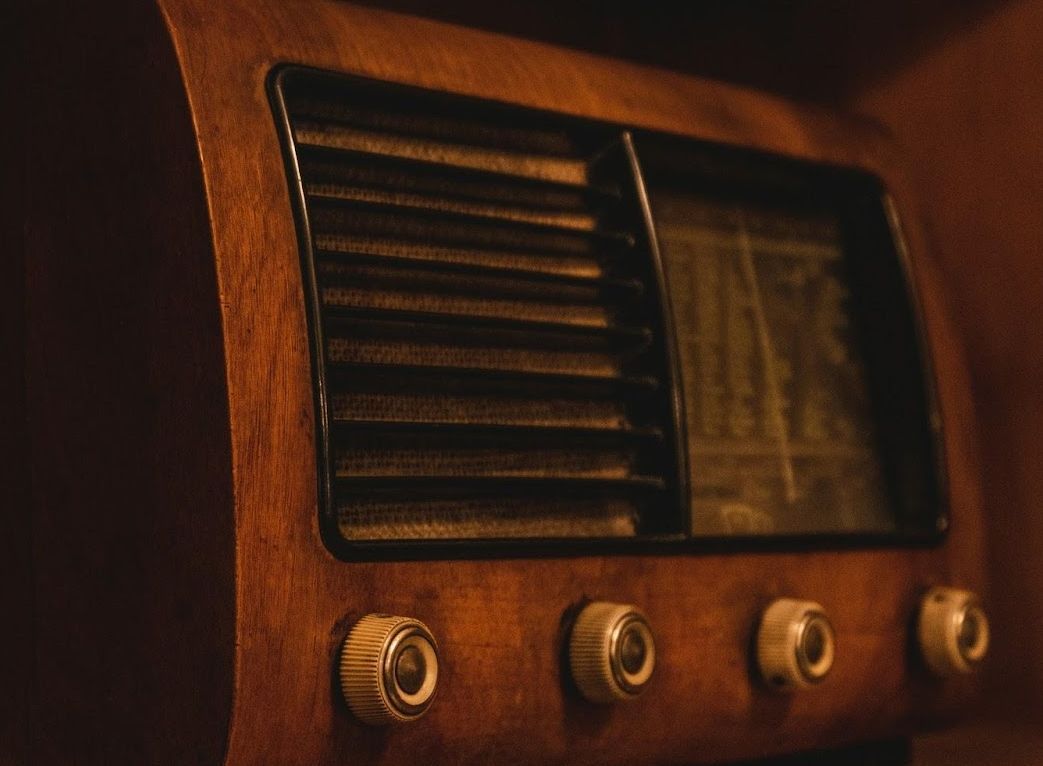
Image: Muhammed ÖÇAL
When the 21st Amendment officially ended Prohibition on December 5, 1933, New Yorkers celebrated with flair. So did their mayor. Fiorello La Guardia, a vocal critic of the alcohol ban , marked the occasion by cracking open a beer during a press conference and drinking it on live radio.
La Guardia had long argued that Prohibition bred crime and disrespect for the law, so this on-air symbolic gesture made sense and marked the beginning of instant change.
11
Some states didn’t ratify the end until the 21st century
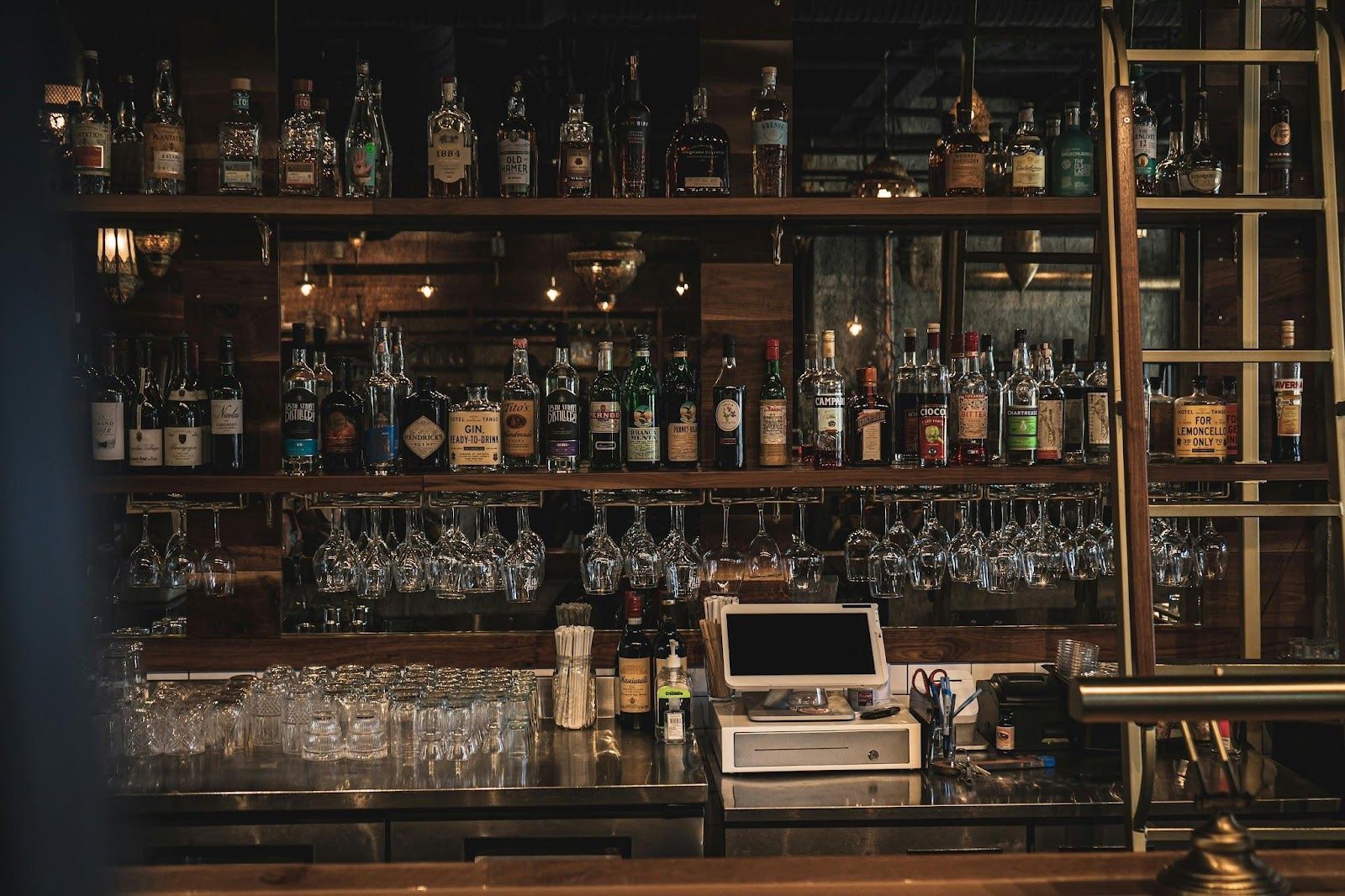
Image: Chris Hardy
Though the 21st Amendment repealed Prohibition in 1933, some states and counties held out for decades . Mississippi didn’t officially end state Prohibition laws until 1966; that’s 33 years after the national repeal. Kansas, meanwhile, banned public bars until 1987.
Even today, Prohibition echoes remain. Several U.S. counties are still "dry," meaning alcohol sales are restricted or banned outright.