Geography Geography 4 min read

Try not to laugh!

Why? No name? You won’t believe these US towns are called that!
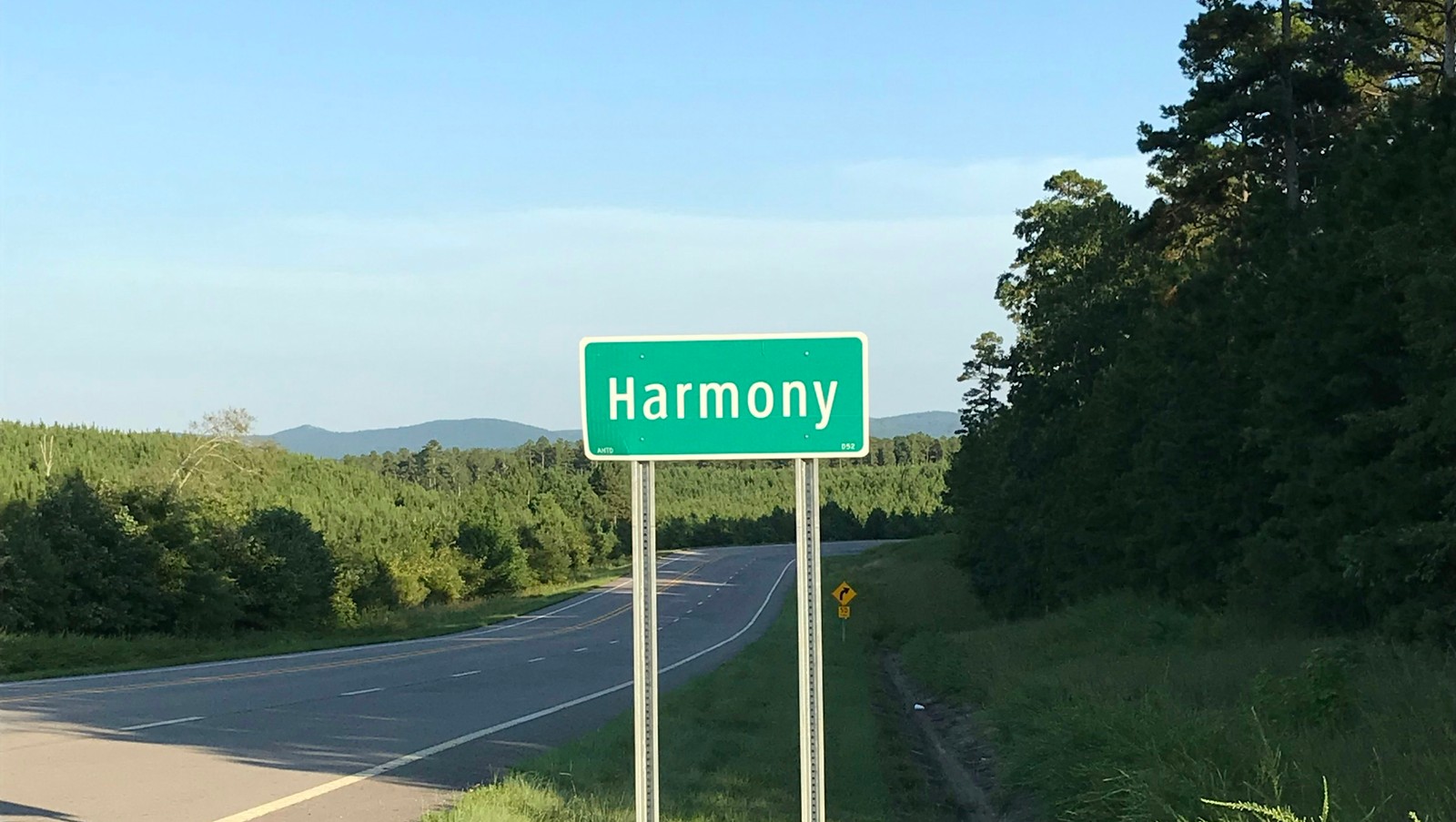
Image: Jeremy Adams

America is home to some truly unique town names… You know, some are charming, some are also confusing , but then again, some make you wonder what exactly the founders were thinking. For example, is Unalaska trying to fly solo? Whether inspired by accidents, geography, or a bit of a je-ne-sais-quoi , these towns prove that creativity knows no bounds. Try to pick a favorite!

1
Unalaska, Alaska
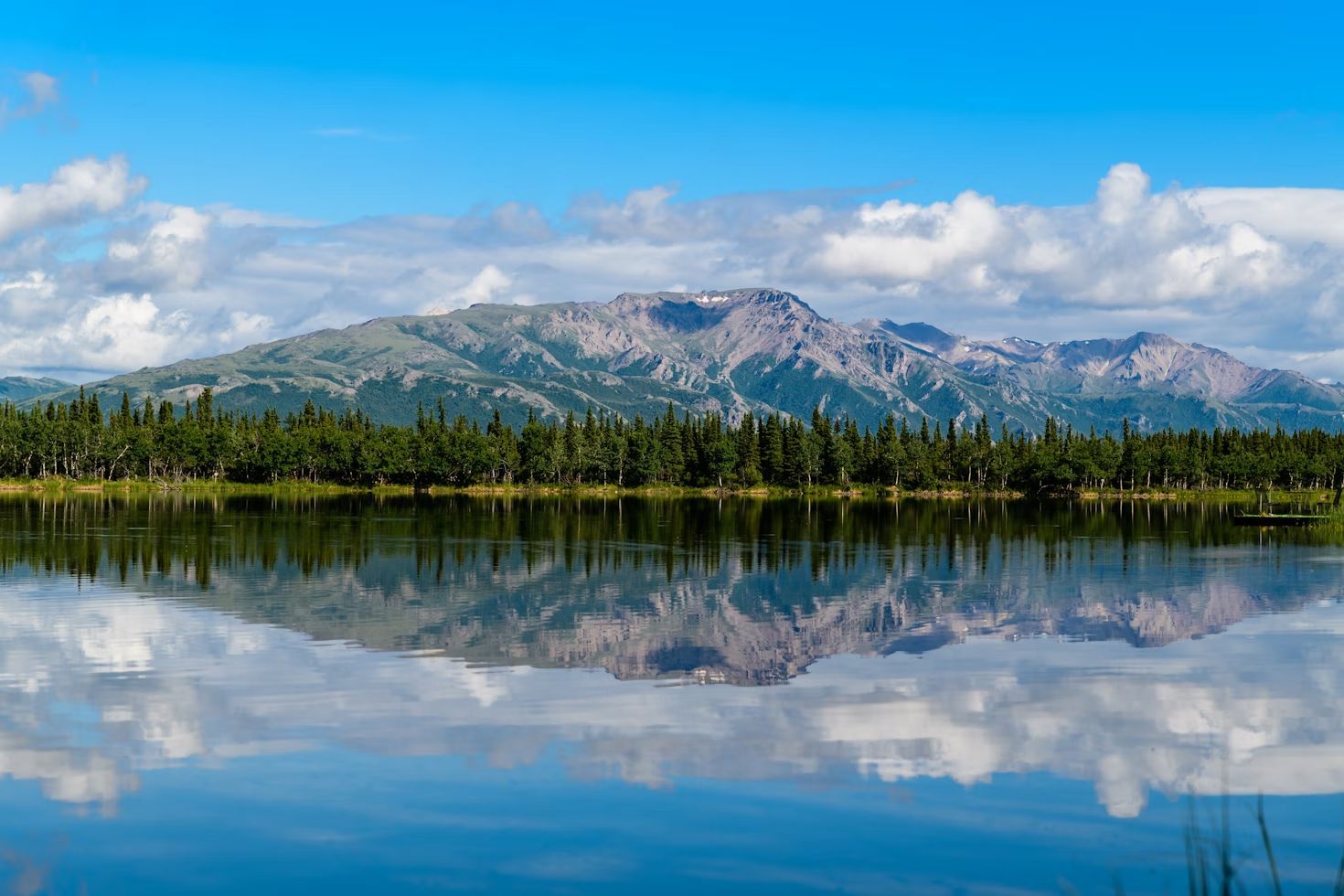
Image: Hari Nandakumar

Despite what the name suggests, Unalaska is not trying to break away from the rest of the state. The town’s name comes from Agunalaksh , the original name given by the Unangan people. Over time, spelling and pronunciation changes led to the simplified version: Unalaska.

In the late 1800s, the US Board on Geographic Names made it official, but don’t worry, it’s just the name; the beauty is certainly Alaskan!

2
Why, Arizona
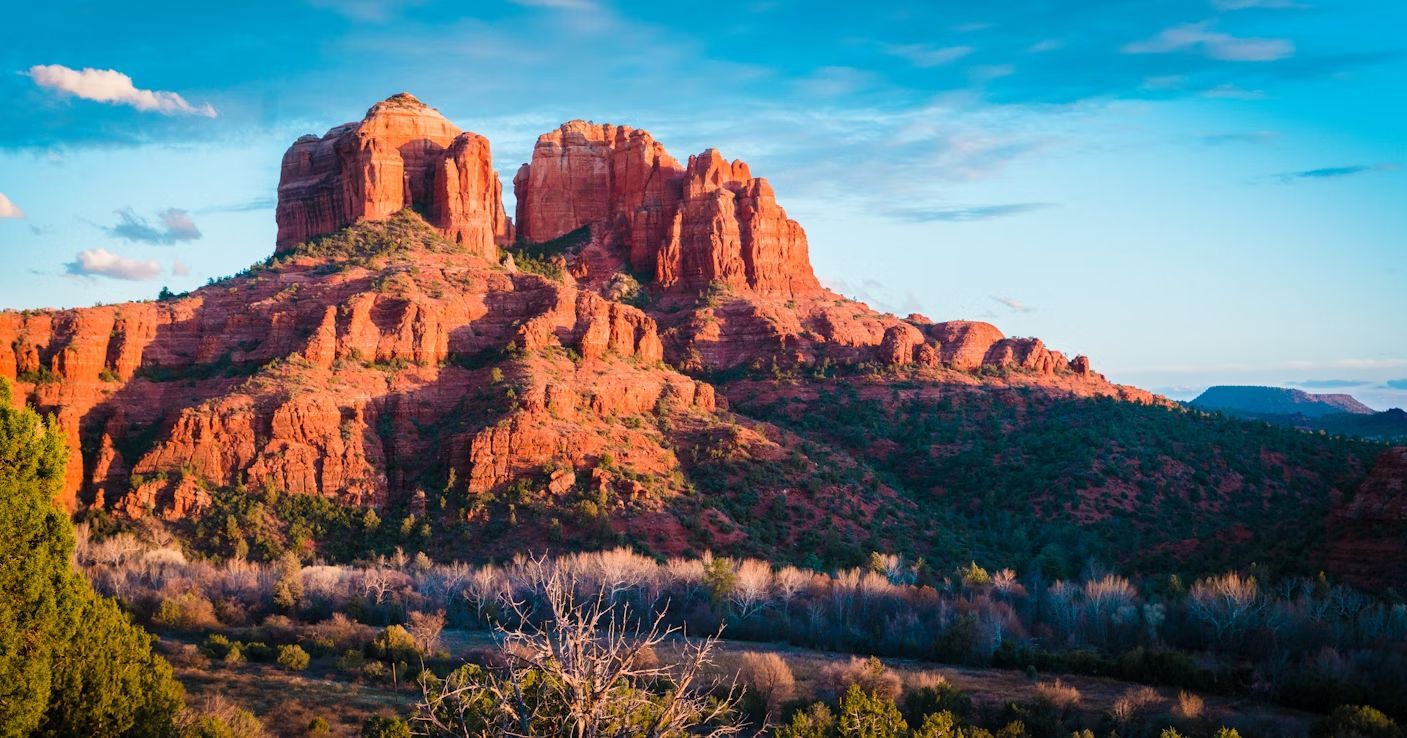
Image: Kaileen Fitzpatrick

If you’ve ever asked yourself "Why?", you might be thinking too hard. This Arizona town got its name because of a simple road design: State Routes 85 and 86 originally met in a Y-shape.

When it was time to name the community, the locals wanted to call it Y (yes, you read that right), but Arizona law required town names to have at least three letters. So, they got creative and went with Why. Why, right?

3
No Name, Colorado
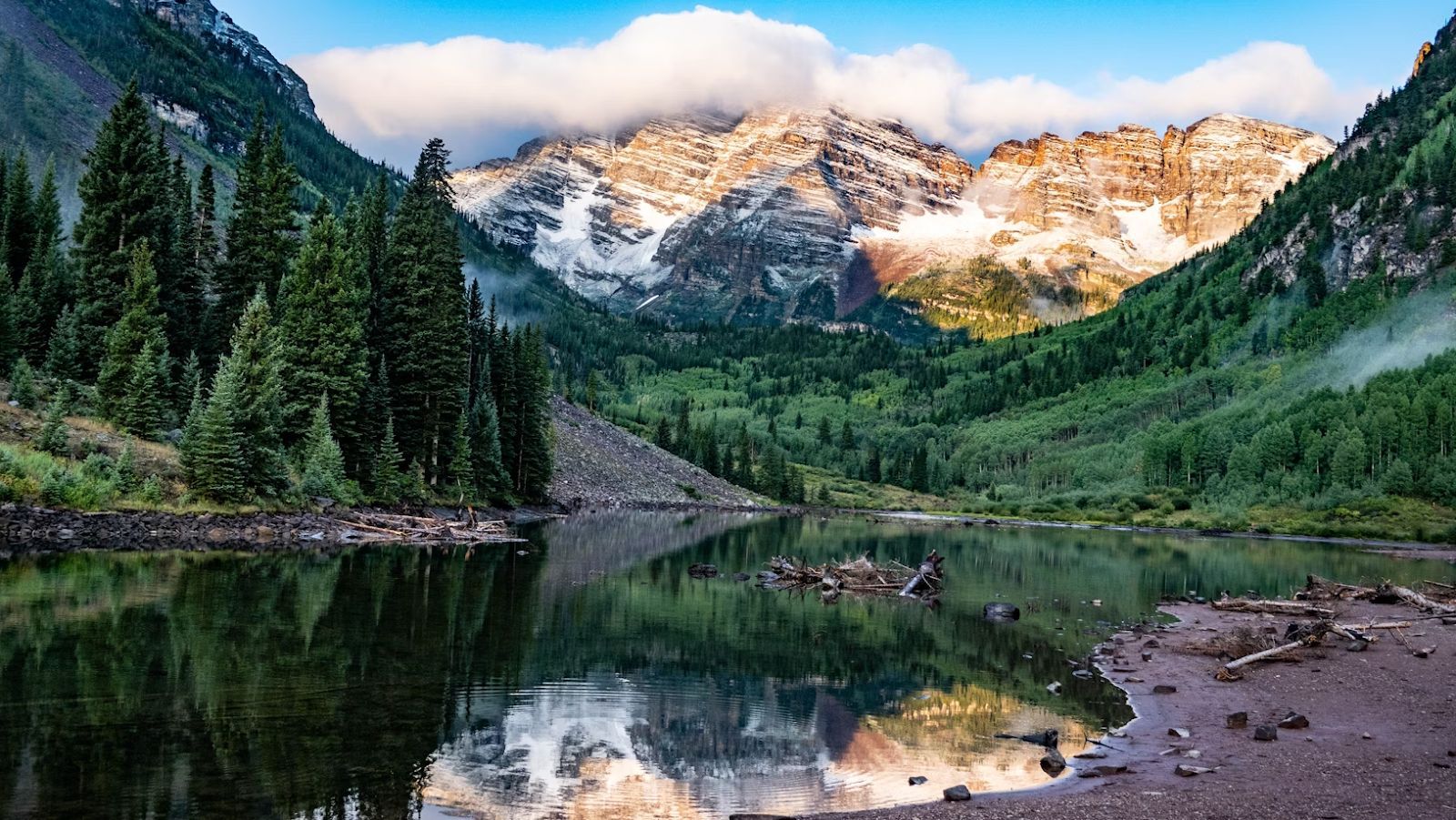
Image: Rich Martello

What do you call a town when you just can’t decide on a name? Apparently, (and logically, if we might say so), No Name. The story goes that when developers were working on Interstate 70, they left the town’s exit sign blank.

A transportation official later labeled it "No Name", and the locals decided to go with it . State officials tried to rename the area, but the people weren’t having it. They simply loved it!

4
Burnt Store, Florida
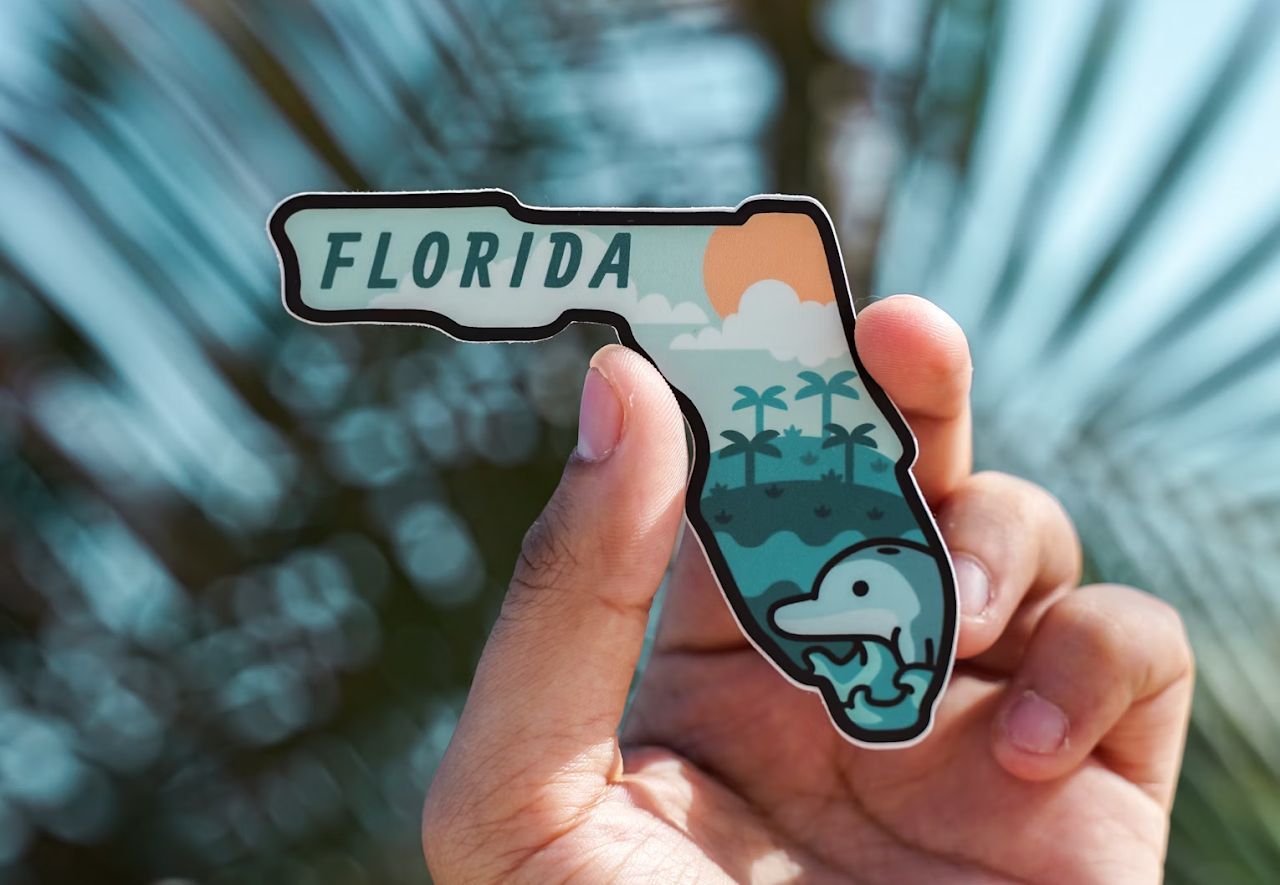
Image: Done By Alex

The name Burnt Store sounds like something out of a Wild West showdown, and the real story (or the legend, actually) isn’t too far off, you know?

Legend has it that in 1849, a trading post on the Peace River was burned to the ground after an attack. The store’s manager, George Payne, had dealings with the Seminole Indians before he was killed in an ambush. Shortly after, the store itself was destroyed. The tragic event left a permanent mark on the town’s history and its name.

5
Santa Claus, Indiana
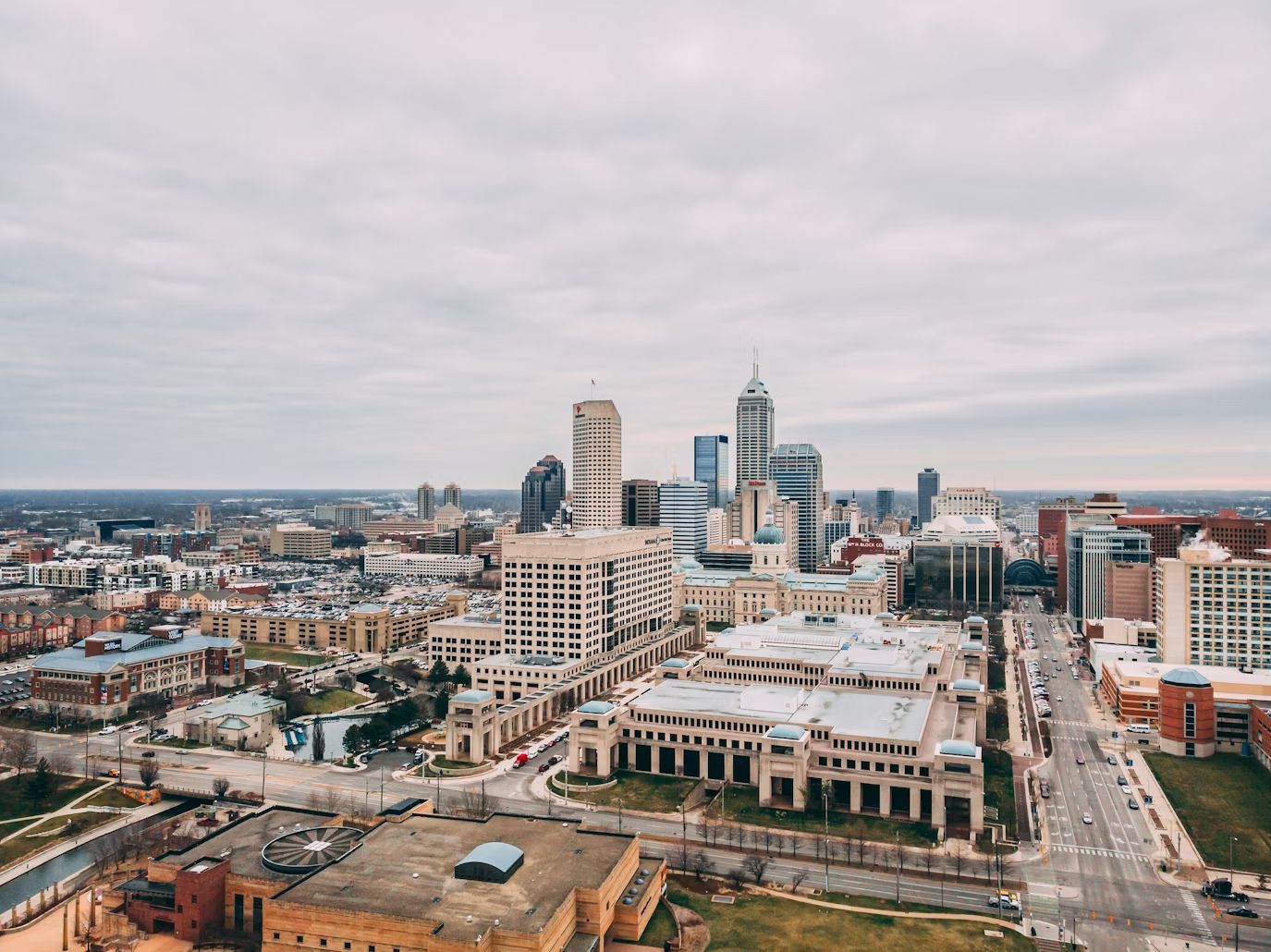
Image: Ryan De Hamer

Originally called Santa Fe, this town located in Indiana had to change its name when officials discovered another Santa Fe already existed in the state.

People saw this as an opportunity, and instead of picking something new and extraordinary, they went all in on holiday spirit and became Santa Claus in 1856.

The town fully embraces its Christmas identity; it has attractions like Holiday World, Lake Rudolph Campground, and Frosty’s Fun Center. If you love the holidays, this is the place to be!

6
Bald Head, Maine
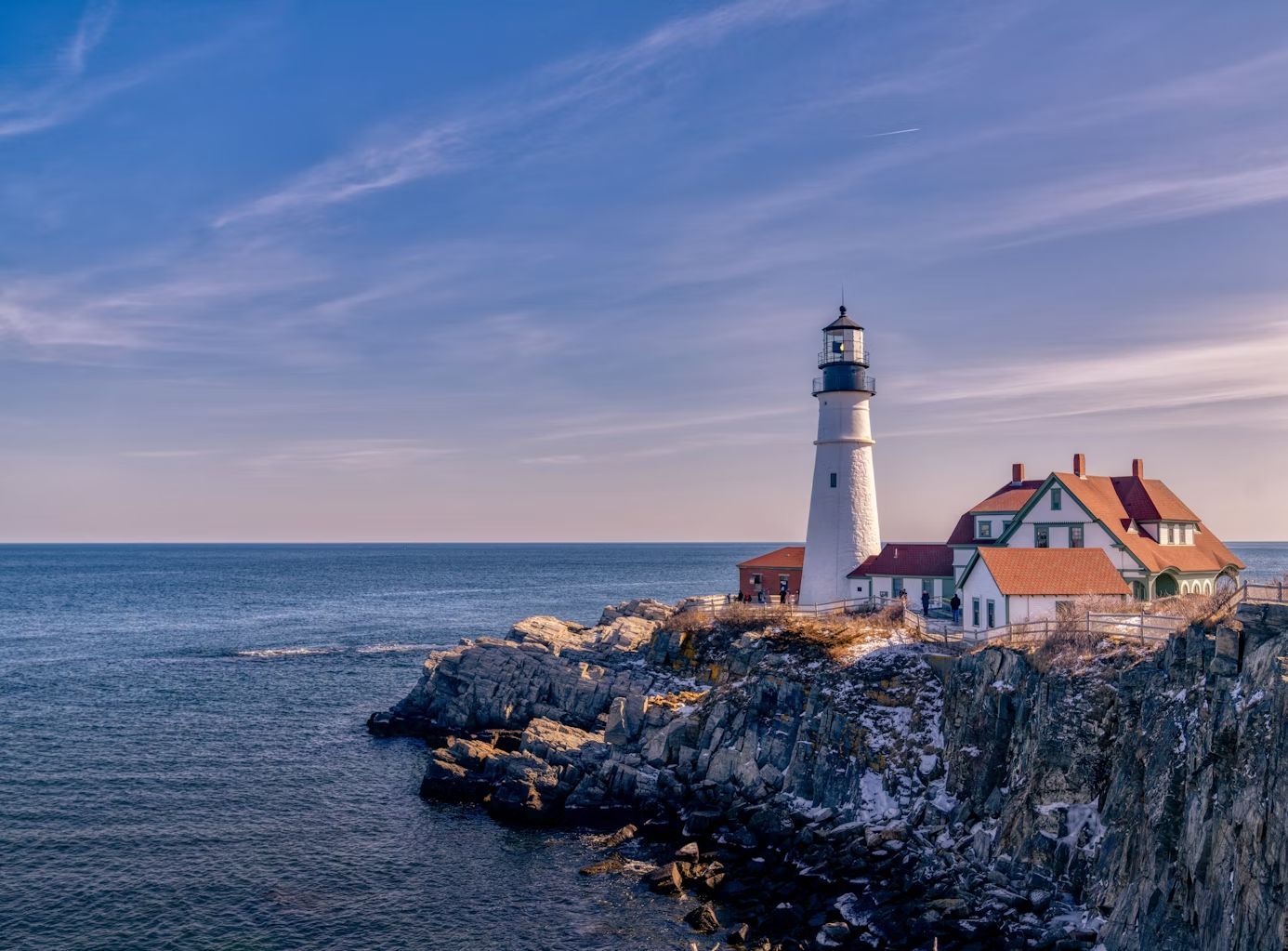
Image: Michael Denning

If you’re expecting a town full of shiny, bald-headed guys, well, you might be disappointed. Bald Head, Maine, actually gets its name from a nearby cliff called Bald Head Cliff .

Now, we all want to know the same: Does it look like a bald head? Sorry to disappoint, but not really. Still, the name has stuck, and the scenic beauty of the area more than makes up for any confusion. Just don’t show up expecting a bald head convention!

7
Accident, Maryland
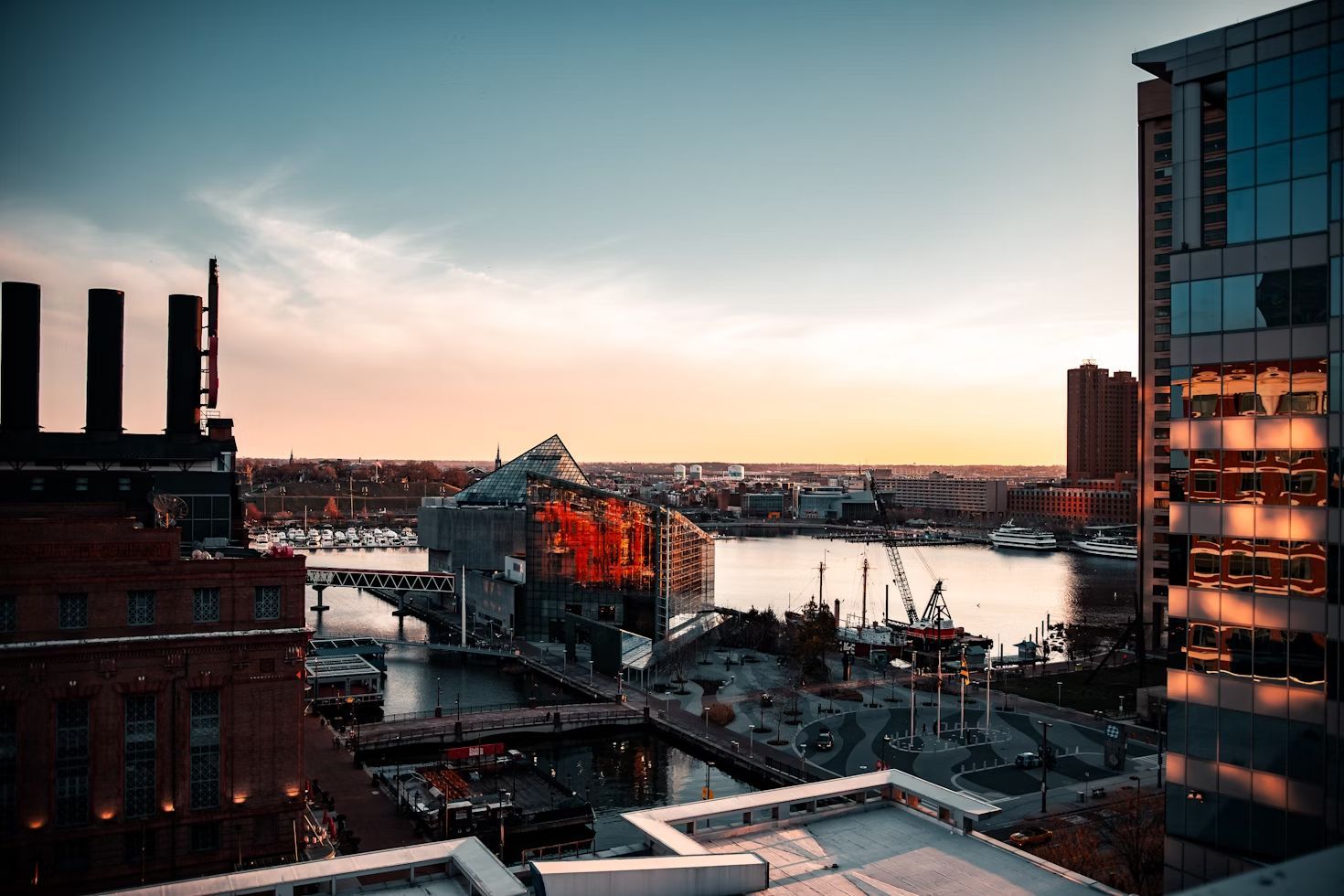
Image: Colin Lloyd

Accident, Maryland, owes its name to an actual accident… Well, kind of. In the 1700s, two land surveyors both accidentally claimed the same piece of land without realizing it . One of them, William Deakins, Jr., later allowed the other, Brooke Beall, to keep it. Rather than rename the town, the name Accident stuck. Talk about a happy accident… And generosity!

8
Whynot, North Carolina
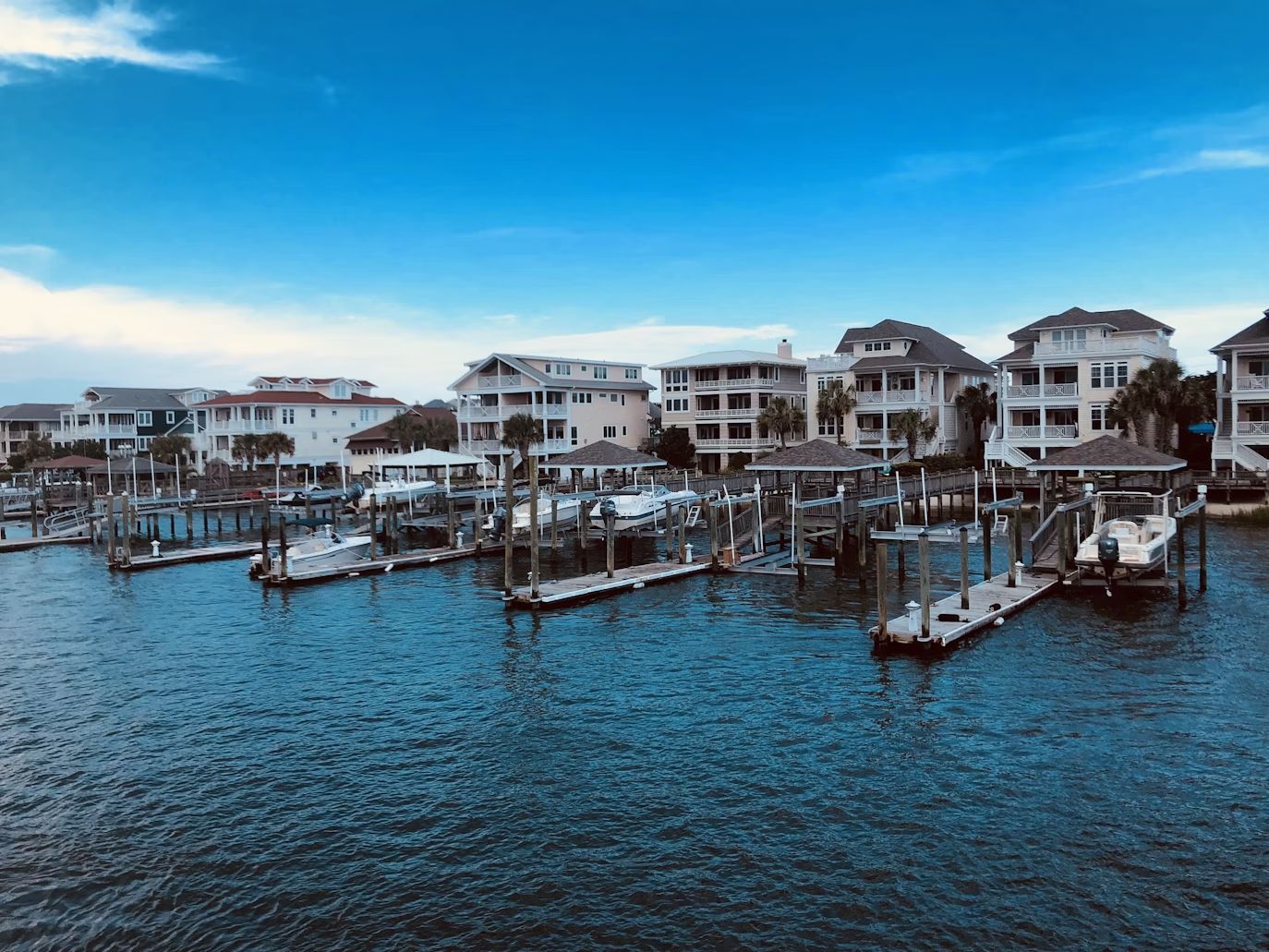
Image: Brendan Steeves

Similar to Why, Arizona, this North Carolina town also came about after a naming debate that got a little too long.

Legend has it that settlers were arguing over what to call their new town when one exasperated resident finally said, "Why not just name it Whynot and go home?" And just like that, Whynot was born.

9
Boring, Oregon
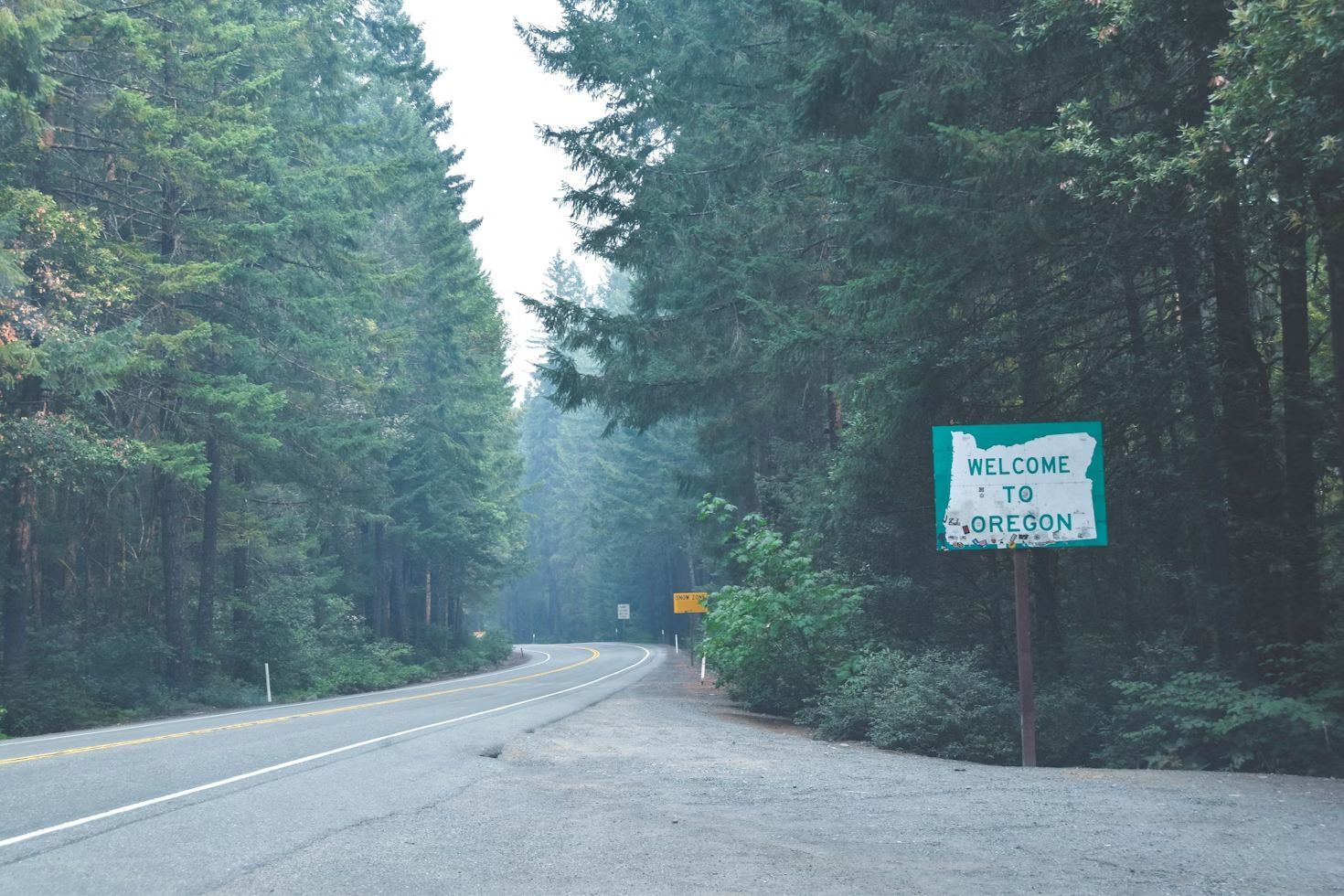
Image: everett mcintire

Yes, we get it. The first thing that comes to mind is "Why would you name your town this?" But despite what the name suggests, Boring, Oregon, isn’t actually boring . If you need some proof, just ask the locals!

Named after William Harrison Boring, one of its early settlers, the town became a hub for the timber industry. To make things even funnier, Boring has international "sister city" partnerships with Dull, Scotland, and Bland, Australia. If you ever visit, you’ll find that Boring is anything but!

10
Mosquitoville, Vermont
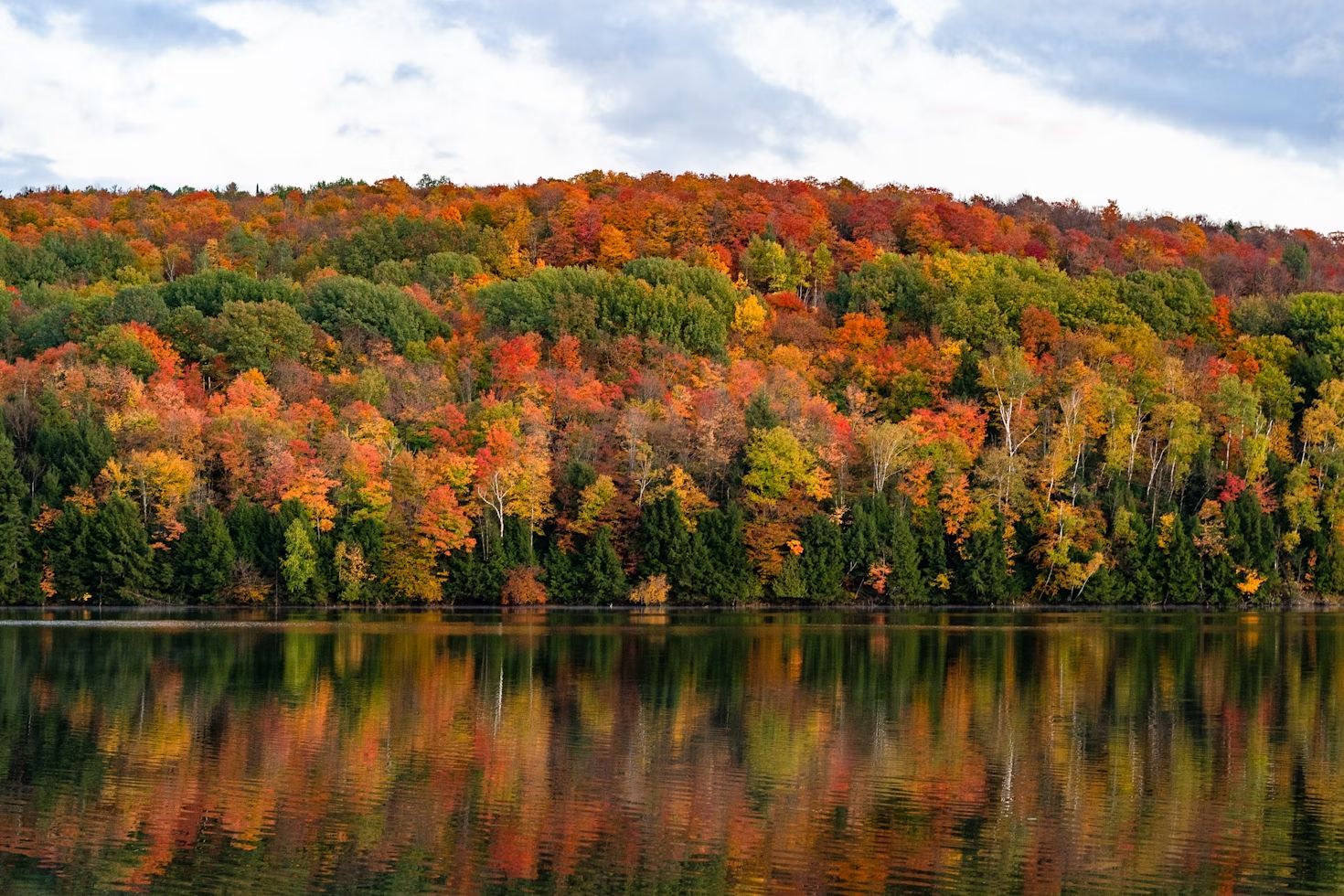
Image: Peter James Eisenhaure

If you were reluctant to visit Boring, imagine visiting Mosquitoville! The name alone makes us want to grab a can of bug spray!

Mosquitoville is actually a small community in Barnet, Vermont, and while we can’t confirm just how many mosquitoes live there, the name doesn’t sound very promising. You’ll just have to go one summer and find out! Only if you dare!


Geography Geography 5 min read

Southern charm

Howdy y’all! 10 fascinating facts about the American South

Image: Blake Emge

It would be impossible to capture the essence of American culture without considering its Southern states. With a rich history and breathtaking landscapes, the South is a cornerstone of America’s identity , no matter where you call home. And, as the birthplace of some of the most influential trends in American music, as well as the setting for many historical milestones, few regions have contributed this much to our nation’s heritage. Join us on a fun road trip as we explore 10 intriguing facts about the American South —from blues music to rocket science!

1
Musical roots

Image: Ahmed Rizkhaan

The American South is the birthplace of some of the most influential music genres in history, including blues and jazz. The blues, which originated in the Mississippi Delta in the late 19th century, captured the deep emotional and social experiences of African Americans in the post-Reconstruction South.

As the blues spread throughout the country, its rhythms and melodies laid the groundwork for jazz, which emerged in the vibrant streets of New Orleans in the early 20th century. These new sounds created a new musical language that favored improvisation and complex rhythms. By the 1920s, jazz had become a defining feature of American culture, solidifying the South's role as a cradle of American music.

2
The Lone Star state

Image: Perry Merrity II

Before joining the United States, Texas was an independent nation known as the Republic of Texas. After winning its independence from Mexico in 1836, Texas existed as a sovereign state for nearly a decade, with its own president, currency, and military.

The Lone Star flag, first adopted during this period, symbolized Texas's independent spirit and remains a proud emblem of the state today. Although the Republic of Texas was short-lived, with Texas officially becoming the 28th state of the Union in 1845, its legacy endures in the fierce yet friendly spirit of its inhabitants.

3
First successful powered flight

Image: History in HD

Although the Wright brothers were native Ohioans, the first successful powered flight took place in North Carolina on December 17, 1903. The historic flight occurred in the sand dunes of Kitty Hawk, where the Wright brothers chose to test their aircraft due to the area's steady winds and soft landing surfaces.

The achievement marked a pivotal moment in aviation history, proving that controlled, powered flight was possible. The site of this groundbreaking event is now commemorated by the Wright Brothers National Memorial.

4
Southern hospitality

Image: Aleks Marinkovic

Southern hospitality is more than just a stereotype—it's a deeply rooted tradition that has shaped the culture of the American South for centuries. This ethos of politeness, generosity, and warmth towards guests can be traced back to the region’s agrarian past, where communities were often isolated and people relied on one another for support.

This tradition was further reinforced over time by particular social customs, such as the importance of entertaining visitors with elaborate meals and ensuring that guests feel like part of the family. Southern hospitality is so integral to the region's identity that it’s become a hallmark of the South.

5
Mississippi River

Image: Mathew Benoit

Spanning over 2,300 miles, the Mississippi River is the second-longest river in the United States and plays a critical role in the nation’s geography and economy. Flowing from its source in Minnesota to the Gulf of Mexico, it traverses ten states, including several Southern states like Louisiana, Mississippi, and Arkansas.

A vital artery for transportation and commerce since the early days of American history, the Mississippi also played a crucial role during the Civil War, with control of the river being a strategic priority for both Union and Confederate forces. To this day, the river continues to be a key waterway, supporting local industries and remaining a central part of the cultural and ecological identity of the region.

6
Oldest city in America

Image: Michael J. Vega

St. Augustine, Florida, holds the title of the oldest continuously occupied city of European origin in the United States. Founded in 1565 by Spanish explorer Pedro Menéndez de Avilés, St. Augustine predates the founding of Jamestown and Plymouth by several decades.

As a strategic outpost for the Spanish Empire, the city played a crucial role in defending Spain’s claims to the New World, particularly against British and French incursions. The Castillo de San Marcos, a massive stone fortress completed in 1695, still stands as a testament to the region's rich history.

7
Southern delights

Image: Alex Haney

Southern cuisine, known for dishes like fried chicken, barbecue, and biscuits, is considered a cornerstone of American food culture. In fact, the popularity of Southern food has spread nationwide, with restaurants and festivals celebrating these flavors from coast to coast.

A true melting pot of cultures, the region’s beloved cuisine has a rich history with roots that can be traced back to Native American, African, and European influences. The ingredients reflect the region’s agricultural history, with many recipes using corn or corn-derived products. Southern cuisine also includes iconic dishes like jambalaya and gumbo from Louisiana, which highlight the region’s French and Creole influences.

8
Space pioneers

Image: Brian McGowan

NASA’s southern centers have been pivotal in shaping the U.S. space program. The Marshall Space Flight Center in Huntsville, Alabama, was crucial in developing the Saturn V rocket that made the moon landing possible. The Johnson Space Center in Houston, Texas, is the hub for astronaut training and mission control, and the Kennedy Space Center in Florida has been the launch site for every manned mission since 1968.

To this day, the South’s importance in space and scientific endeavors remains uncontested: NASA centers in the region lead astronaut training and are essential for rocket launches, maintaining their status as pioneers of space exploration.

9
Bourbon & Moonshine

Image: Jeff Frank

Bourbon, often considered America's native spirit, has deep roots in the South, particularly in Kentucky, where it is produced under stringent guidelines. To be classified as bourbon, the whiskey must be made from a mash bill of at least 51% corn and aged in new charred oak barrels. This specific process, along with Kentucky’s unique limestone water, gives bourbon its distinctive flavor and character.

But the tradition extends way beyond just bourbon. The craft of homebrewing various types of alcoholic beverages has long been a vital part of the region’s cultural heritage. For example, during Prohibition, the South became notorious for its moonshine —illegally brewed, high-proof spirits (essentially clear, unaged whiskey)—which were smuggled across the country.

10
Southern Drawl

Image: Joe Lavigne

The Southern accent, often referred to as the "Southern drawl," is one of the most recognizable in the United States. This unique dialect evolved from a mix of British, Irish, and African influences during the early settlement of the region.

The drawl's elongated vowels and slow cadence might even reflect the South's agricultural origins, where life moved at a more leisurely pace. The accent has evolved over centuries and is now recognized as a defining feature of Southern identity, often evoking a sense of charm and regional pride.

General General 4 min read

Zzzzz…

A better rest makes for a better life: 12 simple tips for a great sleep

Image: Deconovo

We spend a third of our lives sleeping, and the quality of our sleep determines the quality of the time we spend awake. Thankfully, there are a handful of simple things that we can do to improve our resting hours. Do you follow any of these?

1
Sleep routine

Image: Tina Witherspoon

Your body is a routine animal. If you eat at a certain time, you’ll probably feel hungry around that same time the next day. If you go to sleep at a certain hour, you’ll likely feel sleepy at that same hour the next day.

Use this to your advantage by sticking to a consistent sleep schedule , both for going to bed and for waking up. If you do this consistently, your body will embrace this routine, and it will start to come naturally.

2
Food and drinks

Image: Kelsey Chance

Avoid going to bed shortly after a large meal. Your digestive system will stay active for a long period of time potentially keeping you awake until it finishes processing the food and drink you've consumed.

The same goes for alcohol: while it might make you feel drowsy at first, it can disrupt your sleep later in the night.

3
Create a good sleeping environment

Image: Ainur Iman

A dark, quiet, and cool bedroom makes for a good sleeping environment . Your senses will continue capturing and processing any light or sound present in your bedroom, which is why it is important to minimize these distractions as much as possible.

4
Avoid long naps

Image: Tânia Mousinho

This one is quite straightforward: your body only requires a certain amount of sleep , and if you use up a large portion of it during the day, you may find yourself staying awake longer at night. While a short, 20-minute nap during the day can help restore your energy, a longer rest period will subtract from your nighttime sleep.

5
Physical activity

Image: Chander R

Regular physical activity and spending time outside every day are great ways to promote better sleep at night. However, it’s important to avoid physical exercise if you are too close to your bedtime to avoid overstimulation.

6
Avoid going to bed with worries

Image: Yohann LIBOT

Whatever worries you may have in your life, try to avoid thinking about them while you're trying to sleep. Stressful thoughts can delay sleep and create anxiety , leading to less-than-optimal rest. Instead, write down any issues you need to deal with and save them for the next day.

7
Light exposure

Image: Gabe

Spending time in natural sunlight or bright light during the day can help keep your circadian rhythm healthy and, in turn, improve your daytime energy and enhance the quality and duration of your sleep at night.

In contrast, avoid exposure to screens for at least half an hour before going to bed. Nighttime light exposure can have the opposite effect from daytime exposure because it reduces your levels of melatonin, which helps you relax and get deep sleep.

8
No alcohol before bedtime

Image: Vinicius amnx Amano

As mentioned earlier, drinking alcohol before bedtime is not recommended . Alcohol can cause or worsen symptoms of sleep apnea, increase snoring, and disrupt normal sleep patterns. It also alters nighttime melatonin production, which plays a key role in regulating your body’s circadian rhythm.

9
A good bed and pillow

Image: Andrew Neel

Poor-quality bedding can lead to increased lower back pain , making it harder to sleep well. Firm and medium-firm mattresses are available at different price ranges and can be a good choice for comfort and to avoid back pain.

Pillows should not cause neck pain, either. Find a pillow that isn’t too high and offers comfort for your sleep style. It will make for a better rest, and your body will thank you in the morning.

10
No liquids right before bed

Image: Steve Johnson

There’s nothing wrong with being hydrated during your sleep time, but having to get up in the middle of the night to go to the bathroom is not great. If this happens repeatedly, it can negatively affect your sleep quality and daytime energy.

To minimize interruptions, try reducing your fluid intake in the last hour before bed . This can help lower the chances of waking up during the night.

11
Good sleeping temperature

Image: Vin Jack

One way to guarantee uncomfortable sleep is a bedroom that’s either too cold or too hot . The ideal temperature can vary based on the individual, but most research suggests that sleeping in a cooler room—around 65 to 68 degrees—is optimal.

12
At least seven hours of sleep

Image: sq lim

Each age group requires a different amount of sleep each night, but for most people, seven hours is the bare minimum to ensure proper rest. If you have a specific wake-up time, calculate a target bedtime that allows for at least seven hours of sleep . Give yourself extra time before bed to wind down and prepare for sleep whenever possible.

Explore more American facts

Choose your favorite category!

General
General

As American as apple pie—the very best America has to offer!

Culture
Culture

Delve into the astounding richness of American lore.

Geography
Geography

Hop in and explore vast and diverse American landscapes.

History
History

Discover the key moments that shaped the United States.