Culture Culture 3 min read

American Ingenuity

Meet the 10 Americans who changed the course of history forever
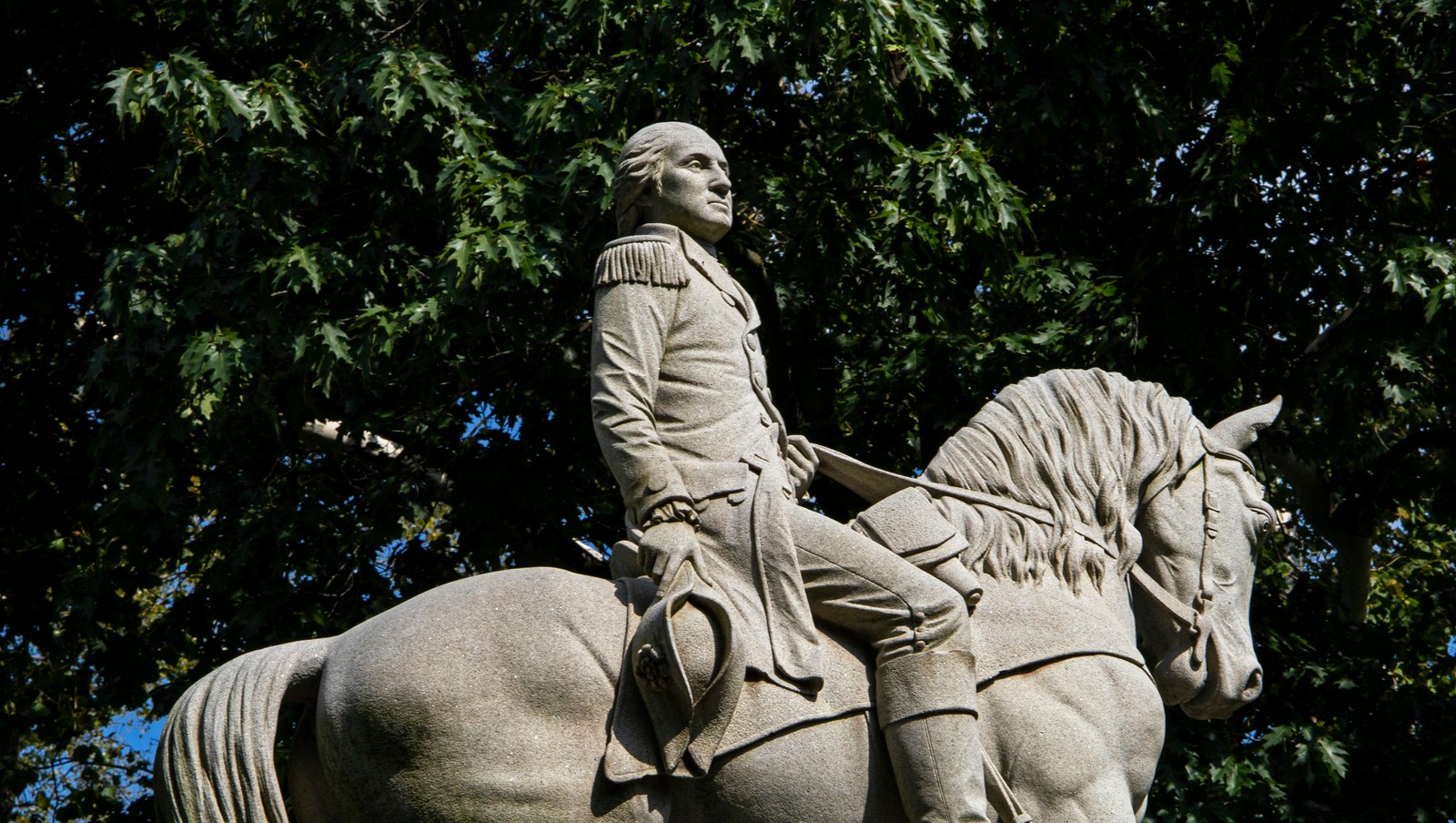
Image: Henry Gartley

The United States has left its mark on world history in countless ways, but a few figures have stood out for changing the course of the world as they knew it. From Thomas Edison, who gave us the first practical light bulb, to the Wright brothers, who made human flight a reality, let's remember 10 Americans who, each in their own way, transformed the world!

1
George Washington
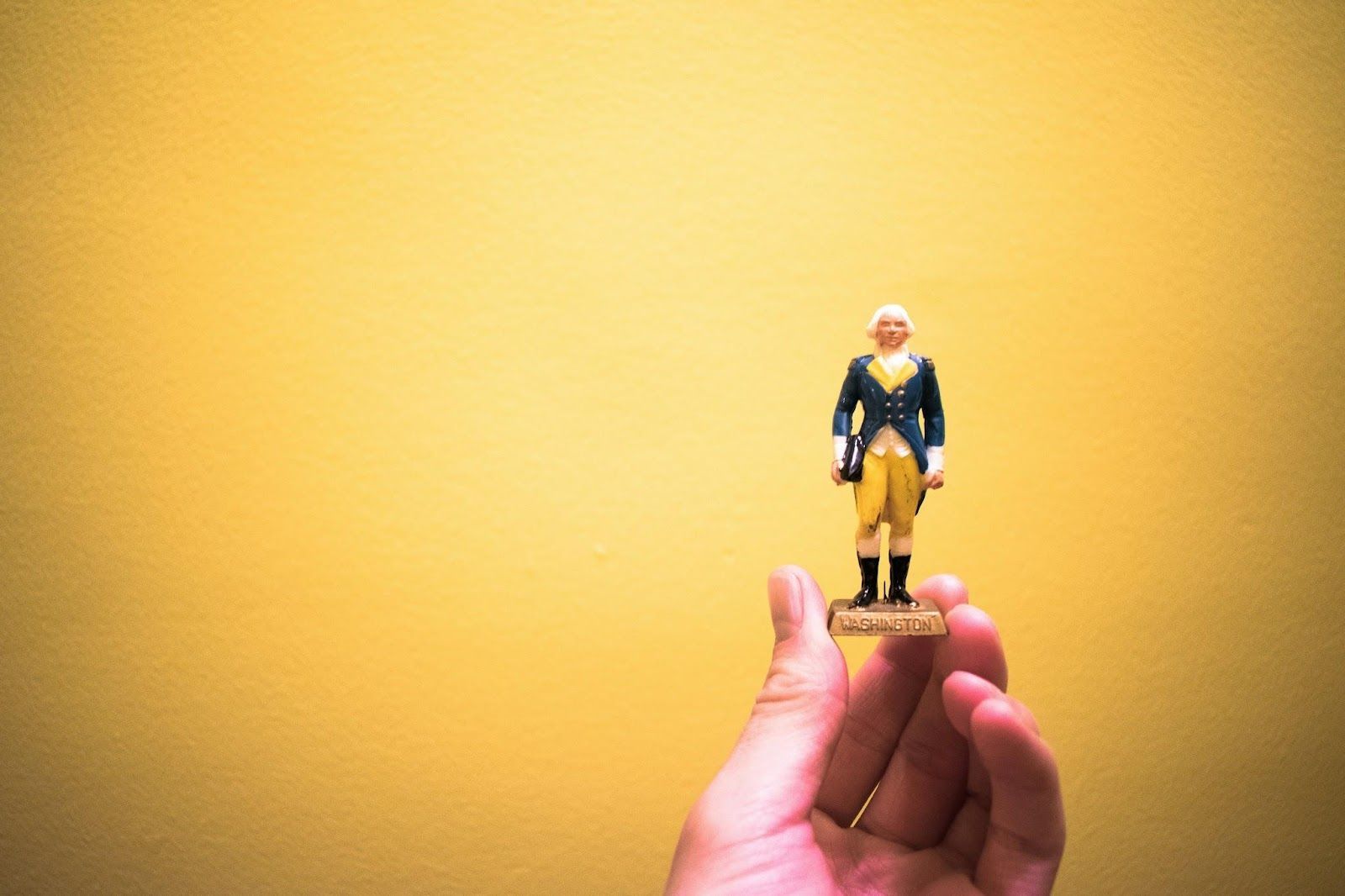
Image: Ben Noble

There was one American who laid the foundation for all the influential figures who would follow: George Washington. He led American forces to victory over Great Britain in the Revolutionary War and went on to serve as the nation's first president from 1789 to 1797. He set important precedents, such as the two-term tradition, that helped shape not only the US presidency but also democracy itself, inspiring nations around the world to follow a similar path.

2
Neil Armstrong
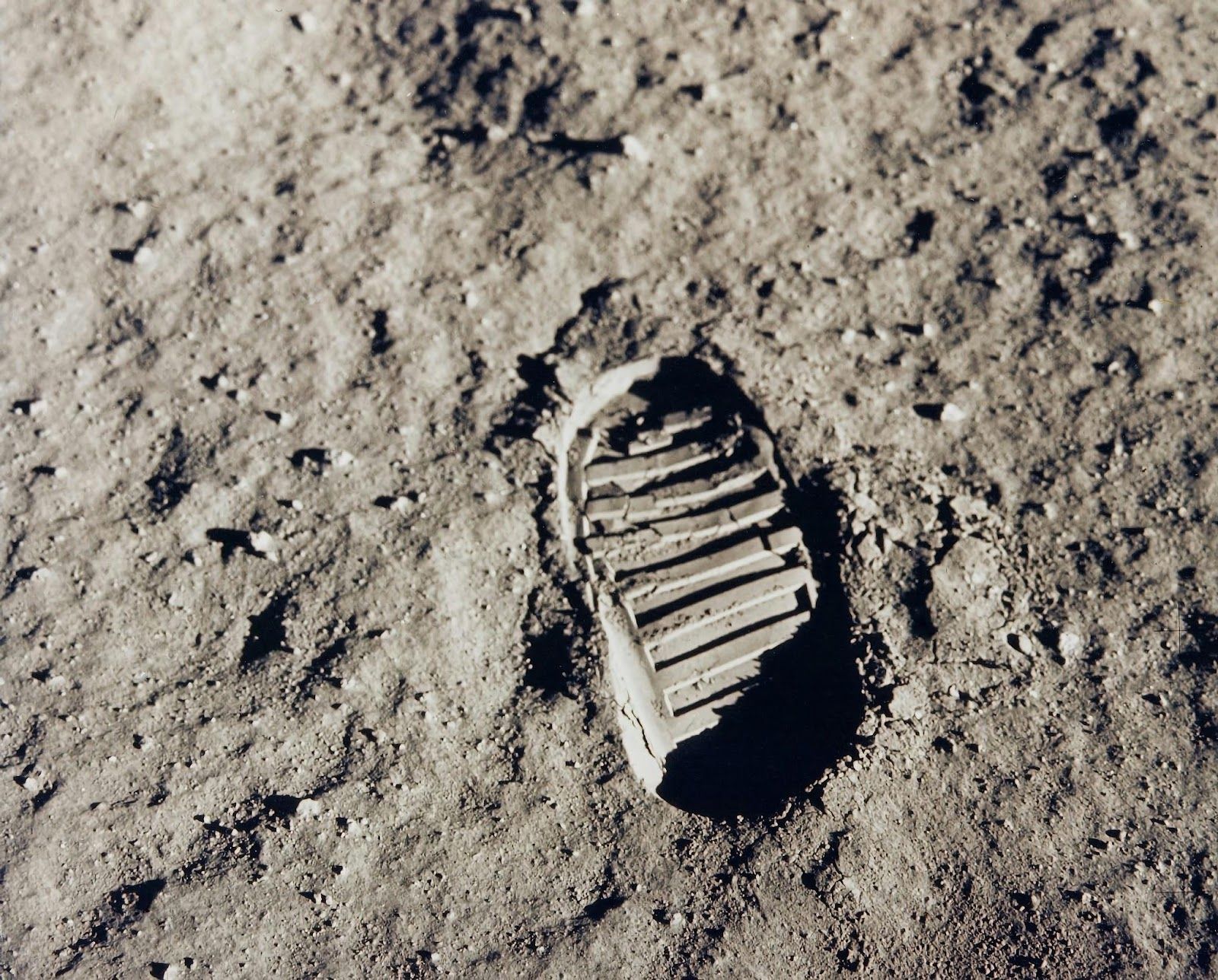
Image: NASA

Neil Armstrong was absolutely right when he said that reaching the moon was "one small step for man, one giant leap for mankind." In 1969, during NASA's Apollo 11 mission, Armstrong became the first human to set foot on the moon . This historic achievement marked a turning point in science and investigation, and the world was never the same again.

3
Martin Luther King Jr.
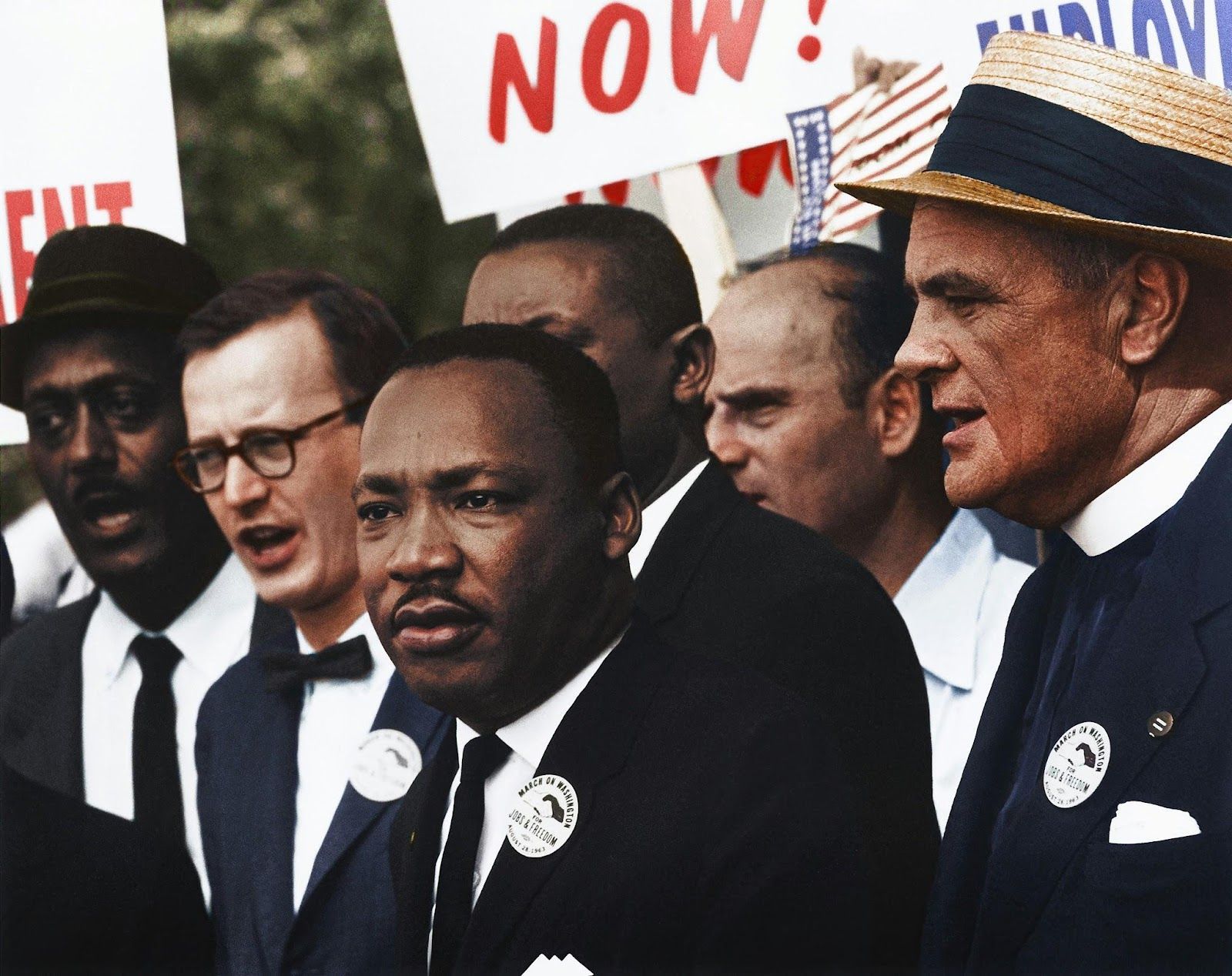
Image: Unseen Histories

If there is one name that could not be left off this list, it is that of Martin Luther King Jr., the most notable leader of the Civil Rights Movement in the 1950s and 1960s. Together with other activists, his efforts led to milestones such as the Civil Rights Act of 1964 and the Voting Rights Act of 1965. Without his fight for equality, the world would be very different today.

4
Elvis Presley
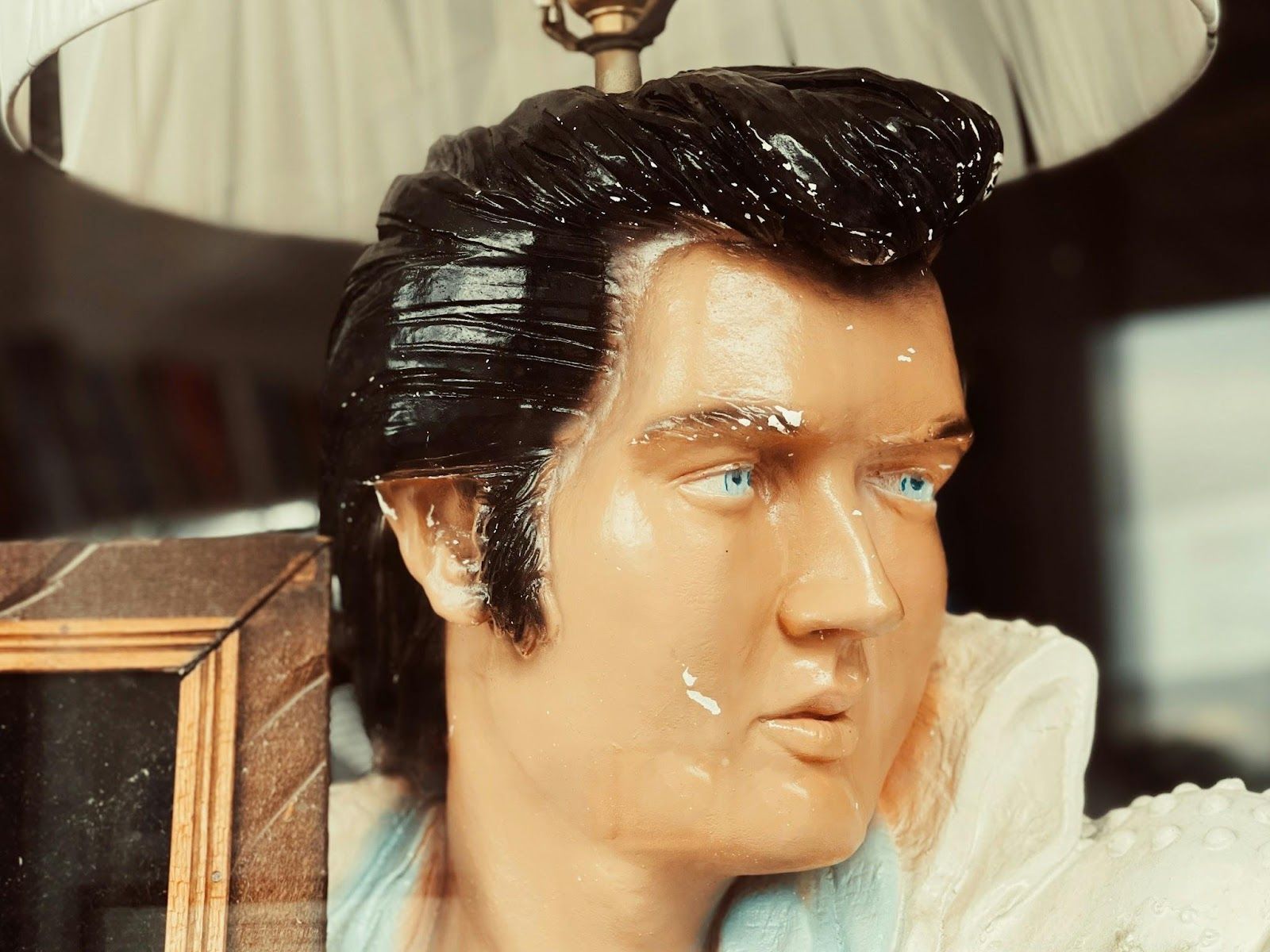
Image: Adam Nemeroff

In the 1950s, one American completely revolutionized popular music and culture; no wonder he's called the King! That's right, we're talking about Elvis Presley, who took the stage and transformed rock and roll into a global thing. He wasn't just a singer; his style, his moves, his legacy, and even his private life marked a definitive turning point in music history.

5
Thomas Alva Edison
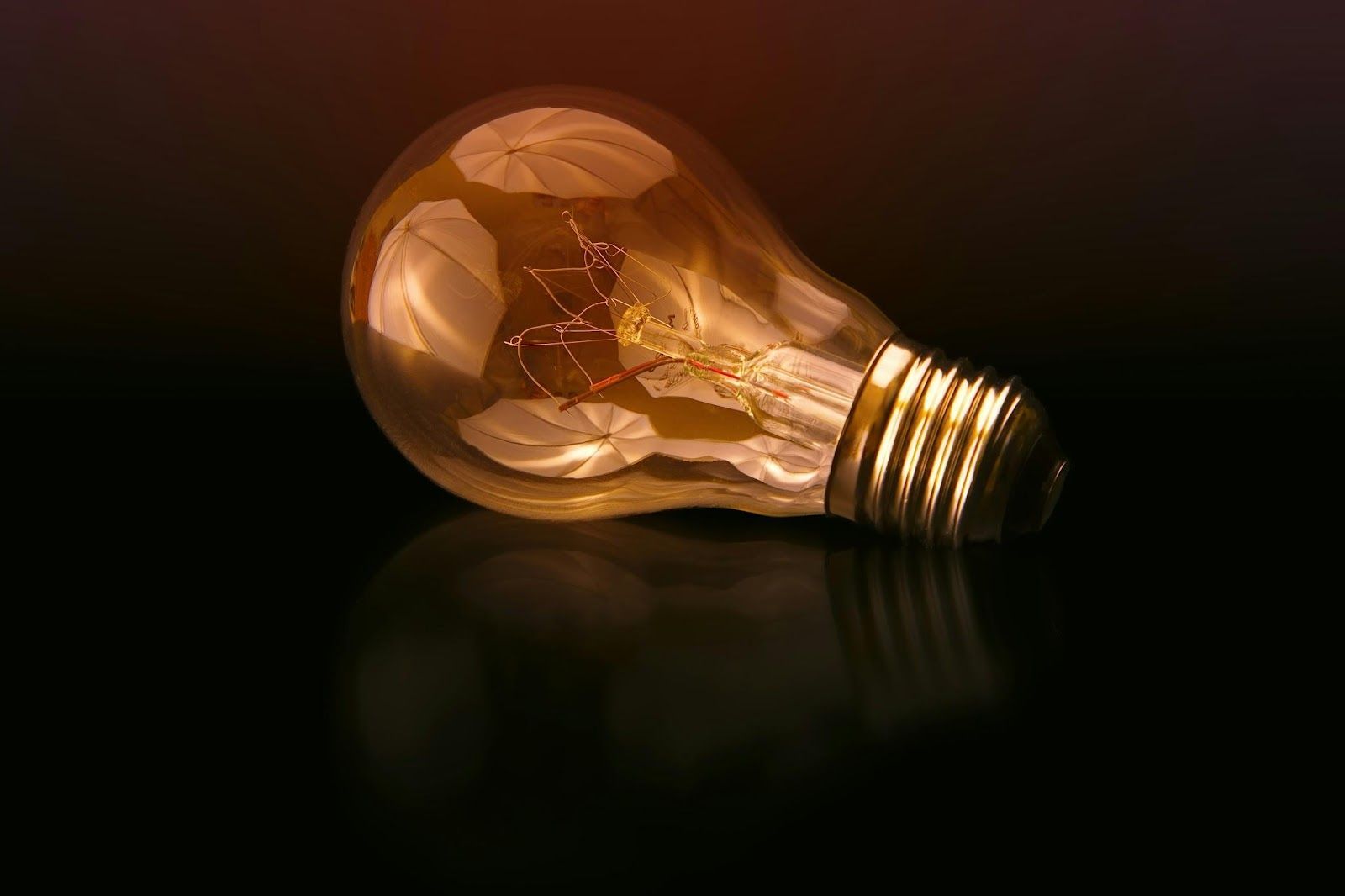
Image: Johannes Plenio

There's no doubt that daily life would be very different without the work of Thomas Edison. From a young age, he pursued his passion for invention, which led him to create the first practical electric light bulb in 1879. He was also the inventor of the phonograph, the first device that could both record and play back sound. In addition, his improvements to the motion picture camera made big contributions to the film industry.

6
Wright brothers
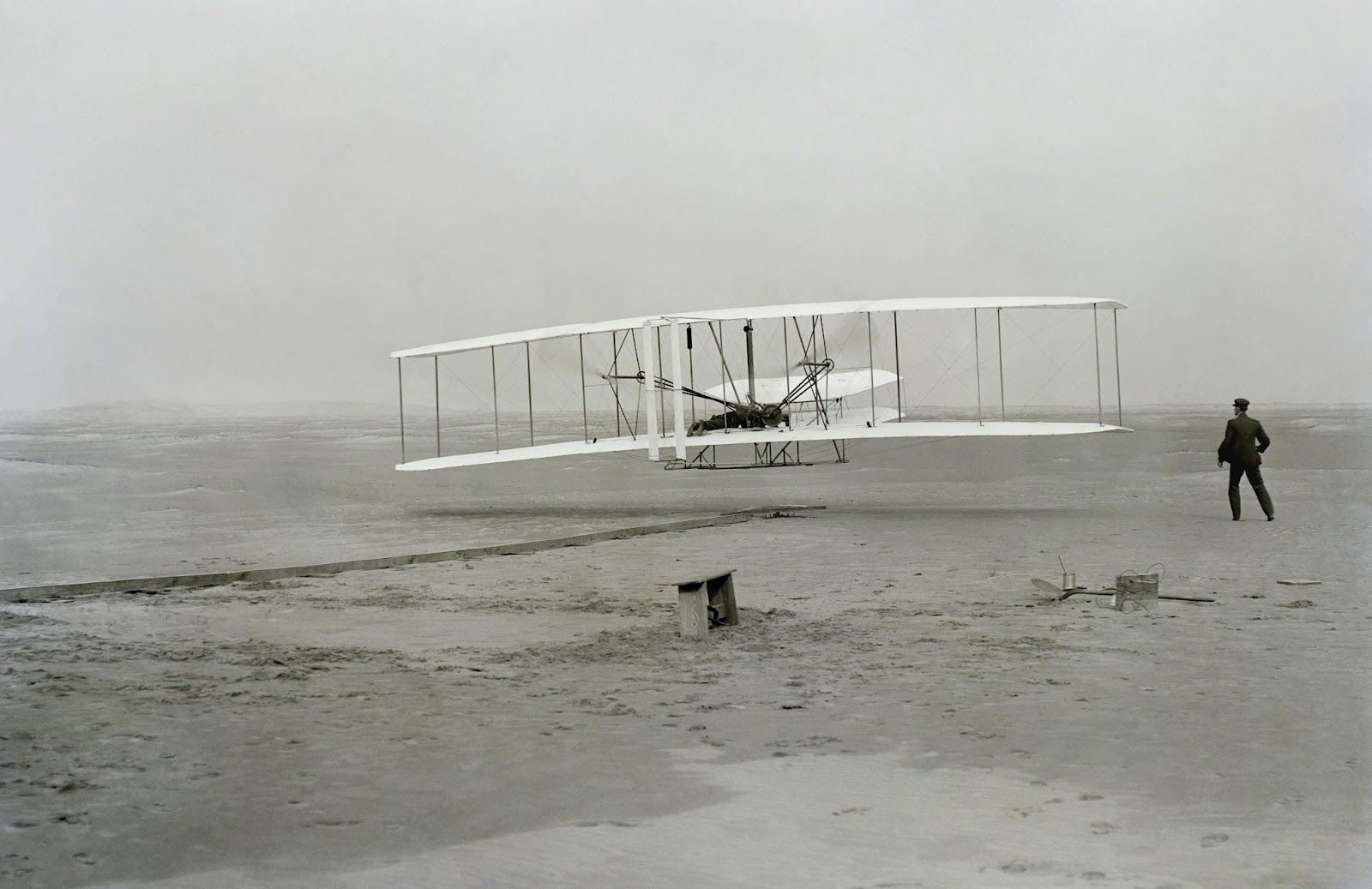
Image: History in HD

Imagine having to travel to another continent, and your only option is by boat. That might have been the reality if it weren't for the incredible Wright brothers. These two self-taught American engineers changed the world with a legendary milestone: in 1903, they invented and successfully flew the first powered, controlled airplane. Thanks to them, the dream of flight became a reality!

7
Walt Disney
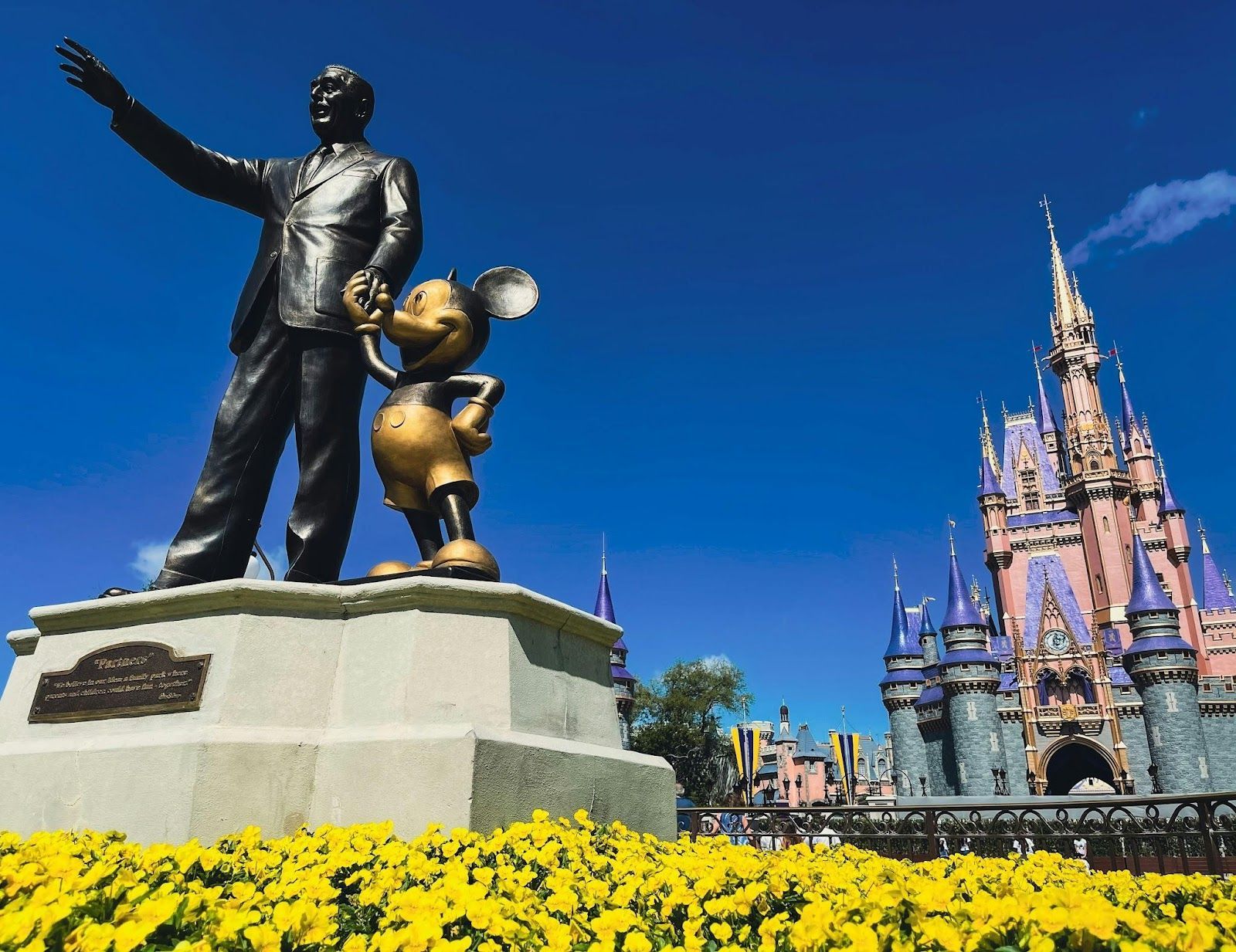
Image: Jose Mizrahi

The world of entertainment and storytelling wouldn't be what it is today without Walt Disney. From the early 20th century, with iconic characters like Mickey Mouse, Disney revolutionized animation, transforming it into an art form that generated enormous profits and created millions of employment opportunities.

8
Susan B. Anthony

Image: Element5 Digital

Susan B. Anthony was one of the women who changed the course of history, not only in our country but around the world, by challenging the belief that politics was only for men. She became a leader in the fight for social reforms, including labor rights for women. Most importantly, her tireless work for women's suffrage led her to co-found the National Woman Suffrage Association, paving the way for generations to come.

9
Steve Jobs

Image: AB

When we think of Steve Jobs, his most iconic creation, the iPhone, comes to mind. But he did far more than that. By founding Apple, Jobs forever changed the way people interact with technology, designing devices and interfaces that are far more user-friendly and intuitive.

10
Benjamin Franklin
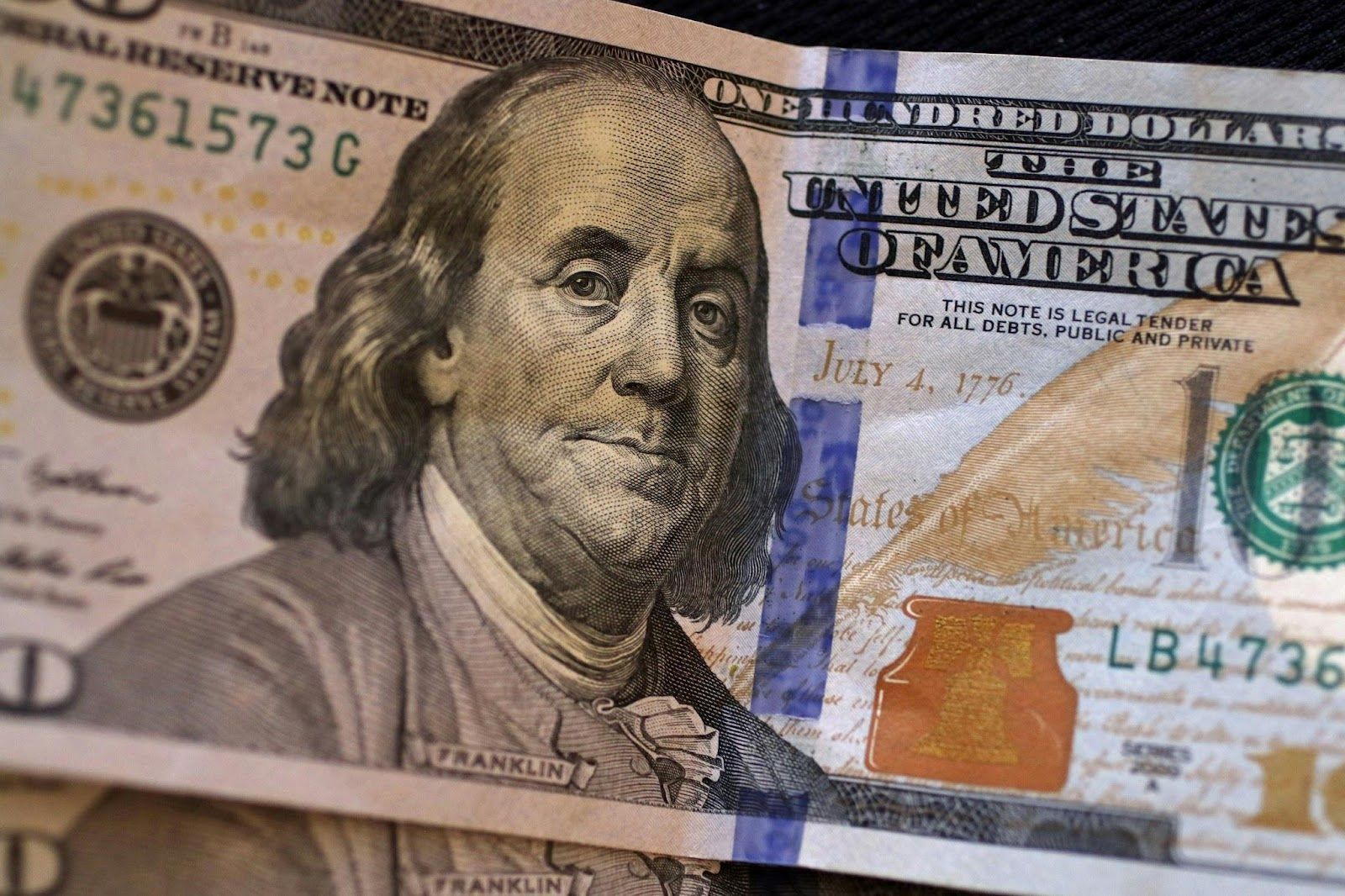
Image: David Trinks

Scientist, inventor, writer, statesman: Benjamin Franklin was all that and more! We could easily dedicate an entire article to his achievements, but here's a brief summary: he definitely changed the world thanks to his groundbreaking experiments with electricity and his important role in shaping modern democracy as a Founding Father of the US.

Geography Geography 5 min read

Special details

Have you heard these fun facts about 10 famous American landmarks?

Image: Joe Richmond

Yes, we all know which cities are home to America's most iconic monuments and attractions, such as the Statue of Liberty, the impressive Gateway Arch, or the unique Hollywood Sign. However, as famous as these landmarks are, there are some hidden details and stories about them that you might have never heard before! If you'd like to surprise your friends in your next conversation, keep reading to discover 10 incredible facts about America's most famous landmarks!

1
A change in plans

Image: Alexey Komissarov

Can a color be a worldwide celebrity? It seems so! This is the case of the famous "international orange" of the Golden Gate Bridge in San Francisco, California.

It's hard to imagine this iconic bridge in any other color. But believe it or not, it was once about to be painted in another hue.

The original idea was to paint the Golden Gate Bridge black with yellow stripes to make it visible to ships and planes. However, the sharp vision of consulting architect Irving Morrow changed the plans. When he saw the reddish color of the primer used on the iron, he realized that this color would work much better and would also give the imposing structure an original touch.

2
Too good to be true?

Image: Hana Oliver

We all know that incredible creatures and breathtaking landscapes await us in Yellowstone. You probably also know that this amazing area that covers more than 3,400 square miles in parts of Wyoming, Montana, and Idaho was the first national park in the United States. Not only that, it was actually the first national park in the entire world!

But, while it's totally famous and celebrated today, there was a time when only a few knew about this place. Early explorers who walked Yellowstone in the 19th century wrote detailed journals about what they saw and experienced there, but when they returned, they found that people didn't believe their stories. We have to admit that those skeptics had a point; such a beautiful place seems out of this world!

3
Capitol's subway

Image: Louis Velazquez

Nobody can deny the metro system is great. Its speed and efficiency allow thousands of people around the world to get to their homes and jobs every day. Did you know that the members of the U.S. Congress have their own subway system right underneath the Capitol building?

That's right! Under the impressive structure that houses U.S. Representatives and Senators lies an entire subway system. This allows workers there to access different parts of the complex in a matter of seconds. It must make things easier on busy days, don't you think?

4
The final detail

Image: MIKE STOLL

But not all of the Capitol's surprises are underground; some are in plain sight. We're talking about the spectacular dome that crowns the famous neoclassical building in Washington, D.C. While the dome is a symbol of our country today, there was a time when the Capitol Building didn't have this gracious final detail.

The construction was considered completed in 1800. However, one last touch was still needed. In 1824, the first and smaller dome arrived, made of wood. Finally, it was replaced in 1866 by the impressive dome we see today, which stands an incredible 288 feet high and is made of cast iron, brick, stone, and copper.

5
A misspelling?

Image: Dan Mall

The Liberty Bell must be one of the most recognized icons of the United States. Preserved as a symbol of our Independence, everyone can visit the famous bell at the Independence Hall in Philadelphia, Pennsylvania.

In addition to its well-known history and its famous "crack," this bell has even more hidden details to discover. When you read the inscription on the Liberty Bell, you'll be able to read "Pensylvania" instead of "Pennsylvania." While you could think that those in charge of inscribing the bell weren't paying attention, it wasn't actually a misspelling; it was one of the accepted spellings for Pennsylvania in those days.

6
Hollywood(land)

Image: Justin Aikin

Whether in person or through the screen, we all had the chance to see the legendary Hollywood sign over Mount Lee in Los Angeles, California.

But, while this landmark is recognized around the world today, it didn't always look as we see it now. The Hollywood sign had several changes throughout its history. It was first erected in 1923 as an advertisement for a real estate development. At the time, it read "Hollywoodland" and even had lights, illuminating the entire area at night.

Many things happened in our country before 1949, when the last four letters were removed, leaving just the current "Hollywood."

7
Good things take time

Image: Jeromey Balderrama

As we grow older, we understand one truth: good things often take time. While patience seems to be in short supply these days, it was certainly in abundance for those who built the impressive Mount Rushmore National Memorial, one of our most famous attractions.

The construction of this imposing monument that features the faces of George Washington, Thomas Jefferson, Theodore Roosevelt, and Abraham Lincoln began in 1927 and took 14 years to complete. Carving four 60-foot-tall heads on a granite hill is no easy task. But, on top of that, some budget difficulties slowed down the process even more.

8
Mount Rushmore's secret door

Image: John Bakator

Mount Rushmore National Memorial has more secrets to disclose! Although not visible to the naked eye, there is a particular detail among the heads of Washington, Jefferson, Roosevelt, and Lincoln. Want to know what it is?

If you haven't heard about it, this might surprise you: there is a small door right there on Mount Rushmore. Mysteries everywhere! The door leads to a chamber known as the "Hall of Records." According to the plans of sculptor Gutzon Borglum, this spot would hold important documents and objects of our history.

9
Time capsule

Image: Mark Serafino

Besides being the tallest human-made monument in the United States and also the tallest arch in the world, the famous Gateway Arch in St Louis has much more to offer.

During its construction in the 1960s, a curious detail was placed inside its iconic metal structure. At the base of the monument, you can find nothing less than a time capsule!

The capsule, which contains various artifacts and relics from our country's history and culture, was thought to give future generations an idea of what the world and the United States were like in those days.

10
19th-century graffiti

Image: Dineda Nyepan

At 555 feet tall, the Washington Monument is one of the most imposing in our country. But besides its height, this landmark also possesses a couple of surprising facts.

It might seem that graffiti is a modern artistic expression that has only been around recently, but this isn't the case, and the Washington Monument is proof of that. At the structure's base, there is a series of graffiti made in the 19th century, during the Civil War.

That's right! Many people and soldiers passing by at the time left signatures, dates, and patriotic messages inscribed on the famous obelisk, and some of them are still visible!

History History 5 min read

EXPLORING OUR ICONS

Did you Know These 10 Facts about the Statue of Liberty?

Image: Gautam Krishnan

The Statue of Liberty, a symbol of freedom and democracy, has stood proudly in New York Harbor since 1885. This monumental statue was gifted by France to the United States and it is so much more than just an impressive landmark! It is a beacon of hope and an emblem of friendship between two nations.

Beyond its symbolic significance, the Statue of Liberty is steeped in fascinating history and intriguing details that many people might not know, like how long it took to arrive or what her real name is.

This article will explore ten interesting facts about the symbolism behind this iconic national figure so that you can deepen your appreciation for this significant Statue.

1
Her Real Name

Image: Gautam Krishnan

You might have always known it as the Statue of Liberty, and you wouldn’t be wrong. After all, that is, in fact, her name. However, that is not her only name.

Her official name is "La Liberté éclairant le monde", which is French for "Liberty Englightning the World."

The meaning is clear and it was a name given by its designers and builders. The nickname "Statue of Liberty" has become widely and universally popular, but the full title highlights the deeper meaning and global significance of this monument.

2
The Tallest Structure of America

Image: Annie Spratt

Back in 1886, after the statue was finally completed, it didn’t just become a symbol of democracy, it was an engineering marvel that claimed the title of tallest structure in the United States. Standing at an impressive 151 feet, 1 inch tall, Lady Liberty dominated the skyline.

If you’ve never been able to fully grasp how tall it is, imagine a 15-story building. Now, add the pedestal and you’ll get the towering presence it embodies in New York today.

How was this possible? Thanks to the innovative use of iron framework and copper sheathing and the brains of Frederic Auguste Bartholdi and Gustave Eiffel. Yes, you got the latter right, and here comes our third fact.

3
It was designed by Gustave Eiffel

Image: Dmitrii Eliuseev

The genius behind the Statue of Liberty is the same behind the Eiffel Tower, in Paris. Talk about a creative mind, huh?

Eiffel designed the statue’s "spine" , an internal framework that supports the entire structure. Inside the statue, four massive iron columns form the backbone, holding up the intricate metal frame that supports the thin copper skin. This innovative design not only provided the necessary stability for the statue but also allowed it to withstand strong winds and harsh weather conditions.

Naturally, Eiffel’s expertise in structural engineering was pivotal in bringing Lady Liberty to life, ensuring she would stand tall for centuries to come.

4
Red or Green? Actually, Both

Image: Oleg Chursin

When the Statue of Liberty was unveiled**, it wasn’t the green-blue color we know and love today**. Instead, it gleamed with a shiny reddish-brown hue, much like a newly American penny. Made entirely of copper, the statue initially dazzled spectators with its vibrant metallic sheen.

Then, over the course of the next two decades, Lady Liberty underwent a dramatic transformation. The Statue gradually turned green as the copper oxidized and formed a protective layer known as patina . Considering this is the natural weathering process of copper, this was hardly a surprise, but the visual change was nonetheless striking. The patina not only gives the statue its iconic color, it also works as a protective coat from further corrosion.

5
Motherly Inspiration

Image: Tory Bishop

The Statue, designed also by the French sculptor Auguste Bartholdi, carries a touching personal tribute within its grand design. Bartholdi modeled the face of Lady Liberty after his mother, Charlotte.

This heartfelt gesture essentially makes the Statue of Liberty one of the most monumental Mother’s Day gifts ever. By immortalizing his mother’s likeness in such an iconic figure, Bartholdi not only honored her but also ensured that her image would forever be associated with the ideals of freedom and hope. Can you top that?

6
One-way Ticket to America

Image: ALEJANDRO POHLENZ

We all know this American landmark was a gift from the French to the Americans, right? Now, the gift took over a year to get where it is today.

The Statue was completed and presented to the U.S. ambassador in France on July 4th, 1884. But it didn’t get to America until a year later, in 1885. It was then disassembled into 300 pieces, carefully packed into 214 crates, and shipped across the Atlantic Ocean to be put together again.

The voyage took a week longer than expected, and the vessel carrying the one-ton statue nearly sank during a fierce storm. Despite the challenges, Lady Liberty safely arrived in New York, where it was reassembled and unveiled to the public, marking the beginning of its iconic presence in American history.

7
The Lady’s Tablet

Image: Koushalya Karthikeyan

One of the most distinctive features of the Statue of Liberty is the tablet she holds in her left hand. This tablet is not just a symbolic object, it carries a significant inscription that connects the statue to the core of American history . Crafted from copper, the tablet bears the inscription "JULY IV MDCCLXXVI," the Roman version of July 4, 1776.

This is of course the date that marks the adoption of the American Declaration of Independence, so the inscription serves as a constant reminder of the nation’s fight for independence and the values of democracy.

Is there a reason this is a tablet? Yes, it symbolizes the lay and the founding principles.

8
Changes in the Torch

Image: Mateus Maia

The Statue of Liberty wasn’t only a symbolic figure, in the beginning, it also served a practical purpose: It was a lighthouse. This was its original intent. Off to a rocky start, and considering how new the electrical systems were, the lighthouse only became operational by the end of 1886.

Between 1886 and 1901, the torch would guide ships safely into New York Harbor. However, the lighthouse function was short-lived as it was deemed "useless for navigation purposes." Despite the noble intentions behind the initiative, control of the Lighthouse was given to the War Board, and, by 1902, the Lighthouse became extinguished.

Today, the torch is nothing less than a 24K gold flame standing tall and iconic.

9
Seven Spikes

Image: Erik Lindgren

Have you ever noticed the crown? Of course, you have, but have you ever considered that the seven spikes were intentional ? Not a single thing in the design of the Statue of Liberty was random.

These seven spikes have a profound meaning: they represent the seven seas in the world. Now, even if this was a gift to America for its independence, the Statue represents universal freedom. Therefore, the welcoming aura of the crown and the seven spikes stand for a global search for liberty, freedom, and equality.

10
One Step in the Path of Freedom

Image: A n v e s h

If you pay close attention to the Lady’s feet, you will notice that her right foot is raised. Now, if we could lift the dress just a tad, we would notice that she walks among broken shackles and chains.

This powerful imagery symbolizes the statue’s message of moving forward from oppression and toward freedom. The broken chains also represent the end of servitude, highlighting the statue’s role as a beacon of hope for those seeking a new beginning. She is not standing still, she is taking a step forward, always in a continuous journey. Quite a picture to welcome the visitors, right?

Explore more American facts

Choose your favorite category!

General
General

As American as apple pie—the very best America has to offer!

Culture
Culture

Delve into the astounding richness of American lore.

Geography
Geography

Hop in and explore vast and diverse American landscapes.

History
History

Discover the key moments that shaped the United States.