Just recently legal
10 everyday things once banned in America

Image: Amigo Mobility
If you had to name something that’s illegal or banned in America, buying margarine or playing pinball probably wouldn’t be at the top of the list. But they were, and not so long ago. From buying alcohol to freestyling the National Anthem to swearing in public, many harmless, surprising activities were once outlawed, and offenders risked fines or jail time. Let’s have a look.
1
Buying alcohol (but not drinking it)
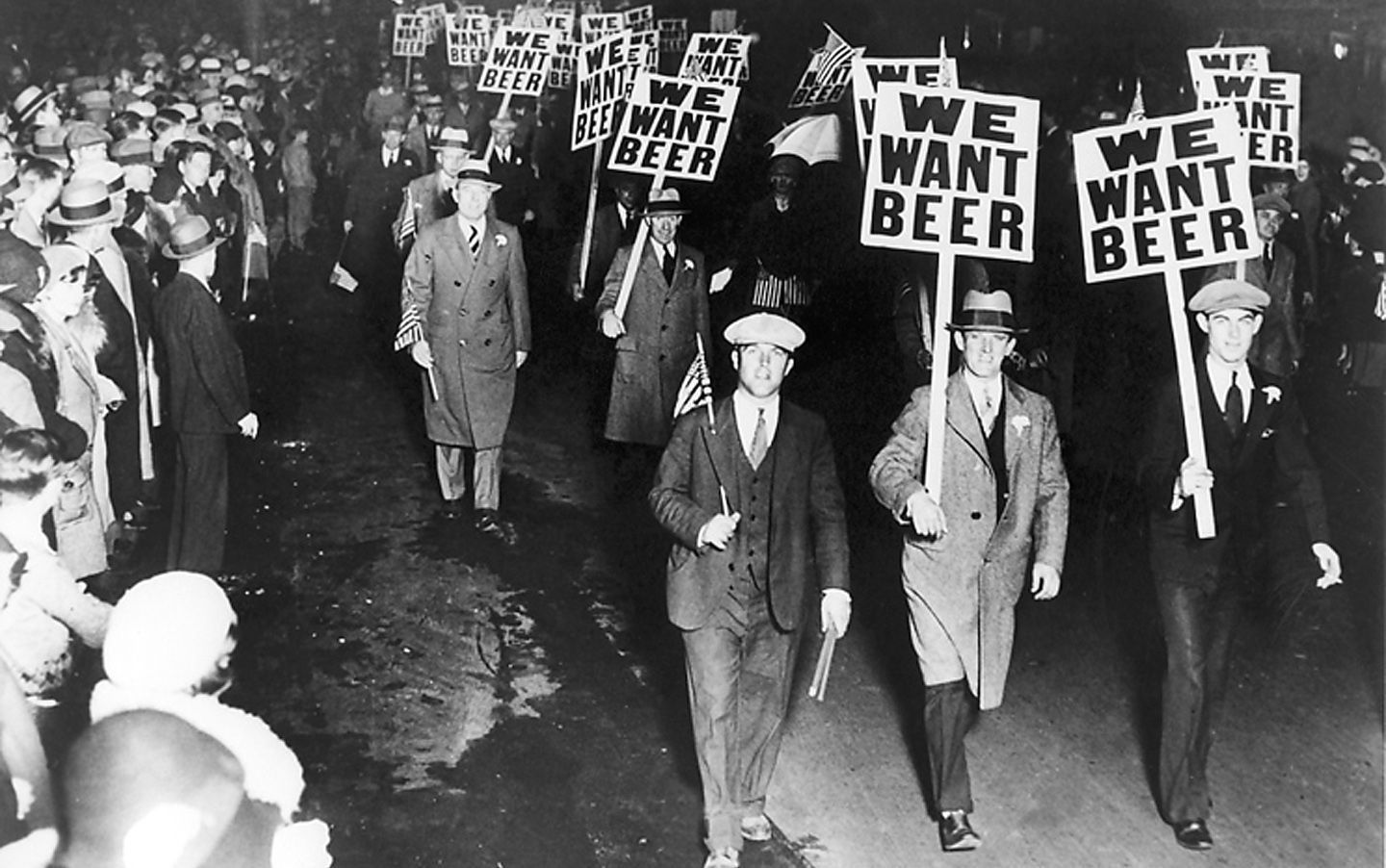
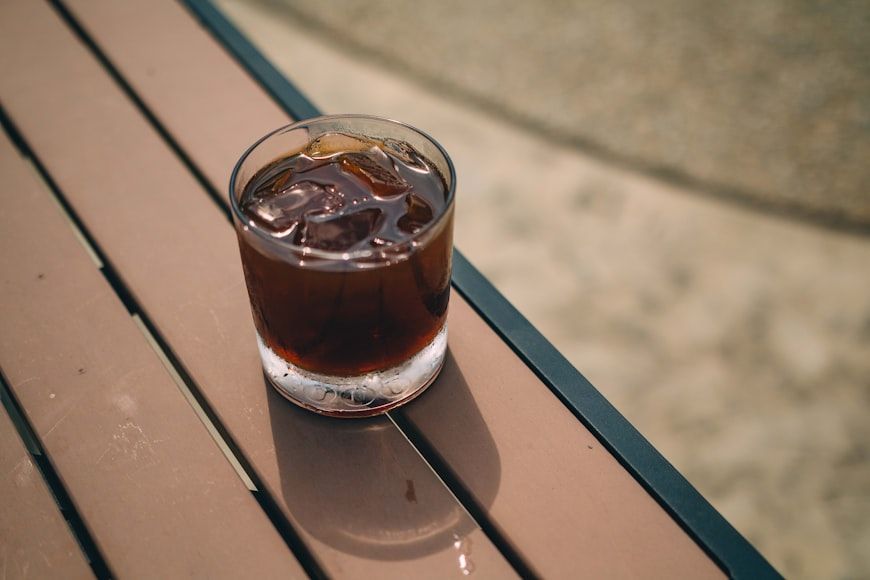
Everyone knows that alcohol was banned during the Prohibition Era (1920–1933), but what about it was illegal? The 18th Amendment banned the manufacture, sale, and transportation of liquor, but drinking it in the comfort of your home was perfectly legal. Now, if you wanted to get your hands on it, you usually had to resort to not-so-legal means, such as speakeasies or bootleggers.
2
Shopping on a Sunday

Enjoying some retail therapy on the weekends is not uncommon nowadays, but there was a time when you could only do it on a Saturday. Blue laws, also known as Sunday laws, were statutes that restricted commercial and recreational activities on Sundays , from buying alcohol to hunting, to ensure rest on the Lord’s day. Most blue laws were repealed in the 1960s, but some counties and states still enforce them to some extent.
3
"Modifying" the National Anthem
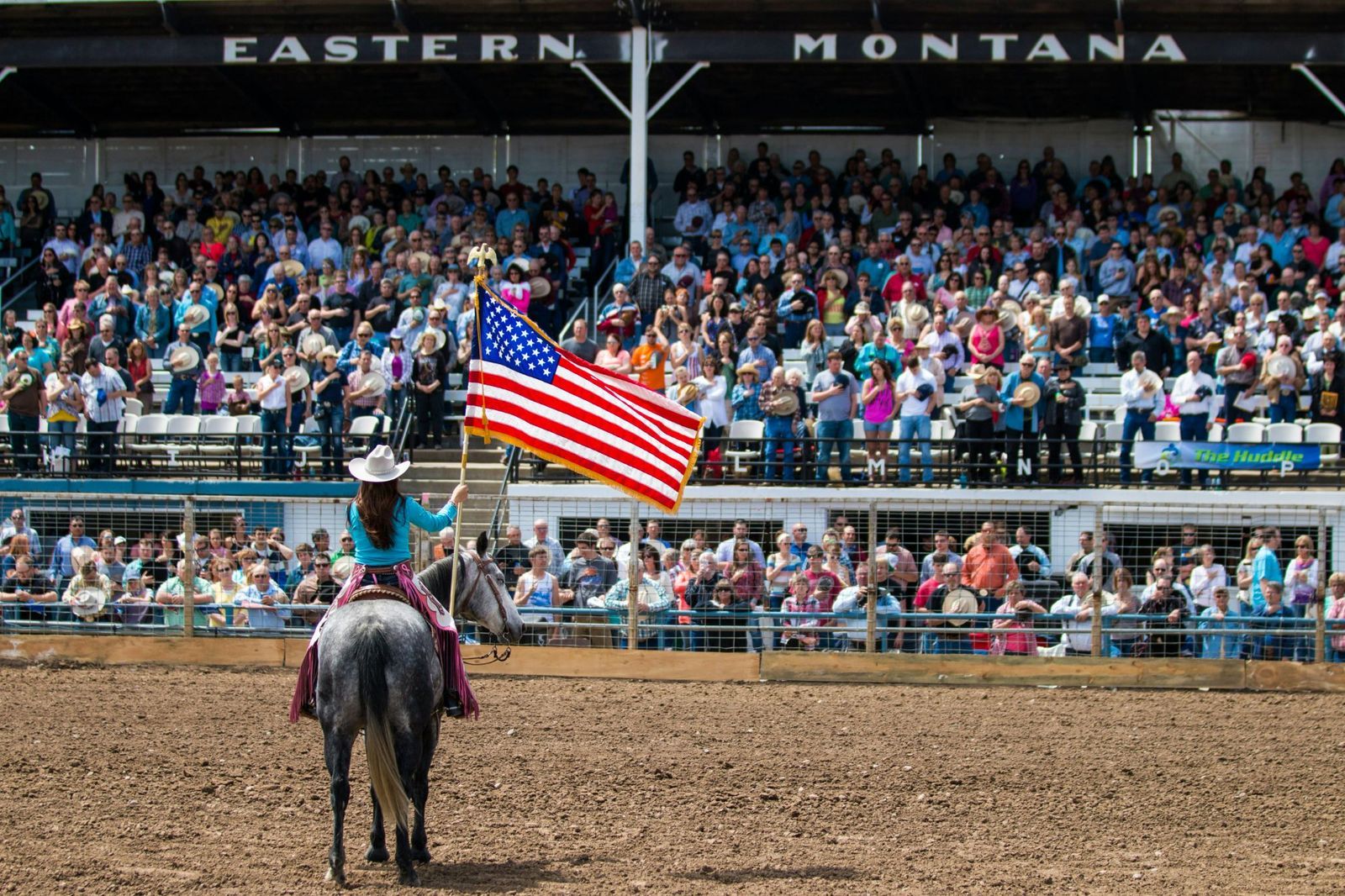
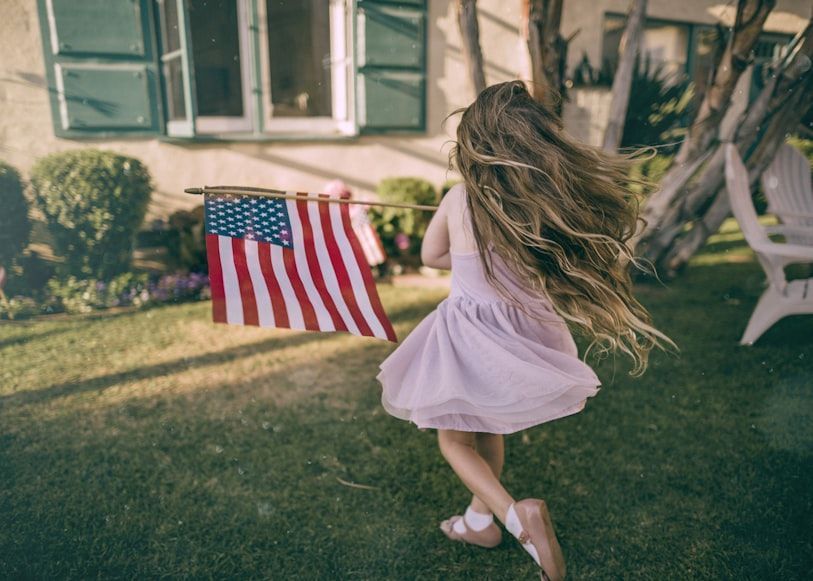
The National Anthem deserves respect—in fact, making a musical arrangement for it or playing only a part was once illegal. In the early 20th century, many states passed laws against the "musical desecration" of the Star-Spangled Banner , which outlawed embellishing the melody, using it as part of a medley, or dancing to its tune. These laws are no longer standing, and all etiquette regarding the National Anthem is voluntary for civilians.
4
Voting as an 18-year-old
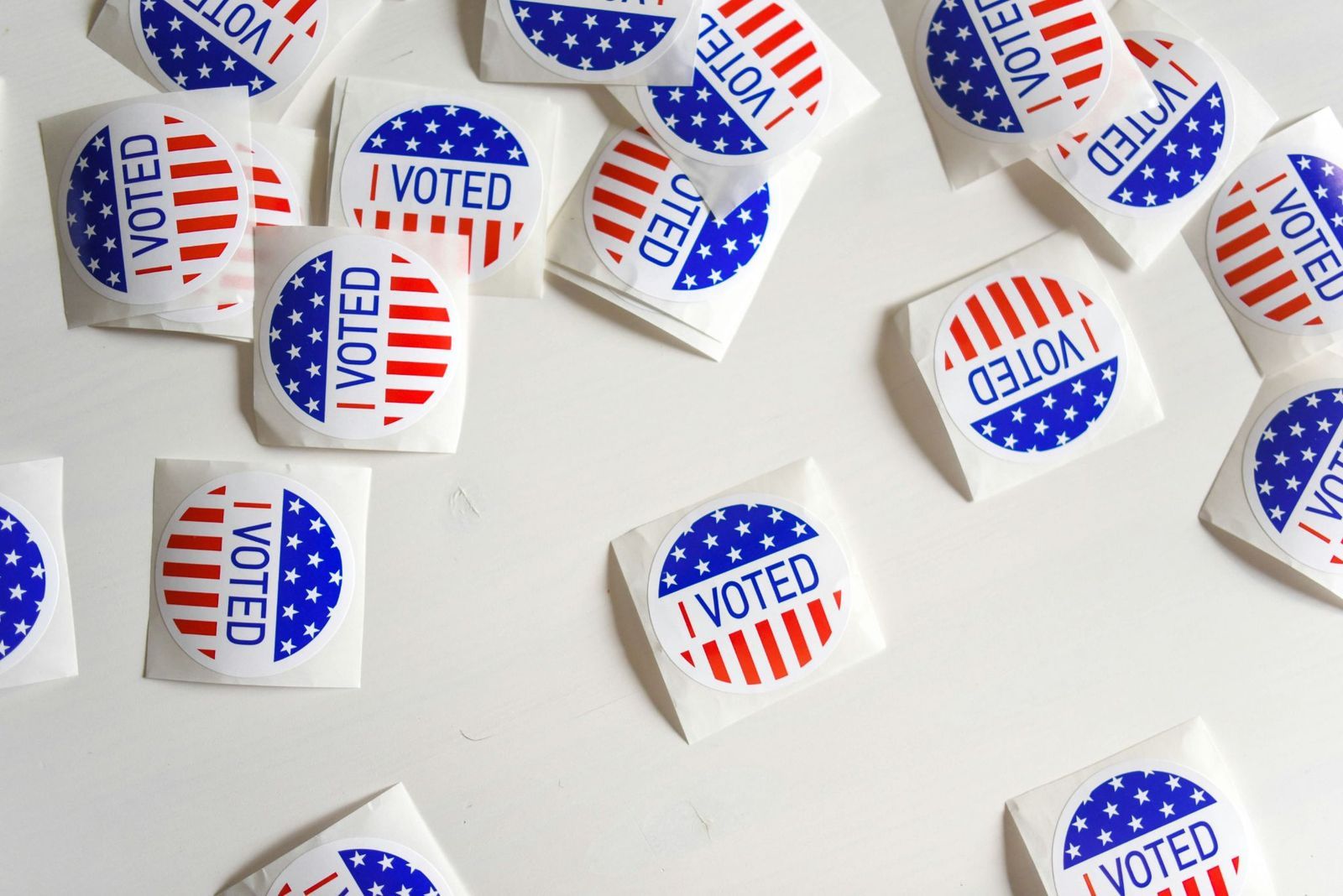
Although there is no consensus among states about the legal age of majority, there is a national standard when it comes to voting in state and federal elections, something all Americans can do at 18 years old. However, this is a relatively new development. The 26th Amendment, which lowered the voting age from 21 to 18, was passed in 1971 as a result of controversies surrounding the Vietnam War draft of young men who were not entitled to the vote.
5
Swearing in public
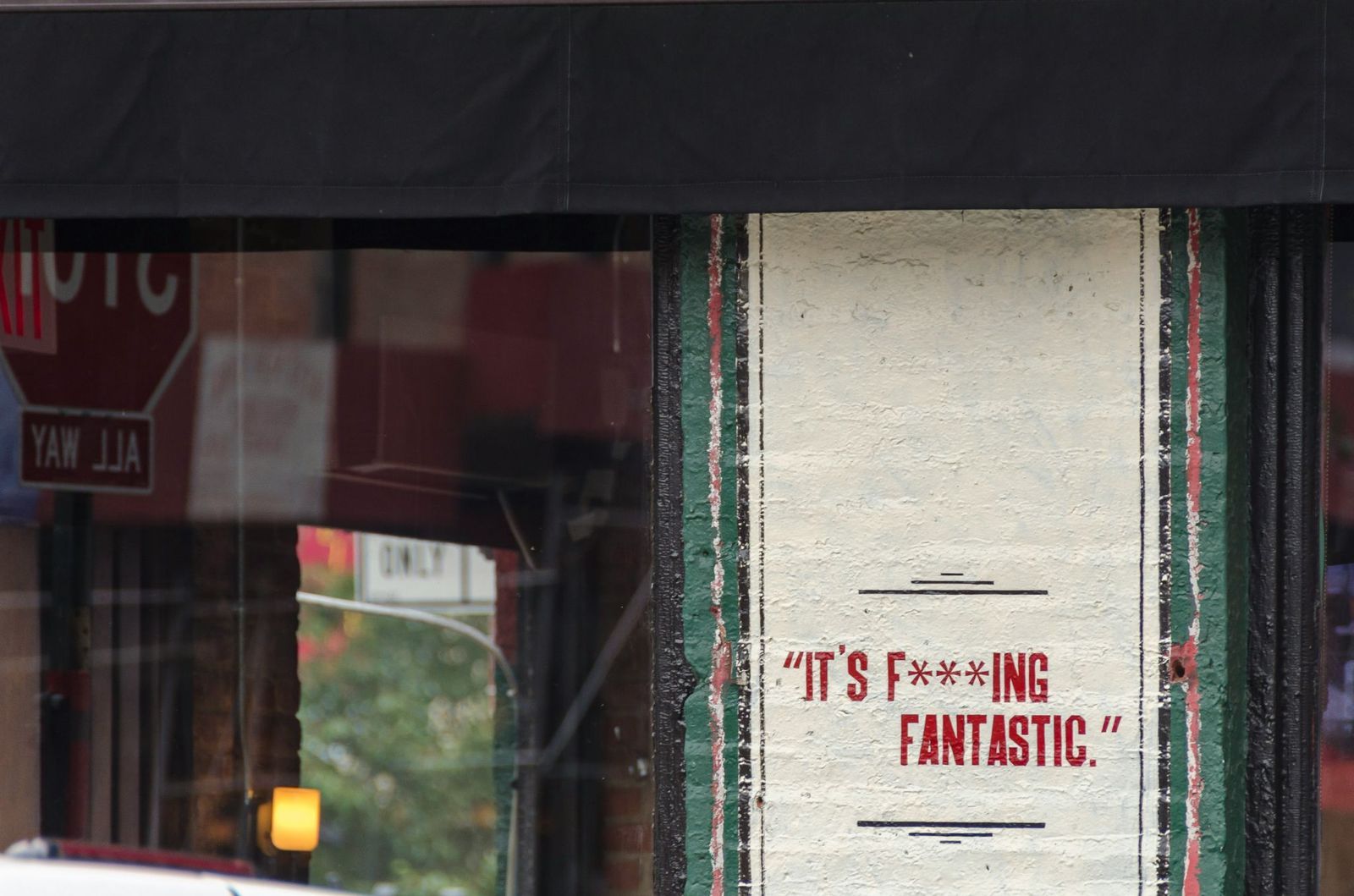
While federal laws against profanity are unconstitutional under the First Amendment, several states have passed statutes against public swearing and indecent language . While most of these statutes have not been enforced for decades, you’d be surprised to know that they were still standing in states such as California, Virginia, and Michigan within the past decade.
6
Margarine
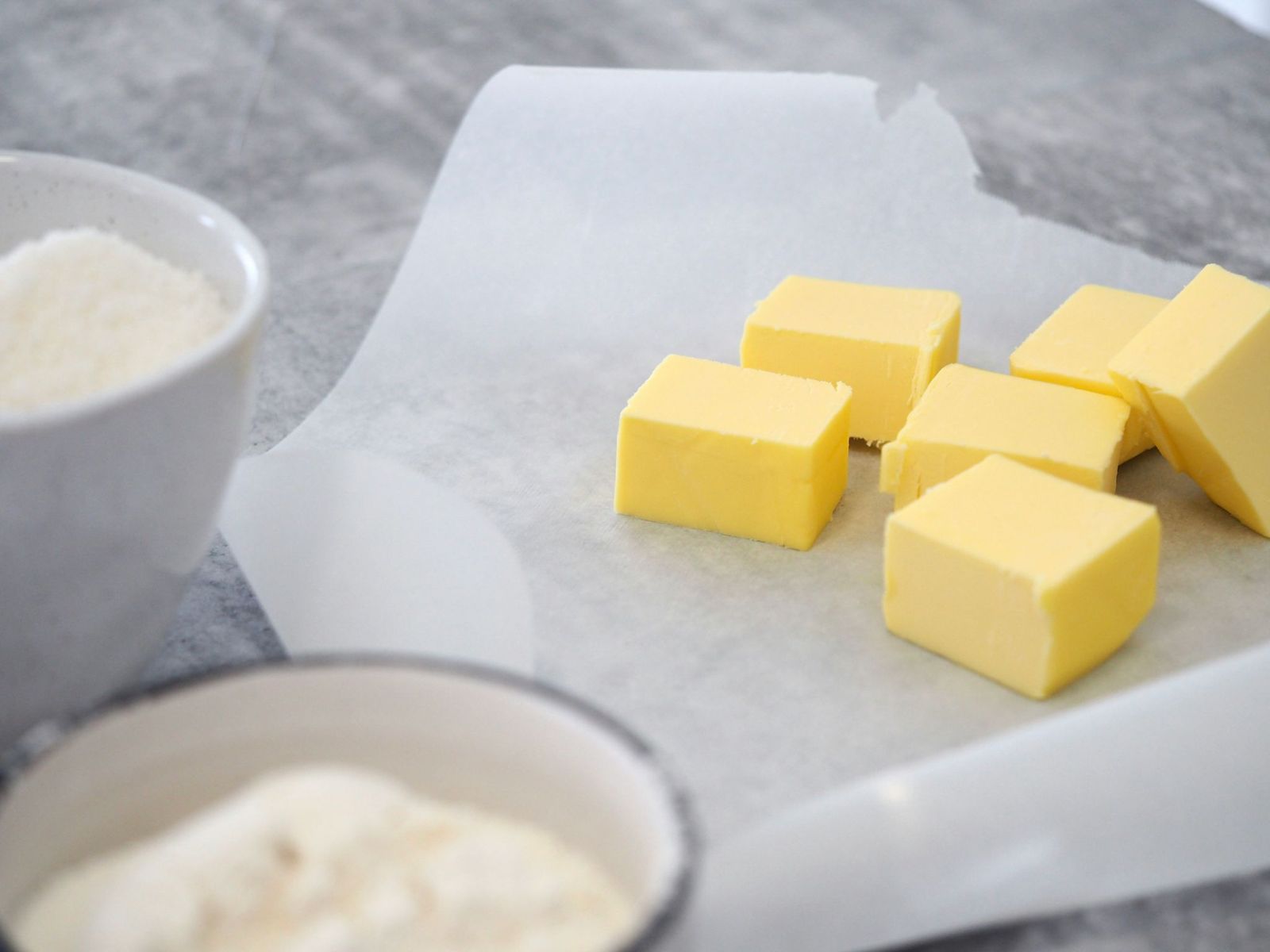
D id you know that margarine was banned or severely restricted until the 1950s? In the late 19th century, many states banned the sale of margarine to protect the butter industry, while others allowed its sale on the condition that it was dyed pink to render it unappealing. Margarine with a butter-like appearance could sometimes be sold with an added tax. In 1950, President Harry Truman passed the Margarine Act, lifting all bans and taxes on yellow margarine.
7
Wearing pants as a woman

Wearing pants as a woman was never banned or criminalized on a federal level, but most states outlawed it with crossdressing laws and ordinances. In 1923, the US Attorney General stated that it was legal for women to wear pants in public, but this was not a federal law, which meant that state ordinances still stood. Although women's pants became standard during World War II, many places—such as the U.S. Senate—still banned them until the 1990s.
8
Eating popcorn at the movies
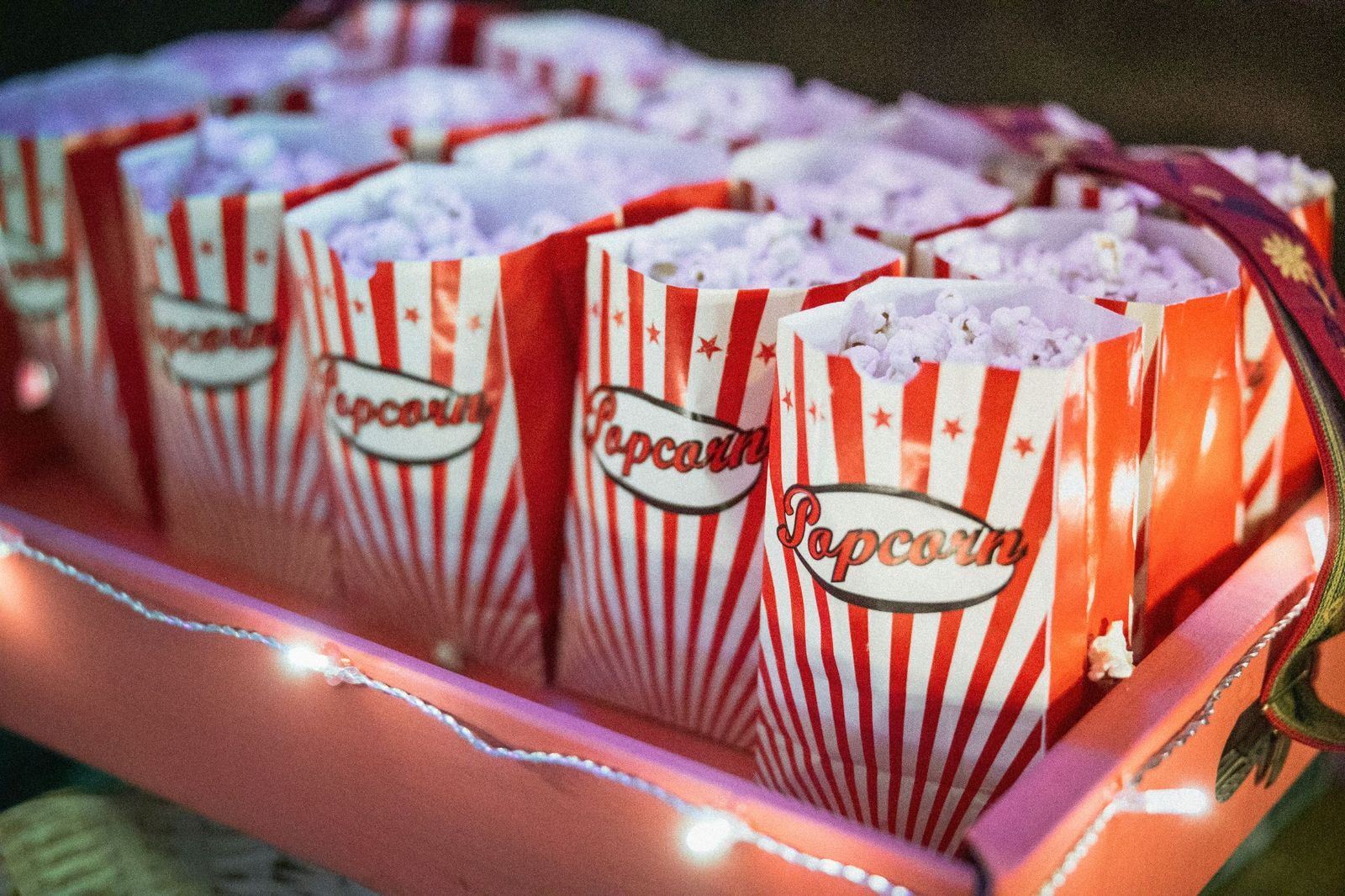
There was never a law or a statute banning popcorn at the cinema, but not for lack of trying. During the Silent Era of Hollywood, food was banned inside most theaters, and popcorn was the public enemy #1 due to the noise . When did it become a movie staple? With the introduction of sound in film, the crunching of popcorn was less of an issue, and street vendors started selling it outside cinemas. Eventually, theaters realized that there was major profit in snacks and started selling them, at a huge markup, in the theater.
9
Pinball machines
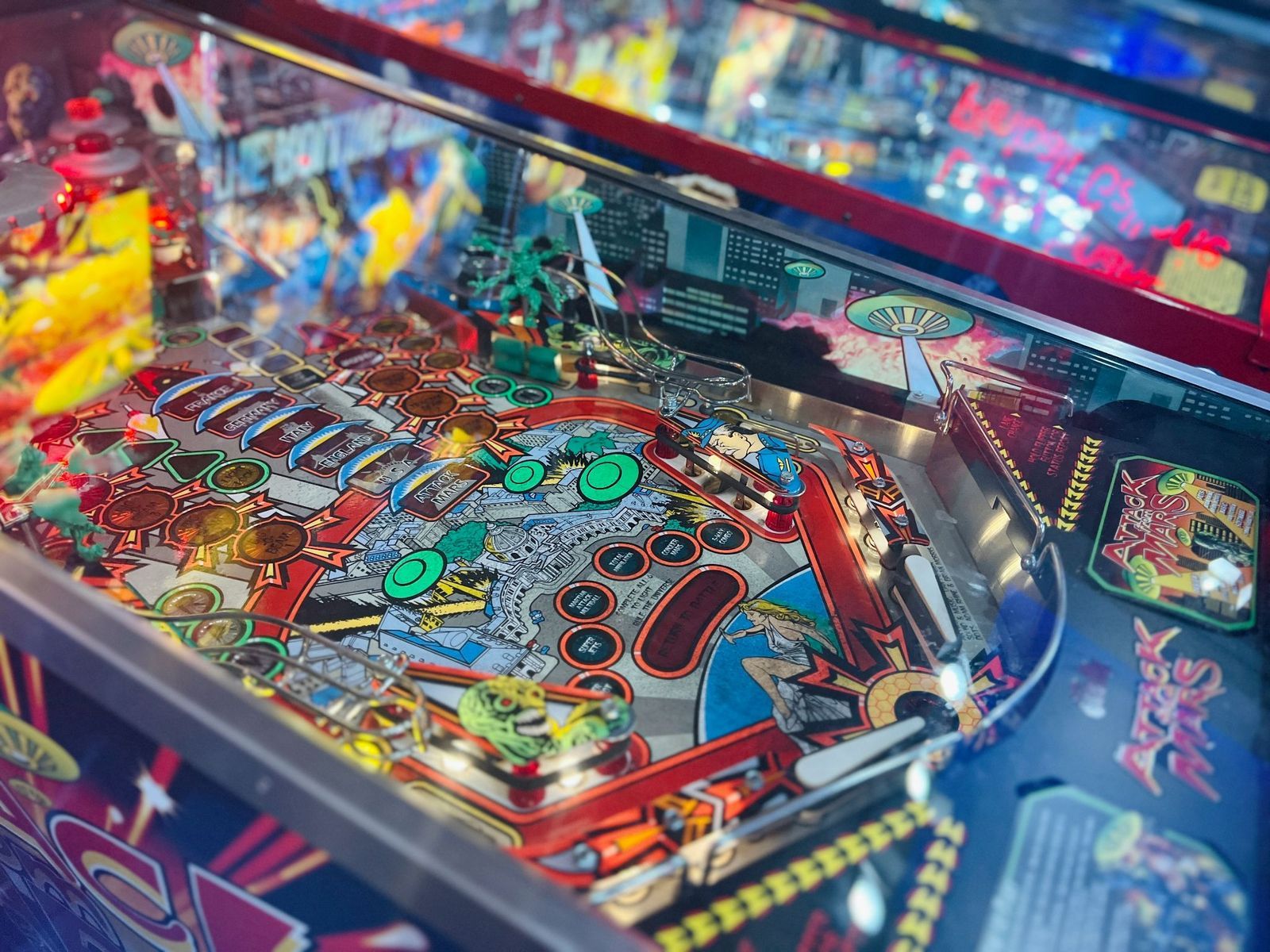
In what was known as the ‘Pinball Prohibition’, cities all across America made pinball machines illegal. The rationale was that pinball machines were gambling devices and were used by the mafia to lure children into illegal gambling . Luckily, most anti-pinball laws were repealed in the late 1970s.
10
Owning gold
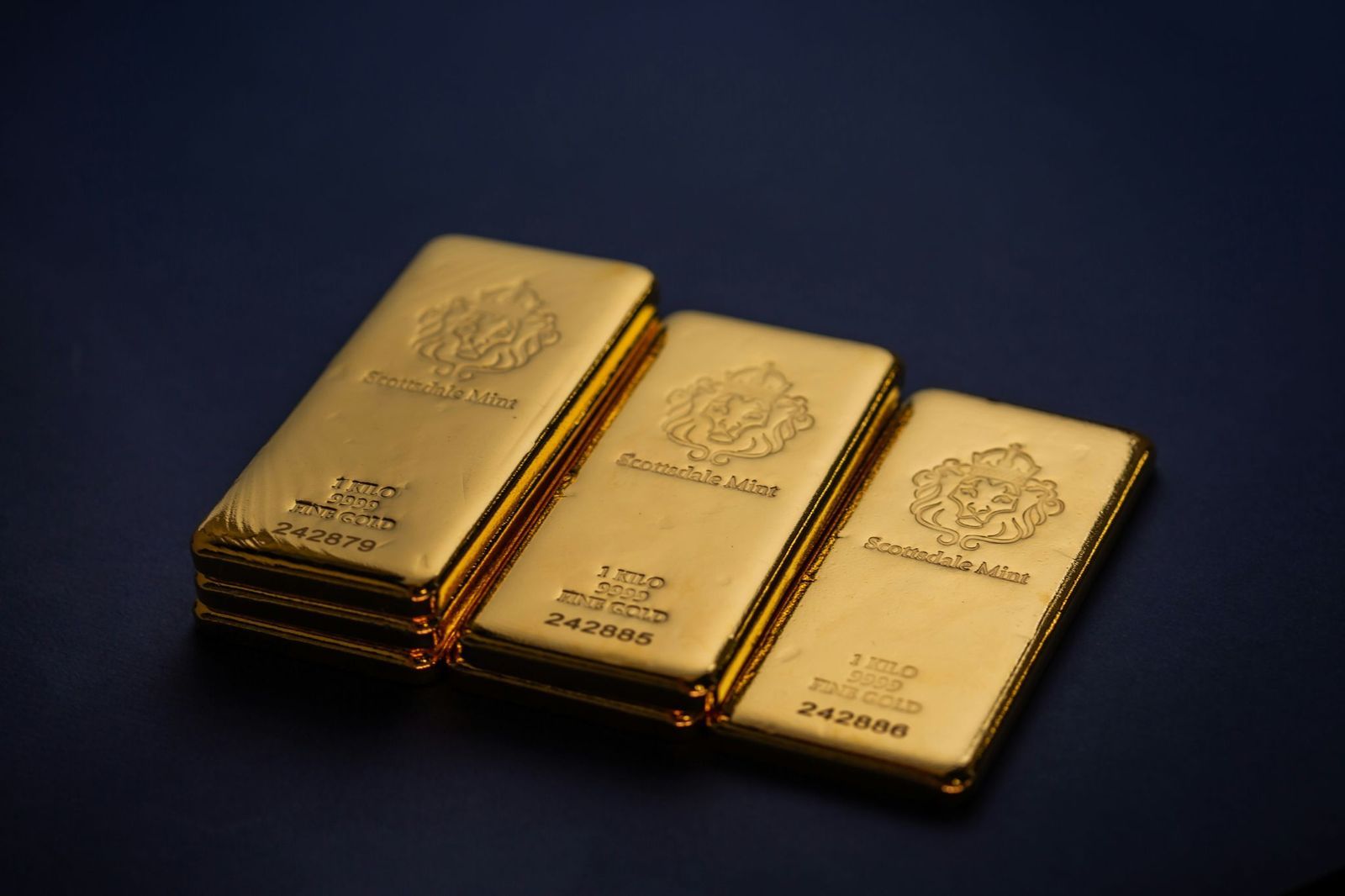
There are several things that regular citizens can’t legally own, but why gold? In 1933, President Franklin D. Roosevelt signed an executive order that banned private ownership of gold —though small amounts of gold jewelry were allowed—to prevent "hoarding". Citizens were required to turn in their gold to the Federal Reserve, and would receive $20.67 per ounce. Gold ownership was made legal again by President Gerald Ford in 1975.