Yes, that was normal
These old childhood rules and traditions would shock parents today
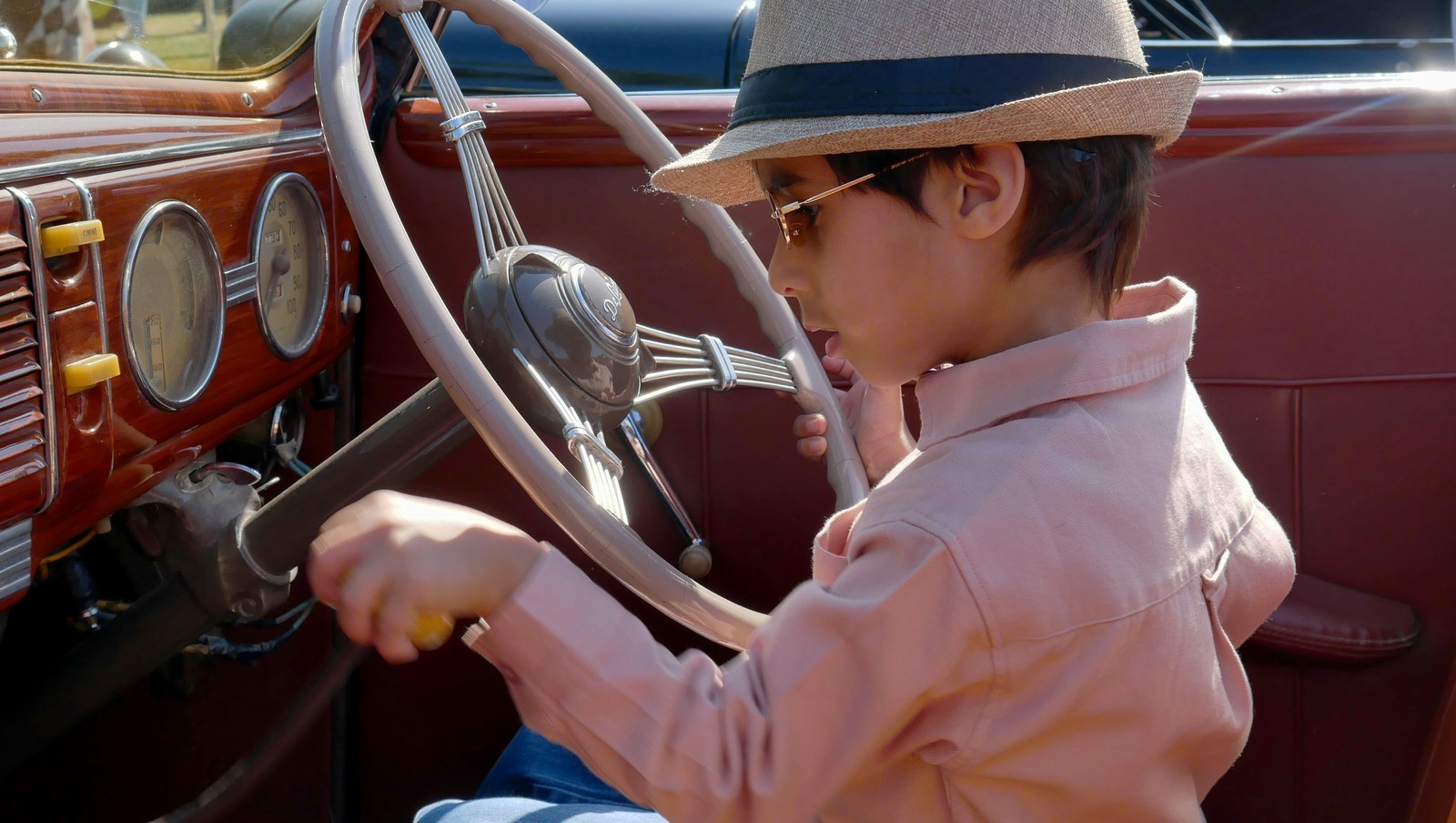
Image: Rohan Mathur
There was a time when childhood looked very different. Often unsupervised, kids would roam, explore, improvise, and occasionally scare their parents half to death. Cultural norms have changed, and many of the routines and traditions that once defined the all-American childhood now seem reckless . Let’s look at some of them and see how drastically things have changed.
1
Leaving with your bike in the morning and coming back for suppertime
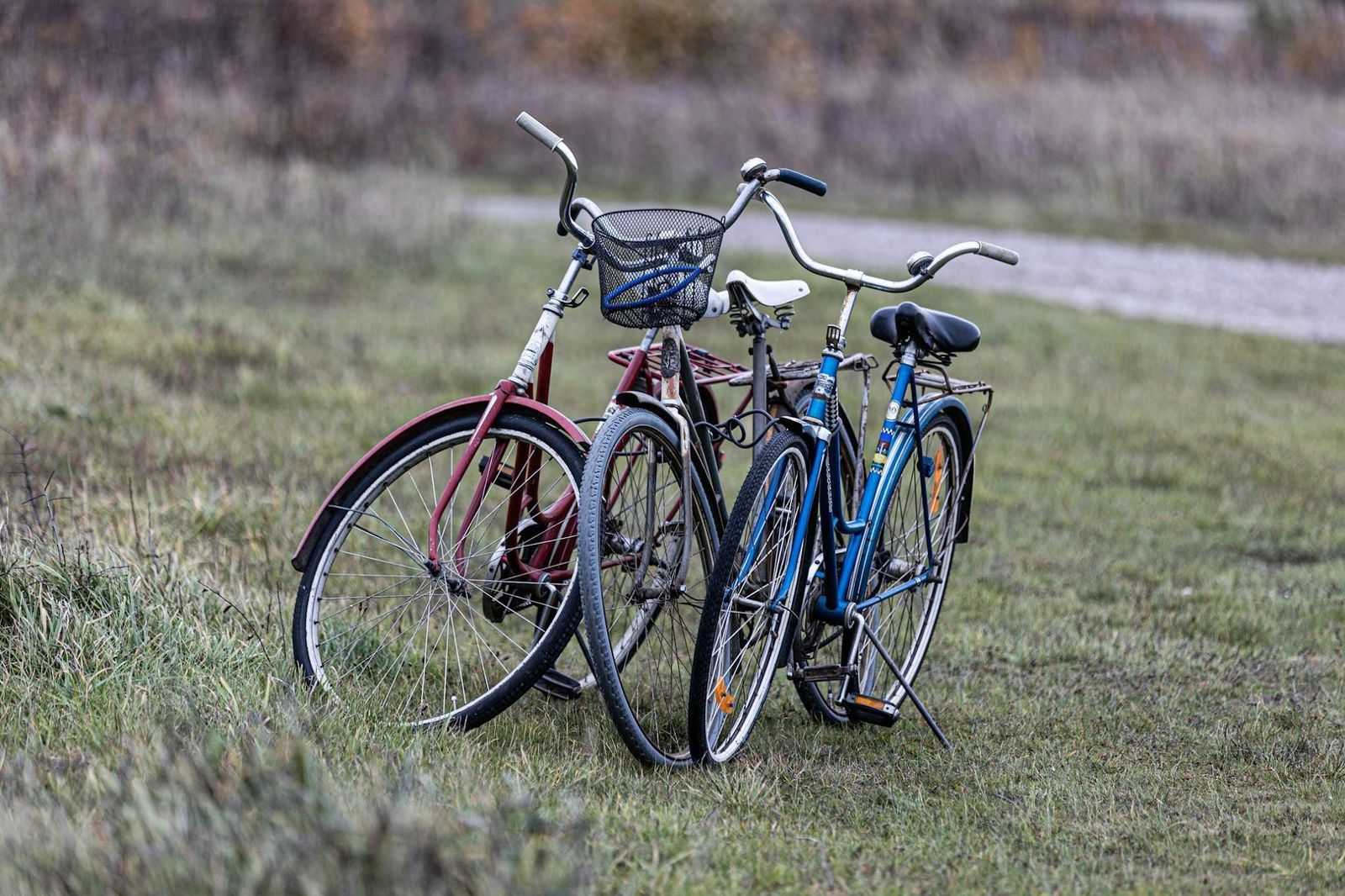
For a few generations of American kids, a bicycle meant freedom. From the 1940s through the 1980s, children often left home after breakfast with little more than a vague instruction: "Be back before dinner."
Neighborhoods were informal safety nets, and kids were free to navigate them without phones or GPS trackers.
2
Foraging fruit from neighbors’ yards

It was a risky gamble: Picking and eating fruit from unknown plants in your neighborhood could result in a yummy treat…or abdominal trouble.
There was a time when kids freely grabbed berries, apples, or other fruit growing along sidewalks or in neighbors’ gardens. Today, property boundaries have grown, and kids are reminded not to forage without permission.
3
Riding public transportation alone
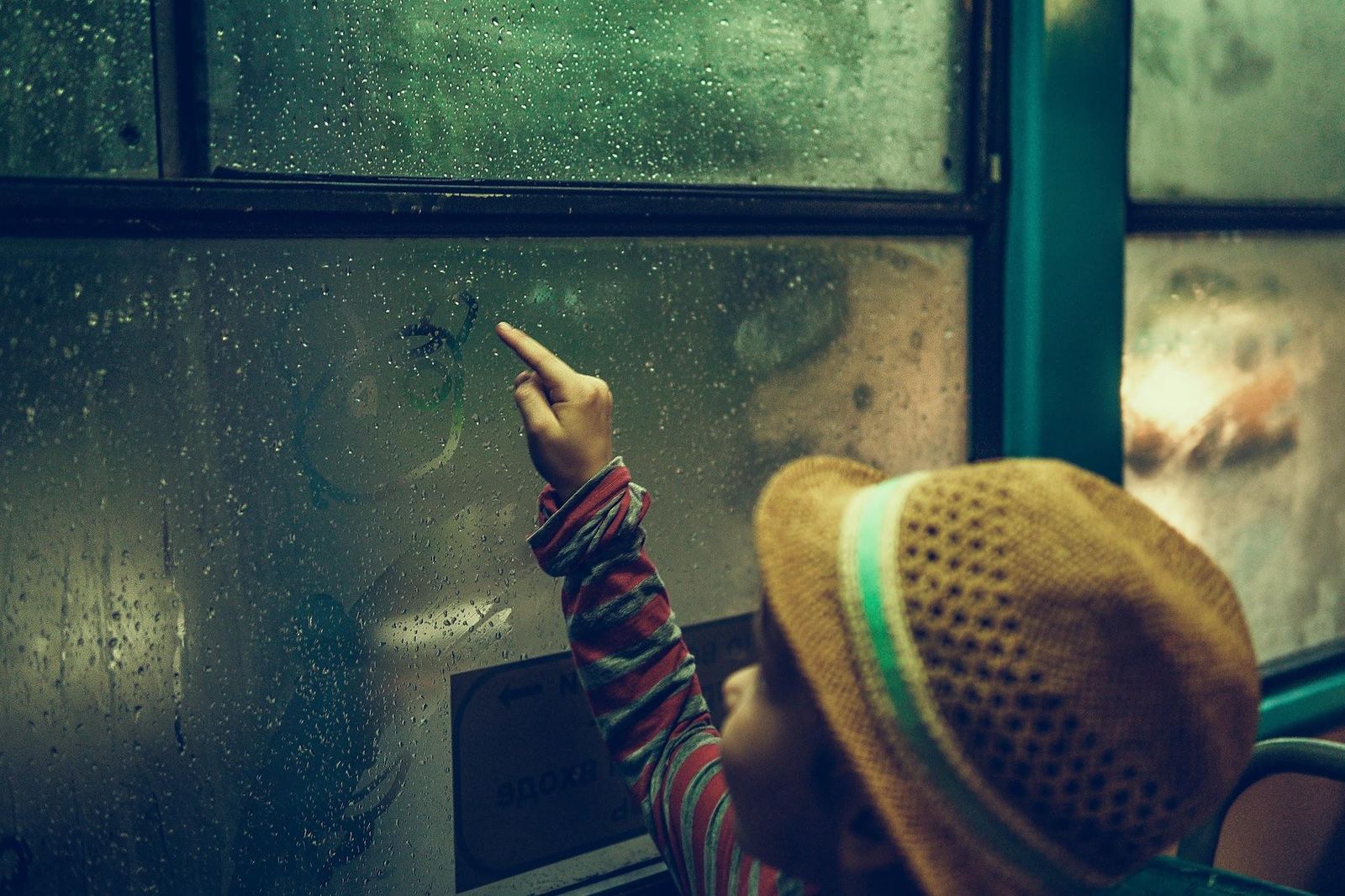
For much of the 20th century, it wasn’t unusual for children as young as 7 to ride buses, subways, or streetcars alone, especially in large cities like New York, Chicago, and Boston.
Kids commuting to school independently was considered a practical life skill. Parents expect children to learn responsibility through real-world experience , handling routes, change, and unexpected delays.
4
Roller coasters had no belts and no headrests
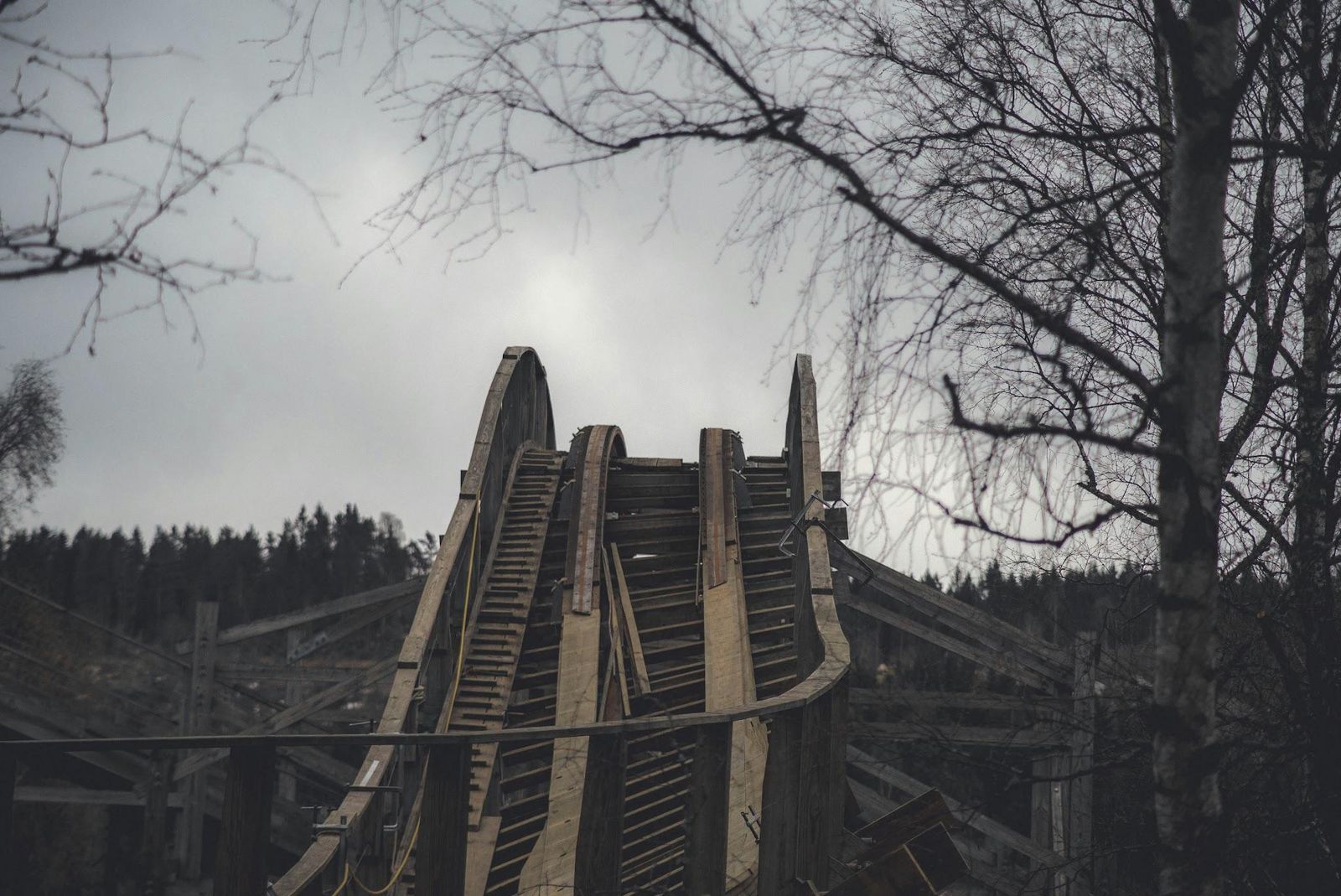
Do you have memories of rickety rollercoasters? You might correctly remember that earlier rides were thrilling in ways that might give modern safety inspectors pause.
Many of the rides made popular in the 50s relied primarily on simple lap bars and operated with minimal restraints. Designers assumed riders would hold on tightly. Safety rules have evolved drastically since then, and now we have over-the-shoulder harnesses and improved lap restraints.
5
Walking miles to a friend’s house alone
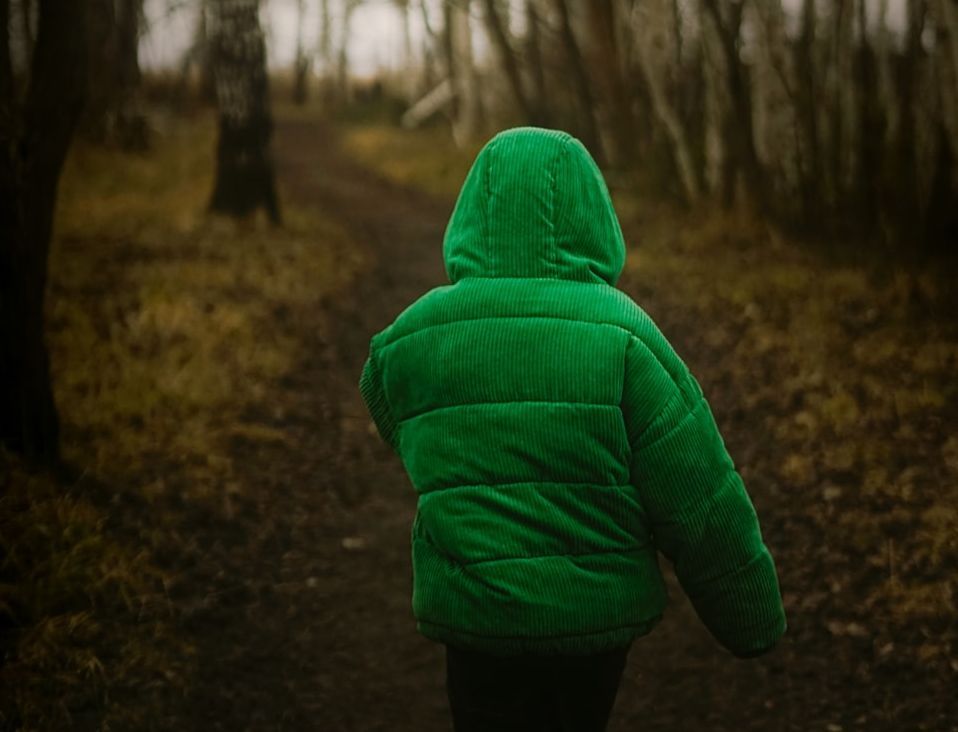
Kids routinely walked long distances across neighborhoods or even between towns without adult accompaniment, guided by landmarks and memory. While this independence helped build confidence, it also reflected a different perception of risk.
6
Not ringing the bell: just yelling your friend’s name from outside

Before texting "I’m here" or coordinating playdates through apps, kids often announced their arrival the old-fashioned way: by standing outside and shouting a friend’s name.
Front yards, sidewalks, and porches acted as social hubs where everyone recognized familiar voices. As concerns about privacy, safety, and structured schedules grew with the years, the casual shout-from-the-street culture slowly disappeared.
7
Spending long days at the beach without adults
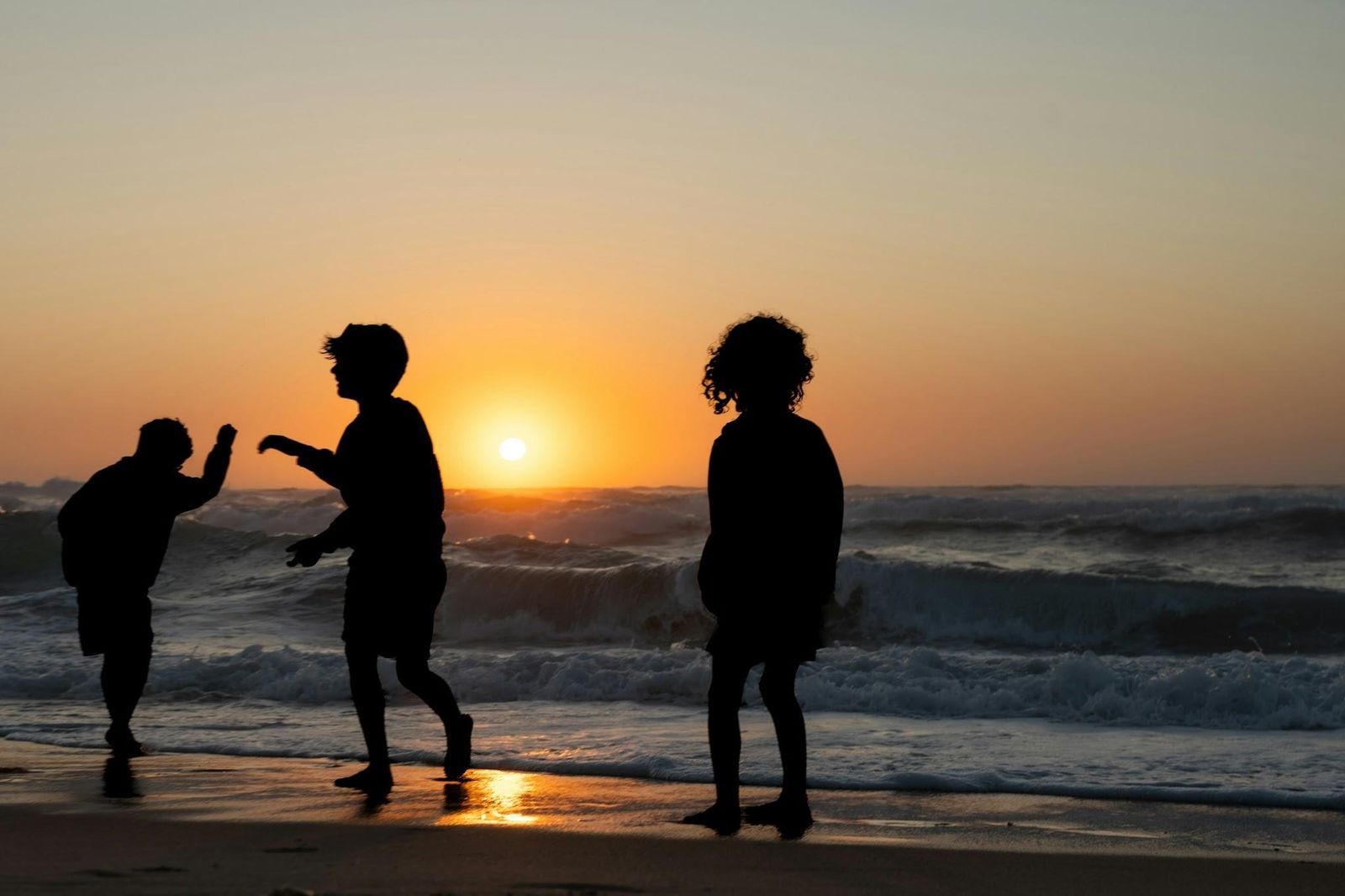
Surf culture in places like California and Hawaii, as well as East Coast boardwalk towns, normalized groups of kids swimming, riding the waves, and returning home only at sunset.
Public beaches were seen as community environments where lifeguards and familiar locals provided informal oversight . Today, increased safety standards, liability concerns, and changing parenting norms mean most children visit beaches with close adult supervision.
8
Exploring woods alone
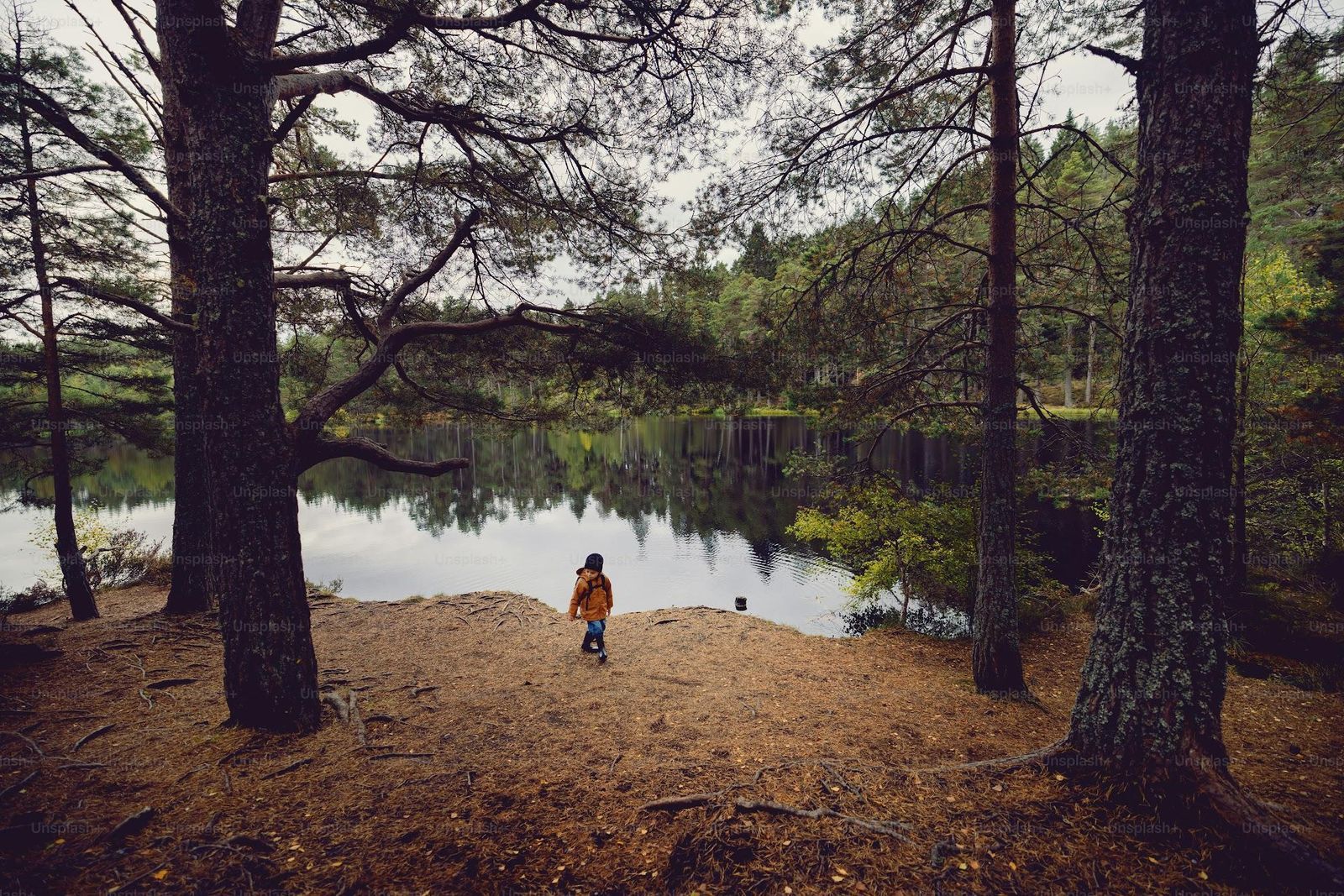
Few children who lived near a forest or rural area could resist the pull to explore it, either alone or with friends. Building forts, climbing trees, and learning their way around nature were influenced by scouting movements and postwar ideas about resilience and independence.
Psychologists today even describe this kind of unstructured outdoor play as beneficial for creativity and risk assessment skills. However, modern concerns about safety, traffic, and environmental hazards have reduced opportunities for unsupervised exploration.
9
Staying home alone or being babysat by older siblings
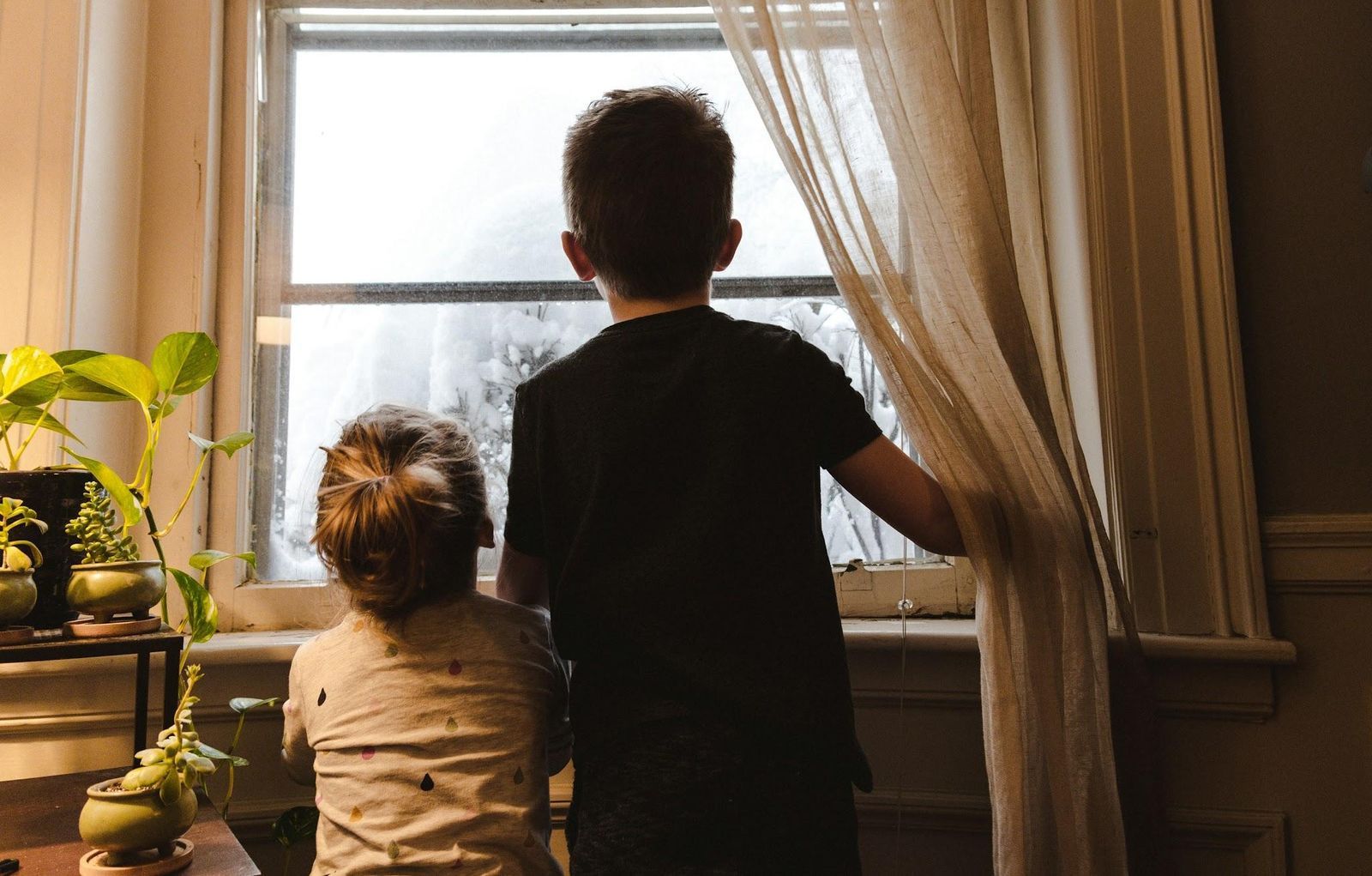
The rise of the "latchkey kid" became especially visible in the United States during the 1970s and 1980s, when increasing numbers of dual-income households, or single-parent homes, meant children returned home from school to empty houses.
Many kids carried house keys, prepared snacks, and entertained themselves until their parents finished work. Today, research on changing childhood independence shows that unsupervised play and autonomy have significantly declined compared to previous generations.
10
Collecting glass bottles for some cents back

Long before recycling bins appeared on every curb, kids learned about value through bottle returns. Soda and milk bottles carried deposits, and children would collect empties from their own homes or even from neighbors to trade for a few coins at local stores.
It was a first taste of earning money independently, although it often funded candy purchases or comic books.
11
Climbing trees or rooftops, unsupervised
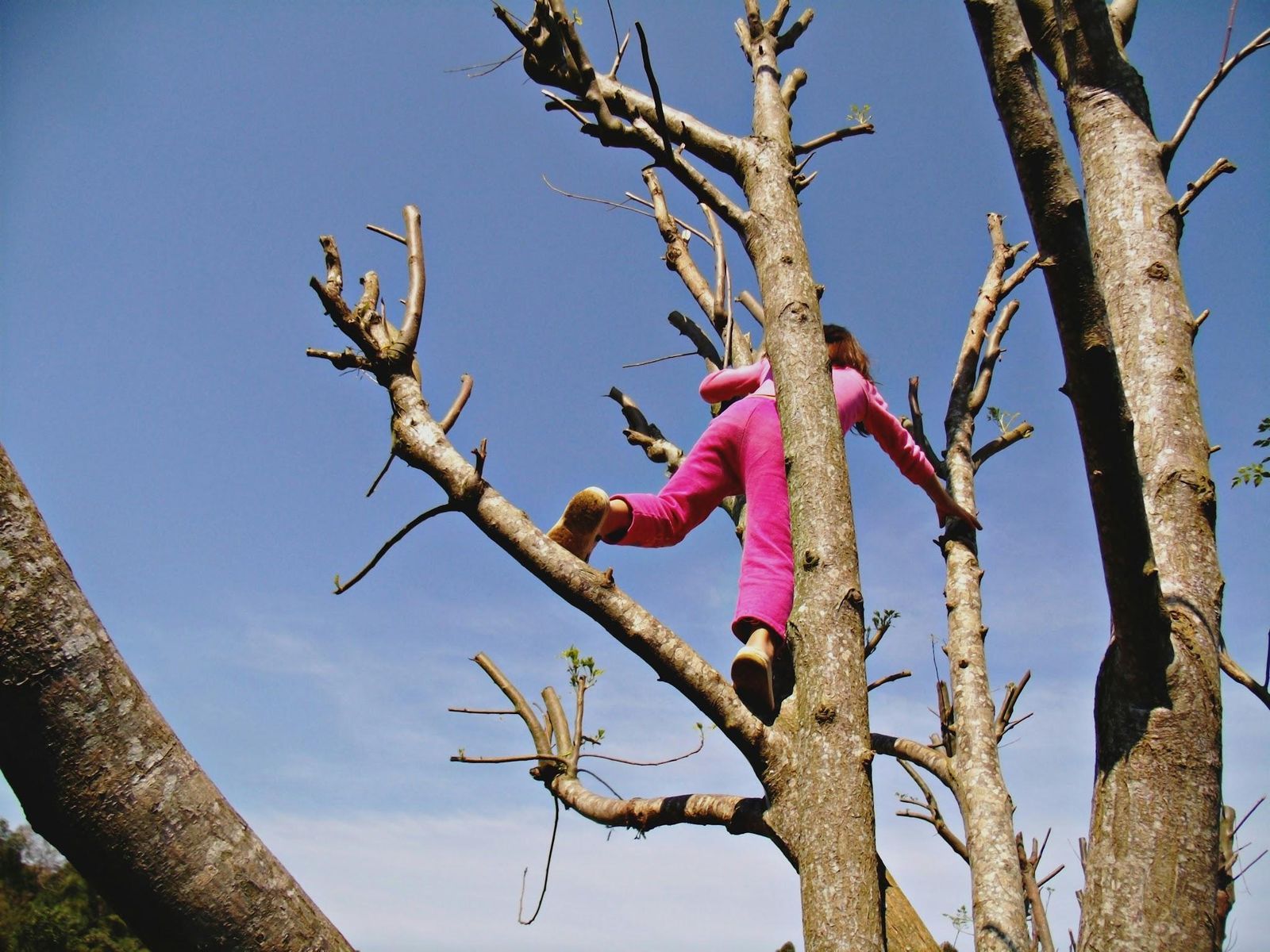
When you are a kid, climbing a tree is decidedly an adventure. There was a time when this was considered a universal childhood activity in America, even encouraged as a playful challenge, since mid-century parenting often embraced manageable risk.
But current safety standards and greater awareness of injury risks have dramatically reduced these kinds of unsupervised play environments.
12
Casually hanging out in abandoned buildings

Another tempting area for children happened to be empty lots, half-built structures, and abandoned buildings . It was difficult to keep out curious and brave kids. This pastime is not entirely eradicated today, although it seems to be teenagers or young adults who engage in it.
13
Riding in cars without seatbelts
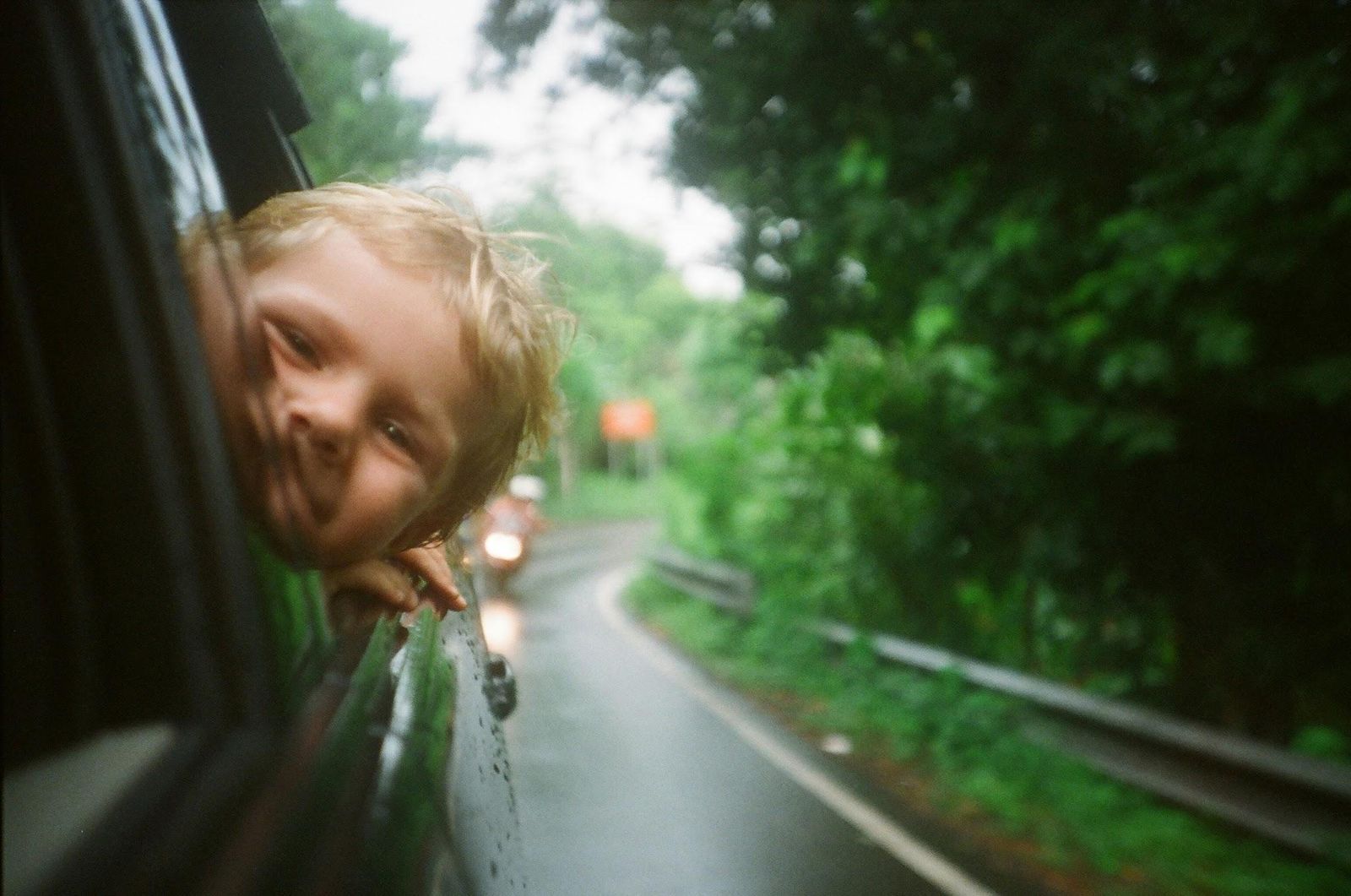
For decades, families piled into cars without buckling up, simply because seatbelts weren’t standard equipment. Although basic seatbelt designs existed earlier, widespread adoption didn’t begin until the late 1950s and 1960s.
Even then, many Americans resisted using them, seeing belts as unnecessary or uncomfortable . Laws requiring seatbelt use didn’t become common until the 1980s and beyond, meaning generations of kids grew up riding freely in the back seat.
14
Playing in flooded streets after a storm
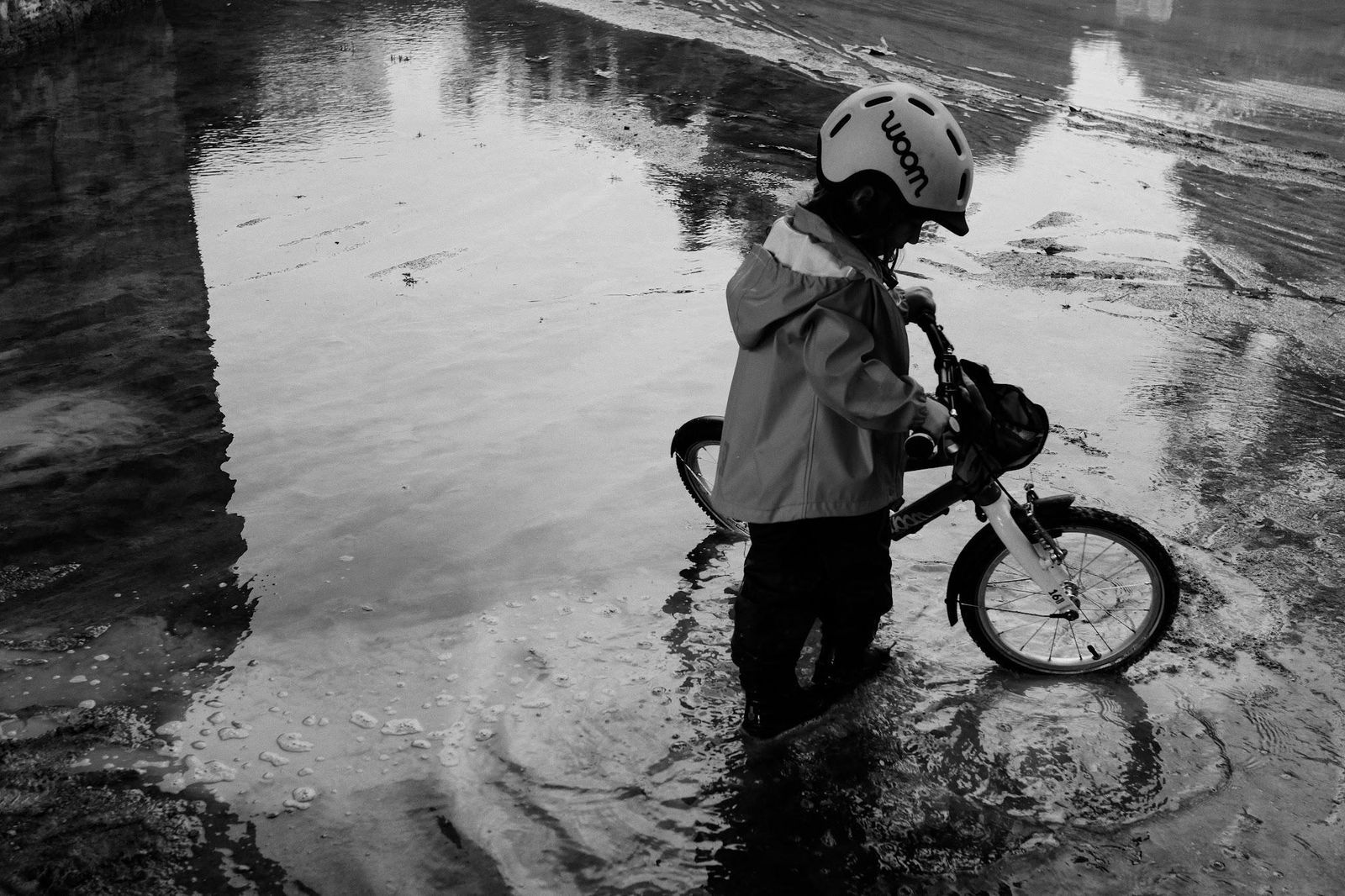
Children once treated flooded streets like temporary playgrounds. Heavy rain expanded the available activities for a suburban child. They could splash barefoot through puddles or float makeshift boats down rushing gutters.
Over time, public health campaigns highlighted dangers such as contaminated runoff, hidden debris, electrical hazards, and traffic risks. Enough to scare modern parents!