Geography Geography 3 min read

NYC uncovered

Which NYC building has a secret train platform beneath? Find out here!
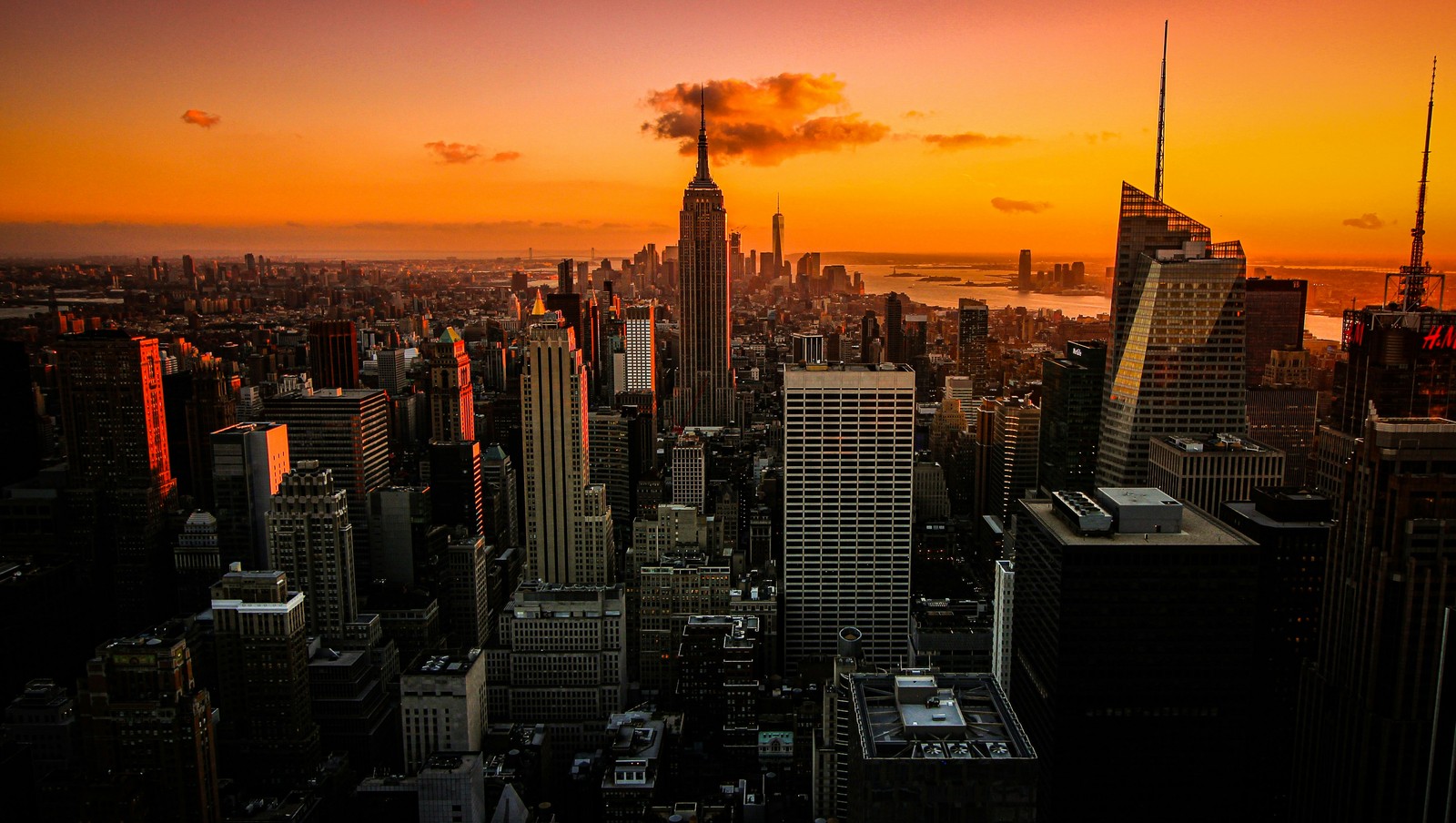
Image: Florian Wehde

New York City has been written about, filmed, sung about, and argued over for generations. Yet even people who love it and even live there are often surprised by what they do not know. Behind the busy streets and famous landmarks, lots of stories explain how this city grew, who shaped it, and why it continues to feel larger than life. Get ready to get the NYC facts right!

1
New York City population
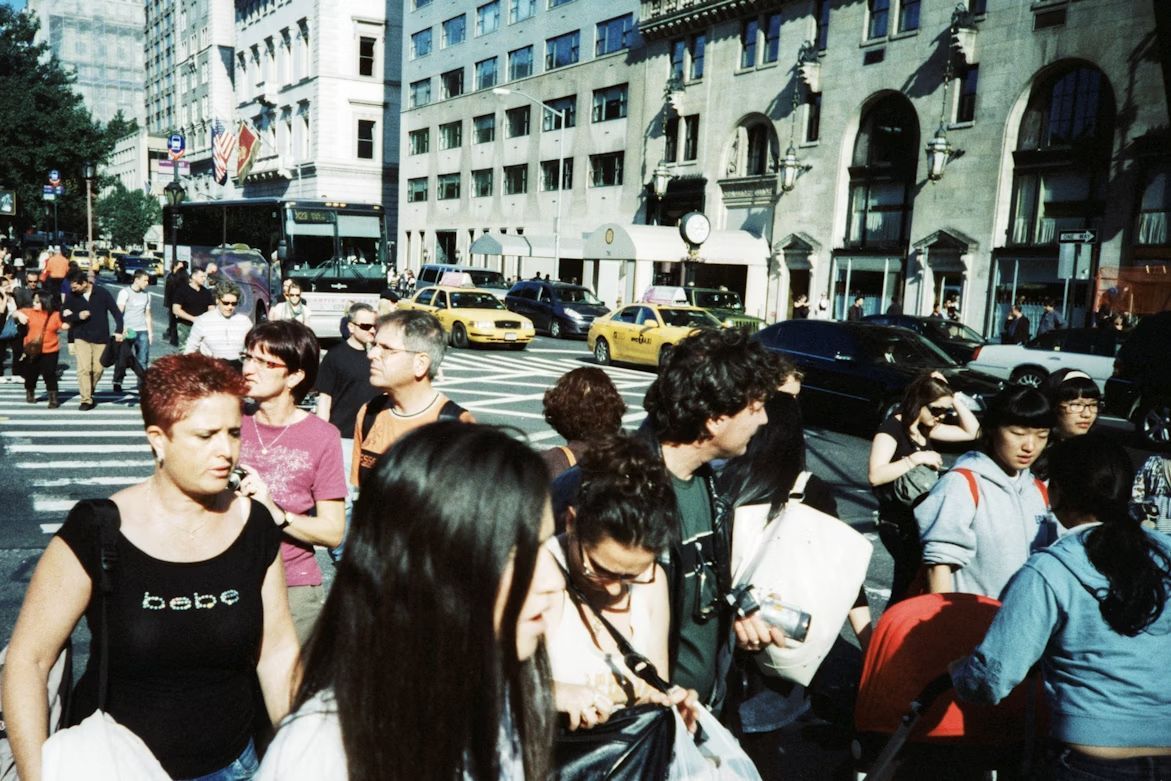
Image: Scott Evans

More than eight million people call New York City home. That means roughly one out of every 38 Americans lives within its five boroughs. It helps explain why the city feels endlessly busy and why every neighborhood seems to have its own rhythm, personality, and pace. The City that Never Sleeps feels like the right nickname, right?

2
Languages spoken
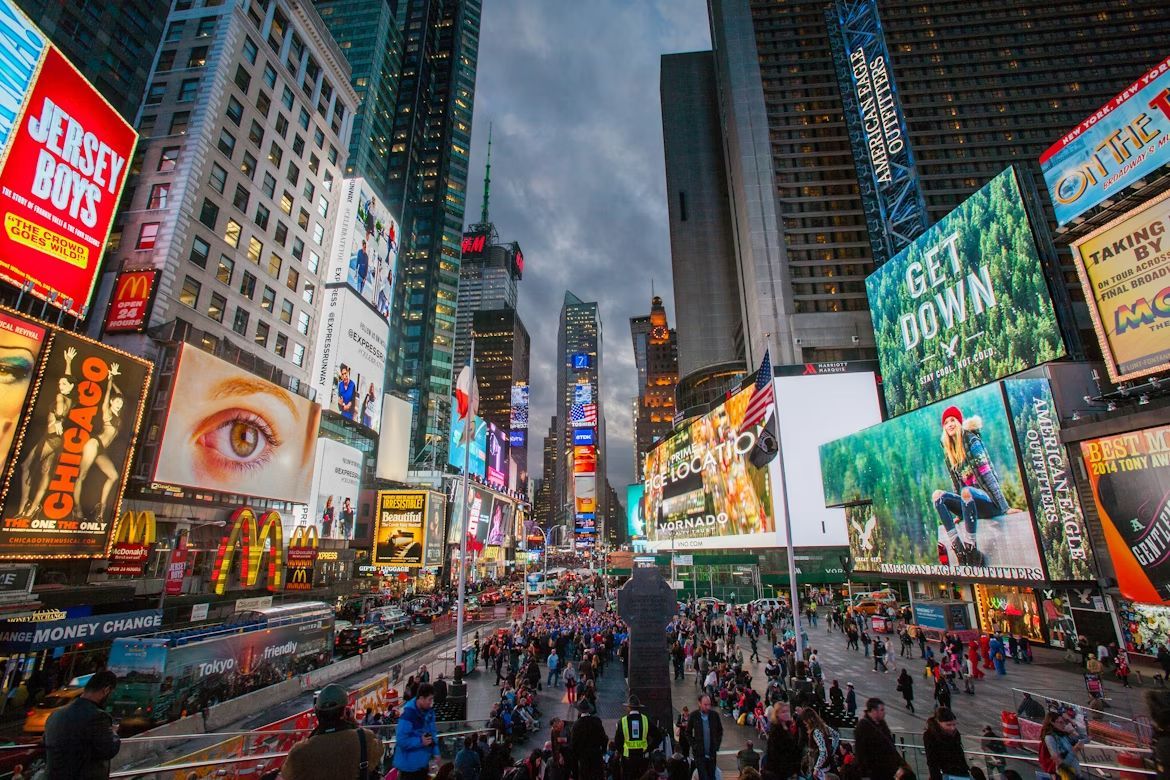
Image: James Ting

New York City is the most linguistically diverse city on Earth. More than 800 languages are spoken here, and about four in ten households use a language other than English at home. Wanna feel like you’ve travelled across every continent? Walk down a city block and you will!

3
Statue of Liberty
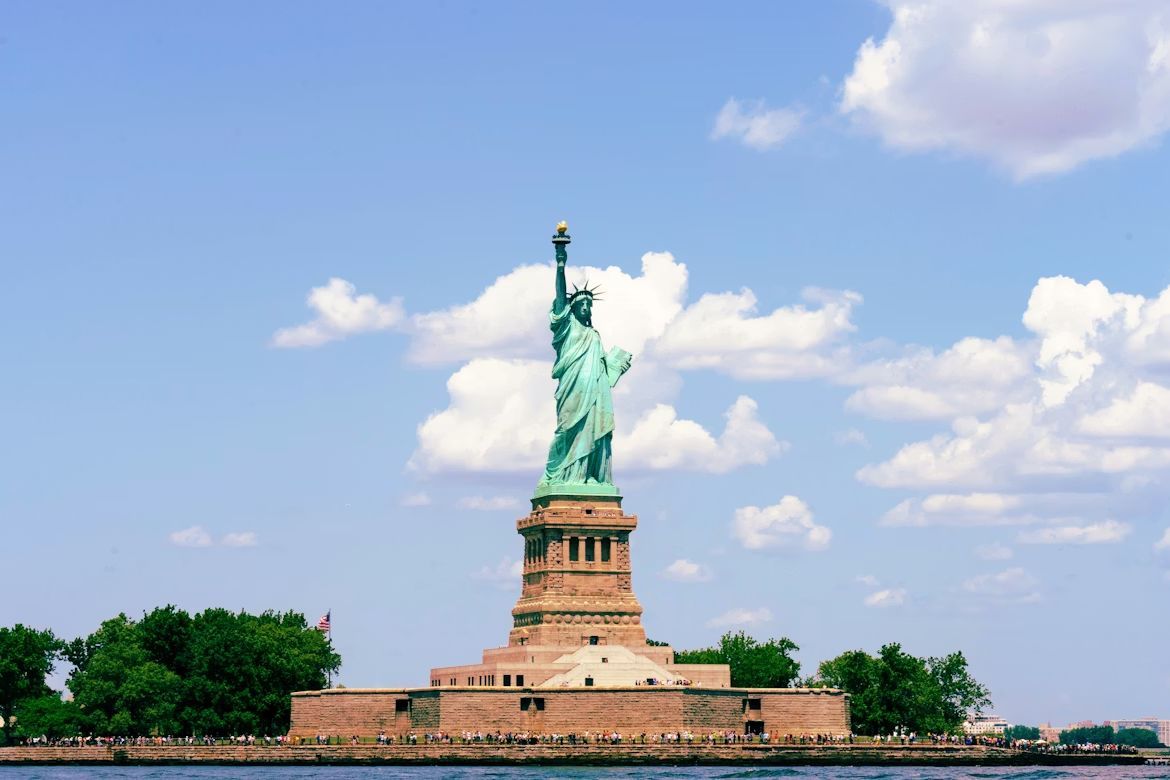
Image: Avi Werde

The Statue of Liberty arrived from France as a gift celebrating American independence. She did not come in one piece. Instead, the statue arrived in 214 crates, each containing 350 separate parts, and took four months to assembl e. Even symbols of freedom sometimes require instructions, you know?

4
Federal Reserve Bank gold vault
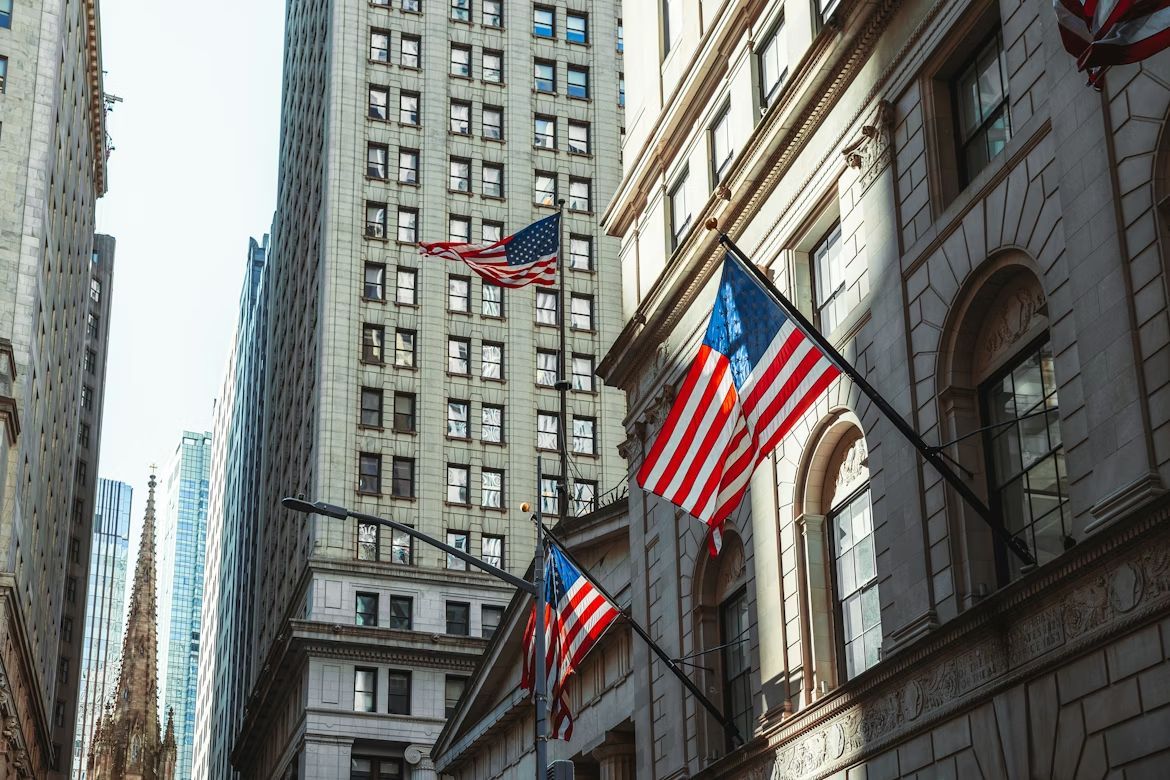
Image: Diane Picchiottino

Deep beneath the streets of Manhattan sits the largest gold storage vault in the world. Located 80 feet below street level, it holds about $90 billion worth of gold . Most visitors walk right over it without realizing they are passing above one of the most secure rooms on the planet.

5
New York Public Library
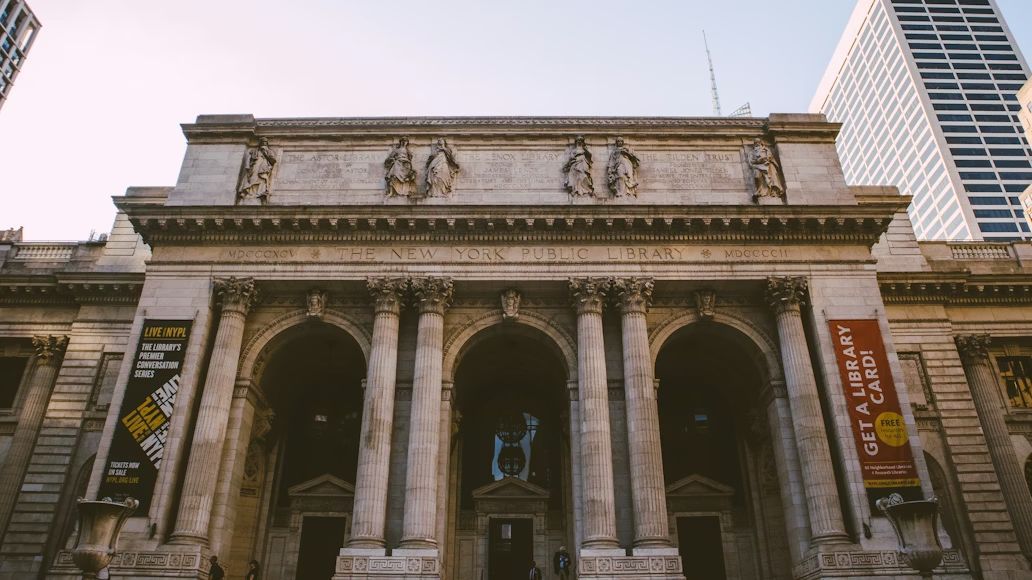
Image: Alejandro Barba

The New York Public Library system holds more than 50 million books and items. It is second in the United States, only to the Library of Congress, and ranks third worldwide . Those iconic lion statues guard far more than a quiet reading room. They watch over an astonishing archive of human knowledge. Have you ever visited it?

6
United Nations headquarters
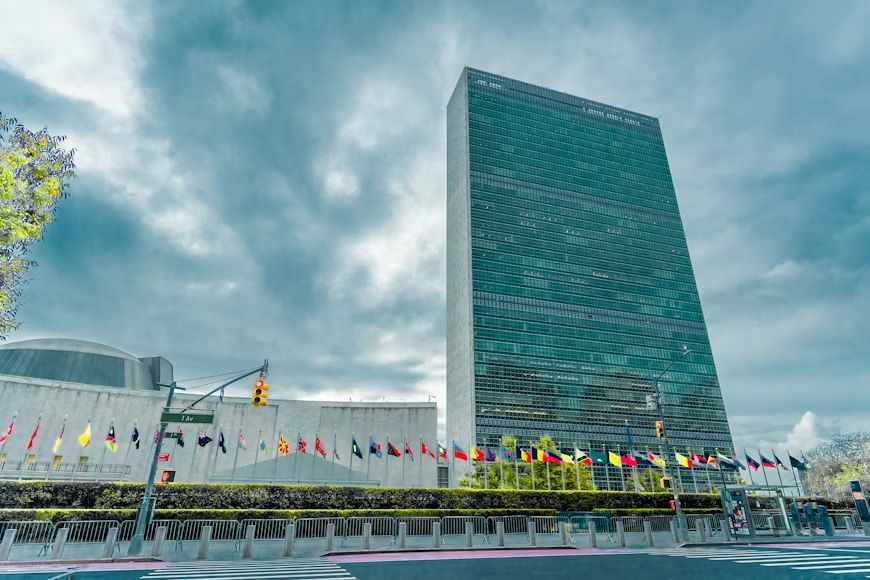
Image: Nils Huenerfuerst

The United Nations established its headquarters in New York City in 1952 following World War II. Since then, diplomats from nearly every country have gathered here to debate, negotiate, and occasionally argue. Few city blocks anywhere else host quite so many global decisions.

7
Brooklyn borough size
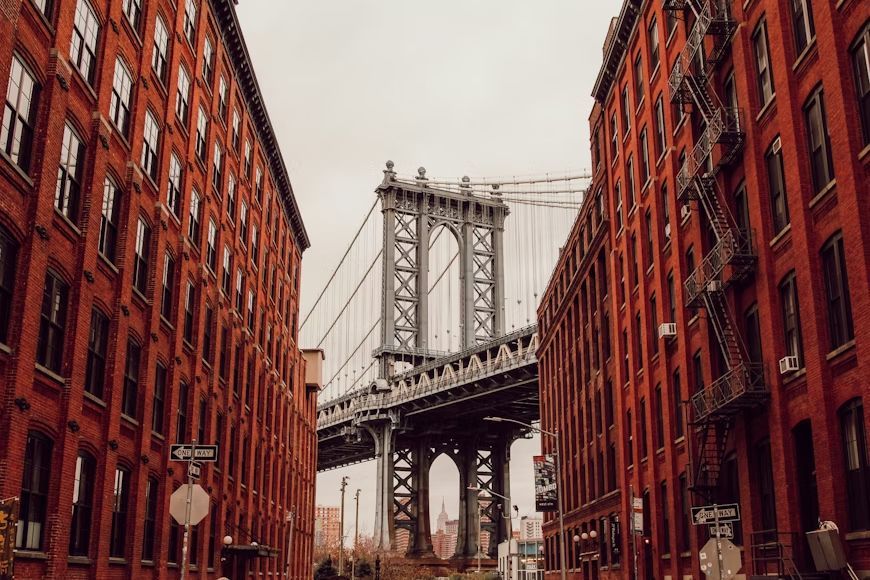
Image: Miltiadis Fragkidis

Brooklyn alone would rank as the fourth-largest city in the United States if it stood on its own. Queens would claim the same spot as well. Together, they show just how massive New York City really is, even when broken into boroughs.

8
Times Square naming
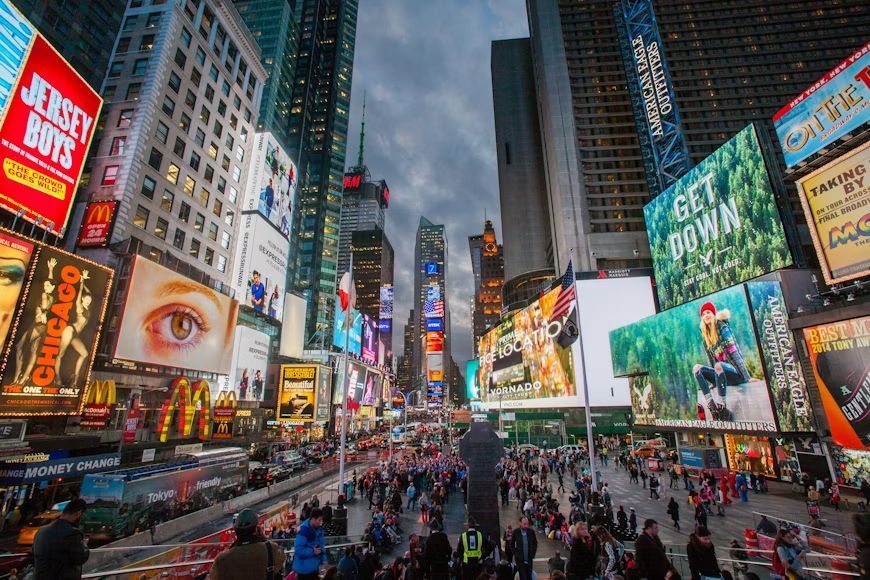
Image: James Ting

Times Square did not always have its famous name. It was once called Longacre Square until The New York Times moved its headquarters there in 1904. The name stuck, the lights followed, and the area became one of the most recognizable intersections in the world.

9
Chinatown population
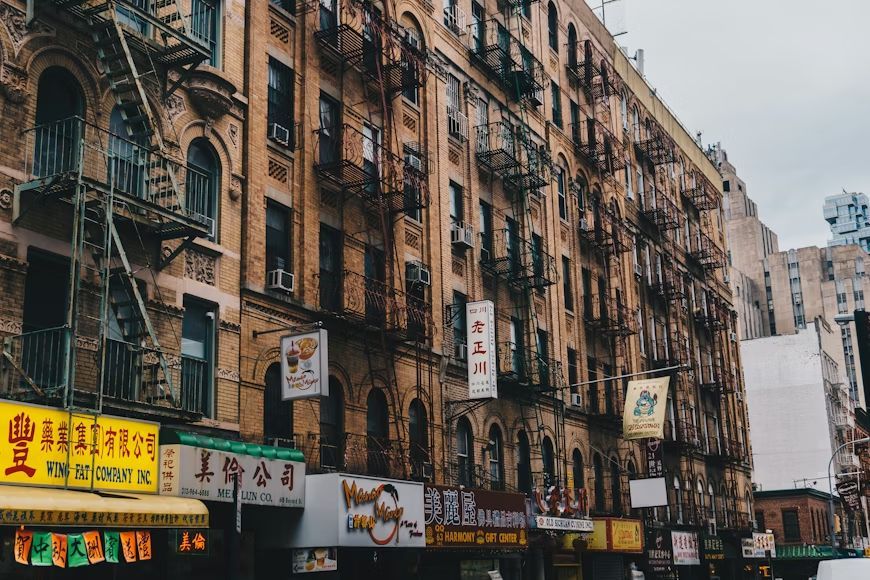
Image: Juan Di Nella

More Chinese people live in New York City than in any other city outside Asia. This influence shapes neighborhoods, food scenes, businesses, and traditions across the city. It is one more reason New York feels like many worlds packed into one place .

10
Pinball ban history
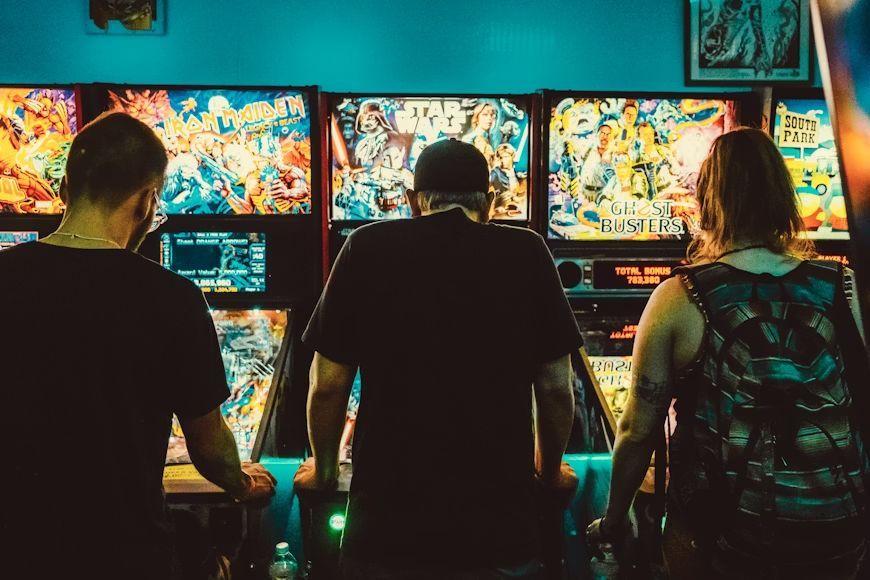
Image: Louie Castro-Garcia

Believe it or not, pinball machines were once against the law in New York City. Back in 1942, city leaders viewed the game as a form of gambling , and Mayor Fiorello LaGuardia ordered it banned. For more than 30 years, pinball disappeared from public view until the rule was finally lifted in 1976.

11
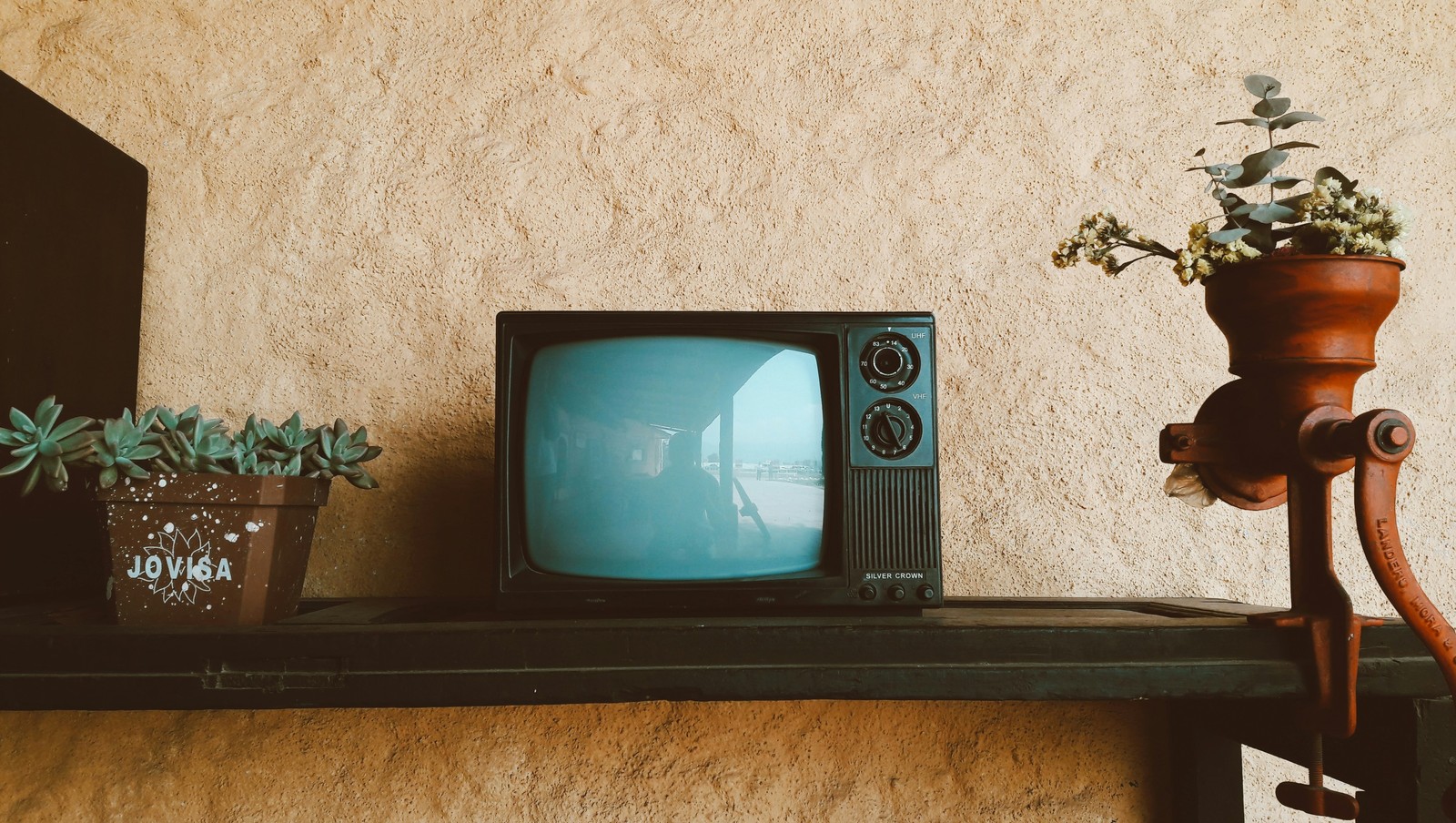
Secret train platform beneath the Waldorf Astoria
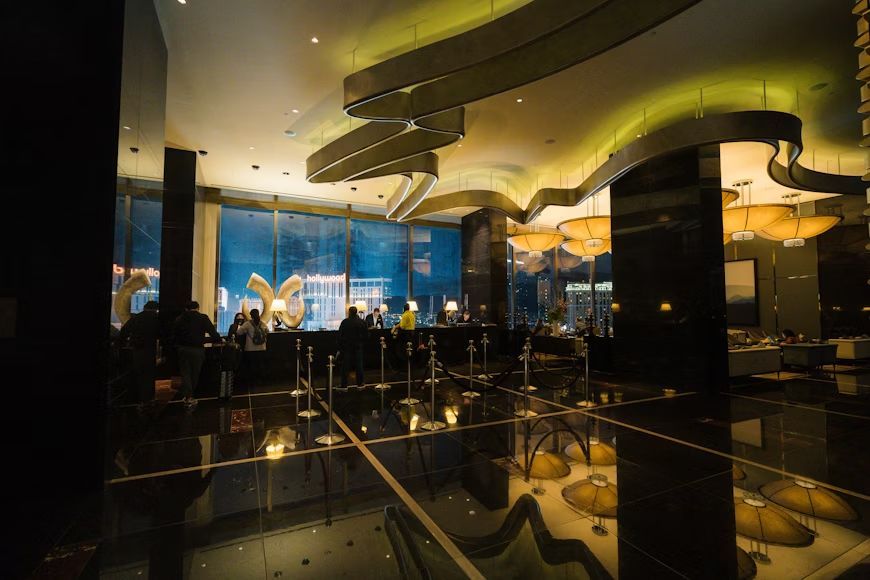
Image: Frugal Flyer

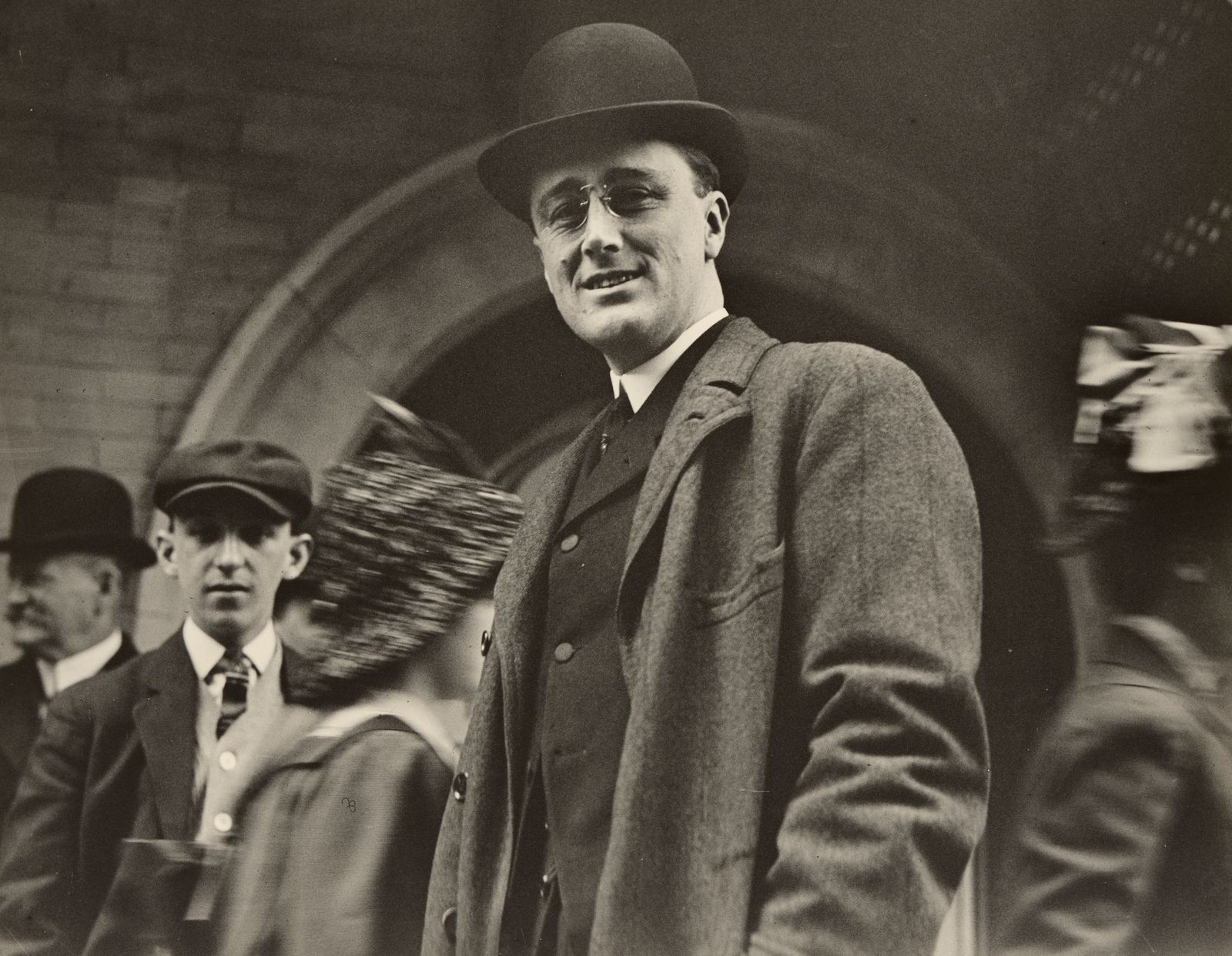
Hidden beneath the elegant Waldorf Astoria Hotel is a little-known train platform called Track 61. According to long-standing stories, President Franklin D. Roosevelt used it to arrive and leave discreetly, away from crowds and cameras. The platform is no longer active today , but knowing it exists adds a layer of mystery to an already legendary building.
General General 3 min read

Speakeasies and other secrets

Doctors did what? 10 shocking Prohibition facts they didn't tell you!

Image: Mister Mister

With the passage of the 18th Amendment in 1919, the Prohibition era began, lasting a long 13 years. It was a time when just about everything happened... but all in secret! Beyond the now-famous speakeasies, there are plenty of surprising events from this chapter of our history that you might not know! So, without further ado, let's uncover these 10 incredible facts about Prohibition!

1
The doctor said so

Image: Vinicius Amano

It's not news that alcohol was completely banned across the country from 1920 to 1933. But, you know, every law has its loophole. It's said that during Prohibition, some doctors took advantage of their authority to prescribe a peculiar medicine: whiskey! Well, if the doctor prescribed it, what could the cops possibly argue?

2
The queen

Image: Daniel Vogel

Women also played an important role during Prohibition on both sides of the law! One of the most notorious was Cleo Lythgoe, a.k.a. the "Queen of the Bootleggers." As her nickname suggests, she was one of the most successful bootleggers of those years. That's right! She built an empire, running a major underground operation that supplied alcohol to secret bars.

3
Clever marketing

Image: April Klein

Although they feel like something recent, marketing strategies have been around for a long time. In fact, even during Prohibition, clever sales tactics flourished by exploiting the nation's circumstances. This was the case with the so‑called "grape bricks," blocks of concentrated grape juice that came with some rather peculiar warnings, such as "NOT to dissolve in water, add yeast and store in a cool place for 21 days, or it may ferment and turn into wine."

4
NASCAR

Image: Simon Hurry

Although it may seem like nonsense, NASCAR's origins are closely related to bootlegging during the Prohibition era. The "moonshiners" were those who transported illegal alcohol. These drivers were skilled, relying on speed and sharp maneuvers to outrun the law. Those same driving techniques later helped give rise to stock car racing.

5
Sacramental

Image: Rey Proenza

Prohibition was full of loopholes. But undoubtedly, one of the most obvious ones was the allowance for sacramental wine. Since wine used in church masses was permitted, it led to more people attending certain services, and even the rise of some pseudo-religions!

6
A payment issue

Image: Mackenzie Marco

Prohibition agents were in charge of enforcing the dry law. However, there was one big problem the authorities overlooked: these agents were poorly paid. That small detail helped the illegal liquor trade thrive. Since agents weren't well paid, bootleggers found them easy to bribe.

7
Risky times

Image: Nick Fewings

The fight against alcohol sales was far from easy, and historical records suggest that, as a result, the authorities took some drastic measures. One of them was the decision to add highly toxic chemicals to the alcoholic beverages circulating at the time! But here's the most surprising part: many people knew -or at least suspected- and still drank their gin and tonic anyway!

8
A lot

Image: Sérgio Alves Santos

We know that Prohibition gave rise to the famous speakeasies, and we know there were a lot of them, but how many? Well, because they operated in secret, it's hard to know exactly how many speakeasies existed across the country. Still, one fact gives us a clear picture of that time: Speakeasies actually outnumbered the bars that existed before Prohibition.

9
The man in the green hat

Image: JOSHUA COLEMAN

Bootleggers were everywhere, even where you'd least expect them. During the Prohibition years, there was one man who operated as the main bootlegger of Congress. He was nicknamed "The man in the green hat" as a reference to his trademark green fedora.

10
After sunset

Image: Anna Asryan

In Detroit, the Police Department grew tired of constantly chasing smugglers down the Detroit River. As these chases were extremely risky and often ended in accidents, the Detroit Police Department adopted an unofficial policy: "No active chases after sunset." As you can imagine, this gave smugglers a lapse of time each night to move without worry.

General General 4 min read

Unplugging in nature

Here's why off-the-grid cabins do better than any other vacation stay

Image: Chris Reid

These days, "getting away" often just means answering emails from a different zip code. If you are craving something new and different, an off-the-grid retreat—whether it’s a remote cabin, a secluded tent site, or a rustic forest yurt—is the ultimate reset button. It’s a chance to start more meaningful conversations with your loved ones, resting your thumb from doomscrolling, or simply to rediscover what it feels like to be truly free and present . Read on to discover the ten life-changing benefits that happen the moment you turn your phone off for good.

1
Your thumb gets a much-needed break

Image: Plann

After years of scrolling through everyone's vacation photos, your thumb has basically been doing cardio. Whether you’re relaxing in a place like the Southern Appalachians or the Pacific Northwest, that overworked digit finally gets to rest . Without service, you'll discover it has other talents, such as turning actual pages in a book or striking a match to start an evening fire.

The first day feels weird, like you've forgotten your wallet. By day two, you'll notice your hand isn't automatically reaching for your pocket every five minutes.

2
Mornings without emails are magical

Image: Brett Jordan

Imagine waking up without that immediate cortisol spike from seeing 47 unread emails. In a no-service cabin, your morning starts with coffee on the porch and actual bird sounds instead of notification pings.

Your boss's "urgent" request about the quarterly report can wait until Monday. Mother Nature doesn't have Wi-Fi, and honestly, she's doing just fine without it.

3
Conversations get interesting again

Image: Priscilla Du Preez

Without phones to fact-check every debate, dinner conversations become adventures . You'll actually have to remember things or admit you don't know something. Someone will insist that a movie came out in 1987, someone else swears it was '89, and you'll never resolve it.

The beauty is, it doesn't matter. You're too busy laughing and telling stories to care who's right.

4
You sleep as you did in your twenties

Image: Slaapwijsheid.nl

Without blue light blasting your eyeballs until midnight, your body remembers how to sleep properly . The mountain air helps too: There's something about that fresh, pine-scented breeze that works better than any sleep app.

You'll wake up actually rested instead of groggy. No 3 a.m. phone checks, no falling down social media rabbit holes when you should be sleeping—just solid, deep, restorative rest.

5
The stars will blow your mind

Image: Calwaen Liew

City lights and phone screens have stolen the night sky from us. Out in the deep wilderness, with zero light pollution and nothing to scroll through, you'll actually look up. The Milky Way isn't just a candy bar; it's a river of stars you can see with your naked eye.

Bring a blanket, lie on your back, and prepare to feel wonderfully small. You might even see a shooting star, and without your phone, you'll actually experience the moment instead of trying to photograph it .

6
Reignite your relationship with your partner

Image: Scott Broome

When you can't zone out on your phone, you have to actually talk to each other . Crazy concept, right? You'll remember why you liked this person in the first place. Without digital distractions, you might have conversations that go deeper than "what do you want for dinner?"

Plus, there's something romantic about being genuinely unreachable together. It's just the two of you against the mountains, like you're the last people on Earth.

7
Boredom becomes interesting

Image: Thomas Park

Here's something nobody tells you: Boredom is actually good for you . When your brain isn't constantly entertained, it starts wandering into interesting territory. You might finally figure out that problem at work, or remember a dream you had, or just notice how pretty the light looks through the trees.

Kids used to complain they were bored, and their parents said, "Go outside and find something to do." Turns out that advice works for adults, too. You'll be amazed at what you notice when you're not staring at a screen.

8
Real books make a comeback

Image: Matias North

Without the internet's constant interruptions, you'll rediscover what it's like to lose yourself in a story for hours . No tabs to check, no notifications to dismiss. Just you and the page.

There's something satisfying about the physical act of turning pages that a Kindle just can't match, especially with a wood fire crackling nearby.

9
Board games don't seem lame anymore

Image: Karthik Balakrishnan

Suddenly, that dusty Scrabble set in the cabin's closet looks pretty appealing. When your entertainment options shrink, simple pleasures expand. You'll find yourself actually enjoying a game of cards or Monopoly.

10
You return home as a better version of yourself

Image: Shane Ryan Herilalaina

After a few days off the grid, you'll notice something strange: you don't immediately need to check everything you missed. The world kept spinning without your constant monitoring, and that's oddly liberating. You might even keep your phone on silent for a while.

That mountain calm sticks with you, at least for a few days. You'll find yourself less anxious, more present , maybe even a little smug about your digital detox.

Explore more American facts

Choose your favorite category!

General
General

As American as apple pie—the very best America has to offer!

Culture
Culture

Delve into the astounding richness of American lore.

Geography
Geography

Hop in and explore vast and diverse American landscapes.

History
History

Discover the key moments that shaped the United States.