Culture Culture 3 min read

Celebrating the weird

These 12 bizarre American festivals will raise more than a few eyebrows
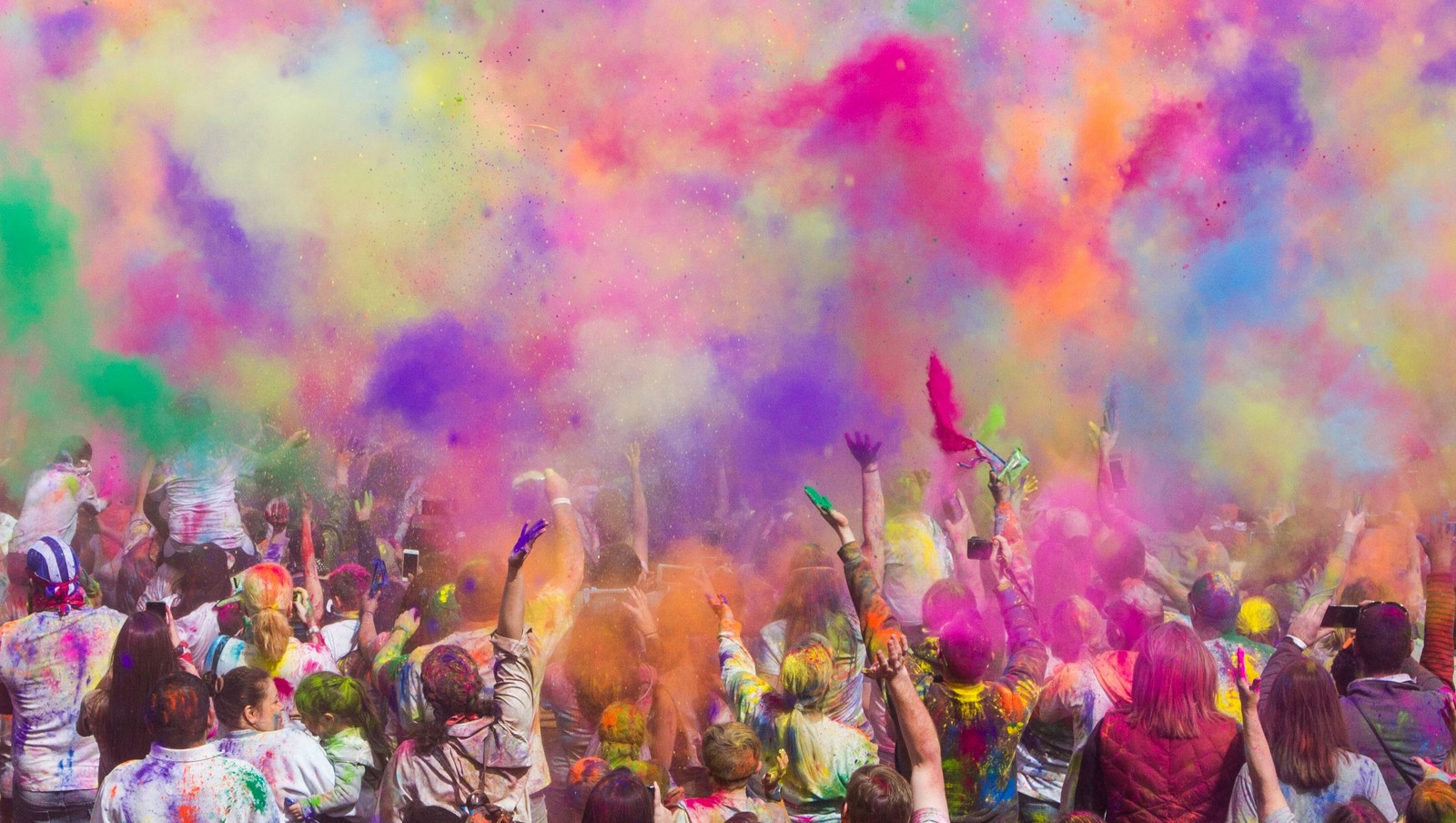
Image: John Thomas

As one might expect, our country has no shortage of unusual celebrations, and some towns have turned the unexpected into a full-blown yearly tradition. From underwater concerts to rolling outhouses, these festivals prove that we love a good surprise. Take a look at the following 12 and see which one you would like to visit!

1
Burning Man – Nevada
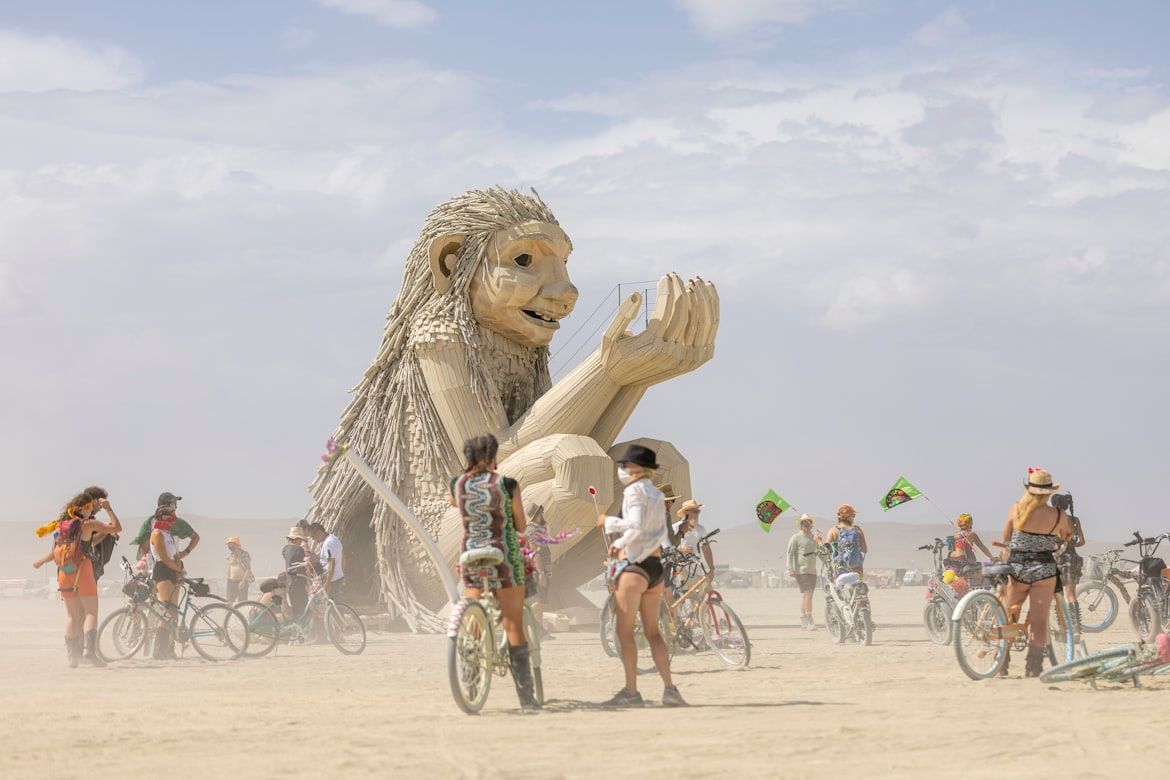
Image: Leo_Visions

We will start with the most popular and commercial option among the lot. Held in the Nevada desert, Burning Man builds a whole temporary city devoted to creativity and giant art installations that rise from the dust, glowing at night.

The week ends with the burning of a massive wooden figure. This massive festival is attended by thousands of people, from tech tycoons to regular folks looking for an interesting experience.

2
Mothman Festival – West Virginia

Image: Joe Green

The second and last "...man" festival in our list celebrates the legendary Mothman . Visitors enjoy costumes, speakers, and cryptid-themed fun downtown.

The atmosphere is friendly and playful, blending folklore with small-town charm. It’s a surprising mix of spooky stories and a full festival atmosphere.

3
Underwater Music Festival – Florida
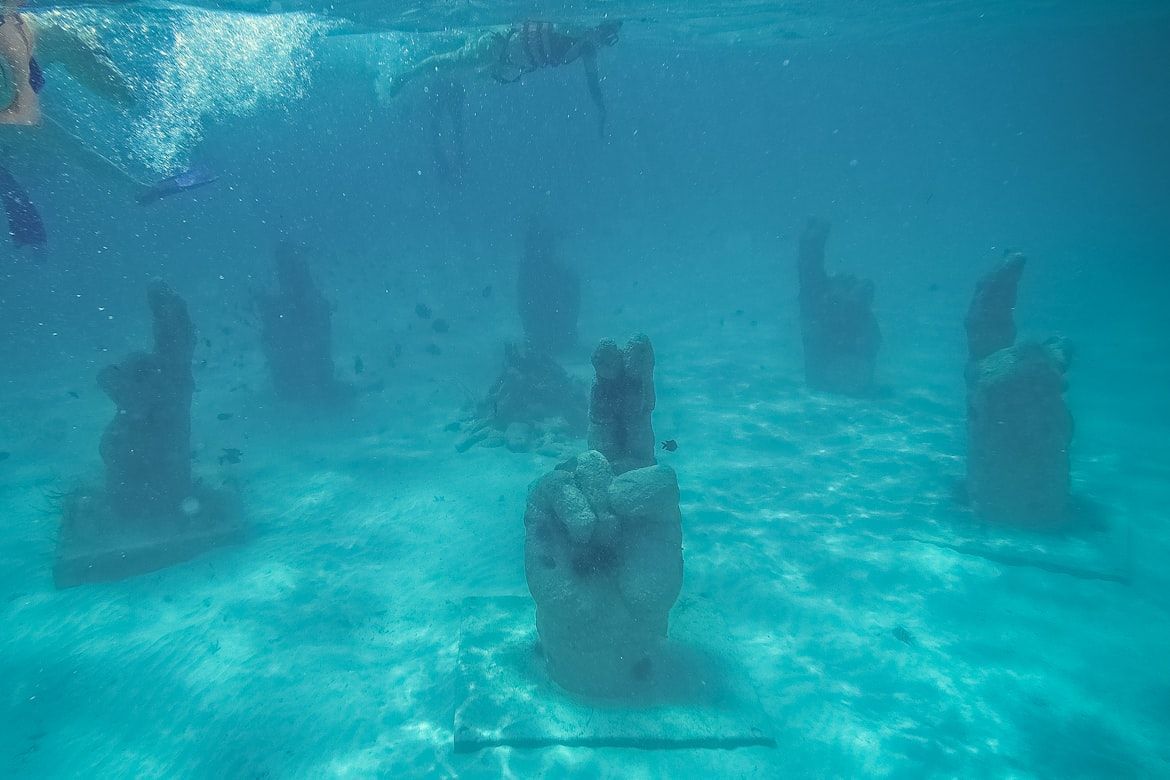
Image: Miltiadis Fragkidis

In this highly unusual event, snorkelers and divers gather to hear music underwater in the Florida Keys. It’s both a concert and a celebration of the local reef.

Participants float among colorful fish while tunes echo beneath the waves . This beautiful experience is designed to raise awareness for ocean conservation.

4
Frozen Dead Guy Days – Colorado
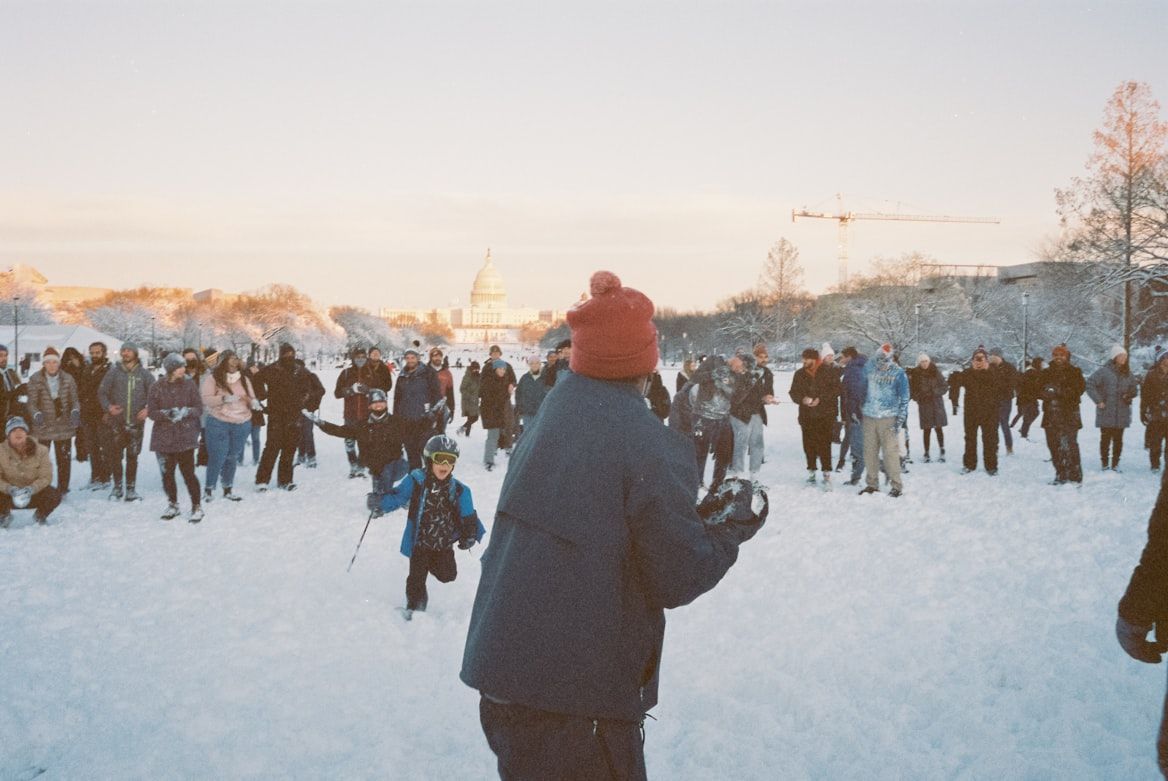
Image: Hayes Potter

Not a man, but a guy here. This Colorado festival honors an unusual legend: an individual kept in cryogenic storage in town . Events include (yes) coffin races, oddball contests, and winter fun.

Locals and visitors turn the strange story into a joyful celebration that attracts many visitors every year.

5
Roswell UFO Festival – New Mexico
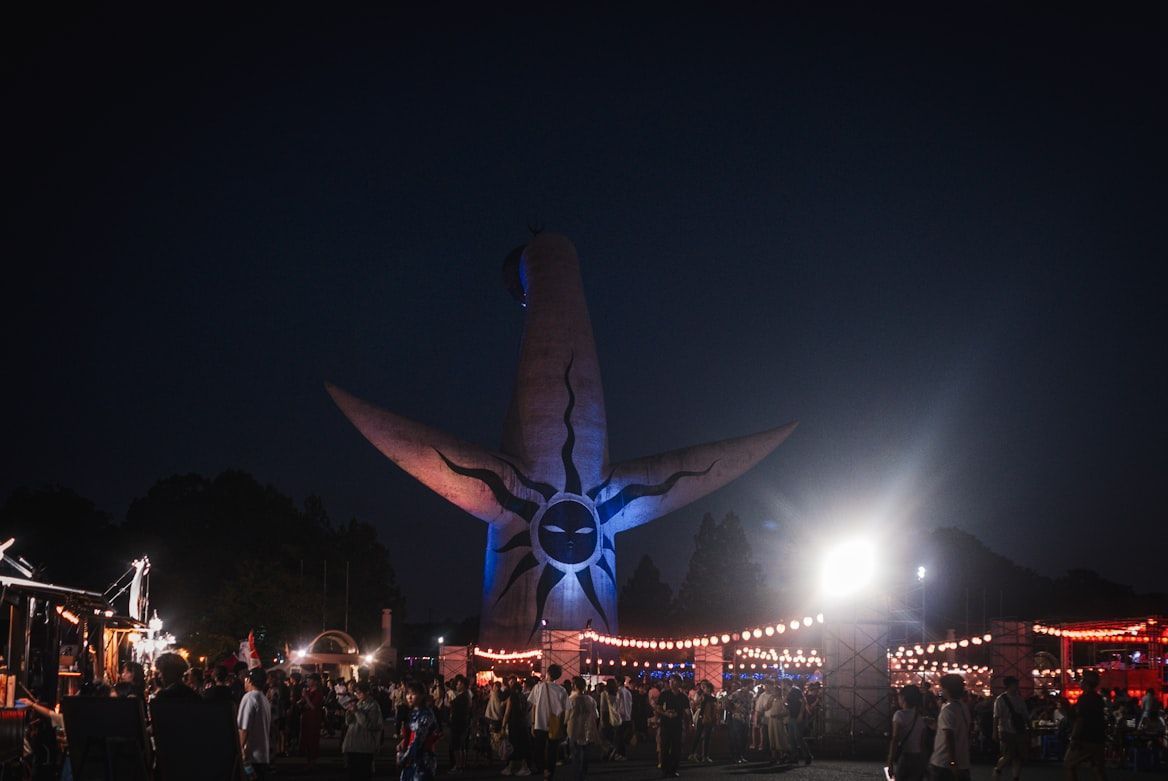
Image: moollyem

Roswell leans into its extraterrestrial fame with parades, costumes, and alien-themed games . Groups of friends and families stroll through downtown, surrounded by bright green mascots.

Guest talks and exhibits revisit the famous 1947 incident. Whether you’re a believer or just curious, it’s a cheerful dive into the UFO scene in America.

6
World Championship Outhouse Races – Nevada
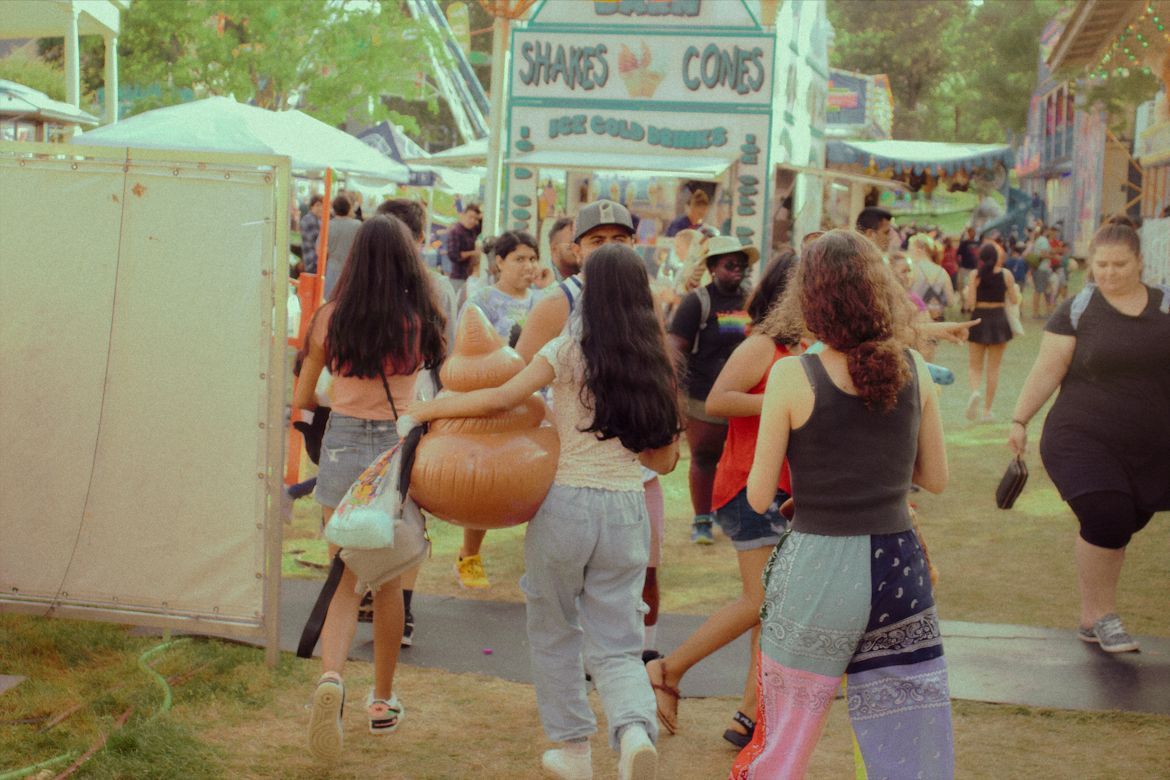
Image: Yiquan Zhang

Virginia City hosts races where teams push decorated outhouses down Main Street . It’s fast, funny, and downright bizarre.

The event honors the town’s mining-era history by reflecting on the everyday living conditions of the miners (but with a smile).

7
Giant Pumpkin Regatta – Oregon
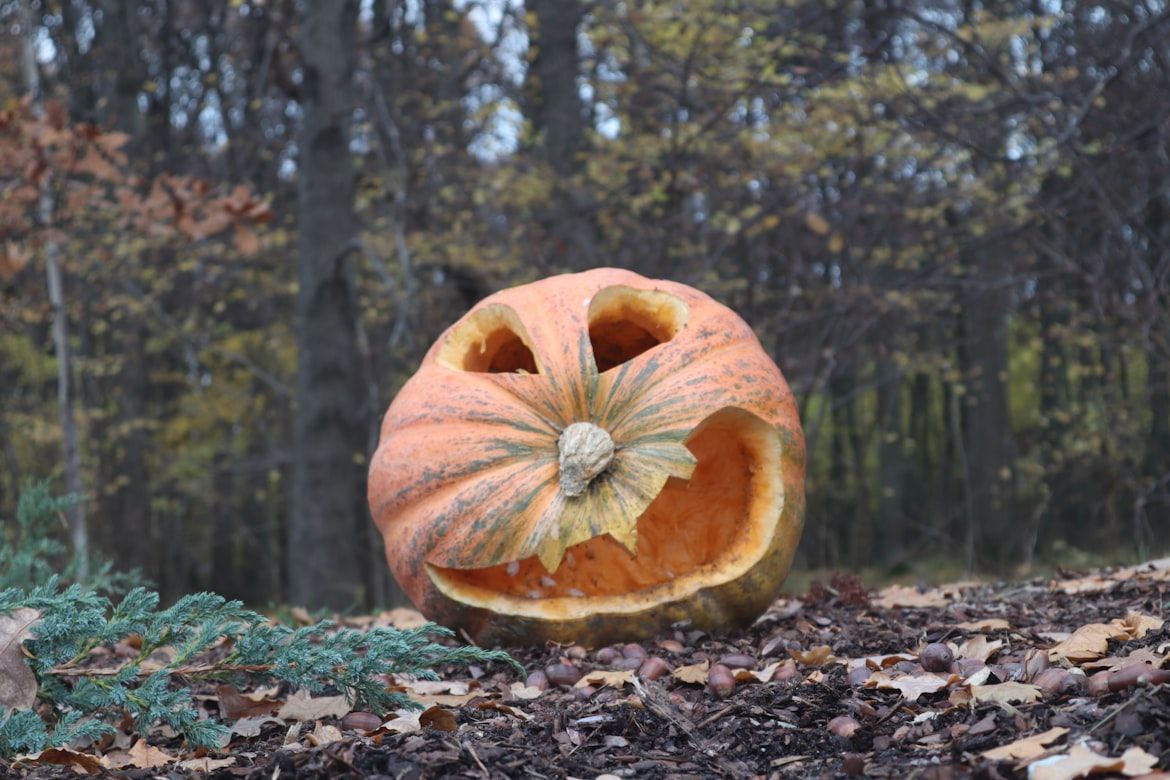
Image: Alex Dadukin

Each fall, racers climb into hollowed-out giant pumpkins and paddle across a lake . With costumes, as it should be.

Spectators line the shore laughing as pumpkins wobble, spin, and sometimes sink. It’s an amazing seasonal tradition built to display uniqueness at its peak.

8
Corgi Beach Day – California
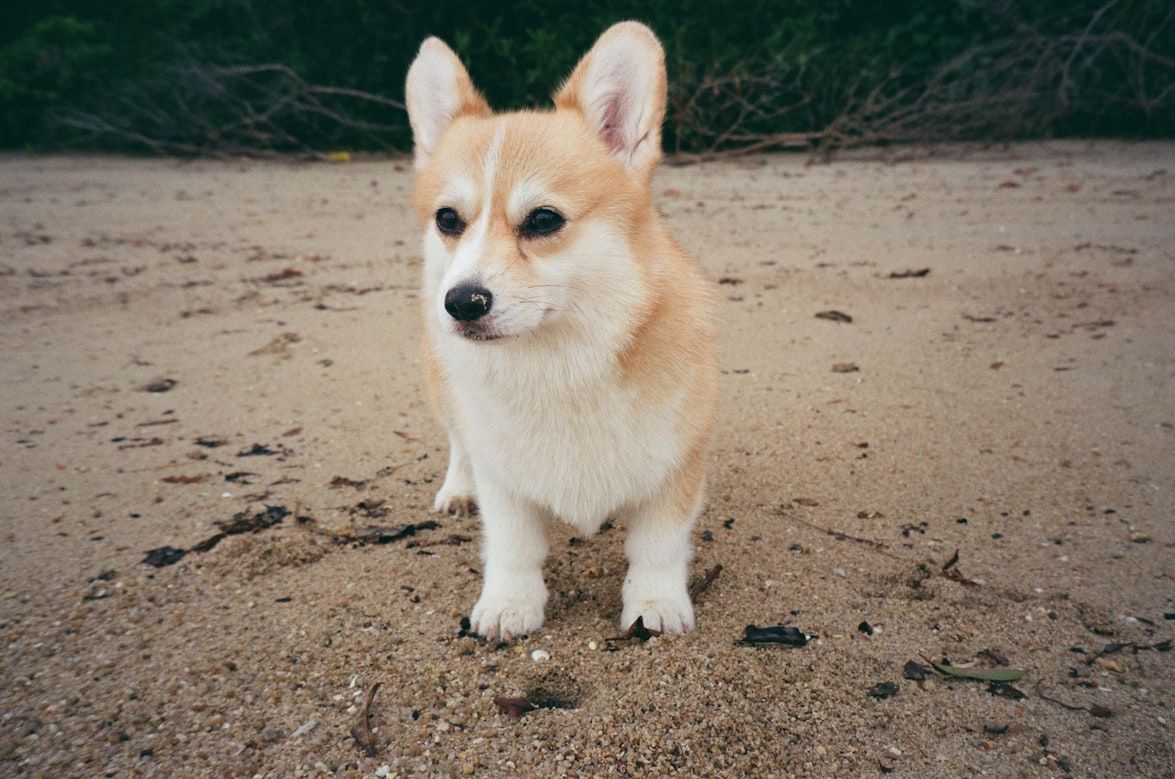
Image: Xennie Moore

Every year, Huntington Beach fills with hundreds of corgis dressed as sharks, surfers, and superheroes , among other themes. There are races, photo ops, and plenty of sand.

Owners chat and mingle while the dogs bounce through the waves. It’s an adorable festival that celebrates fun over the formality that is sometimes associated with this breed.

9
Humongous Fungus Fest – Michigan
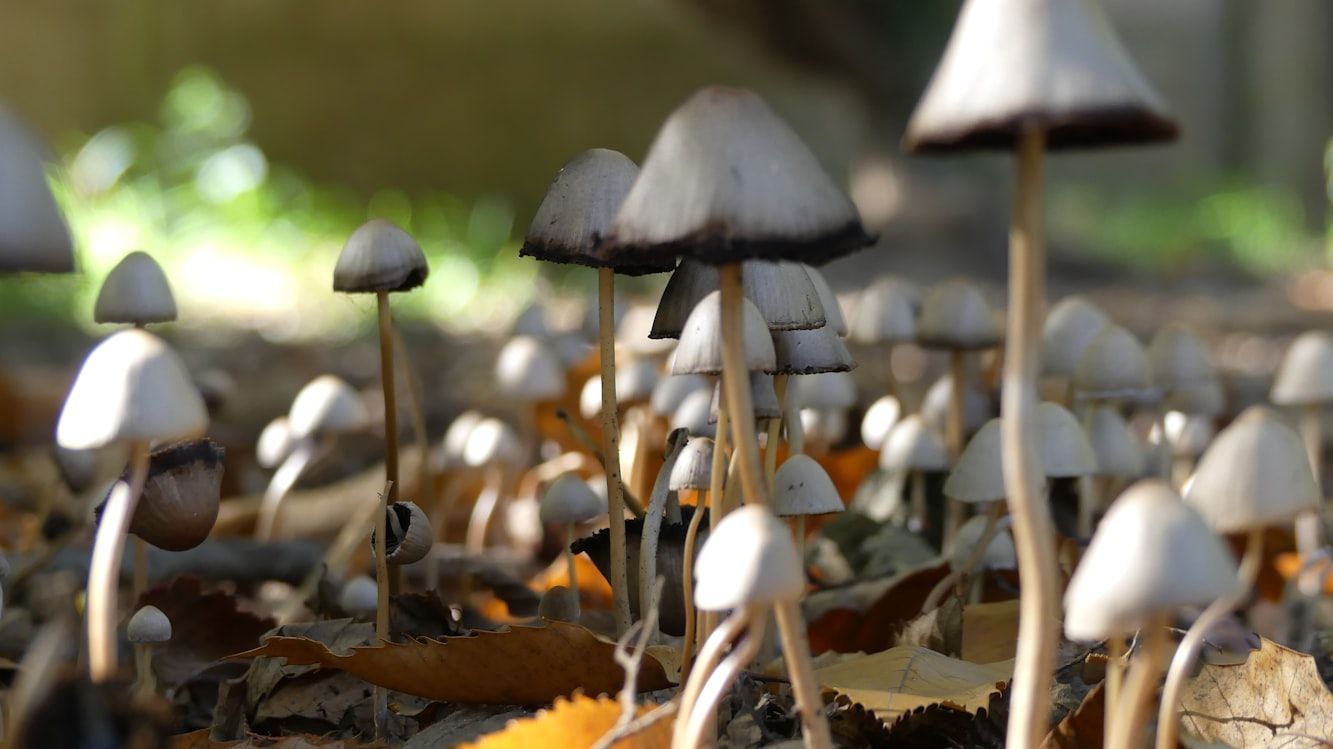
Image: Cintya Hernandez

Each year, Crystal Falls honors a giant living fungus beneath the town with parades, food, and music . It’s a celebration that might seem odd to the uninitiated, but it is greatly appreciated by those in the know.

Residents and visitors enjoy mushroom-themed competitions and mushroom-themed food. The event turns a scientific oddity into a fun festival.

10
Marfa Lights Festival – Texas
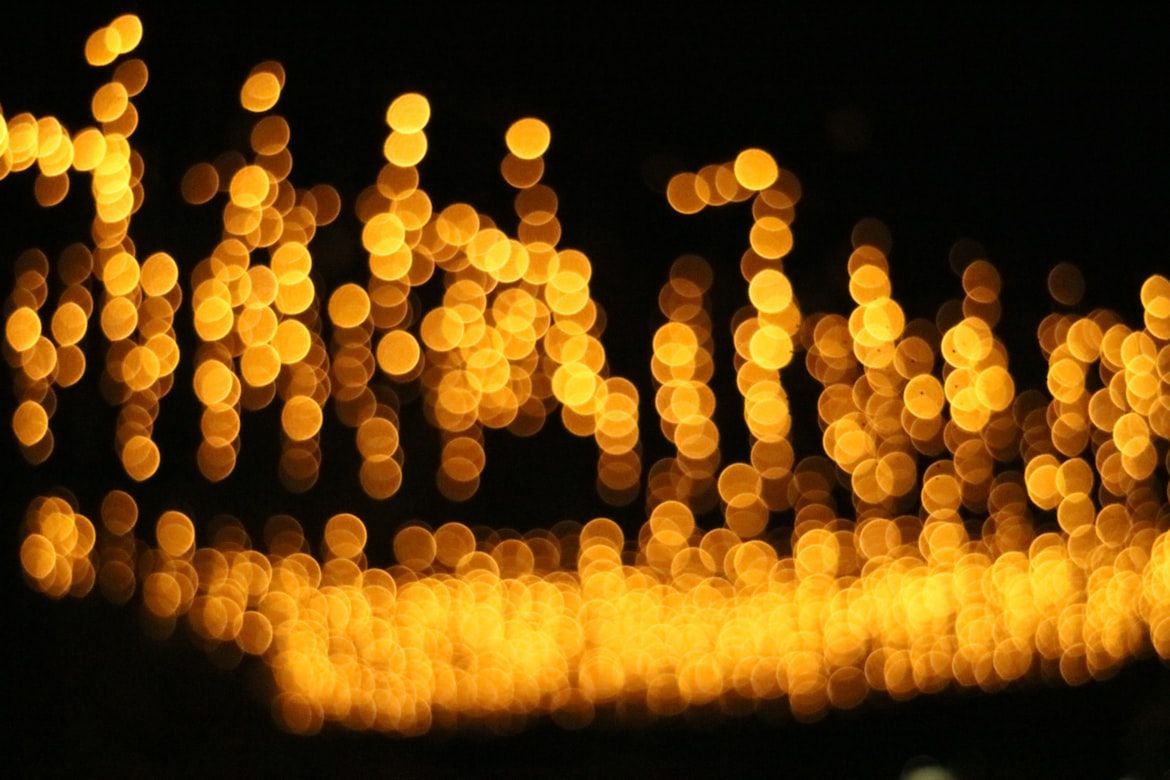
Image: Damir Samatkulov

In West Texas, visitors gather yearly to celebrate the unexplained phenomenon known as the Marfa Lights . Music, food, and local art create a small-town festival that has grown past its frontiers.

At night, people scan the desert horizon hoping to glimpse the glowing orbs. It’s a mix of mystery and fun, all rolled into a festival.

11
Waikiki SPAM Jam – Hawaii
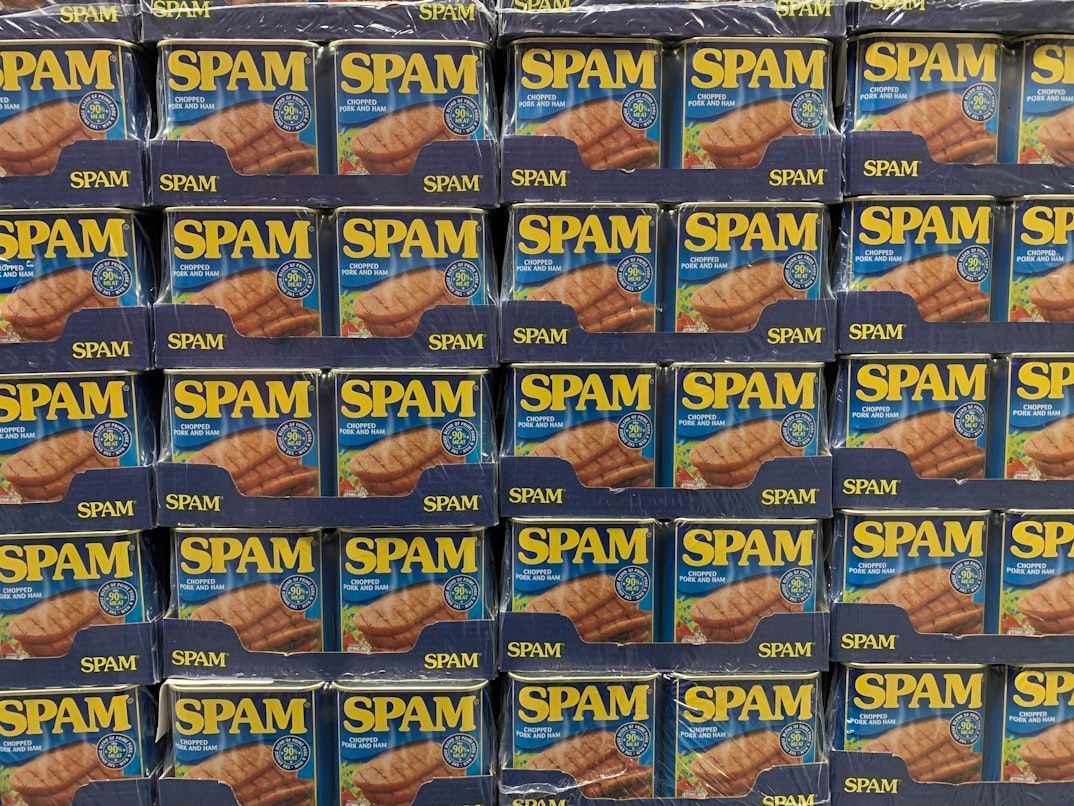
Image: Hannes Johnson

Honolulu’s own SPAM Jam celebrates the world-famous canned meat with street-long food booths and live entertainment . Distinguished chefs create inventive SPAM dishes for visitors.

The festival is a tasty tribute to a food with deep local roots and universal appeal (when it is not linked to its digital homonym).

12
Houston Art Car Parade – Texas
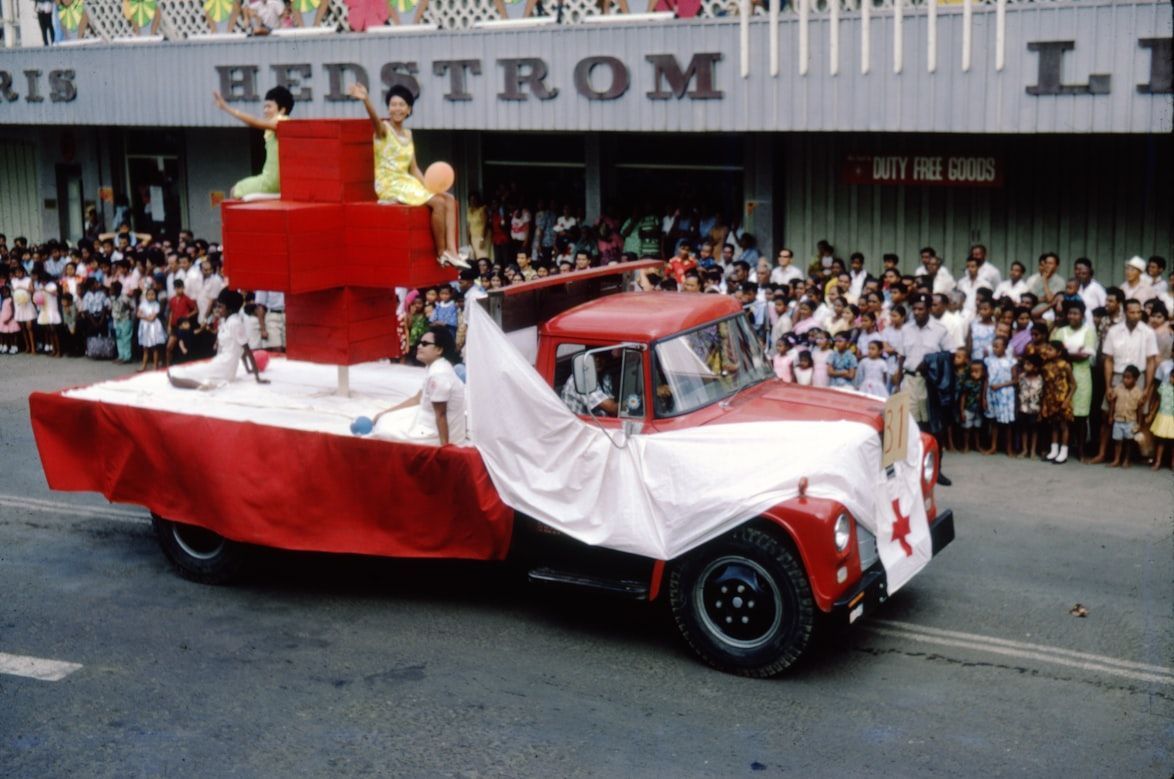
Image: Brett Jordan

Artists from Houston and elsewhere transform cars into rolling sculptures and parade them proudly through the city . Designs range from glittering dragons to mobile gardens.

Families and friends gather to admire the creativity and color, complete with exhaust pipes' smoke, lingering in the air. It’s an unexpected way to blend art and fun.

General General 4 min read

Little-known stories

Which movie star annoyed customers at drive-thrus? Stories of food brands

Image: Alessandro D’Antonio

American food brands have some gifted storytellers behind them. So, naturally, many of us are familiar with the fabled facts about Coca-Cola’s secret recipe or the success story of Colonel Sanders. But do you remember stories about pizza delivered to outer space , a fictional spokesperson, or a rebranded National Monument? We’re here to explore some of the lesser-known facts behind our favorite food brands!

1

2
Jack In The Box

Image: Studbee

And speaking of outer space… Before Mark Hamill became Luke Skywalker in Star Wars, he once worked the drive-thru at Jack in the Box. He was quickly fired, though. Customers complained after he spoke to them using a clown-like voice.

Decades later, in 2022, Hamill reunited with the brand in a comeback ad promoting two revived fan favorites: Spicy Chicken Strips and French Toast Sticks.

3
Taco Bell

Image: PJ Gal-Szabo

The company has pulled off some interesting marketing pranks over the years, but none as unforgettable as its 1996 April Fool’s joke announcing that it had purchased the Liberty Bell.

A full-page ad ran in major newspapers announcing the purchase of the historic bell to help reduce the national debt. The "Taco Liberty Bell" joke did not land well. It caused thousands of complaints; people contacted Taco Bell and the National Park Service demanding answers. Later that day, the company confirmed the story was a hoax, and the stunt went down as one of the most memorable marketing pranks of all time.

4
Domino’s Pizza

Image: Erick Galván

Back in the ’80s, when Domino’s expanded into Japan, the company ran into a problem: there was no Japanese word for "pepperoni." And, since it was the best-selling topping in the US, they could not risk leaving that pizza out of the menu! So, the brand had to coin a Japanese word for pepperoni. They went for ペパロニ (pronounced "peparoni").

5
Pizza Hut

Image: Joshua Hoehne

Pizza Hut has always been known for some memorable marketing stunts. When Back to the Future Part II hit theaters in 1989, the chain handed out "futuristic" sunglasses with every pie. In 1995, they recruited Donald Trump and Ivana Trump to introduce their first stuffed-crust pizza.

And who could forget the time, in 2001, when they delivered the first pizza ever sent into space, straight to the International Space Station (ISS)?

6
Starbucks

Image: Gema Saputera

Starbucks is such an iconic franchise that its presence can signal rising real-estate values. Studies show that neighborhoods with a new Starbucks often experience property-price increases above the usual rate.

Another interesting tidbit about the brand: inside its stores, employees are required to avoid wearing perfume, cologne, or other strong fragrances to prevent interfering with the aroma and taste of the coffee.

7
Coca-Cola

Image: Samuel Bryngelsson

From 1886 until 1959 (over seventy years!), a 6.5-oz glass or bottle of Coca-Cola cost exactly 5 cents. The company had strategic reasons for keeping the price so low and stable.

At the time, it was easier to get customers to insert a single nickel into vending machines rather than require multiple coins. The 5-cent price helped make Coca-Cola a simple, affordable choice.

8
McDonald’s

Image: Brett Jordan

The Golden Arches giant has had a long, sometimes on-, sometimes off-, relationship with Disney. McDonald’s began doing Happy Meal tie-ins with Disney characters in 1987 to promote Disney films.

For about ten years, the partnership was exclusive, but it fell off because Disney wanted to work with other food brands, and McDonald’s with other movie studios! Today, they still share a non-exclusive alliance.

9
Wendy’s

Image: Brian J. Tromp

Wendy’s square hamburger patties weren’t an accident; the idea reportedly came from a chain called Kewpee Hamburgers, a Kalamazoo favorite known for its square-shaped burgers. Founder Dave Thomas has said that as a child, he often ate at a Kewpee, and that those square patties inspired the look and feel of Wendy’s burgers.

Thomas had always loved those because corners poking out of the bun created the impression of a larger burger and made the meat easier to see.

10
KFC

Image: Aleks Dorohovich

KFC’s legendary "11 herbs & spices" recipe is kept under tight lock and key; the company splits the production of the spice mix between different suppliers so that no single person outside knows the full formula.

However, there was a time when Colonel Sanders offered that recipe at a very affordable price: he would license the recipe to restaurant owners for just 4 to 5 cents per chicken piece sold, giving them the right to cook and sell his secret-recipe chicken themselves.

11
Betty Crocker

Image: Lalada .

Betty Crocker was never a real person. Did you know? She was invented in 1921 by the Washburn-Crosby Company as a friendly, approachable name to respond to consumer letters.

Even though she was fictional, by 1945, Fortune magazine named "Betty Crocker" the second most famous woman in America, second only to Eleanor Roosevelt.

12
M&M

Image: Pixabay

There’s a long-standing debate about America’s favorite chocolate nuggets: Do different colors of M&M’s actually taste different? While many fans swear their favorite color has a distinct flavor, the brand consistently states that the only difference between colors is their dye; all other ingredients remain the same.

That said, some people claim that mini M&M’s taste sweeter than the regular ones. Some analyses suggest that mini M&M’s have a higher candy-shell-to-chocolate ratio, which could make them taste sweeter.

13
Heinz

Image: JEFERSON GOMES

Though ketchup is by far Heinz's flagship product, that was not the first one Henry J. Heinz sold. You probably could never guess what it was that he personally started selling back in 1869!

Horseradish! The first thing he ever sold, out of his house, under his name, was horseradish and other pickled goods like vinegar, sauerkraut, and pickles. This early business laid the groundwork for the now-famous condiments empire.

History History 4 min read

AMERICAN PIONEERS

Old West Tales: 10 Key Moments of the Wildest Frontier

Image: Eniko Polgar

The Westward expansion that defined the American frontier during most of the 19th century was a time of daring pioneers and boundless possibilities, which ultimately shaped the nation in profound ways.

This expansion of our Nation’s territory to the vast lands of the American West brought about innovation, and progress, but also conflict. From the Louisiana Purchase to the Dawes Act, let’s take a deep dive into the moments that defined the frontier spirit and solidified America's path to greatness.

1
Louisiana Purchase (1803)

Image: Nik Shuliahin

It sounds crazy today, but the Louisiana Purchase almost doubled the size of the United States overnight. Thomas Jefferson, at the time, the third to occupy the position of President of the United States, bought the massive 828,000 sq mi territory from France for $15 million, securing vital land and resources.

The purchase, however, didn’t mean that the United States also gained control of the totality of the territory, as it was inhabited by Native Americans. But in any case, the acquisition paved the way for westward expansion, providing a vast area for exploration and settlement, while enhancing America's geopolitical influence.

2
Lewis and Clark Expedition (1804-1806)

Image: Charles Marion Russell

Commissioned by Jefferson, Meriwether Lewis and William Clark then embarked on a mission to map the newly acquired lands and find a viable route to the Pacific. Their legendary journey revealed the rich diversity of the western territories and established crucial relationships with Native American tribes.

Sacagawea, a Shoshone woman, played a crucial role as an interpreter and guide, helping the expedition navigate difficult terrain and gain trust with native tribes, significantly contributing to the mission's success. Ultimately, their detailed reports opened the frontier to future explorers and settlers.

3
The Oregon Trail (1811-1869)

Image: Dana Davis

Originally laid around 1811 by fur trappers and traders, the Oregon Trail soon became a critical route for thousands of emigrants moving west. Spanning over 2,000 miles from Missouri to Oregon, it was a perilous journey marked by harsh landscapes and, more often than not, disease.

Despite the hardships, the trail was improved to become passable by wagons, and it facilitated the mass migration of over 400,000 settlers during its peak, significantly contributing to the population growth and development of the Western United States.

4
California Gold Rush (1848-1855)

Image: Viviana Rishe

The discovery of gold at Sutter's Mill in 1848 triggered a massive influx of fortune seekers to California. The Gold Rush not only boosted the economy but also accelerated California's admission claim as the 31st state in 1850.

While prospectors initially used simple techniques like panning, the increasing complexity of gold extraction eventually required significant financing, favoring mining companies. And though the gold rush generated wealth worth tens of billions in today's dollars, only a few became rich; most participants earned little more than they had started with.

5
Homestead Act (1862)

Image: Kevin Butz

Signed by President Abraham Lincoln, the Homestead Act offered 160 acres of public land to settlers willing to farm it for five years. The policy primarily encouraged individual farmers who were looking to operate their own farms, as opposed to slave owners who sought to buy large tracts of land and use slave labor.

The legislation encouraged widespread migration to the Great Plains, accelerating agricultural development and expanding American settlements across the West.

6
Building of the Transcontinental Railroad (1863-1869)

Image: Johannes Plenio

The completion of the first Transcontinental Railroad in 1869 revolutionized transportation in the United States. Connecting the East and West coasts, it facilitated trade, travel, and communication.

The extensive railroad network was built by three private companies on public lands, financed with federal bonds and various subsidies. Instrumental in the nation's economic growth, the Transcontinental Railroad also helped forge a sense of national unity and identity in the American consciousness.

7
The Great Sioux War (1876-1877)

Image: Popular Graphic Arts

Also known as the Black Hills War, the Great Sioux War was a series of conflicts between the United States and the Sioux tribes. The war was sparked by the encroachment of settlers and gold prospectors on Native lands, a conflict that had been escalating since the early 19th century.

Despite many Native American victories, such as the Battle of Little Bighorn - better known as Custer's Last Stand -, the war ultimately ended in the tribes' displacement. The conflict officially finished with the Agreement of 1877, in which the Sioux tribes were forced to cede property rights of their lands to the federal government, while clearly demarcated Indian reservations were established.

8
Oklahoma Land Rush (1889)

Image: Raychel Sanner

On April 22, 1889 - soon after the signing into law of the Indian Appropriations Act, which freed over two million acres of land for settlement - thousands of settlers raced to claim land in the Oklahoma Territory during the first of several land rushes.

Those who followed the rules and waited for the official start of the land rush were known as "boomers," while "sooners" sneaked into the territory before the designated time, risking penalties but gaining advantageous claims. This sparked hundreds of legal contests that had to be settled at local land offices or even by the U.S. Department of the Interior.

9
The Dawes Act (1887)

Image: Boston Public Library

The Dawes Act aimed to assimilate Native Americans by dividing tribal lands into individual allotments. While intended to promote agriculture and integration, it resulted in the loss of tribal lands and culture.

The act was a controversial effort to reshape Native American society in the image of European-American settlers. It wasn’t until the Indian Reorganization Act, passed during the Franklin D. Roosevelt administration, that Native Americans regained some of their rights to own land collectively and form self-government.

10
Closing of the Frontier (1890)

Image: Aaron Burden

In 1890, the U.S. Census Bureau declared the frontier closed, as there was no longer a discernible frontier line. This marked the end of a significant era of American expansion.

The closing of the frontier signified the nation's transition from a period of exploration and settlement to one of modernization and industrialization.

Explore more American facts

Choose your favorite category!

General
General

As American as apple pie—the very best America has to offer!

Culture
Culture

Delve into the astounding richness of American lore.

Geography
Geography

Hop in and explore vast and diverse American landscapes.

History
History

Discover the key moments that shaped the United States.