General General 4 min read

Enlightening comparisons

How many elephants fit in a cloud? Wild comparisons you won’t believe
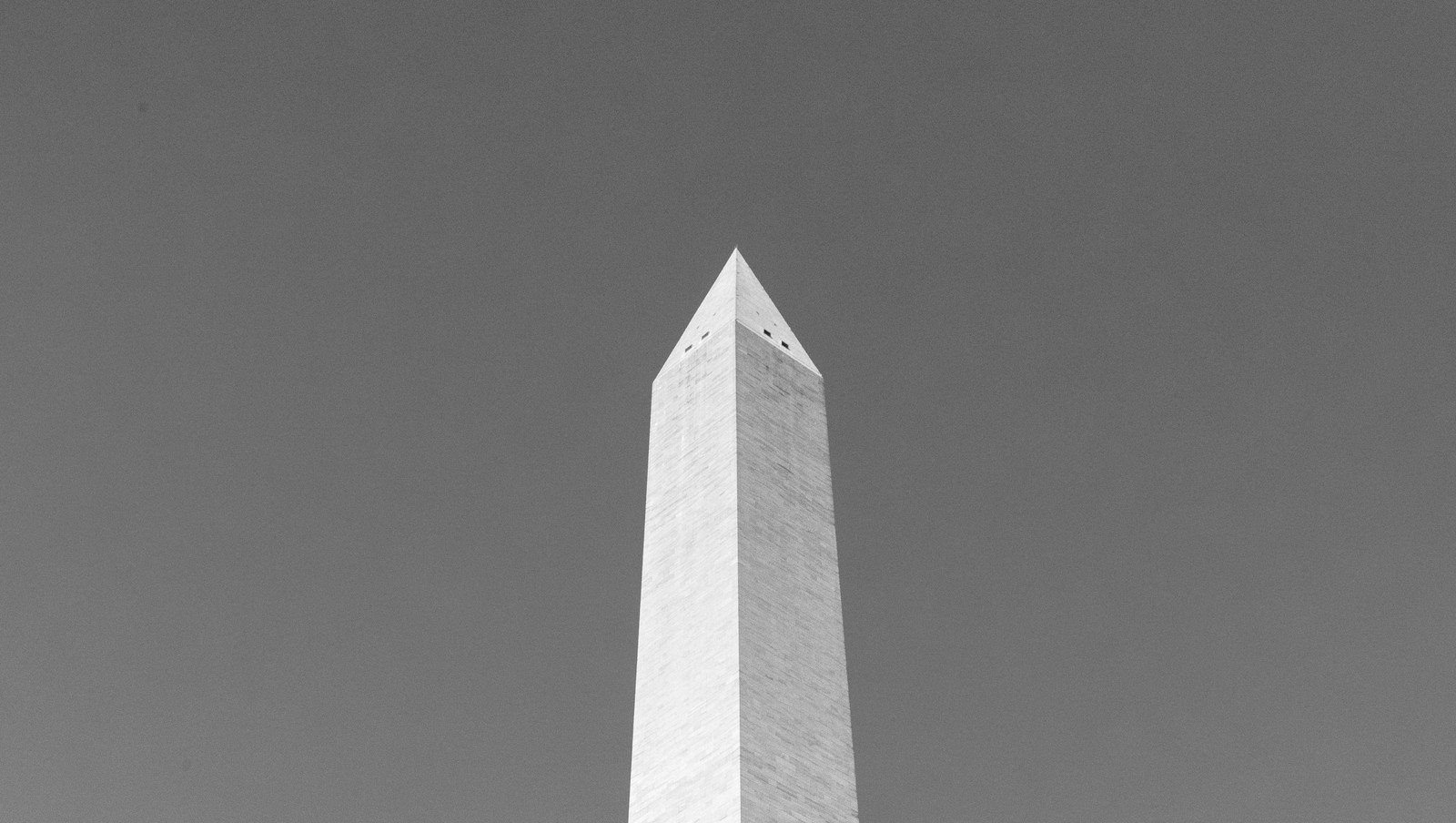
Image: David Yu

How much does a cloud weigh? How powerful is the flow of Niagara Falls? How deep is the deepest point of the Grand Canyon? And how far away is the Moon from Earth? Sure, we could give you the straight numbers. Or we could find fun and illustrative ways to put these measurements into perspective, like using basketballs, cars, elephants, and electric toasters. Read on to learn some down-to-earth comparisons of outstanding things!

1
Alaska is so big, it could fit Texas inside twice
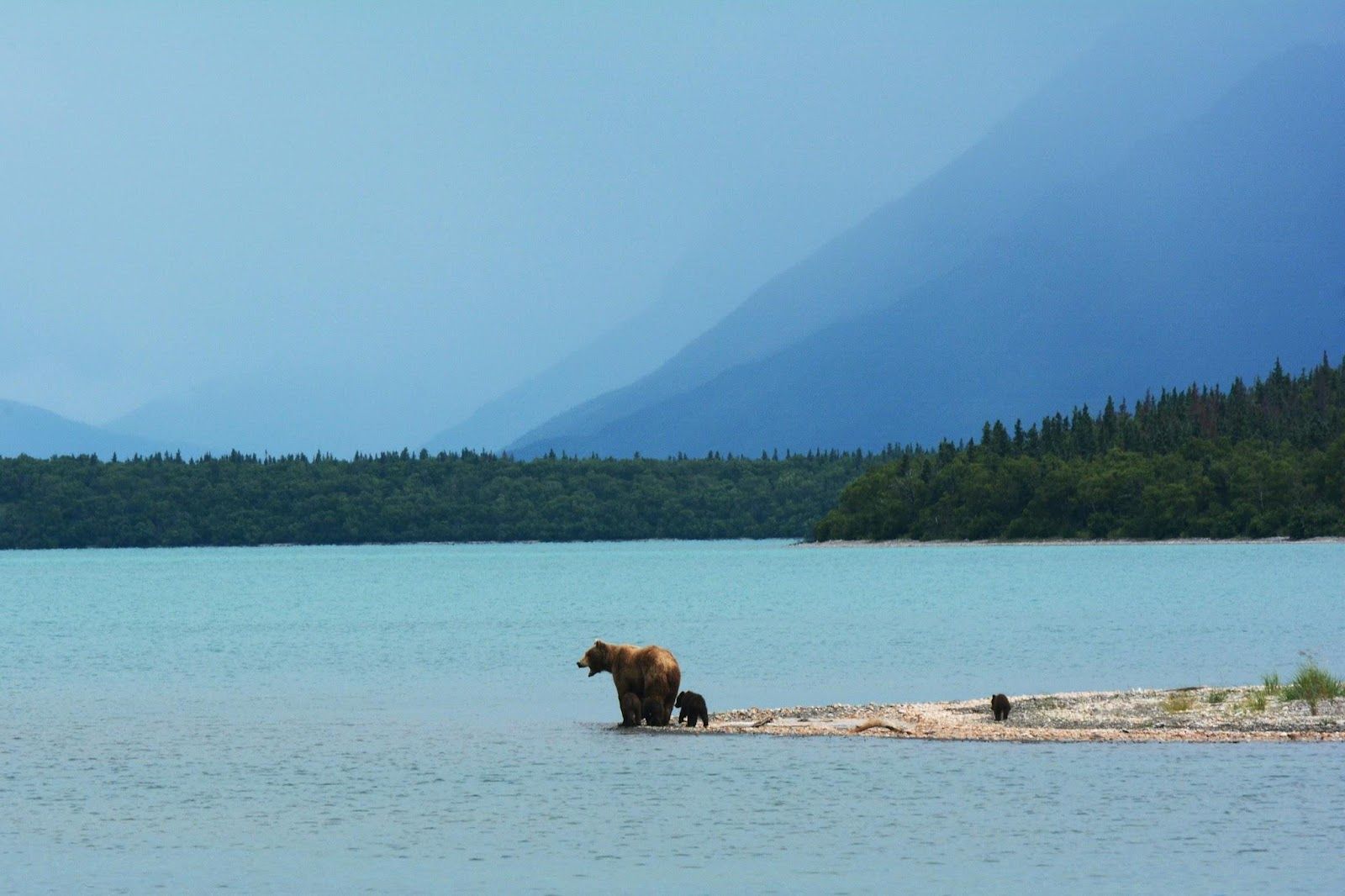
Image: Paxson Woelber

Sure, everything’s bigger in Texas… but where does that leave Alaska? The Last Frontier spans about 663,000 square miles , while the Lone Star State covers roughly 268,000 square miles. So yes, you could comfortably fit Texas inside Alaska twice, and still have room left over for California.

2
You could stack 10 Washington Monuments inside the Grand Canyon’s depth
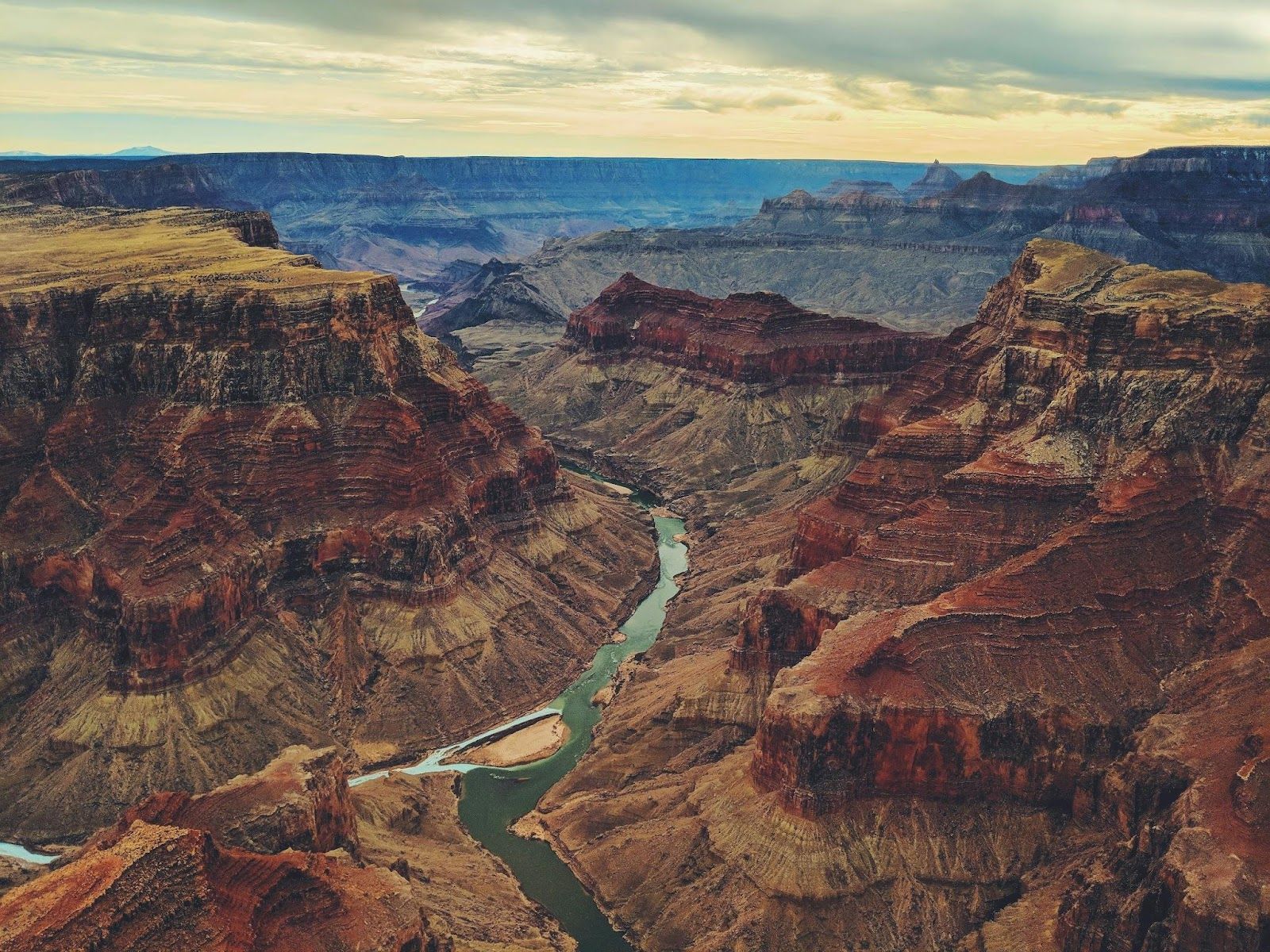
Image: Sonaal Bangera

At its deepest point, the Grand Canyon plunges more than 6,000 feet. That’s more than a mile of height, to give you an idea. To put that in perspective, the 555-foot-tall Washington Monument could fit inside the canyon roughly ten times from top to bottom.

3
The Statue of Liberty’s sandal is the size of a small car.
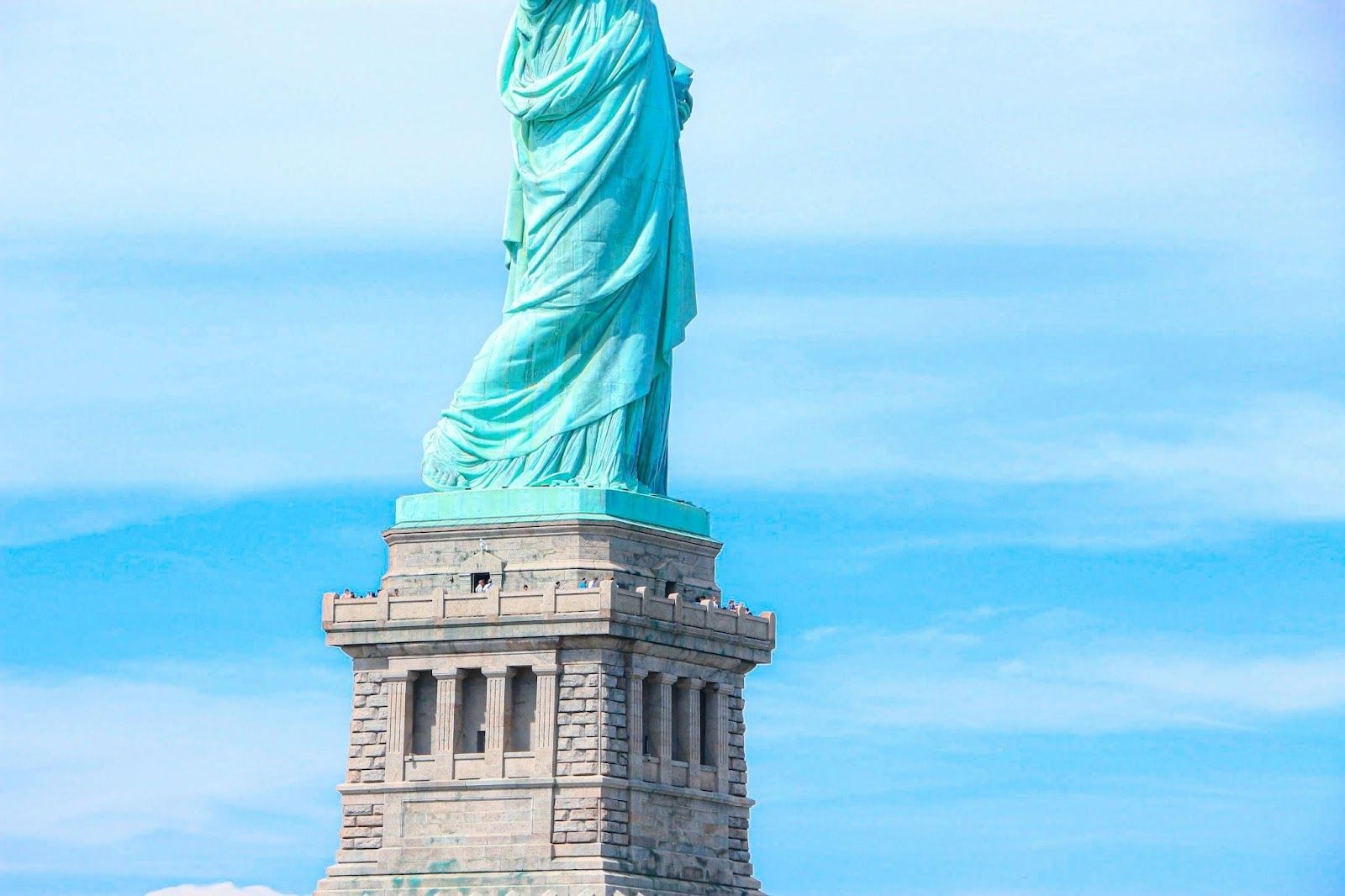
Image: A n v e s h

Have you ever paid attention to the Statue of Liberty’s feet? Yes, they are visible, right next to the broken shackles at her base. You can’t stand next to the feet, of course, but if you could, you’d see that each sandaled foot measures about 25 feet long , which is a bit over the length of a Chevy Suburban.

4
The Empire State Building was built faster than a modern kitchen remodel

Image: Kit Suman

Did you know that one of the most famous buildings in the world was pretty much speed-built? Construction took just 410 days , starting in 1930 and finishing in 1931. This rapid progress was possible thanks to prefabricated steel parts and a workforce of roughly 3,400 workers each day. Nowadays, your average kitchen renovation takes 6 months to a year.

5
If the Earth were the size of a basketball, the Moon would be a tennis ball 24 feet away
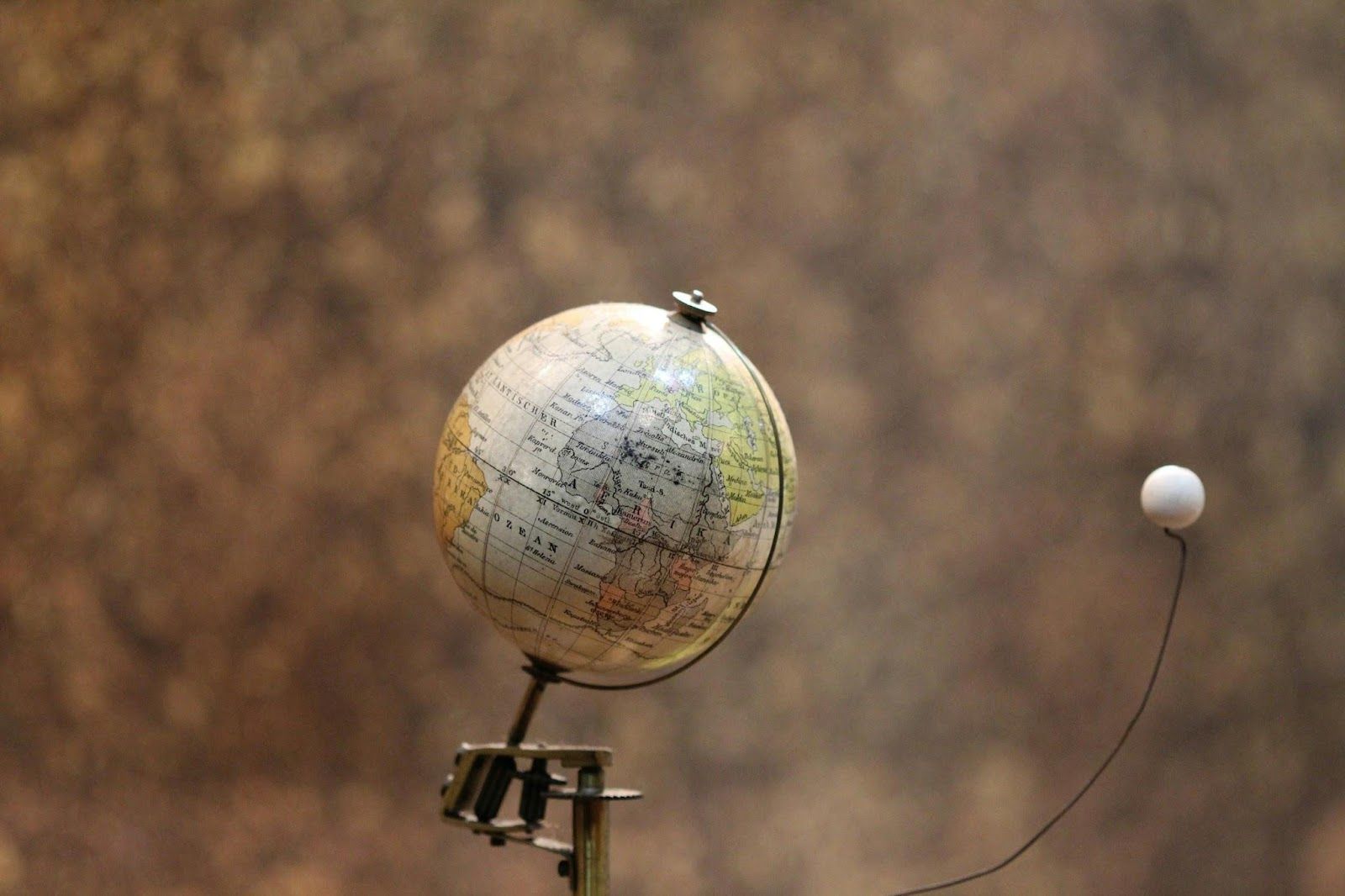
Image: Anne Nygård

This is a fun way to illustrate the relationship between our planet and its satellite. If Earth were the size of a basketball (about 9.5 inches in diameter), the Moon would be roughly the size of a tennis ball (about 2.5 inches).

But they would be a whopping 24 feet away, about the length of a stretch limousine (or a Statue of Liberty sandal). This scale model helps explain just how far apart and disproportionate they really are!

6
A single cloud can weigh as much as 90 elephants

Image: Volodymyr Dobrovolskyy

Clouds may not look heavy, but these giant beauties are surprisingly massive. Scientists estimate that an average fluffy cumulus cloud contains about 1.1 million pounds of water, which is roughly the weight of 90 adult African elephants .

7
You could fit 7 Yankee Stadiums inside the Mall of America

Image: David Vives

With over 5.6 million square feet, the Mall of America is one of the largest indoor spaces in the country . Imagine trying to meet your friends in just one of its 500+ stores!

The mall also features an indoor amusement park and an aquarium. To give you an idea, Yankee Stadium covers roughly 800,000 square feet. You could fit about seven of them within the Mall of America.

8
A hummingbird flaps its wings faster than a car engine runs
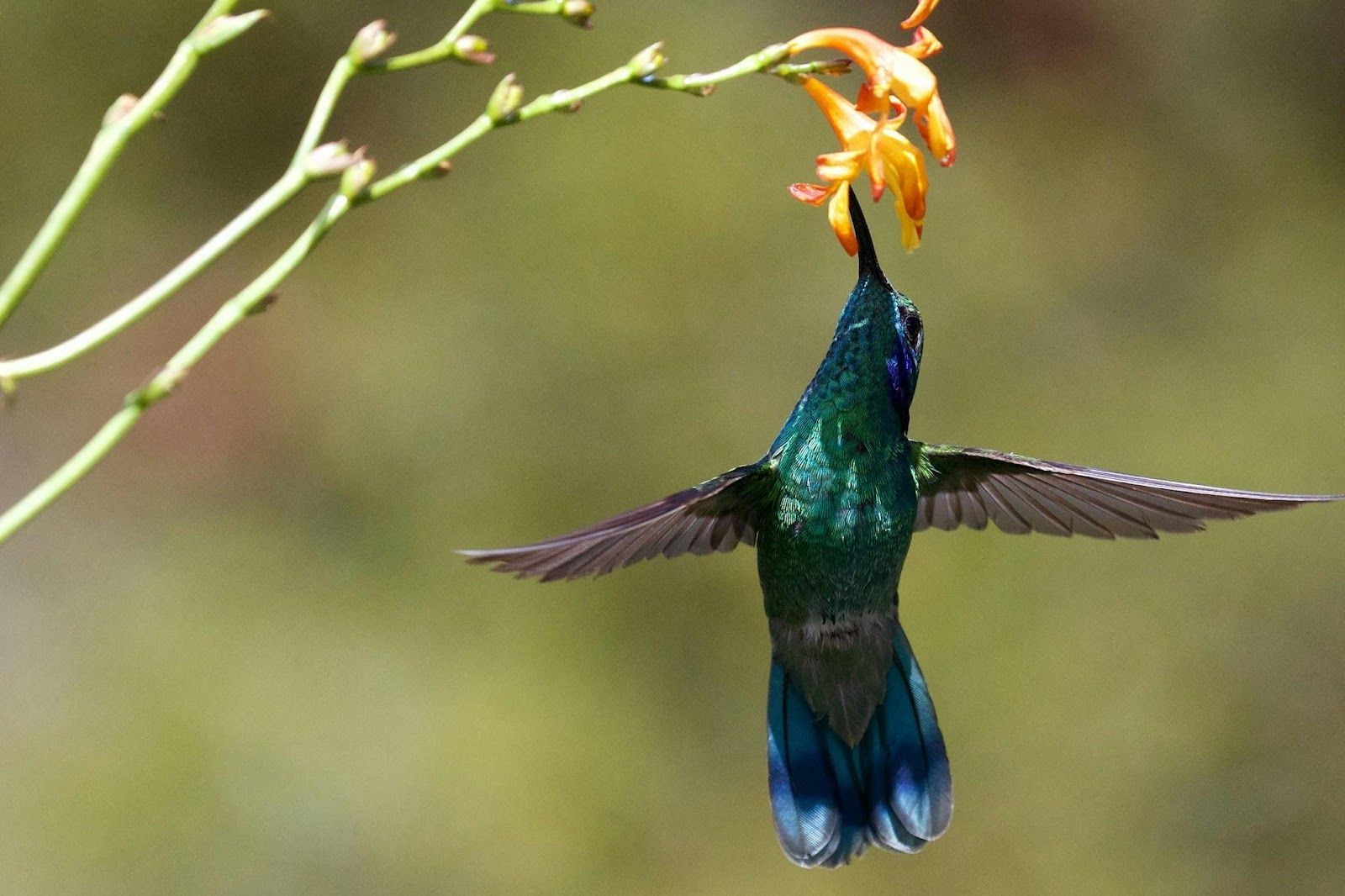
Image: James Wainscoat

Hummingbirds beat their wings between 50 and 80 times per second , roughly eight times faster than the revolutions per second of a typical V8 engine at idle. No wonder they have enough force to seemingly fly in place!

9
Comparing lightning bolts with defibrillator shocks

Image: chutipon Pattanatitinon

The energy in lightning bolts can vary, but it’s not uncommon for them to unleash 5 billion joules . Roughly, a biphasic defibrillator delivers about 200 joules in a single shock. And, to give you an idea, it takes roughly 50,000 joules to toast a single slice of bread.

10
Yellowstone sits on top of a supervolcano the size of Rhode Island

Image: Denys Nevozhai

You might have heard of Yellowstone’s supervolcano and how tourists leave mesmerized by the geysers, hot springs, and wildlife.

But the size of its caldera is even more astonishing: it stretches 20 by 45 miles , covering nearly 1,350 square miles. That’s roughly the same area as Rhode Island, the smallest U.S. state.

11
Niagara Falls could fill an Olympic pool in less than a second

Image: Hadi Yazdi Aznaveh

A standard Olympic-size swimming pool holds about 660,000 gallons. Niagara Falls, however, pours roughly 700,000 gallons of water every second, meaning it could fill a pool in under one second, approximately 0.94 seconds to be exact.

If you were filling the same pool with a standard hose, it could take about 19 days .
General General 3 min read

US money mysteries

Did you notice this detail on the $100 bill? 10 surprising currency facts

Image: Alicia Razuri

You use it every day, you keep it in a safe place, and yet there are still so many things you may not know about it. Yes, we’re talking about US currency! From their size and composition to the details of their designs, both our bills and coins have a fascinating history behind them, and some secrets you probably never imagined. Join us as we uncover them.

1
Clock change

Image: Jonathan Borba

US currency is full of symbolism, and the $100 bill is no exception. Since 1928, we have seen Independence Hall depicted on the back of this bill. But in 2013, it was redesigned, and one change stands out: the clock tower, which previously showed 4:10, now reads 10:30. Did you notice?

2
Jackie Kennedy’s choice

Image: Florida Memory

Jackie Kennedy played a key role in designing the coin that would feature the portrait of her ex-husband. When the U.S. Mint planned the Kennedy half dollar in 1964, she was consulted and provided input on various aspects of the coin, including its imagery and symbolism.

3
Not paper

Image: Giorgio Trovato

Although it is called paper money, our bills do not contain any paper at all. In fact, they are made of a blend of 75% cotton, 25% linen, and fine silk fibers embedded. This mixture is not random; it was specially chosen so that your bills can withstand everything: folds, wrinkles, stains, and even an accidental shower in the washing machine.

4
The unfinished pyramid

Image: Marek Studzinski

The one-dollar bill also has its secrets and details. On its back, you’ll find an unfinished pyramid, part of the Great Seal of the United States designed in the 1780s. Why unfinished? The pyramid has 13 steps, representing the original 13 colonies, and its incomplete form symbolizes the nation’s ongoing growth and expansion.

5
50% larger

Image: Bozhin Karaivanov

Before 1929, US banknotes were significantly larger, measuring approximately 7.375 x 3.125 inches. Today, collectors refer to these as "large-size" notes, sometimes even nicknamed "Horseblankets." In contrast, modern bills measure just 6.14 x 2.61 inches. The government decided to reduce the bill's size to cut production and design costs.

6
Andrew Jackson’s preference

Image: Giorgio Trovato

Andrew Jackson has been the face of the $20 bill since 1928, when he replaced Grover Cleveland. Ironically, Jackson was opposed to paper money. He didn't trust that form of payment, believing it could be easily manipulated. According to historians, the 7th U.S. President favored "hard money": gold and silver coins.

7
Alexander Hamilton’s portrait

Image: engin akyurt

Most portraits on US bills face left, with one exception: Alexander Hamilton on the $10 bill, the only one facing right (toward the viewer’s left). You might wonder why, but there’s no official explanation; it seems to have been simply a design choice.

8
"In God We Trust"

Image: rc.xyz NFT gallery

In 1956, Congress passed a law declaring "In God We Trust" the national motto, making it mandatory on all U.S. coins and banknotes. But this wasn’t its first appearance: the phrase first appeared in 1864 on the two-cent coin. Beyond faith, it also carried political weight, suggesting that God favored the Union during the Civil War.

9
The change that never happened

Image: Ryan Quintal

In 2015, the Treasury announced plans to redesign the $10 bill, stating that Hamilton's portrait would be replaced by that of an influential woman from US history. However, the change never happened. Why? Those years saw a surge in Hamilton's popularity thanks to the hit musical of the same name, leading the Treasury to backtrack on the replacement plan.

10
Criteria

Image: Live Richer

As is well known, not just any portrait can appear on US currency. But beyond historical significance, the figures on our bills and coins must meet other criteria you might not know: They must also be deceased and well recognized by citizens, ensuring that the people represented are familiar and meaningful to the public.

Culture Culture 4 min read

FOLK HEROES

Tales From The Heartland: 10 Larger-Than-Life American Folk Figures

Image: Tim Mossholder

Nations make their heroes as embodiments of their shared values. Woven into their tales of might and their bold adventures are valuable lessons that are passed down through the ages. American legends are no exception, and these larger-than-life characters have captivated our imaginations for generations. From colossal lumberjacks to legendary steel-driving men, join us to explore the fascinating tales behind 10 of America’s most enduring folk heroes.

1
Paul Bunyan

Image: Abby Savage

Paul Bunyan , the colossal lumberjack of American folklore, is said to have cleared forests from the Northeast to the Pacific Northwest. With his blue ox, Babe , he performed incredible feats of strength, like carving out the Grand Canyon just by dragging his axe behind him, and creating the Great Lakes with his footprints.

Originating in oral traditions among lumberjacks, Bunyan’s exaggerated exploits gained momentum with the American westward expansion during the 19th century and soon became deeply ingrained in the popular imagination.

2
Johnny Appleseed

Image: Aarón Blanco Tejedor

Born John Chapman, Johnny Appleseed wandered the American frontier planting apple trees and spreading goodwill in the early 19th century. A devout Christian, he became a folk hero for his kindness, environmentalism, and pioneering spirit.

Contrary to the popular image of Johnny Appleseed randomly scattering apple seeds, he was a skilled nurseryman who meticulously planted apple tree nurseries. Each nursery was carefully fenced to shield the saplings from livestock and wildlife. After establishing these nurseries, he entrusted them to neighbors but revisited them periodically.

3
Pecos Bill

Image: JosephHershMedia

Pecos Bill , a fictional cowboy raised by coyotes in the wilds of Texas, became a larger-than-life figure known for taming cyclones and roping tornadoes. His adventures, first popularized in the early 20th century, embody the frontier spirit and Texas mythology, blending humor with tales of rugged individualism.

Among his many tales, one credits him with creating the Gulf of Mexico . According to legend, during a severe drought in Texas, Pecos Bill lassoed a storm cloud in California and brought it to Texas. The resulting deluge caused extensive flooding, ultimately forming the Gulf.

4
Davy Crockett

Image: Joseph Corl

Davy Crockett , known as the "King of the Wild Frontier," was a real-life frontiersman later turned politician whose exploits were mythologized even during his lifetime. Born in East Tennessee, he quickly gained fame for his sharp hunting skills and captivating storytelling.

During his time in the U.S. Congress, he staunchly opposed many of President Andrew Jackson’s policies, particularly the Indian Removal Act, and championed the rights of small landowners. Crockett’s life ended with valor at the Battle of the Alamo , solidifying his folk legend as a symbol of courage and patriotism. His legacy remains an enduring part of American history.

5
Calamity Jane

Image: Vidar Nordli-Mathisen

Martha Jane Canary, better known by her alias Calamity Jane, was a frontierswoman and scout famed for her sharpshooting skills and daredevil exploits. During her youth, she stepped up to provide for her large family, taking on various jobs, from ox team driver to scout for Fort Russell. Eventually, she embraced the rough and adventurous lifestyle that made her a legend.

Despite her fearsome reputation, Calamity Jane was compassionate and often helped those in need. Her adventures in the Wild West alongside figures like Wild Bill Hickok cemented her status as a legend of the American frontier.

6
Molly Pitcher

Image: Garry T

Molly Pitcher, the nickname given to Mary Ludwig Hays McCauley, became famous for her bravery during the American Revolutionary War. Although several historical figures are known by this moniker for similar deeds, Mary Ludwig Hays distinguished herself during the Battle of Monmouth in June 1778, where she served as a water carrier for the soldiers.

When her husband, an artilleryman in the Continental Army, fell to enemy fire, she took his place, swabbing and loading the cannon with such bravery and determination that she earned a commendation from George Washington.

7
Daniel Boone

Image: Scott Longerbeam

Daniel Boone was a legendary frontiersman and explorer who blazed trails through the Appalachian Mountains and into Kentucky. Born in 1734, Boone became famous for his expert hunting and survival skills, as well as his role in establishing the Wilderness Road, a trail that facilitated westward migration through the Cumberland Gap.

After serving as a militia officer during the Revolutionary War, he was briefly taken in by the Shawnees in the Northeastern Woodlands. After a few years, he returned and continued to help protect the Kentucky settlements.

8
Buffalo Bill

Image: Judy Beth Morris

William Frederick "Buffalo Bill" Cody was a legendary figure of the American West, known for his Wild West shows that toured the United States and Europe. Born in 1846, Cody was a skilled buffalo hunter, Army scout, and showman who brought cowboy skills and frontier life to audiences worldwide.

He earned his nickname after the Civil War by providing Kansas Pacific Railroad workers with buffalo meat, hunting record numbers of the animal. He even engaged in hunting competitions with his partner, Bill Comstock. His legendary figure has been frequently portrayed in film and television, especially during the height of the Western genre in the 1960s.

9
Wild Bill Hickok

Image: Pablò

James Butler Hickok, famously known as Wild Bill Hickok, was a legendary figure of the American Old West. Born in 1837, Hickok gained fame as a skilled marksman, gambler, and lawman.

Though his exploits were certainly exaggerated by the outlandish tales he told about himself, he was involved in several notorious gunfights during his life. Most notably, he dueled with Davis Tutt, a local gambler with whom he had various disagreements, particularly over their mutual affection for the same woman.

10
John Henry

Image: Lucio Patone

John Henry was a legendary steel-driving man whose man-against-machine tale epitomized the strength and resilience of the American worker. An African American freedman, his dangerous job involved hammering steel drills into rocks to create holes for explosives used to blast open railroad tunnels.

According to the legend, John Henry's prowess was tested in a race against a steam-powered drill. He won the race but tragically died after victory, hammer in hand when his heart gave out from the immense physical stress.

Explore more American facts

Choose your favorite category!

General
General

As American as apple pie—the very best America has to offer!

Culture
Culture

Delve into the astounding richness of American lore.

Geography
Geography

Hop in and explore vast and diverse American landscapes.

History
History

Discover the key moments that shaped the United States.