History History 2 min read

Homegrown sounds

How America invented 10 of the world’s biggest music genres

Image: Daniel Angele

If the U.S. has exported anything in abundance, it’s music. From Delta blues to disco, America has shaped the global soundscape with genres that reflect its history, struggles, and triumphs. Join us as we explore 10 of the most influential music styles born on American soil.

1
Blues

Image: Ahmed Rizkhaan

Originating in the Deep South during the late 19th century, blues evolved from African American work songs, spirituals, and field hollers. More often than not, it channeled pain and the harsh realities of life in a segregated America. Formally, its 12-bar blues structure and expressive guitar playing influenced countless other genres, from rock and roll to jazz.

2
Jazz

Image: Carol Highsmith's America

Born in New Orleans in the early 20th century, jazz blended African rhythms, blues, and brass band traditions. It was a revolutionary genre defined by improvisation and syncopation. Great figures like Louis Armstrong and Duke Ellington helped jazz spread worldwide, becoming a symbol of American creativity.

3
Rock and Roll

Image: Ana Grave

Emerging in the 1950s, rock and roll combined elements of blues, gospel, and rhythm and blues to create a high-energy, powerful sound . It soon became the voice of a new, rebellious generation. Pioneers like Elvis Presley, Chuck Berry, and Little Richard became universally beloved legends, forever altering the course of popular music.

4
Country

Image: Ben White

Originating in the southern United States, country music evolved from folk ballads and fiddle tunes brought by European immigrants. Initially, the genre focused on stories about blue-collar American life but later expanded to include love ballads and dance tunes. Today, it remains one of the most popular genres in the U.S.

5
Bluegrass

Image: Priscilla Du Preez

A fast-paced, acoustic offshoot of country, bluegrass emerged in the 1940s thanks to Bill Monroe and his Blue Grass Boys. Drawing from Irish and Scottish folk traditions, it prominently features stringed instruments like the banjo, mandolin, and fiddle. A true heartland gem, bluegrass continues to thrive on festival circuits worldwide.

6
Rhythm and Blues

Image: Matthijs Smit

Rhythm and Blues, or R&B, evolved from blues and jazz in the 1940s, featuring soulful vocals and a strong, "insistent" backbeat. Though its boundaries have been historically difficult to define, it laid the foundation for rock, soul, and funk while remaining a powerhouse in American music for generations.

7
Gospel

Image: Iyinoluwa Onaeko

Rooted in African American church traditions, gospel music emerged in the early 20th century, blending spirituals with blues and jazz influences. Artists like Mahalia Jackson and The Staple Singers were among the first to bring gospel beyond church walls, paving the way for future soul and rock musicians.

8
Soul

Image: Kobe Subramaniam

A direct descendant of gospel and R&B, soul music took center stage in the 1960s with its mix of emotional vocals and deep grooves. Legends like Aretha Franklin and James Brown defined the genre, influencing everything from funk to modern pop.

9
Funk

Image: Krisztián Reischl

Emerging in the 1960s, funk placed a strong emphasis on groove and rhythm, featuring heavy basslines and syncopated beats made for dancing. Pioneers like James Brown, Parliament-Funkadelic, and Sly & The Family Stone helped popularize the genre, whose infectious rhythms later influenced disco, hip-hop, and even rock.

10
Disco

Image: Honey Fangs

Rising in the 1970s, disco blended soul, funk, and Latin influences into a beat-driven, club-friendly sound. More than just a music genre, it became a cultural movement centered on dance, freedom, and glamour. At its peak, artists like Donna Summer and the Bee Gees dominated the airwaves.
General General 3 min read

Your garden, your rules

12 common garden pests in the U.S. and how to control them

Image: Anna Shvets / Igor Son

Even on the smallest possible scale, nature is wild, and garden pests are a clear expression of that reality. Holes in leaves, small grubs around the roots of container plants, speckled foliage, and skeletonized leaves are just a few signs that pests may be present in your garden.

Check your plants often, and act quickly as soon as you spot a problem. Your garden will thank you!

1
Spotted and striped cucumber beetles

Image: Alexandria Szakacs

Striped and spotted cucumber beetles favor cucumbers and melon vines. These insects spread bacterial wilt from plant to plant, a disease that is often fatal. When striped cucumber beetles are a chronic problem, the best course of action is to choose bacterial-wilt-resistant cucumber varieties .

2
Colorado potato beetle

Image: Олександр К

As the name implies, the surest way to attract Colorado potato beetles to your garden is by planting potatoes. These insects lay clusters of orange-yellow eggs on the undersides of leaves, which hatch into highly destructive orange larvae that feed voraciously and grow quickly. While beetles can be killed at any stage, it's easiest to remove the adults and eggs by hand .

3
Eggplant flea beetle

Image: Weronika Romanowska

Eggplant flea beetles can destroy an eggplant plant in just a few days. While many insecticides can kill these pests, the most effective method requires protecting plants with summer-weight floating row covers. These covers transmit enough sunlight while physically blocking the beetles from the plants.

4
Harlequin cabbage bug

Image: David Clode

These insects might look striking, but they are the worst enemy of summer kale, broccoli, and other brassicas. They suck the sap from leaves, leaving behind unsightly pockmarks.

Harlequin cabbage bugs can be picked off by hand , and wearing a face mask can help you avoid the unpleasant odor they emit. Also, spraying them off with a jet of water will help knock them back.

5
Mexican bean beetle

Image: Viktor Talashuk

In a similar case to the one we mentioned earlier, it’s the larvae of Mexican bean beetles that cause the most damage. The adults emerge in late spring but usually don’t become a serious problem on bean plants until midsummer.

The best way to deal with this pest may seem harsh, but necessary if you want to keep your other plants safe: you must completely harvest and remove the infested plants from the garden . After picking all the beans, the entire plant should be pulled, bagged, and taken far away from the garden.

6
Red spider mites

Image: adege

Tiny red spider mites live on the undersides of leaves, where they feed on plant sap. To control them, the best approach is to increase humidity and, if growing under glass, introduce a biological control . Alternatively, organic sprays can also be effective.

7
Codling moth

Image: Mikkel Frimer-Rasmussen

These moths are responsible for the maggots found in apples. To avoid these, spray emerging caterpillars twice with bifenthrin , starting in midsummer. Another useful method involves hanging pheromone traps in late spring to catch male moths and prevent them from mating.

8
Winter moth

Image: Erik Karits

Winter moth caterpillars hide inside webbed leaves on fruit trees during the spring. One effective way to control these pests is by applying sticky traps to capture the adult moths before they lay eggs.

9
Scale insects

Image: efraimstochter

Scale insects cluster on branches and beneath leaves, often leading to poor plant growth. Other common symptoms include sticky excretions (called honeydew) and the development of sooty mold, especially on evergreens. The solution is to wash off the mold and spray the plant with horticultural oil .

10
Viburnum beetle

Image: Grant Ofstedahl

The Viburnum beetle and its larvae can create holes in the leaves. The answer to this is to spray the areas affected during the spring with bifenthrin or thiacloprid .

11
Adult vine weevil

Image: Henry Lai

The adult weevil is a nocturnal, flightless insect that makes notches in the leaves of your plants. To control this pest, apply nematodes by mixing them with water and applying the solution to the soil in the affected area.

12
Rose slug

Image: Naoki Suzuki

The rose slug is easy to overlook until its feeding starts to damage the leaves. Rose slugs feed on the undersides of leaves, out of sight, nibbling on the tissue between the veins. By the time they’re done, the leaves often resemble skeletons.

Luckily, the solution only requires blasting the slugs off the roses with a spray of water or treating them with spinosad, a bioinsecticide derived from soil bacteria.

General General 3 min read

What’s in a nickname?

Did you know the stories behind the nicknames of these Americans?

Image: Capitol Records (File No. 3860-25)

Nicknames can be affectionate, teasing, intriguing—or all of these at once. Who comes up with the labels that remarkable people end up carrying forever, and what makes them stick? Here, we explore a list of quirky stories behind some of the most colorful nicknames in American history.

1
"The Chairman of the Board" – Frank Sinatra

Image: Ethan Rougon

Frank Sinatra co-founded Reprise Records in 1960, giving him full creative control over his music. The nickname "Chairman of the Board" was first used by radio host William B. Williams and quickly caught on. Although Sinatra didn’t particularly love it, the nickname came to symbolize his power and influence in the music industry.

2
"His Accidency" – John Tyler

Image: Library of Congress

The 10th U.S. president earned this snarky nickname after unexpectedly taking office in 1841, when William Henry Harrison died just one month into his term.

It was the first time a vice president had assumed the presidency due to a president’s death, and many questioned the legitimacy of his authority. His critics called him "His Accidency," a somewhat unfriendly pun that stuck.

3
"The Sphinx of the Potomac" – Calvin Coolidge

Image: Lea Kobal

President from 1923 to 1929, Coolidge was notoriously silent and stoic. His reluctance to speak in public and his poker-faced demeanor earned him the nickname "The Sphinx of the Potomac," a nod to the famous Egyptian statue and his Washington, D.C. post. One oft-repeated anecdote claims he once remarked, "I have nothing to say."

4
"The Boss" – Bruce Springsteen

Image: Jose Antonio Gallego Vázquez

Bruce Springsteen earned this nickname in the early days of playing Jersey Shore clubs, where he was responsible for collecting and distributing gig money to his band. Originally an internal nickname within the group, it quickly caught on with the media. Ironically, Springsteen has admitted that he’s never really liked being called "The Boss."

5
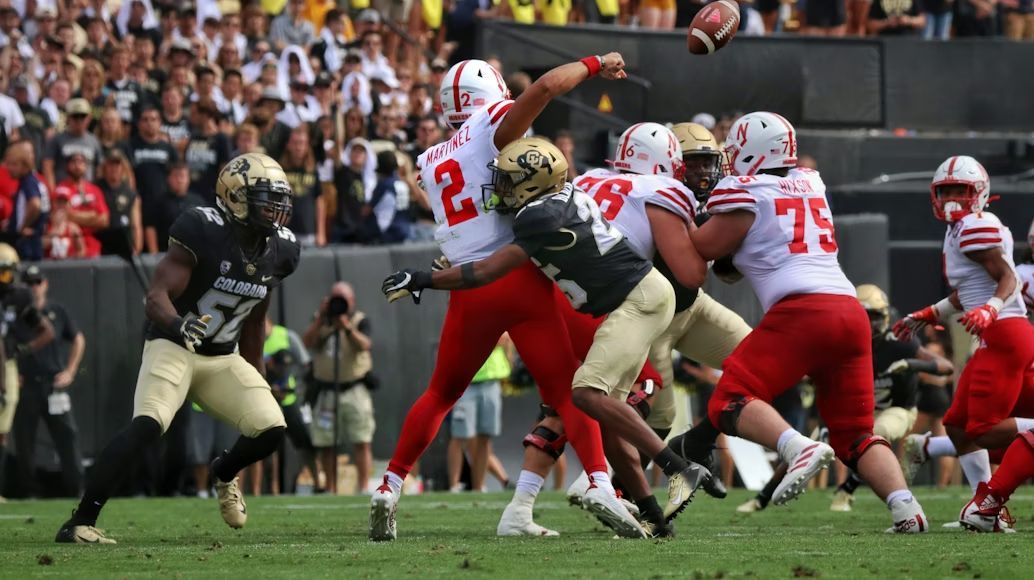
"The Mad Stork" – Ted Hendricks

Image: Wynand Uys

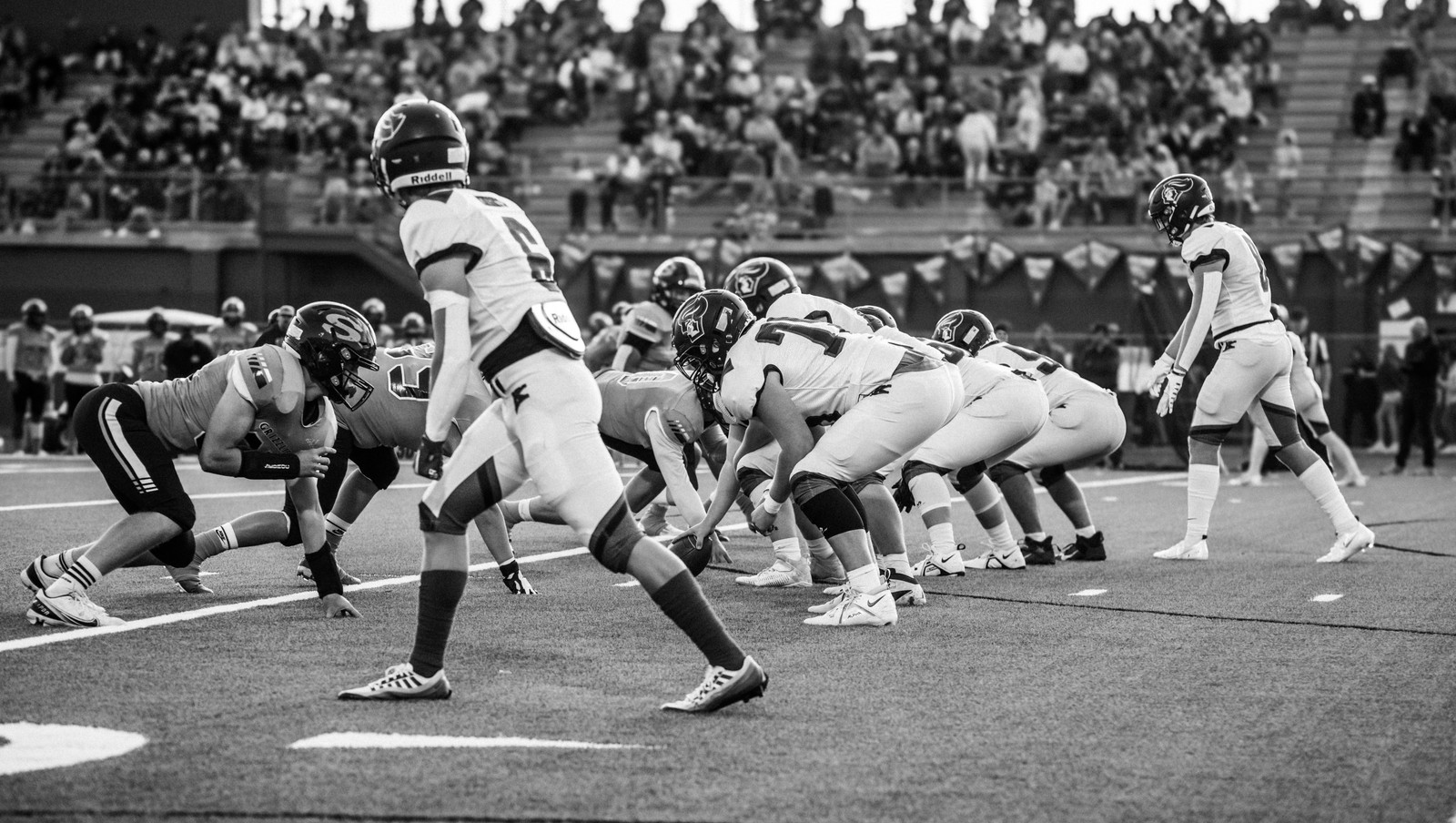
This Hall of Fame linebacker for the Raiders stood 6’7" and had a long, lanky build. His towering figure and unpredictable style of play earned him the nickname "The Mad Stork." Despite the unusual moniker, he was a feared and legendary player in the NFL.

6
"The Snake" – Ken Stabler

Image: Timothy Dykes

Another Raiders legend, quarterback Ken Stabler, earned the nickname "The Snake" from his college coach after a long, twisting touchdown run. The name stuck because he became known for his slippery, cool-headed play under pressure.

7
"Jane the Grabber" – Hester Jane Haskins

Image: sombre

A dark figure in 19th-century New York, Hester Jane Haskins was a "procuress," luring women with promises of work and then forcing them into brothels. Her nickname, "Jane the Grabber," became infamous in the press.

8
"The Black Swallow of Death" – Eugene Bullard

Image: Heather Wilde

Born in Georgia and later a French WWI pilot, Eugene Bullard was the first African American military pilot. He earned the nickname "The Black Swallow of Death" for his fearless flying and deadly accuracy. Despite his heroism, he still faced racial discrimination upon returning to the U.S.

9
"Little Miss Sure Shot" – Annie Oakley

Image: Jp Valery

Annie Oakley was a folk heroine and a famed sharpshooter from an early age. She earned the nickname "Little Miss Sure Shot" from the Native American leader Sitting Bull, who bestowed it after watching her flawless shooting in Buffalo Bill’s Wild West show.

10
"Kid Gloves" – Benjamin Harrison

Image: Aaron Lefler

Benjamin Harrison, the 23rd president, frequently wore soft kid-leather gloves in public due to hand ailments. Political opponents seized the opportunity to mock his stiff demeanor and perceived elitism, dubbing him "Kid Gloves." The nickname pointed not only to his physical appearance but also to his aloof attitude.

Explore more American facts

Choose your favorite category!

General
General

As American as apple pie—the very best America has to offer!

Culture
Culture

Delve into the astounding richness of American lore.

Geography
Geography

Hop in and explore vast and diverse American landscapes.

History
History

Discover the key moments that shaped the United States.