History History 3 min read

Test your memory

From flappers to disco: Which decade fits the clue?
Image: Roman Kraft

Every generation has its soundtrack, its fashions, and the major cultural shifts that define an era. Some decades are remembered for their music, others for technology, and some for both. But do you think you can place these moments in time ? We’ve put together six sets of clues about American life across the last century. First, try your hand at guessing the decade, and then scroll down to see the answers!

1
Clue #1

Image: Hybrid Storytellers

A nationwide ban on alcohol gave rise to speakeasies and bootlegging . Dance halls were alive with new rhythms, and women in shorter skirts shocked traditional society. Cities buzzed with fresh art, literature, and music. Affordable cars began filling the streets, changing how people lived and traveled.

2
Clue #2

Image: Tim Mossholder

The sound of distorted guitars and flannel shirts became the uniform of youth culture. At the same time, toy shops were filled with collectible plush animals and tiny digital pets. Computers were shrinking, and the world was just learning what "online" really meant. Sitcoms about groups of friends or quirky families topped the TV charts, while early cell phones were starting to appear in everyday life.

3
Clue #3

Image: Dominik Mecko

This period glittered with light-up dance floors and pulsing rhythms. Movie theaters drew crowds to see epic space battles and summer blockbusters . Fads like mood rings and quirky pet rocks had their moment in the spotlight. On the flip side, fuel shortages tested patience, and quick-service burger joints began appearing on more street corners.

4
Clue #4
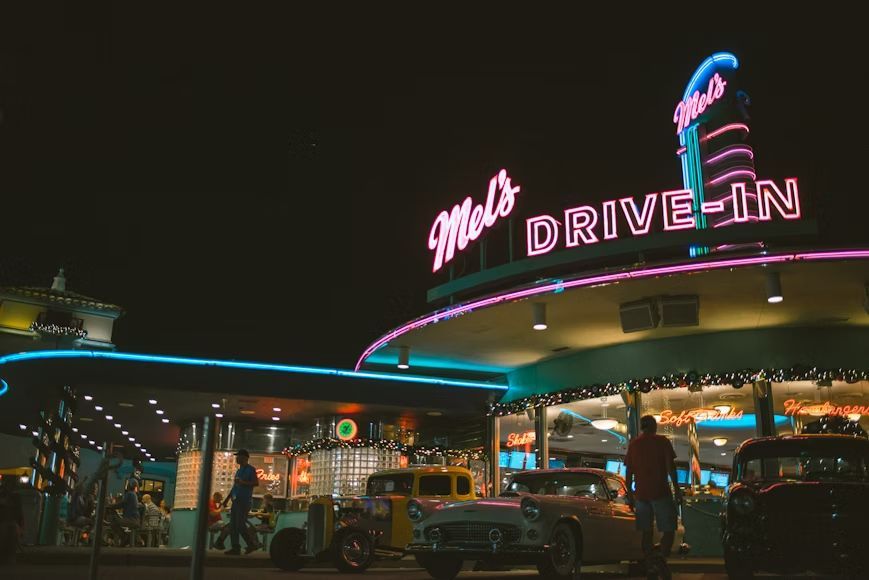
Image: Cesira Alvarado

Families grew larger, and shiny new suburbs began to sprawl outside cities. Teenagers tuned in to a fresh sound that worried parents but captivated youth. Cars rolled into drive-ins for movies or burgers, while living rooms glowed with the latest entertainment gadget: the television set.

5
Clue #5

Image: Mitchell Orr

Television expanded with channels devoted to sports and 24-hour news. Music fans were glued to screens watching flashy new music videos . Young professionals embraced big paychecks, bold fashion, and an appetite for luxury. Arcades buzzed with electronic sounds, and living rooms welcomed the first home gaming systems.

6
Answer #1: The 1920s

Image: Marvin Meyer

Known as the Roaring Twenties, this decade was defined by Prohibition, flappers, and the Harlem Renaissance . Jazz poured out of clubs, while the Model T made road trips possible for everyday families. It was a time of innovation, rebellion, and cultural change.

7
Answer #2: The 1990s

Image: Dasha Zhytanska

The internet emerged, fueling the dot-com boom. Grunge bands from Seattle reshaped the music scene, while sitcoms like Friends and Seinfeld ruled TV. Kids collected Beanie Babies and fed Tamagotchis, while cell phones gradually became a part of daily life.

8
Answer #3: The 1970s

Image: Matthew LeJune

Disco fever ruled the nightclubs, and blockbusters like Star Wars rewrote movie history. Quirky fads, such as Pet Rocks, had short but memorable lifespans. Rising gas prices caused long lines at fuel stations, while fast food giants spread across the country.

9
Answer #4: The 1950s
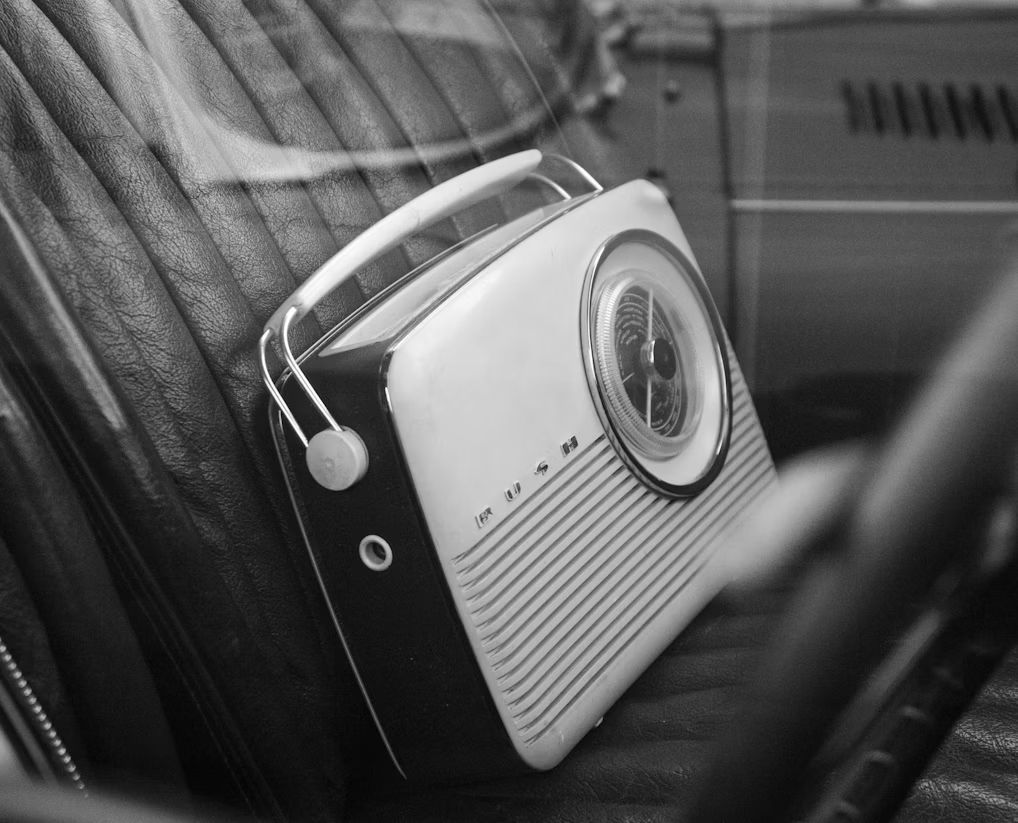
Image: Elizabeth Smith

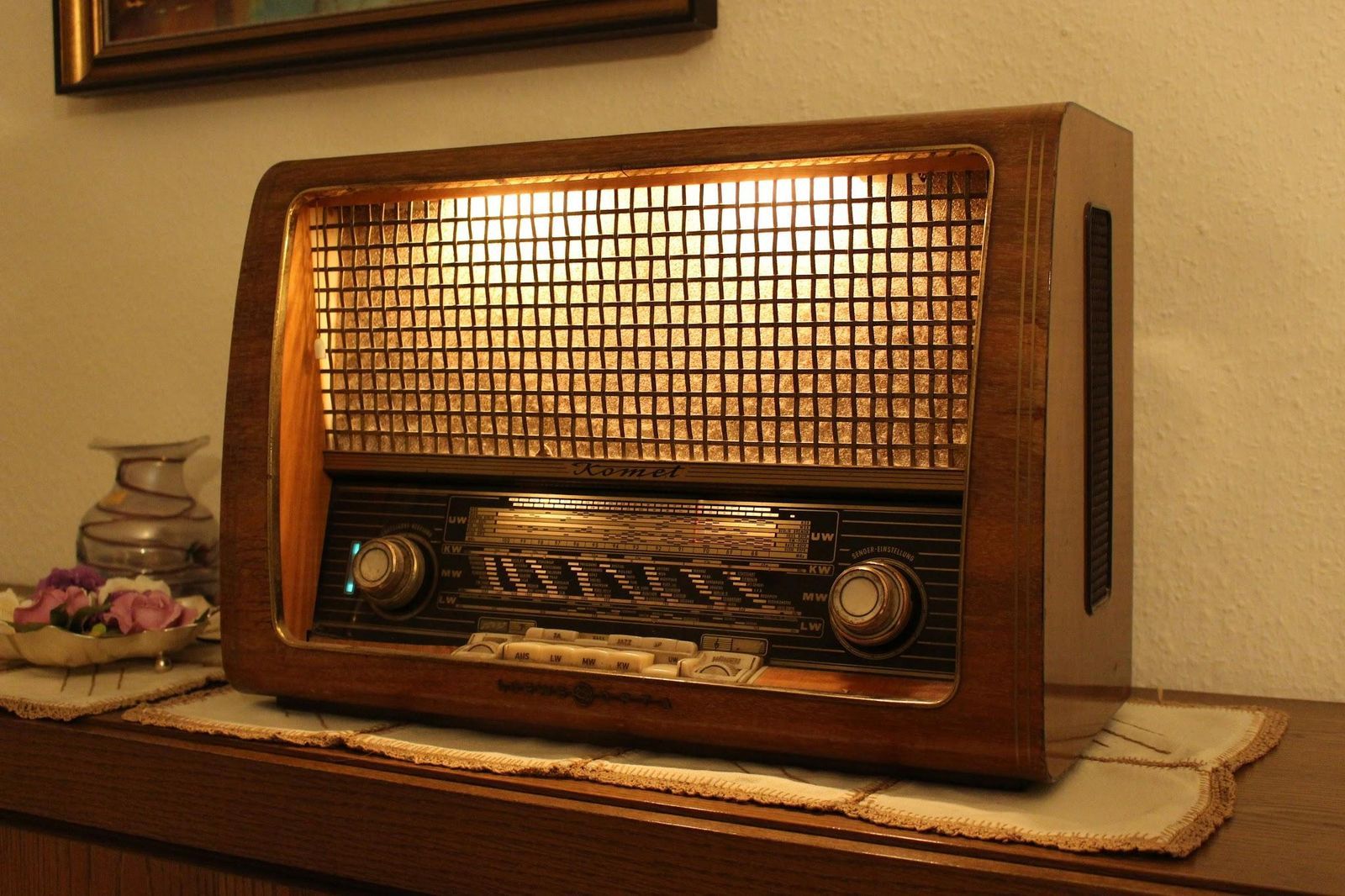
Suburbs such as Levittown expanded rapidly as families grew during the Baby Boom. Rock ‘n’ roll stars like Elvis lit up radios . TV ownership soared, transforming family routines, while drive-ins and diners became favorite hangouts for teenagers.

10
Answer #5: The 1980s

Image: National Cancer Institute

The launch of MTV sparked the music video explosion , while arcades buzzed with hits like Pac-Man and Donkey Kong . Yuppies pursued ambitious careers and embraced neon fashion. Cable television expanded viewing options, and home consoles like the Nintendo Entertainment System brought gaming into millions of households.


General General 6 min read

Where ingenuity and creativity meet

Behind closed doors: 12 hidden secrets of American landmarks

Image: Kenny Nguyễn

For some, architecture might seem like the most boring subject in the world, but if you take a closer look, you'll discover that sometimes buildings hide fascinating secrets. From skyscrapers and monuments to government buildings, America has iconic structures guarding incredible mysteries behind their walls. Read on to uncover the secrets hidden beneath, within, and atop 12 of the most paradigmatic structures in the U.S.

1
Gateway Arch’s time capsule

Image: Roger Miesfeld

The Gateway Arch, the 630-foot-tall monument located on the west bank of the Mississippi River in St. Louis, Missouri, is famous for being the world's tallest arch. But few people know about the secret hidden at its peak.

In 1965, before the final piece of the stainless steel arch was put in place, a time capsule containing the signatures of 762,000 St. Louis students and residents was welded into the keystone. Just one more fun fact added to the mystique of this midwestern icon!

2
A celluloid treasure trove

Image: Denise Jans

Have you ever wondered where Hollywood's golden age films are preserved? Well, as it happens, they are not in the basement of some Tinseltown studio but more than 650 feet below the surface in a facility in Hutchinson, Kansas. Established in 1959, Underground Vaults & Storage specializes in storing a wide range of valuables, including paper documents and client records.

In addition, this site is a precious resource for the entertainment industry. Underground Vaults & Storage preserves—under optimal temperature and humidity conditions—film copies of classic cartoons, television programs like Friends , game shows, soap operas, and even the original reels of cinematic masterpieces like The Wizard of Oz and Gone with the Wind .

3
A ‘Big Basket’ building

Image: Photo shot by Derek Jensen (Tysto, Public domain, via Wikimedia Commons

Who says a building has to look traditional to be iconic? Why settle for an ordinary office building when you can work inside a basket? That's what the executives of the Longaberger Company, an American manufacturer and distributor of handcrafted maple wood baskets, thought when they relocated to Newark, Ohio, in 1997.

Their headquarters was designed as a seven-story building, a perfect replica of the company's top-selling product, the Medium Market Basket. The massive handles are attached to the structure with copper and wooden rivets, and the gold-leaf-plated tags each weigh 725 pounds. Though the building was a novelty, the company eventually abandoned it, and it is now listed for sale.

4
Empire State Building Wedding Club

Image: William Wachter

Popping the question on top of the Empire State Building has become a cherished tradition in the United States. Thousands of couples travel from all over the country to get engaged at one of New York City's most iconic buildings. But did you know that you can also celebrate a wedding there?

Every February 14, a few lucky couples are granted the unique opportunity to exchange wedding vows at the building's 86th Floor Observatory. Since 1994, hundreds of couples have said "I do" at this breathtaking location, celebrating Valentine's Day at America's most romantic landmark.

5
A supernatural castle

Image: Michelle_Raponi

Creativity, ingenuity, and perseverance can achieve extraordinary feats. Such is the case with Coral Castle, a massive limestone structure built by self-taught engineer Edward Leedskalnin in the early 20th century.

Located just north of Homestead, Florida, sits this construction built with stones larger than those at Stonehenge. Leedskalnin, who invested more than 28 years in this project, claimed that he raised it single-handedly using reverse magnetism and supernatural abilities. The truth is he probably used pulleys and other tools, but that doesn’t make it any less of a unique and original building that is a fascinating tourist attraction to this day.

6
Walt Disney's utopian city

Image: Paul Moody

Walt Disney was a visionary, and thanks to his infinite imagination today we have the most endearing characters and the best amusement parks in the world. But did you know that Disney originally envisioned his famous EPCOT Center as the blueprint for a larger utopian society?

EPCOT stands for Experimental Prototype Community of Tomorrow. Had Disney’s dream come to fruition, 20,000 people could have lived in a real, futuristic city complete with residential areas, shopping malls, factories, recreational parks, and a state-of-the-art multimodal road system to connect it all. Unfortunately, after his death in 1966, the company felt his original vision was a bit impractical. Instead, they created a theme park that captures the spirit of its creator, a permanent celebration of human achievement, from culture to technological innovation.

7
Secret codes

Image: Pixabay

The CIA is a mysterious organization, so it's no wonder that there is a sculpture hiding secrets sitting right in the courtyard of the George Bush Center for Intelligence in Langley, Virginia.

Named "Kryptos," this large copper sculpture was installed in 1990 and holds a series of four encrypted messages. Only three of these codes have been cracked, while the fourth remains one of the most famous unsolved cryptograms in the world.

8
The paper house

Image: Daderot, Public domain, via Wikimedia Commons

It seems that the 1920s was a time of inventiveness, innovation, and originality in architecture. During this decade, the United States built the most impressive skyscrapers and, as we've explored, even a massive limestone castle. But a house made of paper? It seems almost impossible, doesn’t it?

Well, we are about to prove you wrong. In 1924, a mechanical engineer called Elis Fritiof Stenman built a summer cottage made almost entirely out of pasted, coated, or rolled-up newspapers. The only exceptions were the framework, floorboards, and shingles. The house is located in Rockport, Massachusetts, and, believe it or not, is still standing and can be visited.

9
Race into the sky

Image: roberto_bellasio

The Chrysler Building on the East Side of Manhattan in New York City was once the world’s tallest building, holding the title for 11 months. But did you know that it almost didn't make it? Industrial pioneer Walter Chrysler, who commissioned the project, wanted his building to be taller than the Eiffel Tower. Originally designed to be 925 feet tall , the imminent construction of other taller skyscrapers forced architect William Van Alen to revise his plans.

This competition for the title of the world’s tallest building became known as the " Race into the Sky ." To beat his opponents, Van Alen ordered a 125-foot spire to be built in secret. It would only be attached to the roof after the rival buildings were finalized. When it was finished in May 1930, the Chrysler Building reached 1,046 feet, making it the tallest man-made structure in the world at the time. Unfortunately, less than a year later, the Empire State Building would claim that honor.

10
A laboratory under the sea

Image: NEOM

Did you know the world's only undersea research laboratory is located in the United States? Sixty-six feet below the surface of the ocean off the coast of Florida lies Aquarius Reef Base, an underwater lab where researchers work for up to ten days at a time.

Aquarius is dedicated to the study and preservation of coral reefs, fish, and aquatic plants. The facility is currently operated by Florida International University and contains sophisticated state-of-the-art lab equipment.

11
Give me the time of day

Image: Leo_Visions

A bridge that tells time? We are not kidding! When it’s not being used by pedestrians and cyclists to cross the Sacramento River in Redding, California, the Sundial Bridge at Turtle Bay serves as a giant timepiece.

The bridge's 217-foot support tower points north, and its shadow can be used to calculate the time. Designed by renowned Spanish architect Santiago Calatrava, it was completed in 2004. So now you know, if your watch breaks or your cell phone dies on your way to Turtle Bay Exploration Park, you don't have to worry, the Sundial Bridge will always tell you the time of day!

12
The Capitol Subway System

Image: Harrison Haines

Few people know that a network of subway cars runs beneath Washington’s labyrinthine Congressional headquarters. The first Capitol Subway System opened on March 7, 1909, and has been transporting politicians seeking shelter from the weather—and curious onlookers—for more than a century.

The rails stretch for nearly a mile, connecting the United States Capitol to several congressional office buildings. While the public can ride the trains, the subway is restricted to congressional members and staff during votes.

History History 5 min read

10 US presidents who changed the course of history

Image: David Trinks

Some presidents don’t leave much of a mark, while others manage to reshape the whole path a nation walks on. Across different generations, certain leaders made choices or introduced ideas that nudged the country in a new direction. In this list, we take a simple, easy look at 10 presidents whose steady hands, practical decisions, and clear vision helped guide the United States into the future.

1
George Washington

Image: Priscilla Gyamfi

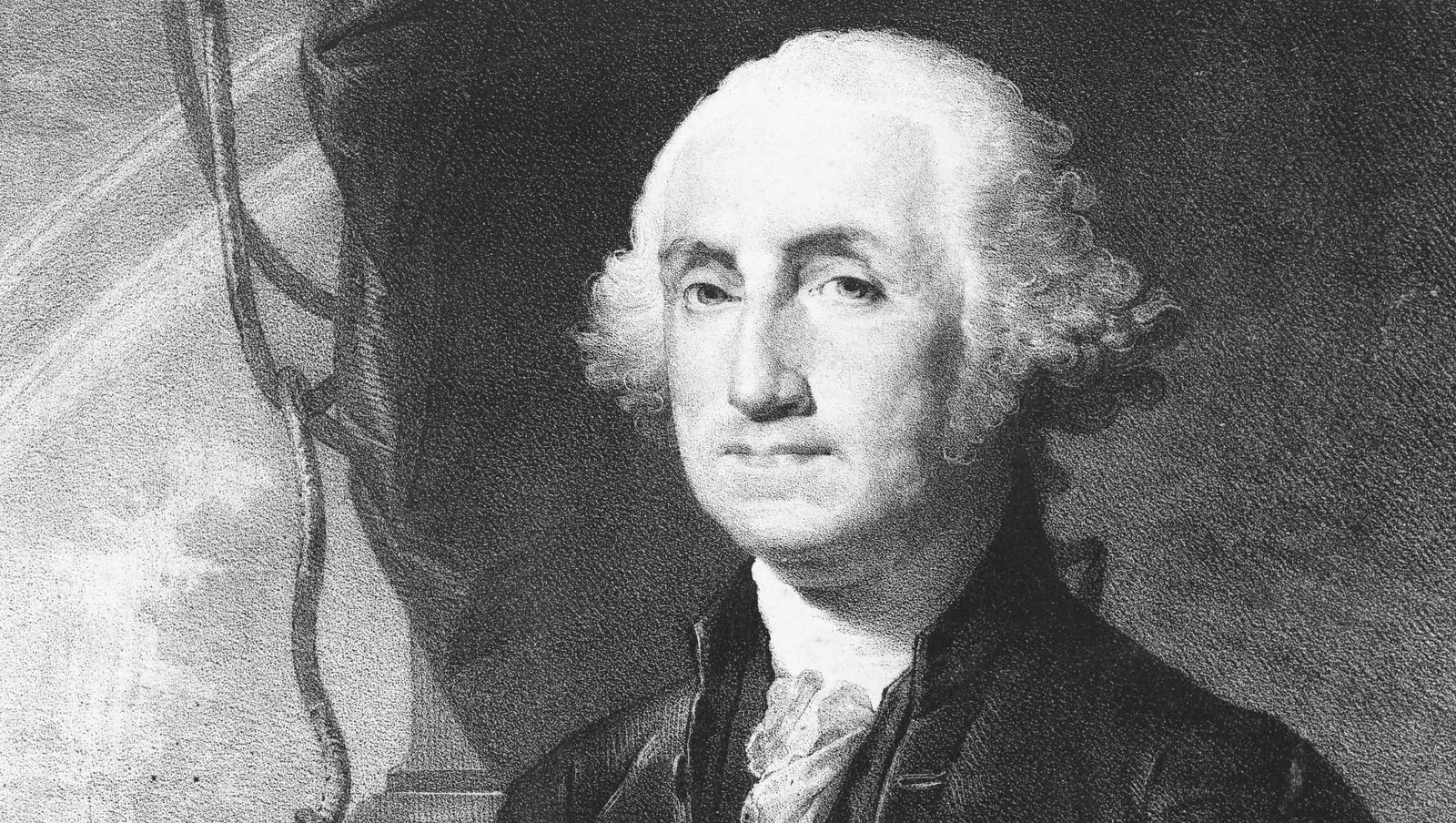
America’s first president had no guidebook to follow, so George Washington ended up writing the first chapters of the office himself. With calm judgment and a focus on fairness, he set the tradition of serving only two terms, showing that leadership should be about duty rather than personal power.

Washington organized the very first Cabinet, established the tone for presidential addresses, and worked hard to promote unity among different regions and viewpoints. His steady approach helped turn a young, uncertain nation into a stable and functioning republic. The patterns he created became the model for every subsequent president.

2
James Madison

Image: Tara Winstead

Often called the "Father of the Constitution," James Madison helped shape the foundations of the United States long before he stepped into the presidency. He played a central role in writing the Constitution and co-authored the Federalist Papers, a series of essays that explained how the new government was meant to work.

Once in office, Madison continued to support the development of stronger federal systems that could serve a growing country, and he oversaw the admission of new states into the expanding Union. His steady leadership helped reinforce the structure laid down by the founders and proved that the nation’s early ideas—balance, stability, and cooperation—could stand the test of time.

3
Abraham Lincoln

Image: Jacob Thorson

The 16th U.S. president guided the nation through a time of deep division with a calm, steady determination and a clear sense of purpose. He held firmly to the belief that all people are created equal, and he worked to bring those principles to life in practical, lasting ways.

During his presidency, Lincoln supported major constitutional changes that broadened personal freedoms and strengthened the role of the federal government in protecting those rights. He emphasized unity, fairness, and the idea that the country could emerge stronger if it stayed true to its core values. His dedication to these ideals has made him one of the most admired figures in American history, remembered for his integrity and his hope for a more united nation.

4
Theodore Roosevelt

Image: Ryan Stone

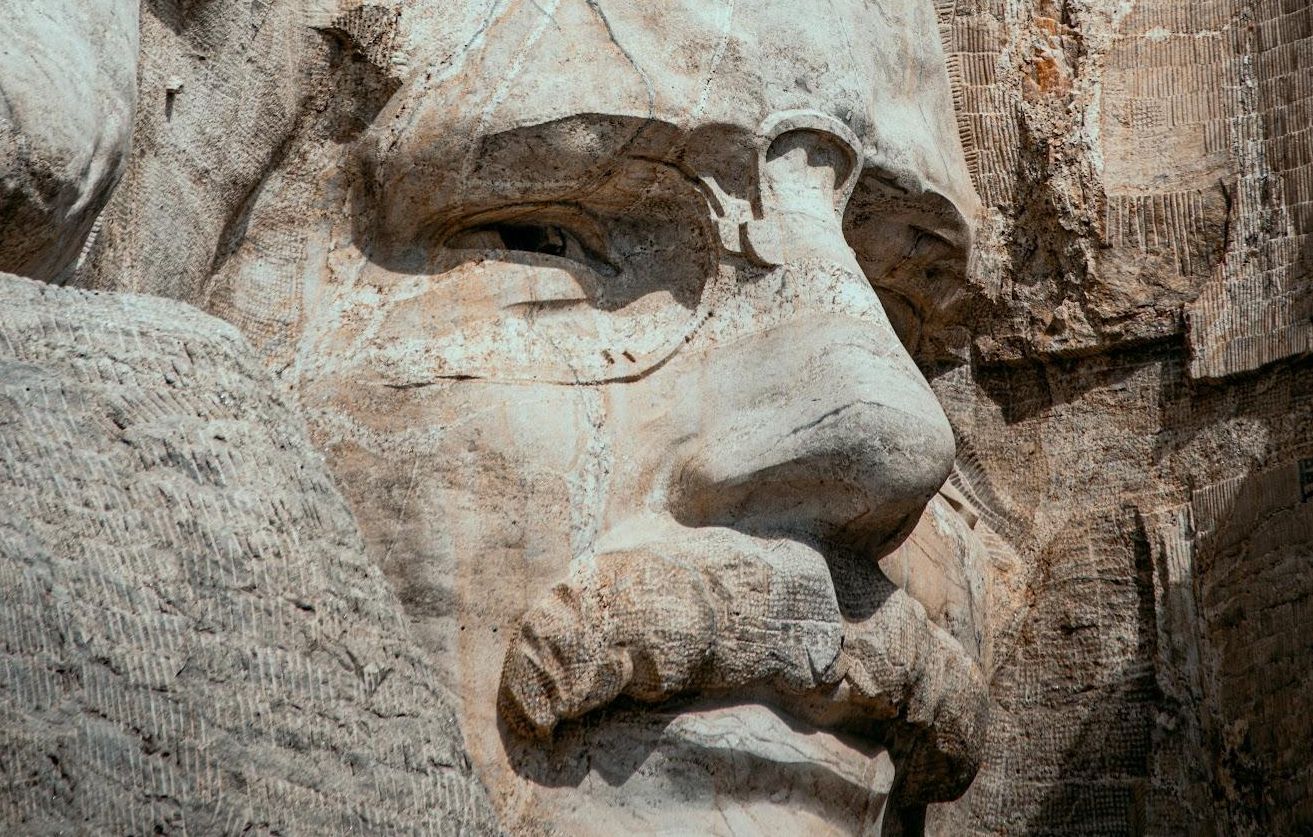
Theodore Roosevelt was known for his enthusiasm, his adventurous spirit, and his deep love of the outdoors. He became one of the nation’s strongest voices for conservation, helping to create and expand national parks, forests, and wildlife areas.

His domestic program, the "Square Deal," aimed to make sure consumers, workers, and businesses were treated fairly, and he pushed for stronger rules that protected everyday Americans from unfair practices. Roosevelt also encouraged the nation to step forward with confidence, backing improvements in transportation and modern infrastructure that helped connect the United States more smoothly with the world.

5
Woodrow Wilson

Image: Đào Thân

Woodrow Wilson arrived in Washington with a plan to give everyday Americans a fairer, more balanced system, and his wave of domestic reforms—known as the "New Freedom"—reflected that goal. During his presidency, the nation saw the creation of the Federal Reserve System and the Federal Trade Commission, two major institutions designed to keep the economy steady and well-regulated.

Wilson also encouraged the idea that countries should work together through organized cooperation rather than standing apart, a view that later influenced the formation of important international organizations. His belief in self-determination and his preference for diplomacy over isolation helped guide the United States toward a long-term vision of global partnership and shared responsibility.

6
Franklin D. Roosevelt

Image: Pedro Gutierrez

Franklin Roosevelt guided the nation through one of its toughest economic periods with a wide-ranging effort known as the "New Deal." This collection of policies helped support workers, steady the banking system, and strengthen protections for consumers. It also introduced Social Security, a program that quickly became a key element of retirement planning for millions of Americans.

Roosevelt understood the importance of keeping the public informed, so he spoke directly to families through his regular radio broadcasts, the famous "Fireside Chats." In these simple, calm conversations, he explained what the government was doing and why, helping people feel more confident in uncertain times. His clear, steady communication made him one of the most trusted and familiar voices of his era.

7
Harry S. Truman

Image: WikiImages

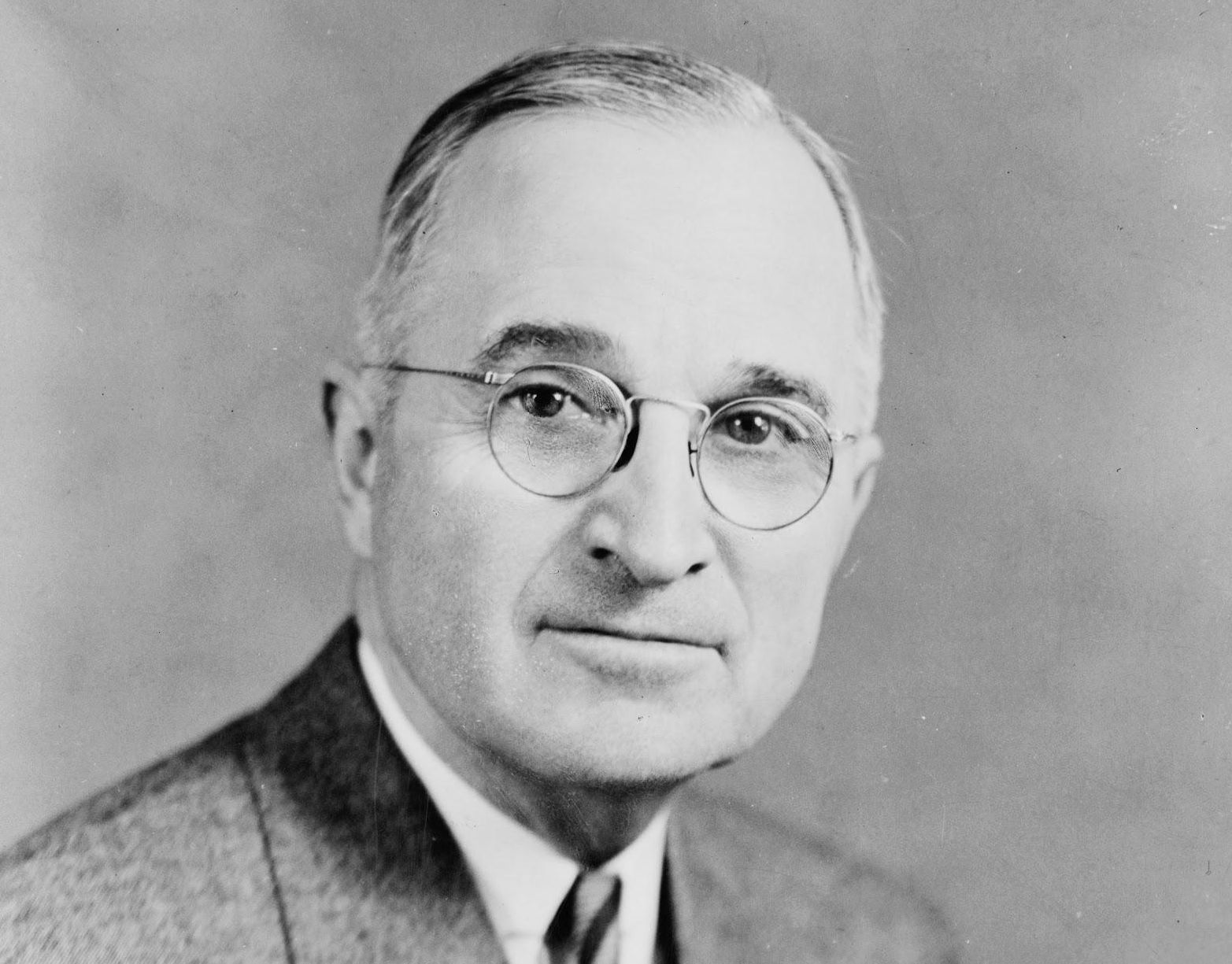
When Harry Truman took office in 1945, both the world and the United States were undergoing a period of rapid change. With a practical mindset, the 33rd president helped launch broad programs aimed at rebuilding European economies and encouraging stronger international cooperation.

He also set a new long-range direction for American policy, one that emphasized stability, democratic principles, and economic support beyond U.S. borders. Truman’s meaningful efforts helped shape how nations worked together and signaled the beginning of important social changes that would continue to unfold in the decades ahead.

8
John F. Kennedy

Image: Florida Memory

John F. Kennedy brought a fresh sense of youth and optimism to the early 1960s. His speeches often called on Americans to lend a hand, serve their communities, and think beyond themselves—captured in his well-known line, "Ask not what your country can do for you, ask what you can do for your country."

Kennedy supported important civil rights efforts and encouraged steady progress in science and technology. He also pushed the nation to look toward the future through expanded space exploration and created the Peace Corps, giving young Americans opportunities to volunteer and make a difference overseas. His steady promotion of learning, service, and innovation helped spark a spirit of national progress that defined much of the decade.

9
Lyndon B. Johnson

Image: LBJ Library photo by Yoichi Okamoto Restored by: Bammesk, Public domain, via Wikimedia Commons

Lyndon Johnson arrived in the White House with a far-reaching plan he called the "Great Society," a vision aimed at improving everyday life for people across the country. Under his leadership, Congress passed major civil rights legislation that strengthened equality and safeguarded voting rights, setting new standards for fairness.

The 36th president also approved the creation of Medicare and Medicaid, programs that gave millions of older adults and low-income families reliable access to health care for the very first time. Additionally, he supported initiatives to improve education, preserve natural resources, and strengthen local communities.

10
Ronald Reagan

Image: White House Photographic Collection, Public domain, via Wikimedia Commons

Ronald Reagan stepped into the 1980s carrying a message of confidence and renewal, offering Americans a sense of fresh direction after a challenging period. His economic approach—later known as "Reaganomics"—was centered on lowering taxes, easing federal regulations, and giving businesses more room to grow. For many people, this era became associated with rising optimism.

Reagan also spoke often about national pride and traditional values, presenting a steady, recognizable voice on the world stage. His leadership style—straightforward, good-humored, and easy to understand—left a lasting mark on how political ideas were discussed and helped shape the country’s tone for years to follow.

Explore more American facts

Choose your favorite category!

General
General

As American as apple pie—the very best America has to offer!

Culture
Culture

Delve into the astounding richness of American lore.

Geography
Geography

Hop in and explore vast and diverse American landscapes.

History
History

Discover the key moments that shaped the United States.