General General 5 min read

FROM THE DUMB TO THE BIZARRE

10 Weird Laws in the United States that Still Exist Today

Image: Tingey Injury Law Firm

Ever since the beginning of the nation, America has stood out for many reasons and it has adapted to societal changes and technological advances. People are not the same today as they were back in the 18th century, for example. This only makes it more shocking to learn that some laws in the country are as old as that or even older and they are still operating today!

Due to its state configuration, laws and regulations are sometimes left to each state. From the prohibition of driving blindfolded to no sweets for people over 14, let’s go through the dumb, the weird, and the bizarre!

1
Alabama - Driving Regulations

Image: Ed 259

We have all tried to ride a bike with no hands when we were kids. You probably got to the point of taking the challenge one step further and driving with no hands on an empty road. Now, driving blindfolded is a bit extreme, right?

Alabama has a law that forbids drivers from driving blindfolded and that is not all, drivers aren’t allowed to drive if they can’t see what’s to the sides or in front of them. Now, if the law exists, that must mean it was needed at some point, right?

2
Louisiana - Pizza Party

Image: Kelvin T

Sending gifts is a great way to say "I love you" or "I’m sorry." Whatever the situation, we’ve seen it a million times: a knock on the door, a pizza delivery guy handing a pizza box, and a cheesy, but loving message as a topping: "I love you."

Well, if those were your plans but you live in Louisiana, you might as well think twice before you do it. This state has a law that forbids inhabitants from sending unsolicited pizza, no matter how considerate this gesture might be. If you do, be ready to pay a $500 fine. How much is your love worth?

3
Virginia - Halloween Arrangement

Image: Szabó János

All across America, when October comes, millions of people get their costumes ready for the spookiest night of the year. And we are not talking only children here. How many Adults-only Halloween parties have you been to?

However, the Halloween fun is limited in Chesapeake City, Virginia. Dress up all you want and party all night long, but don’t you dare go trick-or-treating alone if you are over 14 . Not because you might get haunted by ghosts, but because the law forbids you. And for the under-14s you know, let them know they have to be home by 8 pm according to the curfew. Quite a bummer, huh?

4
South Caroline - Pinball Limitations

Image: Senad Palic

Ah, to be young and play games again, right? The possibilities were endless, board games, card games, pinball… Well, not anymore, not for everyone, at least!

In South Carolina, pinball is forbidden for people over 18 years of age. And it has nothing to do with maturity, it is not that they don’t allow the fun in adults. The reason behind this regulation has to do with the fact that the game is considered addictive and dangerous for some reason we can’t figure out! Can you imagine what it is? If this sounds bizarre, wait until you read the next one!

5
Vermont - Permission to Get Teeth Done

Image: engin akyurt

Now, this is where America gets a bit bizarre. For a very long time, women have needed men’s permission to get all sorts of things done around the house and about their health. But as we said, society has changed and America has adapted to those improvements.

Surprising as it may be, Vermont has a law that requires women to ask for their husband’s permission before they get false teeth. You heard that right!

It must have been a surprise for the government itself as it is a law that is not enforced anymore, but it still hasn’t been overturned!

6
Kentucky - Marriage restrictions

Image: Samantha Gades

Speaking of husbands and wives, Kentucky must have seen the weirdest things when it came to marriages. That is fair, relationships are a complex business.

You fall in love and you get married. You fall out of love and you get a divorce. But love, funny thing, huh? You might fall back in love and want to get married again to the same person. Well, that is about it in Kentucky.

The state’s legislators have limited marriage so that no man can marry the same woman more than three times . This is just bizarre, even if you were allowed to do so, why would you? Right?

7
Oregon - Cemeteries Are Off the Limits

Image: Sandy Millar

Hunting is a very much praised activity in the United States. However, for different reasons, such as animal protection or nature conservation, some aspects of the hobby have been banned across the country.

In the state of Oregon, for example, you cannot hunt within the limits of a cemetery. Now, this sounds just about right, doesn’t it? After all, it is sacred soil. Well, as morally obvious as this may sound, the case of a specific hunter carrying his business in a cemetery led legislators to forbid the activity. Wait for it, this is nothing compared to the last prohibition!

8
Ohio - Mind Your Gas

Image: Juan Fernandez

Driving can be quite soothing, although it requires a high level of attention. You must check your tires, turn the lights on, and place the mirrors in the right position. And of course, you have to get the tank full before anything else.

Even if it seems quite unlikely that anyone would run out of gas intentionally, Youngstown, Ohio has a law that forbids drivers from running out of gas. If this happens, it is considered a misdemeanor offense. Running out of gas in the middle of your driving is bad enough, add a ticket to it!

9
Indiana - Horses Are Just Horses

Image: Holly Mandarich

Even if these majestic animals were used for transportation for a very long time , we can all agree that they have served their purpose and now is time to let them be. Well, Indiana must have been a place where this wasn’t the case until a law forbidding horse racing was passed.

The law actually says that horse-based travels are not allowed to run over 100mph . Even if the reasons are not so clear, one can only assume this was a nuisance for the inhabitants of the state.

10
Arizona - Donkeys Belong Elsewhere

Image: Erwan Hesry

This article comes to an end with what is, probably, the weirdest law of them all and it involves bathtubs and donkeys . Just saying it sounds bizarre.

Back in the 1920s, a very much-pampered donkey sleeping in a bathtub caused a home to flood. Don’t worry! The animal made it, although it didn’t quite notice as it was asleep the whole time.

Now, as a consequence, Arizona still has a law that forbids donkeys from sleeping in a bathtub in an attempt to avoid such an occurrence repeating itself! You better go buy a proper bed for your donkey now!

General General 5 min read

Second look

Lost in history: 10 forgotten presidents who changed America

Image: Library of Congress

Be honest—how many U.S. Presidents can you name off the top of your head? Great leaders like Washington and Lincoln often steal the spotlight, and with legacies as groundbreaking as theirs, it's totally understandable. However, this also means the work of many lesser-known—but no less important—figures in American history is often overlooked. From controversial characters to underrated statesmen, join us as we unravel the stories of 10 forgotten U.S. presidents.

1
Martin Van Buren (1837-1841)

8th President

Image: Library of Congress

Van Buren, the first president born after the American Revolution, inherited an economic crisis shortly after taking office, known as the Panic of 1837 . The market crash, caused by speculative banking practices, led the country into a severe economic depression.

Van Buren’s quick response was to establish an independent treasury system, which effectively separated federal funds from private banks. This system helped stabilize the currency and laid the foundation for modern federal financial management. Furthermore, Van Buren was also a key figure in the development of the two-party system that continues to shape American politics today. Quite the legacy for an often-overlooked figure!

2
John Tyler (1841-1845)

10th President

Image: Library of Congress

John Tyler became president in 1841 following William Henry Harrison’s death, marking the first time a vice president succeeded a sitting president. Although this might seem unremarkable today, Tyler asserted the constitutional authority of the presidency by doing so, setting an important precedent for the peaceful transfer of power and solidifying the role of the vice presidency in American democracy.

However, Tyler is mostly remembered for championing westward expansion and overseeing the initial negotiations for the annexation of Texas—a move that literally reshaped the nation. Though this ultimately led to tensions with Mexico and the Mexican-American War, his efforts to settle a peaceful border treaty between the United States and Canada helped balance his legacy.

3
James K. Polk (1845-1849)

11th President

Image: Library of Congress

James K. Polk, the 11th president, is often called the "expansionist president" due to his aggressive territorial policies. Under his leadership, the United States expanded significantly, acquiring more than a million square miles of land through various treaties and the victory in the Mexican-American War.

His presidency fulfilled the concept of Manifest Destiny, extending the nation's reach to the Pacific Ocean. However, his legacy remains somewhat controversial, as many of his actions exacerbated the divide between the northern and southern states, setting the stage for the American Civil War.

4
Zachary Taylor (1849-1850)

12th President

Image: Library of Congress

Zachary Taylor, a hero of the Mexican-American War, became president in 1849 with little political experience. Despite being a Southern slave owner, he opposed the expansion of slavery into the newly acquired western territories, a stance that put him at odds with many in the South.

While Taylor's presidency was cut short by his sudden death in 1850, his role in opposing the spread of slavery into new states set the stage for future debates. Though brief, his actions as president are often praised for their conciliatory nature, as he sought compromises in an attempt to prevent the looming conflict.

5
Millard Fillmore (1850-1853)

13th President

Image: Library of Congress

Millard Fillmore took over after Zachary Taylor's untimely death in 1850, inheriting a fractured nation on the brink of civil war. His most controversial act was signing the Compromise of 1850, which included the Fugitive Slave Act, requiring the return of escaped slaves to their owners.

This somewhat ham-fisted attempt to maintain the fragile peace between the North and South only deepened the divisions that eventually led to the Civil War. On a lighter note, Fillmore was the first president to initiate trade relations with Japan, marking the start of Japan’s modernization and its integration into the global economy.

6
Franklin Pierce (1853-1857)

14th President

Image: Library of Congress

Franklin Pierce, elected in 1852, faced an increasingly divided nation over the issue of slavery. His signing of the Kansas-Nebraska Act in 1854 allowed new territories to decide for themselves whether to permit slavery, leading to violent confrontations between pro- and anti-slavery factions in what became known as "Bleeding Kansas."

Despite his troubled domestic policies, Pierce followed his predecessor's path of expanding U.S. influence abroad. He pushed for new trade routes and even attempted to negotiate the acquisition of Cuba from Spain, though his efforts ultimately failed.

7
James Buchanan (1857-1861)

15th President

Image: Library of Congress

James Buchanan’s inability to resolve the tensions between North and South is often criticized, but he faced a nearly impossible task. He sought to avert conflict through diplomacy but was hesitant to overstep states' rights, arguing that the Constitution did not grant him the authority to prevent secession.

Despite his efforts, South Carolina seceded in December 1860, just weeks after Abraham Lincoln’s election, setting the stage for war. In foreign policy, Buchanan strengthened U.S. relations abroad, securing trade agreements with China and managing tense relations with Great Britain.

8
Rutherford B. Hayes (1877-1881)

19th President

Image: Library of Congress

Rutherford B. Hayes is often remembered for his controversial election in 1876, which was decided by a congressional commission after a disputed vote count. His administration is also known for effectively ending the Reconstruction Era by withdrawing federal troops from the South.

While this helped bring stability to the South, it also allowed the rise of segregationist policies. On the other hand, Hayes was one of the first presidents to advocate for civil service reform, arguing that a merit-based government workforce was necessary to reduce corruption and ensure efficiency within the federal system.

9
Chester A. Arthur (1881-1885)

21st President

Image: Library of Congress

Initially seen as a product of the corrupt political machine system, Chester A. Arthur surprised many by becoming a champion of civil service reform. In 1883, he signed the Pendleton Civil Service Reform Act, which mandated that government jobs be awarded based on merit rather than political connections.

This act significantly reduced the influence of patronage in American politics, a practice that had long fueled corruption. Arthur also modernized the U.S. Navy, which had been neglected since the Civil War. His administration helped lay the foundation for the powerful naval force that would emerge in the 20th century.

10
Benjamin Harrison (1889-1893)

23rd President

Image: Library of Congress

Though almost forgotten today, Harrison’s administration was marked by significant legislative accomplishments. In particular, the Sherman Antitrust Act aimed at curbing the power of monopolies and promoting competition, and is considered the first major attempt by the federal government to regulate corporate power.

Harrison pushed to secure federal funding for education and voting rights for African Americans, but many of his efforts were blocked by Congress. Despite these setbacks, he remained a vocal advocate for African American civil rights, consistently addressing the issue in his speeches to Congress.

General General 5 min read

Foreign affairs

An ode to diplomacy: 12 extraordinary US embassies around the world

Image: Christian Lucas

You might think an embassy is just a plain office building for diplomats. Well, think again! The United States has some of the most eye-catching, quirky, and downright unique embassies you’ll ever see. From gleaming glass towers to tropical hideaways, these buildings aren’t just about paperwork—they’re part of America’s handshake to the world. Here are 12 beautifully designed US embassies where architecture meets foreign politics.

1
Paris, France

Image: U.S. Department of State from United States, Public domain, via Wikimedia Commons

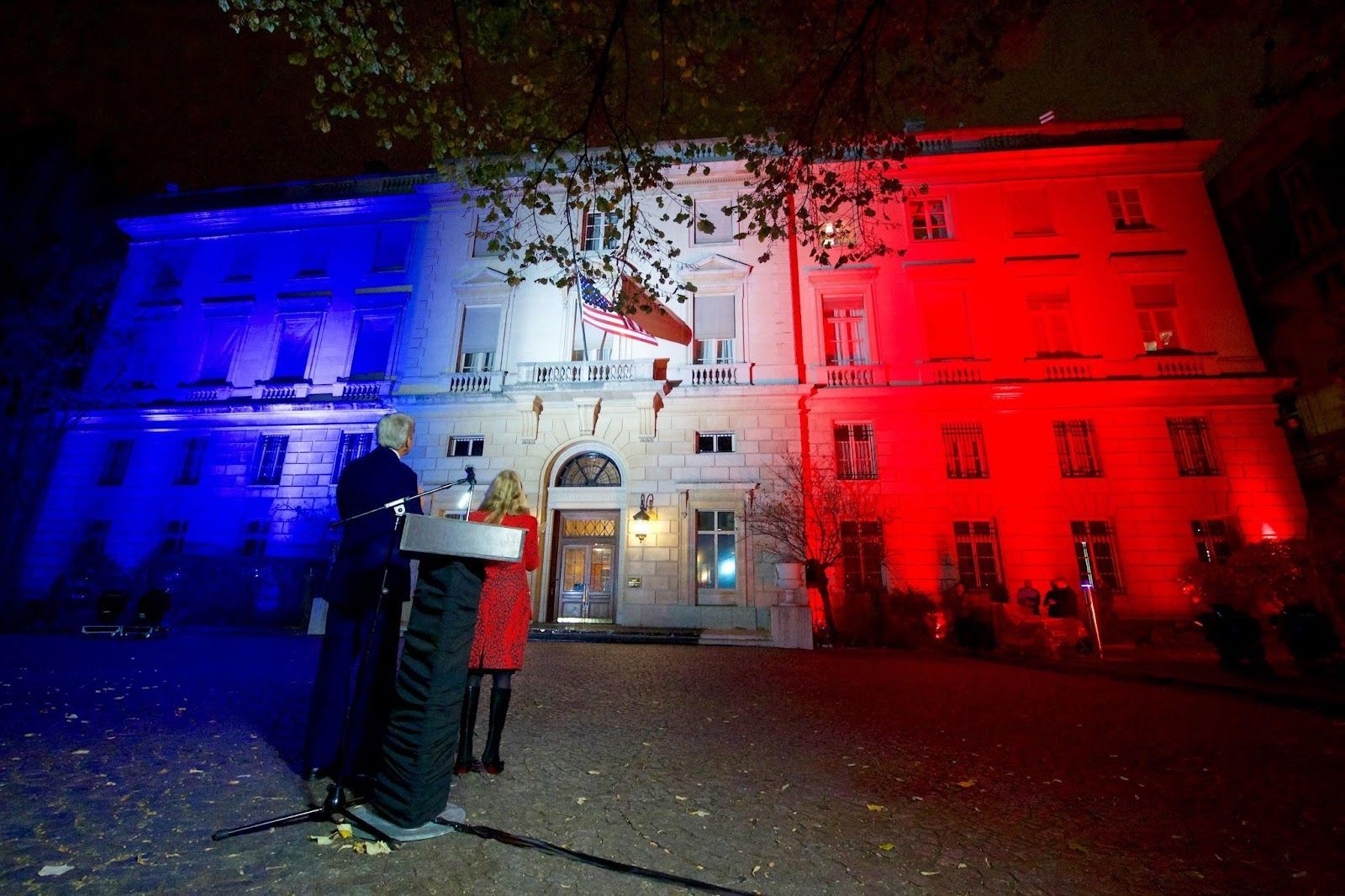
The U.S. Embassy in Paris is the oldest American diplomatic mission in the world. Benjamin Franklin himself served as the first ambassador, back when the United States was fighting for independence. Today, the chancery building stands on the Place de la Concorde, a spot once used for public executions during the French Revolution. Few embassies can match this mix of American heritage and European history.

2
New Delhi, India

Image: Ash Carter, Public domain, via Wikimedia Commons

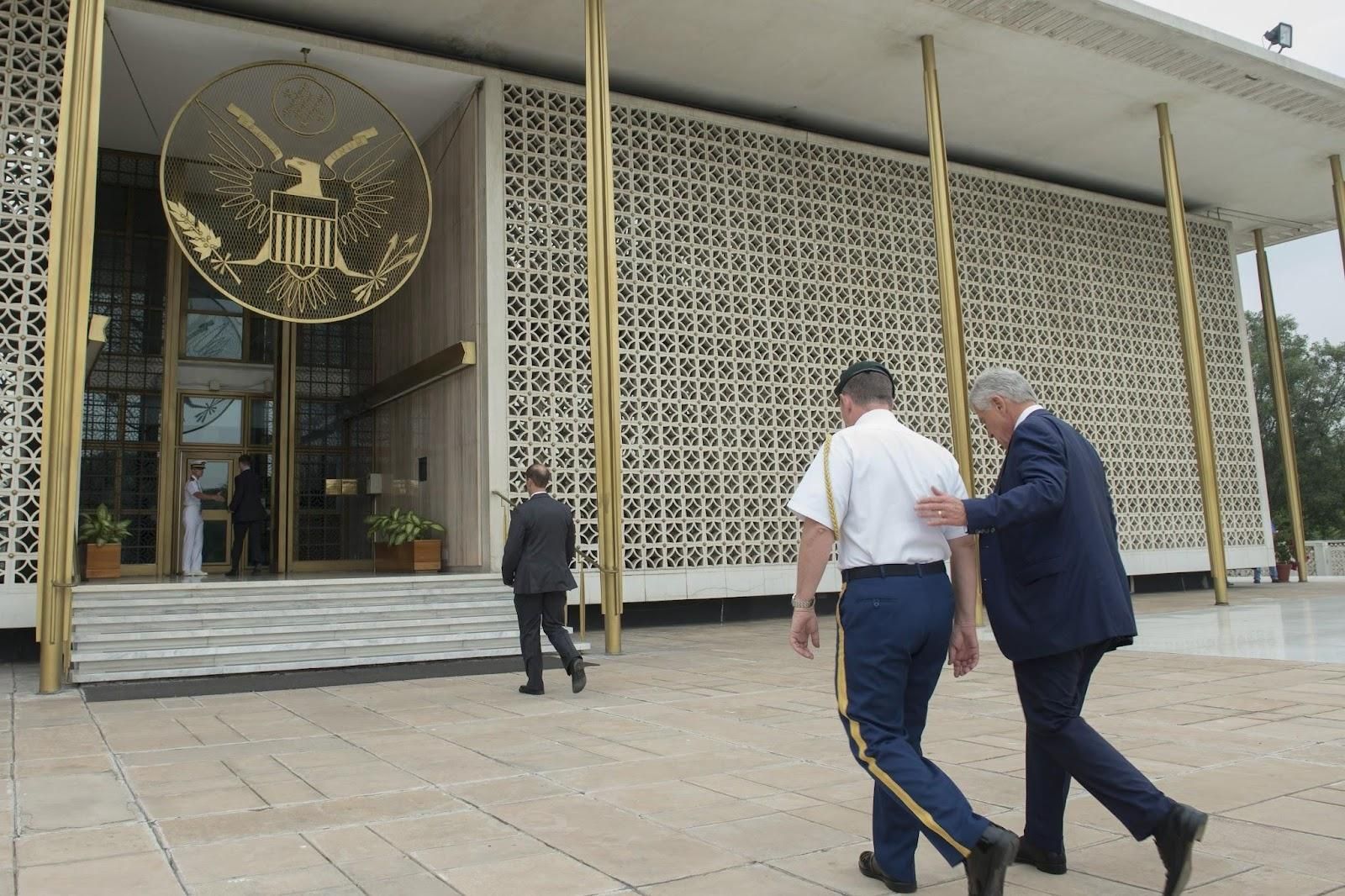
Set on 28 acres in a district where nearly every corner is marked by a foreign flag, the U.S. Embassy in New Delhi feels more like a grand estate than a government office. The entrance alone impresses visitors with its broad fountain and big golden Great Seal of the United States.

When it first opened in the 1950s, the complex introduced many locals to the clean lines and bold simplicity of American modernist design. Decades later, the compound still carries that sense of mid-century optimism, standing as both a piece of architectural history and a stage for diplomacy.

3
London, United Kingdom

Image: Phil Lev

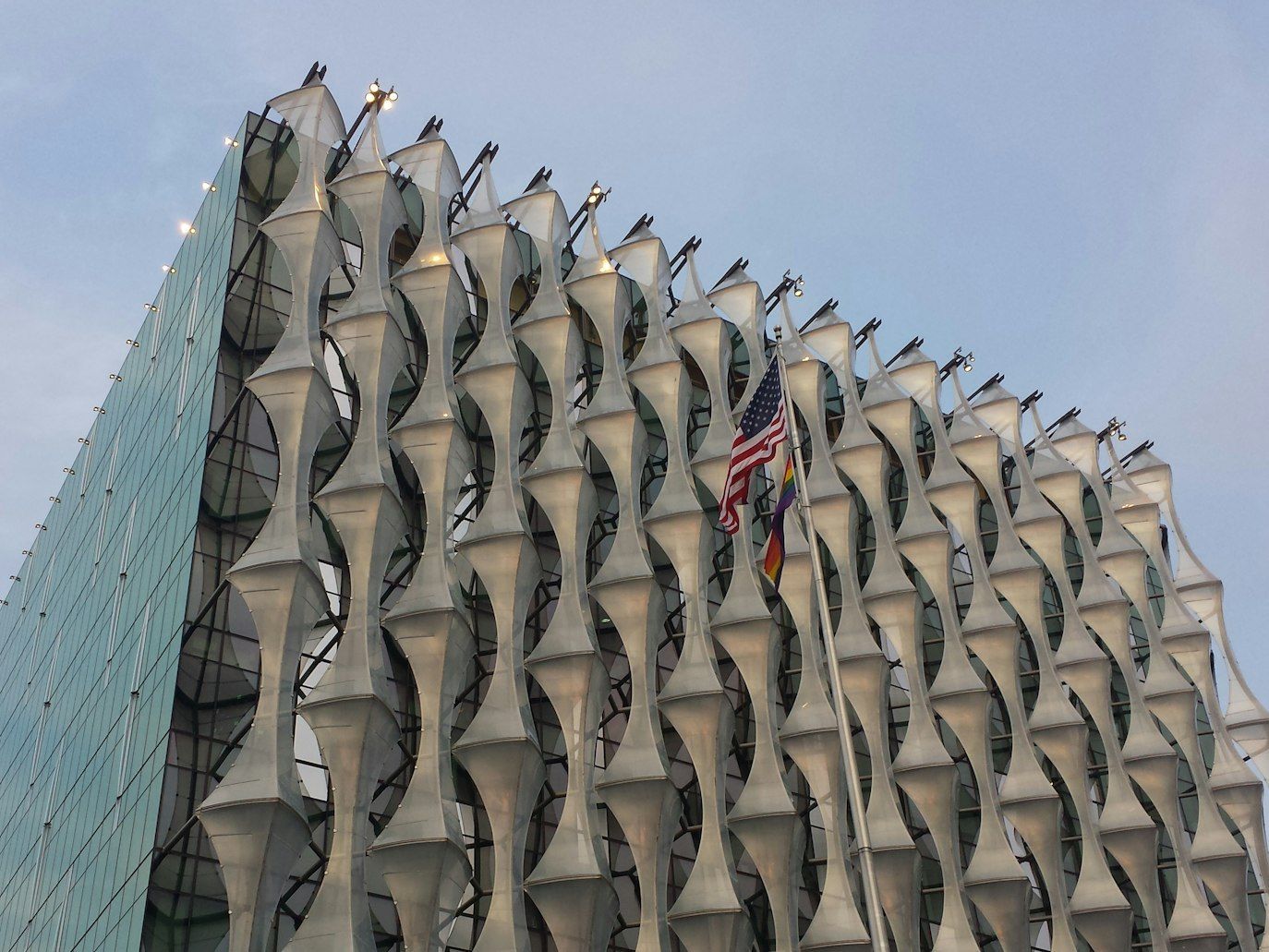
If James Bond had to hand-deliver a top-secret note to Uncle Sam, this is exactly where he’d go. Opened in 2018, the current building of the U.S. Embassy in London came with a price tag of about $1 billion—yes, billion with a "B." It spans nearly 12 acres along the River Thames, enough to be one of the most enviable addresses in town.

The sleek glass cube design doesn’t just reflect light, it sparkles as if auditioning for a starring role in a spy flick. Its gardens and public walkways also make it one of the few embassies in the world that feels just as welcoming as it does secure.

4
Brasília, Brazil

Image: mbastosbr

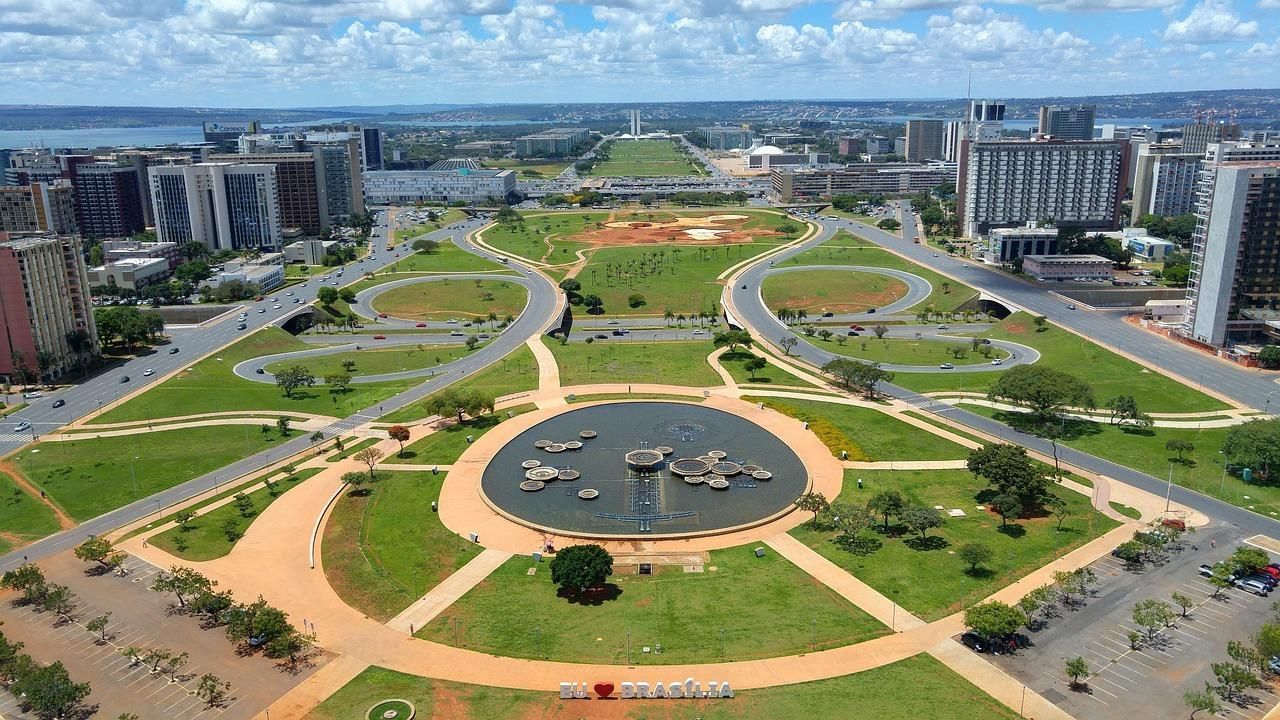
When Brazil built a new capital in 1960, the United States became the first nation to establish its embassy in the brand-new city of Brasília. The 12-acre compound took another decade to finish, but the wait was totally worth it.

Today, the building unfolds like a tropical retreat with lush courtyards, a marble facade, clusters of palms, and broad office space that seem to invite a slower pace. Inside, the Stars and Stripes waving overhead reminds you that this is less about vacation and more about international business, carried out in unmistakably American style.

5
Yerevan, Armenia

Image: Arina Dmitrieva

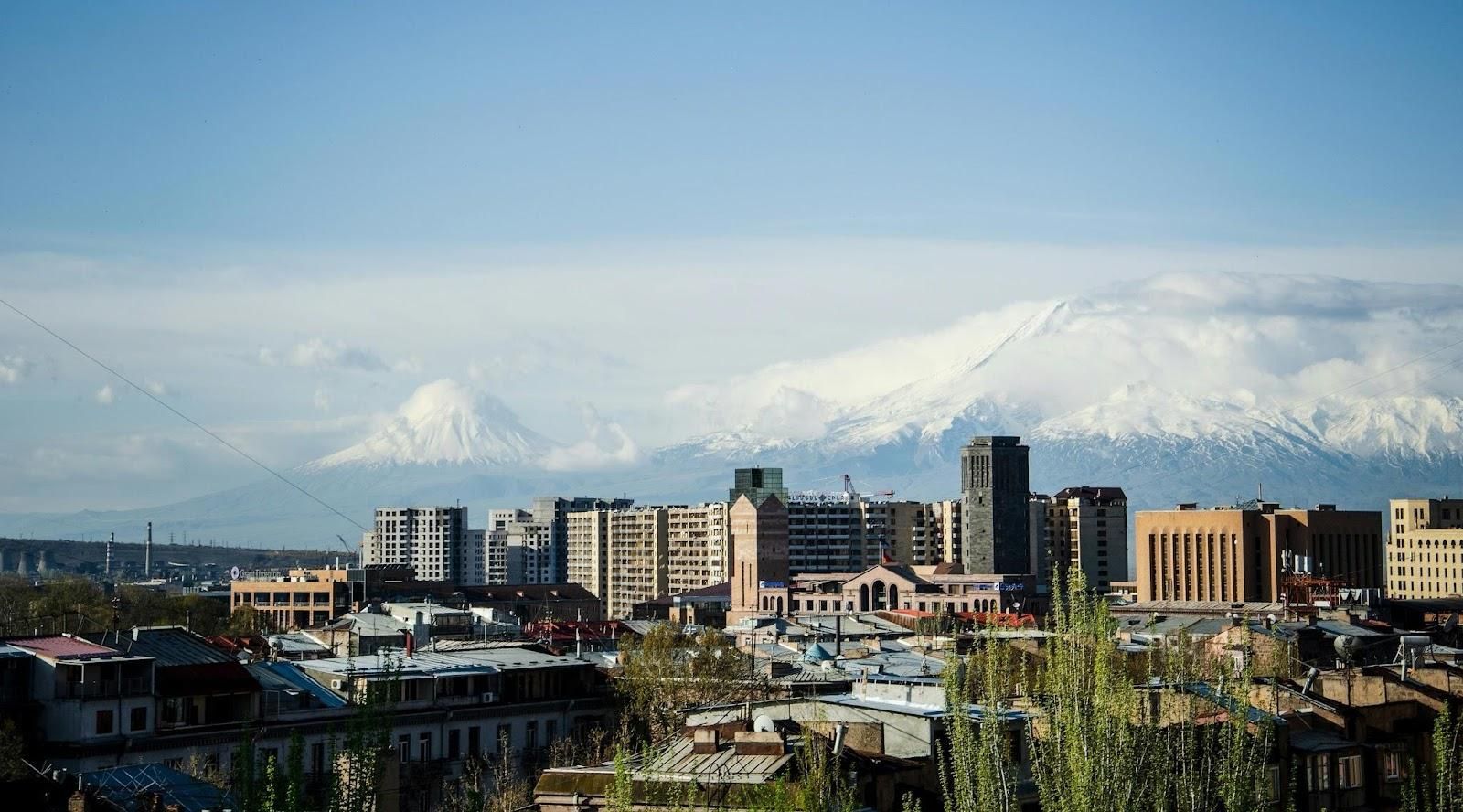
If embassies were given awards, the U.S. outpost in Yerevan would easily take home the trophy for "biggest backyard." Sprawled across 22 acres, it’s more park than office, with open lawns rolling out under the backdrop of Armenia’s rugged mountains.

Yet, the real deal is inside. The embassy serves as a gathering spot for locals, hosting cultural festivals, English-language programs, art exhibits, and workshops that make diplomacy accessible and engaging. With its airy design and community-centered vibe, it feels less like a fortress and more like an open invitation to join.

6
Ottawa, Canada

Image: Jane T D.

Right across the northern border, Canada hosts a striking U.S. Embassy right on Ottawa’s Sussex Drive. Spanning 138,000 square feet and completed in 1999, the building simply stands out. With its stainless-steel dome that gleams in the sunlight, it feels like a freshly minted coin.

Step inside and you’ll find an airy glass interior with open spaces, echoing the values of dialogue and solidarity. In a city lined with Gothic revival architecture, the U.S. Embassy rises as both a modern landmark and the stage where American diplomacy meets Canadian friendliness.

7
Tokyo, Japan

Image: Evgeny Tchebotarev

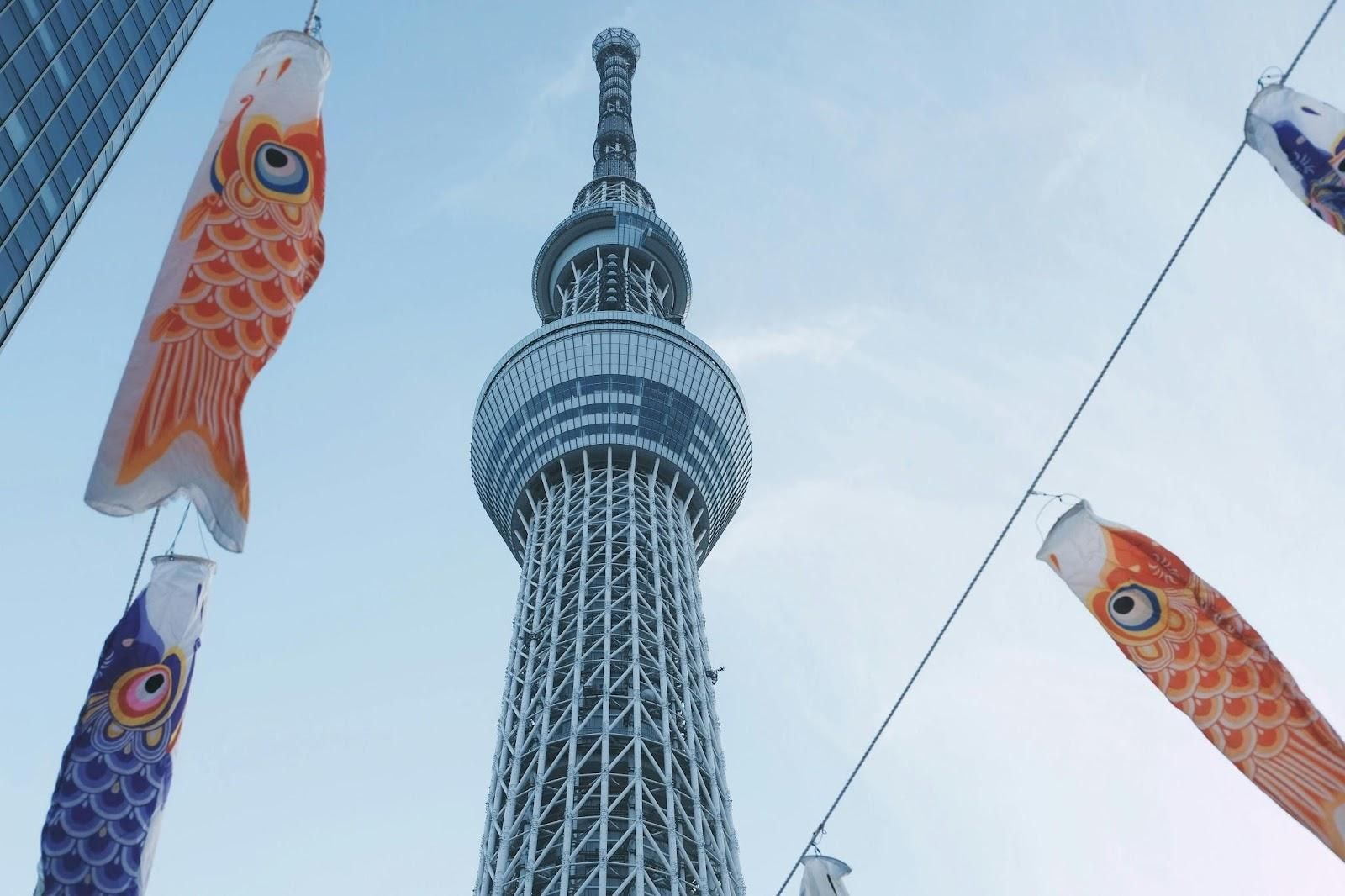
Set amid Tokyo’s frantic setting, the U.S. Embassy in Japan has stood its ground since the 1970s, quietly observing one of the world’s most dynamic capitals. Step outside its secure walls, and in just minutes you’re in the tranquil embrace of the Imperial Palace gardens, where koi ponds and ancient stone bridges feel worlds apart from the neon lights. Contrast is the essence of this post, rooted in a nation where skyscrapers rise beside shrines, and where diplomacy intertwines with both centuries-old heritage and cutting-edge modernity.

8
Canberra, Australia

Image: National Archives at College Park - Still Pictures, Public domain, via Wikimedia Commons

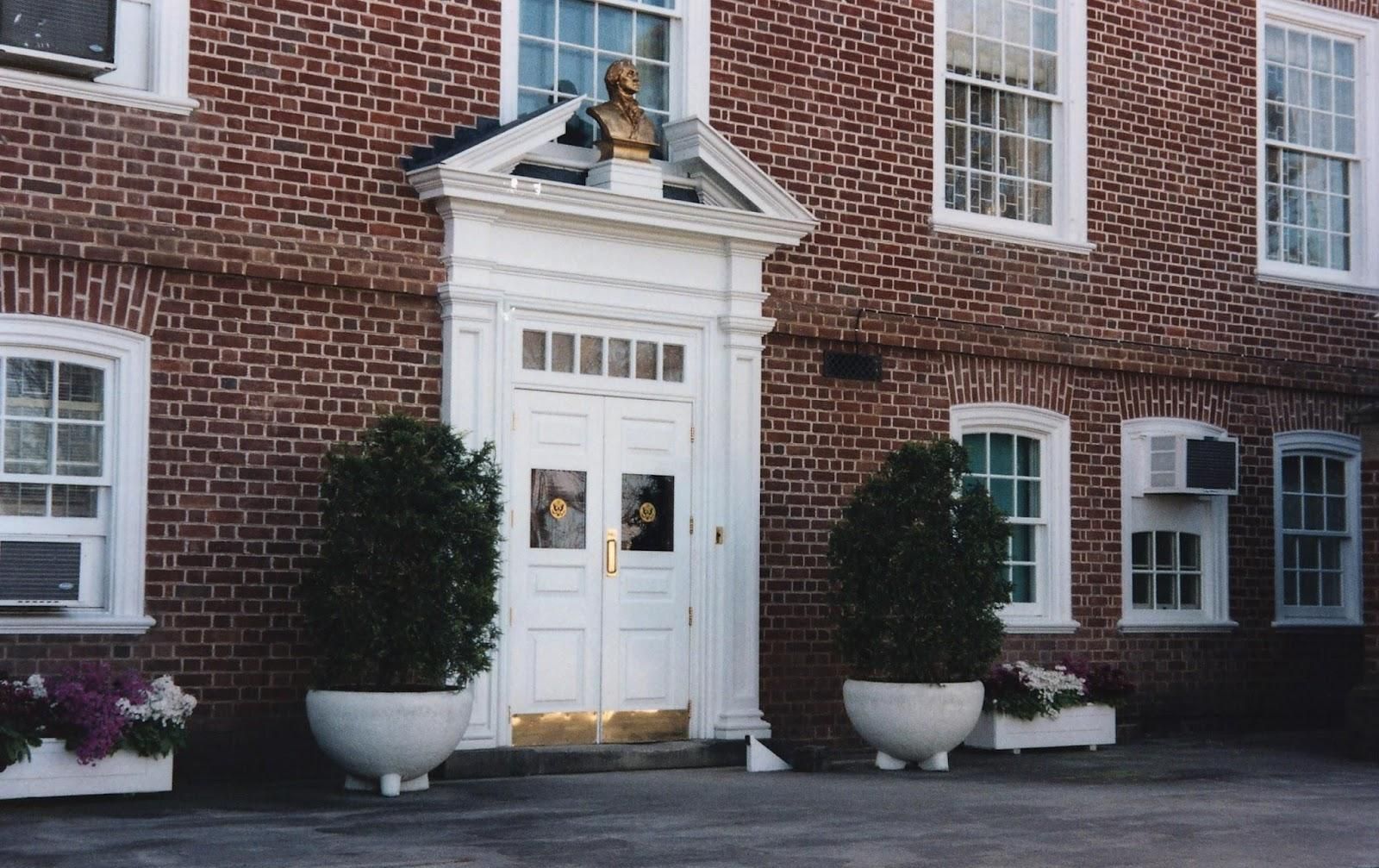
Opened in 1963, the U.S. Embassy in Canberra feels like a time capsule from the golden age of mid-century design. With its grand dome and red-brick elegance modeled after Thomas Jefferson’s Monticello, the building brings a piece of Virginia heritage halfway around the world.

Framed by tall eucalyptus trees and the crisp skies of Australia’s capital, it strikes a balance between old-world stateliness and natural charm. For many visitors, this government office is a symbol of American history and Australian hospitality.

9
Buenos Aires, Argentina

Image: here, Public domain, via Wikimedia Commons

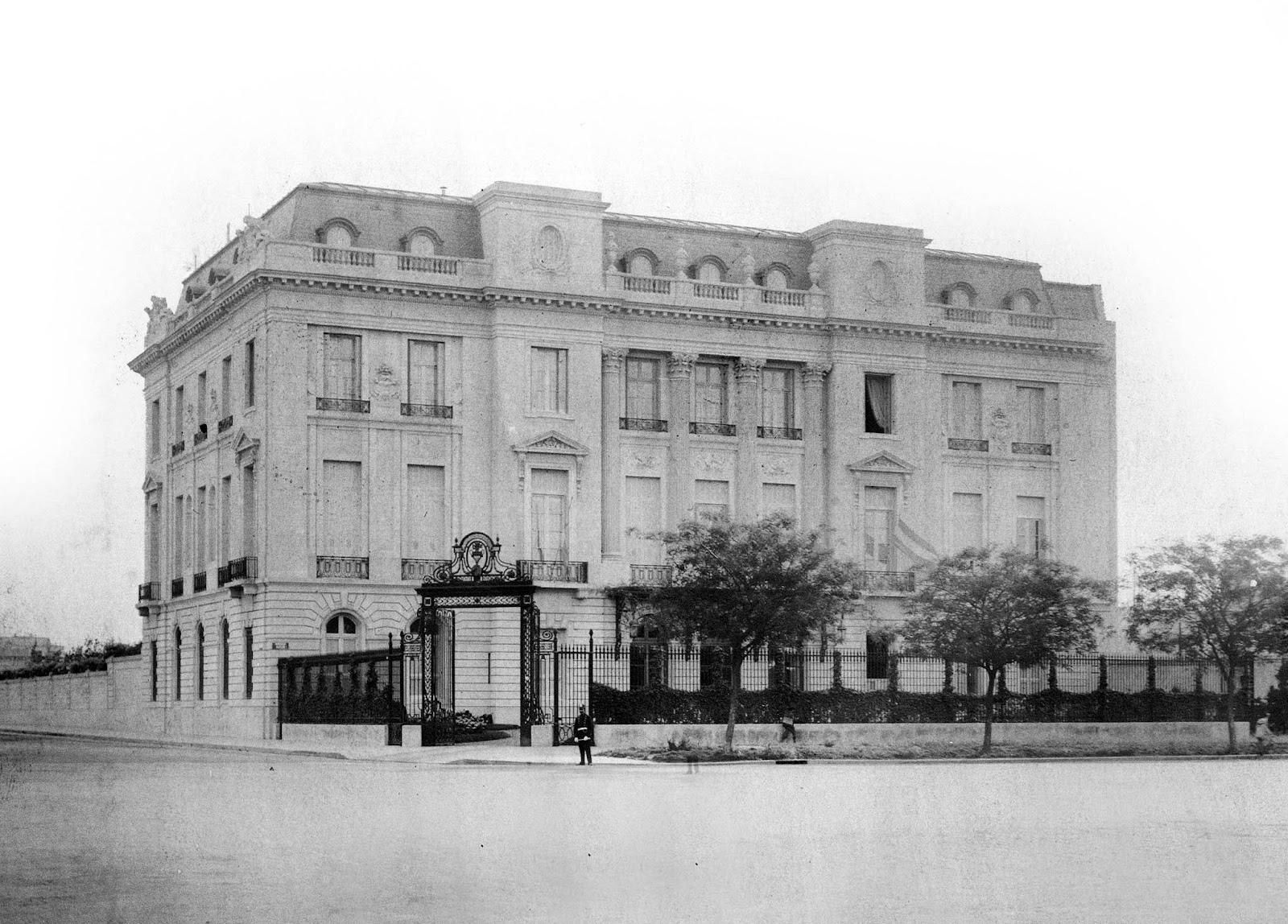
Known as Palacio Bosch, this embassy doesn’t look like an office building at all. Originally built in 1910 for one of Argentina’s wealthiest families, the mansion still carries a Belle Époque aura. With sweeping marble staircases, glittering chandeliers, and fancy salons full of gilded details, it feels like the set for The Great Gatsby .

Outside, the gardens stretch wide and elegant, providing the backdrop for countless receptions where formal diplomacy blends with the warmth of Argentine culture. Guests might hear live music drifting through the air, join in animated conversation, or even share a round of _mate_—a reminder that this embassy is as much a cultural meeting point as it is a place for politics.

10
Oslo, Norway

Image: Christoffer Engström

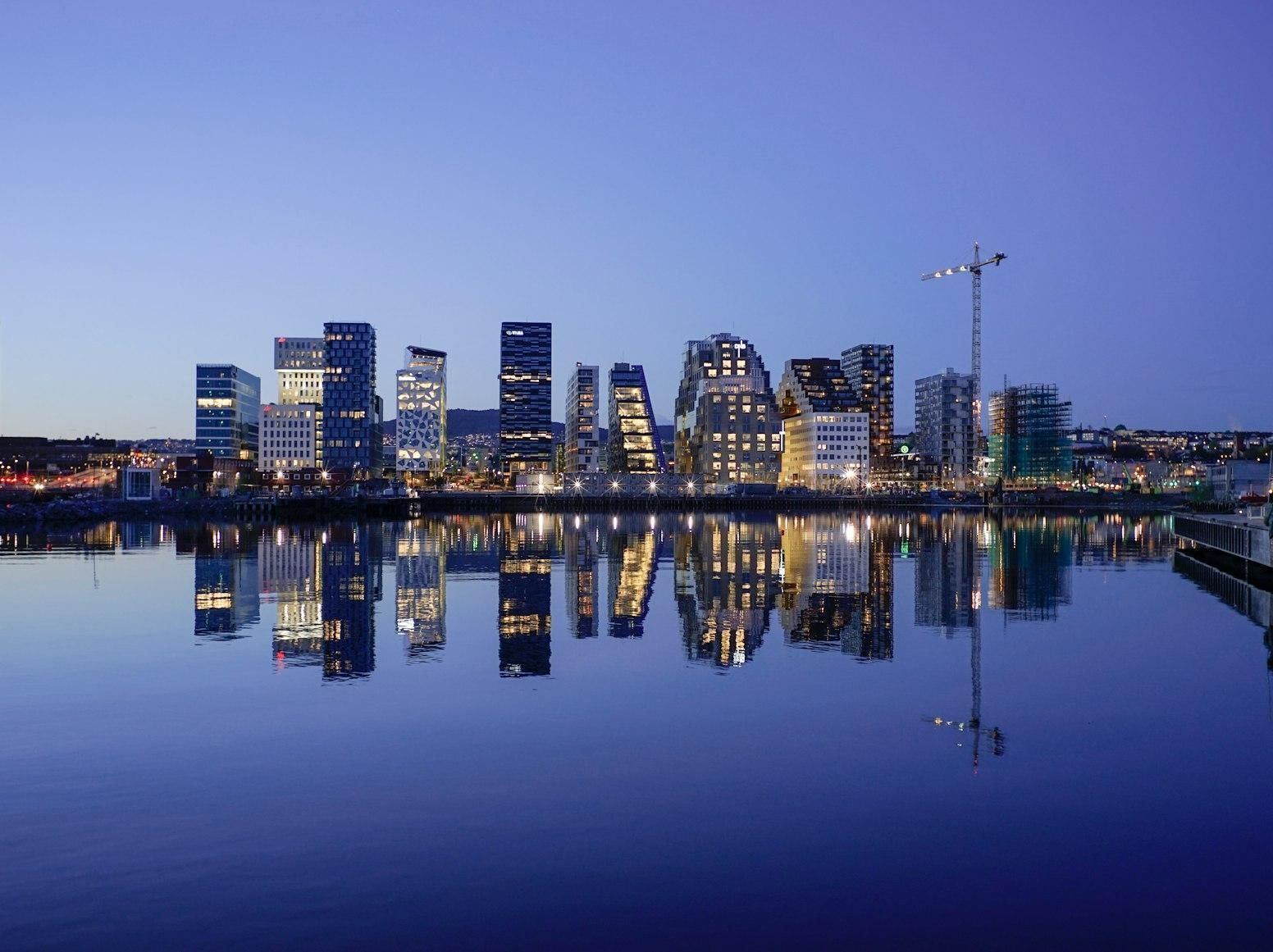
Though smaller in scale than others on this list, the U.S. Embassy in Oslo stands out with a design that mirrors the Norwegian landscape. Its facade pairs sleek glass walls with rugged stone, a blend that feels both contemporary and timeless.

In the summer, the building glimmers in the glow of endless daylight. Come winter, snow transforms its sharp lines into something out of a Nordic fairytale, with frosted rooftops and a quiet stillness in the air. More than just an office, this embassy feels woven into its setting—an architectural nod to Norway’s mix of modern design and deep connection to nature.

11
Mexico City, Mexico

Image: Oscar Reygo

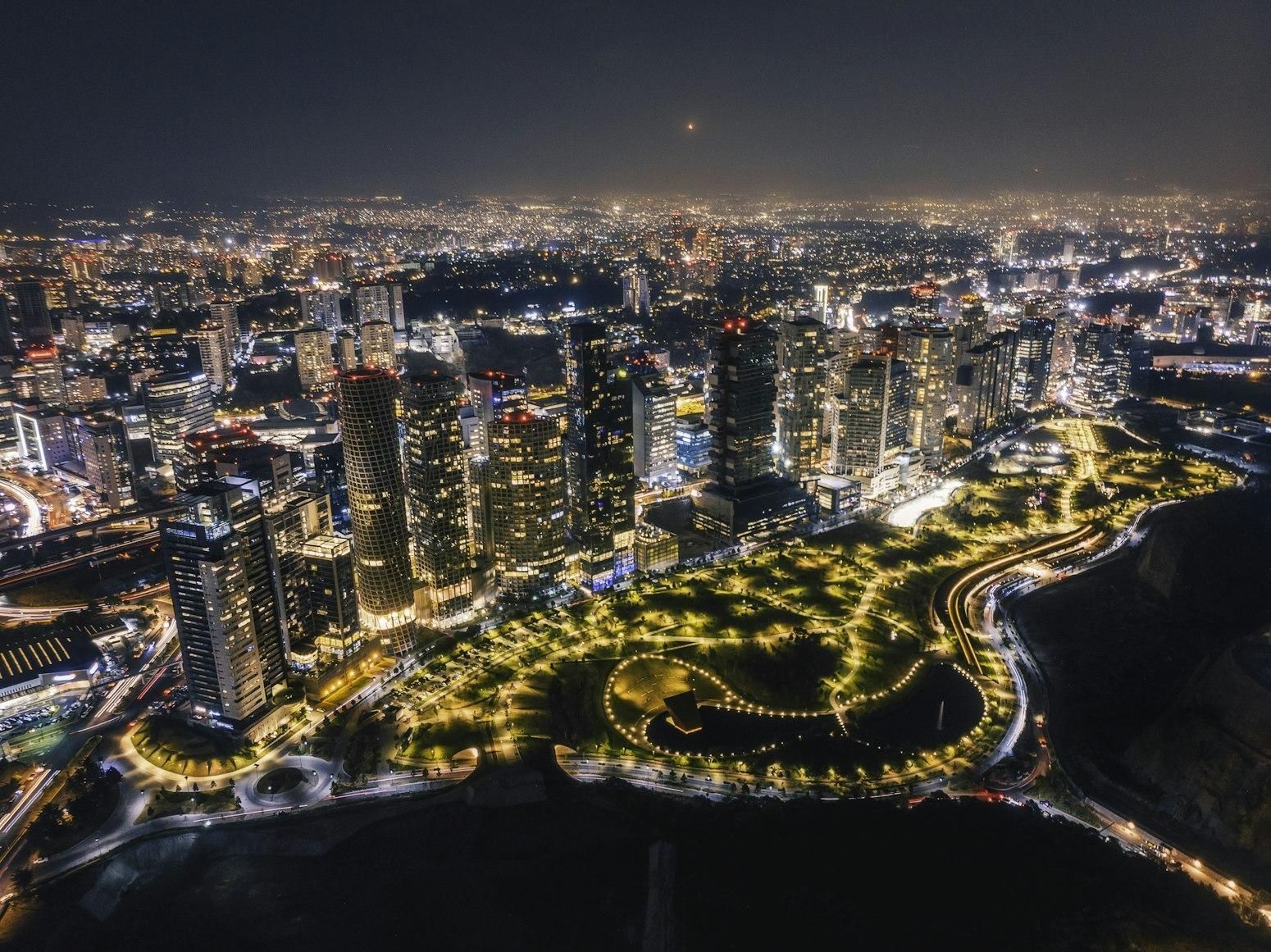
In one of the world’s liveliest capitals, this embassy makes its mark with sheer scale: over 1.8 million square feet of workspace. That makes it one of the largest American embassies , almost a city within a city.

Beyond its size, the U.S. Embassy in Mexico plays a central role in cultural exchanges and international cooperation, making it as vital to daily life as the bustling neighborhoods that surround it.

12
Singapore

Image: Mark Stoop

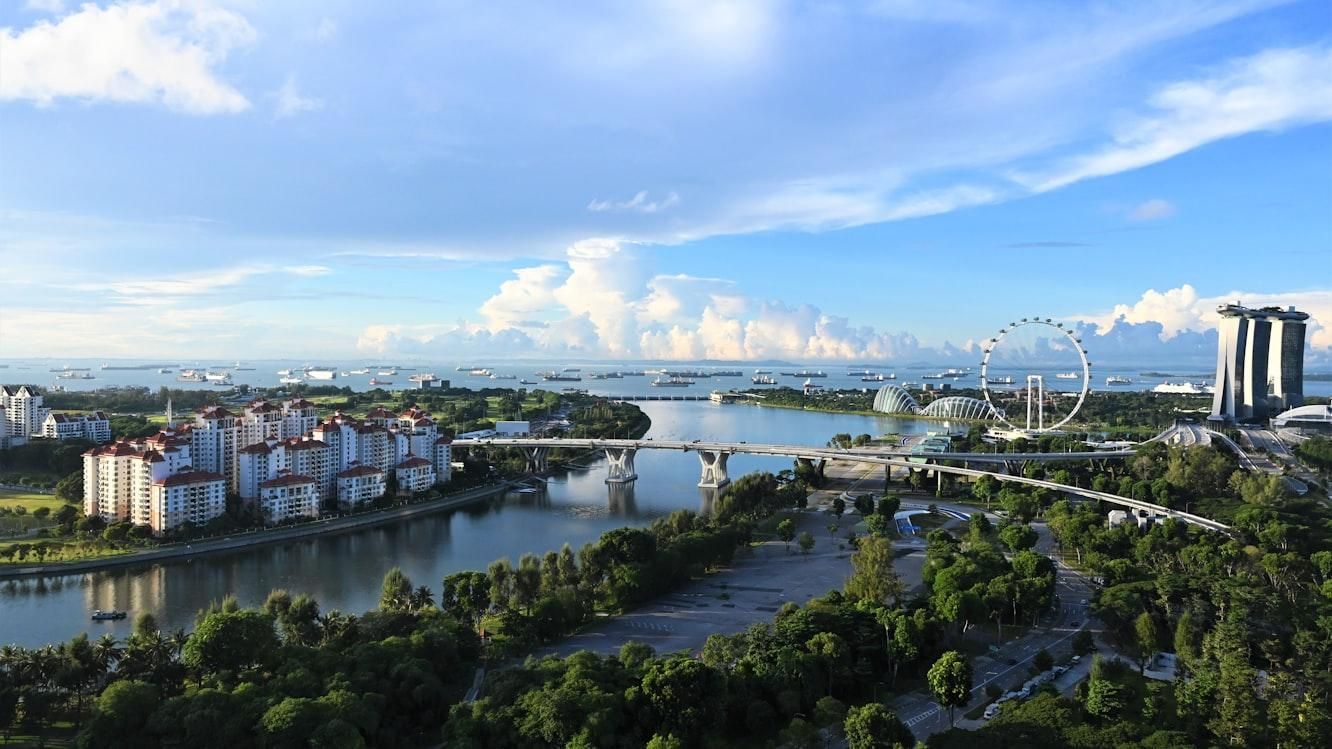
Nestled among orchids, palms, and flowering shrubs, the U.S. Embassy in Singapore feels more like a tropical retreat than an office. Its wide, low-slung profile is designed to stay cool in the humid climate, blending seamlessly into the greenery. Just like in the rest of the city, architecture and nature work in harmony, offering a daily reminder that diplomacy can grow strong roots in even the warmest of places.

Explore more American facts

Choose your favorite category!

General
General

As American as apple pie—the very best America has to offer!

Culture
Culture

Delve into the astounding richness of American lore.

Geography
Geography

Hop in and explore vast and diverse American landscapes.

History
History

Discover the key moments that shaped the United States.