Geography Geography 4 min read

Landmarks have secrets

Helicopters on the Empire State Building? Secrets about US buildings
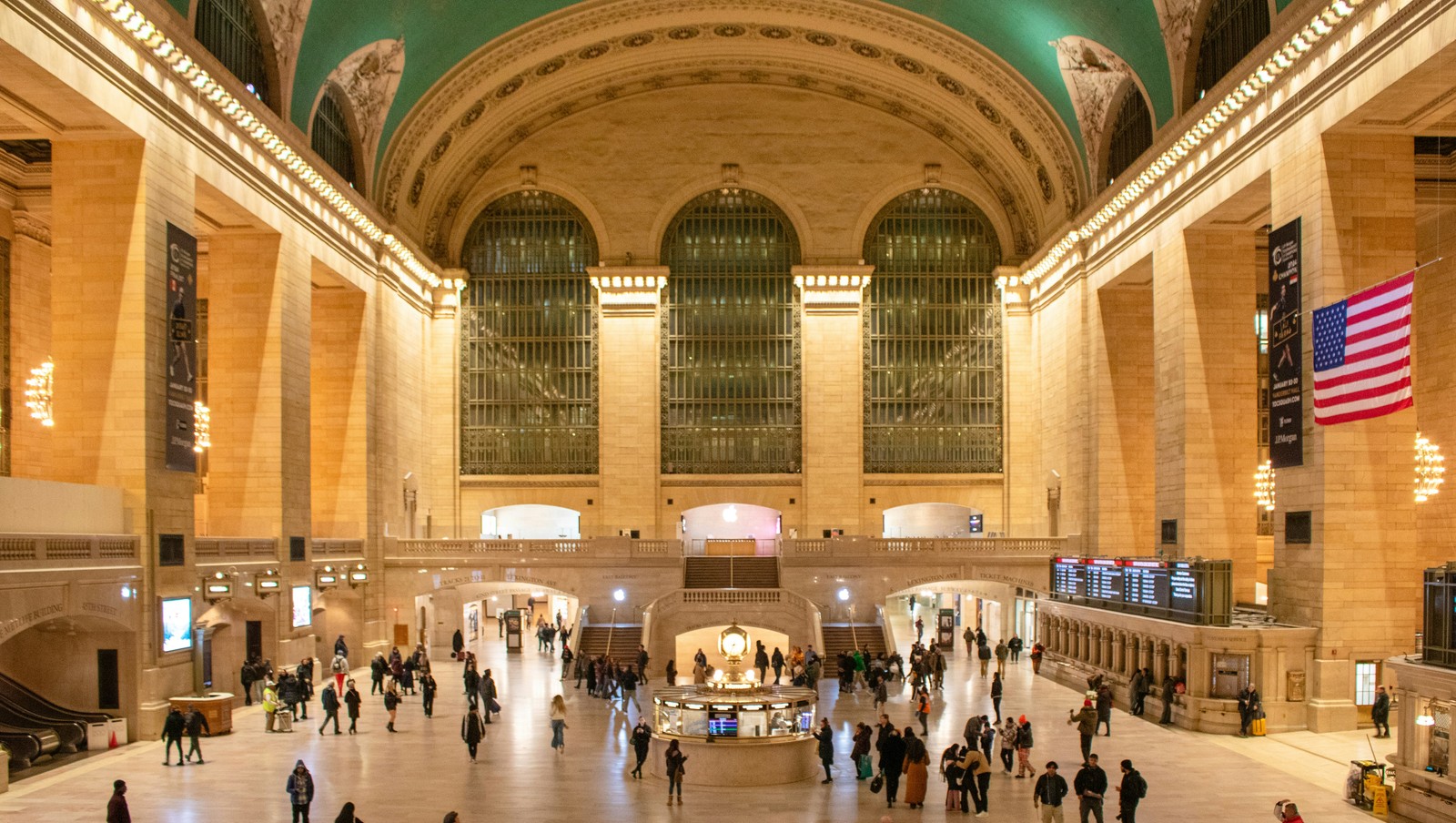
Image: Zoshua Colah

Did you know that the Golden Gate Bridge wasn’t supposed to stay that color? Or that the White House wasn’t meant to have that name? Could you guess which of our iconic buildings shows a map of the stars that’s, err… wrong? We think we are somewhat acquainted with the basic facts about the most famous structures in our country. But here is a list of some behind-the-scenes stories you probably hadn’t heard before!

1
How the White House gained its name
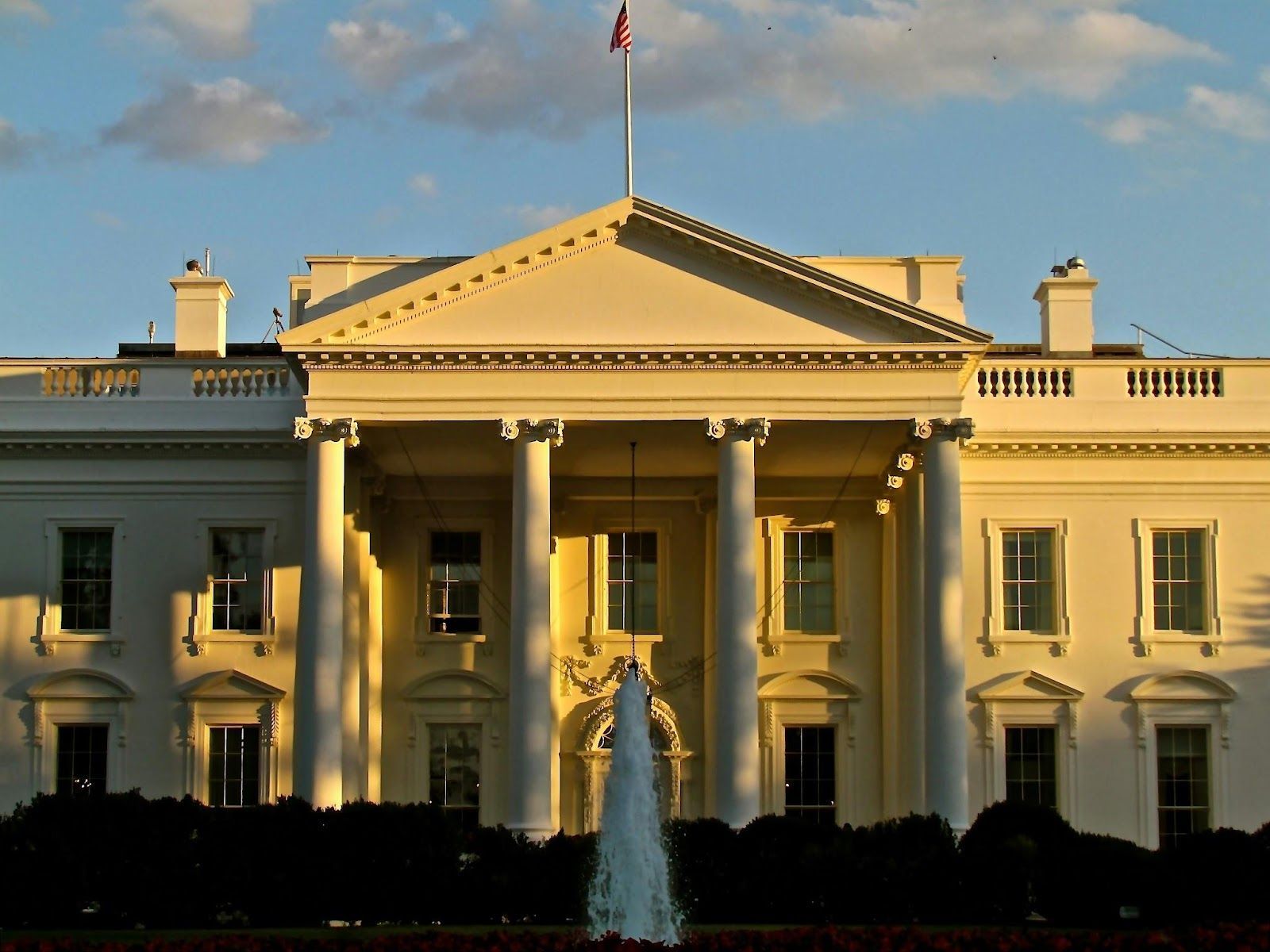
Image: Suzy Brooks

Originally, the building was called the "President’s House." That only changed after the 1814 fire. During the War of 1812, British troops marched into Washington and set many buildings on fire, including the main one.

Walls were scorched, and smoke damage lingered inside and outside the building. When repairs began, painters coated the building white to cover the burn marks . This resulted in the "White House" nickname. Nearly a century later, Theodore Roosevelt made it official.

2
A hidden underground beneath America’s books
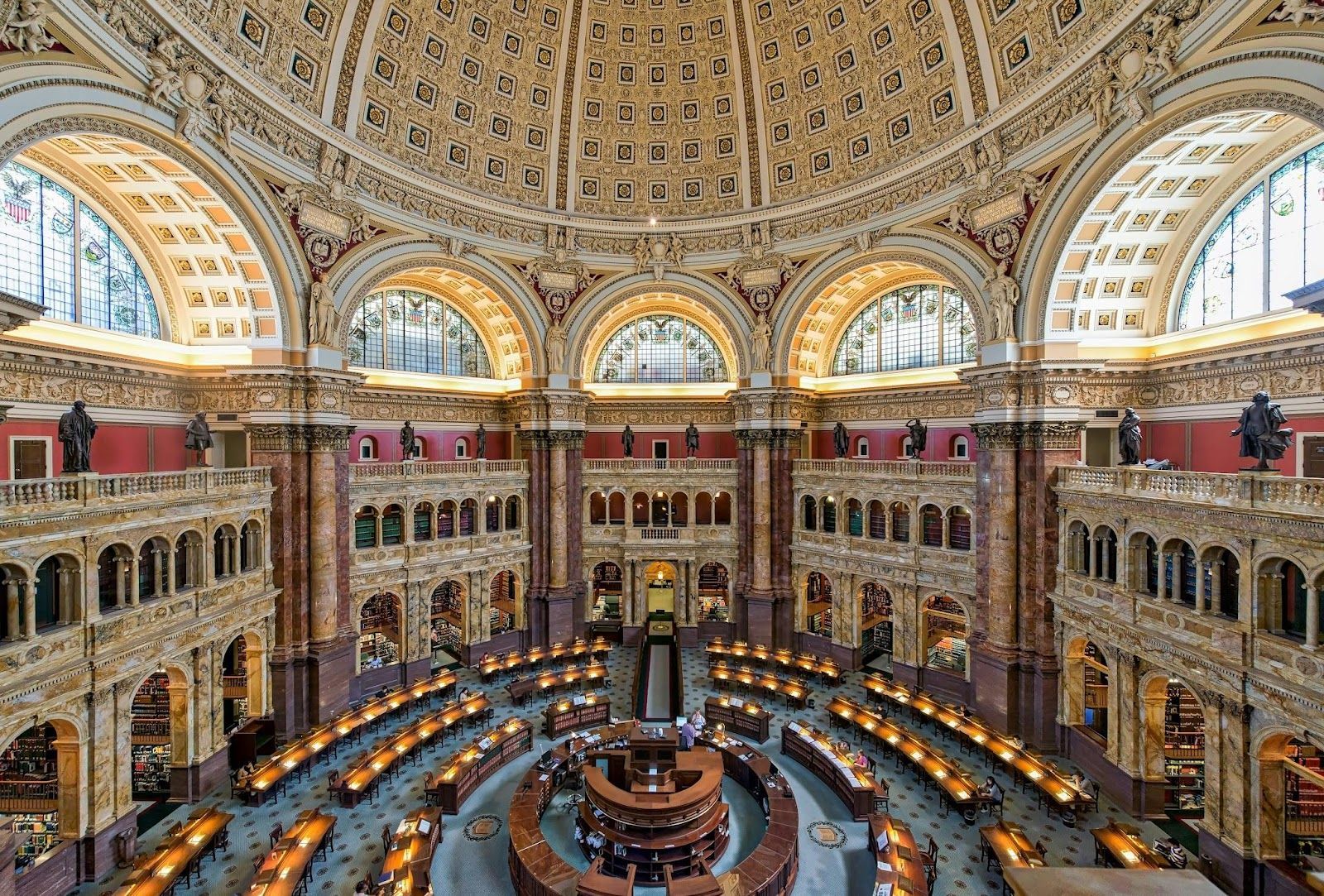
Image: Stephen Walker

Have you ever heard of the Library of Congress's underground tunnels? Most visitors never see them or learn about them. They connect their buildings, allowing staff to transport rare books and documents safely and efficiently. Fragile, valuable materials had better be protected from the weather, the sunlight, and, well, the people!

3
The Golden Gate Bridge wasn’t supposed to stay red
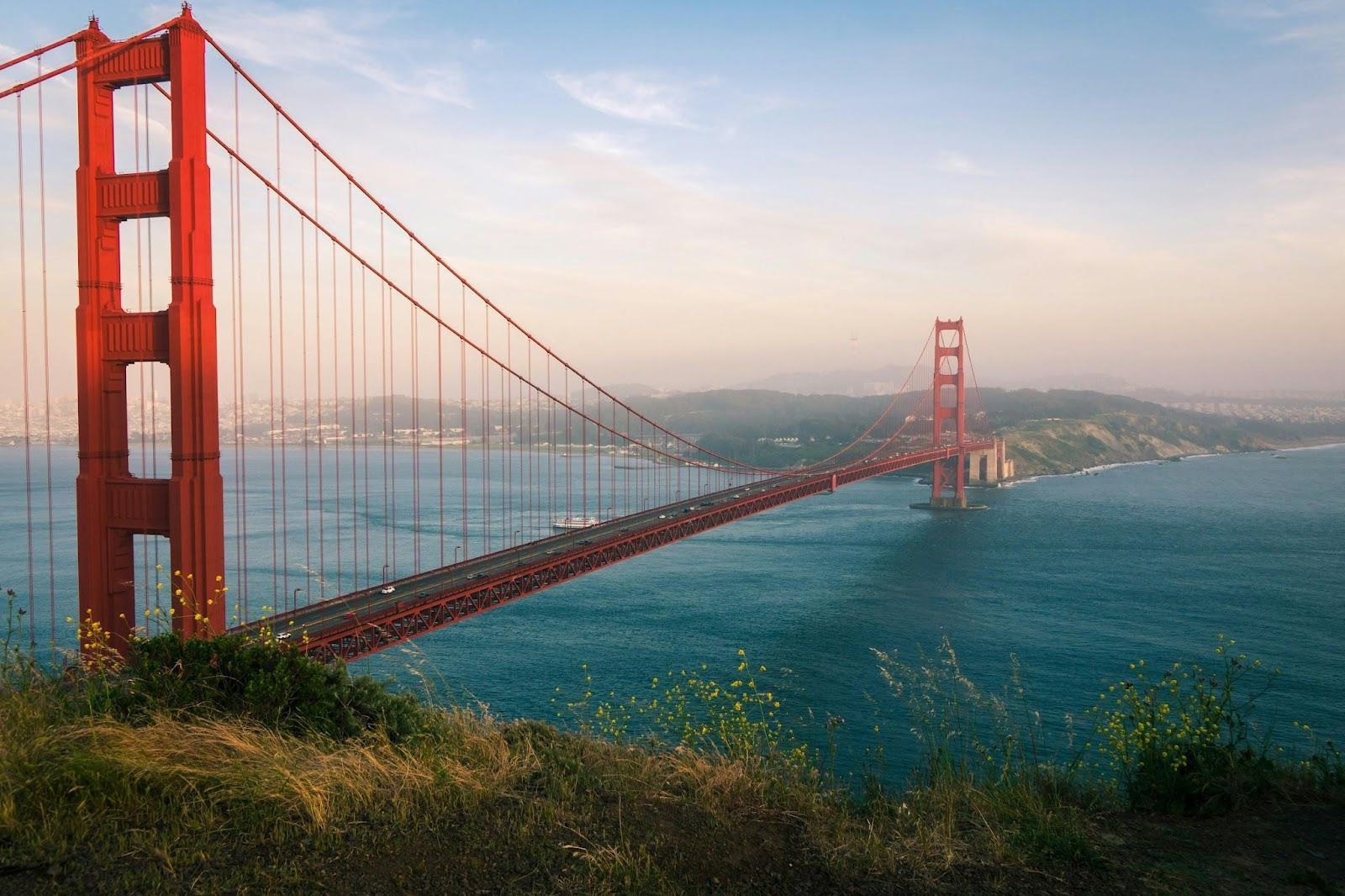
Image: Trent Erwin

The reddish color of the Golden Gate Bridge (officially named "International Orange") was supposed to be a temporary priming coat to protect the steel.

However, when engineers looked at the bright color peeking through the fog against the stunning blue and green of the San Francisco Bay, they said, "You know what?" It should stay like that. The Navy proposed painting it black and yellow, but it was never done. The stunning color turned it into one of the most iconic buildings in the world.

4
The Empire State Building wanted to welcome airships
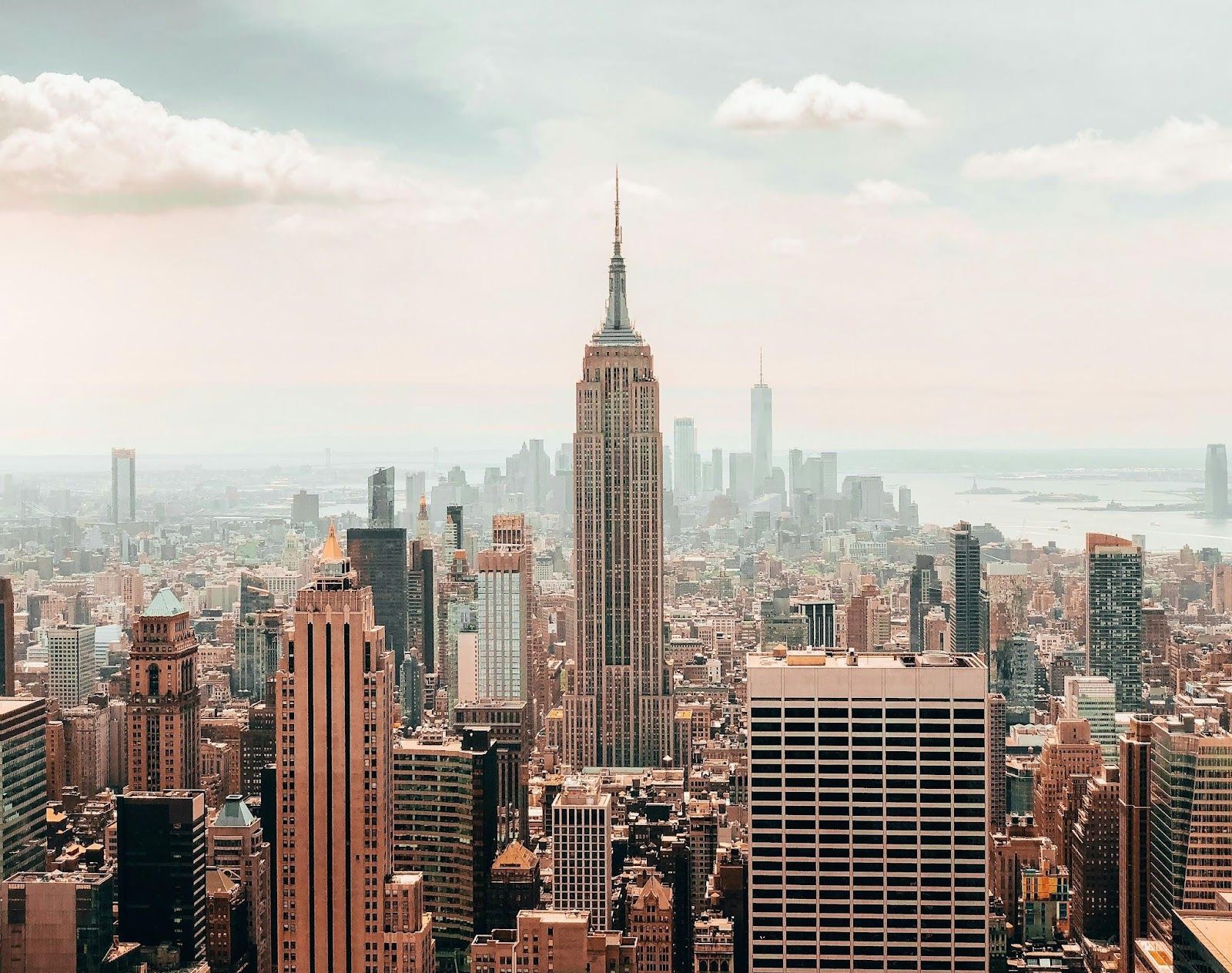
Image: Christian Ladewig

Back in 1931, the Empire State Building’s spire was intended as a mooring mast to serve as a docking station for airships. The idea was that passengers should be able to step directly into Manhattan from the sky!

Sure, it was a futuristic plan, but it was eventually dismissed for being wildly dangerous. Passengers would have had to climb out at dizzying heights in strong winds. Not ideal! And certainly not glamorous.

5
The famous ceiling that got the stars wrong
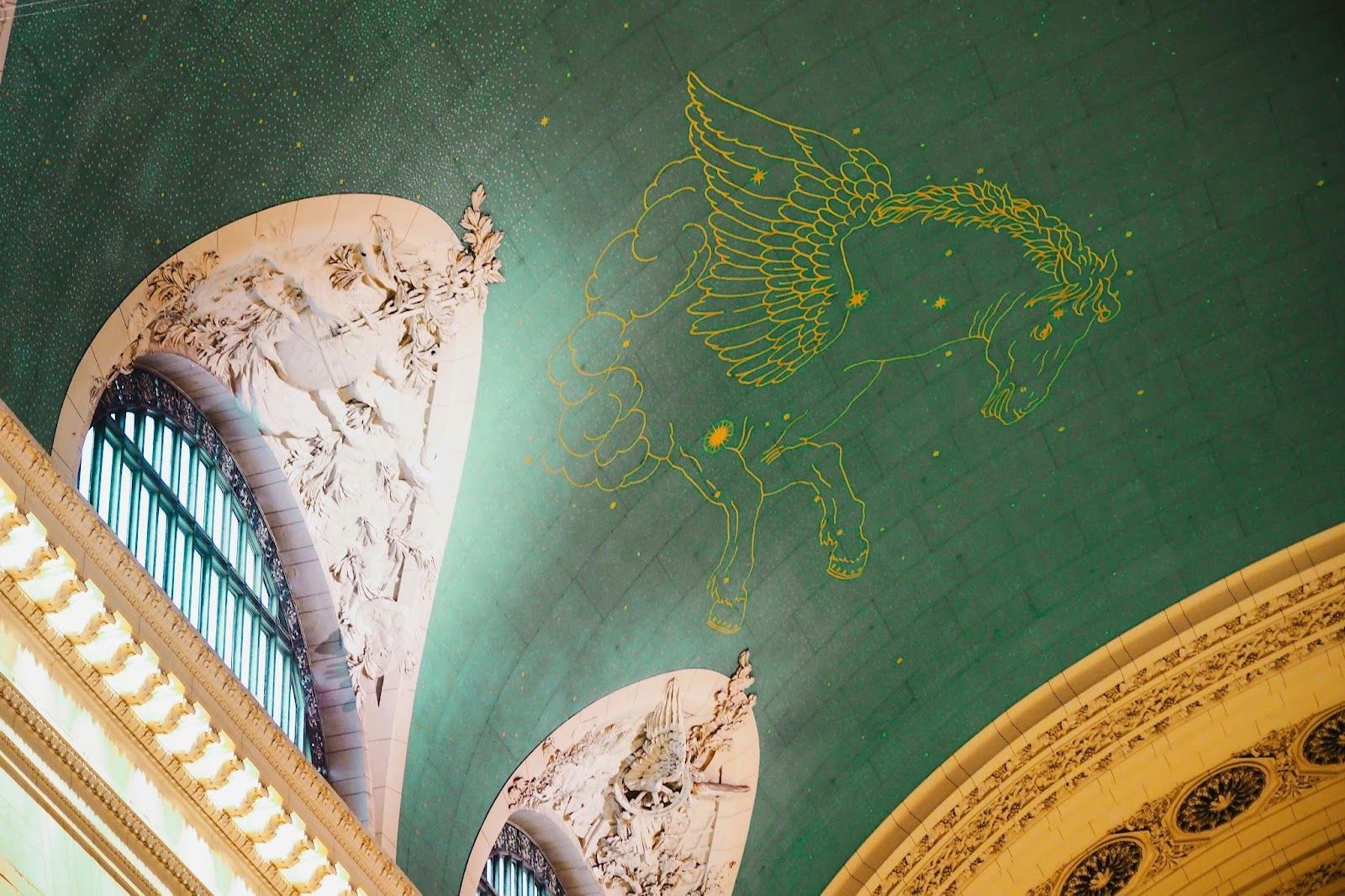
Image: Alexa Soh

You may have seen images of Grand Central Terminal’s celestial ceiling —or seen it with your own eyes. But there’s a twist: Did you know that the constellations in it are painted backward?

The way they are represented is as if viewed from outside the universe, rather than from Earth. Whether it was a mistake by the artist or it was an intentional reverse on cosmic perspective, the terminal ceiling has looked like this since its opening in 1913.

6
The president who quietly ran a whiskey empire
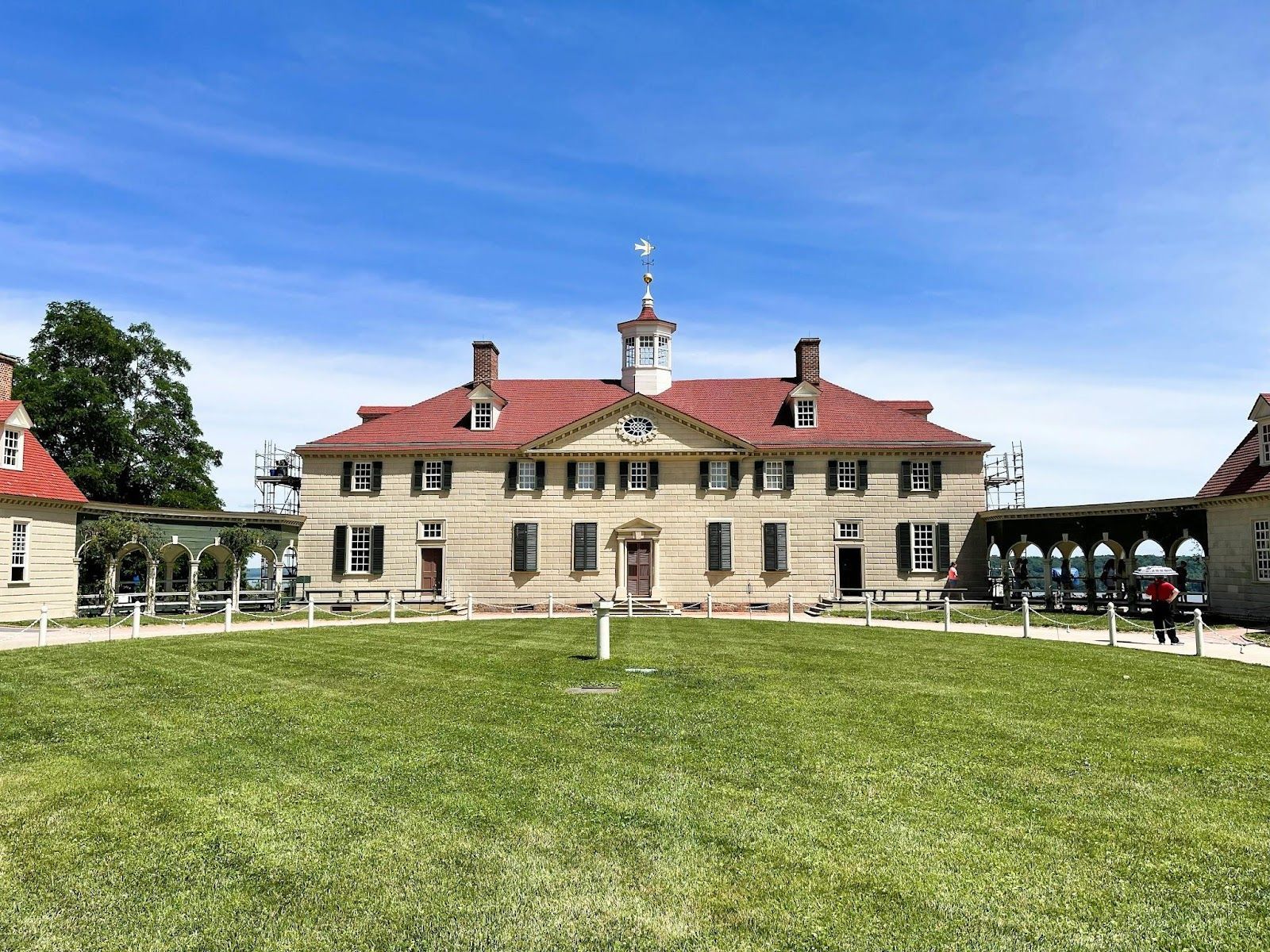
Image: Antonella Vilardo

George Washington is remembered as a general and a president, of course. But he was also a major whiskey producer. Hidden on the grounds of Mount Vernon was a fully functioning distillery, built in the late 1790s.

By the time of Washington’s death, it was producing nearly 11,000 gallons of whiskey a year. That made him one of the largest distillers in the young United States!

7
The iconic façade didn’t exist during the battle
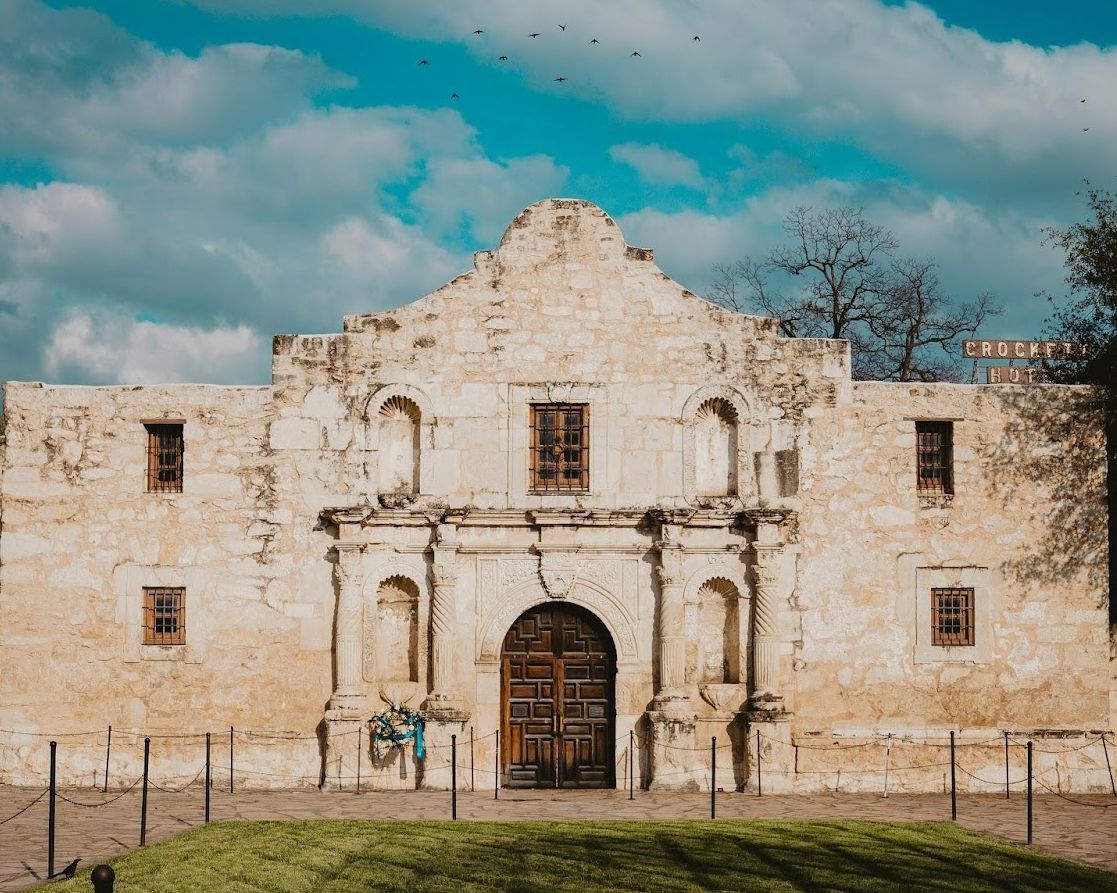
Image: Eric Francis

When you think of the Alamo, you surely picture its iconic façade. However, that structure was not part of the original mission!

During the famous 1836 battle, the building looked far simpler, and it lacked its now-famous curved top. That façade was added decades later by the U.S. Army when the structure was used as a supply depot

8
Why visitors can no longer climb to the torch
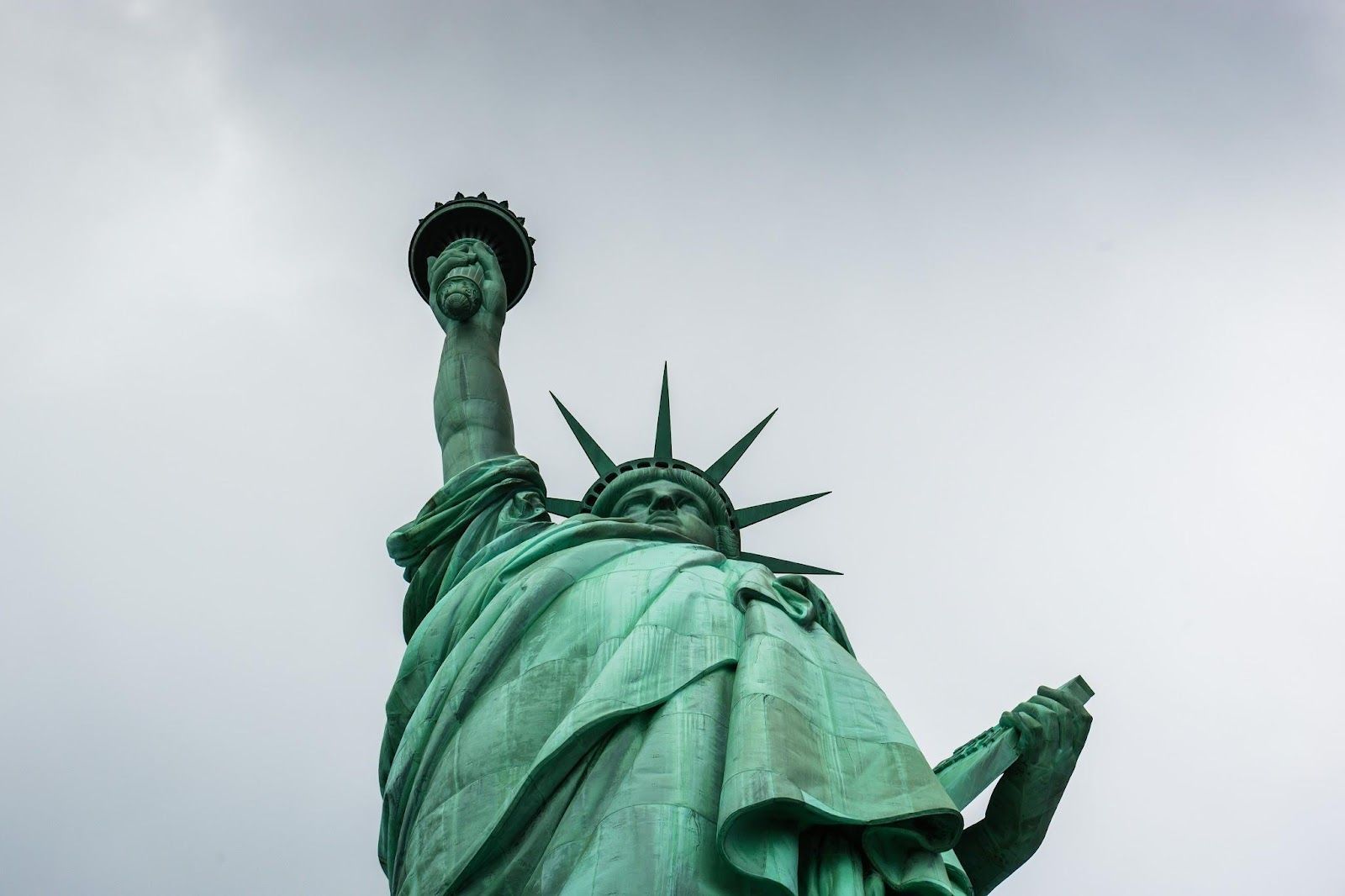
Image: Jason Krieger

Did you ever hear some old relative’s anecdote ot climbing all the way to the top of Lady Liberty’s torch? They weren’t lying: Up until 1916, visitors could. However, around that time, some explosions in a nearby munitions depot sent shockwaves through the statue.

The blast damaged the torch and weakened its structure. For safety reasons, access was permanently closed to the public.

9
The concrete that is still hardening today
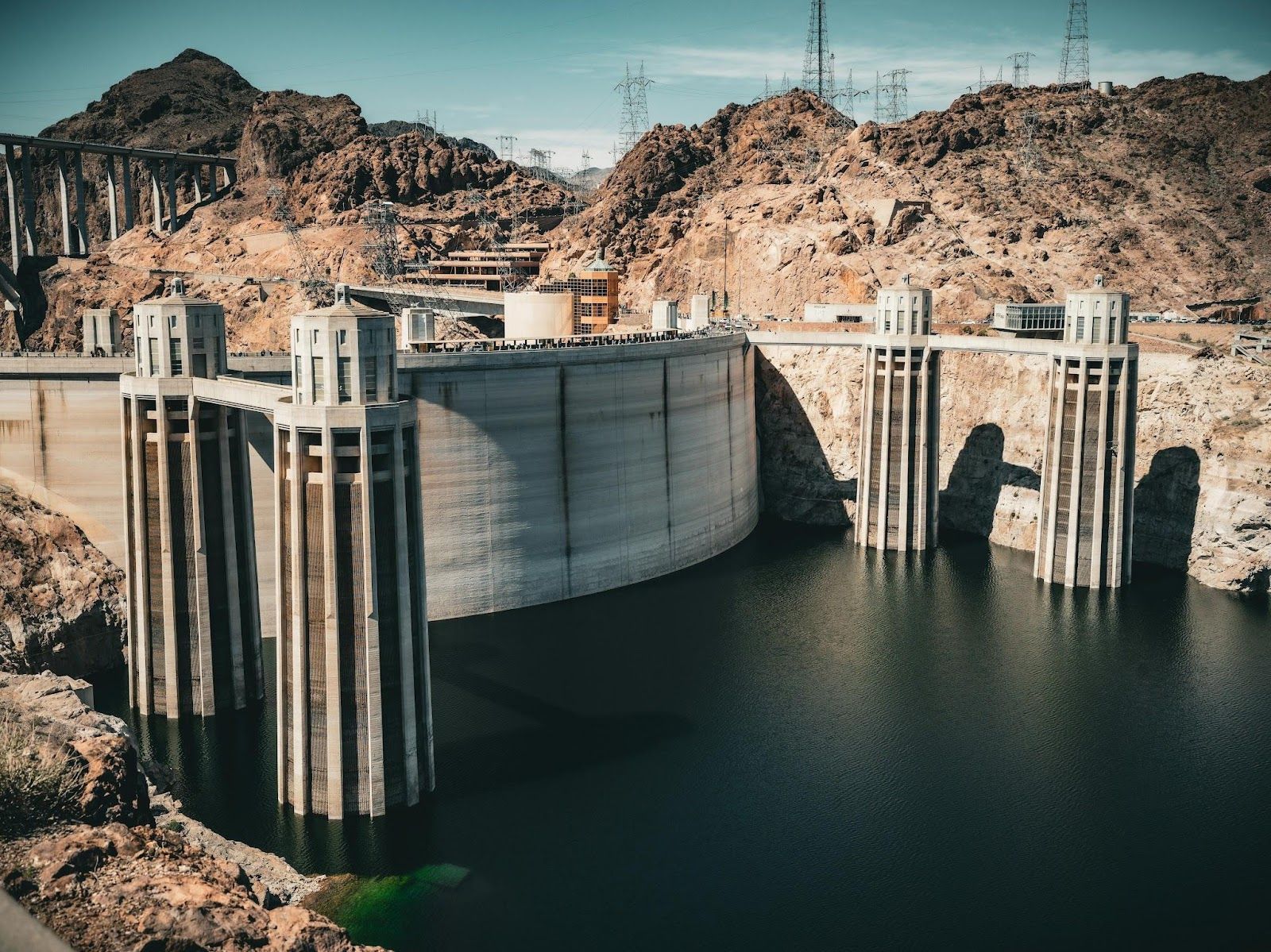
Image: Chase T

The Hoover Dam contains so much concrete that it generates heat as it cures. Engineers knew that if poured as one solid mass, it would take more than a century to cool and could crack.

Instead, they built it using interlocking concrete blocks, each cooled with circulating water. Even so, parts of the dam are still slowly curing today.

10
The building that accidentally cooked its neighbors
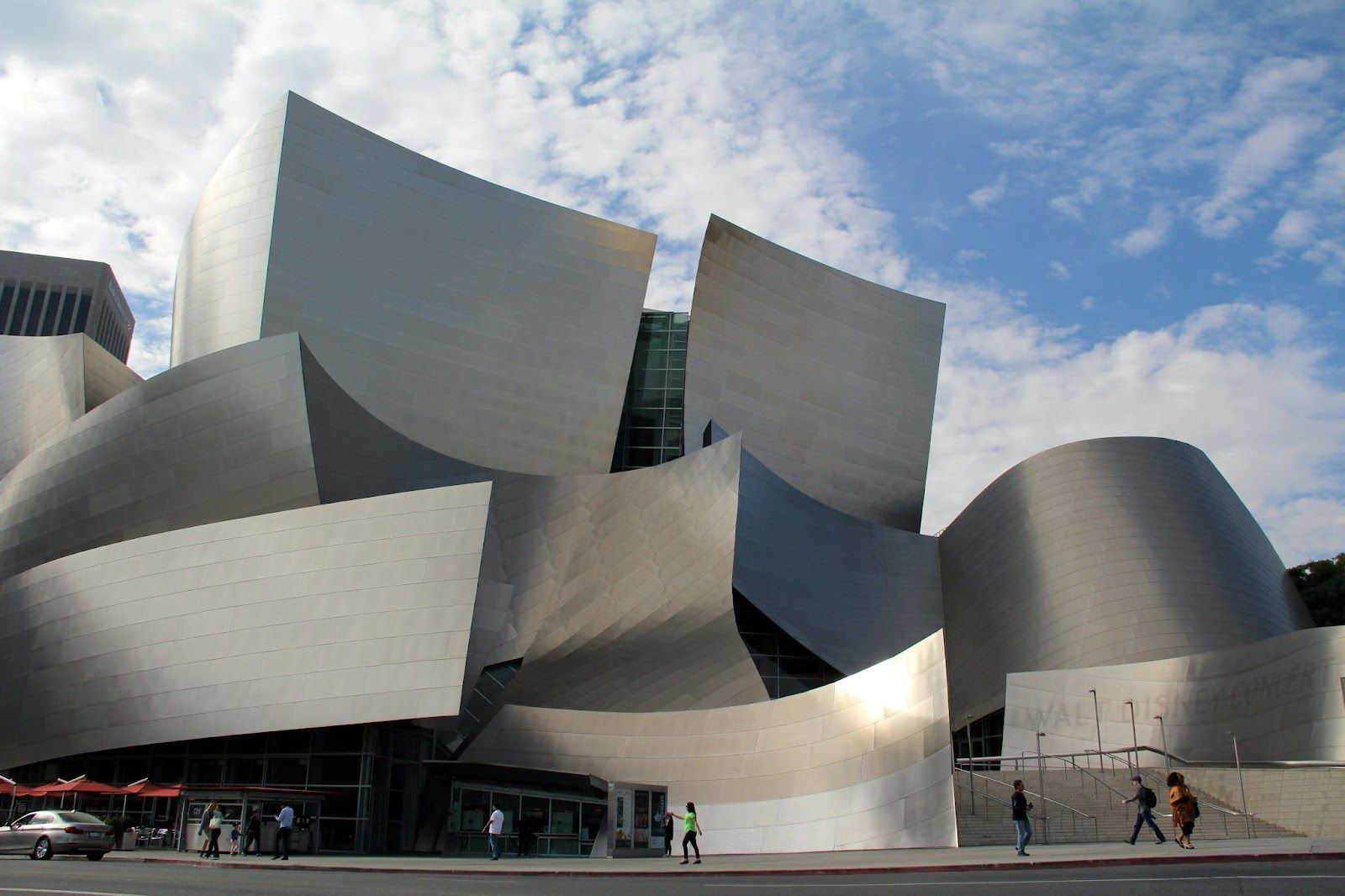
Image: Michael Beener

When the Walt Disney Concert Hall opened in Los Angeles, its gleaming metal exterior stunned visitors. But it also caused an unexpected problem…

The highly reflective steel panels bounced sunlight onto nearby sidewalks and apartments. In some spots, the glare was so intense that it melted materials! As a result, engineers eventually had to dull parts of the surface.

11
The Capitol’s dome isn’t stone
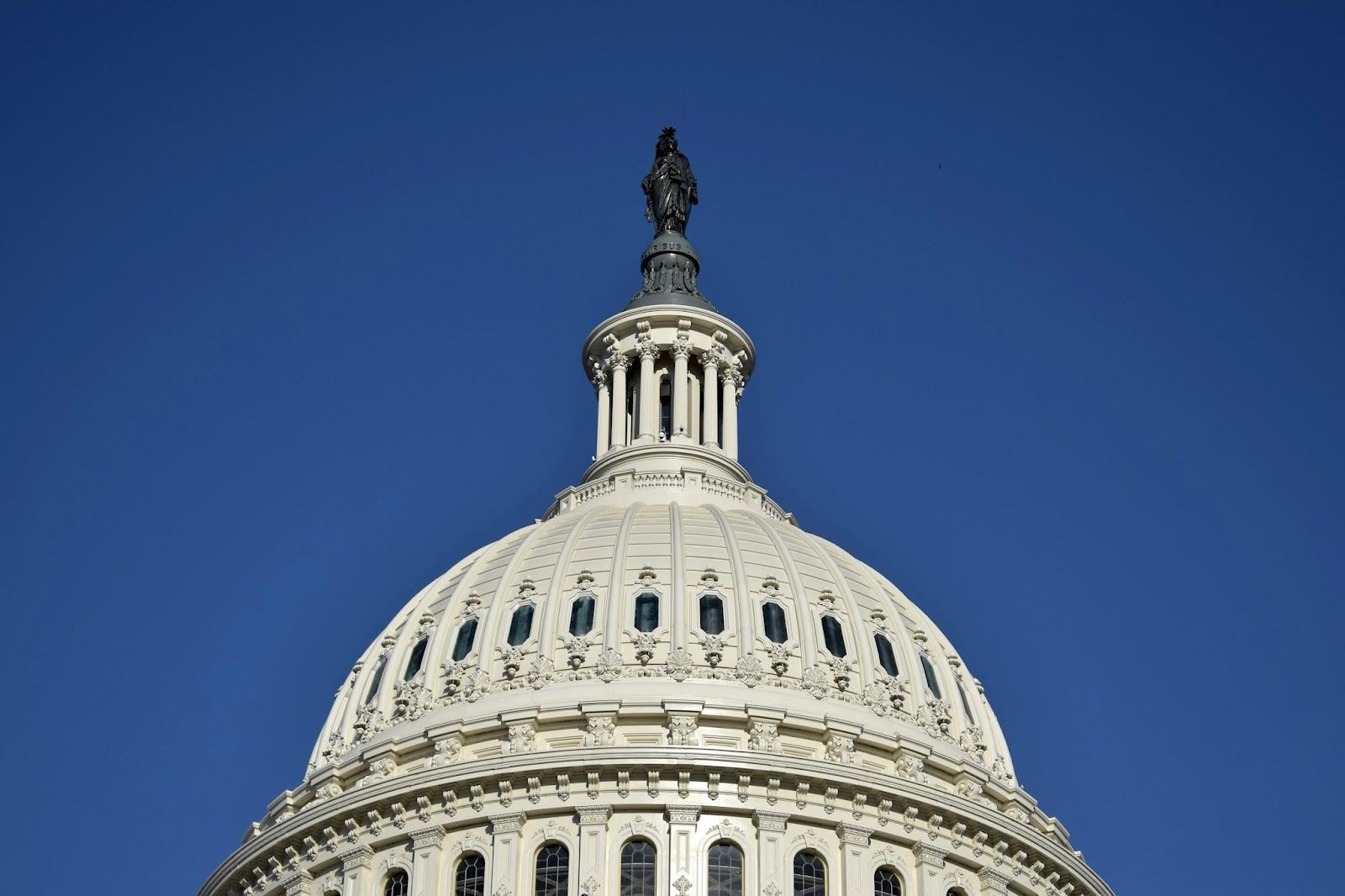
Image: Sins S

The grand, massive dome atop the U.S. Capitol looks like solid stone, doesn’t it? But, in fact, it is made of cast iron.

In the mid-1800s, stone was considered too heavy and expensive for such an ambitious structure. Cast iron allowed builders to create a taller, more ornate dome that weighs nearly nine million pounds.

General General 4 min read

People’s early favorites

Every American remembers at least one of these children's books

Image: Josh Applegate

Do you remember the books you read as a kid? When we open those colorful pages at an impressionable age, the characters jump out and become our friends. Ducklings, wild things, and hungry caterpillars are still very much alive both in bookshelves and in our memories. Let’s explore some of the dearest children’s books in the US —we hope you find your favorite among them!

1
"The Very Hungry Caterpillar" by Eric Carle

Image: rbu1249

A must to start off this list: The visuals of The Very Hungry Caterpillar are ingrained in the upbringing of millions of kids throughout the country —and the world!

Eric Carle wrote and illustrated the story of a bug eating through several foods before transforming into a butterfly. Who could forget the tactile experience of finding different holes in the pages?

2
"Corduroy" by Don Freeman

Image: Susanne Jutzeler, suju-foto

In the world of children’s literature, Corduroy is a tear-jerker. A teddy bear sits on a store shelf hoping a kid will pick him. Little Lisa spots him but can’t afford him, and leaves. So the bear embarks on a quest to fix his missing button, hoping this will make him more likable.

In the end, Lisa comes back and buys him as he is —because, of course, he was always enough . Is there a sweeter story to teach kids about self-acceptance and love?

3
"Make Way for Ducklings" by Robert McCloskey

Image: David Trinks

A row of bronze statues in Boston’s Public Garden celebrates Make Way for Ducklings, the sweet book by illustrator and author Robert McCloskey.

He got the idea for this story when he observed ducks causing traffic issues on Beacon Street. The book follows Mr. and Mrs. Mallard as they search for the perfect place to raise their family —ducklings Jack, Kack, Lack, Mack, Nack, Ouack, Pack, and Quack. They finally settle, of course, in the lagoon of the Boston Public Garden.

4
"Charlotte's Web" by E.B. White

Image: Annie Spratt

Author E.B. White had a farm in Maine, and his daily observations of barnyard animals gave him an idea: What if a pig and a spider became best friends?

In the book, the spider weaves messages to convince humans that Wilbur is an extraordinary pig and should not be slaughtered. Charlotte’s Web brushes on themes like mortality and loss —certainly bold for a children’s book. Nonetheless, it became a timeless classic.

5
"The Cat in the Hat" by Dr. Seuss

Image: Franco Monsalvo

"Thing One" and "Thing Two" have to be among the longest-standing Halloween costumes in use. They were born thanks to Dr. Seuss’ famous The Cat in the Hat in the 50s, and every kid still seems to know its iconic characters.

The story shows a day in the life of two kids left home alone when a whimsical magical cat shows up to unleash some fun chaos. The author said that he wrote the book as a response to an article in Life Magazine that lamented the dullness of children’s primers.

6
"Frog and Toad Are Friends" by Arnold Lobel

Image: Jared Evans

Images of Frog and Toad still abound on the internet, which proves how beloved and timeless the pair became. Frog and Toad Are Friends was published in 1970 as the first in Arnold Lobel's famous series.

The wholesome dialogue, tender narratives, and classic illustrations left a lasting mark on generations of readers. Who could forget the simplicity of these two loyal friends riding a bike, flying a kite, or fishing from a boat?

7
"Goodnight Moon" by Margaret Wise Brown

Image: David_Miram

We couldn’t leave Goodnight Moon out of this list! Margaret Wise Brown wrote over 100 children’s books, but this one won the hearts of little readers and their parents.

It’s a bedtime story about a young bunny saying goodnight to everything around him , from "the great green room" to "the quiet old lady whispering ‘hush’." It shows an appeasing and sweet ritual that taught kids about routines through soothing rhymes.

8
"Where the Wild Things Are" by Maurice Sendak

Image: Adnan Uddin

In Where the Wild Things Are, mischievous young Max escapes into a vivid fantasy world after being sent to his room without dinner. There, he crosses a land of endearing monsters whom he leads as their king.

Maurice Sendak’s story and iconic illustrations captivated many generations of readers. The text was adapted into short films, a live-action film, and even an opera!

9
"Brown Bear, Brown Bear, What Do You See?" by Bill Martin Jr. and Eric Carle

Image: Daniel Diesenreither

Remember Eric Carle, author of The Very Hungry Caterpillar ? Before that big hit, he had been the illustrator for another unforgettable kid’s book: Brown Bear, Brown Bear, What Do You See?

This one was written by Bill Martin Jr. The rhyming question-response structure introduces readers to a series of animals described by their vibrant colors : a brown bear, a red bird, a yellow duck, and so on.

10
"The Phantom Tollbooth" by Norton Juster

Image: Jon Tyson

Maurice Sendak, the author of Where the Wild Things Are​ , said that The Phantom Tollbooth was a masterpiece.

This 1960s book by Norton Juster follows Milo, a bored young boy who unexpectedly receives a mysterious tollbooth that allows him to travel through fantastical lands. Juster said that the idea for this book was sparked from a random encounter with a curious child asking about infinity.

Geography Geography 3 min read

Let’s go book-gazing!

Beyond books: 11 breathtaking libraries you are going to want to visit

Image: Clay Banks

Whether you're a book lover or not, there's something magical about stepping into a beautiful library—the scent of old volumes, the quiet hum of readers, and the sheer architectural grandeur. Some libraries across the US are among the most enchanting places you can walk into. Here is a list of 11 stunning libraries worth exploring, even if you're not a bookworm!

1
Library of Congress

Image: Vincent Yuan @USA

Of course—the beating heart of American knowledge! As the largest library in the country and the world , it holds millions of books, rare manuscripts, and historical treasures.

Its grandeur isn’t just in its collection. Take the Thomas Jefferson Building: with its elaborate ceilings, marble columns, and frescoes, stepping inside feels like walking into a cathedral. Ever wanted to see an original Gutenberg Bible? This is the place.

2
New York Public Library

Image: Ran Ding

Patience and Fortitude stand guard—those are the two iconic stone lions flanking the entrance. The New York Public Library’s main branch is a true city landmark.

Step inside the Stephen A. Schwarzman Building, with its grand marble-lined halls and sweeping staircases. Don’t miss the Rose Main Reading Room —an awe-inspiring space adorned with murals, chandeliers, and rows of inviting wooden tables.

3
Boston Public Library

Image: Wendy Wei

A library so impressive it feels like it should charge an admission fee—but lucky for us, it doesn’t! Established in 1848, it was the first large free municipal library in the United States.

It’s home to Bates Hall, a stunning reading room with soaring barrel-vaulted ceilings and warm oak tables—a dream setting for book lovers.

4
Seattle Central Library

Image: Sylvia Yang

A sharp contrast to the historic beauties on this list, but no less worthy of inclusion. The Seattle Central Library is a futuristic masterpiece.

Designed by renowned architect Rem Koolhaas, its bold glass-and-steel exterior is impossible to miss. Inside, multi-level platforms create a space that feels more like a sci-fi movie set than a traditional library.

5
Geisel Library at the University of California, San Diego

Image: Jeremy Huang

Named after none other than Dr. Seuss himself (real name: Theodor Geisel) and his wife, Audrey, this library looks like something straight out of a sci-fi novel.

Its unique Brutalist-meets-futuristic design makes it one of UCSD’s most recognizable landmarks. It houses an extensive collection—but let’s be honest, the main draw is the building itself. It’s an architectural oddity that feels both retro and futuristic at the same time.

6
George Peabody Library

Image: Elijah Hail

Some libraries feel grand, but this one feels magical . Tucked away in Baltimore, the George Peabody Library is known for its soaring atrium, lined with six stories of cast-iron balconies adorned with gilded accents.

The library’s collection specializes in 19th-century literature—but honestly, most visitors come just to soak in its beauty. It’s a book lover’s dream come to life.

7
Iowa State Law Library

Image: Muhammed A. Mustapha

Hidden inside the Iowa State Capitol in Des Moines, this library is a Victorian-era gem —think spiral staircases, intricate ironwork, and rows of leather-bound books stretching to the ceiling.

It may be lesser-known than others on this list, but it perfectly illustrates how libraries can be both functional and visually captivating. This setting alone makes you not mind so much having to do legal research.

8
Beinecke Rare Book & Manuscript Library

Image: Tim Bish

This is no ordinary library—as you can plainly see. It’s an architectural marvel . Located at Yale University, the Beinecke Library is famous for its translucent marble panels, which bathe the interior in a soft, golden glow.

9
Morgan Library & Museum

Image: mana5280

Walking into the Morgan Library feels like stepping into a European palace—pure Gilded Age opulence with ceiling frescoes, carved wood, and velvet drapes.

Originally J.P. Morgan’s personal book collection , it is now a New York City landmark and museum showcasing rare manuscripts, original works by Dickens and Austen, and even handwritten music by Mozart!

10
William W. Cook Legal Library

Image: Mathew Schwartz

Some law libraries are dull and purely functional. This is not one of them. Located at the University of Michigan, the Cook Legal Library is a Gothic gem with towering stained-glass windows, massive oak tables, and cathedral-like reading halls.

The architecture alone makes studying law feel a bit more poetic, but it’s also one of the finest academic law libraries in the country.

11
Suzzallo and Allen Libraries

Image: Cameron Stewart

This one looks like a place to learn witchcraft and sorcery, doesn’t it? Part of the University of Washington in Seattle, the Suzzallo and Allen Libraries feature a Reading Room that is a Gothic architectural masterpiece, with soaring ceilings and stained-glass windows .

Explore more American facts

Choose your favorite category!

General
General

As American as apple pie—the very best America has to offer!

Culture
Culture

Delve into the astounding richness of American lore.

Geography
Geography

Hop in and explore vast and diverse American landscapes.

History
History

Discover the key moments that shaped the United States.