General General 3 min read

They have rules too

The president can’t open the White House windows? Here’s why!

Image: Fine Photographics

Being the president of a nation might seem glamorous, and while it comes with a couple of nice benefits, the role is also full of obligations, strict protocols, and surprising restrictions . From accepting luxurious gifts to buying a smartphone or taking a simple walk, here are all the "don’ts" of being a US president!

1
Open the windows

Image: Braden Burson

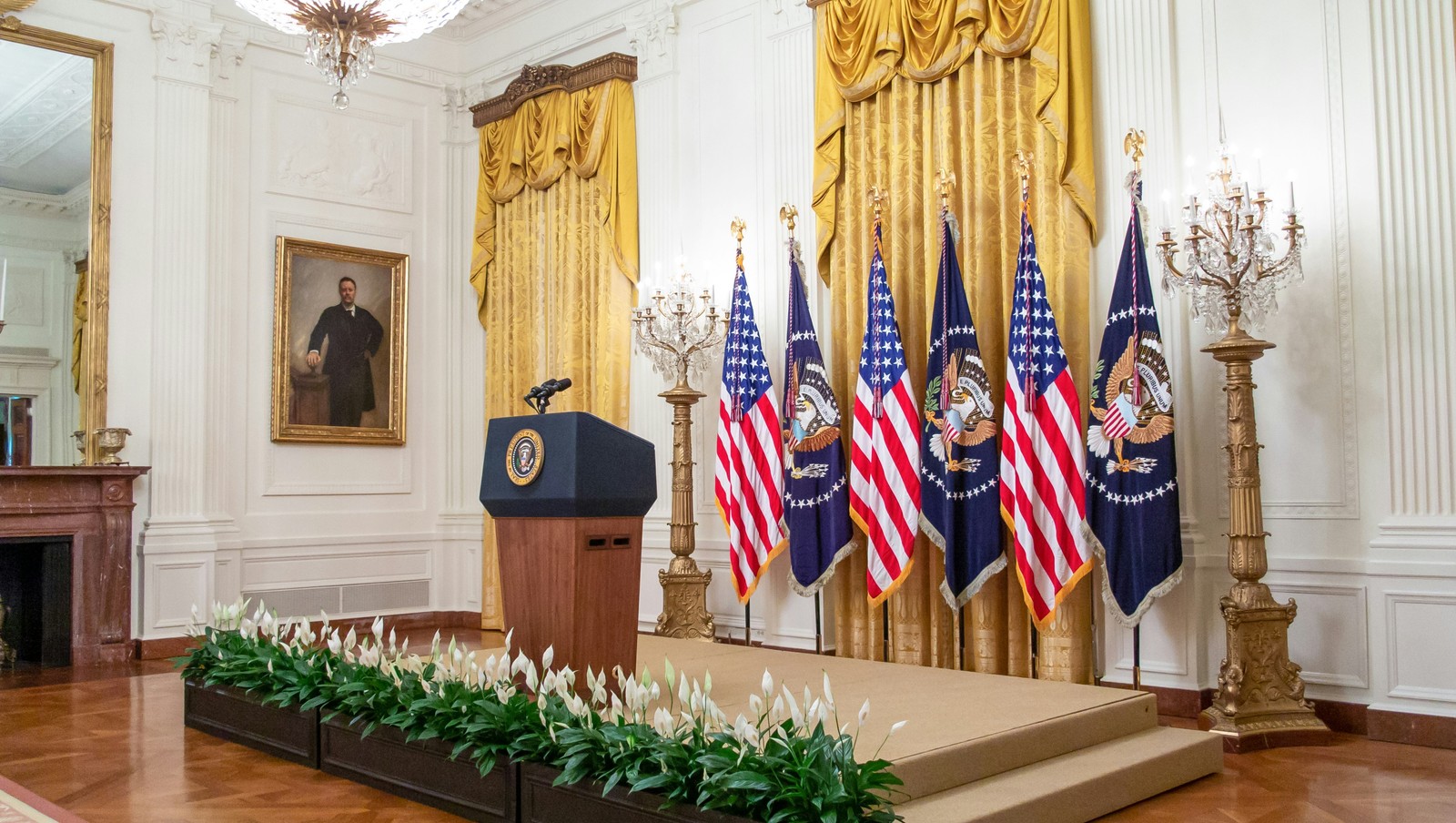
Yes, you read that right. A sitting US president can’t just get up and open the windows of the White House to enjoy a beautiful day. While there’s no law against it, the protocols state that any action that could pose a security risk to the commander-in-chief must be carefully reviewed and approved by the staff.

2
Go to the cinema

Image: Krists Luhaers

Going to the movies is one of life’s simple pleasures. Unfortunately, if you’re the president, it’s not one of your options. While it’s not officially forbidden, crowded and dark spaces like movie theaters represent serious security risks. Luckily, the White House has its own private screening room, so the president and his family can still enjoy movie night at home.

3
Attend their children’s events

Image: Sincerely Media

You’ll rarely see a president at their kids’ school plays or sporting events. And it’s not because they’re bad parents; it’s because regulations discourage them from attending. With so many people, children, and things happening at the same time, keeping the commander-in-chief safe in those settings is nearly impossible.

4
Buy their own tech devices
Image: appshunter.io

When a new iPhone hits the market, many rush to buy it, but presidents can’t make this decision on their own. Any electronic device, like a smartphone or tablet, could be vulnerable to hacking or espionage. So while presidents can use cell phones, theirs must be secure, vetted, and government-approved.

5
Block people on social media
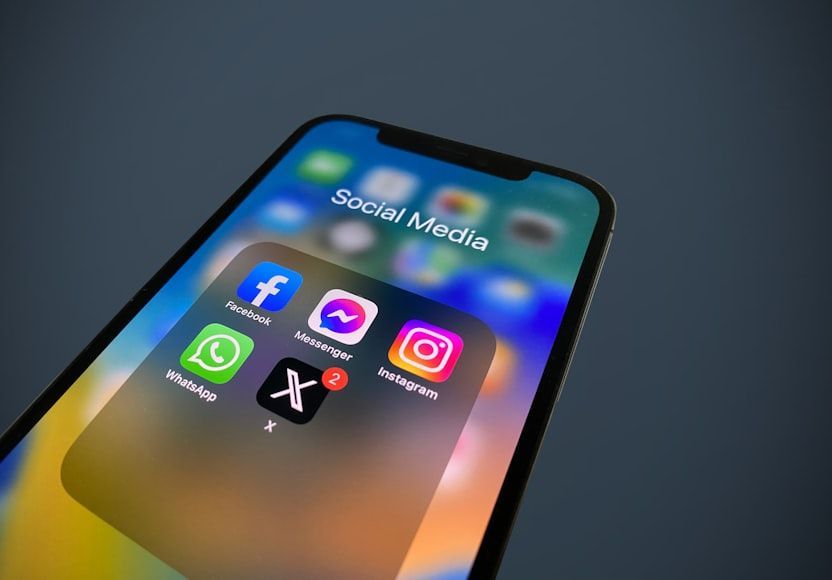
Image: Julian

And that isn’t the only restriction on cell phones. Presidents who use their social media accounts for official communications are advised not to block people in their official POTUS account, since doing so could be seen as suppressing free speech. On the other hand, they can block users on personal accounts.

6
Go out alone
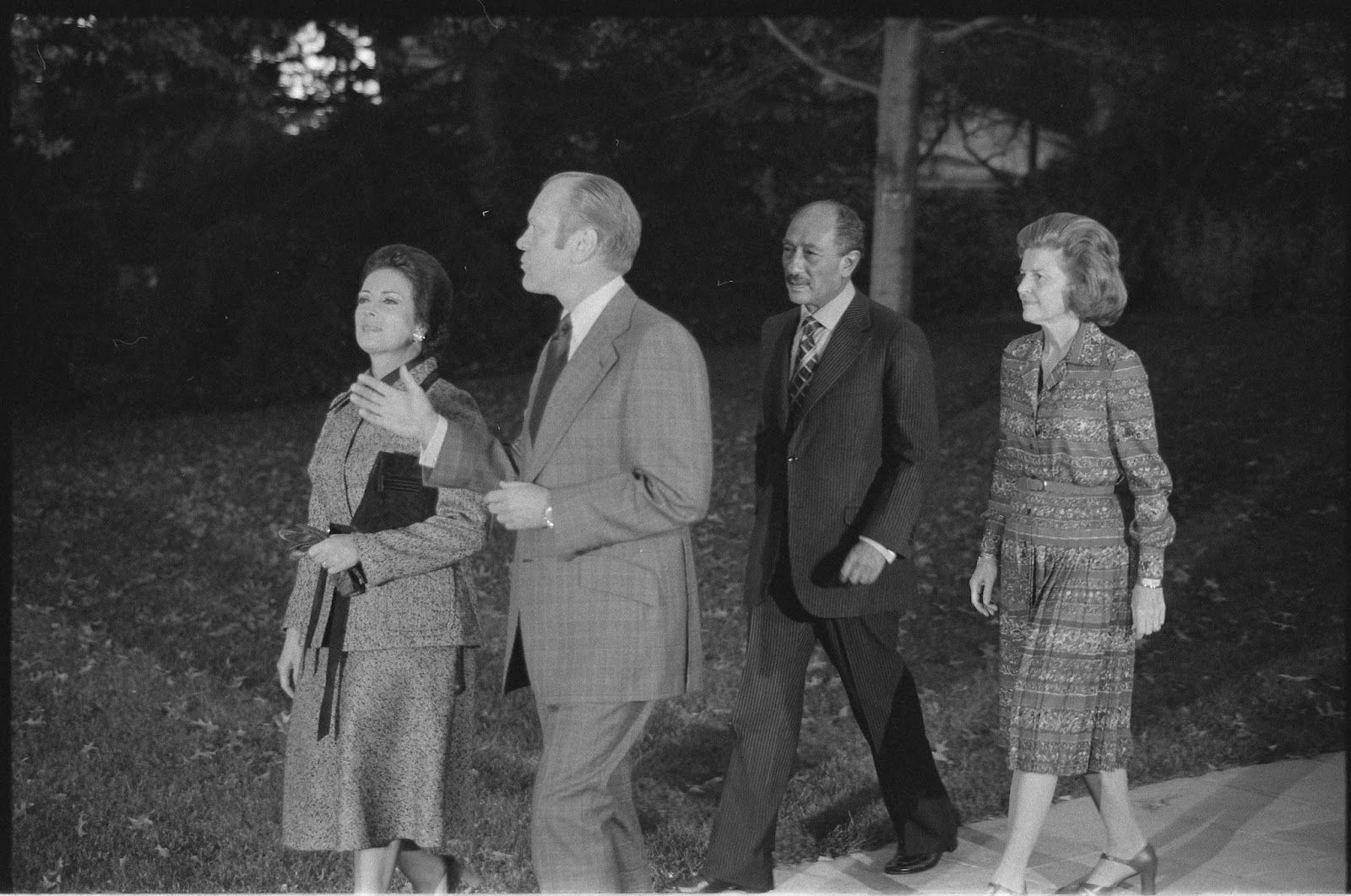
Image: Warren K. Leffler, Public domain, via Wikimedia Commons

The US president can’t just grab the keys and head out for a walk. Sure, strolls around the White House gardens are fine, but stepping beyond the gates is a different story. Anytime the president leaves the White House, even for a quick walk around the block, the Secret Service must secure the area, plan the route, and provide constant protection. Sounds a little overwhelming, right? But when you’re the commander in chief, safety always comes first!

7
Drive

Image: Jerry Kavan

Ever felt the urge to hop in your car and drive somewhere spontaneously? Well, if you’re the President of the United States, that’s off-limits. Security measures strongly recommend that presidents must always travel in a secure vehicle with a driver and a full security detail. In fact, the last president known to drive alone on the open road was Lyndon B. Johnson (1963-1969).

8
Fly on commercial airlines

Image: The White House, Public domain, via Wikimedia Commons

Just as security protocols strongly discourage the president from driving alone on open roads, flying on commercial airlines is also off-limits. Imagine being hundreds of feet in the air, locked in with strangers; it could be extremely unsafe when you’re the president of the United States. Implementing proper security measures would be too complicated, and with a large presidential staff, there might not even be enough seats for everyone.

9
Accept expensive gifts

Image: Ayana Ames

Presidents receive many, many letters and gifts from the public, but not all of them can be accepted. The US Constitution and federal law require presidents to decline overly expensive gifts, whether they come from foreign leaders or everyday citizens, to prevent any appearance of conflict of interest or corruption.

10
Discard official mail

Image: Wolfgang Vrede

Although it may seem like a harmless, ordinary task, the president can’t just start cleaning out their office or email inbox. All presidential correspondence, physical or digital (even spam!), is considered official government property. It must be processed or archived according to federal records regulations, and discarding anything requires a strict review process.

General General 4 min read

Wave them with pride

Honoring the states: learn about the history of 10 state flags

Image: Tina Chelidze

From the 13 colonies to the consolidation of the 50 states, America’s journey of growth and unity is remarkable. Each state is unique, with distinctive features, mottos, and, of course, flags. Each flag tells a story and honors the rich history and heritage of the state it represents. Among the 50 state flags, we’ve chosen 10 state flags to learn about their design, elements, and the history they represent.

1
New York

Image: Clker-Free-Vector-Images

New York was one of the 13 original colonies and is one of the most populated states today. Its flag, with a vibrant blue in the background, features a sun symbol, one supporter on each side, and the state’s inspiring motto "Excelsior," meaning "ever upward."

The scene in the coat of arms paints a picture of the Hudson River flanked by Liberty on the left, and Justice on the right. Topping it all off is a bald eagle, always majestic, perched atop the world. Powerful, isn’t it?

2
California

Image: Clker-Free-Vector-Images

California was the 31st state to be admitted to the Union (1850) and the history behind its flag has elements present in previous models of banners used by what we know today as Mexico.

This flag was first hoisted in 1846 after American settlers in the territory fought for its independence. Finally, it was recognized as official in 1911.

The flag depicts a grizzly bear —also the official state animal— and a lone red star symbolizing previous attempts to gain independence.

3
Indiana

Image: Clker-Free-Vector-Images

Indiana’s flag was designed by Paul Hadley and approved as the state flag in 1917 after the Daughters of the American Revolution held a flag design contest.

Over the dark blue flag stands a golden torch surrounded by 19 stars . The 13 stars on the outer circle represent the 13 original colonies, while the five stars in the inner circle were added to symbolize the next five states that joined the union, Indiana being the 19th.

The torch? You guessed it right, it represents liberty and enlightenment.

4
Louisiana

Image: Clker-Free-Vector-Images

Blue background abounds among the official state flags and it’s no surprise since it’s one of the national colors. Louisiana’s flag is not the exception.

This flag is the only one to depict a pelican nurturing its offspring in a nest. What is curious about it is that the pelican, an animal that symbolizes devotion to progeny, is crying tears of blood, which represents sacrifice. Underneath, belted in a white ribbon, the state’s motto: "Union, Justice, and Confidence".

5
New Jersey

Image: Clker-Free-Vector-Images

New Jersey’s flag is the only state flag to have a buff background , although it is wrongly depicted as yellow most times. This background color represents the uniform worn by soldiers from New Jersey’s regiments in the Revolutionary War.

In the center of the flag, there is a coat of arms supported by Liberty and the goddess Ceres, representing agriculture. Above the coat of arms, a horse’s head that stands for strength, and, below it, a helmet that symbolizes sovereignty.

6
Arkansas

Image: Clker-Free-Vector-Images

Arkansas’s flag depicts a complex symbolism using well-known elements: a diamond shape, with 25 stars on the outer part, the state’s name in the middle, one star above, and three stars below.

Arkansas was the 25th state to join the union, hence the stars around the diamond. The star over the word "Arkansas" represents the Confederacy to which it was admitted in 1861. The three stars below represent different things: the nations Arkansas belonged to, the Louisiana Purchase, and the fact that it was the third state formed after such purchase. A simple design, yet a complex meaning, don’t you think?

7
Colorado

Image: Clker-Free-Vector-Images

Colorado’s flag is quite simple in its design, although it represents many state elements . For example, the name, a Spanish word that means "red", is symbolized by the red C in the middle. But that’s not all, the letter C also means "columbine" the state flower, represented by the colors blue, yellow, and white. These two last colors also stand for the gold and silver present in the area.

Last, but not least, the letter C stands for "Centennial State" as Colorado became a state in 1876, when the nation was celebrating a century of its independence.

8
Washington

Image: Clker-Free-Vector-Images

Washington is the only state to have a flag with a green background. At the same time, it is the only one to depict a real person . George Washington’s picture is surrounded by a golden ring that reads "The Seal of the State of Washington 1889," the year in which the territory became a state.

The background color refers to the "Evergreen State" while the golden ring represents the wheat areas of the Eastern part of the state.

9
Wyoming

Image: Clker-Free-Vector-Images

This flag was also chosen during a flag design competition held in 1916. It consists of a dark blue background bordered by white and red and, in the center, the silhouette of a bison with the state seal that reads "Great Seal of the State of Wyoming."

Within the seal, the state motto "Equal rights," since Wyoming was the first state to grant women the right to vote. Below the ribbon, a farmer and a cowboy, the main occupations in the state, and two pillars that read "Livestock, mines, grain, oil." And that’s not all, at the bottom, a bald eagle and a star with the number 44, the order of admission to the union.

10
New Mexico

Image: Clker-Free-Vector-Images

Let’s finish this list with what may be the simplest flag of all the 50 states: New Mexico’s. With colors that symbolize the Spanish ruling over the territory, this state flag was adopted in 1925 and it consists of a yellow background with the Zia sun in the center.

The Zia sun is an ancient interpretation of the sun and its design consists of four rays, a sacred number of the Zia. Beautiful, isn’t it?

History History 3 min read

Test your memory

From flappers to disco: Which decade fits the clue?

Image: Roman Kraft

Every generation has its soundtrack, its fashions, and the major cultural shifts that define an era. Some decades are remembered for their music, others for technology, and some for both. But do you think you can place these moments in time ? We’ve put together six sets of clues about American life across the last century. First, try your hand at guessing the decade, and then scroll down to see the answers!

1
Clue #1

Image: Hybrid Storytellers

A nationwide ban on alcohol gave rise to speakeasies and bootlegging . Dance halls were alive with new rhythms, and women in shorter skirts shocked traditional society. Cities buzzed with fresh art, literature, and music. Affordable cars began filling the streets, changing how people lived and traveled.

2
Clue #2

Image: Tim Mossholder

The sound of distorted guitars and flannel shirts became the uniform of youth culture. At the same time, toy shops were filled with collectible plush animals and tiny digital pets. Computers were shrinking, and the world was just learning what "online" really meant. Sitcoms about groups of friends or quirky families topped the TV charts, while early cell phones were starting to appear in everyday life.

3
Clue #3

Image: Dominik Mecko

This period glittered with light-up dance floors and pulsing rhythms. Movie theaters drew crowds to see epic space battles and summer blockbusters . Fads like mood rings and quirky pet rocks had their moment in the spotlight. On the flip side, fuel shortages tested patience, and quick-service burger joints began appearing on more street corners.

4
Clue #4

Image: Cesira Alvarado

Families grew larger, and shiny new suburbs began to sprawl outside cities. Teenagers tuned in to a fresh sound that worried parents but captivated youth. Cars rolled into drive-ins for movies or burgers, while living rooms glowed with the latest entertainment gadget: the television set.

5
Clue #5

Image: Mitchell Orr

Television expanded with channels devoted to sports and 24-hour news. Music fans were glued to screens watching flashy new music videos . Young professionals embraced big paychecks, bold fashion, and an appetite for luxury. Arcades buzzed with electronic sounds, and living rooms welcomed the first home gaming systems.

6
Answer #1: The 1920s

Image: Marvin Meyer

Known as the Roaring Twenties, this decade was defined by Prohibition, flappers, and the Harlem Renaissance . Jazz poured out of clubs, while the Model T made road trips possible for everyday families. It was a time of innovation, rebellion, and cultural change.

7
Answer #2: The 1990s

Image: Dasha Zhytanska

The internet emerged, fueling the dot-com boom. Grunge bands from Seattle reshaped the music scene, while sitcoms like Friends and Seinfeld ruled TV. Kids collected Beanie Babies and fed Tamagotchis, while cell phones gradually became a part of daily life.

8
Answer #3: The 1970s

Image: Matthew LeJune

Disco fever ruled the nightclubs, and blockbusters like Star Wars rewrote movie history. Quirky fads, such as Pet Rocks, had short but memorable lifespans. Rising gas prices caused long lines at fuel stations, while fast food giants spread across the country.

9
Answer #4: The 1950s

Image: Elizabeth Smith

Suburbs such as Levittown expanded rapidly as families grew during the Baby Boom. Rock ‘n’ roll stars like Elvis lit up radios . TV ownership soared, transforming family routines, while drive-ins and diners became favorite hangouts for teenagers.

10
Answer #5: The 1980s

Image: National Cancer Institute

The launch of MTV sparked the music video explosion , while arcades buzzed with hits like Pac-Man and Donkey Kong . Yuppies pursued ambitious careers and embraced neon fashion. Cable television expanded viewing options, and home consoles like the Nintendo Entertainment System brought gaming into millions of households.

Explore more American facts

Choose your favorite category!

General
General

As American as apple pie—the very best America has to offer!

Culture
Culture

Delve into the astounding richness of American lore.

Geography
Geography

Hop in and explore vast and diverse American landscapes.

History
History

Discover the key moments that shaped the United States.