Traditions with a past
The president who pushed for celebrating the 2nd of July
Image: Joseph Gonzalez
Mardi Gras, the Fourth of July, pumpkin pie on Thanksgiving– these traditions are quintessentially American, but how did they become what they are today? Did you know that one of our founding fathers refused to celebrate on July 4th? Or that pumpkin pie was resisted by many before becoming a holiday staple? Each tradition we take for granted has a story, often unknown to us. Which major holiday was once banned? Which sports event started as a marketing campaign? Keep on reading to find out!
1
The Second of July?
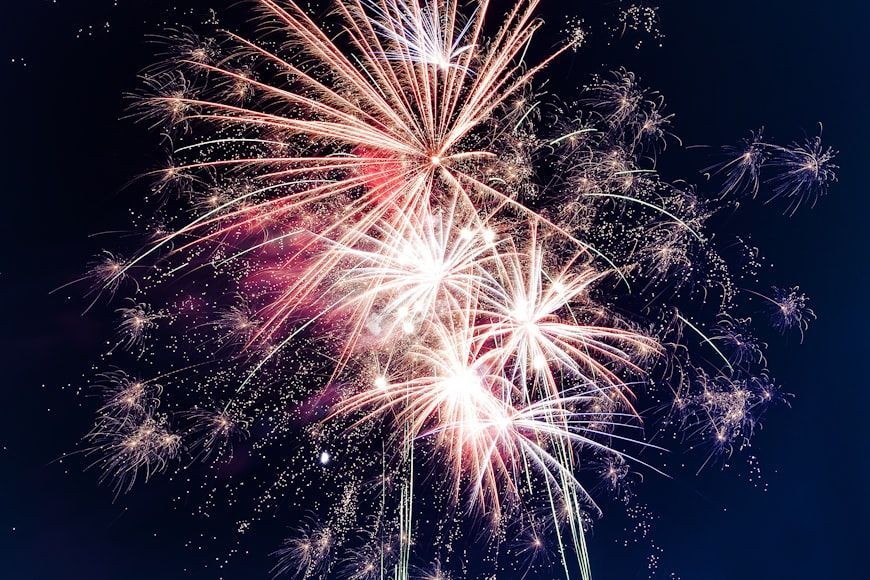
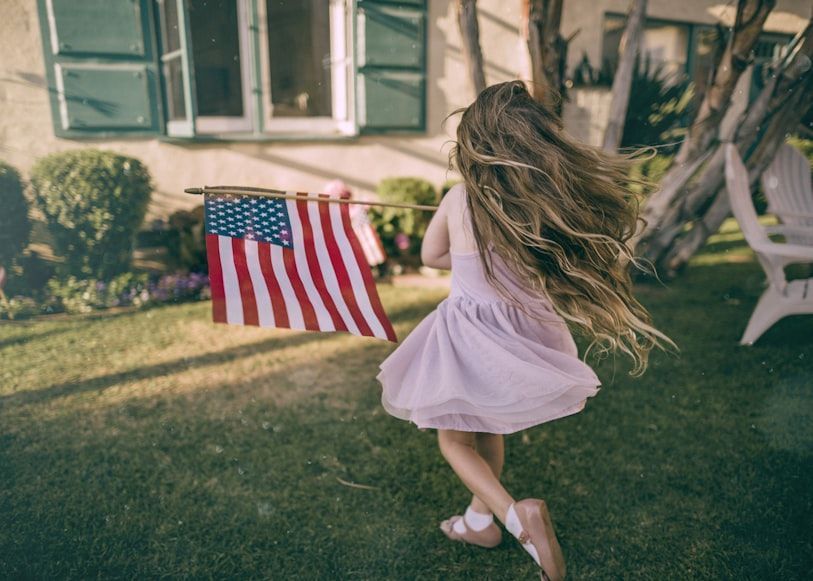
The first 4th of July celebration took place spontaneously in Philadelphia in 1777 and included elements that still persist today, such as bonfires, parades, and fireworks. But not everyone was on board. Founding Father John Adams famously refused all invitations to celebrate on account of disagreeing with the date.
For him, celebrations needed to be held on July 2nd, the day independence was voted on, rather than the 4th, when independence was declared , but July 4th became widely accepted because it was the date that appeared on the distributed copies of the document. In a both poetic and ironic turn of events, Adams — along with Jefferson, who penned the document — died on July 4th, 1826, on the 50th anniversary of the Declaration of Independence.
2
Who came up with the turkey pardon?
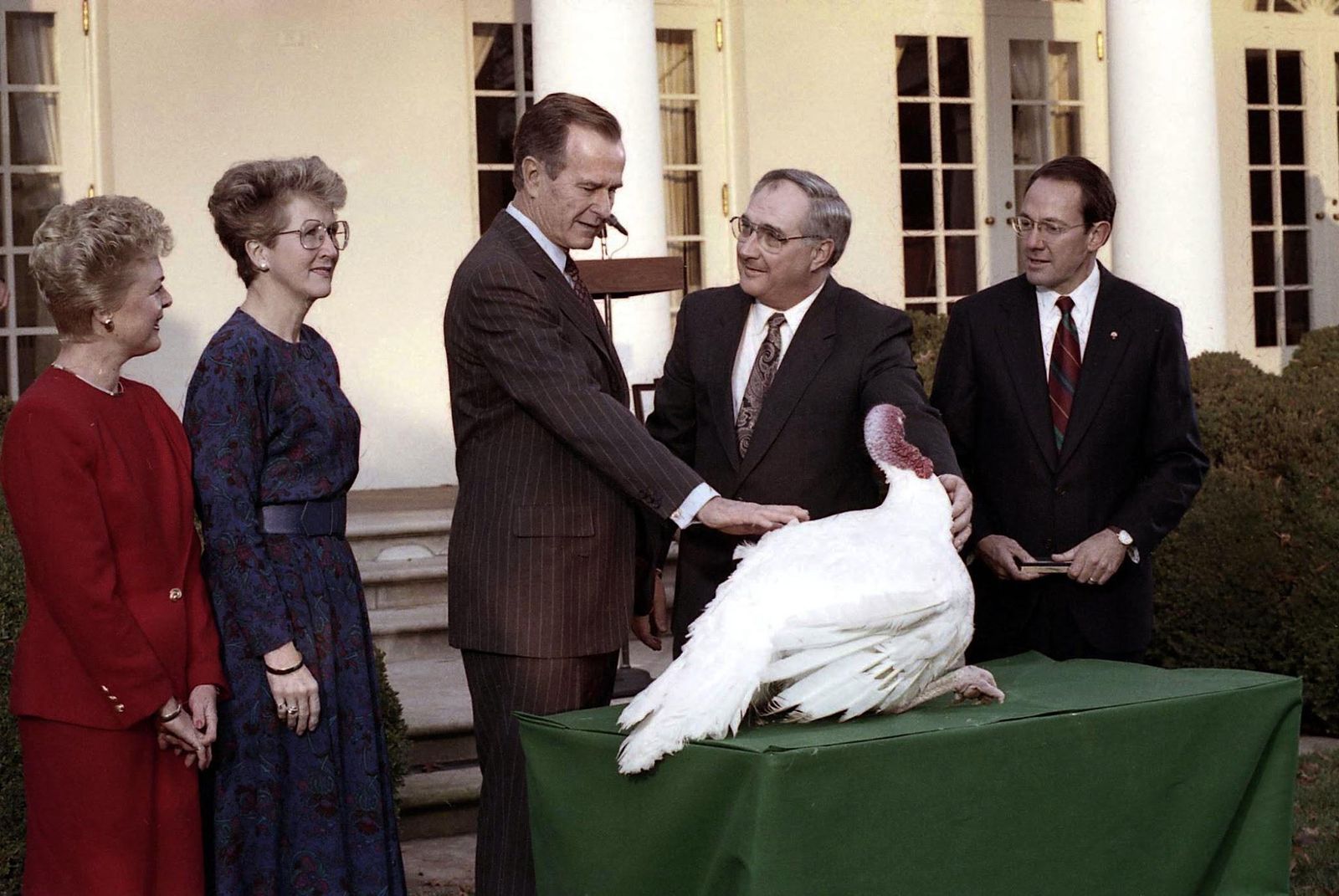
While many correctly assume that the official Presidential turkey pardon on Thanksgiving is an old event, it was not an official tradition until 1989, under the George H.W. Bush administration . But the roots of the tradition are nearly as old as the holiday itself.
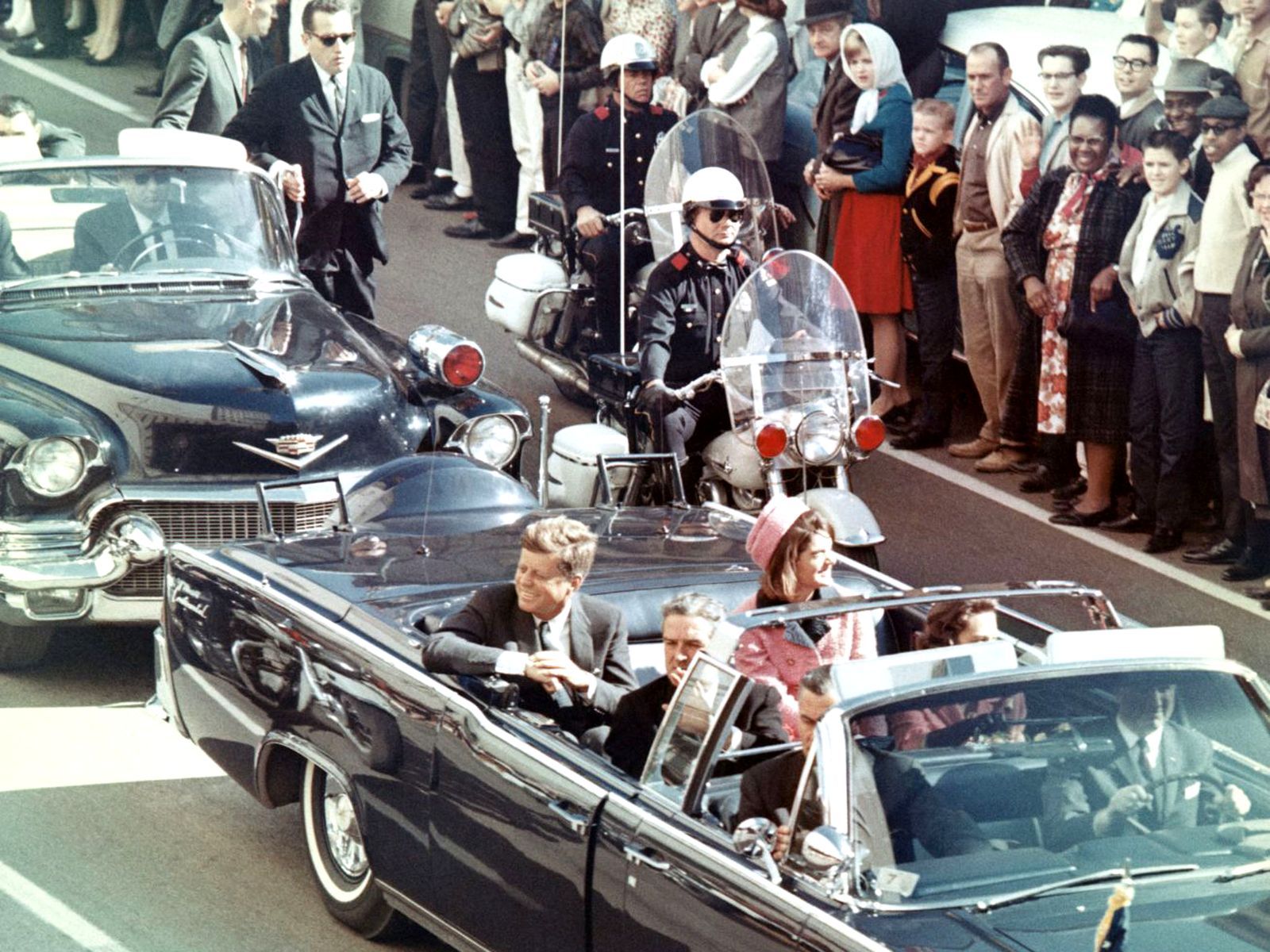
In 1863, President Abraham Lincoln’s young son, Tad, asked to adopt the turkey intended for the Christmas dinner and named it Jack. This didn't become a regular tradition, but it set the precedent for President Kennedy to pardon the turkey gifted to the First Family in 1963 , a custom adopted by many of the following presidents, with Reagan being the first to call it the "presidential pardoning".
3
The anti-pumpkin movement
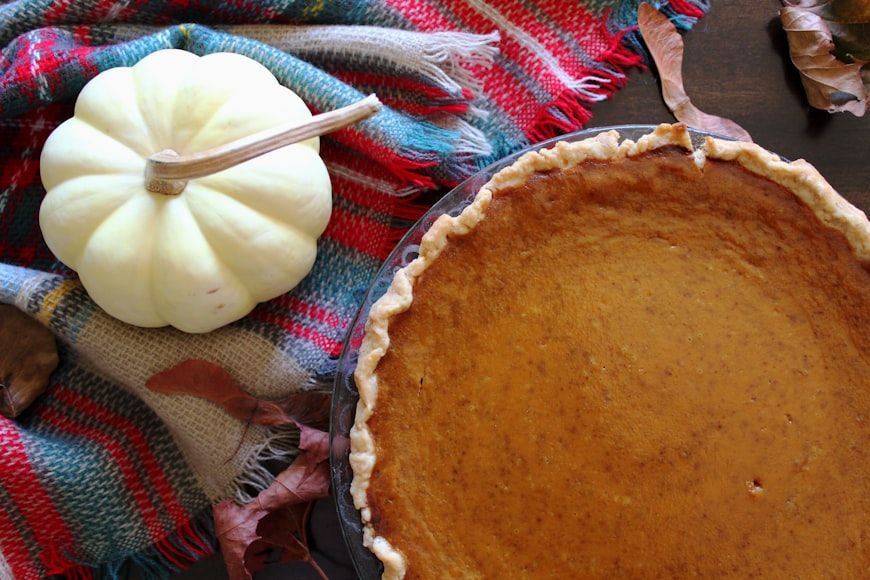
As a crop native to America, pumpkin is mentioned across American history, including the first Thanksgiving. But before pumpkin pie was a symbol of the holiday, it was a New England dessert that divided the nation.
Thanksgiving was instituted as an official holiday by Abraham Lincoln in 1863, with turkey and pumpkin pie quickly becoming the main dishes on the menu. After the Civil War, the Southern states were reluctant to adopt the holiday and its associated pie, claiming it was a "Yankee tradition" and a celebration of Northern culture. As a way of rejecting what they saw as a cultural imposition, many Southern cooks replaced the pumpkin pie with sweet potato pie, which remains much more common in the South.
4
The 22 years without Christmas
The minute Thanksgiving ends and "All I Want for Christmas Is You" returns to the top of the charts, much of the country gets into the holiday spirit. Surprisingly, just a few centuries ago, and 100 years before the United States was officially formed, Christmas was banned altogether .
During Cromwell’s interregnum (1649-1660), the Puritan-led English Parliament canceled the Christmas festivities of 1644, claiming it was a Catholic festivity of pagan origin. The sentiment echoed across the Atlantic, where the Massachusetts Bay Colony, of Puritan origins, banned Christmas in 1659 and fined those who celebrated or took the day off. The ban remained in place even after the restoration of the Monarchy, and was only lifted in 1681. Ulysses S. Grant declared it a federal holiday in 1870.
5
Mandatory anonymity
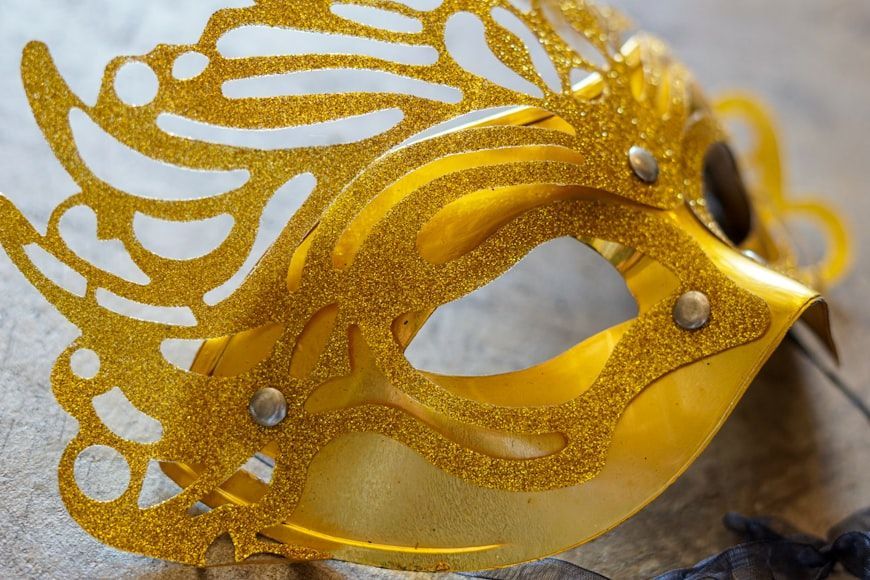
Anyone who ever celebrated Mardi Gras in New Orleans knows that masks are an integral part of the event, with those in the parade and many spectators concealing their identity. What many don’t know is that, per Louisiana law, wearing a mask in public is illegal , a statute passed in the 1920s to counteract the Ku Klux Klan’s influence and its intimidation tactics.
So, what happens during Mardi Gras? In the traditional Carnivals, masks were a way for people of all classes to mingle without endangering their reputation. While it is not a requirement for spectators today, anti-mask laws are suspended during Mardi Gras . However, if you are taking part in the parade, masks are not only allowed but mandatory.
6
A very successful campaign
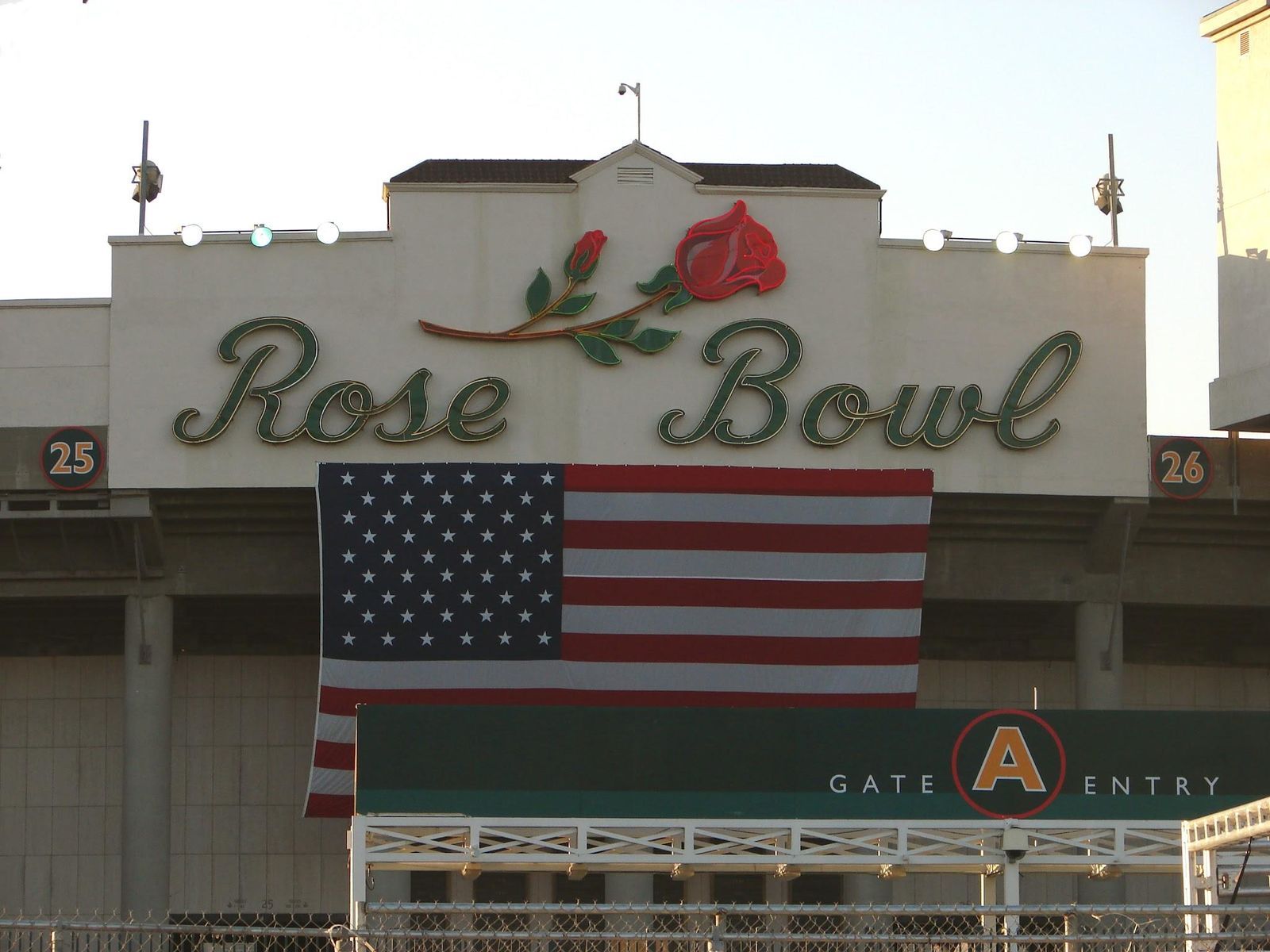
Does your family watch the Rose Bowl Game on January 1st? It’s one of the oldest postseason football games in American history . But, did you know that its origin stems from a tourism campaign?
In the 1890s, the city of Pasadena, California, started celebrating the Tournament of Roses Parade on New Year’s Day as a way to promote the city’s mild weather to tourists on the East Coast . To increase promotion, a postseason college football game was played in 1902, but the result was so lopsided —49-0— that it was not repeated the following years. In 1916, a new game was organized with resounding success, and it has been held annually since then.
7
The original Black Friday

B efore being synonymous with big sales and discounts, Black Friday was synonymous with crisis . The first recorded use of ‘Black Friday’ dates back to 1869, when the stock market suffered a devastating crash due to financial speculation. The economic effects of the crash were so severe that the name connoted calamity and misery.
How did it become associated with the day after Thanksgiving? In the 1950s, Philadelphia received hordes of tourists who came to shop and attend the annual Army-Navy football game the day after Thanksgiving, creating such chaos that the police forces dubbed it the "Black Friday". To counteract the negativity, retailers adopted the name in association with massive discounts.
8
From Decoration to Memorial Day
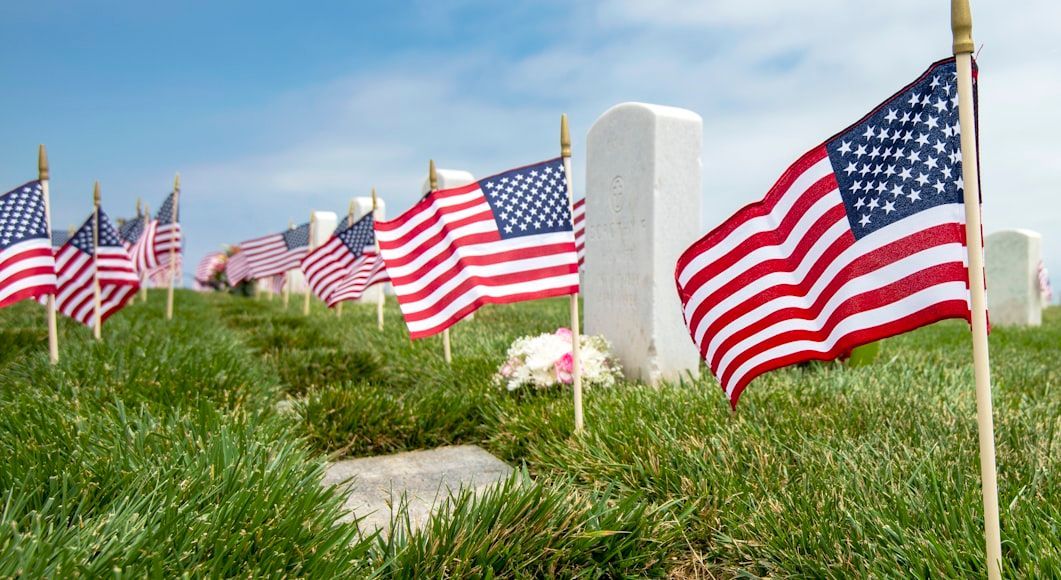
The last Monday of May, America remembers and honors those who laid down their lives in defense of the country. Friends and relatives of fallen service members gather to lay wreaths and flags in cemeteries ; the Memorial Day holiday also serves as the unofficial starting point for the summer season. But where does this tradition come from?
It wasn’t always Memorial Day. Originally called ‘Decoration Day’, the tradition of adorning graves started after the Civil War , and it was first celebrated on a national scale in 1868. After World War I, the tradition was expanded to include all American soldiers fallen during a military conflict.
9
Hedgehog Day
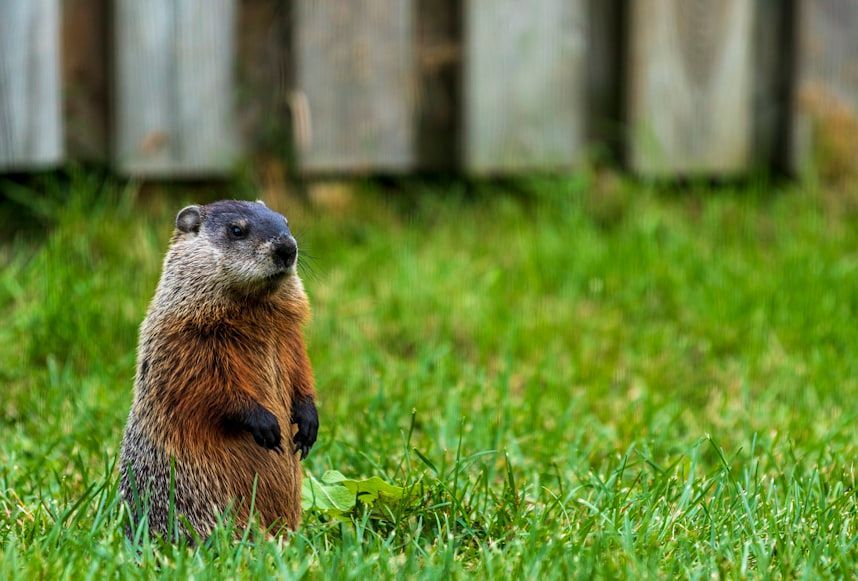
You might just know about it because of the popular 1993 Bill Murray movie, but Groundhog Day is real, and it’s celebrated every February 2nd. According to tradition, if a groundhog emerging from its burrow sees its shadow, it will go back to hibernate , and there will be six more weeks of winter. If not, spring will come early. But did you know that the tradition usually observed the behavior of a different animal?
Though Groundhog Day is celebrated across America —and even Canada— it was initially a Pennsylvania tradition, brought by German and Dutch immigrants. Back in Europe, they observed the behavior of hedgehogs and badgers to predict the length of winter, but these were not native to America. Looking for a similar local animal, they turned to the groundhog.
10
The 6-month difference
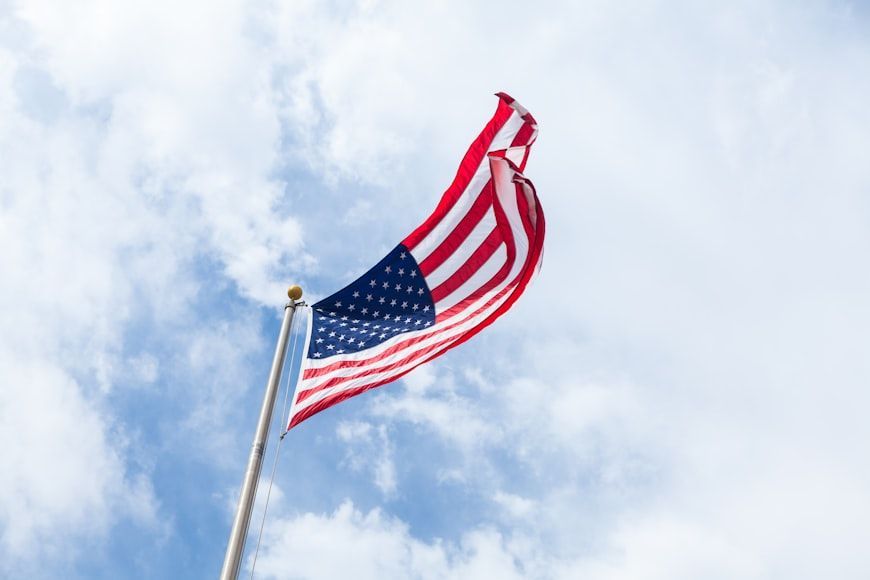
We can name a select few holidays that are celebrated internationally, such as New Year’s Day or Christmas. But what about Labor Day? While nearly 160 countries across the globe celebrate it on May 1st, the U.S. celebrates it six months later , on the first Monday in September.
Labor Day (also known as International Workers’ Day) started as a commemoration of the 1886 Haymarket Affair in Chicago, where a protest for workers’ rights ended with several casualties. As the protest was linked to socialist labor movements, the U.S. government was wary of celebrating workers on that date . As a compromise with labor activists, President Grover Cleveland instituted Labor Day as a federal holiday in 1894, but deliberately chose a date as far away as possible.