Geography Geography 5 min read

Extraordinary secrets about the capitals of the United States

The only state capital without a McDonald's and 11 other fun facts
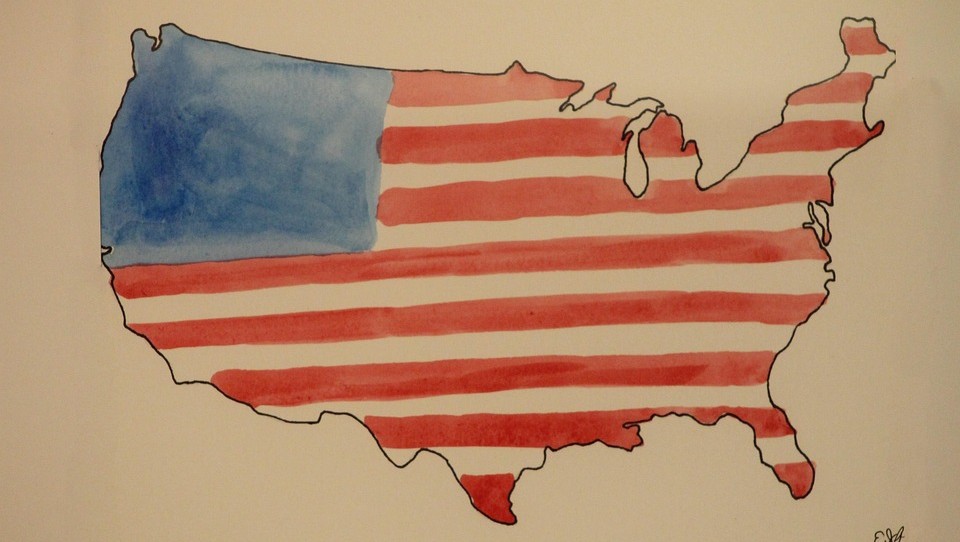
Image: AmericanBenchCraft

Can you guess which is the only U.S. capital built on top of an extinct volcano? What about which is the oldest state capital, the least populated, or the one with the coldest temperature? If you're dying to know the answers to these questions, read on to discover 12 fun facts about our state capitals that you probably didn't know!

1
Jackson, Mississippi

Image: Engineers' office, department of Tennessee, Public domain, via Wikimedia Commons

Did you know Jackson, Mississippi, is named after the 7th U.S. President, Andrew Jackson? It is one of the four state capitals named after American presidents —the other three are Jefferson City (Missouri), Lincoln (Nebraska), and Madison (Wisconsin).

Jackson is the only U.S. capital built on top of an extinct volcano. Interestingly, during the Civil War, the city was burned by Union troops, giving it the nickname "Chimneyville". In addition, Jackson is best known for being the center of the civil rights movement during the 1950s and 1960s.

2
Santa Fe, New Mexico

Image: Wendy Shervington

In 1610, Spanish settlers established Santa Fe as the capital of New Mexico, making it the oldest state capital in the country. But that's not the only peculiarity of this quaint city with a temperate climate and a unique historical and cultural richness. At 7,000 feet above sea level, Santa Fe is also the highest U.S. capital.

3
Honolulu, Hawaii

Image: Daniel Lee

Known for its spectacular beaches and rich cultural heritage, Honolulu is the only state capital not on the North American mainland. Considered the birthplace of modern surfing, it also has the highest average annual temperature of any U.S. state capital.

But those aren't the only interesting facts about Hawaii's capital. Here are a few equally (or more) crazy ones: it hosts the only royal palace in the United States (Iolani Palace), the island is made up of volcanic soil, and it houses the world's largest open-air shopping mall (Ala Moana Center).

4
Annapolis, Maryland

Image: Terry Granger

Annapolis is a historic city on the shores of the Chesapeake Bay, known for its colonial architecture, nautical tradition, and academic value. But did you know it is also the smallest U.S. capital by land size? Just 6.7 square miles!

Annapolis was also one of the nine capitals the United States has had throughout its history. For nine months during the Revolutionary War, Maryland's current state capital served as the seat of the Confederation Congress.

5
Bismarck, North Dakota
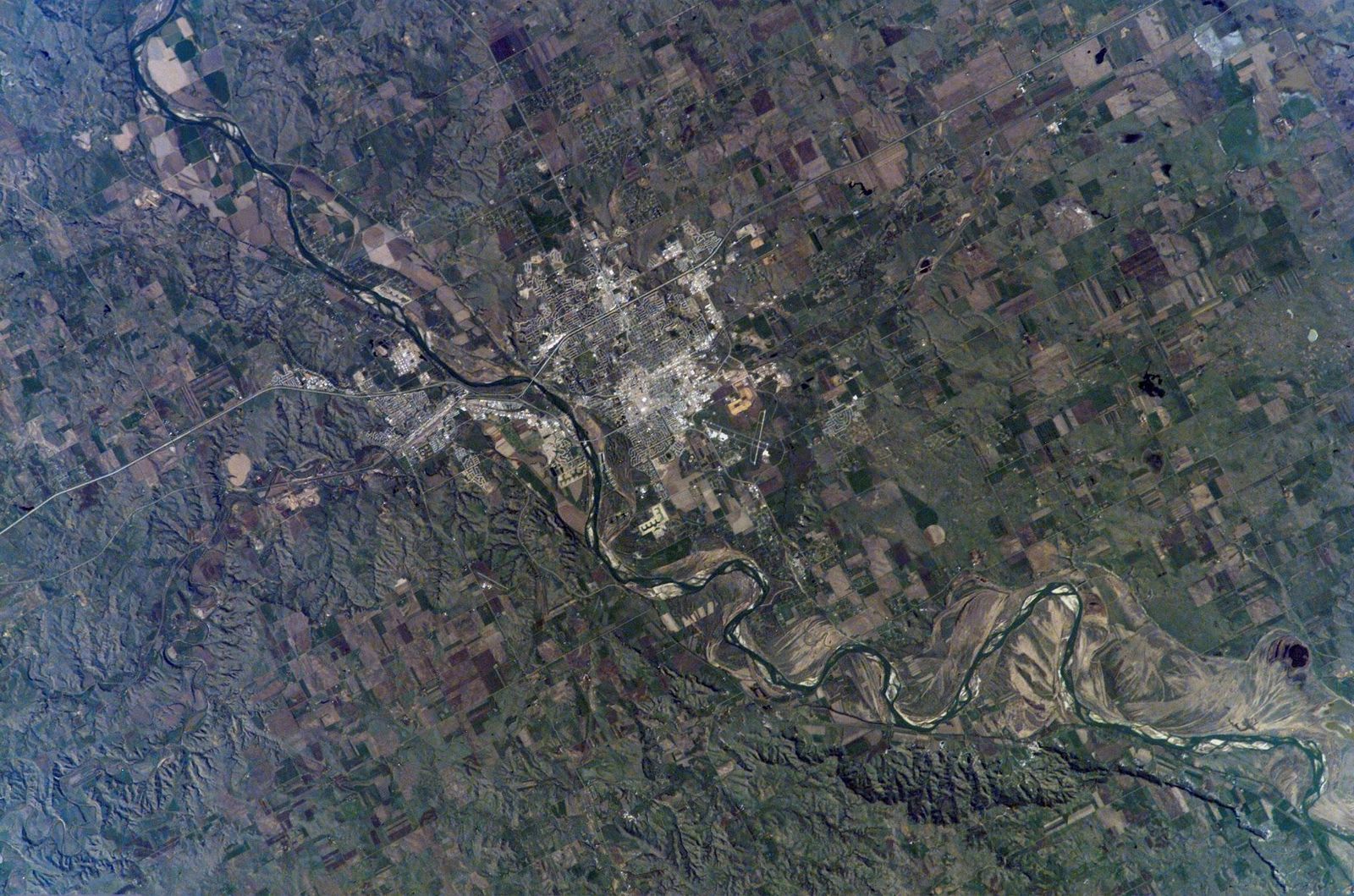
Image: NASA Astronaut, Public domain, via Wikimedia Commons

If you thought Juneau, Alaska, had the lowest average winter temperature of all state capitals, think again! It's actually Bismarck, North Dakota, where the coldest temperature ever recorded was -45°F. Imagine that!

Bismarck was founded in 1872 on the banks of the Missouri River. The city was named after Otto von Bismarck, the chancellor of Germany, to attract German investors. Another fun fact? In 1930, Bismarck and Fargo had a dispute, known as the "Capitol Tower War," over which city should be the state capital.

6
Charleston, West Virginia
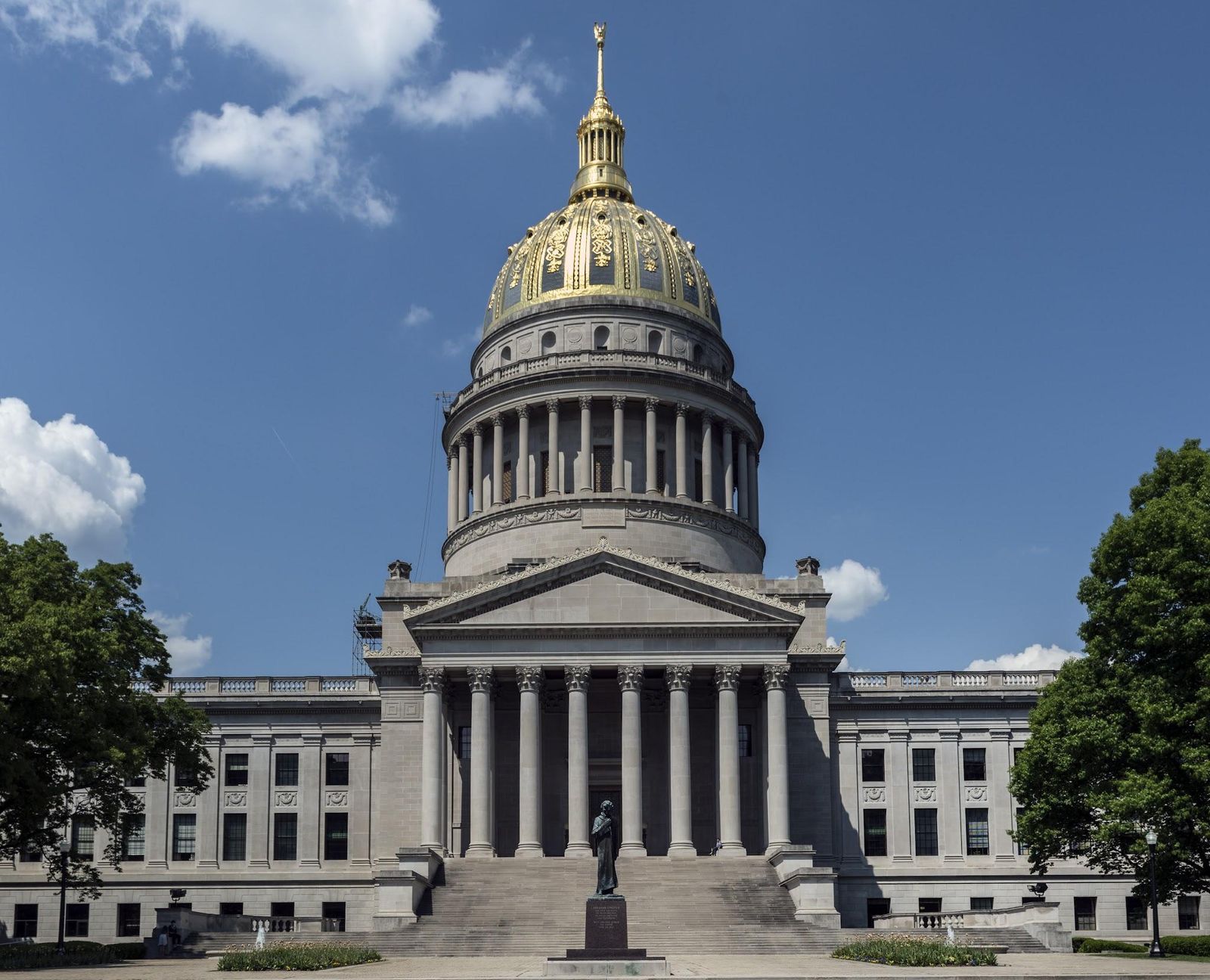
Image: Carol M. Highsmith, Public domain, via Wikimedia Commons

Did you know that the original name of West Virginia's capital was Charles Town in honor of the father of Colonel George Clendenin, one of the first settlers?

Charleston is best known for offering a unique combination of history, culture, and outdoor adventure.

7
Hartford, Connecticut

Image: Balazs Busznyak

Founded in 1635, Connecticut's capital is one of the oldest cities in the U.S. Hartford is known for being a key cultural center in New England. It was the home of writer Mark Twain and is home to historic sites such as the State Capitol, the Harriet Beecher Stowe House, and Bushnell Park, the oldest public park in the country.

Hartford is also called the "insurance capital of the world" due to the presence of major insurance companies. But the city's most curious fact is that it was where Teddy Roosevelt, aboard the Columbia Electric Victoria Phaeton, took the first presidential automobile ride in history!

8
Harrisburg, Pennsylvania

Image: Katherine McAdoo

Pennsylvania's capital city is best known for its role in the Civil War and the Underground Railroad. Located on the banks of the Susquehanna River, Harrisburg has been an important center of transportation and commerce. Today, it is known for its historic architecture, museums, and special events.

Harrisburg is also home to the longest stone arch bridge in the world, the Rockville Bridge, built in 1902. Oh, and in 1979, it came close to a nuclear disaster due to the accident at the Three Mile Island plant, the worst in U.S. history —but that's a longer story for another article!

9
Olympia, Washington

Image: Peter Robbins

Located at the southern tip of Puget Bay, Washington's state capital is known for its natural beauty and vibrant culture. But did you know Olympia is the northernmost state capital in the contiguous U.S.?

Oh, and it's also a great place to try some of the best craft beer in the country!

10
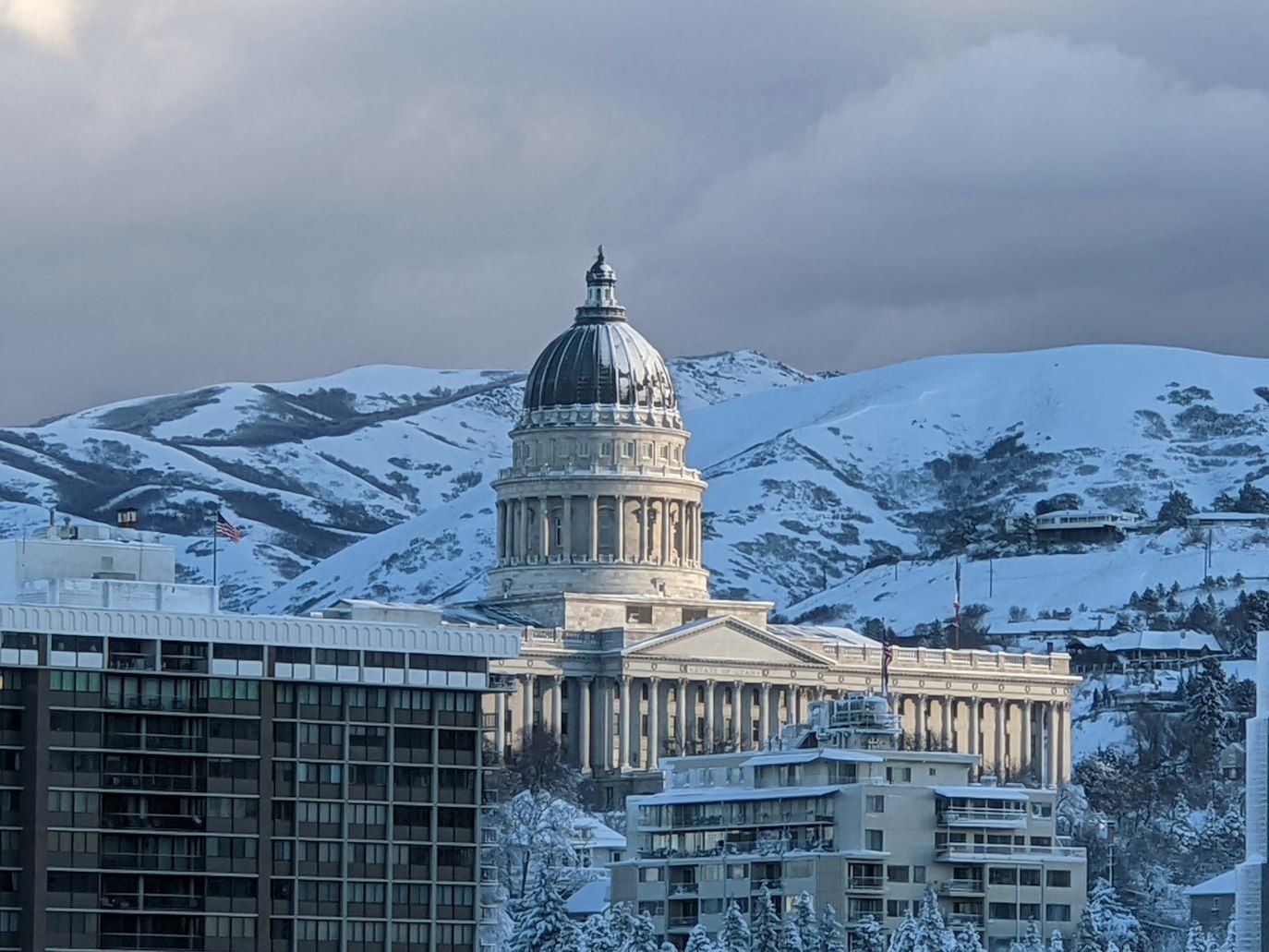
Salt Lake City, Utah

Image: Cong Wang

Utah's state capital is popular for being one of the best places to ski in the United States. But that's not all! Salt Lake City is also the only state capital with three words in its name. Have you ever thought about that?

It has the largest Mormon population in the country and is the world headquarters of the Church of Jesus Christ of Latter-day Saints. Another fun fact? Salt Lake City is home to more plastic surgeons per capita than any other state capital!

11
Montpelier, Vermont

Image: John Holm

Named after the French city of the same name, Montpelier is the least populated state capital, with a population of just 7,900. Probably for that reason, Vermont's capital prides itself on its small local businesses: it is the only state capital that doesn't have a McDonald's or a Starbucks. Could you live without these fast food chains? It doesn't have a Walmart store either!

12
Topeka, Kansas

Image: Nils Huenerfuerst

Topeka, Kansas’s state capital, has several interesting tidbits. For example, did you know its name, of Native American origin, means "a good place to dig potatoes"? Interesting, don’t you think?

In 2010, Topeka temporarily changed its name to "Google, Kansas" to attract the attention of the internet giant and become the capital city of fiber optics. Frivolous facts aside, Topeka was also very important in the history of the civil rights movement.

General General 5 min read

From coast to coast

You probably haven't heard of these 10 fascinating facts about America!

The United States is one of the largest, most famous, and most diverse countries in the world. But beyond the well-known facts and features of America, there are many surprising details that even some of us may not know. If you want to learn interesting things, such as the number of versions of the American flag, which famous landmark has a controversial addition, or which state has the fastest-speaking population, keep reading! Today, we're discovering 10 fun facts about our country that you may have never heard before.

1
World's largest office building

Image: Clem Onojeghuo

Among its many record-breaking achievements, America has one lesser-known record that also deserves attention.

Our country is home to the largest office building in the world. Want to know which one? The world's largest office building by floor area is the United States Department of Defense, also known as the Pentagon.

Ok, but how big is it? Located in Arlington, Virginia, and famous not only for its size but also for its distinctive five-sided design, the building has a total floor area of approximately 6.5 million square feet.

2
People in New York

Image: Nicolai Berntsen

We all know that New York City is packed with people. In fact, it's the most populous city in our country. But how many live there?

As of 2024, around 8.8 million people call NYC their home. That's a huge number on its own, but it might be even more impressive when you consider that NYC's population surpasses that of 40 US states, including Montana, New Hampshire, and Mississippi, to name a few. In other words, NYC has more residents than each of those 40 states individually.

After all, New York City is famously known as "the city that never sleeps" for a reason!

3
Many versions of the flag

Image: Chris Hardy

The US flag is one of our most beautiful and beloved symbols and also one of the most recognized worldwide. With its distinctive stripes, stars, and classic red, white, and blue colors, it is an unmistakable icon. But did you know it has undergone several changes over the years?

The US flag has not just had 1, 2, or 3 versions; in fact, there have been 27 official versions! Each of these versions served an important purpose, reflecting some key changes throughout our history. For example, whenever a new state joined the Union, an additional star was added. This is how we arrived at the 50 white stars you see in the upper left corner of our beautiful flag. The current version was made official on July 4, 1960.

4
No official language

Image: Ben Duchac

While English is the most widely spoken language in the United States, the country does not have an official language at the federal level.

This might surprise some people, given that English is the primary language for most Americans and is used for government and legal purposes.

On the other hand, many other languages are spoken here as well. For instance, Spanish is the second most spoken language, though it is used considerably less than English. And that's not all; Chinese, Filipino, and French also have a notable number of speakers in the US!

5
The fastest-speaking states

Image: Chris Liverani

We all have that friend who speaks so fast it's hard to keep up, even if you know them well. Would you like to know how fast Americans speak?

Fortunately, there's not just data on the languages we use but also on how quickly we speak in our daily lives. And it turns out that a few states lead the pack in this speed race.

According to the Smithsonian Institution, Oregon, Minnesota, and Massachusetts are the states where residents speak the fastest . So, if you know someone from those states, why not give it a try and see if you can keep up with their speedy conversations?

6
Most airports in the world

Image: Alex Underwood

Americans seem to love air travel, and there's a good reason for that: the US holds the record for the most airports in the world!

This isn't just a coincidence. The vast size of our territory— yes, we're one of the largest countries in the world—requires fast, safe, and efficient ways to travel to all corners.

With thousands of airports of all kinds spread across the country, it's no wonder that so many movies feature airport scenes or are even filmed inside airplanes, right?

7
Alaska's price

Image: Joris Beugels

We have the great advantage of having the gorgeous state of Alaska as one of the 50 states. Beyond its natural beauty, it holds another impressive distinction: it's the largest state by area, covering approximately 663,300 square miles.

As you may know, Alaska was purchased in 1867 when US Secretary of State William H. Seward sealed a deal with Russia to acquire the territory. However, what some people may not know is just how affordable it was: the purchase cost $7.2 million, which means we acquired Alaska for about 2 cents per acre! To put it in perspective, adjusted for inflation, that $7.2 million would be equivalent to about $140 million today.

8
The first national park in the world

Image: Nicolasintravel

The United States is home to some of the most spectacular and diverse national parks in the world. And not only that, but we also have the honor of being the country that established the world's very first national park.

Inaugurated on March 1, 1872, Yellowstone National Park became the Earth's first national park. This event marked a turning point, leading to the creation of many other national parks and protected areas both in America and around the globe.

The incredible Yellowstone spans approximately 3,472 square miles , primarily in Wyoming, with portions extending into Montana and Idaho. Have you had the chance to visit it?

9
A special feature on Washington National Cathedral

Image: Ryan Arnst

The Washington National Cathedral offers many attractions for visitors, starting with its beautiful Gothic-style architecture. However, it also holds some secrets and fun facts within its walls.

Construction began in 1907 and took 83 years to complete. The wait was well worth it, as the Washington National Cathedral is now the sixth-largest in the world! And here's a fun fact: its famous Space Window features a real piece of moon rock at its center. Amazing!

Additionally, there's also a quirky feature that some visitors overlook: on the Cathedral's façade, there's a gargoyle with the face of none other than Darth Vader! This Star Wars character was added to the building's northwest tower in the 1980s after a children's design competition. A curious touch, isn't it?

10
Miles of bookshelves

Image: Roman Kraft

The Library of Congress is much more than a beautiful complex of buildings. Located on Capitol Hill in Washington, D.C., this famous landmark was established over 200 years ago in 1800 . Since then, it has preserved and protected countless documents, treaties, and books that reflect and constitute our nation's history.

Adding to our list of world records, the Library of Congress holds the title of the largest library in the world. It boasts an incredible 164 million items, which translates to 838 miles of bookshelves. That's enough to cover the distance from Atlanta, GA, to New York City, NY!

Culture Culture 4 min read

If you think you have a busy life, take a look at Franklin’s

What would Franklin do? 10 incredible facts about The First American

Image: Brett Wharton

A true Renaissance man, Benjamin Franklin was a man of many talents who succeeded in almost every field he participated in. He was an editor, author, inventor, scientist, scholar, philosopher, politician, diplomat, and benefactor, among other things. His autobiography—the first of its kind to receive widespread attention—can almost be considered a foolproof manual for living a good and meaningful life. As a humble homage , we have listed below 10 facts about his life, some well-known, some relatively obscure, but all of which help form a picture of this great American character.

1
Printer and newspaper editor

Image: Denny Müller

Benjamin Franklin wanted to be a sailor when he grew up. But his father had lost an older son of his at sea, so he sent him off to learn from his older brother, who was in the printing business. After learning the craft, he left Boston for Philadelphia at age 17 where he became a well-known printer of newspapers and an almanac full of wit and wisdom called Poor Richard’s Almanac , still in print to this day.

Franklin was a prolific author who wrote under several pseudonyms, including Silence Dogood, Polly Baker, and Richard Saunders.

2
Founding father

Image: Dan Mall

A well-known fact about Franklin is his role in the Nation’s foundation. He is the only person in history to have signed all four documents that helped to create the U.S. : the Declaration of Independence, The Treaty of Alliance, Amity, and Commerce with France, the Treaty of Peace between England, France, and the U.S., and the U.S. Constitution.

He famously quipped after signing the Constitution to the people that they had created a republic but warned it would only be one "if you can keep it."

3
American representative abroad

Image: Brett Wharton

A major player abroad, Benjamin Franklin spent years representing the colony of Pennsylvania in England and then later representing the U. S. in France . For his actions abroad, he became universally admired and renowned, playing an important role in securing a French alliance during the Revolutionary War. He also helped to negotiate the Treaty of Paris that officially ended the Revolutionary War.

4
Inventor

Image: AbsolutVision

His restless mind urged Franklin to be on the constant lookout for ways to improve the world through new inventions. His most famous creations were the bifocal glasses and the Franklin stove, but he also invented a pair of swim fins for his hands at age 11, and he was inducted into the International Swimming Hall of Fame in 1968 for his many contributions to the sport.

As for the bifocals, when his vision worsened as he got older, he cut lenses from a pair of glasses that allowed him to see things close up and lenses from another pair of glasses that allowed him to see things far away. He put half of each lens in a single frame to invent bifocals.

5
Scientist

Image: NOAA

The immortal image of Franklin pulling a kite with a key attached to it, while in the middle of a thunderstorm brings us to probably the most famous of all his scientific discoveries: the realization that lightning was an electrical phenomenon . Benjamin Franklin didn’t discover electricity, as some people think, but proved the connection between electricity and lightning.

The whole key-kite-thunderstorm experiment led to his invention of lightning rods for buildings.

6
Musician

Image: Dominik Scythe

Few people know that Benjamin Franklin played several instruments , including the violin, harp, and guitar. He invented the glass armonica after seeing performers make music with glasses of water, which he played by touching the edge of the spinning glass with damp fingers.

In his letters, Franklin recounts many happy evenings playing the armonica alongside his daughter, Sally. "Of all my inventions," Franklin wrote, "the glass armonica has given me the most personal satisfaction."

7
Volunteer Fire Company creator

Image: Sandie Clarke

Worried by the fires that broke out constantly in the area, Franklin founded the Union Fire Company in Philadelphia, Pennsylvania in 1736. This fire company was the first volunteer fire company of its kind in the U.S.

Soon after this volunteer fire company appeared, more and more fire companies spread across the city and soon all over the country, leading to a safer environment in relation to fires.

8
Postmaster

Image: Joanna Kosinska

Franklin was appointed postmaster of Philadelphia in 1737, holding the office until 1753, when he was named deputy postmaster–general of British North America , the first to hold the office. Franklin reorganized the service's accounting system and improved the speed of delivery between Philadelphia, New York, and Boston.

On July 26, 1775, the Second Continental Congress established the United States Post Office and named Franklin as the first United States postmaster general . He had been a postmaster for decades and was a natural choice for the position.

9
Gulf Stream charterer

Image: Max Okhrimenko

Although it was first observed in 1513 by Ponce de Leon, the Gulf Stream was not charted until 1769 by our friend, Benjamin Franklin . Alexander Agassiz, a preeminent oceanographer of the 19th century, attributed the first scientific basis for exploring this stream to Franklin, who had published a map of the Gulf Stream in the previously mentioned year, 200 years before a submersible named after him drifted below the surface to study this river in the ocean.

10
Ben Franklin Effect

Image: Chris Liverani

The final entry on this list is dedicated to a psychological phenomenon known as the Ben Franklin effect. The basic concept behind this phenomenon is that people like someone more after doing a favor for them , and the reasoning is that people believe that they help others because they like them, even if they do not because their minds struggle to maintain logical consistency between their actions and perceptions.

Benjamin quoted what he described as an "old maxim" in his autobiography: "He that has once done you a kindness will be more ready to do you another, than he whom you yourself have obliged."

Explore more American facts

Choose your favorite category!

General
General

As American as apple pie—the very best America has to offer!

Culture
Culture

Delve into the astounding richness of American lore.

Geography
Geography

Hop in and explore vast and diverse American landscapes.

History
History

Discover the key moments that shaped the United States.