History History 7 min read

The history before the history

What were the thirteen colonies named after?
Image: Aaron Burden

The thirteen original colonies are the birthplace of America as a free country, but their history started way before 1776 . Did you know that there were actually only twelve proper colonies? Or that not all colonies were originally settled by the British? How did they come to be? What is the origin of their names? Let’s explore all these questions and more!

1
Virginia (1607)
Image: Praswin Prakashan

Before being an established colony, the entirety of England’s territories in North America was referred to as Virginia. While it is commonly accepted that Sir Walter Raleigh named it after Elizabeth I, the Virgin Queen , some historians have suggested that it is the European rendering of Wingina , the name of that region’s native ruler.

The first two English settlements (in modern-day Newfoundland and North Carolina) were not successful. The third one, Jamestown, was settled by the Virginia Company as a charter (a sovereign’s permission to establish a colony). Eventually returned to the crown’s authority, it was officially known as the Virginia Colony. After the English Civil War, Charles II conferred on it the title of "Old Dominion" as a token of gratitude, a name that survives as the state’s current nickname.

2
Massachusetts (1620)
Image: Pascal Bernardon

Also established by charter, the Massachusetts Bay Colony was not only created for trading purposes, like other settlements. It was also intended as a safe haven for English Puritans who desired to escape persecution . Its charter and name changed several times due to the Civil War and political unrest. Eventually, several colonies were merged into the Dominion of New England and later into the Province of Massachusetts Bay.

The name Massachusetts was taken from the indigenous population of the region, an Algonquian tribe called the Massachusett or Muhsachuweesut . It is believed that the name means ‘by the great hills’ or ' at the range of hills’, in reference to the Blue Hills.

3
New Hampshire (1623)
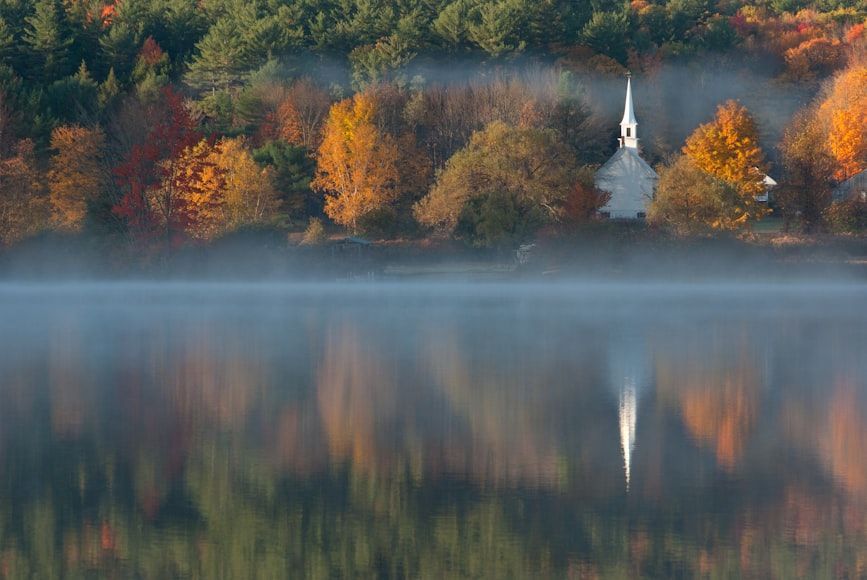
Image: Peter Lewis

The first settlements in New Hampshire were the result of land being granted to John Mason and Sir Ferdinando Gorges , neither of whom ever traveled to the region. Additional settlements in the area were established by colonists from Massachusetts Bay, who were unhappy with the strict Puritan rule of the colony.

Although John Mason had been born in Norfolk, he had ties to Hampshire County in South East England, after whom he decided to name his newly granted land . After Mason’s death, the region lacked a proper authority, and the settlers voted to be part of the Massachusetts Bay Colony. After the Civil War, the Province of New Hampshire was established by Charles II.

4
Maryland (1634)
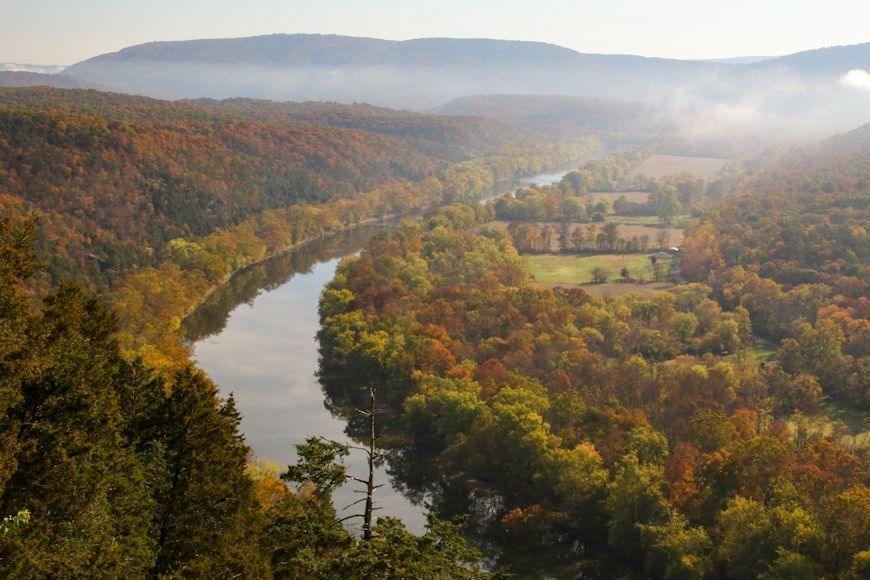
Image: Liz Guertin

A similar situation to the Massachusetts colony, Maryland was also established as a refuge from religious persecution, this time for Roman Catholics . With this purpose in mind, George Calvert, 1st Baron Baltimore, secured a land grant from Charles I. Despite several religious conflicts, Maryland remained one of the most tolerant colonies.

Maryland was named after Charles I’s wife, Henrietta Maria , who was a devout Catholic. Lord Baltimore had initially intended to use the name Crescentia (or ‘the land of growth’), but he decided to let the King choose the name. Charles named it Terra Mariae (Maria’s land), although the English version quickly became more widely used.

5
Connecticut (1636)
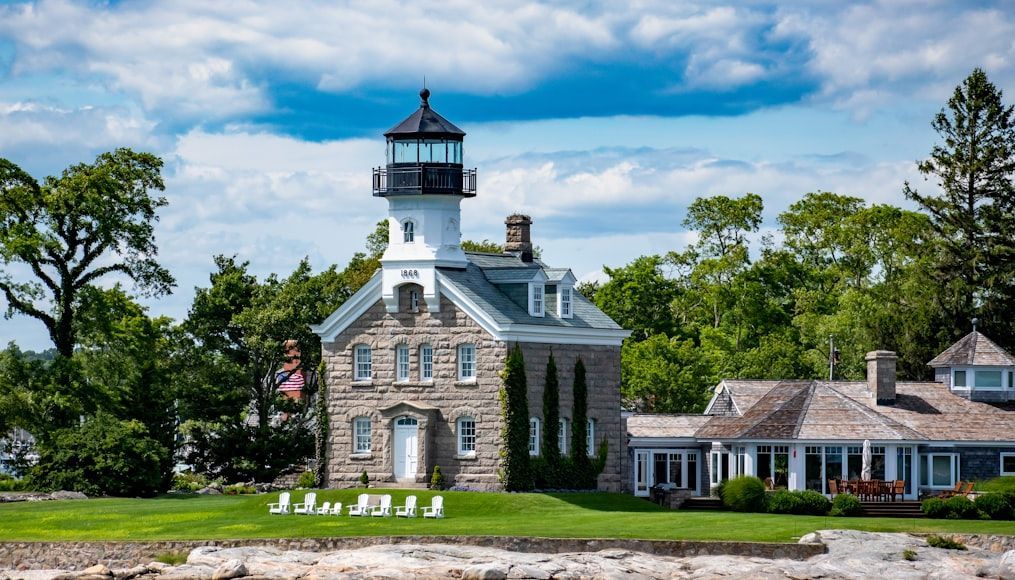
Image: Rusty Watson

The first settlements in the area were established by Dutch explorers, but English settlers soon arrived from the Plymouth colony in Massachusetts. The colony took its name from the Connecticut River , a corrupted form of the native words quinetucket and kwinitekw , meaning ‘beside the long, tidal river’.

Connecticut's current nickname, ‘the Constitution State’, is a reference to the Colony’s constitution, the Fundamental Orders of Connecticut , one of the earliest constitutions in modern history.

6
Rhode Island (1636)
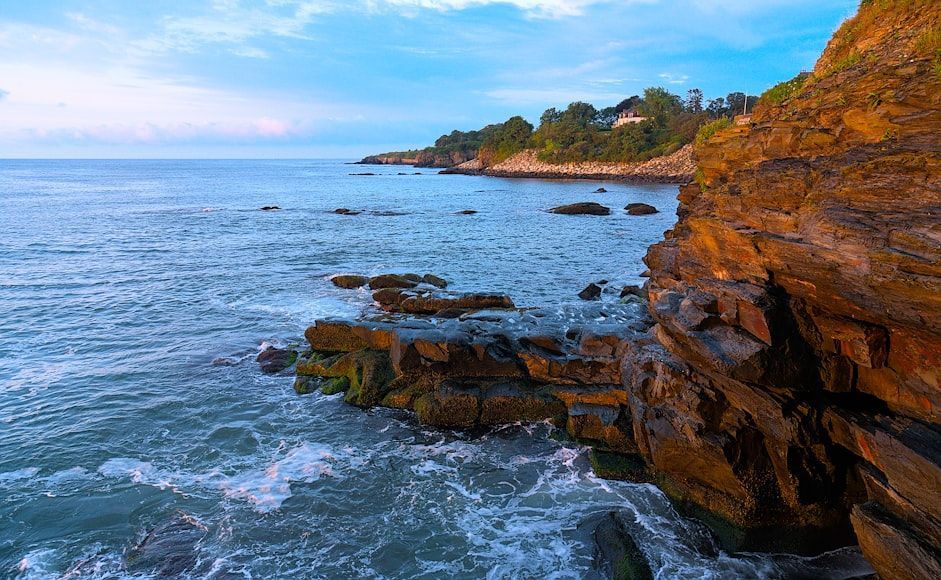
Image: Steve Anton

Founded by a Puritan minister who had been expelled from the Massachusetts Colony, Rhode Island was initially named Providence Plantations . Committed to ensuring religious freedom, it became a refuge for religious dissenters who found it difficult to live in the strict Puritan colonies. Later on, it merged with several other settlements —among them, Aquidneck Island, also known as Rhode Island— and took the name of the Colony of Rhode Island and Providence Plantations.

It’s uncertain where the name Rhode Island came from, but the two most likely theories cite either a connection with the Greek island of Rhodes or the Dutch phrase "een rodlich eylande" (‘a reddish island’) . All three names (Rhode Island, Island of Rhodes, and Red Island) are used in 17th-century documents.

7
North and South Carolina (1663)
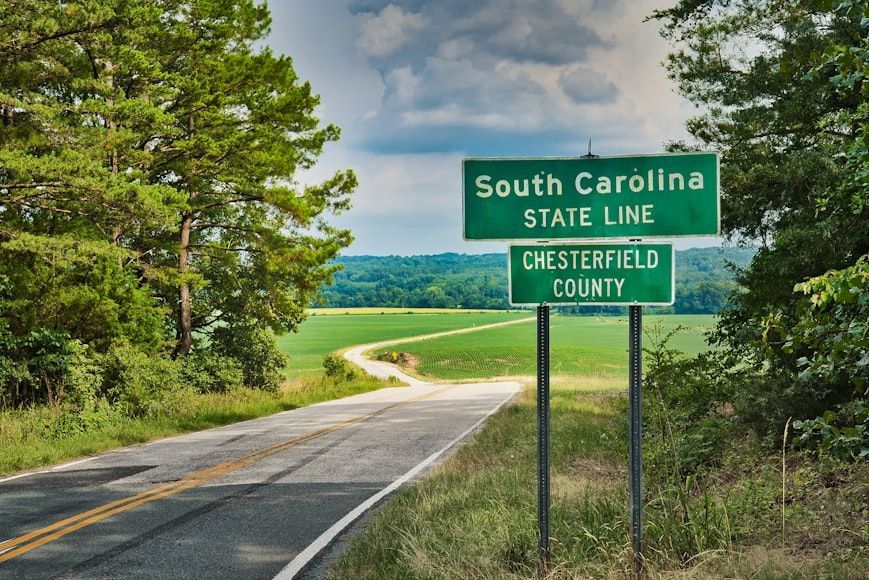
Image: Clint Patterson

Before there was a North and a South Carolina, there was just Carolina . The land of both colonies had been granted to various nobles as a reward for their role in the restoration of the monarchy. The charter granting the lands —which included areas from present-day North Carolina, Tennessee, South Carolina, Georgia, Alabama, Mississippi, and Florida— named them Carolina (from the Latin Carolus ) after King Charles I .

The area covered by the province of Carolina was divided into two distinct parts, and communication and transportation between the two proved difficult. A deputy governor for the northern region was initially appointed, but the noble proprietors eventually decided to divide the province into two , North Carolina and South Carolina.

8
New York (1664)
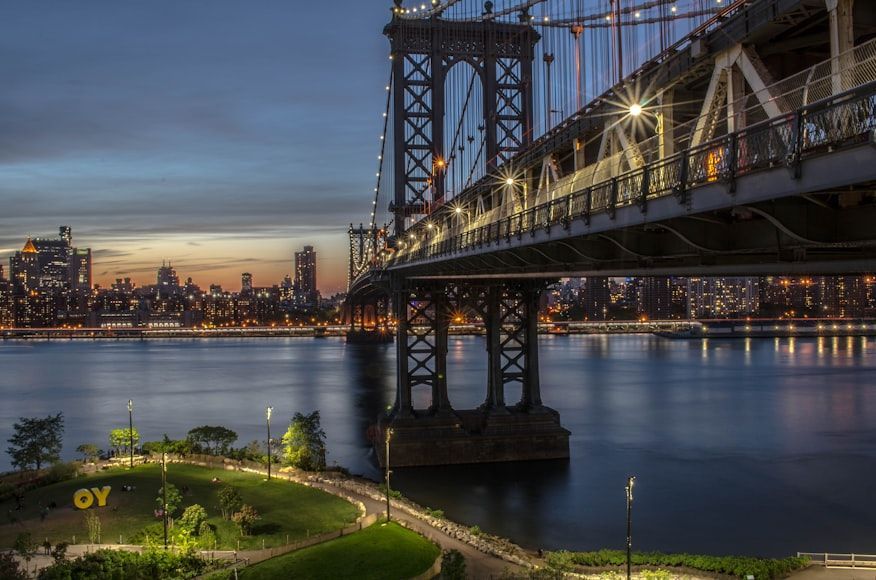
Image: Matthias Kinsella

It is a widely known fact that modern-day New York was initially colonized by Dutch settlers under the name ‘New Netherland’, with ‘New Amsterdam’ as its capital city . In 1664, King Charles II and his brother, the Duke of York, gathered a fleet to seize the New Netherland territories, a conquest disputed by the Dutch West India Company, the colony administrator.

The Duke of York was made proprietor of the territory, now renamed ‘New York’. In the following decade, the ownership of the territory was disputed, and the Dutch made several attempts to recover it. Eventually, the Treaty of Westminster was signed in 1674, where the Dutch forfeited the New York territories in exchange for the Suriname colony in South America.

9
Delaware (1664)
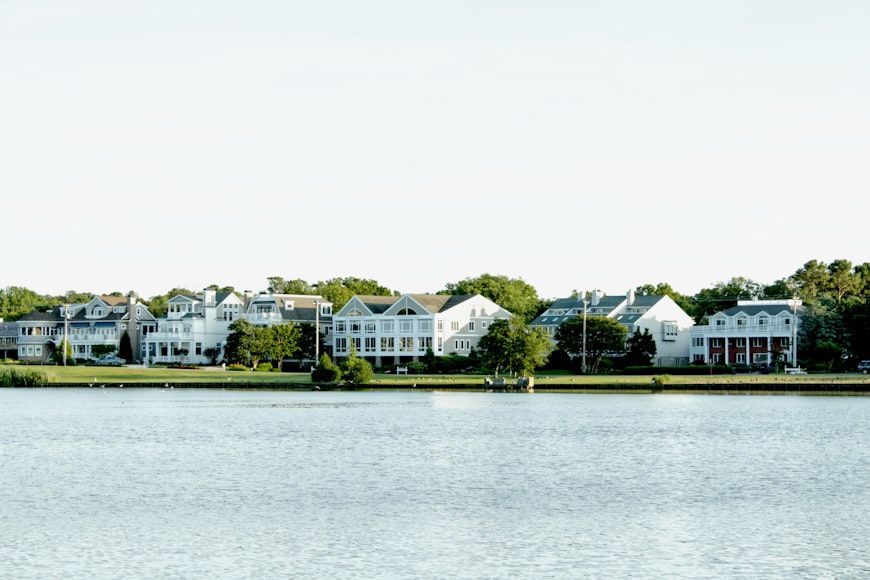
Image: Gökhan Kara

The territory of Delaware was originally part of New Netherland, which made it part of the New York Province after British conquest, but it was never effectively controlled by the New York government. These counties had taken their name from the neighboring Delaware River , which in turn had been named after Thomas West, 3rd Baron De La Warr, governor of Virginia at the time the English gained control of that territory.

While they were never a colony of their own, the Delaware counties had an independent legislature and functioned as a de facto colony. Later included in the land granted to William Penn, they refused to merge with the Pennsylvania government and were eventually granted their own assembly. At the start of the Revolutionary War, the Delaware assembly voted for separation from Britain, thus creating the state of Delaware.

10
New Jersey (1665)
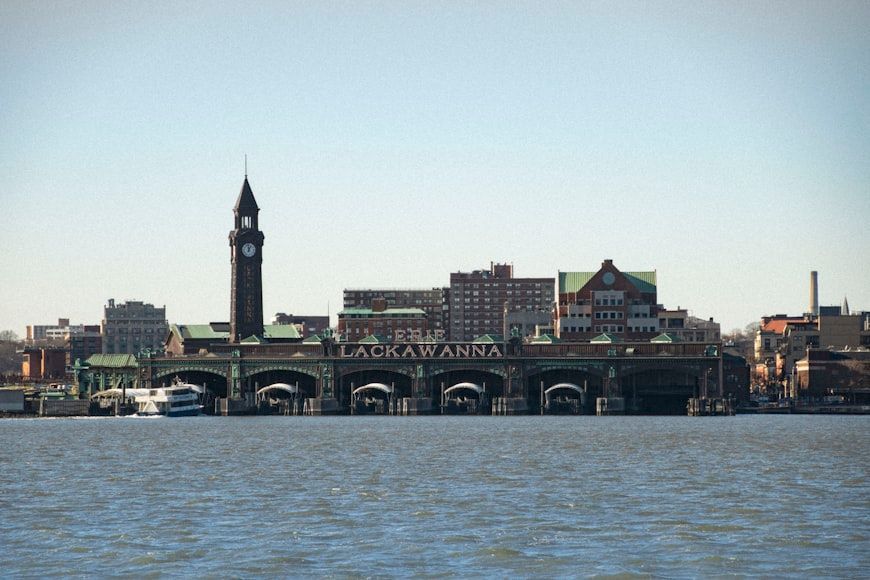
Image: R

Originally part of the New Netherland territory, half of the New Jersey territory was conferred by the Duke of York to Sir George Carteret as a reward, while the other half was sold to Lord Berkeley of Stratton. The territory was named after Carteret’s homeland, the island of Jersey .

A few years later, New Jersey was divided into two provinces, East and West Jersey , with their respective governors and constitutions, which were eventually incorporated into the New England Dominion, alongside the province of New York. However, the Dominion was dissolved after a few years, and the East and West Jersey territories were unified as the Province of New Jersey.

11
Pennsylvania (1681)
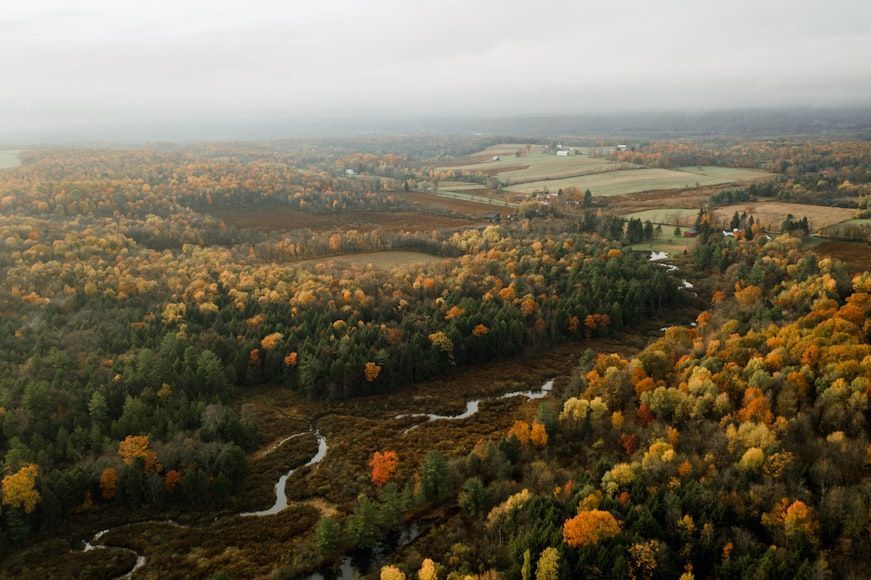
Image: Donnie Rosie

Pennsylvania, alongside Carolina, is one of the two major Restoration colonies, chartered by Charles II to reward loyal subjects after the war. In this case, it was conferred on William Penn, an influential Quaker thinker, to settle a debt owed to his father. Penn and his associates had already purchased most of the New Jersey territory to establish a Quaker haven, but religious tensions in England made him propose a mass emigration of Quakers to the King.

The king conferred Penn a large territory —which made him the largest private non-royal landowner— with almost absolute rights. While Penn intended to name the colony either ‘New Wales’ or ‘Sylvania’ (Latin for ‘forests’), the king named it Pennsylvania after Penn’s father . Penn personally travelled to the territory to establish the first settlements, signed treaties with the Lenape tribes of the area, and established a proto-constitution which guaranteed freedom of religion, elections, and trials by jury.

12
Georgia (1732)
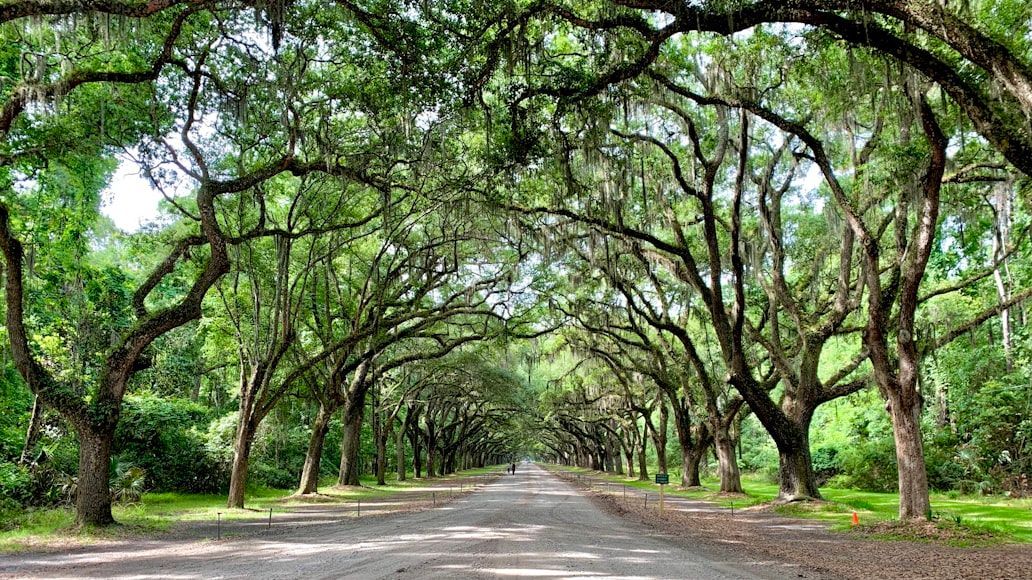
Image: Jacob Mathers

The last colony to be established, Georgia was chartered to James Oglethorpe by King George II, after whom it was named . A social reformer, Oglethorpe, wanted to establish the territory as a haven for debtors and poor people, and implemented measures such as the banning of alcohol and slavery. He also disliked the large plantation system, favoring smallholdings.

The colony was also intended to be a ‘buffer’ between the British colonies and the Spanish territories in Florida. Despite Oglethorpe’s well-intentioned designs, the colony was difficult to manage, and it was returned to the crown two decades later. Upon becoming a royal colony, Oglethorpe’s measures against slavery and the plantation system were overturned.

History History 3 min read

Have you experienced any coincidences?

12 incredible coincidences in American history

Image: Library of Congress

A coincidence is a remarkable concurrence of events or circumstances without an apparent causal connection. Most of us experience coincidences regularly, but they tend to be more ordinary—like discovering you’re wearing the same sweater as someone else in the room. The following 12 examples are much more extreme, and some even seem unbelievable, even though they are true. Read on and prepare to be amazed!

1
A Presidential curse

Image: David Everett Strickler

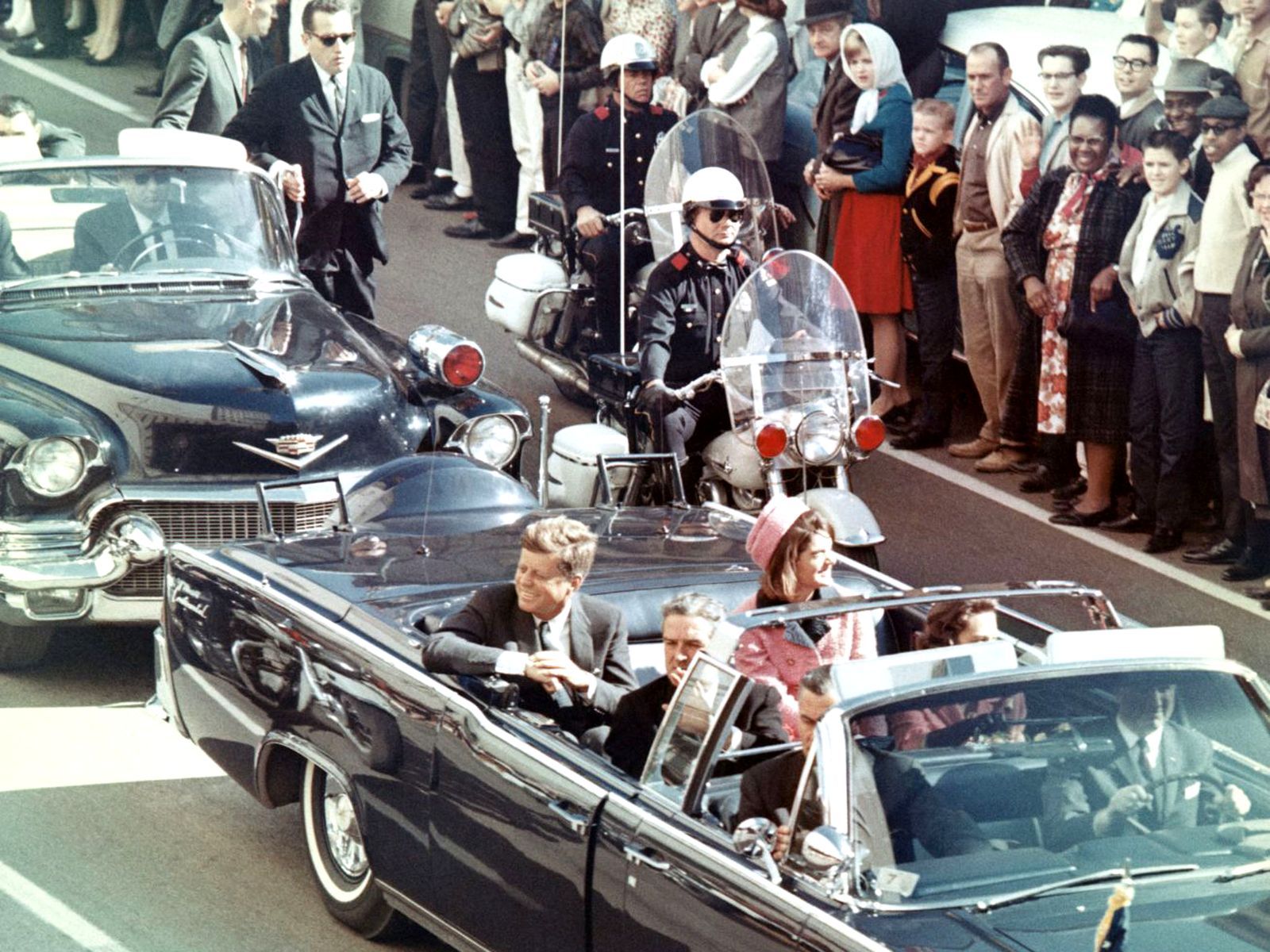
For almost 140 years, U.S. presidents elected in years ending in zero died while in office. It happened to William Henry Harrison (elected in 1840, died in 1841), Abraham Lincoln (elected in 1860, died in 1865), James A. Garfield (elected in 1880, died in 1881), William McKinley (re-elected in 1900, died in 1901), Warren G. Harding (elected in 1920, died in 1923), Franklin D. Roosevelt (elected to a third term in 1940 and a fourth in 1944, died in 1945), and John F. Kennedy (elected in 1960, died in 1963). Ronald Reagan, elected in 1980, broke the curse by surviving an assassination attempt.

2
Mark Twain and Halley’s Comet

Image: Justin Wolff

In the year Mark Twain was born, 1835, Halley’s Comet passed by Earth. The great writer famously predicted he’d "go out with it" as well . Indeed, he passed away in 1910, the next time the comet appeared.

3
Jefferson and Adams

Image: iStrfry , Marcus

A patriotic yet somber coincidence, indeed. John Adams and Thomas Jefferson, the second and third U.S. presidents, both died on July 4, 1826 —exactly 50 years after the signing of the Declaration of Independence.

4
Hoover Dam’s first and last casualties

Image: Ryan Thorpe

The construction of the Hoover Dam was a long and difficult process, claiming over 100 lives. The first person to die was J.G. Tierney , and the last recorded death was his son , Patrick Tierney.

5
Lincoln and Kennedy

Image: Kelli Dougal

Abraham Lincoln and John F. Kennedy were elected 100 years apart (1860 and 1960). Both suffered fatal head wounds and were succeeded by presidents named Johnson. Their assassins each had three names: John Wilkes Booth and Lee Harvey Oswald. Both were assassinated on a Friday while sitting next to their wives at the time that it happened.

6
Charles Francis Coghlan’s last journey

Image: Rhodi Lopez

Actor Charles Francis Coghlan died in Texas in 1899. But his casket was lost at sea during a hurricane. Eight years later, his coffin washed ashore near his birthplace in Prince Edward Island, Canada, more than 3,000 miles away.

7
The Titanic coincidence

Image: K. Mitch Hodge

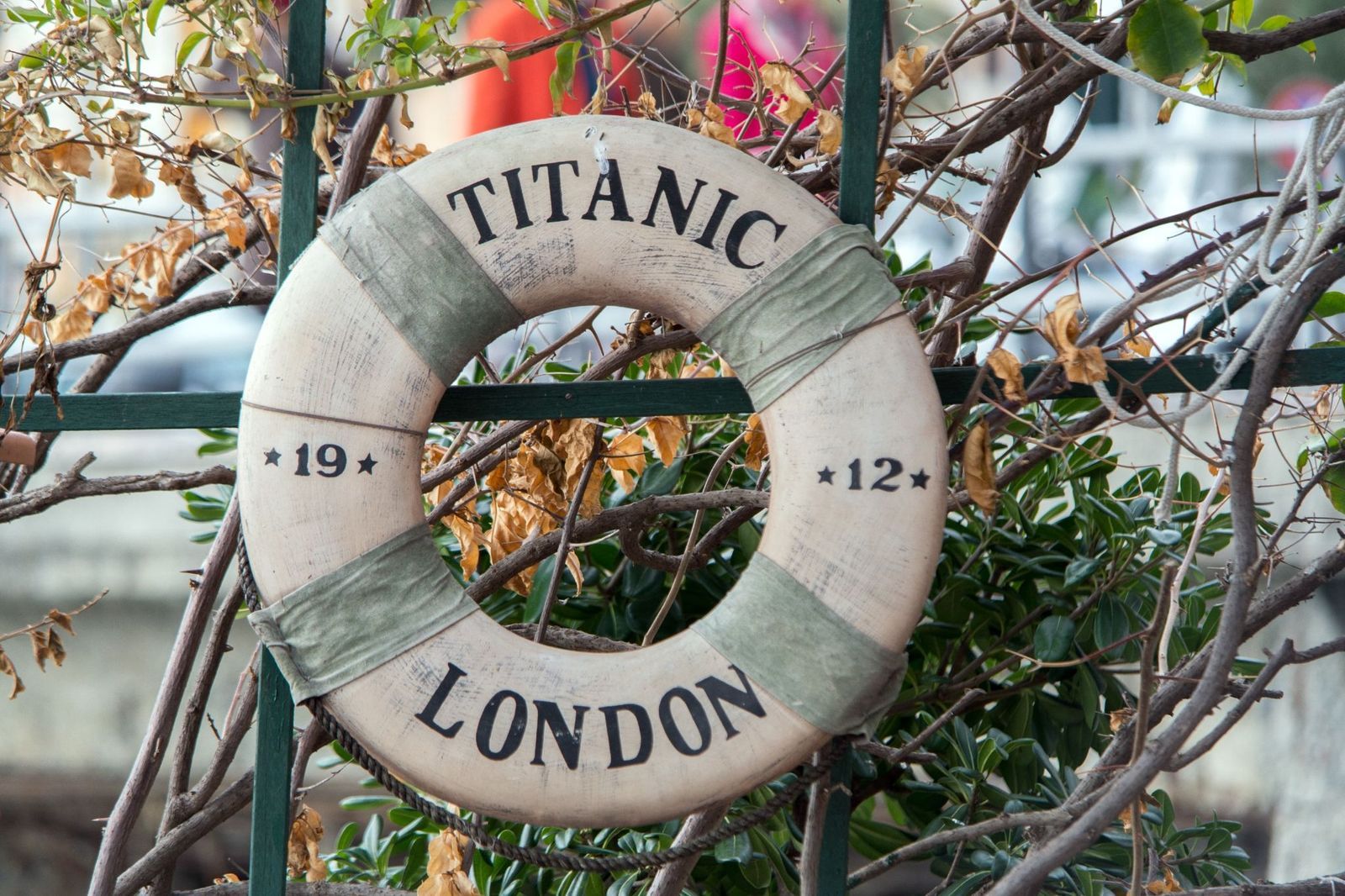
A few years before the Titanic sank, Morgan Robertson wrote a short book called Futility , about a massive "unsinkable" ship called the Titan that hit an iceberg and sank. The tale describes a ship with a similar size and a similar lack of lifeboats to the famous vessel.

8
Dennis the Menace

Image: Mitch Rosen

Two comic strips featuring a character named Dennis the Menace debuted in British and American outlets, respectively, on March 12, 1961—only a few hours apart. However, the two creators did not know each other and had no idea of the other’s work.

9
Jim Lewis and Jim Springer

Image: Vidar Nordli-Mathisen

Identical twin brothers separated at birth , Jim Lewis and Jim Springer, were reunited at age 39 and discovered many coincidences: both married women named Linda , divorced, and then remarried women named Betty. Both had dogs named Toy and drove the same model of car. Both grew up with an adopted brother named Larry and had sons whom they named James Allan.

10
Disney magic

Image: PAN XIAOZHEN

A soon-to-be-married couple, Alex and Donna , were looking through old photos to include in their wedding video. They found one photo of Donna posing on a childhood trip to Disney World in 1980. And in the background, they spotted Alex being pushed in a stroller by his father.

11
Moped meets taxi, twice

Image: Ruslan Bardash

In 1975, 17-year-old Erskine Lawrence Ebbin was struck by a taxi in Bermuda while riding his moped. A year later, his brother Neville , also 17 at the time, was riding the same moped when he was struck by the same taxi —with the same passenger—on the same street.

12
Lightning strike survivor

Image: Felix Mittermeier

Being hit by lightning is an extremely rare occurrence. Park ranger Roy Sullivan was struck not once, but seven times between 1942 and 1977 —and survived them all. The strikes hit him in a fire tower, in his truck, in his yard, while patrolling, and more. His unusual record earned him the nickname "Human Lightning Rod."

General General 4 min read

Not as common as you think

Aren’t doggy bags and tipping not the norm when dining abroad?

Image: Diane Picchiottino

Dining in the U.S. comes with its own set of unwritten rules. Many of these customs feel perfectly normal to Americans, but can surprise visitors from other parts of the world. From how meals are served to how bills are paid, there are many differences that we only notice when we visit other countries. Take a look at 12 of these habits you probably take for granted, but that are uncommon outside of the U.S.

1
Tipping is expected, not optional

Image: Sam Dan Truong

In the U.S., leaving a tip is considered part of the cost of the meal, not a bonus . Diners typically add 15 to 20 percent to the bill, especially in full-service restaurants.

This practice exists because many servers earn lower base wages and depend on tips. In many other countries, service charges are already included in the bill, making the American system feel unusual or even confusing.

2
Free refills are the norm

Image: Roman Kraft

Many American restaurants offer unlimited refills on soft drinks, iced tea, and coffee . Once you order a beverage, it often keeps coming at no extra cost.

Elsewhere, each drink is typically billed separately, and refills are rarely free. For visitors to the U.S., this can feel surprisingly generous compared to their dining experiences at home.

3
Ice comes with everything

Image: Giorgio Trovato

In the U.S., drinks are often served filled with ice, whether it’s soda, water, or even juice . It’s considered a refreshing standard, especially in warmer climates.

In many other countries, ice is used sparingly or avoided altogether. Some people prefer drinks at room temperature, making the American preference for ice stand out immediately.

4
Portions are huge

Image: Sanjip Kadel

American restaurant portions are known for their size. Many meals are large enough to serve more than one person or to provide leftovers for later .

In contrast, other countries tend to serve smaller, more balanced portions. The American approach reflects a culture of abundance, but it can be unexpected for first-time visitors.

5
Taking leftovers home is typical

Image: Roberto Catarinicchia

Asking for a take-home container, also known as a "doggy bag," is a normal part of dining in the U.S. Restaurants are prepared for it, and many people expect to leave with leftovers.

In some countries, this practice is less common or even discouraged. The American "doggy bag" reflects both larger portion sizes and a practical approach to reducing food waste.

6
Waiters check in frequently

Image: Negley Stockman

In the U.S., servers often return to the table several times during a meal . They may ask how everything tastes, refill drinks, or check whether anything else is needed.

While meant to be attentive, this can feel intrusive to foreign visitors. In many other cultures, less interruption is preferred, and diners typically signal the server only when necessary.

7
Customizing your order is normal

Image: Artur Tumasjan

In the U.S., it's common to request changes to a dish, such as removing ingredients or adding extras . Restaurants are usually flexible and expect these requests.

In other parts of the world, altering a menu item may be frowned upon. The American habit reflects a strong emphasis on personal choice and individual preferences.

8
Tap water is served automatically

Image: Sugarman Joe

In American restaurants, a glass of tap water is often brought to the table without being requested . It is typically free and refilled throughout the meal.

In many other countries, bottled water is the default and must be ordered separately.

9
Meals tend to move quickly

Image: Louis Hansel

Dining in the U.S. often follows a faster pace. Food arrives quickly, and the bill may be brought shortly after the meal is finished .

In contrast, in many other cultures, meals are meant to be long, relaxed experiences. The American approach reflects efficiency and a faster daily rhythm.

10
Splitting the bill is common

Image: Vitaly Gariev

In the U.S., restaurants commonly allow separate checks , making it easy for each person to pay their share. This is especially helpful in group settings.

In many other countries, splitting the bill can be more complicated or is actively discouraged. The American system emphasizes convenience and individual responsibility at the table.

11
Sweet foods are common at breakfast

Image: Brian J. Tromp

Breakfast in the U.S. often includes sweet items such as pancakes, waffles, pastries, or cereal, alongside eggs, bacon, and toast. Syrup and sugar are common additions at the start of the day.

In many other countries, breakfasts tend to be exclusively savory, featuring foods like bread, cheese, or eggs. The American preference for sweetness can feel like a treat to visitors.

12
Dining is generally casual

Image: Dan Gold

While there are many exceptions at five-star, fine dining establishments, American dining culture is typically relaxed, with fewer formal rules about dress or behavior . People often eat out in casual clothing and informal settings.

In other countries, meals, especially dinner, can be more formal events. The American style reflects a focus on comfort rather than tradition.

Explore more American facts

Choose your favorite category!

General
General

As American as apple pie—the very best America has to offer!

Culture
Culture

Delve into the astounding richness of American lore.

Geography
Geography

Hop in and explore vast and diverse American landscapes.

History
History

Discover the key moments that shaped the United States.