Culture Culture 6 min read

Simplier traditions

10 American traditions younger generations will never truly understand
Image: Jackson Barger

Do you remember flipping through the Sears "Wish Book" before Christmas and circling everything you wanted? Or when families planned their evenings around a TV schedule? Maybe it's been a while since you've had to wait to get your vacation photos developed, not knowing until days later whether the pictures even came out. Somewhere along the way, most of these familiar routines, traditions, and little shared experiences quietly disappeared from everyday life. Here are 10 customs that younger generations may never experience, but that millions of Americans once grew up with.

1
Watching TV together at a fixed time

Image: shutterstock

Back when the only screen in the house was the TV in the living room, families gathered every night to watch their favorite shows at a specific time.

Long before streaming services let us pause, rewind, skip commercials, binge, or watch on demand, families built their evenings around the TV schedule. Shows like I Love Lucy , The Ed Sullivan Show , and later M A S H and The Cosby Show gave millions of Americans something to laugh and talk about together the next day. By the 2000s, though, that shared experience began to fade. With endless entertainment available anytime on phones, tablets, and computers, families no longer had to gather around one screen at one set hour.

2
Drive-in movies
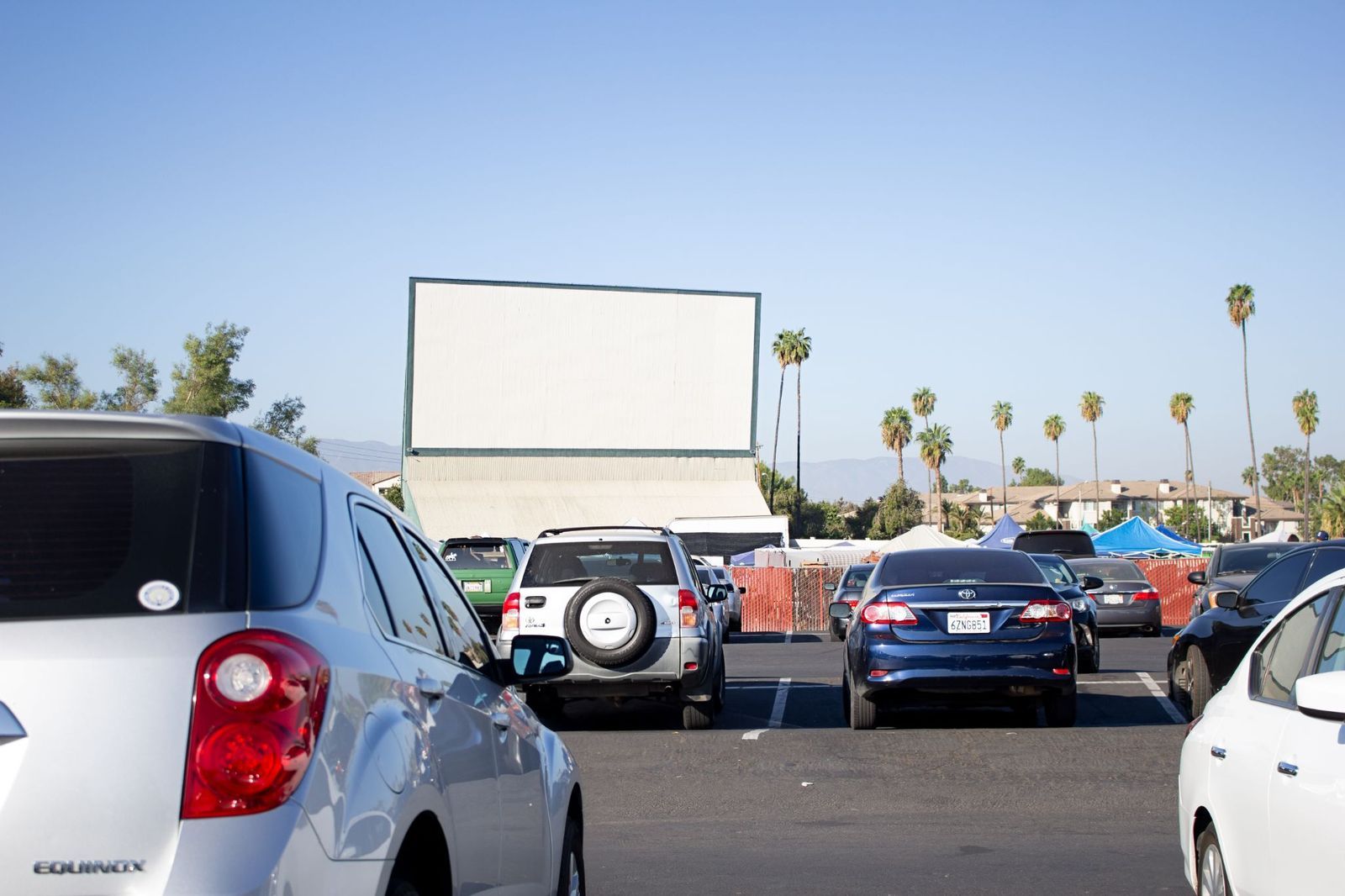
Image: shutterstock

A night at the drive-in was about much more than just watching a movie. Families piled into the car with blankets and snacks, kids often already wearing their pajamas, while teenagers saw it as the perfect date night. It was a kind of movie experience that today’s theaters can’t quite recreate.

But beginning in the 1970s, many drive-ins started disappearing. Growing suburban property values made those huge lots that provided low-cost entertainment harder to maintain, while cable TV and VHS gave families an easier and cheaper option: staying home to watch movies instead. Despite all this, drive-ins didn’t disappear completely. Around 300 are still operating across the country today, including famous spots like Bengies Drive-In Theatre in Middle River, Maryland, home to one of the largest movie screens in America, at 52 feet high by 120 feet wide.

3
Browsing the Sears catalog before Christmas
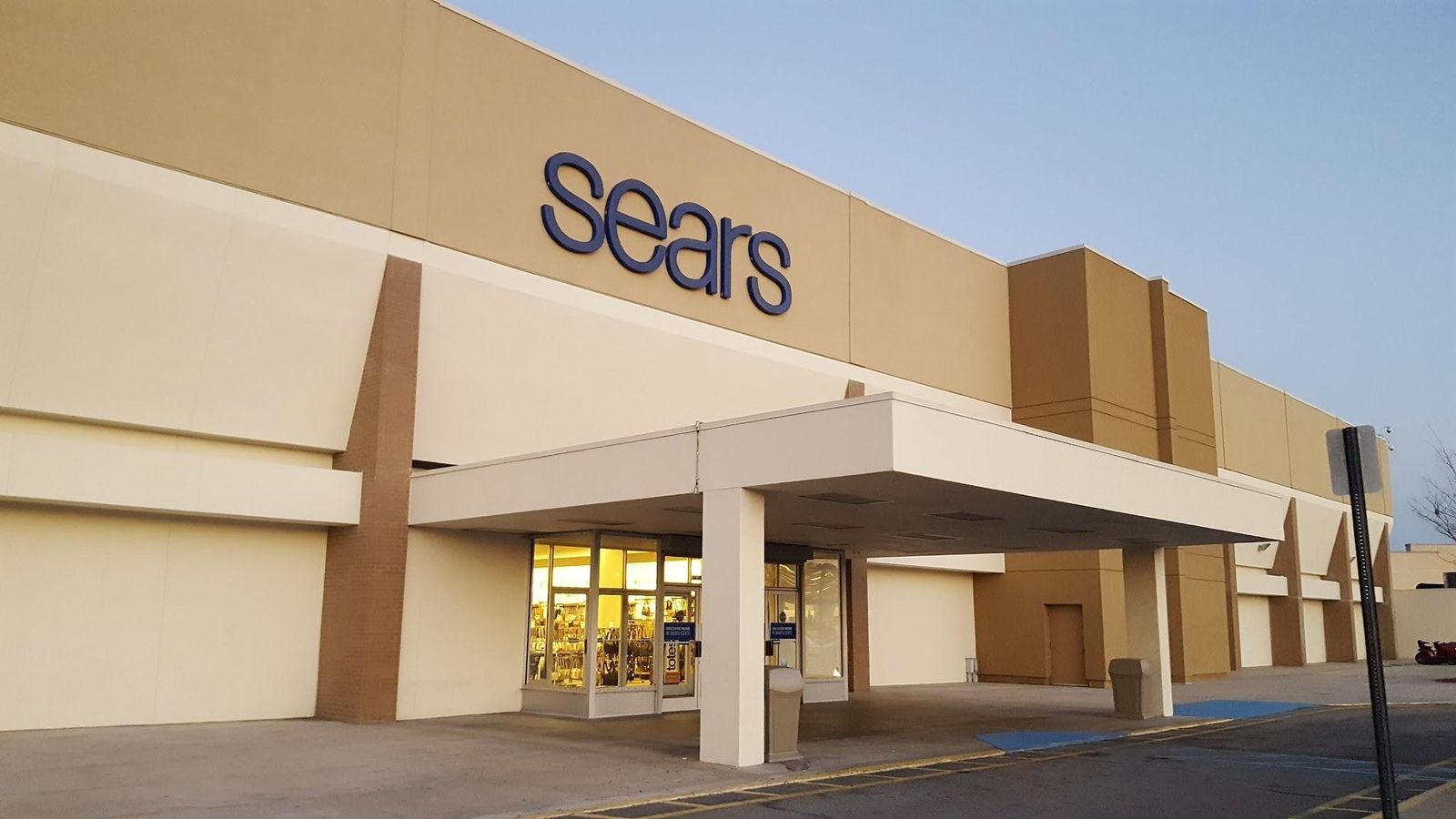
Image: Mike Kalasnik from Jersey City, USA, CC BY-SA 2.0, via Wikimedia Commons

Long before Amazon, we had another way to shop remotely: the famous Sears catalog. For many families, the arrival of the Sears Christmas "Wish Book" was one of the signs that the holiday season had begun.

Kids spent hours flipping through its pages, circling toys they dreamed of, while parents browsed everything from clothes and appliances to tools and furniture. You filled out an order form, mailed in a check, and waited for your package to arrive. First introduced in 1933, the beloved Wish Book remained a holiday tradition for generations, but as online shopping grew and Sears struggled to keep up with changing times, the iconic catalog slowly disappeared before being discontinued in 2011.

4
Larger celebrations

Image: Nadia Valko

Years ago, holidays like Christmas and Thanksgiving often meant one thing: the whole family gathering in one house. The turkey had to be big enough for everyone, and folding tables appeared out of nowhere for cousins, grandparents, aunts, and uncles.

Holiday gatherings are still an important American tradition, but they are often smaller than they used to be. Today, many families celebrate with only close relatives or a few friends instead of the massive family reunions. And there’s something that explains part of this phenomenon: in earlier generations, these holidays were one of the few chances extended families had to truly reconnect. Long-distance calls were expensive, travel was harder, and there were no video calls to keep everyone in touch year-round. Ironically, even though we were far apart, we actually saw each other in person more often.

5
Waiting for photos to be developed
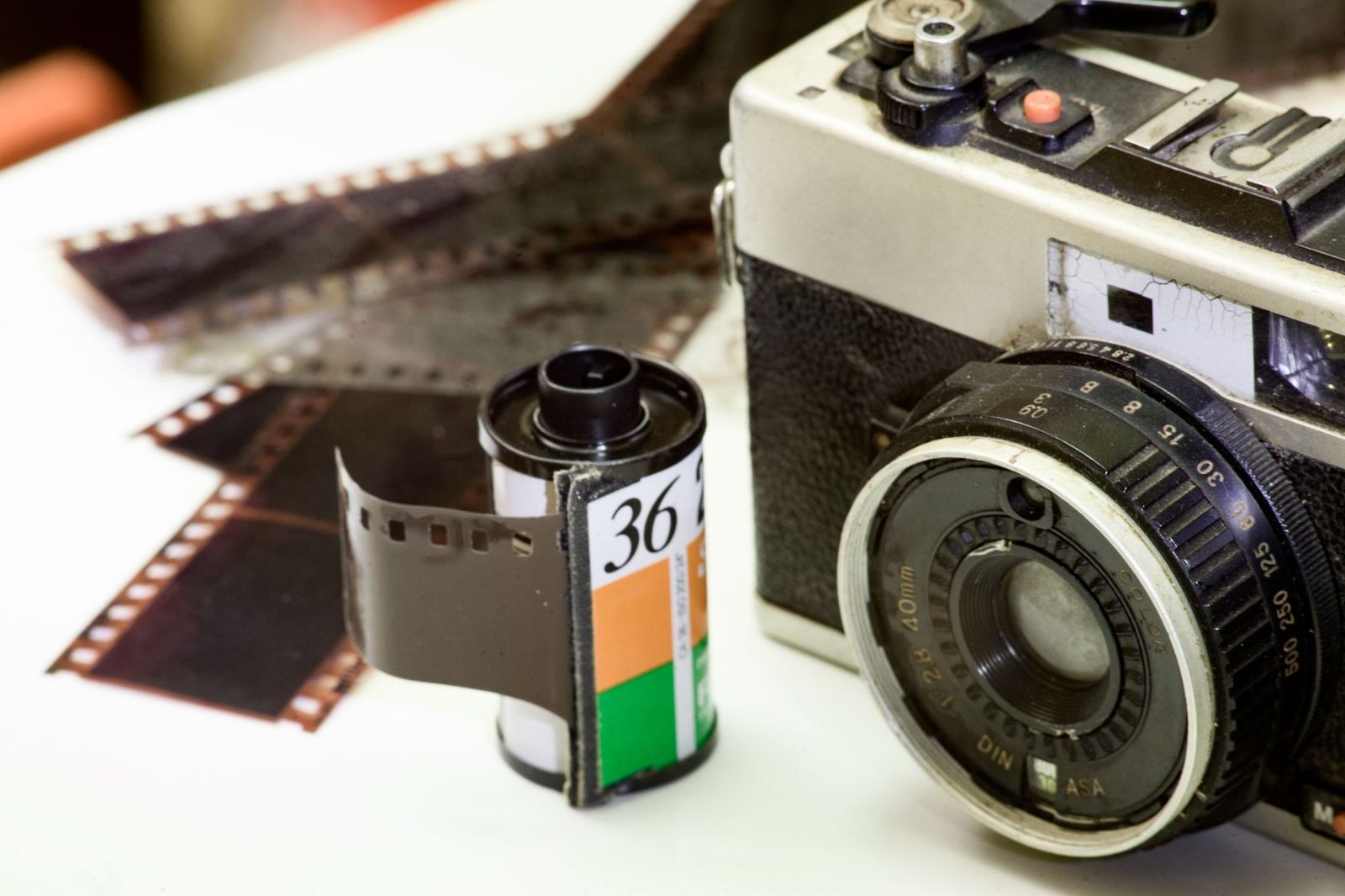
Image: shutterstock

For much of the 20th century, capturing memories meant waiting days, sometimes weeks, for vacation and holiday photos to be developed. And that wait was part of the fun. There was always a little excitement in wondering how the pictures had turned out, along with the surprise of discovering funny or beautiful moments you didn’t even remember capturing.

Those photos didn’t stay buried in a phone gallery; they filled family albums, sat in frames around the house, and became something families pulled out to relive old memories. But beginning in the 1980s, instant cameras like Polaroid and later digital photography slowly changed all that. Today, we can instantly take and keep thousands of pictures, but nothing compares to the analog experience.

6
Popping over to a friend’s house unannounced

Image: shutterstock

Young people today often wonder how we made plans, checked if friends were home, or stayed connected before cell phones. The answer is as simple as life was back then: people just showed up.

Before texting and instant messaging, it was completely normal to stop by a friend’s or neighbor’s house unannounced, ring the doorbell, and see if they were around. Today, with constant digital communication, that kind of spontaneity has largely faded. Sometimes, showing up without warning is now seen as rude rather than friendly. But in many ways, that shift makes sense: busier schedules and a greater need for privacy have naturally led to a more planned way of life.

7
Sending Christmas cards and holiday postcards
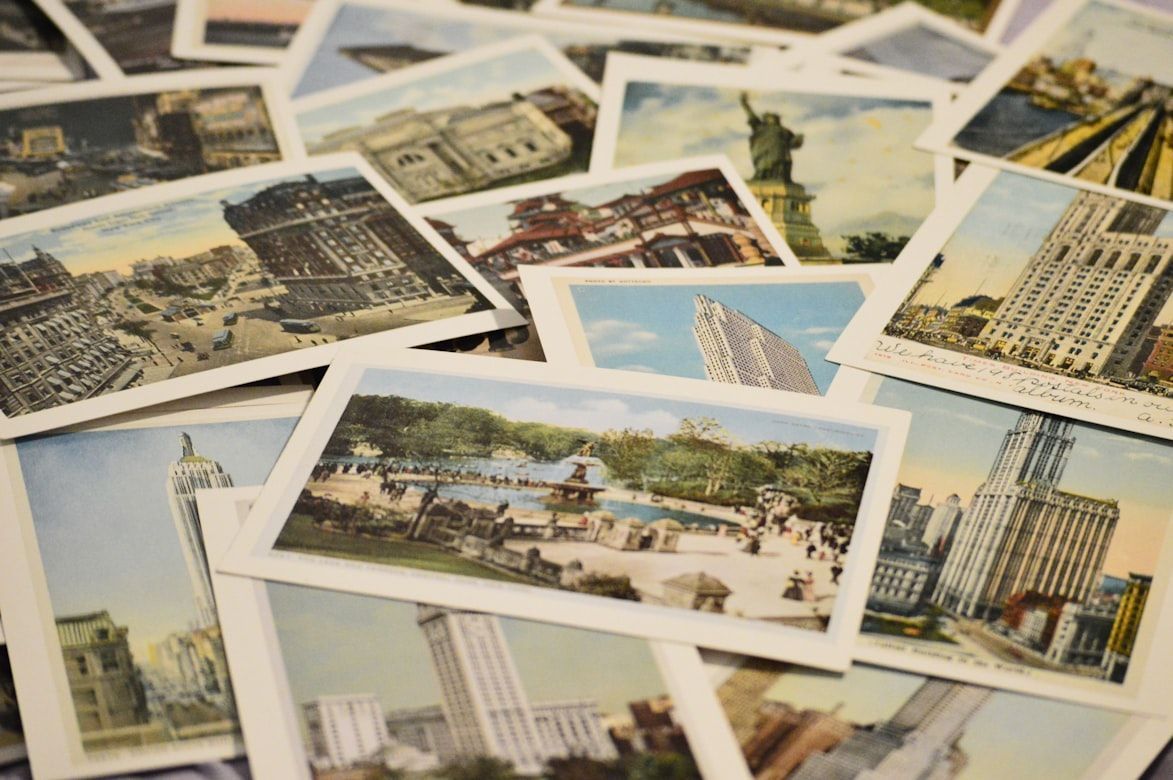
Image: Becky Phan

Long before emails, group chats, and social media, sending Christmas cards and postcards was one of the most common ways we stayed connected during the holidays.

Although the tradition began in Britain, it truly took off in the US in the 1870s, thanks in large part to German immigrant Louis Prang, whose beautifully printed Christmas cards became wildly popular across the country. By the early 20th century, mailing holiday cards had become a cherished American tradition, with families eagerly checking the mailbox throughout December. The custom is still alive today, but it is no longer as central to the holiday season as it once was. Even so, we still send an estimated 1.3 to 1.6 billion Christmas and holiday cards every year.

8
Using paper road maps
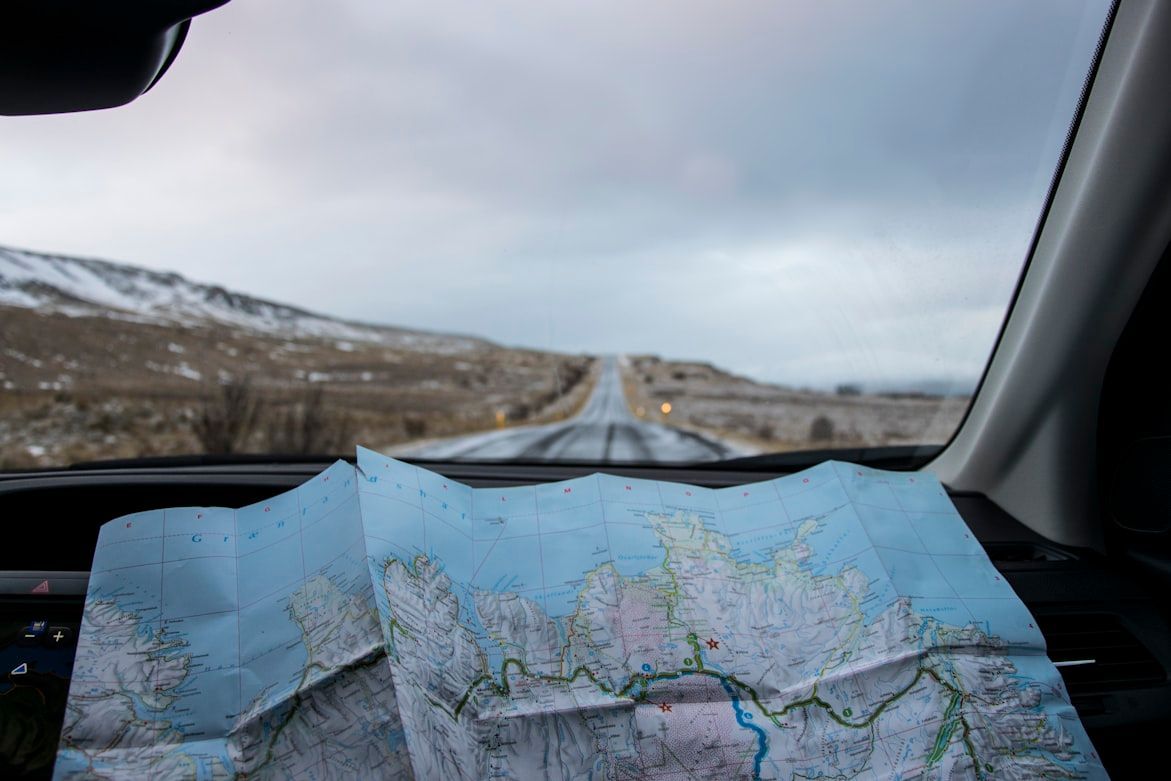
Image: Tabea Schimpf

For decades, almost every car had one thing tucked inside the glove compartment: a folded paper road map. Long before GPS and smartphones, knowing how to read a map was a requirement for any traveler.

Gas stations often gave them away for free, and on family road trips, one person usually drove while another tried to follow the route and give directions, sometimes correctly, sometimes not. Getting lost, arguing over the map, and struggling to fold it back up were all part of the experience.

9
Midnight Black Friday shopping

Image: freestocks

Do you remember when people spent a night outside stores, waiting for the doors to open on Black Friday? As the shopping frenzy grew in the late 2000s, major retailers like Target, Best Buy, and Macy’s pushed their opening hours earlier and earlier, until many stores were opening right at midnight.

Shoppers bundled up in coats, stood in long lines, and rushed through the doors to grab the year’s hottest TVs, toys, and holiday gifts before they sold out. It was chaotic, exhausting, and for many, surprisingly fun. But once online shopping and home delivery became faster and easier, those midnight shopping crowds slowly began to disappear. By the 2010s, the tradition was already fading away.

10
Door-to-door caroling
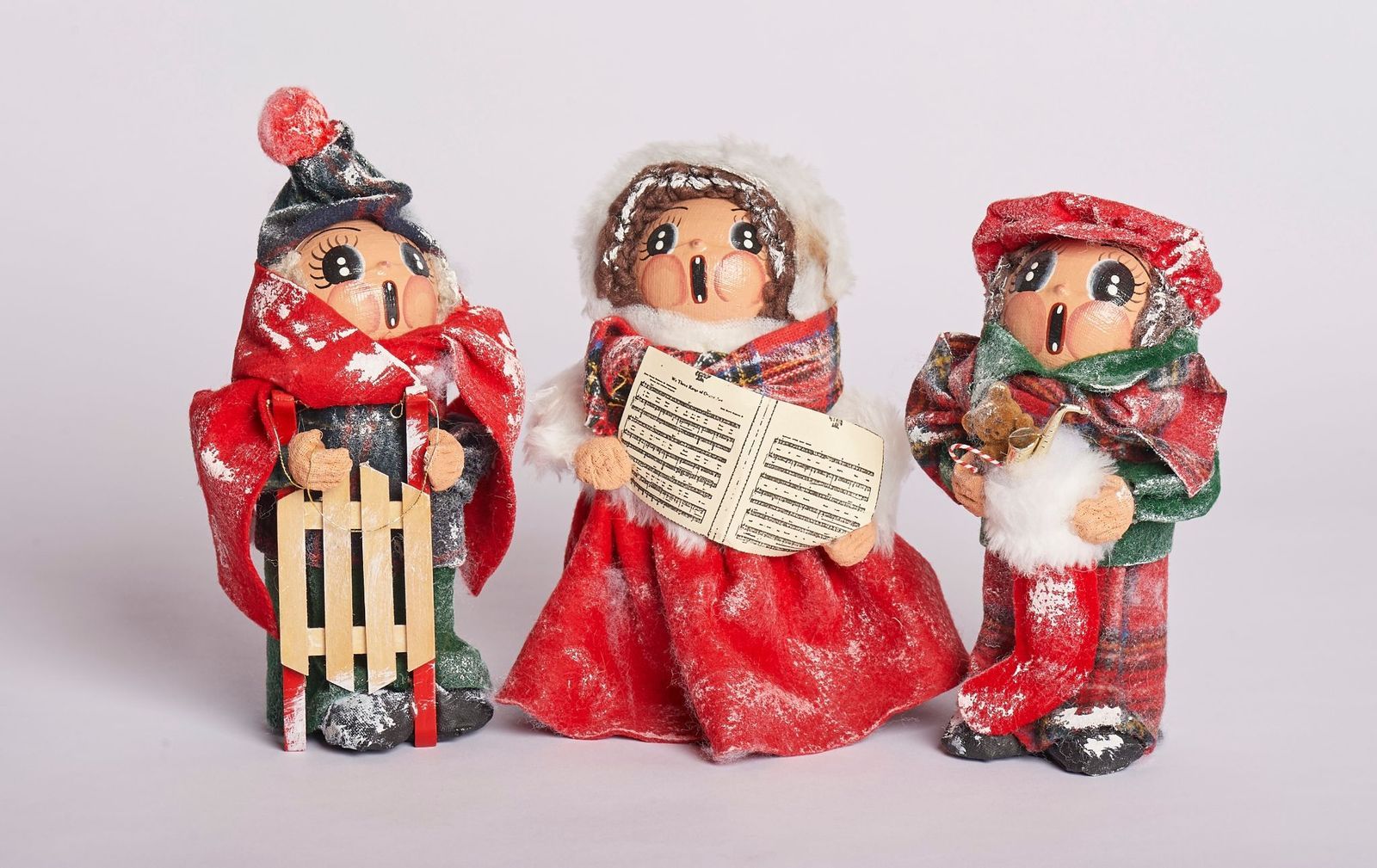
Image: shutterstock

A few decades ago, opening the door during Christmastime often meant being greeted by neighbors or local groups singing carols. From the late 19th into the early 20th century, caroling was a community tradition, with churches, schools, and neighborhoods organizing routes.

Over time, the tradition began to fade. As cities grew and daily life became more fast-paced, privacy and safety concerns changed how people interacted with their neighbors. Today, door-to-door caroling is much less common, though it still survives in some communities. But America still loves the music: According to the market research company "YouGov," about 75% say they listen to holiday songs or carols at home during the season.
History History 5 min read

What First Lady was accused of bigamy? 10 political crises

Image: EQRoy

From the founding era to the turn of the 21st century, political scandals have shaped public trust and dismantled entire careers. Looking back at ten of the most notorious political crises in American history reveals how the intersection of media and culture forces the nation to look in the mirror.

1
Rachel Jackson: A "Bigamy" scandal (1820s)

Image: L. Bernie Gallaher, Public domain, via Wikimedia Commons

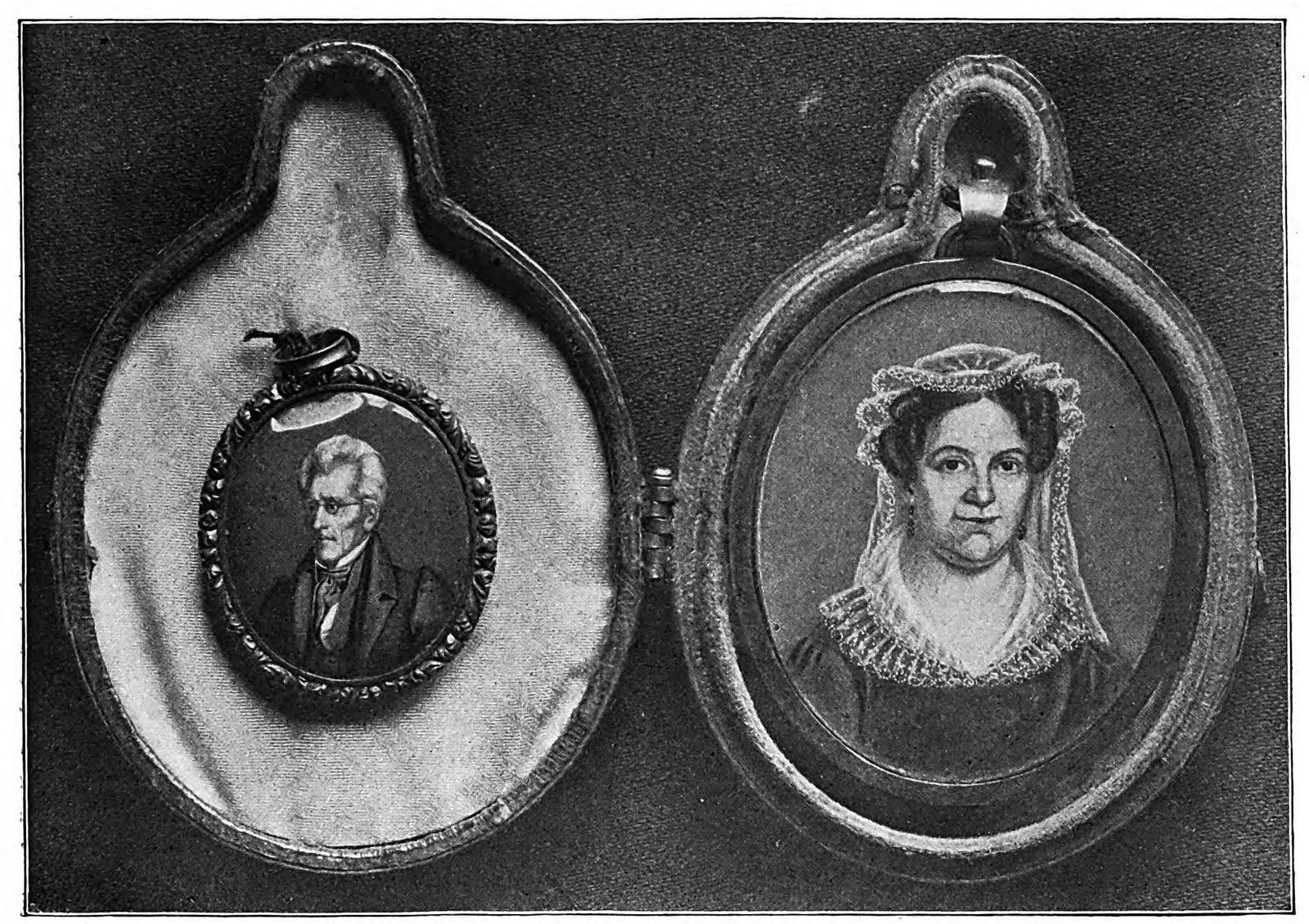
In 1791, a young Andrew Jackson married Rachel Donelson. Both believed her first husband, Captain Lewis Robards, had successfully finalized their divorce. Apparently, Robards didn’t file the petition, making her marriage to Jackson technically bigamous. Once the divorce went through in 1794, they officially remarried.

During the 1828 presidential campaign, Jackson’s political opponents used this legal mistake against him. They branded Rachel a loose woman and a bigamist in pamphlets scattered across the country. The intense public shaming broke her spirit and deteriorated her health. She suffered a fatal heart attack just days before Jackson’s inauguration, leaving the newly elected president heartbroken and extremely bitter toward his political rivals for the rest of his life.

2
Grover Cleveland’s illegitimate child (1884)

Image: Frank Beard, Public domain, via Wikimedia Commons

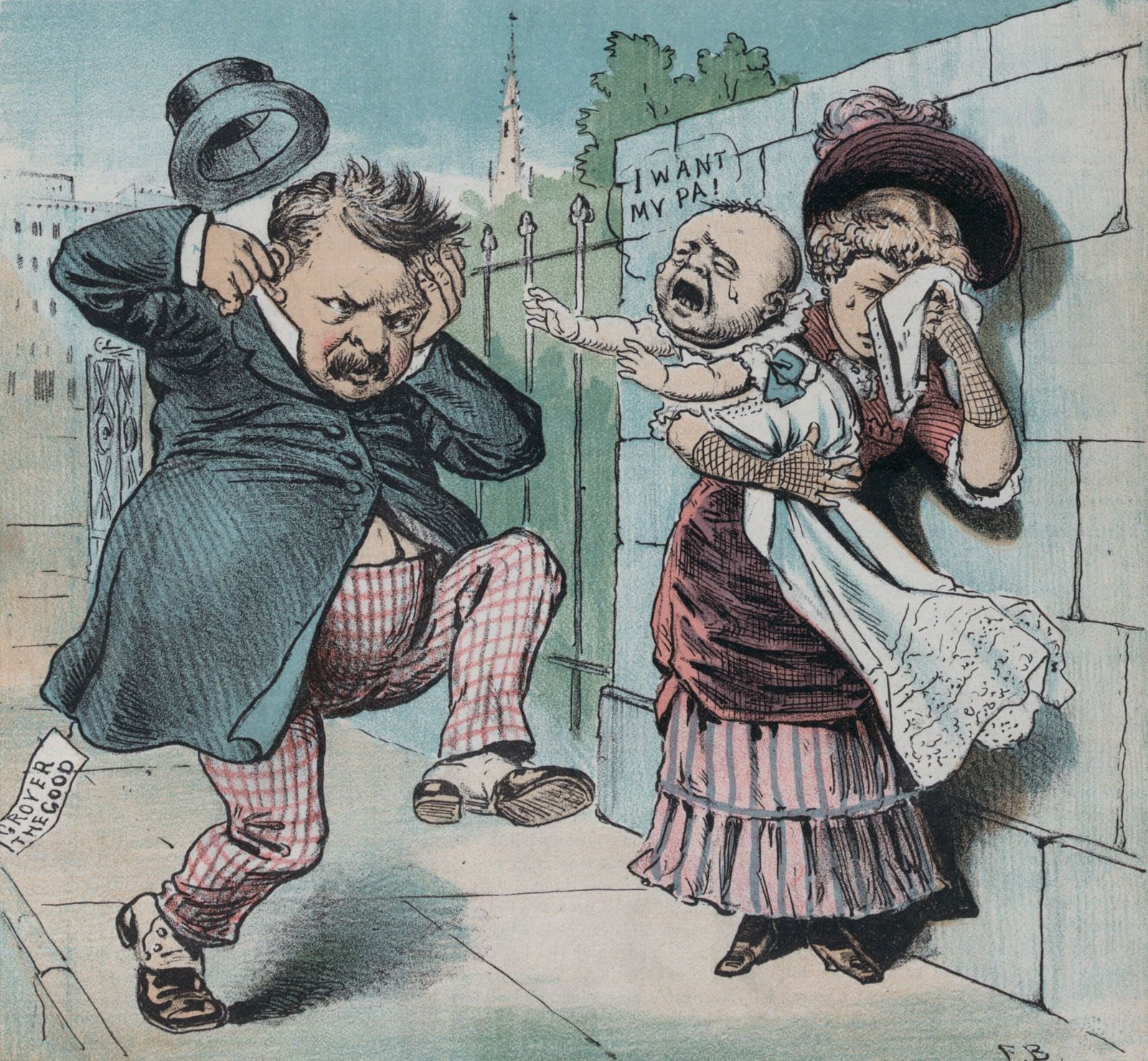
Decades later, another personal bombshell rocked another presidential race. Republican opponents revealed that Democratic nominee Grover Cleveland, a bachelor praised for his integrity, had fathered a child out of wedlock with a widow called Maria Halpin ten years before.

Republicans paraded through the streets chanting, "Ma, Ma, where’s my Pa?" Instead of denying the affair or trying to bury it, Cleveland instructed his campaign managers to do something radical: "Tell the truth." He admitted to supporting the child financially. His honesty caught his opponents off guard and won over voters who were tired of such dirty political tactics.

3
The Crédit Mobilier scandal (1872)

Image: Joseph Keppler, Public domain, via Wikimedia Commons

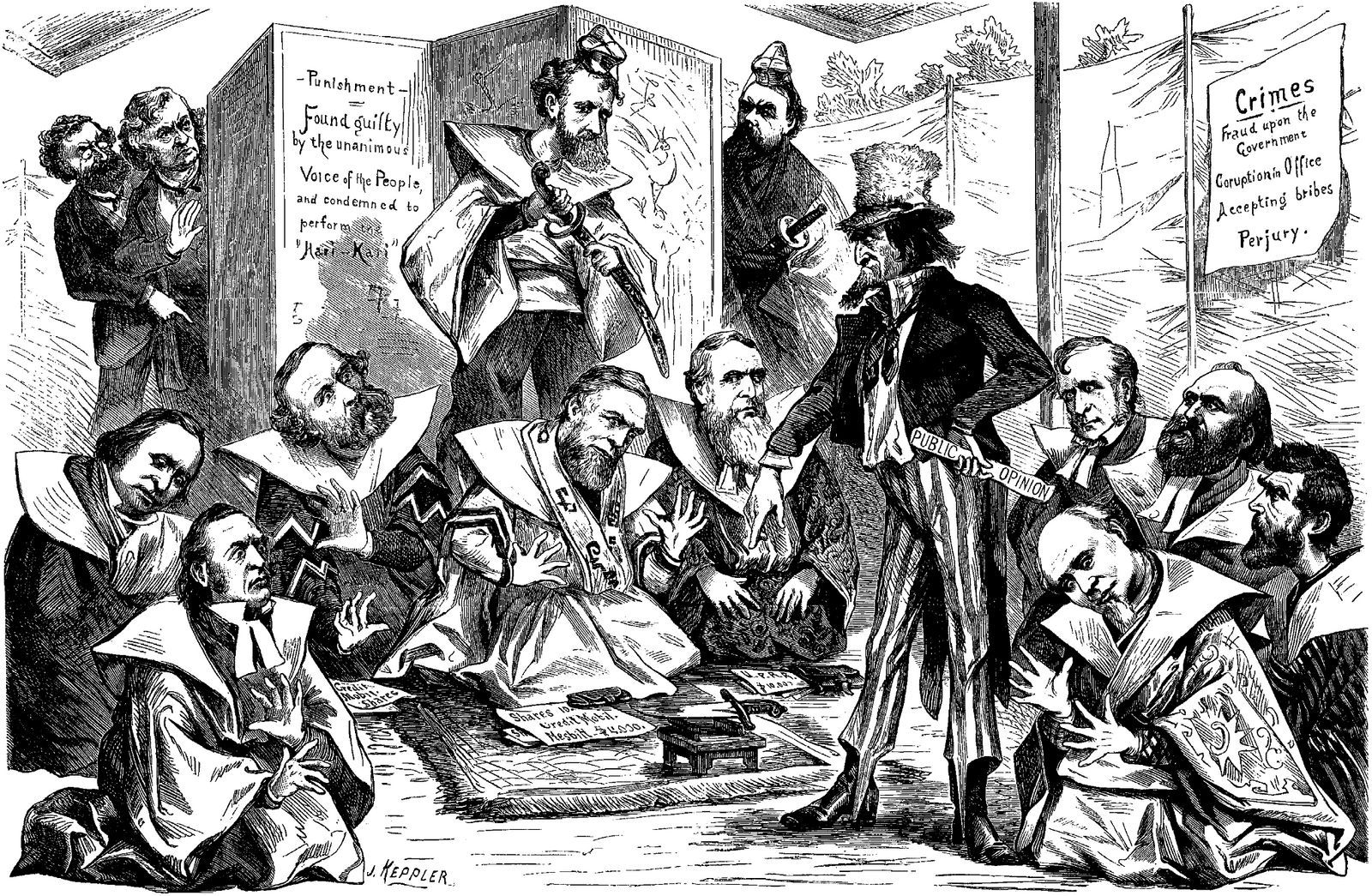
This particular scandal stands as one of the most shameless corporate schemes of the Gilded Age. Stockholders of the Union Pacific Railroad formed a fraudulent construction company called Crédit Mobilier of America . Then, they hired themselves to build the transcontinental railroad at inflated prices, pocketing tens of millions of dollars in federal subsidies.

To prevent Congress from investigating their profit margins, Congressman Oakes Ames distributed discounted shares of the company’s stock to influential politicians, including Vice President Schuyler Colfax. When the press exposed the story in 1872, the revelation that lawmakers were bribing themselves tarnished the legacy of the Ulysses S. Grant administration.

4
The Whiskey Ring scandal (1875)

Image: Cornell University Library, No restrictions, via Wikimedia Commons

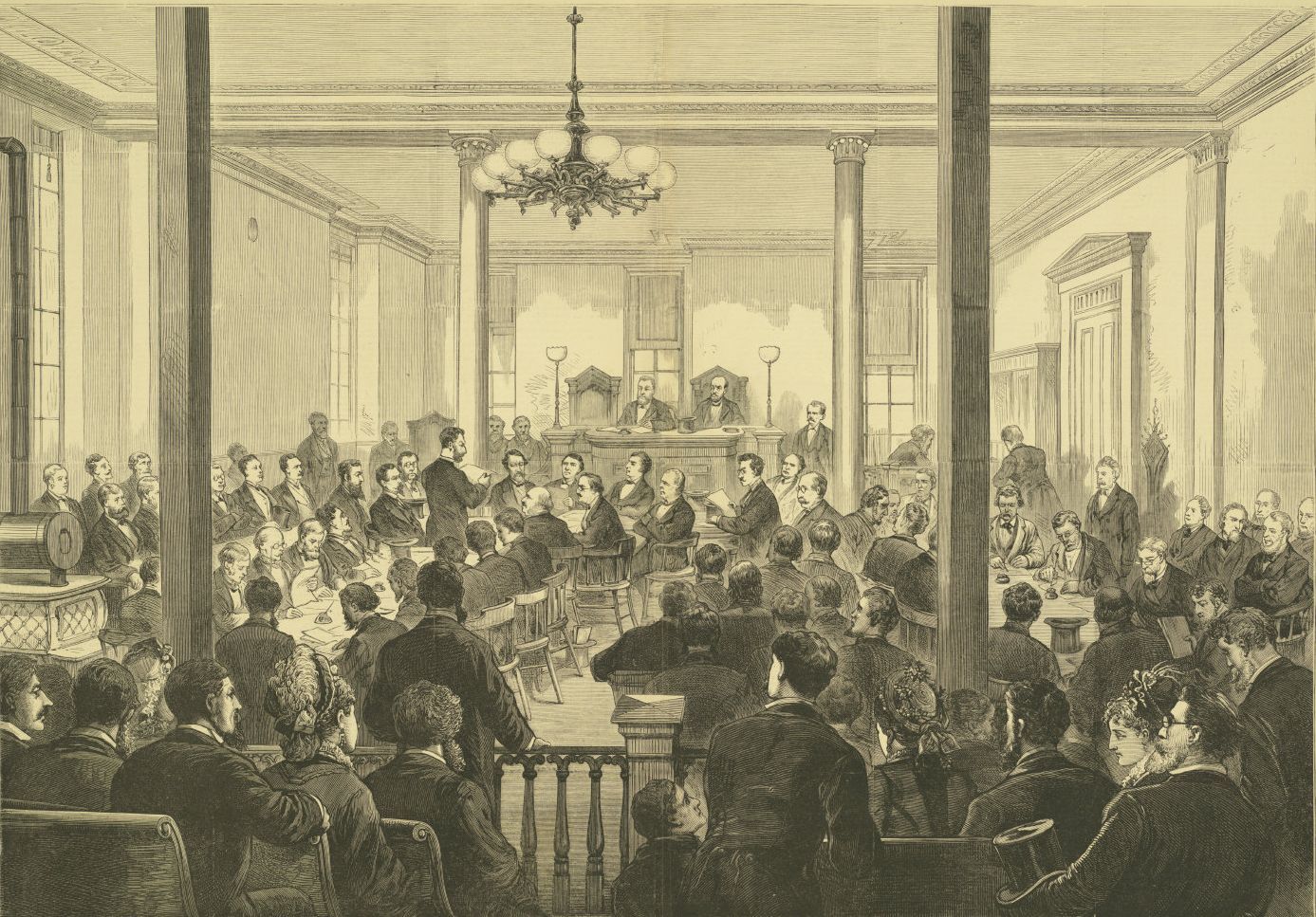
A few years later, another financial disaster hit the Grant administration. The Whiskey Ring was a widespread conspiracy involving distillers, distributors, and internal federal tax officials who stole millions of dollars in liquor taxes.

Using a complex web of bribes and falsified records, the ring defrauded the U.S. Treasury. The scandal reached the inner circle of power when President Grant’s own private secretary, Orville Babcock, was indicted as a ringleader. Grant provided a deposition in his secretary’s defense. While this saved Babcock from prison, it permanently damaged the president’s reputation.

5
The Teapot Dome scandal (1920s)

Image: Boyd Norton, Public domain, via Wikimedia Commons

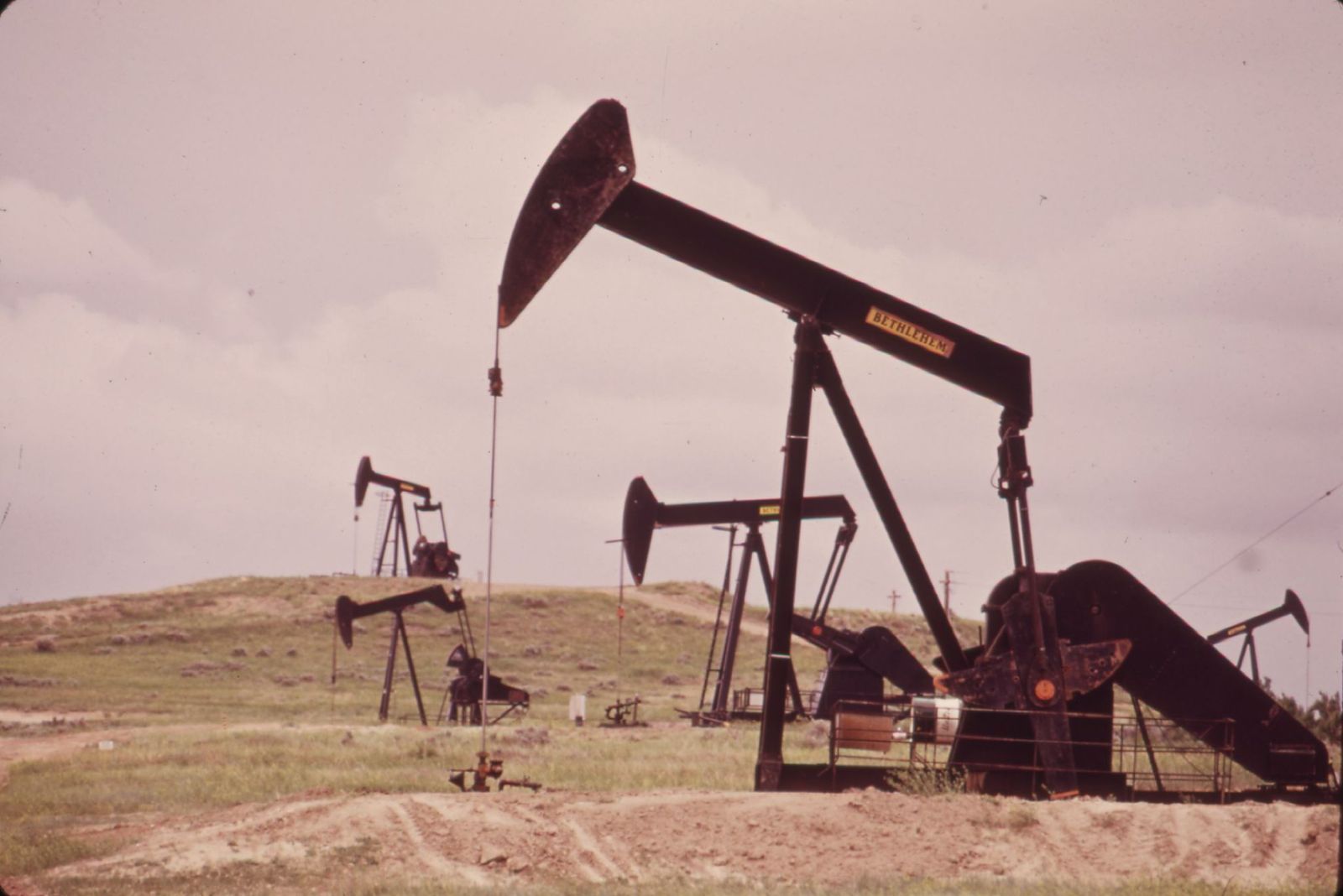
Until Watergate occurred, Teapot Dome was synonymous with political corruption. During the administration of Warren G. Harding, Secretary of the Interior Albert Fall took control of valuable federal oil reserves located at Teapot Dome, Wyoming, and Elk Hills, California.

Instead of opening these fields up for competitive bidding among energy companies, Fall secretly leased the drilling rights to private oil tycoons in exchange for more than $400,000 in bribes.

6
The Chappaquiddick incident (1969)

Image: United Press International, Public domain, via Wikimedia Commons

By the mid-20th century, the nature of political scandals shifted. Secrets began to involve personal crisis and tragic losses.

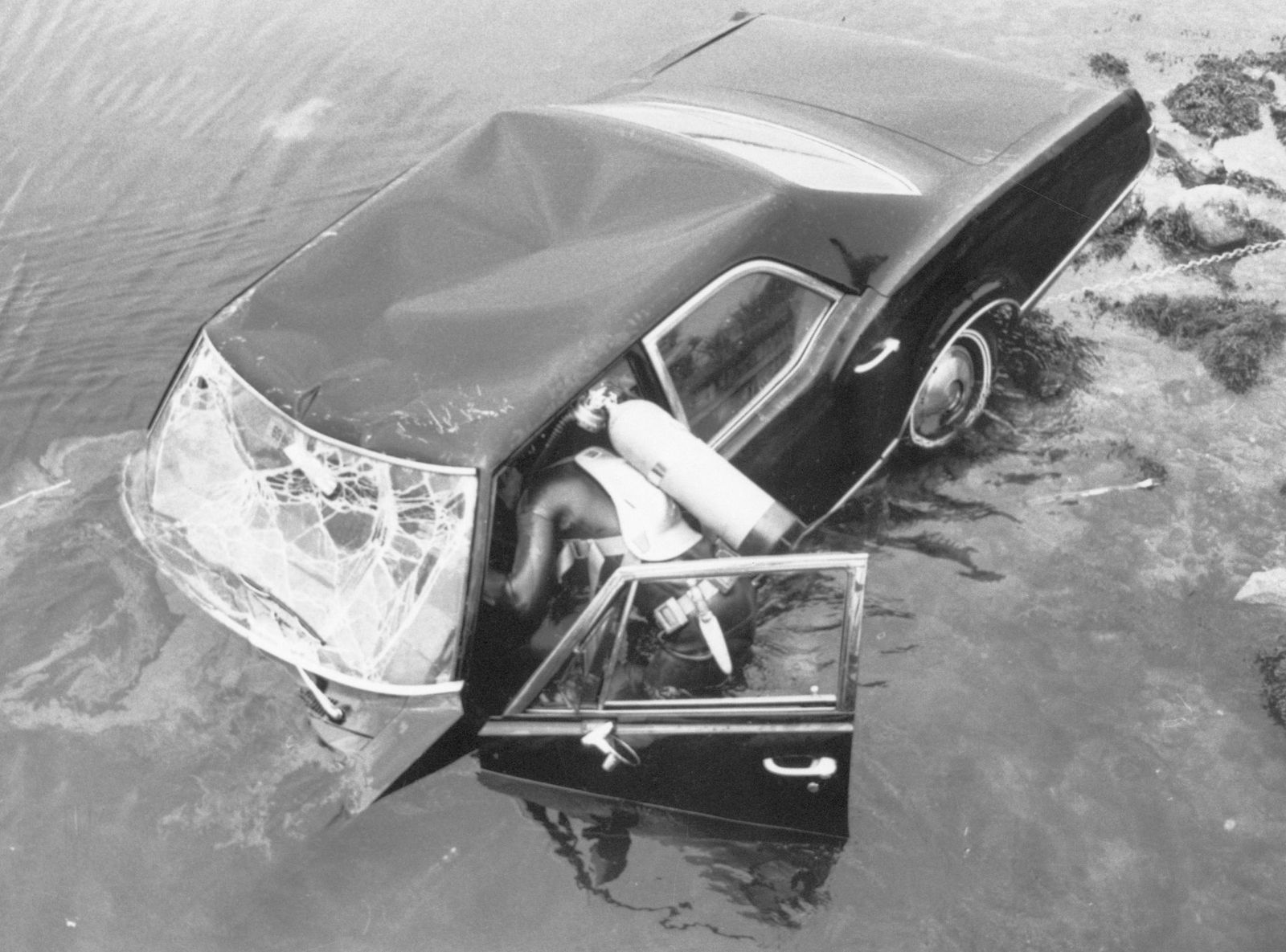
In July 1969, Senator Edward "Ted" Kennedy drove his car off a narrow wooden bridge on Chappaquiddick Island, Massachusetts. The vehicle overturned into a tidal pond, trapping and drowning his passenger, 28-year-old campaign worker Mary Jo Kopechne. Kennedy managed to escape but failed to report the fatal accident to the police for ten hours. Although he eventually pleaded guilty to leaving the scene of an accident, his delayed reaction ended his lifelong presidential ambitions.

7
The Pentagon Papers (1971)

Image: See page for author, Public domain, via Wikimedia Commons

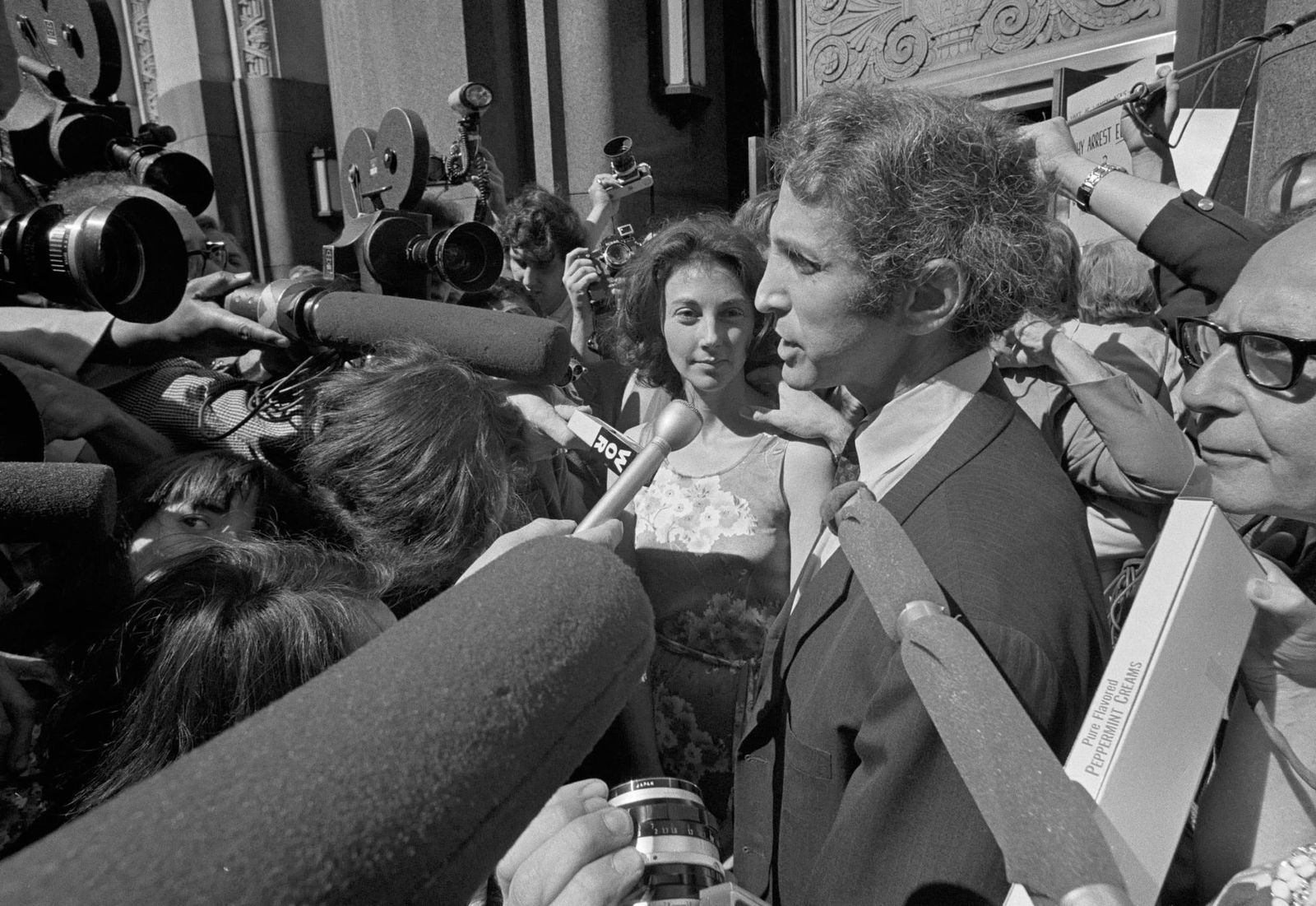
In 1971, military analyst Daniel Ellsberg felt the moral obligation to leak a top-secret 7,000-page Department of Defense study detailing U.S. political and military involvement in Vietnam from 1945 to 1967.

Published by The New York Times , the papers exposed a disturbing truth: successive administrations had systematically lied to both Congress and the American public. The documents proved that the government had expanded the war and increased troop counts while knowing that the conflict was unwinnable. The Supreme Court eventually rejected the government’s attempts to block the leaks, making a victory for freedom of the press.

8
The Watergate scandal (1972–1974)

Image: National Archives & Records Administration, Public domain, via Wikimedia Commons

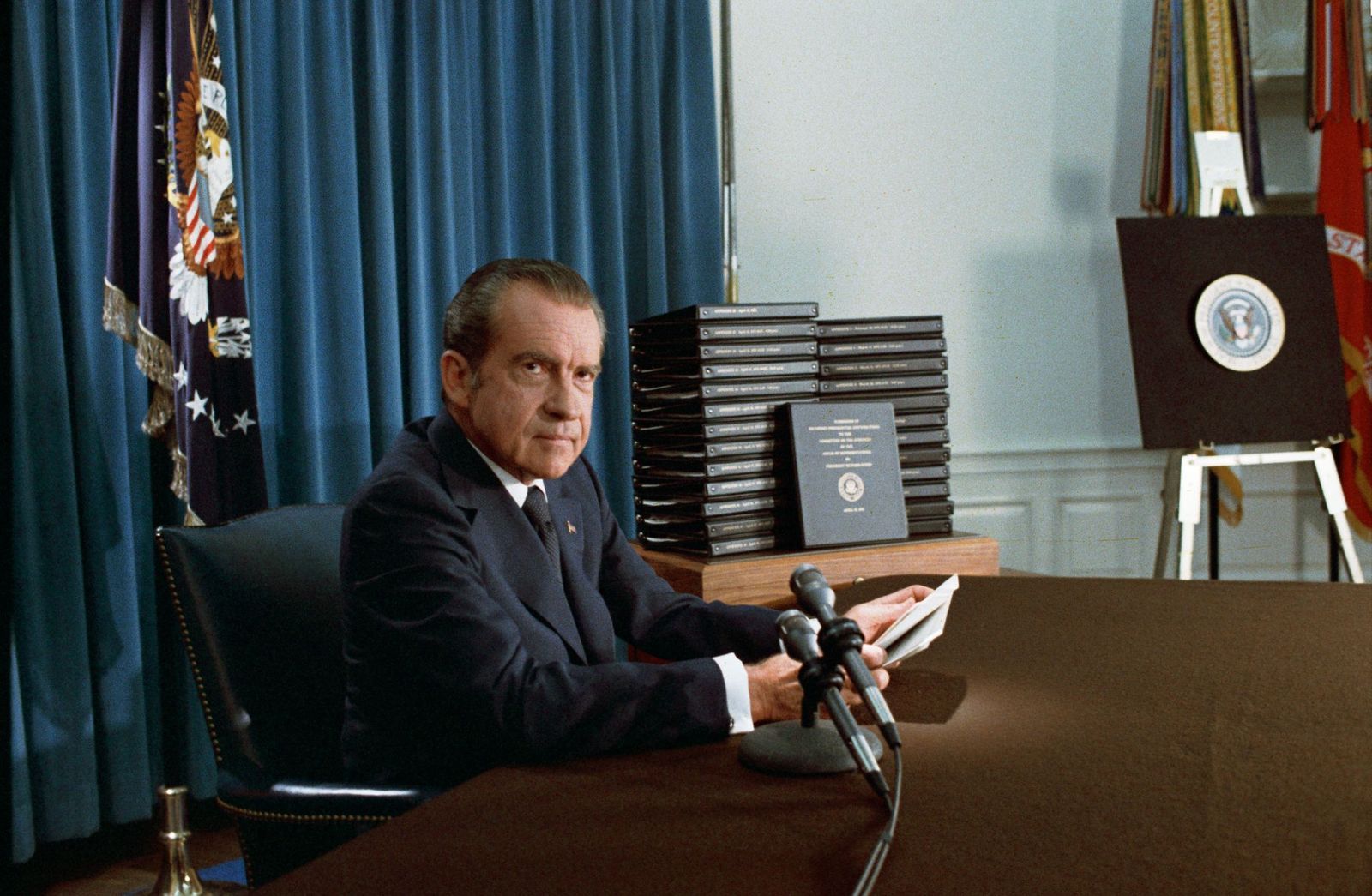
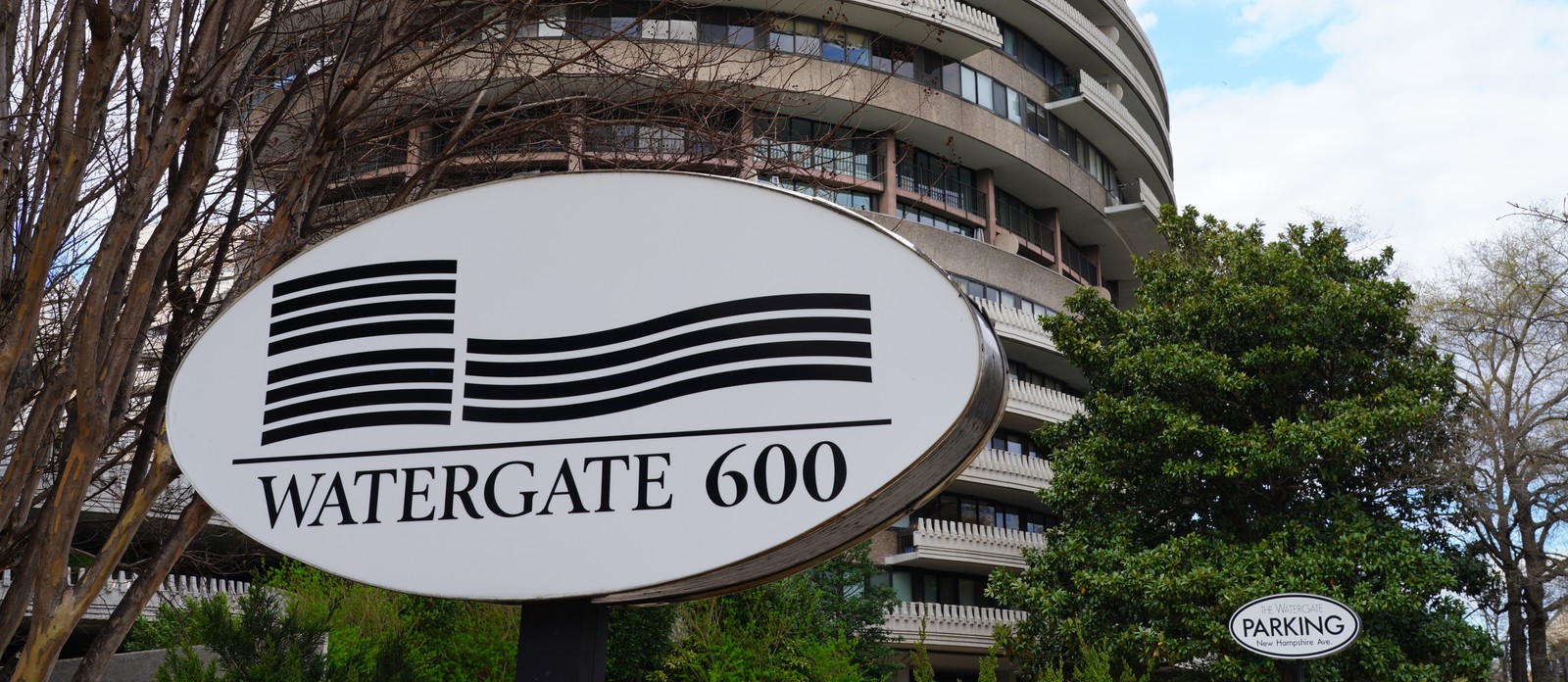
This is, probably, the ultimate American political scandal. In June 1972, five men were arrested breaking into the Democratic National Committee headquarters at the Watergate complex in Washington, D.C.

The break in itself was minor compared to the illegal cover-up orchestrated by President Richard Nixon and his collaborators. From paying hush money to instructing the CIA to block the FBI’s investigation, Nixon’s complicity was exposed via his own secret White House taping system. Facing impeachment and conviction by the Senate, Nixon became the first and only U.S. president to resign from office.

9
The "Keating Five" (Late 1980s)

Image: KonstantinChristian

During the Savings and Loan crisis of the late 1980s, five U.S. Senators—John McCain, Alan Cranston, Dennis DeConcini, John Glenn, and Donald Riegle—came under intense scrutiny.

The group was accused of intervening with federal banking regulators on behalf of Charles Keating, the chairman of Lincoln Savings and Loan, who had contributed to their political campaigns. Lincoln eventually collapsed, costing American taxpayers over $3 billion. Although the Senate Ethics Committee ultimately cleared the senators of corruption, they were publicly condemned.

10
The Bill Clinton–Monica Lewinsky affair (1998)

Image: Clinton White House, Public domain, via Wikimedia Commons

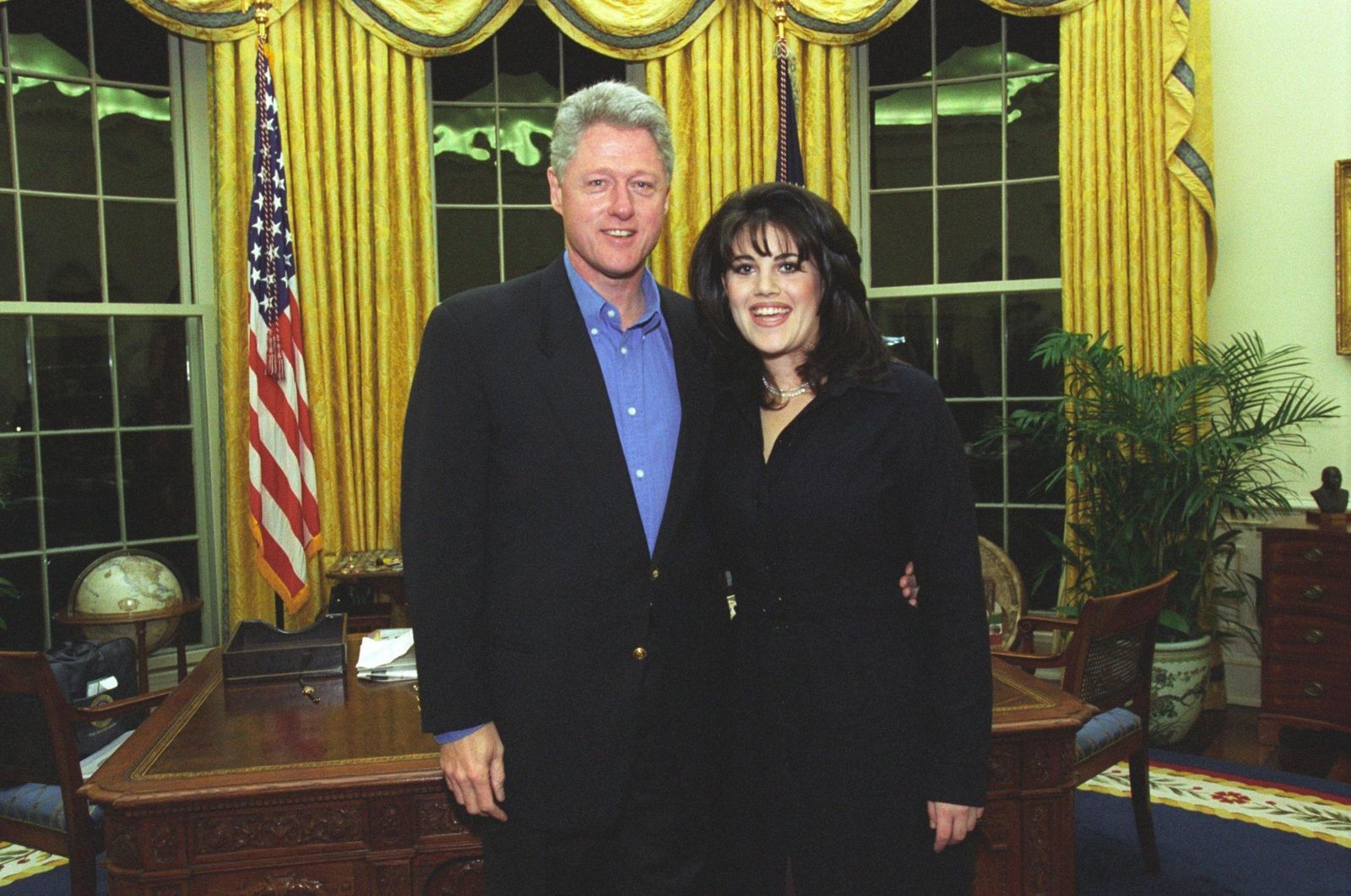
The 20th century ended with a scandal that blended personal infidelity with a constitutional crisis. In 1998, news broke that President Bill Clinton had an intimate relationship with a 21-year-old White House intern called Monica Lewinsky.

The affair turned into a legal battle when Clinton denied the relationship under oath during an unrelated sexual harassment lawsuit. The investigation led to Clinton’s impeachment by the House of Representatives on charges of perjury and obstruction of justice. The Senate ultimately acquitted him, yet he couldn’t bypass the media circus.

General General 5 min read

Singing through time

From the 1940s to the 2010s: 10 American hit songs from each decade!

You're at the supermarket looking for a few items for a sandwich when suddenly, a classic song blares over the loudspeakers of the place. It feels like everyone around you knows every word of the lyrics, regardless of their age. We're talking about those songs that are instantly recognizable, with legendary lyrics and melodies that defined an entire decade. If you want to revisit 10 of these unforgettable hits, read on!

1
"White Christmas" by Bing Crosby (1942)

Image: Ivan Dorofeev

This is a perfect choice to start with. One of the most iconic holiday songs of all time, "White Christmas," definitely holds a special place in the hearts and minds of all Americans.

Released in 1942, the song became an instant hit and was played on every radio station. It even went on to sell over 50 million copies worldwide!

Ella Fitzgerald, Frank Sinatra, and Michael Bublé are just a few of the legendary artists who made their own version of this classic song. It's one of our favorites for the holiday season!

2
"Heartbreak Hotel" by Elvis Presley (1956)

Image: Drew Beamer

The 1950s introduced one of the most exciting musical innovations to the spotlight: rock and roll. And when it comes to rock, we have to mention the King.

In 1956, Elvis released his iconic "Heartbreak Hotel," which had everyone singing along at the top of their lungs with the unforgettable line, "You made me so sad, oh, so sad."

An undeniable hit, "Heartbreak Hotel" was pivotal for Elvis Presley's career, as the song became his first number-one hit on the Billboard Hot 100. We've already rushed to play it; we hope you do too!

3
"Johnny B. Goode" by Chuck Berry (1958)

Image: Erik Mclean

We know we promised "only one per decade," but it's just too hard to stick to that rule! We couldn't resist including this legendary Chuck Berry track.

Yes, we're talking about "Johnny B. Goode," the 1958 hit that could make even a statue dance! When this song hits your ears, it’s nearly impossible not to give in to its charm and start moving. With its unforgettable electric guitar riff right from the start, this tune is instantly recognizable to anyone who has ever set foot in this beautiful country.

Not only was this song an instant hit, but it also gained even more fans when it was featured in the 1985 film Back to the Future.

4
"Like a Rolling Stone" by Bob Dylan (1965)

Image: weston m

Now, let's pause the dancing for a moment to focus on the lyrics and melody of one of the greatest songs ever.

"Like a Rolling Stone," released by the amazing Bob Dylan in the year 1965, introduced listeners to Dylan's iconic rock sound. Acclaimed and celebrated by critics and audiences alike, the song features something unusual for the time of its release: it's almost 6 minutes long!

But its lengthy duration did not hinder the track from becoming a hit, and it certainly didn't prevent it from evolving into a classic.

5
"Hotel California" by Eagles (1976)

Image: Diane Picchiottino

When someone mentions the Eagles, the first song that instantly comes to our minds is the iconic "Hotel California," released in 1977.

This hit features great lyrics and an exceptional sound, reaching millions of listeners and inspiring covers in different musical genres and languages. While interpretations of its lyrics are many and varied, one of the most popular theories is that it metaphorically explores the dark side of rock stardom.

Featuring one of the most iconic guitar solos in rock history, "Hotel California" remains a timeless gem that we continue to enjoy to this day.

6
"Billie Jean" by Michael Jackson (1982)

Image: Markus Spiske

It's time to put on your dancing shoes again. Just two seconds of this song is enough for anyone on Earth to recognize it.

Every time Michael Jackson's "Billie Jean" plays, it's like magic—everyone starts moving. And that has been true since its release in the early 1980s. In fact, the song spent seven consecutive weeks at the top of the Billboard Hot 100, becoming one of the best-selling singles in history!

Did you know that Michael Jackson first showcased his Moonwalk dance during a performance of this hit?

7
"Smells Like Teen Spirit" by Nirvana (1991)

Image: Jurian Kersten

This song is the quintessential symbol of the 1990s and one of the most defining tracks of grunge.

"Smells Like Teen Spirit" was released in 1991 as the lead single from Nirvana's second and most iconic album, Nevermind . It quickly became a sensation and is often considered an anthem for Generation X.

There’s a humorous story behind the song’s title: Kurt Cobain's friend wrote "Smells Like Teen Spirit" on a wall as a joke, and the singer just loved it. It turns out "Teen Spirit" was actually a brand of deodorant, but Cobain didn't know that!

8
"I Will Always Love You" by Whitney Houston (1992)

Image: israel palacio

Get ready to grab some tissues, because this one might bring on a few tears.

Remember the 1992 movie The Bodyguard ? Beyond the incredible performances of Whitney Houston and Kevin Costner, one of the most celebrated aspects of the movie is its beloved soundtrack.

The song was originally written and recorded by the great Dolly Parton in 1973, almost 20 years before the movie. Whitney Houston recorded "I Will Always Love You" in 1992 specifically for The Bodyguard . Her cover surpassed the original version in popularity, becoming one of the most listened-to romantic hits of all time.

9
"Umbrella" by Rihanna ft. Jay-Z (2007)

Image: Kittitep Khotchalee

Welcome to the 21st century, where everything is a bit more accelerated.

You've probably heard, "Under my umbrella, ella, ella, eh, eh, eh." That's the catchy chorus from "Umbrella" by Rihanna featuring Jay-Z, released in 2007 as part of her album Good Girl Gone Bad.

The song got people all over the world dancing and singing along, topping charts in the US, Canada, the UK, Australia, and other countries.

Its iconic music video, featuring rain and an impressive umbrella choreography, inspired countless replicas.

10
"Uptown Funk" by Mark Ronson ft. Bruno Mars (2014)

Image: Greyson Joralemon

If you feel like dancing, this is the track you should play. This song is all about rhythm!

Released in 2014, "Uptown Funk" combines modern sounds with a funky retro beat that immediately takes you back to the 1980s. This mix was the key to captivating everyone! This song quickly became popular, with everyone knowing the lyrics by heart. Its success was unprecedented, spending an incredible 14 weeks at #1 on the US Billboard Hot 100.

With its upbeat vibe and infectious rhythm, this is one of the defining songs of the mid-2010s.

Explore more American facts

Choose your favorite category!

General
General

As American as apple pie—the very best America has to offer!

Culture
Culture

Delve into the astounding richness of American lore.

Geography
Geography

Hop in and explore vast and diverse American landscapes.

History
History

Discover the key moments that shaped the United States.