History History 5 min read

Fizzy tales

10 classic American soft drinks and their incredible stories

Image: Alleksana

America has long been captivated by fizzy beverages , propelling its soda industry to rank among the world's largest. The history behind these companies is often as rich and effervescent as the drinks themselves. Many of today’s favorite refreshments began as medicine, mixers for moonshine, or had to compete for their share of the market fiercely. Join us as we sip through the stories of 10 beverages that have helped shape the American identity.

1
Coca-Cola

Image: Bradley Pisney

A beverage so iconic that it inspired an entire genre of soft drinks named after it, Coca-Cola had its start in 1886 when it was created by pharmacist John Pemberton, who initially intended to market it as a temperance drink and medicinal tonic.

A blend of coca leaves and kola nuts (a source of caffeine), the iconic soft drink became a sensation, and soon Pemberton sold the ownership rights to Asa Griggs Candler, a businessman who transformed the Coca-Cola brand into a global powerhouse. While the ingredients have been changed a few times since its inception, the current formula remains a closely guarded trade secret, fueling much speculation and numerous attempts to uncover it.

2
Pepsi

Image: Oleg Ivanov

Developed in 1898 by pharmacist Caleb Bradham—and originally named "Brad's Drink"—Pepsi was initially conceived as a digestive aid. Its name is derived from pepsin, a digestive enzyme produced by the body, though pepsin was never actually included in the drink's formula.

Despite nearly going bankrupt in the early 1920s, Pepsi gained popularity during the Great Depression, even briefly outpacing Coca-Cola, thanks to clever marketing that appealed to budget-conscious consumers. This kickstarted a fierce rivalry, leading to bold marketing stunts, including an unlikely deal with the Soviet Union, making Pepsi the first Western product sanctioned for sale there.

3
Dr Pepper

Image: Yana Smetana

Another soft drink originally conceived in a pharmacist's lab, Dr Pepper actually predates both Coke and Pepsi. Launched in 1885 in Waco, Texas, its unique flavor sets it apart from most competitors. In fact, the U.S. Food and Drug Administration has categorized Dr Pepper, much like Coca-Cola, as its own distinct type of beverage: "pepper soda."

The origin of its name is disputed. Originally, people would simply order a "Waco" at soda fountains. While some speculate the name comes from Charles T. Pepper, a doctor who gave Wade Morrison his first job (or, according to another version, gave him permission to marry his daughter), it was more likely than not a creative marketing decision, as using "Dr." in product names was a common way to suggest health benefits.

4
7UP

Image: Julian Rösner

7UP, created in 1929 by Charles Leiper Grigg, was originally marketed as "Bib-Label Lithiated Lemon-Lime Soda," as it contained lithium citrate (a mood-stabilizing drug) among its ingredients. While lithium was removed in 1948, the drink's refreshing lemon-lime flavor remained, having already become a household favorite.

The soft drink, however, didn’t quite find its market niche until it launched the "Uncola" marketing campaign in the 1970s, which positioned the soda as a distinct alternative to colas, boosting its popularity. The origin of the name 7UP remains a mystery, with speculation that it refers to the original 7-ounce bottles or the drink’s initial seven ingredients.

5
Sprite

Image: Gift Habeshaw

Introduced by Coca-Cola in 1961 to compete with 7UP, Sprite quickly became one of the leading lemon-lime sodas on the market. Interestingly, this popular soft drink didn’t originate in America but in West Germany in 1959, where it was launched as "Fanta Klare Zitrone" ("Fanta Clear Lemon" in English).

In the ‘80s, Sprite leveraged its appeal to younger generations through bold advertising campaigns and endorsements from popular musicians. Today, the brand has expanded into various flavors, including cranberry, cherry, grape, orange, tropical, ginger, and vanilla, among others.

6
Mountain Dew

Image: Shane

Mountain Dew was originally created in the 1940s by Tennessee beverage bottlers Barney and Ally Hartman as a mixer for whiskey. The name "Mountain Dew" was a colloquial term for homemade liquor, making it fitting for the soda’s Appalachian roots. However, the drink only took on its citrus-flavored, energizing modern form after being acquired by the Tip Corporation in 1961.

It remains one of the most caffeinated sodas on the market, containing 54 mg of caffeine per 12-ounce can—nearly double that of Coca-Cola. This is likely what draws many soda drinkers to this flavor, as the high sugar and caffeine content can give a short-term boost of energy.

7
RC Cola

Image: Brooke Cagle

Founded in 1905 by Claud A. Hatcher, Royal Crown Cola (RC Cola) was originally created as a direct competitor to Coca-Cola and Pepsi. The soft drink was born after the Hatcher family, who were grocery store owners, could not get a discount for purchasing large volumes of Coca-Cola syrup from local distributors. Frustrated, they vowed to create their own alternative.

Despite never achieving the same market dominance as Coke or Pepsi, RC Cola soon gained a loyal following, especially in Southern states. Unlike its rivals, RC offered a slightly stronger cola flavor, which many found refreshing compared to the sweeter taste of Coke. RC Cola also innovated with the first aluminum can for sodas and was one of the first companies to produce diet sodas, such as Diet Rite.

8
Fanta

Image: Renato Trentin

Did you know that Fanta was born in Germany during World War II, of all places? After local Coca-Cola plants could no longer import syrup due to trade embargos, German businessman Max Keith created a new soda using available ingredients—which were mostly fruit scraps and whey.

Fanta quickly became a wartime favorite in Germany. After the war, Coca-Cola regained control of the plant, formula, and trademarks, introducing Fanta to the U.S. in 1955. It rapidly gained popularity as a fun, fruit-flavored alternative to traditional sodas. While Fanta's orange flavor remains its best seller, the brand now offers over 90 flavors worldwide.

9
A&W Root Beer

Image: David Lusvardi

A&W Root Beer was introduced in 1919 by Roy Allen, who first started selling it at a parade honoring returning World War I veterans. Its creamy texture and rich flavor quickly made A&W Root Beer a favorite, especially when paired with vanilla ice cream to create the now-iconic root beer float.

By 1922, Roy Allen partnered with fellow entrepreneur Frank Wright, and A&W became a franchised brand, launching one of the first fast-food chains in America that same year. Despite struggling with labor shortages and sugar rationing during World War II, the company endured and remains one of the most iconic root beer brands in America to this day.

10
Sunkist

Image: The Pop'd Shop

Sunkist, launched in 1979 by the Sunkist Growers cooperative, was introduced to tap into the American love for citrus-flavored sodas. Known and loved for its bold orange flavor, Sunkist was the first major orange soda to include caffeine in its formula, setting it apart from competitors like Crush and Fanta.

Most importantly, Sunkist's success was greatly boosted by its association with the California citrus industry. Its marketing campaigns, including the "Taste the Sun" slogan, further linked the brand to sunny, vibrant outdoor activities, making it one of the top-selling orange sodas in the U.S. for decades.

History History 5 min read

10 US presidents who changed the course of history

Image: David Trinks

Some presidents don’t leave much of a mark, while others manage to reshape the whole path a nation walks on. Across different generations, certain leaders made choices or introduced ideas that nudged the country in a new direction. In this list, we take a simple, easy look at 10 presidents whose steady hands, practical decisions, and clear vision helped guide the United States into the future.

1
George Washington

Image: Priscilla Gyamfi

America’s first president had no guidebook to follow, so George Washington ended up writing the first chapters of the office himself. With calm judgment and a focus on fairness, he set the tradition of serving only two terms, showing that leadership should be about duty rather than personal power.

Washington organized the very first Cabinet, established the tone for presidential addresses, and worked hard to promote unity among different regions and viewpoints. His steady approach helped turn a young, uncertain nation into a stable and functioning republic. The patterns he created became the model for every subsequent president.

2
James Madison

Image: Tara Winstead

Often called the "Father of the Constitution," James Madison helped shape the foundations of the United States long before he stepped into the presidency. He played a central role in writing the Constitution and co-authored the Federalist Papers, a series of essays that explained how the new government was meant to work.

Once in office, Madison continued to support the development of stronger federal systems that could serve a growing country, and he oversaw the admission of new states into the expanding Union. His steady leadership helped reinforce the structure laid down by the founders and proved that the nation’s early ideas—balance, stability, and cooperation—could stand the test of time.

3
Abraham Lincoln

Image: Jacob Thorson

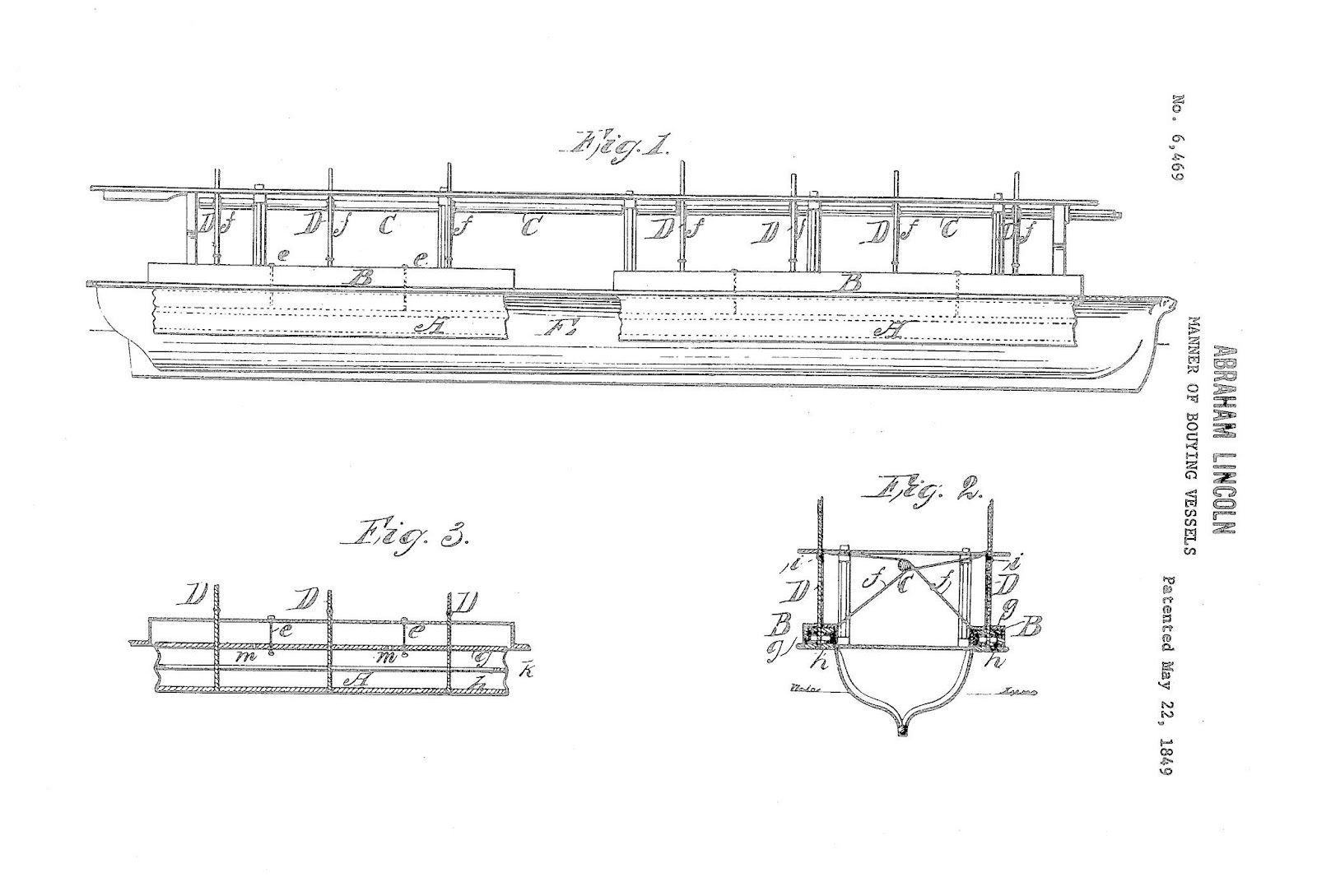
The 16th U.S. president guided the nation through a time of deep division with a calm, steady determination and a clear sense of purpose. He held firmly to the belief that all people are created equal, and he worked to bring those principles to life in practical, lasting ways.

During his presidency, Lincoln supported major constitutional changes that broadened personal freedoms and strengthened the role of the federal government in protecting those rights. He emphasized unity, fairness, and the idea that the country could emerge stronger if it stayed true to its core values. His dedication to these ideals has made him one of the most admired figures in American history, remembered for his integrity and his hope for a more united nation.

4
Theodore Roosevelt

Image: Ryan Stone

Theodore Roosevelt was known for his enthusiasm, his adventurous spirit, and his deep love of the outdoors. He became one of the nation’s strongest voices for conservation, helping to create and expand national parks, forests, and wildlife areas.

His domestic program, the "Square Deal," aimed to make sure consumers, workers, and businesses were treated fairly, and he pushed for stronger rules that protected everyday Americans from unfair practices. Roosevelt also encouraged the nation to step forward with confidence, backing improvements in transportation and modern infrastructure that helped connect the United States more smoothly with the world.

5
Woodrow Wilson

Image: Đào Thân

Woodrow Wilson arrived in Washington with a plan to give everyday Americans a fairer, more balanced system, and his wave of domestic reforms—known as the "New Freedom"—reflected that goal. During his presidency, the nation saw the creation of the Federal Reserve System and the Federal Trade Commission, two major institutions designed to keep the economy steady and well-regulated.

Wilson also encouraged the idea that countries should work together through organized cooperation rather than standing apart, a view that later influenced the formation of important international organizations. His belief in self-determination and his preference for diplomacy over isolation helped guide the United States toward a long-term vision of global partnership and shared responsibility.

6
Franklin D. Roosevelt

Image: Pedro Gutierrez

Franklin Roosevelt guided the nation through one of its toughest economic periods with a wide-ranging effort known as the "New Deal." This collection of policies helped support workers, steady the banking system, and strengthen protections for consumers. It also introduced Social Security, a program that quickly became a key element of retirement planning for millions of Americans.

Roosevelt understood the importance of keeping the public informed, so he spoke directly to families through his regular radio broadcasts, the famous "Fireside Chats." In these simple, calm conversations, he explained what the government was doing and why, helping people feel more confident in uncertain times. His clear, steady communication made him one of the most trusted and familiar voices of his era.

7
Harry S. Truman

Image: WikiImages

When Harry Truman took office in 1945, both the world and the United States were undergoing a period of rapid change. With a practical mindset, the 33rd president helped launch broad programs aimed at rebuilding European economies and encouraging stronger international cooperation.

He also set a new long-range direction for American policy, one that emphasized stability, democratic principles, and economic support beyond U.S. borders. Truman’s meaningful efforts helped shape how nations worked together and signaled the beginning of important social changes that would continue to unfold in the decades ahead.

8
John F. Kennedy

Image: Florida Memory

John F. Kennedy brought a fresh sense of youth and optimism to the early 1960s. His speeches often called on Americans to lend a hand, serve their communities, and think beyond themselves—captured in his well-known line, "Ask not what your country can do for you, ask what you can do for your country."

Kennedy supported important civil rights efforts and encouraged steady progress in science and technology. He also pushed the nation to look toward the future through expanded space exploration and created the Peace Corps, giving young Americans opportunities to volunteer and make a difference overseas. His steady promotion of learning, service, and innovation helped spark a spirit of national progress that defined much of the decade.

9
Lyndon B. Johnson

Image: LBJ Library photo by Yoichi Okamoto Restored by: Bammesk, Public domain, via Wikimedia Commons

Lyndon Johnson arrived in the White House with a far-reaching plan he called the "Great Society," a vision aimed at improving everyday life for people across the country. Under his leadership, Congress passed major civil rights legislation that strengthened equality and safeguarded voting rights, setting new standards for fairness.

The 36th president also approved the creation of Medicare and Medicaid, programs that gave millions of older adults and low-income families reliable access to health care for the very first time. Additionally, he supported initiatives to improve education, preserve natural resources, and strengthen local communities.

10
Ronald Reagan

Image: White House Photographic Collection, Public domain, via Wikimedia Commons

Ronald Reagan stepped into the 1980s carrying a message of confidence and renewal, offering Americans a sense of fresh direction after a challenging period. His economic approach—later known as "Reaganomics"—was centered on lowering taxes, easing federal regulations, and giving businesses more room to grow. For many people, this era became associated with rising optimism.

Reagan also spoke often about national pride and traditional values, presenting a steady, recognizable voice on the world stage. His leadership style—straightforward, good-humored, and easy to understand—left a lasting mark on how political ideas were discussed and helped shape the country’s tone for years to follow.

Culture Culture 6 min read

How do the most powerful blow off steam?

Which US President spent a quarter of his presidency at a ranch in Texas?

Image: Robert LeRoy Knudsen, Public domain, via Wikimedia Commons

Running the White House is a highly demanding job, so throughout history, many presidents have found ways to relieve the pressure and stress of leading at the highest level of government. When not shaping the path of the nation, presidents have enjoyed a variety of hobbies and pastimes that provide them with leisure time to relax, unwind, and clear their minds. From golfing and swimming to reading and painting, here are 12 U.S. Presidents who found the perfect balance between pleasure and duty.

1
George Washington

Image: Alonzo Chappel, CC0, via Wikimedia Commons

Founding Father and first president of the United States, George Washington, enjoyed many recreational activities during his free time. He was a true outdoorsman—he loved hunting and fishing and was a devoted gardener and farmer .

It’s common knowledge that after deciding not to run for a third term, he retired to his Virginia farm and dedicated the rest of his life to farming. But one fact you may not know is that, in his youth, Washington was a frequent dancer —and rumor has it, he was even extremely good at it! He considered dancing an important social interaction, describing it as "so agreeable and innocent an amusement."

2
Franklin D. Roosevelt

Image: National Archives and Records Administration, Public domain, via Wikimedia Commons

Franklin D. Roosevelt, the only president to be elected to four consecutive terms, led the country through the critical years of the Great Depression and World War II. To maintain a clear mind while navigating such tumultuous times, Roosevelt embraced a number of pastimes. He collected books , stamps , and ship models , for example.

In addition, he was an avid swimmer . After losing the ability to walk due to polio, Roosevelt began swimming three times a week to strengthen his muscles. Following his election, the New York Daily News donated a swimming pool to the White House so he could continue his practice.

3
James A. Garfield

Image: Unknown; part of Brady-Handy Photograph Collection., Public domain, via Wikimedia Commons

Before becoming the 20th president, James A. Garfield enjoyed fishing , hunting , and playing billiards . But he was also exceptionally intelligent and studious.

Though many people may know Garfield for serving just four months in office, he was also the first ambidextrous president of the United States . Not only could he write with both hands, but when asked a question, he could simultaneously write the answer in ancient Greek with one hand and Latin with the other. Pretty impressive, don’t you think?

4
Calvin Coolidge

Image: National Photo Company Collection, Public domain, via Wikimedia Commons

The 30th president of the United States liked riding horses so much that he had an electronic horse installed in the White House. The device had two speeds—trot and canter—and he rode it every day.

That said, Calvin Coolidge was a taciturn man of few words, who enjoyed taking afternoon naps, earning him the nickname "Silent Cal." He also had a very particular sense of humor . He reportedly enjoyed pressing the alarm buttons in the Oval Office or hiding in the garden shrubbery to startle his Secret Service agents.

5
Jimmy Carter

Image: Tuntematon, Valkoisen talon valokuvaajat (01/20/1977 - 01/20/1981), Public domain, via Wikimedia Commons

Throughout his life, Jimmy Carter was a curious man who never stopped doing things. He studied nuclear physics in college, could read two thousand words a minute, wrote numerous books, and even won a Nobel Peace Prize in 2002.

But what did this brilliant man like to do in his spare time? Carter had a variety of hobbies, including painting , poetry , tennis , cycling , fly fishing , and skiing . However, the one activity in which he perhaps excelled most was woodworking . After retiring, the 39th president of the United States set up a garage workshop on his Georgia ranch, where he built furniture that was later auctioned to benefit the Carter Center.

6
John Quincy Adams

Image: Pieter Van Huffel, 1769 - 1844, CC0, via Wikimedia Commons

John Quincy Adams was notoriously meticulous and kept a diary detailing his daily routine. Thanks to this, we now know that the sixth president of the United States liked to relieve the stress of the presidency with an early morning swim .

After waking up around 4 or 5 a.m., Adams would walk two miles to the Potomac River and leave his clothes on the shore before taking a swim. According to lore, one morning, a reporter named Anne Royall snatched his clothes and demanded that the president give her an interview. Adams had no choice but to answer her questions while standing deep in the river, completely naked.

7
Harry S. Truman

Image: Abbie Rowe, Public domain, via Wikimedia Commons

Harry S. Truman governed the United States from 1945 to 1953, right after World War II—a difficult and stressful time, to be sure. To blow off some steam, the 33rd president liked to immerse himself in one of his two long-time passions: reading and music .

Truman had eye problems, which prevented him from participating in sports. As a result, he became an avid reader from an early age—in fact, he once boasted of having read every book in the library by the age of 14. He was also a very skilled piano player , having started lessons at the age of seven.

8
Lyndon B. Johnson

Image: Yoichi Okamoto, Public domain, via Wikimedia Commons

Living up to the legacy of one of the most popular presidents in American history can't be easy. But it appears that the 36th president of the United States knew just how to maintain a good balance between responsibility and leisure. During his five-year administration, Lyndon B. Johnson spent 490 days —about a quarter of his presidency— at the LBJ Ranch in Stonewall , Texas, combining work and vacation so seamlessly that the place became known as "The Texas White House."

At this ranch, Johnson had an extensive collection of vehicles . Among them was the Amphicar, an amphibious passenger car built in the 1960s, which he used to play pranks on his visitors.

9
Richard Nixon

Image: White House Photographer, Public domain, via Wikimedia Commons

Not many people know this, but Richard Nixon was an artistic man. He enjoyed theater—he even met his future wife during a community theater audition—and he could play five musical instruments : piano, saxophone, violin, clarinet, and accordion.

But he was also into sports. In addition to being a huge football fan, he and First Lady Pat Nixon enjoyed bowling . In fact, the Nixons were responsible for moving the White House bowling alley back to the Executive Mansion after it had been relocated to a nearby building years earlier.

10
George W. Bush

Image: Series: Photographs Related to the George W. Bush Administration, 1/20/2001 - 1/20/2009Collection: Records of the White House Photo Office (George W. Bush Administration), 1/20/2001 - 1/20/2009, Public domain, via Wikimedia Commons

During his free time, George W. Bush enjoyed golfing, biking, attending baseball games, and reading American history. He was also a very competitive runner .

However, when the 43rd president of the United States left office, he was only 62 years old—plenty of time to acquire a new pastime. In the years following his time in the White House, Bush surprised many by turning to painting . "I’m a painter," he told Jay Leno on The Tonight Show .

11
Dwight D. Eisenhower

Image: ddd

To relieve the stress of leadership, Dwight D. Eisenhower maintained a number of hobbies that he cultivated throughout his life. One of his main passions was golf , which he played during and after his presidency. He even kept a small putting green in the White House garden and had a four-hole practice course installed at Camp David.

But that’s not all. Ike enjoyed fishing, hunting, shooting, watching Western movies, and playing bridge. He was also an avid painter who often captured natural landscapes and gave them as gifts to friends. After leaving the White House, Ike settled on a farm near Gettysburg, Pennsylvania, where he raised Black Angus show cows that won blue ribbons at state and county fairs.

12
John F. Kennedy

Image: Robert LeRoy Knudsen, Public domain, via Wikimedia Commons

John F. Kennedy was an exercise enthusiast and something of a jock. He played many sports : golf, tennis, swimming, baseball, and football. Despite being an athletic man, he enjoyed smoking between four and five cigars a day—his favorite brands were Upmanns and Monticellos!

But perhaps the hobby that most helped him relax from the tensions of the presidency was boating. Like many members of his family, John F. Kennedy loved to sail and was often photographed at sea with his wife and young children.

Explore more American facts

Choose your favorite category!

General
General

As American as apple pie—the very best America has to offer!

Culture
Culture

Delve into the astounding richness of American lore.

Geography
Geography

Hop in and explore vast and diverse American landscapes.

History
History

Discover the key moments that shaped the United States.