History History 5 min read

CHEERS TO ALL

Sipping through history: 10 cocktails from the Prohibition Era

Image: Frames For Your Heart

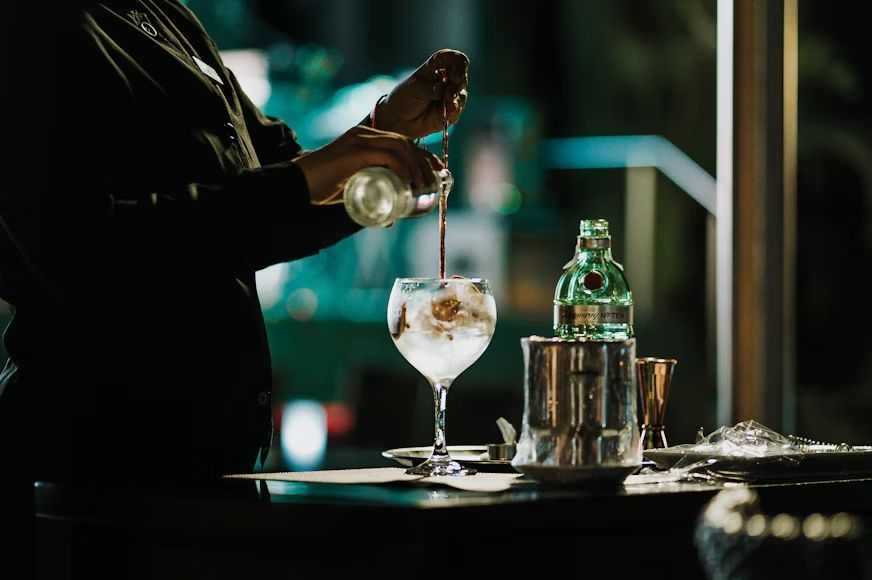
Isn’t it crazy to think there was a time when alcohol was prohibited? Now, some things simply can’t be taken from society. It’s only logical that as liquor was prohibited, the ways to disguise it flourished across the country. After all, crises do create opportunities! That is what bartenders thought anyway, and that is how many of the best cocktails came to be during the dry years. From Ward 8 to the classic Old Fashioned, the drinks we love today have been around for a long time, and we’ll tell you all about them in this article.

1
Ward 8

Image: Alex Kubsch

The Ward 8 is a cocktail with a bit of political history . Created in 1898, it is believed to have been made in Boston to celebrate a victory: Martin M. Lomasney’s seat at the state’s legislature. This mix of rye whiskey, lemon juice, orange juice, and grenadine offers a sweet and slightly tart taste that was a hit in the speakeasies.

The drink’s vibrant color and balanced flavor made it a favorite during Prohibition. It’s a bit more complex than some of the other cocktails of the time, but it’s worth every sip. Shake with ice, strain, and serve in a chilled glass for a sip of political history. Or to celebrate a victory of your own!

2
The South Side

Image: Bri Tucker

This refreshing drink's origin is a matter of speculation. The main theories suggest that it was either created after the South Side district of Chicago , Illinois, or the Southside Sportsmen’s Club on Long Island. Whichever the origin, the popularity of the drink is connected to Al Capone’s preference for it.

It’s a blend of gin, fresh mint, lime juice, and simple syrup, making it crisp and revitalizing. The mint and lime give it a fresh, lively flavor that’s perfect for any occasion. Shake with ice, strain into a chilled glass, and garnish with a mint sprig for a touch of elegance.

3
Sidecar

Image: Jia Jia Shum

The drinks were quite inventive, but the names? We’ll have to see about that. The Sidecar cocktail is believed to have been named after the motorcycle attachment in London or Paris around the 1920s. Nevertheless, the drink found it’s way across the Atlantic and into every bartender’s guide during the Prohibition.

Made with cognac, orange liqueur, and lemon juice, it’s a smooth, tangy cocktail that packs a punch. Its balanced flavor profile made it a favorite among those who sought both style and substance in their drinks. Shake it with ice, strain it into a sugar-rimmed glass, and you’ve got yourself a ride worth taking.

4
Highball

Image: Timothé Durand

If a cocktail’s name comes from a phrase that means "you’re good to go," you simply have to drink it, don’t you think? Well, that’s the case with the Highball cocktail. This drink’s name may come from railroad signs, where a raised globe meant that the track ahead was clear.

Now, as for the ingredients, the drink has several variations, but the classic ones are scotch and soda. The Highball is a simple yet elegant cocktail that has stood the test of time. It’s made by mixing whiskey (or gin) with a generous amount of ginger ale or soda water, served over ice in a tall glass. Garnish a Collin-type glass with a lemon or lime wedge, and you’ve got a drink that’s both easygoing and refreshing.

5
Old Fashioned

Image: Johann Trasch

If we’re discussing the classics, we can’t ignore the Old Fashioned, the number one drink of all time . Do you need any proof? Ask as many bartenders as you like, and they’ll each give you a different recipe. That’s because, as old as the drink is, it is also highly popular and has been the subject of countless versions ever since it was created.

The Old Fashioned dates back to the early 19th century, but it truly came into its own during Prohibition. This classic drink combines whiskey, a sugar cube, bitters, and a twist of citrus. The simplicity of the recipe made it a reliable choice when quality ingredients were hard to come by.

6
Corpse Reviver

Image: Timothé Durand

Mornings after can be quite tough, and these names aren’t making them any easier! The Corpse Reviver was so named because it was intended as a "hair of the dog" remedy to revive the drinker from a hangover . This cocktail is a complex mix of gin, lemon juice, Cointreau, Lillet Blanc, and a dash of absinthe. It’s a drink that packs a punch but is also surprisingly smooth and balanced.

The Corpse Reviver No. 2, in particular, became popular during the Prohibition era for its bold flavor and reputed restorative properties. Have you ever tried this one?

7
Mary Pickford

Image: Kurt Liebhaeuser

Named after the silent film star Mary Pickford, this cocktail is as glamorous as its namesake . It’s a fruity blend of white rum, pineapple juice, grenadine, and maraschino liqueur. The drink is sweet and vibrant, with a striking pink color that was as eye-catching in the 1920s as it is today.

Created in Havana, Cuba, it quickly became popular among Hollywood’s elite during the Prohibition era. Shake all the ingredients with ice, strain into a chilled glass, and then garnish with a cherry for a touch of old Hollywood glamour.

8
Gin Rickey

Image: Rajasekhar R

The Gin Rickey was a Prohibition favorite for its simple ingredients and refreshing taste. Made with gin, fresh lime juice, and soda water, it’s light, crisp, and perfect for warm summer nights. This drink was named after Colonel Joe Rickey, a lobbyist known for his love of mixing bourbon with sparkling water.

During Prohibition, gin replaced bourbon as the spirit of choice due to its easy availability. It’s a low-calorie, no-sugar-added option that was as much a hit then as it is now. Simply pour over ice and garnish with a lime wedge for a zesty kick.

9
Bee’s Knees

Image: Ash Edmonds

The Bee’s Knees is a classic example of how Prohibition-era bartenders used sweeteners to mask the harsh taste of homemade gin. You may think using honey for a cocktail is quite ordinary, but back in the day, this was quite an innovation. This delightful cocktail mixes gin, fresh lemon juice, and honey for a sweet and tangy flavor.

The name itself is a slang term from the 1920s, meaning "the best," and this drink certainly lives up to it. It’s refreshing and light, perfect for sipping on a sunny afternoon. Shake with ice and serve in a chilled glass for a taste of history’s sweeter side.

10
French 75

Image: Stephen Harlan

The French 75 is as powerful as the artillery piece it’s named after. This cocktail combines gin, lemon juice, sugar, and a bubbly splash of champagne, making it both elegant and dangerously easy to drink.

Legend has it that the drink was invented in Paris and quickly became popular in American speakeasies. The effervescence of champagne made it a celebratory favorite, while the gin added just the right amount of kick. Serve it in a champagne flute with a lemon twist, and you’ll feel like you’re celebrating in style.
Geography Geography 4 min read

Local treasures

These 10 American regional industries make our country amazing!

Image: Dziana Hasanbekava / Polina Tankilevitch / David Foodphototasty

One of the many advantages of living in such a vast country is the wide variety of landscapes, cultures, and people that can be found in each of our 50 states. The United States offers a rich tapestry of industries that vary greatly throughout the nation. If you are lucky enough to travel this great country of ours, you’ll encounter many unique and outstanding regional products. In that sense, we’ve selected 10 of the most remarkable regional industries from across America, hoping to pay homage to the hard work and dedication that make this country so wonderful. Enjoy!

1
Wisconsin - Cheese

Image: Lauren Forando

Wisconsin is crazy about cheese , and there’s a reason it’s known as "America’s Dairyland"! The state takes great pride in this regional product, and with good reason. Its cheesemaking tradition is almost as old as the state itself, with European colonists introducing the trade in the 19th century in the fertile lands that would eventually become Wisconsin. Approximately 100 years later, over 1,500 cheesemonger shops and factories had been established in the area.

2
Chicago - Deep-dish pizza

Image: Jon Tyson

Deep-dish pizza has its fair share of detractors, but we honestly can’t think of a single, concrete reason why. In our eyes, Chicago’s most famous regional delicacy is wonderful, with its copious amounts of cheese and chunky tomato sauce. In any case, residents of the "Windy City" take great pride in this pizza style, so be sure to try some whenever you're in town.

3
Detroit - Automotive industry

Image: Egor Vikhrev

Detroit has been synonymous with cars since the 1920s , when the city’s population surged following the expansion of the automotive industry across the country. Nowadays, Detroit is considered the epicenter of this industry in the United States, with the headquarters of the "Big Three" auto manufacturers—Ford, General Motors, and Chrysler—located in "The Motor City."

4
Kentucky - Bourbon

Image: Maxim Hopman

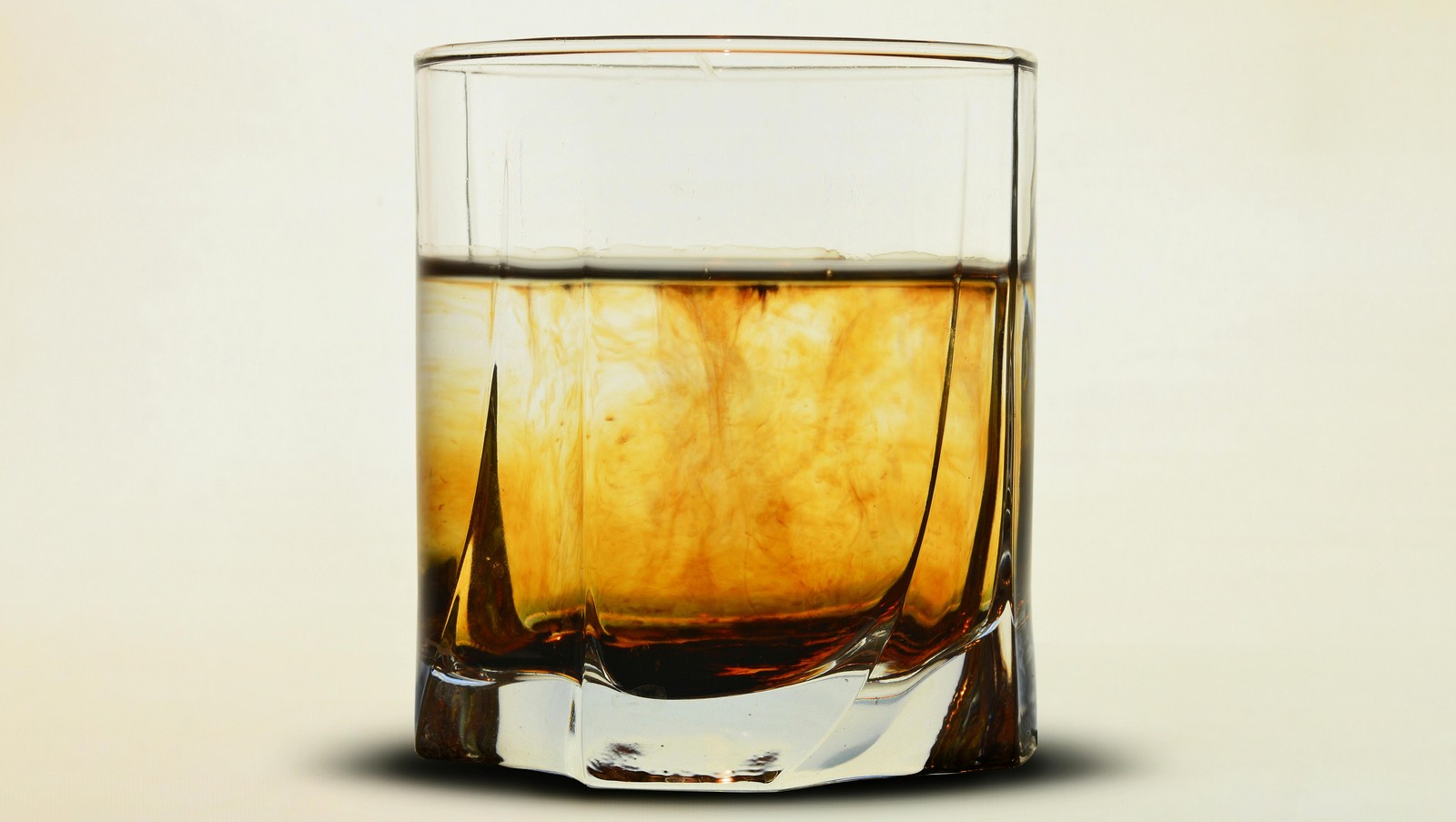
Bourbon is one of the few products that can only be found in America . This type of whiskey, typically made from maize, was created in the United States during the 18th century. While it is undeniably an American treasure, bourbon is most closely associated with the American South and, particularly , with Kentucky . The "Bluegrass State" produces 95% of the world’s supply of bourbon, so it shouldn’t come as a surprise that it is a source of great pride to all Kentuckians.

5
New Mexico - Chiles

Image: Javier Balseiro

The New Mexican chile , a moderately spicy variety , is unsurprisingly a staple of the state’s cuisine and one of its official vegetables. Not only that, New Mexico’s official question is a direct reference to this tasty vegetable. Whenever you hear a New Mexican ask, "Green or Red?", be sure they are asking which type of chile you want with your food.

6
New Orleans - Lucky Dogs

Image: Peter Secan

We could have included any number of delicious New Orleans products in this entry, from its mouth-watering gumbo to its delectable beignets. However, we’ve decided to focus instead on a New Orleans institution—a business that has been standing strong since 1948. Located throughout the streets of "The Big Easy," Lucky Dogs and its iconic hot dog stands bring smiles and tasty treats to both locals and tourists. These stands are featured in one of New Orleans’s most beloved novels, A Confederacy of Dunces , in which its extravagant protagonist briefly works at one of these stands.

7
Texas - Cowboy hats

Image: Donald Giannatti

In 2015, the Texas State Legislature declared the cowboy hat the official "State Hat of Texas." This probably doesn’t come as a surprise. If you’ve ever visited "The Lone Star State," you’ve likely seen cowboy hats everywhere. These accessories have been synonymous with Texas for as long as anyone can remember. In fact, Texas Rangers were the very first law enforcement agency to officially adopt cowboy hats as part of their uniform.

8
New York - I Heart NY T-Shirts

Image: Abhilash G

What might seem like an inexpensive memento to take home after a wonderful trip to New York City is actually one of the most instantly recognizable images in pop culture. "I Heart NY" t-shirts are everywhere in the "Big Apple," and while locals might seem disgruntled at the sight of a happy tourist sporting one of these shirts, rest assured that they feel a small amount of pride in the love and praise their city receives every day.

9
Las Vegas - Casinos

Image: David Lusvardi

Las Vegas calls itself "The Entertainment Capital of the World" for the same reason many refer to it as "Sin City." The largest city in Nevada is known worldwide for its amazing selection of Casino Hotels. Las Vegas’s most famous regional product offers many hours of fun and excitement, though we advise that caution be observed at all times.

10
Sweet Tea - South Carolina

Image: Crystal Tubens

Sweet tea has been a staple of American Southern cuisine for centuries, but many believe the birthplace of this delicious, cold drink is Summerville, a town in South Carolina . According to some historians, during the 19th century, a resident of Summerville named Dr. Charles Shepard started growing tea in the region and innovating with ice-cold drinks that he offered to visitors and neighbors. In due time, sweet tea made Summerville a tourist attraction, eventually cementing the town as the birthplace of this iconic drink.

Geography Geography 3 min read

Waving wild

Why does Oregon have a design on the back of its flag? Find out here!

Image: Mathew Schwartz

Every state has its own symbols, and among them, those related to wildlife are often in the spotlight. From tiny bees or birds to huge bears and bison, our state flags display an amazing variety of creatures. But why were they chosen? Let’s find out!

1
Beaver – Oregon (reverse)

Image: Makaristos, Public domain, via Wikimedia Commons

As you’d expect from the Beaver State, this rodent appears on Oregon’s flag. The thing is, you just can’t see it here because it’s on the reverse side! That’s right, Oregon is the only state with designs on both sides of the flag. But why that animal? In the 19th century, the beaver fur trade played a key role in Oregon’s economic growth, forever linking this clever creature to the state’s identity.

2
Bear – California

Image: Drei Kubik

When you think of grizzly bears, California is probably the first state that comes to mind, and for good reason. Its flag is one of the most recognizable in the country. Grizzlies once roamed the region, and although they’re now extinct in the state, the animal lives on as a symbol. Back in the 1840s, American settlers pushing for independence from Mexico raised a flag with a grizzly and a star to mark their revolution. The design has evolved since then, but the iconic bear remains!

3
Bison – Wyoming

Image: Tony Webster, CC BY 2.0 <https://creativecommons.org/licenses/by/2.0>, via Wikimedia Commons

As one of the few places where American bison have roamed freely for centuries, it’s no surprise that this animal was chosen to represent the state of Wyoming. At the center of its flag, the white silhouette of the bison (often called a buffalo) features Wyoming’s coat of arms, which honors the state's key industries: livestock, mining, grain, and oil.

4
Bees – Utah

Image: JohnnyAstros, CC BY-SA 4.0 <https://creativecommons.org/licenses/by-sa/4.0>, via Wikimedia Commons

The new Utah flag, adopted in 2024, has a peculiar and modern design. The main characters in this story are none other than bees. Or, actually, a beehive, which was chosen to symbolize community, cooperation, and the hard work that reflects Utah’s industrial spirit.

5
Badger – Wisconsin

Image: Kenneth C. Zirkel, CC BY-SA 4.0 <https://creativecommons.org/licenses/by-sa/4.0>, via Wikimedia Commons

See that small yellow-and-brown figure above the shield on Wisconsin’s flag? Although many people don't notice it, that’s a badger, the state animal. But why a badger? Back in the 1800s, the first lead miners who worked in southern Wisconsin used to live in hillside tunnels during the winter, which resembled badger burrows. These workers were the first to be given the nickname, which was later transferred to the state.

6
Deer and cow- Vermont

Image: Tablelegs6, CC0, via Wikimedia Commons

The Vermont flag has plenty to see, but the most striking feature is the deer head that tops the shield. With deer abundant throughout the state, it was chosen to represent all of Vermont’s wildlife. But what about the cow? Tucked inside the shield, this small figure symbolizes the state’s dairy and agricultural industry.

7
Horse – New Jersey

Image: Public domain, via Wikimedia Commons

As part of the state coat of arms, a horse appears atop the beautiful New Jersey state flag. As in many other regions, horses were vital to New Jersey’s colonial economy, playing a key role in agriculture. For that reason, in 1777, the coat of arms’ designer placed the horse at the top, symbolizing both strength and the speed of the state’s growth. On both sides of the shield are two women: Liberty and Ceres, the Roman goddess of agriculture, honoring the state motto, "Liberty and prosperity."

8
Moose/Elk – Michigan

Image: Tony Webster, CC BY 2.0 <https://creativecommons.org/licenses/by/2.0>, via Wikimedia Commons

A moose and an elk seem like great choices for offering support, don’t they? That’s exactly what the designers of Michigan’s flag and coat of arms thought. These two majestic animals appear standing on their hind legs, as if holding up the shield. Both native to the state, they symbolize Michigan’s abundant wildlife and natural resources.

9
Pelican – Louisiana

Image: Public domain, via Wikimedia Commons

Although the pelican on Louisiana’s state flag is white, its actual name is "brown pelican", a species that abounds along the state’s coast. On both the flag and the coat of arms, the bird is shown wounding itself to feed its young; a strong symbol of devotion and sacrifice that reflects Louisiana’s motto: "Union, Justice, and Confidence."

10
Bald Eagle – Many

Image: Alexas_Fotos

We saved the unmistakable bald eagle for last. Native to North America, this majestic bird has become a symbol of the United States, representing strength, courage, freedom, and longevity. But the eagle isn’t just on the national coat of arms; it also appears on many state seals and flags, including Illinois, Iowa, Michigan, Missouri, New York, North Dakota, Pennsylvania, and Utah’s historic flag.

Explore more American facts

Choose your favorite category!

General
General

As American as apple pie—the very best America has to offer!

Culture
Culture

Delve into the astounding richness of American lore.

Geography
Geography

Hop in and explore vast and diverse American landscapes.

History
History

Discover the key moments that shaped the United States.