History History 6 min read

The forgotten seconds in command

How long did it take for a Vice President to be charged with a felony?
Image: Brandon Mowinkel

How many vice presidents do you remember? We know that several presidents served initially in the number two role, and that a few of them had to step up to the presidential office due to death or resignation. But beyond that, what else is there to know? Well, many things, but we’ll stick to unusual facts and circumstances. Which one was accused of murder? Why are they called Veep? Were they always chosen by their party? Let’s dive into some interesting Vice Presidents of the U.S.

1
The criminal Veep
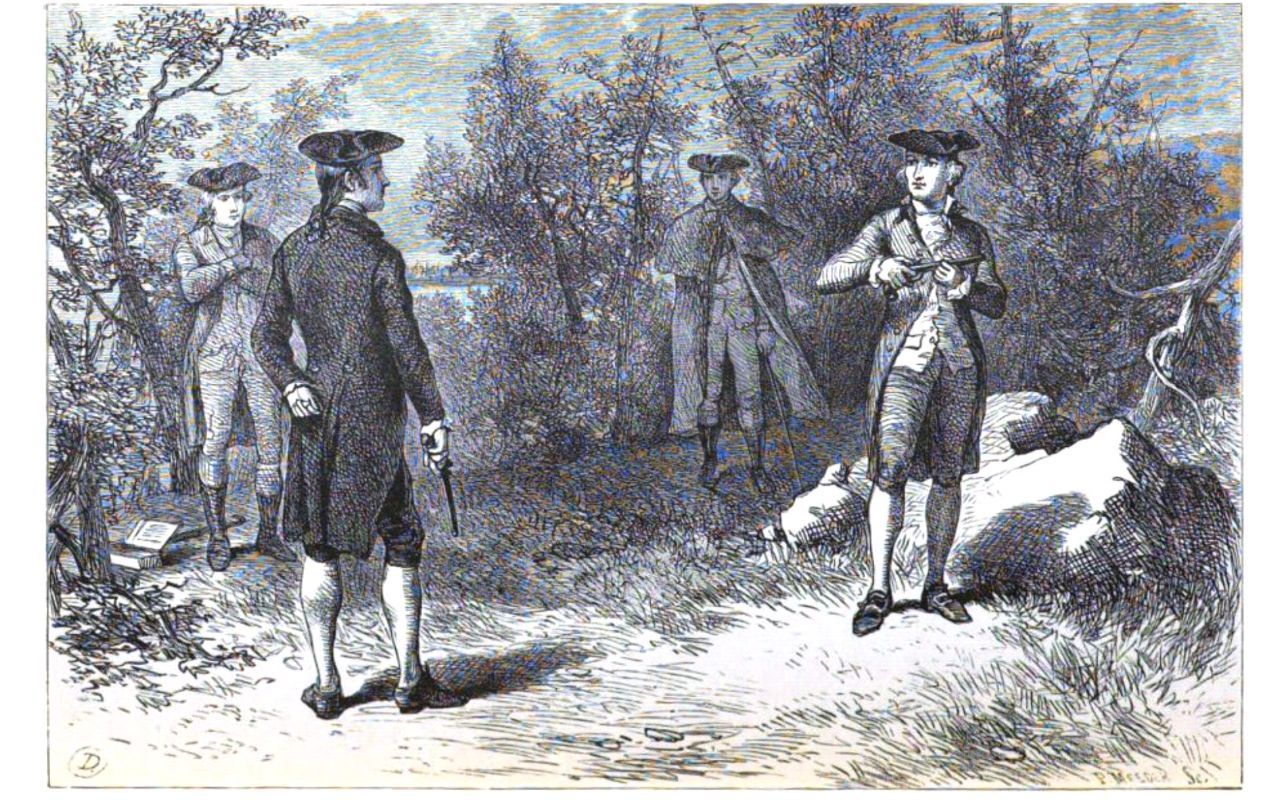
Image: See page for author, Public domain, via Wikimedia Commons

America never lacked politicians who were suspected criminals —vice presidents included— but not every day is the second most important person in the nation formally accused of murder. It is a known fact that Aaron Burr, America’s third vice president, fatally shot founding father Alexander Hamilton in a duel in 1804. What many don’t know is that he was formally indicted for that murder in New York and New Jersey , but he fled to South Carolina and never stood trial, and the charge was eventually dropped. He was also accused of treason, but we can’t say that he was unique among politicians in that sense.

2
The first Veep that was actually elected
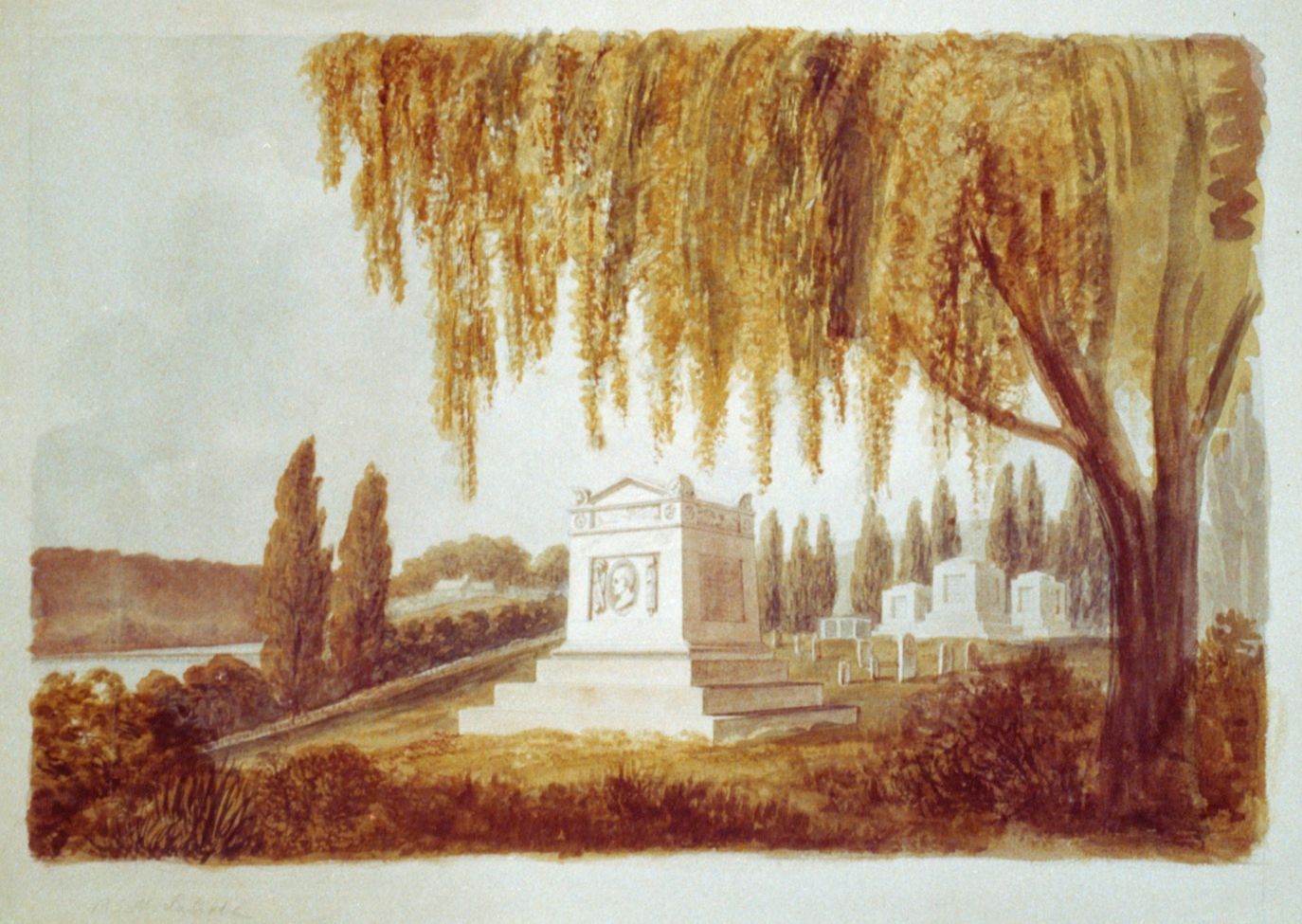
Image: Benjamin Henry Latrobe, Public domain, via Wikimedia Commons

Did you know that, in the beginning, vice presidents were not elected as running mates of a presidential candidate? For the first three presidencies, the position was filled by the runner-up, which created endless conflicts. After all, who wants to work with the guy who beat you? After Thomas Jefferson struggled to govern with Aaron Burr as his second, he pushed for the 12th Amendment, which allowed vice presidents to be elected on their own . For his next term, Jefferson chose George Clinton as running mate —not only because he was popular, but also because his age (65 years old) made it unlikely that he would challenge Jefferson’s successor, James Madison, for the presidency. In the end, Jefferson didn’t have to worry about it because Clinton was the first vice president to die while in office in 1812.

3
The unelected Veep
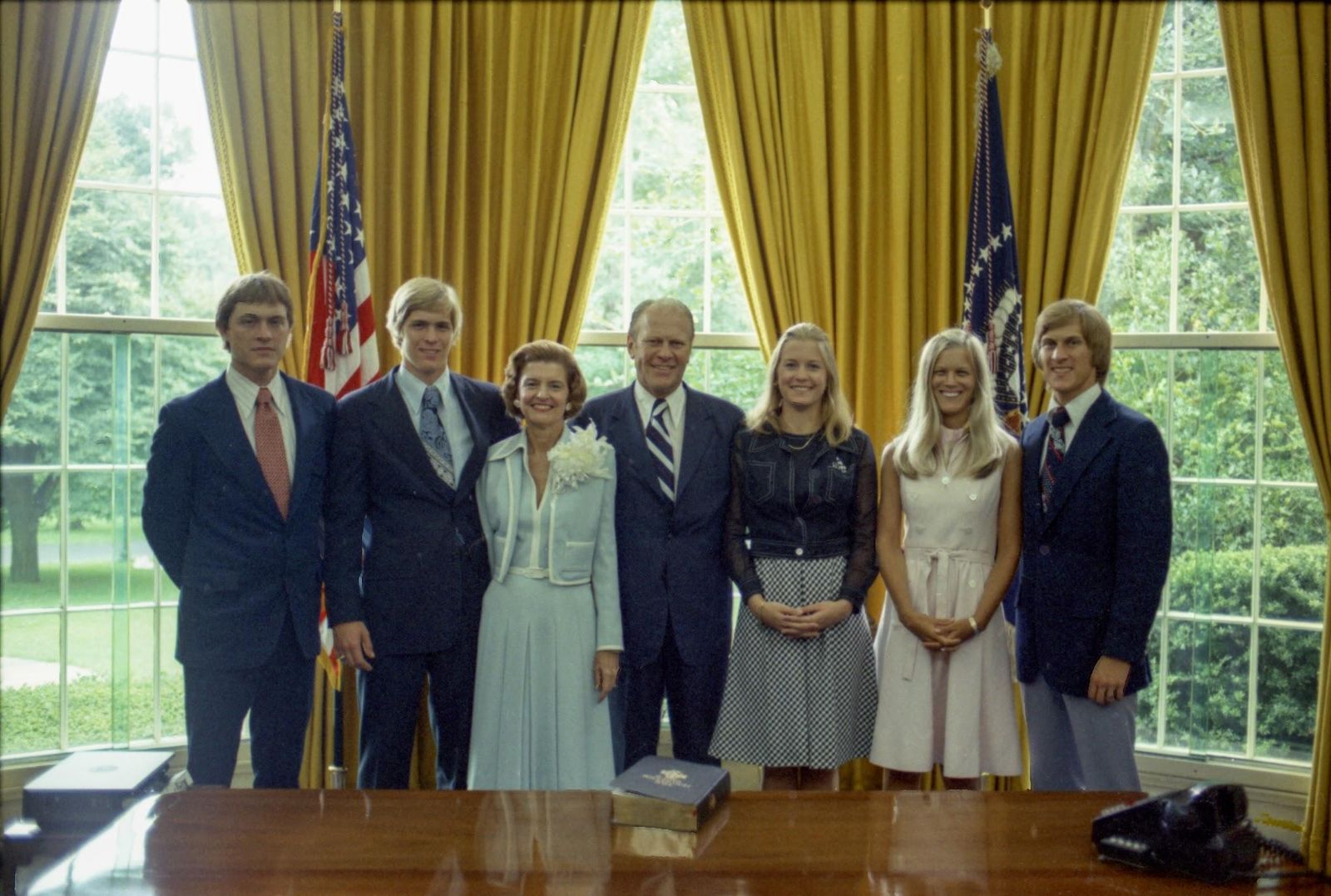
Image: White House, Public domain, via Wikimedia Commons

In 1973, Vice President Spiro Agnew resigned under accusations of corruption. The newly ratified 25th Amendment stated that the president, Richard Nixon, had to nominate someone for the position, to be later ratified by Congress. He chose Gerald Ford, at the time the House Minority Leader , and widely respected by his peers. Less than a year later, Nixon was forced to resign due to the Watergate scandal, and Ford assumed the presidency, making him the only vice president and president who was not elected.

4
The first Veep to have a ‘Second Gentleman’
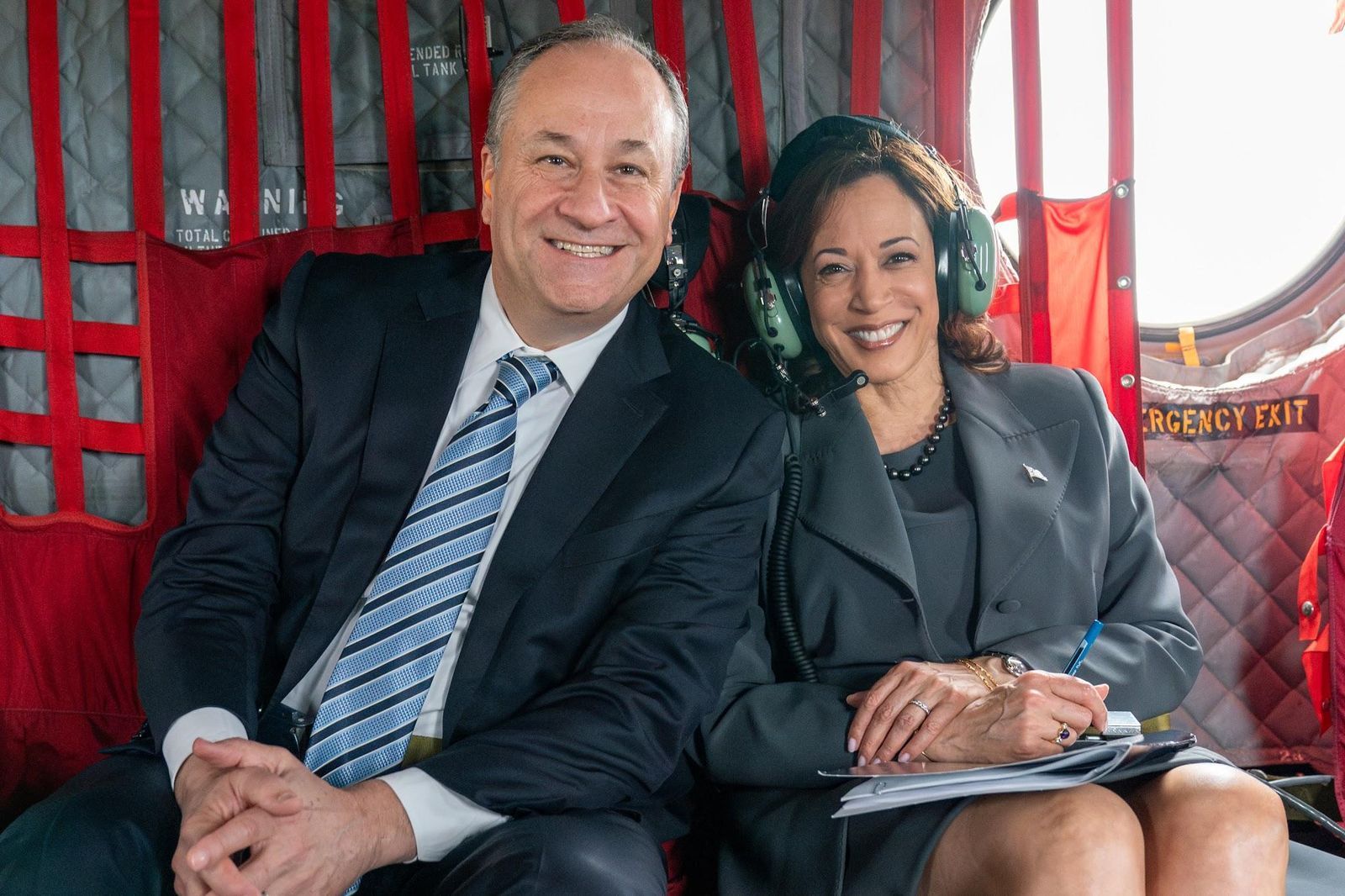
Image: The White House, Public domain, via Wikimedia Commons

We’ve had many memorable First Ladies in our history, but, seeing that we never had a female President, we don’t know what that role would look like in a reversed situation. But what about a Second Gentleman? In 2021, Kamala Harris was the first woman to serve as Vice President, and her husband, Doug Emhoff, became the first ‘Second Gentleman’ of the nation , which meant that the acronym for the position (SLOTUS) had to be updated to SGOTUS.

5
The first Veep to be a proper Veep
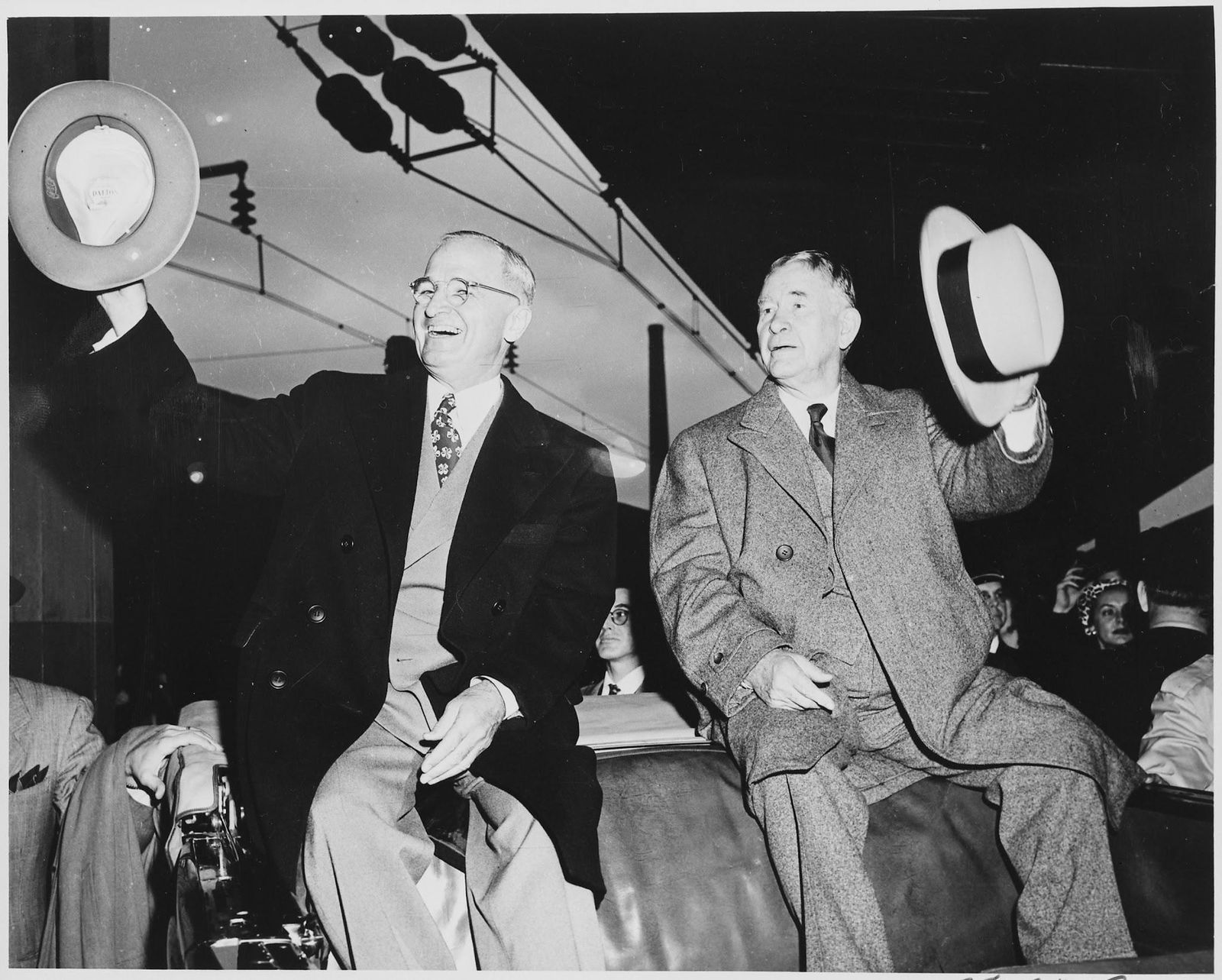
Image: Abbie Rowe, Public domain, via Wikimedia Commons

Where does the use of "Veep" for vice president come from? In 1949, Alben W. Barkley was elected as VP under President Harry S. Truman. Barkley thought that ‘Mr. Vice President’ was a mouthful, and it sounded too formal. His grandson suggested the term Veep (after the VP initialism) , which became popular when Barkley told the story to the press. Although the following vice president, Richard Nixon, refused to use the term out of respect for Barkley, it has become the common phrase used to informally refer to vice presidents.

6
The shortest Veep-to-President pipeline
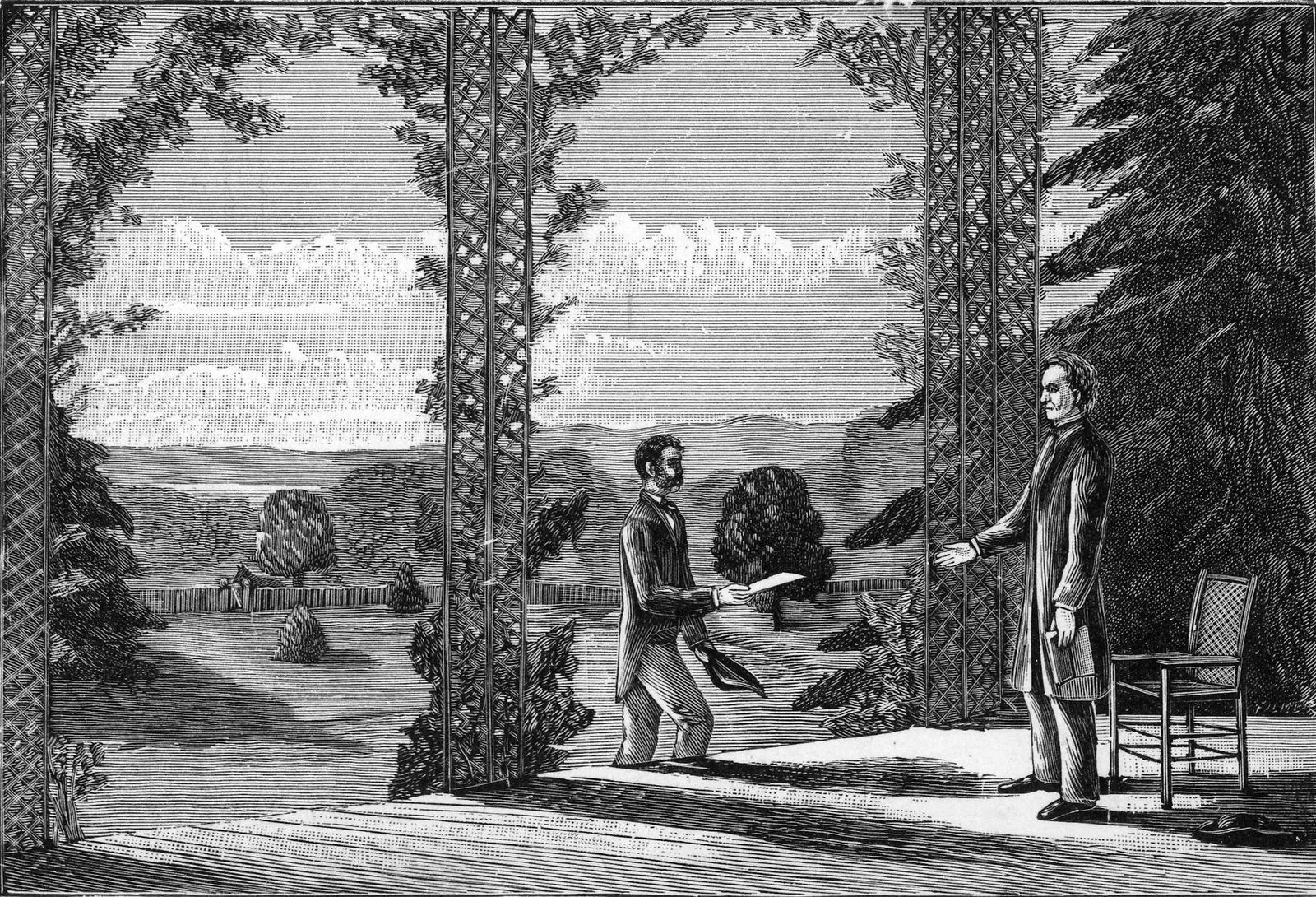
Out of the fifteen vice presidents to later become president, nine of them did so due to the president dying or resigning. The 10th Vice President, John Tyler, was not only the first Veep to assume the role after the President’s death, but also the Veep with the shortest tenure in American history. After only 31 days in office, in 1841, he became president due to the passing of William Henry Harrison , setting the precedent that vice presidents who assumed the presidency were official and not just acting presidents.

7
The first Veep to live at Number One Observatory Circle
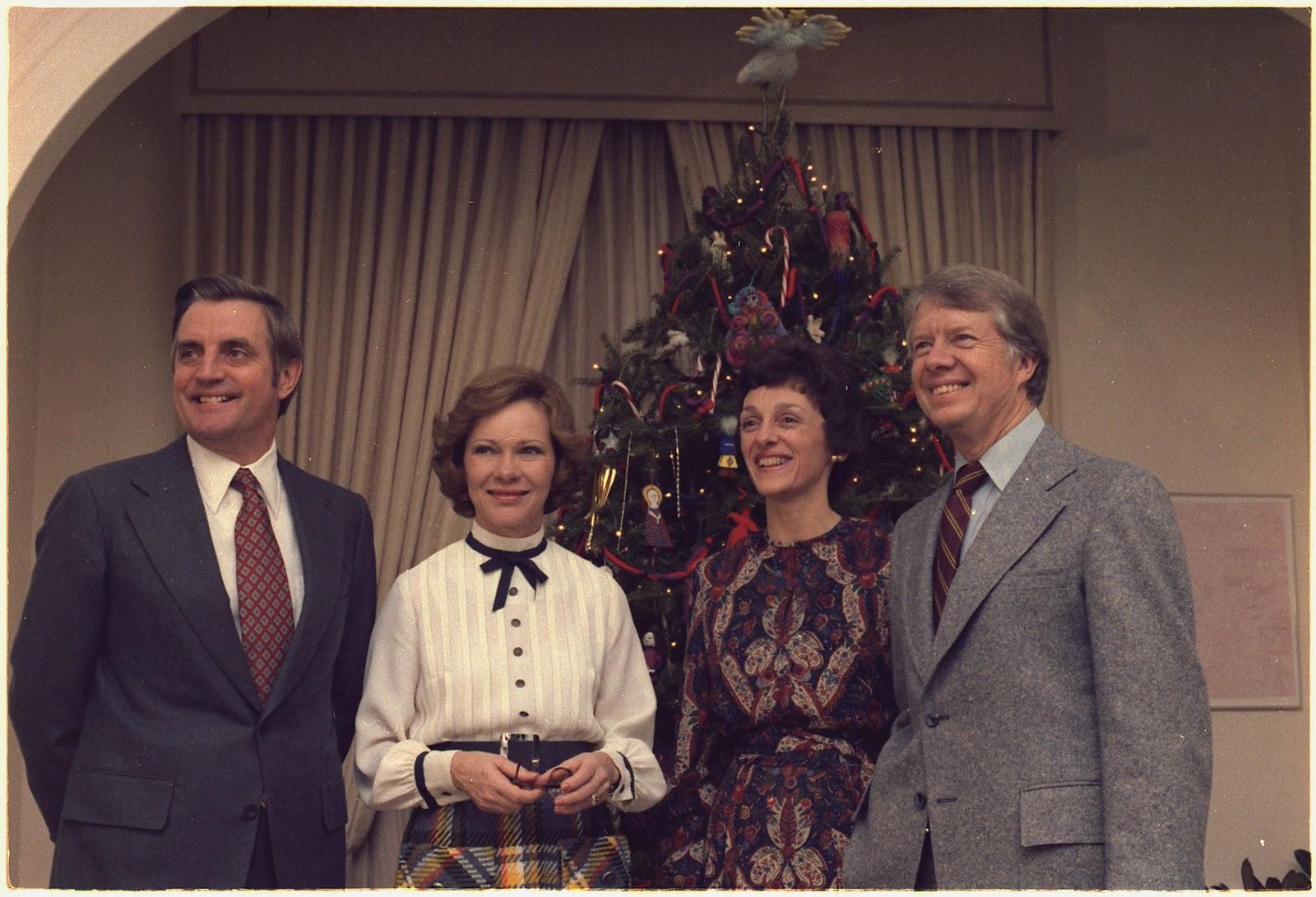
Image: National Archives and Records Administration, Public domain, via Wikimedia Commons

Unlike presidents, vice presidents didn’t always have an official residence. Up until 1974, when Congress designated Number One Observatory Circle as the official residence of the vice president , Veeps lived in their own houses. At the time, Vice President Nelson Rockefeller refused to move in and only used the house for entertaining guests. Walter Mondale was the first vice president to officially move in with his family in 1977.

8
The Veeps that had to step down
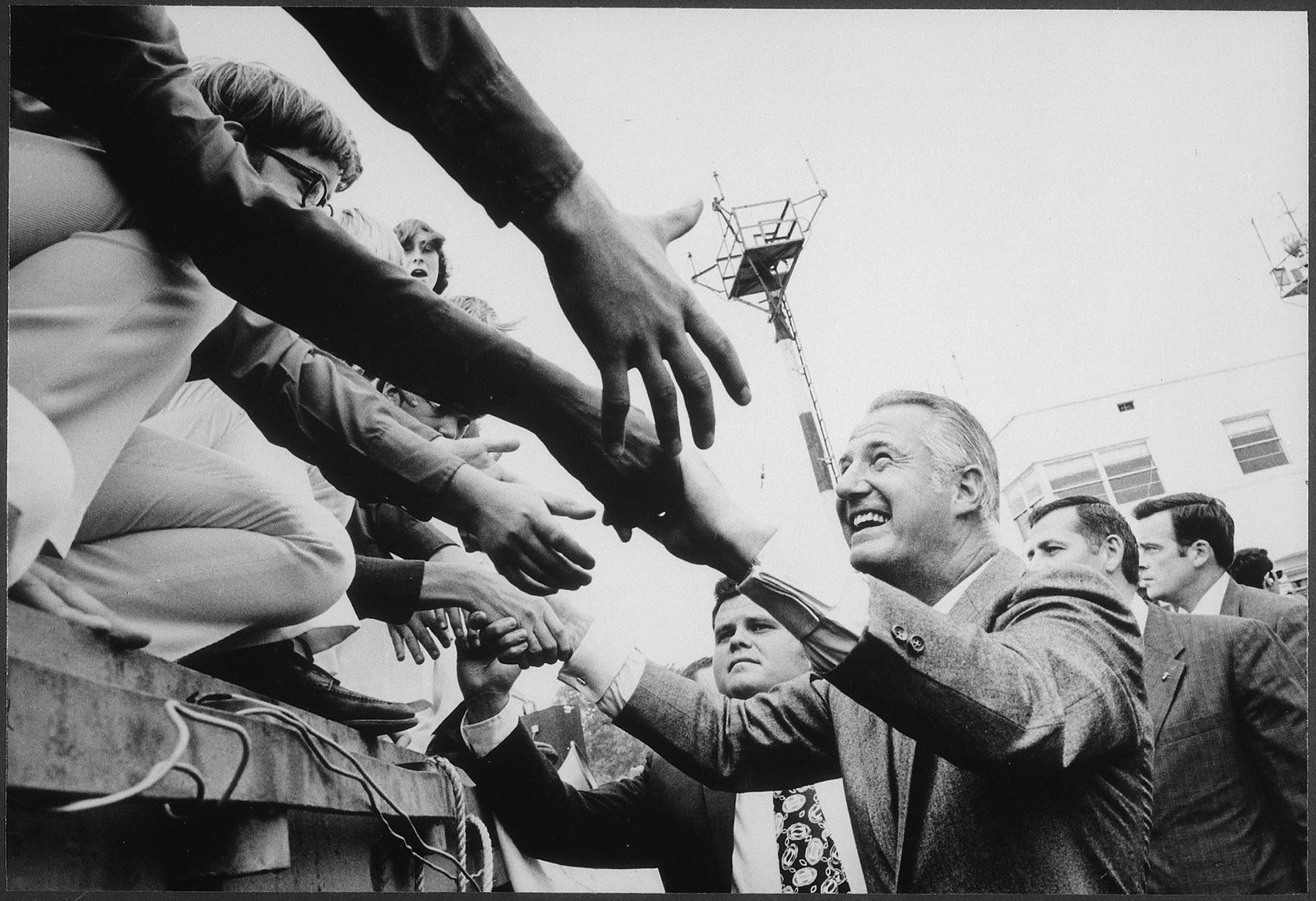
Image: Karl Schumacher, Public domain, via Wikimedia Commons

Only two out of the 50 vice presidents in American history resigned their position. In 1832, Andrew Jackson’s vice president, John C. Calhoun, resigned during his second term to accept a seat in the Senate after a series of political differences with Jackson. In 1973, Spiro Agnew was accused of corruption and bribery , and charged with tax evasion. He resigned and pleaded no contest to the charges. His President, Richard Nixon, would also resign less than a year later.

9
The Nobel Veeps
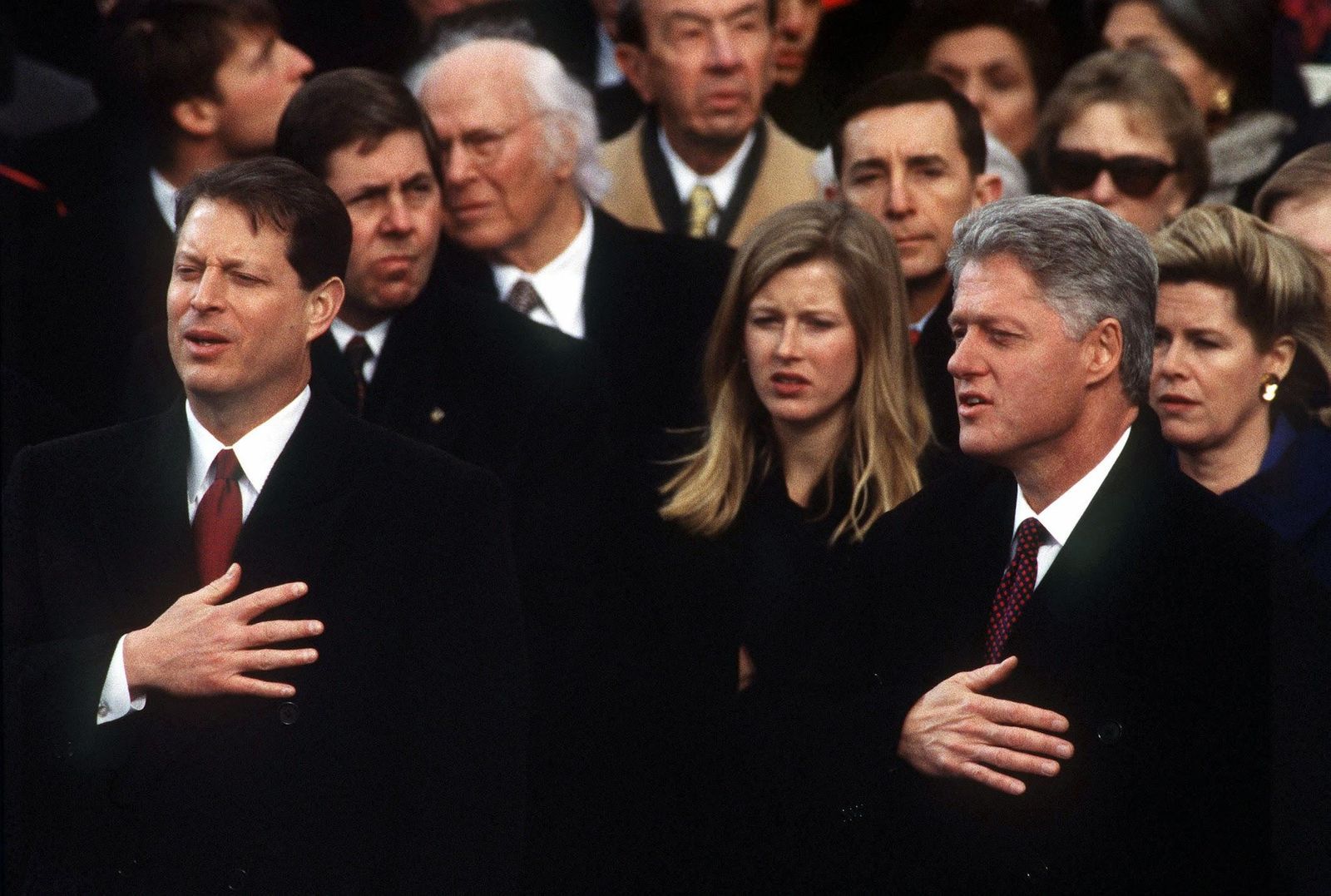
Image: MSGT Fernando Serna, USAF, Armed Forces Inaugural Committee, Public domain, via Wikimedia Commons

Only two vice presidents were awarded the Nobel Peace Prize: Charles G. Dawes received the prize in 1925 for the "Dawes Plan", an initiative to stabilize the German economy after WWI , while Al Gore received it in 2007 —jointly with the Intergovernmental Panel on Climate Change— for his efforts towards the conscientization of man-made climate change . Some also include Theodore Roosevelt in this list on account of his having served as vice president, but at the moment of receiving the prize in 1906, he was serving his second term as president.

10
The youngest and oldest Veeps
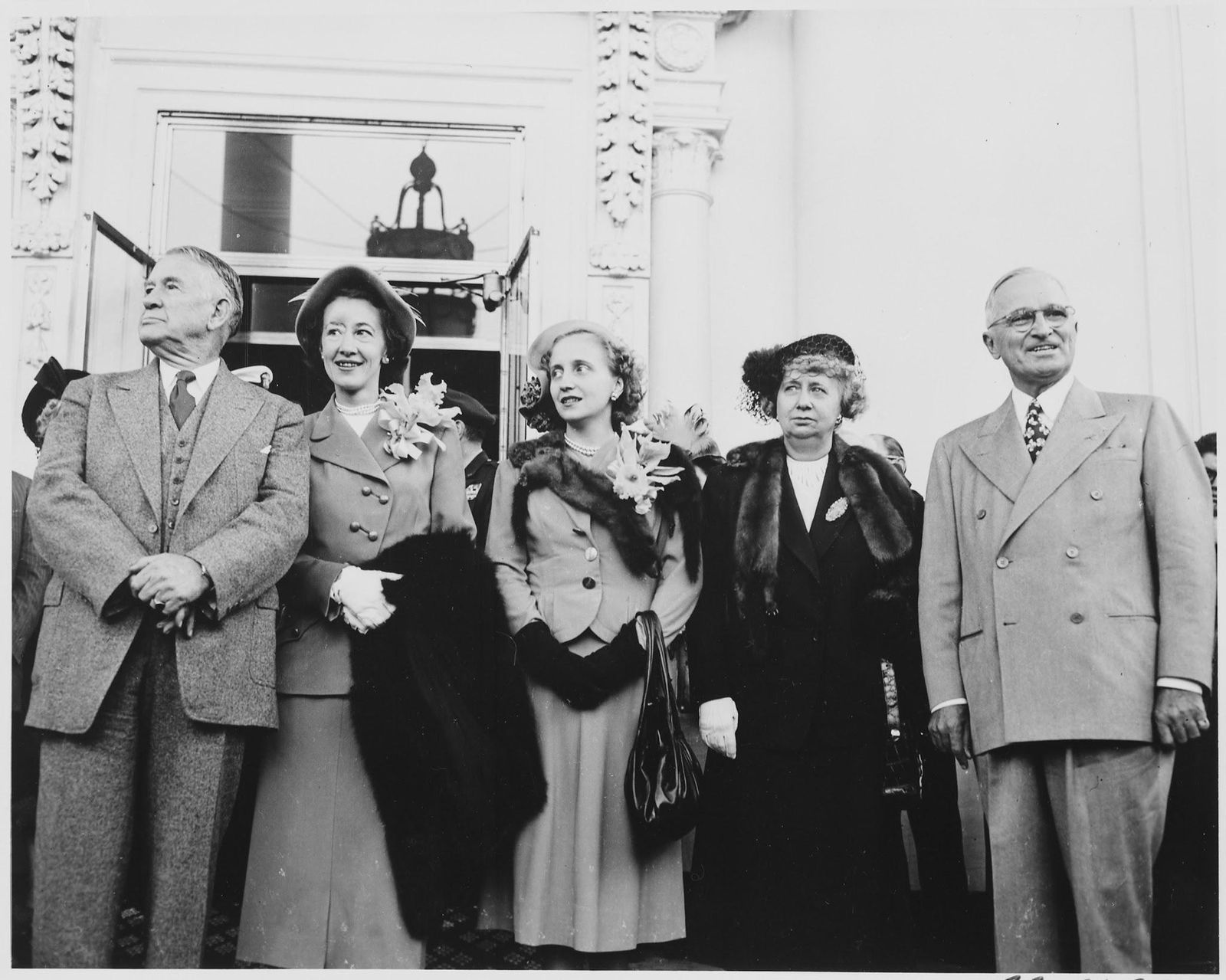
Image: Abbie Rowe, Public domain, via Wikimedia Commons

According to the Constitution, the minimum age requirement for the vice president is 35 years old. The youngest ever vice president in office was John C. Breckinridge at 36 years old , serving under James Buchanan in 1857, followed by Richard Nixon and J.D. Vance, who both assumed the role at 40 years old. The oldest vice president to take office was Alben Barkley, who in 1949 served under Harry S. Truman at 71 years old , followed by Charles Curtis at 69 years old, and Hubert Humphrey at 67 years old.
History History 6 min read

Who was the real Paul Revere? 10 shocking facts beyond the legend

Image: Keith J Finks

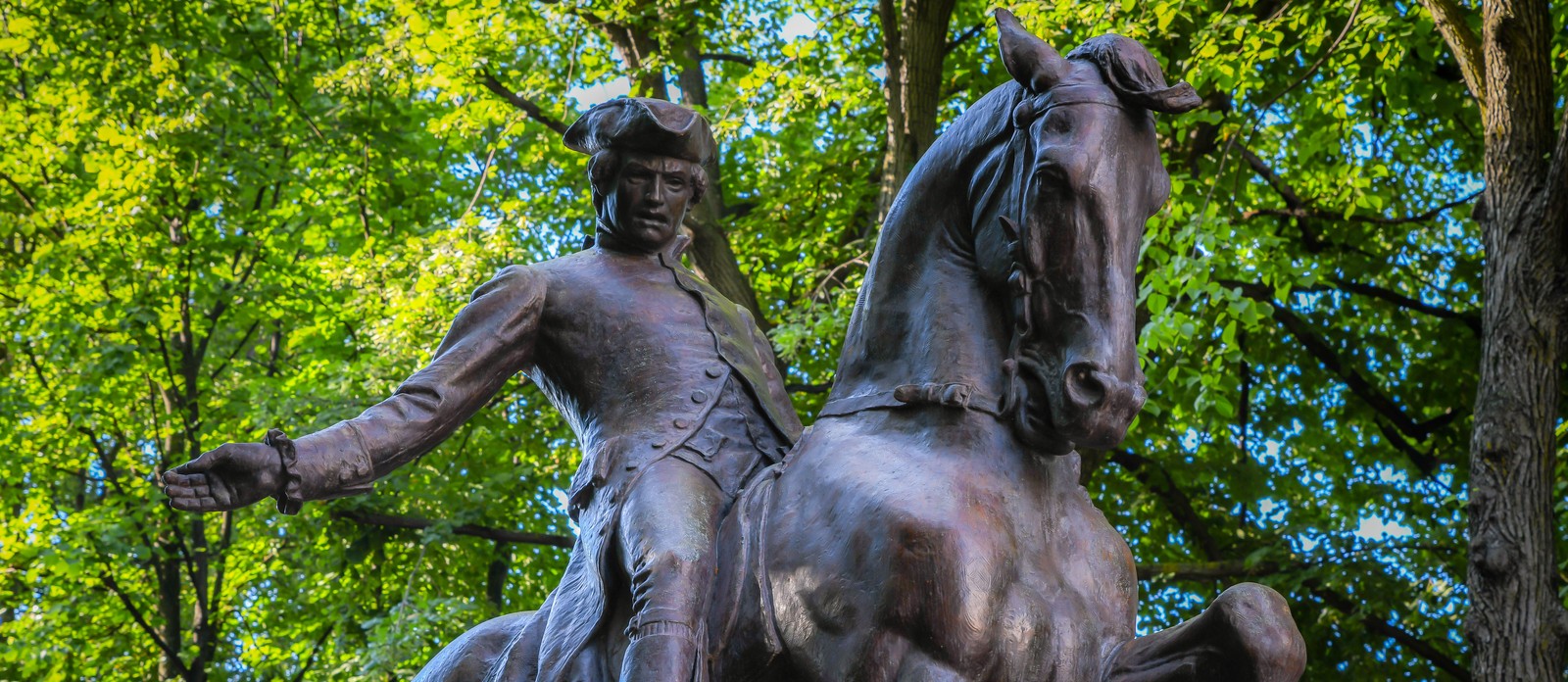
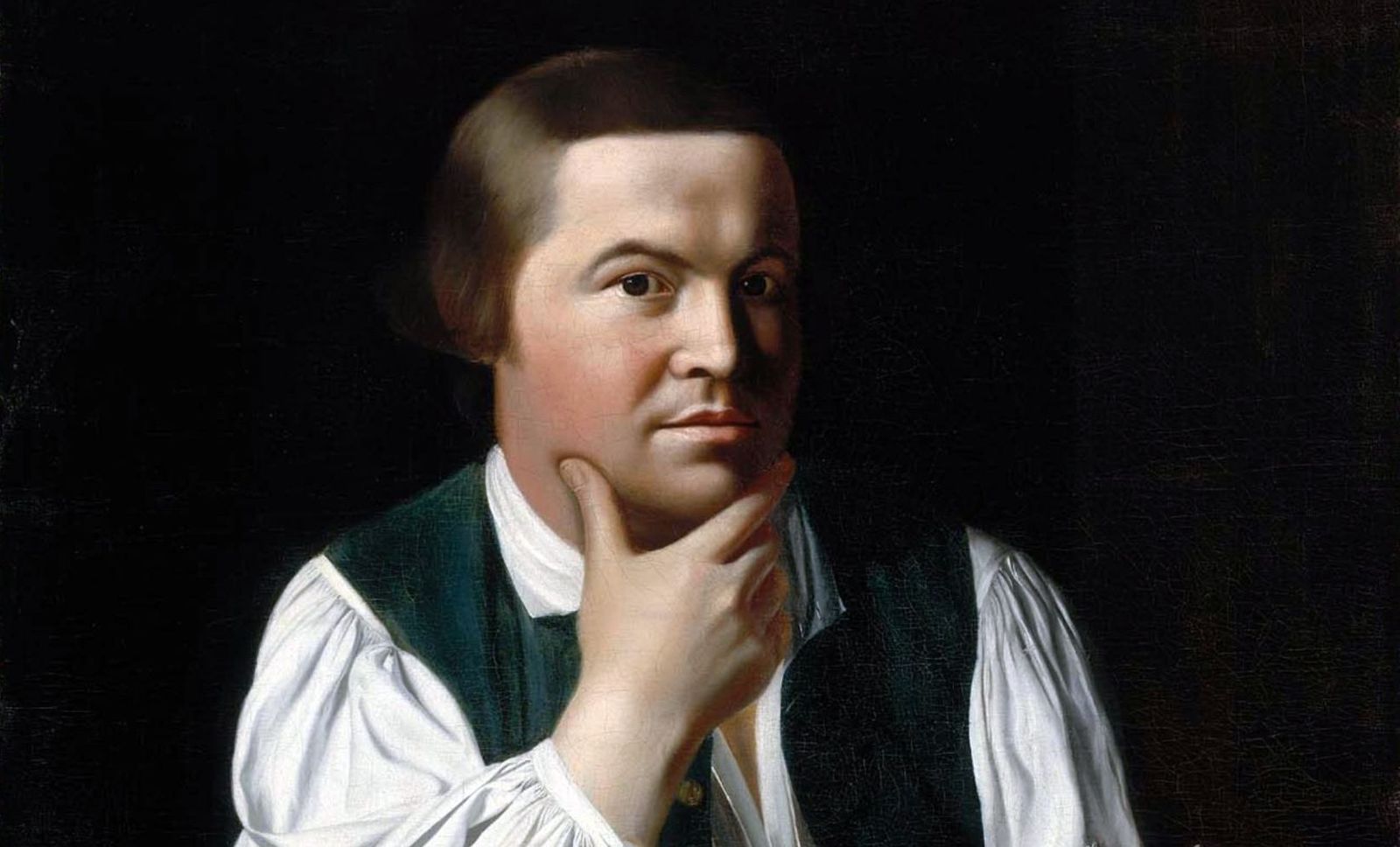
Like many stories from early American history, the myth of the heroic patriot galloping through the midnight dark, shouting a legendary warning, has completely overshadowed the man. The real Paul Revere was a fascinating human being. He was a craftsman, an innovator, and a family man. Let’s pull back the curtain on the legend and look at ten surprising facts you probably never knew about America’s favorite midnight rider.

1
He was of French descent

Image: John Singleton Copley, Public domain, via Wikimedia Commons

While we think of Paul Revere as an early American icon, his roots lay across the Atlantic. His father, Apollos Rivoire, was a French Huguenot (a member of the French Reformed Church) who fled religious persecution and immigrated to Boston as a teenager.

To fit in his new home, Apollos Americanized the family name to "Revere". Paul was born in late 1734 or early 1735, the son of Apollos and a Boston local called Deborah Hichborn. Apollos was so interested in blending in that he never taught his children to speak and read French. In fact, a young Paul Revere even fought against the French as part of the colonial forces during the French and Indian War.

2
He was an accomplished artisan

Image: Paul Revere, CC0, via Wikimedia Commons

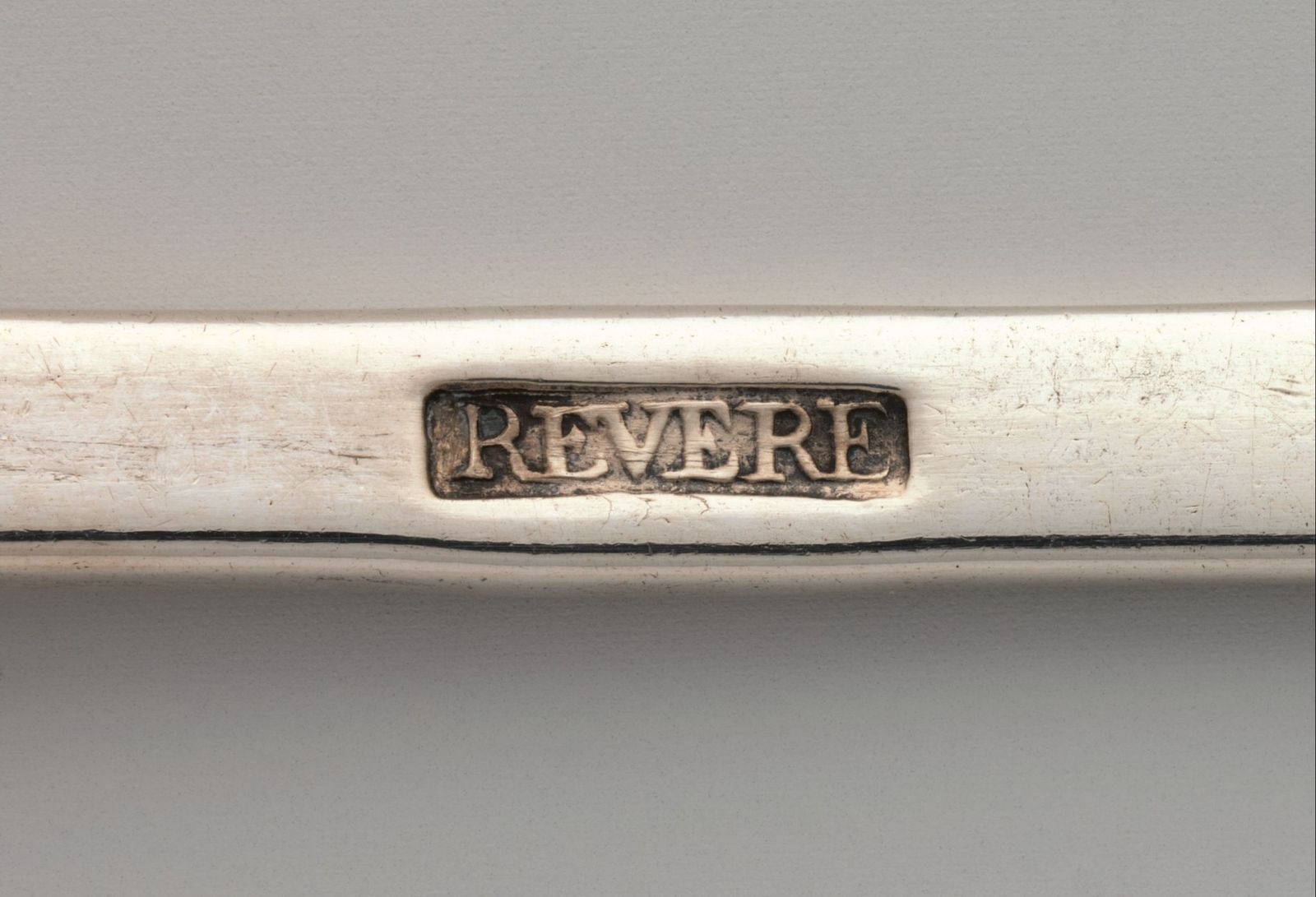
Before he was a revolutionary, Revere was a master craftsman. He learned the art of silversmithing from his father and quickly gained a reputation as an accomplished artisan. He designed seals, coats of arms, plate engravings, and silver teapots.

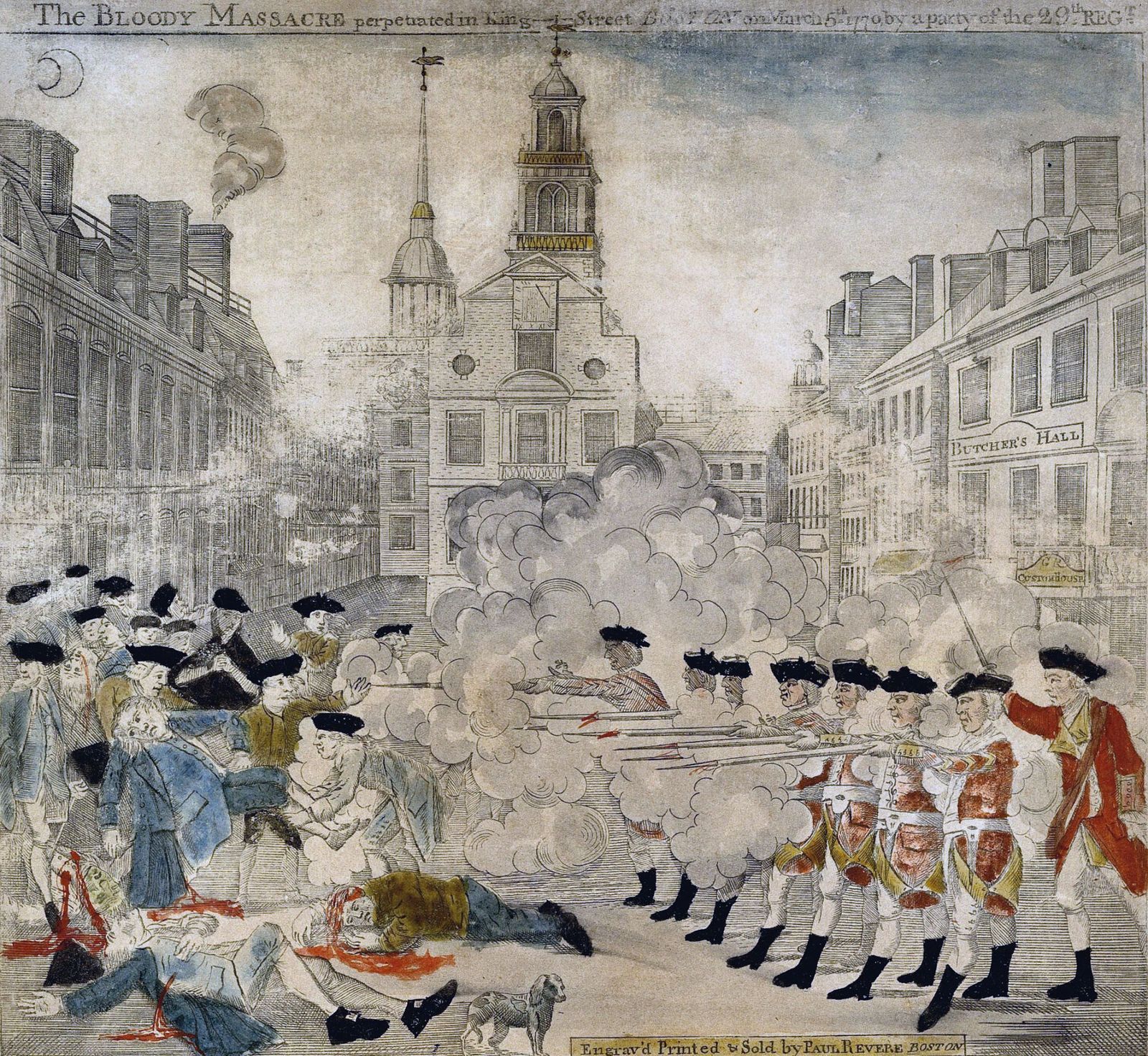
Revere also used his engraving skills to create sharp political cartoons that mocked the British. His most famous artistic work was a sensationalized engraving of the 1770 Boston Massacre. It wasn’t entirely historically accurate, but it spread through the colonies, stirring up the anti-British sentiment that laid the groundwork for the Revolution.

3
He worked as an amateur dentist

Image: See page for author, CC BY 4.0, via Wikimedia Commons

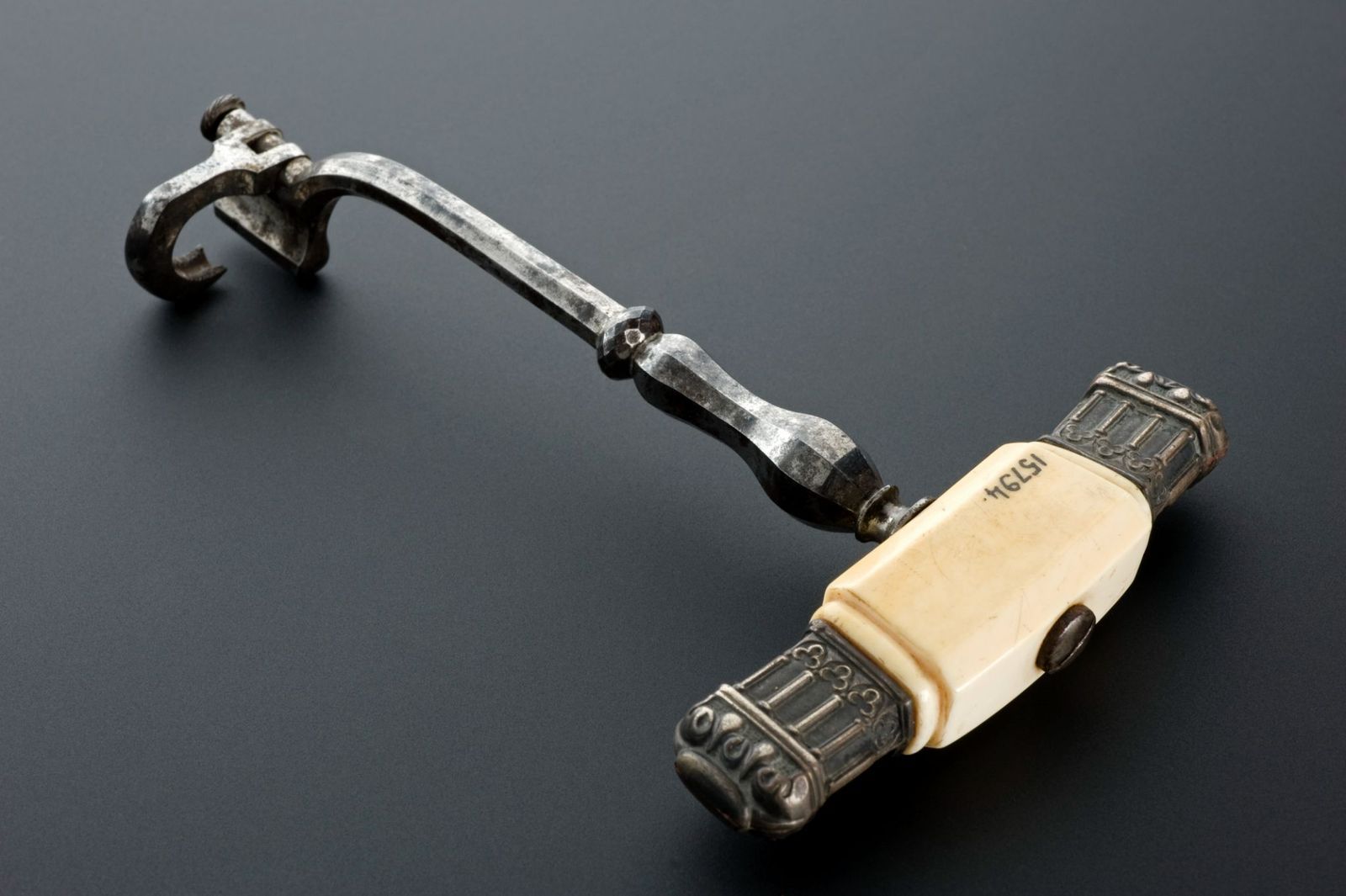
When silversmithing work ran slow, Revere picked up a side hustle: dentistry. He started cleaning teeth and crafting dental prosthetics out of animal teeth and walrus ivory for the people of Boston.

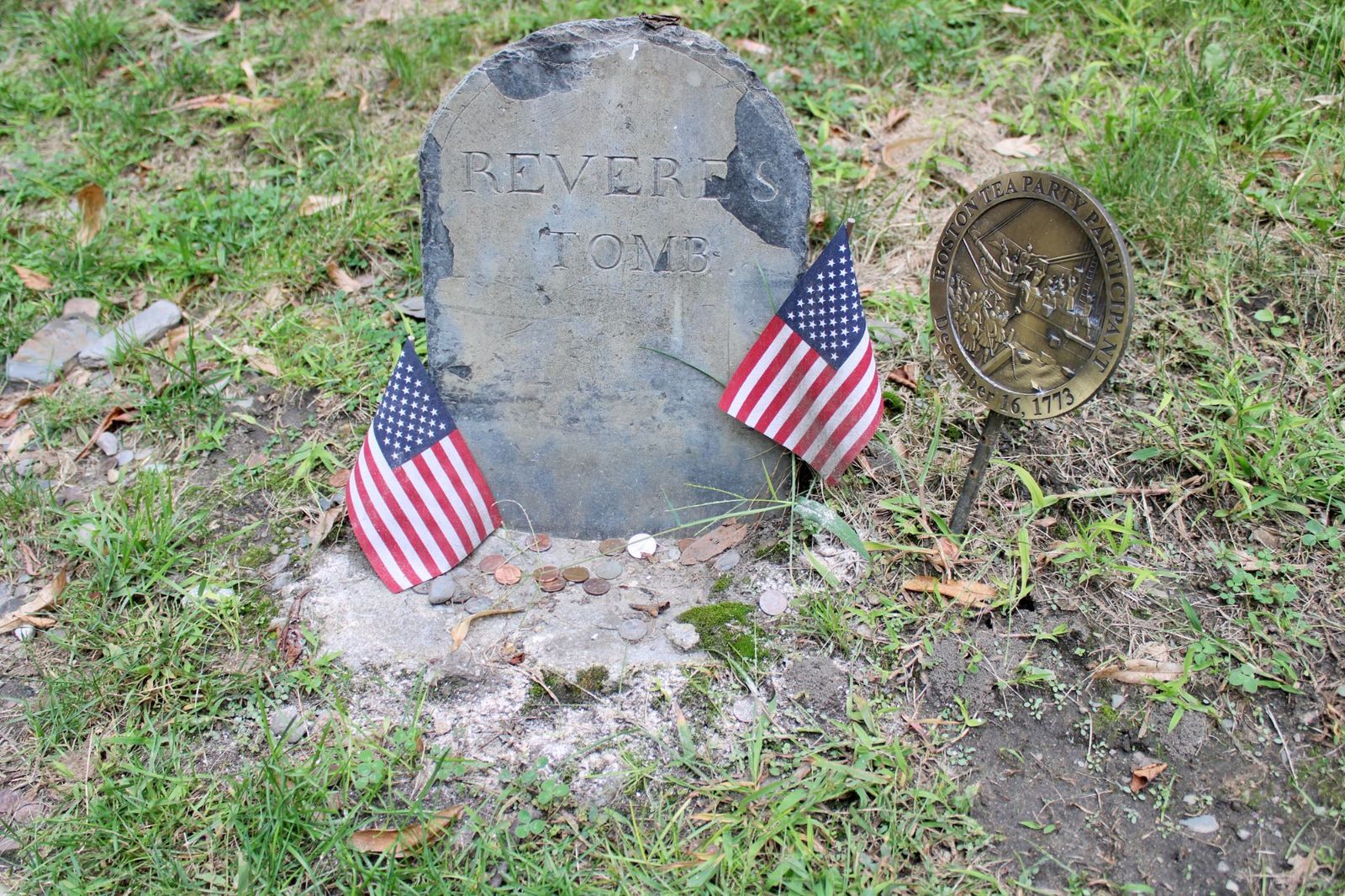
This amateur dental career actually led to a major moment in American history. In 1775, Revere’s close friend, Dr. Joseph Warren, was killed at the Battle of Bunker Hill and buried in an unmarked mass grave by British soldiers. A year later, when the bodies were exhumed, the remains were unrecognizable. Yet, Revere was able to identify Warren’s body by recognizing the specific ivory tooth and custom wire bridge he had personally crafted for his friend. It’s widely considered one of the earliest documented cases of forensic dentistry in the United States.

4
He played a key role in early intelligence efforts

Image: Zack Frank

Long before the CIA existed, Paul Revere was working as a pioneer of organized American espionage. As a member of the Sons of Liberty, Revere wanted to track British movements closely. In 1774, he helped form a spy group known as "the mechanics" or the "Liberty Boys".

These men were Bostonian blacksmiths, artisans, and laborers who used their ordinary routines to watch British troops, listening for rumors of upcoming military actions. The spies would gather at the city’s historic Green Dragon Tavern to trade secrets and map out British movements.

5
Longfellow's inaccurate poem

Image: Grant Wood, Public domain, via Wikimedia Commons

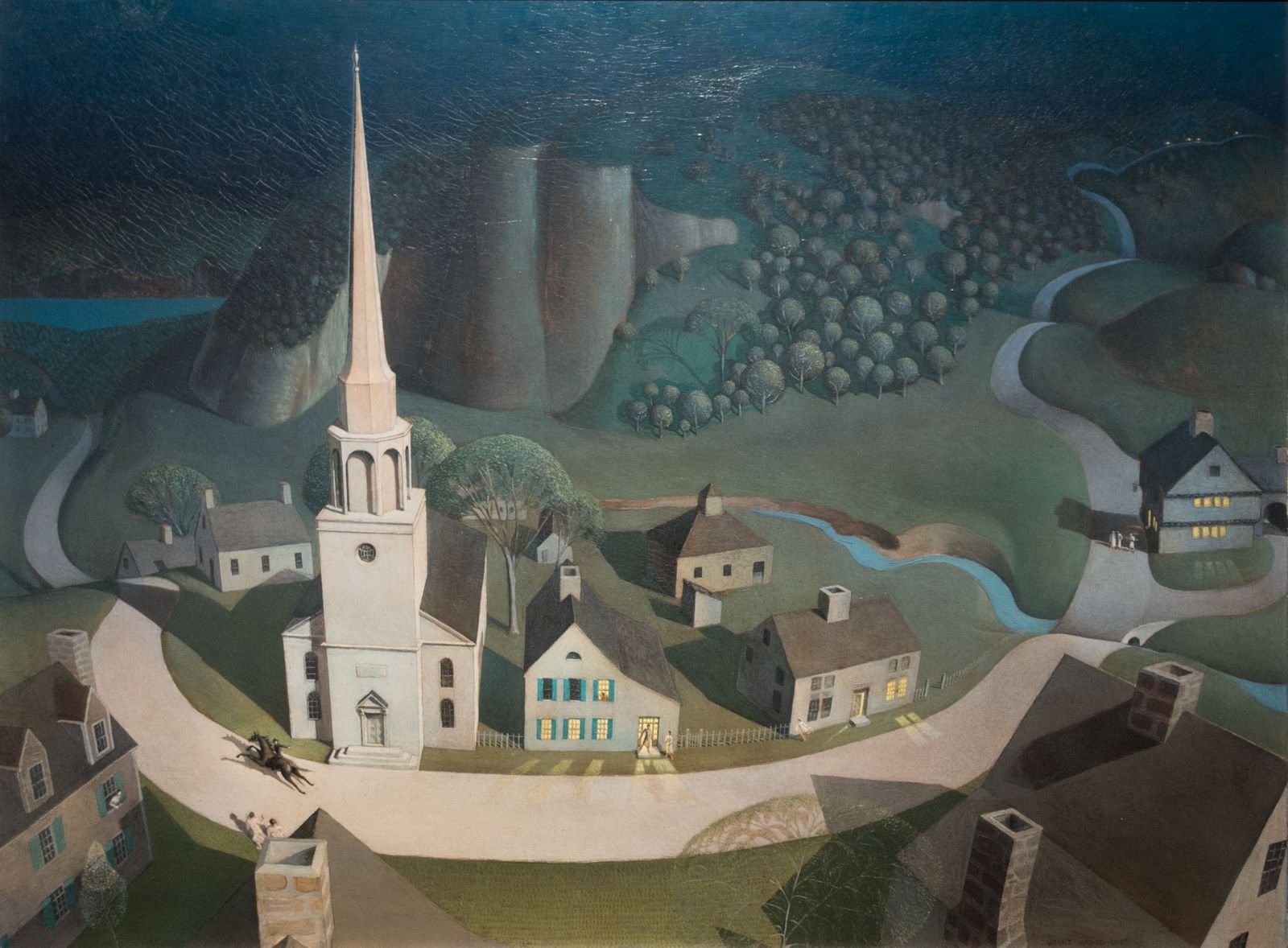
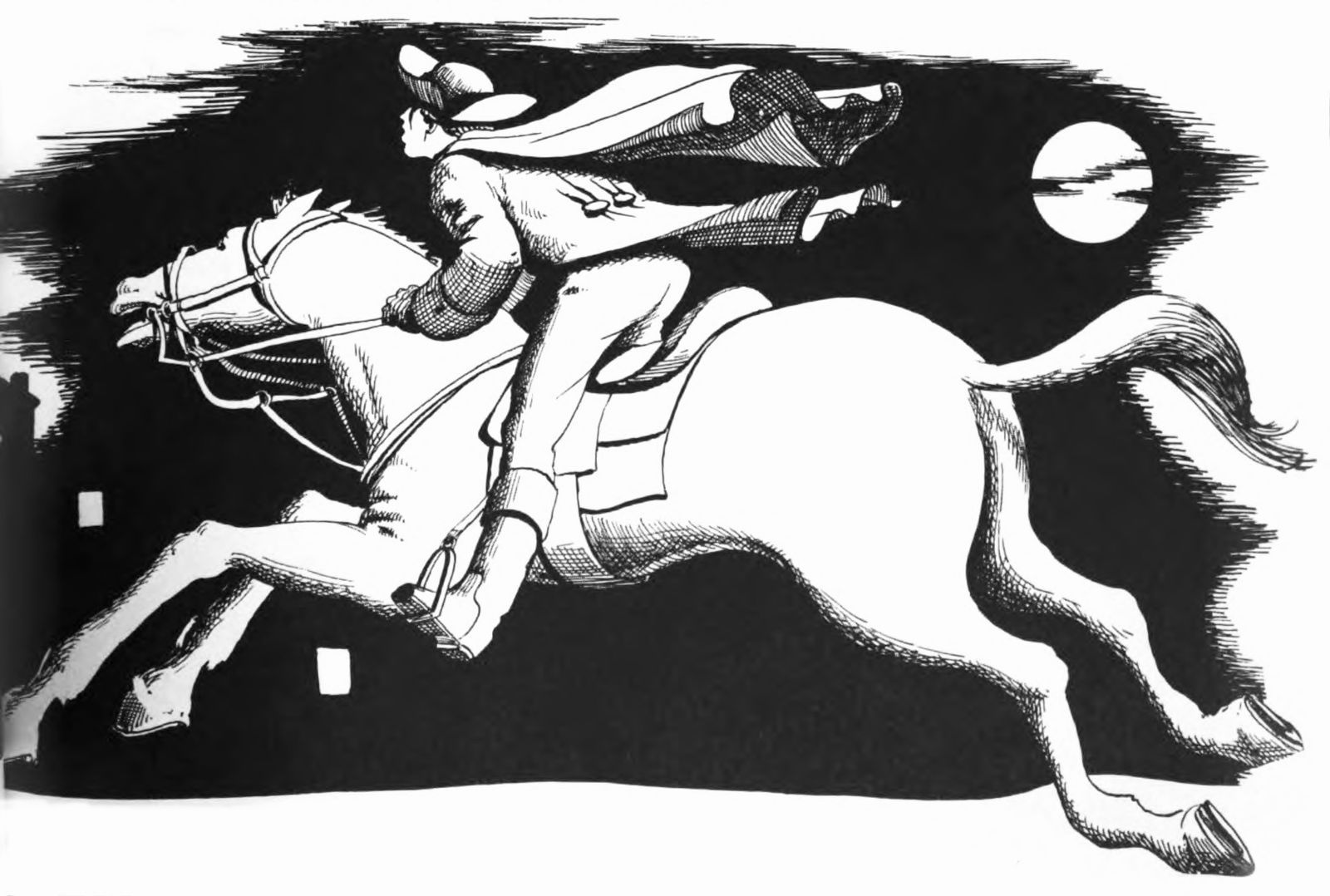
If your knowledge of Revere comes from Henry Wadsworth Longfellow’s famous 1861 poem, "Paul Revere's Ride," you’ve been given a romanticized version of history. Longfellow wrote the poem nearly a century later, on the brink of the American Civil War, to stir up national pride.

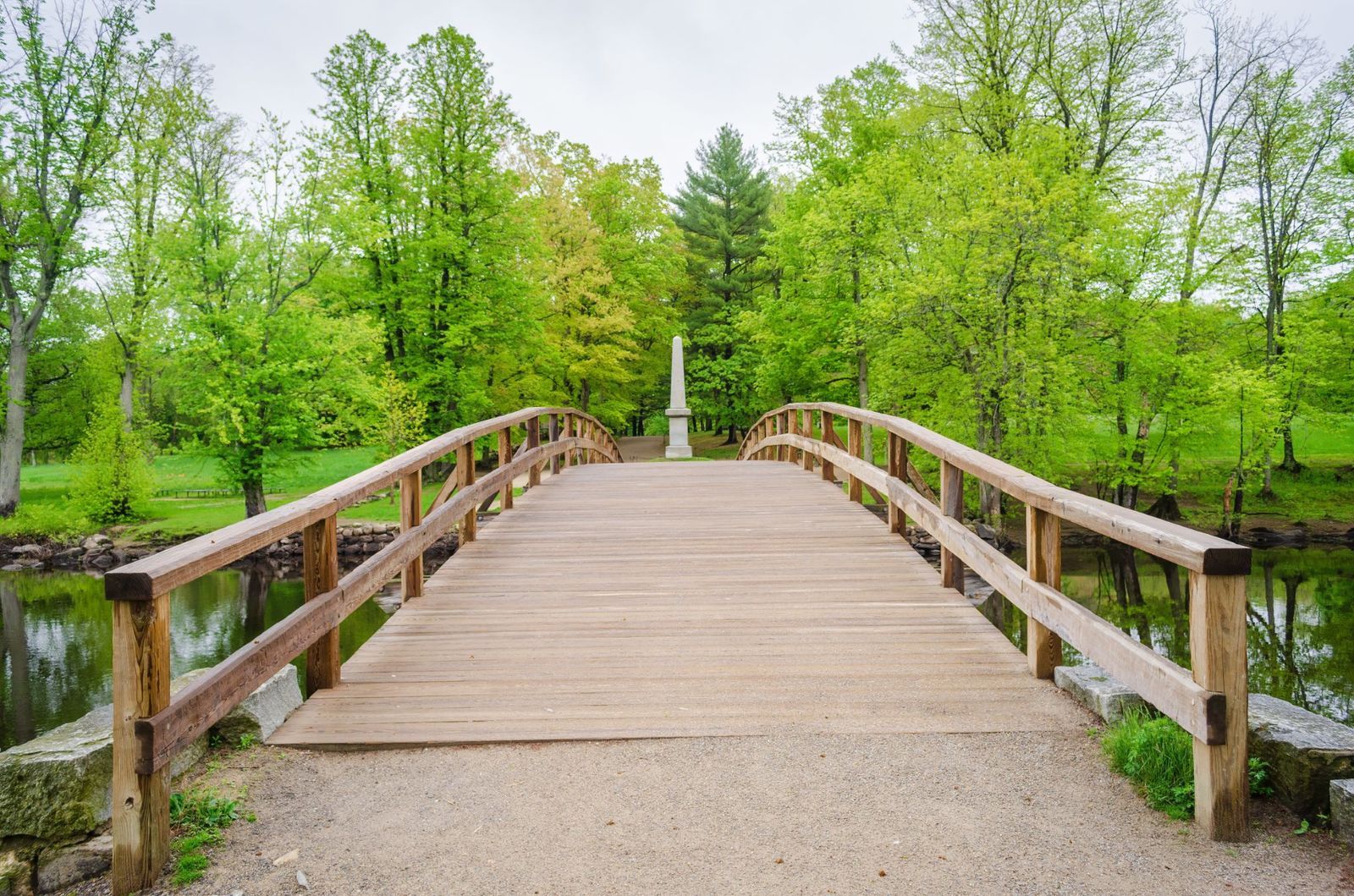
In reality, Revere wasn’t a lone rider. The night of April 18, 1775, Revere set out with two other main horsemen: William Dawes and Dr. Samuel Prescott. As they triggered local alarms, dozens of other riders joined the effort. By midnight, more than 40 people were racing across the country, spreading the word. Furthermore, Revere never actually made it to his final destination of Concord. He was captured and briefly detained by a British patrol.

6
He didn’t even own a horse for his midnight ride

Image: Tichnor Bros. Inc., Boston, Mass., Public domain, via Wikimedia Commons

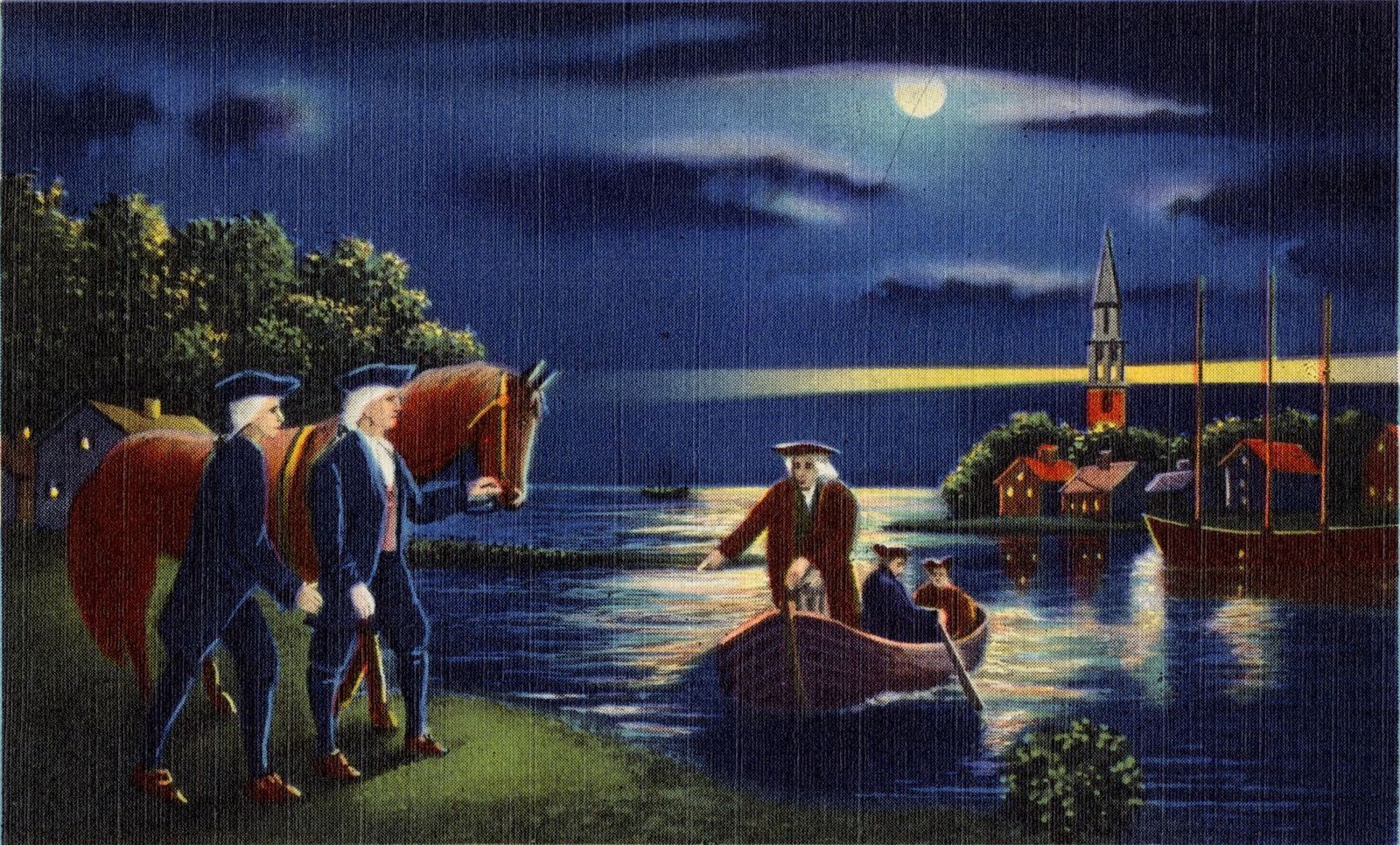
It’s hard to imagine the midnight ride without Revere’s faithful steed, but the truth is, Revere didn’t even own a horse when the fateful night arrived. Because he had to be quietly rowed across the Charles River, bringing a horse from Boston was out of the question.

Once he reached Charlestown, he had to find a ride. He ended up borrowing a horse from a sympathetic local merchant called John Larkin. Legend has it that this borrowed mare was named "Brown Beauty". Sadly, after Revere was captured later that night, the soldiers confiscated the horse, and she was never seen again.

7
He didn’t actually say THAT

Image: Leonard Everett Fisher, Public domain, via Wikimedia Commons

"The British are coming!" is one of the most famous quotes in American history, but Revere never said it. The countryside was crawling with British soldiers, so his mission had to be very quiet. Yelling at the top of his lungs would have landed him in military prison before he even left town. Instead, he went door to door delivering the warning quietly to specific patriots.

Also, the phrase wouldn’t have made sense to the colonists. At the moment in 1775, the colonists still considered themselves British citizens. Instead, historical accounts indicate that Revere used the phrase, "The Regulars are coming out!" "Regulars" was the standard colonial term for the standing British army troops.

8
His military record wasn't outstanding

Image: Public domain, via Wikimedia Commons

Although Revere was a phenomenal community organizer and courier, his transition into traditional military leadership didn’t go smoothly. During the war, he served as a major and later a lieutenant colonel in the Massachusetts State Artillery. His military career hit a disastrous low point in the summer of 1779 during the Penobscot Expedition in modern-day Maine.

The mission was a total failure for the Americans. In the aftermath, Revere was accused of cowardice, laziness, and disobedience. He faced a court-martial and spent several years fighting to clear his name. He was ultimately acquitted of all charges in 1782, but the incident permanently tarnished his dreams of military glory.

9
Fatherhood came early… and often

Image: Jeffrey M. Frank

If you think managing a household today is stressful, consider Paul Revere’s domestic life: he fathered an astonishing 16 children.

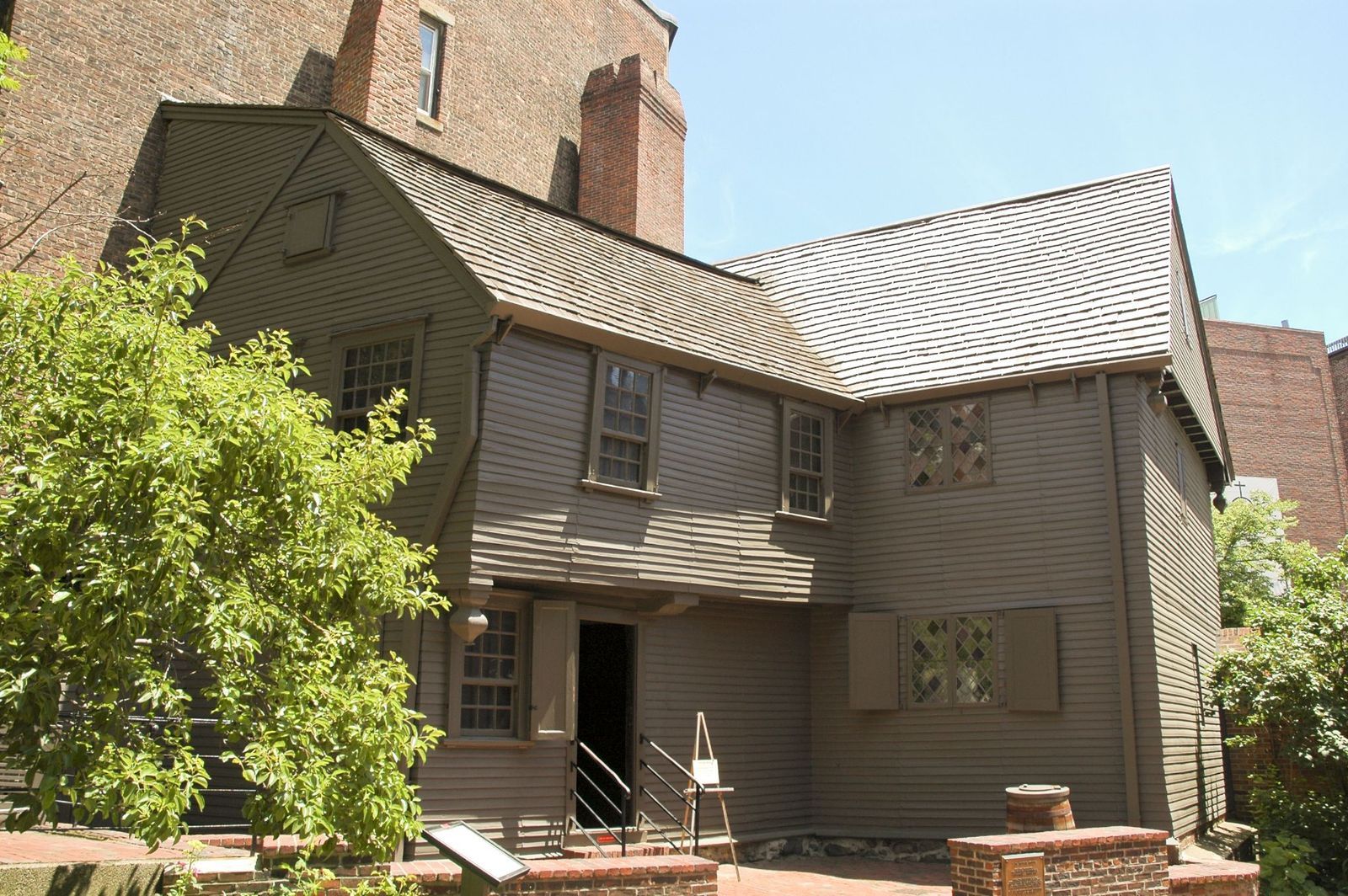
He had his first eight children with his first wife, Sarah Orne. Following her death in 1773, he remarried a woman called Rachel Walker, with whom he had another eight children. They crammed this huge family into a small townhouse at 19 North Square in downtown Boston. Amazingly for the 18th century, 11 of his 16 children survived to adulthood.

10
Revere Copper Products, Inc. is still in operation

Image: Jaclyn Vernace

After the Revolution ended, Revere left politics and went back to industry with some success. He opened a hardware store, a foundry, and the first rolling copper mill in the United States.

In fact, his business supplied the copper used to protect the hull of the USS Constitution. He also cast nearly 1,000 church bells, many of which still ring across New England today. Amazingly, the company he founded, Revere Copper Products, Inc., is still in business. Paul Revere passed away in 1818 at the age of 83, leaving behind a legacy more industrious than a single night’s ride.

History History 4 min read

Weird America

Prepare to be shocked: these 10 American mysteries remain unsolved

Image: Susan Q Yin

Everyone loves a good mystery, and American history is teaming with fascinating examples. From vanished aviators to secret codes and missing treasures, these real stories have puzzled experts for decades. Some are dark, others simply strange, but all remain open chapters in our past. Take a look at the following 10 unsolved mysteries. Which ones did you already know?

1
The disappearance of Amelia Earhart (1937)

Image: Job Vermeulen

The first entry on our list is dedicated to a world-renowned flight pioneer, Amelia Earhart, who vanished while attempting to become the first woman to fly around the globe , leaving behind only fragments of her plane and endless speculation. Radio failure, poor visibility, and fuel issues are speculated to be contributing factors to her disappearance.

Even with modern technology and repeated searches, no one has ever found definitive proof of what happened to Amelia or her aircraft.

2
The D.B. Cooper hijacking (1971)

Image: Christine Trefalt

In 1971, Dan Cooper, a seemingly quiet man, boarded a plane in Portland, Oregon, which he promptly hijacked when the aircraft was in the air. He demanded $200,000 over the radio.

The plane landed in Seattle, where authorities met his demands. Cooper released all 36 passengers in exchange for the cash and parachutes. He then ordered the remaining crew to fly toward Mexico City at a low altitude and slow speed. Somewhere over southwest Washington, he lowered the aircraft's aft stairs and jumped into the freezing night, never to be seen again.

3
The disappearance of Jimmy Hoffa (1975)

Image: Pavel Inozemtsev

The powerful union leader left a Detroit restaurant in 1975 and simply vanished . Witnesses last saw him standing by his car in the restaurant’s parking lot, and investigators believe he was coaxed into a car by people he recognized, thinking the meeting location had changed. He was never seen again. Searches in fields, lakes, and construction sites turned up nothing. To this day, it remains one of the most famous unsolved mysteries in American history.

Rumors range from mob connections to government cover-ups, but none have been proven. Ever since then, Hoffa’s name has become shorthand for anything that disappears without a trace.

4
The Yuba County Five (1978)

Image: Sebastian Unrau

In what came to be known as "America’s Dyatlov Pass", five friends vanished after attending a basketball game in the town of Chico, California. Months later, the bodies of four members of the group were found in the mountains under mysterious conditions .

The remaining member of the original party was never located, and their strange route into deep snow remains unexplained.

5
The Sodder Children (1975)

Image: Marita Kavelashvili

A fire destroyed the Sodder family home in West Virginia, but five children were never found among the remains of the house. Because of physical inconsistencies at the scene and strange sightings afterward, the family always believed they survived.

Over the years, strange sightings and letters fueled hope and confusion alike, but no real evidence has ever been found. Because of these clues, the Sodders never held a funeral and instead famously erected a billboard on Route 16, offering a reward for information and keeping the case in the public eye for decades.

6
The Springfield Three (1992)

Image: David Holgerson

On a warm summer night in 1992, Sherrill Sherrill Levitt, her daughter Suzie, and Suzie's friend Stacy vanished from their home in Springfield, Missouri, leaving behind their cars, purses, and even the family dog .

Friends arriving the next morning found the house empty but unlocked. Despite thousands of leads, no evidence or remains have surfaced. The case remains one of the most talked-about disappearances in small-town America to this day.

7
The Gardner Museum Heist (1990)

Image: Dannie Jing

Back in 1990, two men dressed as police officers entered Boston’s Isabella Stewart Gardner Museum and stole 13 works of art worth over $500 million .

No piece has ever been recovered. Empty frames still hang on the museum walls, a quiet tribute to one of history’s most expensive thefts.

8
The Max Headroom broadcast hijack (1987)

Image: Rubenz Arizta

1980s television viewers might remember Max Headroom as a somewhat clumsy computer AI TV personality and ad spokesperson. In 1987, Chicago viewers were startled when a strange figure wearing a Max Headroom mask interrupted TV broadcasts with odd messages .

The stunt lasted only seconds, but no one was ever caught or identified. It remains one of the strangest unsolved moments in television history.

9
The Great Lakes ghost ships

Image: Kyle Larivee

Over the years, s everal ships have vanished or been found adrift on the Great Lakes , their crews gone without explanation. Cold weather, sudden storms, and superstition all play roles in the stories, but some cases defy logic. The vast inland seas are simply too big to be accessible with the current technology.

Among the most notable unsolved cases, we can mention Le Griffon, a ship that vanished during her maiden voyage in 1679, the SS Banockburn, known as the "Flying Dutchman of Lake Superior," disappeared during a storm in 1902, or the SS Chicora, a luxury steamer lost in a violent winter gale while carrying a cargo of flour, in 1895.

10
The Dulce Base Mystery

Image: Pict4life

Beginning in the 1970s, a constant array of strange lights, unmarked aircraft, and talk of secret tunnels near the town of Dulce has fueled decades of conspiracy theories in this otherwise quiet area to this day.

While skeptics blame radar tests or imagination, locals still report odd sightings in the desert skies.

Explore more American facts

Choose your favorite category!

General
General

As American as apple pie—the very best America has to offer!

Culture
Culture

Delve into the astounding richness of American lore.

Geography
Geography

Hop in and explore vast and diverse American landscapes.

History
History

Discover the key moments that shaped the United States.