Teddy Roosevelt’s shocking election rally feat: 10 bizarre history facts
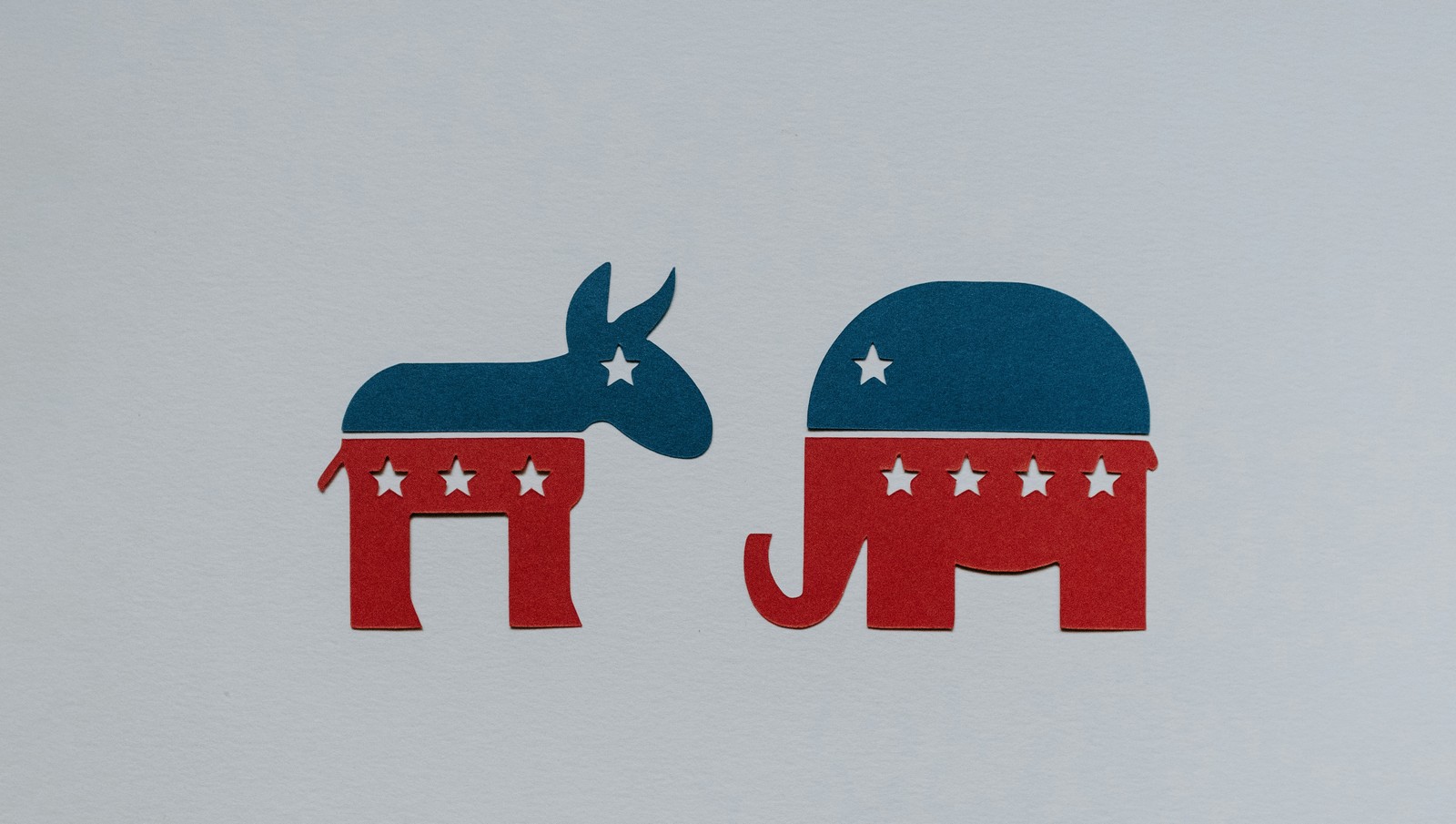
Image: Kelly Sikkema
The history of U.S. elections is filled with fascinating stories, from "Founding Feuds" and duels to ad campaigns produced by Disney. Exploring these oddities and quirks reveals that, in some ways, not much has changed since the early days of voting, and can even shed new light on today's politics. Explore ten bizarre and surprising facts from the history of U.S. presidential elections, including some incredible, last-minute feats.
1
1789 and 1792: George Washington
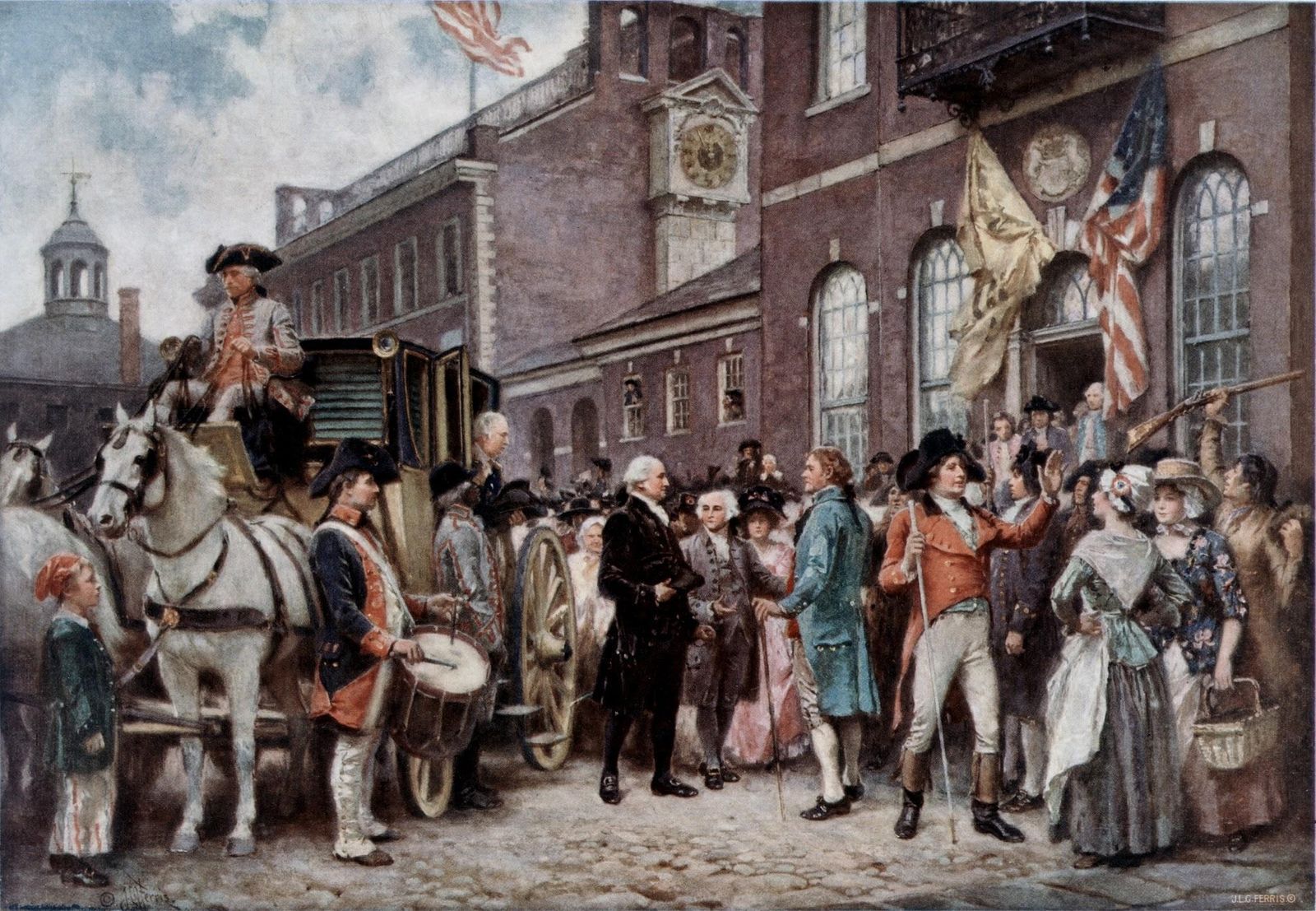
According to lore, Founding Father John Adams jealously complained that the only reason George Washington was "chosen for everything" was because "he was taller than anyone else in the room." Whatever the reasons, Washington was the only president to be unanimously elected by the Electoral College in both 1789 and 1792. In the 1792 election, the so-called "Father of His Country", though reluctant to serve a second term, was re-elected when no one dared run against him.
2
1804: Thomas Jefferson

When Alexander Hamilton, former Secretary of the Treasury, and sitting Vice President Aaron Burr challenged each other to a duel, it set off a series of events that dramatically influenced the 1804 presidential election. Hamilton, Thomas Jefferson's main political rival, was killed by Burr, who consequently destroyed his own political career. A few months later, Burr wasn’t even on the ticket, and Jefferson was overwhelmingly re-elected .
3
1824: John Quincy Adams
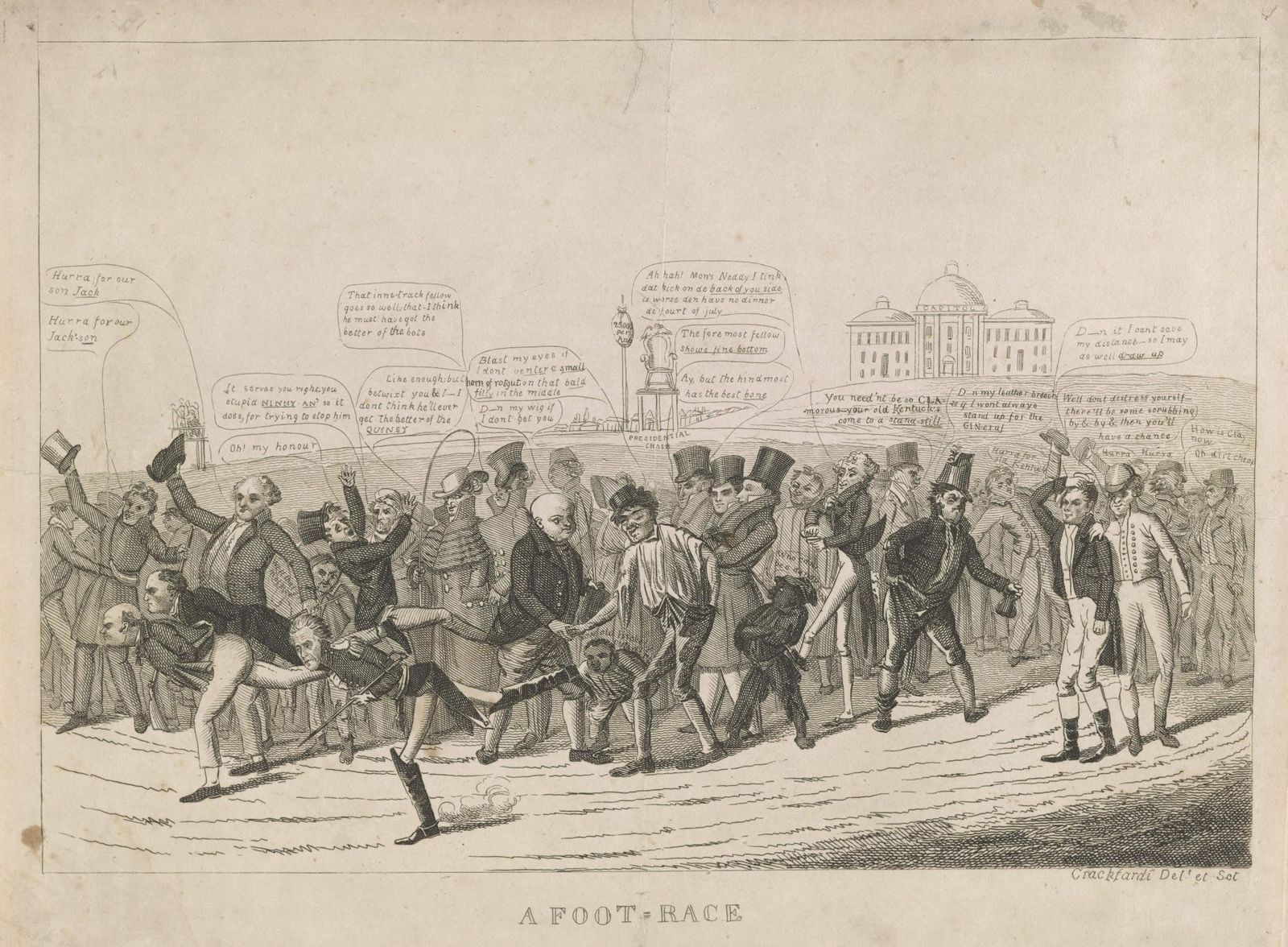
The election of 1824 was the first decided by the House of Representatives, as no candidate secured a clear majority in the Electoral College. The 12th Amendment to the Constitution provides that if no candidate receives a clear majority of electoral votes, it is up to the House to choose the president, and each state receives one vote. Andrew Jackson had won the popular vote and the most electoral votes, but John Quincy Adams was ultimately elected president.
4
1829: Andrew Jackson
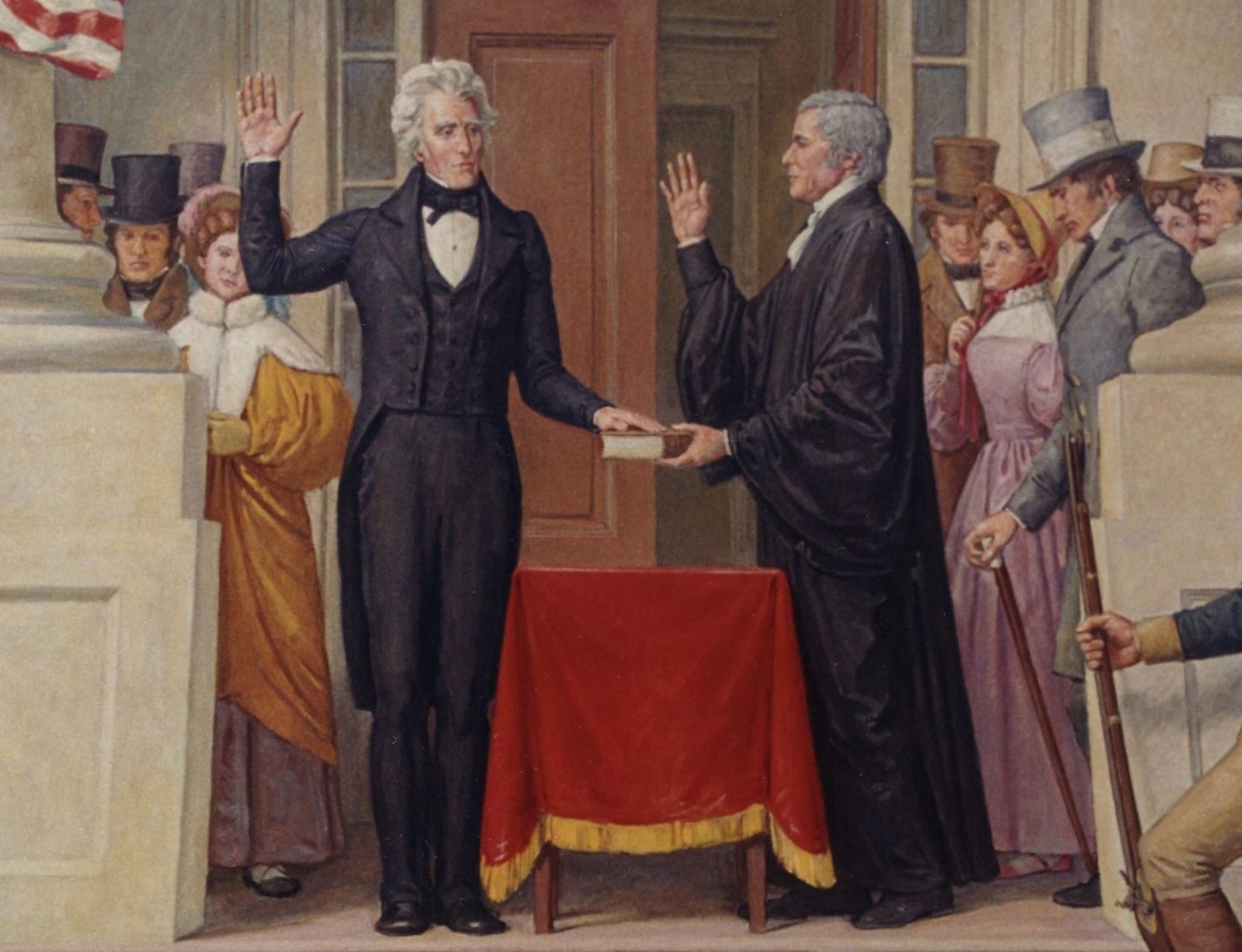
According to the chronicles of the time, Andrew Jackson’s inauguration party in March 1829 was so wild that he had to sneak out of the White House and spend the night at a hotel. In fact, it took a whole week to scrub and clean the Executive Mansion after the party.
But perhaps there was another reason for Jackson to leave. Rachel Donelson Robards Jackson, his wife, died just a few months before she would have become first lady. A vicious campaign had smeared her as a bigamist, and her heart is said to have given out from the stress. Throughout his presidency, Jackson claimed he felt very lonely. Perhaps that is why he often opened up the White House to the public.
5
1872: Ulysses S. Grant
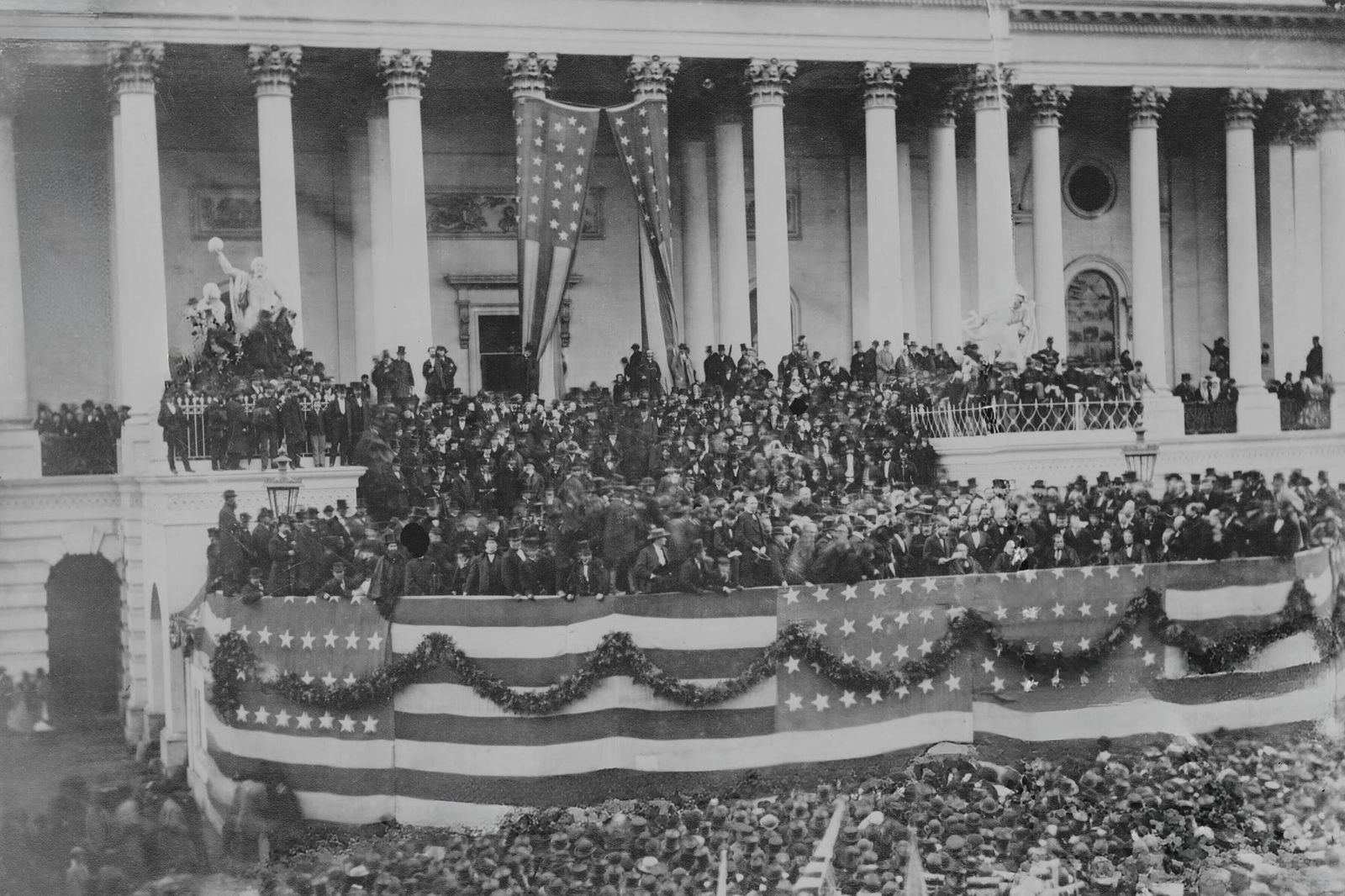
In the final phase of the 1872 election, presidential incumbent Ulysses S. Grant technically ran against a corpse. His opponent, Horace Greeley, candidate for both the Democrats and the Liberal Republicans, died on November 29, 1872, after the general election but before the Electoral College officially cast its votes. After Greeley's death, the electoral votes he had received—a rather significant number—were distributed among other candidates. Ultimately, the election resulted in Grant winning.
6
1876 and 1880: Rutherford B. Hayes & James A. Garfield
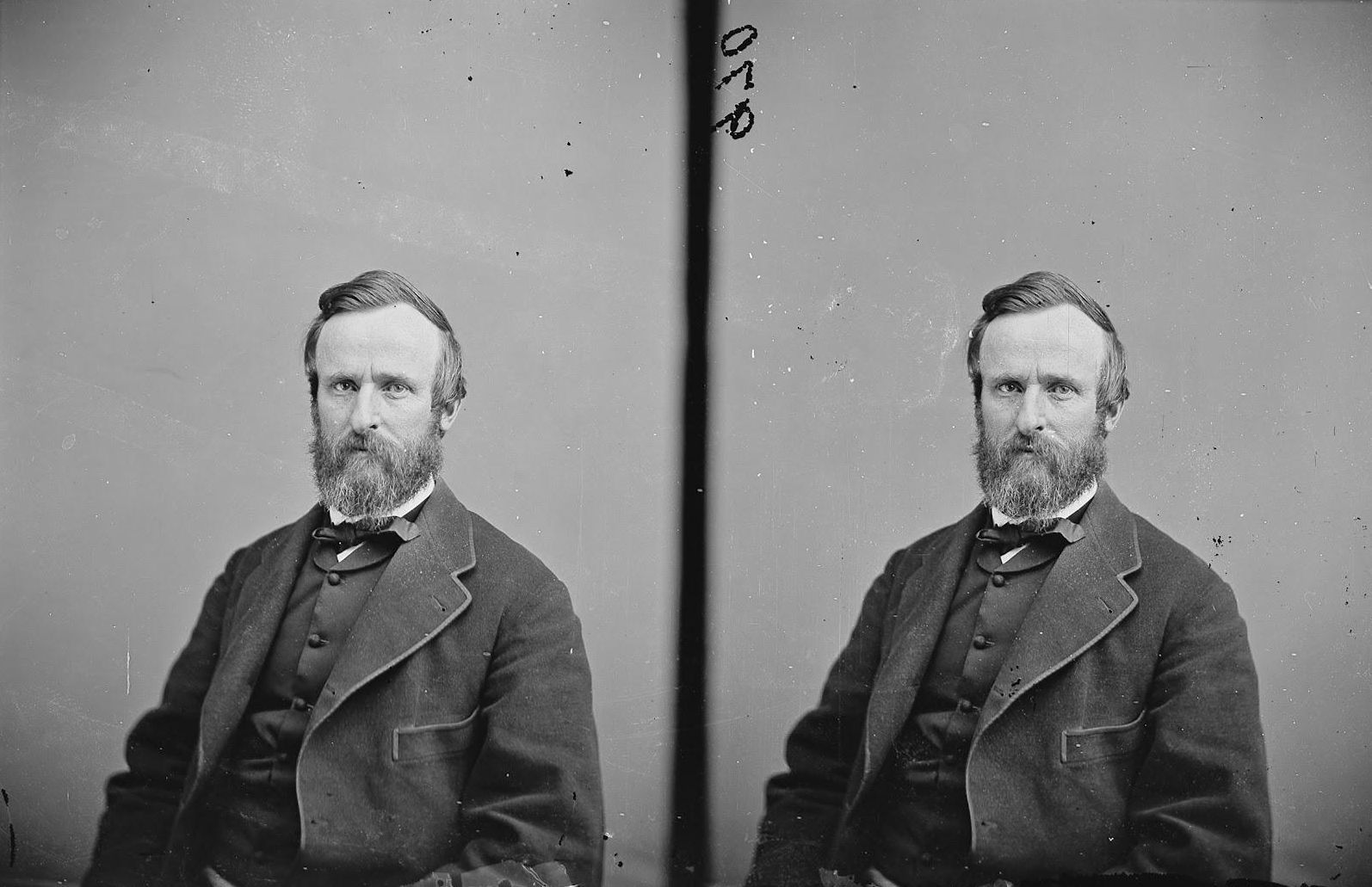
In the 1876 elections, no candidate won a majority of the votes, so Rutherford B. Hayes made a deal to become president. In exchange for the Democratic Party not disputing his election victory, Hayes agreed to withdraw the remaining federal troops from the South, which effectively ended the Reconstruction era after the Civil War.
In 1880, when Hayes chose not to run for reelection, the Republicans had the longest convention in party history—6 days—which resulted in the nomination surprisingly going to James A. Garfield, a "dark horse" who later won in the general election. Unfortunately, Garfield was assassinated a year into his term at age 49.
7
1884 and 1892: Grover Cleveland
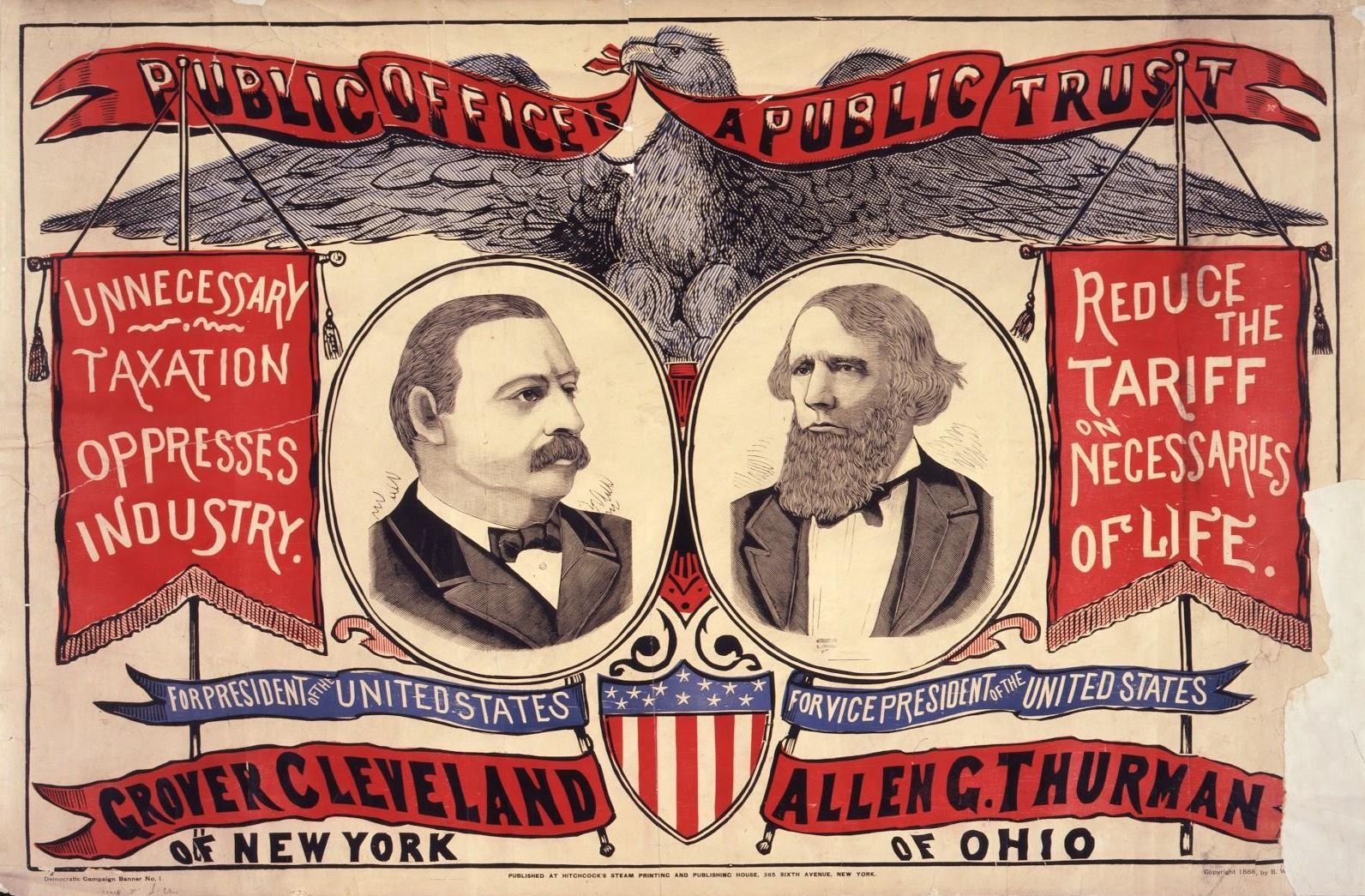
In 1884, when Grover Cleveland was elected president, phrenology , a pseudoscience that claimed a person's character and abilities could be determined by the size of their skull, was gaining cultural traction. Leaflets were distributed in New York as "scientific proof" that Cleveland was smarter than his opponent.
Four years later, he lost re-election despite winning the popular vote. But in 1892, Cleveland became the first president to win a second non-consecutive term, ushering in the first Democratic Trifecta since the Civil War.
8
1912: Teddy Roosevelt
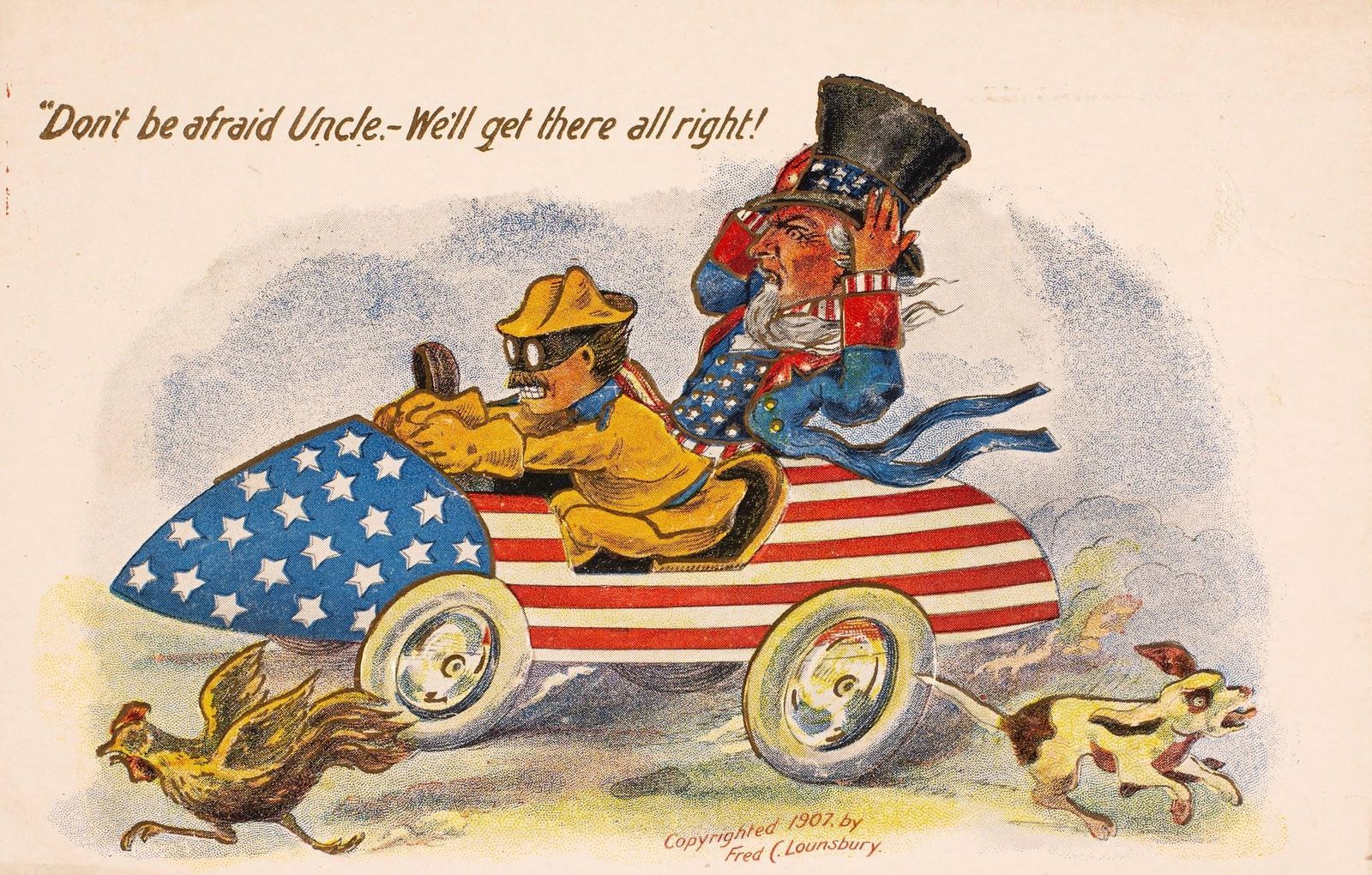
In the 1908 election, after pledging not to seek a third term, Theodore Roosevelt supported his then good friend William Howard Taft, the only person to be both President and Chief Justice of the Supreme Court. But in 1912, he decided to run for a third time as a third-party candidate.
On October 14, Teddy Roosevelt gave a 50-page speech in Milwaukee, where he was the victim of an assassination attempt. According to various accounts, he went on to speak for almost an hour and a half with a bullet lodged into his chest before he was rushed to the hospital. "It takes more than a bullet to kill a Bull Moose," Teddy said to the crowd. He eventually lost the race to Democrat Woodrow Wilson.
9
1932, 1936, 1940, and 1944: Franklin D. Roosevelt
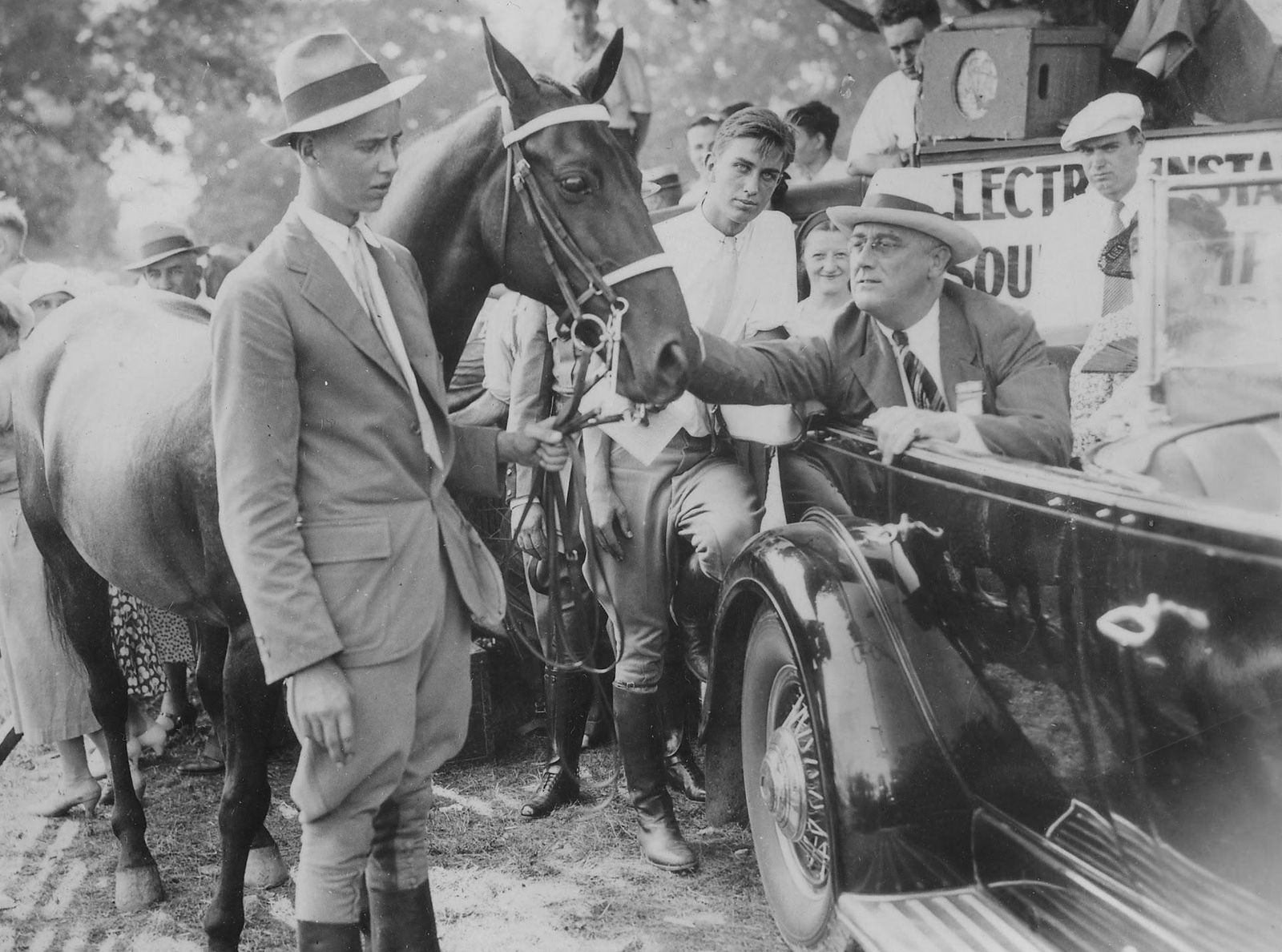
FDR was the first Democrat since Franklin Pierce in 1852 to win a majority in both the popular vote and the Electoral College. Four years later, in 1936, in part due to the support of the New Deal, African Americans shifted their majority for the first time ever, from the party of Lincoln to the party of FDR, giving him the win.
In 1940, the Republican Party chose Wendell Willkie, a New York businessman and former FDR delegate, to oppose Roosevelt, who was running for the third time. Yet, he was walloped. In 1944, pitching steady leadership in the face of World War II, Roosevelt won an unprecedented fourth term. Unfortunately, he died just 3 months into it at age 63 from a stroke.
10
1952: Dwight Eisenhower
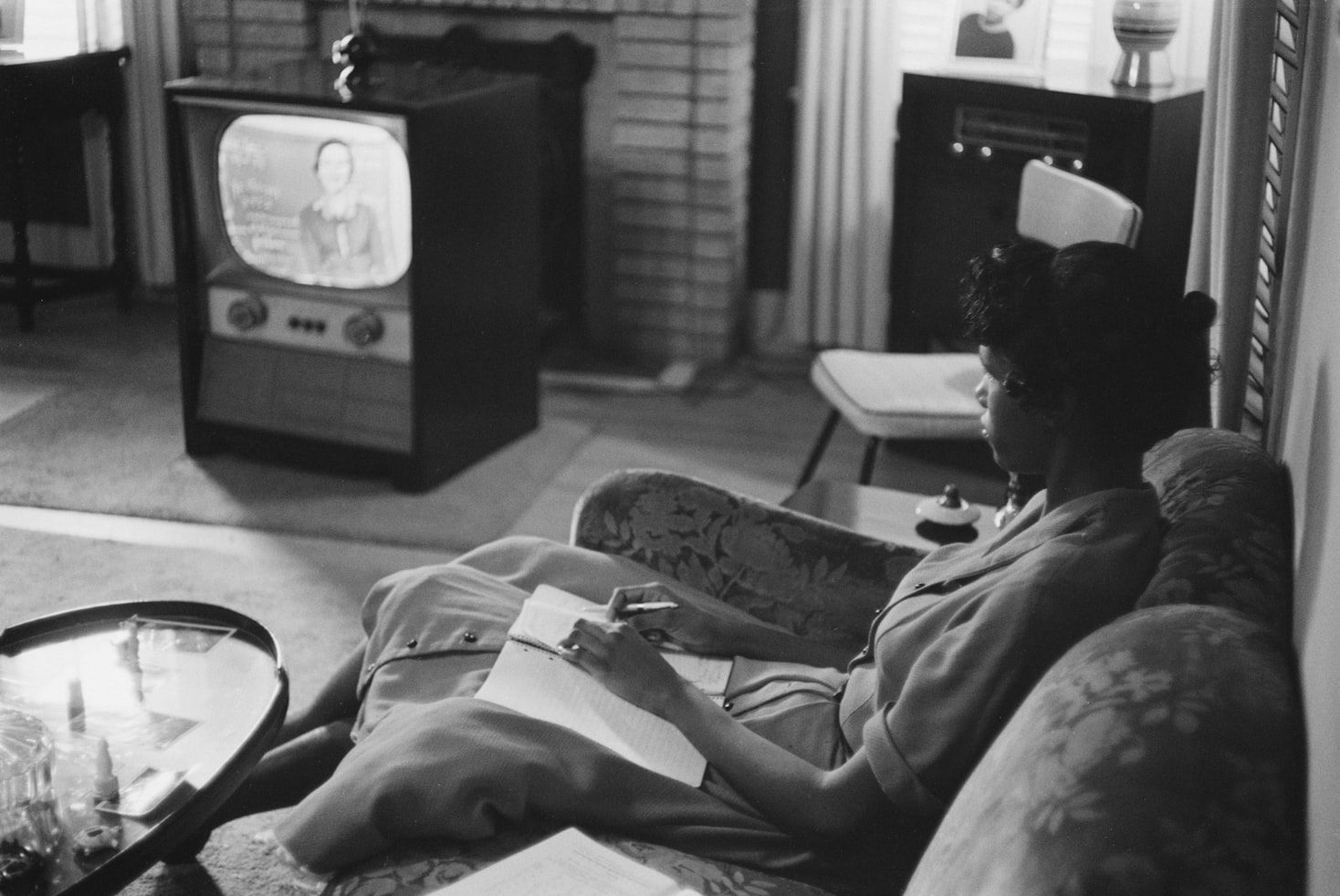
Did you know one of Dwight Eisenhower's 1952 ads was produced by the Walt Disney Company? Roy Disney—Walt's brother—created a highly effective, minute-long, animated political commercial known as "Ike for President" or "We'll Take Ike." In fact, it was the first animated presidential campaign ad in U.S. history.
The ad featured an upbeat jingle, an animated Uncle Sam, and a Republican elephant leading a parade of citizens. The commercial was widely considered a success and was credited with softening Eisenhower's image, who ended up winning that year’s bid against Democratic opponent Adlai Stevenson.