General General 4 min read

A map of weirdness

From Bigfoot to the Jersey Devil, discover these American mysteries!
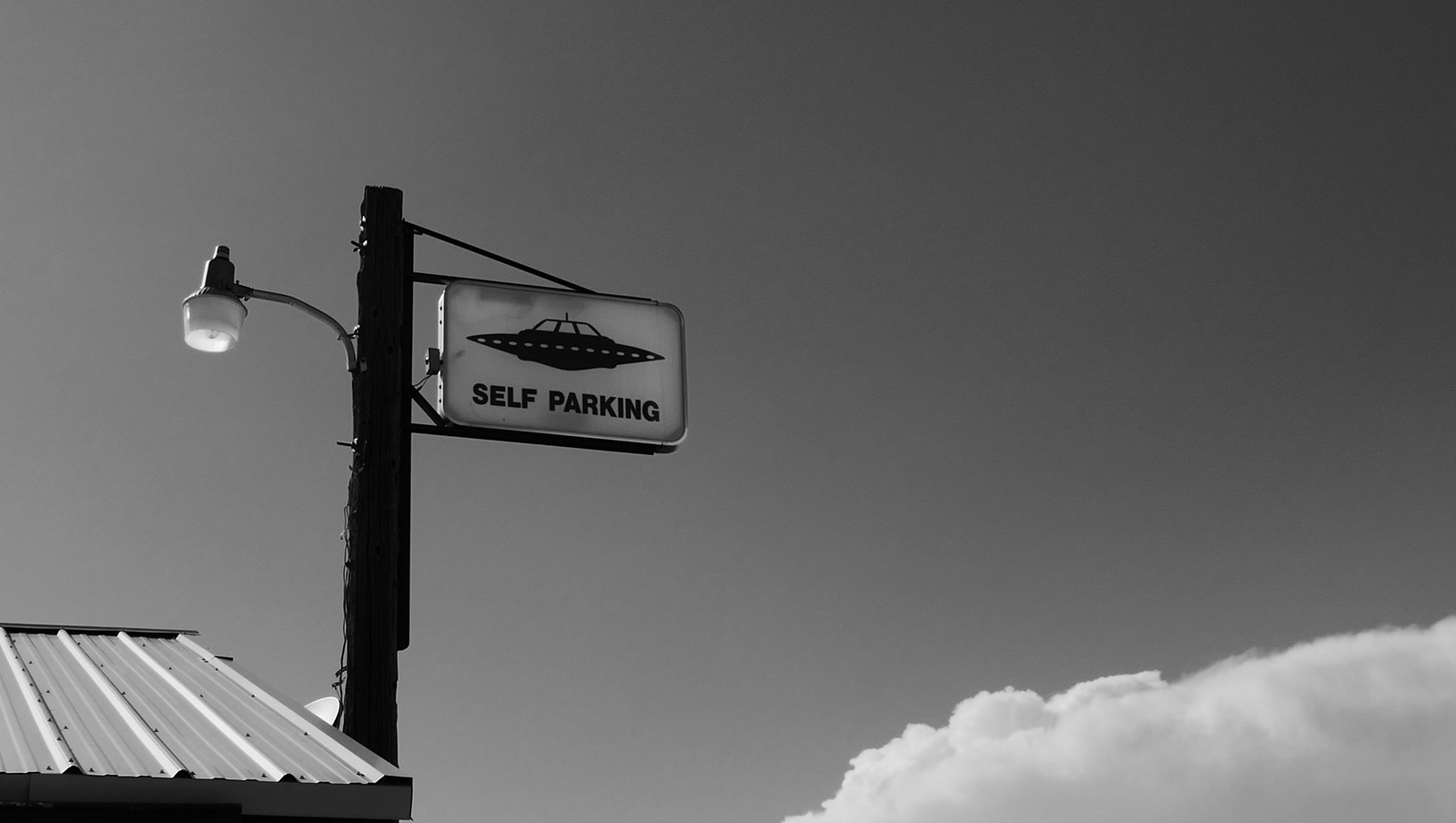
Image: Michael Herren

America is undoubtedly a vast country, and this great land of ours certainly holds its fair share of mysteries. From coast to coast, you’ll encounter fascinating, enchanting, and sometimes chilling secrets hidden across all 50 states. With that in mind, we’ve selected 10 of the most captivating American mysteries, hoping to inspire the adventurer hiding in all of us. Enjoy!

1
Bigfoot
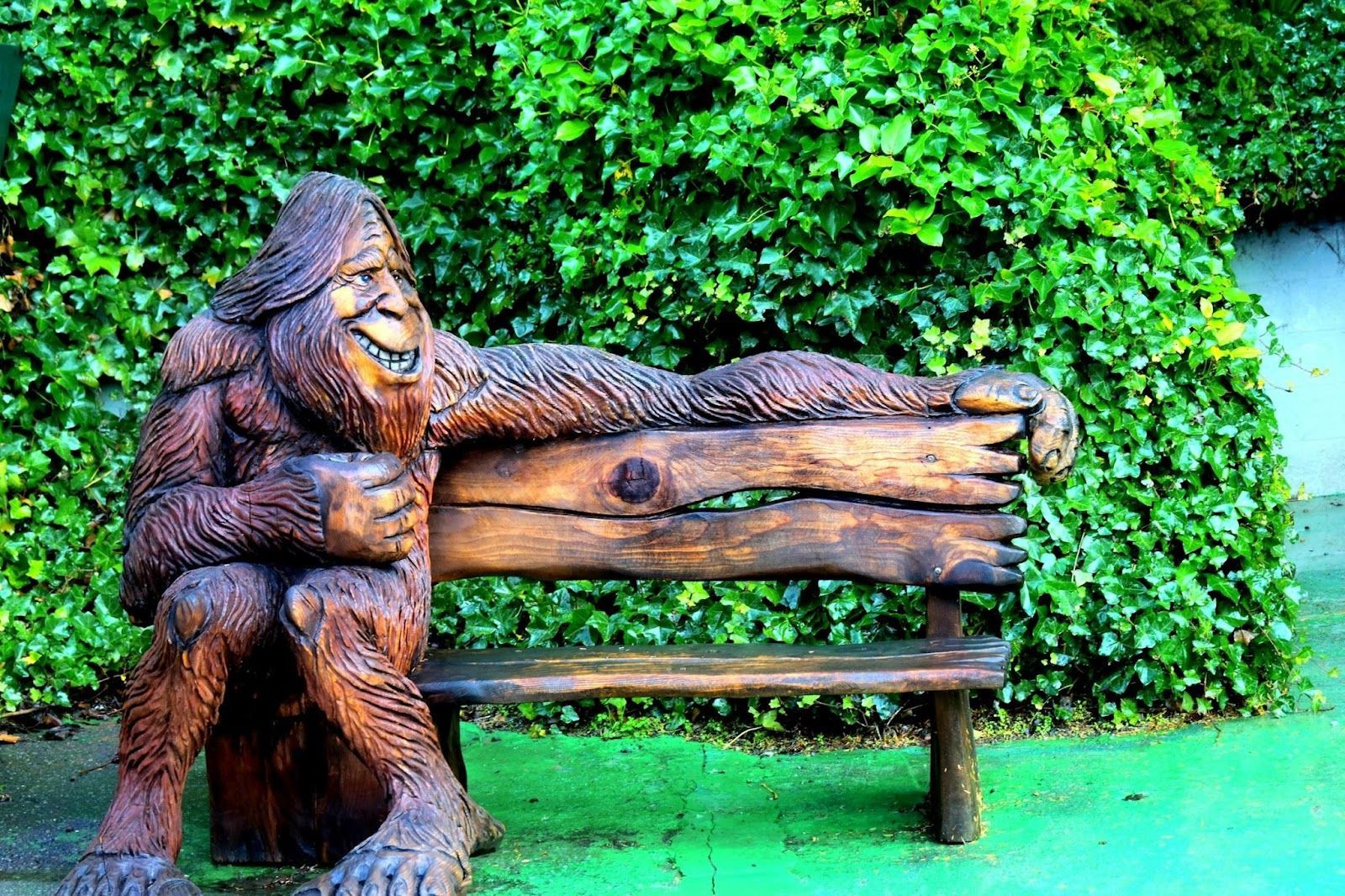
Image: Mandy Bourke

We’ll start with a classic. For many Americans, Bigfoot is the quintessential mystery —a fantastical creature that has fascinated generations. Also known as Sasquatch, Bigfoot is described as a large, hairy, ape-like being that supposedly roams the forests of North America, evading hikers and adventurers. Some believe most sightings result from misidentifying large mammals like black bears, but true believers continue their relentless search for this mythical creature.

2
Area 51
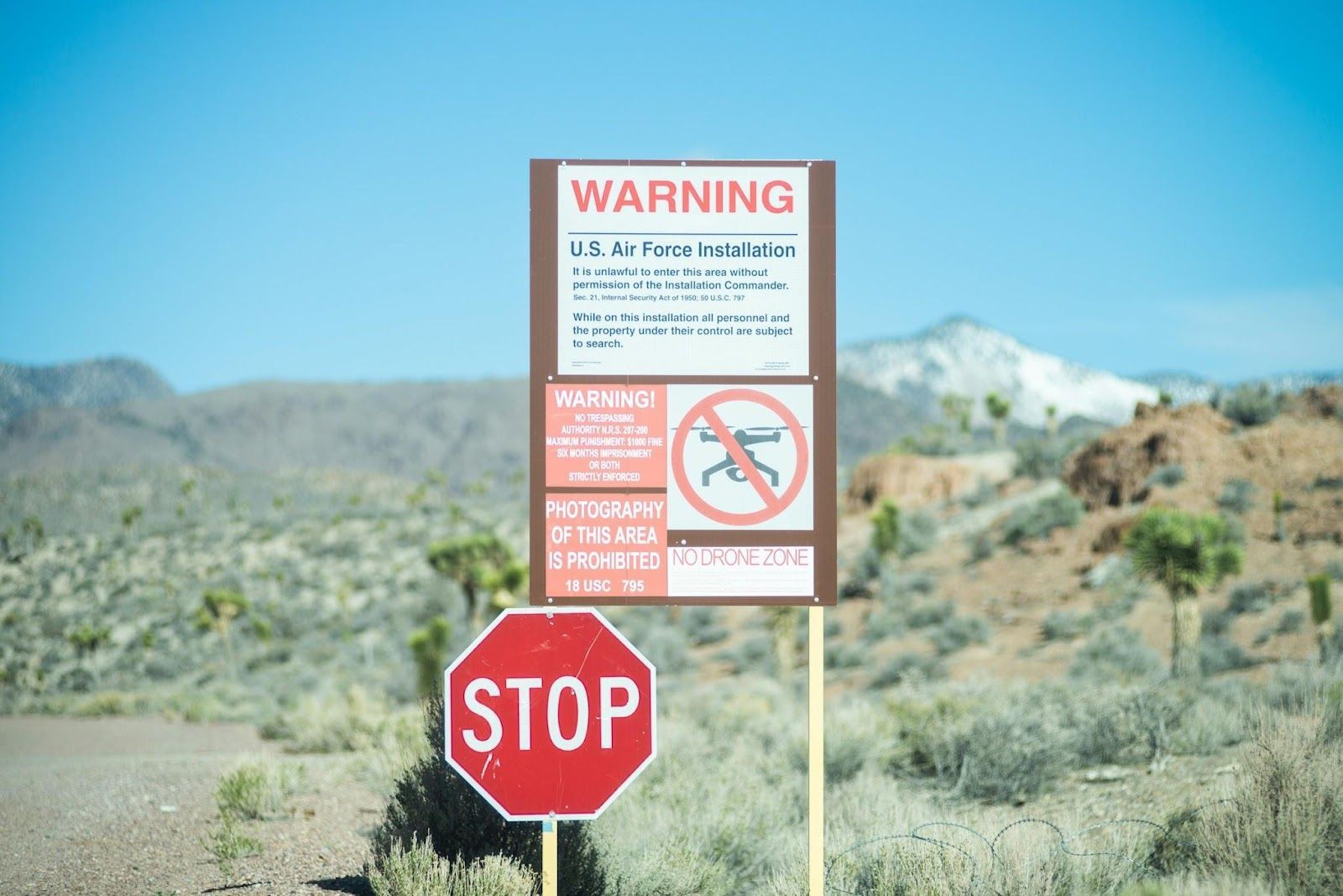
Image: Oliver Pacas

Who would have thought that a number could become synonymous with aliens and mystery? There’s no doubt that Area 51 exists—it is a real and highly classified United States Air Force facility in Nevada. However, most of us know it for the intrigue surrounding it. According to some sources, Area 51 houses crashed spaceships and alien life forms . Of course, the government denies these claims, but to quote the classic TV show The X-Files , some theorists "choose to believe."

3
Amelia Earhart
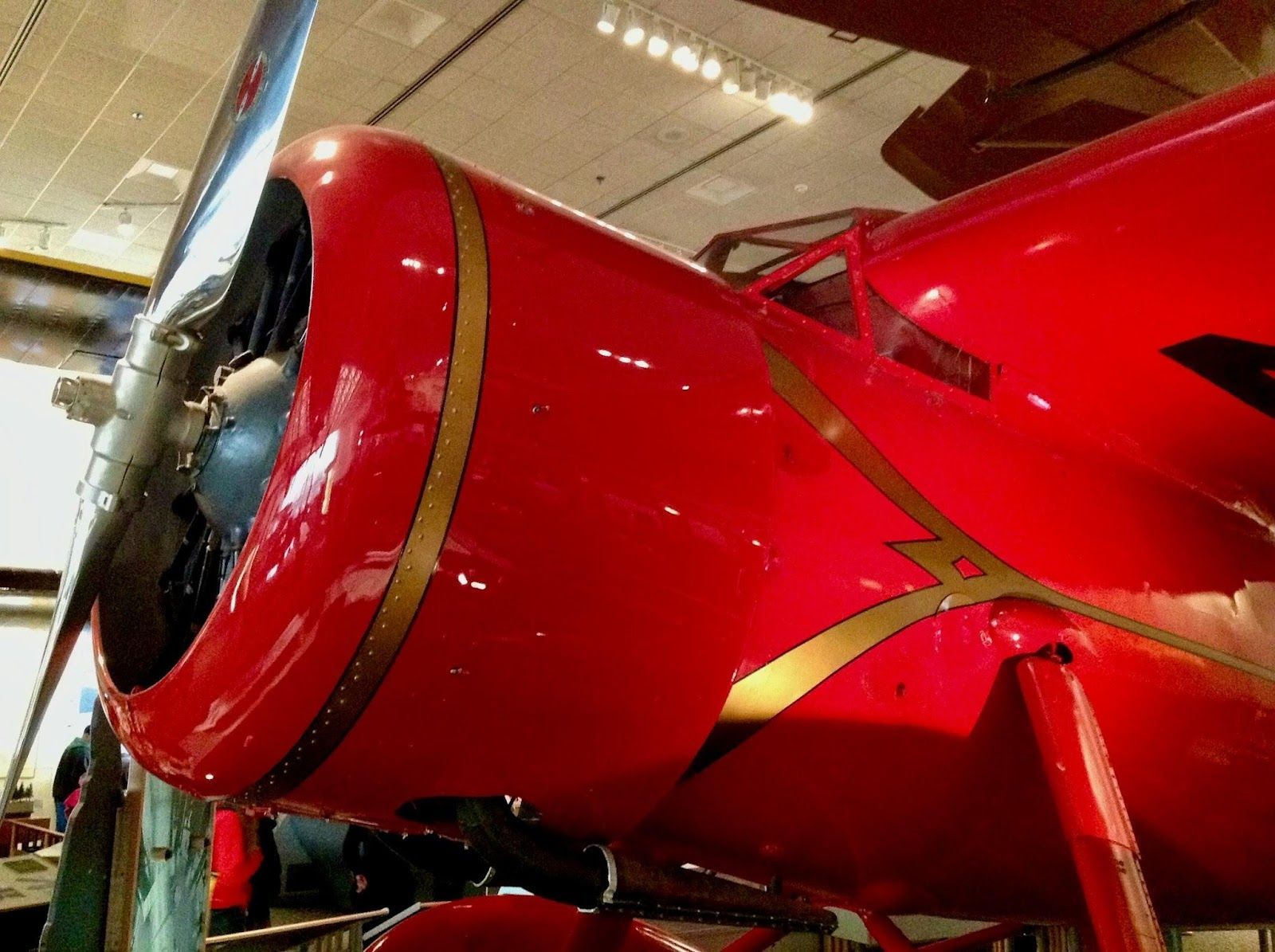
Image: Tomas Martinez

Amelia Earhart's life was one filled with adventure. She became the first female pilot to fly solo nonstop across the Atlantic Ocean, among many other feats. Beyond her achievements, her magnetic personality and best-selling books made her an international icon, forever cemented as an American cultural icon. Her mysterious disappearance only deepens the intrigue surrounding her: While attempting to become the first female pilot to circumnavigate the globe, Earhart’s plane vanished over the Pacific Ocean —no wreckage or remains were ever found.

4
Mothman
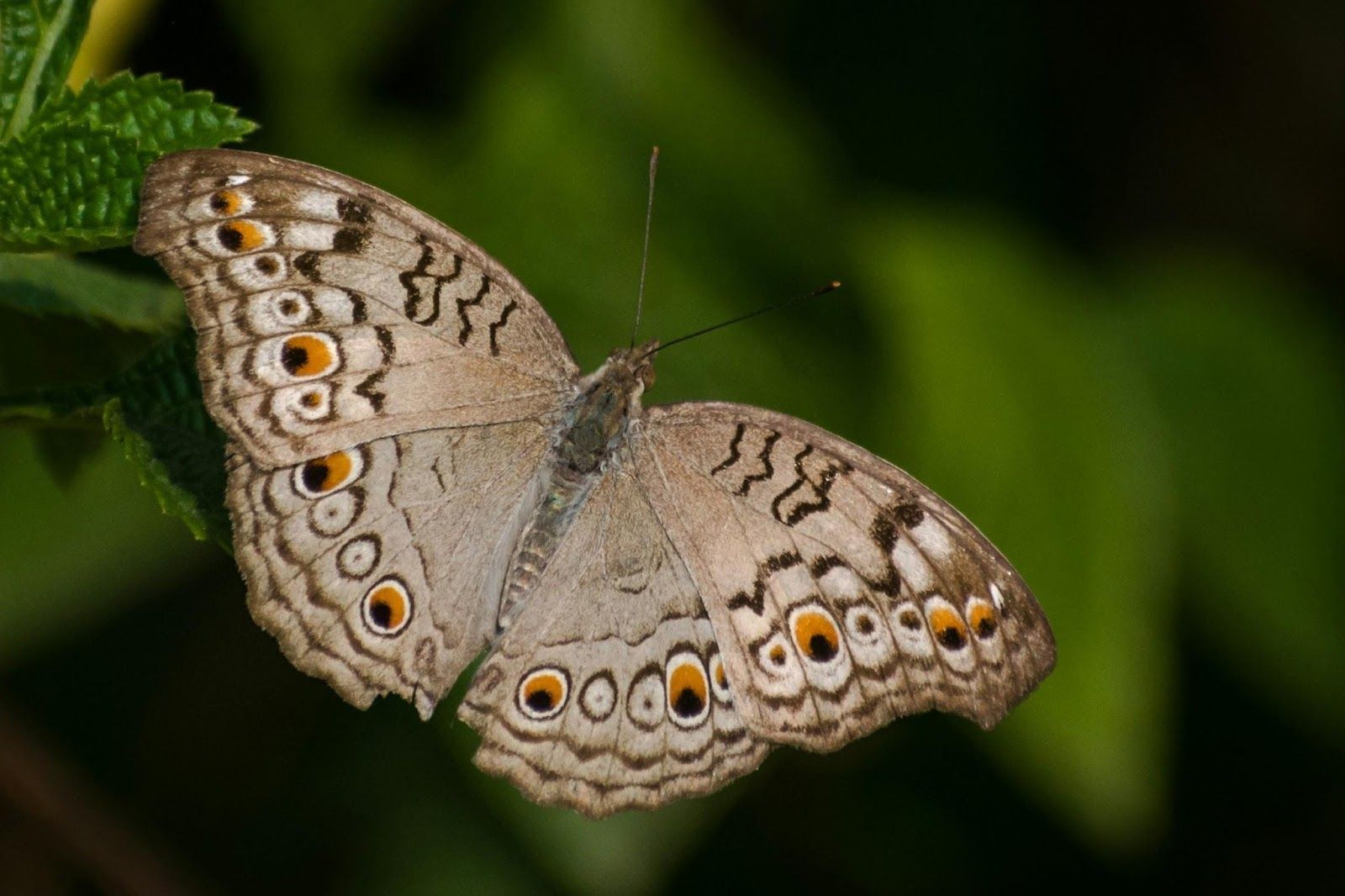
Image: Sonika Agarwal

Moths are sadly often given a bad reputation. Though they are close cousins to the beloved, colorful butterflies, some people find them slightly unnerving. For the people of West Virginia , there’s an even greater reason to find moths scary: The "Mountain State" is home to one of America’s most famous cryptids— the Mothman . According to legend, this eerie creature resembles a man , stands about seven feet tall , and has large white wings and glowing red eyes .

5
Jersey Devil
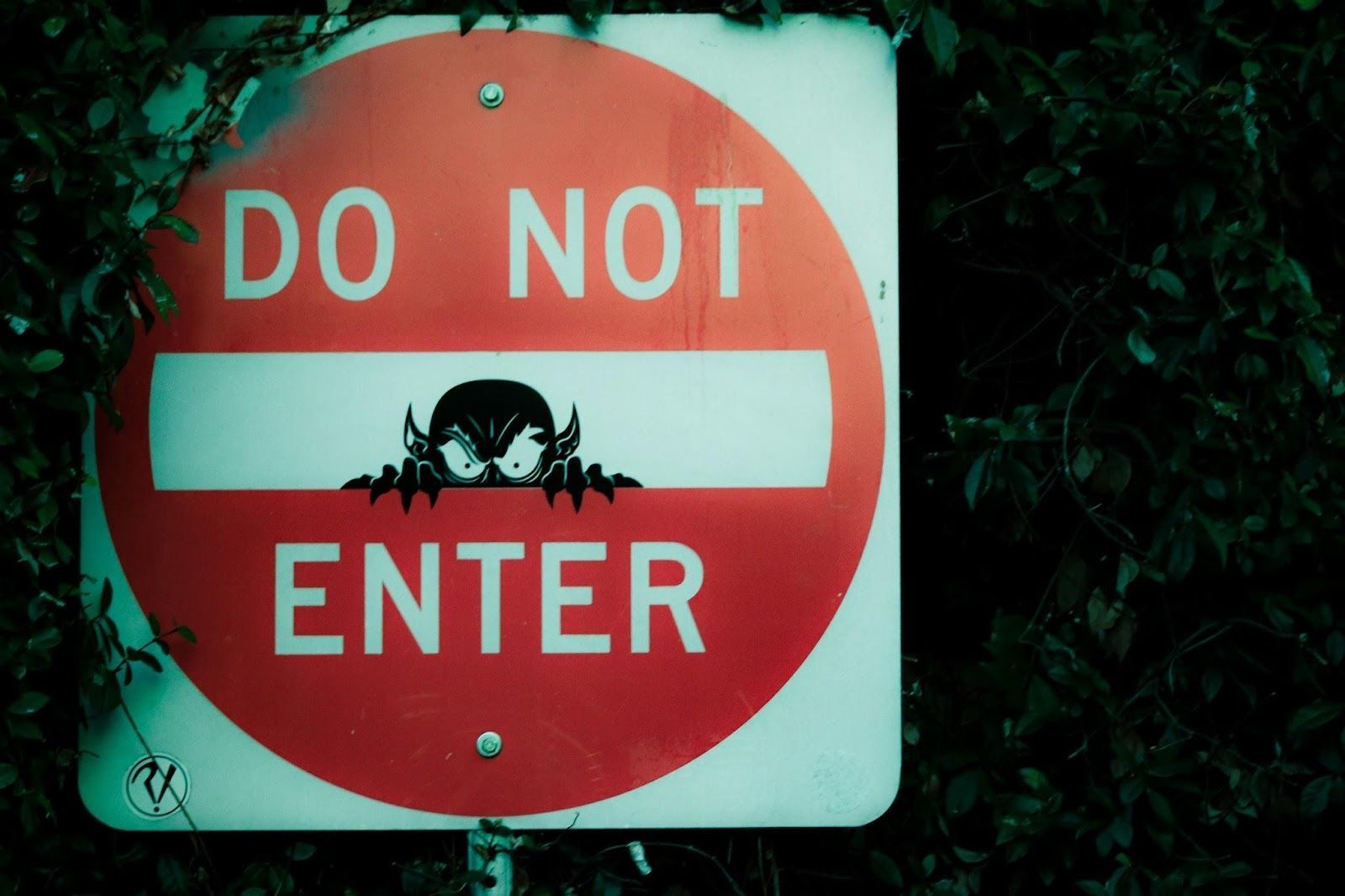
Image: Tech Nick

If you ever visit South Jersey’s Pine Barrens, be on the lookout for an oddly shaped creature often described as a cross between a kangaroo and a winged beast . If luck (or misfortune) is on your side, you might encounter the fabled Jersey Devil . Many legends surround this creature, but the most popular tells of the cursed thirteenth child of a Pine Barrens resident, forever cursed to haunt this region.

6
UFO Sightings
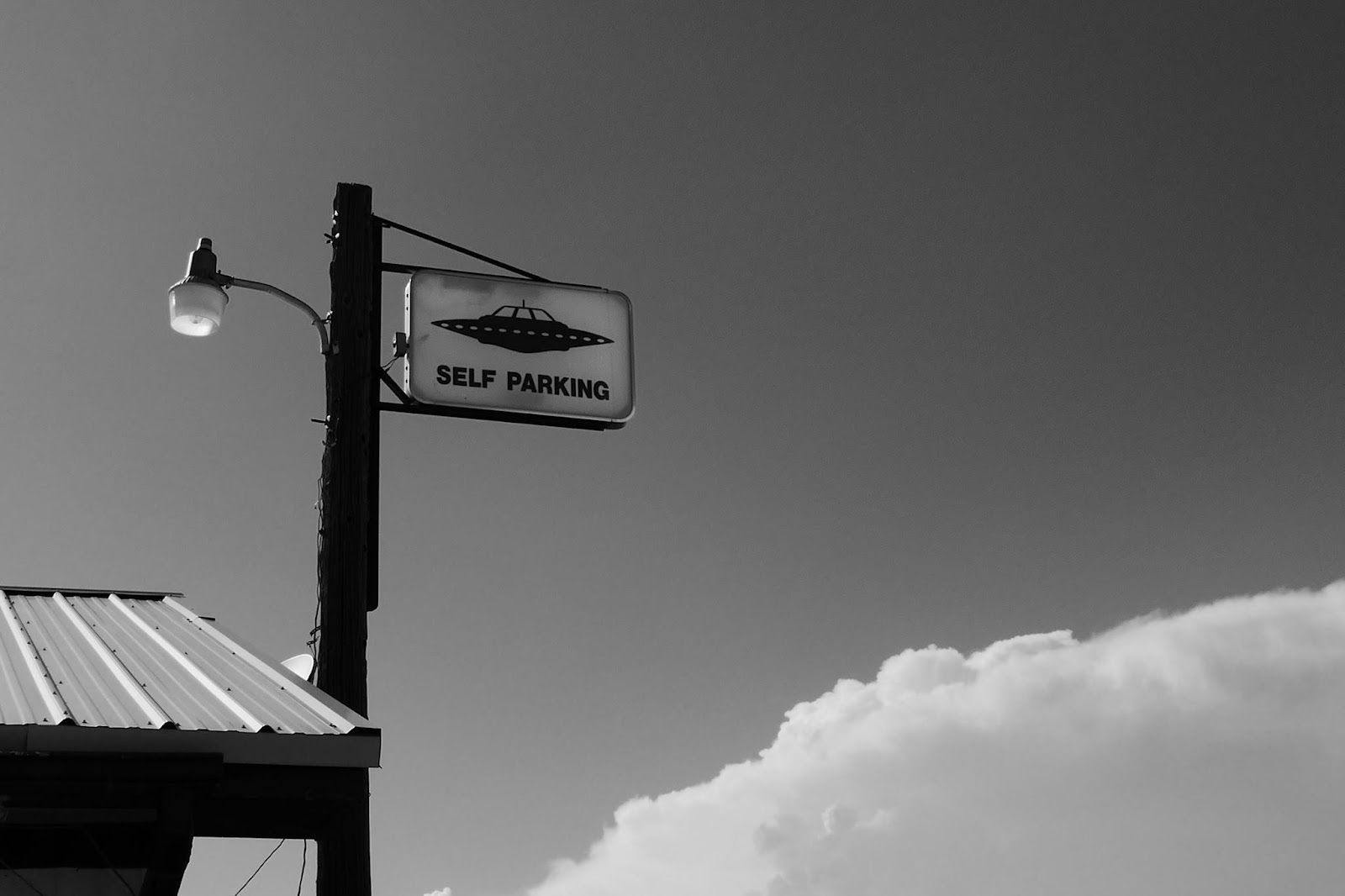
Image: Michael Herren

UFO sightings are the bread and butter of paranormal enthusiasts. Thousands of Americans have reported seeing flashing lights in the sky , unable to explain their origin. In that regard, we’ll focus on what is perhaps the most famous UFO sighting in this article: In 1947 , residents of the town of Roswell, New Mexico , claimed to have seen a UFO crash into the desert.

7
Haunted houses
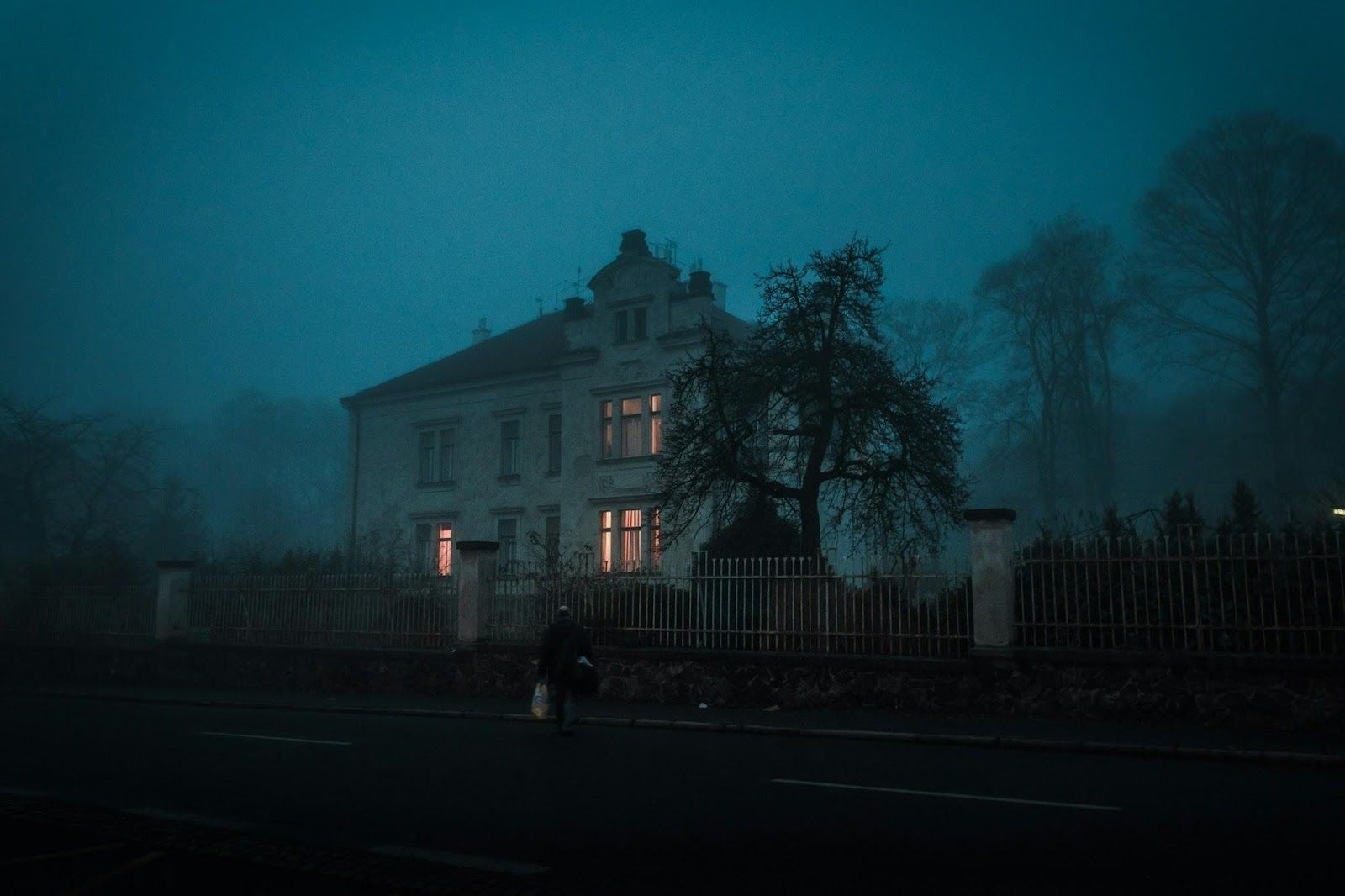
Image: Ján Jakub Naništa

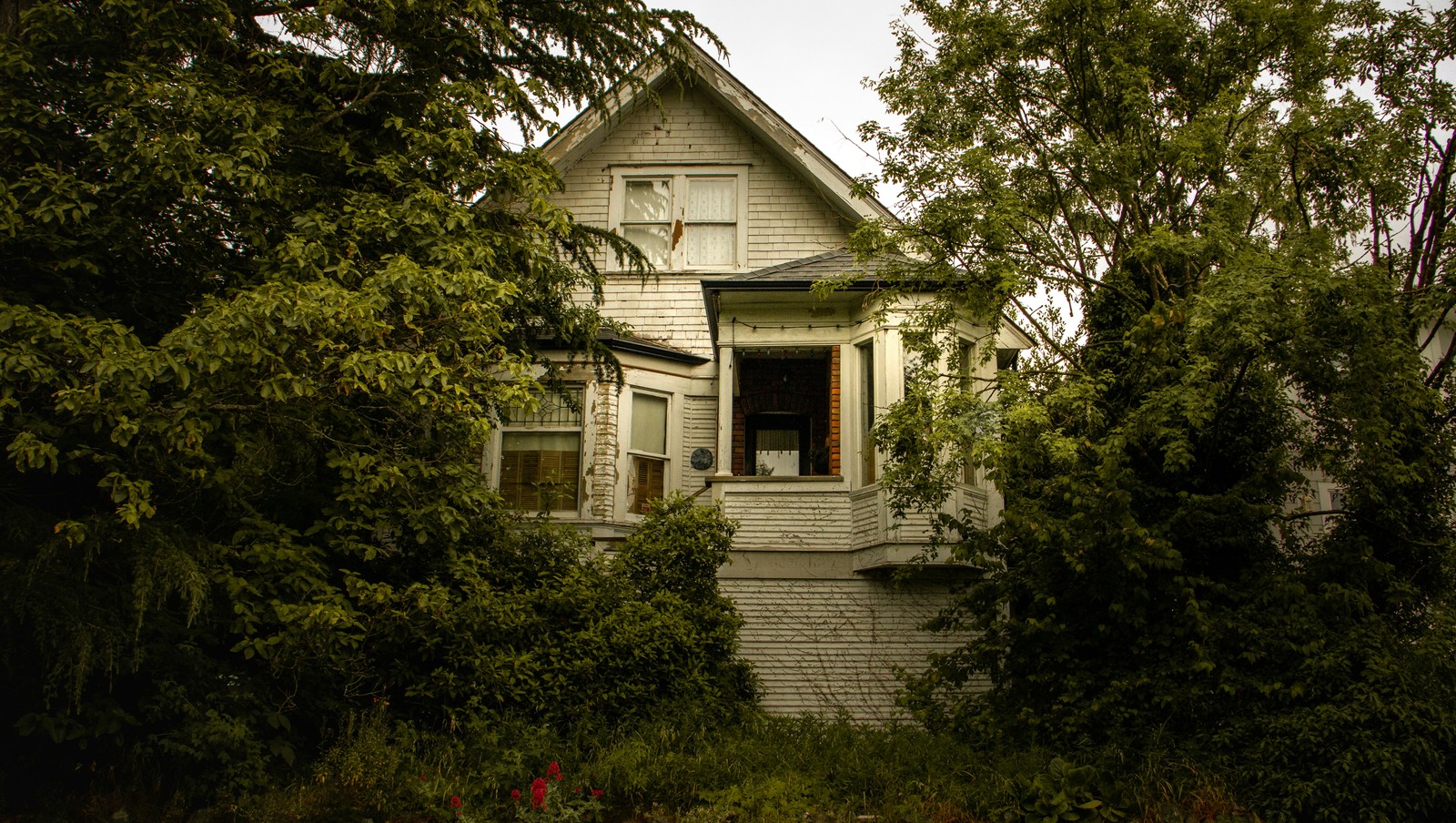
As soon as October comes around, hundreds of excited families transform their garages into spooky, fun haunted houses. It’s a thrilling activity that brings neighborhoods together, but let’s face it—these aren’t the haunted houses we’re talking about. From the LaLaurie Mansion in New Orleans to the Winchester Mystery House in San Jose , America is home to some of the world’s most terrifying haunted houses—locations definitely not suitable for the faint of heart.

8
Chupacabra

Image: Nandhu Kumar

For such a terrifying creature, the English translation of " Chupacabra "—literally " goat-sucker "—somewhat diminishes its mystique. However, don’t let the name fool you. According to legend, this cryptid is a foul beast that preys on livestock , draining their blood. Descriptions of its appearance vary: In Puerto Rico , it is depicted as an alien-like creature , while in the Southwestern United States , it is described as more dog- or wolf-like .

9
Marfa lights

Image: Jr Korpa

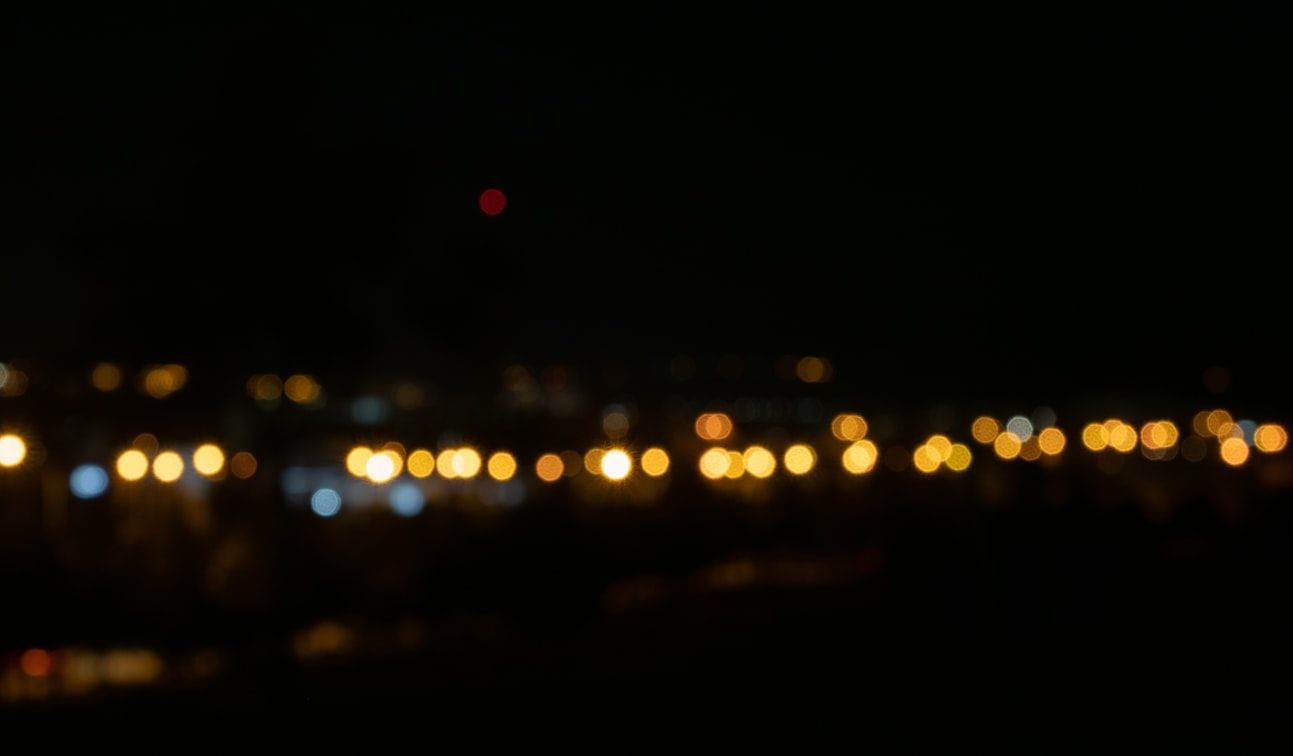
Many cultures around the world have legends about mysterious lights appearing before wary travelers at night. In our case, the city of Marfa, Texas , is home to a strange phenomenon known as the Marfa Ghost Lights . While scientists suggest a rational explanation—claiming they result from automobile headlights distorted by warm desert air—some still believe the lights have a paranormal origin.

10
Chimayó, New Mexico – Land of Healing

Image: Lina Trochez

We’ve covered some dark and gruesome mysteries in this article, so why not end on a lighter note? In New Mexico’s Rio Arriba and Santa Fe counties, Chimayó is home to a remarkable site . Some believers claim that El Santuario de Chimayó , a Roman Catholic church, possesses mysterious healing powers —particularly the "holy dirt" found in a small well at the back of the church.

History History 3 min read

Hidden depths

America’s lost ocean: How the Great Lakes came to be

Image: Randy Laybourne

Like legendary giants, the Great Lakes are North America's watery core, influencing commerce, climate, and culture. Stretching across the U.S. and Canada, these five immense lakes—Superior, Michigan, Huron, Erie, and Ontario—contain an astounding 84% of North America's fresh surface water. Here are 11 fascinating facts about these monumental lakes that may have flown under your radar until now.

1
Lake Superior lives up to its name

Image: Jacob Skowronek

Lake Superior is the largest, deepest, and coldest of the five. It holds more water than the other four lakes combined—enough to cover North and South America in a foot of water. At 31,700 square miles, it’s the largest freshwater lake by surface area in the world.

2
Only one is fully American

Image: Ioann-Mark Kuznietsov

Lake Michigan is the only Great Lake entirely within the jurisdiction of the United States. It touches four states—Wisconsin, Illinois, Indiana, and Michigan—and its shores are home to major cities like Chicago and Milwaukee. As if this wasn’t enough, this lake also boasts the world’s largest freshwater sand dunes.

3
They create their own weather

Image: Srikanta H. U

The Great Lakes have a powerful influence on regional weather, especially through the phenomenon of "lake-effect snow." As cold air sweeps over the warmer lakes, it picks up moisture, resulting in heavy snowfall in cities like Buffalo, Cleveland, and Chicago. The lakes also generate localized storms that can rival oceanic tempests in intensity. Yet, not all is harsh; these unique conditions help create microclimates that are perfect for agriculture, supporting a range of crops across the region.

4
A shipwreck graveyard

Image: Vlad Tchompalov

Prone to stormy and unpredictable weather, the Great Lakes are home to over 6,000 shipwrecks. The most infamous of these, the SS Edmund Fitzgerald, sank in Lake Superior during a violent storm in 1975, inspiring Gordon Lightfoot's iconic ballad. In fact, many of these wrecks are remarkably well-preserved, thanks to the cold freshwater, which slows down the decay process and keeps these sunken ships intact for decades.

5
They contain a fifth of the world’s freshwater

Image: Sime Basioli

The Great Lakes hold about 21% of the world's fresh surface water. That’s roughly six quadrillion gallons—enough to submerge the lower 48 states under about 10 feet of water. Given this staggering quantity, it's no surprise that the lakes are crucial to American drinking water, agriculture, and industry.

6
The Erie Canal’s role

Image: Lucy M

Opened in 1825, the Erie Canal linked the Great Lakes to the Atlantic Ocean via the Hudson River, transforming trade and settlement patterns. It played a pivotal role in making New York City an economic powerhouse and significantly accelerated the movement of goods between the Midwest and the East Coast. While most traffic now flows through the larger St. Lawrence Seaway, the Erie Canal remains a key chapter in U.S. history.

7
When the Niagara Falls stood still

Image: Vishwesh Jirgale

In 1969, engineers temporarily halted the flow of Niagara Falls due to concerns that erosion was progressing so rapidly the falls could disappear in a few years. After a thorough inspection by the Army Corps of Engineers, they concluded that no immediate maintenance was necessary. Despite this, the endeavor was far from futile—it provided valuable insights that would guide future preservation efforts for the iconic falls.

8
America’s forgotten "Third Coast"

Image: Richard Main

The Great Lakes coastline spans about 10,900 miles, which makes it longer than the U.S. East and West Coasts combined. This hidden "Third Coast" features sandy beaches, towering cliffs, and picturesque lighthouses, making it a popular destination for tourism and outdoor recreation.

9
Once an ancient ocean

Image: Andrzej Kryszpiniuk

Millions of years ago, the region now holding the Great Lakes was covered by an ancient sea. Over time, glaciers carved out the massive basins, which filled with meltwater after the Ice Age. The evidence of this transformation is still visible in the region’s fossils and rock formations.

10
Chicago River’s historic reversal

Image: Jake Leonard

In 1900, engineers reversed the flow of the Chicago River to prevent sewage from polluting Lake Michigan, the city’s drinking water source. Using a system of canals, the river was redirected toward the Mississippi River watershed, an astonishing feat of engineering that still works to this day.

11
Protected by an international treaty

Image: Hermes Rivera

The 1909 Boundary Waters Treaty between the U.S. and Canada governs the Great Lakes, ensuring cooperative water management. It led to the creation of the International Joint Commission, which helps both nations resolve disputes and protect this vital natural resource.

General General 3 min read

Do you want to believe?

Not every American mystery has been solved. Did you know about these 12?

Image: Sonya Romanovska

America has its share of baffling mysteries. From strange sounds and lights to puzzling artifacts and cryptic codes, many oddities keep historians, scientists, and everyday folks wondering. Have you heard of these 12 fascinating unsolved mysteries in and around the U.S.?

1
The Beale Ciphers - Virginia

Image: Bjorn Pierre

In the early 1800s, three coded papers surfaced, said to reveal the location of a hidden treasure in Virginia . Only one cipher (the second) has been partially decoded using the Declaration of Independence, pointing to a stash of gold, silver, and jewels.

Treasure hunters and cryptographers have tried for decades to crack the remaining ciphers. Yet, so far, no one has succeeded.

2
The Georgia Guidestones - Georgia

Image: Andrey Nuraliev

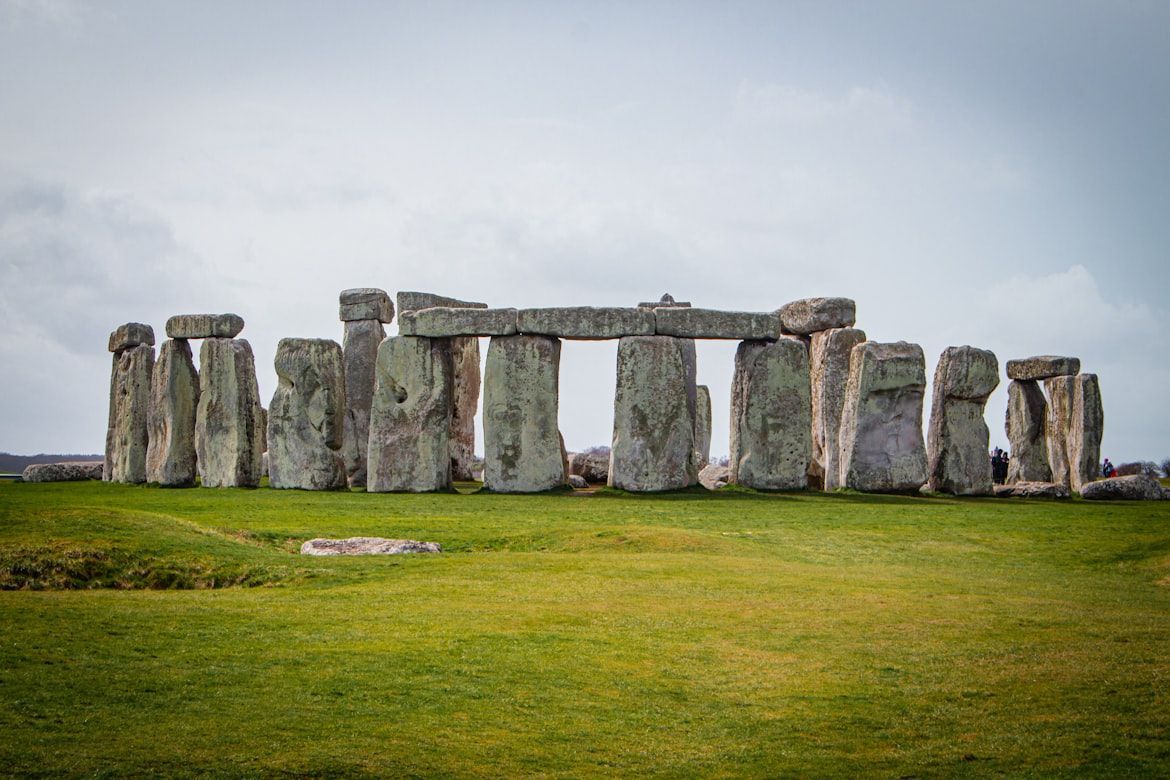
Erected in 1980, the granite monument carried inscriptions in multiple languages , laying out guidelines for humanity’s future. The massive slabs earned the nickname "America’s Stonehenge."

The mystery lies in who commissioned it. The sponsor used a pseudonym and never revealed their identity. Too bad they were destroyed in 2022 after being damaged by an explosion.

3
The "Wow!" Signal - Ohio, 1977

Image: Donald Giannatti

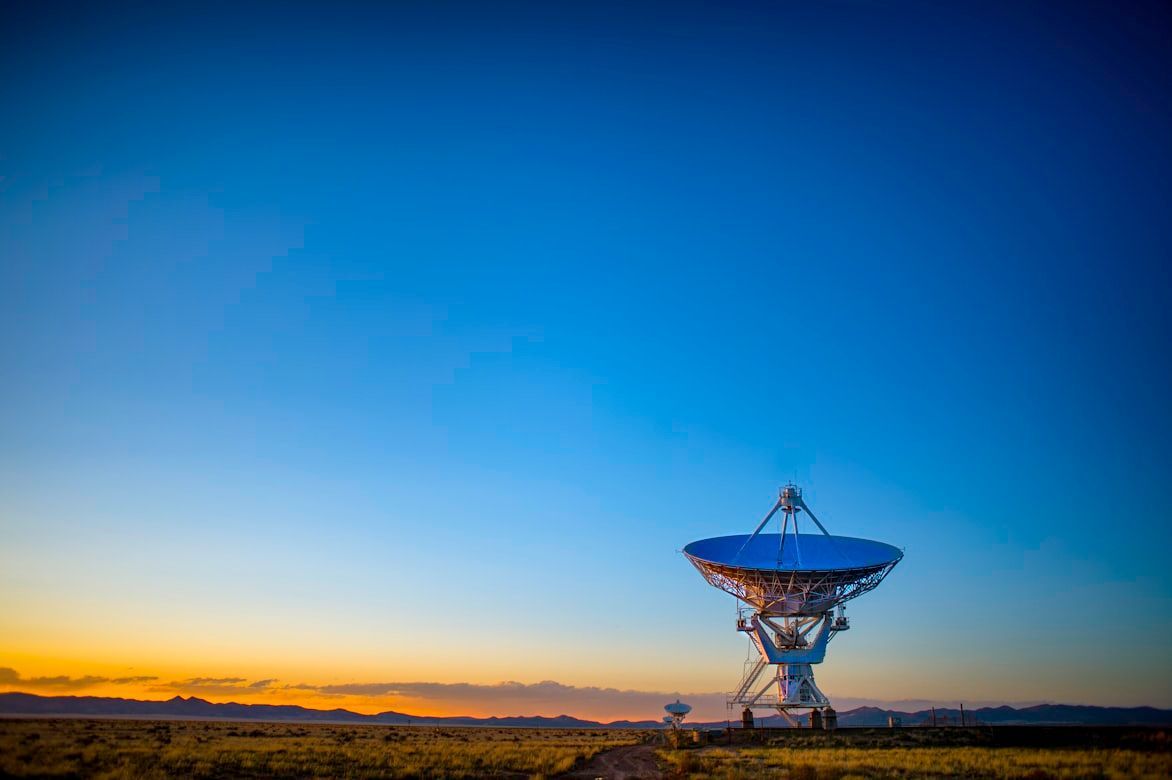
One night in 1977, Ohio State University’s Big Ear telescope picked up a deep-space radio burst lasting 72 seconds . Astronomer Jerry Ehman circled it and wrote "Wow!" beside the data.

The signal has never been definitively explained. Whether it was a passing comet, a reflection, or something else, no one knows.

4
Roanoke Colony’s "CROATOAN" - North Carolina

Image: Rogean James Caleffi

In the late 1500s, settlers on Roanoke Island disappeared, leaving only the word "CROATOAN" carved on wood . Their fate remains one of the earliest American mysteries.

Some think they merged with local tribes, while others suggest they relocated. Without proof, the vanished colony remains a puzzle historians love to revisit.

5
The Taos Hum - New Mexico

Image: Pawel Czerwinski

Since the 1990s, some residents of Taos report hearing a low, steady humming sound . It’s described like a distant diesel engine idling in the desert.

Some studies suggest it may be related to low-frequency industrial noise or tinnitus in some individuals. The reality is, scientists have studied the phenomenon but haven’t pinned down a cause.

6
Marfa Lights - Texas

Image: Dwiinshito

Out in West Texas, glowing orbs have appeared on the horizon for generations . They shimmer, split, and move in ways that seem inexplicable.

Tourists flock to Marfa hoping to catch a glimpse. Some suggest car headlights or atmospheric tricks, but the mystery remains.

7
Bloop-Like Ocean Sounds - Pacific Ocean

Image: berenice melis

In the 1990s, NOAA hydrophones picked up a booming, low-frequency sound in the Pacific Ocean . Nicknamed "the Bloop," it was louder than known whale calls.

Theories ranged from icequakes to giant sea life. NOAA later concluded the sound was likely caused by large icequakes from Antarctic ice breaking apart.

8
The Upton Chamber - Massachusetts

Image: cubicroot XYZ

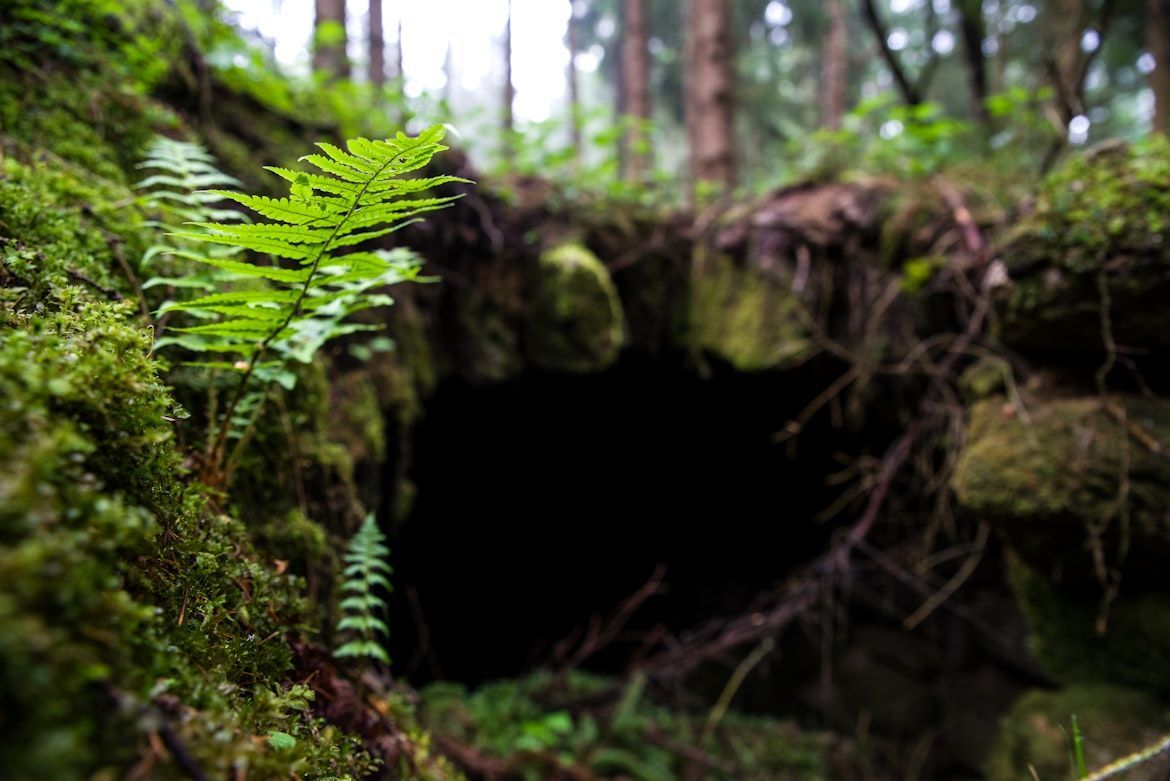
Hidden in Massachusetts is a stone tunnel leading to a small underground chamber . Its age and purpose are still debated.

Some believe it was a colonial root cellar, while others argue it predates settlers entirely. Without records, the chamber remains an enigmatic piece of New England history.

9
America’s Stonehenge - New Hampshire

Image: Priyank V

This site features stone walls, chambers, and standing slabs . Some argue it was built by Native Americans, while others see evidence of pre-Columbian visitors.

While some alternative theories suggest ancient origins, most archaeologists believe the structures are from the colonial-era. Whatever its origin, it’s a fascinating stop for curious travelers.

10
The Great Serpent Mound - Ohio

Image: Bodega

In southern Ohio lies a massive prehistoric earthwork shaped like a winding serpent . Stretching over 1,300 feet, it curves and coils across the landscape in striking detail.

Scholars agree it was built by Indigenous peoples, but its purpose is unclear. Some suggest it was a ceremonial site or calendar, while others see cosmic symbolism.

11
The Blythe Intaglios - California

Image: Brandon Hoogenboom

Etched into the Colorado Desert, these giant figures depict humans and animals , some over 170 feet long. They’re best seen from the air, raising questions about how and why they were made.

Created centuries ago by Native Americans, their exact age and purpose remain uncertain.

12
Judaculla Rock - North Carolina

Image: malwina nogaj

This large boulder is carved with hundreds of mysterious petroglyphs . Shapes, lines, and symbols cover its surface, their meanings long lost to time.

The Cherokee connect the markings to Judaculla, a legendary giant. Whether the rock was a sacred site, a map, or something else, the exact meanings of many carvings remain unknown.

Explore more American facts

Choose your favorite category!

General
General

As American as apple pie—the very best America has to offer!

Culture
Culture

Delve into the astounding richness of American lore.

Geography
Geography

Hop in and explore vast and diverse American landscapes.

History
History

Discover the key moments that shaped the United States.