Culture Culture 5 min read

Why do these 10 magnificent American estates now stand in ruins?
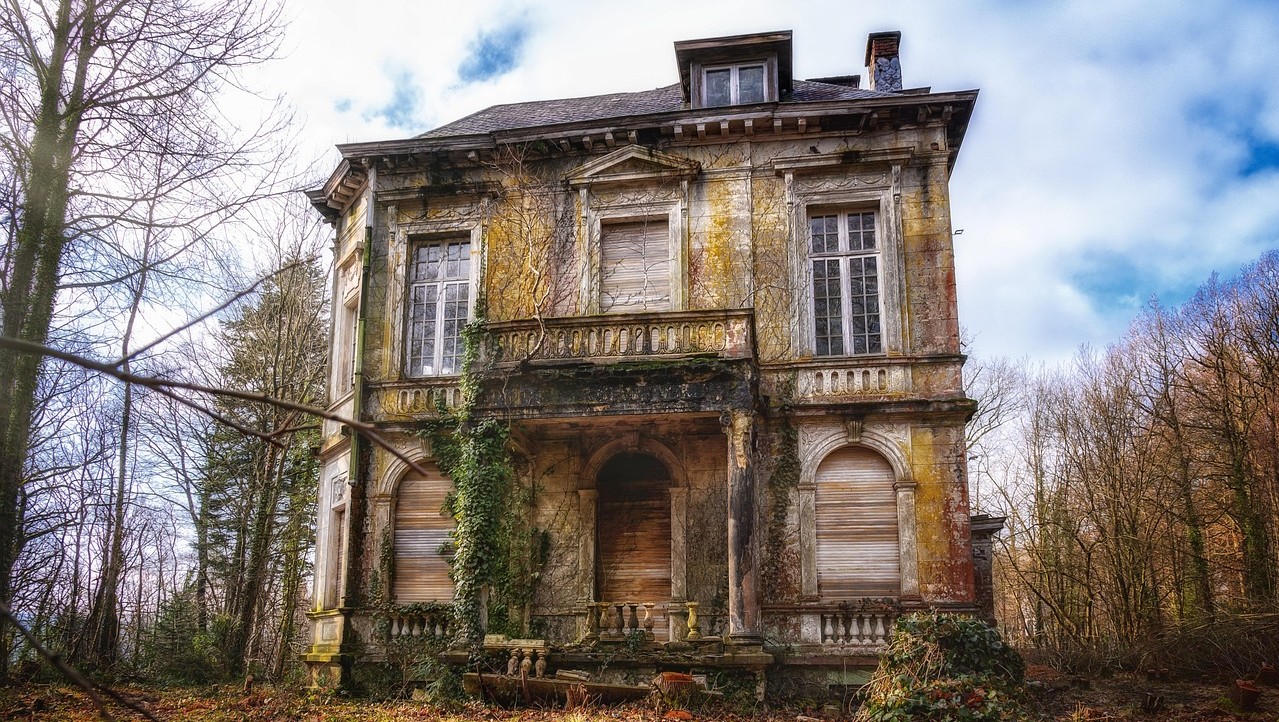
Image: Tama66

Beyond the manicured lawns of modern suburbs and the gleaming glass of city centers lie the skeletal remains of America’s Gilded Age and eccentric architectural dreams. These abandoned mansions, once symbols of immense wealth or unbridled ambition, now serve as monuments to the passage of time. Whether they were built for defense, ego, or artistic expression, these 10 sites stand as beautiful reminders of the people who once dared to dream about eternity. Would you like to know more? Continue reading!

1
Dundas Castle, Roscoe, New York
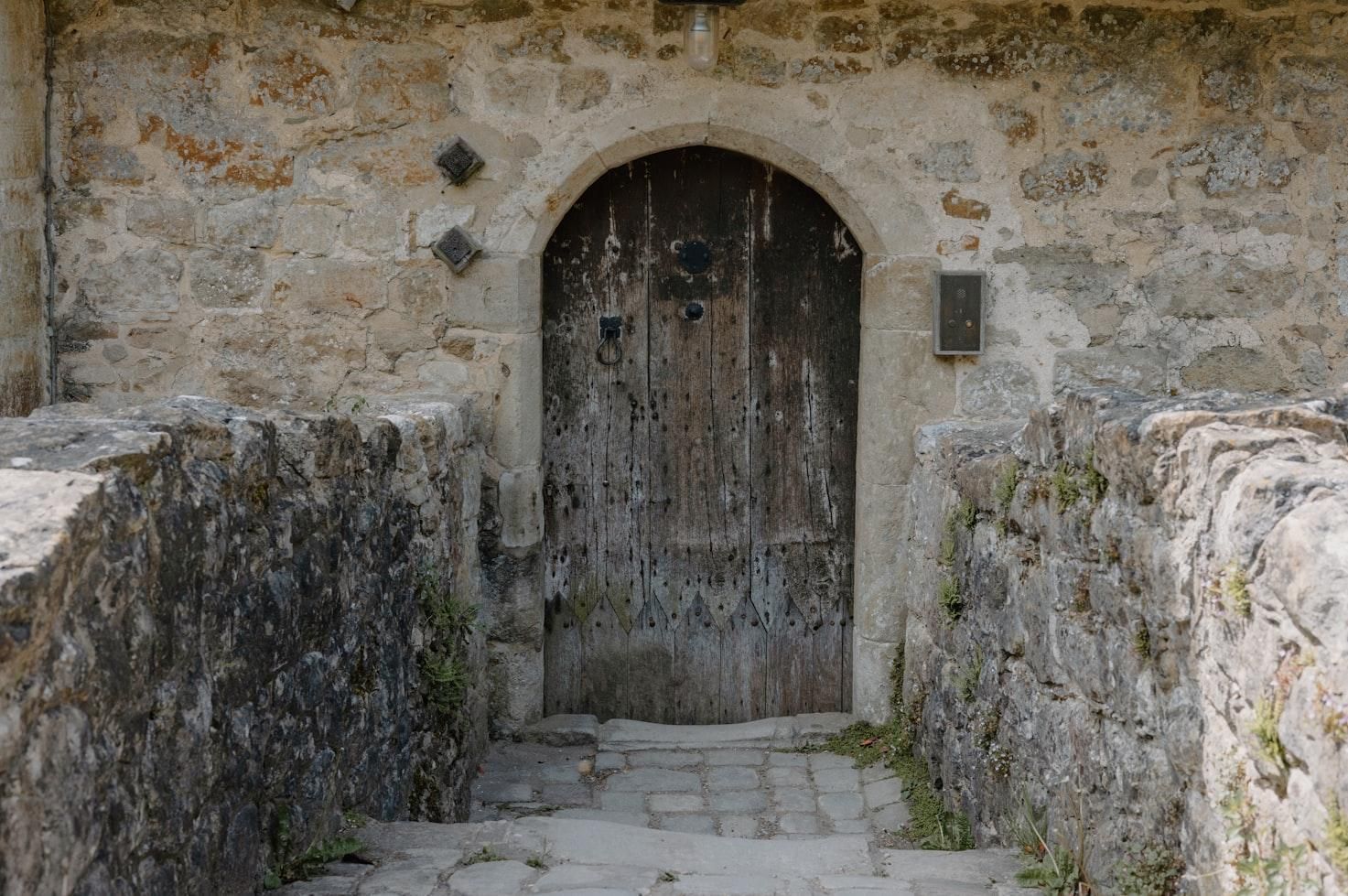
Image: Annie Spratt

Also known as Craig-e-Clair, this castle was built by Ralph Dundas in the early 20th century. It is an architectural marvel of stone and copper.

Dundas died before the castle was completed, and his wife was reportedly committed to a sanitarium shortly after. Consequently, no member of the Dundas family ever actually lived in the mansion. This has led to the "Ghost of Dundas Castle" legends, with locals claiming to see a woman in white wandering the unfinished halls, waiting for a housewarming party that never happened.

2
Rockwell House, Milledgeville, Georgia
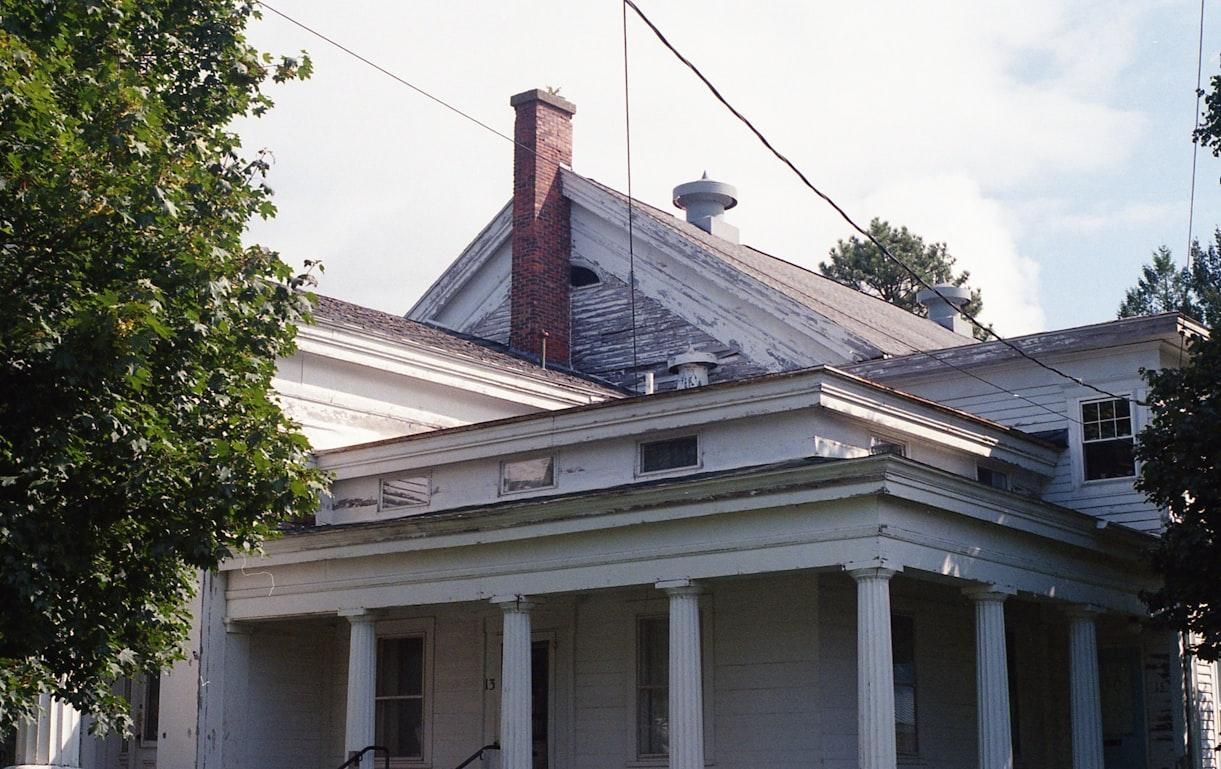
Image: Clem Geiss

Built in 1838, the Rockwell House is a stunning example of Federal-style architecture, but its beauty is shadowed by a dark past. It was originally built for Colonel Samuel Rockwell, a prominent lawyer.

Local lore whispers about the "Rockwell Ghost," believed to be a young girl who died during a yellow fever outbreak. However, the house’s most tangible secret lies in its survival; it has endured multiple fires and periods of extreme neglect. In recent years, it has become a focal point for preservationists who uncovered hidden structural reinforcements that suggest the house was built to be an impenetrable fortress of its era.

3
Elda Castle, Ossining, New York
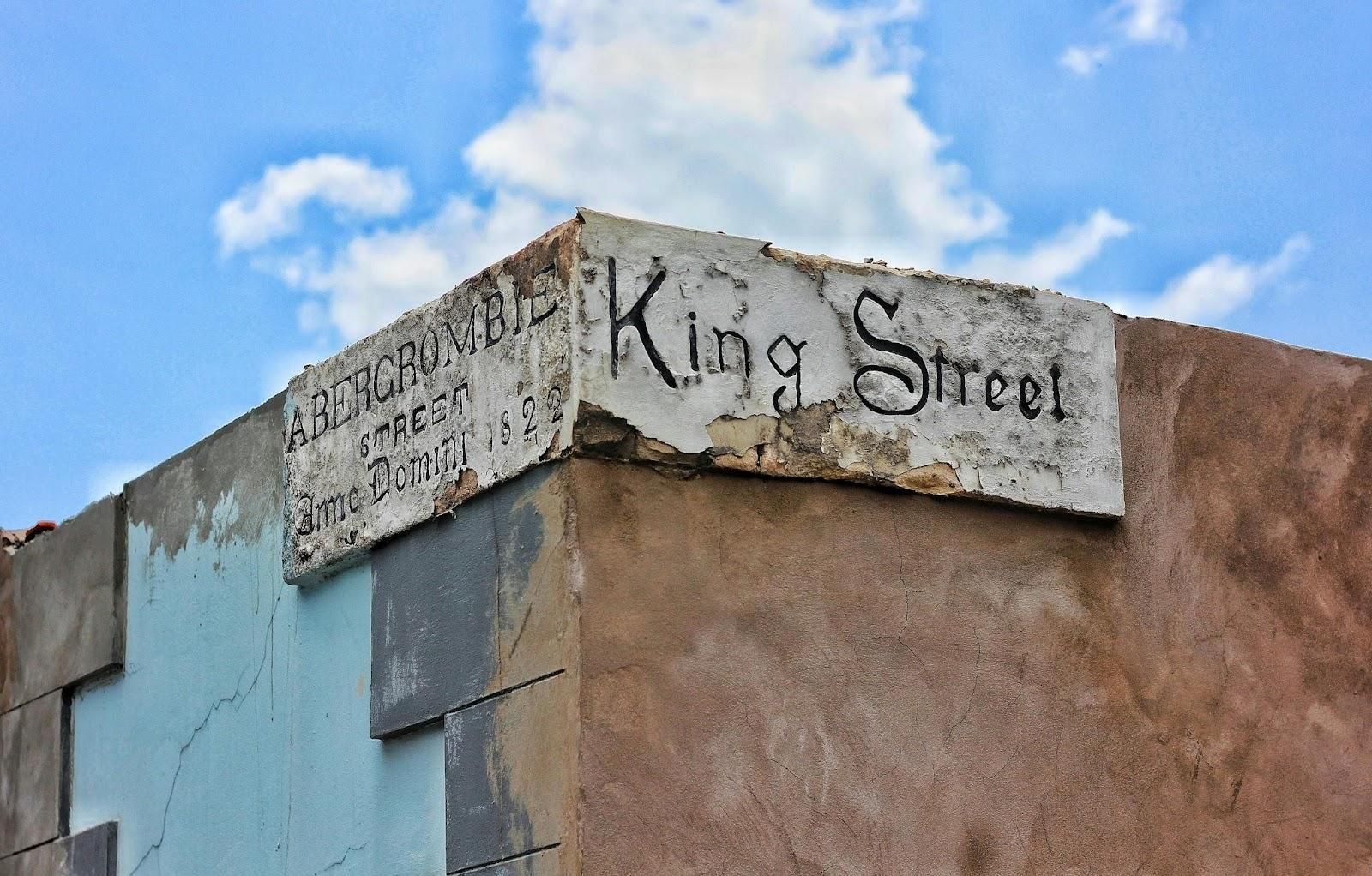
Image: Nitrogel

If the name David Abercrombie sounds familiar, it’s because he co-founded the clothing company Abercrombie & Fitch . But in the 1920s, he also built this granite castle, named Elda (an acronym of his children’s names), as a secluded retreat.

The castle features a network of spiral staircases and open-air porches designed to blend the indoors with the rugged wild. Its abandonment, however, is a sheer tragedy. After the family moved out, the castle was used as a research facility and later fell victim to vandals. Legend has it that a fire in the 1940s was started by squatters, leaving behind a charred stone husk that resembles a medieval ruin more than a 20th-century home.

4
Mongo's Castle, Memphis, Tennessee
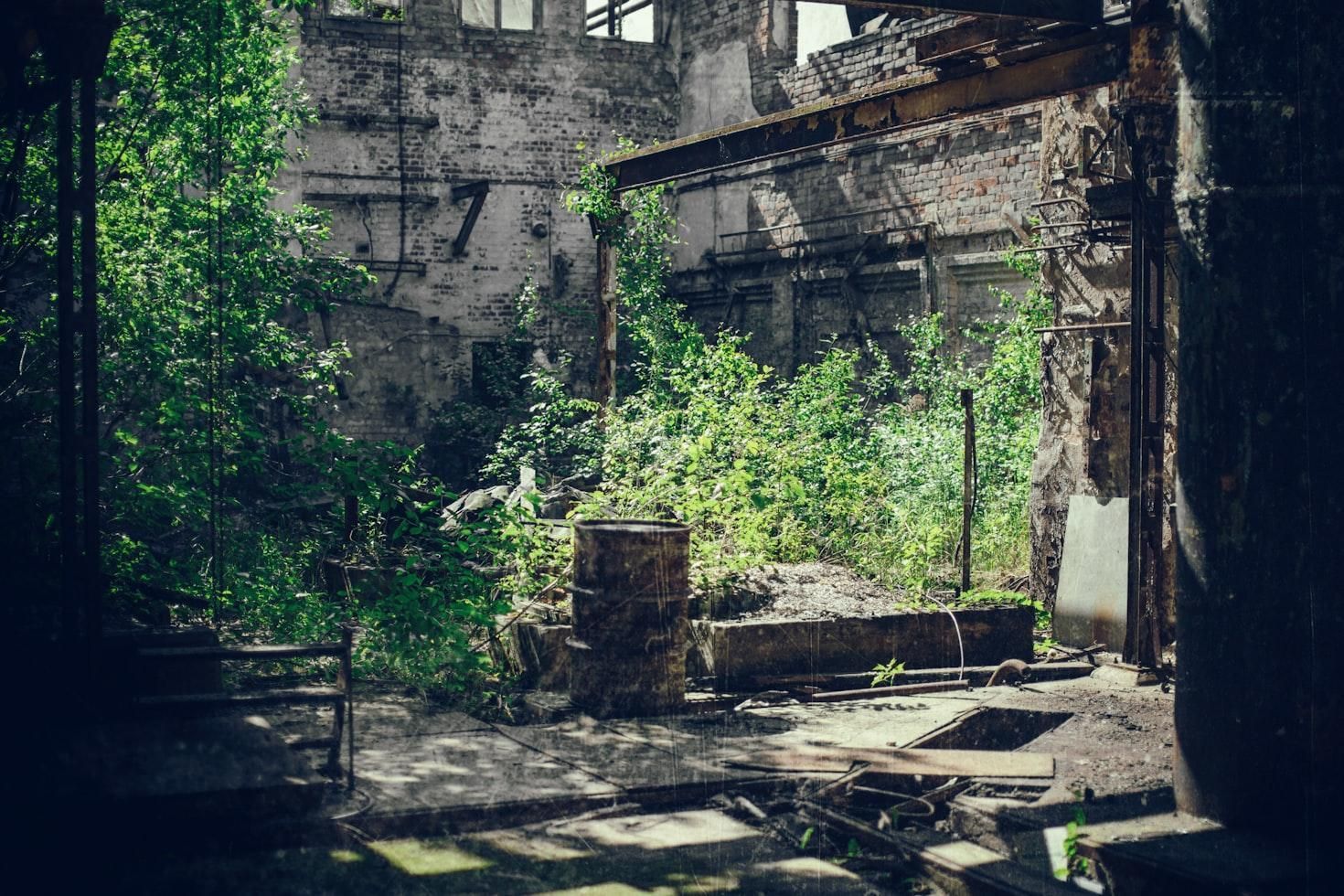
Image: Denny Müller

A stark contrast to the classical mansions of the South, Mongo’s Castle was the passion project of Mongo Bebe, a man who built his home out of scrap stone, Ashlar blocks, and found materials.

The house is a maze of folk-art eccentricity. The builder intended it to be a community center and a symbol of African-American heritage and self-reliance. It stands today as a decaying puzzle, with many neighbors still unsure of the structural logic behind its towering, uneven walls.

5
Bannerman's Castle, Pollepel Island, New York
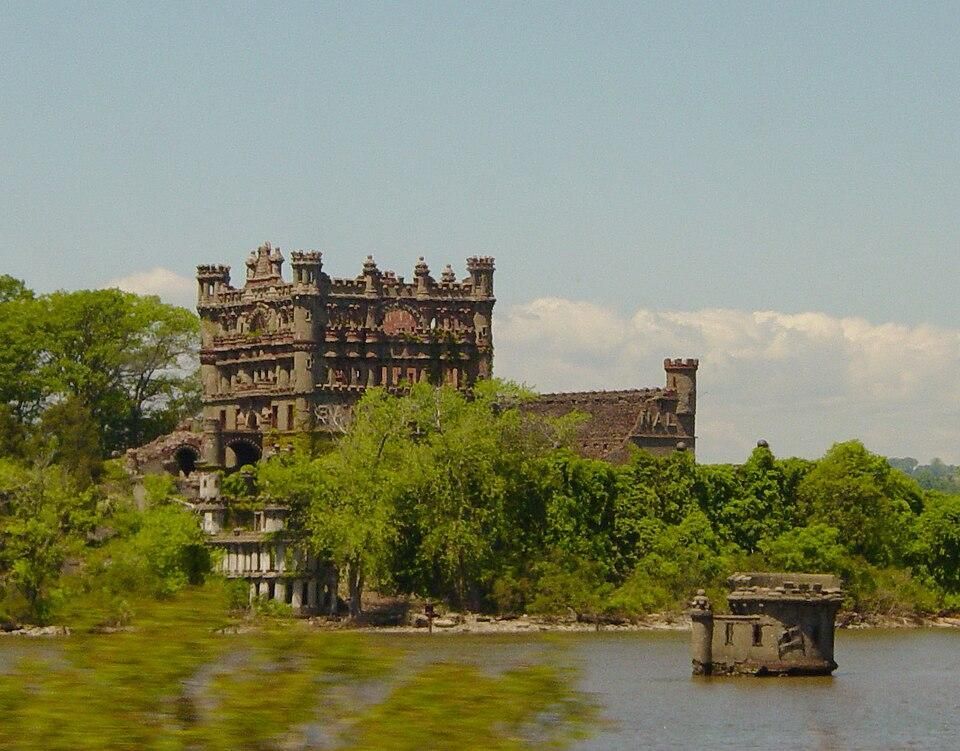
Image: Leonard G., Public domain, via Wikimedia Commons

Rising from the Hudson River, this castle was never intended to be a home; it was a giant advertisement and warehouse for Francis Bannerman VI’s military surplus empire.

In 1920, 200 tons of gunpowder and shells exploded in the castle’s powder house, blowing out a significant portion of the walls. The ground is still considered unstable due to the remnants of military munitions, and the inscriptions on the walls are actually warnings and advertisements for the Bannerman business. Do you dare visit this mansion?

6
Castle Mont Rouge, Rougemont, North Carolina
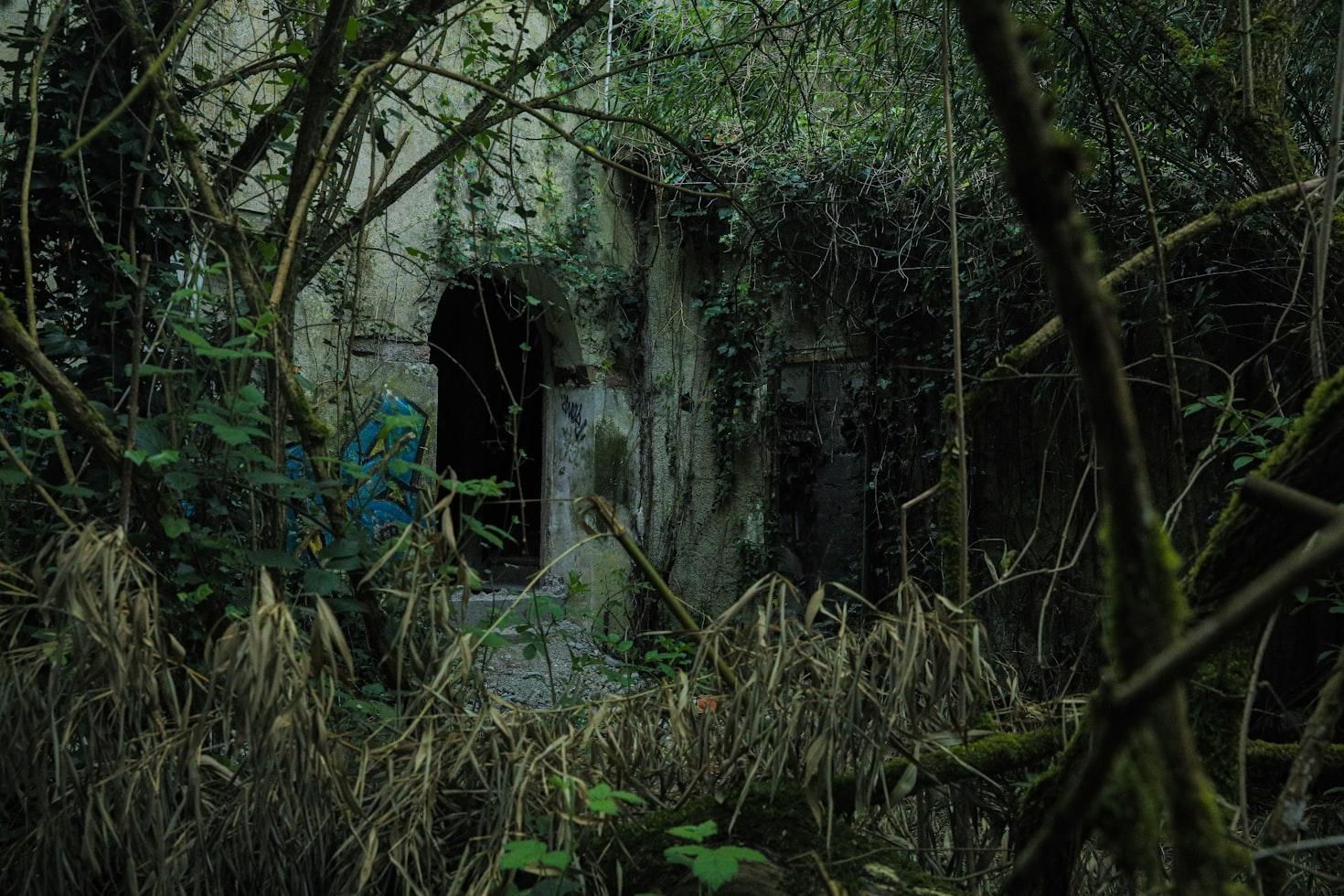
Image: Florian Delée

This whimsical, onion-domed castle looks like it belongs in the Russian countryside rather than the North Carolina woods. It was designed by sculptor Robert Mihaly, but he ended up abandoning the project in the early 2000s following a personal tragedy and financial hurdles.

The castle remains an "empty sculpture," filled with intricate marble work and unfinished turrets. The bizarre architectural fusion lacks a standard floor plan, making it nearly impossible to convert into a functional residence without destroying its artistic integrity.

7
Ha Ha Tonka Castle, Camdenton, Missouri
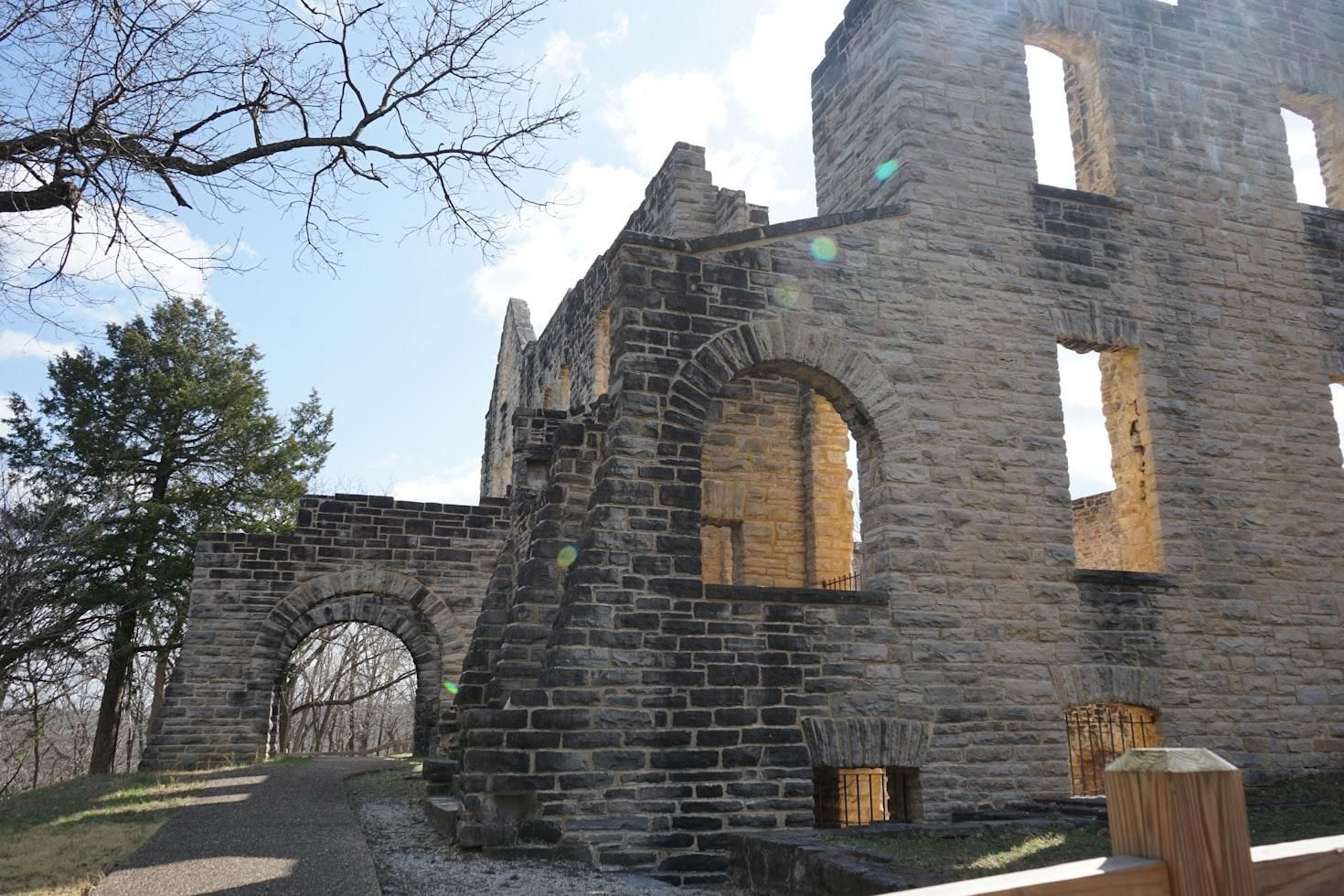
Image: Hannah McBride

Robert Snyder, a wealthy Kansas City businessman, began building this European-style castle in 1905. He wanted a retreat that overlooked the breathtaking Ha Ha Tonka Spring.

Yet, Snyder never got to see his dream finished; he was killed in one of Missouri’s first recorded automobile accidents just a year after construction began. His sons finished the castle, but it was gutted by a fire in 1942. There’s a hidden network of caves beneath the castle, which were rumored to be used by outlaws and later as a natural "refrigerator" for the estate’s kitchen.

8
Carleton Island Villa, Cape Vincent, New York
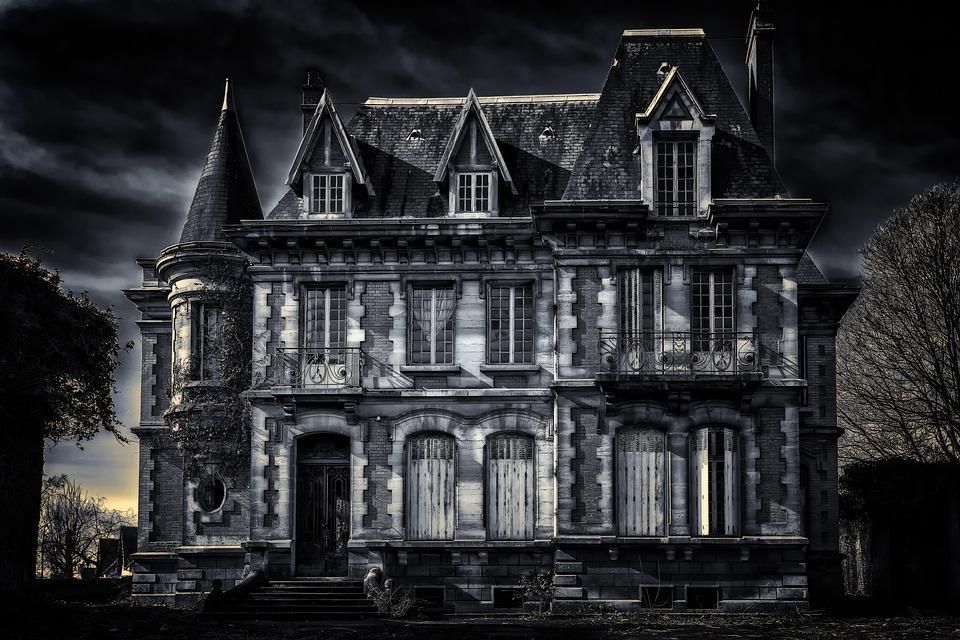
Image: Tama66

This once-magnificent villa was built for William Wyckoff, who made a fortune with the Remington Typewriter Company.

The Secret: Wyckoff’s dream turned into a nightmare on the very first night he stayed in the house. He suffered a massive heart attack and died in his sleep. His wife had passed away a month prior, leaving the villa to a son who had no interest in it. The house has stood empty for over 70 years, its secret being the tragic "cursed" timing that prevented it from ever functioning as a family home.

9
Dicksonia Plantation, Lowndesboro, Alabama
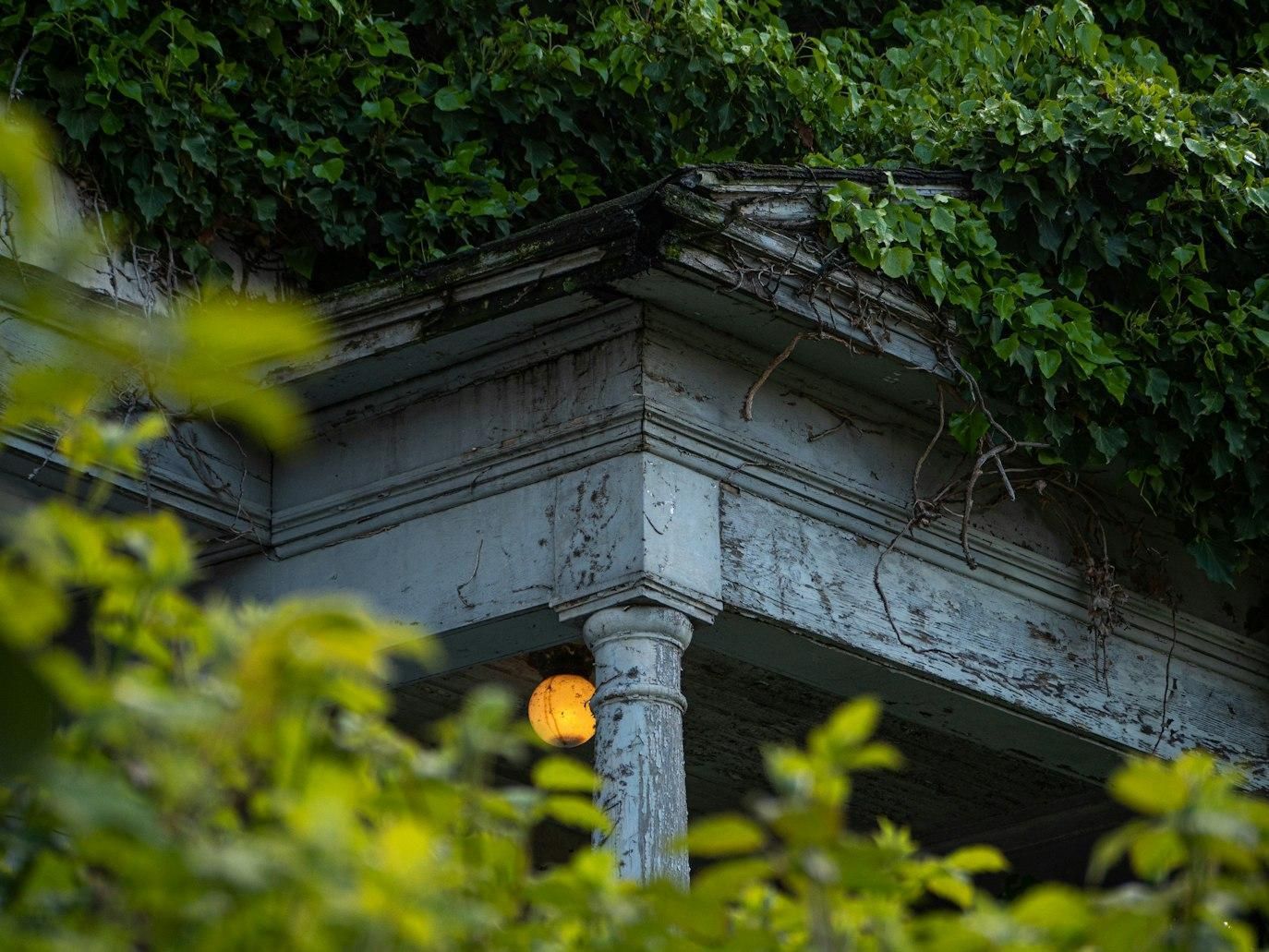
Image: Theo Bickel

Dicksonia was a quintessential antebellum mansion, featuring the massive columns and wrap-around porches synonymous with the Old South.

Unlike many plantations that were destroyed during the Civil War, Dicksonia survived the conflict only to be destroyed by a mysterious fire in 1939. Its "ghost pillars," however, remained standing long after the wooden house burned away. These towering brick columns became a haunting landmark , representing the structural skeletons of a forgotten social order.

10
Wyndcliffe, Rhinebeck, New York
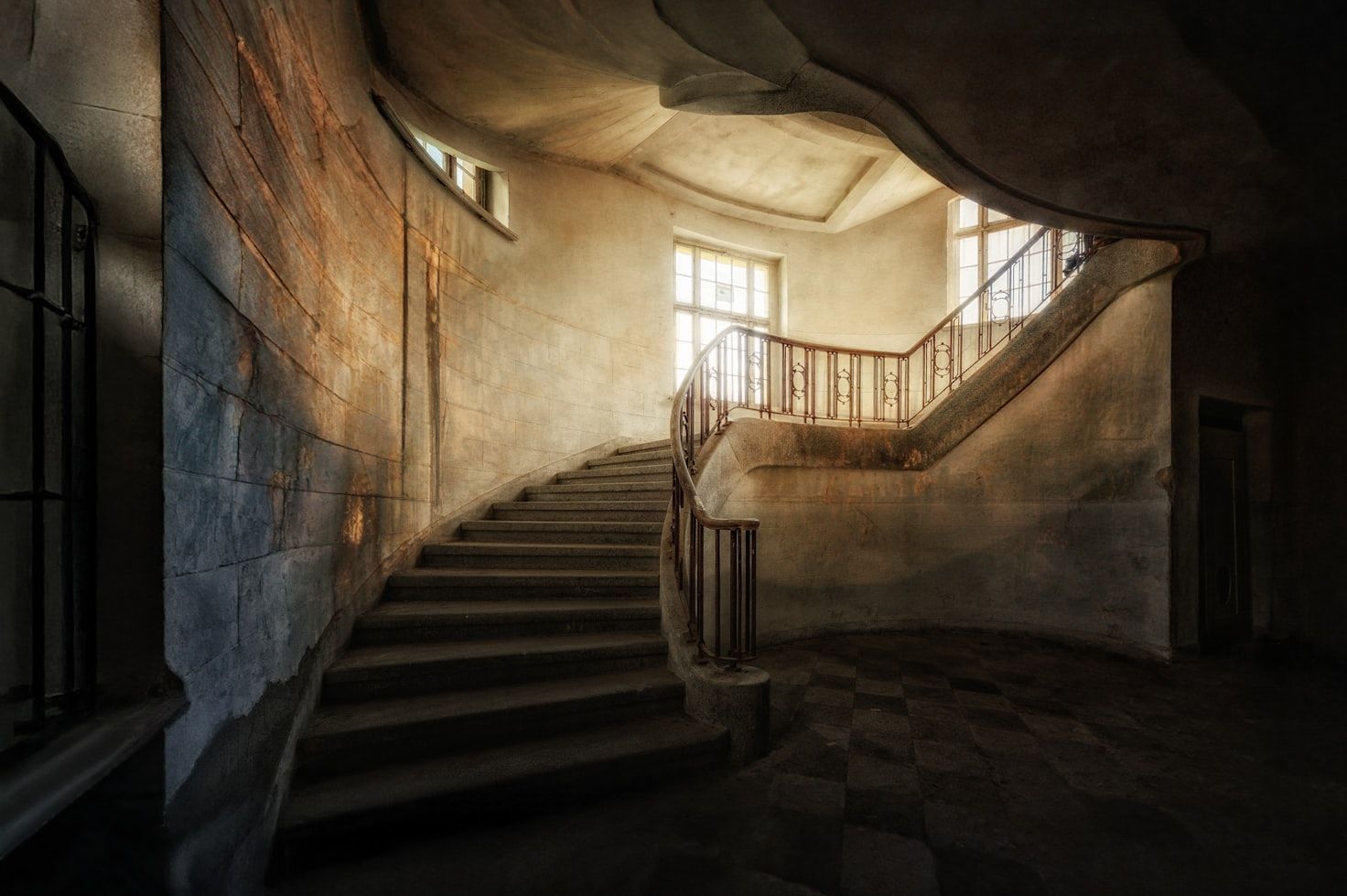
Image: Peter Herrmann

This house is the literal origin of the phrase "Keeping up with the Joneses." Though often referred to as a "Mystery Mansion" by urban explorers, this is the ruin of Wyndcliffe, the estate of Elizabeth Schermerhorn Jones.

Elizabeth’s mansion was so grand and intimidating that it prompted her neighbors—including the Astors—to build even larger homes to compete. The secret of Wyndcliffe is the psychological impact of its architecture; it was built to inspire envy, and its current state of absolute decay is a poetic commentary on the fleeting nature of social status.
History History 6 min read

Why didn’t the British burn Monticello during the Revolutionary War?

Image: Emanuel Leutze, CC0, via Wikimedia Commons

Our history textbooks do a great job narrating the major battles and political triumphs of the American Revolution, but they often avoid the nitty-gritty details. The truth is, the fight for independence was a messy conflict fought by spies, double agents, and players with opaque motives. Even after 250 years, historians are still trying to solve some of the war’s deepest enigmas. Here are ten of the most fascinating unsolved mysteries from the American Revolution.

1
Who fired the shot heard ‘round the world?

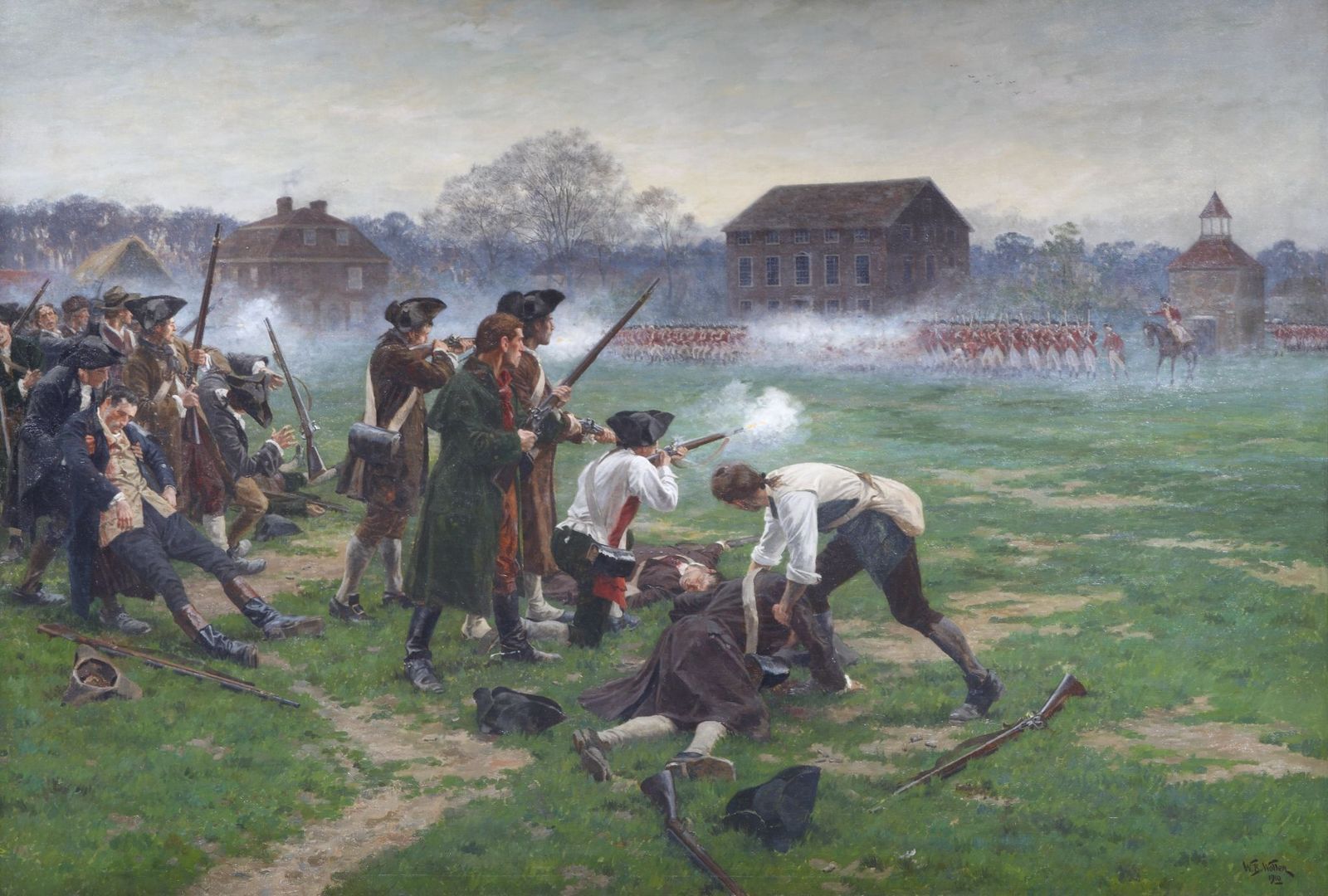
Image: William Barnes Wollen, Public domain, via Wikimedia Commons

The war began on the morning of April 19, 1775, when a small group of local militia faced a column of British Redcoats. The American commander, Colonel John Parker, ordered his men to disperse. The British commander, Major John Pitcairn, ordered his troops to hold their fire. Both sides wanted to avoid a bloodbath.

Suddenly, a shot of gunfire was heard through the air. In the confusion, British soldiers charged with bayonets. Who pulled that first trigger? Some accounts suggest a gunman fired from behind a nearby wall. Others claim a fleeing prisoner sparked the chaos. Because both sides swore under oath that they didn’t shoot first, the catalyst of the war remains a mystery.

2
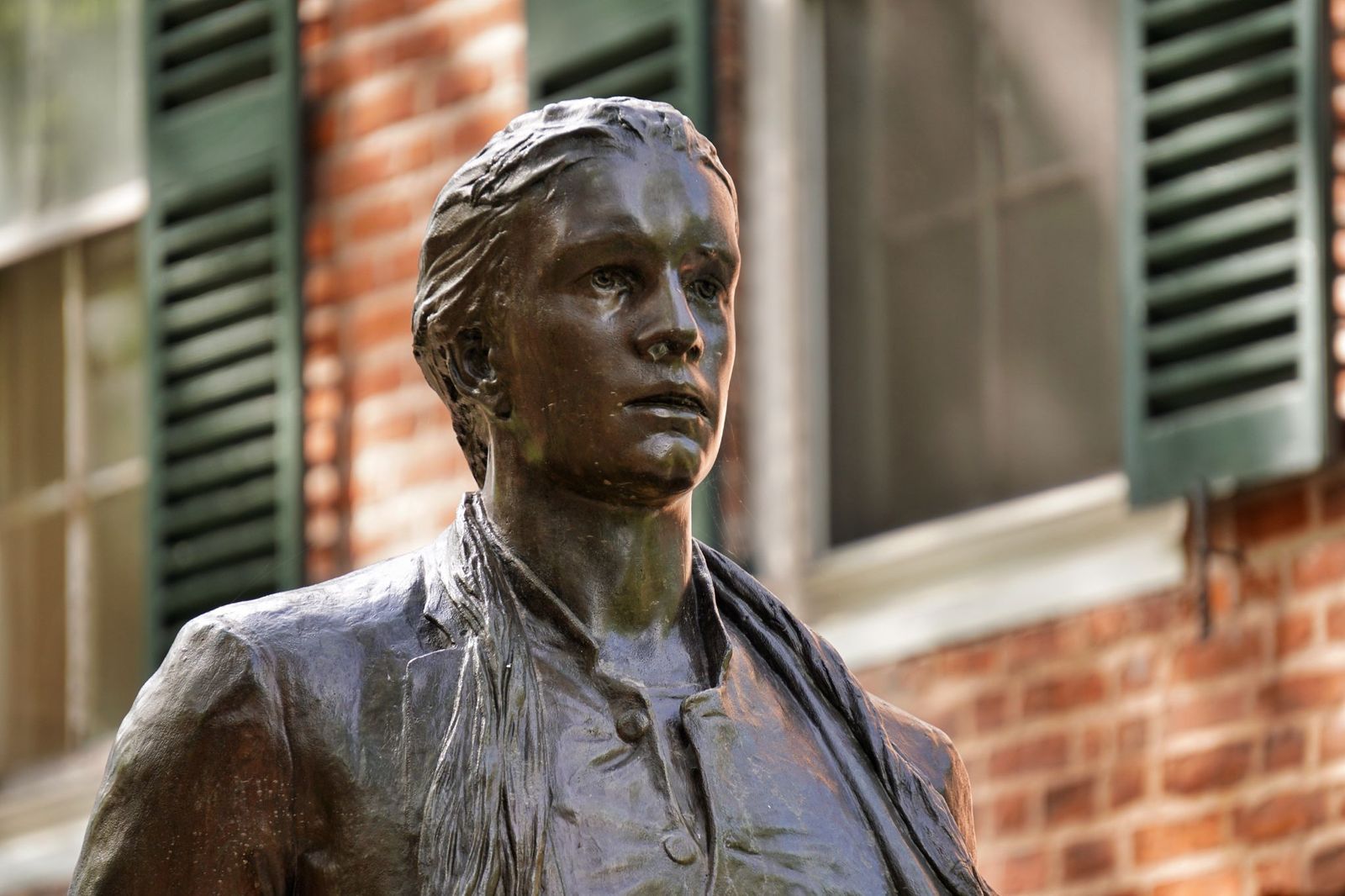
Who betrayed Nathan Hale?

Image: Helioscribe

Nathan Hale is considered one of America’s first tragic heroes. A young Connecticut schoolteacher turned army captain, Hale volunteered to infiltrate British-occupied New York City to gather intelligence. He was an amateur spy, and it didn’t take long for the enemy to catch him with compromising notes hidden in his shoes. He was hanged the next morning, at age 21.

The mystery lies in exactly how he was caught. One theory points to his own cousin, Samuel Hale, a Loyalist who allegedly spotted Nathan in a tavern and reported it to British authorities. Another theory suggests he was tricked by Major Robert Rogers, a legendary British counter-insurgency commander who supposedly suspected Hale and got him to confess his mission over drinks.

3
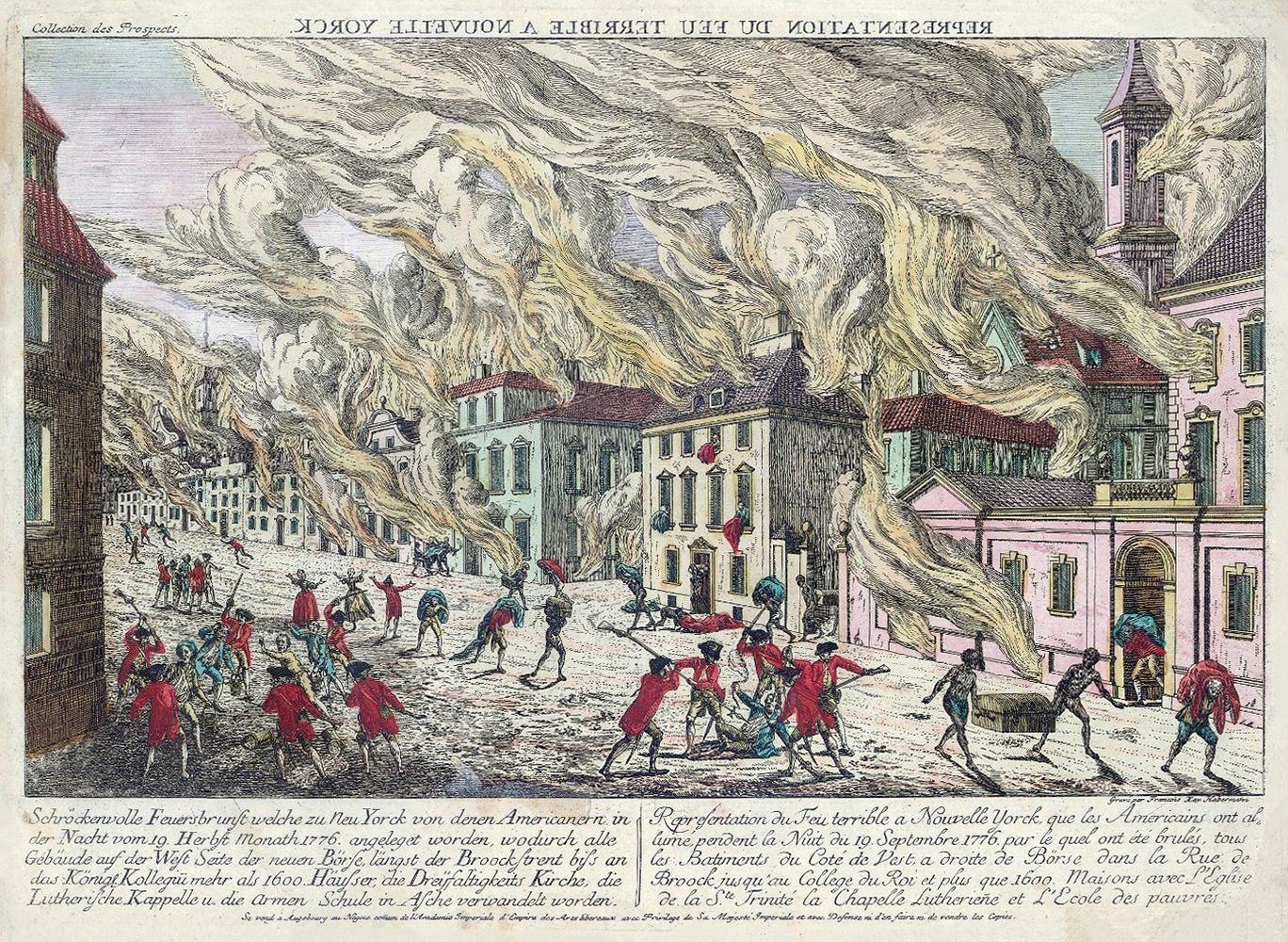
Who burned New York City in 1776?

Image: Franz Xaver Habermann, Public domain, via Wikimedia Commons

On September 21, 1776, just days after Nathan Hale’s execution, a fire broke out in the middle of the night. The Great Fire consumed a third of New York City, destroying hundreds of buildings and critical port facilities just when the British military was going to start using the city as their winter base.

The British blamed American arsonists and arrested over 200 people, but no one was ever convicted. Interestingly, George Washington and his collaborators previously debated burning the city, though the Continental Congress ultimately forbade it. Washington publicly denied any involvement, although he privately confessed that the fire was a stroke of luck. Was it a genuine accident, or did radical Patriots take matters into their own hands?

4
Who was Agent 355?

Image: ozrimoz

George Washington’s most successful intelligence network was the Culper Spy Ring, which operated in New York. The ring used an intricate system of invisible ink, hidden drop boxes, and complex ciphers. In their master codebook, the number 355 stood simply for "lady."

Agent 355 was a brilliant female operative who provided vital intelligence. Because her identity was protected by the ring’s leaders, her true name was never written down. Scholars have spent centuries debating whether she was a prominent Loyalist society woman secretly sympathetic to the Patriots, a member of the prominent Floyd family, or a composite character representing multiple female informants.

5
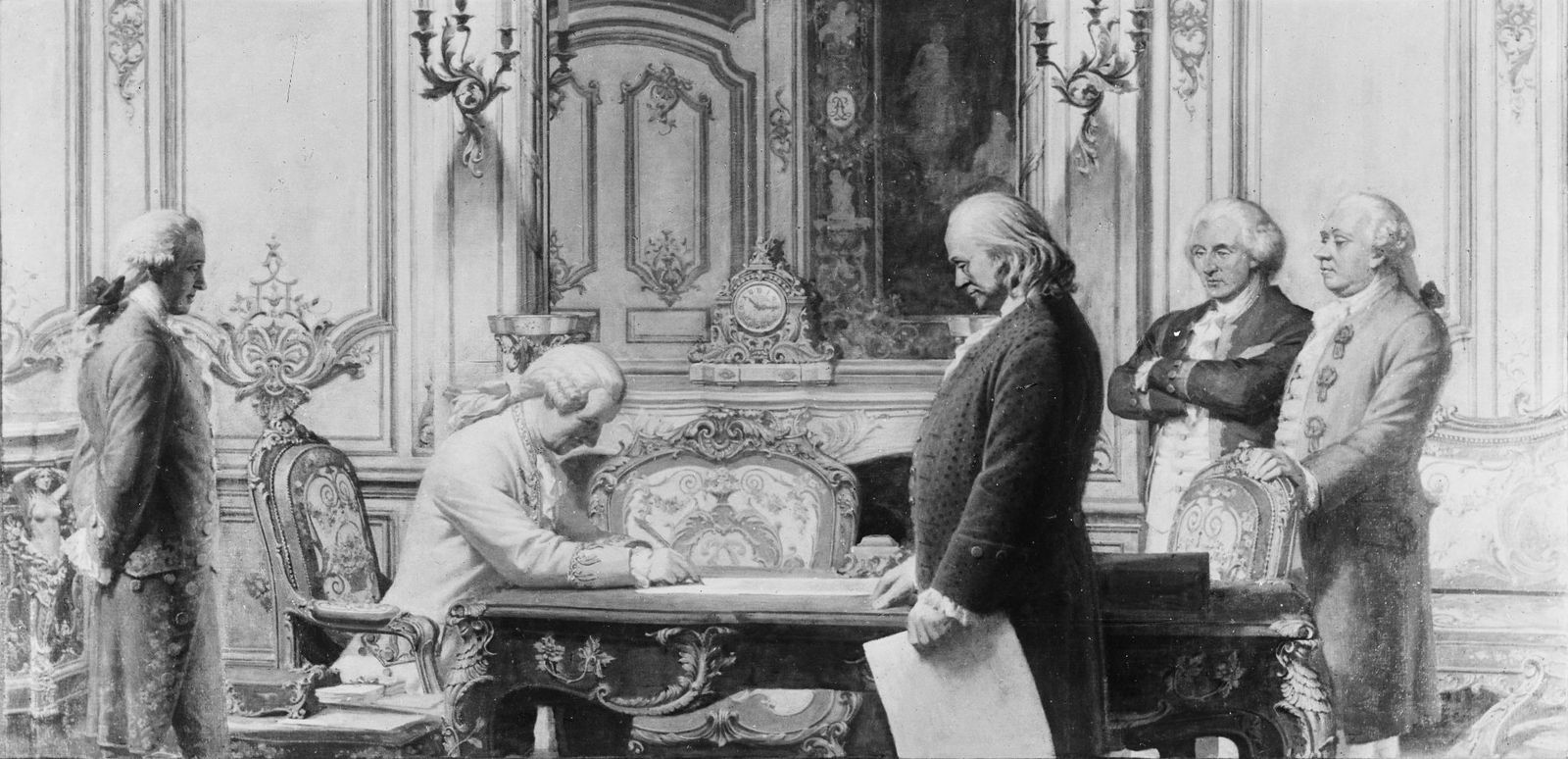
The mystery of Silas Deane

Image: Charles Elliott Mills, Public domain, via Wikimedia Commons

Silas Deane was a Connecticut merchant sent by Congress to France in 1776 as America’s first secret diplomat. He performed well at first, successfully securing shipments of French arms and recruiting foreign officers such as the Marquis de Lafayette. However, he fell into a bitter political dispute with fellow diplomat Arthur Lee, who accused Deane of financial fraud.

Totally in disgrace, a ruined Deane spent years in European exile trying to clear his name. In 1789, when he was 51, he boarded a ship to return to the United States for a congressional hearing. Hours into the voyage, he became ill and died. According to rumors, he had been poisoned. Modern historians suspect his close friend and assistant, Edward Bancroft—a British double agent—murdered Deane to keep him from exposing his wartime espionage.

6
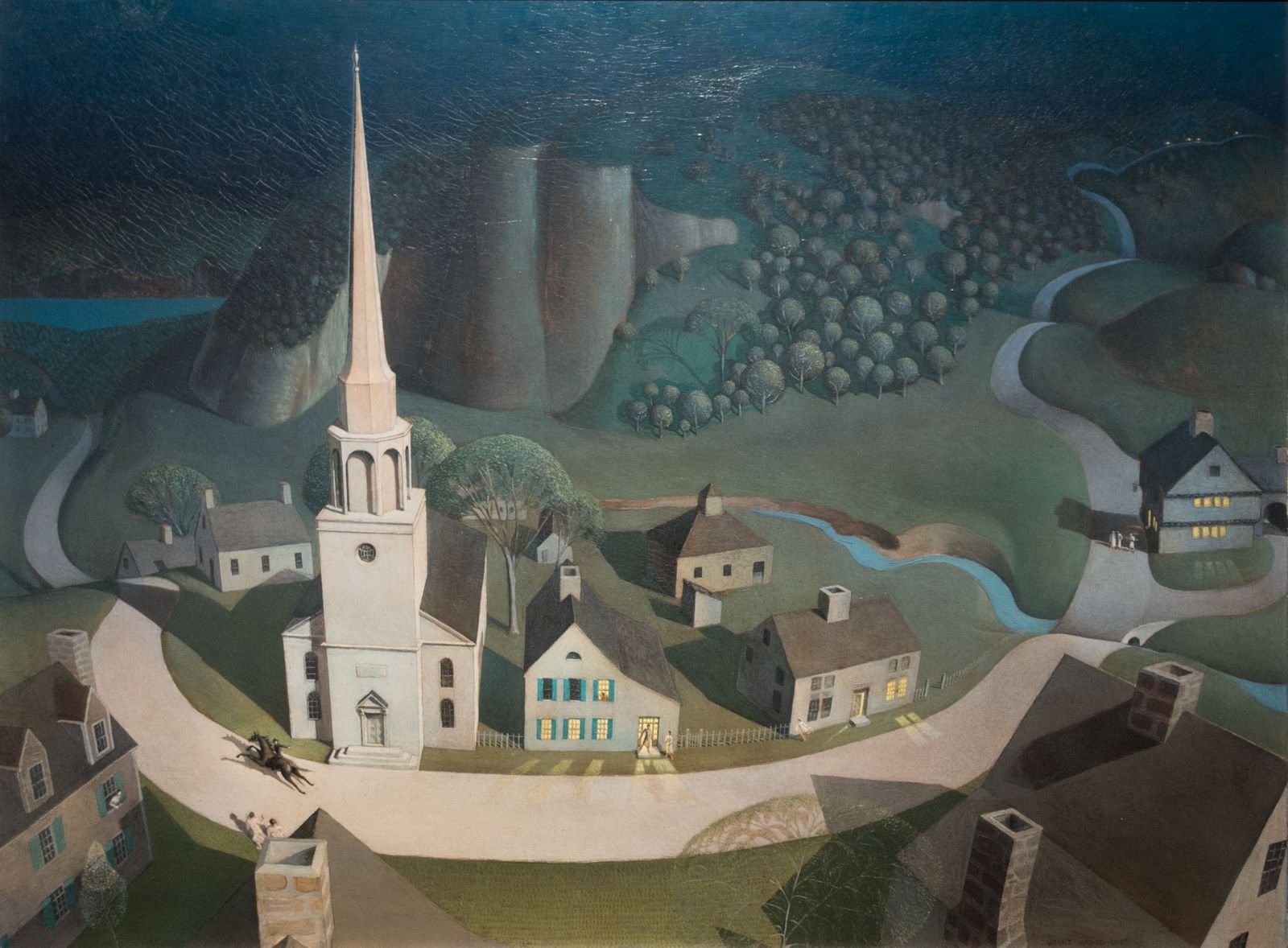
Who told the Patriots in Boston that the British were coming?

Image: Grant Wood, Public domain, via Wikimedia Commons

Before Paul Revere could take his historic midnight ride, someone had to give the Patriots the warning. On the night of April 18, 1775, Dr. Joseph Warren received precise intelligence that British troops were preparing to march on Lexington and Concord to arrest rebel leaders.

Who leaked this military plan? History has pointed to Margaret Kemble Gage, the American-born wife of the British Commander-in-Chief, General Thomas Gage. Margaret was torn between her love for her husband and her devotion to the land. While her involvement has never been proven, General Gage notably sent his wife away to England shortly after the leak.

7
Was Charles Lee a traitor?

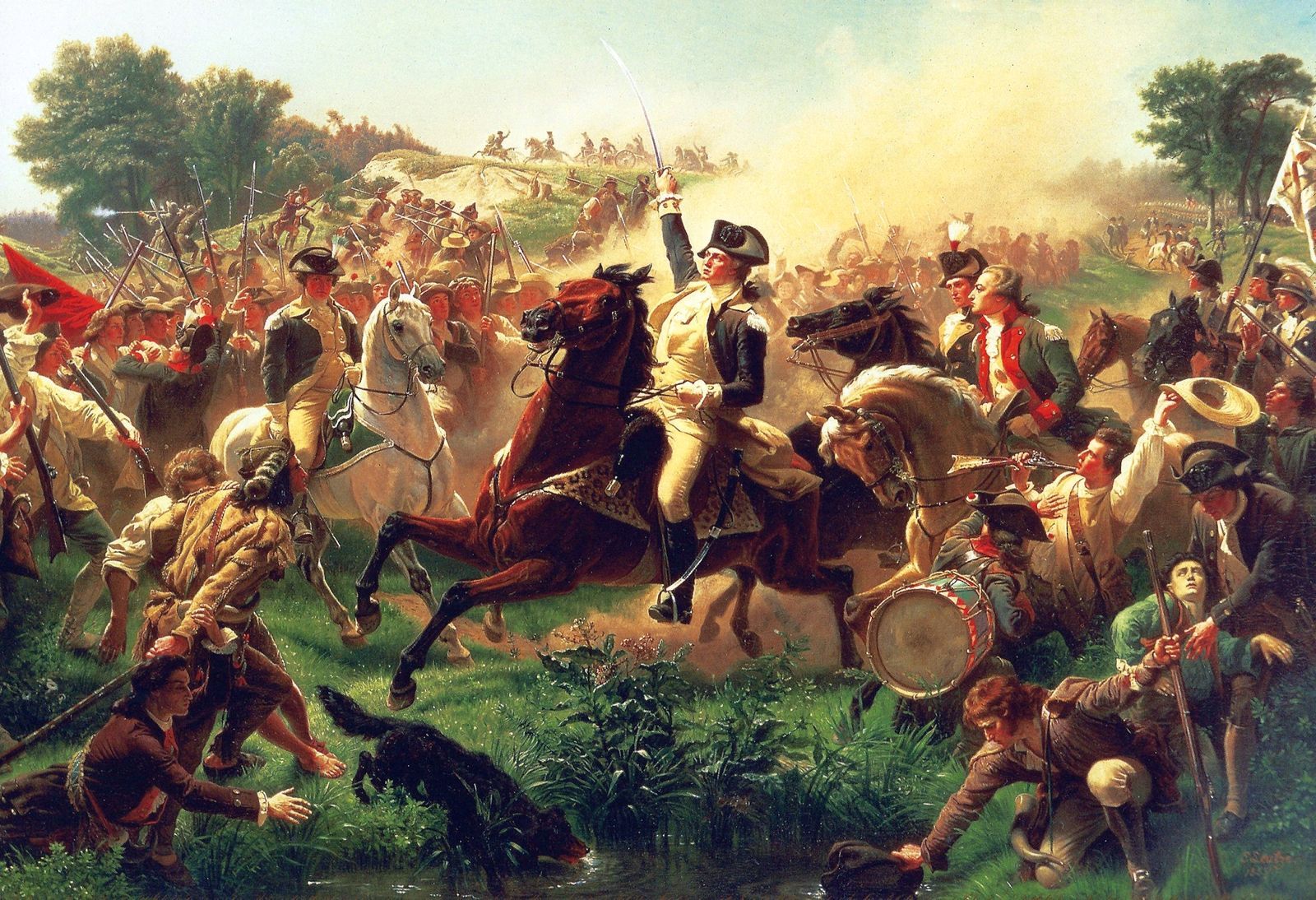
Image: Emanuel Leutze, Public domain, via Wikimedia Commons

General Charles Lee was George Washington’s second-in-command and an experienced military officer. He was also arrogant and frequently criticized Washington’s leadership. In late 1776, Lee was captured by the British in a New Jersey tavern while writing a letter complaining about Washington's deficiencies.

He was exchanged back to the Americans a year later, but his career ended after he disobeyed Washington’s orders at the Battle of Monmouth in 1778. The mystery arose 80 years later, when a lost document surfaced. The document, written in Lee’s own handwriting, outlined a detailed military strategy for the British to defeat the Continental Army. Was Lee a traitor, or was it a strategy to manipulate his captors?

8
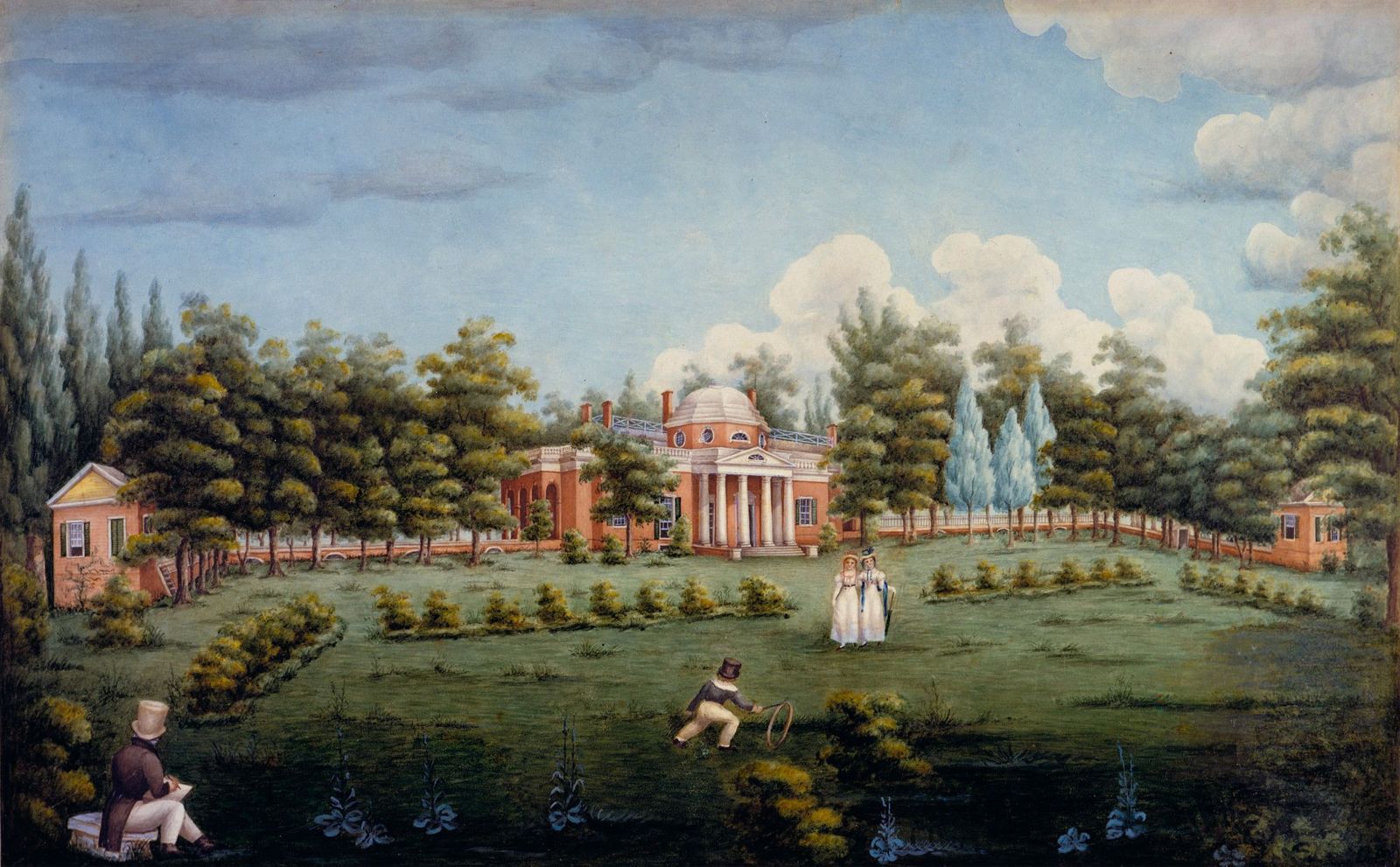
Why didn’t the British burn Monticello?

Image: Jane Pitfield Peticolas, Public domain, via Wikimedia Commons

In June 1781, the British cavalry leader Banastre Tarleton—called by Americans "Bloody Tarleton" for his brutal tactics—led a raid on Charlottesville, Virginia. His main objective was to capture Thomas Jefferson, the author of the Declaration of Independence and the state’s governor.

Jefferson managed to escape Monticello, and when Tarleton’s troops occupied his famous estate, they left it entirely untouched, as Tarleton specifically ordered his men not to damage or burn the property. Given that the British often burned the properties of prominent leaders, sparing Monticello was very unusual.

9
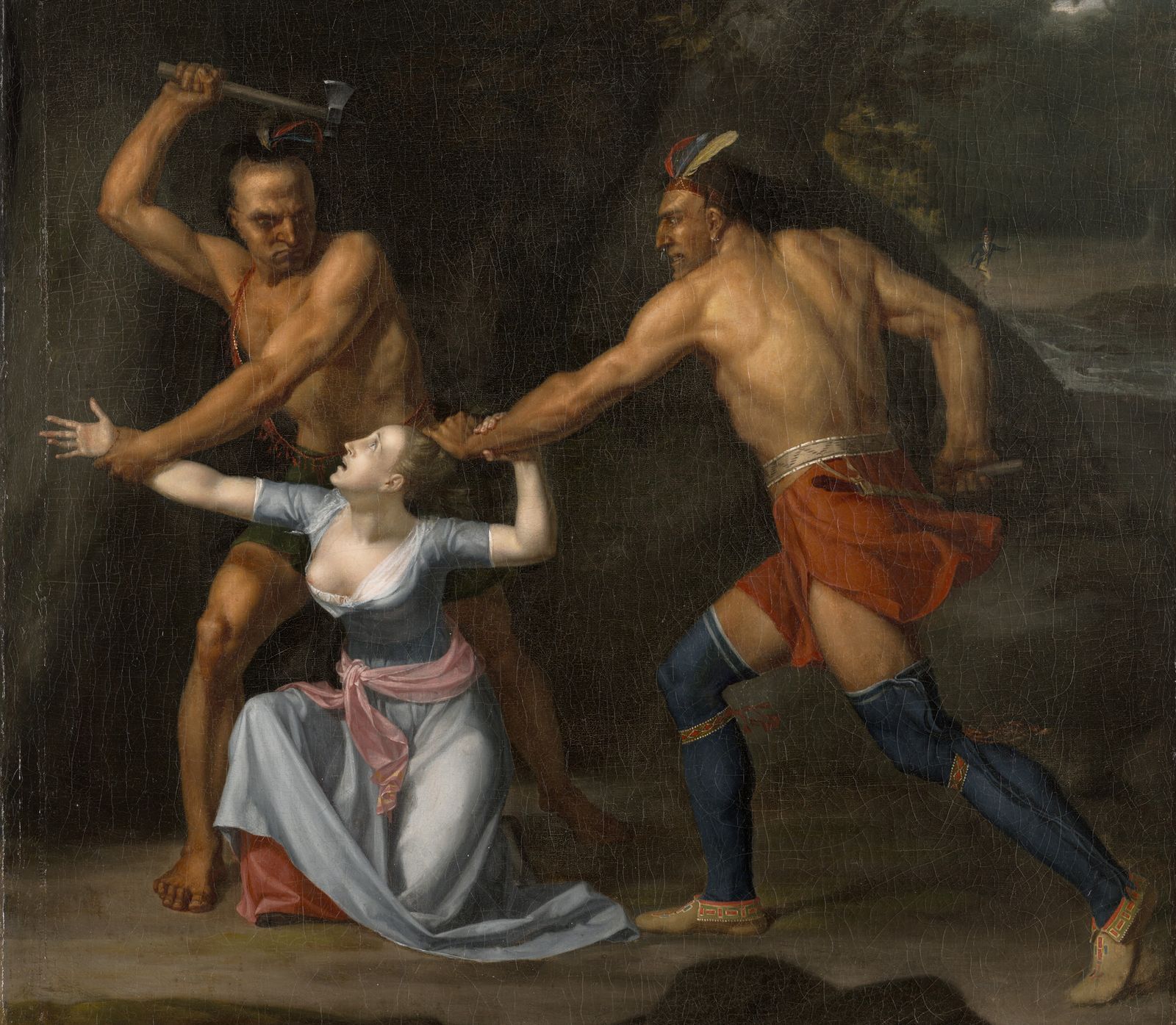
Who was Jane McCrea?

Image: John Vanderlyn, Public domain, via Wikimedia Commons

Jane McCrea was a young woman from a Loyalist family who was engaged to a lieutenant in the British army. In the summer of 1777, she was taken by Native American warriors allied with British General John Burgoyne's advancing army. Shortly after, she was found dead and scalped.

The Patriots turned her death into a propagandistic victory, using the story to terrify frontier colonists into joining the militia. But who actually killed Jane? The native scouts claimed she was accidentally shot by stray bullets fired by pursuing American soldiers. Other accounts insisted she was murdered during an argument between two native factions. The truth remains buried in the fog of war.

10
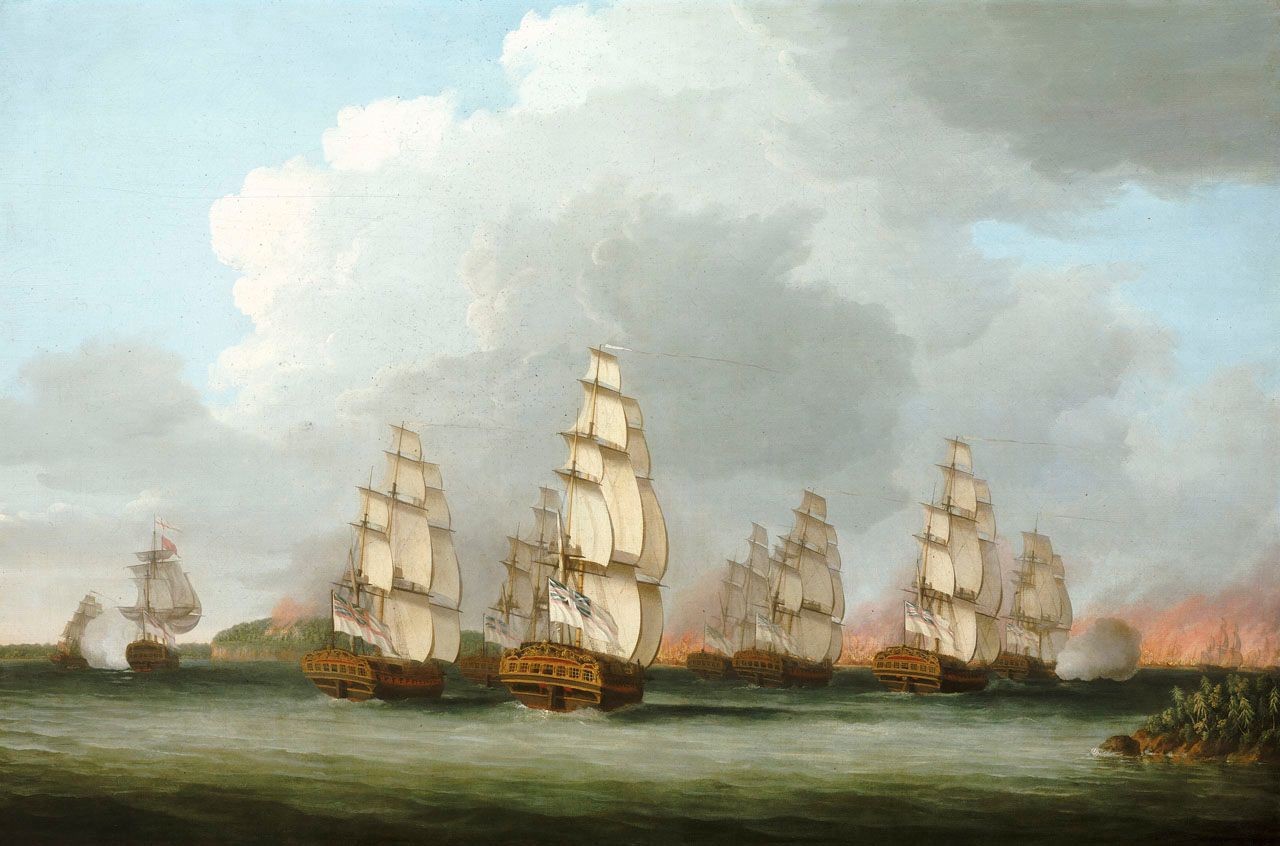
What happened to Benjamin Church?

Image: Dominic Serres, Public domain, via Wikimedia Commons

Dr. Benjamin Church was a prominent member of the Boston Sons of Liberty and served as the first Surgeon General of the Continental Army. He was also a traitor. In 1775, Washington’s intelligence team intercepted a coded letter written by Church containing vital information about American troop numbers.

Church was arrested, tried, and sentenced to confinement. In 1778, because of his poor health, he was banished from Massachusetts and boarded a merchant ship bound for the West Indies. The ship sailed into the Atlantic and was never seen again. Did the vessel sink, or did Church use his British connections to stage his disappearance and flee to Europe?

Culture Culture 6 min read

How do the most powerful blow off steam?

Which US President spent a quarter of his presidency at a ranch in Texas?

Image: Robert LeRoy Knudsen, Public domain, via Wikimedia Commons

Running the White House is a highly demanding job, so throughout history, many presidents have found ways to relieve the pressure and stress of leading at the highest level of government. When not shaping the path of the nation, presidents have enjoyed a variety of hobbies and pastimes that provide them with leisure time to relax, unwind, and clear their minds. From golfing and swimming to reading and painting, here are 12 U.S. Presidents who found the perfect balance between pleasure and duty.

1
George Washington

Image: Alonzo Chappel, CC0, via Wikimedia Commons

Founding Father and first president of the United States, George Washington, enjoyed many recreational activities during his free time. He was a true outdoorsman—he loved hunting and fishing and was a devoted gardener and farmer .

It’s common knowledge that after deciding not to run for a third term, he retired to his Virginia farm and dedicated the rest of his life to farming. But one fact you may not know is that, in his youth, Washington was a frequent dancer —and rumor has it, he was even extremely good at it! He considered dancing an important social interaction, describing it as "so agreeable and innocent an amusement."

2
Franklin D. Roosevelt

Image: National Archives and Records Administration, Public domain, via Wikimedia Commons

Franklin D. Roosevelt, the only president to be elected to four consecutive terms, led the country through the critical years of the Great Depression and World War II. To maintain a clear mind while navigating such tumultuous times, Roosevelt embraced a number of pastimes. He collected books , stamps , and ship models , for example.

In addition, he was an avid swimmer . After losing the ability to walk due to polio, Roosevelt began swimming three times a week to strengthen his muscles. Following his election, the New York Daily News donated a swimming pool to the White House so he could continue his practice.

3
James A. Garfield

Image: Unknown; part of Brady-Handy Photograph Collection., Public domain, via Wikimedia Commons

Before becoming the 20th president, James A. Garfield enjoyed fishing , hunting , and playing billiards . But he was also exceptionally intelligent and studious.

Though many people may know Garfield for serving just four months in office, he was also the first ambidextrous president of the United States . Not only could he write with both hands, but when asked a question, he could simultaneously write the answer in ancient Greek with one hand and Latin with the other. Pretty impressive, don’t you think?

4
Calvin Coolidge

Image: National Photo Company Collection, Public domain, via Wikimedia Commons

The 30th president of the United States liked riding horses so much that he had an electronic horse installed in the White House. The device had two speeds—trot and canter—and he rode it every day.

That said, Calvin Coolidge was a taciturn man of few words, who enjoyed taking afternoon naps, earning him the nickname "Silent Cal." He also had a very particular sense of humor . He reportedly enjoyed pressing the alarm buttons in the Oval Office or hiding in the garden shrubbery to startle his Secret Service agents.

5
Jimmy Carter

Image: Tuntematon, Valkoisen talon valokuvaajat (01/20/1977 - 01/20/1981), Public domain, via Wikimedia Commons

Throughout his life, Jimmy Carter was a curious man who never stopped doing things. He studied nuclear physics in college, could read two thousand words a minute, wrote numerous books, and even won a Nobel Peace Prize in 2002.

But what did this brilliant man like to do in his spare time? Carter had a variety of hobbies, including painting , poetry , tennis , cycling , fly fishing , and skiing . However, the one activity in which he perhaps excelled most was woodworking . After retiring, the 39th president of the United States set up a garage workshop on his Georgia ranch, where he built furniture that was later auctioned to benefit the Carter Center.

6
John Quincy Adams

Image: Pieter Van Huffel, 1769 - 1844, CC0, via Wikimedia Commons

John Quincy Adams was notoriously meticulous and kept a diary detailing his daily routine. Thanks to this, we now know that the sixth president of the United States liked to relieve the stress of the presidency with an early morning swim .

After waking up around 4 or 5 a.m., Adams would walk two miles to the Potomac River and leave his clothes on the shore before taking a swim. According to lore, one morning, a reporter named Anne Royall snatched his clothes and demanded that the president give her an interview. Adams had no choice but to answer her questions while standing deep in the river, completely naked.

7
Harry S. Truman

Image: Abbie Rowe, Public domain, via Wikimedia Commons

Harry S. Truman governed the United States from 1945 to 1953, right after World War II—a difficult and stressful time, to be sure. To blow off some steam, the 33rd president liked to immerse himself in one of his two long-time passions: reading and music .

Truman had eye problems, which prevented him from participating in sports. As a result, he became an avid reader from an early age—in fact, he once boasted of having read every book in the library by the age of 14. He was also a very skilled piano player , having started lessons at the age of seven.

8
Lyndon B. Johnson

Image: Yoichi Okamoto, Public domain, via Wikimedia Commons

Living up to the legacy of one of the most popular presidents in American history can't be easy. But it appears that the 36th president of the United States knew just how to maintain a good balance between responsibility and leisure. During his five-year administration, Lyndon B. Johnson spent 490 days —about a quarter of his presidency— at the LBJ Ranch in Stonewall , Texas, combining work and vacation so seamlessly that the place became known as "The Texas White House."

At this ranch, Johnson had an extensive collection of vehicles . Among them was the Amphicar, an amphibious passenger car built in the 1960s, which he used to play pranks on his visitors.

9
Richard Nixon

Image: White House Photographer, Public domain, via Wikimedia Commons

Not many people know this, but Richard Nixon was an artistic man. He enjoyed theater—he even met his future wife during a community theater audition—and he could play five musical instruments : piano, saxophone, violin, clarinet, and accordion.

But he was also into sports. In addition to being a huge football fan, he and First Lady Pat Nixon enjoyed bowling . In fact, the Nixons were responsible for moving the White House bowling alley back to the Executive Mansion after it had been relocated to a nearby building years earlier.

10
George W. Bush

Image: Series: Photographs Related to the George W. Bush Administration, 1/20/2001 - 1/20/2009Collection: Records of the White House Photo Office (George W. Bush Administration), 1/20/2001 - 1/20/2009, Public domain, via Wikimedia Commons

During his free time, George W. Bush enjoyed golfing, biking, attending baseball games, and reading American history. He was also a very competitive runner .

However, when the 43rd president of the United States left office, he was only 62 years old—plenty of time to acquire a new pastime. In the years following his time in the White House, Bush surprised many by turning to painting . "I’m a painter," he told Jay Leno on The Tonight Show .

11
Dwight D. Eisenhower

Image: ddd

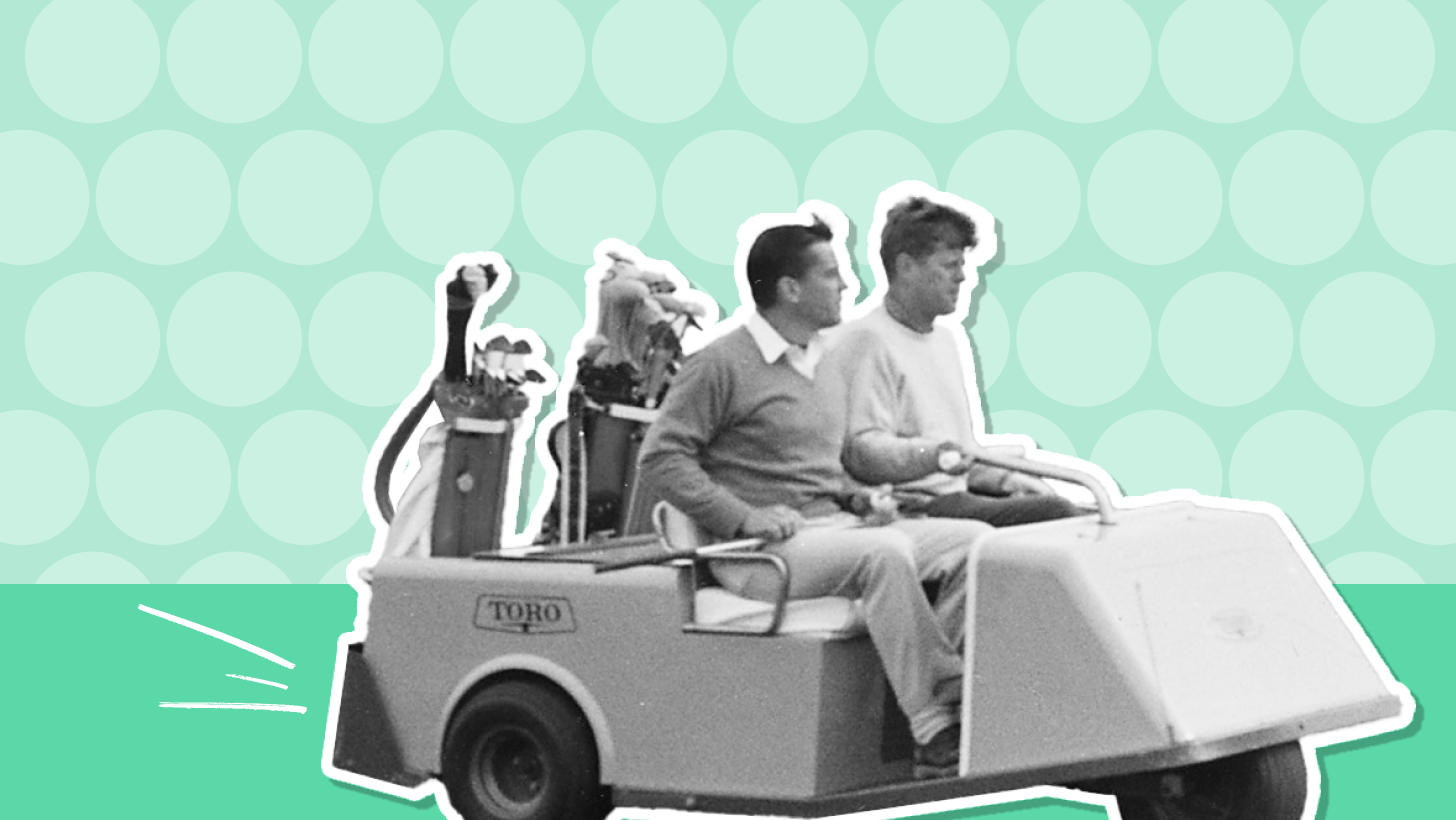
To relieve the stress of leadership, Dwight D. Eisenhower maintained a number of hobbies that he cultivated throughout his life. One of his main passions was golf , which he played during and after his presidency. He even kept a small putting green in the White House garden and had a four-hole practice course installed at Camp David.

But that’s not all. Ike enjoyed fishing, hunting, shooting, watching Western movies, and playing bridge. He was also an avid painter who often captured natural landscapes and gave them as gifts to friends. After leaving the White House, Ike settled on a farm near Gettysburg, Pennsylvania, where he raised Black Angus show cows that won blue ribbons at state and county fairs.

12
John F. Kennedy

Image: Robert LeRoy Knudsen, Public domain, via Wikimedia Commons

John F. Kennedy was an exercise enthusiast and something of a jock. He played many sports : golf, tennis, swimming, baseball, and football. Despite being an athletic man, he enjoyed smoking between four and five cigars a day—his favorite brands were Upmanns and Monticellos!

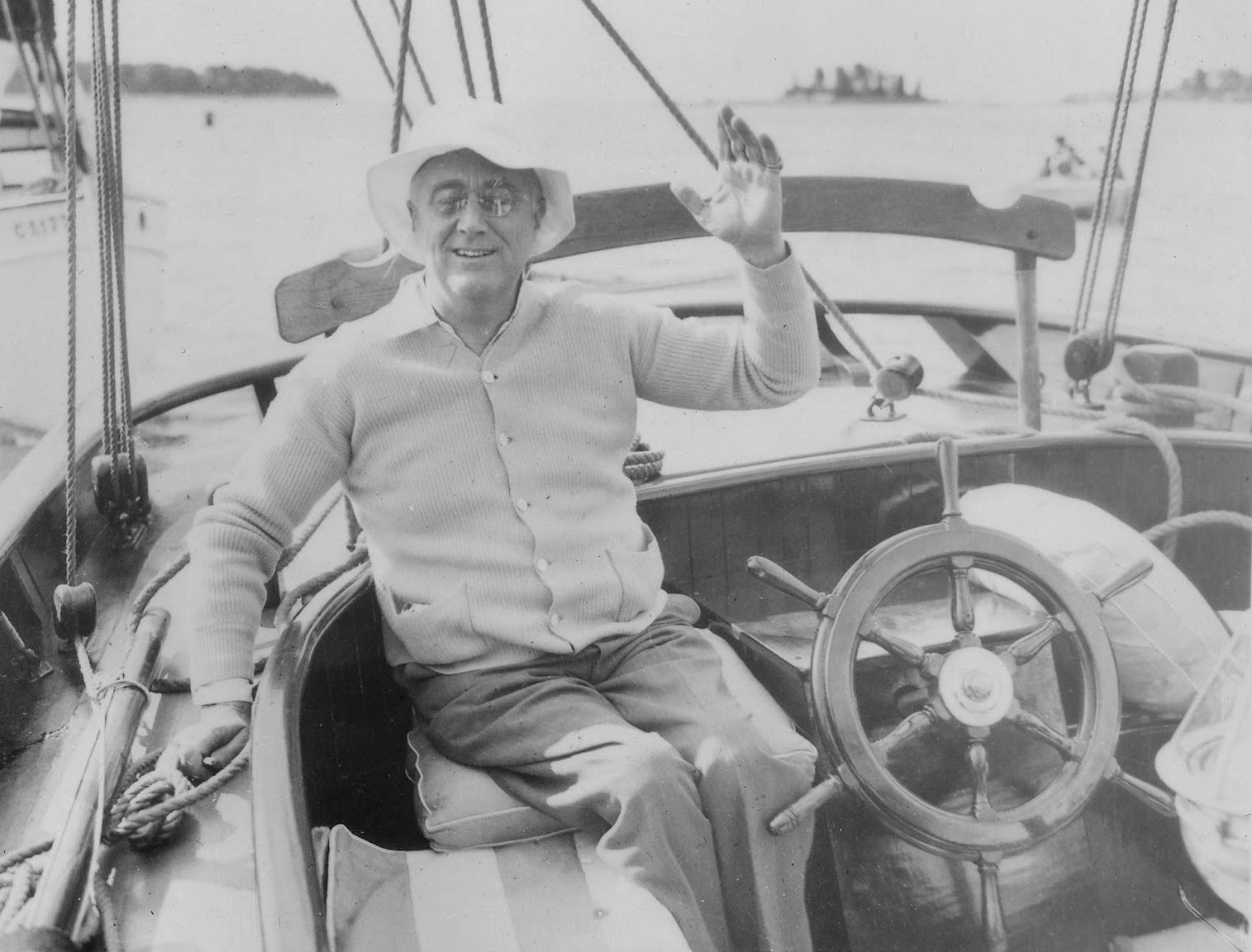
But perhaps the hobby that most helped him relax from the tensions of the presidency was boating. Like many members of his family, John F. Kennedy loved to sail and was often photographed at sea with his wife and young children.

Explore more American facts

Choose your favorite category!

General
General

As American as apple pie—the very best America has to offer!

Culture
Culture

Delve into the astounding richness of American lore.

Geography
Geography

Hop in and explore vast and diverse American landscapes.

History
History

Discover the key moments that shaped the United States.