General General 5 min read

What really happened to Woolworth’s?

Image: Shutterstock AI Generator

Remember grabbing school supplies or a milkshake at Woolworth’s ? Stopping by Blockbuster to rent a movie for the weekend? Or doing your grocery shopping at A&P ? What happened to these once-ubiquitous stores we thought we couldn't live without? Keep reading to find out why these beloved chains disappeared.

1
Woolworth’s
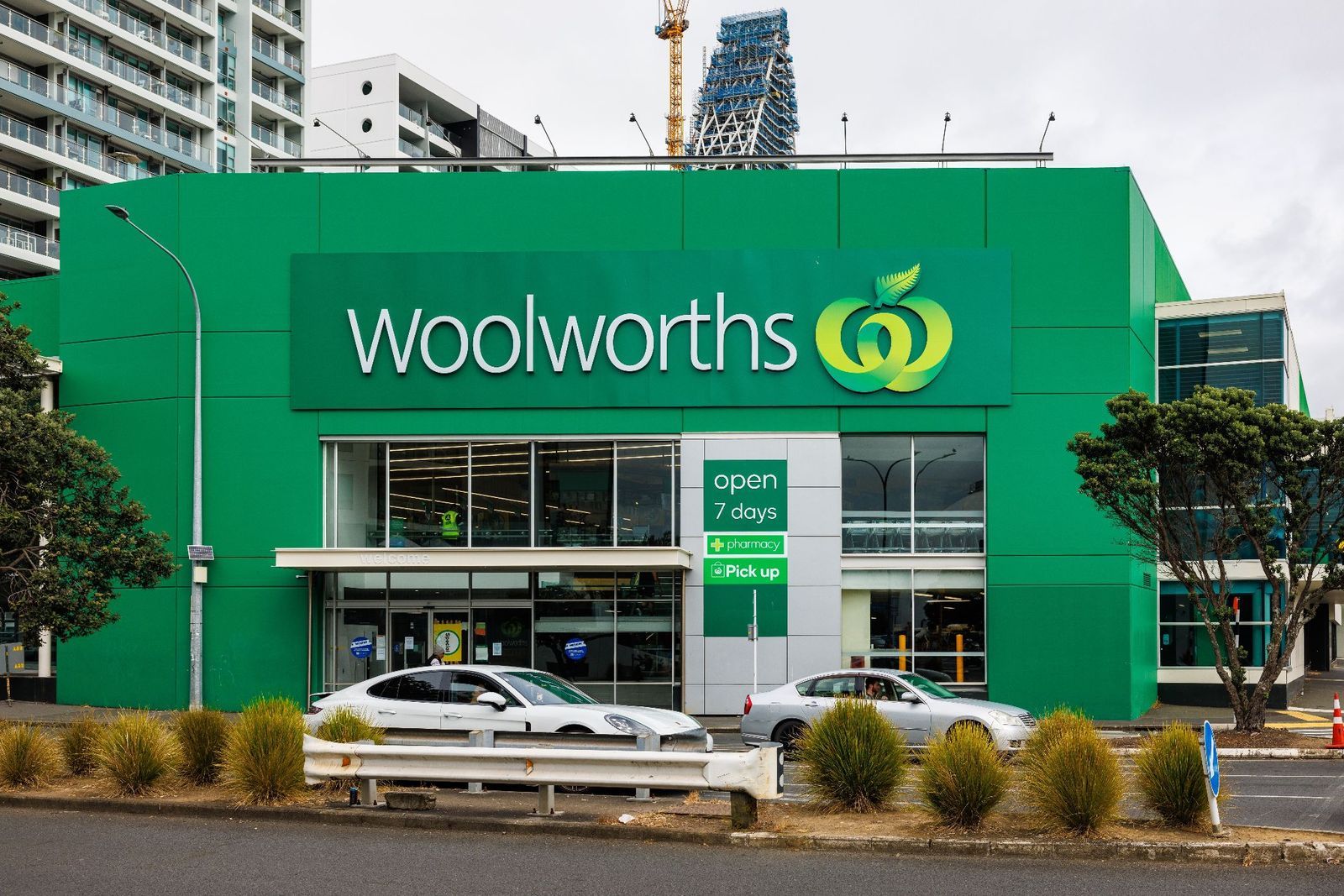
Image: ArDanMe

Woolworth’s was the place to buy everything from school supplies and toys to household goods and candy—or even to grab lunch. The first store opened its doors in Lancaster, Pennsylvania, in 1879. It was a five-and-dime shop, and the chain soon became one of America’s most recognizable retail names, with over 3,000 stores nationwide at its peak. So, why did it disappear?

With the steady rise of suburban shopping centers and large discount stores, Woolworth’s couldn’t keep up and began a slow decline in the 1960s that culminated in 1997, when it closed its final stores for good.

2
A&P

Image: Vladimka production

A&P used to be the spot to get everyday groceries. It began as a tea and coffee business in 1859 and later evolved into one of America’s biggest supermarkets with more than 16,000 stores in the country at its peak. But despite pioneering high-volume retailing, A&P couldn’t stick around.

Over the decades, newer competitors entered the market, and grocery shopping became more and more competitive. Walmart, Target, Aldi, Whole Foods—A&P failed to adapt and filed for bankruptcy twice, first in 2010 and again in 2015, and finally shut down in November 2015.

3
Blockbuster
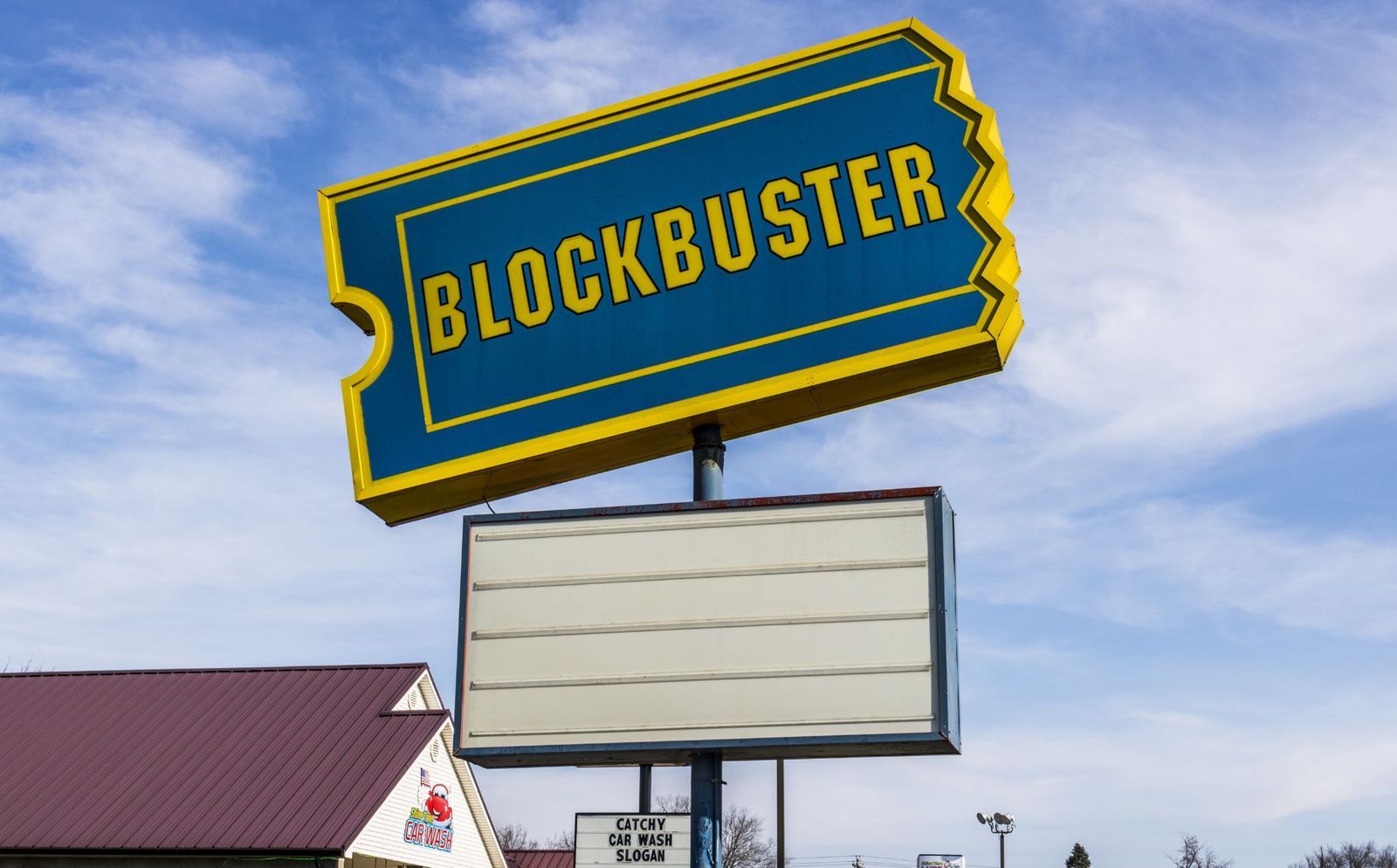
Image: Jonathan Weiss

Blockbuster was the go-to for movie rentals . It dominated the market with 9,100 stores worldwide by 2004, about $6 billion in revenue, and thousands of movies to choose from—it was hard to imagine Blockbuster ever falling, but it did.

The rapid advancement of technology hit Blockbuster hard, with newer options like DVD-by-mail services, Redbox kiosks, and the final blow: streaming services like Netflix, Amazon Prime Video, Disney+, and more. All Blockbuster corporate-owned stores closed by January 2014; however, you can still visit one holdout location in Bend, Oregon.

4
Montgomery Ward
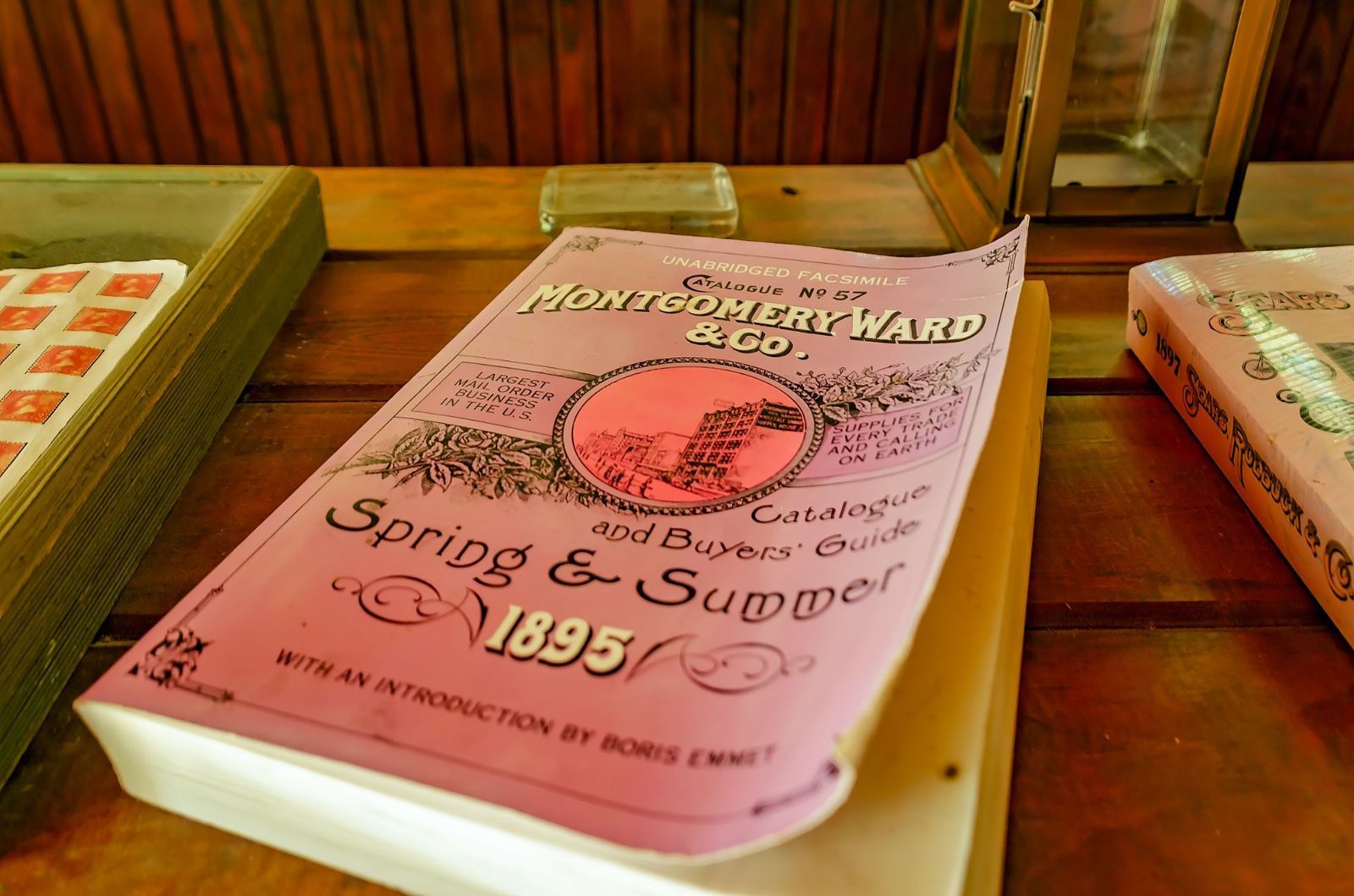
Image: Carmen K. Sisson

Long before Amazon, consumers could buy almost anything from Montgomery Ward from the comfort of their homes , and the company would ship it directly to them. It felt like online shopping before the internet. So why did it vanish?

To adapt to newer shopping habits, Montgomery Ward opened physical stores and started competing with brands like Sears; but once suburban malls and discount stores became widespread in the 1980s, Montgomery Ward couldn’t keep pace and eventually filed for bankruptcy in 1997 and again in 2001.

5
Circuit City

Image: LMPark Photos

Circuit City started in 1949 and quickly became the source for TVs, stereos, VCRs, video games, and just about every kind of electronics , especially during the 1980s. The company continued growing by the early 2000s, expanding to more than 600 stores, though one controversial decision made it trip and fall.

Circuit City was already struggling to compete with Best Buy and Walmart. And in 2007, it replaced its commissioned sales staff with low-paid hourly workers, damaging customer service—often considered one of Circuit City’s biggest strategic mistakes. By March 2009, the chain was gone.

6
Caldor
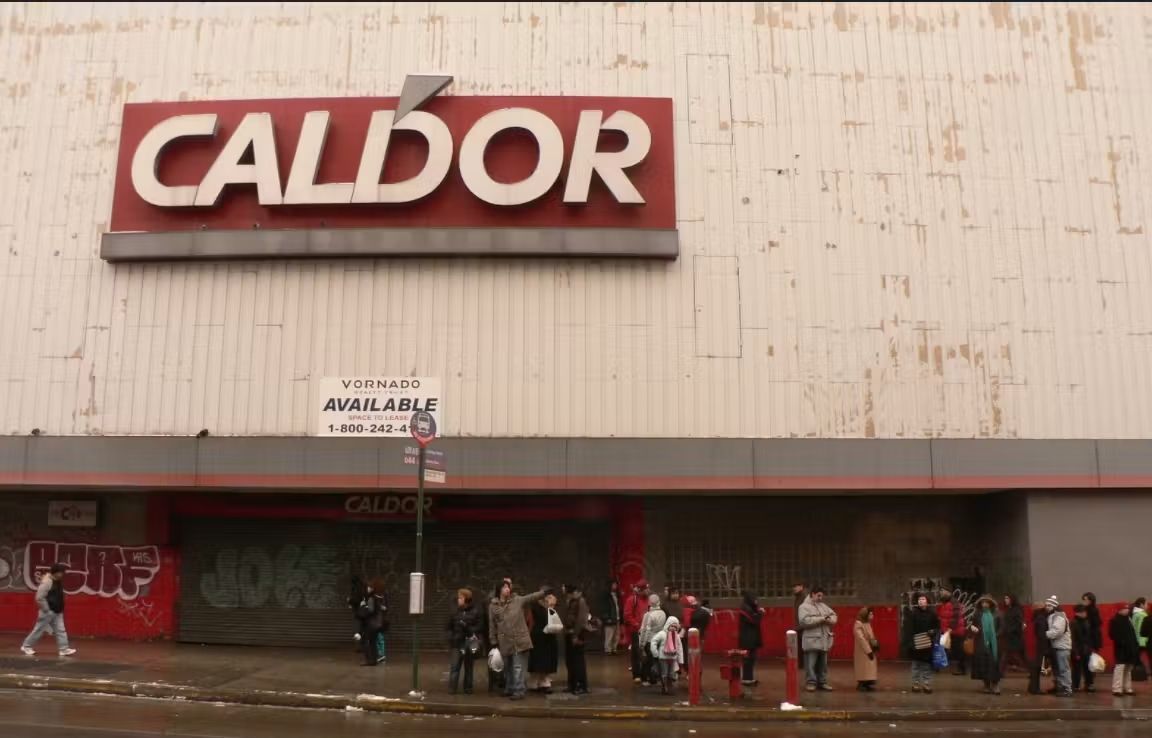
Image: CC: 2.0 Ian Westcott

There was a time when one trip to Caldor could cover almost everything on your shopping list. Founded in 1951, it became a major one-stop discount department store . By the 1990s, it had grown to more than 150 stores across New York, Connecticut, New Jersey, and Massachusetts, but in 1995 it filed for bankruptcy. What happened in between?

Big box stores like Walmart and Target were expanding rapidly, and Caldor simply fell behind as people moved toward newer retail formats that combined department stores and supermarkets. Plus, the company took on a lot of debt in 1991, which only made things worse. Caldor finally closed for good in 1999.

7
Borders

Image: Raymond Vong Photography

Borders is a reminder of a time when buying a book was an experience, rather than just clicking a few buttons online. It opened in 1971 and set itself apart from other modern bookstores. At Borders, you could spend an entire afternoon browsing not just books, but music and DVDs or even grabbing a coffee.

Around 2003–2004, Borders had more than 1,200 stores worldwide , but it failed to adapt to an inevitable growing trend: online book sales. Amazon eventually took over, and Borders couldn’t stay in the game, closing its final location in September 2011.

8
G.C. Murphy
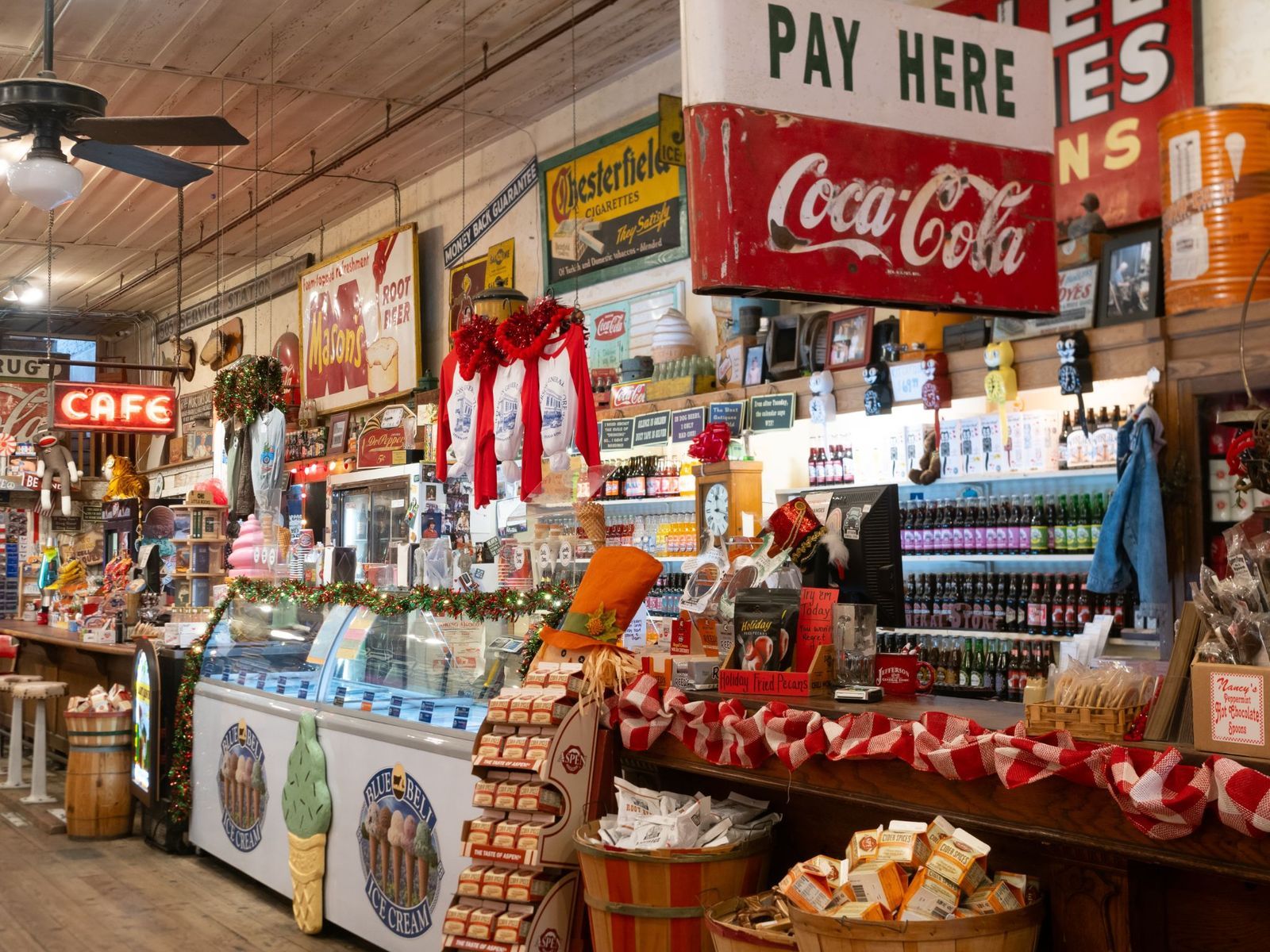
Image: Teresa Otto

Much like Woolworth’s, G.C. Murphy was a five-and-dime store that sold a little bit of everything and had lunch counters or snack bars where people would hang out. The company opened in 1906, and it operated more than 500 stores by 1976.

But once the traditional five-and-dime model came under pressure from discount giants, G.C. Murphy was forced to adapt. The chain did make some efforts and experimented with bigger stores and different formats, but it wasn’t enough, and G.C. Murphy filed for bankruptcy in 1985.

9
Zayre
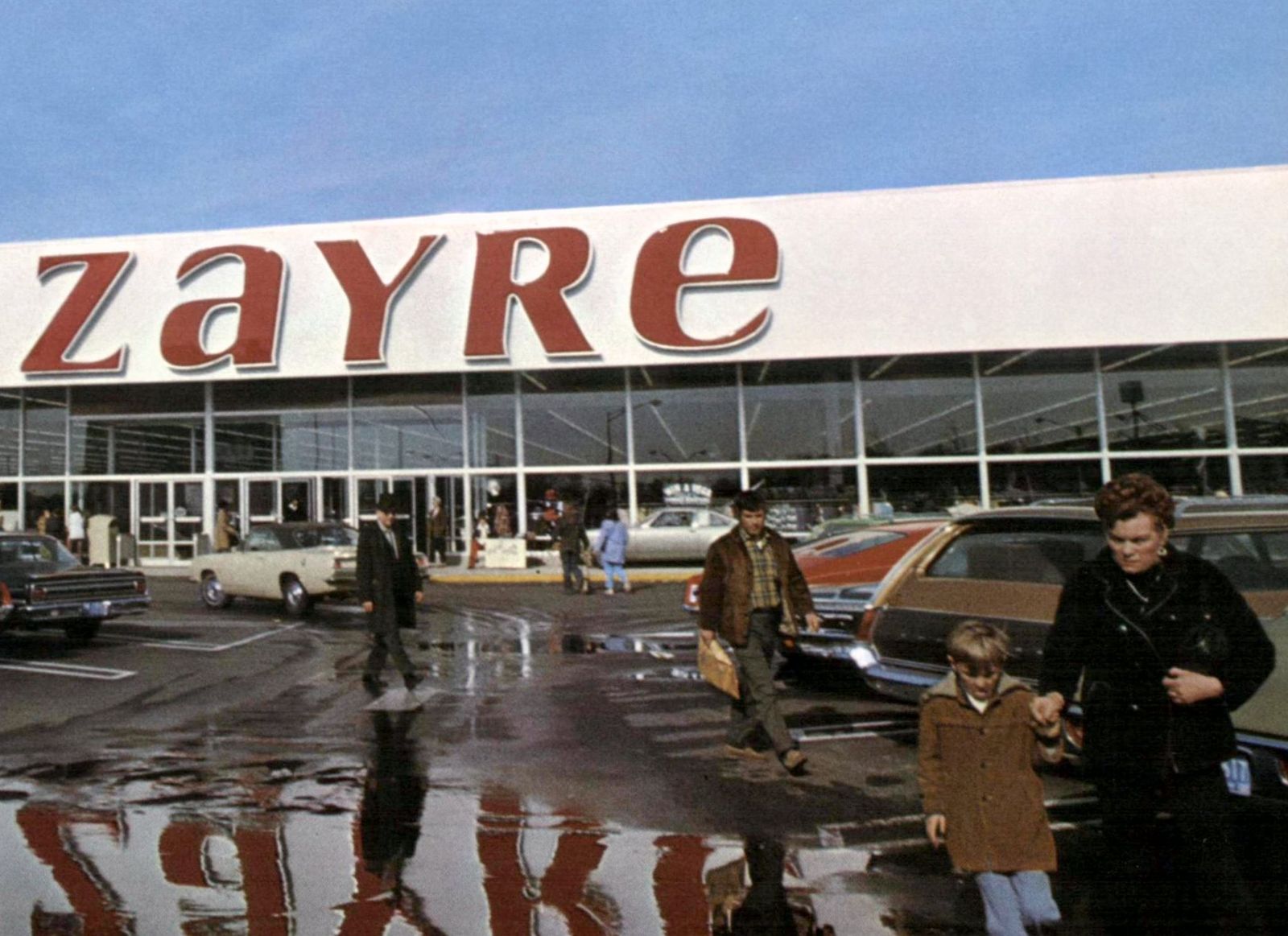
Image: Click Americana, CC BY 2.0, via Wikimedia Commons

Zayre entered the market in 1956 as a classic discount department store that looked more like a warehouse . It was a no-frills, self-service shopping experience with massive stores, wide-open interiors, and exposed ceilings where you could find lots of everyday items like clothing, household goods, or appliances at low prices.

While it was pretty successful, especially across the Northeast and Midwest, Zayre struggled to keep up with giants like Target. It tried to reinvent itself by founding TJ Maxx in 1977, but eventually sold the remaining Zayre stores to Ames in 1988, and the Zayre name vanished by 1990.

10
Service Merchandise
Image: Service Merchandise, Public domain, via Wikimedia Commons

Service Merchandise was founded in 1934 and, unlike typical retail stores, it introduced a strange new concept called the " catalog showroom " in 1960, where display floors showcased single working samples of products, and the actual inventory was stored in an adjacent backroom warehouse. Customers would look at a catalog, place an order, and an employee would bring it to them.

The concept proved successful, and Service Merchandise operated more than 400 showrooms by the mid-1990s. But Service Merchandise’s model meant longer waiting times, and traditional discount stores began offering a faster and easier shopping experience. The company tried to modernize by introducing electronic inventory systems, but it didn’t work out. By 2002, Service Merchandise was gone.

General General 5 min read

Gracias , capisch’ ?

What languages do Americans speak when at home?

Image: Ling App

Many Americans might not know this, but until recently, American English was not the official language of the United States of America . It was, however, the de facto language of the country , meaning that its historical use and importance made it the official language, even if Congress had never issued legislation on this issue. In the U.S., English is the language of the foundational documents, such as the Declaration of Independence or the Constitution, the language of communication, education, administration, and paperwork. But is it the only language that is spoken in daily life? Let’s have a look at 10 other languages that are widely spoken in the U.S.

1
Spanish

Image: Amit Ovadia

The fact that Spanish is the second most spoken language in the U.S. comes as no surprise if we consider that at least 18 of the current 50 states were once part of the Spanish Empire. This, combined with migration from other Hispanic territories, means that around 40 million people speak Spanish at home in the U.S., nearly 13% of the population.

Native Spanish speakers in the U.S. have developed their distinct dialectal variants, such as New Mexican Spanish in the states of New Mexico and Colorado, Puerto Rican Spanish , or Spanglish .

2
French

Image: Jessica Tan

French is, after Spanish, the most taught foreign language in schools. But did you know that more than a million Americans speak French at home ? Historical events such as the Louisiana Purchase or the French and Indian War in Canada meant that native French speakers migrated to the U.S. or became American when French-speaking territories were incorporated.

Nowadays, the French language presents three main dialectal groups in the U.S. , mainly located in Louisiana and the New England region. So, if you were planning a holiday in NOLA or Lewiston, you might want to brush up on your ouis , bonjours , and mercis .

3
Navajo

Image: Nik Shuliahin

Compared with other languages on this list, the Navajo speaker population might seem small, with around 170,000 native speakers . However, it is the most widely spoken Native American language , with most of its speakers located in the Southwestern U.S.

Navajo is famous for its use as a code during World War II . Its complex grammar and the fact that, at the time, it wasn’t a written language, significantly reduced the chances of enemy forces deciphering transmissions, and even native Navajo speakers wouldn’t have been able to understand the code used.

4
Chinese

Image: Stephen yu

When we think about Chinese immigration into the U.S., we sometimes forget that China is a multicultural, multiethnic country, and that not all Chinese immigrants spoke the same language or came from the same region.

It is reported that more than 3 million people in the U.S. speak a Chinese language at home, with Mandarin, Cantonese, and Hokkien accounting for the majority of those speakers.

5
German

Image: Annie Spratt

Although more than a million Americans speak German at home , nearly half of them would have issues communicating with a German person. This is because there are several variants of German spoken in the U.S., such as the Pennsylvania Dutch, the Plautdietsch, or the Alsatian , mainly spoken by Amish or Mennonite communities, or the Yiddish , widely spoken in Jewish communities.

Standard German is the second most spoken language in North Dakota , while Texas German , a U.S. variant, is still spoken in the state of Texas by the descendants of 19th-century German settlers.

6
Hawaiian

Image: little plant

Hawaiian is recognized as one of the official languages of the state of Hawaii , but is classified as an endangered language . It is estimated that only 2000 of its 30,000 speakers learned it as a first language. In the late 19th Century, Hawaiian was banned from schools , which significantly reduced the number of speakers, but conservation efforts over the past decades have proven successful in revitalizing the language .

Hawaiian Pidgin , an English-based creole language , is also spoken by more than half a million Hawaiians and has been influenced by languages such as Portuguese, Cantonese, Japanese, Okinawan, and Korean .

7
Italian

Image: Chloe

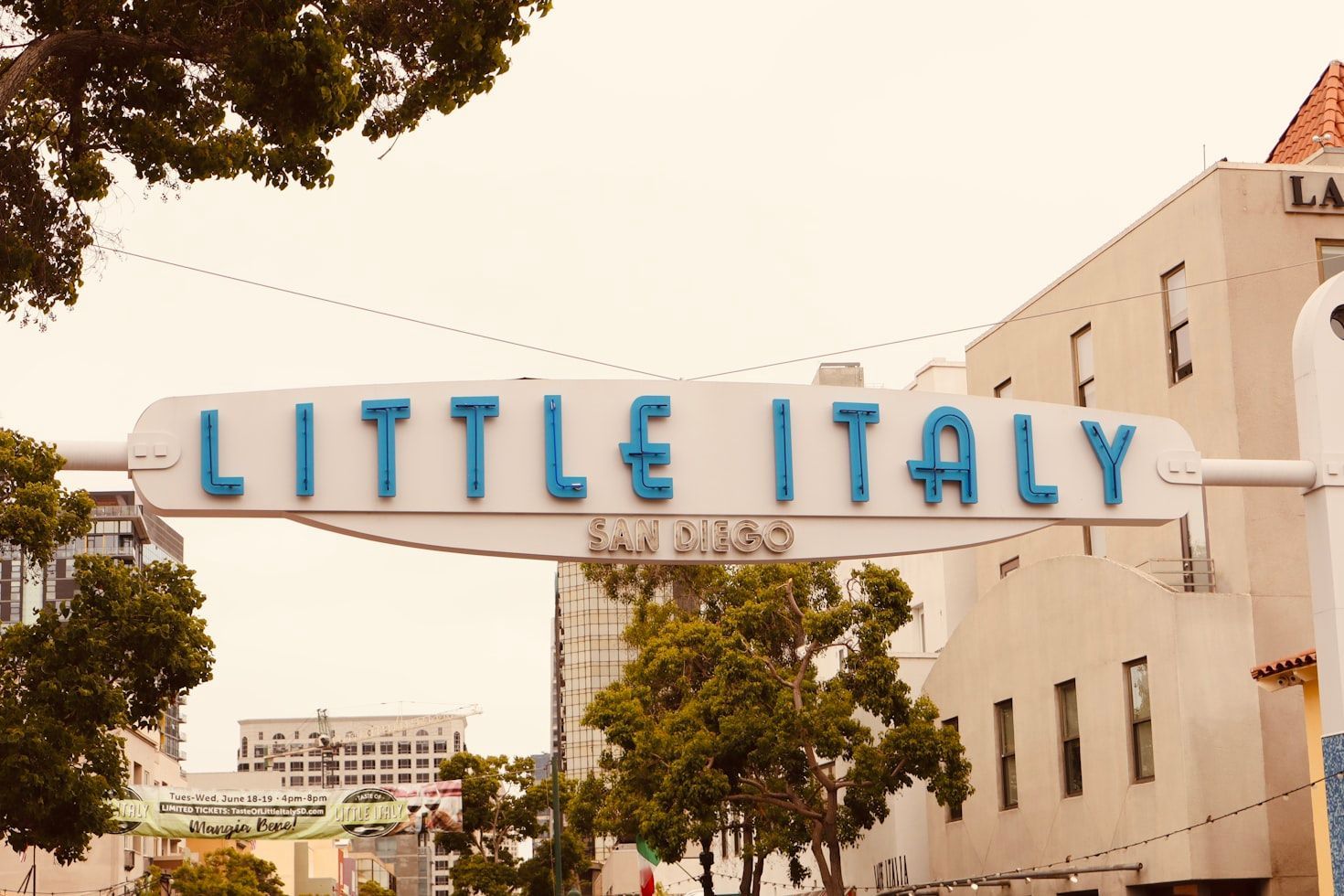
Italians are one of the most notorious U.S. communities of immigrant descent, with their way of speaking being one of the main traits associated with Italian-Americans . But nowadays, of the more than 15 million Italian-Americans, only 700,000 are fluent in standard Italian .

Many Americans of Italian descent speak a pidgin (a simplified language that results from the contact of two groups) that mixes English, standard Italian, and regional Italian dialects , with words like mootsarell’ (from mozzarella ), gabagool’ (from capocollo ), or latte (from caffelatte ). Something to think about next time someone orders a pumpkin spice latte at Starbucks.

8
Vietnamese

Image: Huỳnh Tiến

You might not know this, but despite Vietnamese immigration being relatively recent compared to other Southeast Asian communities, Vietnamese is the sixth most spoken language in the U.S . This is a result of a conscious effort by the Vietnamese community to maintain the language and pass it down to new generations.

Before the start of the Vietnam War, it was estimated that only 3,000 people of Vietnamese descent lived in the U.S. Currently, around 2.3 million individuals identify as Vietnamese-American, 1.5 million of them being fluent speakers of the language .

9
American Sign Language (ASL)

Image: Annie Spratt

When we say ‘languages other than English’, most of the time we are not thinking of sign languages . For many people, sign language is a variant of a spoken language, but sign languages have their own grammar, syntax, and rules that make them full-fledged languages.

It is estimated that American Sign Language (distinct and separate from the sign languages of some other anglophone countries) has between 250,000 to half a million native speakers , with thousands more as second-language users.

10
Arabic

Image: Andre Benz

The presence of the Arabic language in the U.S. dates back hundreds of years, with records of Arabic speakers from the 17th Century . Arab-Americans are estimated to be more than 3 million, of diverse backgrounds, with ties to at least 22 Arabic-speaking countries .

Following historic events in the past decades, many Arab-Americans have stopped using the language or teaching it to their children to avoid prejudice or stigma . Nonetheless, Arabic is still one of the most spoken languages at home for U.S. citizens , with more than a million users.

General General 4 min read

The American Dream

10 famous actors who became U.S. citizens

Image: Nathan DeFiesta

Many foreign actors adopt an American persona in order to fit into certain roles. After all, Hollywood is one of the world's largest film industries. But some actors have decided to make America their home beyond acting, which has led them to apply for citizenship and become naturalized Americans. Here are 10 actors who were born elsewhere and became U.S. citizens later in life!

1
Arnold Schwarzenegger

Image: Tom Def

Let’s kick it off with someone everybody knows. In case the excessive use of consonants in his last name wasn’t enough of a clue, Arnold Schwarzenegger was born and raised in Austria, where he built a successful career in bodybuilding. After winning major bodybuilding titles, he moved to the U.S., where he continued competing and later transitioned into acting. He became a U.S. citizen in 1983 and went on to serve as Governor of California from 2003 to 2011.

2
Elizabeth Taylor

Image: Daniele Levis Pelusi

One of the brightest stars of 1950s Hollywood, Elizabeth Taylor is known for her unforgettable performances in classics such as Cleopatra , Cat on a Hot Tin Roof , and Who’s Afraid of Virginia Woolf? Born in London in 1932 to American parents from Arkansas, Taylor held dual British-American citizenship from birth. Although she was initially raised in the UK, her family returned to the U.S. when World War II broke out. There, she began what would become a triumphant acting career, earning her first starring role at age 12 in National Velvet .

3
Charlize Theron

Image: barendlotter

Born in Benoni, in what was then the Transvaal province of South Africa, Charlize Theron began her career as a model and later trained as a dancer. While trying (and failing) to get into the film industry, she got her breakthrough thanks to her not being American: she famously caught the attention of a talent agent while arguing with a bank teller who refused to cash her check because she was a foreigner. She became a U.S. citizen in 2007 and has retained her South African citizenship.

4
Liam Neeson

Image: K. Mitch Hodge

Liam Neeson was born and raised in Ballymena, Northern Ireland, and started his career as a theater performer in Belfast and Dublin. After being cast in a minor role in the film Excalibur (1981), he built a successful career in both the UK and the U.S. Neeson acquired American citizenship in 2009 and said he was inspired by the overwhelming support he received from Americans following the tragic death of his wife, Natasha Richardson.

5
Cary Grant

Image: thomas cook

One of the biggest stars of Hollywood’s Golden Age, Cary Grant was born Archibald Alec Leach in Bristol, England. He first came to the U.S. as a teenager in 1920 as part of a theater troupe, and eventually transitioned into film, becoming famous for his romantic comedies before expanding into other genres. In 1942, he became a U.S. citizen and legally changed his name to Cary Grant.

6
Maureen O’Hara

Image: Mike Fox

Maureen O’Hara might not have been born an American, but she earned her place in one of the most American film genres of all: the Western. Born Maureen FitzSimons in Dublin, Ireland, she got her first major role in Alfred Hitchcock’s Jamaica Inn (1939), where she was billed as Maureen O’Hara, a stage name chosen for her by the studio. She rose to stardom soon after with her leading role in John Ford’s How Green Was My Valley (1941), and went on to become iconic in Westerns and adventure films. She became a naturalized U.S. citizen in 1946.

7
Helen Mirren

Image: Hulki Okan Tabak

Ilyena Lydia Mironoff was born in the UK as part of an exiled Russian noble family who eventually changed their surname to Mirren. She started her career as a theater performer in the Royal Shakespeare Company, and went on to achieve major success in film and television. Though she became a U.S. citizen in 2017, she had considered herself American for a long time. In an interview, she revealed that witnessing the 9/11 attacks in New York City gave her an "epiphany" about where her allegiance lay, which helped prompt her decision to become a U.S. citizen.

8
Anthony Quinn

Image: Jorge Aguilar

Many people are surprised to learn that Anthony Quinn was not American-born. Originally named Manuel Antonio Rodolfo Quinn Oaxaca, he was born in Chihuahua, Mexico, to a Mexican mother of Indigenous heritage and an Irish immigrant father. After a short stint as a boxer, he began a successful acting career and became the first Mexican-born actor to win an Academy Award, ultimately winning two Oscars. He became a U.S. citizen in 1947.

9
Olivia de Havilland and Joan Fontaine

Image: Jeremy Yap

Famous actresses, rivals, and sisters Olivia de Havilland and Joan Fontaine were born in Tokyo, Japan, to British parents, making them British subjects from birth. Both were brought up in the United States after their mother moved the family to California. Their careers in Hollywood were marked by a well-publicized sibling rivalry: according to biographies, their mother favored Olivia and discouraged Joan from using the family name, prompting her to adopt the stage surname Fontaine .

Olivia de Havilland became a naturalized U.S. citizen in 1941, just months before the U.S. entered World War II, and she actively contributed to the war effort, including touring to support troops. Her sister Joan gained citizenship a few years later, in 1943.

10
Greta Garbo

Image: Sofia Sforza

Born in Stockholm, Sweden, as Greta Lovisa Gustafsson, Greta Garbo became one of the defining stars of Hollywood’s early Golden Age. After appearing in a supporting role in the Swedish film The Saga of Gösta Berling (1924), she caught the attention of Metro-Goldwyn-Mayer executives, who brought her to Hollywood to begin what became a legendary silent-film career, one that only grew stronger with the transition to sound. After nearly two decades in film, Garbo famously retired from acting in 1941 and later became a U.S. citizen in 1951.

Explore more American facts

Choose your favorite category!

General
General

As American as apple pie—the very best America has to offer!

Culture
Culture

Delve into the astounding richness of American lore.

Geography
Geography

Hop in and explore vast and diverse American landscapes.

History
History

Discover the key moments that shaped the United States.