History History 5 min read

We all have secrets

10 historical figures with secrets very few knew about
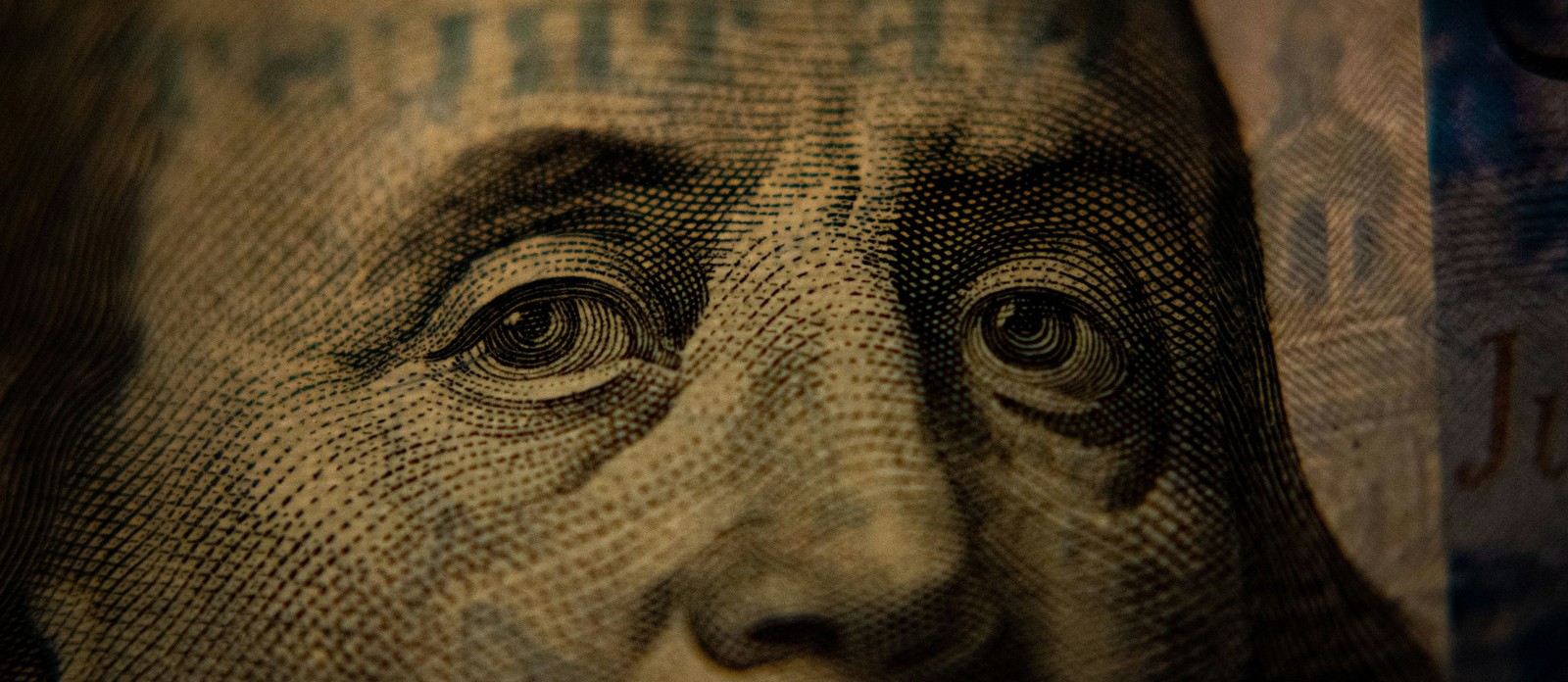
Image: Adam Nir

Some of America’s most famous figures led lives far more surprising than the history books suggest. Behind the public image of authors, athletes, inventors, and activists were hidden careers, secret missions, and little-known accomplishments. Some worked for intelligence agencies, others concealed entire identities, and a few quietly changed history without telling anyone.

1
Harriet Tubman secretly worked as a Union spy
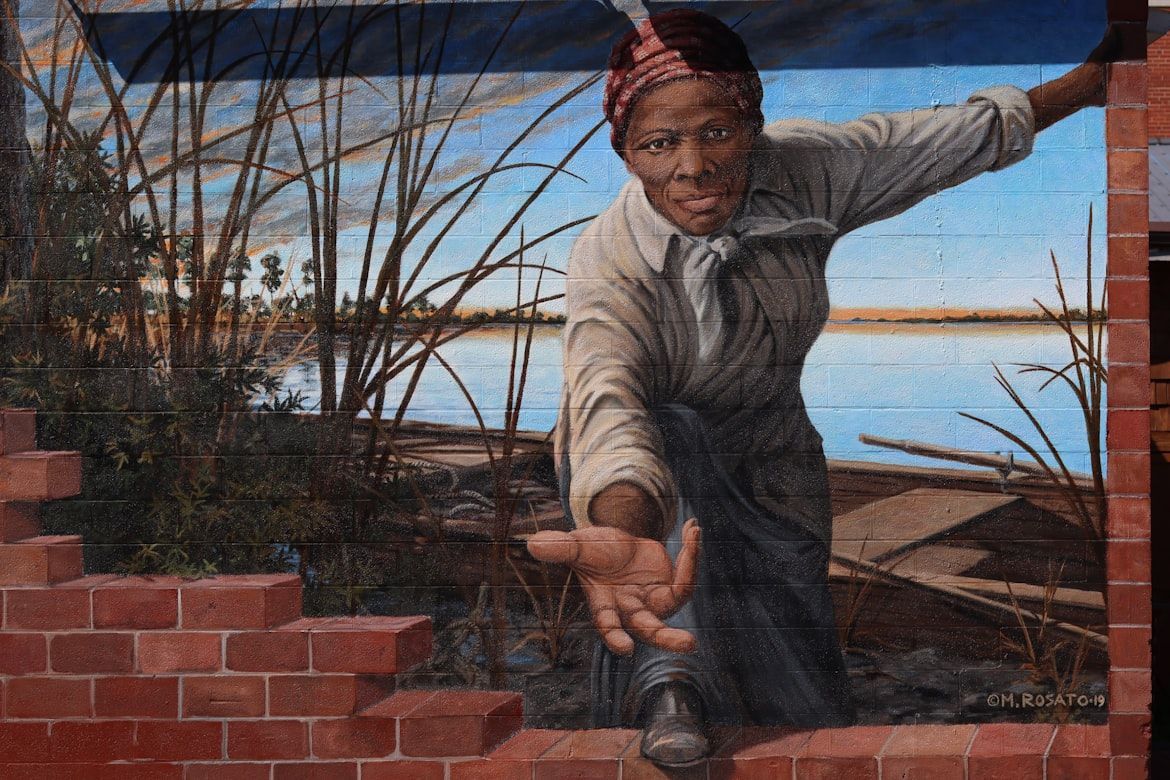
Image: Kirt Morris

Most Americans know Harriet Tubman for her leadership of the Underground Railroad, but during the Civil War, she also became a Union scout and spy in South Carolina. Working with Colonel James Montgomery, Tubman gathered intelligence from enslaved people living behind Confederate lines near the Combahee River .

In June 1863, Tubman helped lead the Combahee River Raid, guiding Union gunboats through Confederate waters filled with hidden mines. The operation freed more than 700 enslaved people and made Tubman the first woman known to lead a major U.S. military mission.

2
Julia Child worked for the U.S. intelligence agency
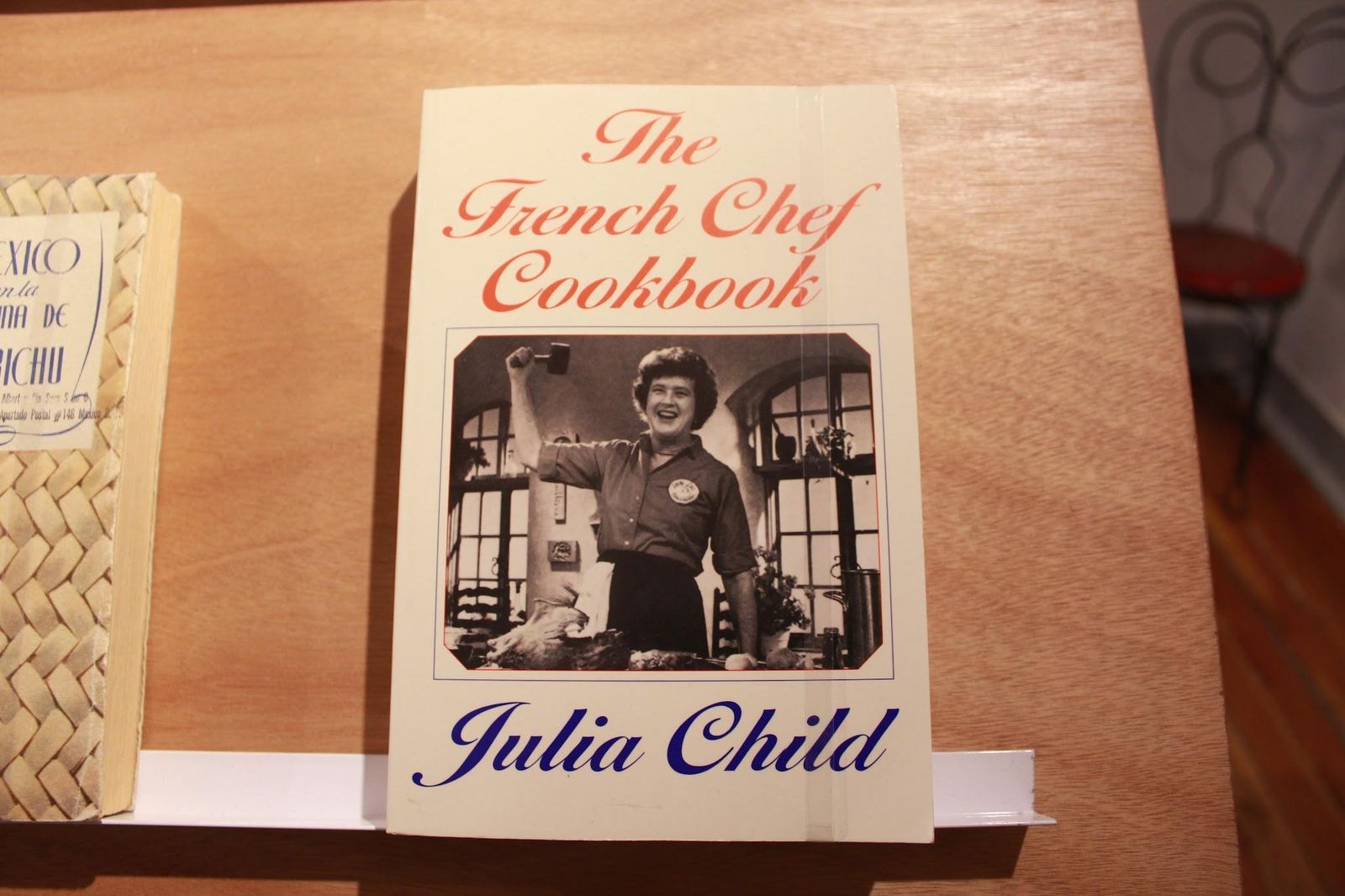
Image: FerEstrada, CC BY-SA 4.0, via Wikimedia Commons

Before becoming television’s most famous chef, Julia Child joined the Office of Strategic Services, or OSS, in 1942 during World War II. The OSS later evolved into the CIA. Too tall to enlist in the Women’s Army Corps, Child instead classified files and overseas communications in Asia.

One of her strangest assignments involved helping researchers develop shark repellent for Navy explosives and emergency rescue kits . The repellent used copper acetate and black dye to create an odor similar to a dead shark.

3
Benjamin Franklin conducted unofficial spy work in Europe
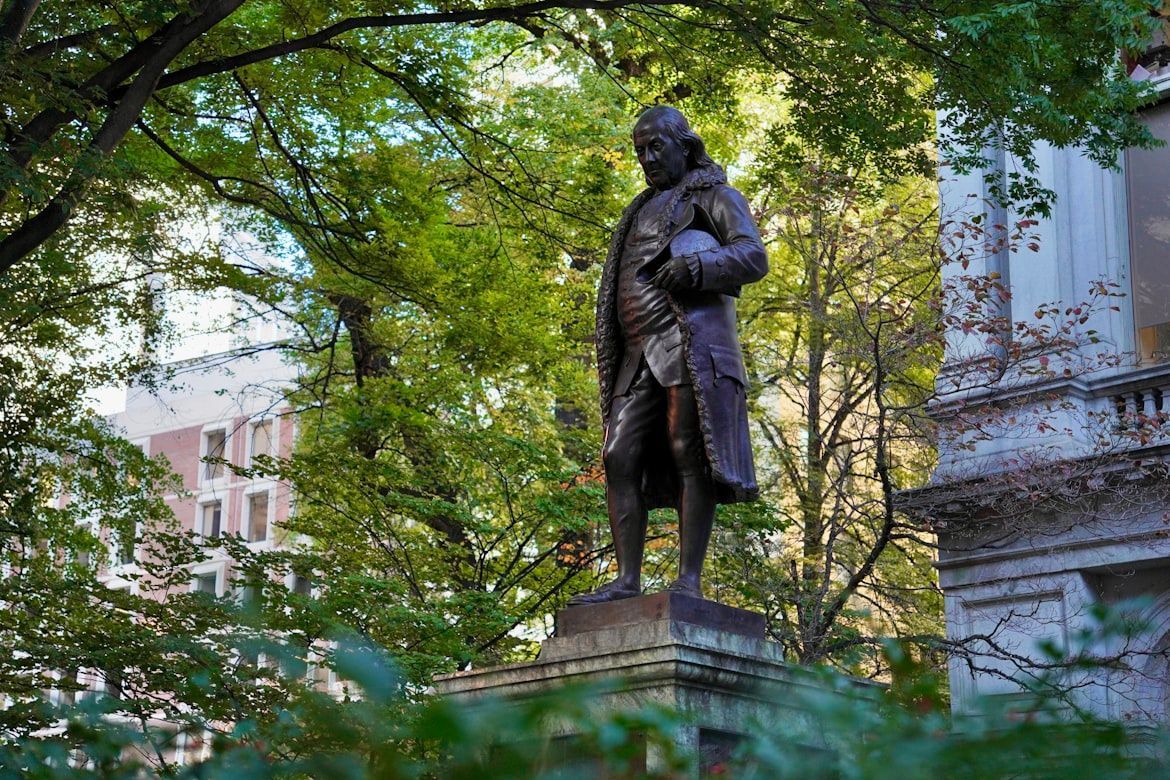
Image: Brett Wharton

Benjamin Franklin was more than a scientist and Founding Father. During the American Revolution, he quietly acted as an intelligence organizer while serving as ambassador to France beginning in 1776 . Franklin cultivated secret alliances, intercepted information, and used coded correspondence to support the colonies’ fight against Britain.

Operating from Paris, Franklin built relationships with French officials and helped persuade France to support the American cause with money, troops, and naval power. Historians consider his diplomatic intelligence efforts essential to the American victory at Yorktown in 1781 and eventual independence.

4
Louisa May Alcott published thrillers under another name
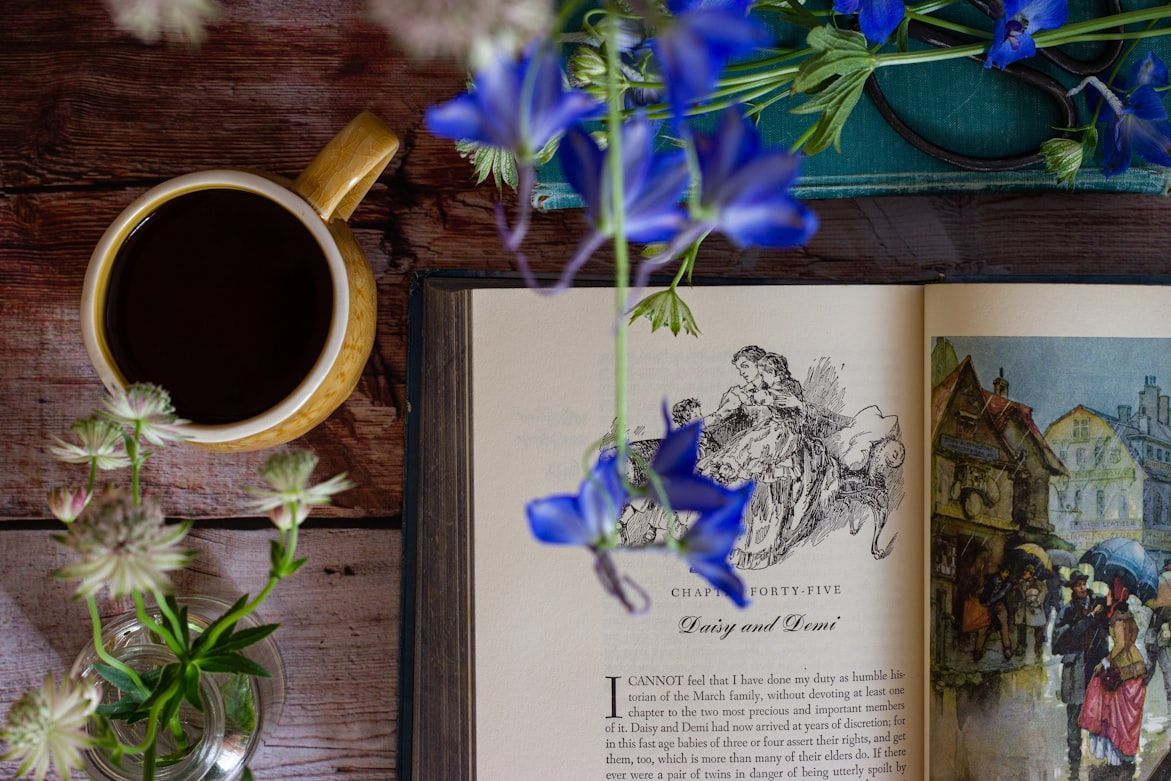
Image: micheile henderson

Louisa May Alcott became a literary icon after publishing Little Women in 1868, but few readers knew that she had already written sensational thrillers under the pen name "A.M. Barnard." These stories featured revenge, hidden identities, forbidden romance, and dramatic crime plots that shocked Victorian audiences.

Alcott used a pseudonym because publishers often expected women writers to produce respectable domestic fiction. Many of her darker stories remained forgotten until scholars rediscovered them in the 1940s. Today, titles like Behind a Mask reveal a far more rebellious side of the beloved author.

5
Maya Angelou worked as San Francisco’s first black female cable car conductor
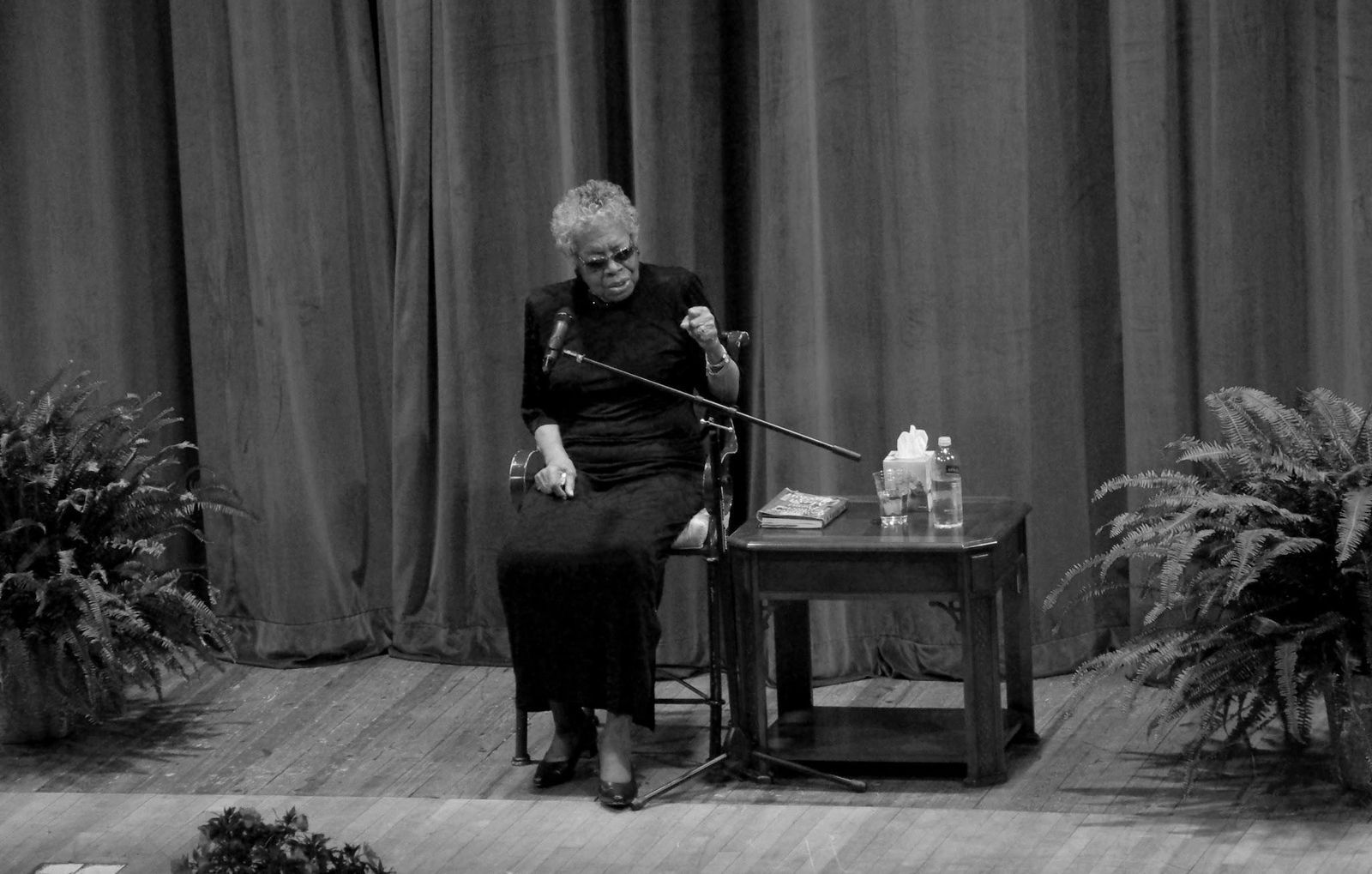
Image: Brian Stansberry (photographer), CC BY 3.0, via Wikimedia Commons

Long before becoming a celebrated poet and author, Maya Angelou made history in San Francisco during the 1940s. At only 16 years old, she applied repeatedly for a conductor job on the city’s cable cars after seeing an advertisement that excluded Black applicants .

Angelou refused to give up despite repeated rejection. She eventually became San Francisco’s first Black female cable car conductor in 1944. Years later, she described proudly wearing the blue uniform while working long shifts across the city before launching her writing and civil rights careers.

6
Dr. Seuss created classified wartime propaganda films
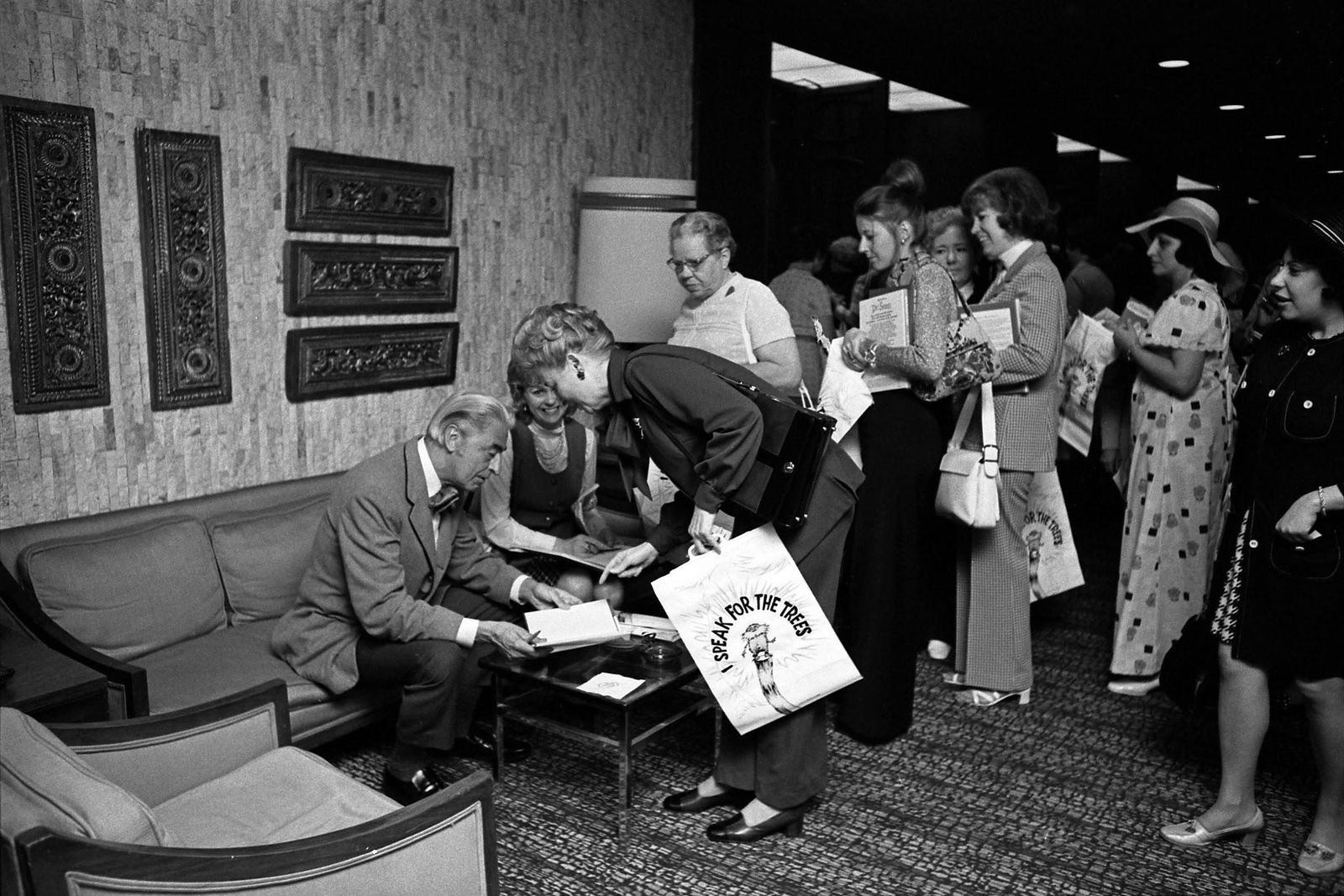
Image: Larry Bessel, Los Angeles Times, CC BY 4.0, via Wikimedia Commons

Before writing Green Eggs and Ham and The Cat in the Hat , Theodor Geisel, better known as Dr. Seuss, worked on wartime propaganda during World War II. Between 1943 and 1945, he joined director Frank Capra’s Signal Corps unit to produce military training films for American soldiers .

Geisel also drew political cartoons supporting the Allied war effort and criticizing fascism. Some of his films were classified during the war because they contained military training material. His animated work helped explain battlefield strategy and morale issues to thousands of U.S. troops overseas.

7
Babe Ruth once played an entire game with a fever over 102 degrees
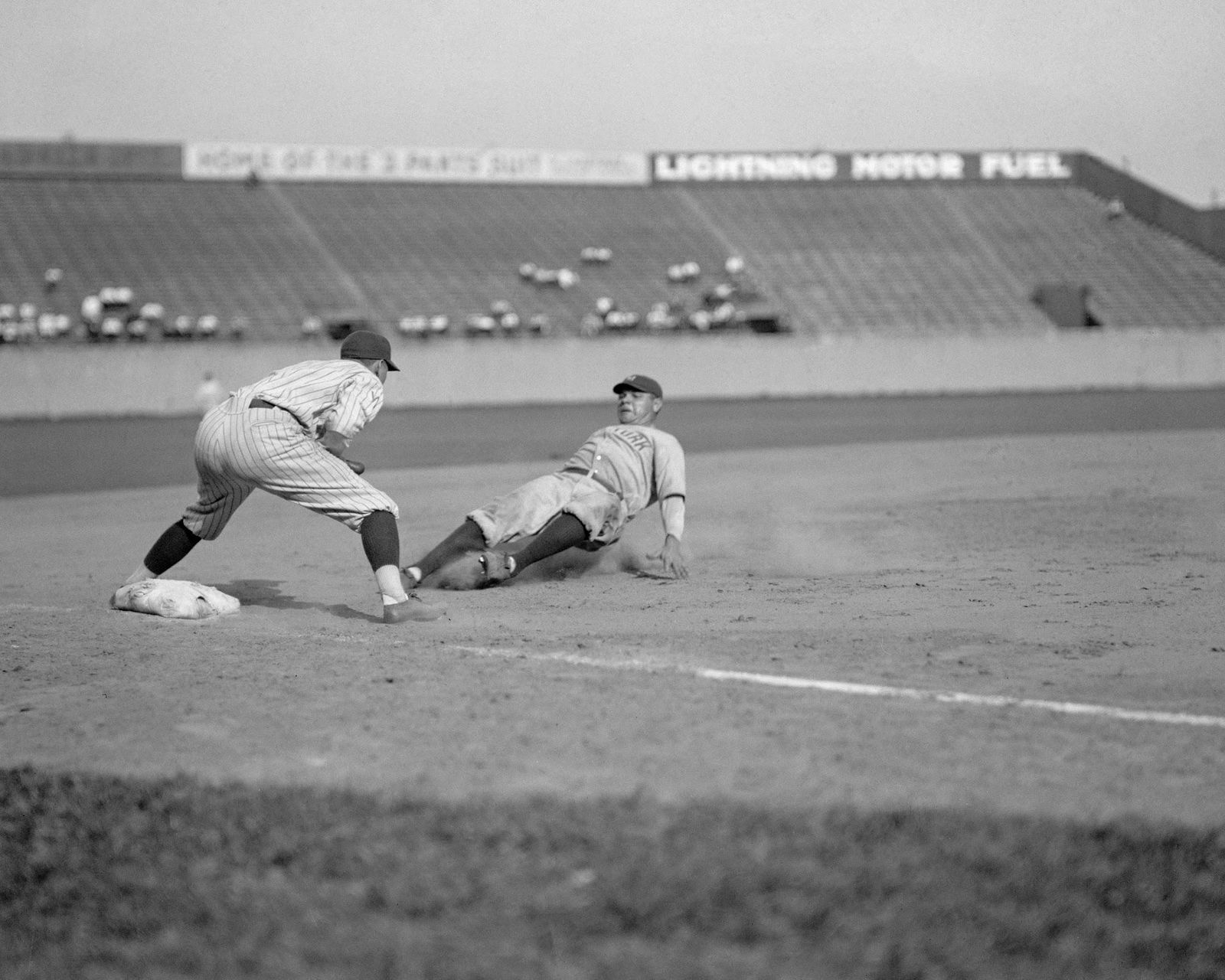
Image: National Photo Company, Public domain, via Wikimedia Commons

In 1925, Babe Ruth became seriously ill during spring training and collapsed while traveling by train . Newspapers nicknamed the incident "the bellyache heard around the world." Reports from the time described Ruth suffering from a fever above 102 degrees while still insisting on returning to baseball activities.

Despite his condition, Ruth’s determination became part of baseball legend. The illness hurt his performance during the 1925 season, when the New York Yankees finished seventh in the American League. Even so, Ruth rebounded quickly and helped lead the Yankees to championships in later years.

8
Harry Houdini worked with police departments
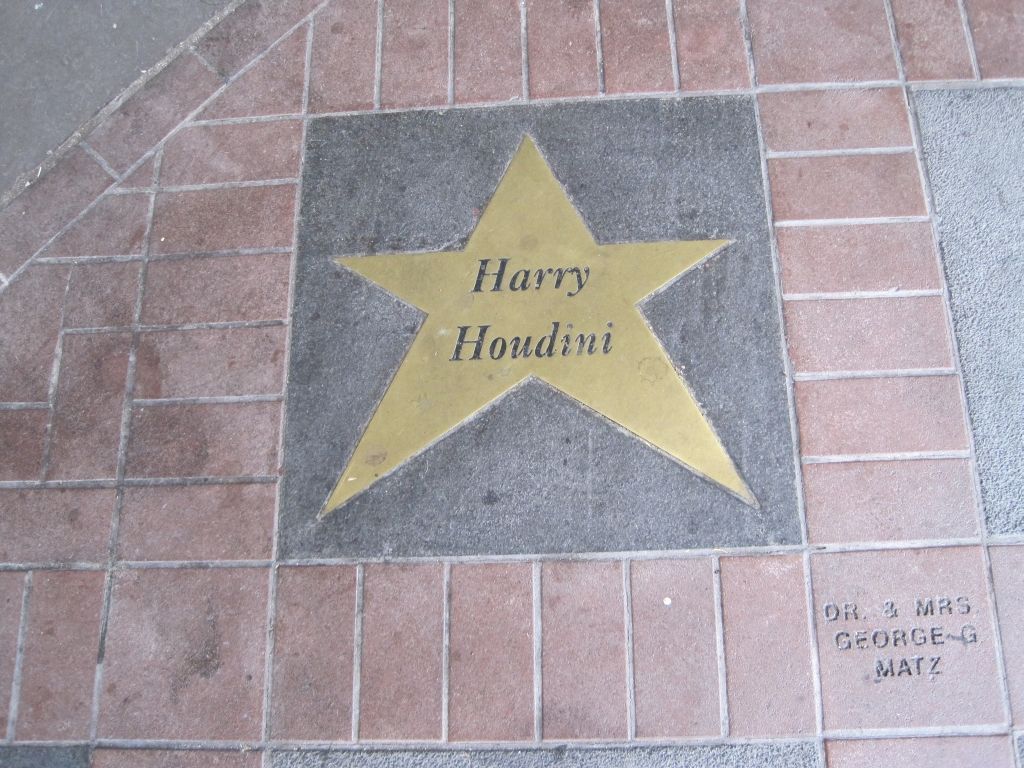
Image: Thomas R Machnitzki, CC BY 3.0, via Wikimedia Commons

Harry Houdini’s famous escape acts fascinated police departments across America and Europe in the early 1900s. Officers regularly challenged him to escape from handcuffs, prison wagons, and locked jail cells. Houdini often invited local police to inspect restraints before his performances began.

Beyond entertainment, Houdini also worked closely with law enforcement to expose fraudulent mediums and fake spiritualists during the 1920s . Using his knowledge of locks, hidden compartments, and deception, he publicly demonstrated how many supposed supernatural tricks were actually carefully staged illusions.

9
Frank Lloyd Wright hid a private apartment inside one of his buildings
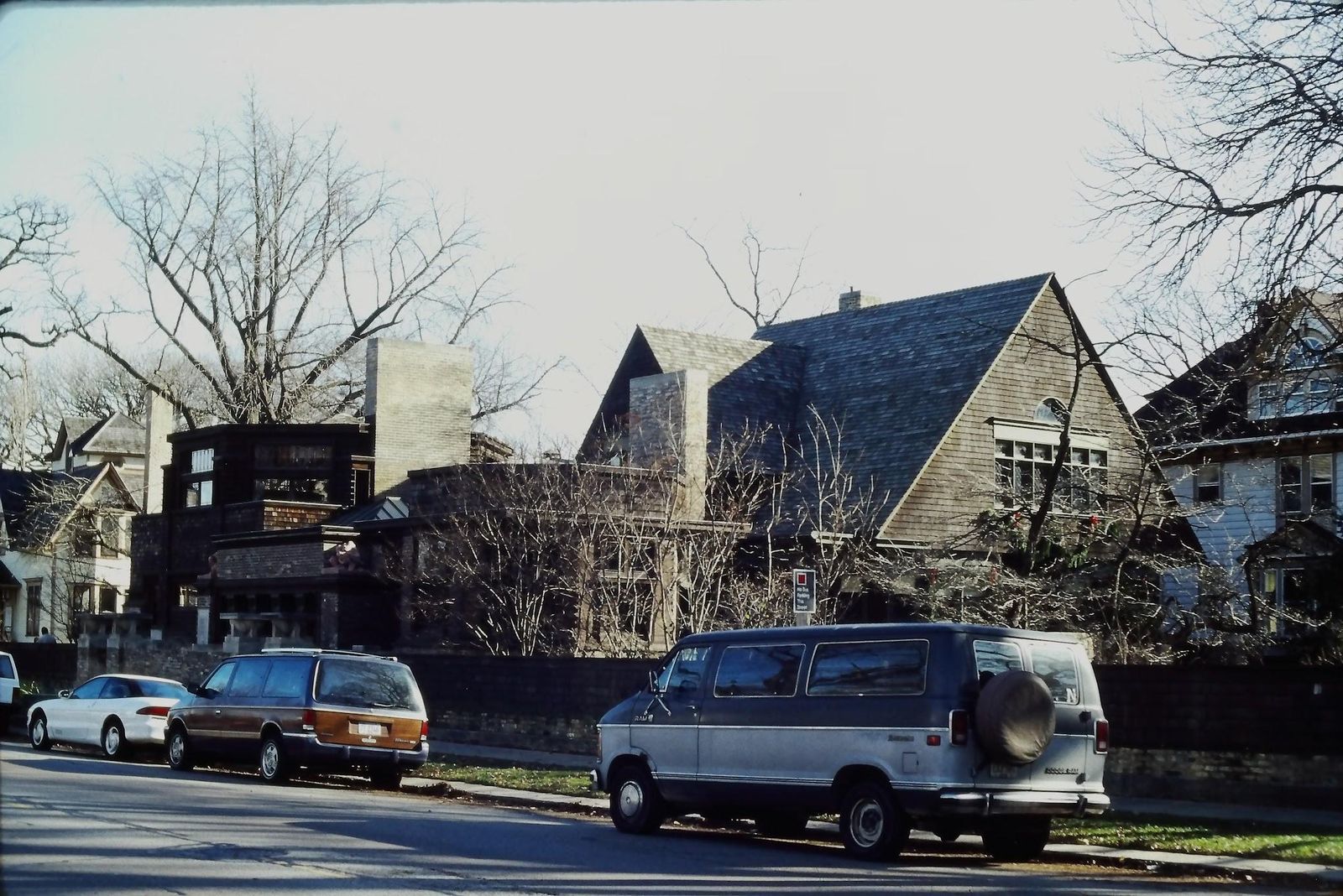
Image: Bmzuckerman, CC BY 4.0, via Wikimedia Commons

Architect Frank Lloyd Wright secretly maintained a private apartment inside his famous Oak Park Studio near Chicago, Illinois. Built in the 1890s, the studio served as both his workplace and personal retreat while he designed many of his early Prairie-style homes across the Midwest.

The hidden living quarters allowed Wright to work late into the night and host select guests away from public attention. The building itself became one of the most important centers of American architecture, producing groundbreaking residential designs that influenced modern architecture around the world.

10
Muhammad Ali quietly funded humanitarian causes for years

Image: Nelson Ndongala

Muhammad Ali’s boxing fame often overshadowed his enormous charitable work. For decades, Ali quietly donated money to hospitals, food programs, children’s charities, and international humanitarian efforts . Friends and family later revealed that many of his contributions were intentionally kept private.

In 1990, Ali traveled to Iraq during tensions leading up to the Gulf War and helped secure the release of 15 American hostages. He also supported global relief organizations and Parkinson’s disease research after his own diagnosis. In 2005, President George W. Bush awarded Ali the Presidential Medal of Freedom.
General General 5 min read

Say cheese!

Did you know American cheese is not actually cheese?

Image: Jonathan Borba

Few foods trigger as much heated debate as the neon-orange, perfectly square slice of American cheese. To culinary purists, it’s an industrial piece of rubber. But to the backyard grill master and the late-night grilled cheese enthusiast, it is a scientific masterpiece of consistency and meltability. The truth is, American cheese has been both witness and party to U.S. history, from World War I to Apollo missions. Before you peel back the wrapper on your next slice, let’s dive into 10 mind-melting facts that prove American cheese is one of the most fascinating—and misunderstood—innovations in food history.

1
It was invented in Switzerland

Image: NastyaSensei

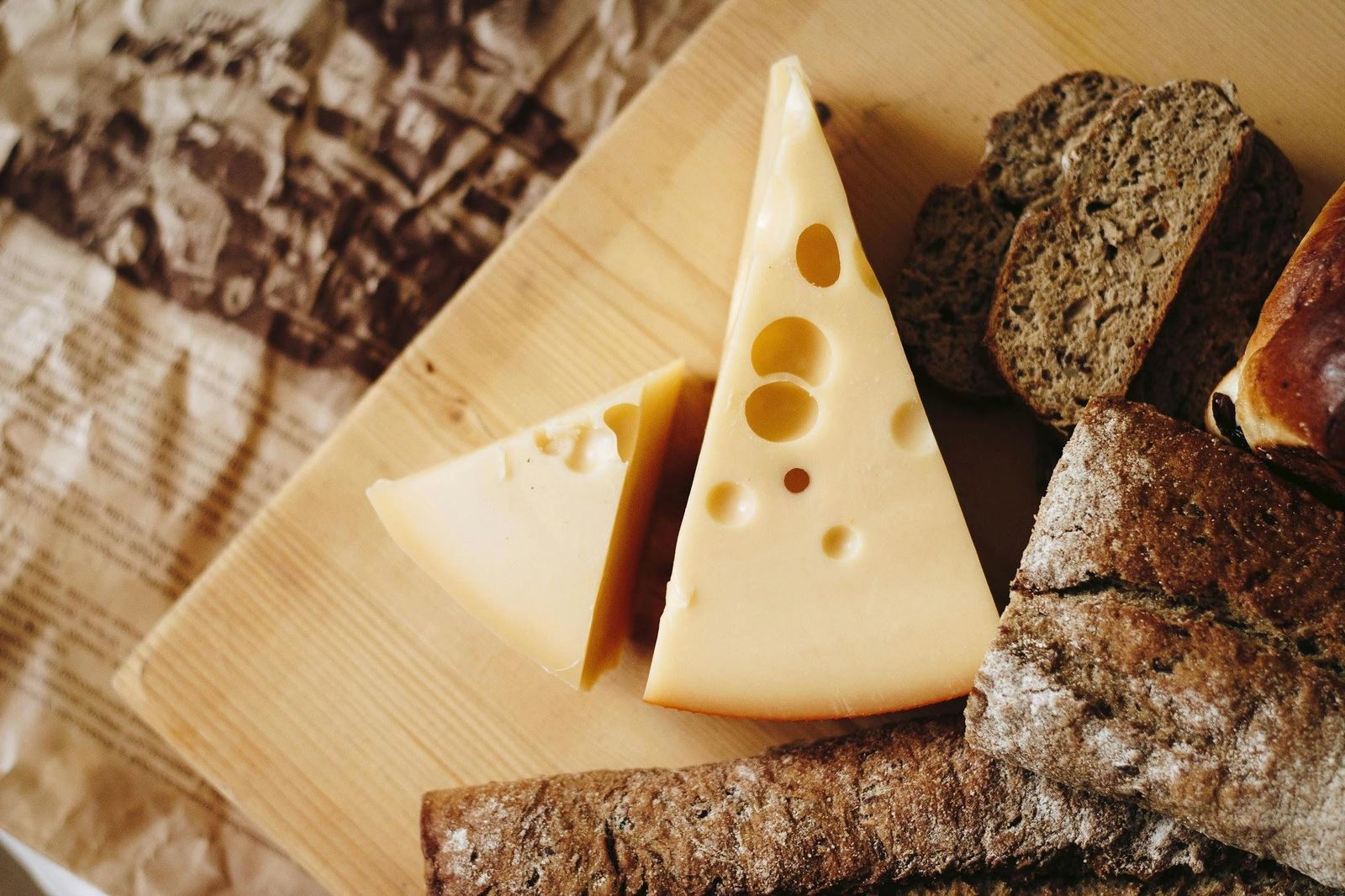
While the name suggests a US origin, the technology that created American cheese actually began in the heart of the Alps. It was developed in 1911 by Swiss researchers Walter Gerber and Fritz Stettler, who were looking for a way to extend the shelf life of their country’s famous Emmental cheese.

The problem with traditional cheese is that it eventually dries out, molds, or separates into a greasy mess when heated. By shredding the cheese, adding sodium citrate, and heating it, the Swiss duo discovered they could create a stable, smooth product that didn't separate. While they weren't trying to create "American" cheese as we know it today, their emulsification process laid the foundational science for every single-wrapped slice produced today.

2
It was popularized by a Canadian

Image: Martylunsford, CC BY-SA 4.0, via Wikimedia Commons

The man responsible for the global dominance of American cheese was James L. Kraft. Ring any bells? Kraft was a Canadian immigrant who moved to Chicago in 1903. While he didn't invent the concept of processed cheese, he perfected the industrial scale of its production and marketing.

Kraft noticed that retailers struggled with cheese spoilage; if a wheel of cheddar didn't sell quickly, it was a total loss. He experimented with various methods of heating and blending cheese until he found a formula that could be canned and shipped long distances without spoiling. In 1916, he received a patent for his "processed cheese," and during World War I, the U.S. government purchased millions of pounds of it for soldiers, cementing its privileged place in the American diet.

3
It was almost called "Embalmed Cheese"

Image: Internet Archive Book Images, No restrictions, via Wikimedia Commons

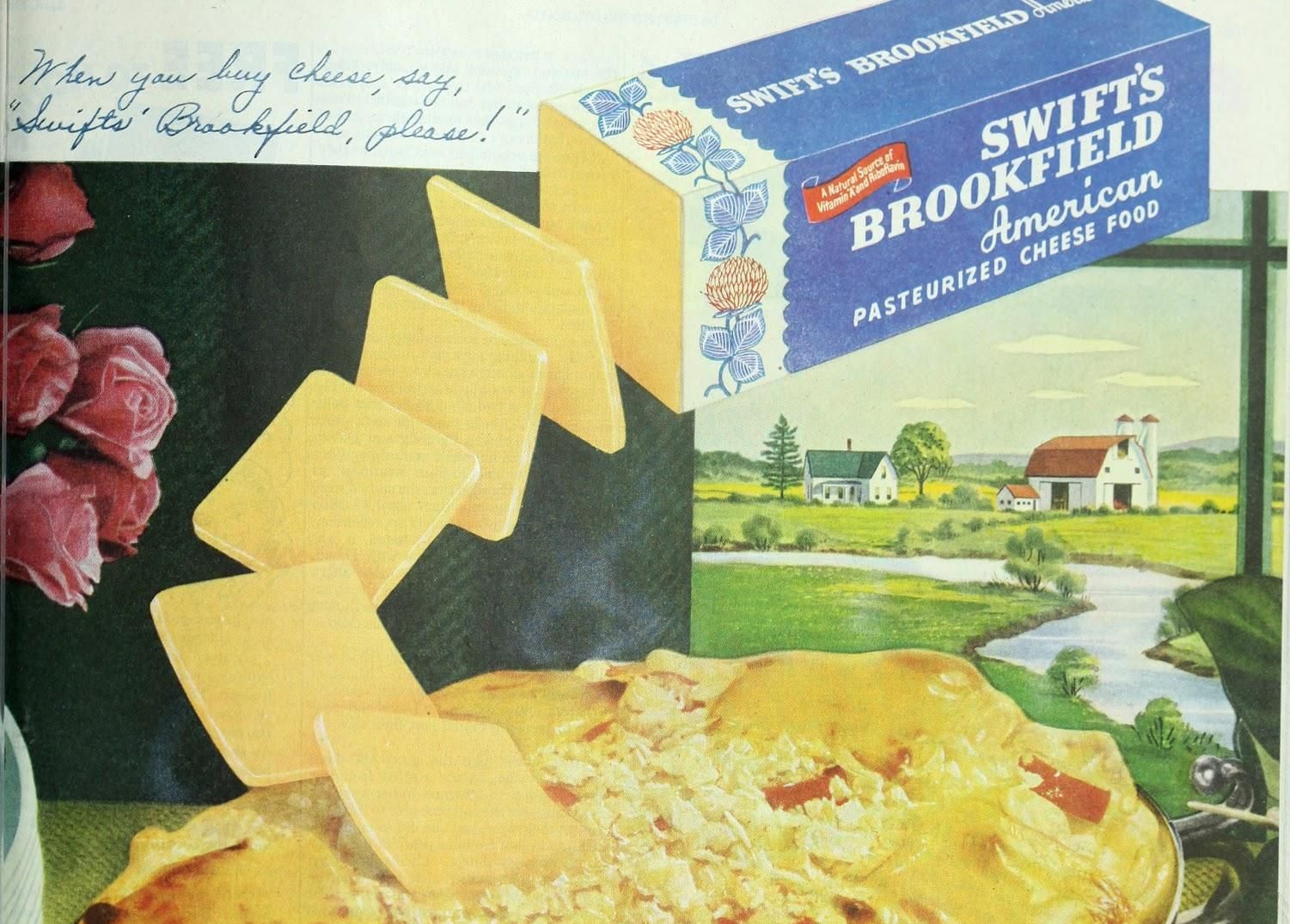
When processed cheese first hit the market, it had its detractors. Traditional cheesemakers were horrified, and so were pure food advocates. These critics argued that the product shouldn't even be called cheese. They’ve even gone so far as to call it "embalmed cheese" because of its unnaturally long shelf life and the chemical emulsifiers used to keep it stable. Yet, Kraft’s marketing prowess and the sheer convenience of the product ultimately won the naming battle. At least in the court of public opinion.

4
Technically, it isn’t cheese

Image: RDNE Stock project

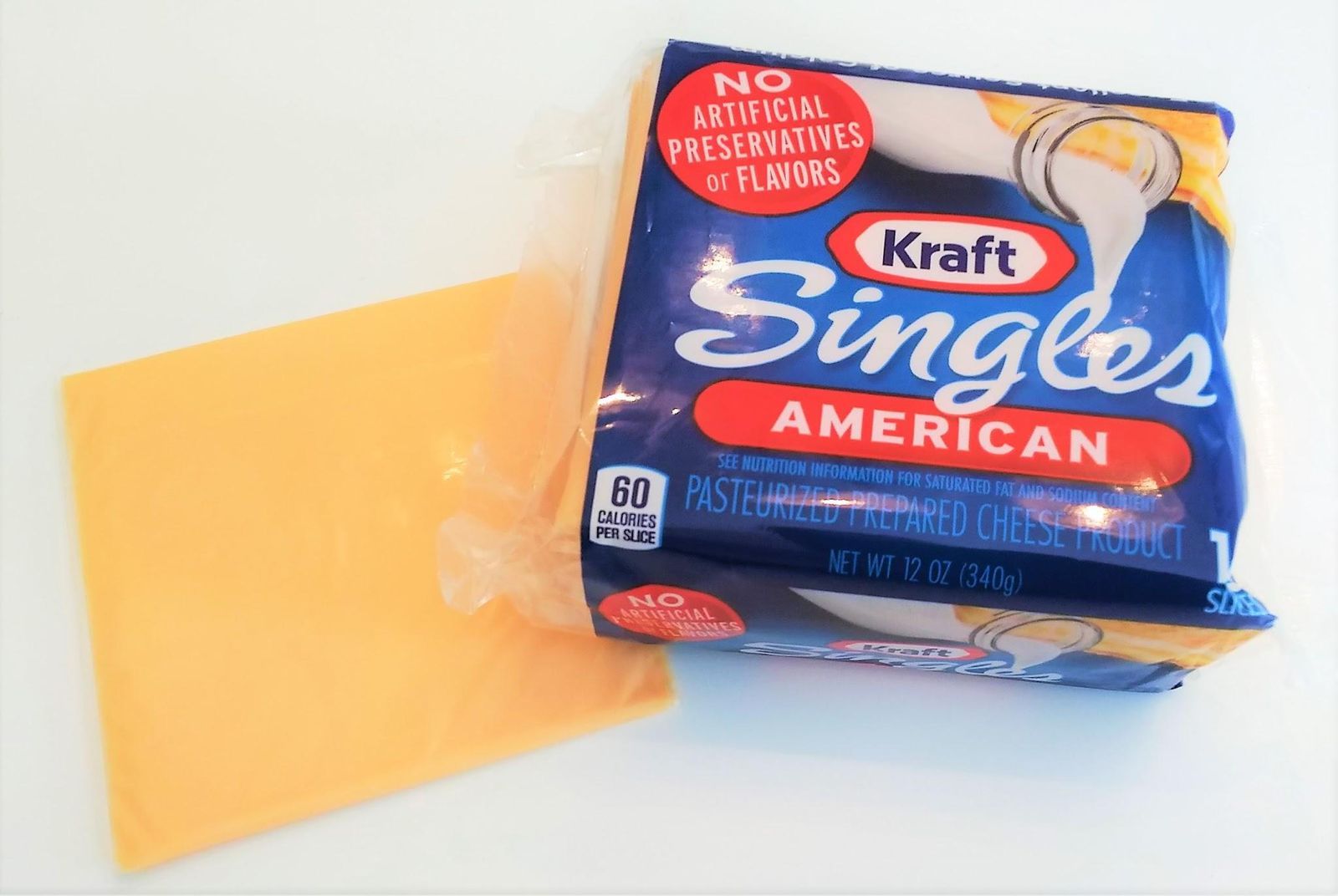
Kraft may have won the battle among the people, but legally, American cheese is not considered cheese. If you look closely at the packaging, you will rarely see the word "cheese" on its own. Because of strict FDA regulations, most varieties are legally classified as "Pasteurized Process Cheese Product" or "Pasteurized Process American Cheese Food."

To be labeled "cheese," a product must be made primarily of milk, salt, and enzymes. Processed American cheese, however, is made by blending real cheese—usually cheddar or Colby—with emulsifying salts, whey, and sometimes extra milk or fats.

5
Any cheese can be made into American cheese

Image: Edita Brus

The term "American cheese" refers more to a process than a specific flavor. In theory, you could make "American-style" brie, blue cheese, or parmesan. The defining characteristic is the addition of an emulsifier, which breaks down the proteins and allows the fats and water to stay together.

In fact, some high-end chefs now make their own artisanal American cheese with aged cheddars processed with sodium citrate to create a slice that has the complex flavor of an expensive block but the melting point of a Kraft Single.

6
It isn’t naturally yellow

Image: jianwei zhu

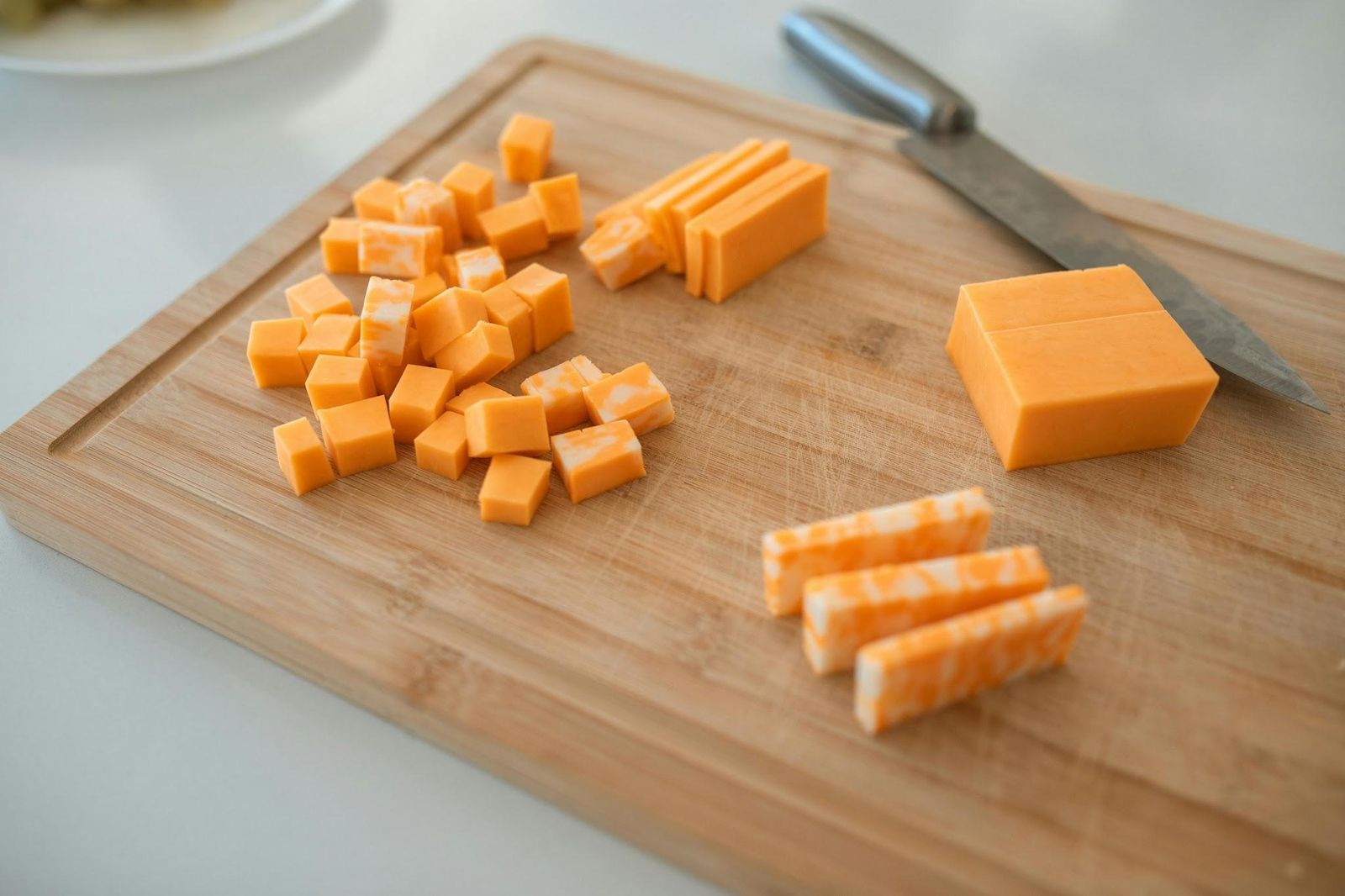
The vibrant orange-yellow hue of American cheese is entirely a cosmetic choice. Traditionally, cheese color varied by the season; when cows ate fresh grass in the summer, their milk contained more beta-carotene, leading to a naturally yellowish cheese. To make their cheese look high-quality all year round, cheesemakers began adding dyes.

American cheese takes this tradition to the extreme. It is typically colored with annatto, a seed from the achiote tree. Without this dye, American cheese would be a pale, creamy white, which is how it is sold in many delis as "White American". Yes, that’s right, there is no flavor difference between the white and yellow versions.

7
It has an extremely low melting point

Image: Vinícius Caricatte

The scientific superpower of American cheese is its meltability. Traditional cheeses have a protein structure that tightens when heated, which is why a slice of aged cheddar on a burger often results in an oily puddle and a rubbery clump.

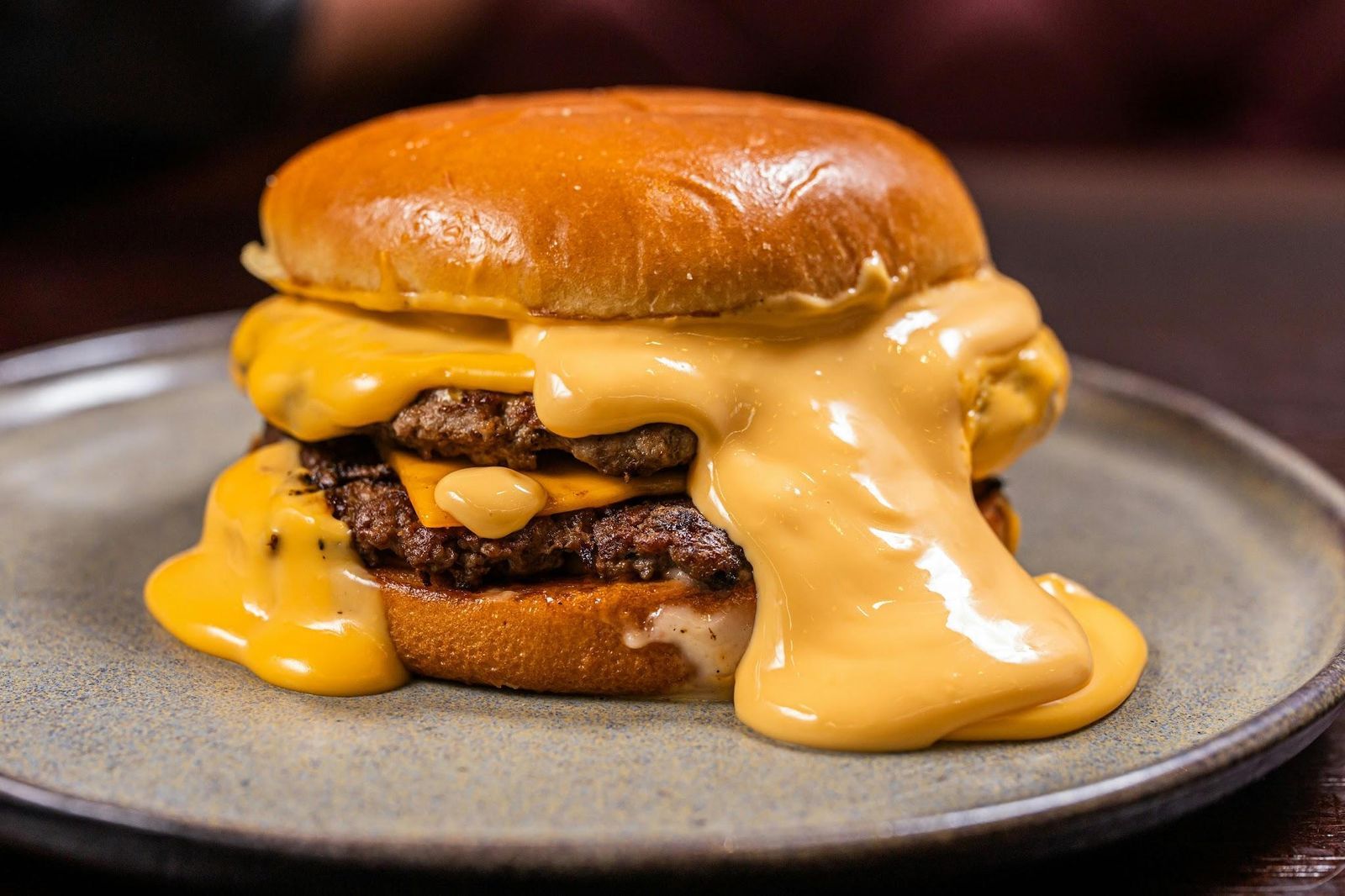
Because of the emulsifying salts, the proteins in American cheese can withstand heat without clumping together. This gives it an incredibly low and stable melting point, transforming the slice into a silky sauce. This is why it remains the undisputed king of grilled cheese sandwiches.

8
It’s been in space

Image: NASA, Public domain, via Wikimedia Commons

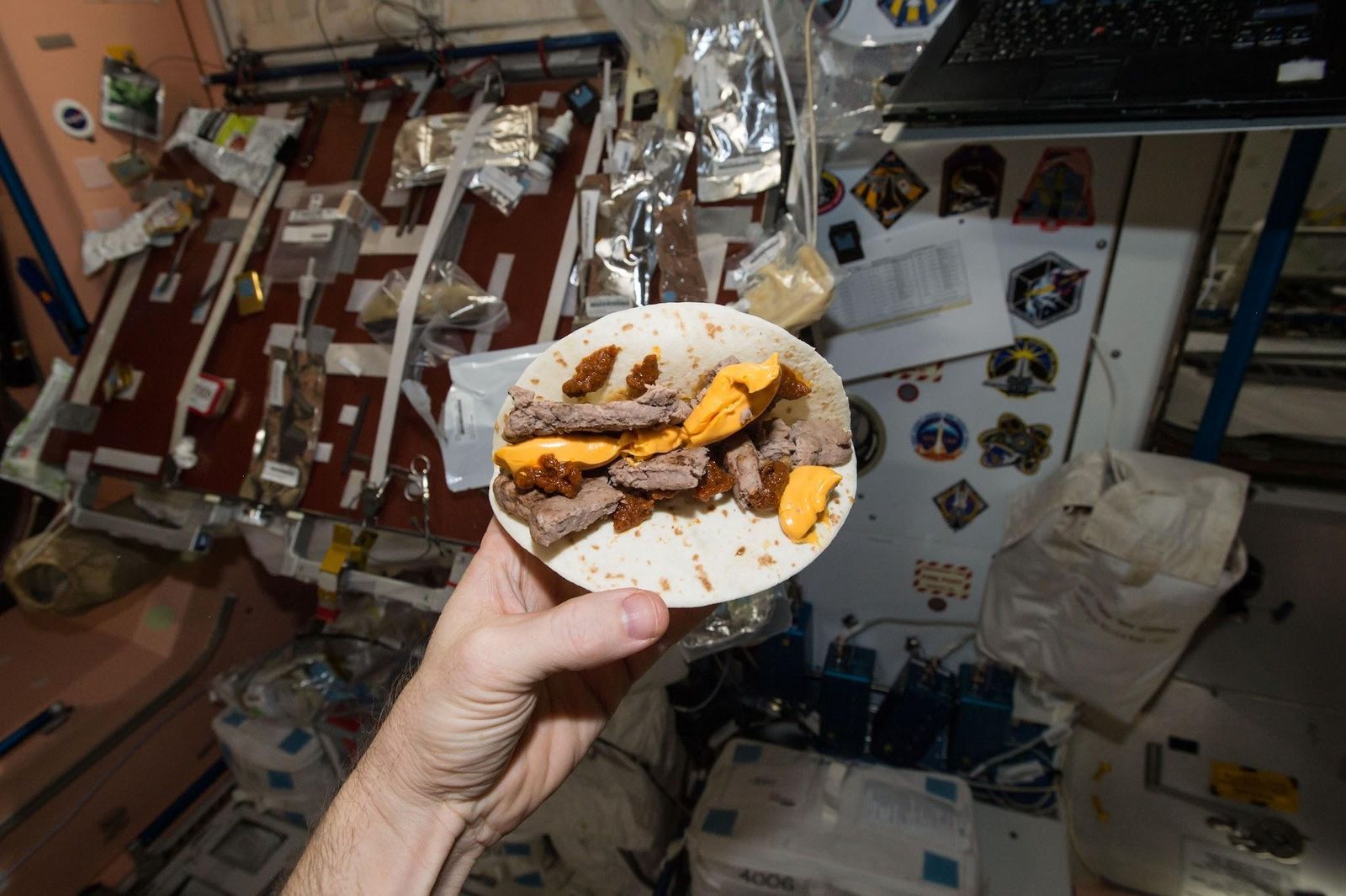
When you're hurtling through orbit in a cramped capsule, you need food that is stable, easy to eat, and won't crumble into thousands of tiny, electronics-clogging pieces. American cheese fit the bill perfectly for early NASA missions.

Processed cheese in tubes or cubes was a staple of the Apollo missions. Because it doesn't separate or sweat oil in varying temperatures and pressures, it was one of the few dairy products that could reliably provide flavor and calcium to astronauts.

9
It helped bring cheese to the masses

Image: Internet Archive Book Images, No restrictions, via Wikimedia Commons

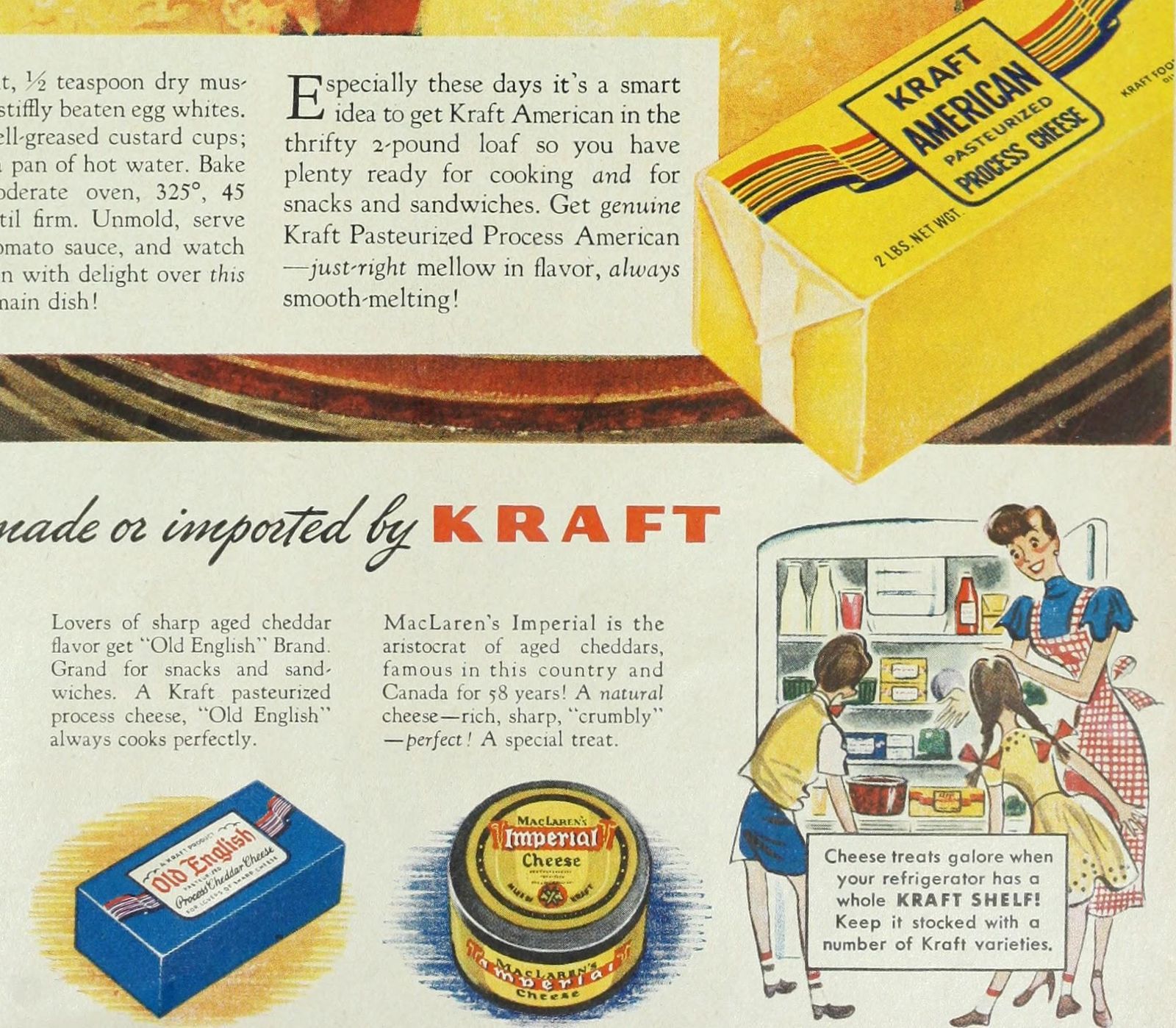
Before the advent of processed cheese, cheese was often a seasonal luxury. It was difficult to transport, expensive to store, and highly variable in quality. James L. Kraft’s invention changed that. By creating a product that was uniform in flavor and shelf-stable, he made cheese affordable and accessible to every corner of the United States.

10
The U.S. Government once gave it out

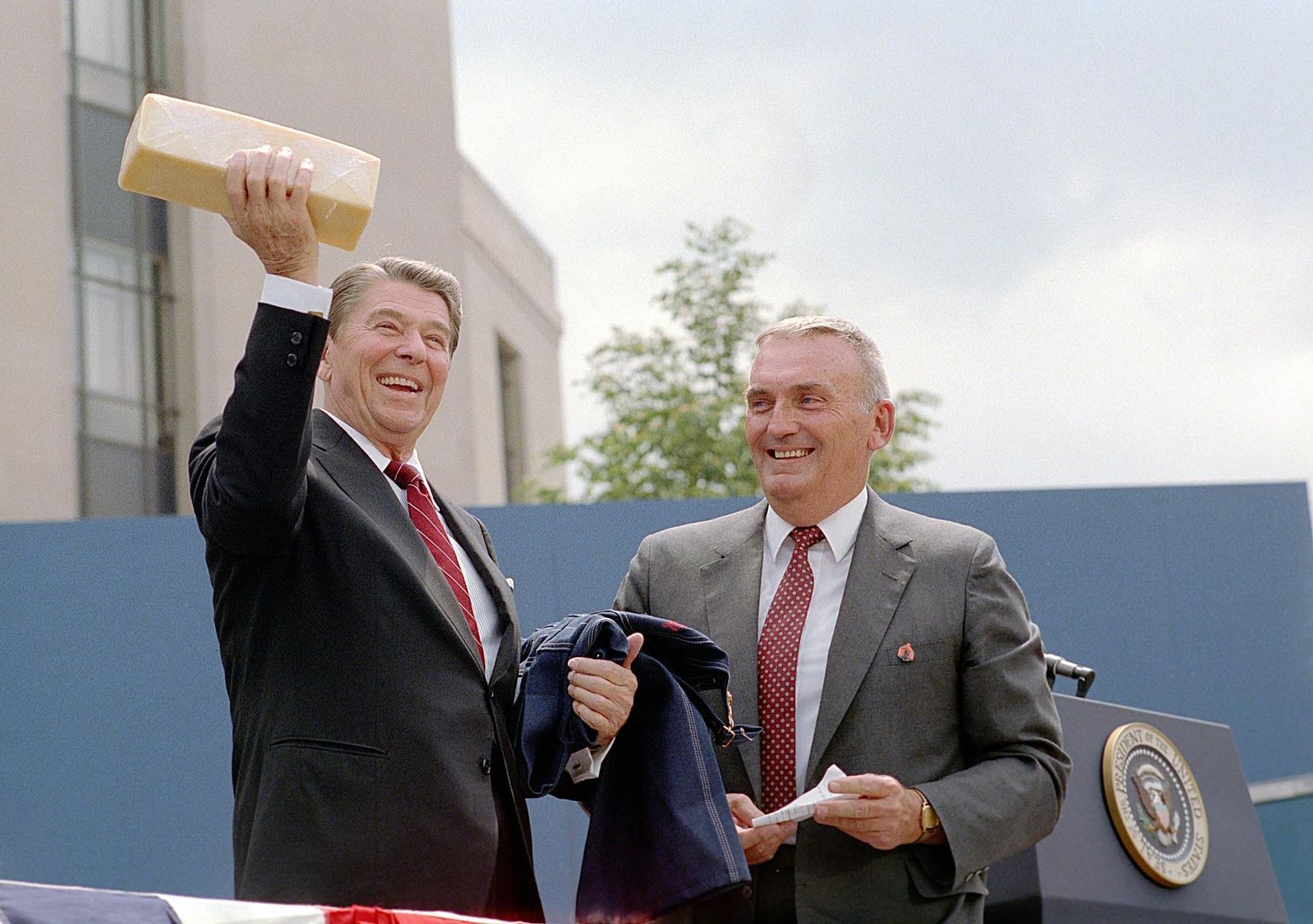
The U.S. government not only bought tons of American cheese during World War I. In the 1980s, the term "government cheese" became a thing. During a period of dairy surpluses, the government bought millions of pounds of cheese to prop up prices for struggling farmers.

To avoid letting it rot, the Reagan administration began distributing five-pound blocks of cheese to low-income families, seniors, and schools. For many who grew up in that era, that pale orange processed cheese was a lifesaver.

Culture Culture 4 min read

Serendipity at its finest

12 classic foods invented by accident. Which is your favorite?

Image: Peter Boccia

Some of our most well-known foods and snacks weren’t planned at all; they were what we call serendipity: happy accidents born from spills, mix-ups, or kitchen improvisations. Can you imagine a world without potato chips? Or Coca-Cola? From small-town diners to curious labs, these 12 inventions have managed to survive to this day.

1
Potato chips

Image: Jeff Siepman

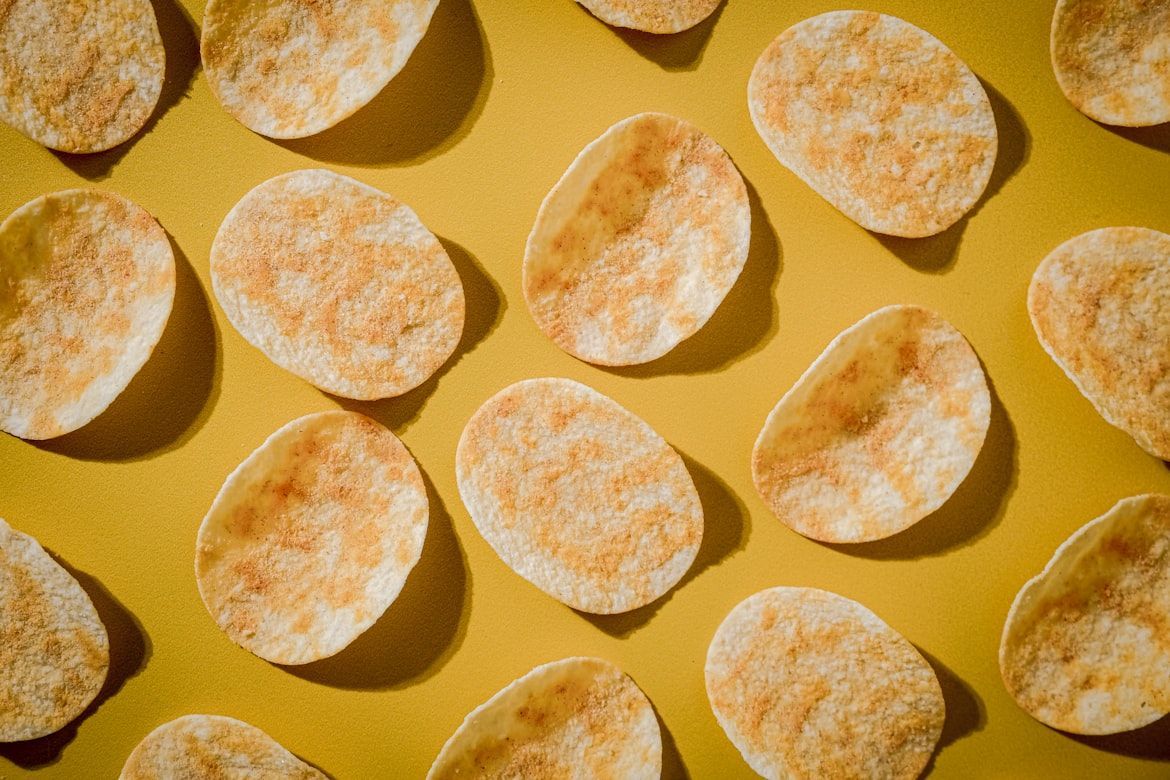
Back in 1853, a cranky diner in Saratoga Springs, New York, complained that his fries were too thick . Irritated, Chef George Crum sliced them paper-thin and fried them crisp to prove a point . To everyone’s surprise, the customer loved them.

What began as a moment of frustration turned into America’s favorite salty snack, inspiring an entire industry of chips and flavors.

2
Popsicles

Image: Taylor Heery

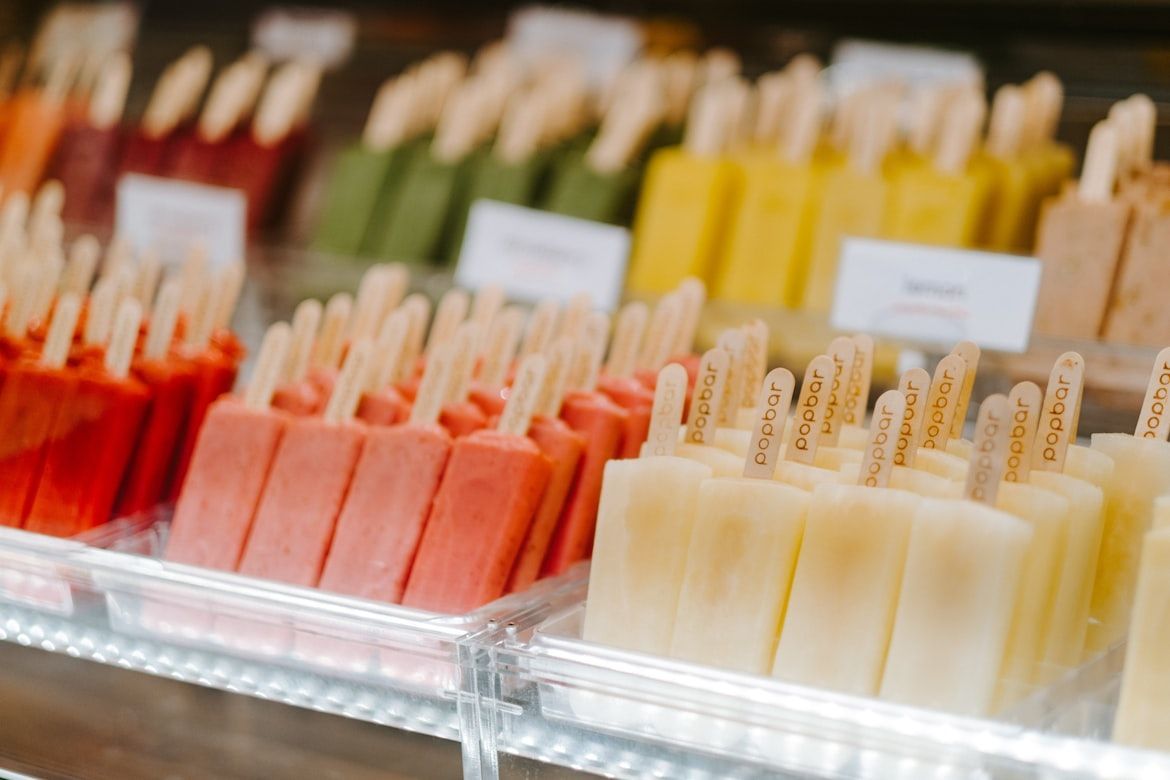
In 1905, 11-year-old San Francisco native Frank Epperson accidentally left a cup of soda powder and water outside overnight, with a stick still in it. The next morning, it had frozen solid in the chilly air .

Epperson dubbed it the "Epsicle," which was later renamed the Popsicle. That childhood experiment became one of the most enduring summer treats.

3
Chocolate chip cookies

Image: Ben Lei

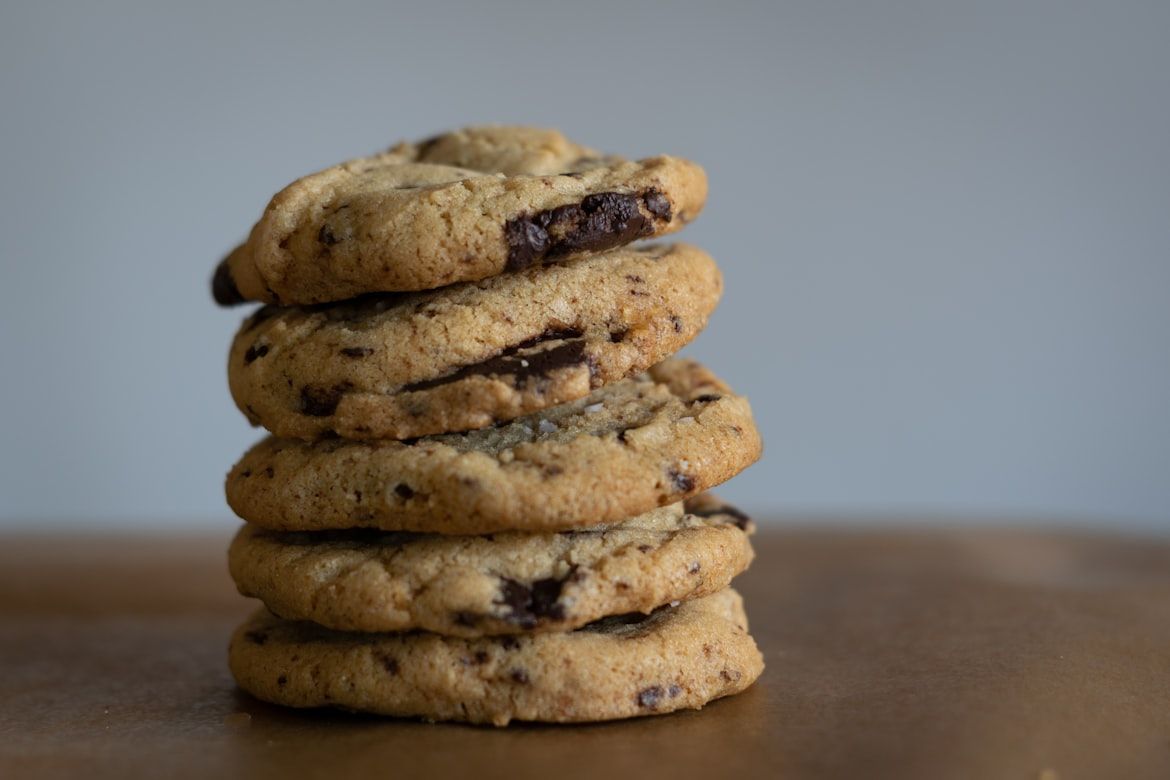
Ruth Wakefield ran out of baker’s chocolate when she was making traditional chocolate cookies at her Massachusetts inn, the Toll House, in the 1930s. She chopped up Nestlé chocolate snack bars instead . She expected them to melt evenly into the dough, but they stayed in chunks.

The warm, gooey results became an instant hit with her guests. Nestlé soon partnered with her to print the recipe on chocolate bar wrappers, and the rest is history!

4
Corn flakes

Image: Deepak N

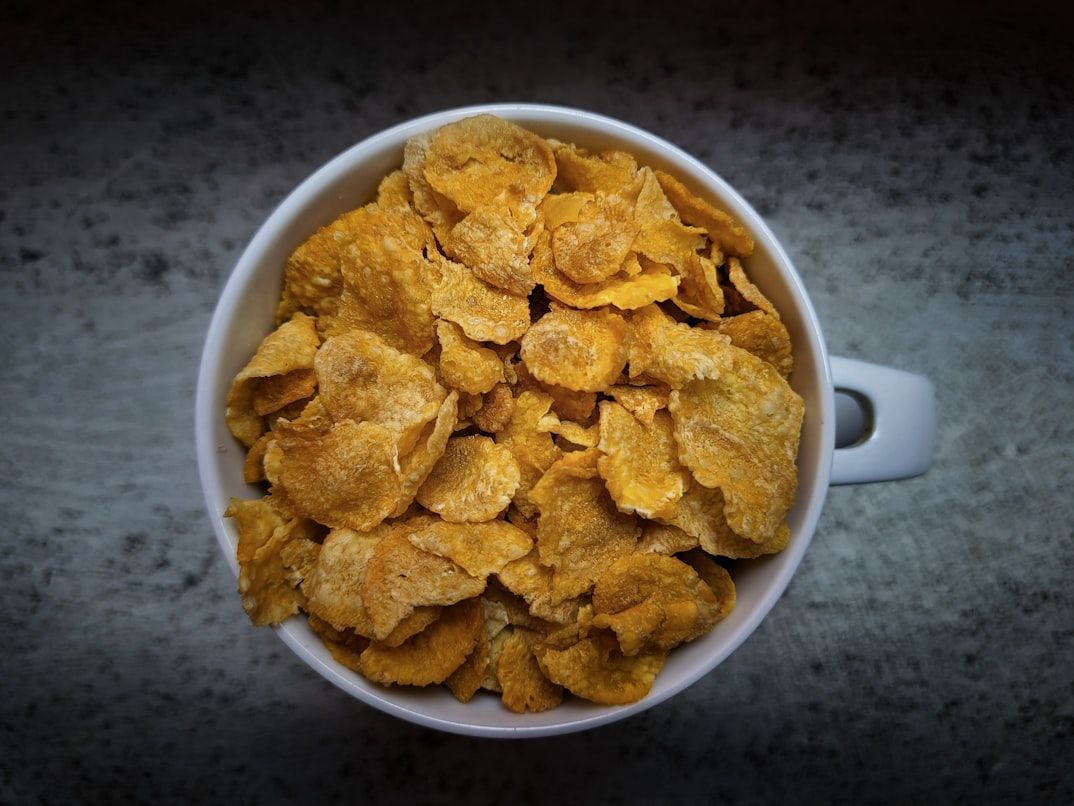
In 1898, the Kellogg brothers accidentally left cooked wheat, unprocessed wheat kernels simmered until tender, sitting out overnight at their Michigan sanitarium, where they promoted a healthy living based on vegetarianism, exercise, sunlight, and strict hygiene. By morning, it had gone stale, but when they rolled and baked it, the flakes came out crisp and tasty .

That happy mistake inspired a new breakfast idea: simple, wholesome, and ready to pour.

5
Coca-Cola

Image: Artem Beliaikin

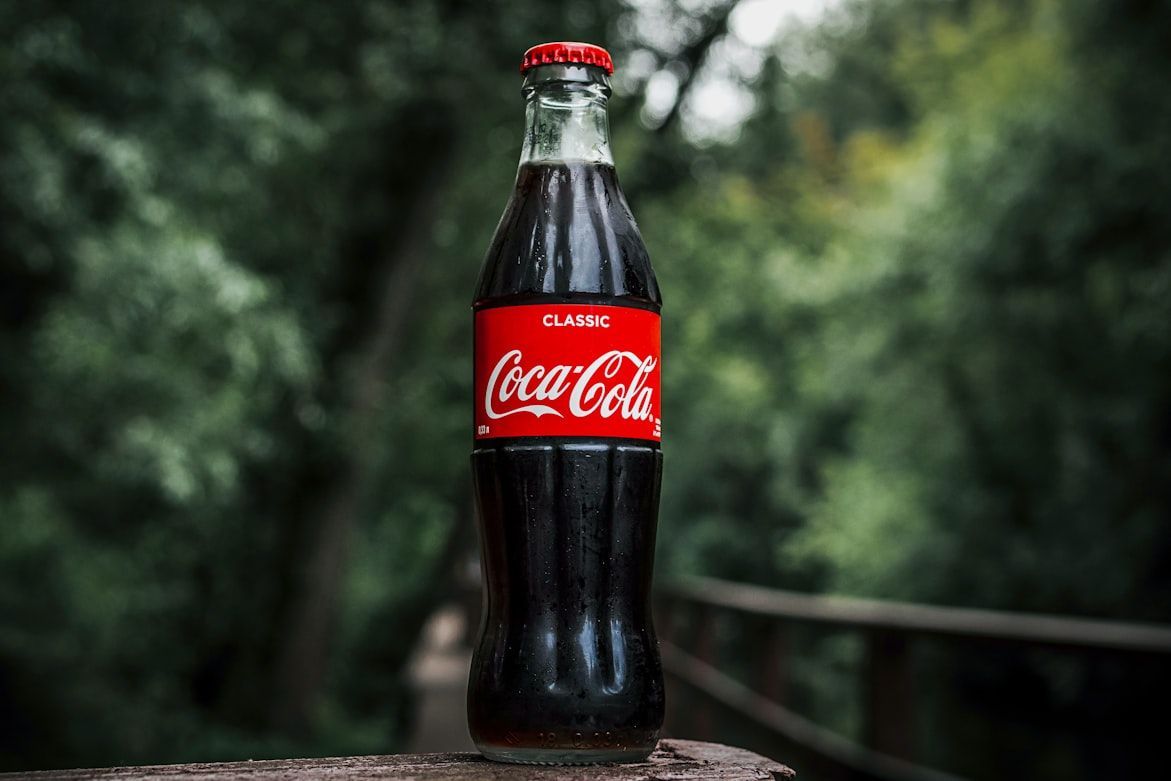
In one of the most profitable blunders of all time, Atlanta pharmacist John Pemberton was mixing a headache tonic in 1886 when he mistakenly blended his syrup with carbonated water instead of plain water .

Finding the result quite tasty, Pemberton opened a local soda fountain and found immediate success.

6
Cheeseburgers

Image: amirali mirhashemian

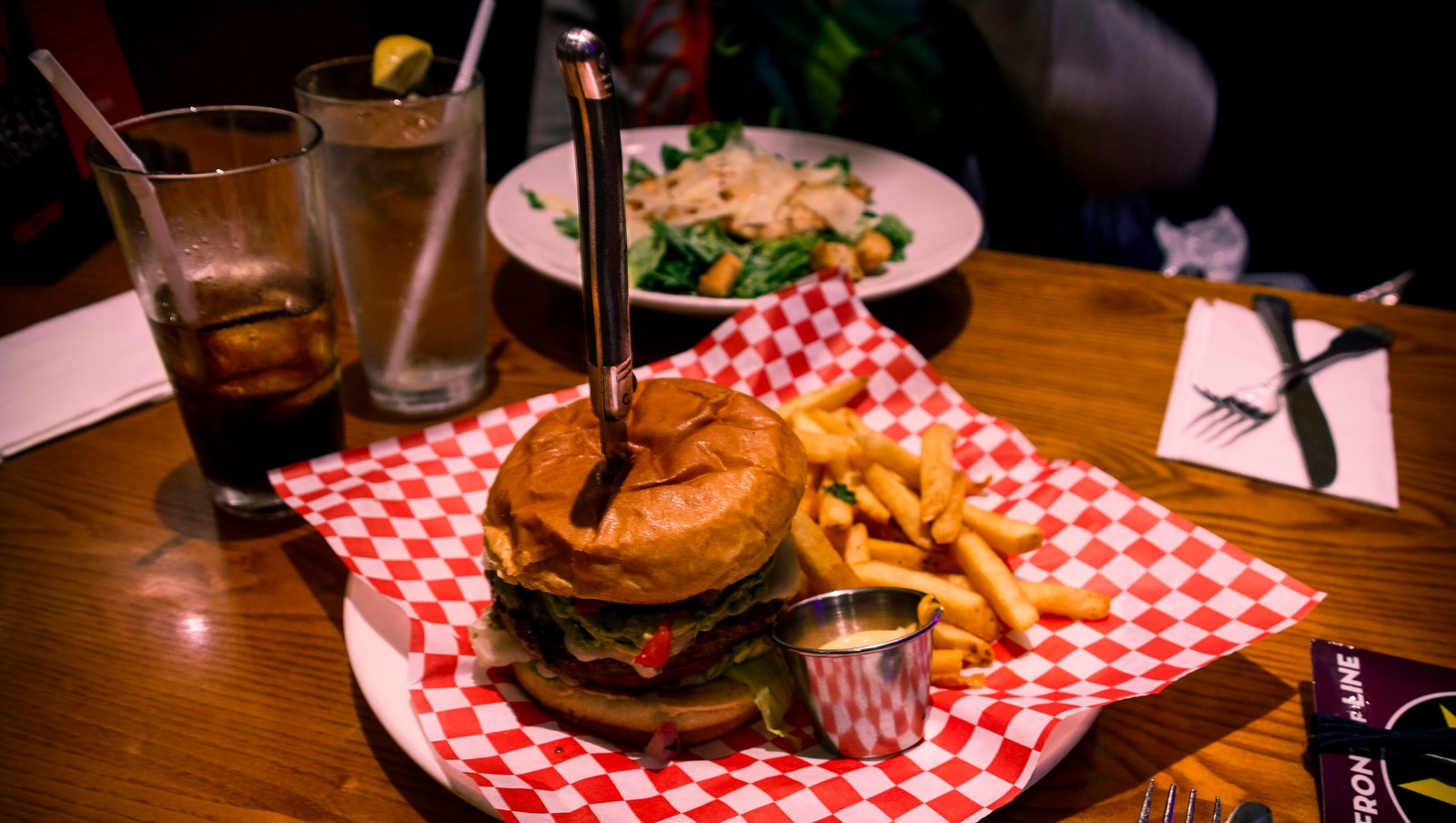
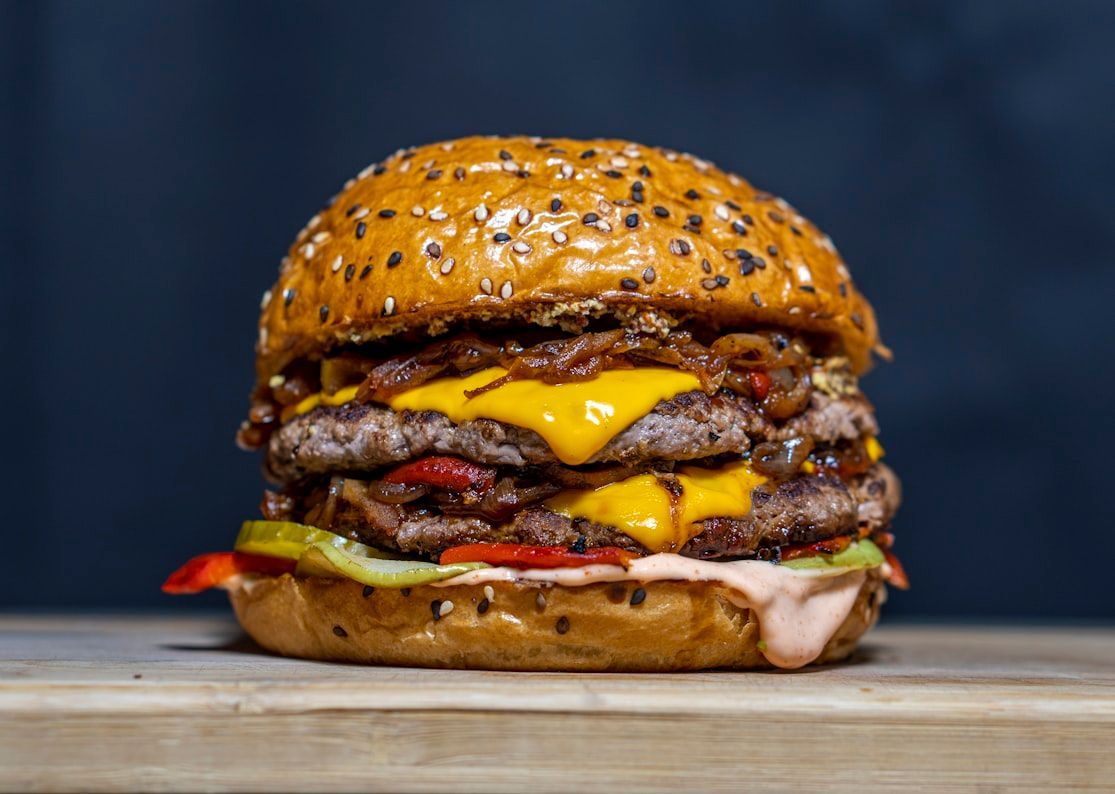
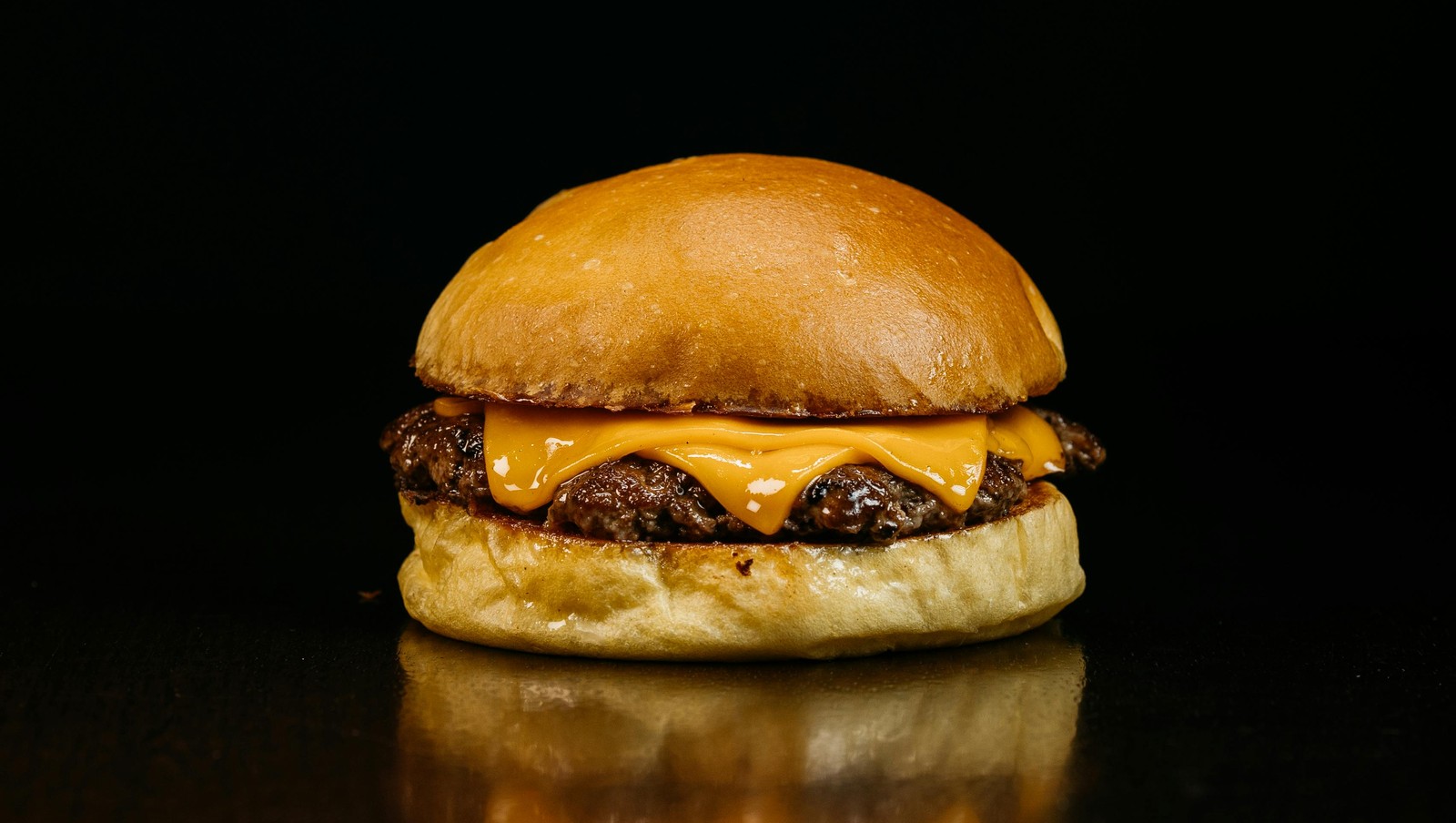
In the 1920s, a teenage cook in Pasadena accidentally dropped a slice of cheese onto a sizzling hamburger . Instead of tossing it out, he served it to the customer.

The melted topping added a rich, savory twist that caught on fast. Soon, diners across America began adding cheese to burgers, helping to spread this classic.

7
Hard pretzels

Image: Pierre Gui

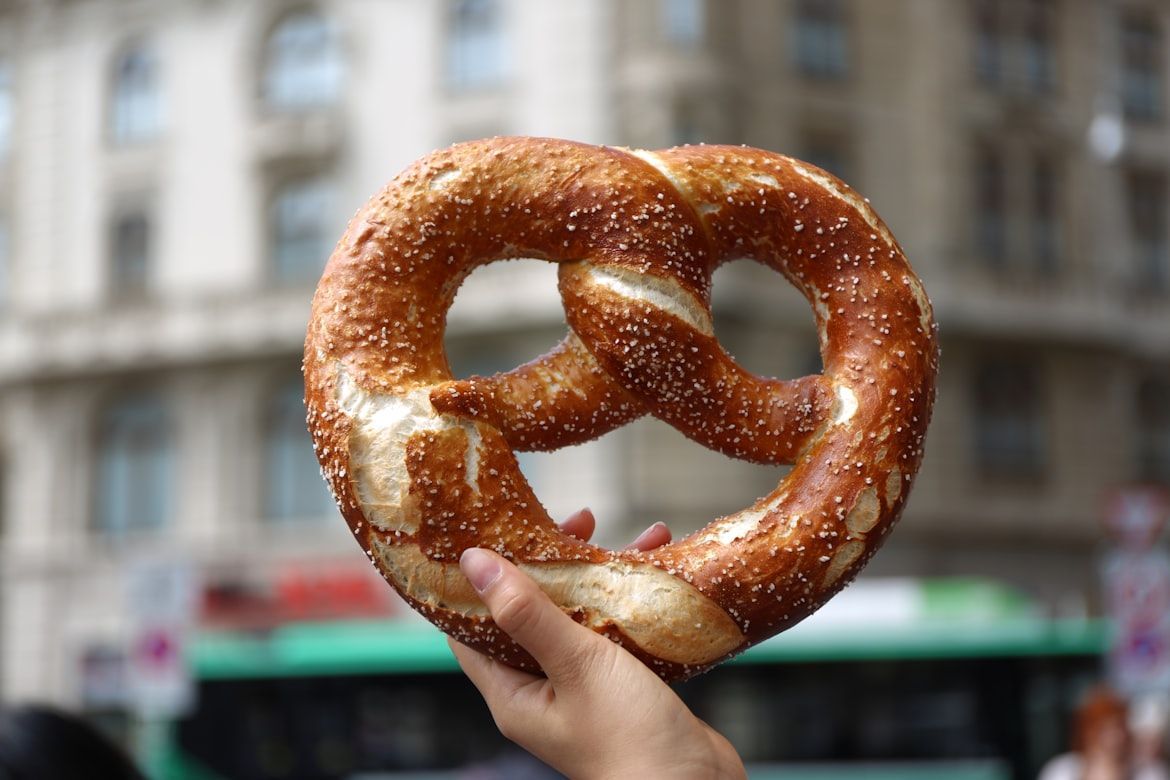
One Pennsylvania baker in the 1800s left his soft pretzels in the oven too long, burning them to a deep brown . Expecting a disaster, he tried one and loved the unexpected crunch.

That overbaked batch became the first hard pretzel. The crispy, salty snack soon gained fans nationwide.

8
Slurpees

Image: Greg Rosenke

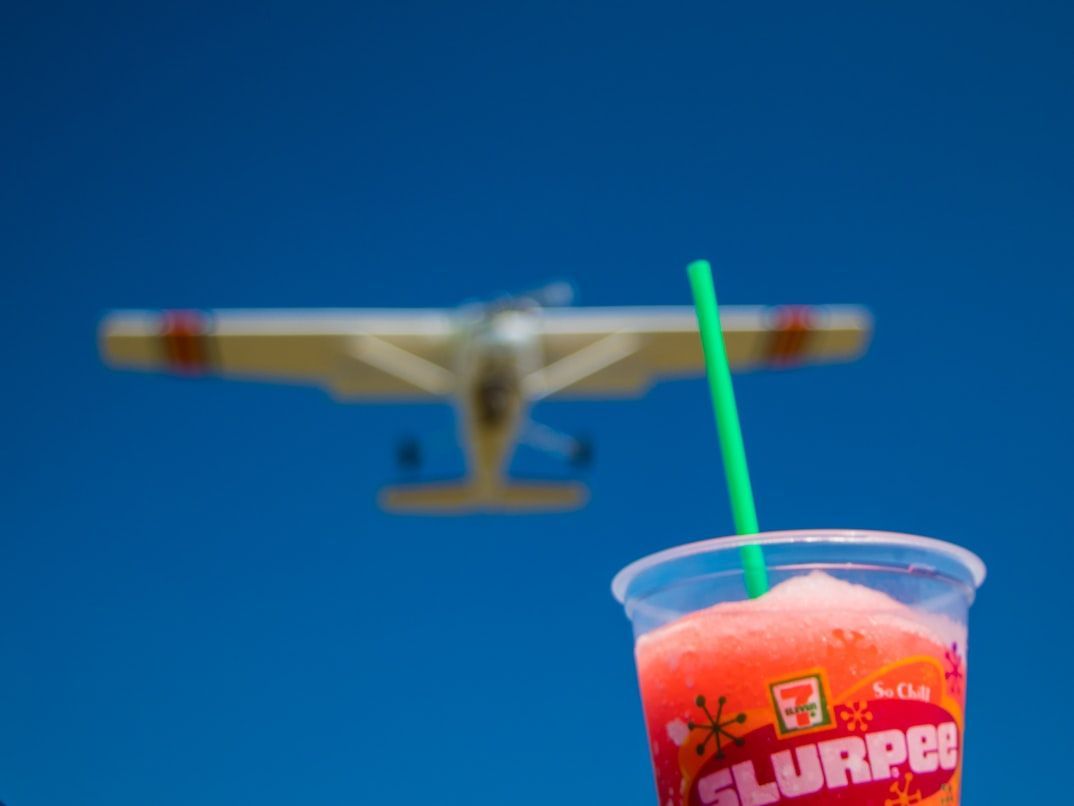
In the 1950s, a Kansas soda shop’s cooler broke down, freezing its drinks halfway . Instead of throwing them out, the owner sold the icy concoctions to curious customers.

They loved the slushy texture so much that he built a machine to reproduce it. The Icee — and later the Slurpee — turned an equipment failure into an omnipresent machine at every 7-Eleven.

9
Tortilla chips

Image: Markus Winkler

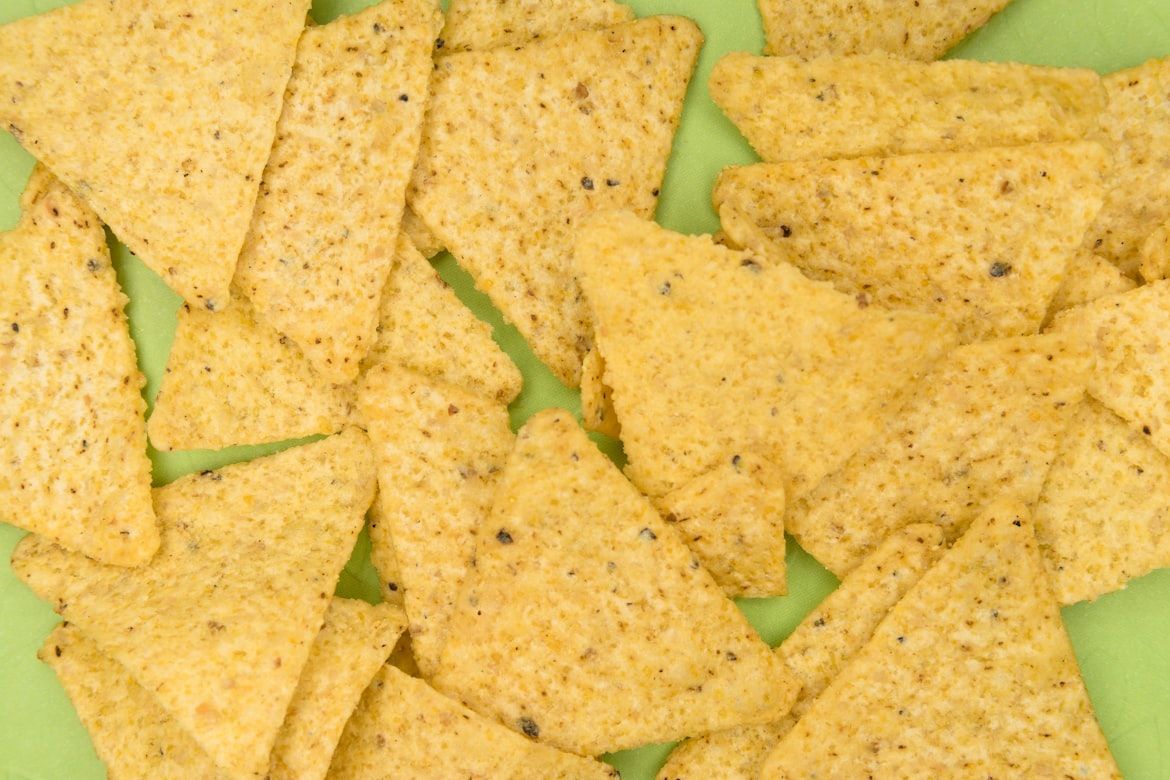
In 1940s Los Angeles, a tortilla factory ended up with piles of leftover tortillas. Rather than waste them, workers cut them into triangles and fried them up .

The crunchy bites were a surprise hit. What started as a practical way to use scraps soon became a nationwide snack.

10
Tootsie Rolls

Image: WikimediaImages

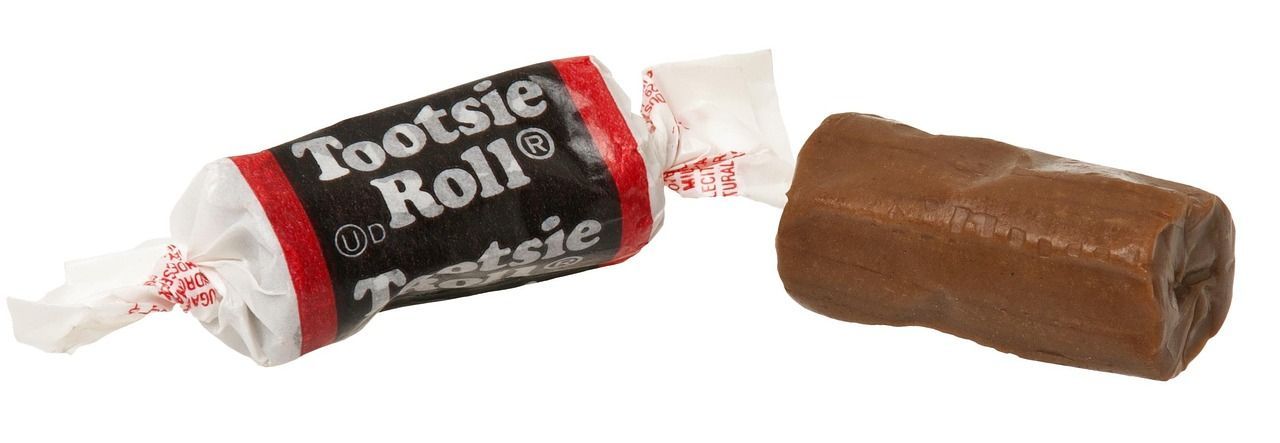
Crafty candy maker Leo Hirschfeld wanted to stretch his chocolate supply in 1896, so he experimented by blending in other ingredients such as sugar, corn syrup, and condensed skim milk . The texture turned chewy instead of smooth, but the flavor was rich and lasting.

He named it after his daughter’s nickname, "Tootsie." His thrift-born invention became a candy classic.

11
Reese’s Peanut Butter Cups

Image: Towfiqu barbhuiya

Back in 1928, a former Hershey employee, H.B. Reese, was tinkering with leftover chocolate at home when he combined it with sweetened peanut butter . The unexpected pairing turned out to be a great-tasting treat.

His homemade experiment evolved into a small business, and later became a candy legend when Hershey acquired the brand.

12
Fudge

Image: American Heritage Chocolate

According to the popular story, a batch of caramel didn’t heat properly one night , and the cook sighed that it had been "fudged." The softer texture, however, turned out wonderfully creamy.

That tasty error spread quickly through American kitchens and college towns, becoming the classic dessert that it is today.

Explore more American facts

Choose your favorite category!

General
General

As American as apple pie—the very best America has to offer!

Culture
Culture

Delve into the astounding richness of American lore.

Geography
Geography

Hop in and explore vast and diverse American landscapes.

History
History

Discover the key moments that shaped the United States.