Culture Culture 5 min read

How did these 10 actors transform into real-life historical legends?

Image: LanKS

Biopics have long been a huge part of the Academy’s annals, connecting historical truth with cinematic grandeur. Bringing a real-life figure to the silver screen demands that an actor internalize the voice and physical presence of an icon. From civil rights pioneers and musical legends to tragic figures and world leaders, these ten memorable performances made Oscar history.

1
Liam Neeson as Oskar Schindler in Schindler's List
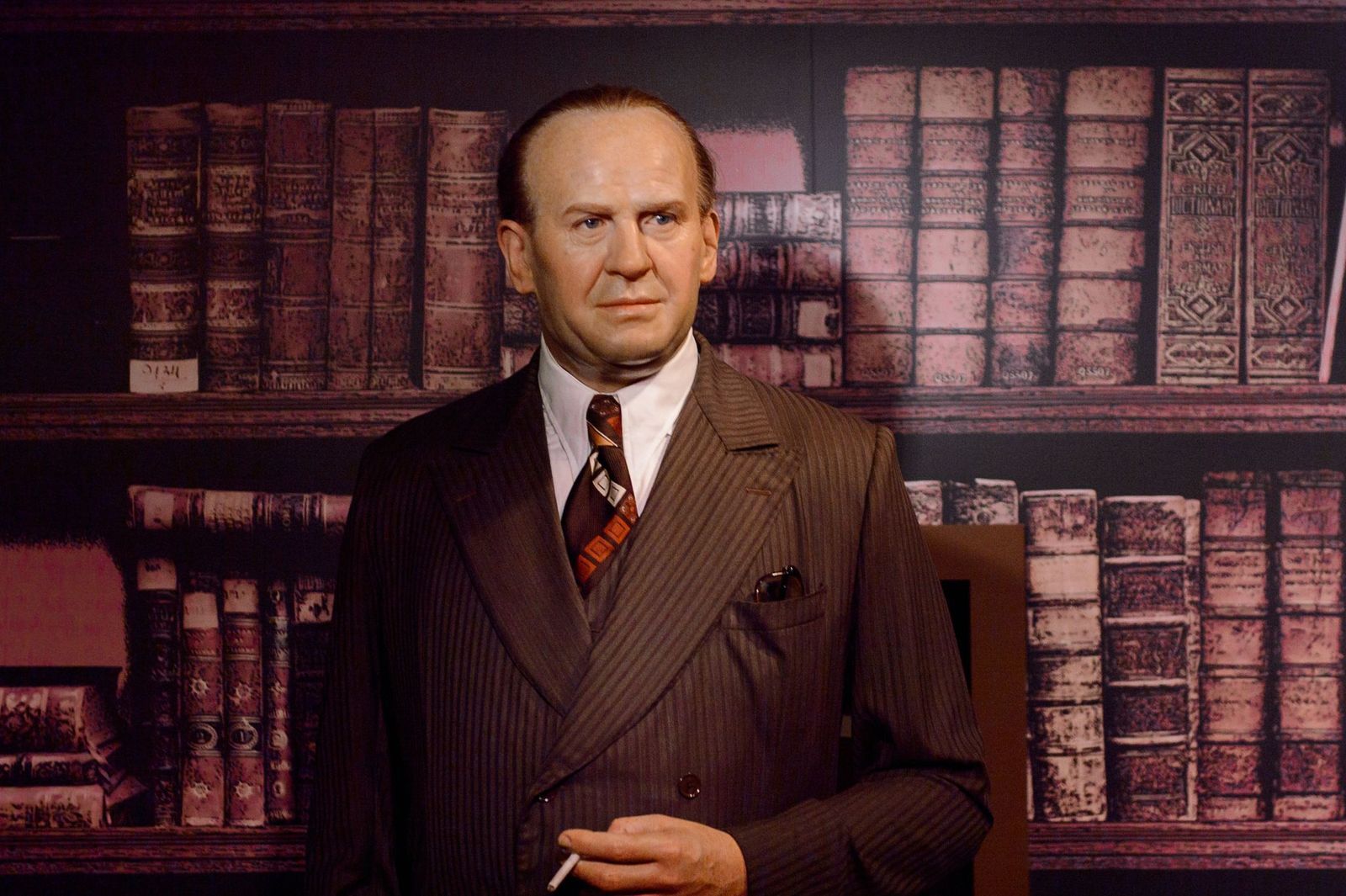
Image: Anton_Ivanov

In Steven Spielberg’s historical masterpiece Schindler’s List (1993), Liam Neeson delivers a masterful performance as Oskar Schindler, the enigmatic German industrialist who saved more than 1,100 Jewish lives during the Holocaust.

Neeson expertly maps Schindler’s evolution from an opportunistic war profiteer into a compassionate savior who risks his fortune and life to protect his workers. Schindler’s List dominated the 66th Academy Awards with seven Oscar wins out of 12 nominations; while he didn’t win, Neeson earned a Best Actor nod for giving heart and soul to one of cinema’s most incredible biopics.

2
Cate Blanchett as Katharine Hepburn in The Aviator
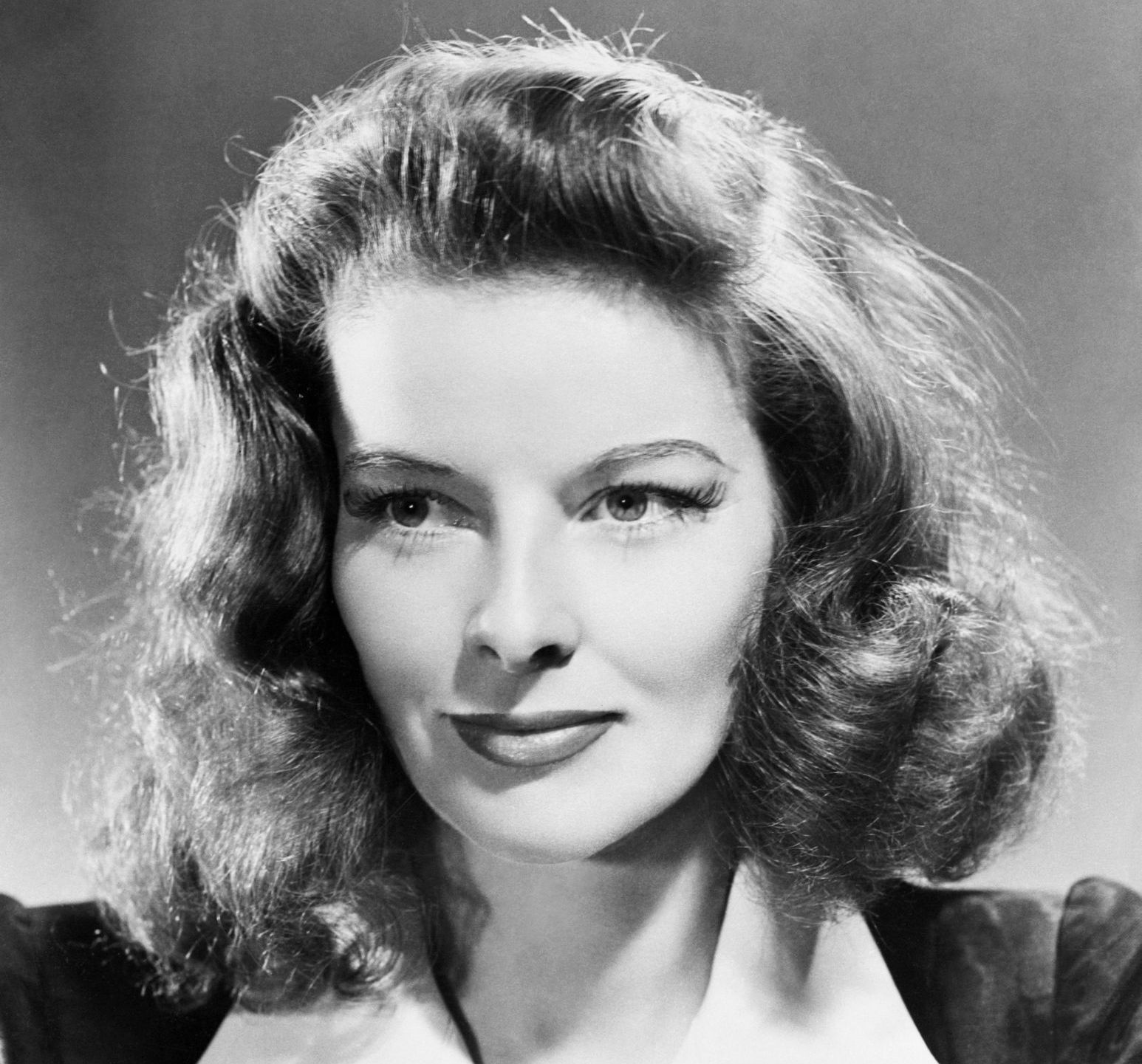
Image: Metro-Goldwyn-Mayer Studios; Restored by Adam Cuerden, Public domain, via Wikimedia Commons

Playing a Hollywood legend must be intimidating, but playing Katharine Hepburn—an actress who won four Academy Awards herself—is a monumental challenge. In Martin Scorsese’s The Aviator (2004), Cate Blanchett embodies Hepburn during her tempestuous romance with eccentric aviation mogul Howard Hughes (played by Leonardo DiCaprio).

Blanchett mastered Hepburn’s Mid-Atlantic accent, body language, and charm. Her magnetic work earned her the Oscar for Best Supporting Actress, making her the first person in history to win an Academy Award for playing a former Oscar-winning actor.

3
Sean Penn as Harvey Milk in Milk
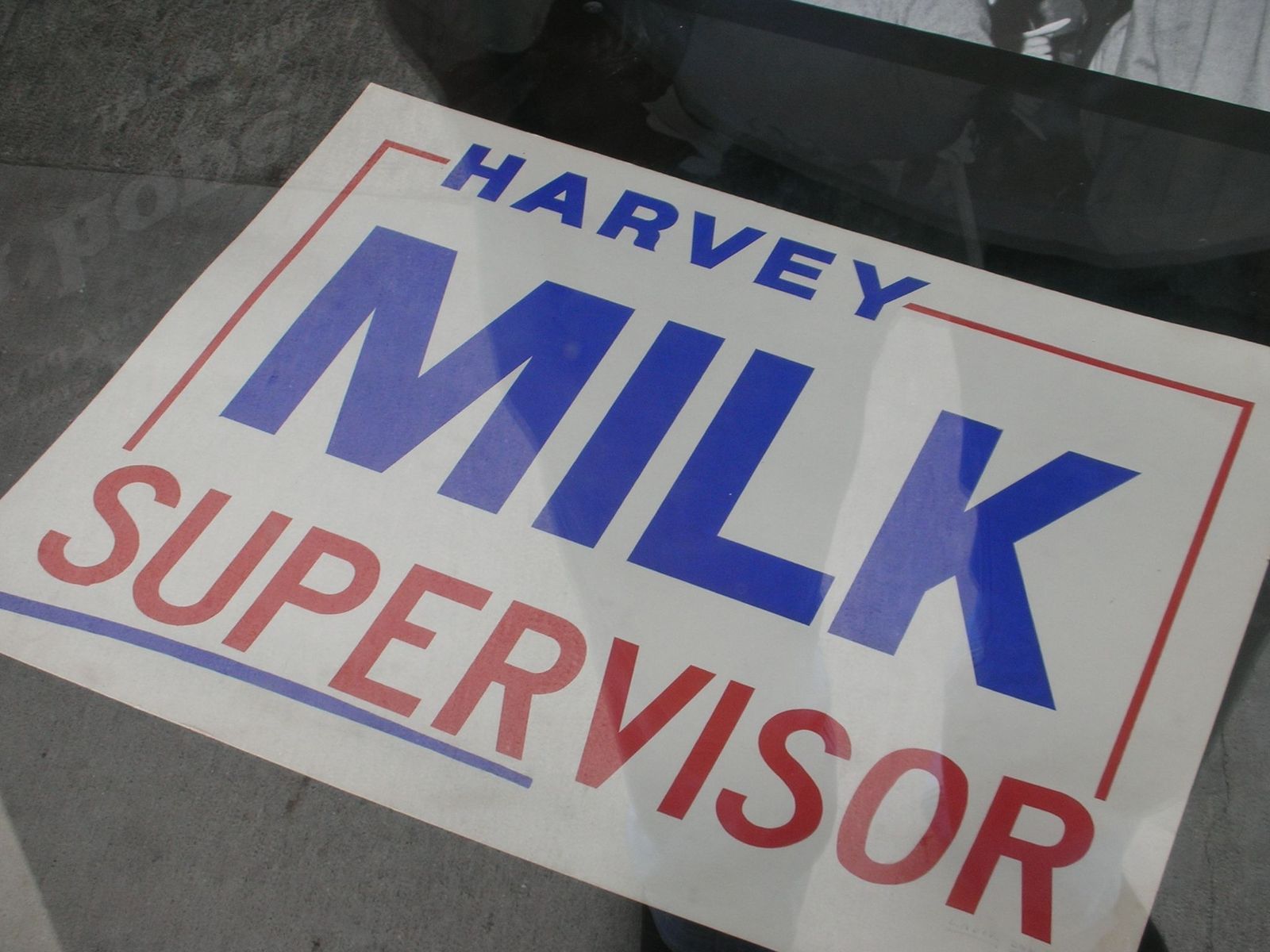
Image: Artico2, CC BY-SA 3.0, via Wikimedia Commons

In Gus Van Sant’s biopic Milk (2008), Sean Penn took on the role of Harvey Milk, the activist who became California’s first openly gay elected official. The film captures Milk’s grassroots movement in San Francisco during the late 1970s, culminating in his tragic assassination. Penn’s deeply empathetic performance earned him his second Best Actor Academy Award, both an acknowledgement of his artistic achievement and a tribute to an LGBTQ+ pioneer.

4
Charlize Theron as Aileen Wuornos in Monster
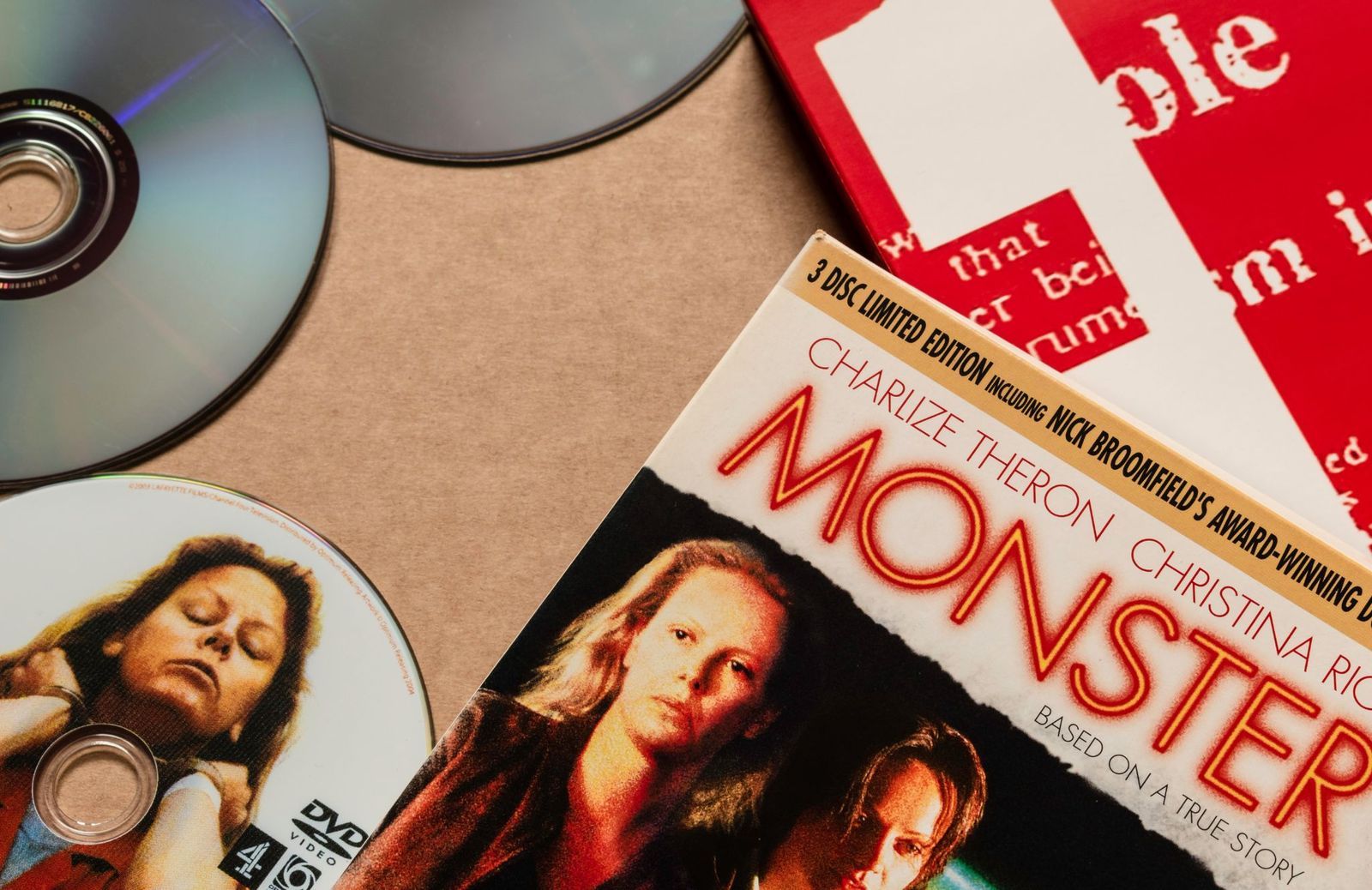
Image: Snap Spot

In one of the most shocking physical transformations in screen history, Charlize Theron portrayed sex worker turned serial killer Aileen Wuornos in Patty Jenkins’ Monster (2003).

To capture Wuornos’s tormented reality, Theron gained 30 pounds, wore prosthetic teeth, and adopted a rigid, defensive posture. Moreover, behind the physical transformation lay a raw emotional vulnerability that refused to demonize Wuornos. Critics considered it a landmark achievement in acting, and Theron took the awards season by storm, bringing in the Oscar for Best Actress.

5
Daniel Day-Lewis as Abraham Lincoln in Lincoln
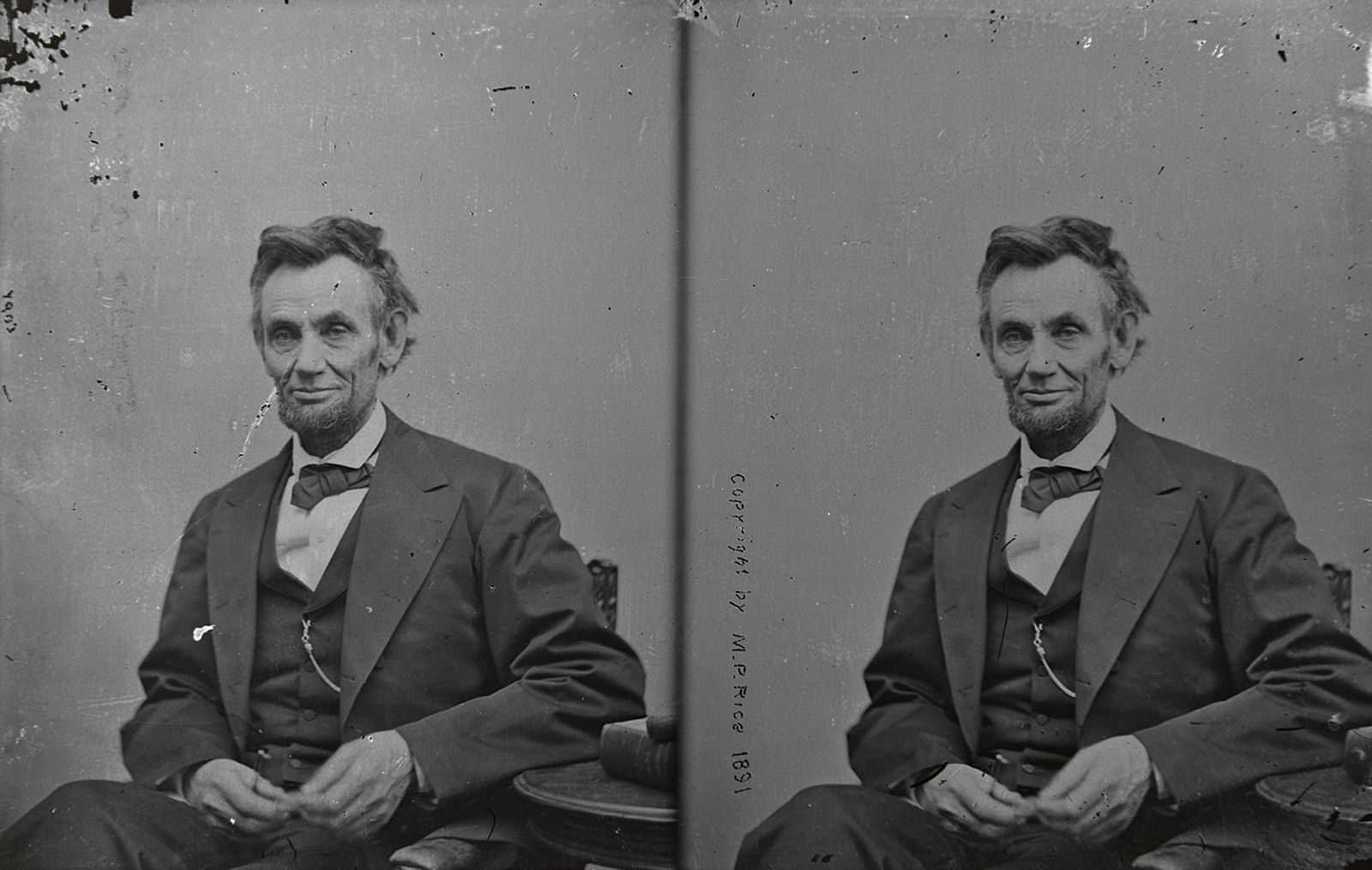
Image: Alexander Gardner, Public domain, via Wikimedia Commons

Few actors have the talent for transformation like Daniel Day-Lewis. His portrayal of America’s 16th president remains one of the gold standards of modern cinema.

Directed by Steven Spielberg, Lincoln (2012) focuses on the intense political schemes during the final moments of the Civil War as Abraham Lincoln sought to pass the 13th Amendment and abolish slavery. Day-Lewis famously spent months immersing himself in the role, adopting Lincoln’s voice, gait, and quiet wisdom. His dedication to the role earned him a record-breaking third Academy Award for Best Actor.

6
Nicole Kidman as Virginia Woolf in The Hours
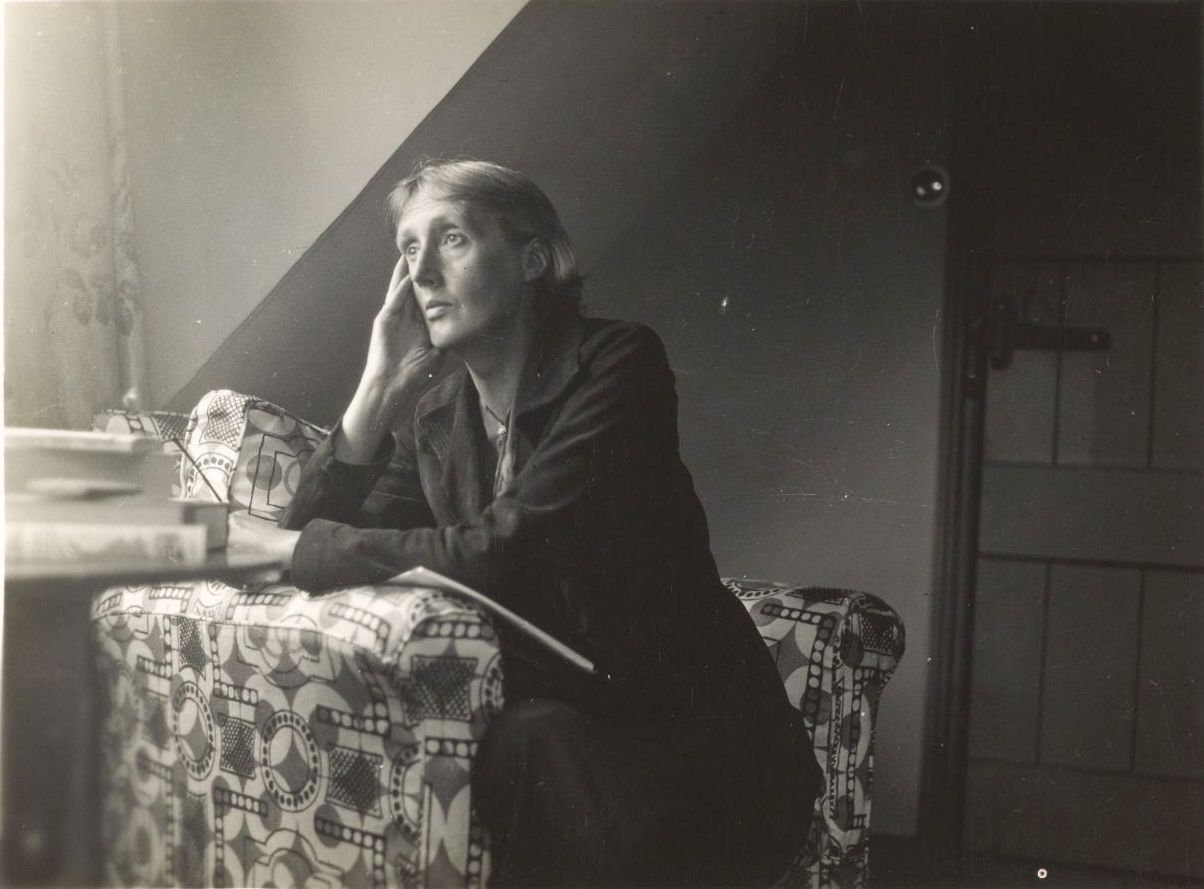
Image: Harvard University library, Public domain, via Wikimedia Commons

In Stephen Daldry’s drama The Hours (2002), Nicole Kidman delivered a haunting performance as literary icon Virginia Woolf. The film explores Woolf’s life during the 1920s in suburban England as she struggles with crippling mental illness while writing her masterpiece Mrs. Dalloway .

Beyond wearing a prosthetic nose that made her almost unrecognizable, Kidman immersed herself in the role by learning to write right-handed in Woolf’s exact style. Kidman managed to capture Woolf’s intellect, despair, and creative genius with enormous grace, earning her the Academy Award for Best Actress.

7
Jamie Foxx as Ray Charles in Ray
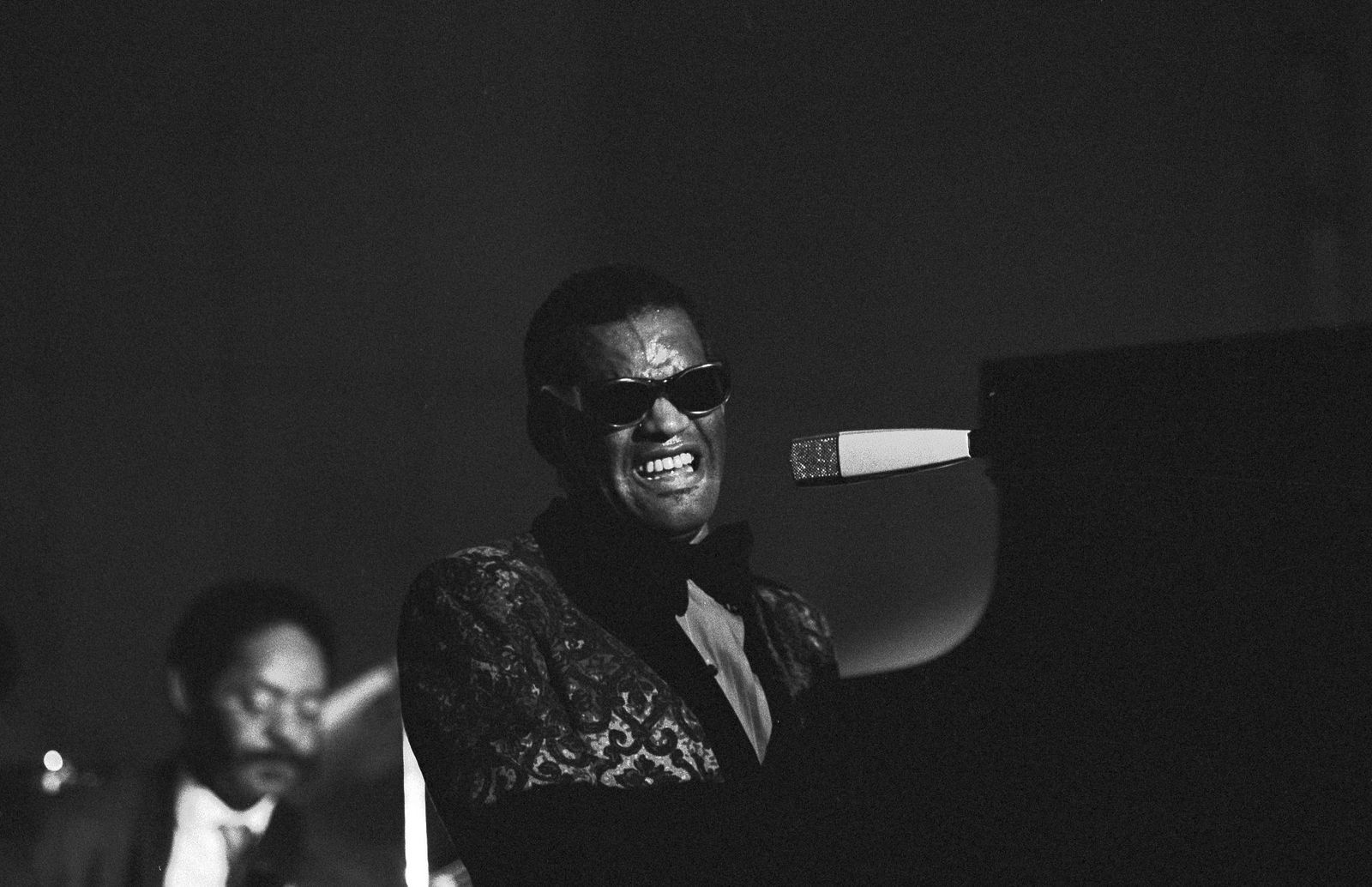
Image: Heinrich Klaffs, CC BY-SA 2.0, via Wikimedia Commons

To embody the pioneer of soul music, Jamie Foxx had to capture not only Ray Charles’s singular voice and piano virtuosity, but also his complex inner world.

Directed by Taylor Hackford, Ray (2004) chronicles Charles’s rise from a blind child in the Jim Crow South to an international superstar, alongside his battles with addiction. Foxx wore prosthetic eye covers during filming and played all the piano sequences himself. Critics praised his physical precision and emotional range, earning Foxx the Best Actor Oscar for his performance.

8
Barbra Streisand as Fanny Brice in Funny Girl
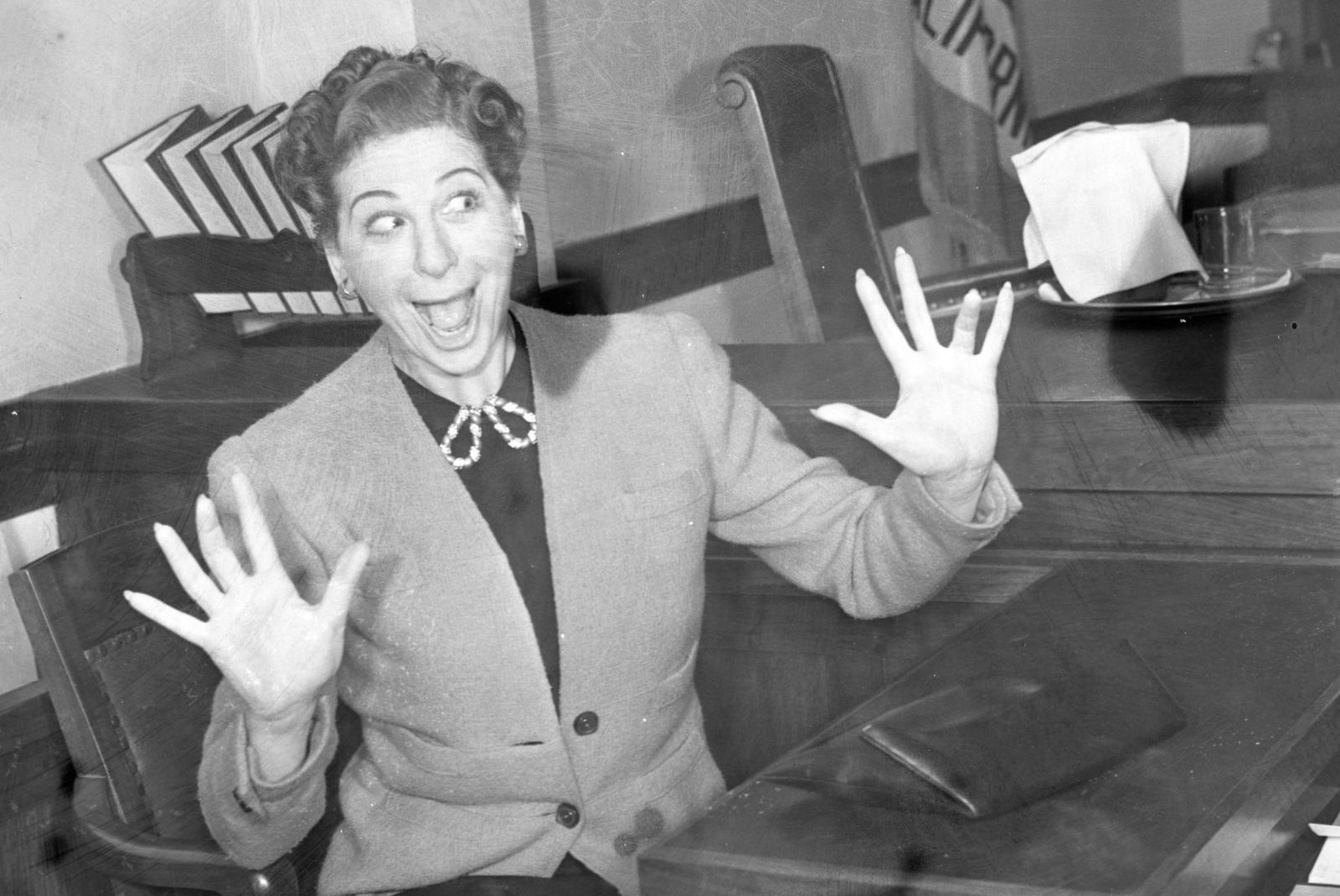
Image: Los Angeles Daily News, CC BY 4.0, via Wikimedia Commons

Making your feature film debut in the role that made you a Broadway superstar is a rare opportunity, and Barbra Streisand achieved it brilliantly in Funny Girl (1968). Playing early 20th-century comedy pioneer Fanny Brice, Streisand showcased her vocal range, comedic timing, and dramatic depth.

The film chronicles Brice’s rise to fame as well as her stormy relationship with gambler Nick Arnstein. Streisand’s astonishing performance made Oscar history when she tied with Katharine Hepburn for the Best Actress statuette at the 41st Academy Awards.

9
Philip Seymour Hoffman as Truman Capote in Capote
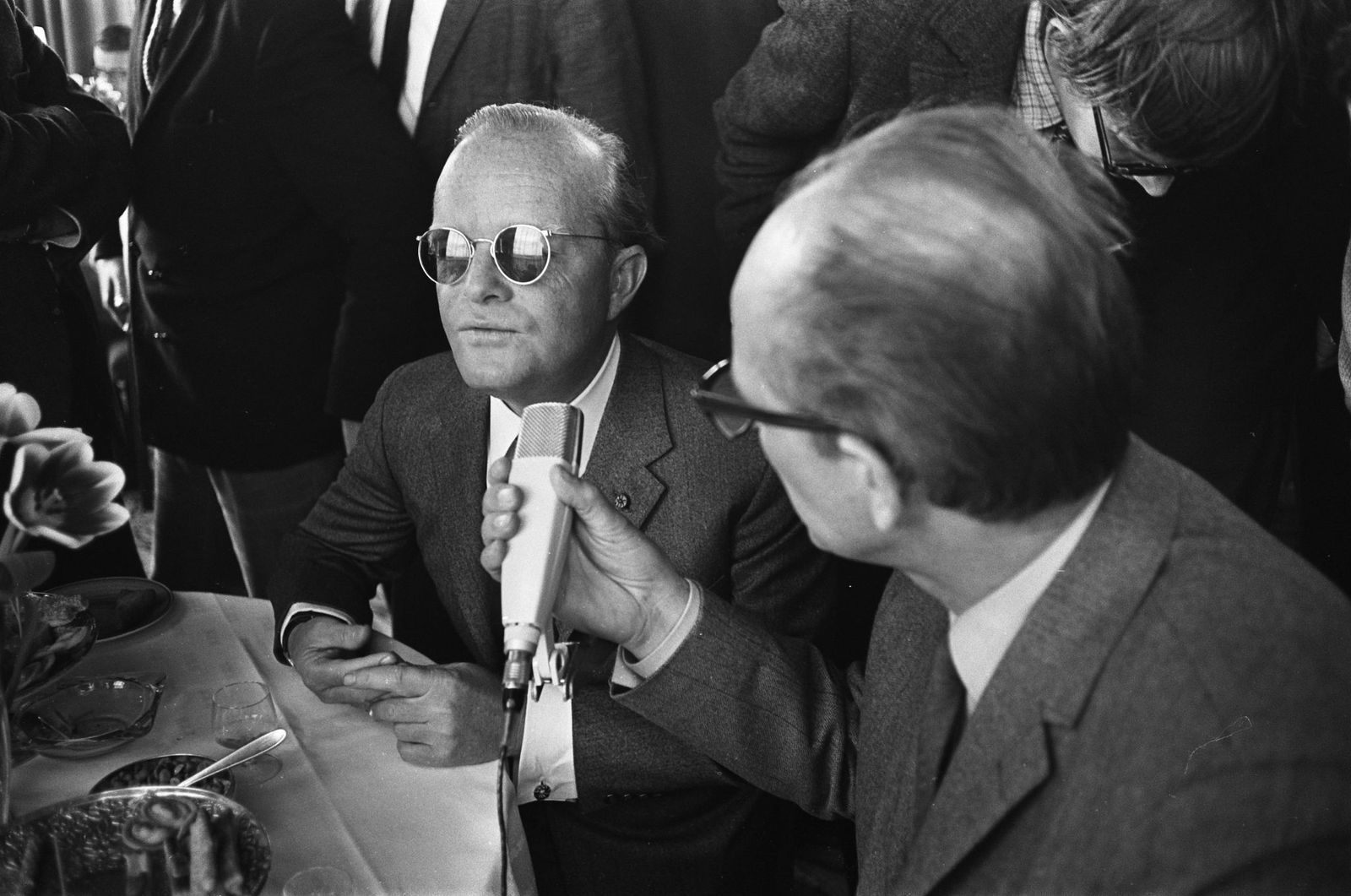
Image: Eric Koch for Anefo, CC0, via Wikimedia Commons

When Philip Seymour Hoffman took on the task of portraying eccentric author Truman Capote, he faced a difficult challenge: avoiding becoming a caricature and honoring a famous personality.

Bennett Miller’s Capote (2005) focuses on the period when the writer researched his groundbreaking true-crime novel In Cold Blood . Hoffman effortlessly captured Capote’s distinctive cadence, flamboyant mannerisms, and sharp intellect while digging deep into the ethical compromises that eroded his spirit. Hoffman’s heartbreaking performance earned him the Academy Award for Best Actor.

10
Julia Roberts as Erin Brockovich in Erin Brockovich

Directed by Steven Soderbergh, Erin Brockovich (2000) tells the inspiring true story of an unemployed single mother who uncovered widespread groundwater contamination caused by energy giant PG&E in Hinkley, California.

Julia Roberts delivered a pivotal performance as Brockovich, enriching the role with fiery grit and humor, as well as showing empathy for affected families. Roberts’ magnetic star power carried the legal drama to box-office success and critical acclaim, culminating in an excellent awards season and her first Best Actress Oscar.

Culture Culture 5 min read

Which is your favorite music genre?

American music would not be the same without these 10 sonic pioneers

Image: Eugene Bolshem

Very rarely have musical genres been entirely created by a single individual. More often than not, when you trace the origins and environment of a musical pioneer, you will get a sense of where this person drew his or her influence from. America is rich soil for music, and the following ten artists have spearheaded genres that continue to grow and inspire to this day. Did you know any of them?

1
Ragtime - Scott Joplin

Image: Darius

The first entry on the list showcases the inventor of probably the most popular waiting-call tunes in history, Scott Joplin, the "King of Ragtime" himself. He composed over 40 ragtime pieces, one ragtime ballet, and two operas. One of his first and most popular pieces, the "Maple Leaf Rag," became the genre's first and most influential hit, later recognized as the quintessential rag.

Joplin considered ragtime to be a form of classical music meant to be played in concert halls and largely disdained the performance of ragtime as honky-tonk music, most common in saloons.

2
Blues - W.C. Handy

Image: Kelly Sikkema

Blues music can’t be traced to a single individual, but William Christopher Handy can definitely be identified as a founding figure in the genre. He was an American composer and musician who referred to himself as the "Father of the Blues."

One of many musicians who played the blues, Handy did not create the blues genre but was one of the first to publish music in the blues form , thereby taking the blues from a regional music style (Delta blues) with a limited audience to a new level of popularity.

3
Jazz - Buddy Bolden

Image: Laura Rivera

Charles Joseph "Buddy" Bolden was an American cornetist who was regarded by contemporaries as a key figure in the development of a New Orleans style of "jass," which later came to be known as jazz. Bolden was known as "King" Bolden, and he was known for his loud sound and improvisational skills, and his style had an impact on younger musicians.

Many early jazz musicians credited Bolden and his bandmates with having originated what came to be known as jazz , although the term was not in common musical use until after Bolden was musically active. At least one writer has labeled Bolden as the father of jazz.

4
Country - Jimmie Rodgers

Image: Katherine Hanlon

Widely regarded as the "Father of Country Music," James Charles Rodgers was an American singer-songwriter and musician who rose to popularity in the late 1920s. He is best known for his distinctive yodeling , which is a singing style imported from the Alps.

He has been cited as an inspiration by many artists and he has been inducted into multiple halls of fame. By 1927, he stopped working for the railroad due to health issues and decided to focus on his music career.

5
Soul - Sam Cooke

Image: Mick Haupt

Considered one of the most influential soul artists of all time, Sam Cooke is commonly referred to as the "King of Soul" for his distinctive vocals, pioneering contributions to the genre, and significance in popular music.

During his brief eight-year career, Cooke released 29 singles that charted in the Top 40 of the Billboard Pop Singles chart, along with 20 singles in the Top Ten of Billboard's Black Singles chart.

6
Rhythm & Blues - Louis Jordan

Image: Austin Neill

Known as "the King of the Jukebox," Louis Thomas Jordan was an American saxophonist, multi-instrumentalist, songwriter, and bandleader who was popular from the late 1930s to the early 1950s.

Jordan blueprinted the map of classic R&B, urban blues , and early rock-and-roll genres with a series of highly influential 78-rpm discs released by Decca Records. These recordings presaged many styles of Black popular music in the late 1940s, 1950s, and 1960s and exerted a strong influence on numerous leading performers in these genres.

7
Rock n Roll - Chuck Berry

Image: Provincial Archives of Alberta

Best known as "Chuck," Charles Edward Anderson Berry was an American singer, guitarist, and songwriter who pioneered rock and roll music. Nicknamed the "Father of Rock and Roll," he refined and developed rhythm and blues into the major elements that made rock and roll distinctive , writing lyrics that focused on teen life and consumerism and developing a musical style that included guitar solos and showmanship.

He recorded "Maybellene"—Berry's adaptation of the country song "Ida Red"—which sold over a million copies and reached number one on Billboard magazine's rhythm and blues chart.

8
Funk - James Brown

Image: iggii

"The Hardest-Working Man in Show Business," "Minister of New Super Heavy Funk," "Godfather of Soul," "Mr. Dynamite," and "Soul Brother No. 1," Mr. James Brown himself, was an American singer, dancer, and musician and the founder of funk music , as well as a major figure in 20th-century music.

In a career that lasted more than 50 years, he influenced the development of several music genres. Brown was one of the first ten inductees into the Rock and Roll Hall of Fame on January 23, 1986. His music has been heavily sampled by hip-hop musicians and other artists.

9
Disco - Donna Summer

Image: Bas Peperzak

Disco music was becoming increasingly popular in the early 1970s, but according to many historians, it was Donna Summer’s "Love to Love You Baby" that became the first "official" disco release .

The song did not have an immediate American release; it started its life with moderate success in Europe before finally gaining traction and being launched in the U.S., where it became her first number-one hit on the Hot Dance Club Play Chart.

10
Rap - DJ Kool Herc

Image: Matthew Moloney

While this name might not be as instantly recognizable as those from the previous entries, it certainly deserves to appear and close the list, as it is often cited as responsible for the birth of an extremely popular music genre. Clive Campbell, better known by his stage name DJ Kool Herc , is a Jamaican American DJ credited with being one of the f ounders of rap music in New York City in 1973.

Nicknamed the "Father of Hip-Hop," Campbell began playing hard funk records typified by James Brown. He isolated the instrumental portions of the records, emphasizing the drum beat—the "break"—and transitioned from one break to another. Campbell's announcements helped lead to the syncopated, rhythmically spoken accompaniment now known as rapping.

Geography Geography 4 min read

Let’s take a quick roadtrip

Discover our 49th state with these 10 gorgeous locations in Alaska!

Image: Rod Long

There’s a reason Alaska is known as "The Last Frontier." This state often feels like a remote and isolated location, yet it is undeniably filled with natural beauty. However, don’t let the nickname discourage you from exploring the wonders Alaska has to offer. As cold as this state’s temperatures can get, they are balanced by the warmth of its citizens and the breathtaking landscapes it is home to. With that in mind, we have decided to pay homage to 10 of the most stunning locations in Alaska, in the hope that you might consider them for your next visit. Enjoy!

1
Denali

Image: Barth Bailey

We’ll start with what many believe to be Alaska’s crown jewel. Formerly known as Mount McKinley, Denali is the highest peak in North America, with a summit elevation of 20,310 feet above sea level. Its height is matched only by its magnificence—a snow-covered wonder adorning the Alaskan skyline.

The name "Denali" comes from the Koyukon Athabaskans, who are native to the region. They referred to the mountain as Dinale or Denali, which is believed to be a Koyukon word meaning "high" or "tall." Over the years, many mountaineers have attempted to reach the peak, with the first successful ascent dating back to 1913.

2
Chugach State Park

Image: Paxson Woelber

East of the city of Anchorage lies Chugach State Park , a 495,204-acre state park that houses the stunning Chugach Mountains. However, this park is more than just a scenic landscape; it plays a crucial role in ensuring that the residents of Anchorage have access to safe drinking water.

Chugach State Park is also home to Eklutna Lake, which offers numerous recreational opportunities, including fishing, camping, and hiking. The park supports a diverse array of wildlife, including moose and bears.

3
Kayak Island

Image: Ty Fiero

In 1826, Lt. Sarychev of the Russian Navy noticed the peculiar shape of a certain island located in the Gulf of Alaska. Because it resembled a specific type of boat, Sarychev named the island Kayak Island , unaware that he was christening one of Alaska’s most stunning destinations.

Kayak Island is considered historically significant since it was the first place where a non-native set foot in Alaska. Notably, the island was visited by the famed explorer Captain James Cook in 1778. During this visit, Captain Cook left an empty bottle at the base of a prominent tree. Inside the bottle was a message and two pieces of silver gifted to him by the English crown.

4
Kodiak Island

Image: Brent Jones

Next, we have Kodiak Island , the second-largest island in the United States. Over two-thirds of the island is occupied by the Kodiak National Wildlife Refuge, which protects a diverse range of wildlife, including the Kodiak bear, Roosevelt elk, and Sitka black-tailed deer.

While no entry is allowed to the refuge, the island still has plenty to offer visitors. For example, you can experience the island’s beauty at the Buskin River State Recreation Site, which features camping, fishing, and scenic beaches.

5
Kenai Fjords National Park

Image: Kedar Gadge

Fjords are a truly unique natural wonder that can only be found in a few places in the world, and Alaska is home to one of the most beautiful of its kind. Located on the Kenai Peninsula, west of the town of Seward, Kenai Fjords National Park is a breathtaking expanse of glaciers, islands, and wildlife.

With a total area of 669,984 acres, Kenai Fjords is relatively small—approximately 90% the size of Yosemite. Regardless, of what this park lacks in size, it more than makes up for in accessibility, diversity, and, above all, natural beauty. It is home to the Harding Icefield, one of the largest ice fields in the United States, as well as an impressive variety of wildlife, including black bears, sea otters, and killer whales.

6
Wrangell-St. Elias National Park & Preserve

Image: Grace Simoneau

As the largest American state by landmass, it seems only fitting that Alaska is home to the largest national park in the United States. Wrangell–St. Elias National Park and Preserve encompasses the Wrangell Mountains and a significant portion of the Saint Elias Mountains, including Mount Saint Elias, the second-highest peak in both the United States and Canada.

Besides many species of animals like the grizzly bear and the timber wolf, this park is home to Mount Wrangell and Mount Churchill—two of the largest volcanoes in the region. Not only that, the abandoned buildings of a former copper mining operation within the park have been designated a National Historic Landmark district.

7
Glacier Bay National Park and Preserve

Image: Joseph Corl

Don’t be surprised by the number of stunning glaciers that made it onto this list—after all, these natural wonders are Alaska’s pride and joy. With that in mind, here’s the first entry in our selection of beautiful glaciers you should definitely visit: Glacier Bay National Park and Preserve.

The park houses 7 glaciers in the park, out of which the Margerie Glacier is probably the most famous. This iconic glacier attracts thousands of tourists each year, with nearly 80% arriving via cruise ships. Not only that, the park also offers several other outdoor activities like kayaking, camping, fishing, and bird-watching.

8
Hubbard Glacier

Image: Mick Kirchman

Located within the previously mentioned Wrangell–St. Elias National Park and Preserve, Hubbard Glacier undoubtedly deserves its own spotlight. This stunning glacier can be found right on the border between Alaska and Canada, with part of it extending into Kluane National Park and Reserve in Yukon.

Hubbard Glacier is primarily visited by tour and cruise ships since it can’t be reached by land. Regardless, experiencing the beauty of this natural wonder requires nothing more than gazing upon its majestic presence.

9
Worthington Glacier

Image: Grace Simoneau

Worthington Glacier holds the distinction of being one of the few US glaciers that can be easily accessed via a paved highway. Located approximately 30 miles east of the city of Valdez, this glacier is truly a sight to behold.

Covering 5,774 acres, this breathtaking glacier was designated a National Natural Landmark in 1968. If you’re planning a visit, consider stopping at the Worthington Glacier State Recreation Site, a comfortable state roadside park that offers a stunning view of the glacier.

Explore more American facts

Choose your favorite category!

General
General

As American as apple pie—the very best America has to offer!

Culture
Culture

Delve into the astounding richness of American lore.

Geography
Geography

Hop in and explore vast and diverse American landscapes.

History
History

Discover the key moments that shaped the United States.