History History 5 min read

Which President spoke Mandarin? 10 presidential past lives
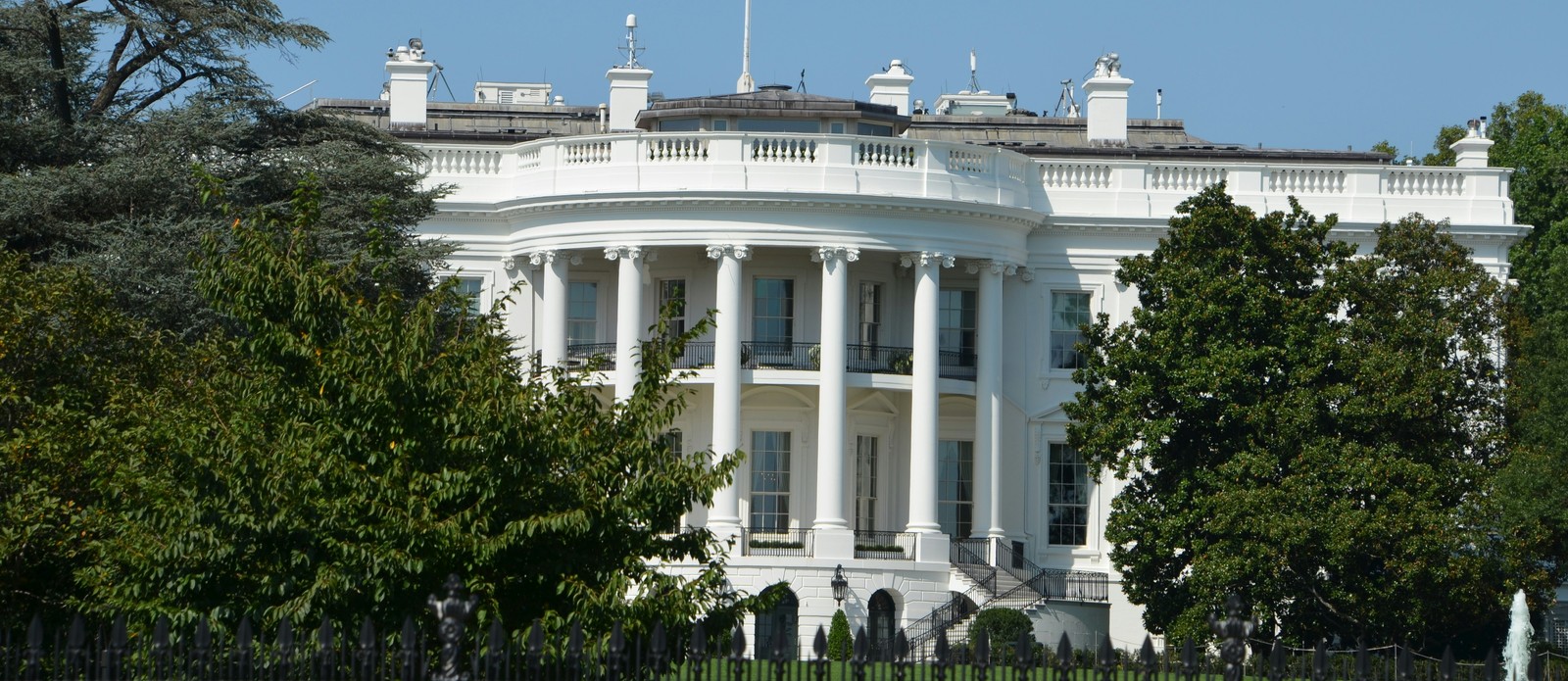
Image: Donghun Shin

It’s easy to assume that the path to the highest office is paved exclusively with Ivy League diplomas, elite military careers, and political connections. However, the early lives of American presidents proved to be far grittier and more eclectic. From elite athletic combat to teenage summer gigs, these ten unexpected jobs held by U.S. presidents before entering politics show that the road to the White House can start in some truly surprising places.

1
Abraham Lincoln
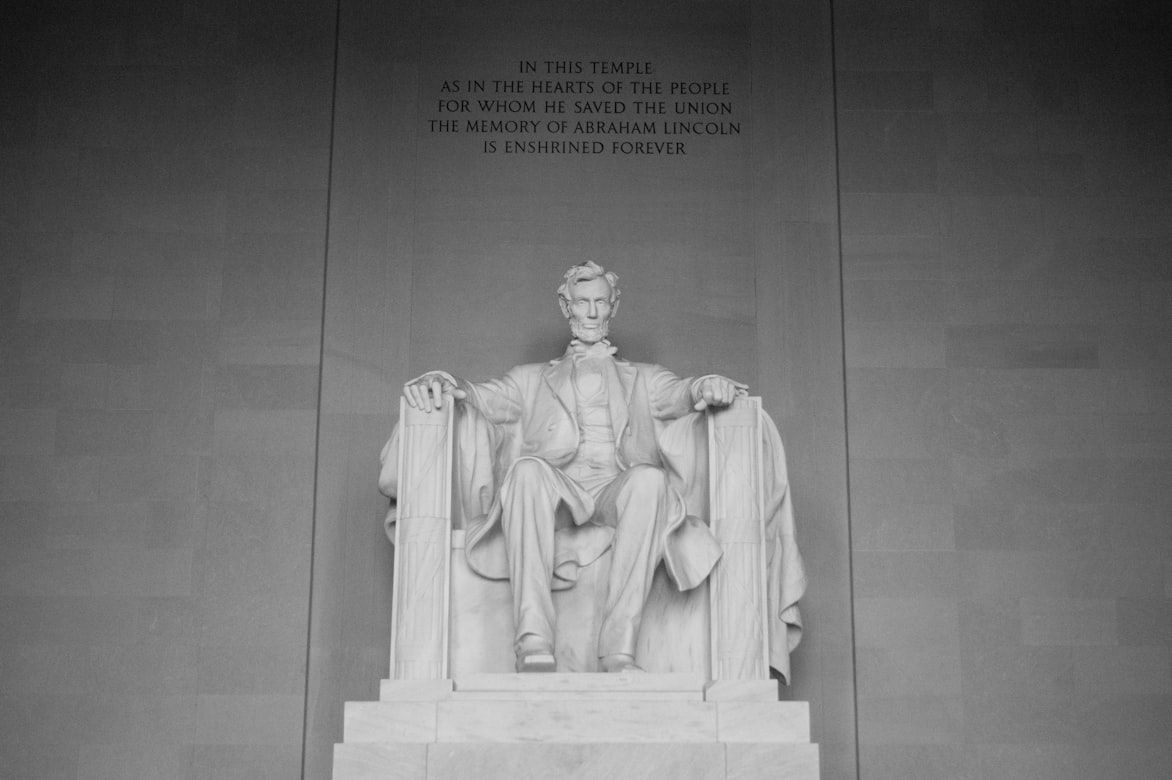
Image: Maarten Brakkee

Long before he preserved the Union or delivered the Gettysburg Address, Abraham Lincoln was renowned across Illinois as a fearsome wrestler. Standing at 6’4", Lincoln had immense leverage and strength cultivated from years of clearing timber.

In the early 1830s, he competed in roughly 300 matches and was defeated only once. His most famous fight happened in New Salem, Illinois, against Jack Armstrong, the leader of a local gang known as the Clary’s Grove Boys. Lincoln soundly defeated Armstrong, earning the lifelong respect of the community. He was even inducted into the National Wrestling Hall of Fame as an "Outstanding American".

2
Herbert Hoover
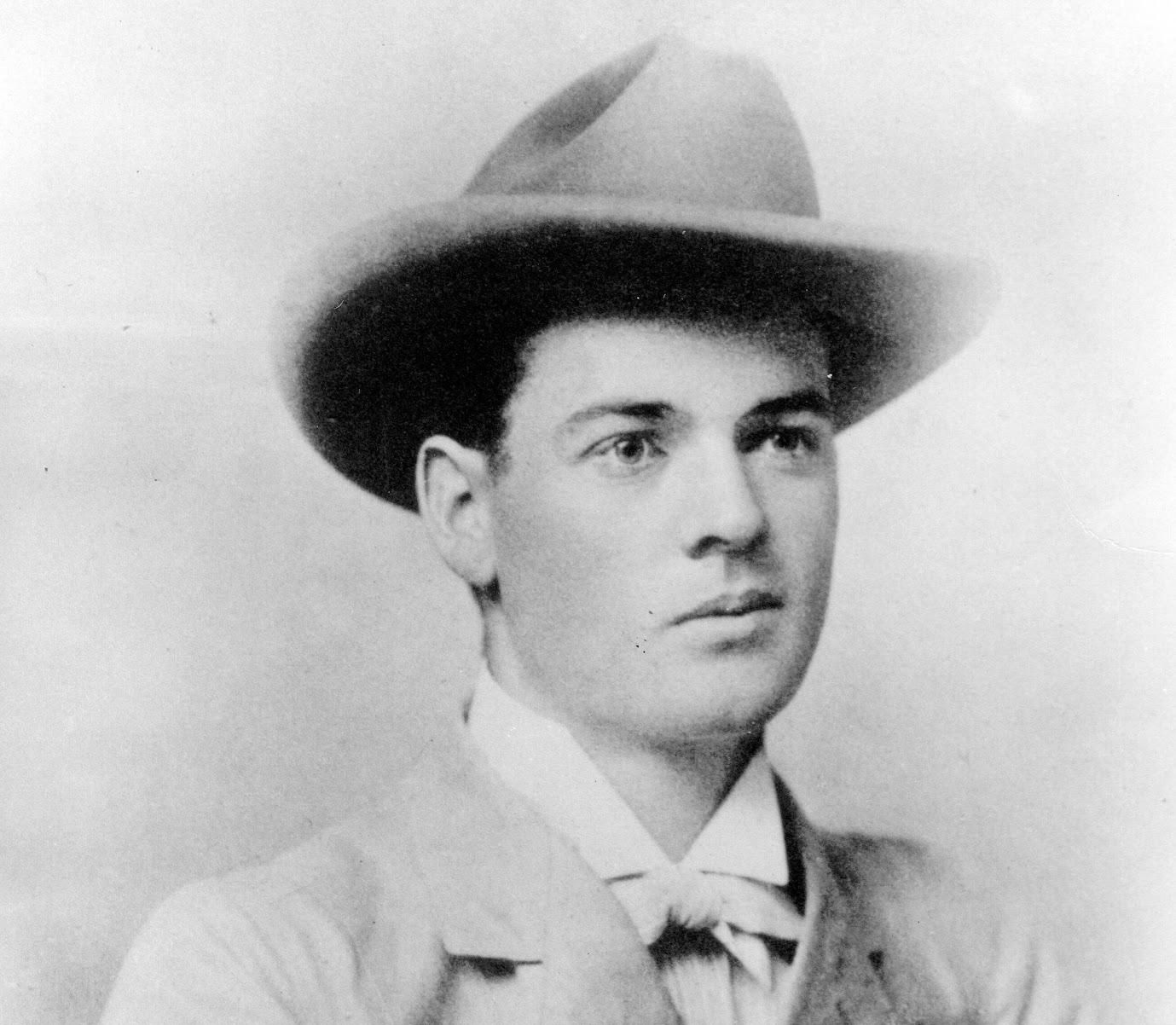
Image: See page for author, Public domain, via Wikimedia Commons

Herbert Hoover’s pre-political life was defined by his career as a world-traveling mining engineer. In the late 1890s, Hoover took a job with the Chinese Engineering and Mining Company, moving to China.

To effectively manage the local operations and navigate the complex social landscape, Hoover and his wife, Lou Henry, learned to speak Mandarin. They became so fluent that decades later, the President and First Lady would speak Mandarin to one another whenever they wanted to have a private conversation in front of White House staff or guests.

3
Andrew Jackson
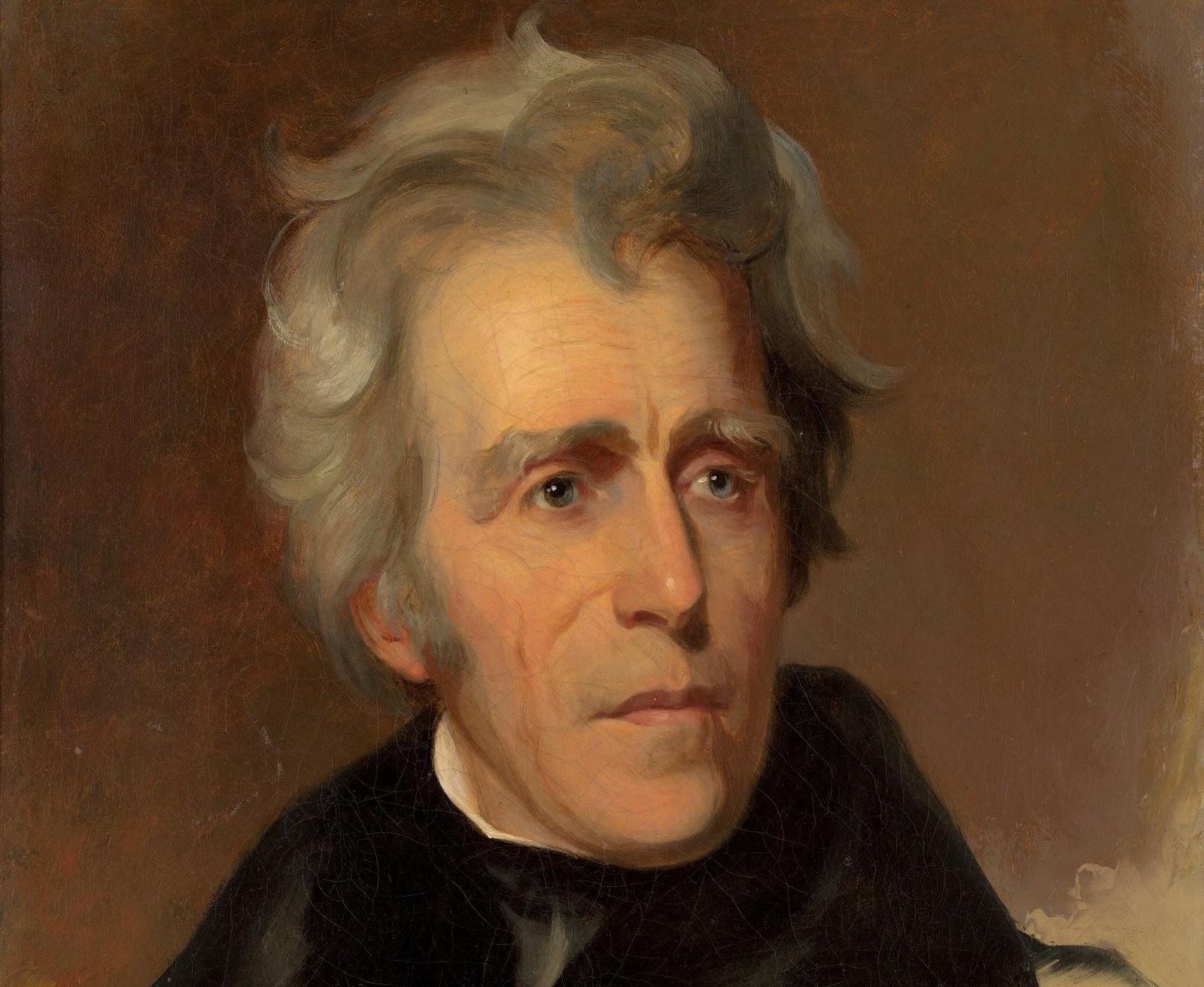
Image: Jengod, CC0, via Wikimedia Commons

Andrew Jackson’s early life was marked by extreme hardship. By the age of fourteen, he had lost his entire immediate family to the Revolutionary War, making him an orphan.

In the early 1780s, a teenage Jackson moved to Salisbury, North Carolina, to survive. There, he apprenticed under a local master craftsman to learn the trade of saddle making. The intense manual labor provided him with a practical trade before he eventually taught himself the law and began his ascent into Tennessee politics.

4
Jimmy Carter
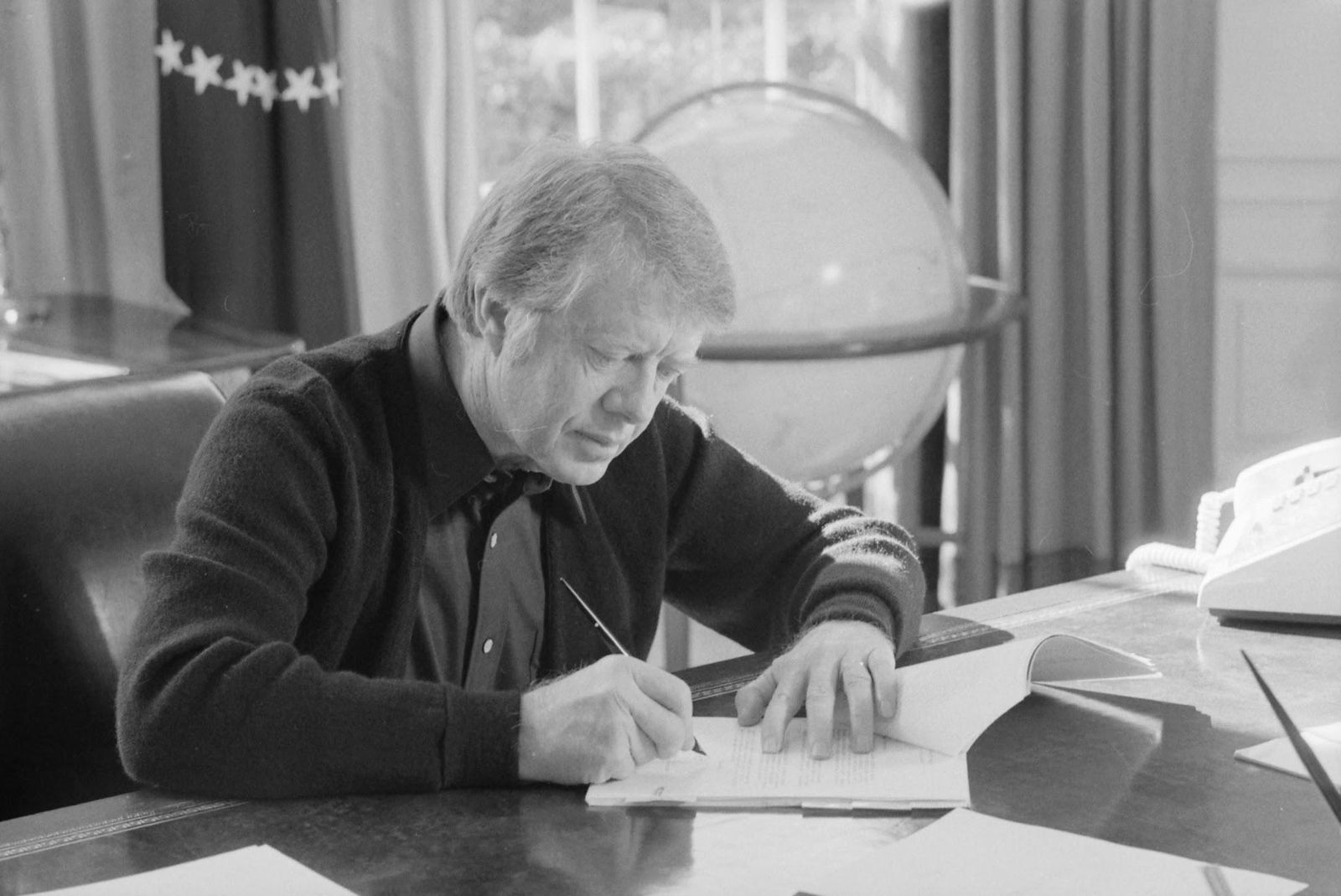
Image: National Archives and Records Administration, Public domain, via Wikimedia Commons

Jimmy Carter’s identity is intertwined with his background as a peanut farmer, but this wasn’t just a casual hobby. After serving as a naval officer, Carter returned to Plains, Georgia, following the death of his father in 1953, to take over the family’s struggling farm.

Faced with severe debts and a local drought, Carter worked the land alongside his laborers. He used his background in engineering to modernize the operation, transitioning it from a basic farm into a successful, tech-forward agribusiness.

5
Ronald Reagan
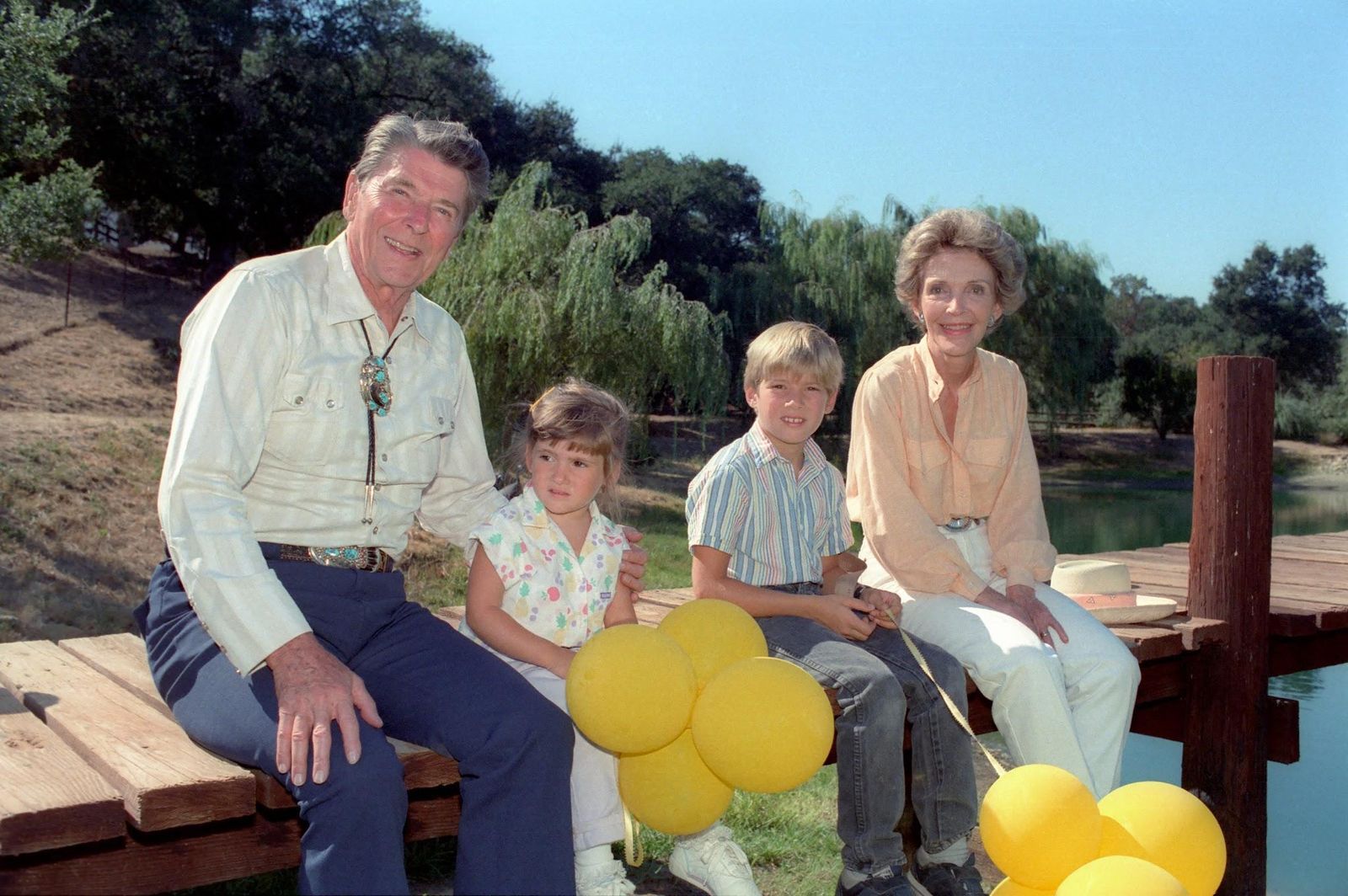
Before he was an actor, governor, or president, a teenage Ronald Reagan spent his summers working as a lifeguard at Lowell Park on the Rock River in Dixon, Illinois. Over the course of seven summers, beginning in 1927, Reagan is credited with saving a staggering 77 lives from the river’s treacherous undercurrents. Reagan took immense pride in this job, famously carving a notch into a nearby log for every single swimmer he successfully pulled from the water.

6
Lyndon B. Johnson
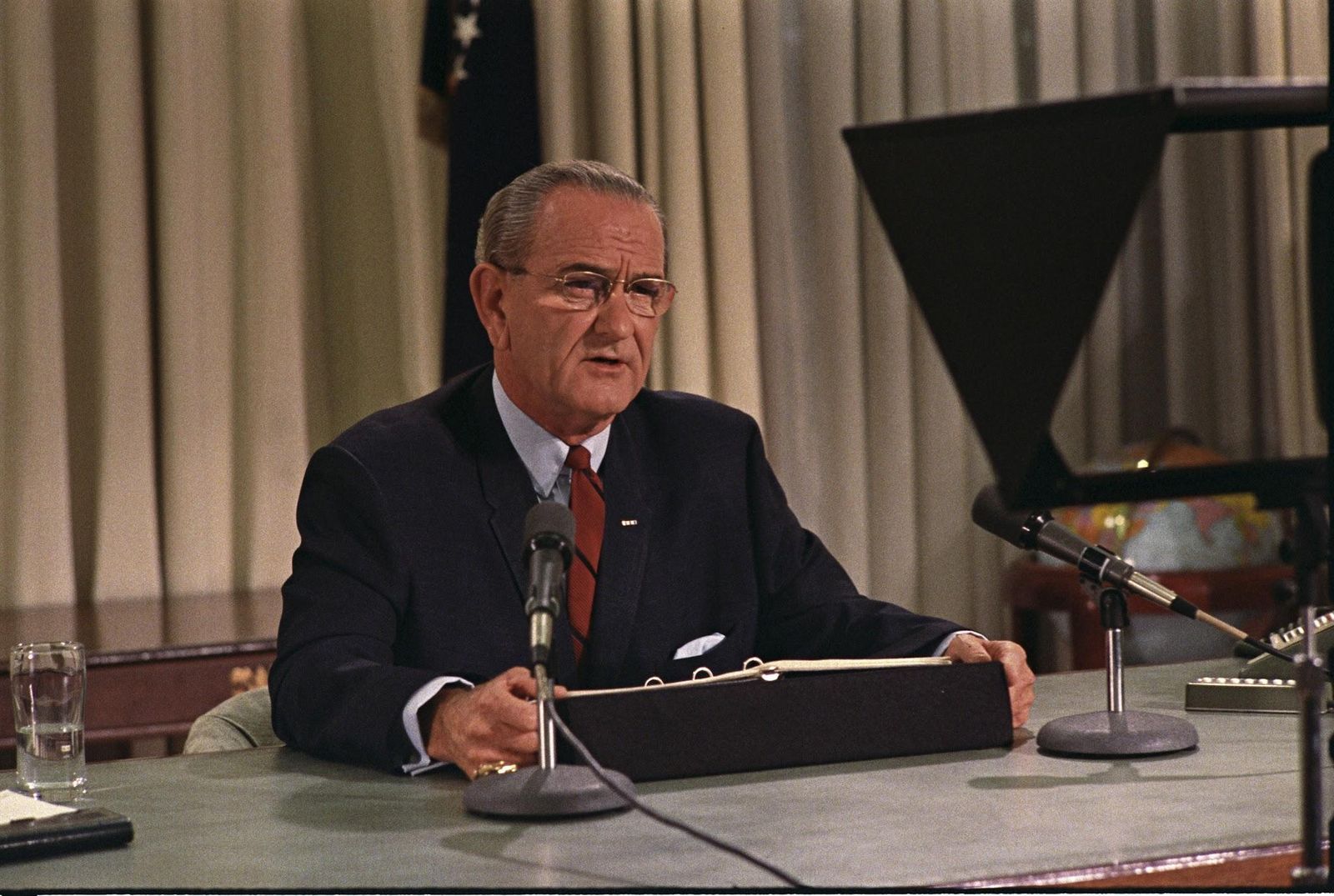
Image: Yoichi Okamoto, Public domain, via Wikimedia Commons

Lyndon B. Johnson was a man driven by ambition, but his youth was spent working a variety of low-wage odd jobs across the American West. After dropping out of school and running away to California in 1924, a young LBJ found himself completely broke.

Among other trades, he took a job as an elevator operator at a hotel in San Bernardino. Standing inside a cramped wooden box for hours on end, opening doors for affluent travelers, gave the future architect of the "Great Society" an up-close look at class distinctions and human behavior.

7
Warren G. Harding
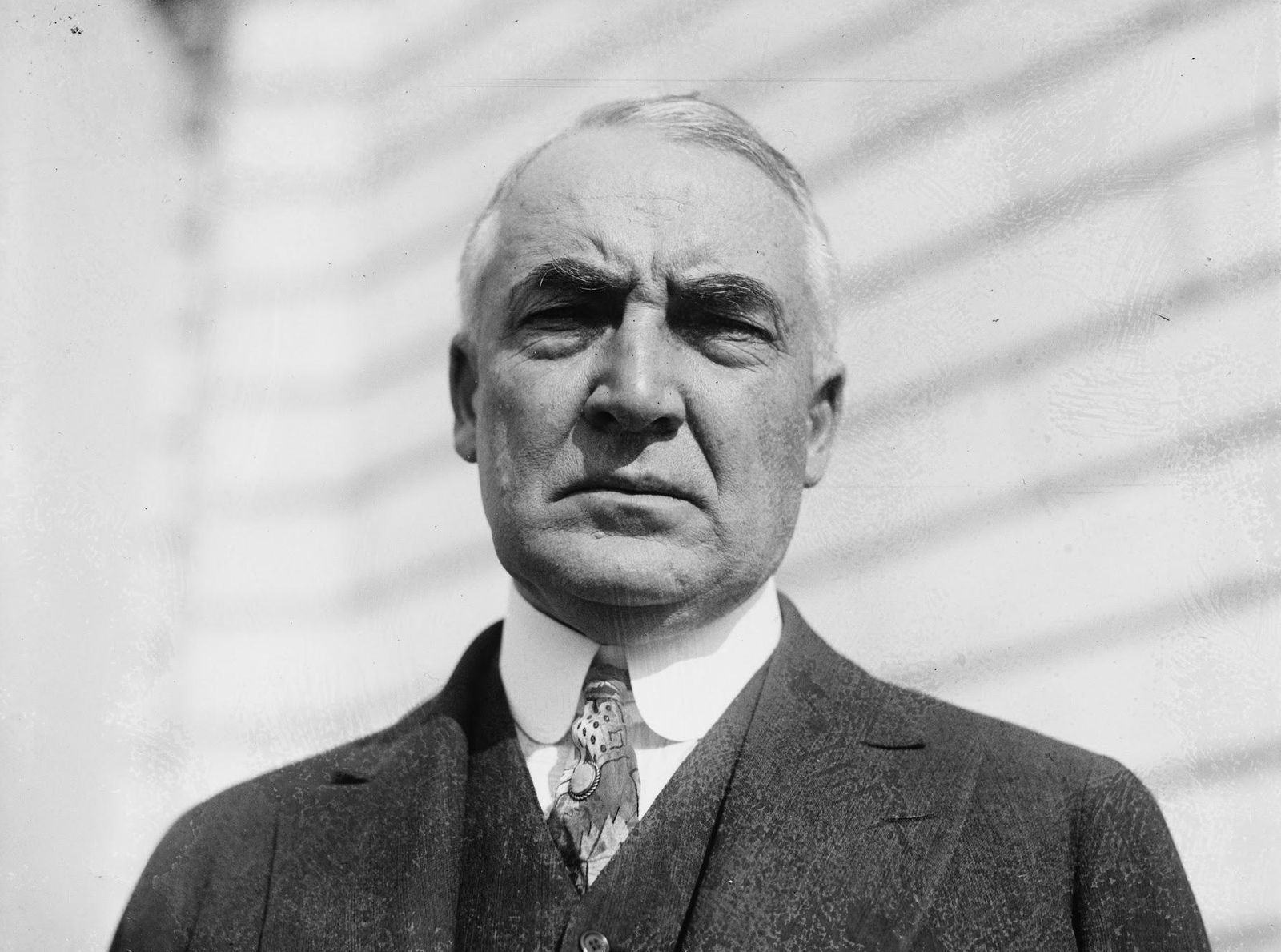
Image: National Photo Company Collection, Public domain, via Wikimedia Commons

Warren G. Harding began his professional career with a profound love for ink and typesetting. In 1884, at just 19 years old, Harding used his meager resources to purchase a failing, defunct local newspaper called the Marion Daily Star in Ohio.

Harding acted as a reporter, ad salesman, and press operator. Under his leadership, the paper grew into a highly profitable business, shaping his communicative style and providing him with the perfect media megaphone to launch his political career.

8
Calvin Coolidge
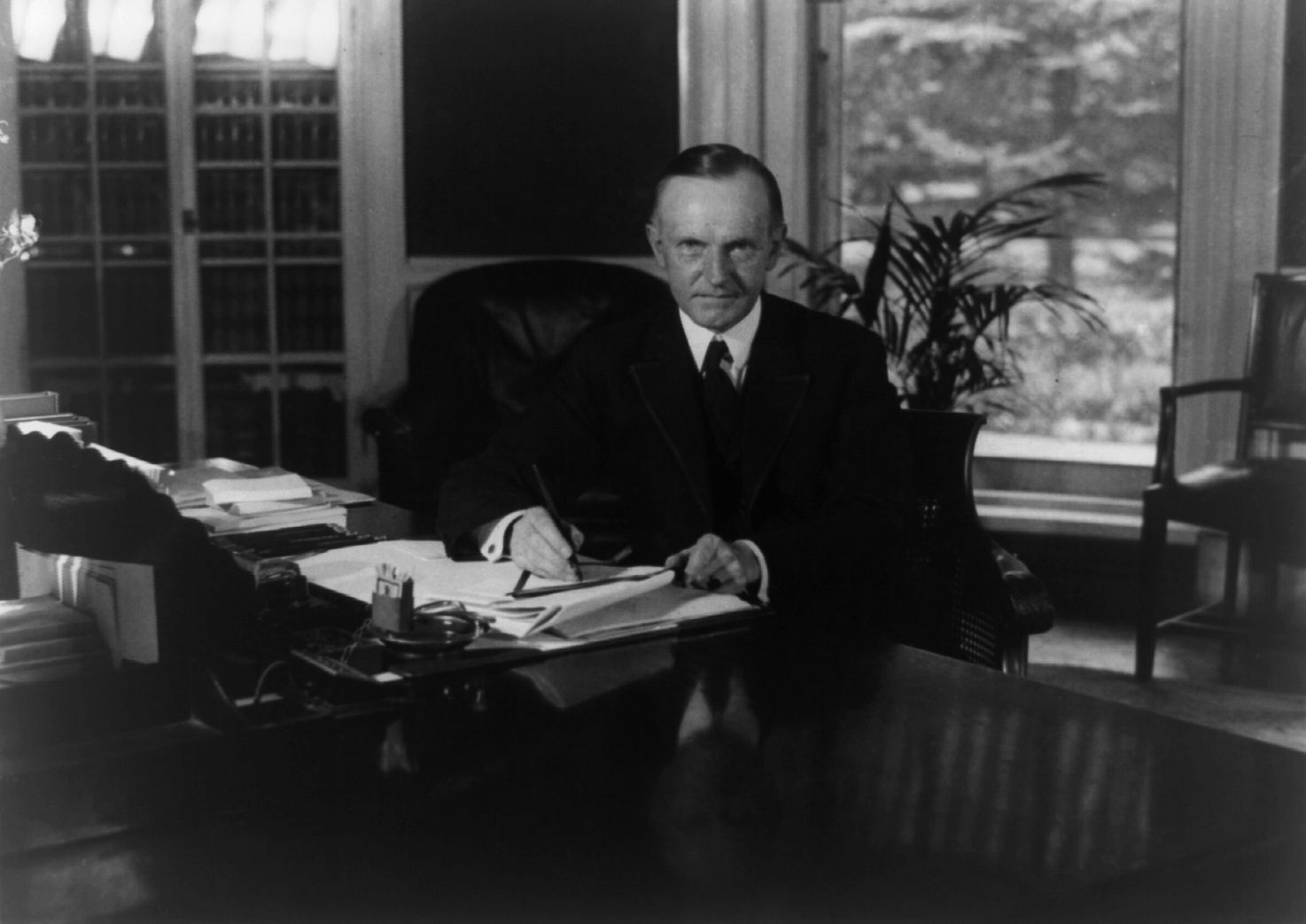
Image: National Photo Company, Public domain, via Wikimedia Commons

Calvin Coolidge was famous for his quiet and incredibly reserved demeanor, earning him the nickname "Silent Cal". It is entirely fitting, then, that one of his earliest jobs during his youth was crafting doll carriages at a toy manufacturing company in Ludlow, Vermont, in the late 1880s. Coolidge treated the position with the same meticulous, serious dedication that he would later bring to the governance of the nation.

9
Barack Obama
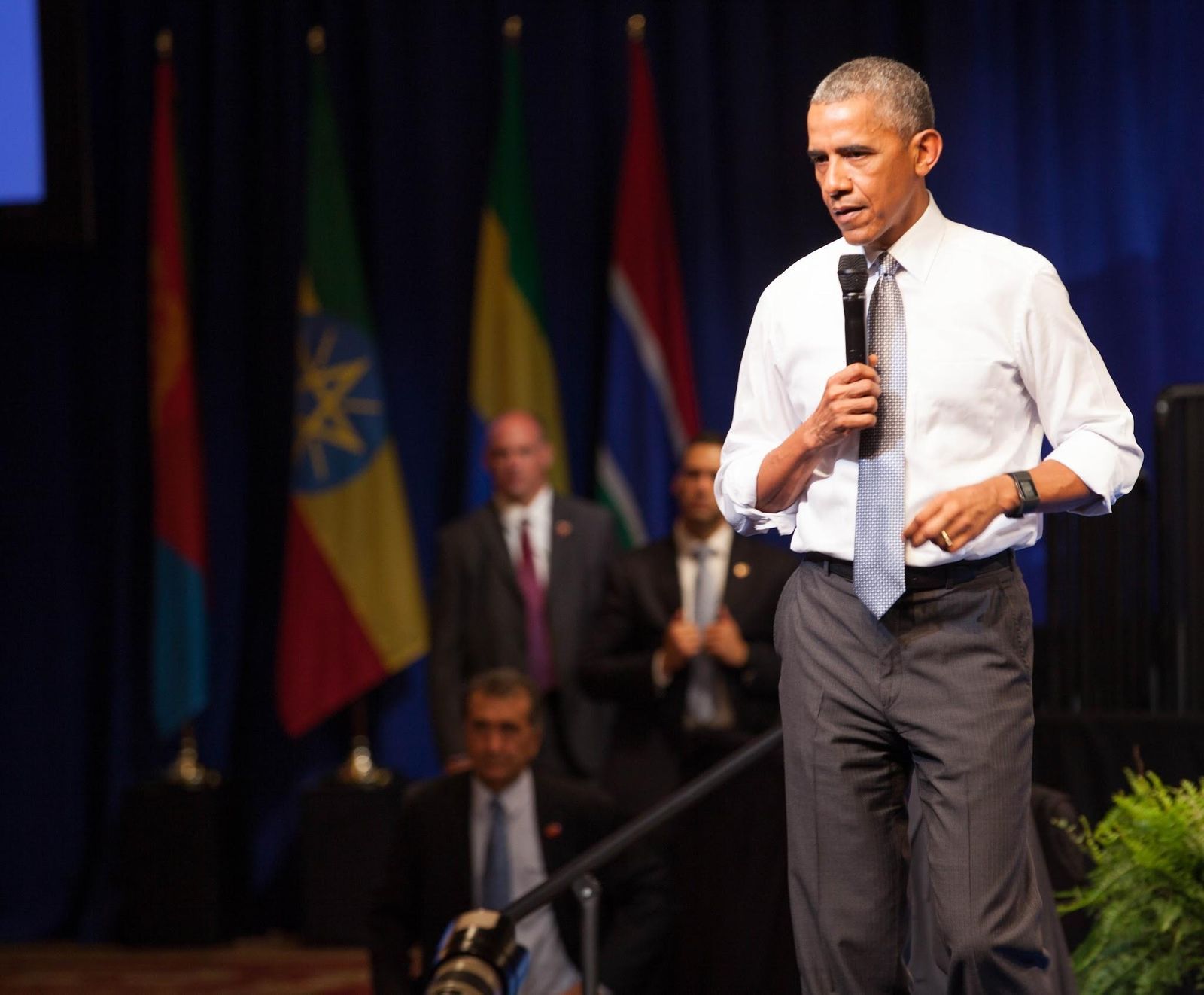
Image: Exchanges Photos, CC0, via Wikimedia Commons

Long before he was dealing with global diplomacy or economic crises, a teenage Barack Obama landed his very first job at a Baskin-Robbins franchise in Honolulu, Hawaii.

In the summer of 1978, Obama spent his days scooping ice cream, a task he later recalled as being far harder on the wrists than people realize. He noted that the job taught him responsibility, hard work, and balancing a job with friends, family, and school. It also had a permanent effect on his palate: he famously admitted that he completely lost his appetite for ice cream for years.

10
Thomas Jefferson
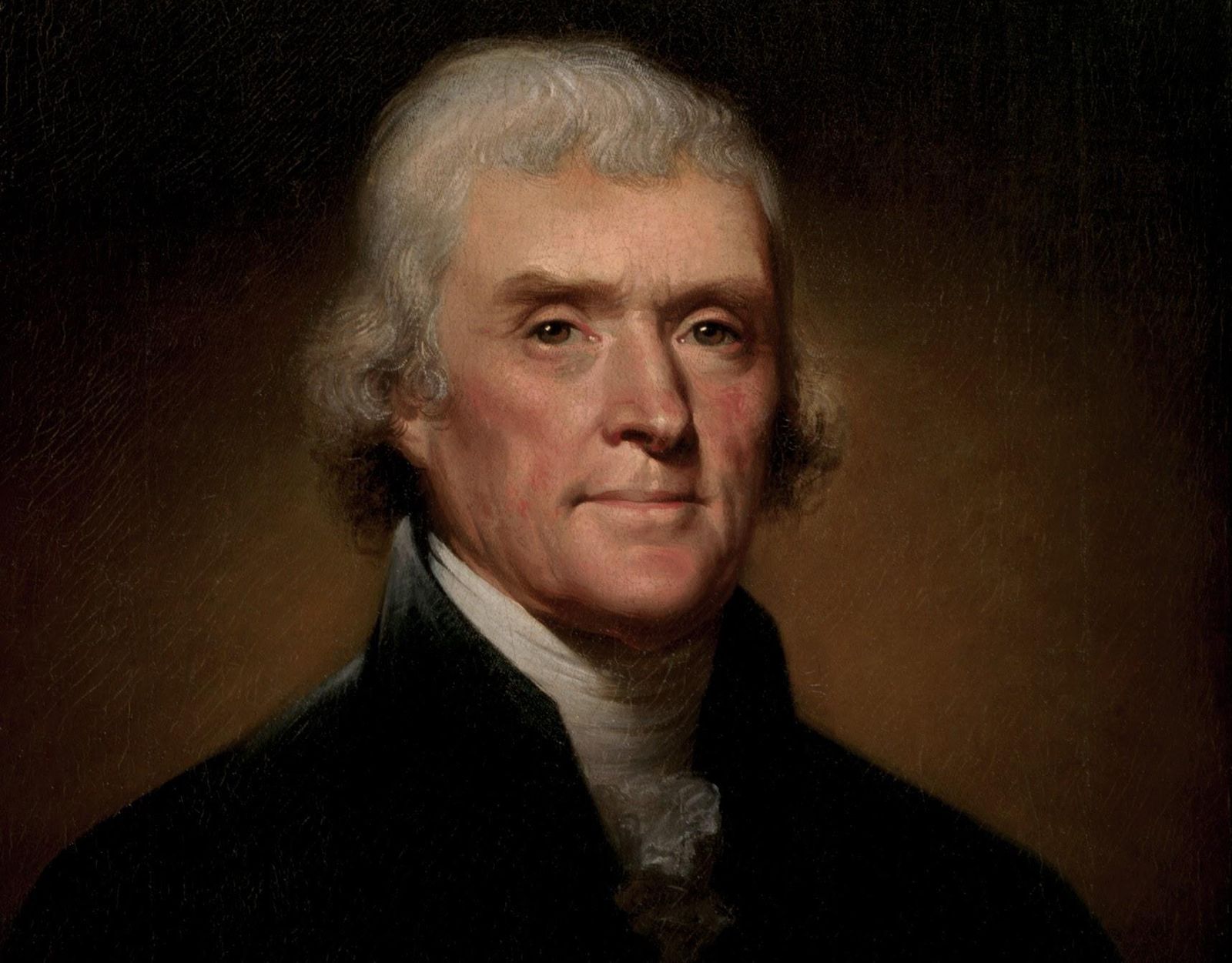
Image: Rembrandt Peale, Public domain, via Wikimedia Commons

Thomas Jefferson was the ultimate Renaissance man, but few realize he holds a legitimate title as one of America's first true archaeologists. In 1784, intrigued by the numerous Native American burial mounds scattered across Virginia, Jefferson decided to investigate one located near his Monticello estate.

Instead of simply digging for artifacts, Jefferson applied a rigorous, scientific method that was decades ahead of its time. He dug trenches to observe the various layers of earth and carefully documented the positioning of human remains. His systematic approach earned him recognition from modern historians as a pioneer of American archaeological science.

History History 5 min read

Marketing experts!

Can you see the arrow in the logo? 12 American brands' logos decoded!

Image: KelvinStuttard

Logos are everywhere: on billboards, coffee cups, your favorite gadgets—you name it! But how much attention do we really pay to the stories behind them? For example, did you know about the hidden arrow in the FedEx logo? And what about Tesla—is it just a T, or is there more to it? Big brands, big logos, big backstories —of course! Let’s take a fun dive into 12 iconic American brand logos and the hidden tales they tell.

1
Disney: A signature of magic

Image: Gui Avelar

Some logos inspire happiness at first glance, don’t you think? Walt Disney’s logo is a perfect example for us. It’s playful and inviting, and that’s because it’s modeled after Walt Disney’s very own signature, or at least an artistic version of it.

The truth is that Walt’s actual handwriting looked pretty different from the logo we know today because he changed his signature frequently, making it nearly impossible to determine if this version was ever truly his. In any case, it was very successful, and if you ask us, this logo screams "happily ever after."

2
McDonald’s: Golden arches or hidden symbol?

Image: Janet Ganbold

The moment you see a golden "M," your mouth starts watering, doesn’t it? However, the famous Golden Arches weren’t always part of McDonald’s logo history.

Back in the 1950s, they were part of the restaurant’s architecture, we mean actual arches on either side of the building!

When designing a logo, the company leaned into that imagery to create something unforgettable. Well, they definitely did it! And we’re lovin’ it!

3
Coca-Cola: Scripted for success

Image: Efekan Akyüz

That classic Coca-Cola logo has remained surprisingly consistent since 1887. The secret? A font called Spencerian Script, which was highly fashionable back in the late 19th century.

The smooth, flowing letters give it a friendly, approachable feel, it’s like an invitation to "have a Coke and a smile."

Over the years, the brand played with design elements (remember the old glass bottles?), but the logo’s handwritten charm never wavered. The old-school way truly is the best way in some cases.

4
Dove: A symbol of softness

Image: Akshay Bandre

Some logos are so powerful, that you can almost taste them. In this case, you can smell and feel it at the same time. Have you ever noticed the graceful bird on Dove products? That dove isn’t just for show, it represents peace, gentleness, and care , which is exactly what the brand aims to evoke.

When Dove first launched in 1955, its messaging was all about moisturizing and being kind to your skin. The logo, paired with the brand’s soothing colors, reinforces that sense of softness. It’s one of those designs that just feels good, even before you try the products.

5
Amazon: The smile that points the way

Image: Christian Wiediger

The story behind the name is quite fascinating, but let’s focus on the logo. Amazon’s logo isn’t just a smile—it’s a smile with a purpose. Look closely, and you’ll notice the arrow stretches from "A" to "Z," symbolizing the company’s goal to offer everything you could ever need.

And that curved arrow? It’s designed to look like a grin, giving the brand a friendly, customer-first vibe. With a logo this clever, it’s no surprise they’ve grown into an online shopping powerhouse. This is the kind of logo we like—what about you?

6
Google: The colors of curiosity

Image: sarah b

At first glance, one might think Google just put together the letters, chose random colors, and launched the site. But that’s definitely not the case—this logo is packed with meaning.

To begin with, they are not random colors, they are primary colors, chosen to represent creativity and approachability .

As for the unexpected green "L," it’s a nod to the idea that Google likes to break the rules (in a good way, of course). Over the years, the company has refreshed the logo’s font and shading, but the vibe remains the same. And let’s not forget about the festive Doodles—they’re genius!

7
Starbucks: From the sea to your cup

Image: Athar Khan

That green mermaid on your Starbucks cup? She’s actually a two-tailed siren, inspired by an old Norse woodcut. Why a siren, you may ask? Well, the brand wanted to evoke the allure of coffee as something irresistible —like a siren’s call.

Over time, the logo has evolved, losing the "Starbucks Coffee" text to let the siren shine on her own. Curious enough, the first design included the name of the company on the outer part of the circle, but they decided to eliminate that and let the siren do all the luring work on her own!

8
FedEx: The arrow you didn’t see

Image: Jan Rosolino

FedEx has one of the sneakiest logos in the business world. Between the "E" and the "X," there’s a hidden arrow that represents speed and precision . And once you see it, you can’t unsee it!

This wasn’t the original version, though. Designed in 1994, the logo is a masterclass in subtlety and clever branding, much like Amazon’s. It’s a perfect fit for a company that prides itself on delivering packages quickly and efficiently.

9
Domino’s: Three dots, infinite pizza

Image: Miroslav Denkov

Speaking of logos you can taste, right? Domino’s logo features three dots, which represent the first three locations of the pizza chain .

Originally, the company planned to add a new dot for every store they opened. Can you imagine if they had kept that idea? They quickly realized that wouldn’t work with their explosive growth.

Paired with the iconic red and blue colors, the logo is as comforting as a fresh box of pizza. And let’s be real—who doesn’t love their pizza?

10
Tesla: An electric secret

Image: Tesla Fans Schweiz

Tesla’s sleek, futuristic logo isn’t just a fancy "T"; it’s actually a nod to the company’s cutting-edge tech. The "T" is designed to resemble a cross-section of an electric motor, tying into Tesla’s mission of revolutionizing transportation .

Pair that with its clean lines and modern vibe, and you’ll see that the logo feels as innovative as the cars themselves. It’s a perfect example of branding that matches the product: bold, forward-thinking, and undeniably cool. What do you think?

11
Levi’s: A stitch in time

Image: Mnz

Few pieces of clothing are as iconic as a pair of Levi’s, right? That’s because both the item and the logo are equally simple, bold, and instantly recognizable .

The classic red tab is the result of eight redesigns. The first version of the logo included two horses pulling in opposite directions of a pair of jeans, trying to rip them—and failing, of course! But that was just the beginning.

The logo we know today was introduced by the same designer who worked on Coca-Cola’s script and the inspiration was the stitching on the back pocket of the jeans. The rest, as they say, is comfortable and durable history!

12
Pepsi: A logo full of energy

Image: Ja San Miguel

This article comes to an end with a classic brand. Pepsi’s logo has gone through dozens of iterations, but the current design—a red, white, and blue globe—is packed with meaning.

The wavy lines represent energy and dynamism, while the patriotic colors nod to its American roots, naturally. And if you were doubtful that it represents our country, you can read the 27-page redesign manifesto from 2008, which reportedly cost millions and came with a full explanation of its symbolism!

Culture Culture 5 min read

Travel guide

Harlem, New Orleans, Montgomery, and more places where jazz began

Image: Jon Tyson

If you’ve ever tapped your foot to a jazz tune, you already know it’s more than music; it’s a feeling. Now imagine stepping right into the places where it all originated. Across the U.S., you’ll find museums, historic homes, and lively venues that keep jazz alive and swinging. Whether you’re planning a trip or just dreaming for now, these stops bring the story of jazz up close in a way no recording ever could.

1
French Quarter Festival (New Orleans)

Image: Infrogmation of New Orleans, CC BY-SA 4.0, via Wikimedia Commons

Every March since 1984, New Orleans turns into one big open-air stage during the French Quarter Festival. With hundreds of performances spread across the neighborhood, live music is around every corner. What makes it special is its local flavor — you’re hearing musicians who live and breathe the city’s sound. It’s lively, welcoming, and admission is free! Bonus: Throughout the fest, you can sample food from beloved local restaurants, too.

2
Louis Armstrong House Museum (Queens, New York)

Image: Joe Mabel, CC BY-SA 3.0, via Wikimedia Commons

In Queens, New York, the Louis Armstrong House Museum lets you see the quieter side of a global legend. This is where Armstrong lived with his wife Lucille from 1943 until his death in 1971, and walking through the building feels surprisingly intimate. Guided tours share stories that go beyond the stage, giving you a sense of the man behind the music. It’s a simple but meaningful stop for anyone who has ever hummed "What a Wonderful World."

3
Jazz at Lincoln Center (New York)

Image: I, Fbv65edel, CC BY-SA 3.0, via Wikimedia Commons

At New York City’s Columbus Circle, the Jazz at Lincoln Center tour offers more than just a seat in the audience. You get a peek inside Frederick P. Rose Hall , along with sweeping views of Central Park from the House of Swings, which makes the visit feel extra special. The tour brings the jazz world to life through stories and history lessons. You can learn about the educational programs the center offers, as well as how performances come together in one of the country’s top venues.

4
Apollo Theater (New York)

Image: Adjoajo, CC BY-SA 4.0, via Wikimedia Commons

Built in 1914, the historic Apollo Theater in Harlem has launched some of the biggest names in music: Ella Fitzgerald, Sammy Davis Jr., and so many more. Stepping through its doors, you’ll discover a place where audiences enjoyed unforgettable performances while careers were born. You can access guided tours only by reservation, so check the webpage for details on booking your visit.

5
Satchmo SummerFest (New Orleans)

Image: Infrogmation of New Orleans, CC BY-SA 4.0, via Wikimedia Commons

Late summer in New Orleans brings Satchmo SummerFest, a two-day tribute to Louis Armstrong . The atmosphere is relaxed, the music is rich, and it’s free! More than anything, it feels like a community gathering, one that keeps Armstrong’s spirit alive while supporting local musicians. It’s the kind of event that leaves you smiling long after the last note fades.

6
Nat King Cole’s birth house (Montgomery, Alabama)

Image: Michael Barera, CC BY-SA 4.0, via Wikimedia Commons

Montgomery, Alabama, offers a look at where Nat King Cole was born in 1919. The entrance is free, but it’s currently going through renovations . However, a curbside visit can be enough to get a sense of Cole’s history. The house was moved from its original location in Montgomery County to the campus of Alabama State University in 2000, where it is part of the Selma to Montgomery Civil Rights Trail.

7
New Orleans Jazz National Historical Park

Image: Jerrye & Roy Klotz, MD, CC BY-SA 4.0, via Wikimedia Commons

The New Orleans Jazz National Historical Park , located in the Treme neighborhood and created in 1994, gives you a deeper appreciation for how jazz began. Rangers host talks, while frequent live performances make the music feel personal and immediate. Not far away, the New Orleans Jazz Museum adds another layer, with thousands of artifacts and regular concerts.

8
Village Vanguard (New York)

Image: Freimut Bahlo, CC BY-SA 3.0, via Wikimedia Commons

The Village Vanguard is one of those rare places that has stood the test of time. Located in New York’s Greenwich Village downtown, the club opened in 1935 and became a jazz hotspot in 1957 . Unlike other historic sites that closed, it still hosts live jazz in the same cozy space. Sitting there, you can almost feel history coming from the speakers. Monday nights are a treat with the Vanguard Jazz Orchestra, but any evening offers a chance to hear world-class musicians up close.

9
New Orleans Jazz Museum

Image: Infrogmation of New Orleans, CC BY-SA 4.0, via Wikimedia Commons

Few places are as closely tied to jazz as New Orleans. With its mix of cultures, the city created the perfect setting for a new kind of music to take shape at the turn of the 20th century. At the New Orleans Jazz Museum, you’ll find thousands of artifacts that trace jazz from its earliest days. Not far away, Preservation Hall continues the tradition with live performances that stay true to the original sound.

10
Dizzy Gillespie Home Site Park (Cheraw, South Carolina)

Image: JPRoche, CC BY-SA 4.0, via Wikimedia Commons

In Cheraw, South Carolina, a small park called the Dizzy Gillespie Home Site Park celebrates the great trumpeter. It’s a quieter stop, but one that feels personal. You can follow a simple brochure to explore spots tied to Dizzy’s early life, including Wesley Methodist Episcopal Church and the Robert Smalls School. If you visit in October, the town’s jazz festival adds a lively touch, turning this peaceful place into a celebration of music and community.

Explore more American facts

Choose your favorite category!

General
General

As American as apple pie—the very best America has to offer!

Culture
Culture

Delve into the astounding richness of American lore.

Geography
Geography

Hop in and explore vast and diverse American landscapes.

History
History

Discover the key moments that shaped the United States.